
How do I look after my newly planted hedge?
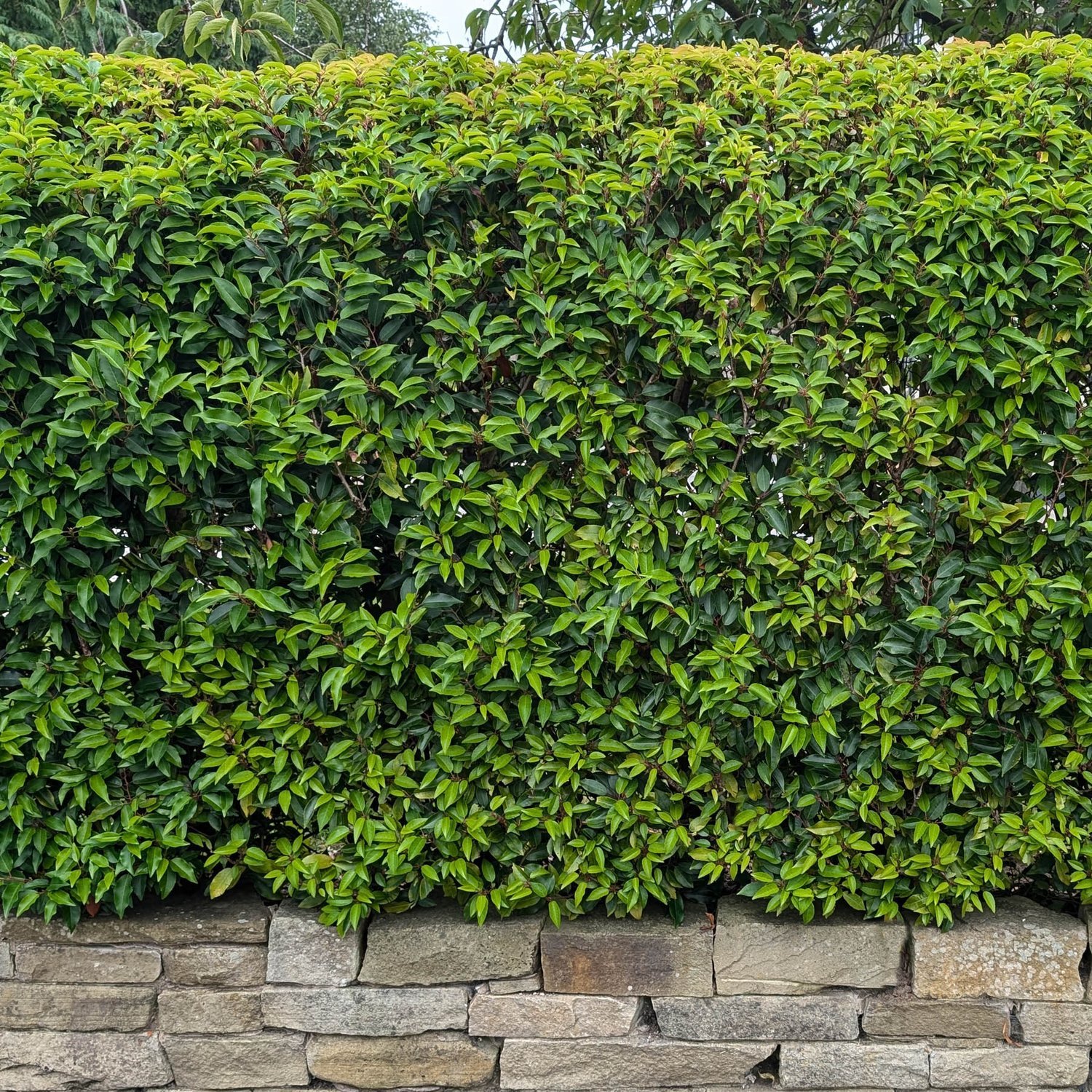
Establishing larger trees (larger in this case means anything bigger than trees bought in a garden centre) can require more care and so we advise that you follow these simple rules for the first year or two in order your tree gets the best start to it’s life in your garden.
Important Note: The first few weeks after planting are crucial for establishing the plants' root systems. During this initial period, monitor your plants closely and ensure they receive consistent moisture.
If, at the time of delivery, any of the Goods have any defect or damage, please contact us immediately in writing. We shall either repair or replace any Goods which were defective at the time of delivery to you. Our liability is limited to repair or replacement of such Goods by similar goods or plants of similar age and quality appropriate to the season in which they are replaced. Kirman Design cannot accept responsibility for plants dying or becoming damaged due to neglect or use of inappropriate watering, fertilisation or soil conditions by you or at your property after delivering them to you. In the event that you do not advise us in writing of any defect or damage to the Goods within two days after delivery, you shall be deemed to have accepted the Goods.
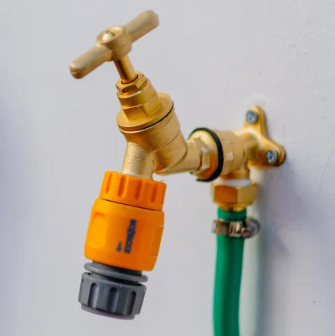
Watering Newly Planted Trees and Hedges
Watering is the most important part of looking after newly planted trees and hedging. Rainfall alone is not always sufficient, particularly during spring, summer or prolonged periods of dry and windy weather.
Newly planted trees and hedges should be watered slowly and thoroughly so that moisture reaches the full depth of the rootball. Frequent light watering may only dampen the surface and encourage shallow root development.
When Should You Water?
Early morning is normally the best time to water. Late afternoon or early evening is the next-best option, although soaking the foliage immediately before nightfall should be avoided where possible.
Watering requirements will vary according to:
The size of the plant or rootball
The time of year
Recent rainfall
Temperature and wind
Soil type and drainage
Whether the planting position is sunny or shaded
Competition from surrounding trees and plants
Do not rely on a fixed calendar alone. Conditions can change quickly, even in North West England.
Check the Soil Before Watering
Check the soil below the surface rather than judging it by appearance. The surface may look damp while the soil surrounding the rootball remains dry.
Carefully investigate the soil beside the rootball with a trowel or long screwdriver. If it is dry below the surface, water thoroughly. If it is already wet or waterlogged, allow it to drain before adding more water.
Wilting and yellowing leaves can be caused by either insufficient water or waterlogged soil, so checking the soil is essential.
How to Water Newly Planted Trees
Apply water slowly around the root area rather than against the trunk. The objective is to wet the complete rootball and the immediately surrounding soil without allowing the water to run away across the surface.
A hose running at a slow rate, a watering bag or a suitable irrigation system can help the water penetrate gradually.
Pay particular attention during:
The first few weeks after planting
The first spring and summer
Warm, dry or windy weather
Periods when trees are producing new leaves
Dry spells during the second growing season
Even trees planted during autumn or winter may require watering if conditions become dry.
Check tree stakes, ties and supports regularly. Ties should support the tree without cutting into the bark. Loose, damaged or overly tight ties should be adjusted promptly.
Explore our range of specimen trees, available with professional planting across North West England.
}How to Water Newly Planted Hedging
A newly planted hedge needs consistent moisture along its full length. Missing a section can result in individual plants failing while the rest of the hedge establishes successfully.
A hose used at a slow flow can work for shorter hedges. For longer hedges, a correctly installed seep hose or drip-irrigation system can provide more consistent watering directly around the roots.
Water the soil around the base of each plant rather than simply spraying the leaves. Continue checking the soil along different parts of the hedge because sunny, windy or sloping sections may dry out faster.
Browse our range of hedging plants or consider adding hedging irrigation to make regular watering easier.
Feeding Newly Planted Trees and Hedging
Newly planted trees and hedges do not normally require heavy feeding immediately after planting. Excessive fertiliser can encourage soft top growth before the root system is ready to support it.
Where feeding is appropriate, use a suitable general-purpose fertiliser during the growing season and follow the manufacturer’s instructions. Avoid allowing concentrated fertiliser to touch stems, trunks or exposed roots.
If growth is poor, check watering, drainage, soil condition and planting depth before assuming that fertiliser is required.
Keep the Root Area Free From Weeds
Grass and weeds compete with newly planted trees and hedging for water and nutrients. Maintain a clear strip around a new hedge and a weed-free circle around each tree.
Remove weeds carefully by hand or with shallow cultivation. Avoid digging deeply around the plants because this can damage developing roots.
Do not allow lawn grass to grow right up to a newly planted tree trunk. A maintained mulch circle is generally easier to manage and reduces competition.
Apply and Maintain Mulch
A suitable organic mulch helps conserve soil moisture, suppress weeds and moderate changes in soil temperature.
Apply mulch over moist, weed-free soil, but leave a clear space around tree trunks and the stems of hedging plants. Mulch piled directly against bark can retain excessive moisture and encourage decay.
Check the mulch periodically and top it up when required. Our bark mulch for hedging can be supplied alongside a new hedge.
Problems with hedge and hedge and tree establishment
Not enough water
If a younger tree is not getting enough water it will not develop properly. If you think the tree is not getting enough water, dig into the ground with a large screw driver to see if the soil below is damp. If it’s dry then water is not penetrating to the full root ball.
Too much water
Too much water is just as bad as not enough water for a tree. The symptoms can look very similar to under watering too which does not help.
Some of the tress may become yellow on lower branches or near to the trunk. Green leaves can become brittle.
Tree stress
Trees can get stressed when they are transported and planted so keep your eye on them on the weeks and months afterwards as the symptoms often develop slowly.
Keep your eyes open for:
Appearance of abnormally small leaves.
Leaves are discoursed with pale green.
Unusually slow growth.
Development of autumn leaf colour before autumn.
Twig and branch die back.
Leaves that are wilting.
New growth that is very tender.
Bark that peels.
Fungi starting to grow from the bark and stems.
Most trees are quite capable of withstanding a certain amount of attack by insects. The issue comes when insect populations become very high. These are generally only noticed once the insects have moved on so it’s important you keep your eyes on your trees, especially during spring and early summer. Check bark, stems and leaves for anything that is abnormal about the tree.
Treat any infections as you find them, ideally with none chemical solutions.
Pests
Pruning
Hold off any pruning for at least a year. Trimming branches mid-season can limit any growth potential for the following growing season.
Fertiliser
Top-dress annually with a general-purpose fertiliser, such as Growmore at 70g per sq m (2oz per sq yd), and re-apply mulch as required. Always check the label before you do so.
Common Aftercare Mistakes
The most common problems following planting are:
Assuming rainfall has watered the complete rootball
Applying small amounts of water too frequently
Allowing the soil to become waterlogged
Letting grass and weeds compete around the roots
Piling mulch against trunks and stems
Failing to adjust tree ties
Using excessive fertiliser
Ignoring one dry section of a long hedge
Waiting until plants are severely wilted before checking them
Regular observation is more reliable than following the same routine regardless of the weather.
Frequently Asked Questions
How long do newly planted trees and hedges need additional watering?
They normally require careful watering throughout their first growing season and often during the second. Larger specimen trees, exposed locations and free-draining soils may need monitoring for longer.
Does rain mean that I do not need to water?
Not necessarily. Light rain may wet only the surface and fail to reach the rootball. Check the soil below the surface before deciding whether additional watering is required.
Can newly planted trees and hedges be overwatered?
Yes. Roots require oxygen as well as moisture. Persistently saturated soil can cause establishment problems and produce symptoms similar to drought stress.
Should I use a sprinkler?
A sprinkler can be useful in some situations, but it may wet foliage and surrounding ground without delivering enough water to the rootball. Slow, targeted watering is usually more effective.
When should I contact Landscaping Emporium?
Contact us if a recently supplied or planted tree or hedge becomes unstable, develops significant dieback or continues to decline after the soil moisture and watering have been checked.
Need Help With Your Trees or Hedging?
Landscaping Emporium supplies specimen trees and hedging with professional planting available throughout North West England.
Explore our specimen trees, browse our hedging plants or read our hedging frequently asked questions.
If you are concerned about plants recently supplied or installed by us, contact the team promptly with photographs and details of your watering routine so that we can advise you.