Decking Installers Across North West England
Professionally installed garden decking can transform an uneven, sloping or underused part of the garden into an attractive and practical outdoor living space.
Landscaping Emporium provides decking design and installation across North West England. Our experienced landscaping team can create anything from a compact seating platform to a substantial raised deck incorporating steps, screening, lighting and space for outdoor furniture.
Every deck is designed around the garden, the property and how the space will actually be used.
-
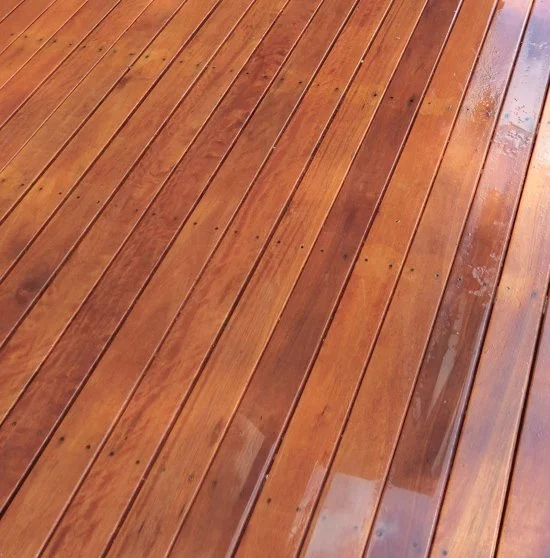
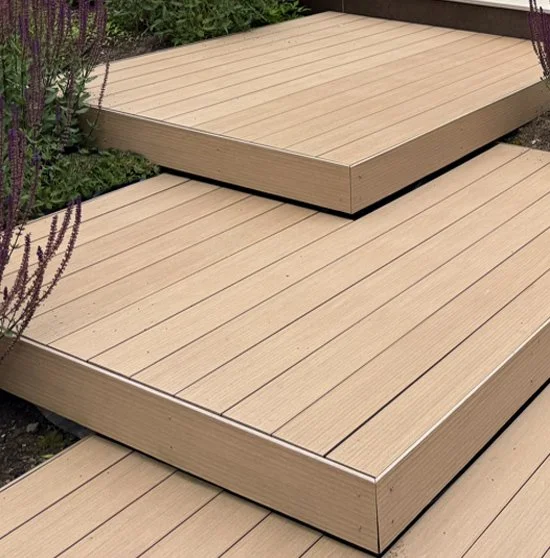
![Luxury Cedar decking installation in the North West]()
Luxury Cedar decking installation in the North West
-
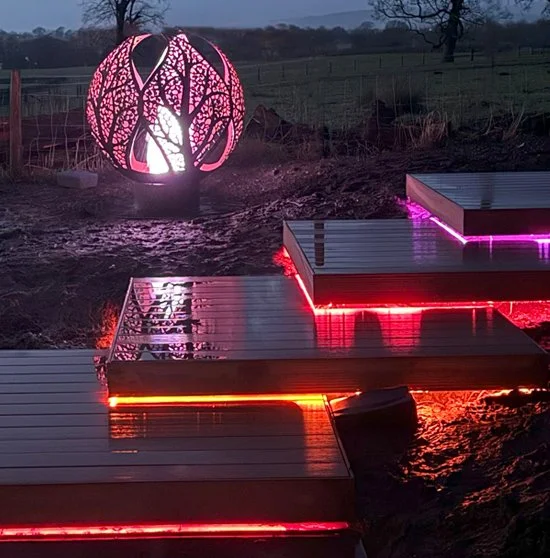
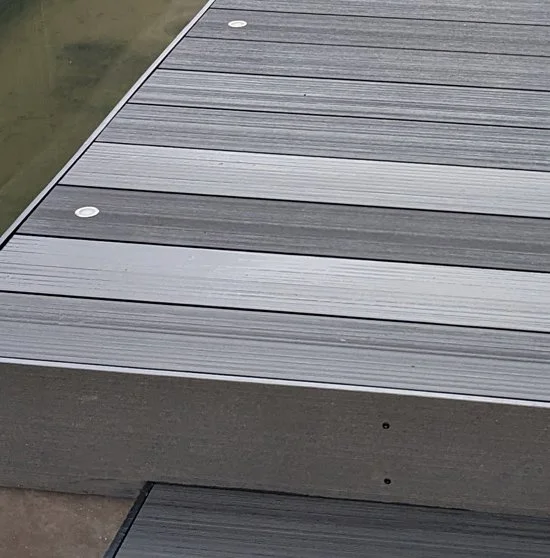
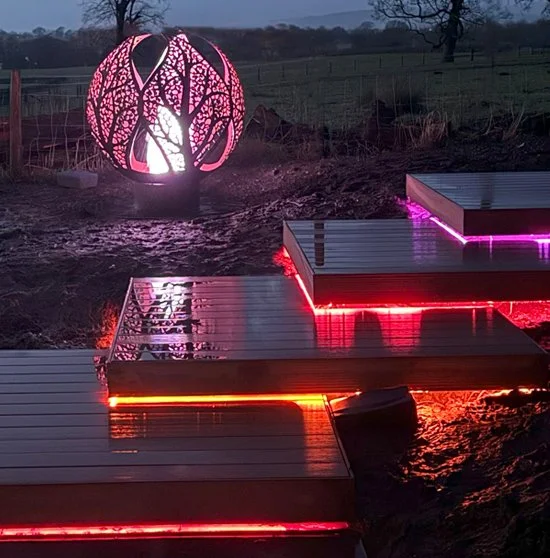
![Decking underlit at night in the North West]()
Deck with deck lights in the North West
-
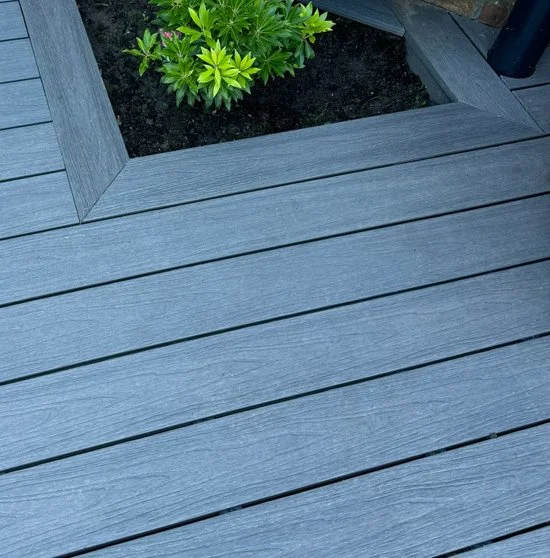
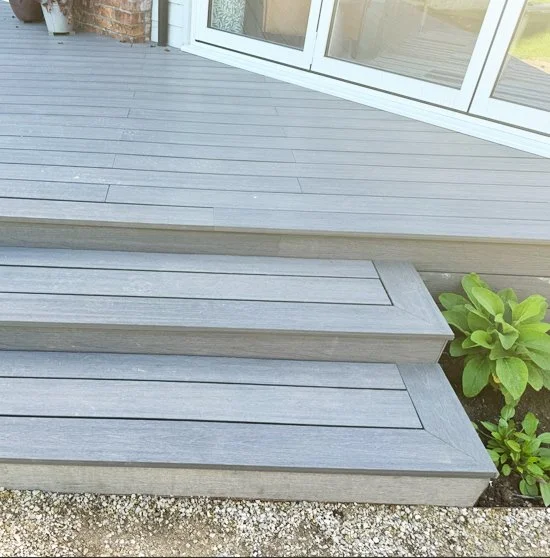
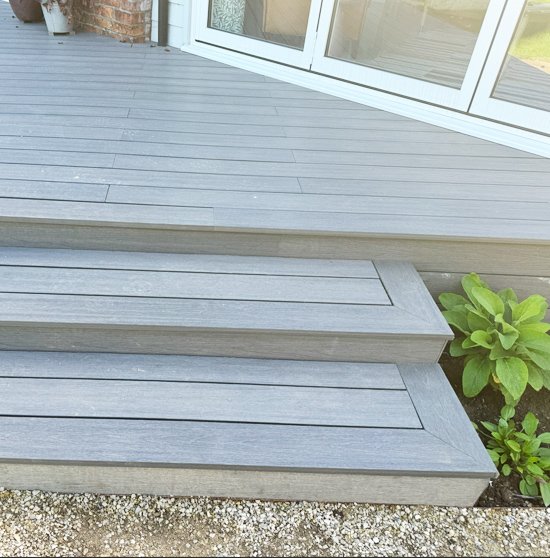
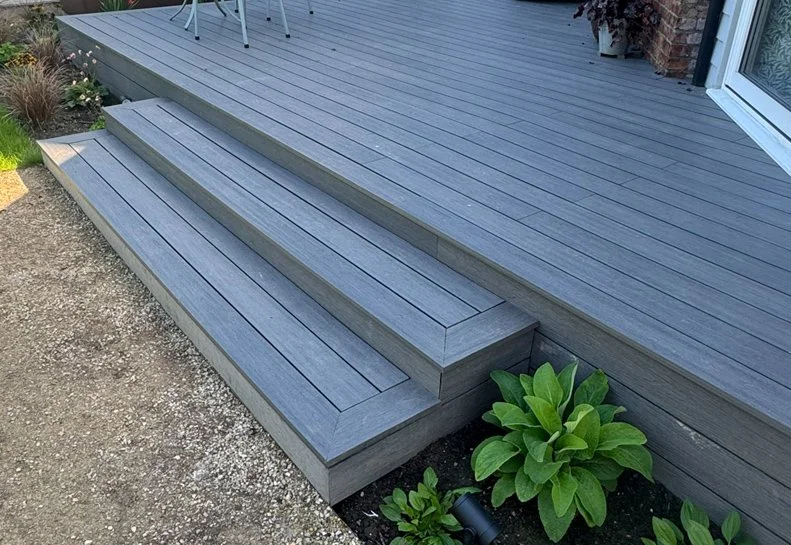
![Composite decking installed in the North West]()
Composite decking installed in the North West
-
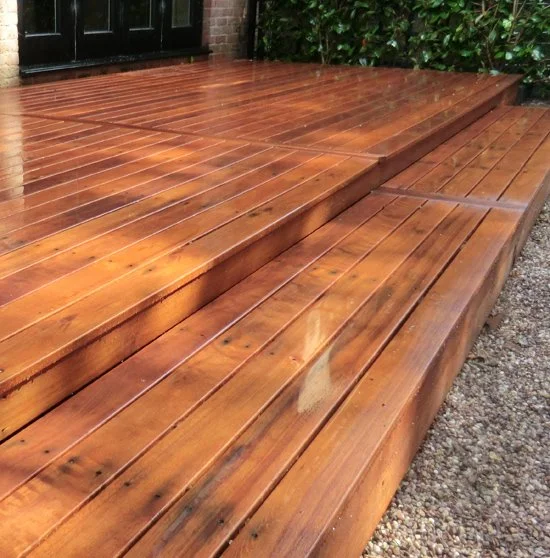
![High quality decking installed in the North West]()
High quality decking installed in the North West
-
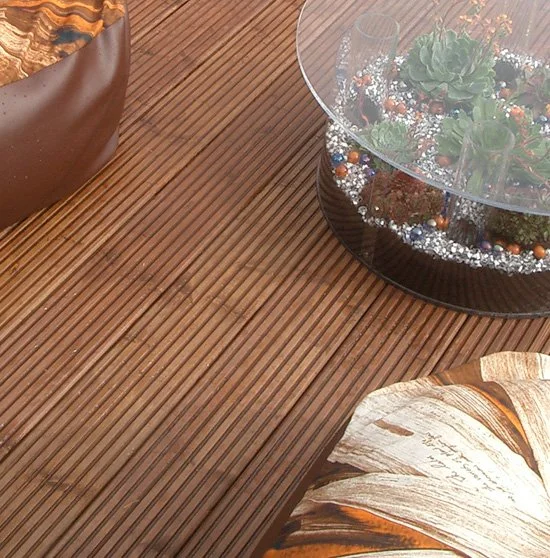
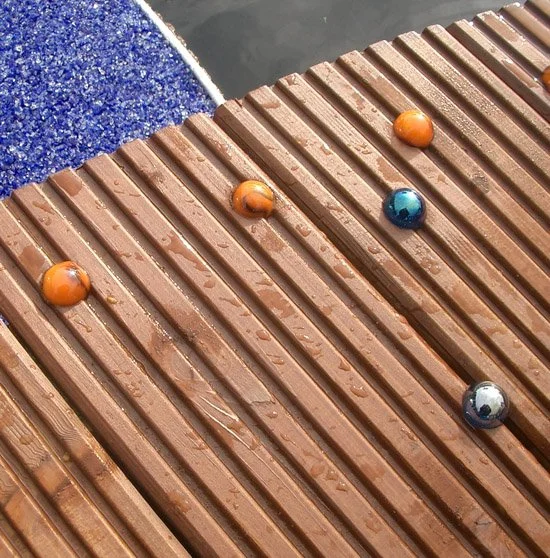
![Slip resistant decking installed in the North West]()
Slip resistant decking installed in the North West
-
![Composite decking installed in the North West]()
Composite decking installed in the North West
-
![Composite decking installed in the North West]()
Composite decking installed in the North West
-
![Decking installed in the North West]()
Decking installed in the North West
01704 828219
northwest@landscapingemporium.co.uk
Professionally designed and installed garden decking
A successful deck involves much more than choosing the surface boards. The structure beneath the decking must be designed and constructed correctly to provide stability, drainage and long-term performance.
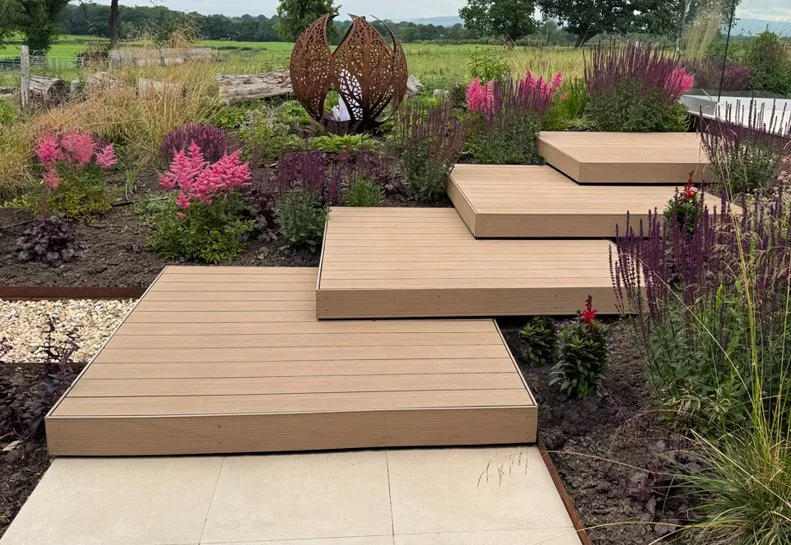
Our decking installations can include:
Timber or composite decking, subject to the project specification
Ground-level and raised decking
Steps and changes in level
Integrated seating
Balustrades and handrails
Slatted privacy screening
Edging and finishing details
Access panels where required
Integrated garden lighting
Connections to paths, patios and lawns
Planting around the completed deck
We can provide decking as an individual garden improvement or incorporate it into a wider bespoke landscaping project.
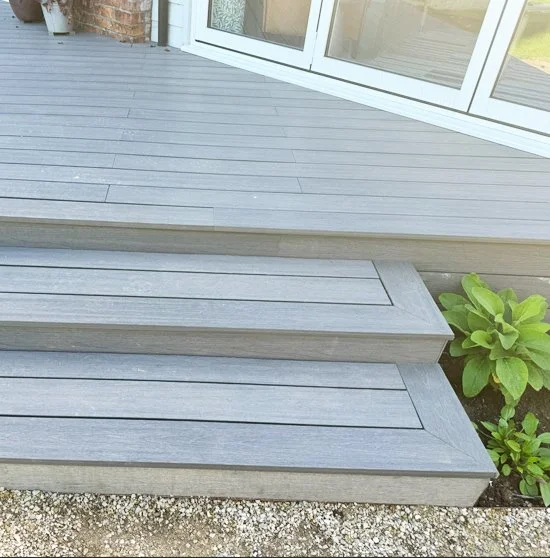
Is decking right for your garden?
Decking can be particularly effective where the garden has:
Sloping or uneven ground
Difficult changes in level
Poorly used areas beside the house
A need for an elevated seating position
Limited access for extensive groundwork
A requirement for storage beneath the surface
An existing deck that needs replacing
A contemporary outdoor-living design
A deck can also provide a visually warmer alternative to paving and helps create a clear transition between the house and garden.
Where paving may be more appropriate, explore our porcelain and stone paving options.
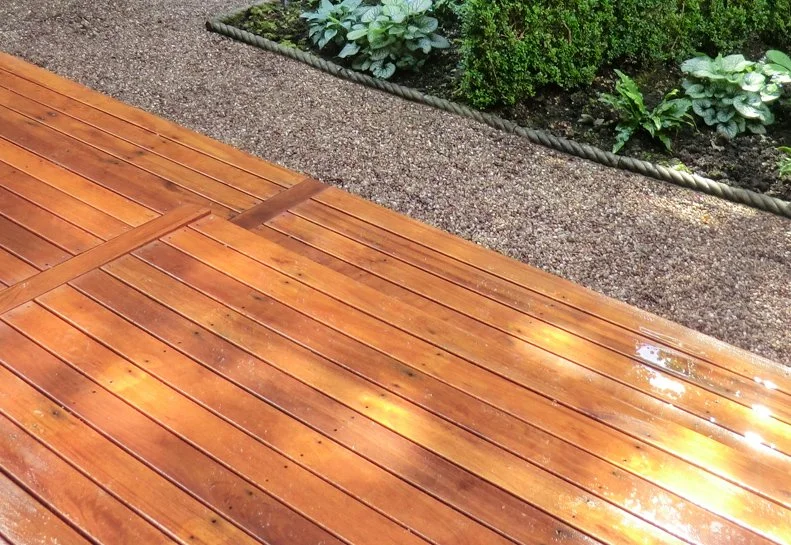
Garden decking for outdoor living
Before designing the deck, consider how you would like to use it.
The intended use influences the size, shape, structural requirements and position of the finished area.
A deck might be used for:
Outdoor dining
Relaxed seating
Entertaining
A barbecue or outdoor kitchen
A fire-pit area
Access to a garden room
A hot tub
Enjoying a particular garden view
Connecting different garden levels
Allow enough space for furniture to be used comfortably. Dining chairs need room to be pulled back, while lounge furniture benefits from circulation space and room for occasional tables.
Explore our selection of outdoor furniture when planning how the finished space will be arranged.
Timber or composite decking?
Both timber and composite decking can produce an attractive outdoor space, but they differ in appearance, maintenance and cost.
Timber decking
Timber offers a natural appearance that works particularly well in traditional gardens and planting-led designs.
Depending on the timber specified, it can provide:
Natural colour and variation
A warm appearance
Good integration with planting
A surface that can be stained or treated
Flexibility for bespoke construction
Timber requires ongoing maintenance. Cleaning and suitable treatment help protect its appearance and service life.
Composite decking
Composite decking is manufactured using a combination of materials designed to create a consistent, durable surface.
Potential benefits include:
Reduced routine maintenance
Consistent colour and finish
No need for regular staining
A broad choice of contemporary finishes
Resistance to splitting and splintering
Composite decking is not maintenance-free. It still requires cleaning, and its performance depends on the quality of both the product and the installation.
We can discuss the advantages and limitations of each option in relation to your garden, design preferences and budget.
Ground-level decking
Ground-level decking can create a straightforward seating or dining area with a relatively low transition between the garden and the finished surface.
It is suitable for:
Small seating areas
Garden rooms
Contemporary courtyards
Level gardens
Spaces adjoining an existing path or patio
Areas where a timber finish is preferred to paving
Even a low deck needs suitable foundations, airflow and drainage beneath the structure. Boards should never simply be installed over unsuitable or unstable ground.
Raised decking for sloping gardens
Raised decking can provide a practical solution where the garden slopes away from the house or contains significant changes in level.
Rather than carrying out extensive ground reshaping, a structural deck can create a level usable area above the slope.
A raised deck may require:
Substantial foundations
Structural posts and framing
Balustrades
Steps
Handrails
Screening beneath the deck
Drainage provision
Access for future maintenance
The design should take account of the view from the deck and the effect on neighbouring privacy.
Depending on its height, position and relationship with the property, raised decking may require planning permission. This should be checked before work begins.
Replacing an old garden deck
Older decking can deteriorate because of inadequate support, poor ventilation, unsuitable fixings or prolonged moisture beneath the boards.
Visible surface damage may only be part of the problem. The supporting frame should also be inspected before replacement boards are considered.
Signs that a deck may need replacing include:
Soft or decaying boards
Movement beneath the surface
Loose steps or balustrades
Rusted or failed fixings
Standing water
Significant algae growth
Unstable supporting posts
Boards that have split or lifted
An unsuitable layout for current use
Where necessary, the old deck can be removed before the supporting ground and replacement structure are prepared.
Decking foundations and supporting structure
The finished surface is only as reliable as the structure underneath it.
A properly installed deck requires:
Suitable foundations
Correctly spaced supports
Appropriate structural timber or framework
Adequate ventilation
Drainage beneath the deck
Correct board spacing
Suitable exterior-grade fixings
Secure steps and balustrades
Separation from damp soil where necessary
The exact construction method depends on the size, height, location and loading requirements of the deck.
A deck intended to support a hot tub, outdoor kitchen or other heavy feature needs to be designed for the additional load from the outset.
Decking steps, edges and balustrades
Changes in level must be designed safely and comfortably.
Steps should have consistent dimensions and a clear relationship with surrounding paths, lawns and patios. Raised edges may require a balustrade or barrier, depending on the height and location.
Finishing details can include:
Matching deck-board fascias
Contrasting border boards
Timber or metal balustrades
Integrated steps
Wide informal seating steps
Handrails
Slatted screening
Planting beside the deck
These details help the deck feel like an intentional part of the garden rather than a platform added afterwards.
Incorporating garden lighting
Decking can include subtle lighting to improve visibility and create atmosphere after dark.
Lighting may be installed:
Along step risers
Beneath seating
Around the deck perimeter
Within nearby planting
On walls or screens
To highlight a specimen tree or sculpture
Lighting should guide movement without producing uncomfortable glare.
Explore our professionally installed garden-lighting options.
Creating privacy around a deck
A raised or exposed deck can sometimes feel overlooked. Privacy should therefore be considered during the initial design.
Options include:
Slatted timber screens
Decorative metal panels
Hedging
Pleached trees
Specimen trees
Pergolas
Climbers trained onto trellis
Layered shrub planting
Screens can be positioned selectively around seating areas rather than surrounding the entire deck.
Read our guide to creating privacy in a garden for a comparison of trees, hedging and structural screening.
Planting around garden decking
Planting helps integrate a deck into the surrounding garden and softens the edges of the structure.
Suitable planting might include:
Evergreen shrubs for year-round structure
Ornamental grasses for movement
Perennials for seasonal colour
Climbers for screens and pergolas
Multi-stem trees
Low planting beside steps
Fragrant plants close to seating areas
The planting scheme should take account of shade created by the deck, available soil depth and access for future maintenance.
Avoid positioning thorny, vigorous or easily damaged plants where they will obstruct steps and circulation routes.
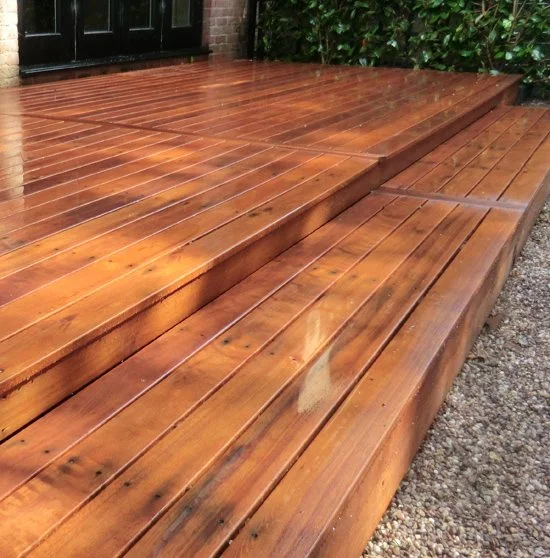
Cedar Decking in the North West
Composite Decking in the North West
Bespoke Decking Detailing in the North West
Other Decking Services in the North West
Raised Decking for Sloping Gardens
Raised decking can help overcome changes in level and create usable outdoor living space on sloping or uneven ground.
A carefully designed raised deck can improve the connection between internal rooms and the garden, provide access to views and create a level entertaining area where a conventional patio may be difficult to construct.
Steps, balustrades, privacy screening, storage and planting can all be incorporated into the design to create a complete and practical garden feature.
Timber or Composite Decking?
The right decking material depends on the appearance you want to achieve, your maintenance expectations, the style of the property and your available budget.
Composite decking offers a consistent, contemporary finish and generally requires less routine maintenance. Timber decking provides a natural appearance, warmth and character but normally requires periodic cleaning and treatment.
We will help you compare the available options and select the material that best suits your garden and the way you intend to use the space.
Our decking installation process
Initial discussion
We begin by discussing how you want to use the space, the preferred appearance and any practical requirements.
Site assessment
The site is assessed for levels, access, drainage, ground conditions and the relationship between the deck and surrounding garden.
Design and specification
We establish the deck’s size, layout, materials, supporting structure and relevant finishing details.
Preparation and construction
The area is prepared before the foundations, frame, boards, steps and associated features are installed.
Finishing and handover
The completed deck is checked, cleaned and handed over with relevant maintenance advice.
Do I need planning permission for garden decking?
Many straightforward ground-level decks can be constructed without a planning application, but restrictions can apply.
Planning permission may be required where decking:
Is significantly raised above the existing ground
Affects neighbouring privacy
Covers a substantial proportion of the garden
Is associated with a listed building
Is within a conservation area
Is restricted by a planning condition or covenant
Planning requirements depend on the property and proposed design. Appropriate advice should be obtained before construction where there is any uncertainty.
How much does professionally installed decking cost?
The cost depends on:
The size of the deck
Timber or composite material selection
Ground conditions
Required foundations
Height above the ground
Steps and balustrades
Access to the garden
Demolition of an existing deck
Lighting and electrical work
Screening and associated planting
A site assessment allows the required work to be understood before an accurate proposal is prepared.
Decking installation across North West England
Landscaping Emporium provides professional decking installation throughout North West England.
Our principal service areas include Lancashire, Greater Manchester, Cheshire and Merseyside, including:
Blackburn
Bolton
Chorley
Clitheroe
Formby
Knutsford
Lytham
Manchester
Ormskirk
Preston
Ribble Valley
Southport
Warrington
Whalley
Wigan
Projects outside these areas may also be considered depending on their scale and location.
Why choose Landscaping Emporium?
Landscaping Emporium is brought to you by Kirman Design, an established garden design and landscaping business with two decades of experience creating gardens across North West England.
Our approach combines:
Practical garden-design knowledge
Experienced landscape construction
Careful material selection
Proper structural preparation
Attention to drainage and levels
Integration with the wider garden
Professional project management
The option to include planting, lighting and other garden features
Learn more about Landscaping Emporium and Kirman Design.
Request a decking consultation
If you are considering a new deck or replacing an existing structure, contact Landscaping Emporium to discuss the space, your preferred materials and how you want to use the finished area.
We can provide professional advice, design and decking installation across North West England, either as an individual project or as part of a wider garden transformation.
Just give us a call on 01704 828219 or drop us a line either through the format the bottom of this page or the following email address: northwest@landscapingemporium.co.uk.
We design and install hardwood, softwood and composite decking across the the north west area including: Lancashire, Merseyside, Cheshire and Cumbria.
We can supply any size of decking other than the sizes offered on the web site. Just let us know about your project and we will see how we can help. Call 01704 828219 and speak to our knowledgeable staff or drop us a line at northwest@landscapingemporium.co.uk.
Start your project. Planning a new deck in North West?
Talk to Kirman Design about a professionally designed and carefully installed paving scheme for your home. Just give us a call on 01704 828219.
Decking installation in the North West
Should you have any questions, please feel free to contact our support team with the contact form below:
Social Media
Office opening hours
Monday: 08:00 - 16:00
Tuesday: 08:00 - 16:00
Wednesday: 08:00 - 16:00
Thursday: 08:00 - 16:00
Friday: 08:00 - 16:00
An answering service is in operation outside these hours so please leave a message and will get back to you presently.
Telephone