
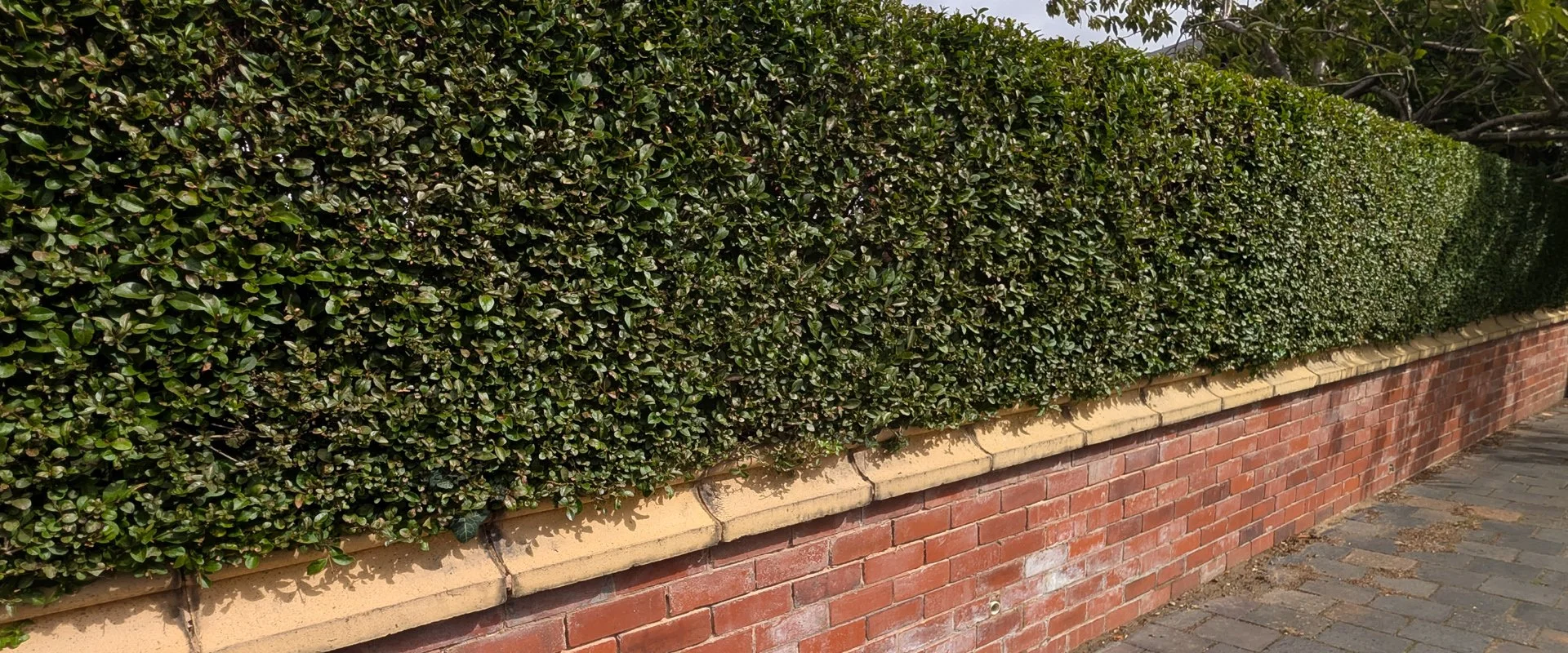
Hedging Plants & Professional Hedge Planting in Horwich
Quality hedging plants for sloping gardens, changing ground levels, residential boundaries and attractive privacy screening in Horwich and surrounding Bolton areas.
Planting a hedge on sloping ground can involve more planning than establishing a straight boundary across a level garden. Changes in height, soil depth, drainage and access can all affect how a new hedge is planted and maintained.
Some gardens around Horwich have sloping or elevated positions, although individual site conditions vary considerably. Landscaping Emporium supplies evergreen, deciduous and native hedging, with professional planting available for suitable projects.
We can help you explore appropriate hedge species, planting sizes and practical solutions for boundaries with changing levels.
Selected by designers. Installed by professionals.
Planning a Hedge for a Sloping Garden
A hedge planted along a slope can create privacy and define a boundary without requiring the entire garden to be levelled. However, the finished appearance depends on the relationship between the hedge line and the changing ground level.
A hedge can be clipped to follow the slope, or its upper profile can be managed in sections where the design allows.
Following the Slope
A hedge can follow the natural contour of the boundary, producing a continuous planted line across changing levels.
Stepped Hedge Profiles
In some formal designs, the clipped top may be arranged in stepped sections to complement terraced gardens.
Privacy from Higher Ground
Screening requirements depend on the relative positions of neighbouring windows, seating areas and garden levels.
Access for Maintenance
Steeper boundaries can make pruning and watering more difficult. Safe access should be considered at the design stage.
Understanding Water Movement on Sloping Ground
Rainwater can move downhill across the soil surface, particularly where ground is compacted or already saturated. This may result in uneven moisture conditions along a hedge line.
Upper sections can dry more quickly, while lower areas may remain wet for longer. These differences should be considered when selecting hedging plants and planning irrigation.
Assess the Slope
Establish how steep the planting area is and whether the ground changes direction along the boundary.
Check Drainage
Identify areas where water accumulates after rainfall or where the soil remains saturated.
Prepare the Soil
Address unsuitable rooting conditions and avoid creating planting pits that trap water.
Plan Aftercare
Watering and monitoring may need to vary along the boundary according to soil moisture.
A Hedge Is Not a Retaining Wall
Hedge roots can contribute to soil stability once established, but hedging should not be relied upon to retain significant changes in ground level.
Where there are signs of slope instability, substantial erosion or a need to retain soil, appropriate professional assessment and engineered solutions may be required.
Choosing a Planting Line on a Slope
The position of a new hedge should consider both the current landscape and the intended mature size of the plants. Planting too close to a retaining wall, steps or boundary structure can create future problems with roots, pruning access and hedge width.
Above a Retaining Wall
Check soil depth, available rooting space and the wall's design before planting. Avoid assuming the structure can accommodate additional loads or root growth.
Along a Sloping Boundary
Maintain a consistent planting specification while accounting for changes in ground level and drainage.
Beside Garden Steps
Allow sufficient clearance for safe access, handrails and future hedge growth.
Between Garden Terraces
Hedging can define separate garden areas, provided adequate soil volume and maintenance access are available.
Hedging Plants for Horwich Gardens
Sloping ground does not automatically require a particular hedge species. The important factors remain drainage, sunlight, exposure, rooting space and maintenance.

Hornbeam
A deciduous hedge suitable for regular clipping and many heavier soil conditions.
Useful for structured boundaries where seasonal changes in foliage are acceptable. Avoid prolonged waterlogging.

English Yew
Dense evergreen foliage makes Yew useful for formal screening and carefully clipped boundaries.
Requires adequate drainage and appropriate establishment care. Poisonous if eaten.
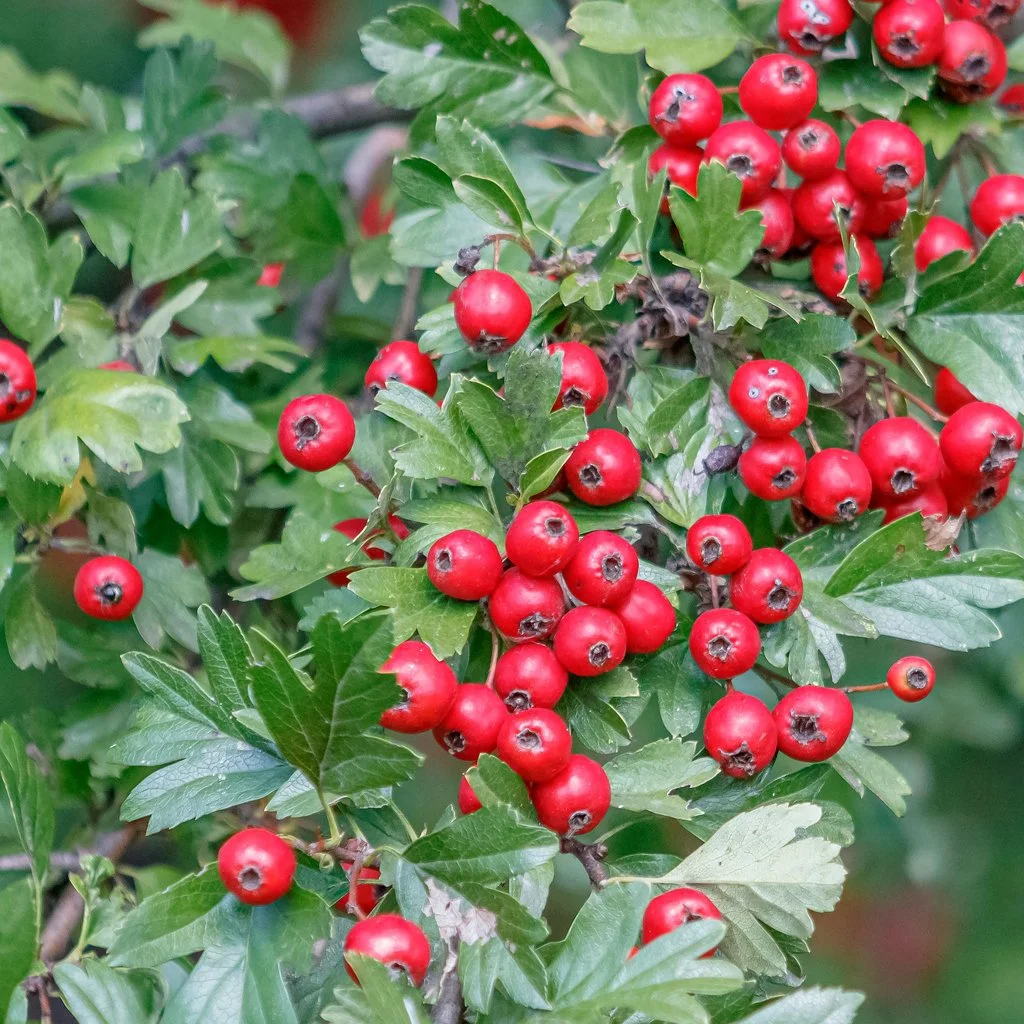
Hawthorn
A traditional native hedging species with thorny branches, spring blossom and autumn berries.
Can be incorporated into naturalistic boundaries and mixed native hedgerows.
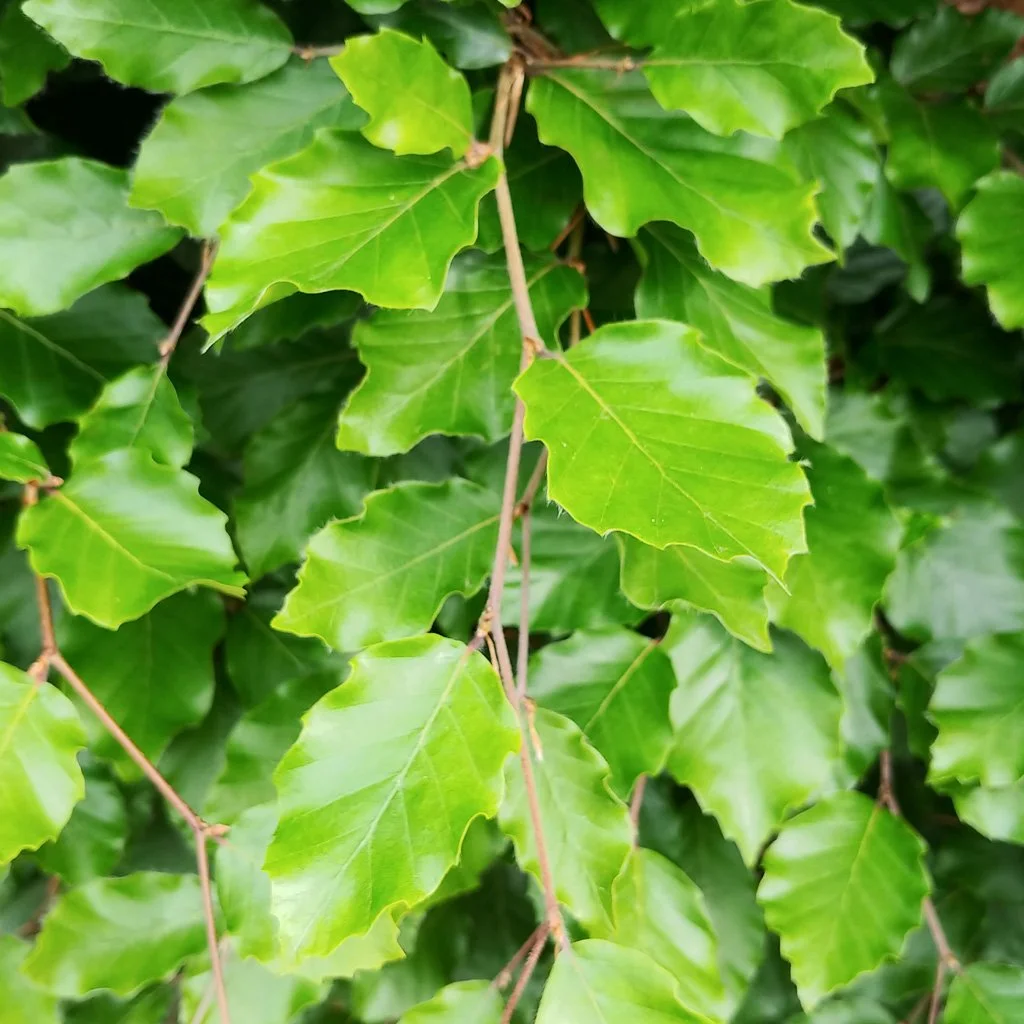
Green Beech
A traditional deciduous hedge with attractive seasonal foliage.
Clipped Beech often retains dry leaves during winter, although screening varies. Prefers suitable free-draining soil.

English Holly
Native evergreen hedging offering year-round structure and traditional garden character.
Suitable for some partially shaded locations, subject to soil conditions. Holly berries are poisonous if eaten.
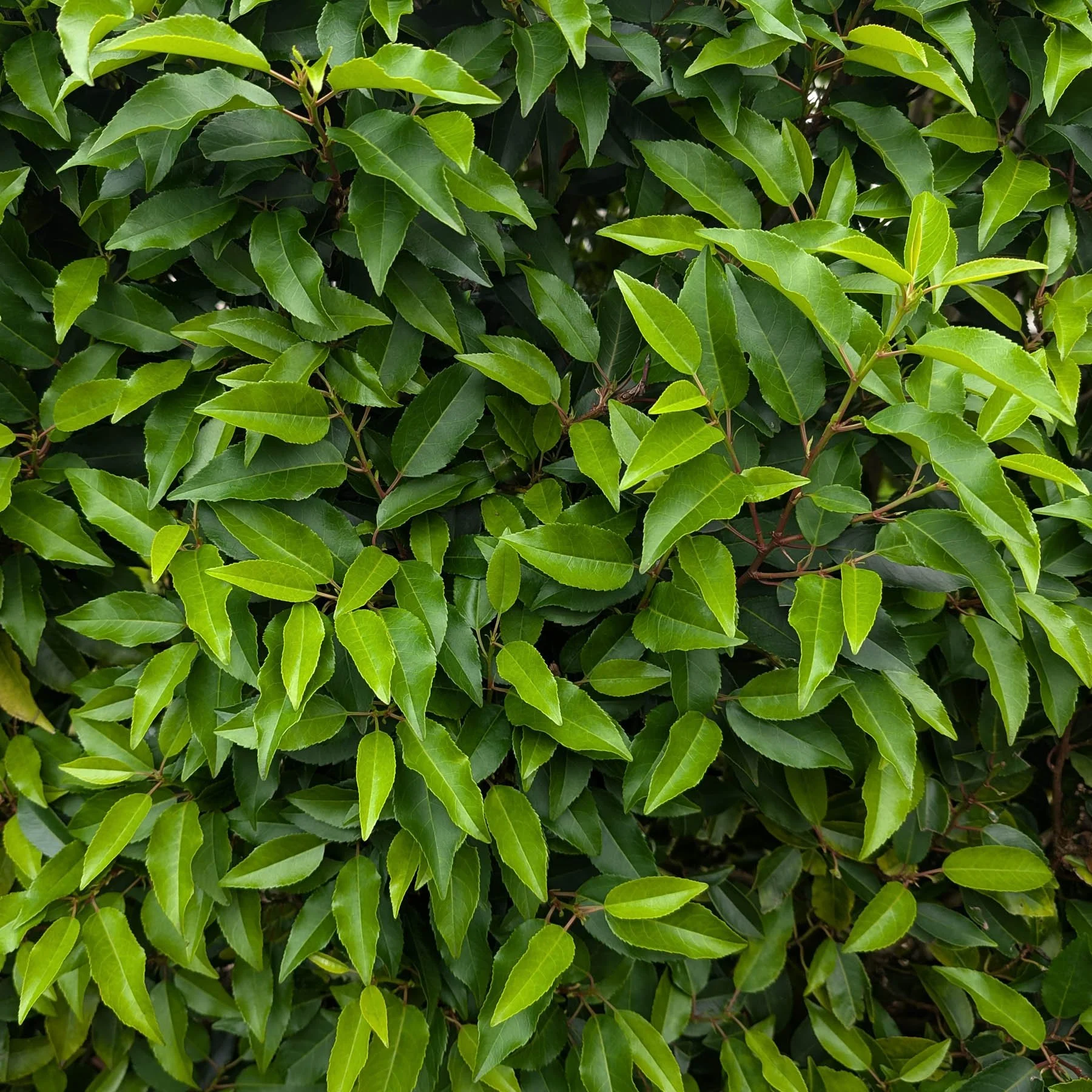
Portuguese Laurel
Attractive evergreen foliage and good tolerance of regular clipping make this a useful formal hedge option.
Requires appropriate rooting space, drainage and establishment care. Plant parts can be toxic if eaten.
Choosing Hedge Height Where Gardens Are at Different Levels
A hedge's screening effectiveness depends on the relative height of the viewer and the area being screened.
For example, a hedge that provides privacy from a neighbouring ground-floor window may not screen views from a substantially higher garden or first-floor window.
| Situation | Design consideration |
|---|---|
| Neighbouring garden on higher ground | Assess the actual viewing angle rather than relying on hedge height alone. |
| Hedge above a retaining wall | Check structural constraints, rooting space and access. |
| Sloping boundary | Consider how the maintained hedge profile changes along the slope. |
| Raised patio or seating area | Assess privacy from the actual seated and standing viewpoints. |
Where a tall hedge may affect neighbouring properties, relevant planning conditions and high-hedge legislation should also be considered.
Establishing Hedging Without Increasing Soil Erosion
Newly disturbed soil on a slope may be vulnerable to surface erosion during heavy rainfall. Careful planting methods can help protect the immediate planting area while the hedge becomes established.
Minimise Disturbance
Avoid unnecessary excavation or large-scale soil disturbance, particularly on steep ground.
Manage Surface Water
Identify concentrated runoff before planting. Where necessary, seek appropriate drainage advice rather than diverting water towards neighbouring land.
Use Suitable Mulch
Mulching may help retain moisture and suppress weeds, but material must be selected and applied so it remains in place.
Monitor Establishment
Inspect plants after heavy rainfall and during dry periods, adjusting aftercare to the actual conditions.
When Professional Ground Assessment Is Needed
Significant slope movement, cracking, subsidence, unstable retaining walls or substantial erosion should be assessed by an appropriately qualified professional before hedge planting proceeds.
Choosing Hedging Stock for Sloping Sites
Plant size and delivery arrangements can become particularly important where garden access is steep or restricted.
Bare-Root Hedging
Often economical for longer deciduous and native hedges during the dormant season. Smaller stock can be easier to handle where access is restricted.
Rootballed Hedging
Larger plants supplied with retained soil around the root system. Generally available from mid-October to late April, weather permitting.
Access and handling requirements must be assessed carefully.
Container-Grown Hedging
Offers greater seasonal flexibility, subject to suitable soil conditions and aftercare. Container size and handling requirements should be considered on steep sites.
Professional Hedge Planting in Horwich
Landscaping Emporium works alongside Kirman Design to offer professional hedge supply and planting for suitable projects in Horwich and surrounding Bolton areas.
Depending on the agreed specification, services may include plant selection, quantities, delivery, ground preparation, setting out, planting, irrigation and aftercare advice.
Request a Hedge Planting Quotation
Please provide your postcode, approximate hedge length, preferred height, photographs and details of access.
For sloping gardens, photographs showing changes in ground level, steps, walls and existing drainage are particularly helpful.
Learn more about our professional hedge supply and planting service .
Horwich Hedging FAQs
Can I plant a hedge on a sloping garden?
Yes, provided the ground is stable and there are suitable rooting conditions. Steeper slopes may require additional assessment and preparation.
Should a hedge follow the slope or be level?
Both approaches can be appropriate depending on the garden design. The maintained height and profile should be considered before planting.
Can hedging prevent soil erosion?
Established vegetation can contribute to surface soil stability, but a hedge is not a substitute for engineered slope stabilisation or retaining structures.
What is the best hedge for a sloping garden?
The best choice depends on drainage, soil, exposure, sunlight and available space, rather than slope alone.
Can I plant hedging above a retaining wall?
Sometimes, but adequate soil volume, structural constraints and future root growth must be considered. Professional assessment may be needed.
Will water run downhill away from the hedge?
Surface runoff may move downhill, but soil moisture depends on drainage, soil structure and site conditions. Upper and lower sections may need different aftercare.
Is evergreen hedging suitable for elevated gardens?
Some evergreen species can be suitable, provided they are matched to exposure, drainage and establishment conditions.
Can larger hedging plants be installed on steep ground?
This depends on slope, access, safe handling and ground conditions. Larger plants may require specialist lifting or a different planting approach.
Do you supply and plant hedging in Horwich?
We welcome enquiries for suitable projects, subject to site conditions, access, scope and availability. Request a quotation.
Hedging in Horwich and Surrounding Areas
Landscaping Emporium welcomes hedging enquiries from Horwich and neighbouring areas across Bolton and Greater Manchester.
Explore our Bolton Hedging Guide, Westhoughton Hedging Guide and Greater Manchester Hedging Guide .
You can also browse hedging plants or use our Hedge Selector to compare species.
Planning a New Hedge in Horwich?
From sloping garden boundaries to evergreen privacy screening, we can help you explore appropriate plants and professional planting options.
Telephone: 01942 604976
Email: info@kirmandesign.com
Selected by designers. Installed by professionals.