
Bonds
Find your pattern.
There are many ways to lay paving. The common ones, are the ones we will be laying here, but there are many others which are available if you so choose. Contact us if the laying pattern you are thinking of is not listed for the paving you require.
Stack Bond
Stack bond paving is as it sounds. Each paver is laid with the appearance of it stacking on top of the next row. It is also known as Grid bond of Checkerboard bond. It is generally used for square paving styles but the important thing is you go for a laying pattern that you you like.
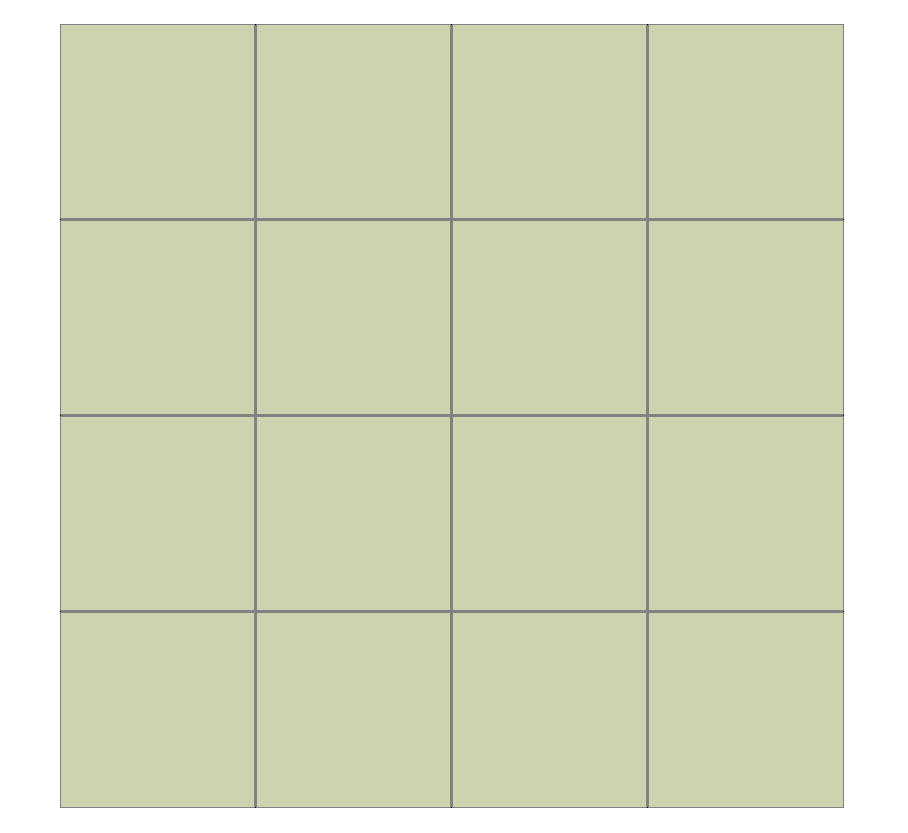
Square stack bond
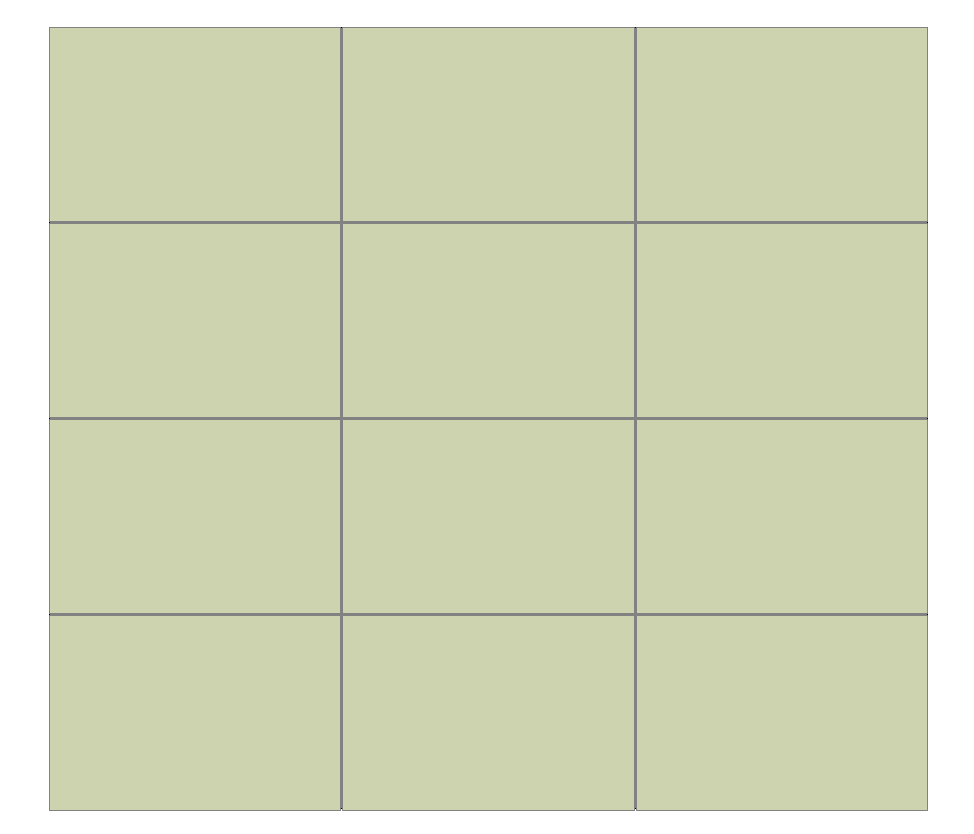
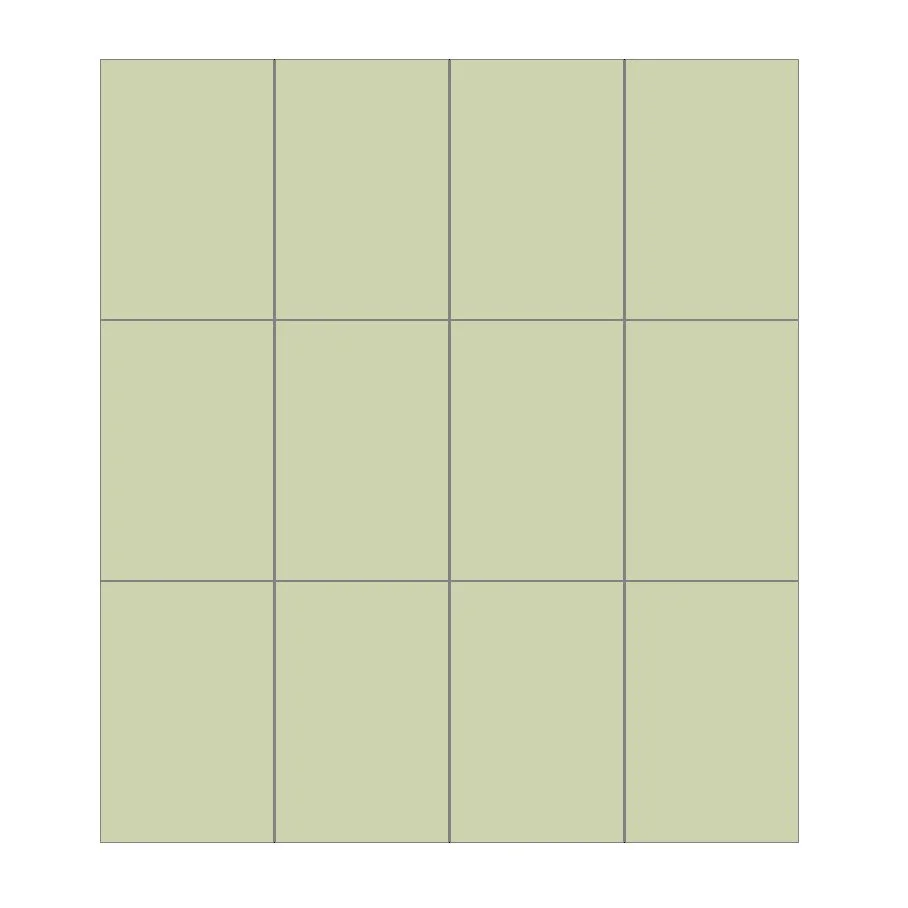
Rectangular stack bond
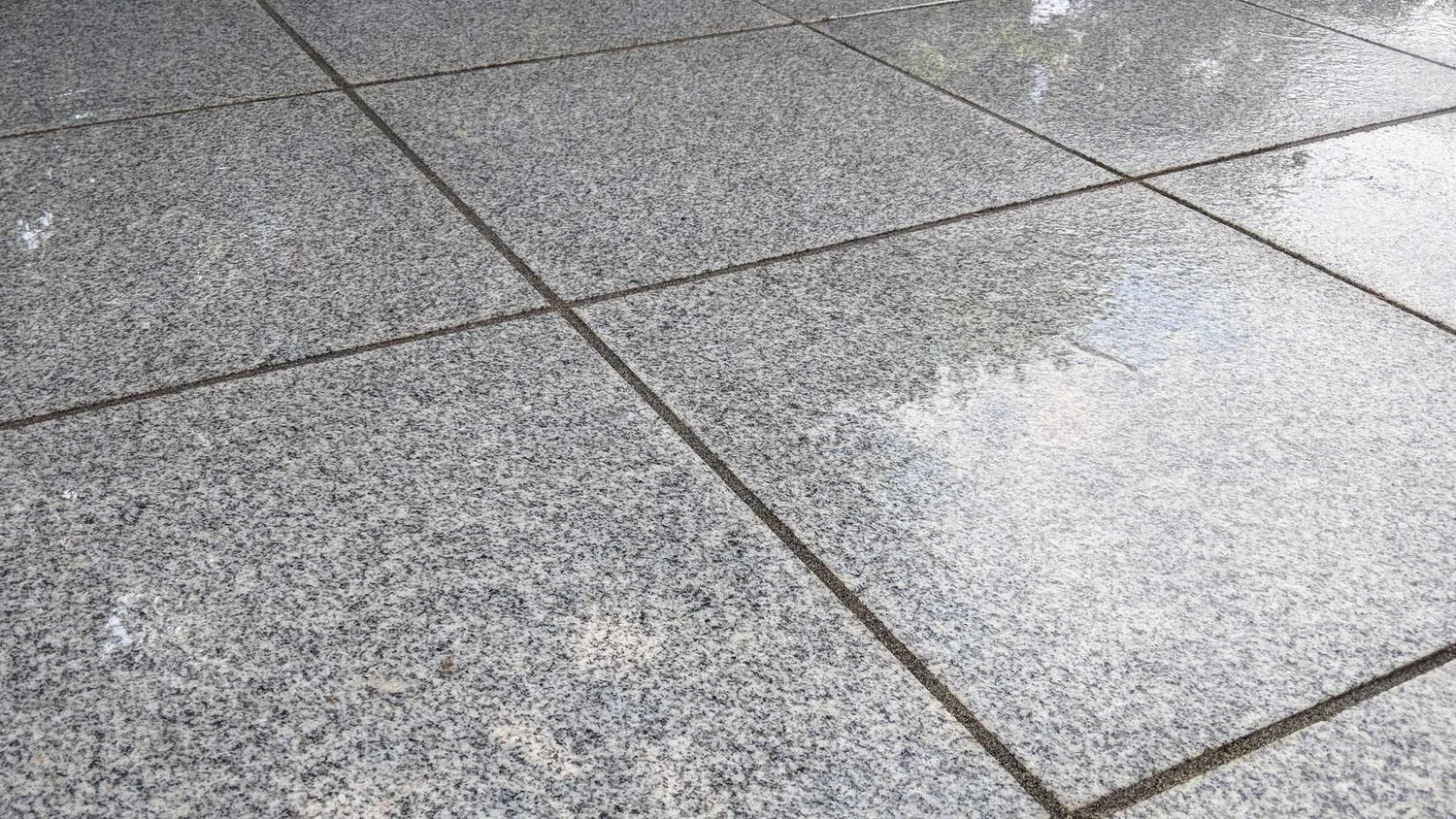
Rectangular stack bond
Square stack bond
Stretcher Bond
A stretcher bond pattern is a simple choices for paving. but it is very popular. Pavers are offset by half a paver compared to the the subsequent row, alternating with each line laid. This design allows for easy installation and provides a neat, aligned look that's suitable for various applications.
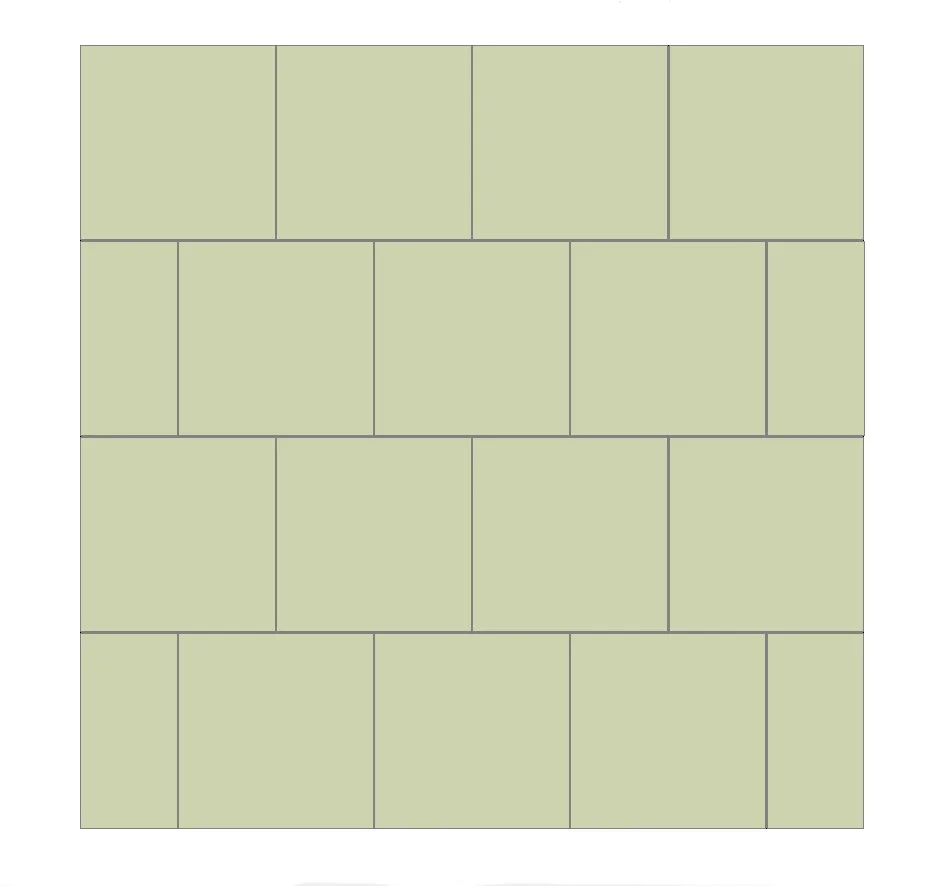
Transverse stretcher bond
(with square tiles)
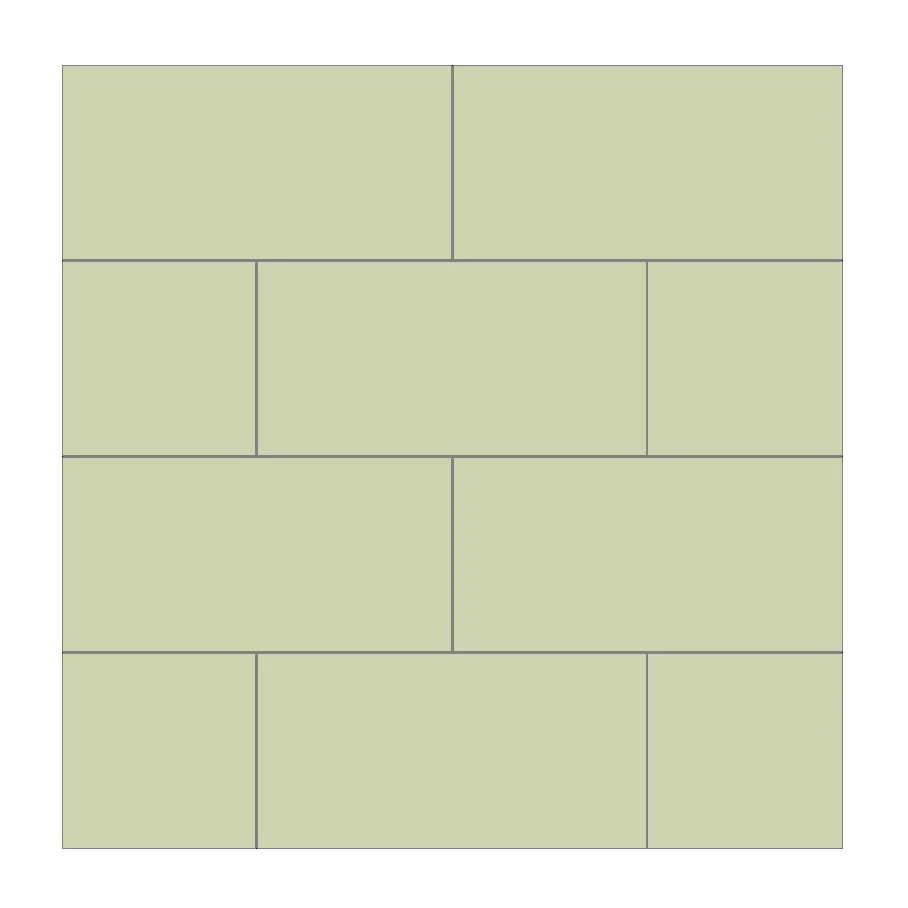
Transverse stretcher bond
(with rectangular tiles)
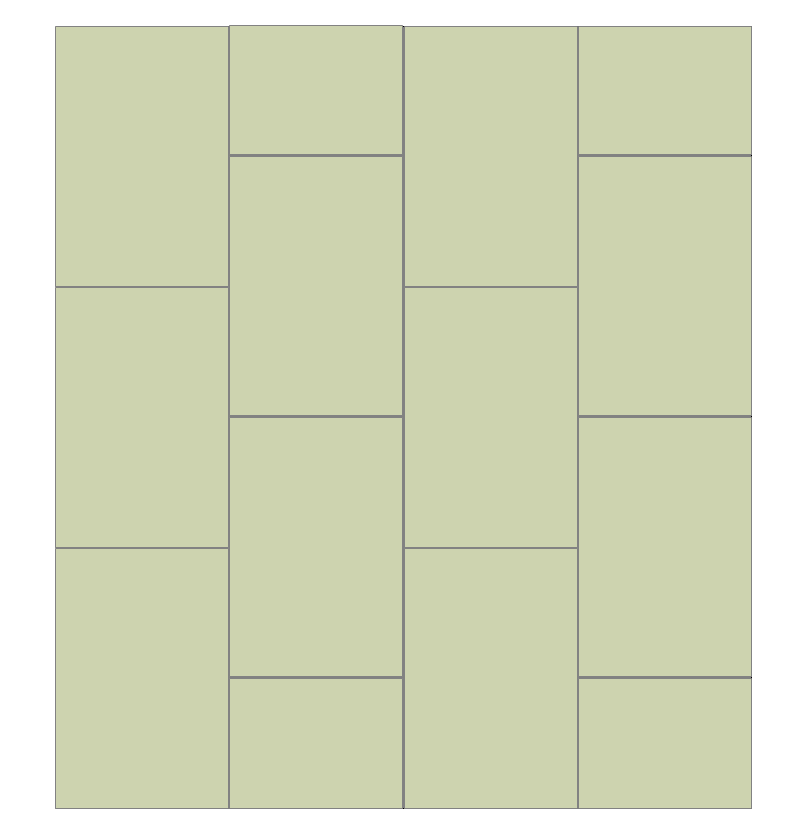
Longitudinal stretcher bond
(with rectangular tiles)
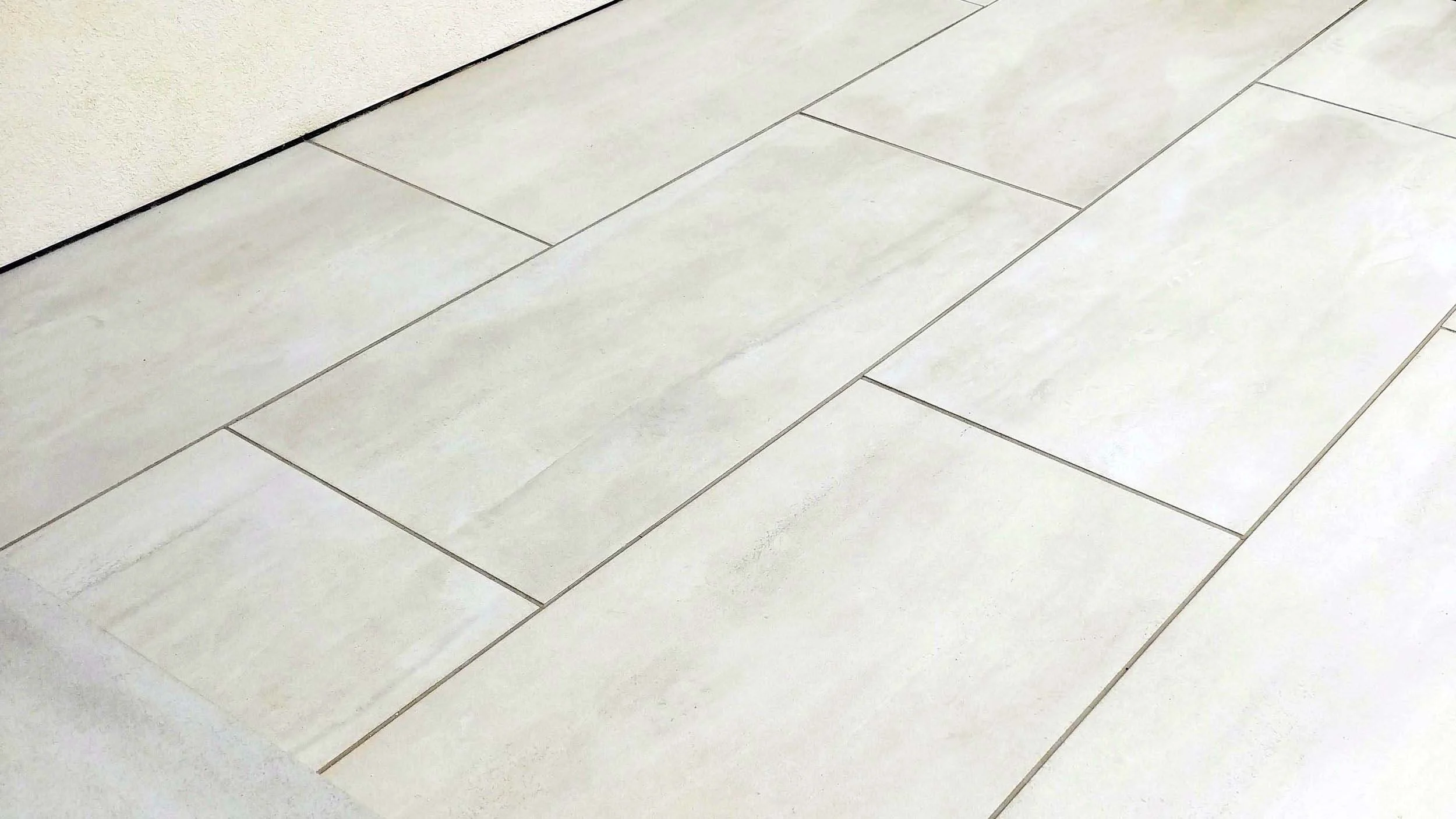
Stretcher bond (with rectangular tiles)