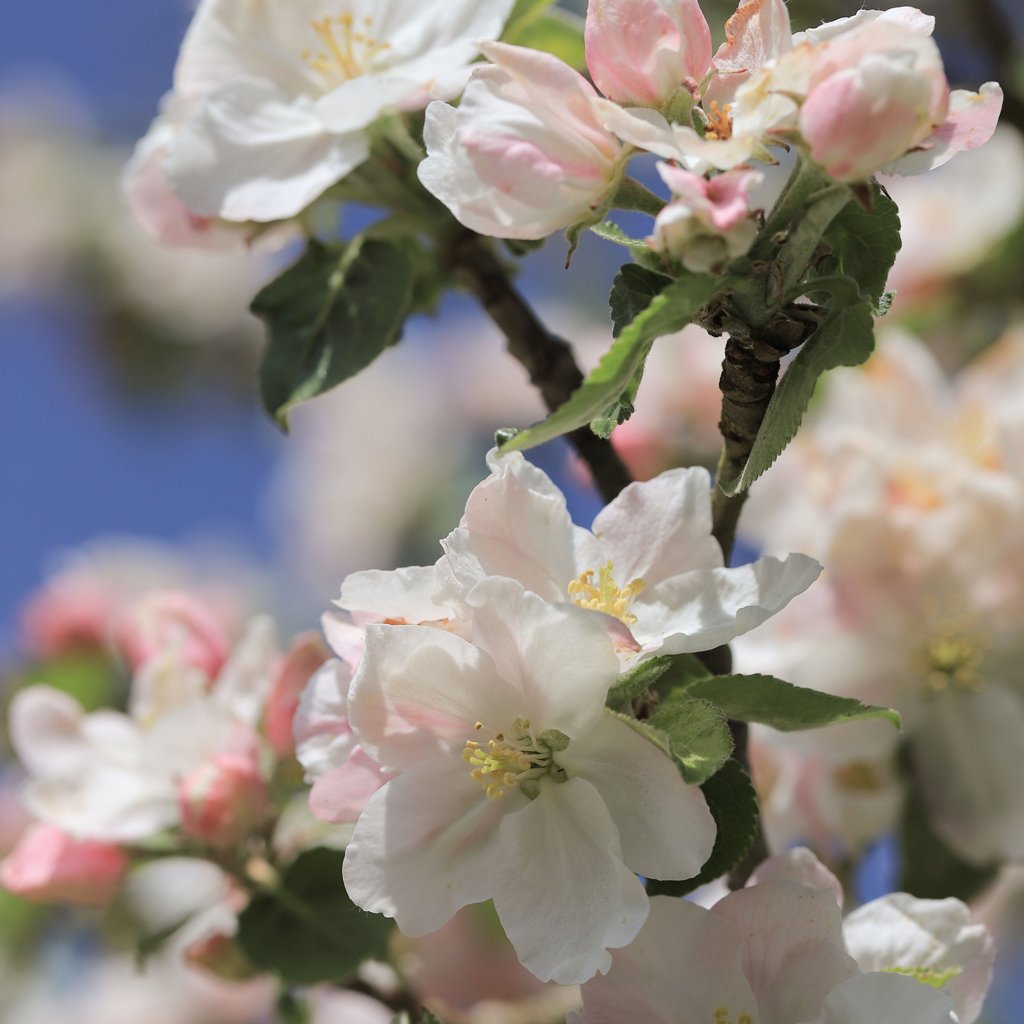
Carpinus betulus – Common Hornbeam
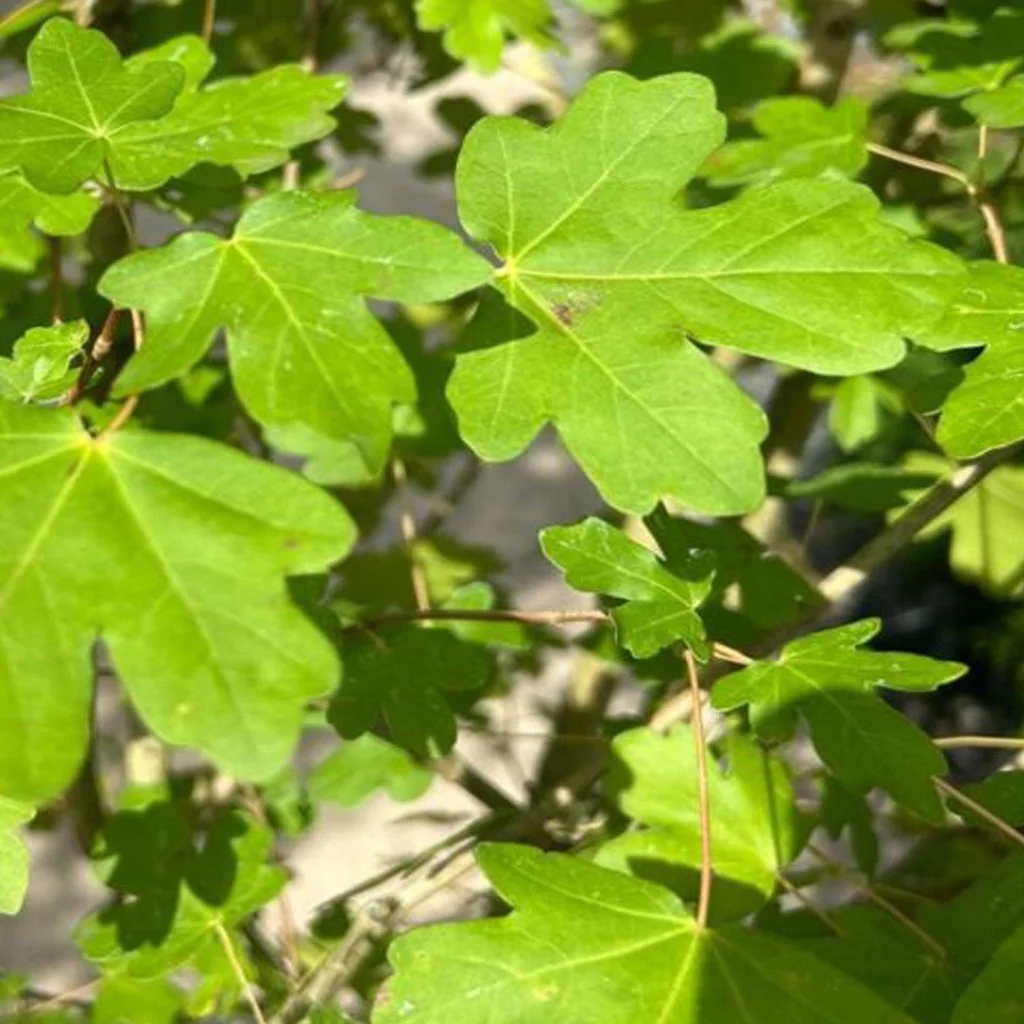
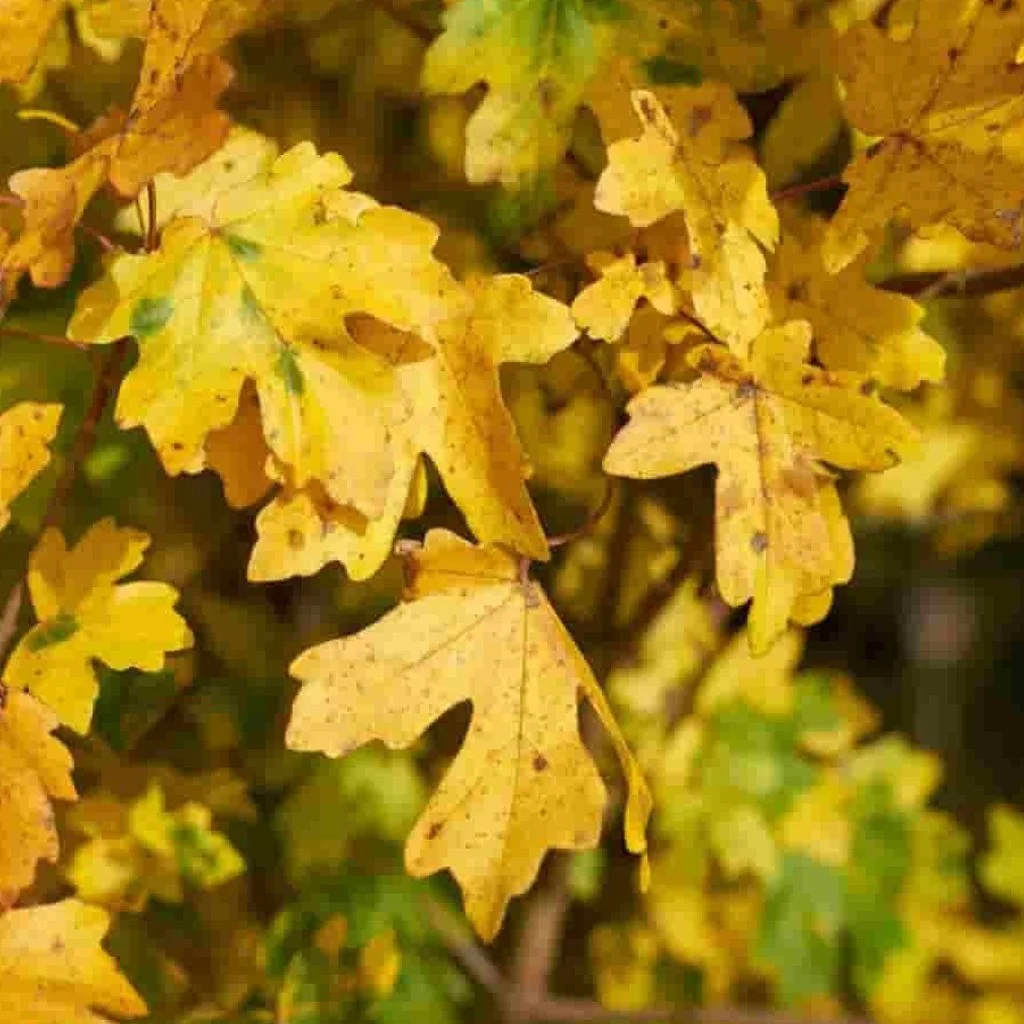
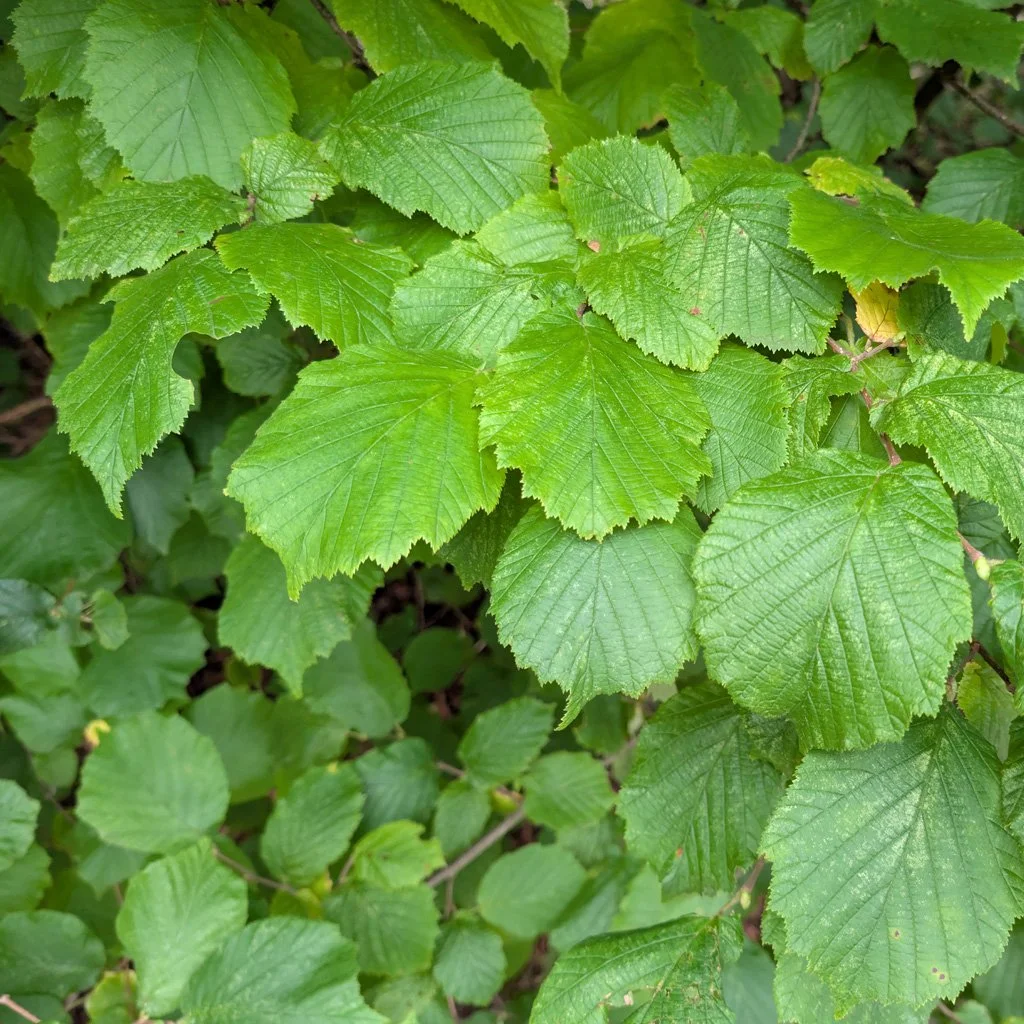
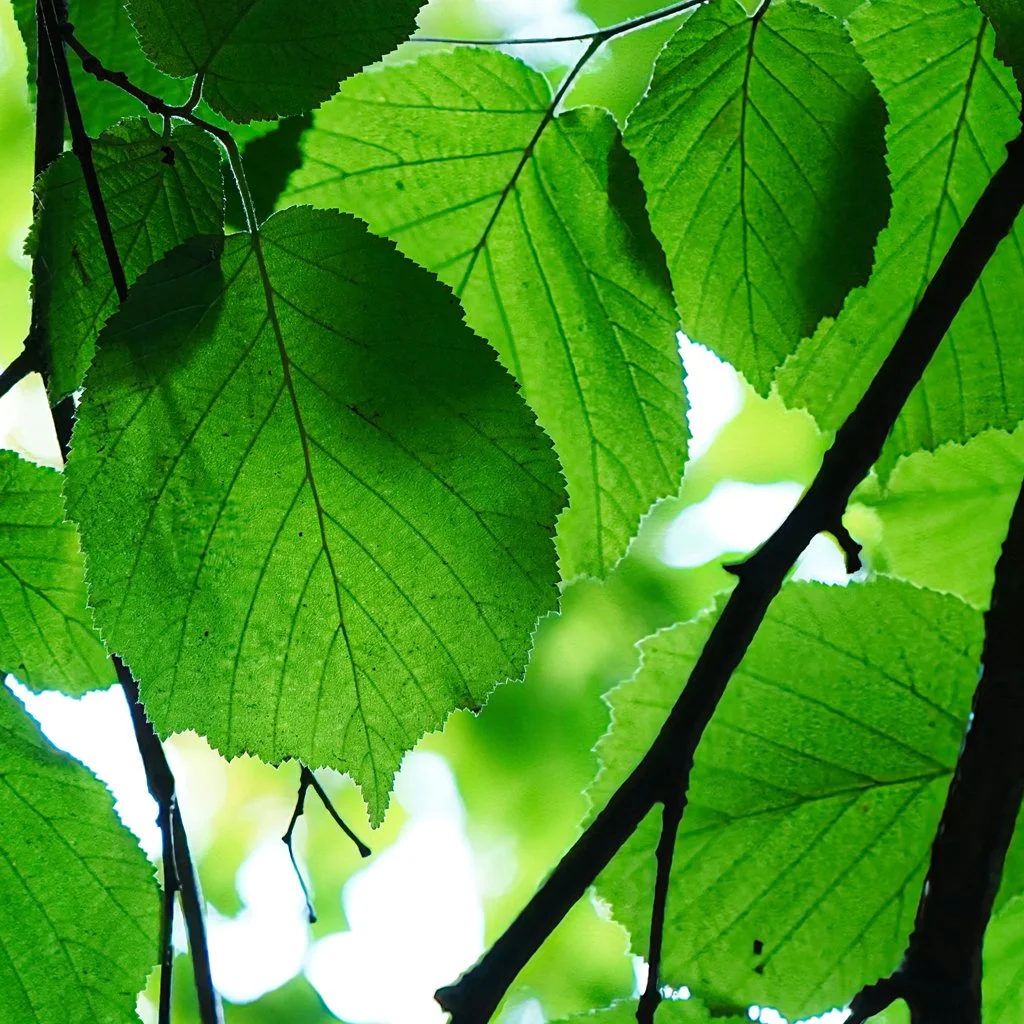
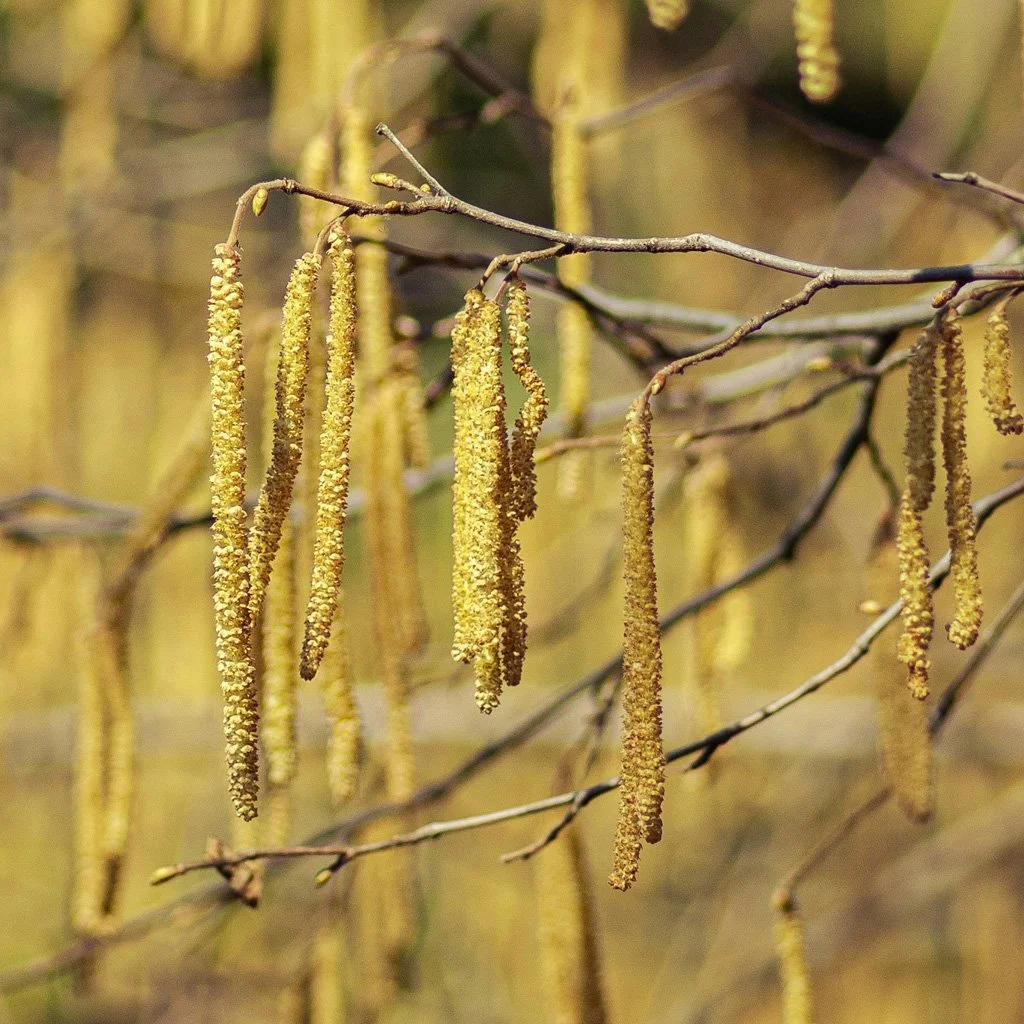
Carpinus betulus, the native hornbeam, is a strong and handsome deciduous tree with dense green foliage, golden-brown autumn colour and a beautifully fluted grey trunk.
Exceptionally tolerant of heavy clay, seasonally wet soil, cold and wind, it is one of the most reliable large trees for landscapes across North West England.
Hornbeam is ideal for avenues, parkland, estate entrances, large gardens, commercial landscapes and native planting schemes.
Product highlights
Native British tree
Excellent for heavy clay
Tolerates seasonally wet ground
Moderate growth rate
Fully hardy
Wind and urban tolerant
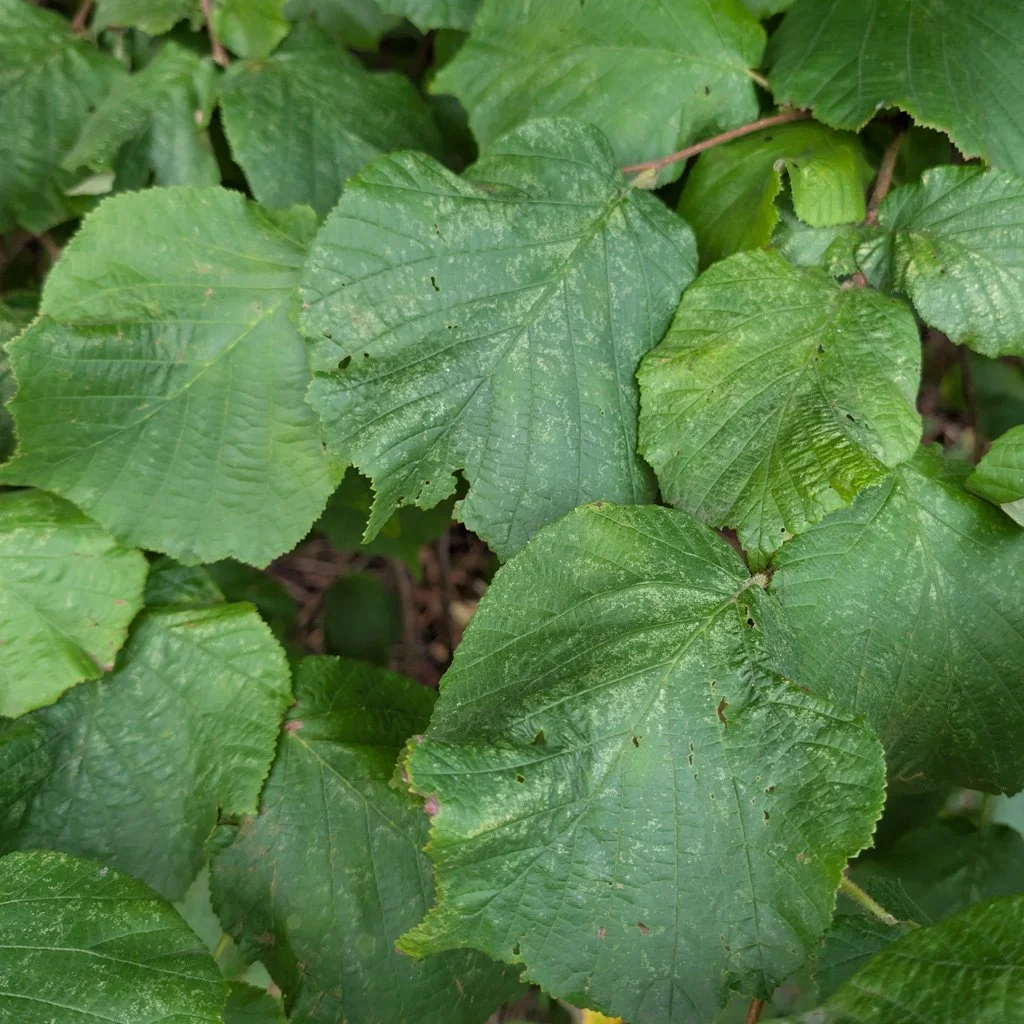
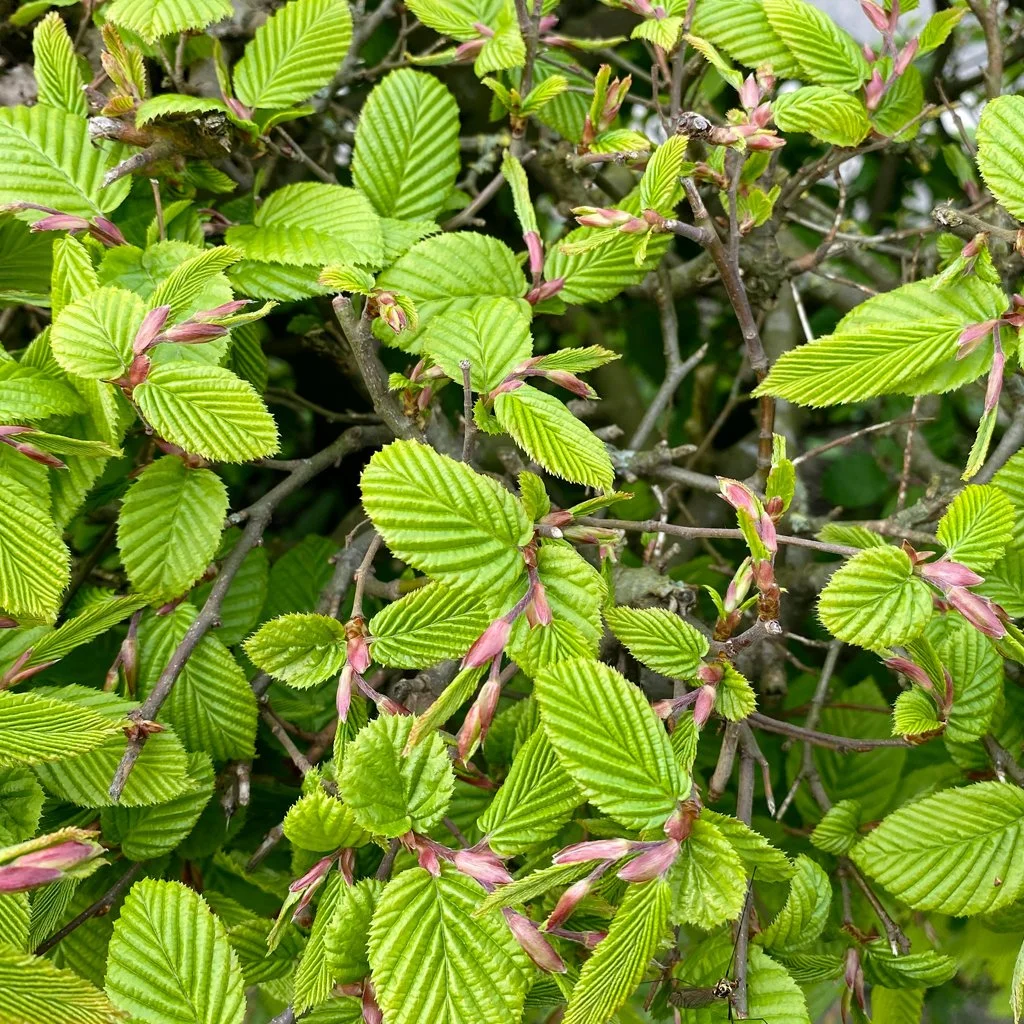
Attractive ribbed foliage
Yellow to golden-brown autumn colour
Characterful fluted grey trunk
High wildlife value
Excellent avenue or specimen tree
Plant information
Feature / Details
Botanical name: Carpinus betulus
Common name: Hornbeam or common hornbeam
Plant type: Large deciduous tree
Mature height: Approximately 15–25m
Mature spread: Approximately 10–15m
Growth rate: Moderate
Position: Full sun or partial shade
Soil: Clay, loam, chalk and suitable sandy soils
Moisture: Moist, well-drained or seasonally wet
Hardiness: Fully hardy
UK native: Yes
Wildlife value: High
Autumn colour: Yellow to golden brown
Pruning: Formative and minimal maintenance pruning
Suitable for
Not recommended for
Most small gardens
Permanently flooded ground
Sites with insufficient crown space
Locations immediately beside buildings without professional assessment
Severely exposed coastal sites receiving salt-laden winds
Planting Carpinus betulus
Plant hornbeam at its original nursery depth into well-prepared ground. Larger trees require secure staking or underground anchoring and consistent watering while their roots establish.
Do not allow newly planted rootballs to dry out. Apply mulch over the root zone while keeping it away from the trunk.
Follow our tree planting and establishment guide for detailed advice.
For seasonal stock options, see rootball versus container-grown trees.
Pruning and maintenance
Free-growing hornbeam trees need relatively little pruning once a sound framework has formed. Remove dead, damaged or crossing growth and carry out formative work while the tree is young.
Our RHS Pruning Group 1 guide provides general guidance for specimen trees. Hornbeam hedges require a separate clipping programme.
Wildlife benefits
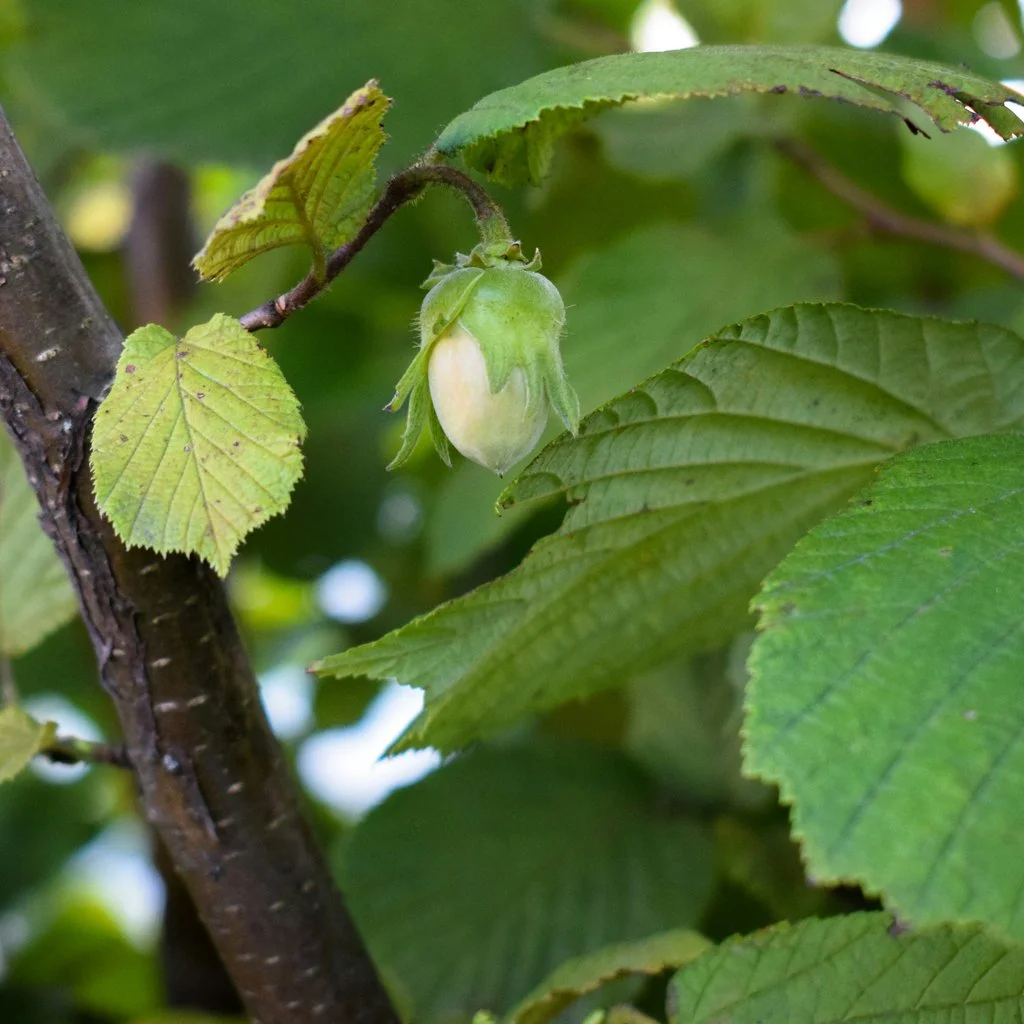
The native foliage supports insects, while the dense canopy offers shelter and potential nesting sites for birds. Its nutlets provide additional seasonal food for birds and small mammals.
Choosing your tree size
Younger trees are easier to handle and normally establish more rapidly. Larger specimens deliver greater immediate scale and visual impact but require more involved transport, planting and aftercare.
Read our guide to mature trees versus younger trees before ordering.
Our recommendation
Carpinus betulus is strongly recommended where a substantial native tree is needed for clay, moisture-retentive or exposed inland ground.
It is an especially dependable choice for the North West and combines landscape presence, ecological value and long-term architectural character.
Delivery and professional planting
We can install specimen trees at any of the in following postcodes;
BB, BL, CH1 - CH5, CW8, CW9, FY, L, LA1 - LA6, M, OL, PR, SK1 - SK12, WA, & WN.
Please do not purchase if you want the hedging installed outside this area. If you do live outside the area, then please give us a call on 01942 604976 and we can see if it’s possible to do this.
For more information on the tree see the tree specification below. For more information about delivery, access and planting, see the guide below or click here.
Carpinus betulus – Common Hornbeam
Carpinus betulus, the native hornbeam, is a strong and handsome deciduous tree with dense green foliage, golden-brown autumn colour and a beautifully fluted grey trunk.
Exceptionally tolerant of heavy clay, seasonally wet soil, cold and wind, it is one of the most reliable large trees for landscapes across North West England.
Hornbeam is ideal for avenues, parkland, estate entrances, large gardens, commercial landscapes and native planting schemes.
Product highlights
Native British tree
Excellent for heavy clay
Tolerates seasonally wet ground
Moderate growth rate
Fully hardy
Wind and urban tolerant
Attractive ribbed foliage
Yellow to golden-brown autumn colour
Characterful fluted grey trunk
High wildlife value
Excellent avenue or specimen tree
Plant information
Feature / Details
Botanical name: Carpinus betulus
Common name: Hornbeam or common hornbeam
Plant type: Large deciduous tree
Mature height: Approximately 15–25m
Mature spread: Approximately 10–15m
Growth rate: Moderate
Position: Full sun or partial shade
Soil: Clay, loam, chalk and suitable sandy soils
Moisture: Moist, well-drained or seasonally wet
Hardiness: Fully hardy
UK native: Yes
Wildlife value: High
Autumn colour: Yellow to golden brown
Pruning: Formative and minimal maintenance pruning
Suitable for
Not recommended for
Most small gardens
Permanently flooded ground
Sites with insufficient crown space
Locations immediately beside buildings without professional assessment
Severely exposed coastal sites receiving salt-laden winds
Planting Carpinus betulus
Plant hornbeam at its original nursery depth into well-prepared ground. Larger trees require secure staking or underground anchoring and consistent watering while their roots establish.
Do not allow newly planted rootballs to dry out. Apply mulch over the root zone while keeping it away from the trunk.
Follow our tree planting and establishment guide for detailed advice.
For seasonal stock options, see rootball versus container-grown trees.
Pruning and maintenance
Free-growing hornbeam trees need relatively little pruning once a sound framework has formed. Remove dead, damaged or crossing growth and carry out formative work while the tree is young.
Our RHS Pruning Group 1 guide provides general guidance for specimen trees. Hornbeam hedges require a separate clipping programme.
Wildlife benefits
The native foliage supports insects, while the dense canopy offers shelter and potential nesting sites for birds. Its nutlets provide additional seasonal food for birds and small mammals.
Choosing your tree size
Younger trees are easier to handle and normally establish more rapidly. Larger specimens deliver greater immediate scale and visual impact but require more involved transport, planting and aftercare.
Read our guide to mature trees versus younger trees before ordering.
Our recommendation
Carpinus betulus is strongly recommended where a substantial native tree is needed for clay, moisture-retentive or exposed inland ground.
It is an especially dependable choice for the North West and combines landscape presence, ecological value and long-term architectural character.
Delivery and professional planting
We can install specimen trees at any of the in following postcodes;
BB, BL, CH1 - CH5, CW8, CW9, FY, L, LA1 - LA6, M, OL, PR, SK1 - SK12, WA, & WN.
Please do not purchase if you want the hedging installed outside this area. If you do live outside the area, then please give us a call on 01942 604976 and we can see if it’s possible to do this.
For more information on the tree see the tree specification below. For more information about delivery, access and planting, see the guide below or click here.

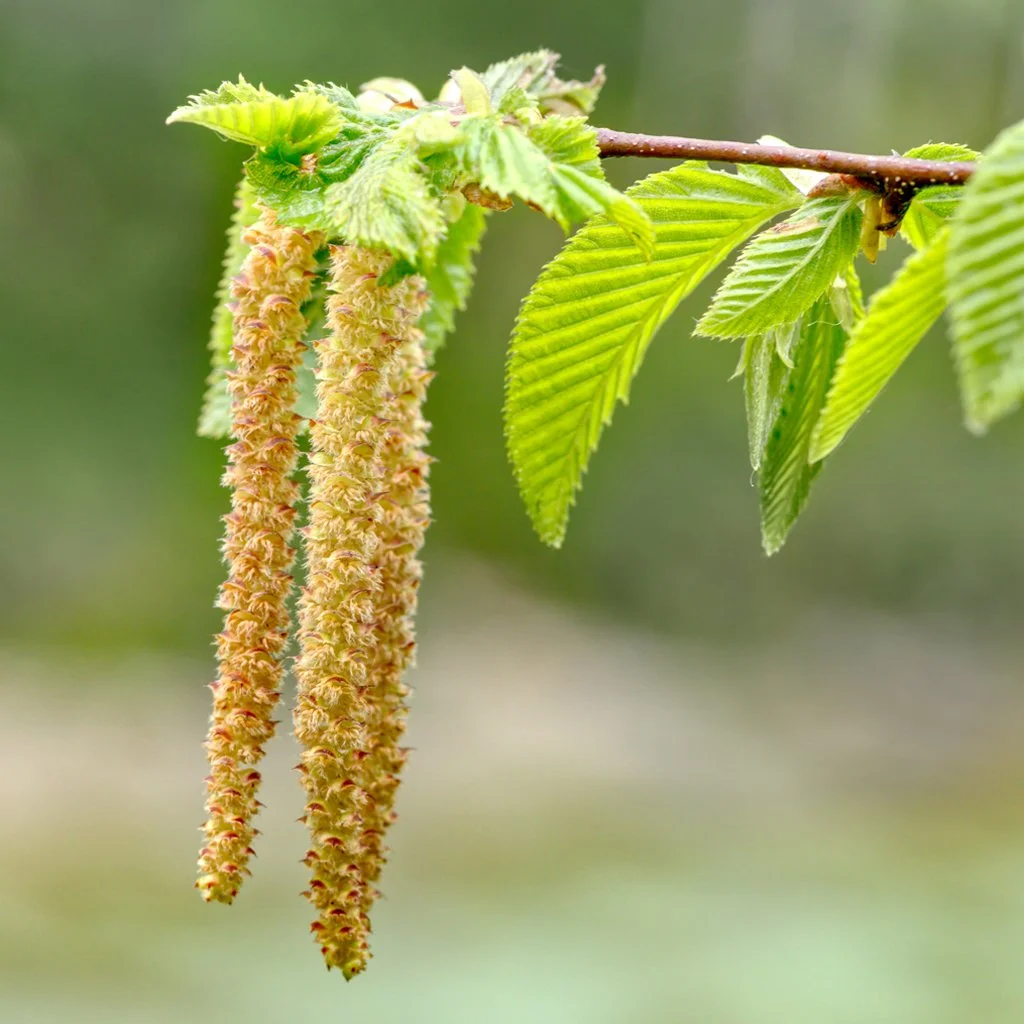 Image 1 of 3
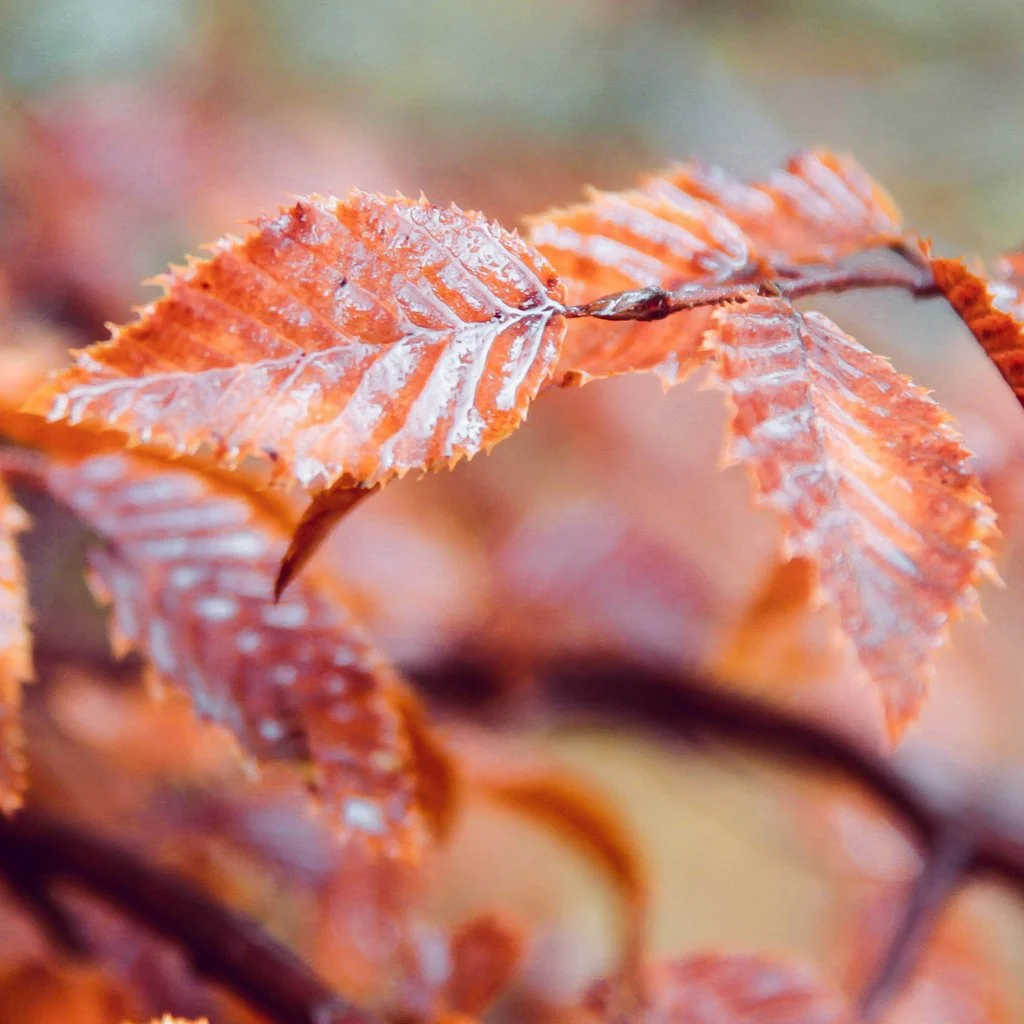 Image 2 of 3
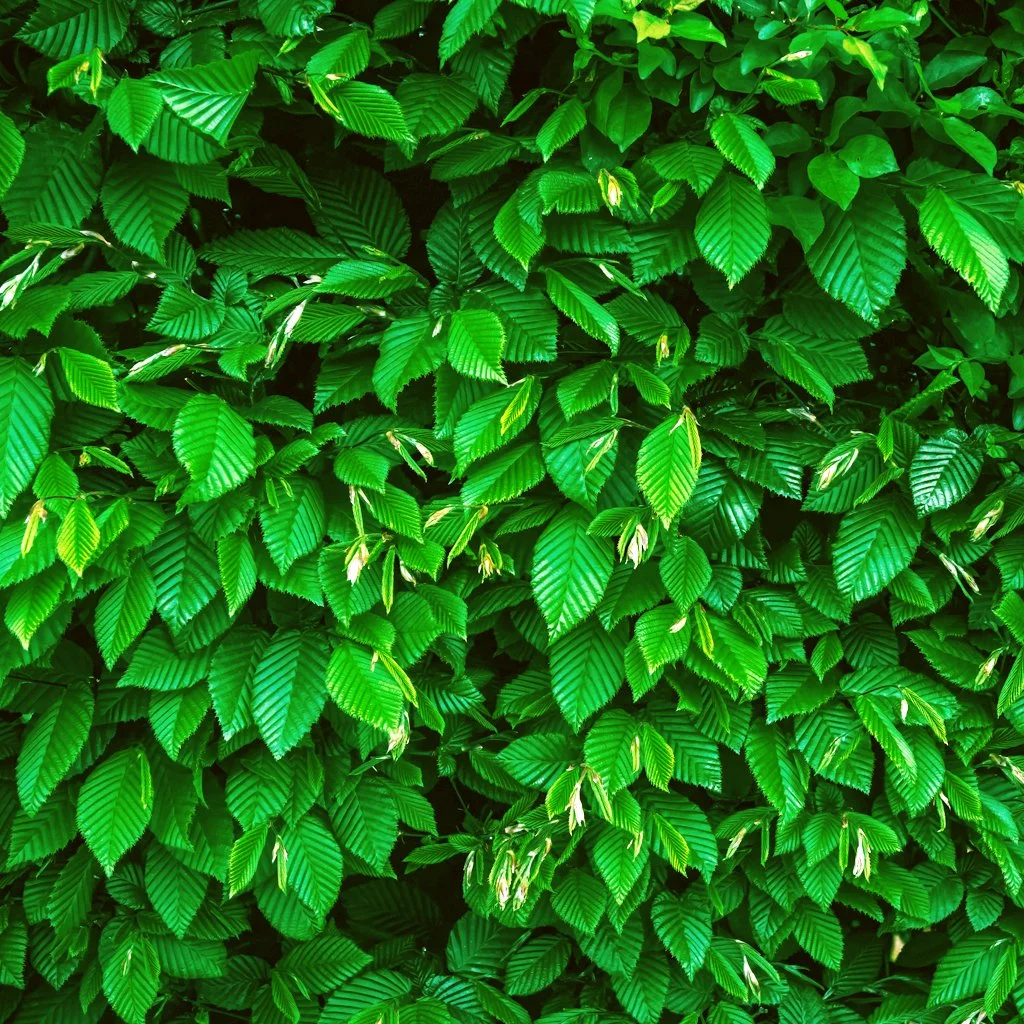 Image 3 of 3