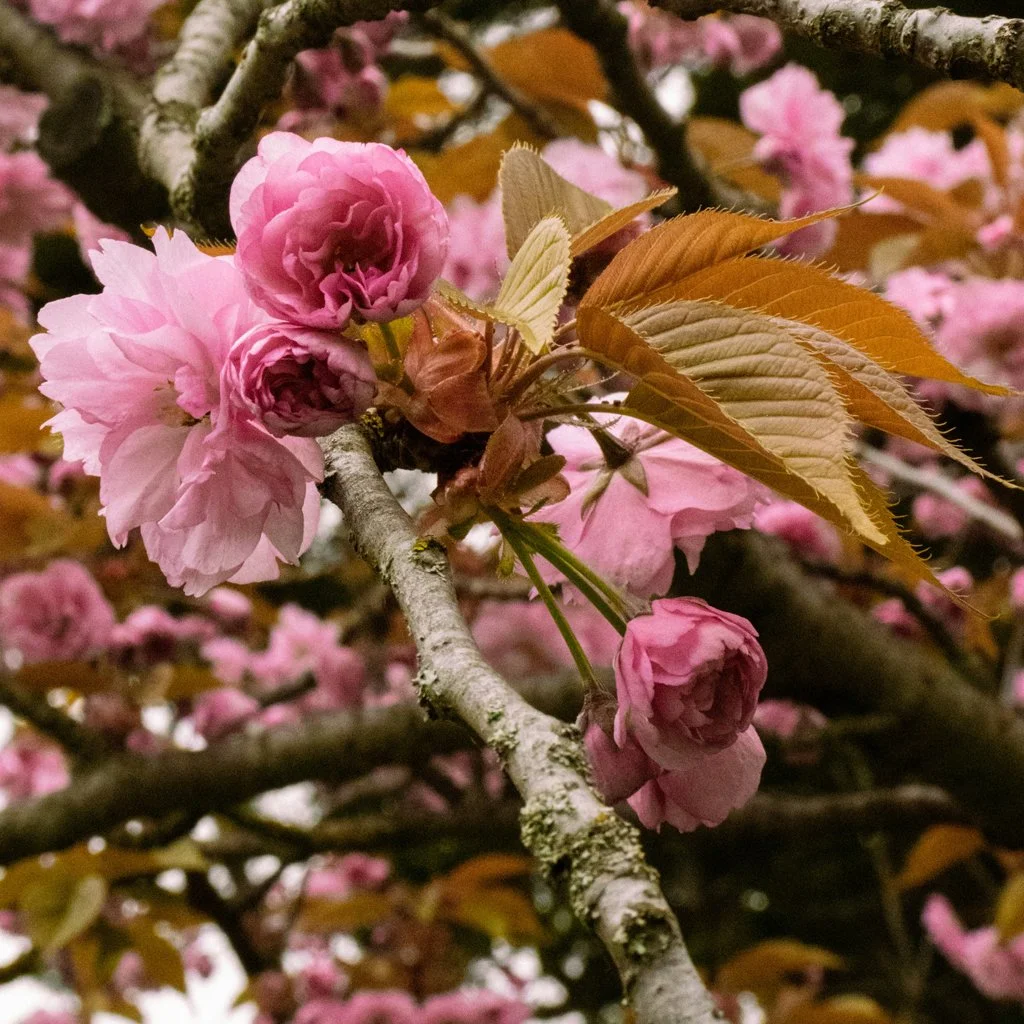
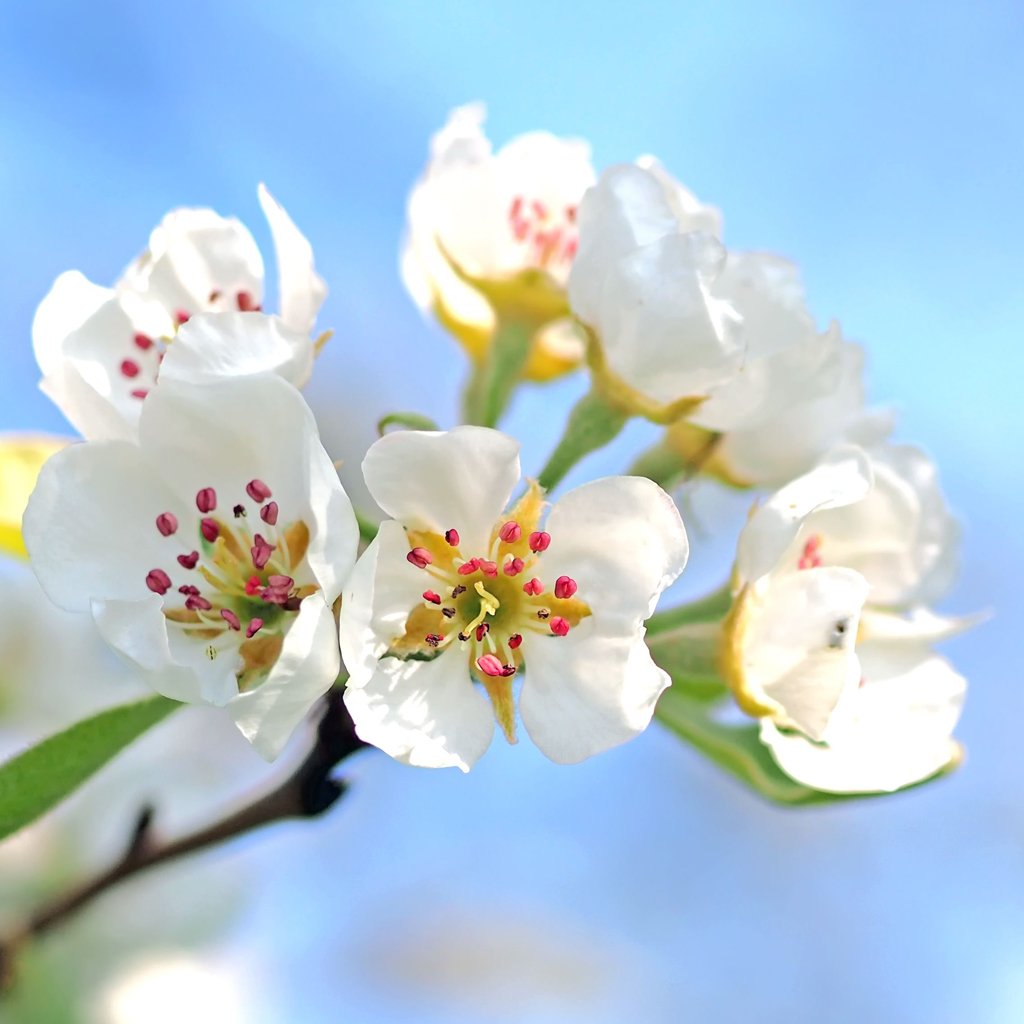
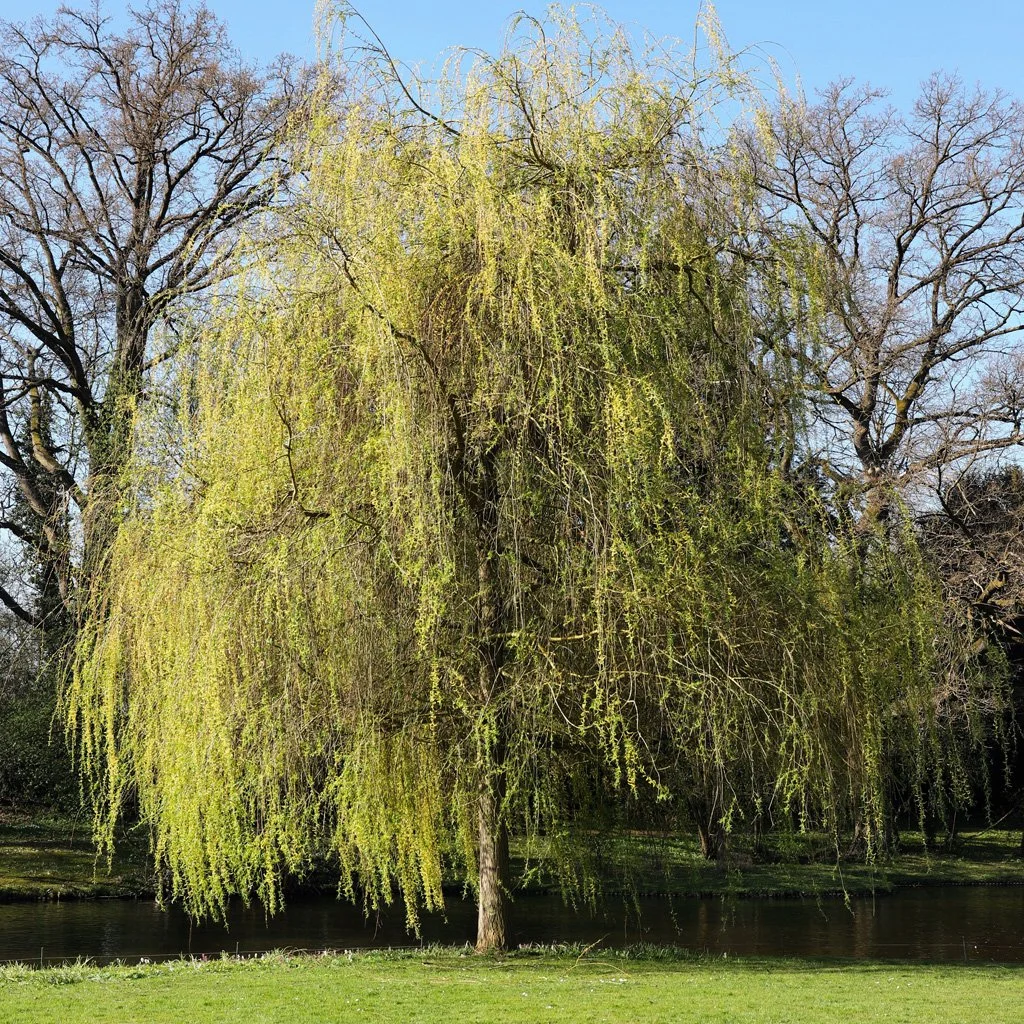
Cercis canadensis is a beautiful small to medium-sized deciduous tree renowned for its spectacular pink-purple spring blossom.
The flowers emerge directly from bare branches and established stems before the heart-shaped leaves open. This produces a vivid early-season display and makes Eastern redbud an outstanding focal-point tree.
Available in standard and multi-stem forms, it is ideal for sheltered lawns, courtyards, ornamental borders and warm contemporary gardens.
Product Highlights
Exceptional pink-purple spring flowers
Blossom carried directly on bare branches
Attractive heart-shaped foliage
Yellow autumn colour
Rounded to spreading crown
Available as a standard or multi-stem tree
Excellent specimen and focal-point plant
Useful early flowers for pollinators
Moderate growth rate
Low routine maintenance
Product Information
Feature / Details
Botanical name: Cercis canadensis
Common names: Eastern redbud and Canadian redbud
Family: Fabaceae
Plant type: Deciduous flowering tree
Mature height: Approximately 6–10 metres
Mature spread: Approximately 5–8 metres
Growth rate: Moderate
Position: Full sun or light partial shade
Exposure: Warm and sheltered
Soil: Fertile and well-drained
Flower colour: Pink-purple
Flowering season: Spring
Autumn colour: Yellow
Maintenance: Low
Suitable For
Sheltered gardens
Courtyard focal points
Medium and large gardens
Contemporary planting schemes
Spring-flowering borders
Multi-stem feature planting
South- and west-facing positions
Protected urban landscapes
When We Would Not Recommend It
Eastern redbud is not normally recommended for:
Exposed upland gardens
Severe coastal exposure
Regular frost pockets
Permanently waterlogged soil
Deep shade
Narrow sites unable to accommodate its crown
Positions requiring evergreen screening
Planting Requirements
Plant in a warm, sheltered position in full sun or light partial shade.
The soil should retain adequate moisture without becoming waterlogged. Good drainage is especially important during wet North West winters.
Keep the root flare at finished soil level, water thoroughly after planting and maintain irrigation during dry periods.
For complete instructions, read our tree planting and establishment guide.
Larger standards and multi-stem trees may require specialist handling and anchoring. See our specimen-tree delivery and planting service.
Rootballed or Container-Grown?
Container-grown stock provides a wider planting window where irrigation is dependable. Rootballed specimens are supplied seasonally and must be protected from drying during handling and planting.
Compare the options in our rootball versus container-grown guide.
Pruning and Maintenance
Cercis canadensis requires little routine pruning.
Remove dead, damaged, crossing or structurally unsuitable branches and preserve the tree’s natural spreading form. Avoid unnecessary reduction because flowers develop on older wood.
Our RHS Pruning Group 1 guide provides relevant minimal-pruning principles.
Our Recommendation
We recommend Cercis canadensis for warm, sheltered gardens where its extraordinary spring flowers can be viewed at close range.
Choose a standard where clearance is important or a multi-stem specimen where low branching and architectural impact are preferred.
Delivery and Professional Planting
We can install specimen trees at any of the in following postcodes;
BB, BL, CH1 - CH5, CW8, CW9, FY, L, LA1 - LA6, M, OL, PR, SK1 - SK12, WA, & WN.
Please do not purchase if you want the hedging installed outside this area. If you do live outside the area, then please give us a call on 01942 604976 and we can see if it’s possible to do this.
For more information on the tree see the tree specification below. For more information about delivery, access and planting, see the guide below or click here.
Cercis canadensis is a beautiful small to medium-sized deciduous tree renowned for its spectacular pink-purple spring blossom.
The flowers emerge directly from bare branches and established stems before the heart-shaped leaves open. This produces a vivid early-season display and makes Eastern redbud an outstanding focal-point tree.
Available in standard and multi-stem forms, it is ideal for sheltered lawns, courtyards, ornamental borders and warm contemporary gardens.
Product Highlights
Exceptional pink-purple spring flowers
Blossom carried directly on bare branches
Attractive heart-shaped foliage
Yellow autumn colour
Rounded to spreading crown
Available as a standard or multi-stem tree
Excellent specimen and focal-point plant
Useful early flowers for pollinators
Moderate growth rate
Low routine maintenance
Product Information
Feature / Details
Botanical name: Cercis canadensis
Common names: Eastern redbud and Canadian redbud
Family: Fabaceae
Plant type: Deciduous flowering tree
Mature height: Approximately 6–10 metres
Mature spread: Approximately 5–8 metres
Growth rate: Moderate
Position: Full sun or light partial shade
Exposure: Warm and sheltered
Soil: Fertile and well-drained
Flower colour: Pink-purple
Flowering season: Spring
Autumn colour: Yellow
Maintenance: Low
Suitable For
Sheltered gardens
Courtyard focal points
Medium and large gardens
Contemporary planting schemes
Spring-flowering borders
Multi-stem feature planting
South- and west-facing positions
Protected urban landscapes
When We Would Not Recommend It
Eastern redbud is not normally recommended for:
Exposed upland gardens
Severe coastal exposure
Regular frost pockets
Permanently waterlogged soil
Deep shade
Narrow sites unable to accommodate its crown
Positions requiring evergreen screening
Planting Requirements
Plant in a warm, sheltered position in full sun or light partial shade.
The soil should retain adequate moisture without becoming waterlogged. Good drainage is especially important during wet North West winters.
Keep the root flare at finished soil level, water thoroughly after planting and maintain irrigation during dry periods.
For complete instructions, read our tree planting and establishment guide.
Larger standards and multi-stem trees may require specialist handling and anchoring. See our specimen-tree delivery and planting service.
Rootballed or Container-Grown?
Container-grown stock provides a wider planting window where irrigation is dependable. Rootballed specimens are supplied seasonally and must be protected from drying during handling and planting.
Compare the options in our rootball versus container-grown guide.
Pruning and Maintenance
Cercis canadensis requires little routine pruning.
Remove dead, damaged, crossing or structurally unsuitable branches and preserve the tree’s natural spreading form. Avoid unnecessary reduction because flowers develop on older wood.
Our RHS Pruning Group 1 guide provides relevant minimal-pruning principles.
Our Recommendation
We recommend Cercis canadensis for warm, sheltered gardens where its extraordinary spring flowers can be viewed at close range.
Choose a standard where clearance is important or a multi-stem specimen where low branching and architectural impact are preferred.
Delivery and Professional Planting
We can install specimen trees at any of the in following postcodes;
BB, BL, CH1 - CH5, CW8, CW9, FY, L, LA1 - LA6, M, OL, PR, SK1 - SK12, WA, & WN.
Please do not purchase if you want the hedging installed outside this area. If you do live outside the area, then please give us a call on 01942 604976 and we can see if it’s possible to do this.
For more information on the tree see the tree specification below. For more information about delivery, access and planting, see the guide below or click here.
 Image 1 of 6
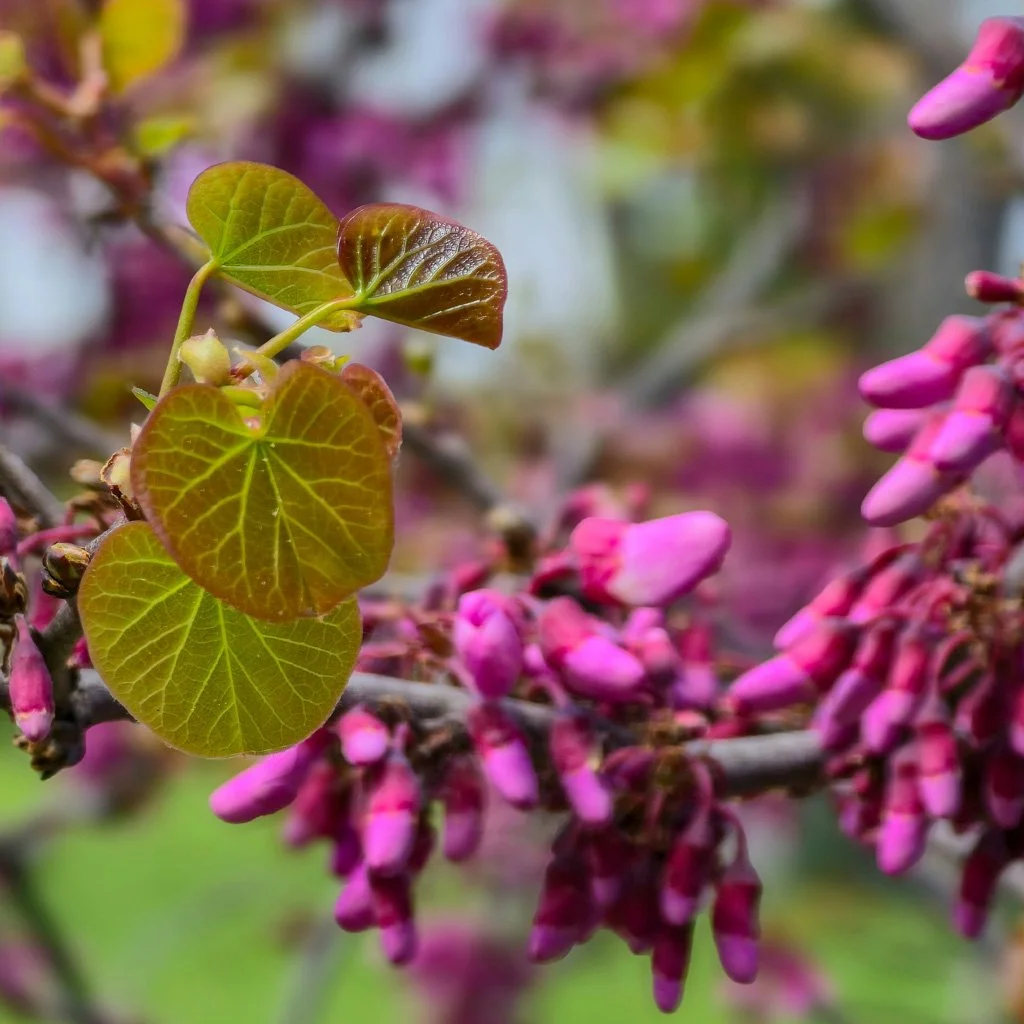 Image 2 of 6
 Image 3 of 6
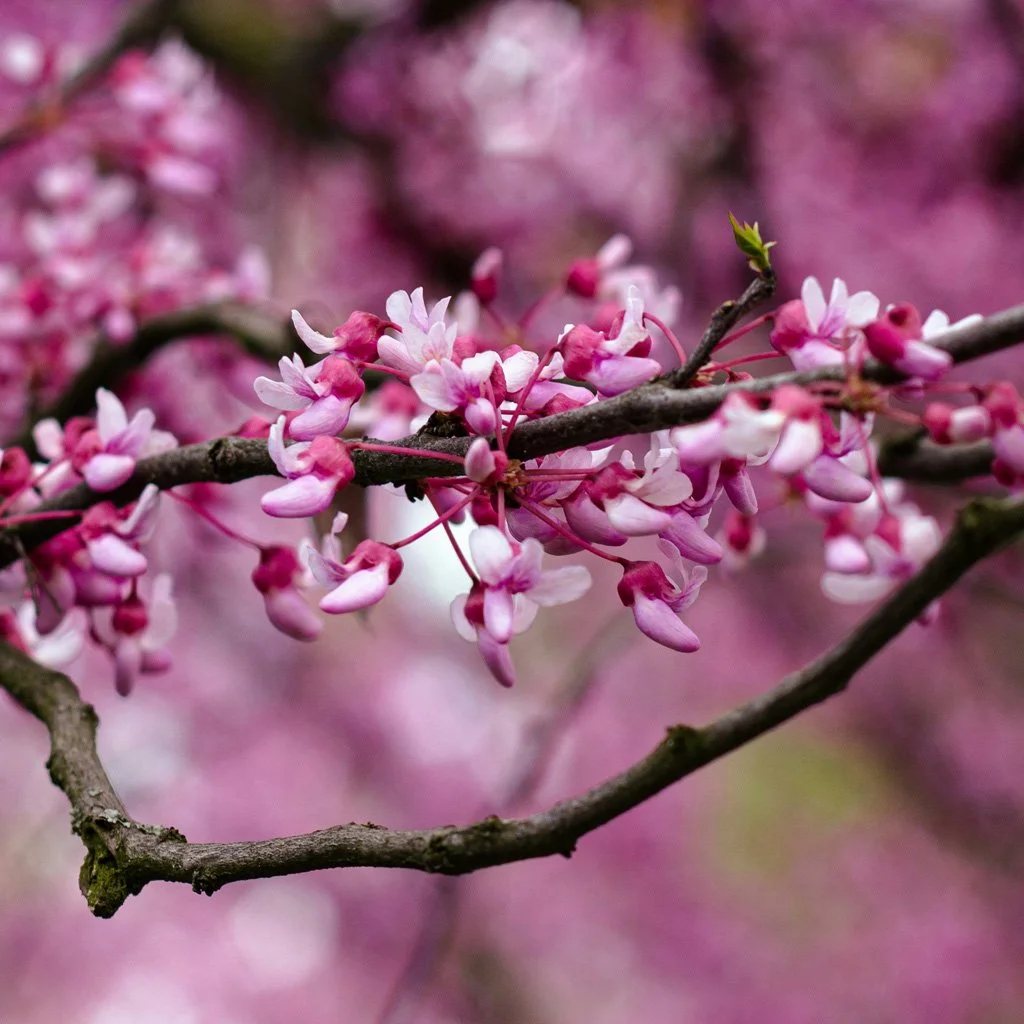 Image 4 of 6
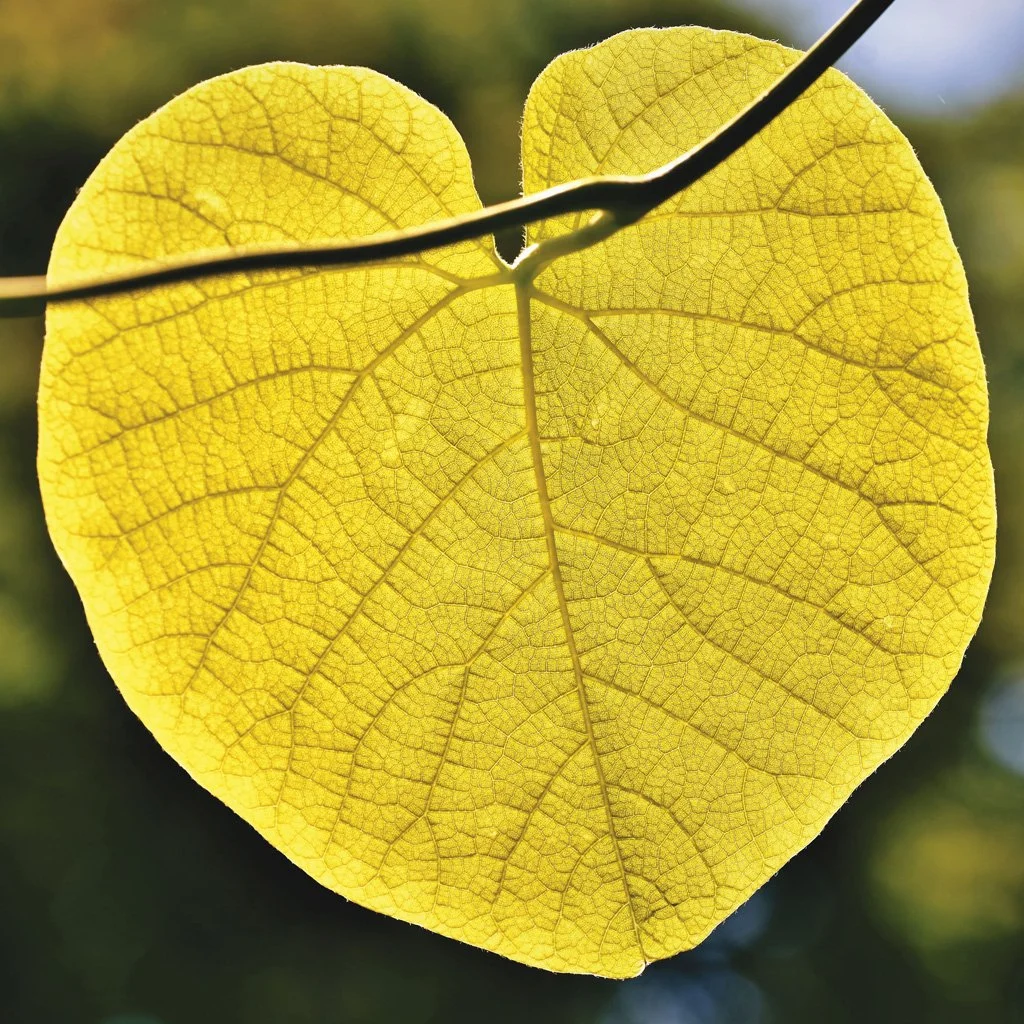 Image 5 of 6
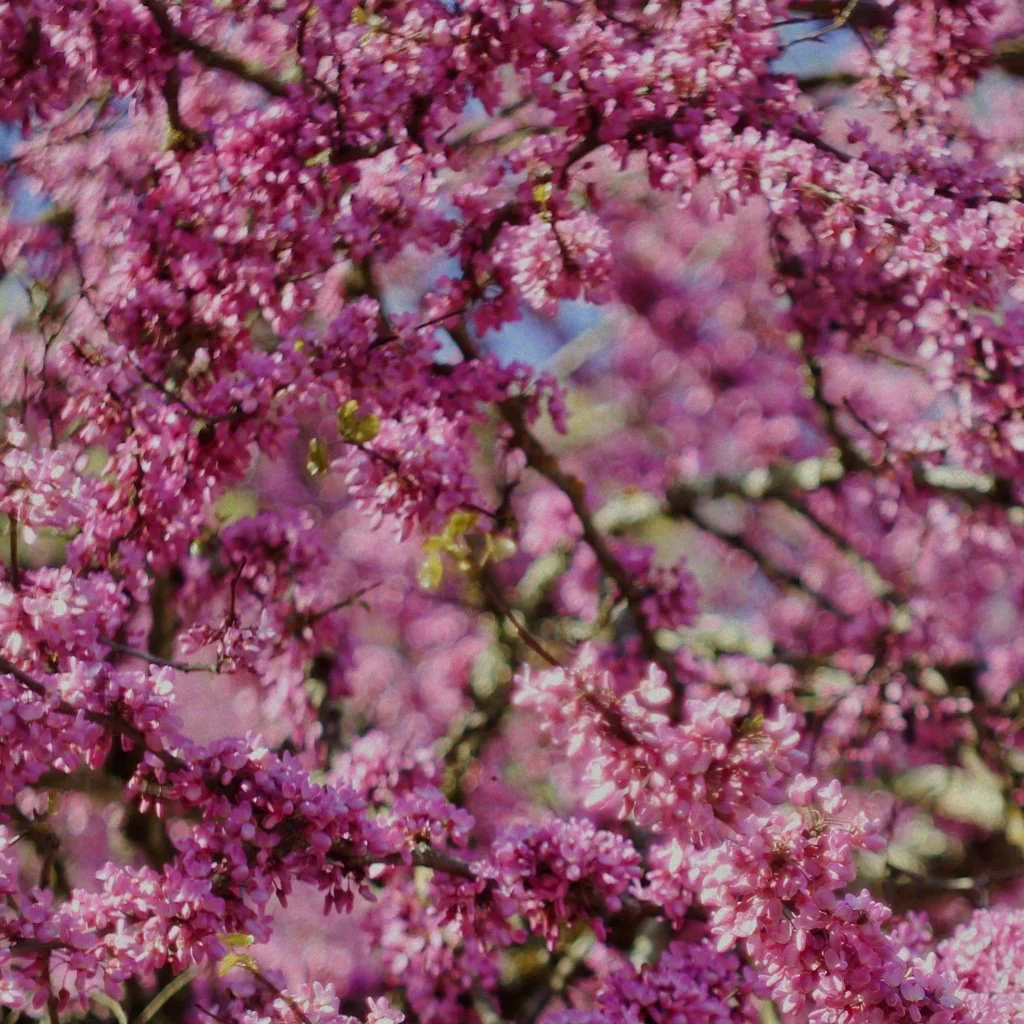 Image 6 of 6