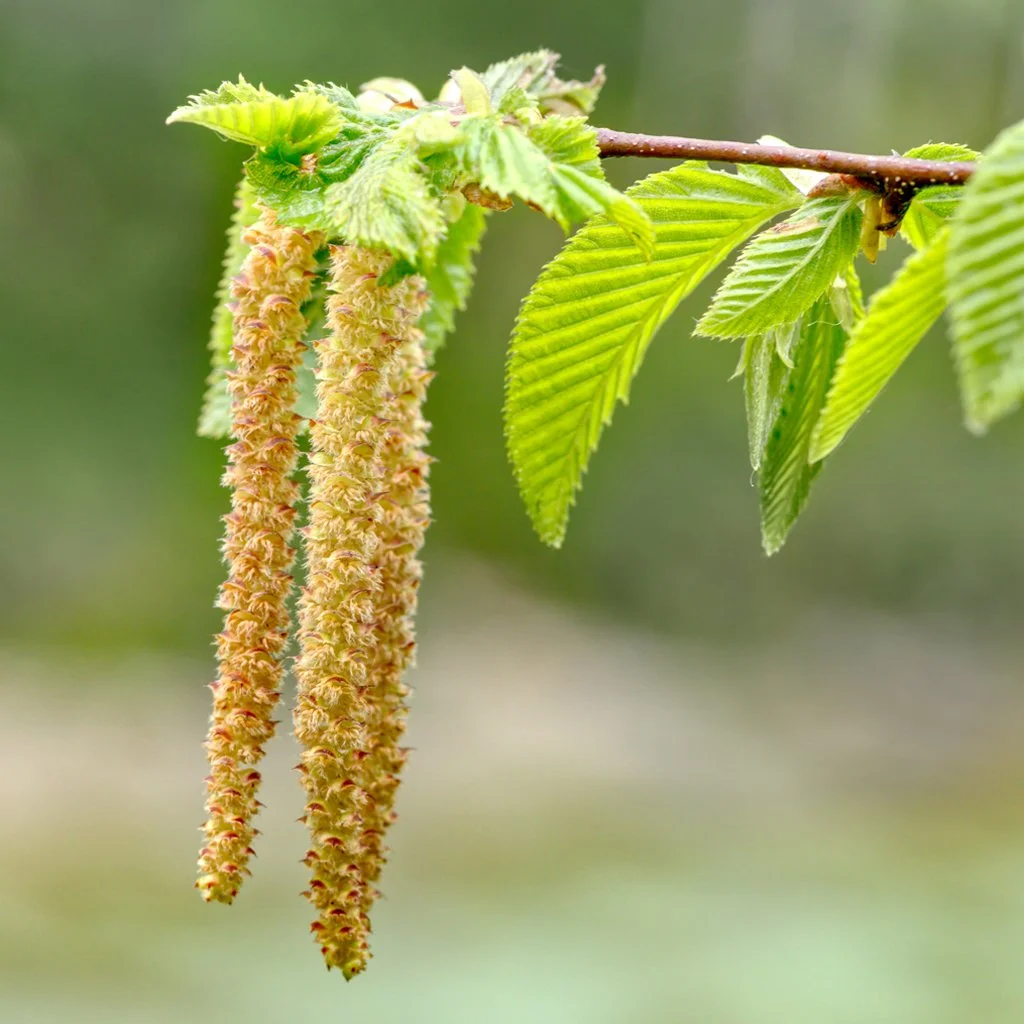
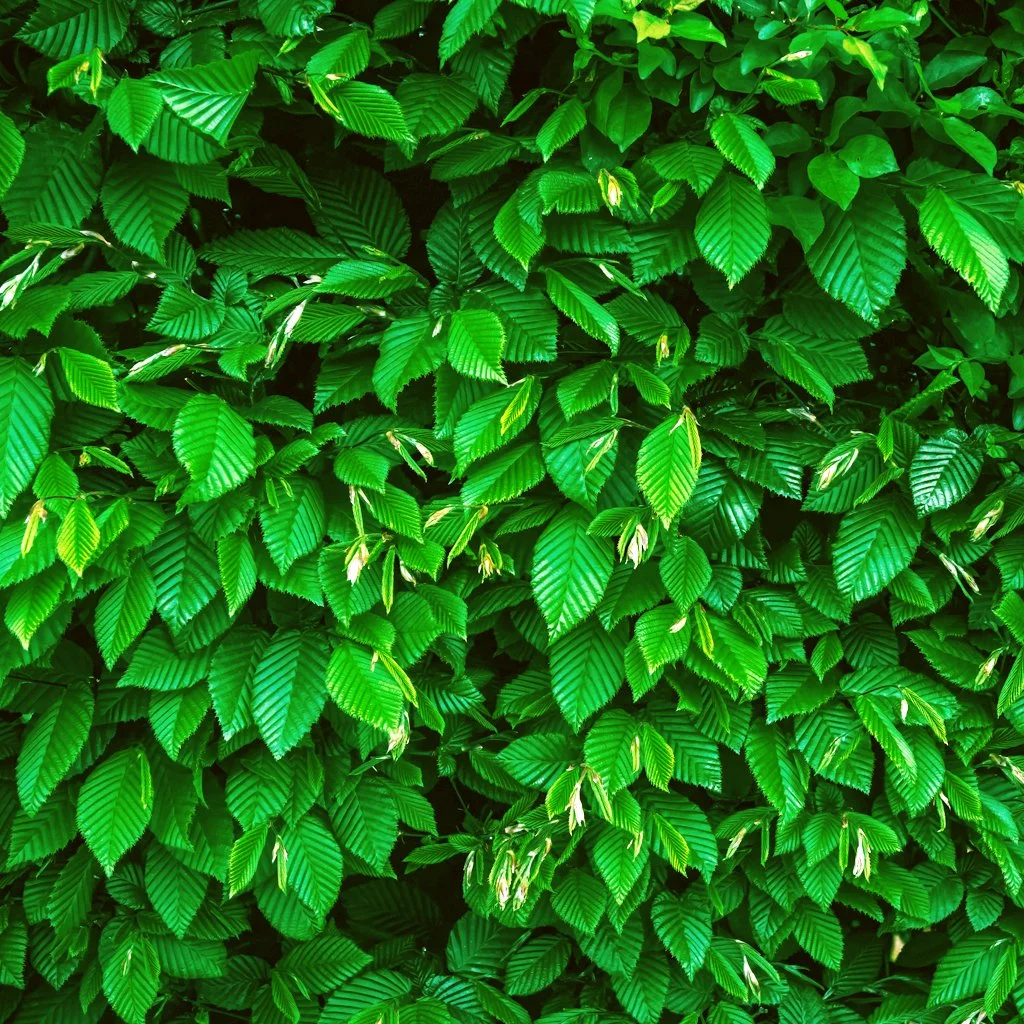
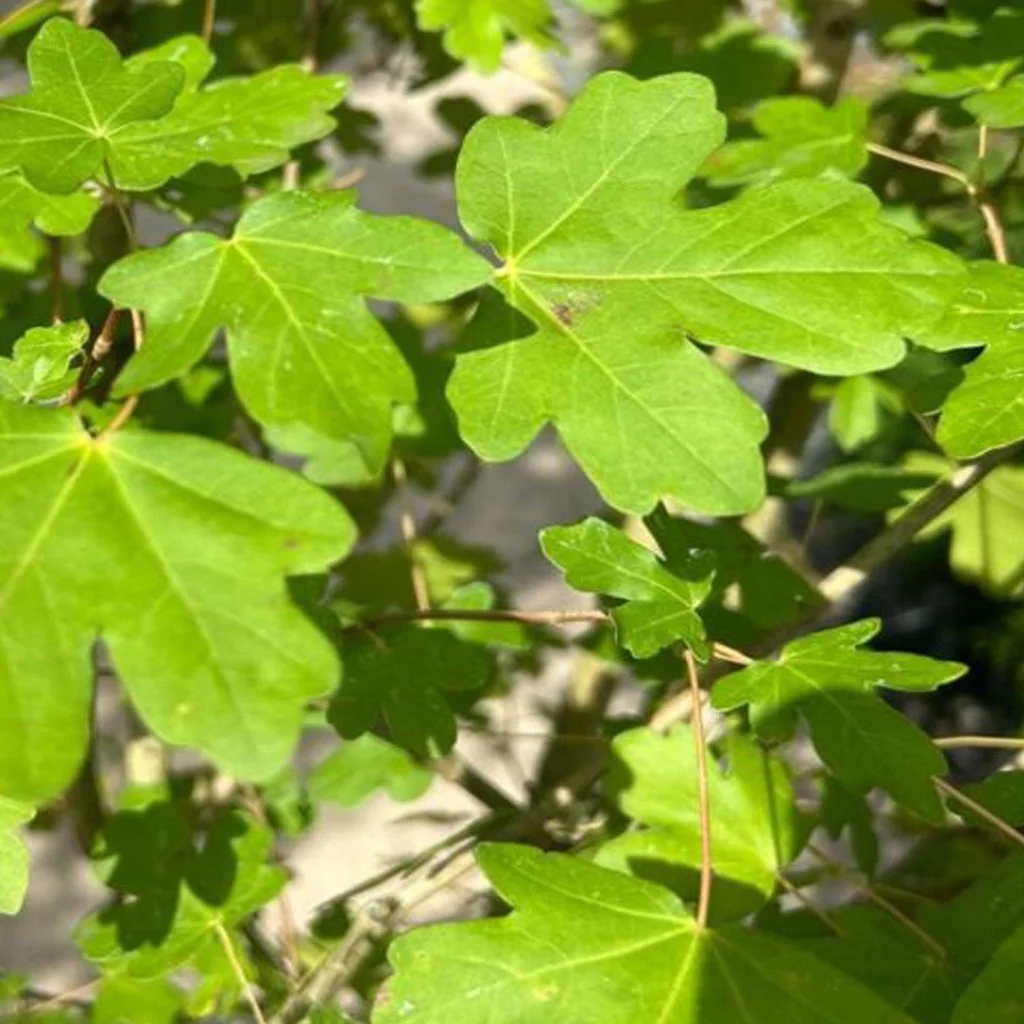
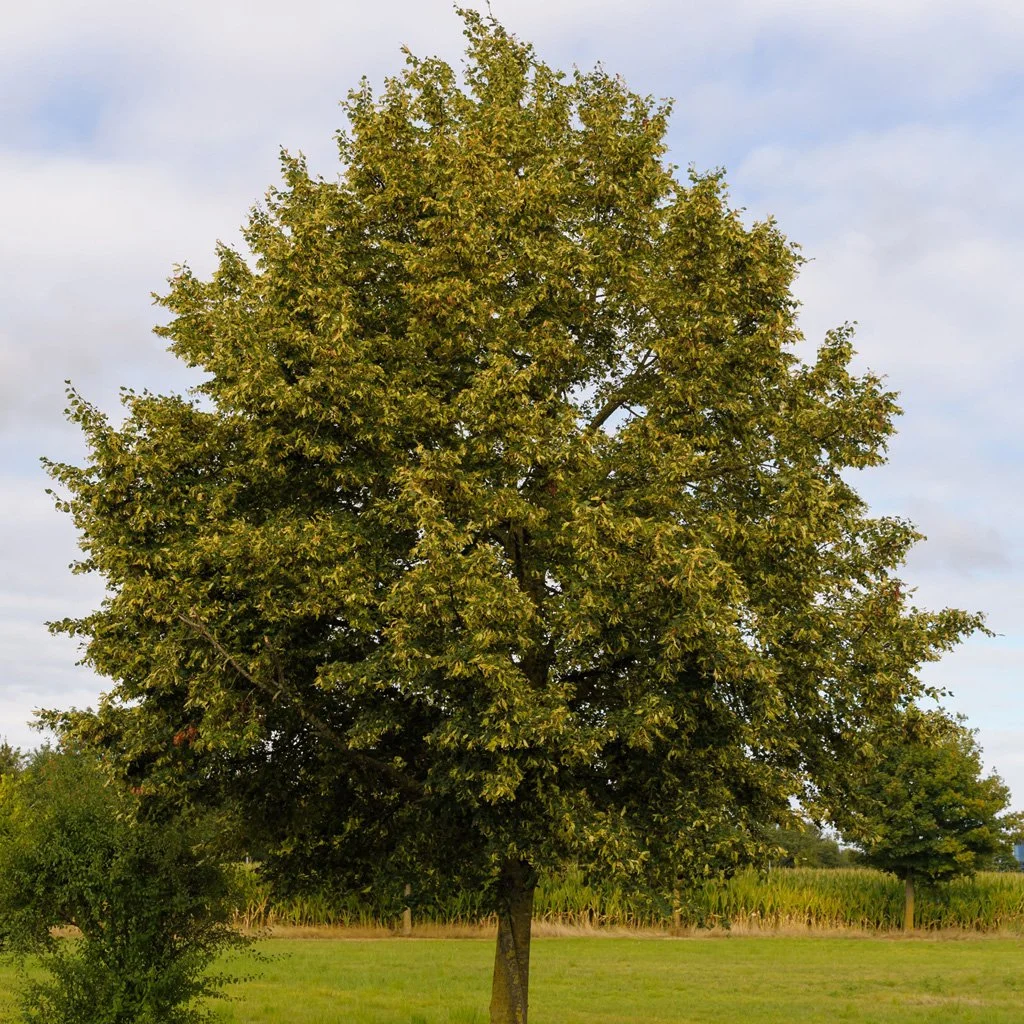
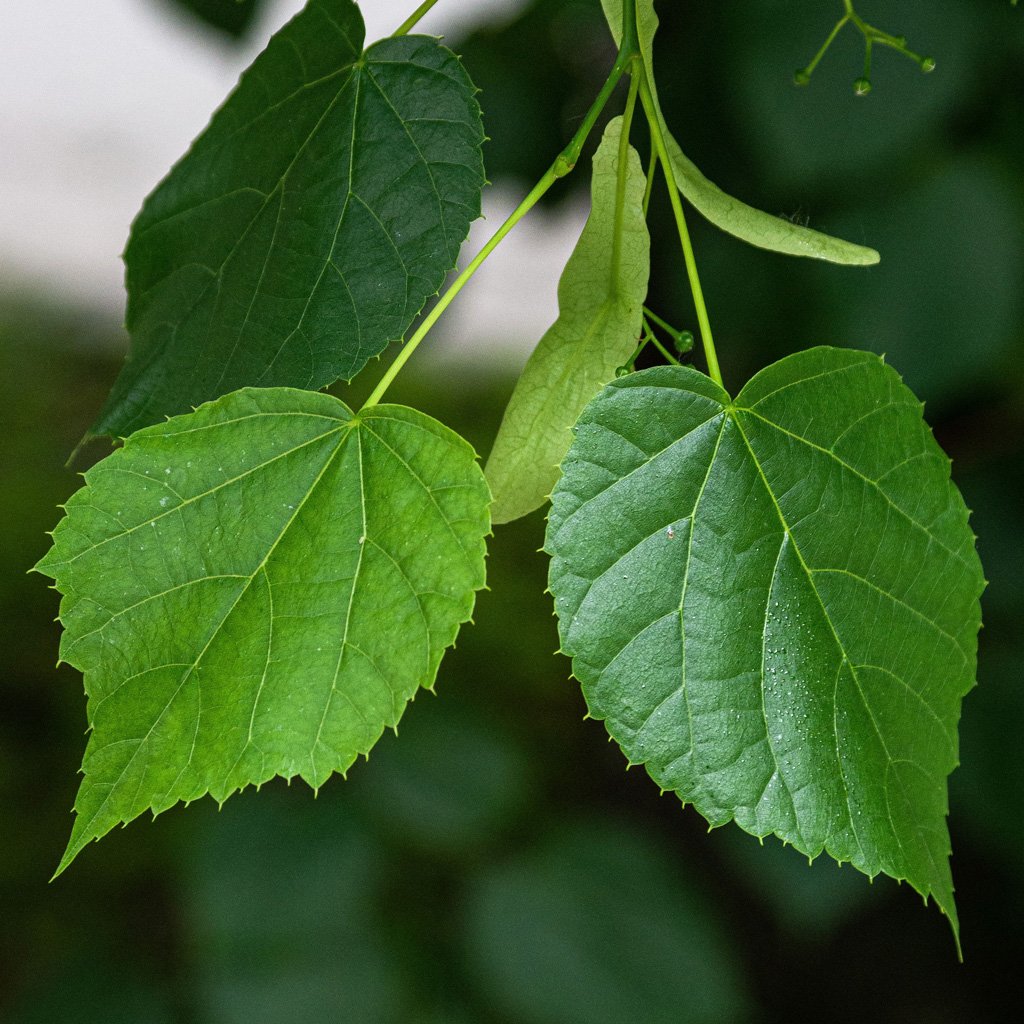
Prunus avium, commonly called Wild Cherry or Gean, is a beautiful native flowering tree for large gardens, estates, parkland, woodland edges and wildlife planting.
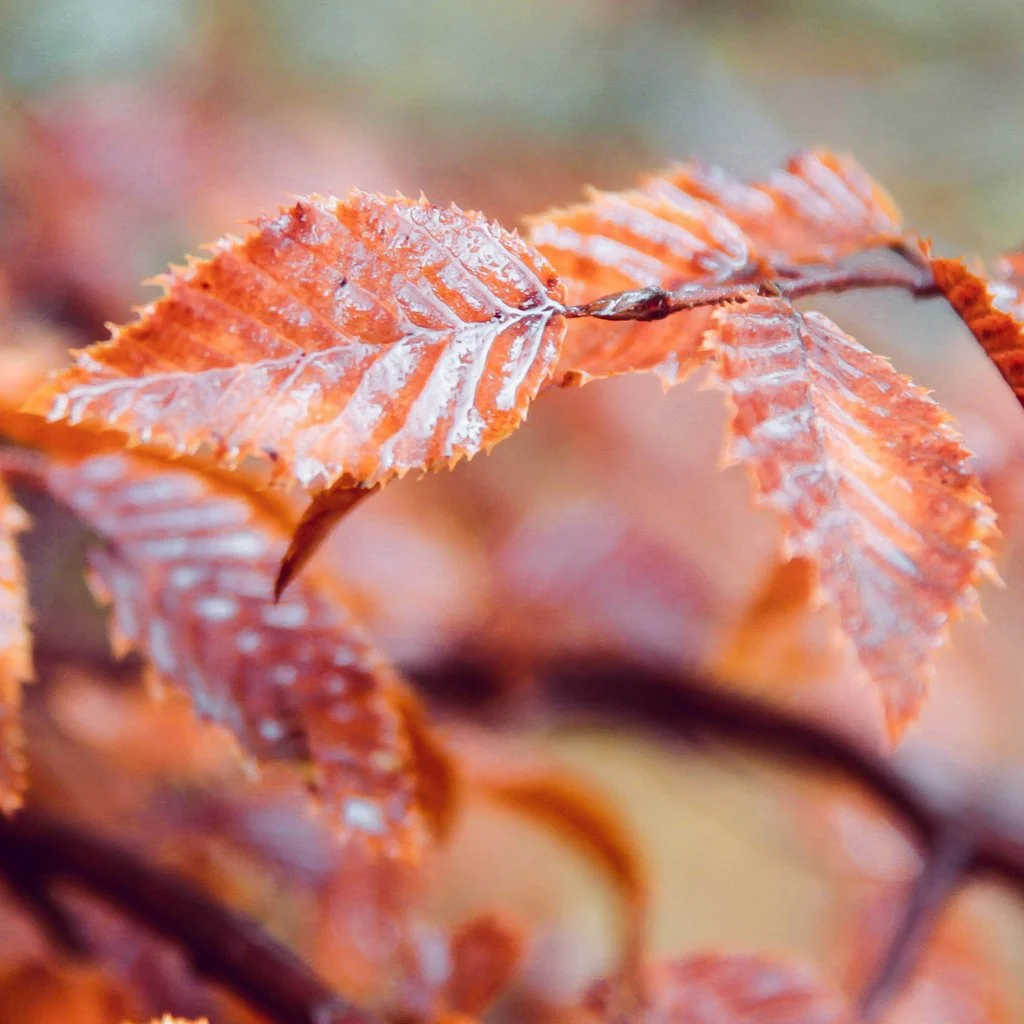
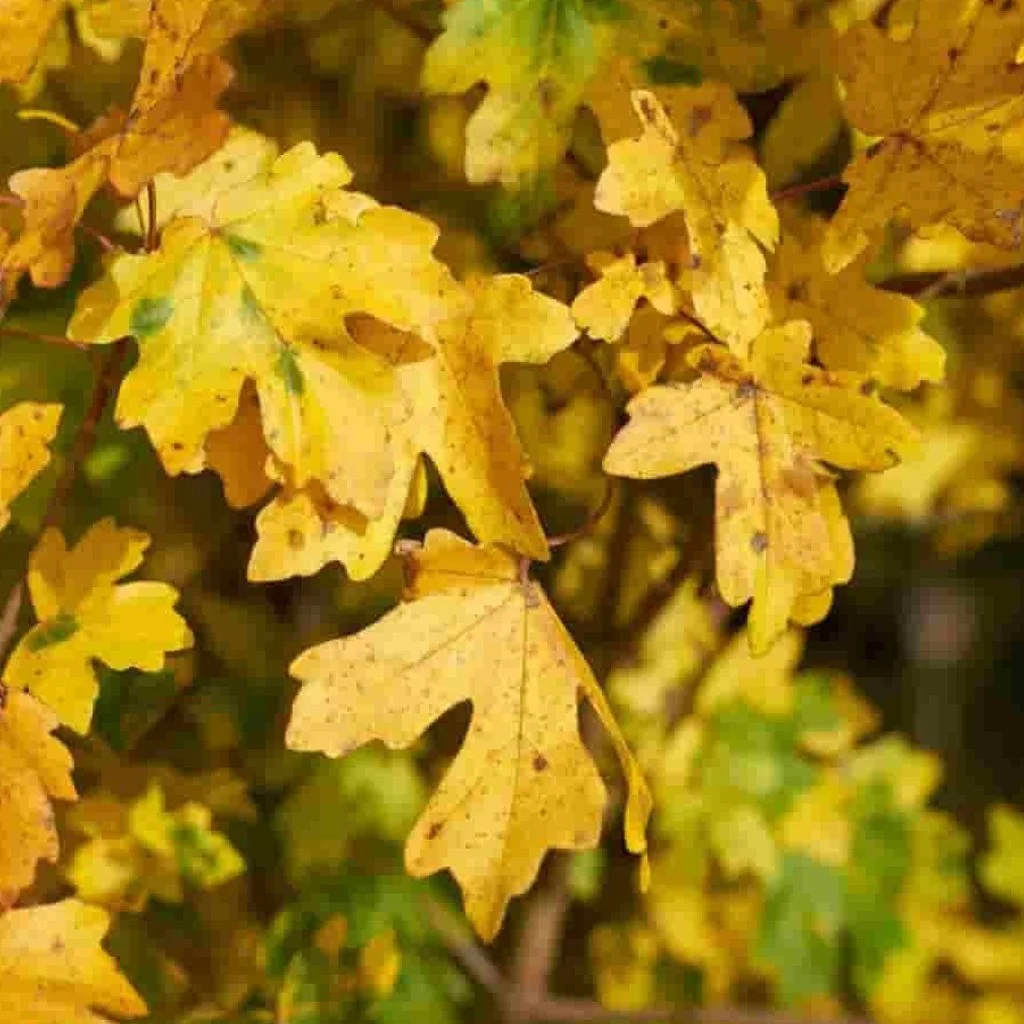
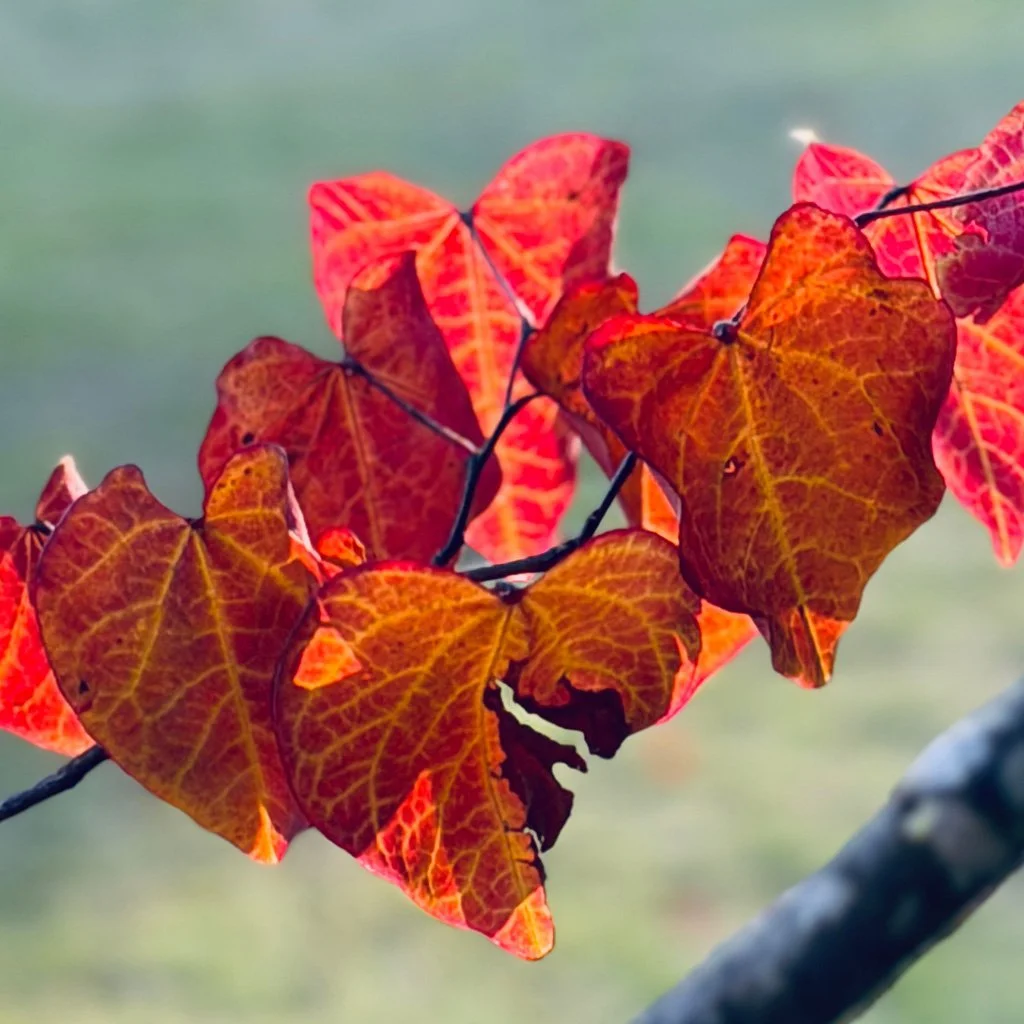
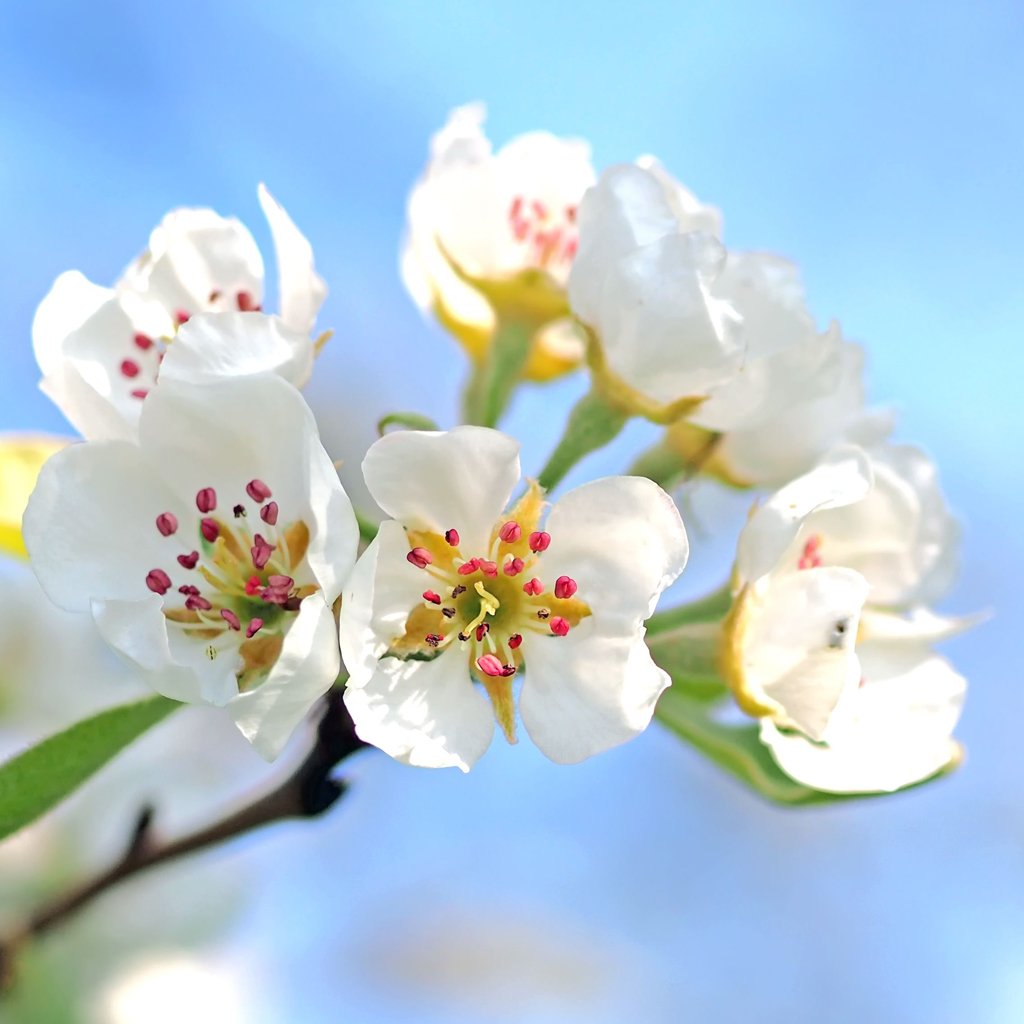
Simple white spring blossom is followed by red to dark crimson summer cherries, which are particularly attractive to birds. Fresh green foliage develops warm yellow, orange and red autumn tones, while glossy reddish-brown bark provides winter character.
Tree details
Feature / Detail
Botanical name: Prunus avium
Common names: Wild Cherry and Gean
Mature height: Approximately 15–25 metres
Mature spread: Approximately 8–15 metres
Growth rate: Moderate to fast
Annual growth: Approximately 40–60cm
Position: Full sun or partial shade
Soil: Fertile, moist but well-drained
Flowers: White blossom in April and May
Fruit: Red to dark crimson summer cherries
Autumn colour: Yellow, orange and red
Hardiness: Fully hardy
Wildlife value: Excellent
Maintenance: Low to moderate
Why buy a Wild Cherry tree?
UK native tree
Beautiful white spring blossom
Excellent tree for bees and other pollinators
Summer fruit valued by birds
Warm autumn foliage
Attractive reddish-brown bark
Fast-establishing when young
Suitable for specimen and native planting
Excellent biodiversity value
Available in young and specimen sizes
Best uses
Wild Cherry is particularly suitable for:
Large gardens and estates
Parkland and large lawns
Native woodland schemes
Woodland edges and copses
Rural landscape projects
Biodiversity planting
Community woodland
Naturalistic gardens
Large specimen-tree positions
It is not recommended for small gardens or sites where its broad mature crown cannot develop naturally.
Important product considerations
Wild Cherry becomes a large tree, commonly reaching 15–25 metres. Ensure that the planting site provides sufficient space for its crown and roots.
Summer fruit can fall beneath the canopy, potentially staining paving and creating a slippery surface. Avoid planting directly over seating areas, regularly parked vehicles or heavily used paths.
The ripe flesh of correctly identified fruit is edible, but the stones, leaves, bark and wilted plant material should not be consumed. Keep fallen pruning material away from horses and grazing livestock.
Planting conditions
For the best results, plant Wild Cherry in:
Full sun or light partial shade
Fertile, moisture-retentive soil
Freely drained ground
A site with adequate crown and rooting space
A reasonably sheltered position
Avoid persistently waterlogged, severely compacted or highly exposed salt-laden coastal sites.
Delivery and Professional Planting
We can install specimen trees at any of the in following postcodes;
BB, BL, CH1 - CH5, CW8, CW9, FY, L, LA1 - LA6, M, OL, PR, SK1 - SK12, WA, & WN.
Please do not purchase if you want the hedging installed outside this area. If you do live outside the area, then please give us a call on 01942 604976 and we can see if it’s possible to do this.
For more information on the tree see the tree specification below. For more information about delivery, access and planting, see the guide below or click here.
Prunus avium, commonly called Wild Cherry or Gean, is a beautiful native flowering tree for large gardens, estates, parkland, woodland edges and wildlife planting.
Simple white spring blossom is followed by red to dark crimson summer cherries, which are particularly attractive to birds. Fresh green foliage develops warm yellow, orange and red autumn tones, while glossy reddish-brown bark provides winter character.
Tree details
Feature / Detail
Botanical name: Prunus avium
Common names: Wild Cherry and Gean
Mature height: Approximately 15–25 metres
Mature spread: Approximately 8–15 metres
Growth rate: Moderate to fast
Annual growth: Approximately 40–60cm
Position: Full sun or partial shade
Soil: Fertile, moist but well-drained
Flowers: White blossom in April and May
Fruit: Red to dark crimson summer cherries
Autumn colour: Yellow, orange and red
Hardiness: Fully hardy
Wildlife value: Excellent
Maintenance: Low to moderate
Why buy a Wild Cherry tree?
UK native tree
Beautiful white spring blossom
Excellent tree for bees and other pollinators
Summer fruit valued by birds
Warm autumn foliage
Attractive reddish-brown bark
Fast-establishing when young
Suitable for specimen and native planting
Excellent biodiversity value
Available in young and specimen sizes
Best uses
Wild Cherry is particularly suitable for:
Large gardens and estates
Parkland and large lawns
Native woodland schemes
Woodland edges and copses
Rural landscape projects
Biodiversity planting
Community woodland
Naturalistic gardens
Large specimen-tree positions
It is not recommended for small gardens or sites where its broad mature crown cannot develop naturally.
Important product considerations
Wild Cherry becomes a large tree, commonly reaching 15–25 metres. Ensure that the planting site provides sufficient space for its crown and roots.
Summer fruit can fall beneath the canopy, potentially staining paving and creating a slippery surface. Avoid planting directly over seating areas, regularly parked vehicles or heavily used paths.
The ripe flesh of correctly identified fruit is edible, but the stones, leaves, bark and wilted plant material should not be consumed. Keep fallen pruning material away from horses and grazing livestock.
Planting conditions
For the best results, plant Wild Cherry in:
Full sun or light partial shade
Fertile, moisture-retentive soil
Freely drained ground
A site with adequate crown and rooting space
A reasonably sheltered position
Avoid persistently waterlogged, severely compacted or highly exposed salt-laden coastal sites.
Delivery and Professional Planting
We can install specimen trees at any of the in following postcodes;
BB, BL, CH1 - CH5, CW8, CW9, FY, L, LA1 - LA6, M, OL, PR, SK1 - SK12, WA, & WN.
Please do not purchase if you want the hedging installed outside this area. If you do live outside the area, then please give us a call on 01942 604976 and we can see if it’s possible to do this.
For more information on the tree see the tree specification below. For more information about delivery, access and planting, see the guide below or click here.
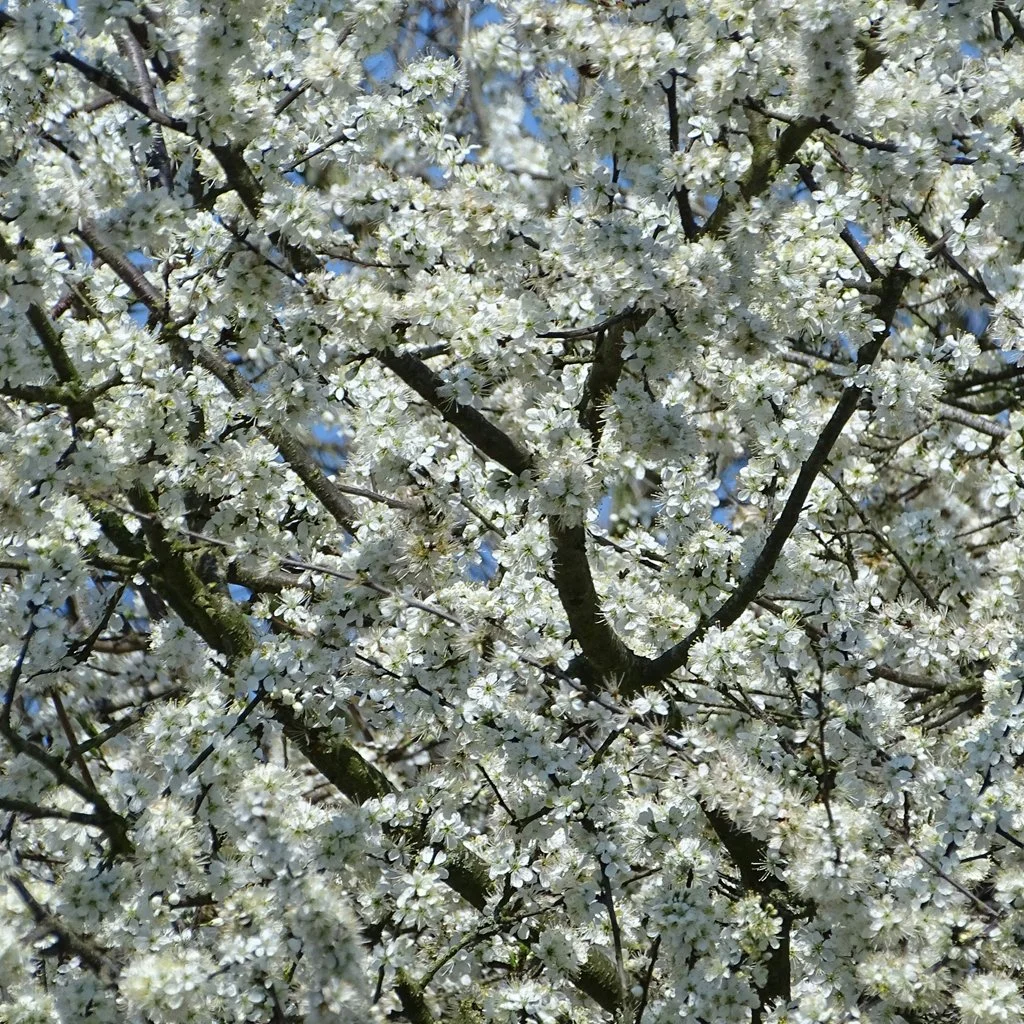 Image 1 of 5
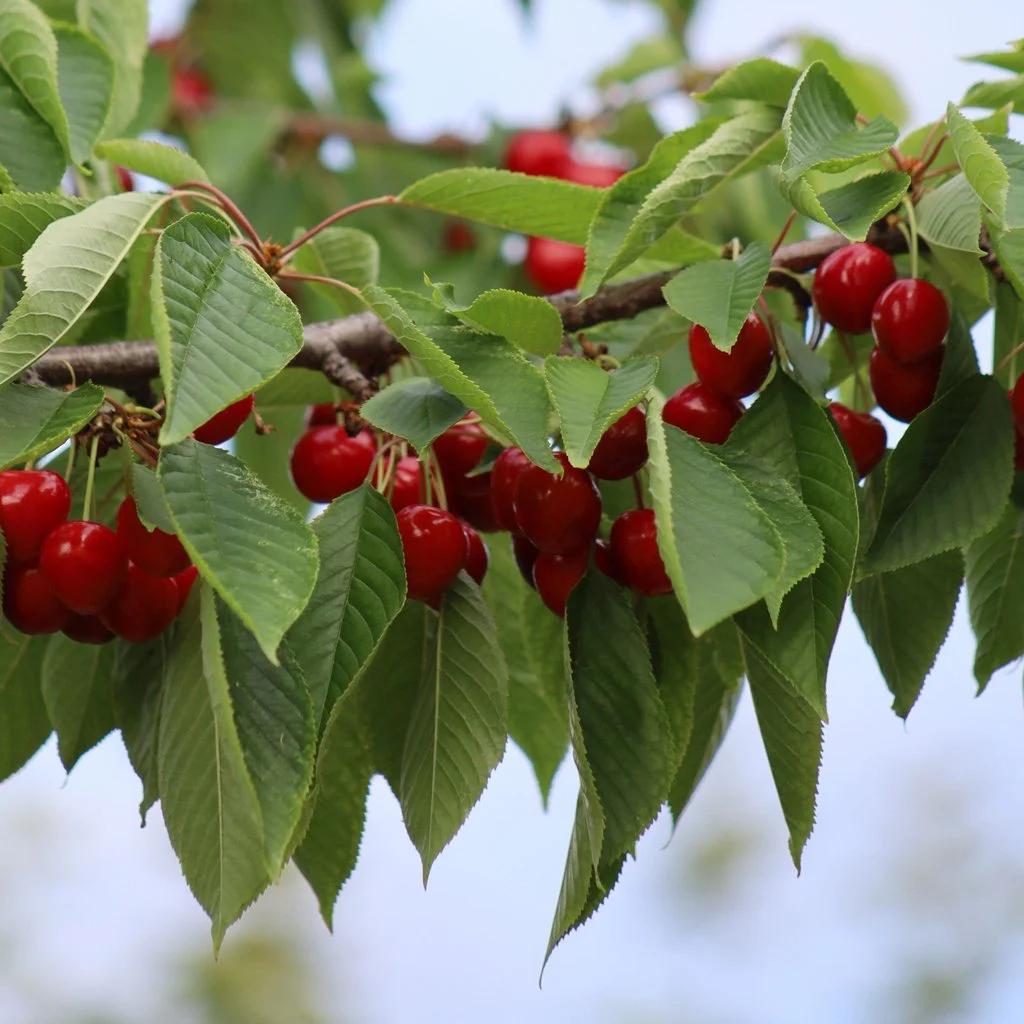 Image 2 of 5
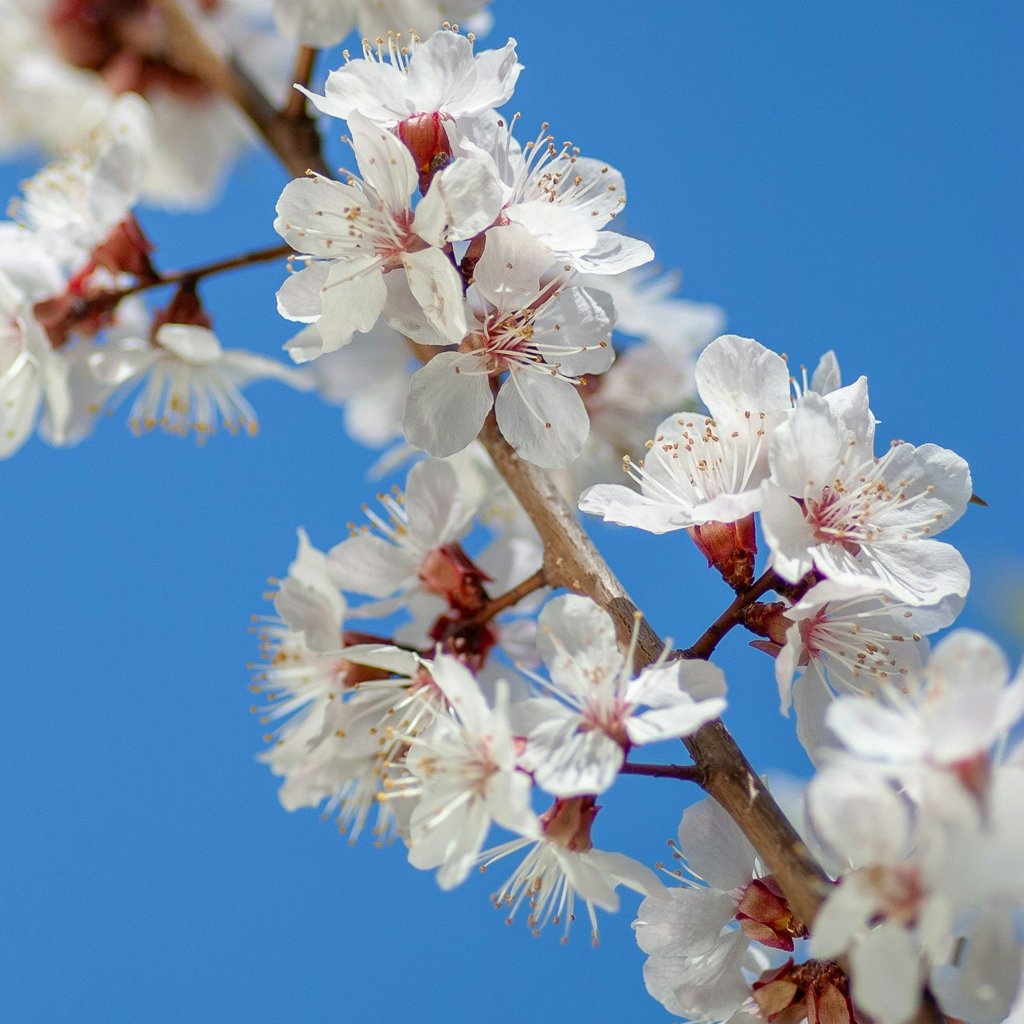 Image 3 of 5
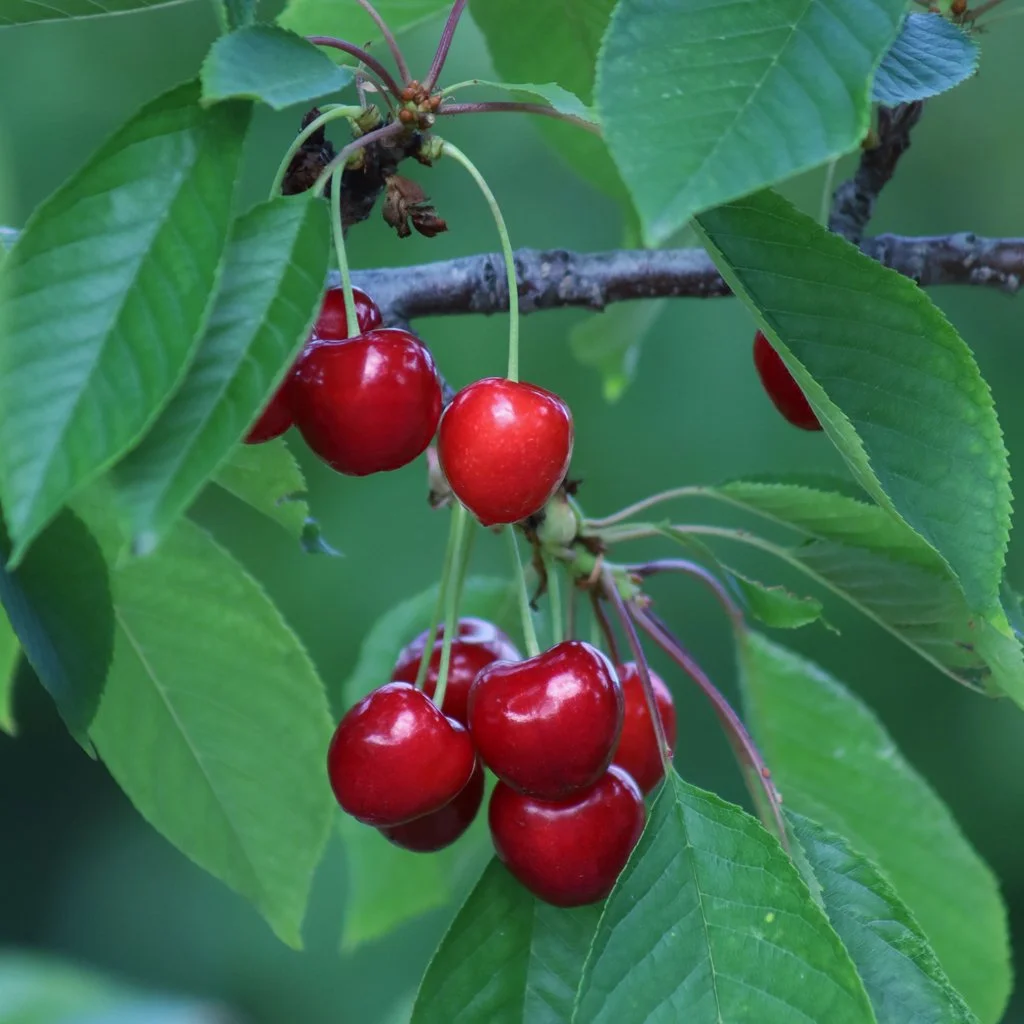 Image 4 of 5
 Image 5 of 5