Rootballed Prunus padus
Bird Cherry Hedging
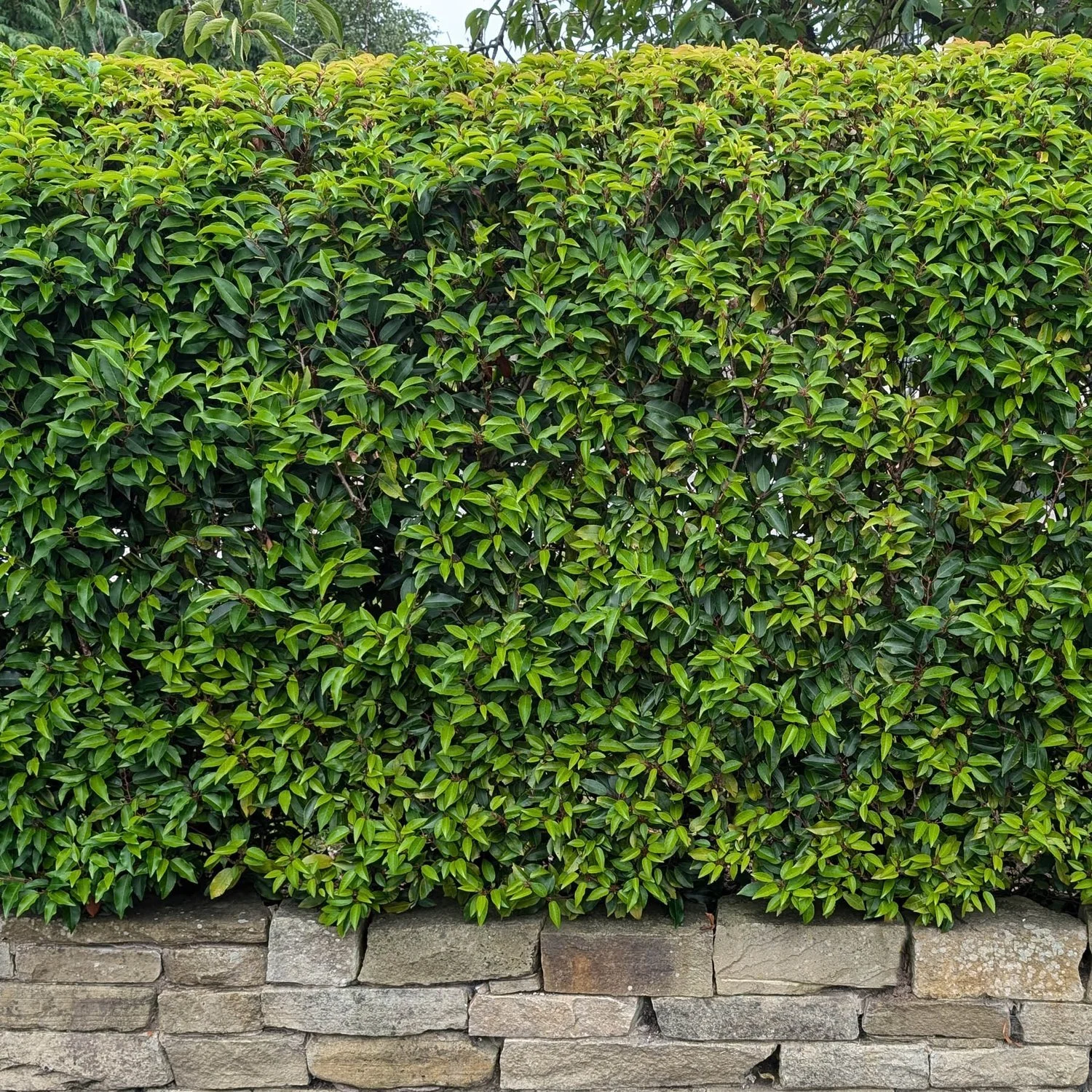
A UK native deciduous hedge with fragrant white spring flowers and dark summer fruits, ideal for wildlife-friendly, informal and mixed native boundaries.
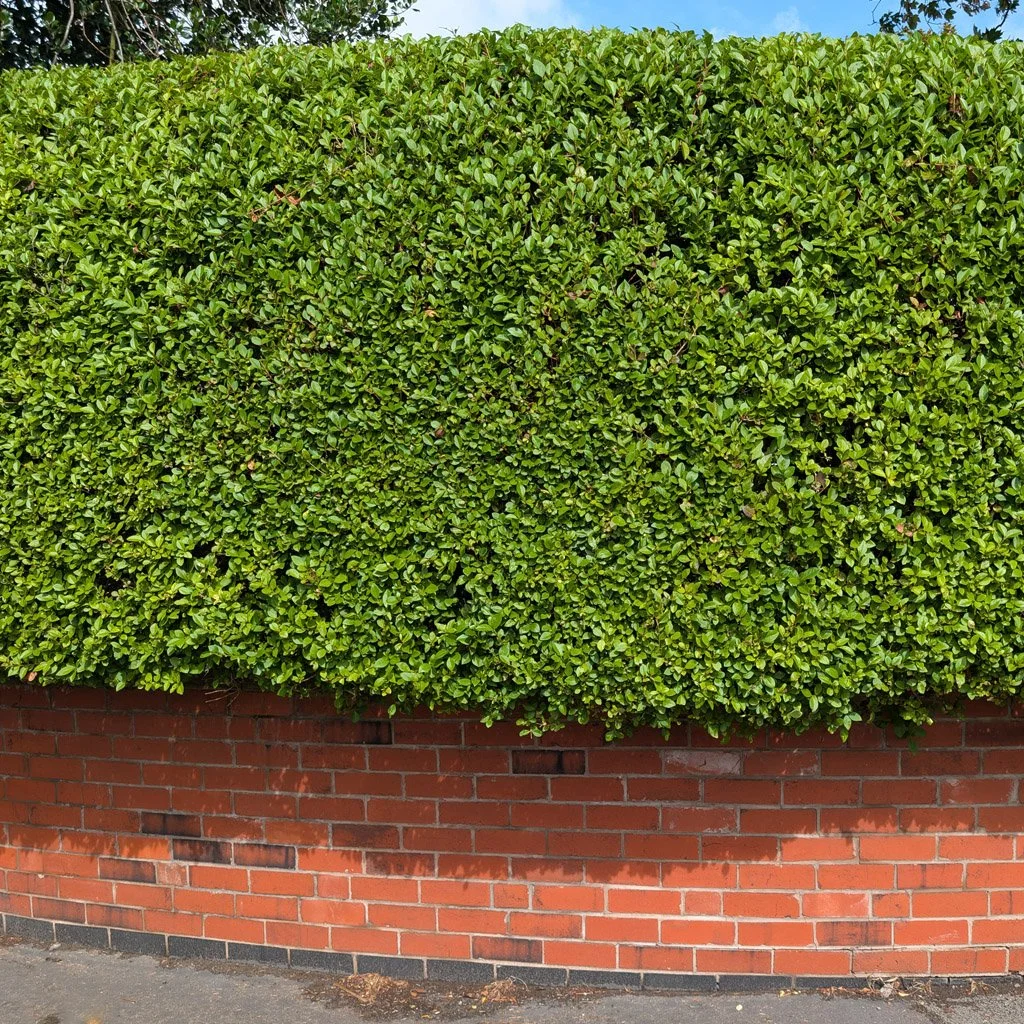
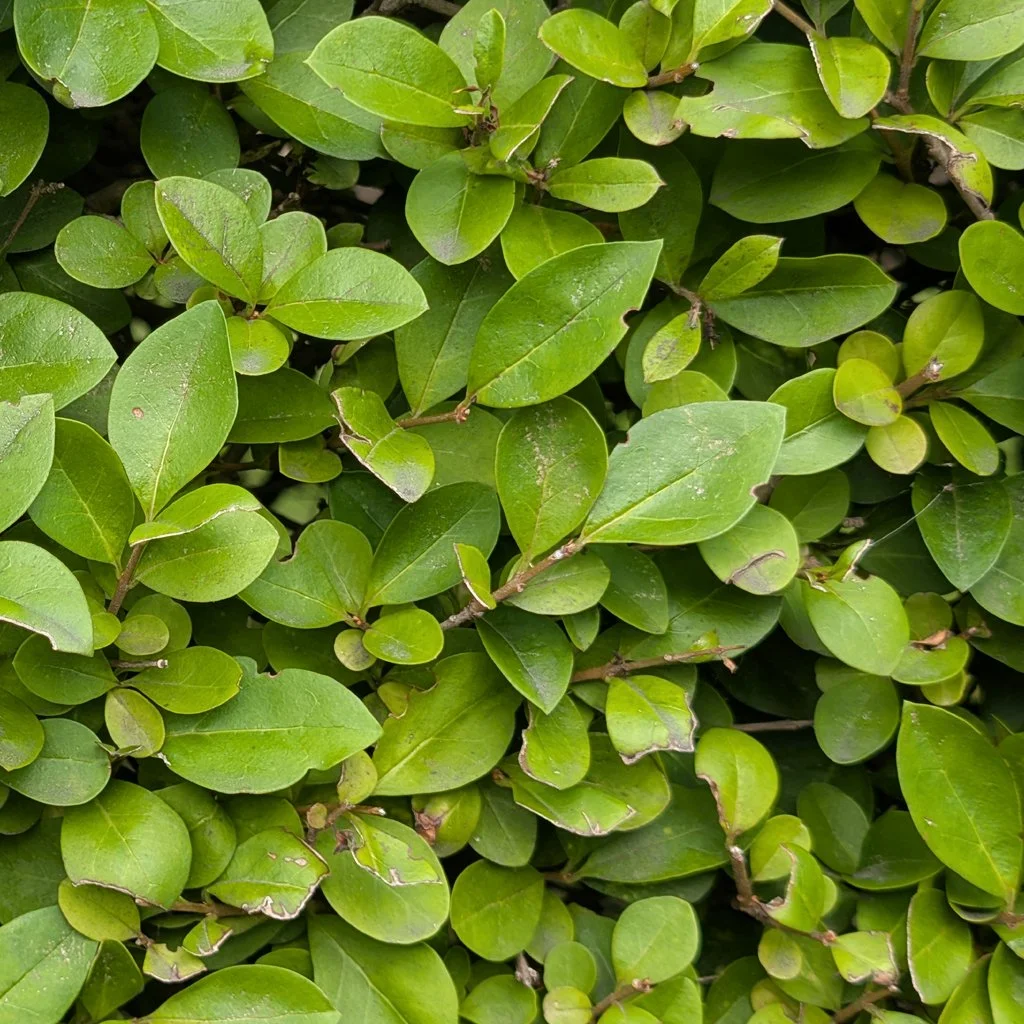
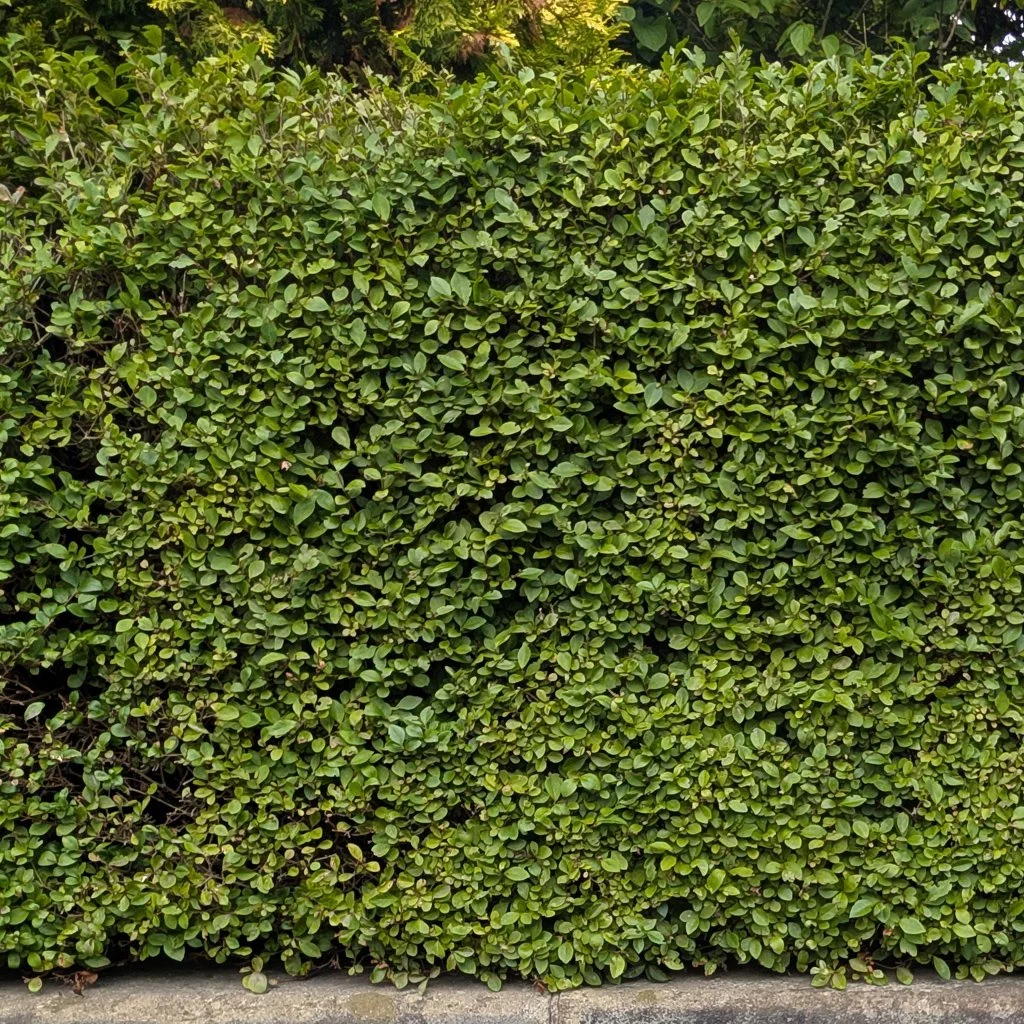
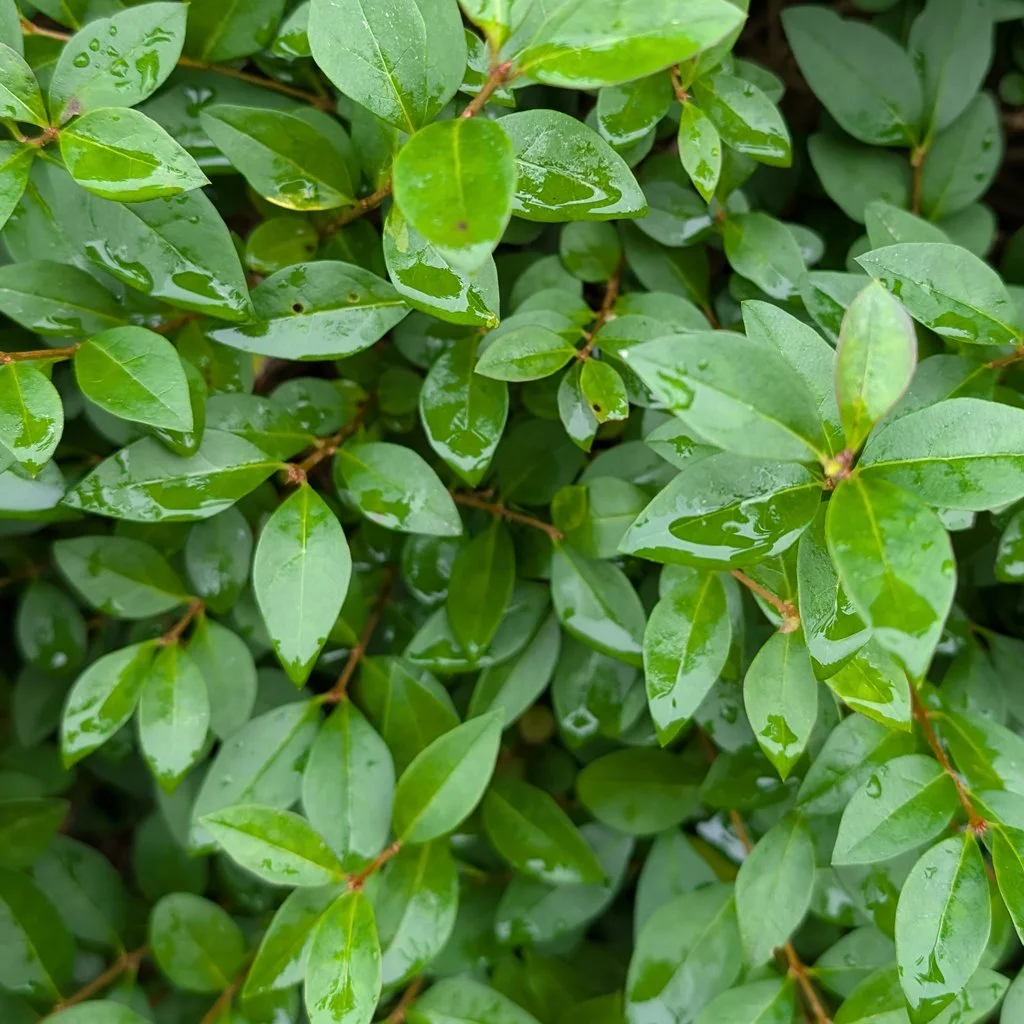
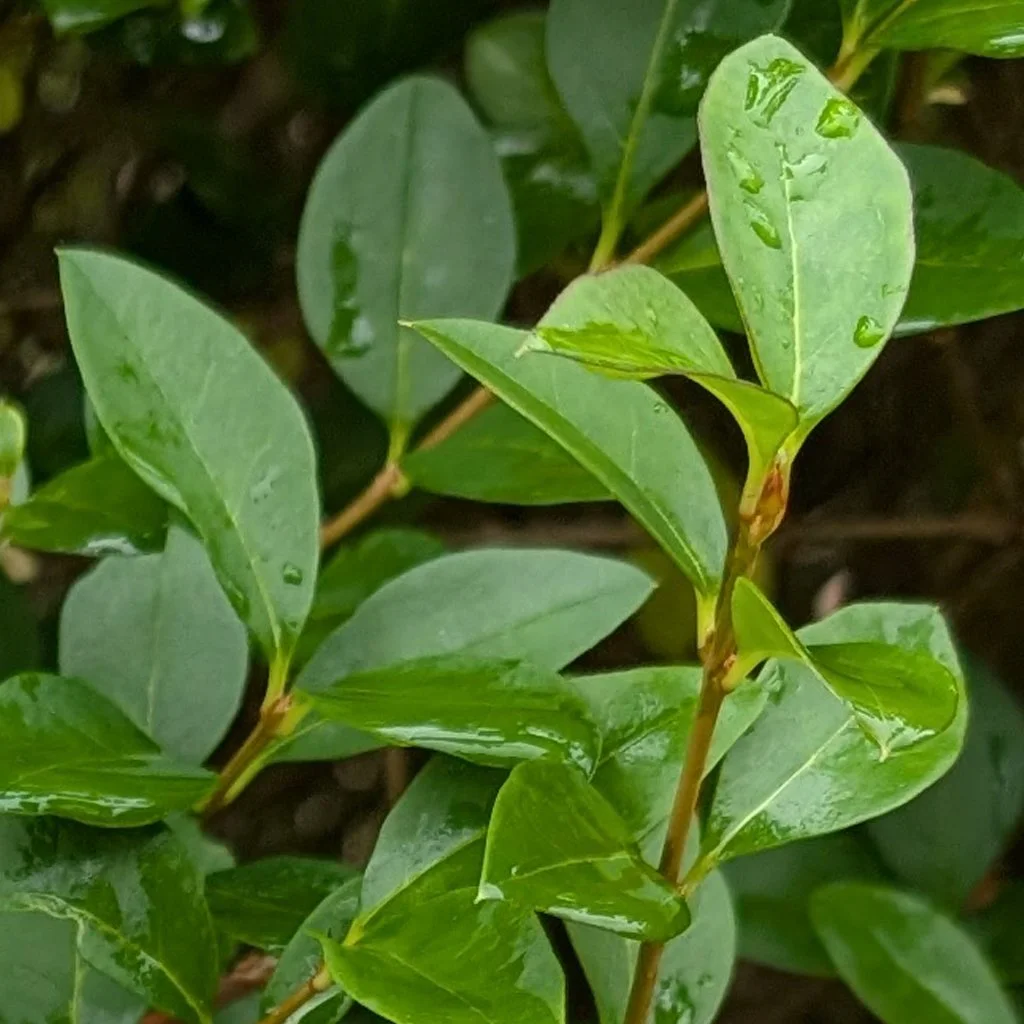
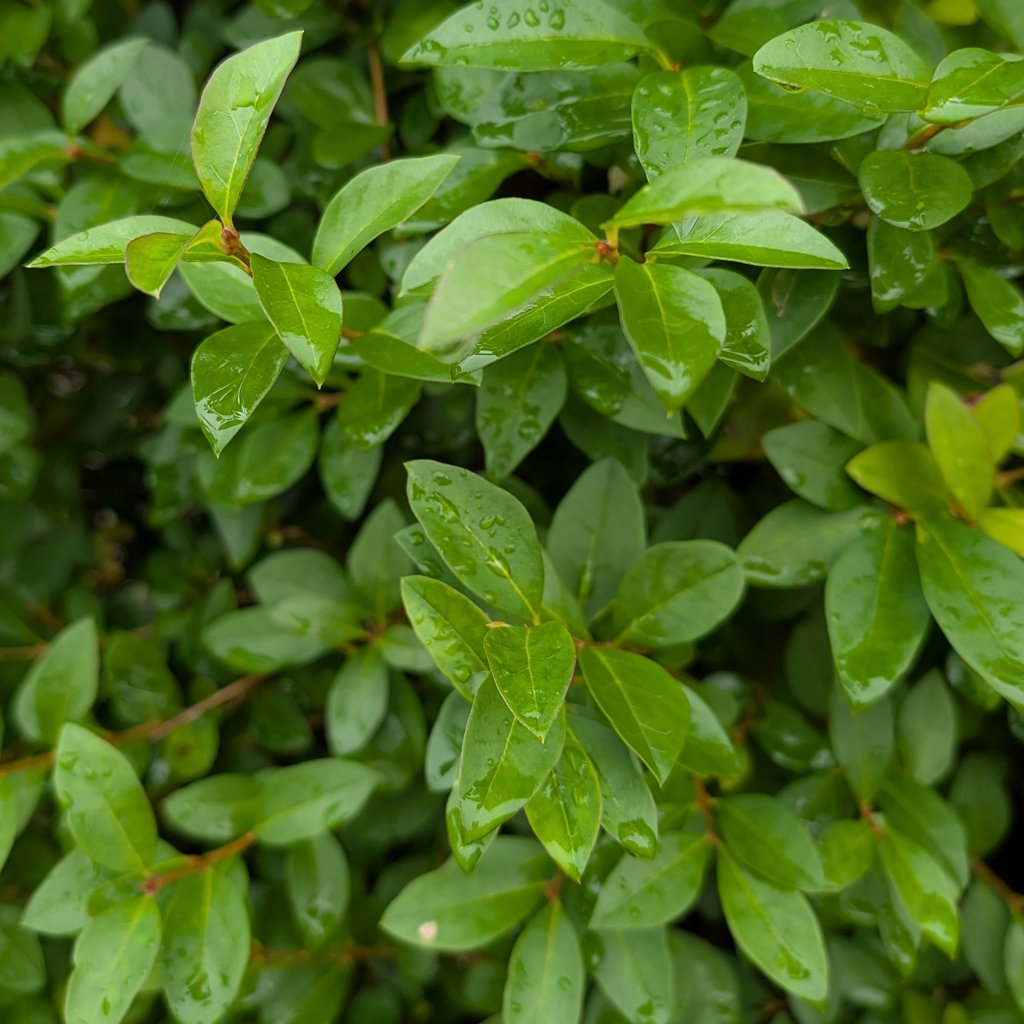
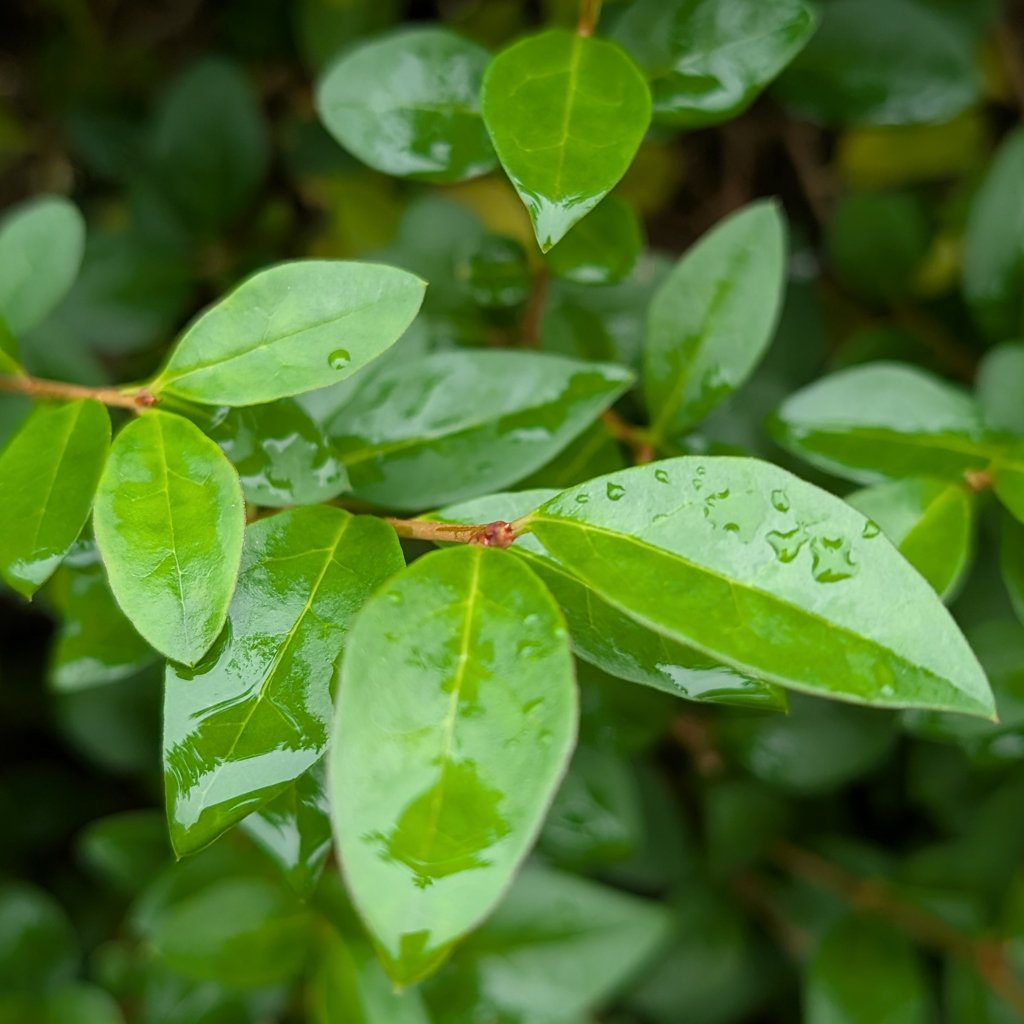
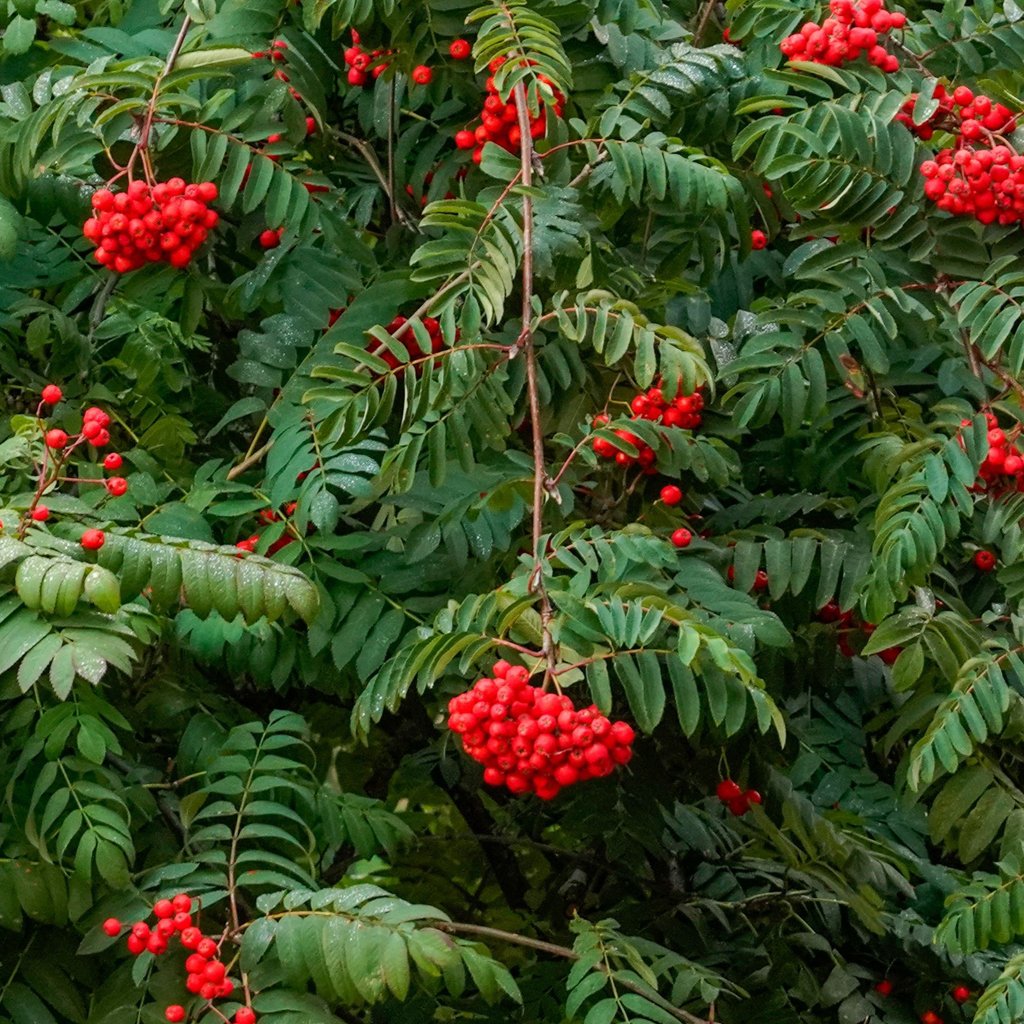
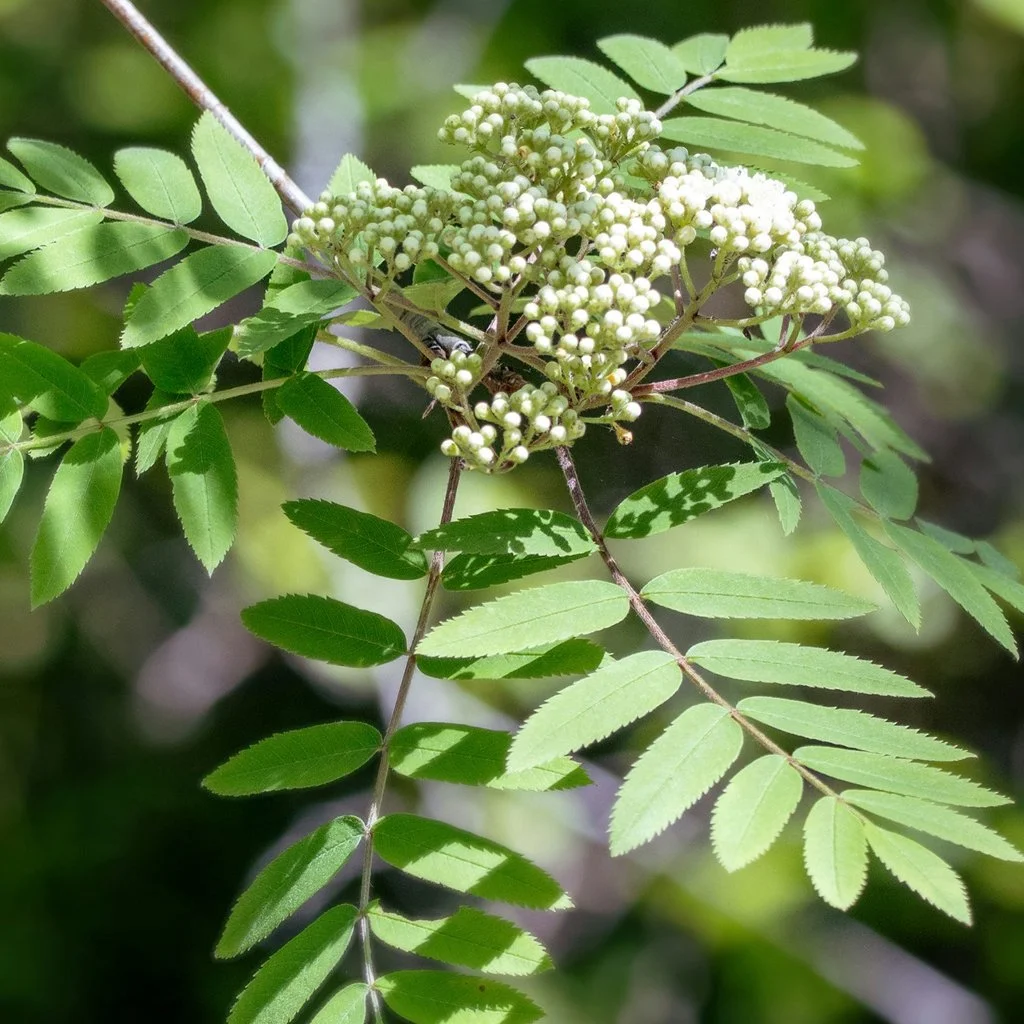
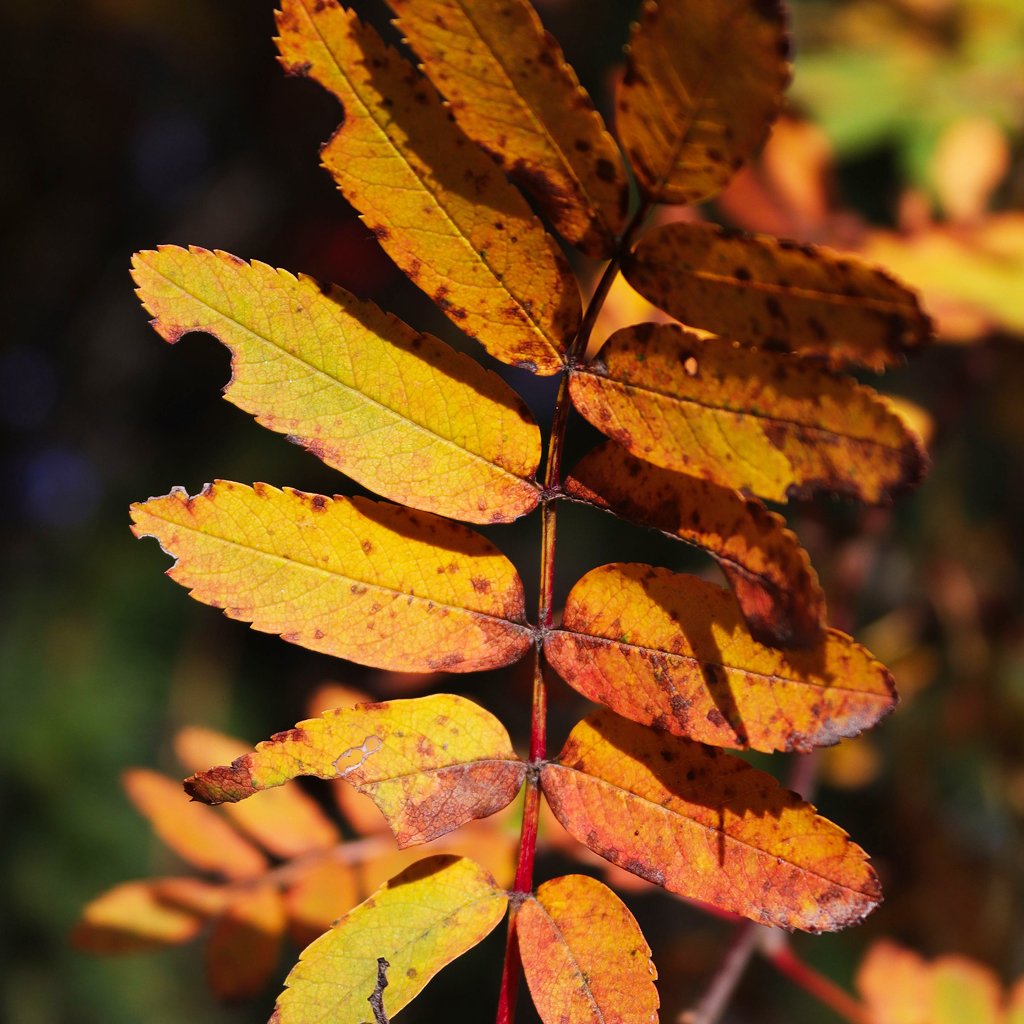
Prunus padus, commonly known as Bird Cherry, is an attractive native species that combines naturalistic character with excellent seasonal and wildlife interest. In spring, clusters of fragrant white flowers appear amongst fresh green foliage, creating an attractive display and providing a useful food source for pollinating insects.
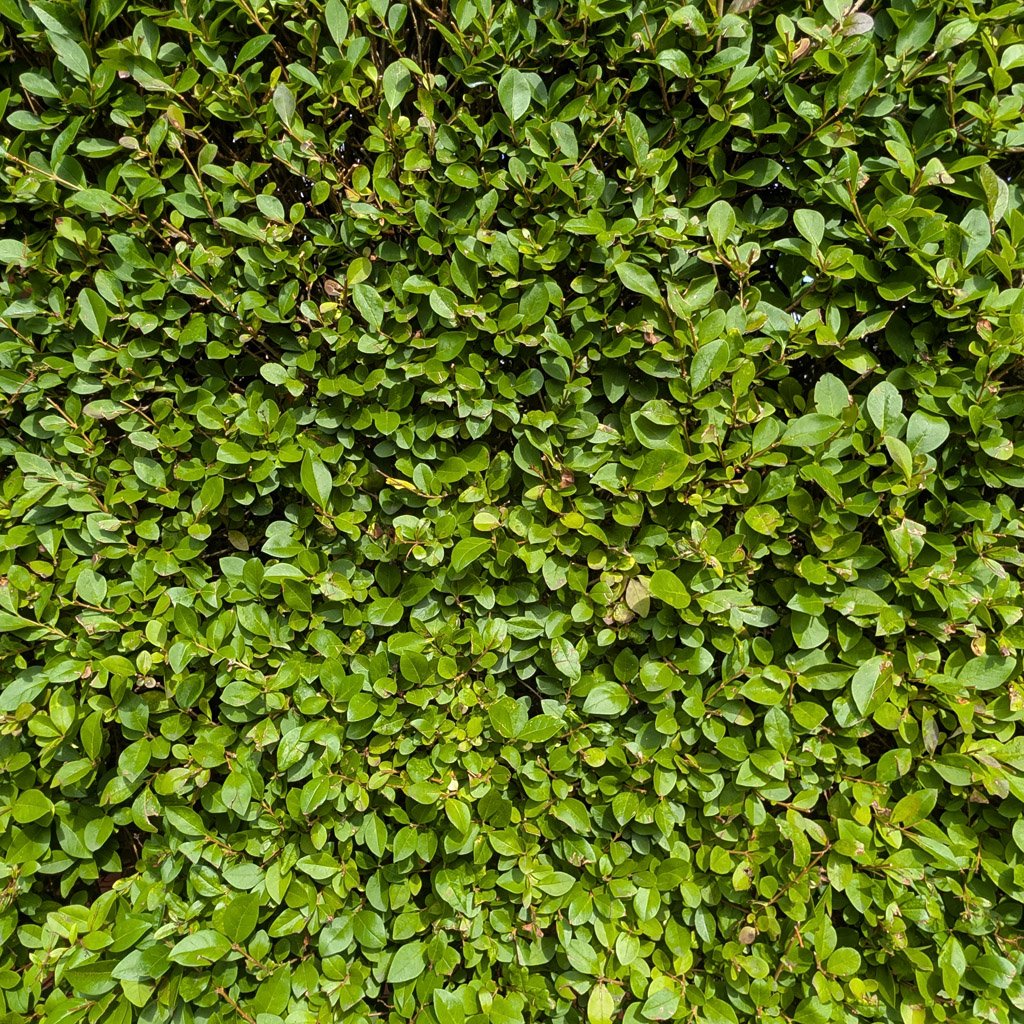
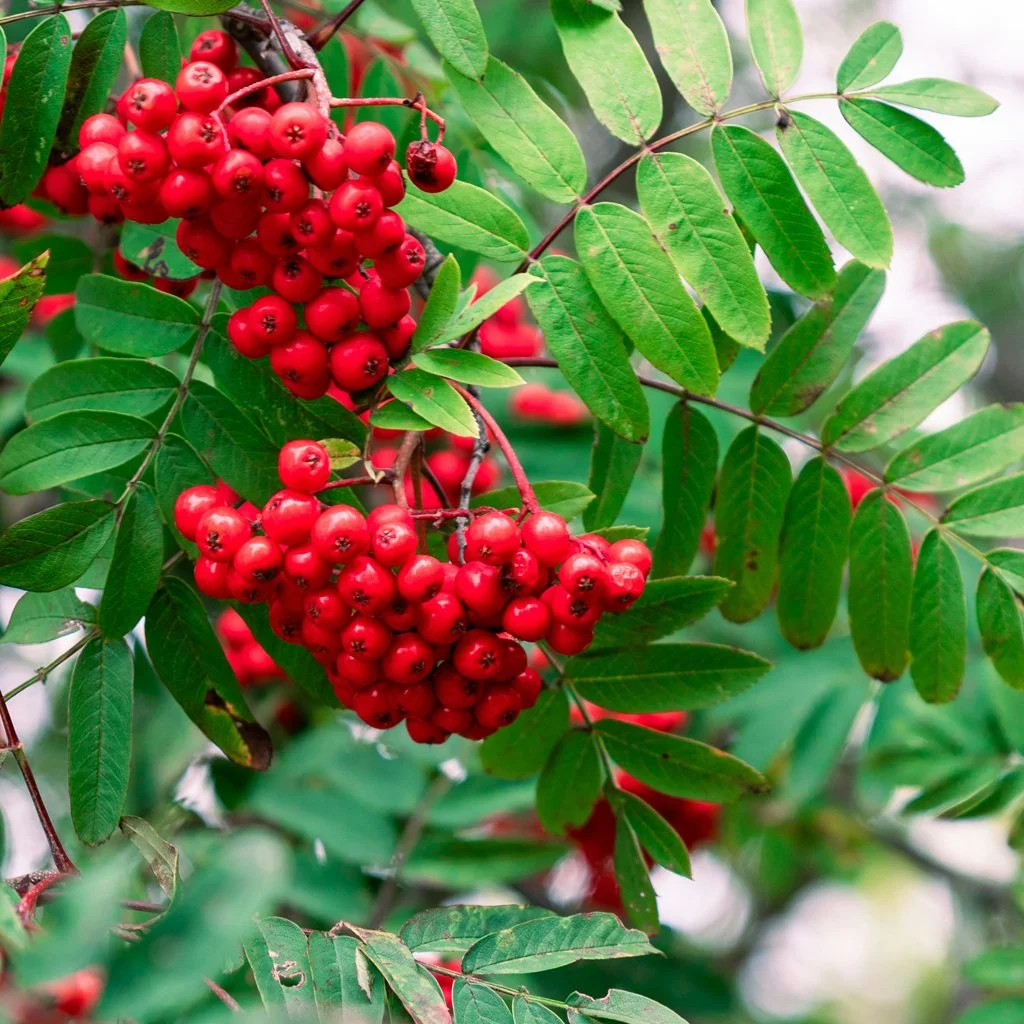
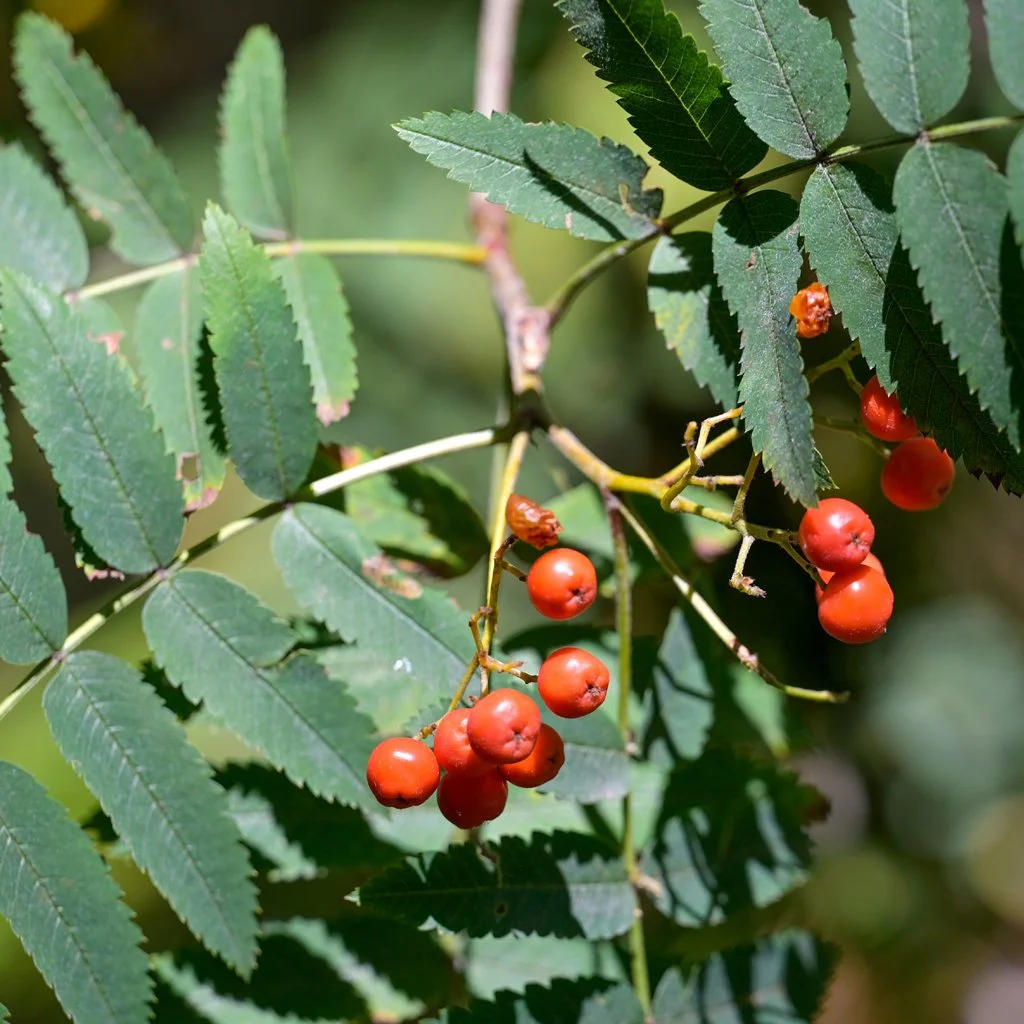
The flowers are followed by small dark fruits that are particularly attractive to birds. Bird Cherry is well suited to informal hedging, mixed native planting and larger rural or naturalistic boundaries, particularly where wildlife value and seasonal interest are important considerations.
Why Choose Prunus padus?
UK native hedging species
Attractive white spring flowers
Fragrant blossom
Produces dark summer fruits
Excellent value for birds and pollinating insects
Suitable for mixed native hedging
Excellent for informal and naturalistic boundaries
Useful for damp and moisture-retentive sites
Why Buy Rootballed Bird Cherry?
Rootballed Prunus padus is field-grown and lifted with a substantial ball of soil retained around its root system.
This allows larger, established Bird Cherry plants to be supplied where greater initial height, structure and ornamental impact are required, making them particularly useful for substantial boundaries and larger landscape planting schemes.
Available Sizes
Rootballed Bird Cherry is available in a range of heights, subject to seasonal nursery availability.
Larger plants provide greater immediate structure and impact, while smaller sizes can offer an economical solution for longer boundaries and mixed native planting schemes.
How Many Plants Do I Need?
Plant spacing depends upon the size selected, whether Bird Cherry is being planted as a single-species hedge or as part of a mixed native hedge, and the density required.
Our hedging guide will help you calculate the appropriate number of plants for the length of your proposed hedge.
Supply & Professional Planting
We can supply rootballed Prunus padus for customers undertaking their own planting or provide a complete professional supply and planting service.
Kirman Design can undertake ground preparation, correct spacing and planting and provide establishment and aftercare guidance.
Important – Rootballed Plants Are Seasonal
Rootballed Bird Cherry is supplied according to seasonal nursery availability and suitable lifting and planting conditions.
For larger quantities or particular sizes, early ordering is recommended.
Delivery, Access & Planting
Rootballed hedging can be large and heavy, particularly at the larger sizes. Before ordering, it is important to consider delivery access, the route to the planting position and how the plants will be handled and planted.
Read our Guide to Hedge Delivery, Access & Planting
We can install any hedge in all of the following postcodes;
BB, BL, CH1 - CH5, CW8, CW9, FY, L, LA1 - LA6, M, OL, PR, SK1 - SK12, WA, & WN. Please do not purchase if you want the hedging installed outside this area. If you do live outside the area, then please give us a call on 01942 604976 and we can see if it’s possible to do this.
Rootballed Prunus padus
Bird Cherry Hedging
A UK native deciduous hedge with fragrant white spring flowers and dark summer fruits, ideal for wildlife-friendly, informal and mixed native boundaries.
Prunus padus, commonly known as Bird Cherry, is an attractive native species that combines naturalistic character with excellent seasonal and wildlife interest. In spring, clusters of fragrant white flowers appear amongst fresh green foliage, creating an attractive display and providing a useful food source for pollinating insects.
The flowers are followed by small dark fruits that are particularly attractive to birds. Bird Cherry is well suited to informal hedging, mixed native planting and larger rural or naturalistic boundaries, particularly where wildlife value and seasonal interest are important considerations.
Why Choose Prunus padus?
UK native hedging species
Attractive white spring flowers
Fragrant blossom
Produces dark summer fruits
Excellent value for birds and pollinating insects
Suitable for mixed native hedging
Excellent for informal and naturalistic boundaries
Useful for damp and moisture-retentive sites
Why Buy Rootballed Bird Cherry?
Rootballed Prunus padus is field-grown and lifted with a substantial ball of soil retained around its root system.
This allows larger, established Bird Cherry plants to be supplied where greater initial height, structure and ornamental impact are required, making them particularly useful for substantial boundaries and larger landscape planting schemes.
Available Sizes
Rootballed Bird Cherry is available in a range of heights, subject to seasonal nursery availability.
Larger plants provide greater immediate structure and impact, while smaller sizes can offer an economical solution for longer boundaries and mixed native planting schemes.
How Many Plants Do I Need?
Plant spacing depends upon the size selected, whether Bird Cherry is being planted as a single-species hedge or as part of a mixed native hedge, and the density required.
Our hedging guide will help you calculate the appropriate number of plants for the length of your proposed hedge.
Supply & Professional Planting
We can supply rootballed Prunus padus for customers undertaking their own planting or provide a complete professional supply and planting service.
Kirman Design can undertake ground preparation, correct spacing and planting and provide establishment and aftercare guidance.
Important – Rootballed Plants Are Seasonal
Rootballed Bird Cherry is supplied according to seasonal nursery availability and suitable lifting and planting conditions.
For larger quantities or particular sizes, early ordering is recommended.
Delivery, Access & Planting
Rootballed hedging can be large and heavy, particularly at the larger sizes. Before ordering, it is important to consider delivery access, the route to the planting position and how the plants will be handled and planted.
Read our Guide to Hedge Delivery, Access & Planting
We can install any hedge in all of the following postcodes;
BB, BL, CH1 - CH5, CW8, CW9, FY, L, LA1 - LA6, M, OL, PR, SK1 - SK12, WA, & WN. Please do not purchase if you want the hedging installed outside this area. If you do live outside the area, then please give us a call on 01942 604976 and we can see if it’s possible to do this.
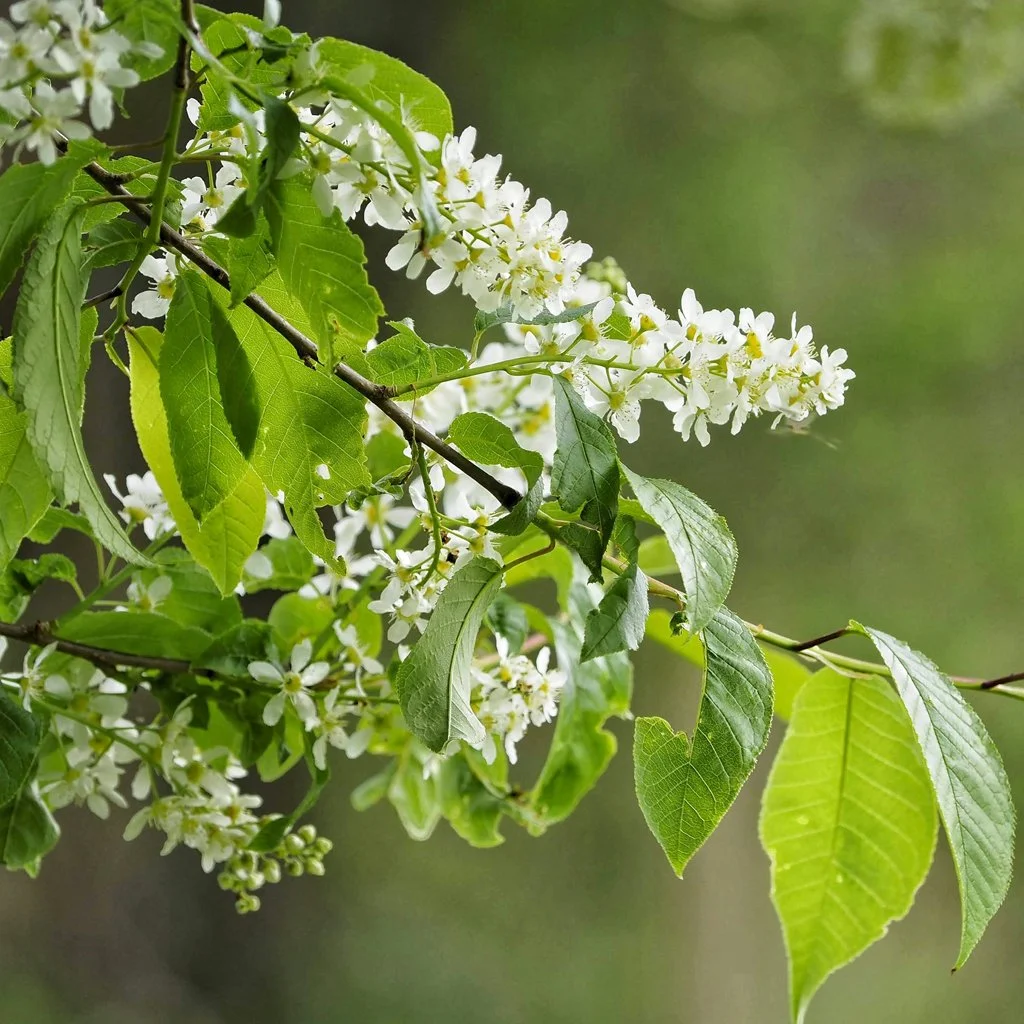 Image 1 of 2
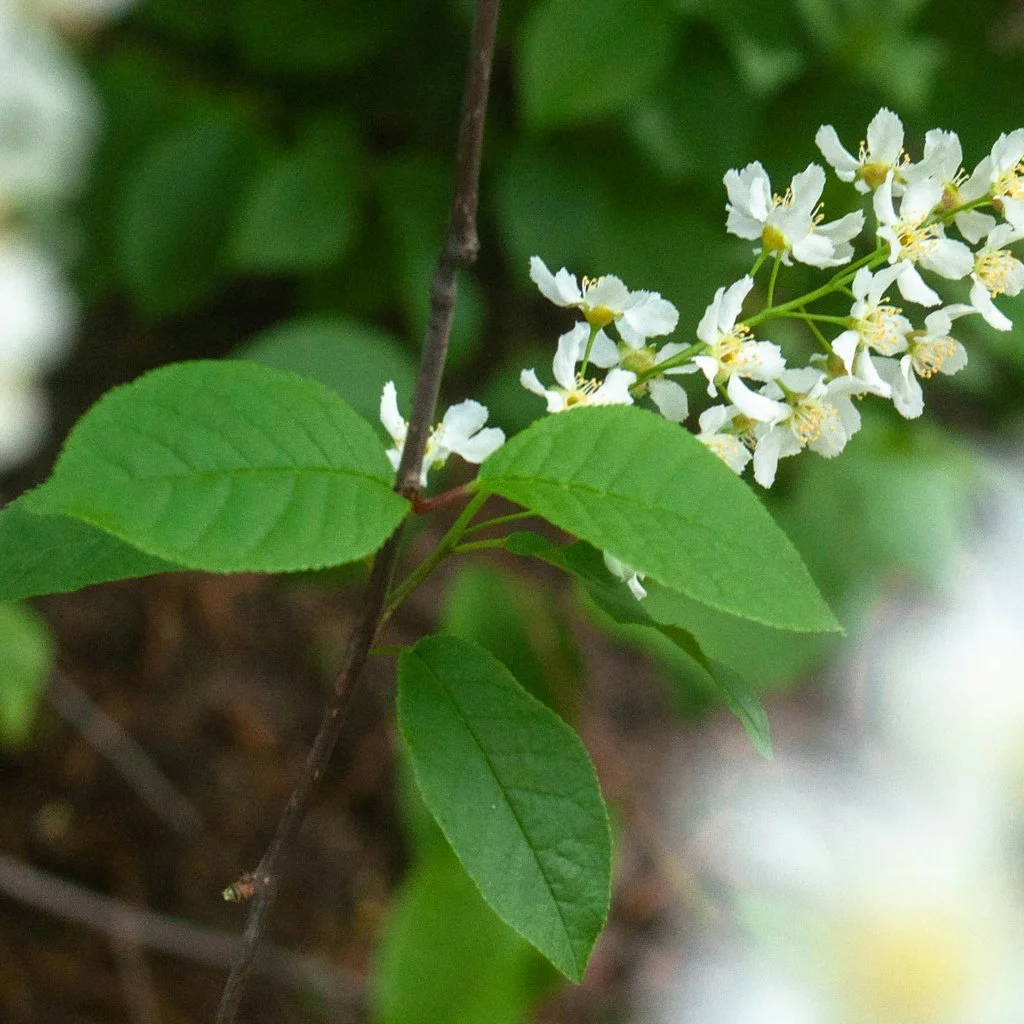 Image 2 of 2