
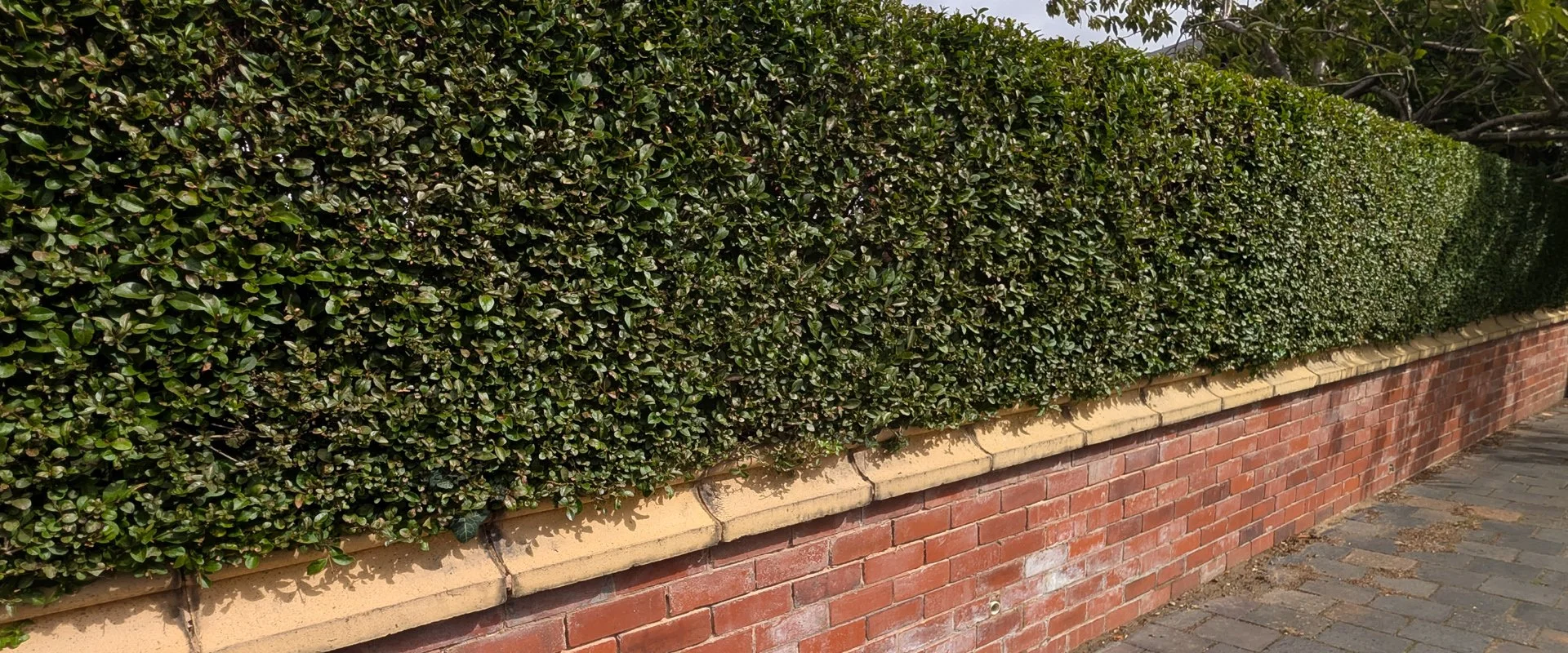
Hedging Plants & Professional Hedge Planting in Blackrod
Quality hedging plants for traditional garden boundaries, countryside properties and new planting alongside established hedgerows in Blackrod and surrounding areas of Bolton.
A well-established hedge can provide privacy, define property boundaries and contribute to the character of a garden. Where a property adjoins open land or existing countryside planting, the choice of hedge becomes particularly important.
New hedging should complement its surroundings while providing the screening, security and long-term maintenance characteristics required.
Landscaping Emporium supplies evergreen, deciduous and native hedging plants, with professional planting available for suitable projects across Blackrod and Greater Manchester.
Selected by designers. Installed by professionals.
Choosing Hedging for Countryside Properties in Blackrod
Gardens adjoining fields, established woodland or older hedgerows can benefit from planting that respects the surrounding landscape.
A formal evergreen hedge may suit a contemporary garden, while a native mixed hedgerow may be more appropriate for a traditional countryside boundary.
The decision should consider the property's character, existing vegetation, maintenance requirements and available planting space.
Traditional Rural Boundaries
Native hedging can create a natural-looking boundary that complements existing countryside vegetation.
Formal Residential Gardens
Evergreen hedging can provide year-round structure and a carefully maintained appearance.
Large Garden Boundaries
Long planting runs require consideration of species growth, maintenance access and long-term management costs.
Existing Hedgerows
New planting can sometimes extend or reinforce an existing hedge without replacing healthy established vegetation.
Connecting New Hedging with Established Boundaries
Where an existing hedgerow ends before the property boundary, extending the planting can help create a more continuous landscape.
However, joining new plants directly to mature hedging requires careful consideration.
Established plants may compete with new hedging for water, nutrients and light. Root competition can be particularly significant beneath mature trees and shrubs.
Identify Existing Species
Establish which plants are already present and whether they remain suitable for the intended boundary.
Assess the Planting Gap
Measure the available space, check light levels and identify existing roots or obstructions.
Choose Compatible Plants
Consider species that complement the existing hedge's growth habit, eventual height and maintenance requirements.
Plan Establishment
Provide appropriate watering and weed control, particularly where mature vegetation competes with young plants.
Preserve Healthy Established Hedging
Removing an established hedge is not always necessary to achieve a continuous boundary.
Where the existing planting is healthy and appropriate, retaining it can preserve established structure and habitat.
Before removing a countryside hedgerow, check whether legal protections or permissions apply.
Hedging Plants for Blackrod Gardens and Rural Boundaries
The most appropriate species depends on the required appearance, local growing conditions and the intended management of the hedge.
These six plants offer a combination of native countryside character, deciduous structure and evergreen screening.
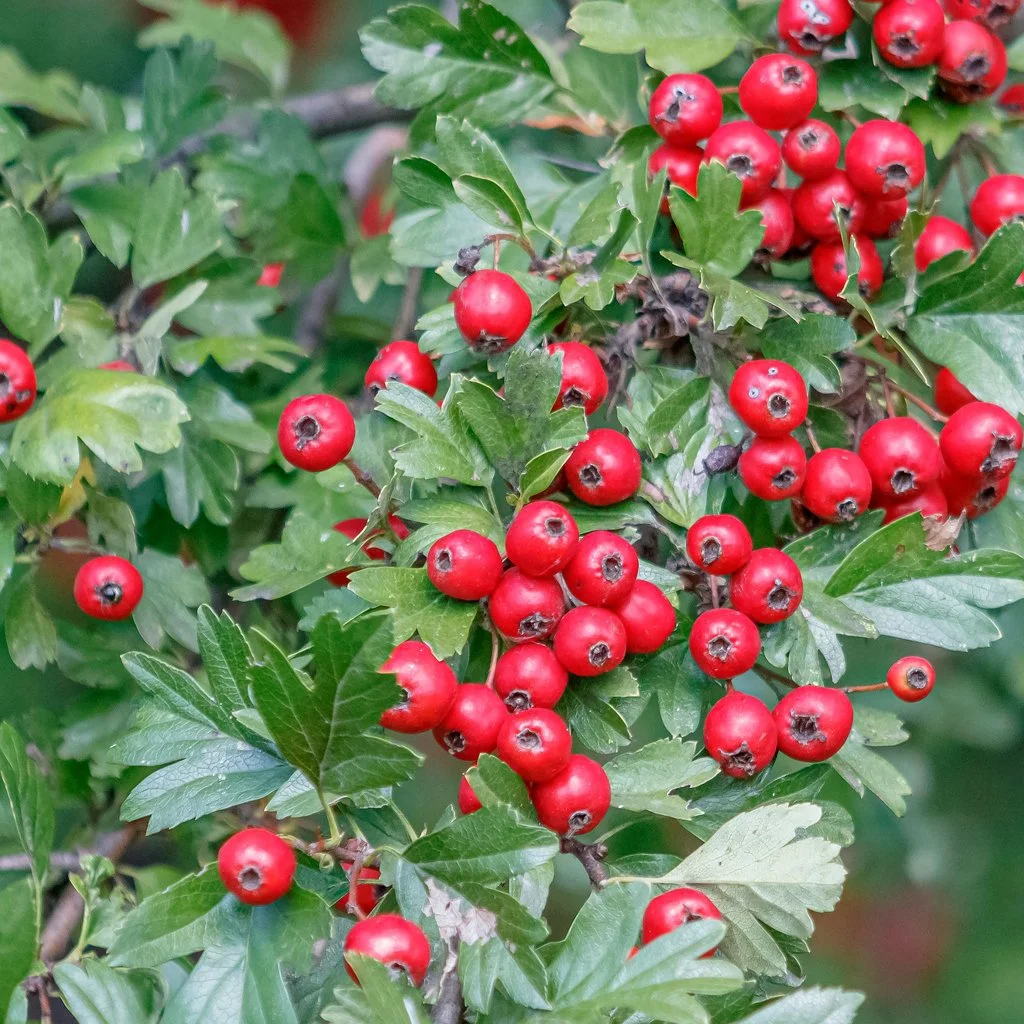
Hawthorn
A traditional native species widely used for countryside hedgerows.
Spring blossom, autumn berries and thorny growth make it valuable for traditional boundary planting.
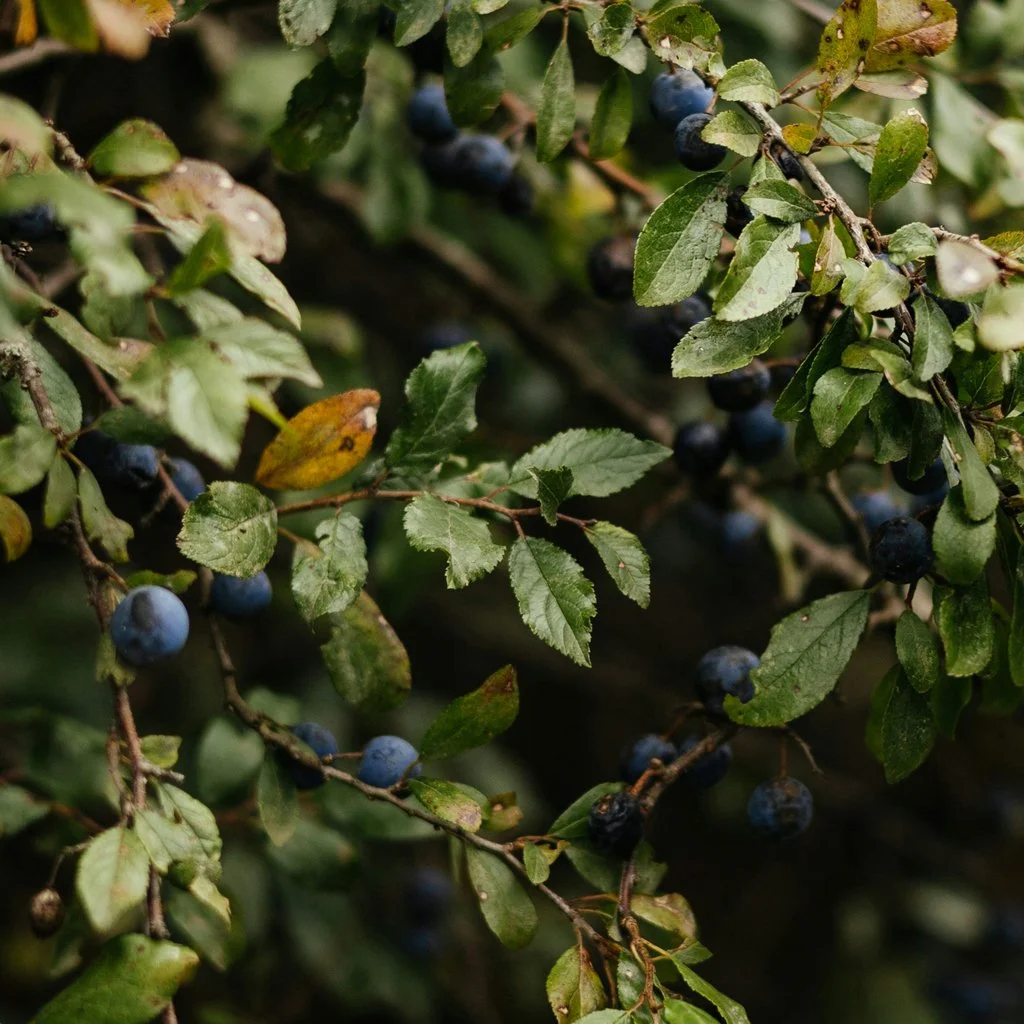
Blackthorn
A native thorny shrub with early spring blossom and autumn sloes.
Can contribute to a mixed countryside hedgerow, although its suckering habit requires adequate space.
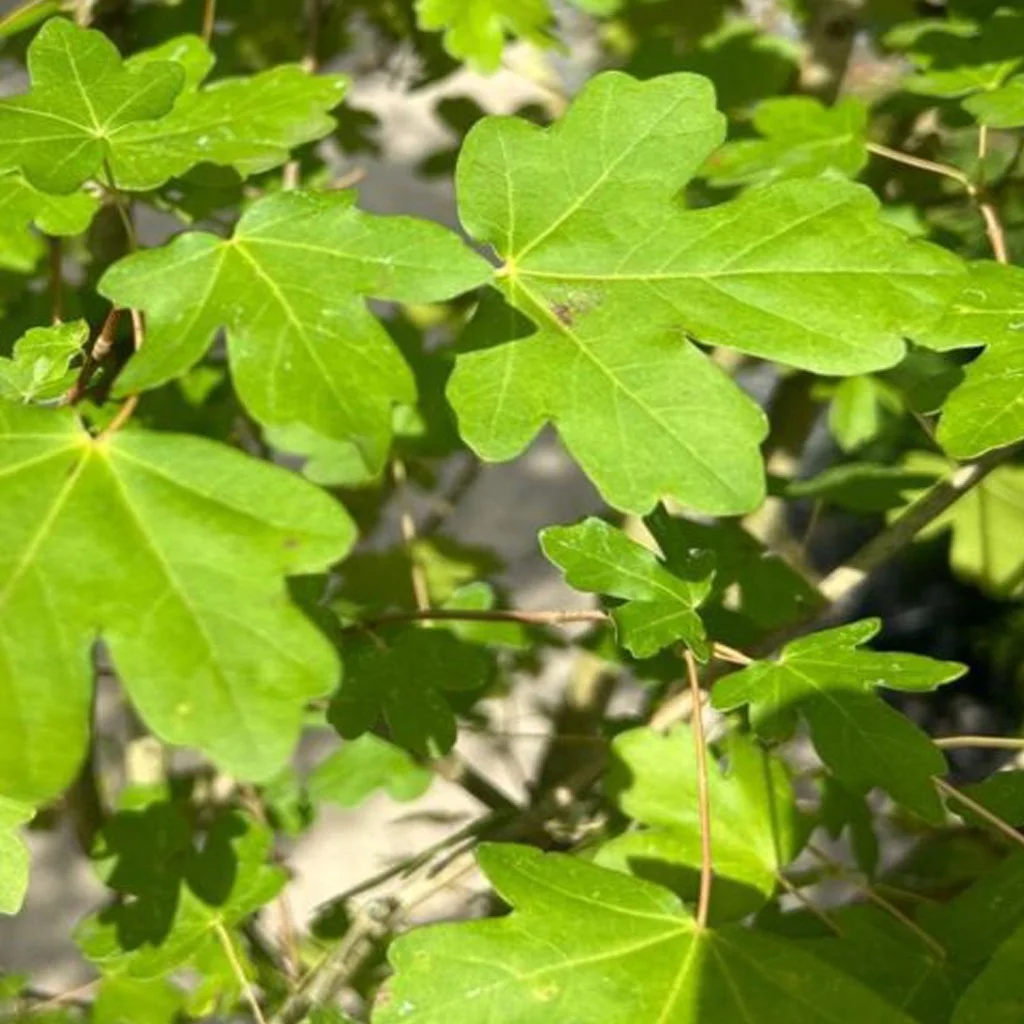
Field Maple
A native deciduous species suitable for incorporation into mixed hedgerows.
Offers attractive autumn colour and tolerates regular hedge management.
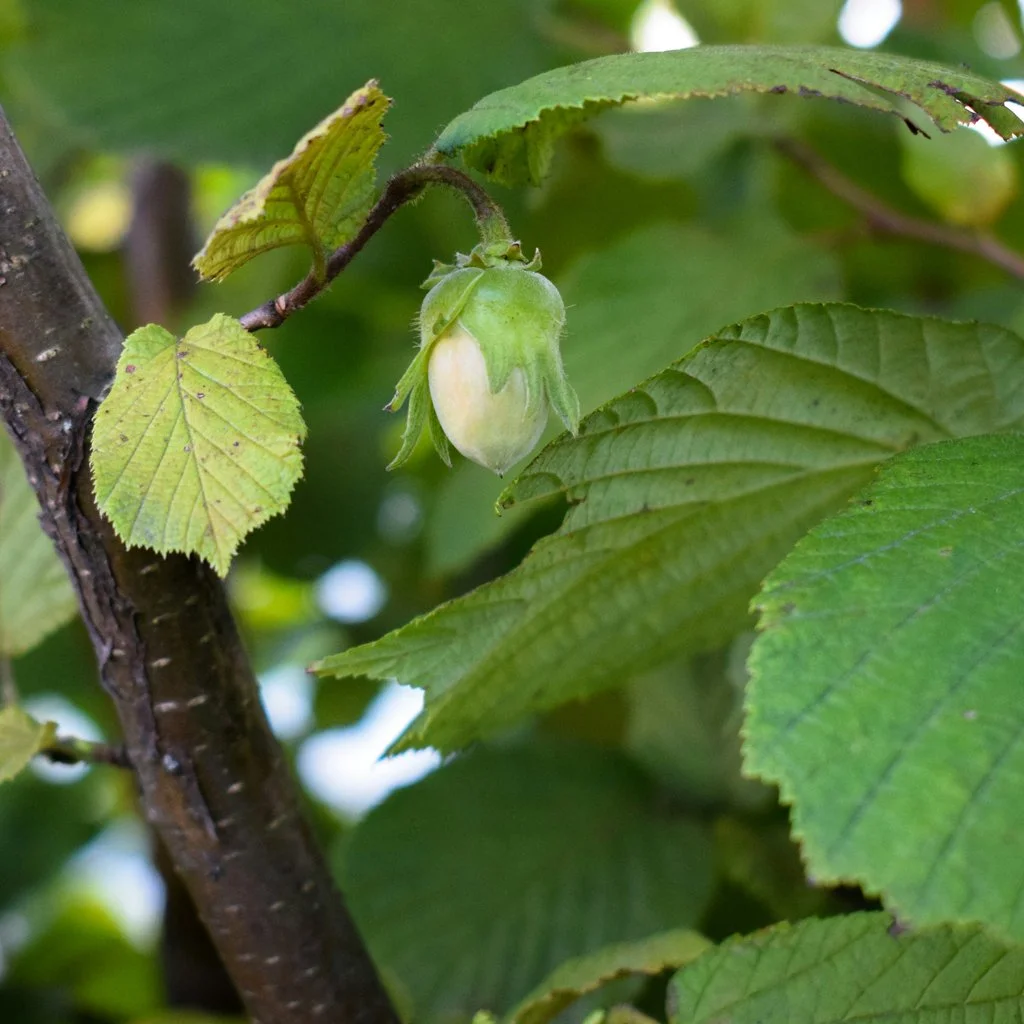
Hazel
A native deciduous shrub that can add structure and diversity to a mixed hedgerow.
Requires room for growth and suitable ongoing management.
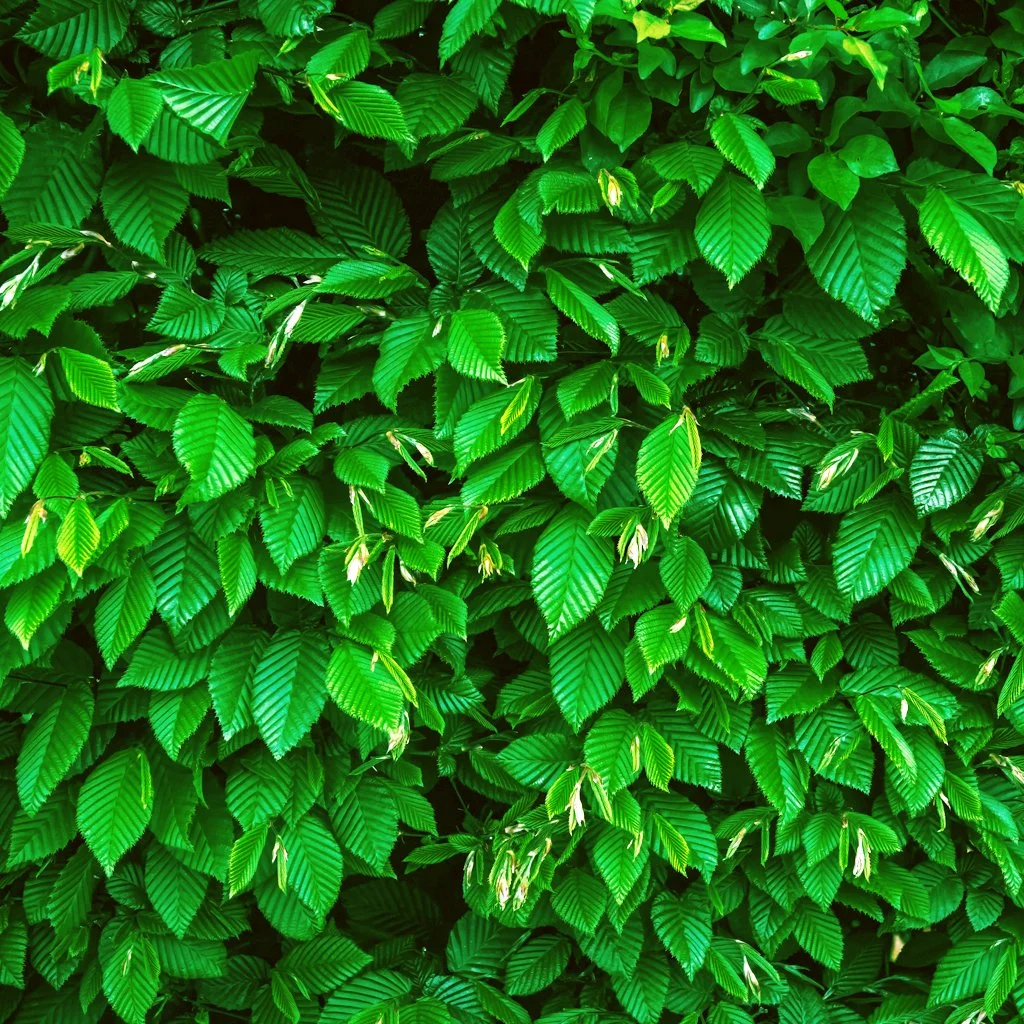
Hornbeam
A deciduous hedge that tolerates clipping and many heavier soil conditions.
Suitable for structured residential boundaries where a natural green appearance is preferred.
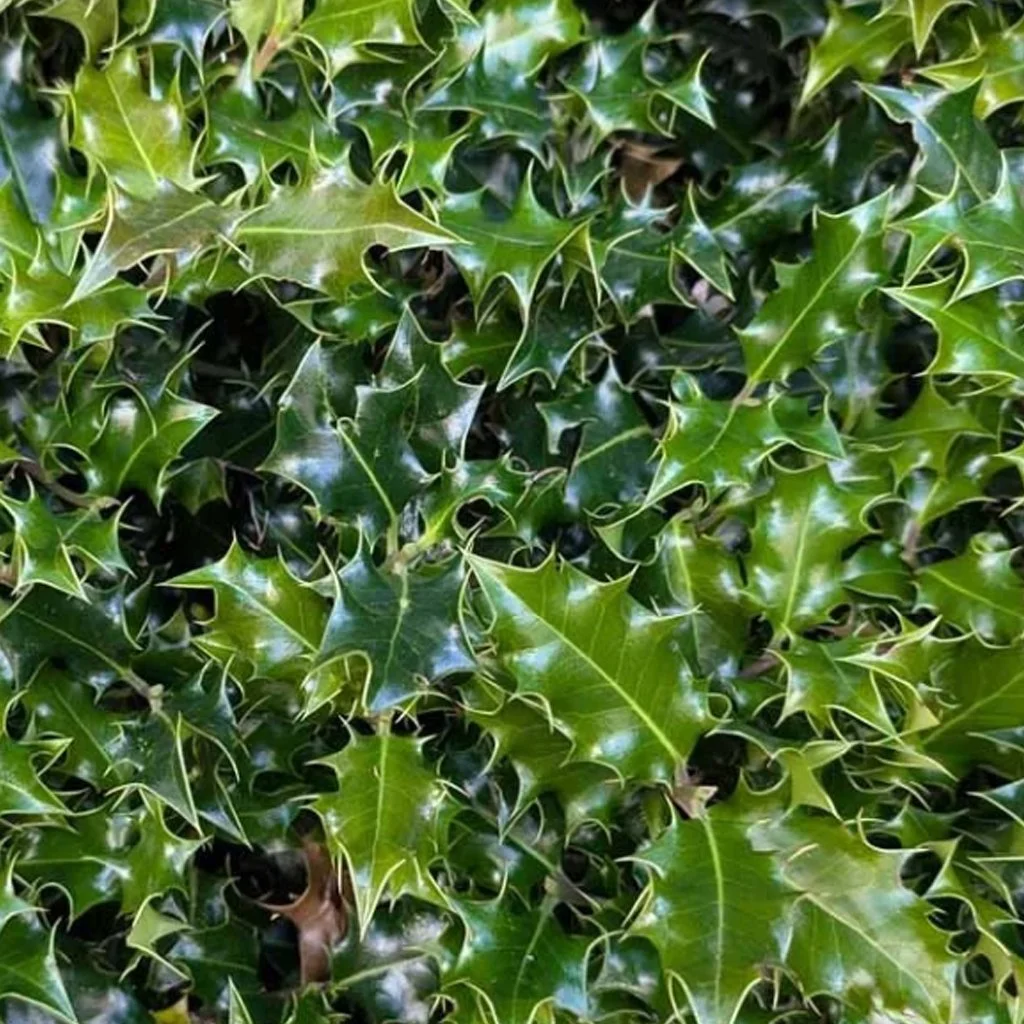
English Holly
Native evergreen foliage provides year-round structure and can complement traditional gardens.
Holly can form part of an appropriate mixed native planting scheme. Berries are poisonous if eaten.
Native species should be selected to suit the site and intended function. Not every native hedge mixture will be appropriate for every garden or agricultural boundary.
Countryside Hedgerow or Formal Garden Hedge?
A hedge that defines a domestic garden may have different requirements from a boundary adjoining open countryside.
| Consideration | Traditional mixed hedgerow | Formal garden hedge |
|---|---|---|
| Appearance | Natural and seasonally varied | Uniform and regularly clipped |
| Species | Often several compatible species | Frequently a single species |
| Screening | Varies with season and species mix | Can provide consistent screening with evergreen species |
| Maintenance | Managed for long-term structure and habitat | Clipped to maintain a defined profile |
| Space | May require greater width | Width depends on the chosen species |
A native mixed hedge is not automatically suitable as a stock-proof boundary. Where livestock containment is required, appropriate fencing and agricultural advice may also be necessary.
Planning for the Future of a Countryside Hedge
A newly planted hedge may look relatively modest during its first few years, but its eventual height, width and density need to be considered from the beginning.
For traditional hedgerows, management may involve formative pruning, rotational cutting and, where appropriate, specialist hedge laying.
The correct approach depends on the species and the condition of the existing plants.
Formative Pruning
Appropriate early pruning can encourage a stronger branching structure and denser growth near the base.
Managing Hedge Width
Allow sufficient space for the hedge to mature without obstructing access or neighbouring land.
Rotational Maintenance
Where appropriate, managing sections at different times can retain a variety of flowering and fruiting growth.
Hedge Laying
Some established native hedgerows may benefit from specialist laying to restore their dense boundary structure.
Check Before Removing or Cutting a Hedgerow
Some countryside hedgerows are protected by legislation, including the Hedgerows Regulations 1997 where applicable.
Additional rules may apply to agricultural hedgerows and protected habitats. Active bird nests are protected by law.
Check the relevant requirements before removal or significant management work. Domestic garden hedges and countryside hedgerows can be subject to different rules.
Establishing a New Countryside Boundary
Successful hedge establishment depends on much more than planting the correct number of shrubs.
The planting specification should consider soil conditions, competing vegetation, exposure, browsing animals and the availability of water during establishment.
Prepare the Ground
Assess drainage, soil structure, existing roots and any underground services before excavation.
Set Out the Hedge
Determine planting positions and spacing according to species, stock size and the intended mature boundary.
Protect Young Plants
Where rabbits, deer or other browsing animals are present, suitable protection may be required.
Maintain Aftercare
Monitor watering, weed competition, plant protection and survival throughout the establishment period.
Choosing Hedging Stock for Blackrod Boundaries
Bare-Root Hedging
Often economical for longer native and deciduous hedgerows during the dormant planting season.
Suitable for establishing traditional boundaries where gradual growth is acceptable.
Rootballed Hedging
Larger established plants supplied with a retained soil ball.
Generally available from mid-October to late April, weather permitting.
Container-Grown Hedging
Offers greater seasonal flexibility, provided the ground and establishment conditions are suitable.
Stock availability varies by species, size and season. The right option depends on the required initial appearance, planting conditions and project budget.
Professional Hedge Planting in Blackrod
Landscaping Emporium works alongside Kirman Design to offer professional hedge supply and planting for suitable projects in Blackrod and surrounding Bolton areas.
Depending on the agreed specification, services may include plant selection, quantities, delivery, ground preparation, setting out, planting, irrigation and aftercare advice.
Request a Hedge Planting Quotation
Please provide your postcode, approximate hedge length, preferred height, photographs and details of access.
Where the new hedge will join an existing countryside boundary, photographs of the existing vegetation and planting area are particularly helpful.
Learn more about our professional hedge supply and planting service .
Blackrod Hedging FAQs
What is the best hedge for a countryside boundary?
The best choice depends on the purpose of the boundary, available space and growing conditions. Native mixed hedging can be appropriate for many traditional rural settings.
Can I extend an existing hedgerow?
Often yes, provided there is suitable space and growing conditions. New plants may need additional care where mature hedging creates root competition and shade.
Should I use one species or mixed native hedging?
A single-species hedge may provide a more uniform appearance. Mixed native hedging offers greater botanical diversity and seasonal variation.
Can I remove an old countryside hedgerow?
Not always without additional checks. Some hedgerows have legal protection and may require permission before removal. Protected species and nesting birds must also be considered.
Is native hedging suitable for privacy?
Native hedging can provide screening, but many species are deciduous. Winter privacy will depend on the selected species and planting arrangement.
Can native hedging contain livestock?
A mature managed hedgerow may contribute to a field boundary, but should not be assumed to provide secure livestock containment without appropriate assessment and fencing where required.
When should native hedging be planted?
Bare-root native hedging is normally planted during the dormant season, subject to suitable ground and weather conditions.
How should an established countryside hedge be maintained?
Management depends on the species, age and condition of the hedge. It may include appropriate pruning, rotational cutting or specialist hedge laying.
Do you supply and plant hedging in Blackrod?
We welcome enquiries for suitable projects, subject to site conditions, access, scope and availability. Request a quotation .
Hedging in Blackrod and Surrounding Areas
Landscaping Emporium welcomes hedging enquiries from Blackrod and surrounding areas of Bolton and Greater Manchester.
Explore our Horwich Hedging Guide , Westhoughton Hedging Guide and Greater Manchester Hedging Guide .
You can also browse hedging plants or use our Hedge Selector.
Planning a New Hedge in Blackrod?
Whether you need a traditional native hedgerow, an extension to an established boundary or evergreen screening for your garden, we can help you explore suitable planting options.
Telephone: 01942 604976
Email: info@kirmandesign.com
Selected by designers. Installed by professionals.