
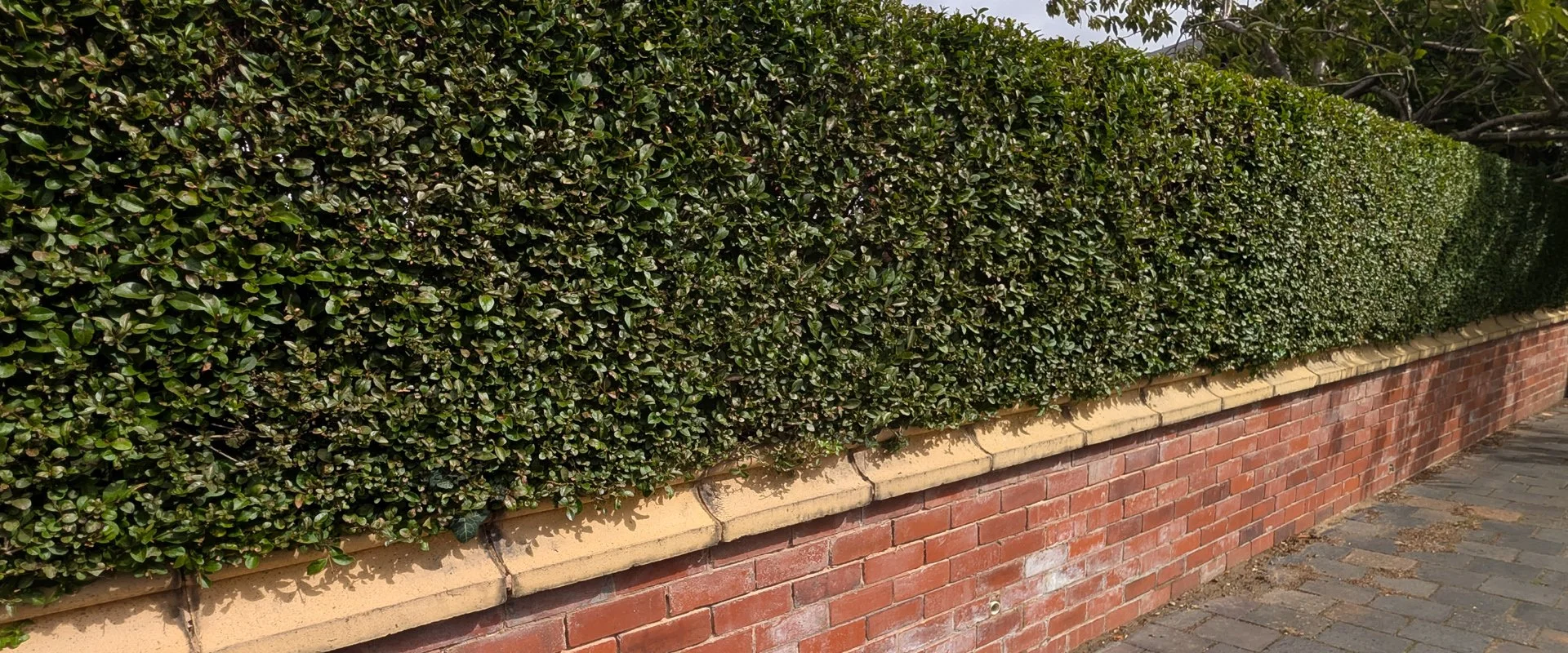
Hedging Plants & Professional Hedge Planting in Egerton
Premium evergreen, deciduous and native hedging plants for traditional properties, established gardens and residential boundaries in Egerton, Bolton.
A carefully selected hedge can complement the character of a traditional property, introduce privacy and soften existing stone walls, fencing and garden boundaries.
In Egerton, gardens can range from smaller village properties to larger residential plots adjoining more open surroundings. These different settings call for thoughtful plant selection and positioning.
Landscaping Emporium supplies quality hedging plants, with professional hedge planting available for suitable projects throughout Egerton and surrounding areas of Bolton.
Selected by designers. Installed by professionals.
Hedging That Complements Egerton's Traditional Properties
Hedging should be selected not only for its practical function but also for its relationship with the property and surrounding landscape.
Formal evergreen hedging can create a refined appearance around a substantial residential garden, while native or deciduous hedging may complement a more informal setting.
Period Properties
Traditional hedging such as Yew, Beech and Holly can provide an established garden character and attractive boundary definition.
Contemporary Homes
Carefully clipped evergreen hedging can provide a clean architectural backdrop to modern landscaping.
Large Residential Gardens
Longer hedge boundaries require consideration of mature width, ongoing maintenance and access for trimming.
Countryside-Edge Properties
Suitable native and deciduous hedging can provide a natural transition between ornamental gardens and open surroundings.
Planting Hedging Alongside Stone Boundary Walls
Existing stone walls can form an attractive part of a traditional garden. Hedging planted behind or alongside a wall can introduce greenery and additional privacy.
However, planting position is important. The hedge needs sufficient rooting space, and the wall must remain accessible for inspection and future maintenance.
Inspect the Wall
Check the condition and stability of existing masonry before undertaking excavation or nearby planting.
Allow Planting Space
Position the hedge to accommodate its intended mature width and root development.
Consider Drainage
Assess whether water collects behind the wall or whether the planting area dries out quickly.
Plan Maintenance
Allow safe access for pruning and wall maintenance, avoiding planting that conceals developing structural defects.
Protect Existing Structures
Where a wall is retaining ground, unstable or showing signs of movement, obtain appropriate structural advice before excavating or planting close to it.
Hedging for Exposed Gardens in Egerton
Gardens in more open positions can experience greater wind exposure than sheltered village properties. This can influence both plant selection and establishment.
A hedge may help filter wind and create a more comfortable garden, although the effect depends on its height, density, position and surrounding landscape.
Wind Exposure
Consider whether the proposed planting area receives persistent prevailing winds or occasional strong gusts.
Plant Stability
Larger hedging plants may require appropriate support and careful installation on exposed sites.
Soil Moisture
Exposed positions can increase moisture loss from plants and soil, particularly during establishment.
Long-Term Shape
Plan the intended maintained height and width so the hedge remains manageable as it matures.
Hedging Plants for Egerton Gardens
The following species may suit different garden styles and growing conditions in Egerton.
Final selection should consider drainage, sunlight, exposure, planting space and the desired appearance. Select a photograph or button to browse the relevant hedging range.
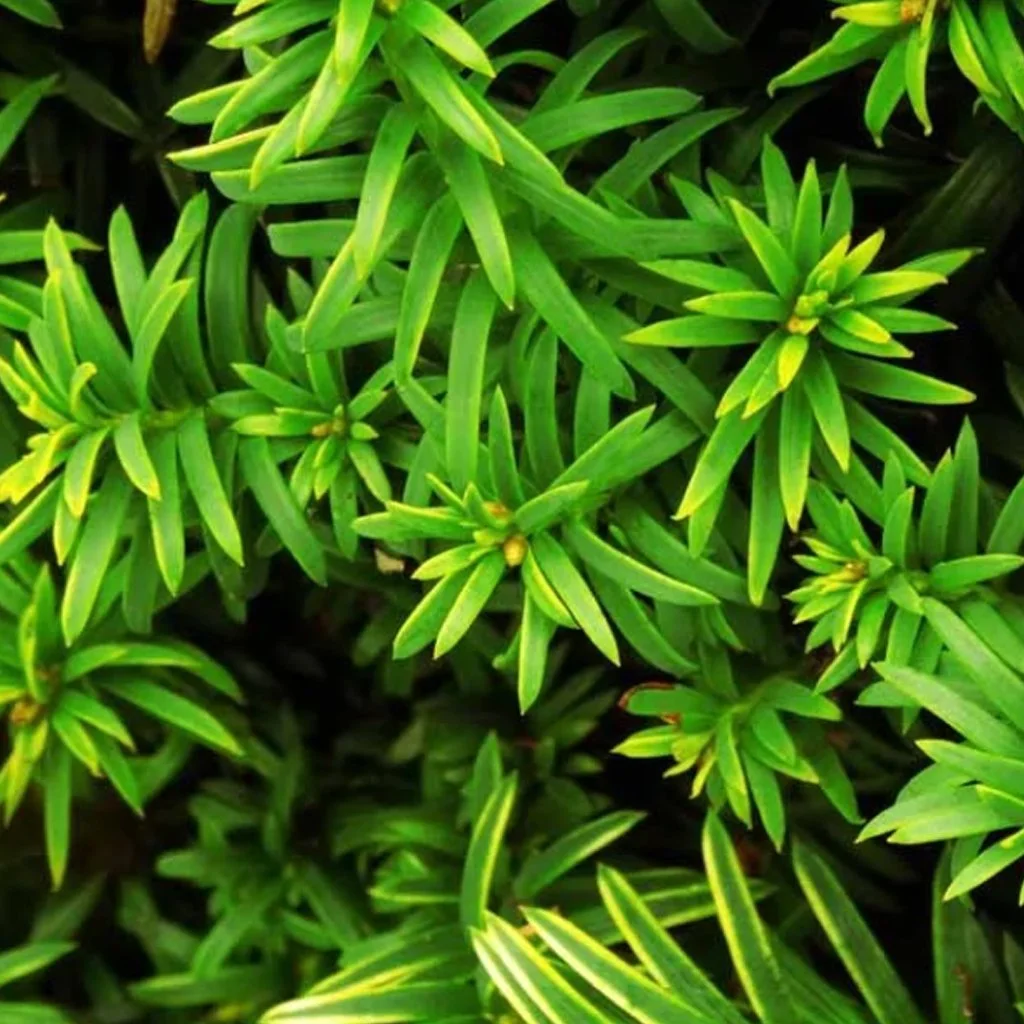
English Yew
A premium evergreen hedge with dense, fine-textured foliage.
Particularly attractive for formal gardens and traditional properties where suitable drainage is available.
Yew is poisonous if eaten.
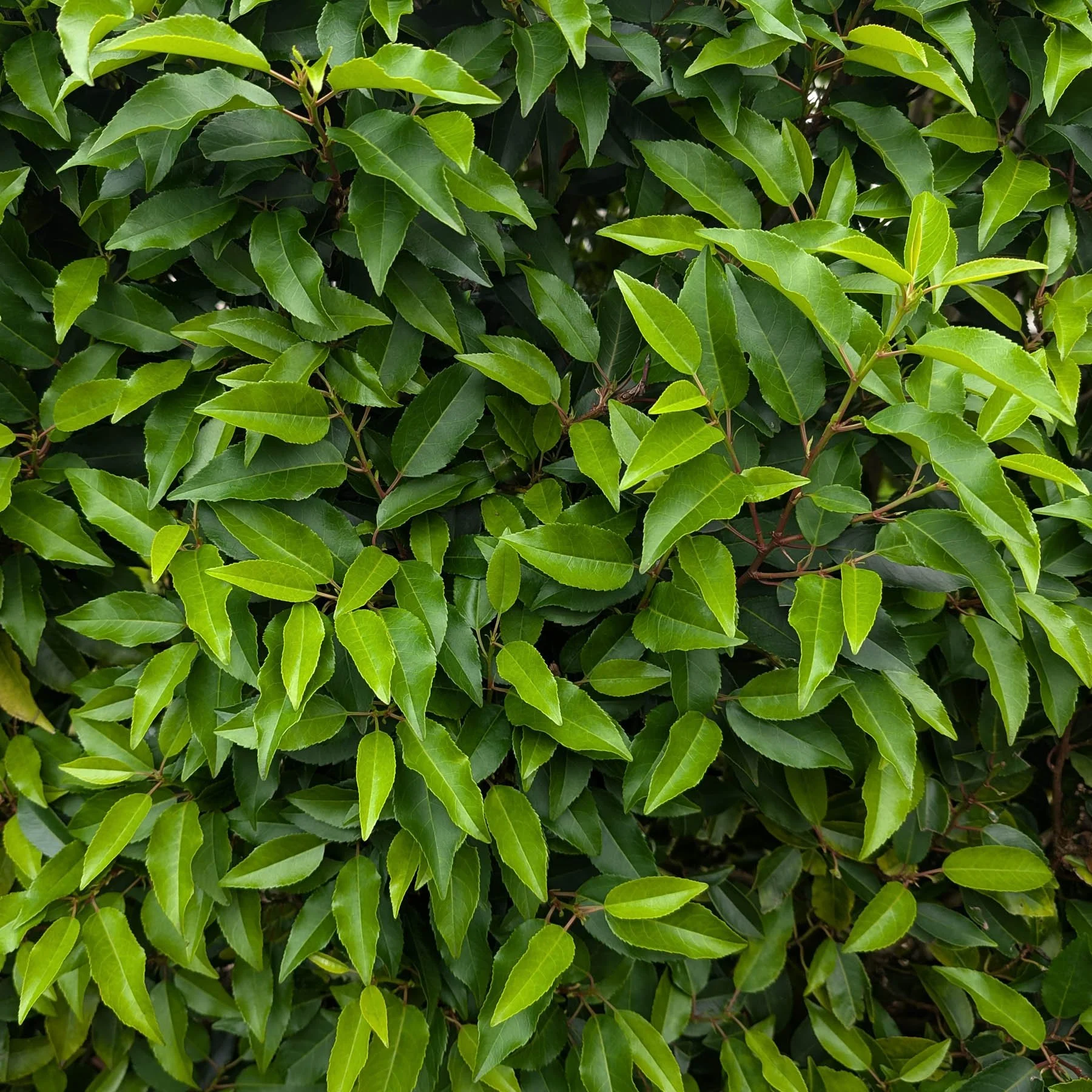
Portuguese Laurel
An attractive evergreen hedge with relatively small leaves and a refined appearance.
Suitable for structured garden boundaries where adequate planting width and drainage are available.
Plant parts can be toxic if eaten.
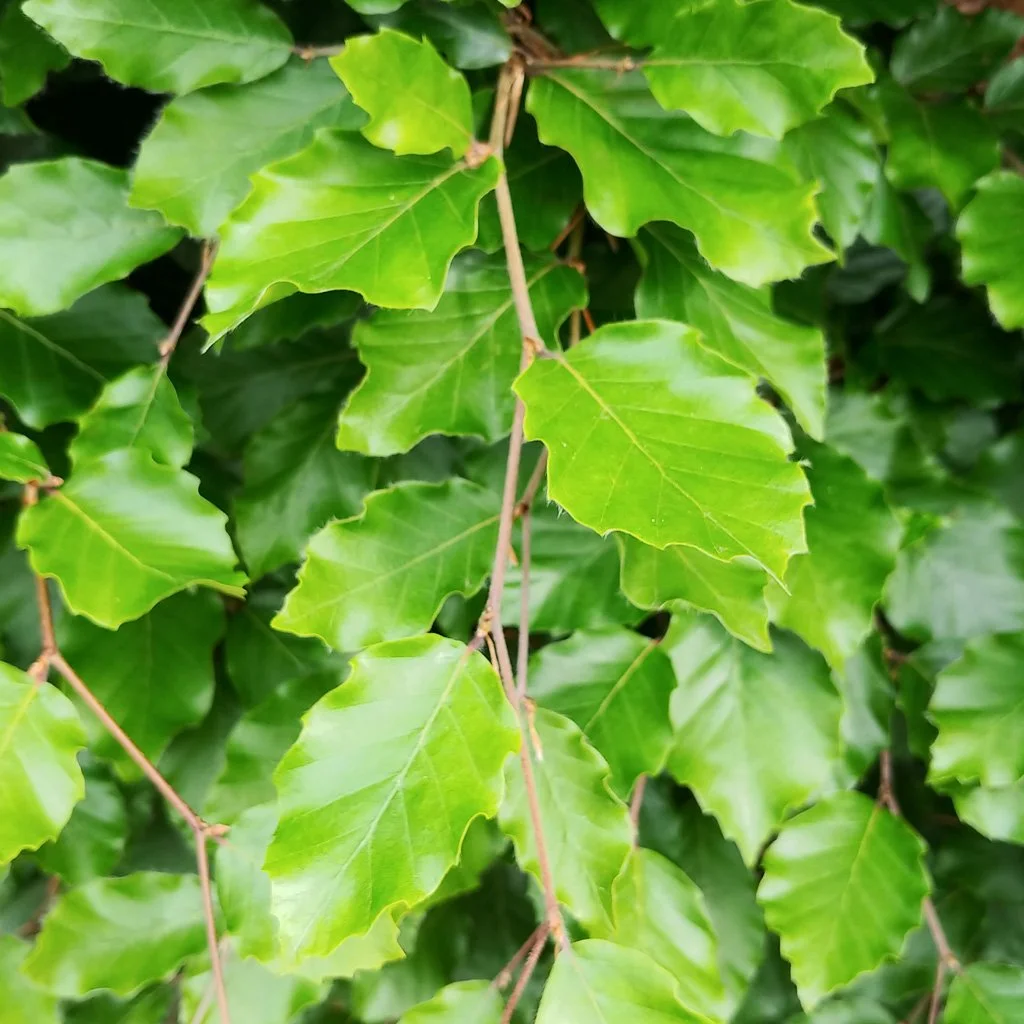
Green Beech
A traditional deciduous hedge with fresh spring foliage and rich autumn colour.
Maintained hedges often retain some dry brown leaves in winter, providing partial seasonal screening.
Prefers reasonably well-drained soil.
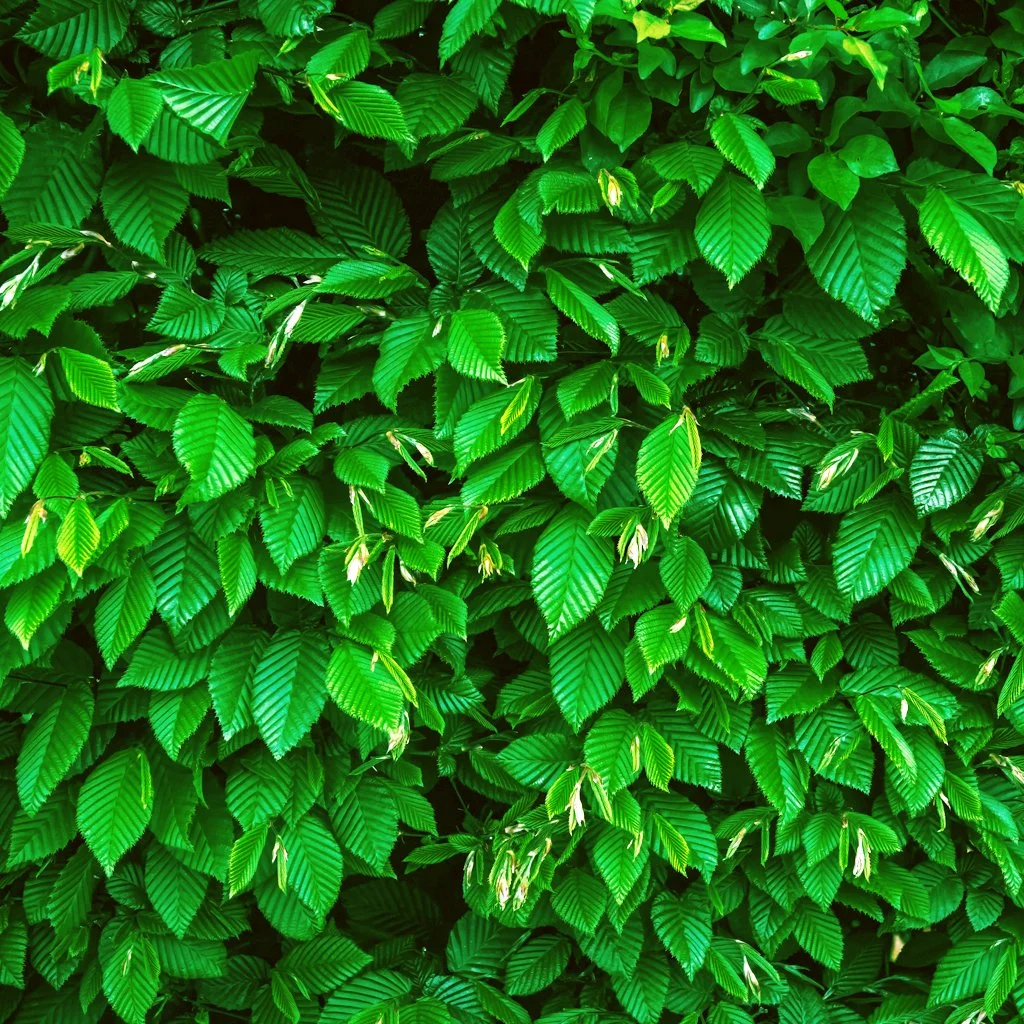
Hornbeam
A deciduous hedge that tolerates clipping and many heavier soil conditions.
Useful for traditional and contemporary boundaries where formal structure is required.
Persistent waterlogging should still be assessed before planting.
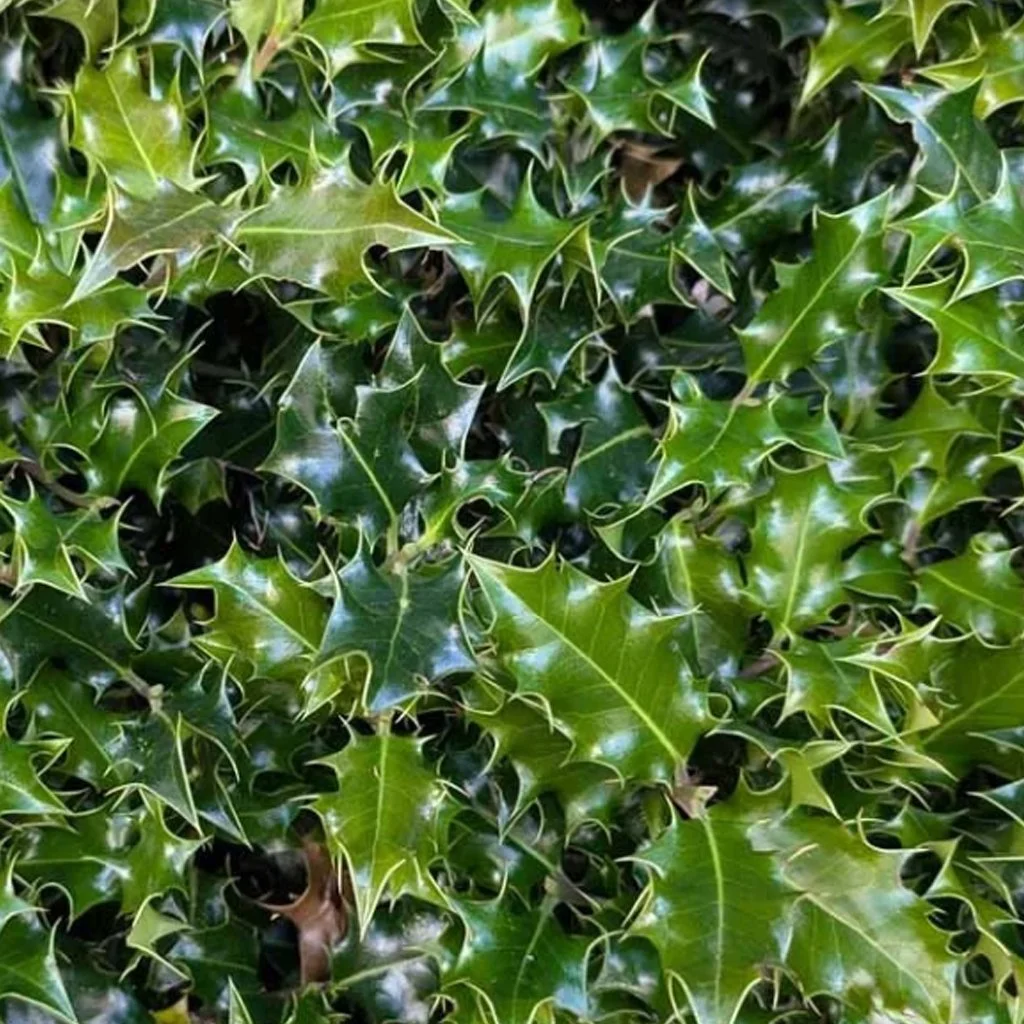
English Holly
Native evergreen foliage provides year-round structure and traditional garden character.
Can complement naturalistic boundaries and suitable partially shaded positions.
Holly berries are poisonous if eaten.
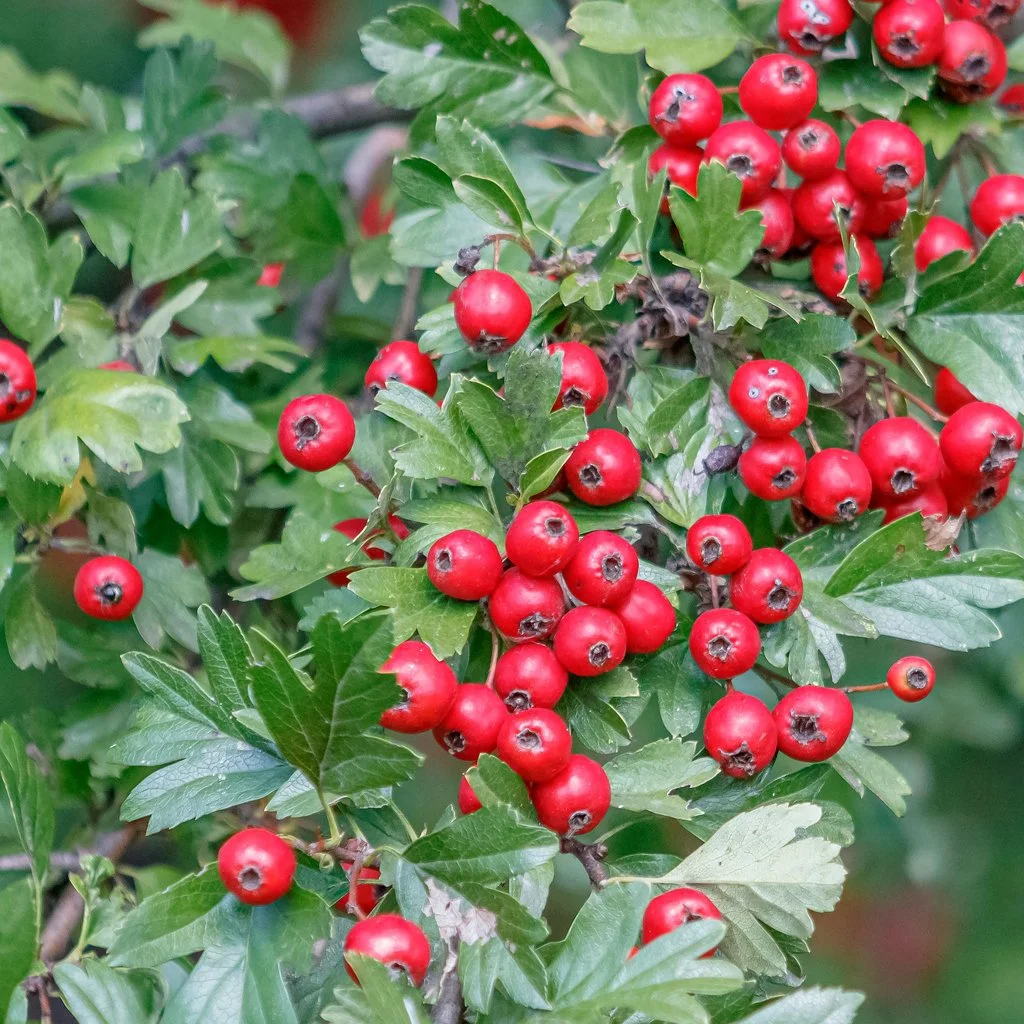
Native Mixed Hedging
Suitable native shrubs can create a natural-looking boundary with seasonal interest and wildlife benefits.
Particularly appropriate where a garden transitions towards more informal planting.
Photograph shows Hawthorn, one species commonly used in native mixed hedgerows.
Plant sizes, stock types and availability vary according to species and season.
Creating Privacy Without Losing Garden Character
Privacy hedging should complement the architecture and proportions of the property.
In a larger garden, a formal evergreen hedge may provide a strong visual backdrop to lawns, terraces and ornamental planting.
For a smaller traditional property, lower or more selectively positioned hedging may preserve openness while providing useful screening.
Formal Evergreen Privacy
Suitable evergreen species can provide a consistent green boundary throughout the year.
Selective Screening
Planting around seating areas or particular sightlines may reduce the need for tall hedging everywhere.
Layered Garden Planting
Combining hedging with ornamental shrubs and trees can create a softer, more varied garden composition.
Maintenance
Consider how the hedge will be safely clipped and maintained as it reaches its intended height.
Hedging and Egerton's Conservation Area
Part of Egerton lies within a designated conservation area. Traditional boundaries, mature trees and established garden planting may contribute to the character of individual properties.
New hedging can be an appropriate way to introduce screening while retaining the appearance of an established garden.
However, existing trees, boundary walls and other features may be subject to additional planning or conservation controls.
Check Before Altering Established Boundaries
If your property is within a conservation area, check the relevant requirements before removing trees, altering walls or undertaking other potentially controlled work.
Conservation area designation does not automatically mean ordinary hedge planting requires permission. The requirements depend on the proposed work and the property.
Further information is available from Bolton Council's conservation area guidance .
Bare-Root, Rootballed and Container-Grown Hedging
The right stock type depends on the required initial screening, species, access, planting conditions and project budget.
Bare-Root Hedging
Often a cost-effective choice for establishing longer native and deciduous hedges during the dormant planting season.
Rootballed Hedging
Larger plants supplied with retained soil around the roots.
Generally available from mid-October to late April, weather permitting.
Container-Grown Hedging
Offers greater seasonal flexibility when soil conditions, weather and aftercare are suitable.
When selecting larger plants for immediate screening, consider delivery access, handling requirements, soil preparation and watering during establishment.
Professional Hedge Planting in Egerton
Landscaping Emporium works alongside Kirman Design to offer professional hedge supply and planting for suitable projects in Egerton and surrounding areas.
Depending on the agreed specification, services may include plant selection, quantities, delivery, ground preparation, setting out, planting, irrigation and aftercare advice.
For traditional properties, photographs of existing walls, trees, boundary conditions and access routes are particularly useful when requesting a quotation.
Learn more about our professional hedge supply and planting service .
Egerton Hedging FAQs
What is the best hedge for a traditional property in Egerton?
Yew, Beech, Holly and Hornbeam are among the options worth considering. The most appropriate choice depends on the property's character and growing conditions.
Can I plant a hedge behind a stone wall?
Often yes, provided the wall is stable and sufficient space is available for roots, mature growth and maintenance.
Which hedging plants provide year-round privacy?
Evergreen species such as Yew, Holly and Portuguese Laurel may provide year-round screening, subject to suitable growing conditions.
Can hedging help reduce wind exposure?
Yes. A suitably positioned hedge can filter wind and provide shelter. Effectiveness depends on its height, density and position.
Do conservation area rules affect hedging?
Ordinary hedge planting does not automatically require permission because a property is in a conservation area. However, work affecting protected trees, walls or other controlled features may require consent.
When should I plant a new hedge?
Bare-root and rootballed hedging is generally planted during the dormant season. Container-grown plants offer greater flexibility when conditions are suitable.
Can I buy larger hedging plants for earlier screening?
Larger rootballed or container-grown plants may provide earlier screening, subject to stock availability, safe access and establishment requirements.
Do you supply and plant hedging in Egerton?
We welcome enquiries for suitable projects, subject to site conditions, access, scope and availability. Request a quotation .
Hedging in Egerton and Surrounding Areas
Landscaping Emporium welcomes hedging enquiries from Egerton and surrounding Bolton communities, including Bromley Cross, Eagley, Dunscar and Turton.
Explore our Bolton Hedging Guide , Horwich Hedging Guide and Greater Manchester Hedging Guide .
You can also browse hedging plants or use our Hedge Selector .
Planning a New Hedge in Egerton?
Whether you need evergreen privacy, hedging to complement a traditional property or carefully selected boundary planting, we can help you explore suitable plants and professional installation options.
Telephone: 01942 604976
Email: info@kirmandesign.com
Selected by designers. Installed by professionals.