Acer palmatum, commonly known as Japanese Maple, is an exceptionally attractive deciduous ornamental tree admired for its delicate foliage, graceful branching structure and outstanding seasonal colour.
Native to Japan, Korea and parts of eastern Asia, Japanese Maple has become one of the most popular trees for ornamental garden planting in the UK.
Its naturally elegant form, finely textured foliage and relatively compact proportions make it particularly suitable for contemporary gardens, Japanese-inspired landscapes, courtyards and carefully designed ornamental planting schemes.
During spring, Japanese Maple produces fresh, delicate leaves with distinctive palmate lobes. These develop into an attractive green canopy throughout summer, creating a soft and refined appearance.
As autumn approaches, the foliage can transform into spectacular shades of yellow, orange, red and crimson, depending on the individual tree, growing conditions and seasonal weather.
After the leaves have fallen, the elegant branching structure continues to provide architectural interest throughout winter.
Acer palmatum is particularly effective when planted as a standalone specimen, where its natural shape and seasonal changes can be appreciated.
It also works beautifully alongside ornamental grasses, ferns, woodland planting and other carefully selected garden plants.
Key Features of Acer palmatum
Elegant deciduous ornamental tree
Beautiful deeply lobed foliage
Graceful branching structure
Spectacular autumn colour
Attractive fresh spring growth
Refined green summer foliage
Excellent for Japanese-inspired gardens
Suitable for contemporary and traditional gardens
Particularly attractive in courtyards and ornamental borders
Suitable for many small and medium-sized gardens
Excellent architectural specimen tree
Generally slow to moderate growth
Attractive natural rounded to spreading crown
Provides seasonal interest throughout the year
Suitable for sheltered gardens with partial shade
Can be supplied in different nursery sizes and forms, subject to availability
Acer palmatum – Tree Specification
Botanical name: Acer palmatum
Common name: Japanese Maple
Family: Sapindaceae
Tree type: Deciduous ornamental broadleaf tree
Mature height: Typically approximately 4–8m for the species, potentially larger in favourable conditions over many years.
Mature spread: Approximately 4–8m, depending on age, growing conditions and individual form.
Growth rate: Slow to moderate.
Crown shape: Rounded, broadly spreading or irregularly layered, often developing an elegant, multi-branched structure.
Foliage: Deciduous, with distinctive palmate leaves divided into pointed lobes.
Spring foliage: Fresh green, sometimes with reddish tones during emergence.
Summer foliage: Predominantly green on the typical species.
Autumn colour: Yellow, orange, red and crimson, varying with growing conditions.
Flowers: Small reddish or purplish flowers during spring, generally inconspicuous.
Fruit: Paired winged seeds known as samaras.
Bark: Smooth grey-brown bark on younger stems, becoming more textured with maturity.
Position: Partial shade or sheltered full sun.
Soil: Prefers fertile, humus-rich, moisture-retentive but well-drained soil.
Soil pH: Generally performs best in slightly acidic to neutral conditions, although it can tolerate some variation where soil structure and moisture are suitable.
Soil moisture: Prefers consistently moist but well-drained ground. Avoid prolonged waterlogging and excessively dry conditions.
Exposure: Best in sheltered positions protected from strong winds and harsh afternoon sun.
Hardiness: Generally hardy across much of the UK, although young foliage can be damaged by late spring frosts and exposed conditions.
Native status: Non-UK Native.
Wildlife value: Small spring flowers may provide resources for visiting insects, while the branching structure can offer shelter for garden wildlife.
Maintenance: Generally low maintenance once established. Minimal pruning is normally required.
Root system: Relatively shallow and spreading, benefiting from well-prepared soil and a protective mulch layer.
Suitable uses: Specimen planting, Japanese gardens, contemporary gardens, courtyards, small and medium-sized gardens, ornamental borders and sheltered landscape planting.
Why Choose Acer palmatum?
Exceptional Autumn Colour
One of the greatest attractions of Japanese Maple is its spectacular autumn foliage.
As temperatures begin to fall, the leaves can develop beautiful shades of yellow, orange, scarlet and crimson.
The intensity and combination of colours vary between individual trees and growing conditions.
When positioned against evergreen planting, natural stone, timber or contemporary garden structures, the autumn display can be particularly impressive.
For customers looking for a specimen tree with strong seasonal interest, Japanese Maple is an excellent choice.
Elegant Architectural Form
Japanese Maple is valued not only for its foliage but also for its naturally graceful branching structure.
As the tree matures, the branches often develop an attractive layered or spreading appearance.
This creates a refined architectural feature that works particularly well within contemporary gardens and Japanese-inspired landscapes.
The natural shape is often best appreciated when the tree is given sufficient space and allowed to develop without excessive pruning.
Ideal for Japanese-Inspired Gardens
Acer palmatum is strongly associated with traditional Japanese garden design.
Its delicate foliage and graceful form complement stone, gravel, water features, mosses, ferns and carefully arranged ornamental planting.
It can be used as a focal point beside a pathway, within a courtyard or overlooking a pond.
The tree is equally effective in contemporary British gardens where simplicity, structure and seasonal interest are important design considerations.
Suitable for Smaller Gardens
Compared with many large ornamental trees, Japanese Maple offers a relatively compact and manageable form.
This makes it suitable for many small and medium-sized gardens, particularly where an attractive specimen tree is required without introducing an excessively large canopy.
However, the species can eventually develop a broad crown, and sufficient space should be allowed for its mature dimensions.
For very restricted spaces, a specifically selected compact Japanese Maple cultivar may be more appropriate.
Beautiful Spring and Summer Foliage
During spring, Japanese Maple produces fresh, delicate foliage that creates an attractive contrast against surrounding evergreen planting.
The deeply lobed leaves provide a fine texture that complements ornamental grasses, ferns and woodland plants.
Throughout summer, the green canopy offers a soft and elegant appearance.
In sheltered positions, the foliage generally remains in good condition throughout the growing season.
An Excellent Tree for Courtyards
Japanese Maple is particularly effective in sheltered courtyards and enclosed gardens.
These environments can provide protection from strong winds, which may otherwise damage the delicate leaves.
Its elegant form makes it suitable for planting beside seating areas, terraces and architectural garden features.
Care should be taken where courtyards receive intense reflected heat or prolonged direct afternoon sunlight, as foliage scorching may occur.
Outstanding Seasonal Interest
Japanese Maple offers attractive changes throughout the year.
Spring: Delicate new foliage emerges, accompanied by small flowers.
Summer: The canopy develops into an elegant display of finely textured green leaves.
Autumn: The foliage produces outstanding seasonal colour in shades of yellow, orange and red.
Winter: The leaves fall, revealing the attractive branching structure and natural architectural form.
This changing appearance makes Japanese Maple a particularly rewarding specimen tree.
Planting and Establishment
Acer palmatum performs best in a sheltered position with partial shade and fertile, moisture-retentive but well-drained soil.
Protection from strong winds is particularly important, as exposed conditions can cause damage to the delicate foliage.
Although Japanese Maple can tolerate full sun in suitable locations, intense afternoon sunlight combined with dry soil can lead to leaf scorch.
The planting area should be prepared carefully, incorporating appropriate organic matter where necessary to improve soil structure.
The root flare should remain at the correct finished soil level, and the tree should not be planted excessively deeply.
Newly planted specimens require regular watering during establishment, particularly during dry periods.
A suitable organic mulch can help conserve soil moisture, regulate soil temperature and reduce competition from surrounding vegetation.
Avoid allowing mulch to accumulate directly against the trunk.
For larger nursery specimens, professional planting is recommended.
Maintaining Acer palmatum
Japanese Maple is generally a low-maintenance tree once established.
Its natural branching structure is one of its principal ornamental features, so heavy pruning should normally be avoided.
Where pruning is necessary, it should be limited to removing damaged, dead or poorly positioned branches.
Structural pruning is generally best undertaken during the dormant season, avoiding periods when sap flow is particularly active.
Regular watering may be beneficial during prolonged dry periods, especially while the tree is establishing.
Maintaining a suitable mulch layer can help protect the relatively shallow root system and retain moisture.
Japanese Maple should not normally require frequent feeding where soil conditions are suitable.
Important Planting Considerations
Japanese Maple is not generally suitable for highly exposed, windswept positions.
Strong winds can damage the delicate leaves, while prolonged dry conditions may cause leaf scorch.
The tree is also unsuitable for permanently waterlogged ground.
Although many Japanese Maples tolerate some shade, the best foliage colour and overall appearance depend on the individual tree and growing conditions.
For customers seeking purple or burgundy summer foliage, a specifically named red-leaved cultivar should be selected rather than assuming the typical green-leaved species will provide this colour.
Specimen Tree Delivery and Professional Planting
Landscaping Emporium, brought to you by Kirman Design, offers professional specimen tree supply and planting throughout selected areas of North West England.
We provide professional tree planting in the following postcode areas:
BB, BL, CH1–CH5, CW8, CW9, FY, L, LA1–LA6, M, OL, PR, SK1–SK12, WA and WN.
Please do not select professional planting at checkout if your property is outside these postcode areas without contacting us first.
If your property is outside our normal installation area, please contact us. We may still be able to arrange planting depending on your location, tree size and site access.
Before ordering, please consider delivery access, gate and passage widths, steps, slopes, overhead restrictions and the available planting space.
Japanese Maple trees may be supplied in different nursery sizes, single-stem or multi-stem forms, and root formats depending on current stock and seasonal availability.
Overall height, trunk girth, crown dimensions and natural branching structure will vary between individual specimens.
Contact Landscaping Emporium
Landscaping Emporium – brought to you by Kirman Design
Unit 9, Bridgewater Business Park
Gladstone Street
Blackburn
BB1 3DL
Telephone: 01942 604976
Email: hello@landscapingemporium.co.uk
Website: www.landscapingemporium.co.uk
Professional tree supply and planting across North West England.

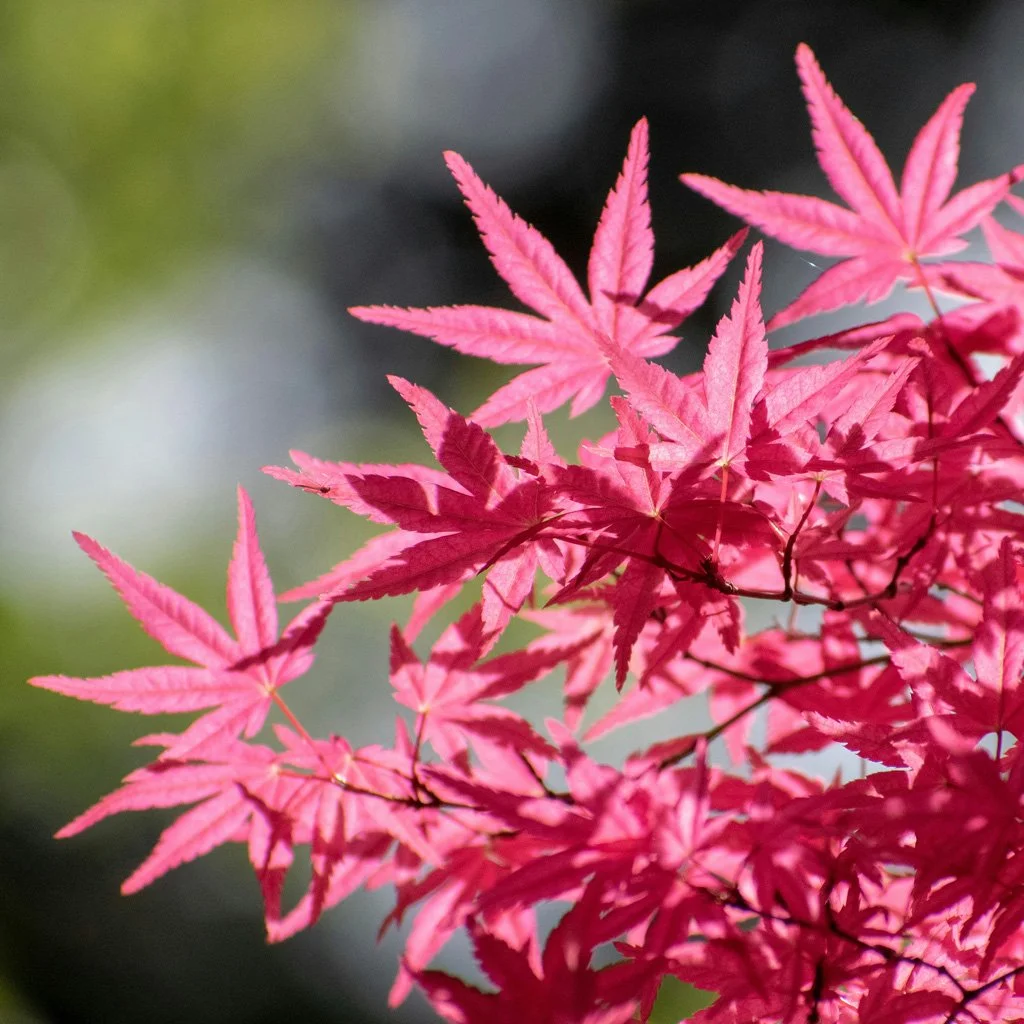 Image 1 of 15
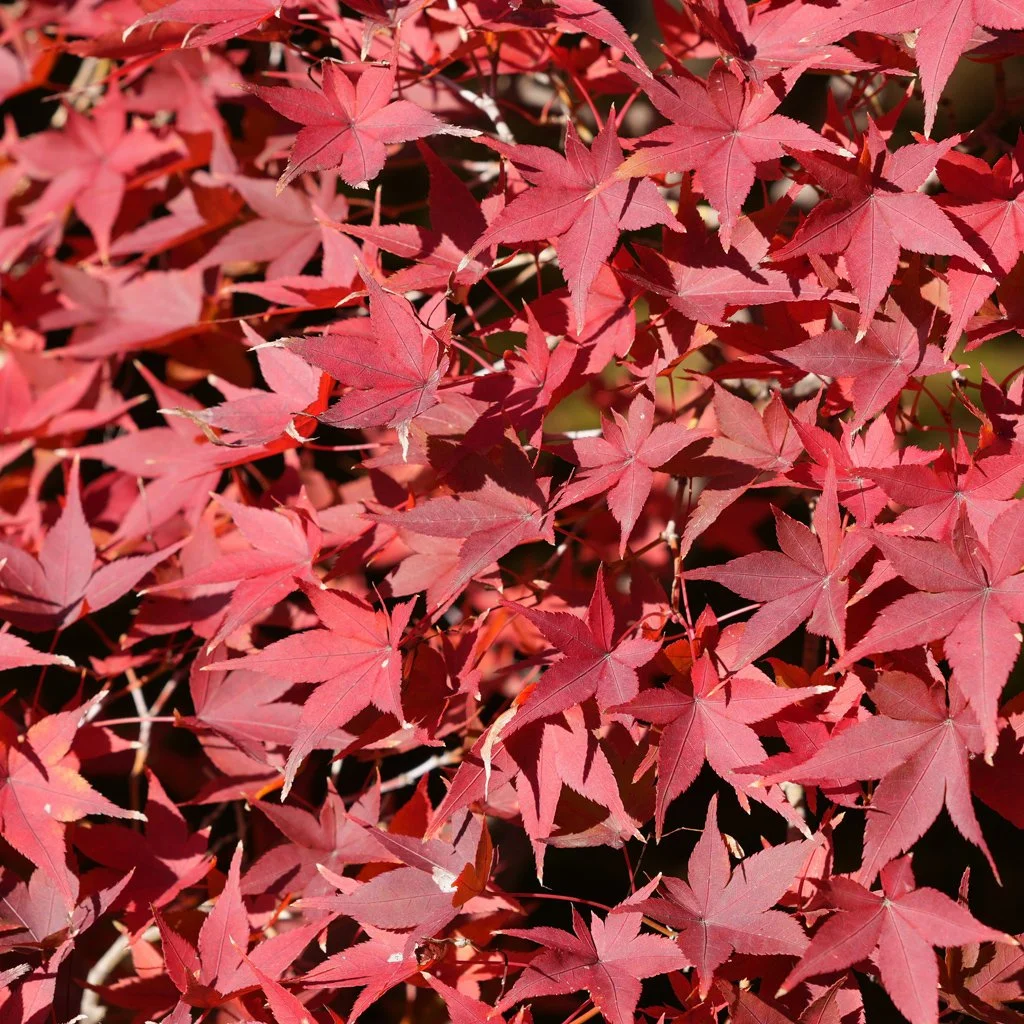 Image 2 of 15
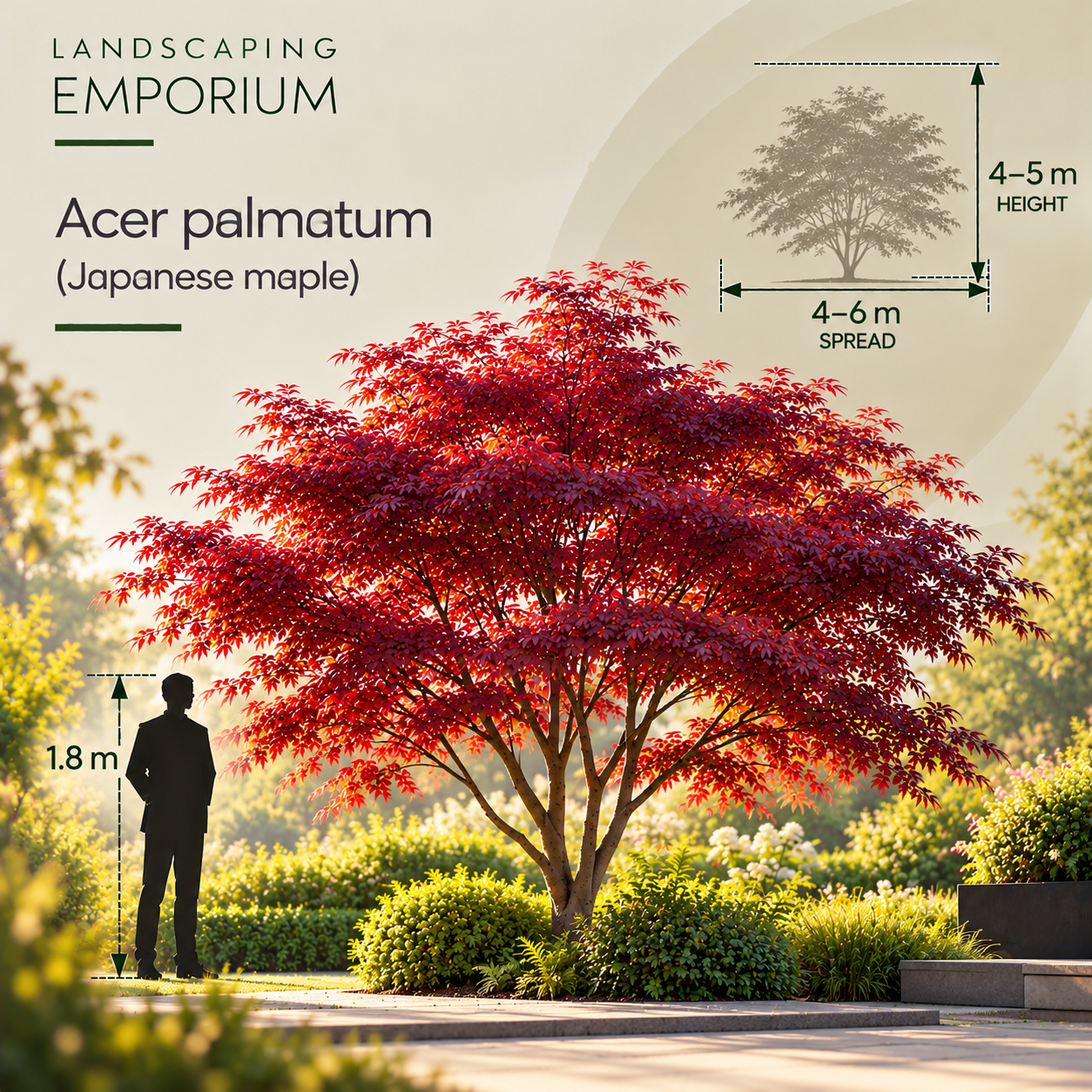 Image 3 of 15
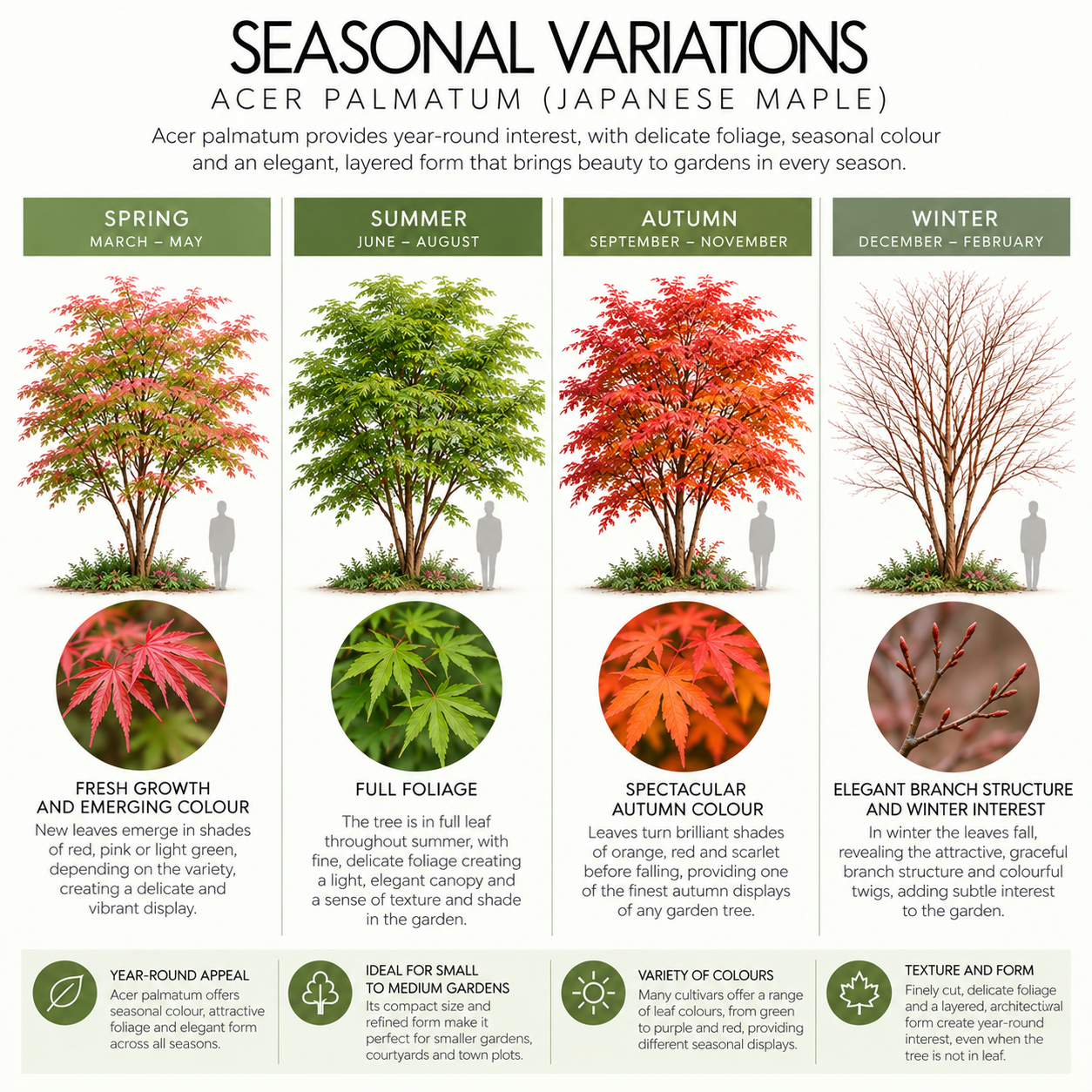 Image 4 of 15
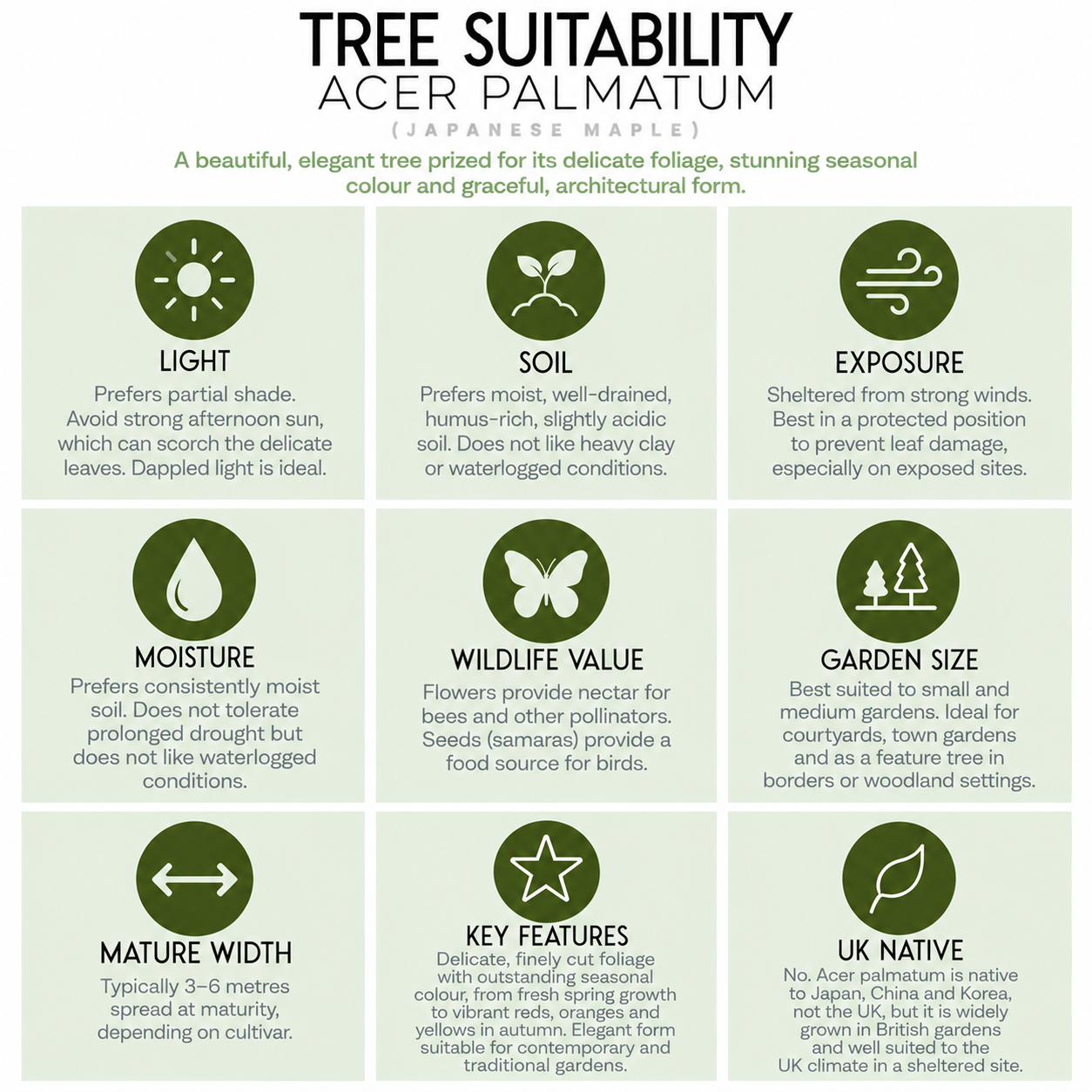 Image 5 of 15
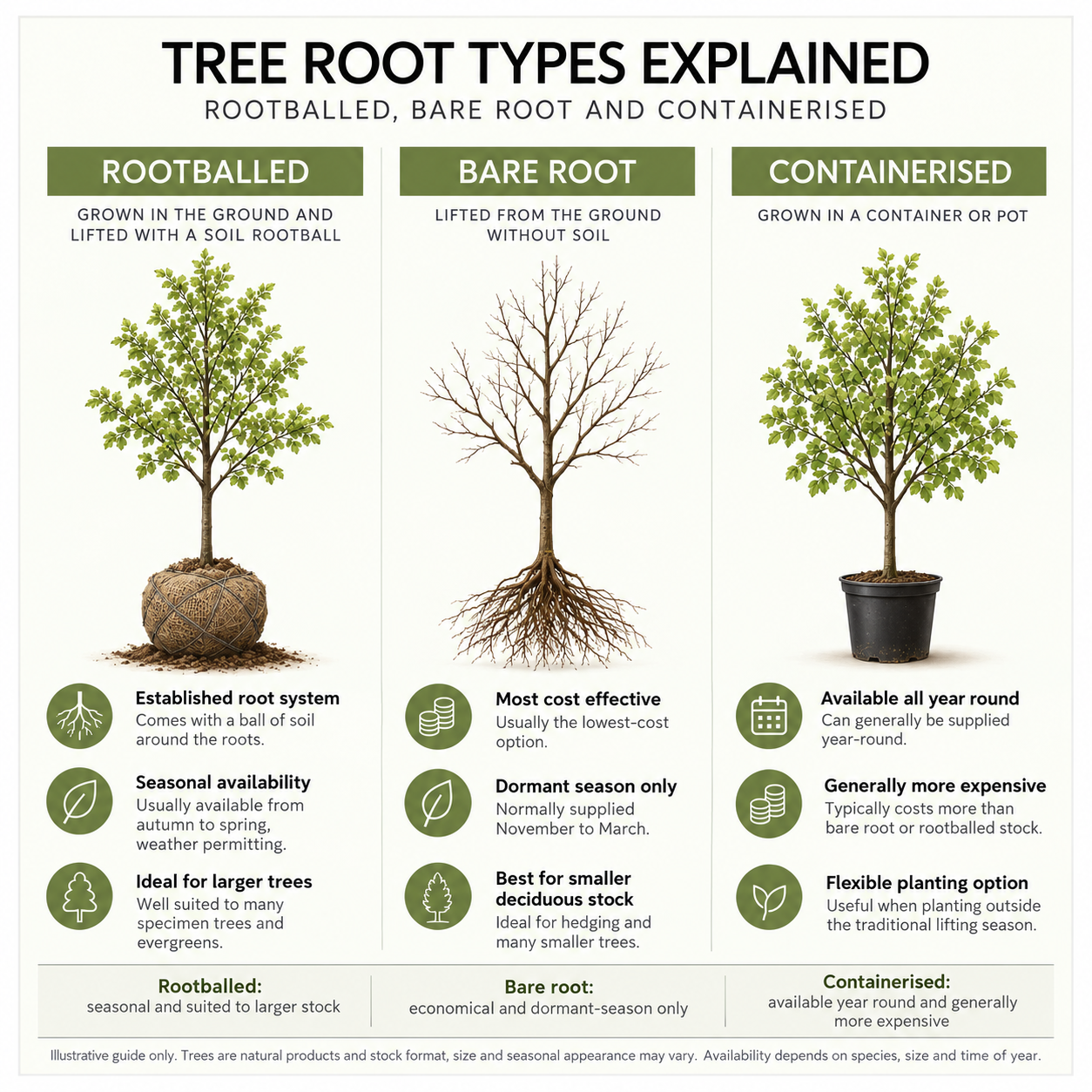 Image 6 of 15
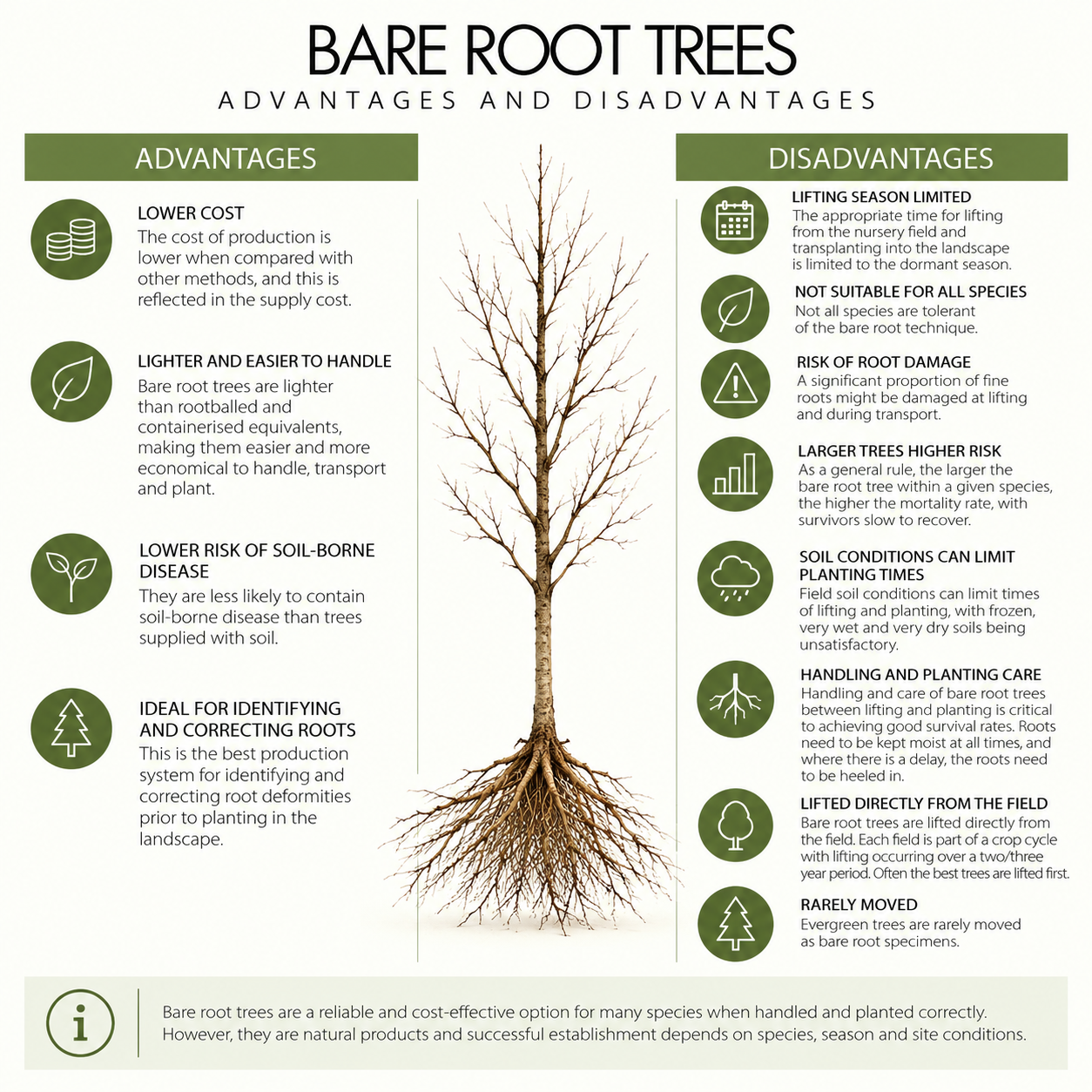 Image 7 of 15
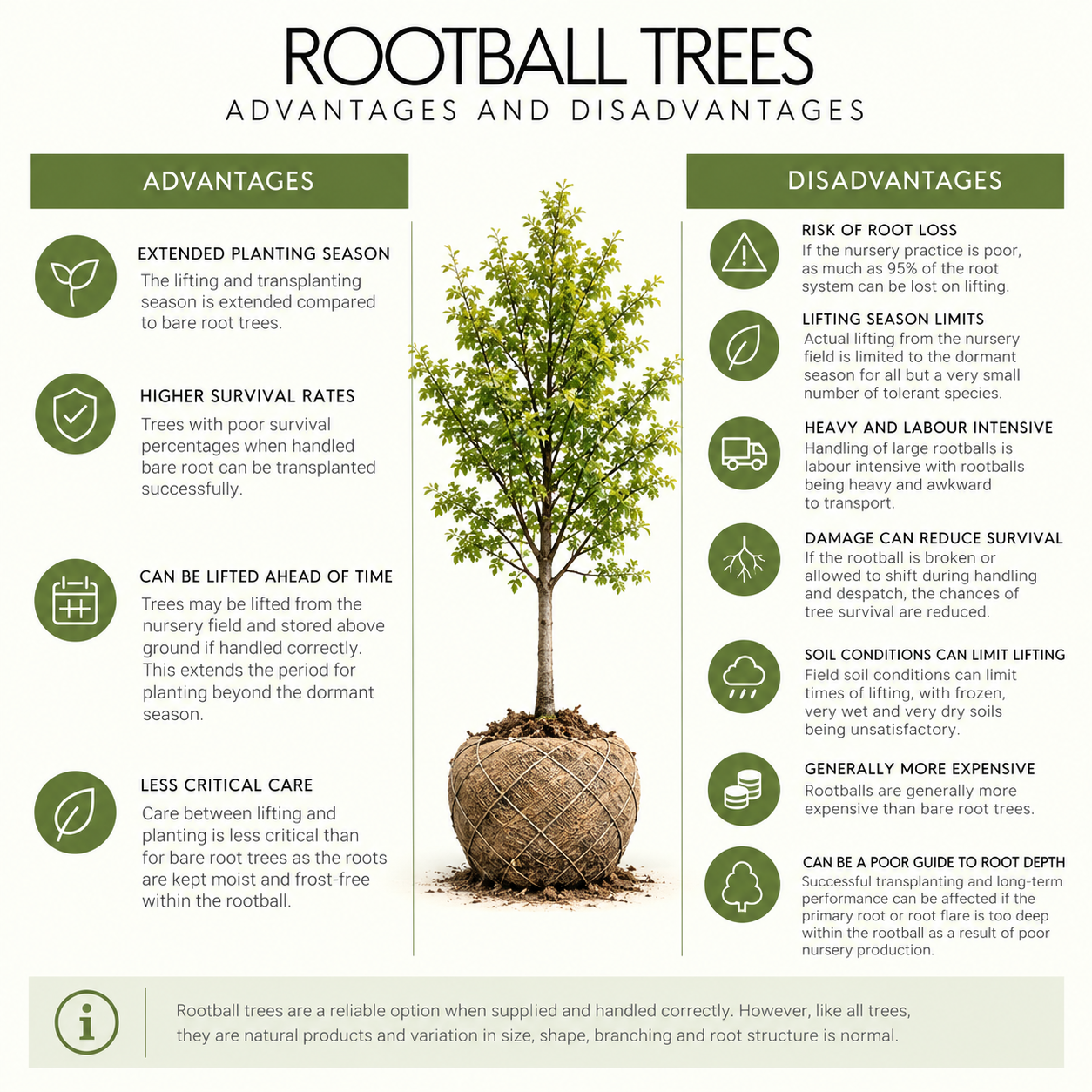 Image 8 of 15
 Image 9 of 15
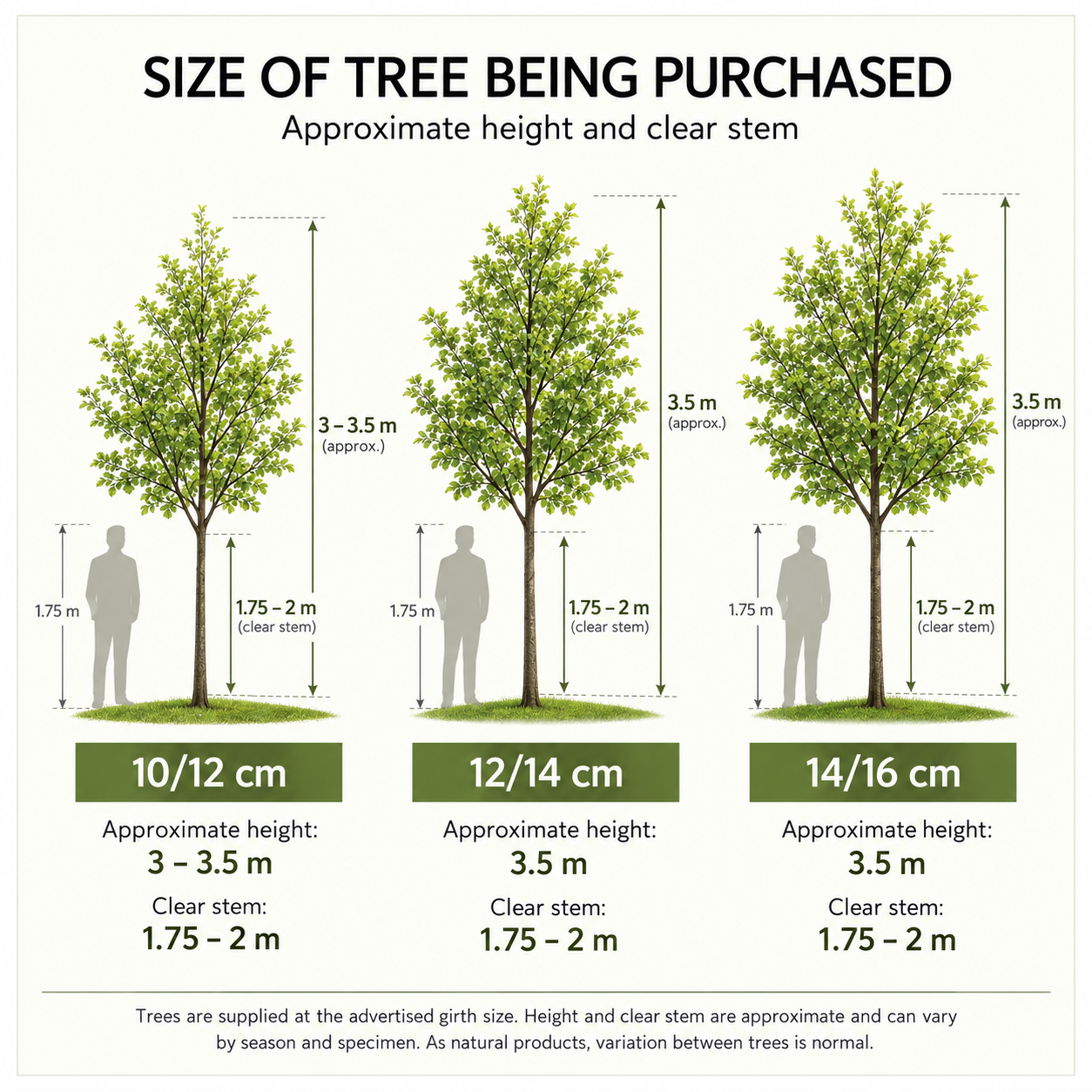 Image 10 of 15
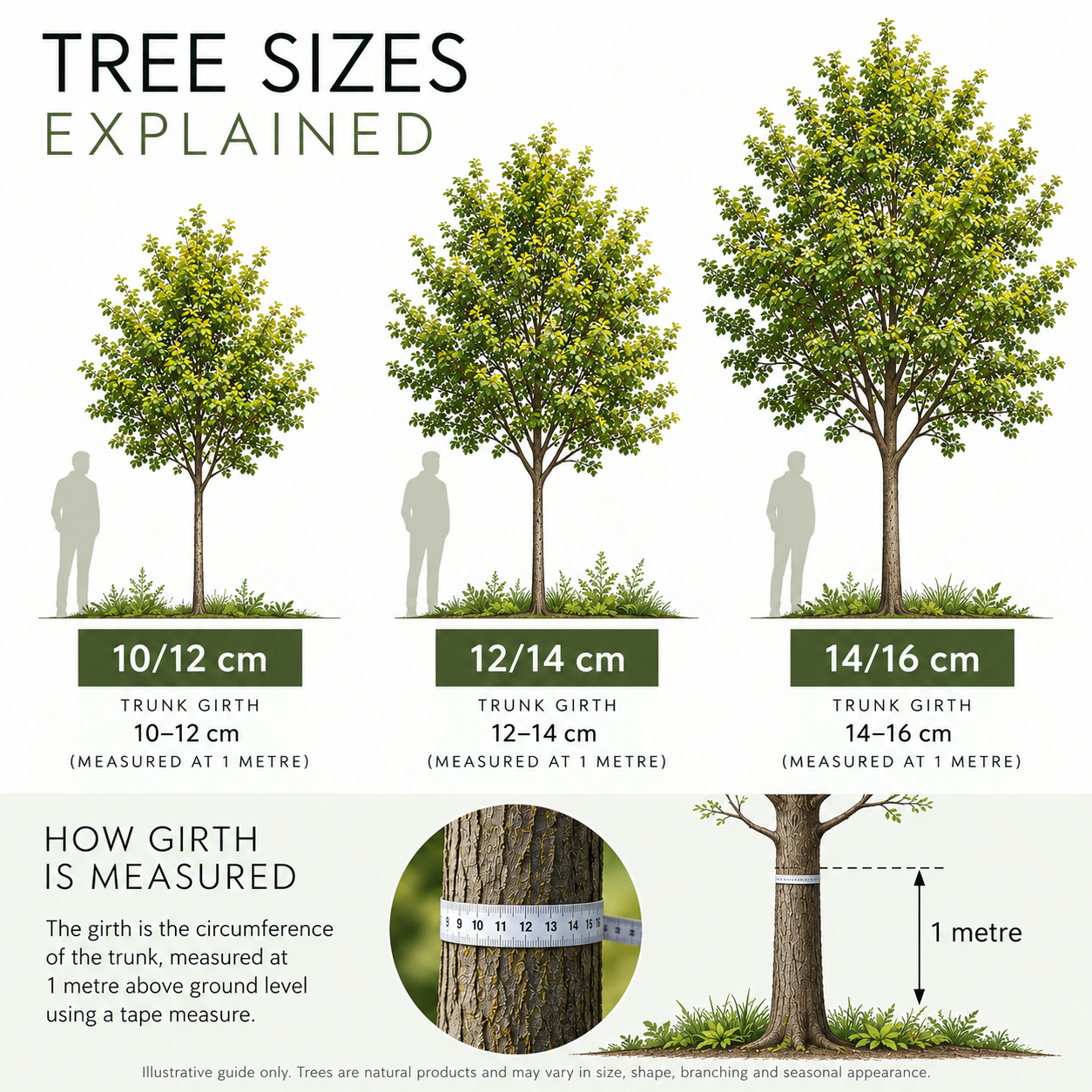 Image 11 of 15
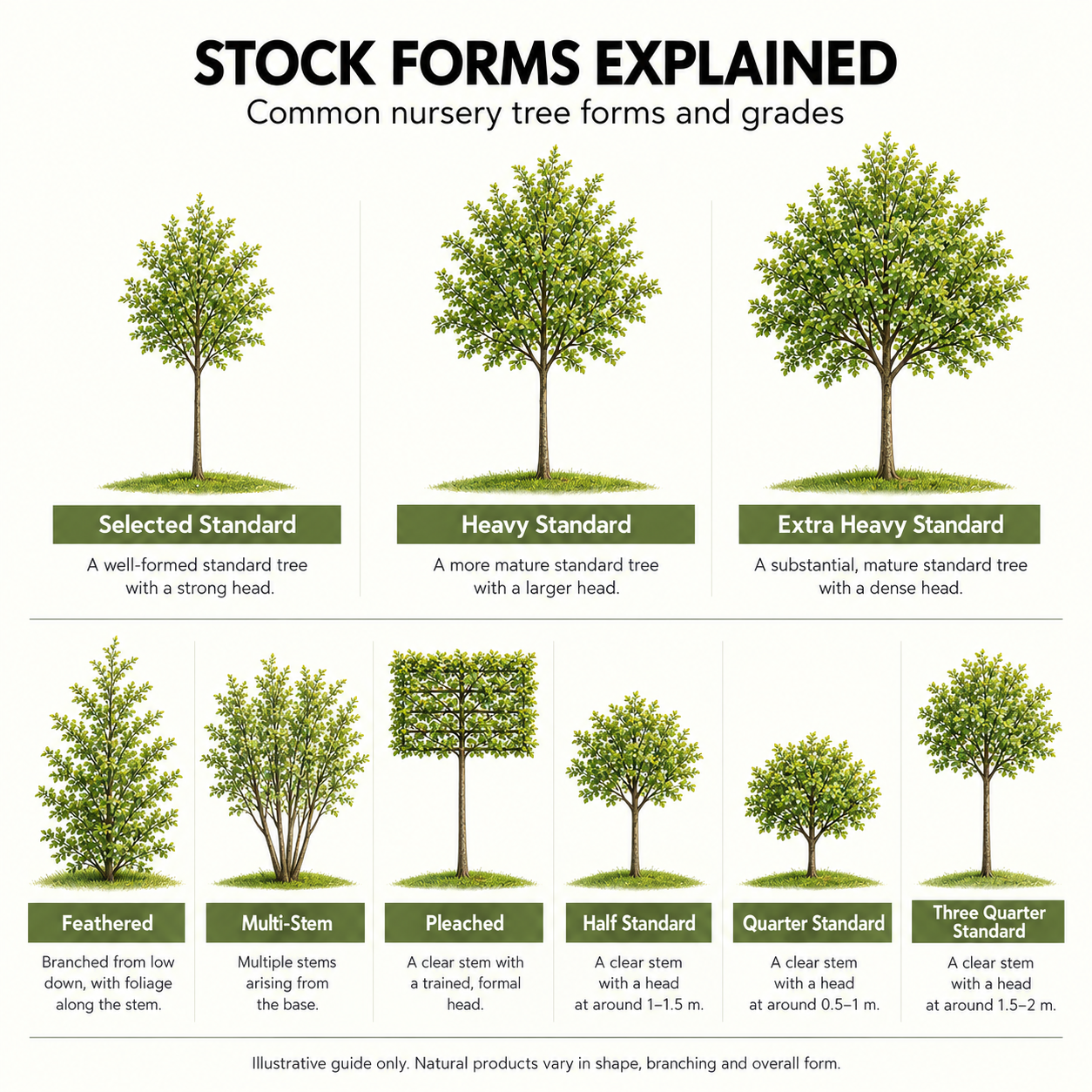 Image 12 of 15
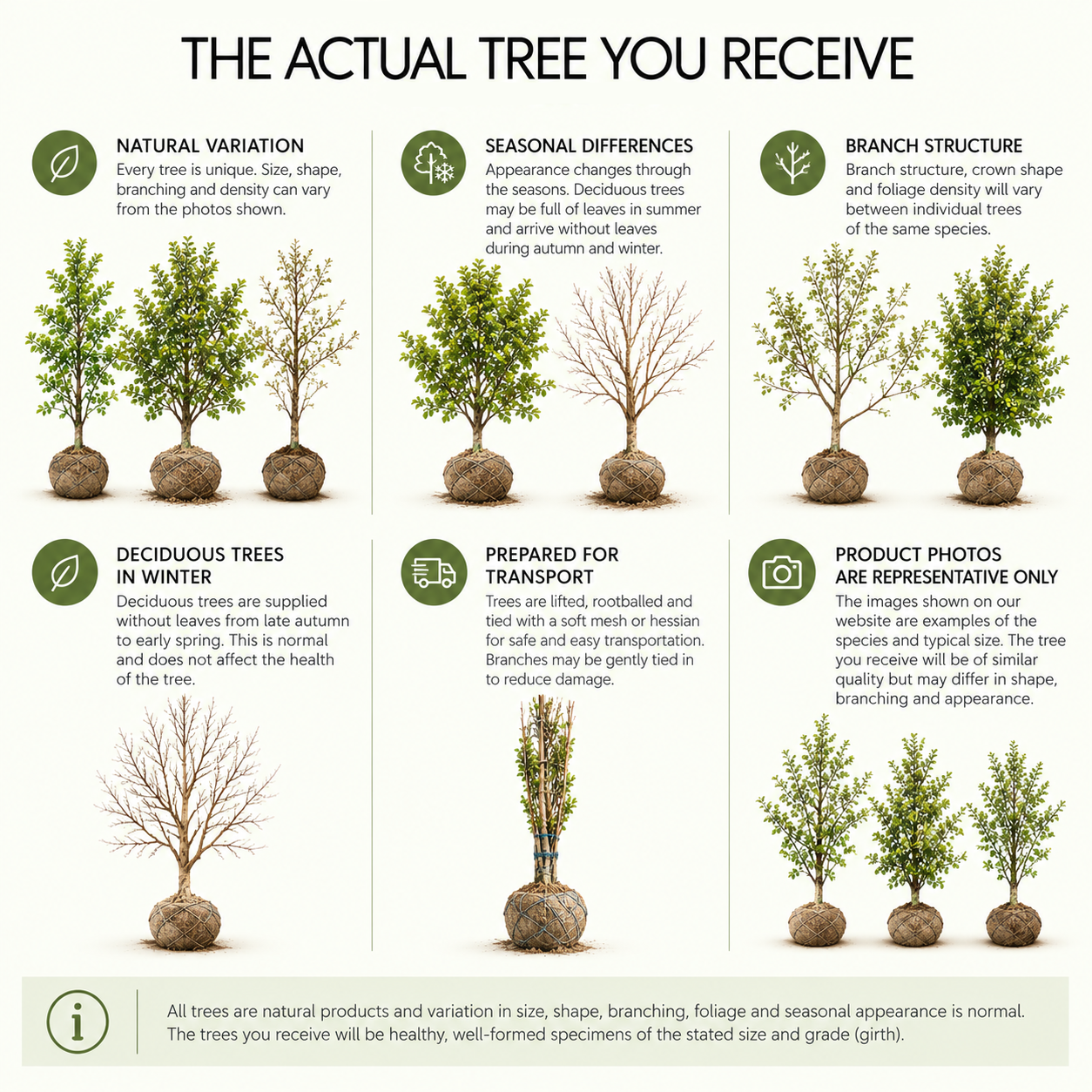 Image 13 of 15
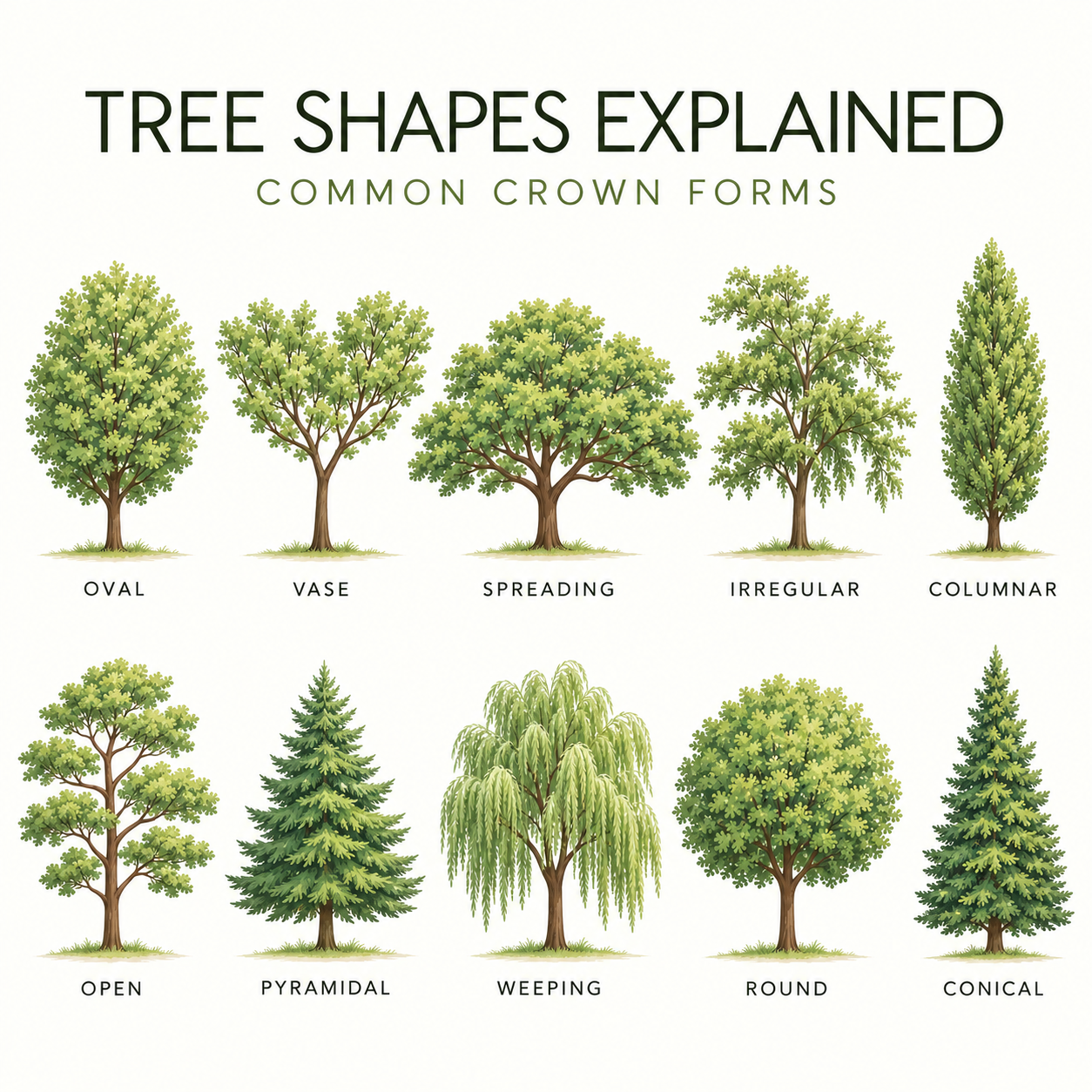 Image 14 of 15
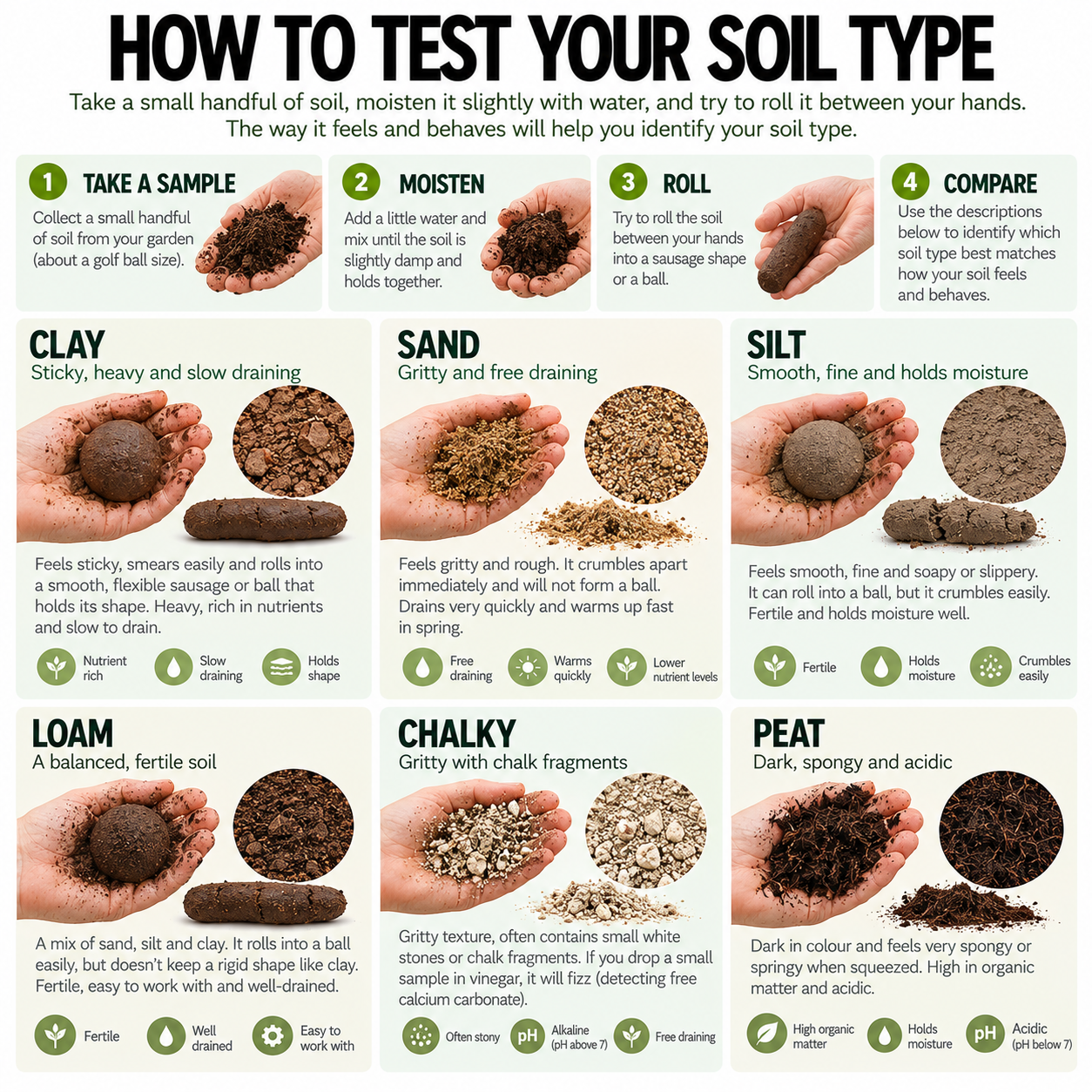 Image 15 of 15