Alnus incana, commonly known as Grey Alder, is a hardy, fast-growing deciduous tree with an upright, conical form. Its dark green leaves have a distinctive grey-white, downy underside, while yellow-brown male catkins appear in late winter or early spring.
Grey Alder is adaptable to a wide range of soil conditions, including moist, poorly drained and challenging ground. It can also tolerate drier soils once established. Its resilience makes it useful for larger gardens and landscape schemes where a tough, relatively fast-growing tree is needed.
Grey Alder can reach around 20 metres tall and spread more than 8 metres, so allow plenty of room for it to mature.
Key Features of Alnus incana
Hardy, fast-growing deciduous tree
Upright, conical form
Dark green leaves with grey-white, downy undersides
Yellow-brown male catkins appear before or around the time the leaves emerge
Small cone-like fruits develop after flowering
Tolerates moist and poorly drained soils
Adaptable to a range of soil types
Can tolerate exposed positions
RHS hardiness rating H7
Useful for larger gardens and challenging planting sites
Alder roots form nitrogen-fixing nodules
Alnus incana – Tree Specification
Botanical name: Alnus incana
Common name: Grey Alder / Speckled Alder / Hoary-leaved Alder
Family: Betulaceae
Tree type: Deciduous broadleaf tree
Mature height: Approximately 20m in suitable conditions.
Mature spread: More than 8m; allow approximately 8–10m or more for the mature crown.
Time to maturity: Approximately 20–50 years.
Growth rate: Fast under favourable conditions.
Crown shape: Upright and conical, becoming broader with age.
Foliage: Dark green, oval leaves with a grey-white, hairy underside.
Flowers: Yellow-brown male catkins hang in clusters and appear in late winter or early spring. Smaller female flowers are also produced.
Fruit: Small, cone-like woody structures develop after flowering and may persist into winter.
Position: Full sun.
Soil: Adaptable to chalk, clay, loam and sandy soils.
Soil moisture: Moist but well-drained, poorly drained or well-drained soils.
Exposure: Suitable for exposed or sheltered positions.
Hardiness: RHS hardiness rating H7.
Native status: Not native to the UK; native across parts of Europe and the Caucasus.
Wildlife value: Catkins and seeds provide seasonal resources, while the tree’s structure offers cover in larger planting schemes.
Maintenance: Generally low maintenance once established. Pruning can be carried out between leaf fall and midwinter if required.
Root characteristics: Alder roots form nodules associated with nitrogen-fixing bacteria. Allow adequate space around the tree and nearby services.
Suitable uses: Challenging soils, moist ground, exposed sites, larger gardens, parkland, landscape schemes and screening.
Why Choose Alnus incana?
A Hardy Tree for Challenging Sites
Grey Alder is a tough, adaptable tree that can grow in a range of soil conditions. It is particularly useful for sites where the soil is moist or poorly drained, and it can also tolerate drier ground once established.
It is a practical option for larger landscapes and gardens where a resilient tree is needed. As with any tree, the specific site should be assessed before planting.
Distinctive Foliage
The dark green leaves have a grey-white, downy underside, giving the tree a softer appearance than many other alders. The leaves are oval and pointed, with toothed edges.
This foliage, together with the tree’s upright shape, helps distinguish Grey Alder from Common Alder (Alnus glutinosa).
Catkins and Cone-like Fruits
Yellow-brown male catkins appear in late winter or early spring, often before the leaves have fully emerged. Female flowers develop into small woody structures resembling miniature cones.
These persistent structures can add interest to the tree during autumn and winter.
Fast Growth and Upright Form
Grey Alder is a fast-growing tree under favourable conditions. Its conical form makes it useful where height and structure are wanted, although the tree still needs space for its mature crown.
It may be used within larger planting schemes or as a specimen where the upright form suits the design.
Adaptable to Moist and Poor Soils
Grey Alder is noted for its ability to grow in poor and wet conditions. It can also tolerate a range of soil types, including clay and chalk, and may cope with drier soil once established.
Its adaptability does not mean it will thrive in every site. Waterlogged ground, compaction and periods of drought should all be considered when choosing a planting position.
Nitrogen-fixing Roots
Like other alders, Grey Alder forms a relationship with nitrogen-fixing bacteria in nodules on its roots. This characteristic can help it establish on some poor soils and makes it useful in certain restoration and landscape schemes.
It does not replace the need to assess soil quality or prepare the planting area properly.
Planting and Establishment
Alnus incana grows best in full sun and can tolerate a range of soil conditions, including moist and poorly drained ground.
Choose a position with enough space for the tree’s eventual height and spread. Consider nearby buildings, boundaries, paths, overhead restrictions and underground services before planting.
Prepare the planting area and set the tree so the root flare sits at the correct finished soil level. Water thoroughly after planting and continue to water during prolonged dry spells while the tree establishes.
A mulch layer can help retain soil moisture and reduce competition from weeds and grass. Keep mulch clear of the trunk.
For larger nursery specimens, professional planting is recommended. Staking or another suitable support may be needed depending on the tree’s size and the planting conditions.
Maintaining Alnus incana
Grey Alder is generally low maintenance once established.
If pruning is required, it can be carried out between leaf fall and midwinter. Remove dead or damaged branches and retain the tree’s natural form. Avoid unnecessary heavy pruning, particularly once the tree is established.
Water during prolonged dry spells while the tree is establishing, even though it can tolerate a range of soil conditions.
Important Planting Considerations
Alnus incana can become a large tree, reaching around 20 metres in suitable conditions. It is not generally suitable for small gardens or restricted planting positions.
Allow room for the mature crown and roots, particularly near buildings, paths, drains, underground services and hard landscaping.
Although Grey Alder tolerates moist and poorly drained soil, assess the site if it is permanently waterlogged or subject to extreme changes in water level. Newly planted trees also need watering during prolonged dry spells.
Grey Alder is not a UK native species. If native planting is a priority, consider Common Alder (Alnus glutinosa) or Downy Birch (Betula pubescens) where the site conditions are suitable.
Specimen Tree Delivery and Professional Planting
Landscaping Emporium, brought to you by Kirman Design, offers professional specimen tree supply and planting throughout selected areas of North West England.
We provide professional tree planting in the following postcode areas:
BB, BL, CH1–CH5, CW8, CW9, FY, L, LA1–LA6, M, OL, PR, SK1–SK12, WA and WN.
Please do not select professional planting at checkout if your property is outside these postcode areas without contacting us first.
If your property is outside our normal installation area, please contact us. We may still be able to arrange planting depending on your location, tree size and site access.
Before ordering, please consider delivery access, gate and passage widths, steps, slopes, overhead restrictions and the available planting space.
Alnus incana trees may be supplied in different nursery sizes and root formats depending on current stock and seasonal availability.
Overall height, trunk girth, crown dimensions and natural branching structure will vary between individual specimens.
Contact Landscaping Emporium
Landscaping Emporium – brought to you by Kirman Design
Unit 9, Bridgewater Business Park
Gladstone Street
Blackburn
BB1 3DL
Telephone: 01942 604976
Email: hello@landscapingemporium.co.uk
Website: www.landscapingemporium.co.uk
Professional tree supply and planting across North West England.

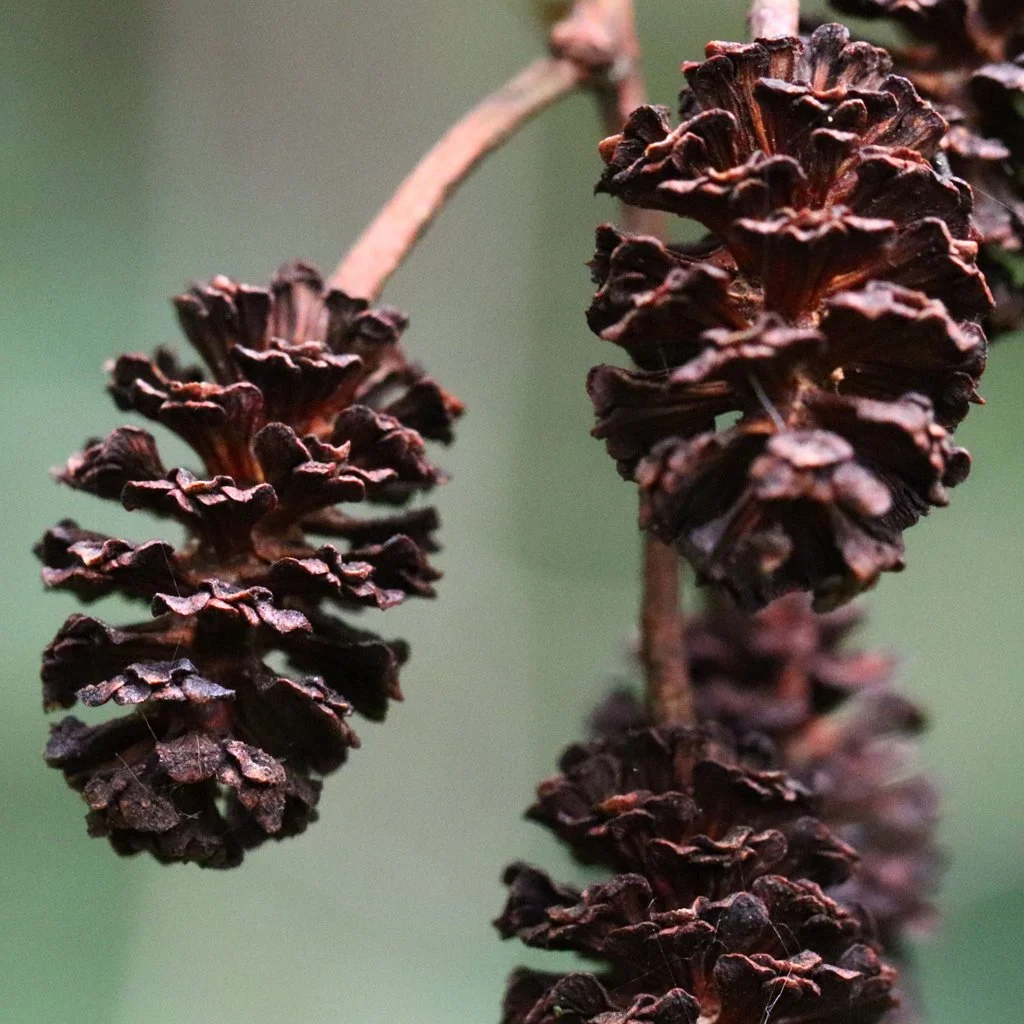 Image 1 of 11
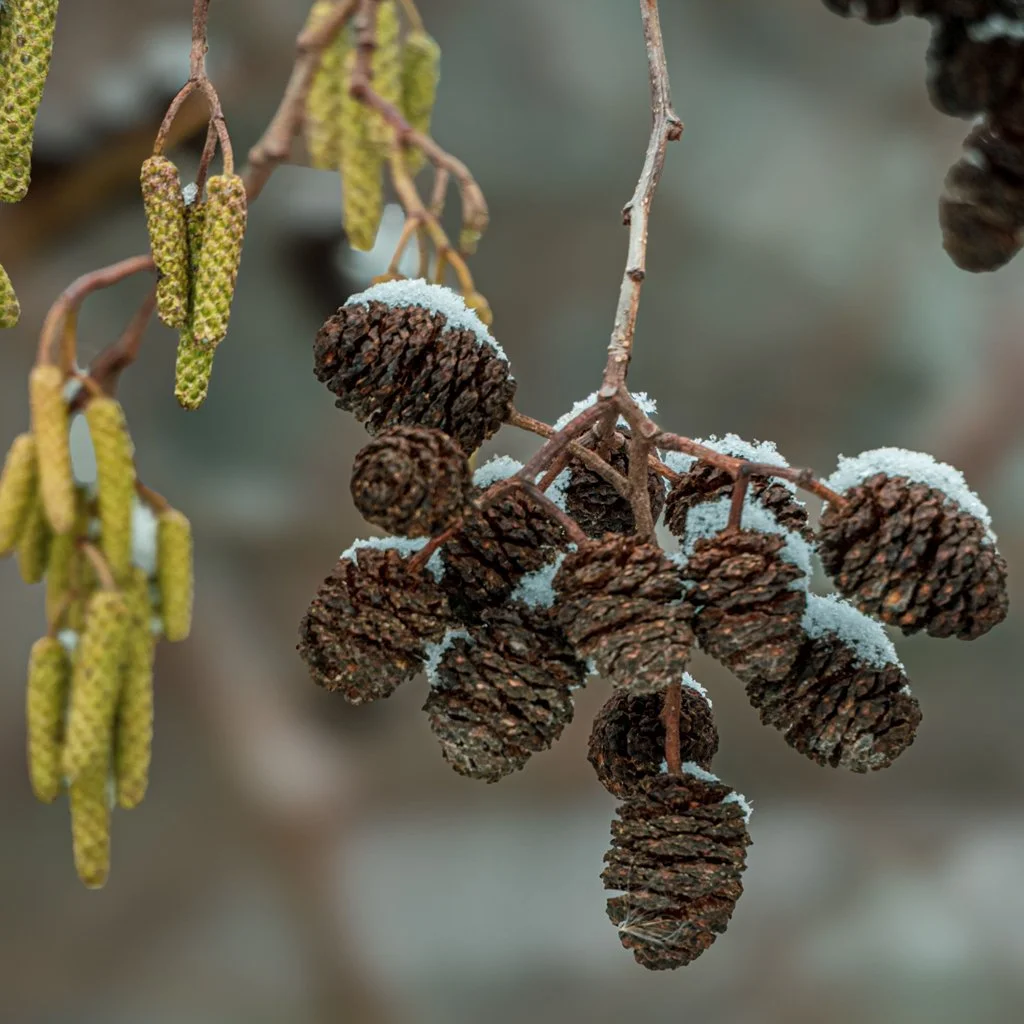 Image 2 of 11
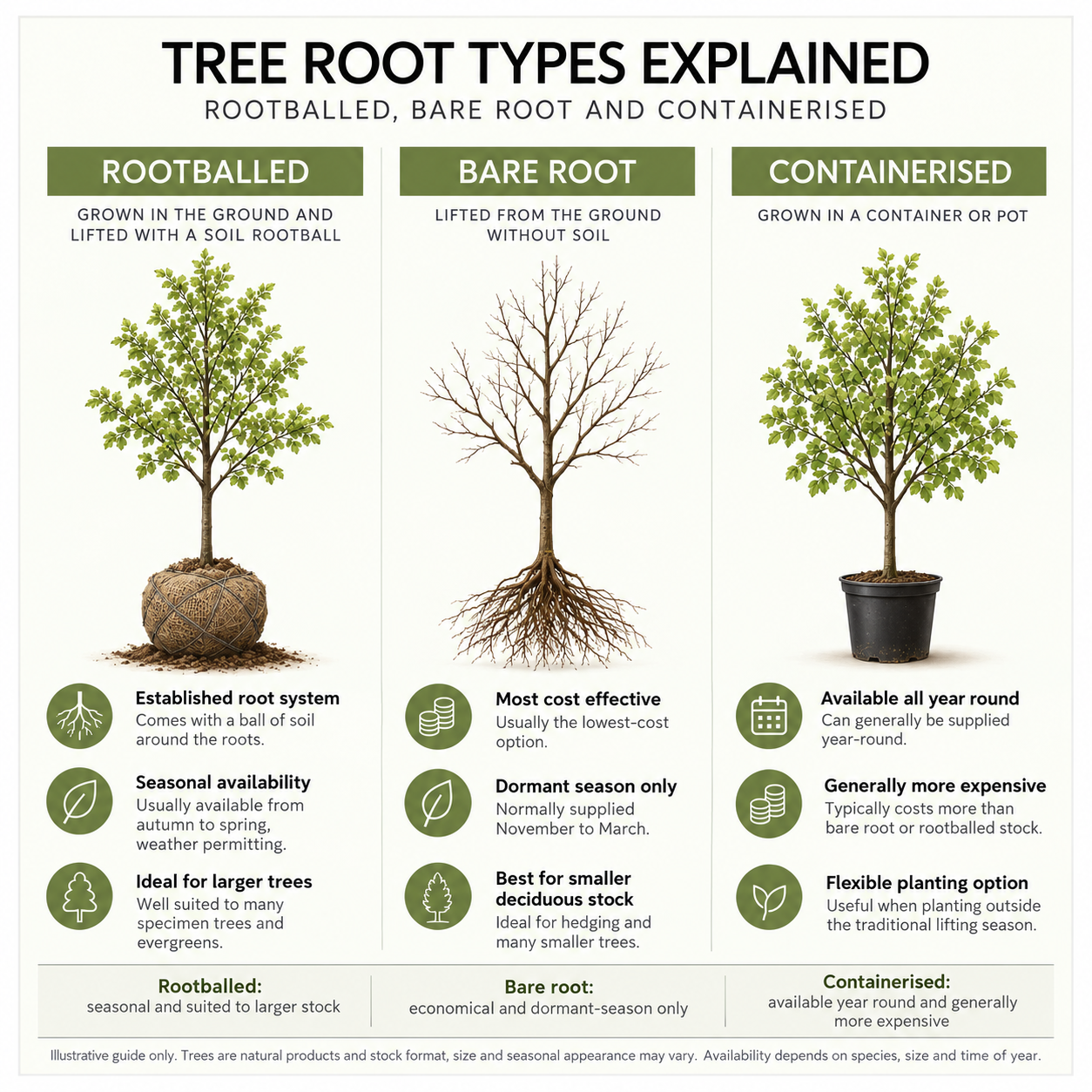 Image 3 of 11
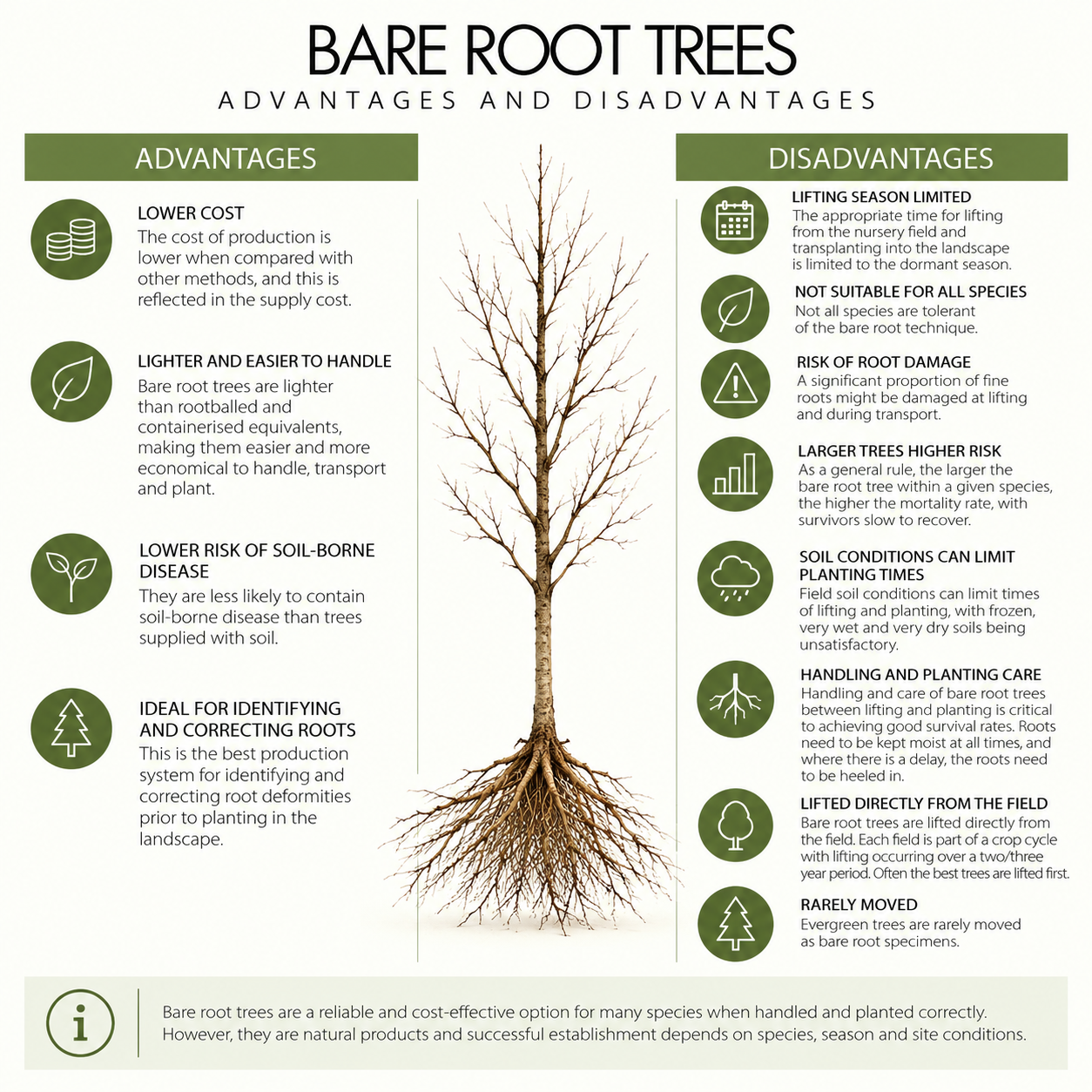 Image 4 of 11
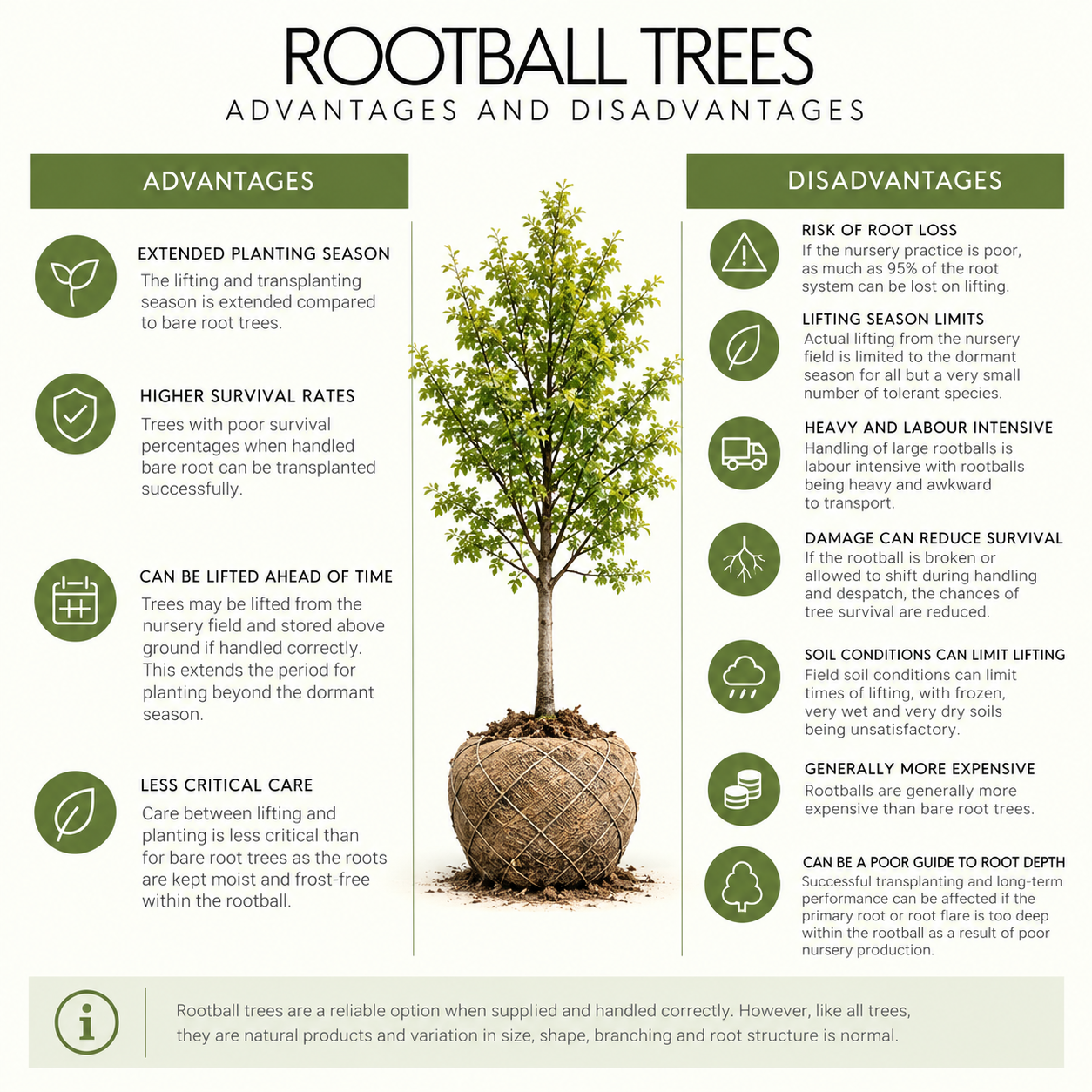 Image 5 of 11
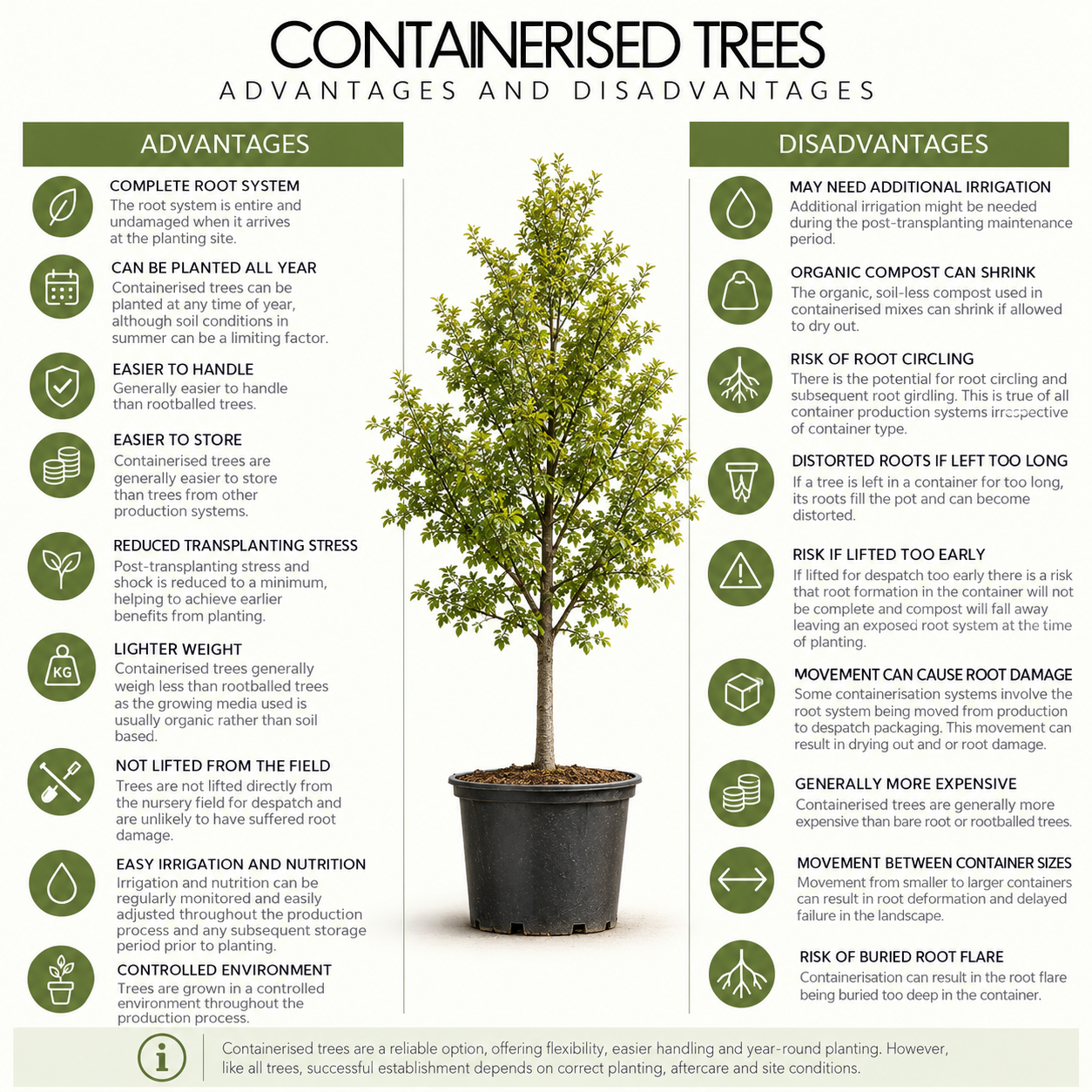 Image 6 of 11
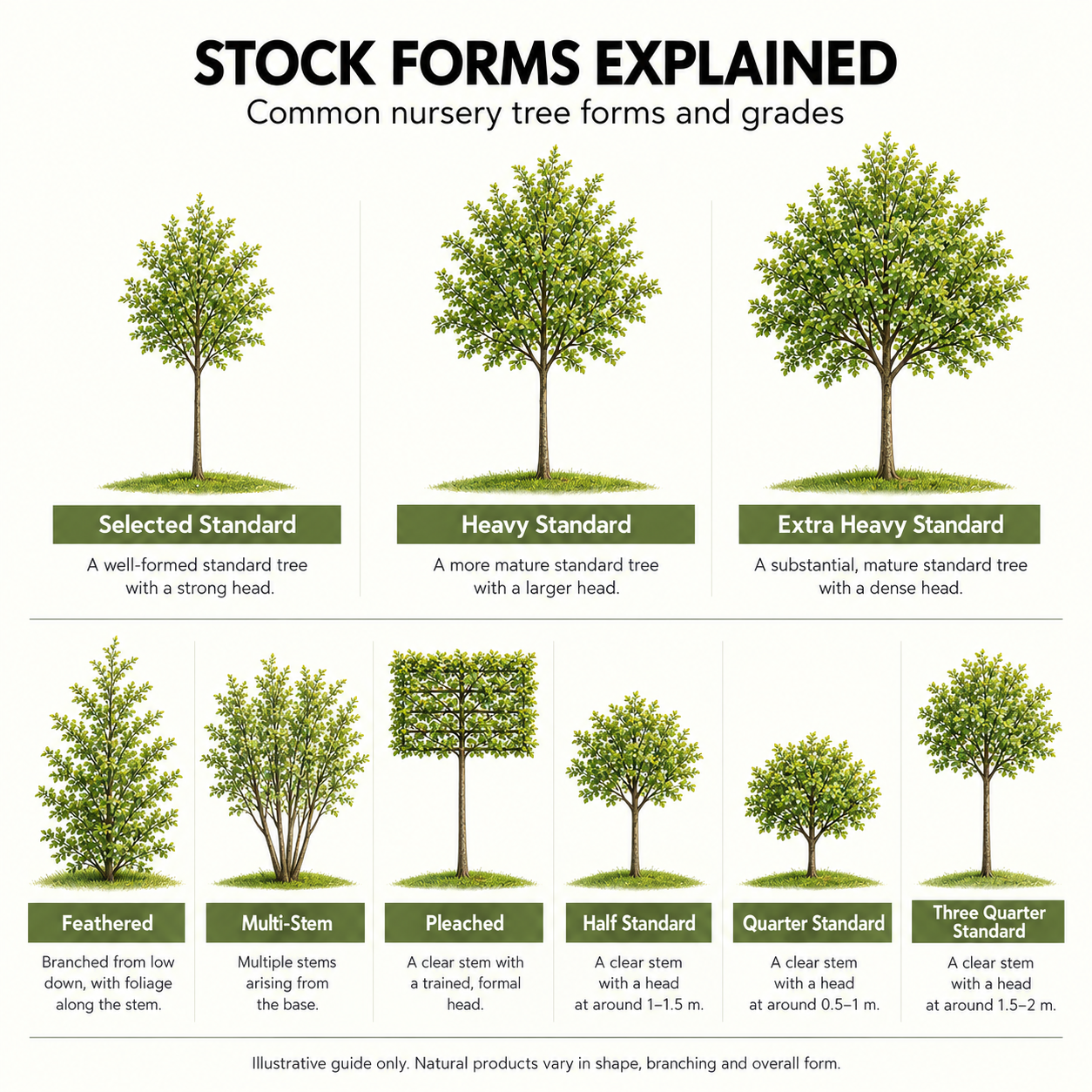 Image 7 of 11
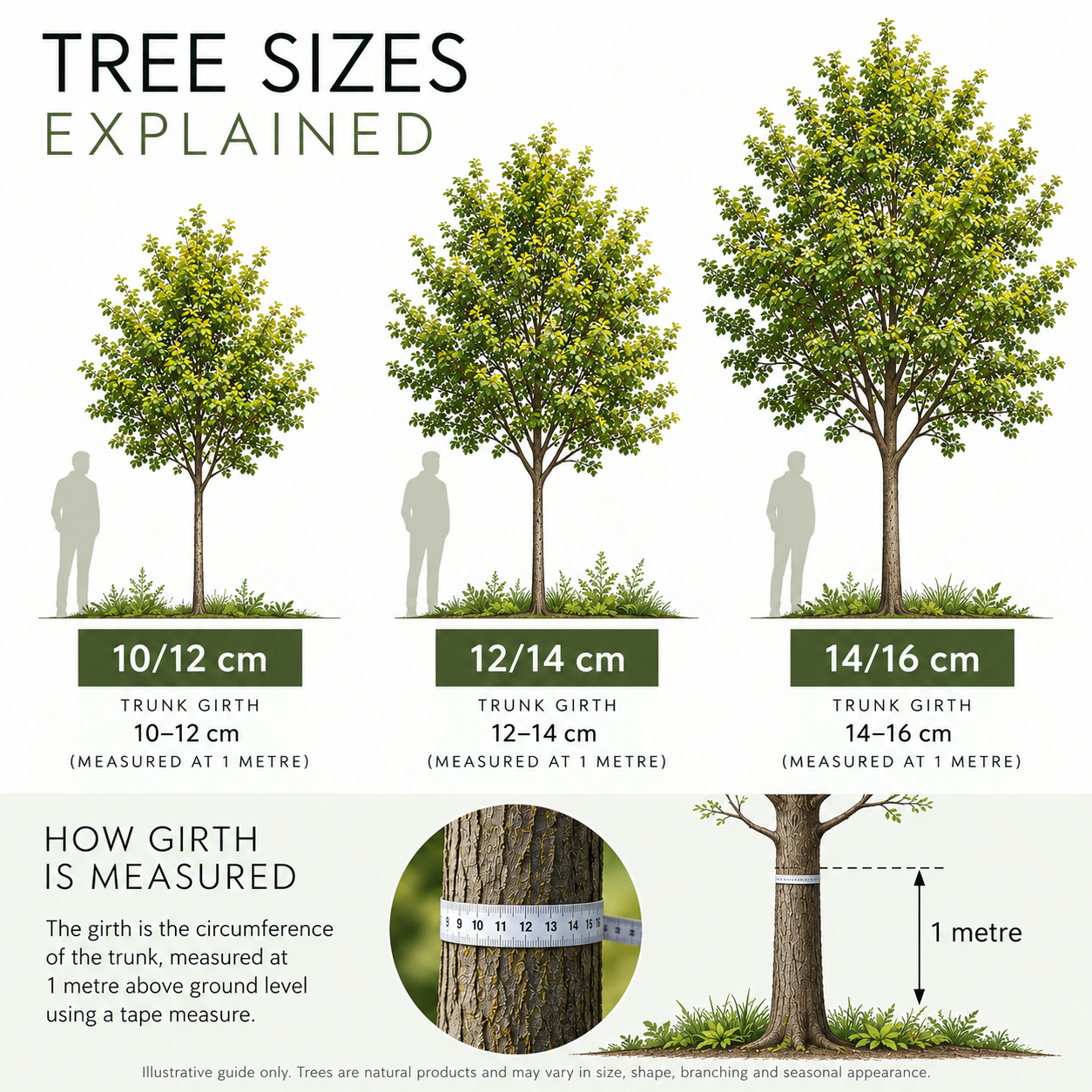 Image 8 of 11
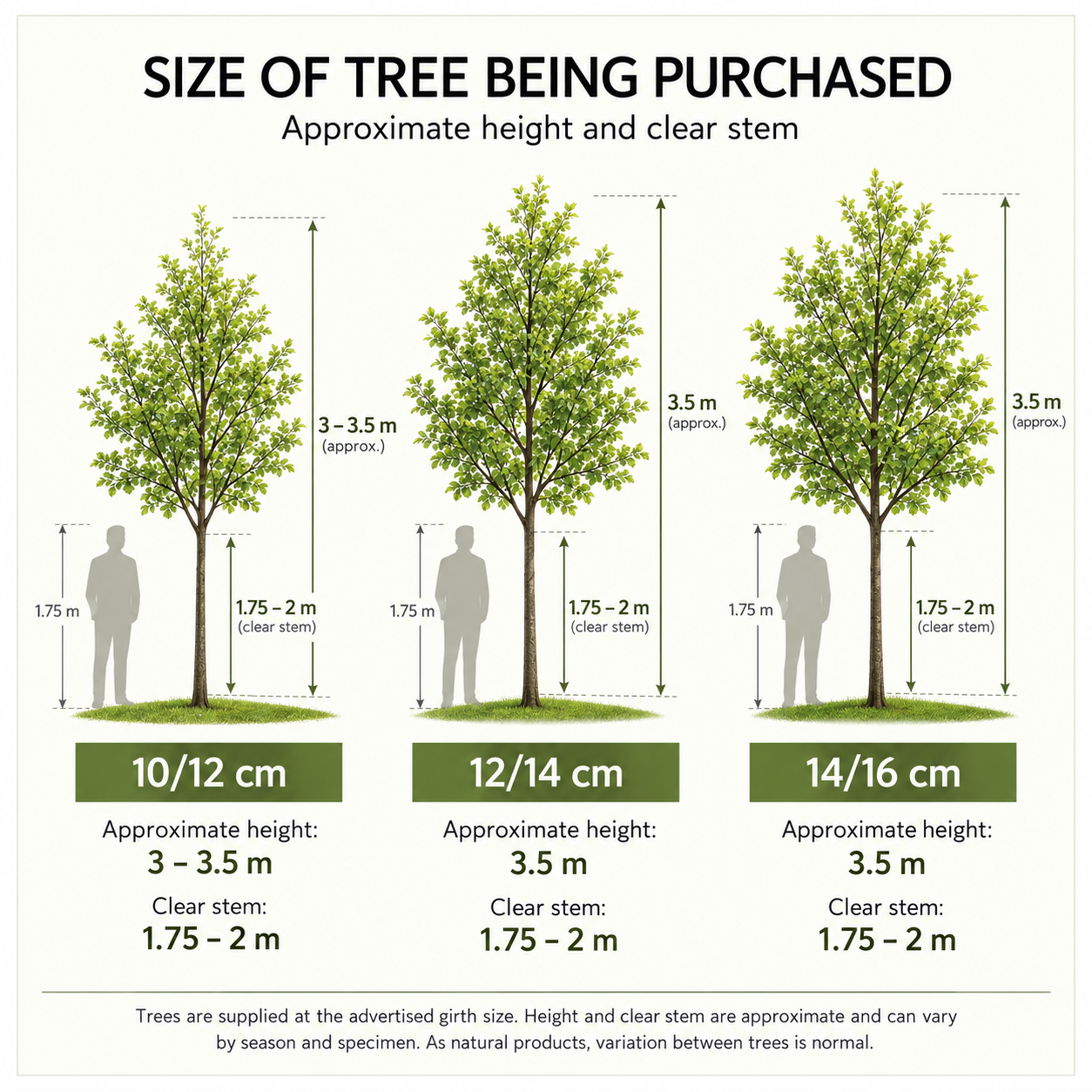 Image 9 of 11
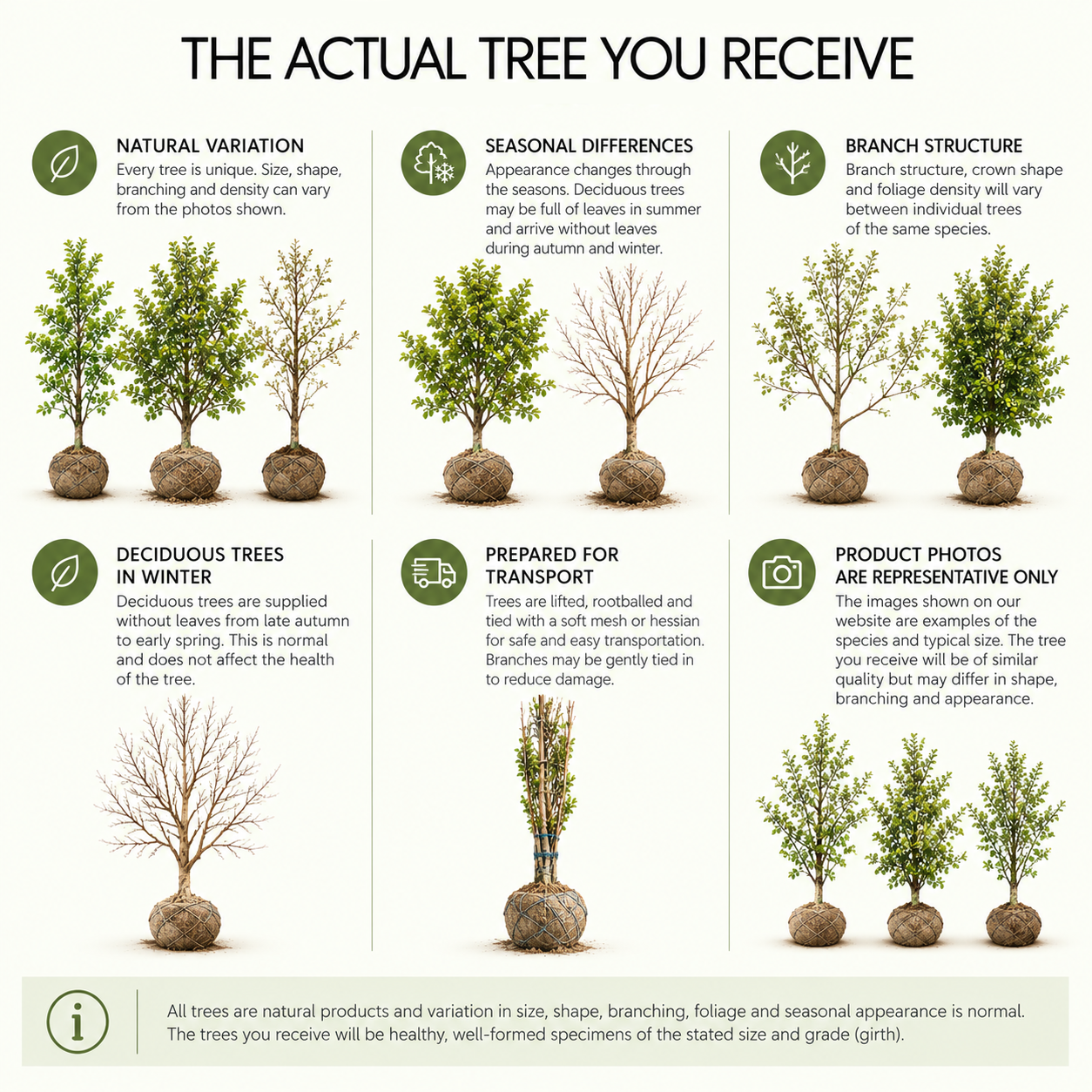 Image 10 of 11
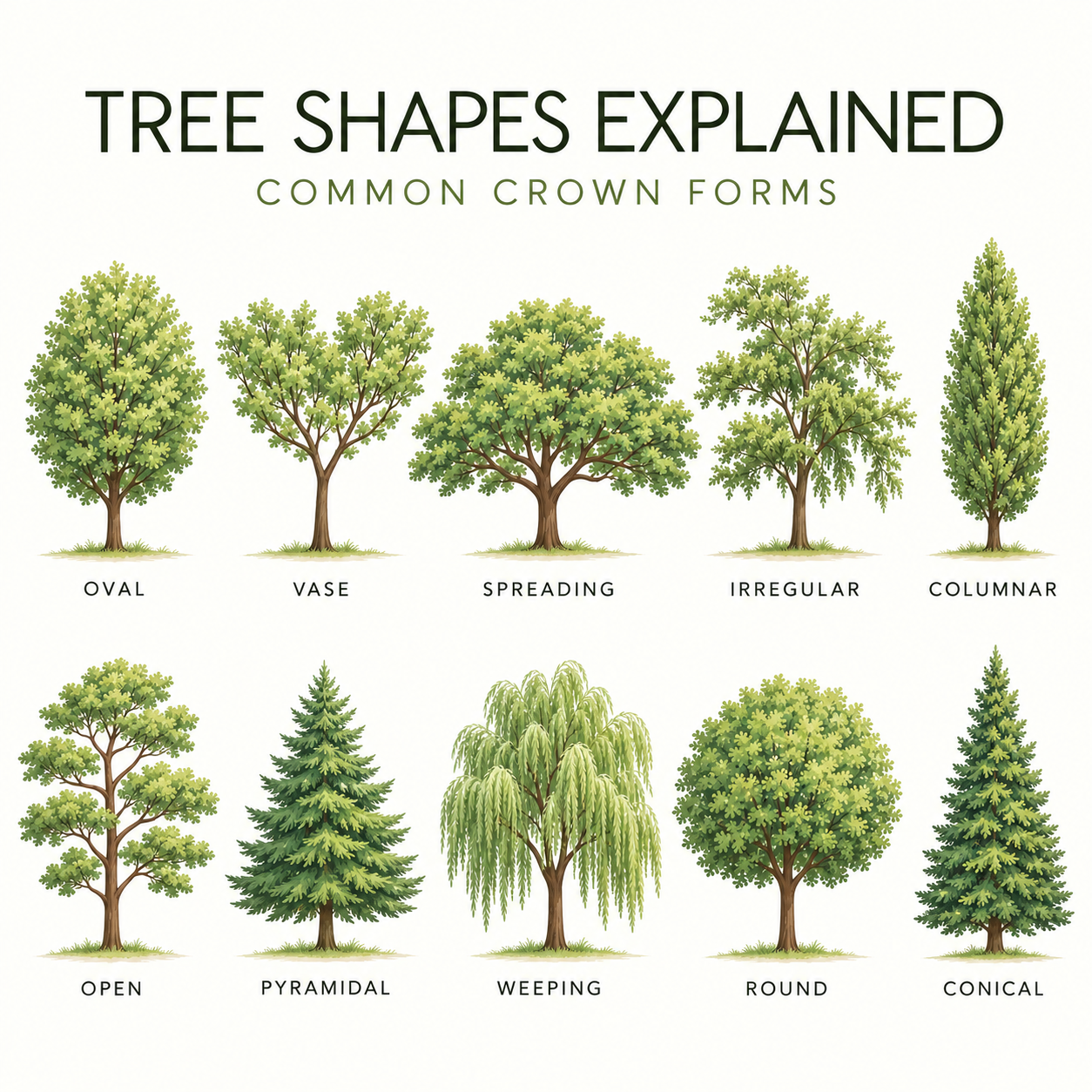 Image 11 of 11