Betula pubescens, commonly known as Downy Birch, is a graceful UK native tree with a light canopy, softly hairy young shoots and elegant branches. Its fresh green leaves turn yellow in autumn, while male and female catkins provide interest in spring.
Downy Birch is particularly suited to moist ground and is often found growing in wetter parts of Britain than Silver Birch. It can tolerate damp, acidic and peaty soils, making it a useful native tree for larger gardens and naturalistic landscapes where conditions suit.
It can reach around 20–30 metres tall, so allow plenty of room for the tree to mature.
Key Features of Betula pubescens
UK native deciduous tree
Graceful, upright growth with an open, light canopy
Softly hairy young shoots and leaf stalks
Grey-white bark, less papery than Silver Birch
Male and female catkins appear on the same tree in spring
Fresh green leaves turn yellow in autumn
Suited to moist soils, including damp and peaty ground
Provides food and habitat for a wide range of wildlife
Very hardy and tolerant of cool conditions
A good choice for larger gardens and naturalistic planting
Betula pubescens – Tree Specification
Botanical name: Betula pubescens
Common name: Downy Birch / Hairy Birch / Moor Birch / White Birch
Family: Betulaceae
Tree type: Deciduous broadleaf tree
Mature height: Approximately 20–30m, depending on growing conditions.
Mature spread: Allow approximately 8–12m or more for the mature crown.
Growth rate: Moderate to fast in suitable conditions.
Crown shape: Upright and relatively open, with elegant, drooping branches.
Bark: Grey-white, generally less bright and papery than Silver Birch.
Foliage: Triangular leaves with downy leaf stalks; fresh green in spring and summer.
Autumn colour: Yellow before the leaves fall.
Flowers: Male and female catkins appear on the same tree, usually in spring.
Fruit and seed: Female catkins develop into seed-bearing structures. Small seeds are dispersed by wind in autumn.
Position: Full sun or partial shade.
Soil: Suits a range of soils, particularly moist, acidic and peaty soils.
Soil moisture: Prefers moist ground and can tolerate some waterlogging.
Exposure: Hardy and tolerant of wind in suitable conditions.
Hardiness: Very hardy, including in cold and upland conditions.
Native status: UK native.
Wildlife value: Supports insects and moth caterpillars; its seeds are eaten by birds including siskins, greenfinches and redpolls.
Maintenance: Generally low maintenance. Pruning is not normally required once established.
Suitable uses: Native planting, damp ground, woodland schemes, wildlife gardens, larger gardens, estates, parkland and naturalistic landscapes.
Why Choose Betula pubescens?
A Graceful Native Birch
Downy Birch has an upright, elegant form, with a light canopy and branches that droop naturally. It brings structure to a garden without creating the dense shade of some larger trees.
It is a good choice for naturalistic planting, woodland edges and larger gardens where a native tree can grow freely.
Suited to Damp Ground
Downy Birch is often found on wetter soils than Silver Birch. It can grow in moist, acidic and peaty ground, making it useful for sites where soil stays damp for much of the year.
It is not a guarantee of success on every waterlogged site. Assess the soil and drainage before planting, especially where the ground is permanently flooded or compacted.
Spring Catkins and Yellow Autumn Leaves
Both male and female catkins grow on the same tree. They appear in spring, before or around the time the leaves emerge.
In autumn, the green leaves turn yellow before falling. The open canopy allows light to reach the ground beneath the tree, where suitable woodland plants can be grown.
Valuable for Wildlife
Downy Birch supports a range of insects, including moth caterpillars, and its seeds are eaten by birds such as siskins, greenfinches and redpolls.
Its open canopy can also suit naturalistic planting beneath and around the tree. The tree’s wildlife value makes it a strong choice for native planting schemes.
How Downy Birch Differs from Silver Birch
Downy Birch (Betula pubescens) is often confused with Silver Birch (Betula pendula). Downy Birch generally prefers damper soils, and its young shoots and leaf stalks are softly hairy.
Its bark is grey-white but usually less bright and papery than the bark of Silver Birch. The two species can hybridise, so identification of some trees may be less clear-cut.
A Hardy Tree for Larger Landscapes
Downy Birch is well suited to cool conditions and is a useful option for larger landscapes, including upland and wetter sites.
It can become a substantial tree, so it is best planted where there is room for both the crown and roots to develop.
Planting and Establishment
Betula pubescens grows well in full sun or partial shade. It prefers moist soil and is particularly useful in damp, acidic or peaty ground.
Prepare the planting area and set the tree so the root flare sits at the correct finished soil level. Water thoroughly after planting and continue to water during dry spells while the tree establishes.
A mulch layer can help retain moisture and reduce competition from grass and weeds. Keep mulch clear of the trunk.
Allow sufficient room for the mature tree, taking account of nearby buildings, paths, boundaries, underground services and other trees. For larger nursery specimens, professional planting is recommended.
Maintaining Betula pubescens
Downy Birch is generally low maintenance once established. It usually needs little pruning.
If pruning is required, remove dead or damaged branches and preserve the tree’s natural shape. Avoid unnecessary heavy pruning.
Water during prolonged dry periods while the tree is establishing, particularly if it has been planted away from its preferred moist conditions.
Important Planting Considerations
Betula pubescens is a medium to large tree and needs space to mature. It is not generally suitable for small gardens or narrow planting positions.
Although it tolerates damp soils, site conditions should be checked before planting in permanently flooded ground. It is also sensitive to prolonged drought, so dry, exposed sites may not be suitable.
If you are choosing between Downy Birch and Silver Birch, consider the soil: Downy Birch is generally the better fit for damper conditions, while Silver Birch is more associated with drier, freely draining sites.
Specimen Tree Delivery and Professional Planting
Landscaping Emporium, brought to you by Kirman Design, offers professional specimen tree supply and planting throughout selected areas of North West England.
We provide professional tree planting in the following postcode areas:
BB, BL, CH1–CH5, CW8, CW9, FY, L, LA1–LA6, M, OL, PR, SK1–SK12, WA and WN.
Please do not select professional planting at checkout if your property is outside these postcode areas without contacting us first.
If your property is outside our normal installation area, please contact us. We may still be able to arrange planting depending on your location, tree size and site access.
Before ordering, please consider delivery access, gate and passage widths, steps, slopes, overhead restrictions and the available planting space.
Betula pubescens trees may be supplied in different nursery sizes and root formats depending on current stock and seasonal availability.
Overall height, trunk girth, crown dimensions and natural branching structure will vary between individual specimens.
Contact Landscaping Emporium
Landscaping Emporium – brought to you by Kirman Design
Unit 9, Bridgewater Business Park
Gladstone Street
Blackburn
BB1 3DL
Telephone: 01942 604976
Email: hello@landscapingemporium.co.uk
Website: www.landscapingemporium.co.uk
Professional tree supply and planting across North West England.

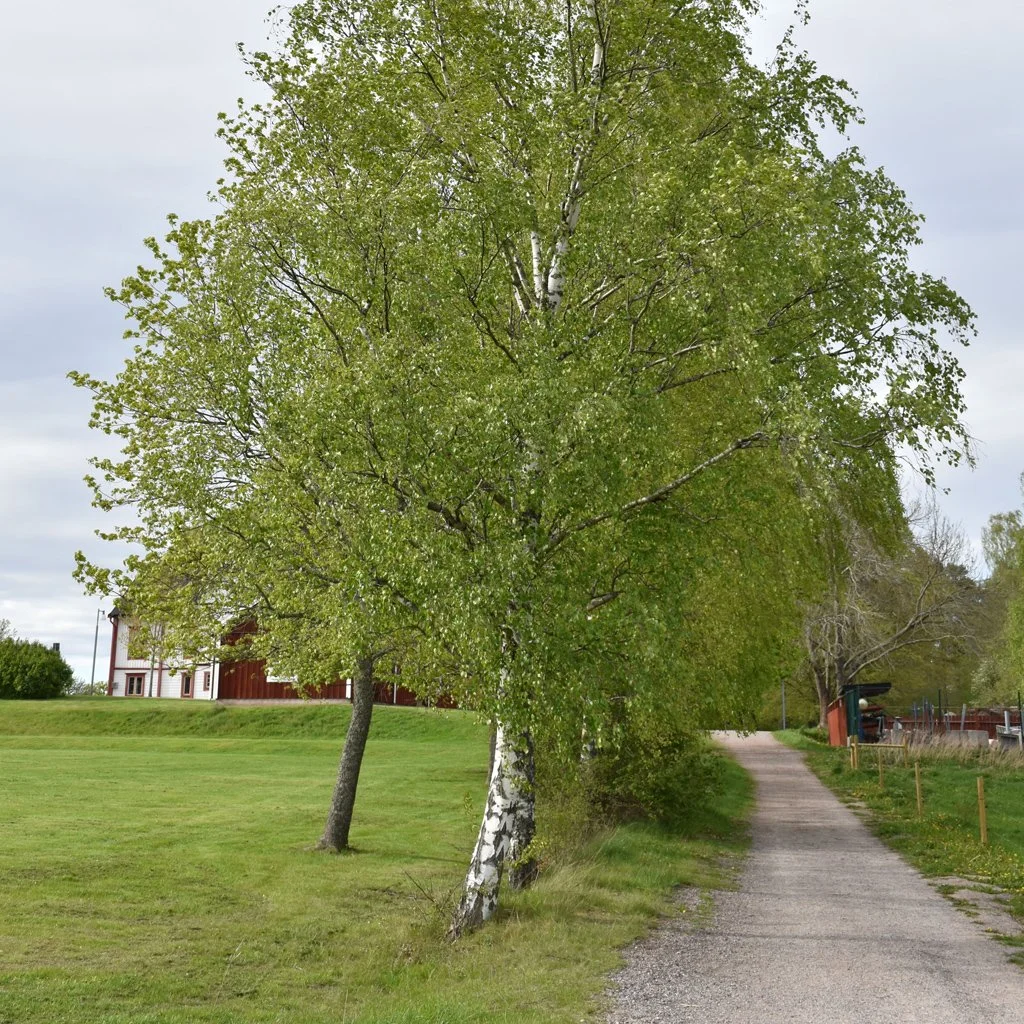 Image 1 of 11
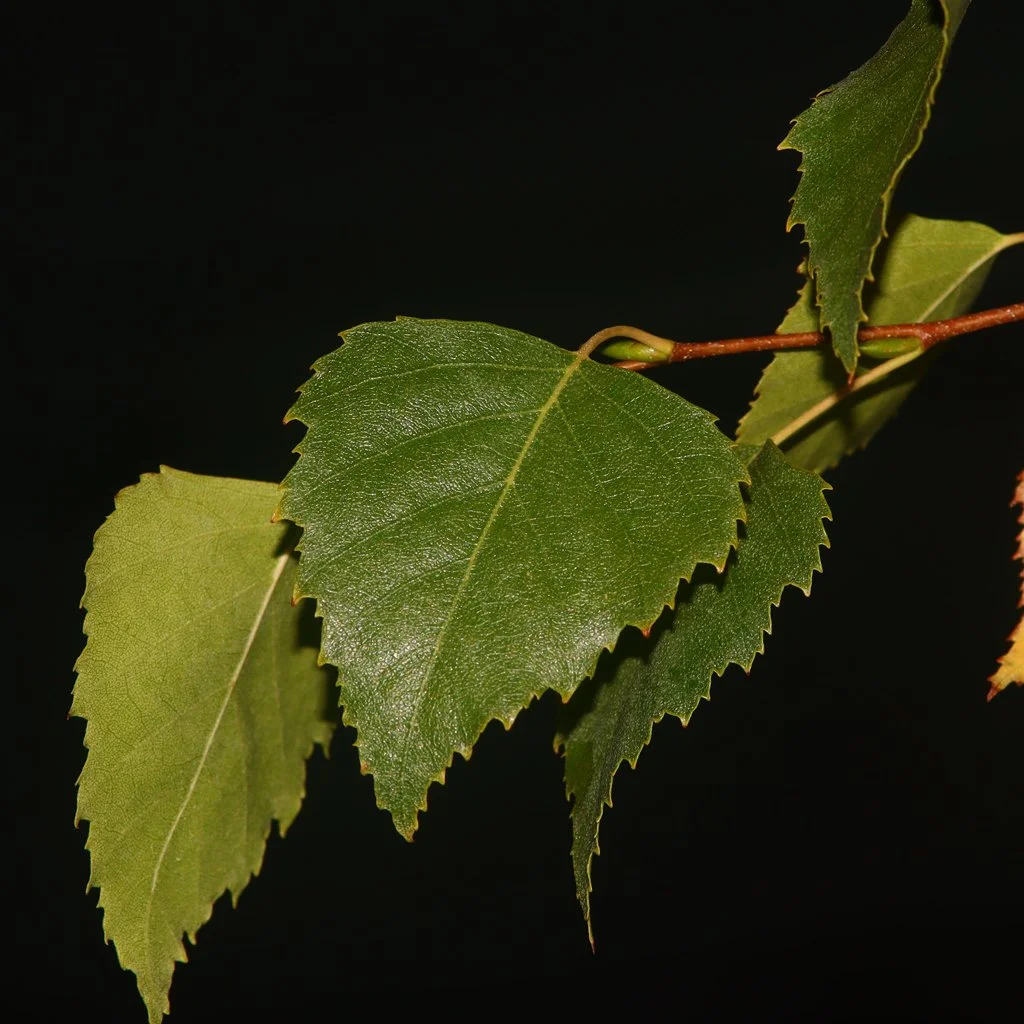 Image 2 of 11
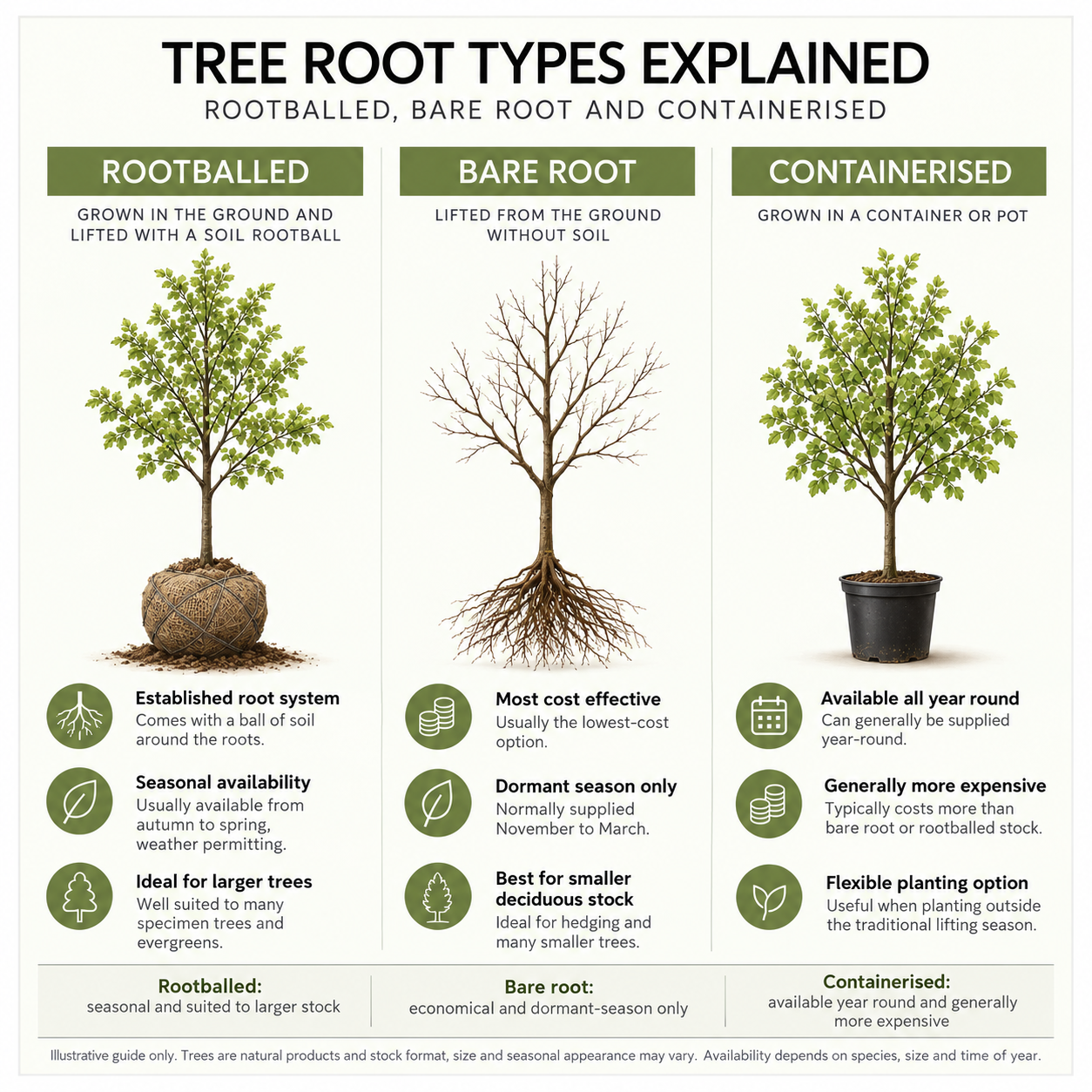 Image 3 of 11
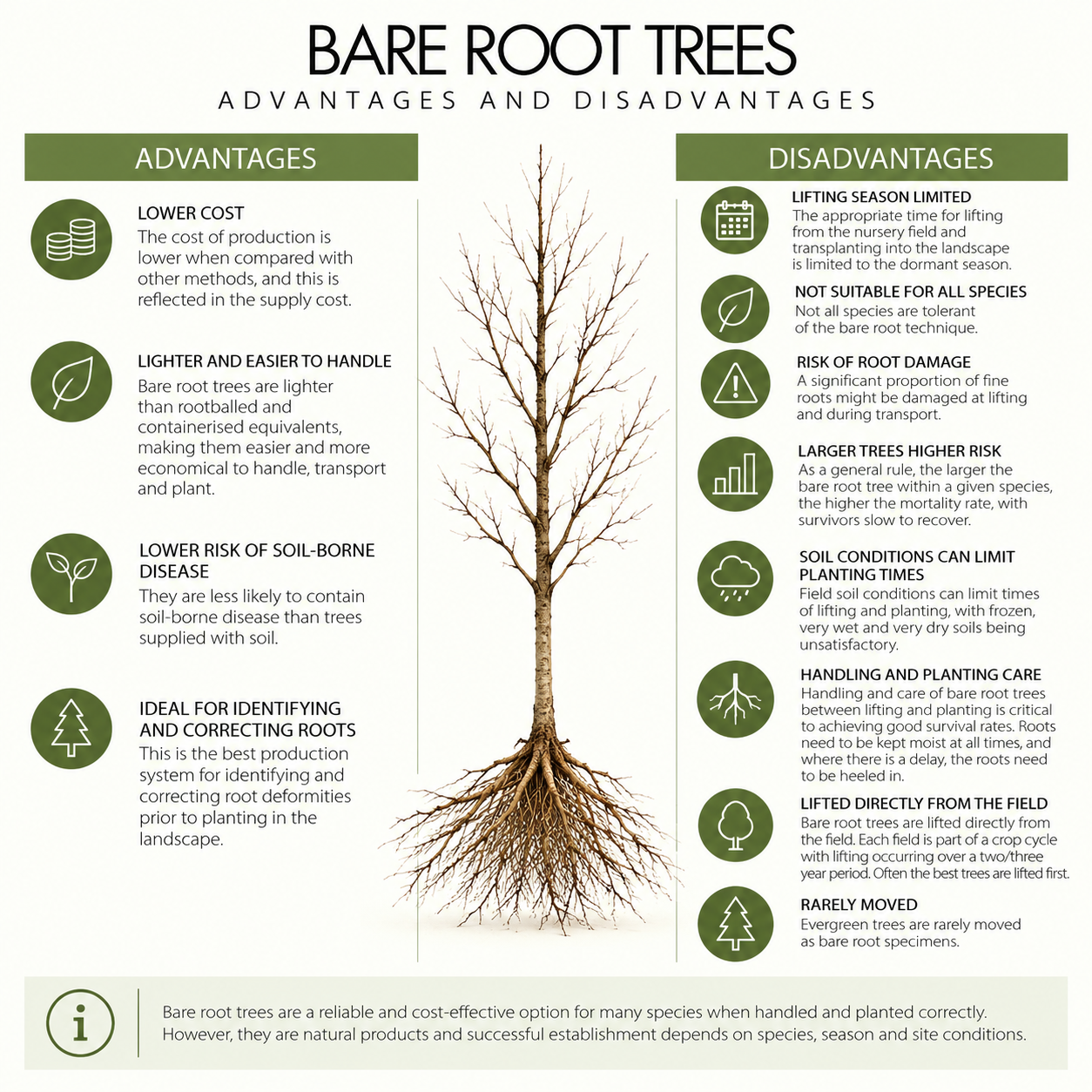 Image 4 of 11
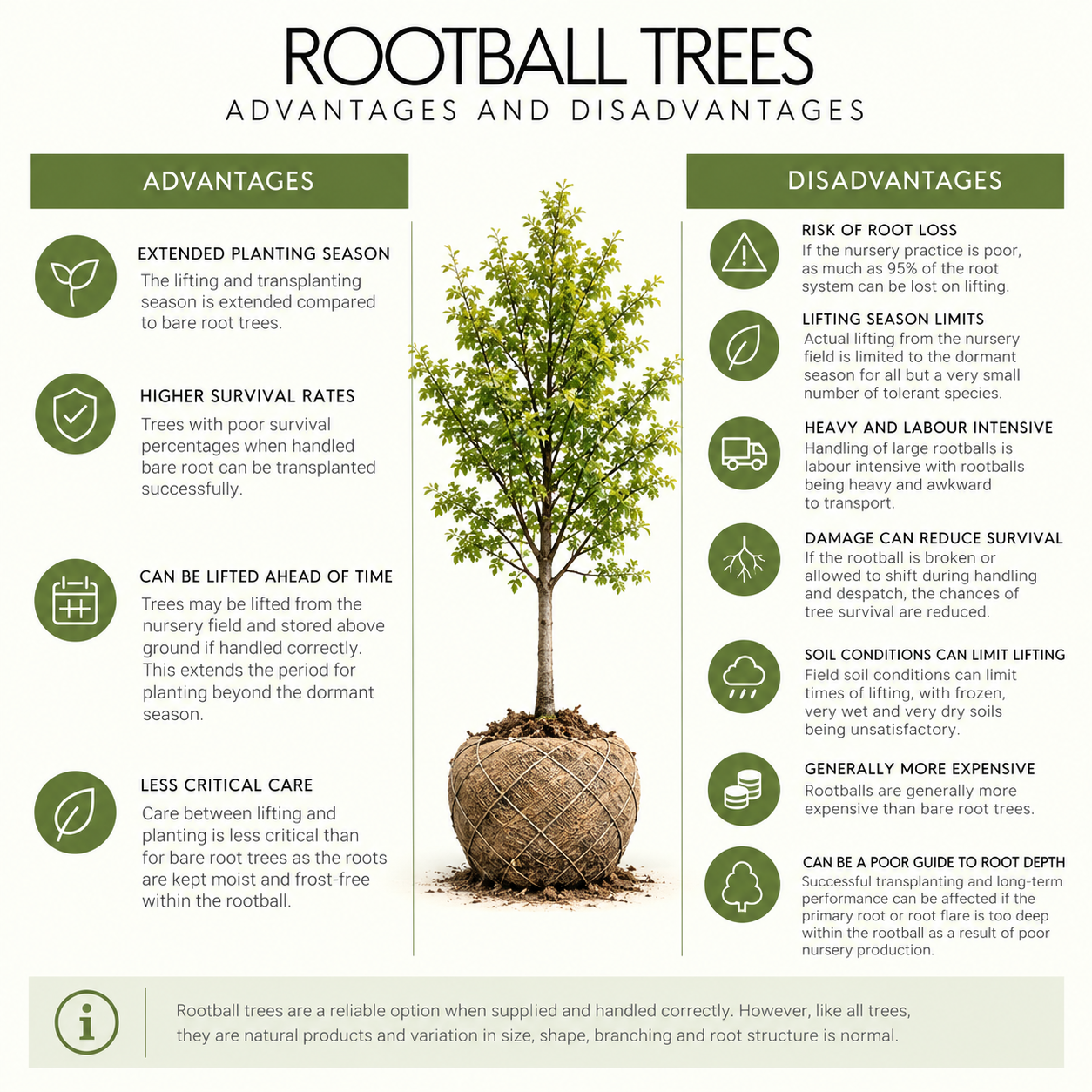 Image 5 of 11
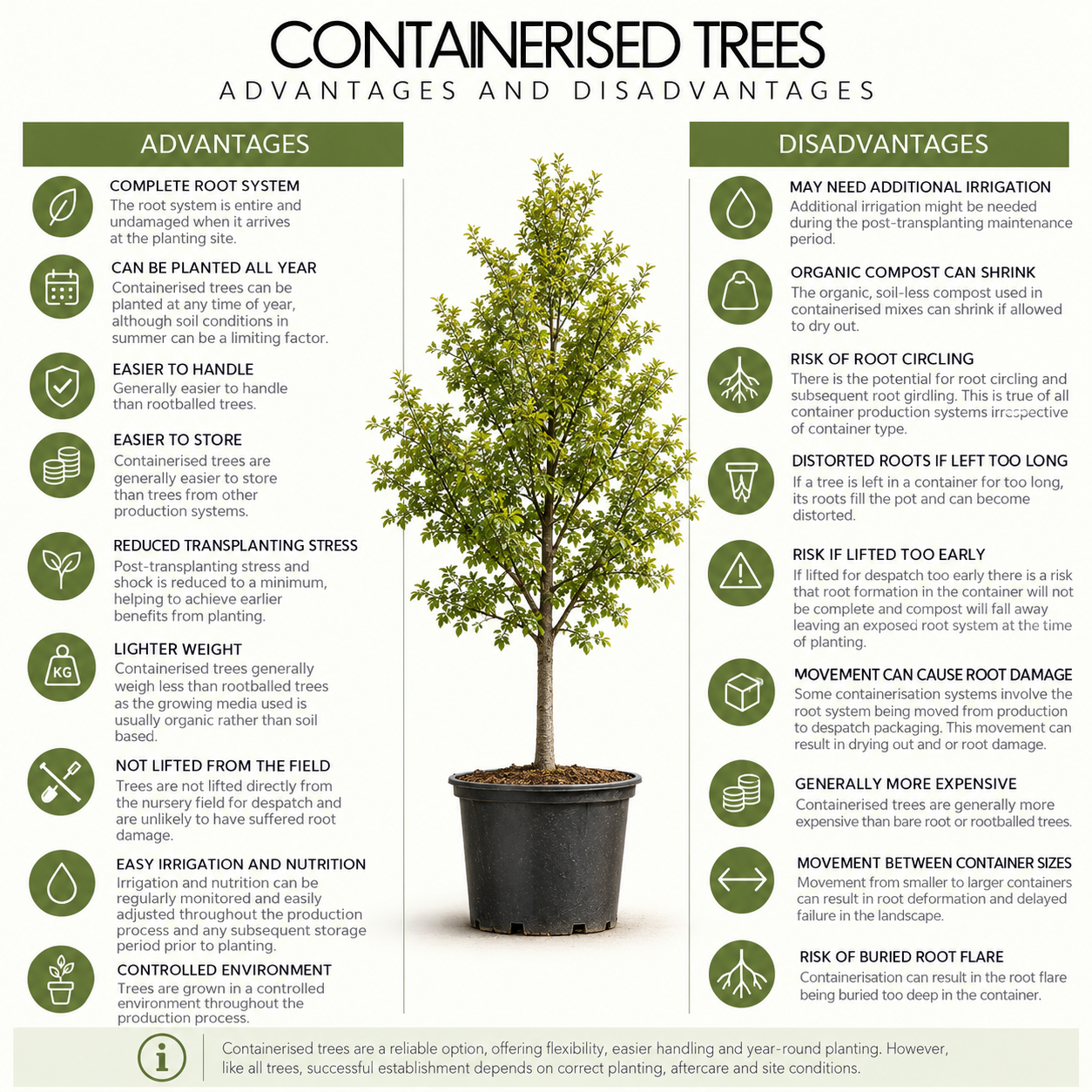 Image 6 of 11
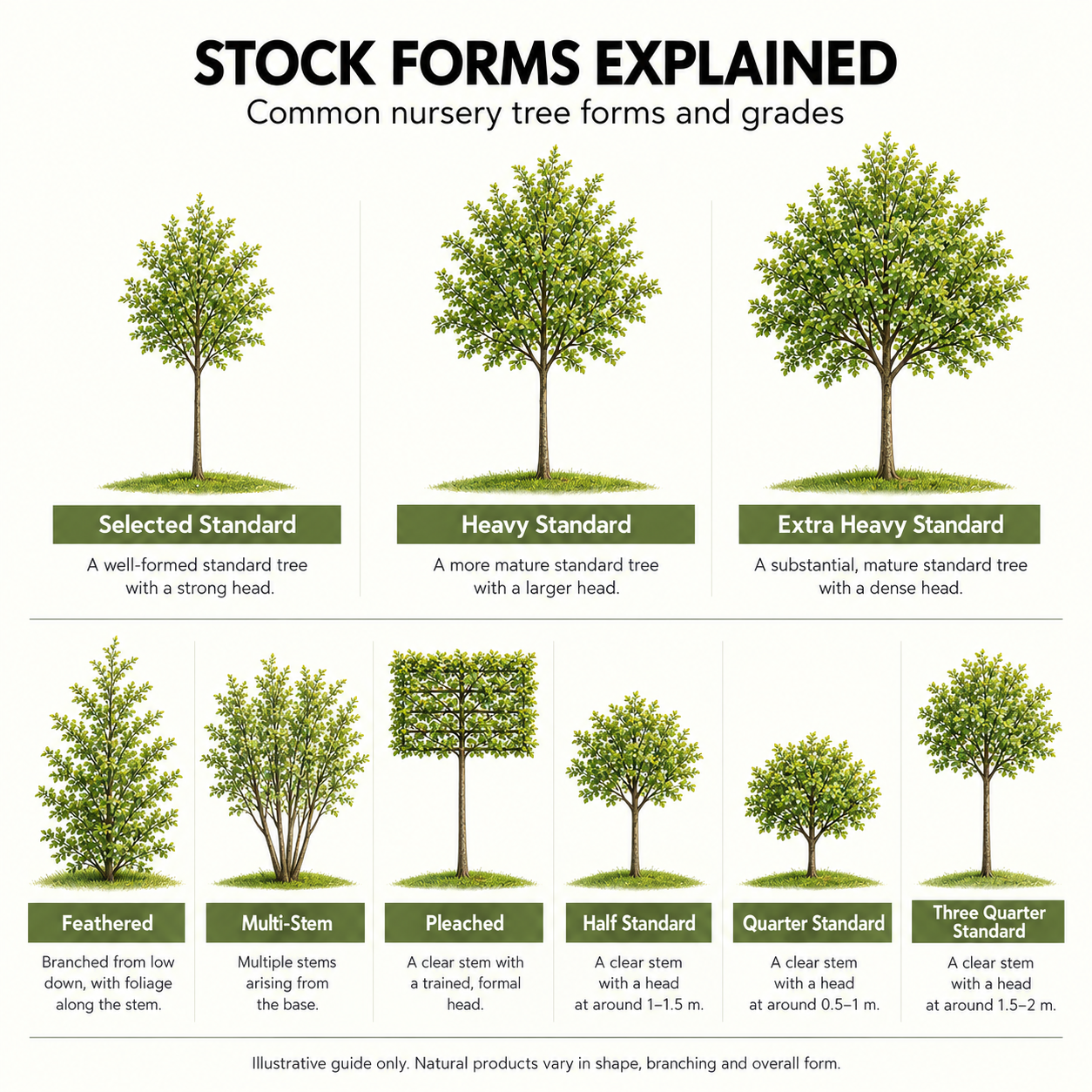 Image 7 of 11
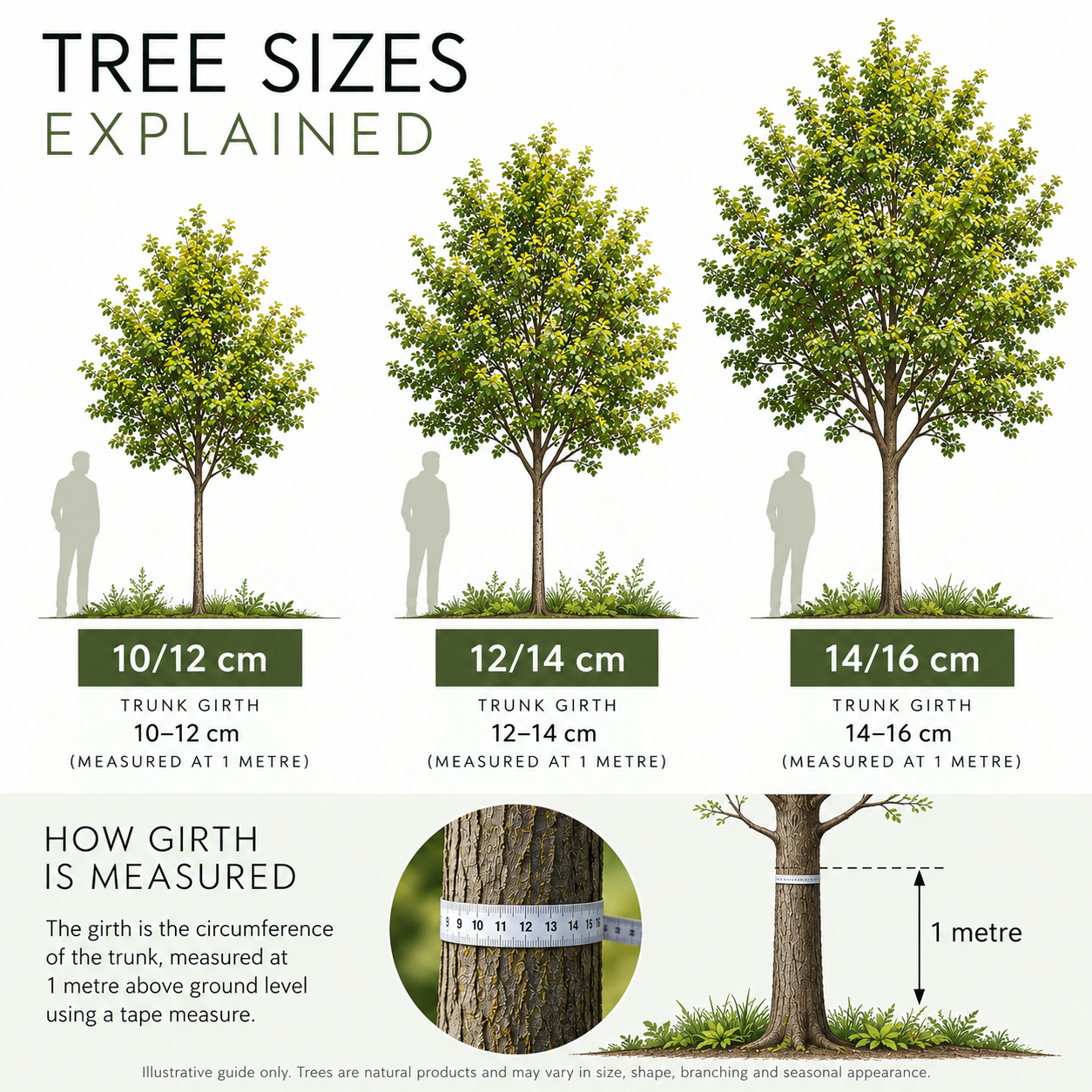 Image 8 of 11
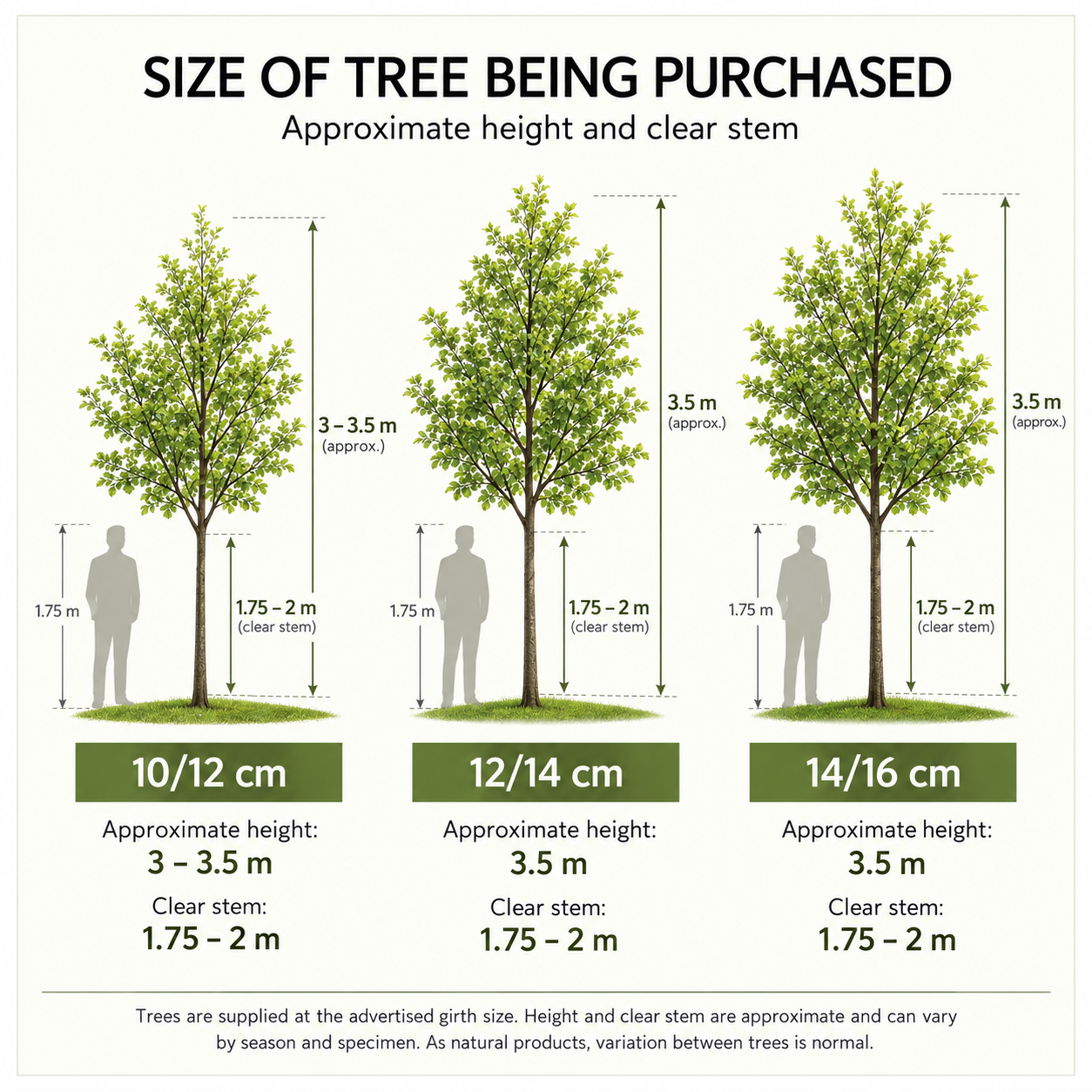 Image 9 of 11
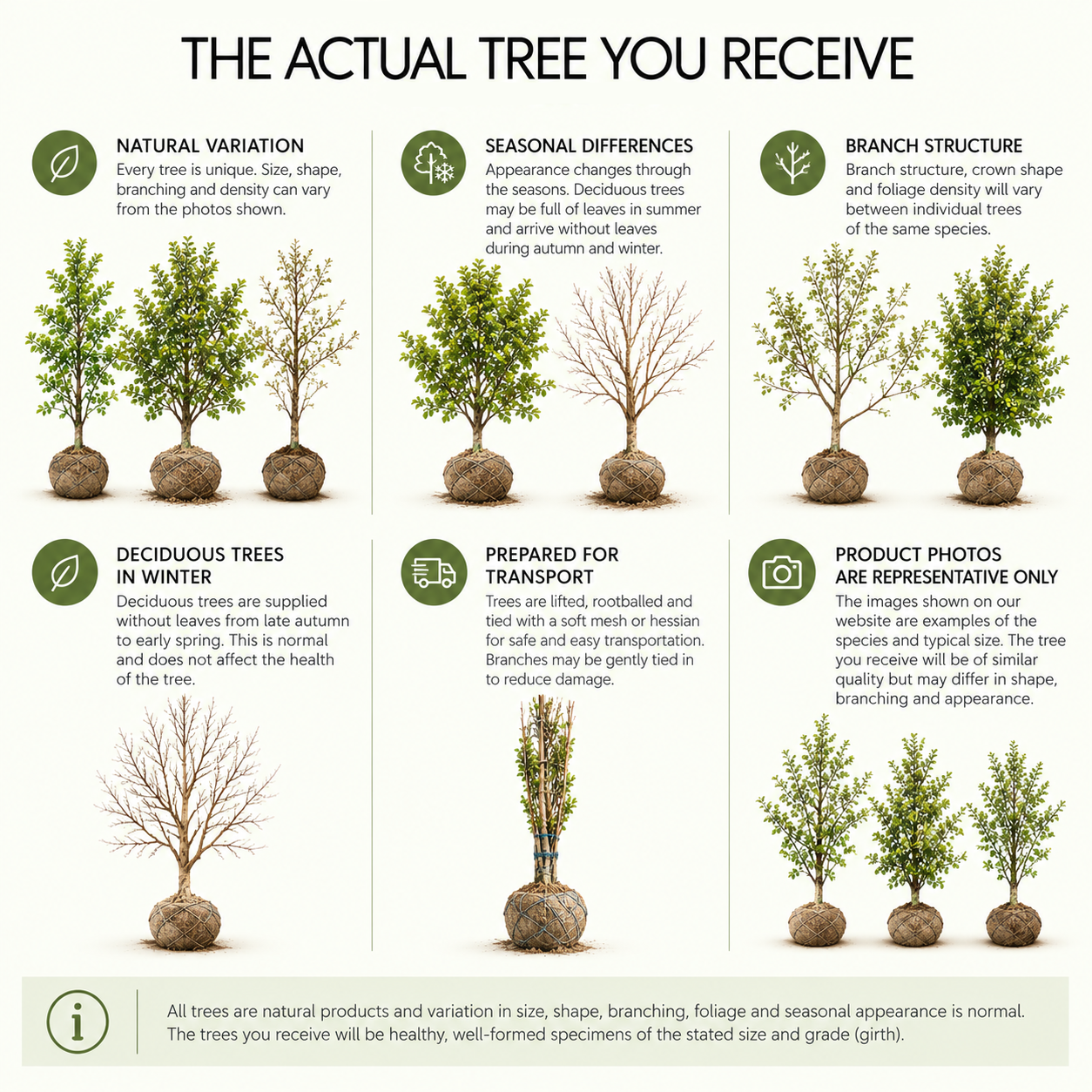 Image 10 of 11
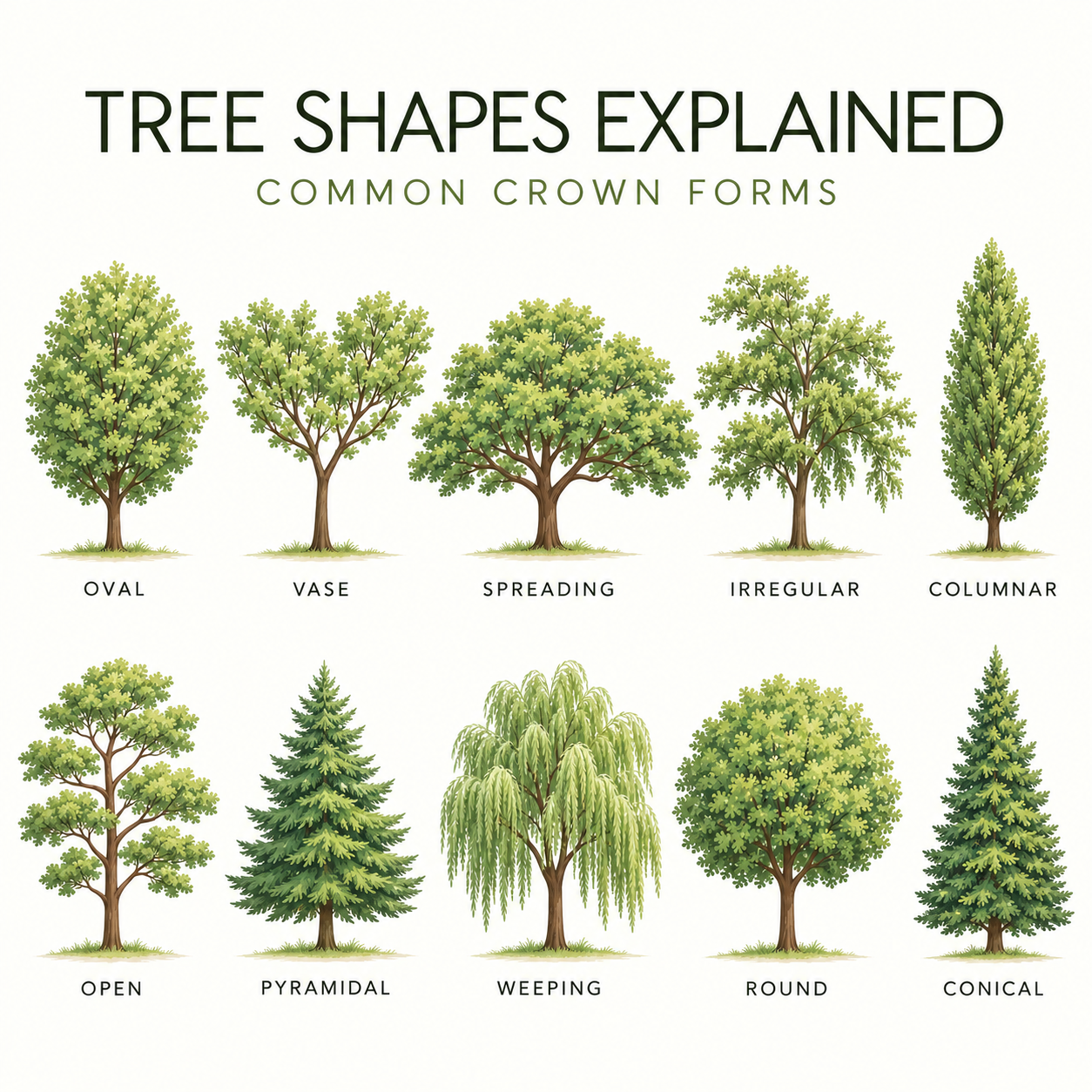 Image 11 of 11