Ginkgo biloba, commonly known as the Maidenhair Tree, is a distinctive deciduous tree with unusual fan-shaped leaves that turn a vivid golden yellow in autumn. Its upright shape when young and characterful form as it matures make it an excellent architectural specimen.
Ginkgo is a very ancient tree species, native to China. It is hardy, tolerant of atmospheric pollution and adaptable to a range of well-drained soils. Its striking autumn colour and unusual foliage make it a memorable choice for gardens and larger landscapes.
Ginkgo biloba is a long-lived, substantial tree. It can eventually reach around 25 metres tall, so allow plenty of space for it to mature.
Key Features of Ginkgo biloba
Distinctive fan-shaped leaves, often divided into two lobes
Clear golden-yellow autumn colour
Deciduous tree with an upright shape when young
Becomes broader and more irregular as it matures
Tolerant of atmospheric pollution
Suitable for full sun
Grows in a range of soil types, provided the soil is well drained
Hardy throughout the UK
RHS hardiness rating H6
Excellent as an architectural specimen tree
Female trees can produce seeds with an unpleasant smell
Ginkgo biloba – Tree Specification
Botanical name: Ginkgo biloba
Common name: Maidenhair Tree / Ginkgo / Fossil Tree
Family: Ginkgoaceae
Tree type: Deciduous tree; botanically distinct from typical broadleaf trees and conifers
Mature height: Up to approximately 25m, depending on growing conditions.
Mature spread: Approximately 4–8m according to RHS guidance; the crown can become broader and more irregular with age.
Time to maturity: Approximately 20–50 years.
Growth rate: Slow, particularly when young.
Crown shape: Conical when young, becoming more irregular and spreading with age.
Foliage: Fan-shaped green leaves, often divided into two lobes.
Autumn colour: Clear, bright golden yellow before the leaves fall.
Flowers: Small, inconspicuous flowers appear in spring. Male and female flowers are borne on separate trees.
Fruit and seeds: Female trees may produce yellow, fleshy-coated seeds in autumn. The outer coating can have an unpleasant smell when it falls and decomposes.
Position: Full sun.
Soil: Adaptable to chalk, clay, loam and sandy soils.
Soil moisture: Well-drained.
Exposure: Suitable for exposed or sheltered positions.
Hardiness: RHS hardiness rating H6.
Native status: Not native to the UK; native to China.
Wildlife value: Ginkgo is valued primarily for its ornamental and architectural qualities rather than as a high-value wildlife tree.
Maintenance: Low maintenance. Pruning is generally unnecessary.
Potentially harmful: RHS advises that seeds are harmful if eaten and toxic to pets. Avoid handling fallen seeds without gloves.
Suitable uses: Specimen planting, architectural planting, larger gardens, parks, urban gardens and locations affected by atmospheric pollution.
Why Choose Ginkgo biloba?
Unforgettable Golden Autumn Colour
The most striking seasonal feature of Ginkgo biloba is its autumn foliage. The fan-shaped leaves turn a clear golden yellow before falling, giving the tree a bright, dramatic display.
The leaves may fall over a relatively short period, creating a golden carpet beneath the tree. This seasonal change is one of the reasons Ginkgo is so widely admired as a specimen tree.
Distinctive Fan-Shaped Leaves
Ginkgo leaves are unlike those of most other garden trees. They are fan-shaped, often with a central notch that divides the leaf into two lobes.
The unusual foliage gives the tree interest throughout spring and summer, even before its autumn colour appears. The leaves are also the source of the common name “Maidenhair Tree”, as they resemble the leaflets of maidenhair ferns.
A Strong Architectural Form
Young Ginkgo trees generally have an upright, conical shape. With age, the crown becomes more irregular and spreading, giving mature trees a distinctive silhouette.
This changing form makes Ginkgo suitable for architectural planting and larger landscapes where the tree can develop naturally over time.
Hardy and Adaptable
Ginkgo biloba is very hardy and can grow in a wide range of soil types, provided the ground is well drained. It tolerates atmospheric pollution, which makes it a useful choice for urban and suburban settings.
It grows best in full sun. Allow space for the tree to develop and avoid planting where the mature size would obstruct buildings, paths or other plants.
A Long-Lived Specimen Tree
Ginkgo is a long-lived tree that develops gradually. It is a good choice for a garden or landscape where a lasting, distinctive specimen is wanted.
Its slow early growth means it is not usually selected as a quick screen. It is better suited to a considered planting position where its form and autumn colour can be enjoyed over the long term.
Important Note About Female Trees
Ginkgo trees are male or female. Female trees can produce yellow, fleshy-coated seeds in autumn. As they fall and decompose, the coating can smell unpleasant.
The sex of a young tree may not be apparent. Unless a tree is sold as a named male selection, do not assume it will be fruit-free. The seeds should not be eaten and may be toxic to pets.
Planting and Establishment
Ginkgo biloba grows best in full sun and well-drained soil. It can tolerate a range of soil types, including chalk, clay, loam and sand, but avoid sites where water remains around the roots.
Choose a position with enough space for the tree’s eventual height and crown. Consider buildings, boundaries, paths, overhead structures and underground services before planting.
Prepare the ground thoroughly and plant with the root flare at the correct finished soil level. Water thoroughly after planting and continue to water during dry spells while the tree establishes.
A mulch layer can help retain moisture and reduce competition from grass and weeds. Keep mulch clear of the trunk.
For larger nursery specimens, professional planting is recommended. Staking or another suitable support may be needed depending on the size of the tree and site conditions.
Maintaining Ginkgo biloba
Ginkgo biloba is generally low maintenance once established. It normally requires little or no pruning.
If pruning is needed to remove a damaged or poorly placed branch, make careful cuts and retain the tree’s natural form. Avoid unnecessary heavy pruning.
In autumn, the leaves fall and can be collected or left beneath the tree to decompose, depending on the location and the desired appearance.
Important Planting Considerations
Ginkgo biloba becomes a large tree and is not suitable for every garden. Check the available space and allow for its eventual height and spread.
The species may produce female trees with seeds that smell unpleasant as they break down. If avoiding this is important, check whether the nursery stock is a named male selection before ordering.
The tree is not native to the UK and is not usually chosen primarily for wildlife value. Its main garden features are its distinctive leaves, golden autumn colour, hardiness and architectural form.
Specimen Tree Delivery and Professional Planting
Landscaping Emporium, brought to you by Kirman Design, offers professional specimen tree supply and planting throughout selected areas of North West England.
We provide professional tree planting in the following postcode areas:
BB, BL, CH1–CH5, CW8, CW9, FY, L, LA1–LA6, M, OL, PR, SK1–SK12, WA and WN.
Please do not select professional planting at checkout if your property is outside these postcode areas without contacting us first.
If your property is outside our normal installation area, please contact us. We may still be able to arrange planting depending on your location, tree size and site access.
Before ordering, please consider delivery access, gate and passage widths, steps, slopes, overhead restrictions and the available planting space.
Ginkgo biloba trees may be supplied in different nursery sizes and root formats depending on current stock and seasonal availability.
Overall height, trunk girth, crown dimensions and natural branching structure will vary between individual specimens.
Contact Landscaping Emporium
Landscaping Emporium – brought to you by Kirman Design
Unit 9, Bridgewater Business Park
Gladstone Street
Blackburn
BB1 3DL
Telephone: 01942 604976
Email: hello@landscapingemporium.co.uk
Website: www.landscapingemporium.co.uk
Professional tree supply and planting across North West England.

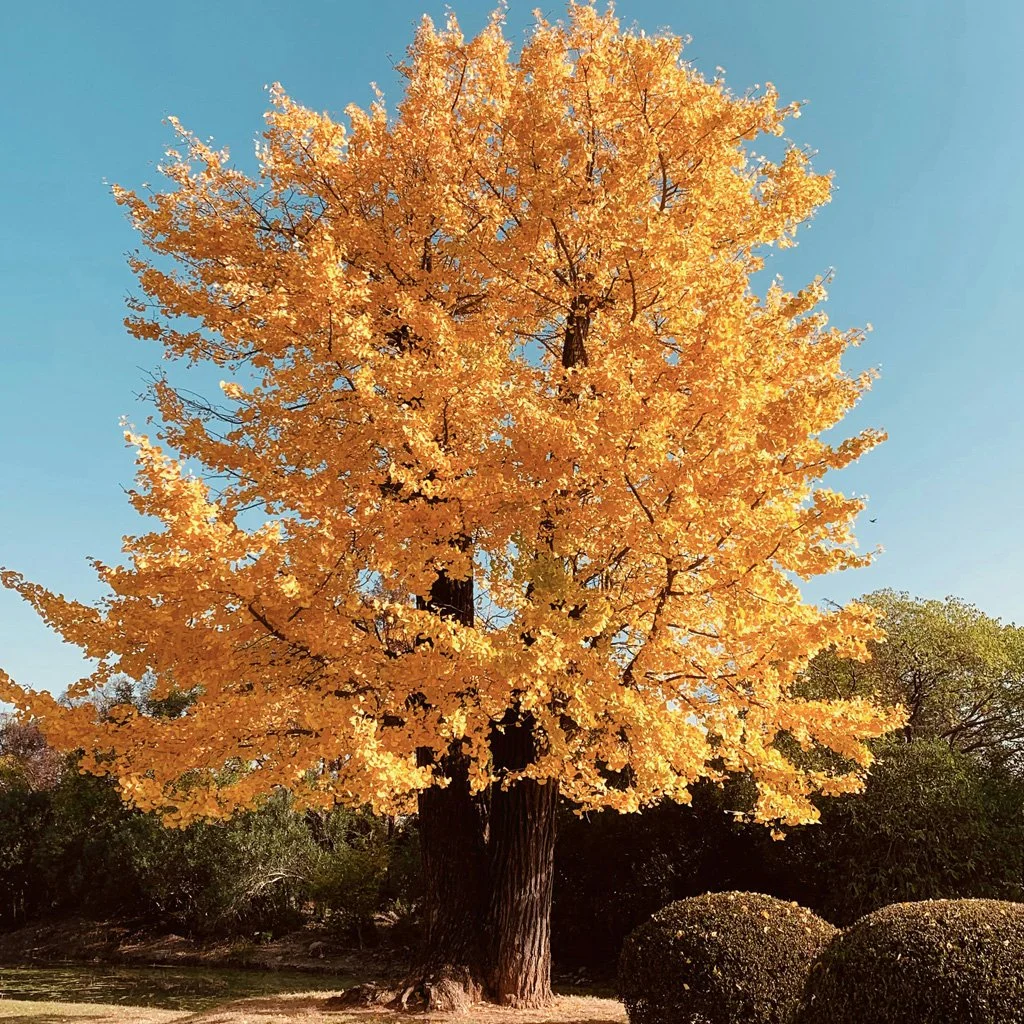 Image 1 of 19
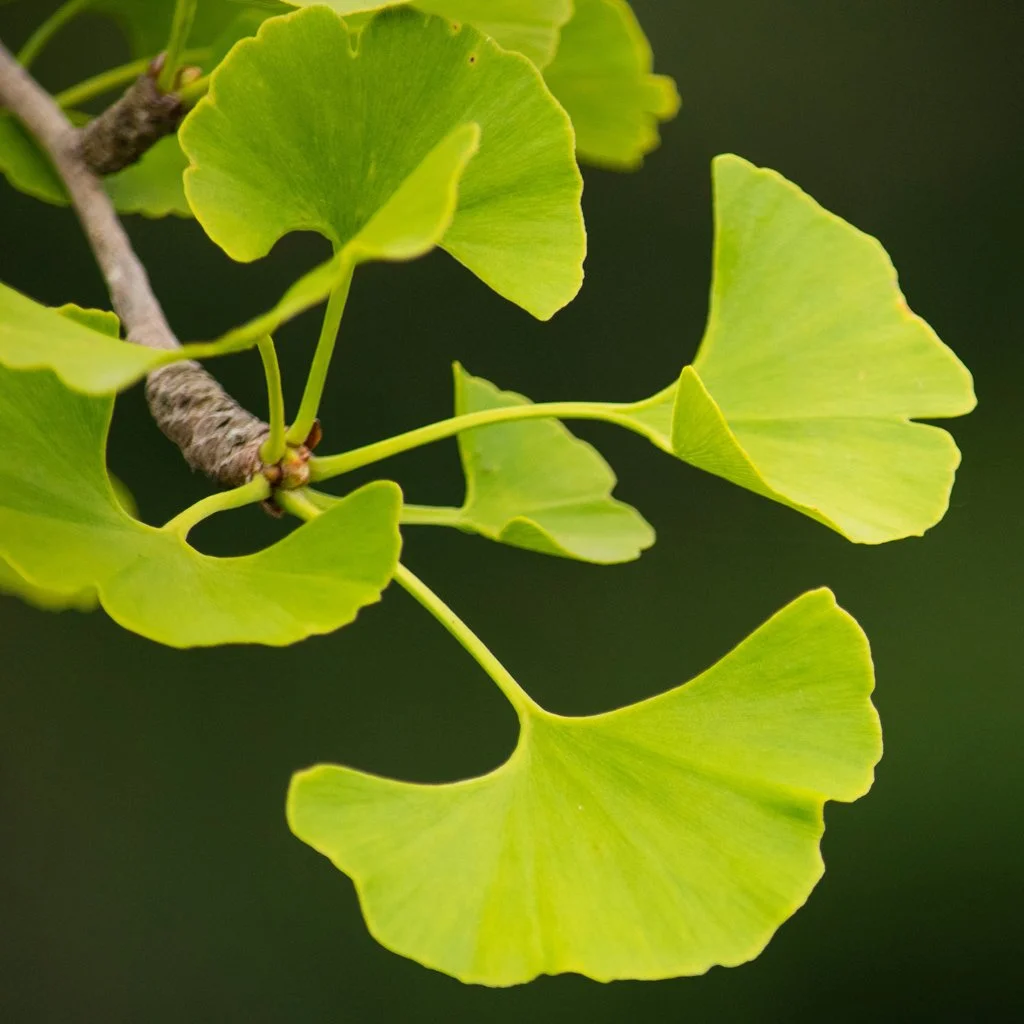 Image 2 of 19
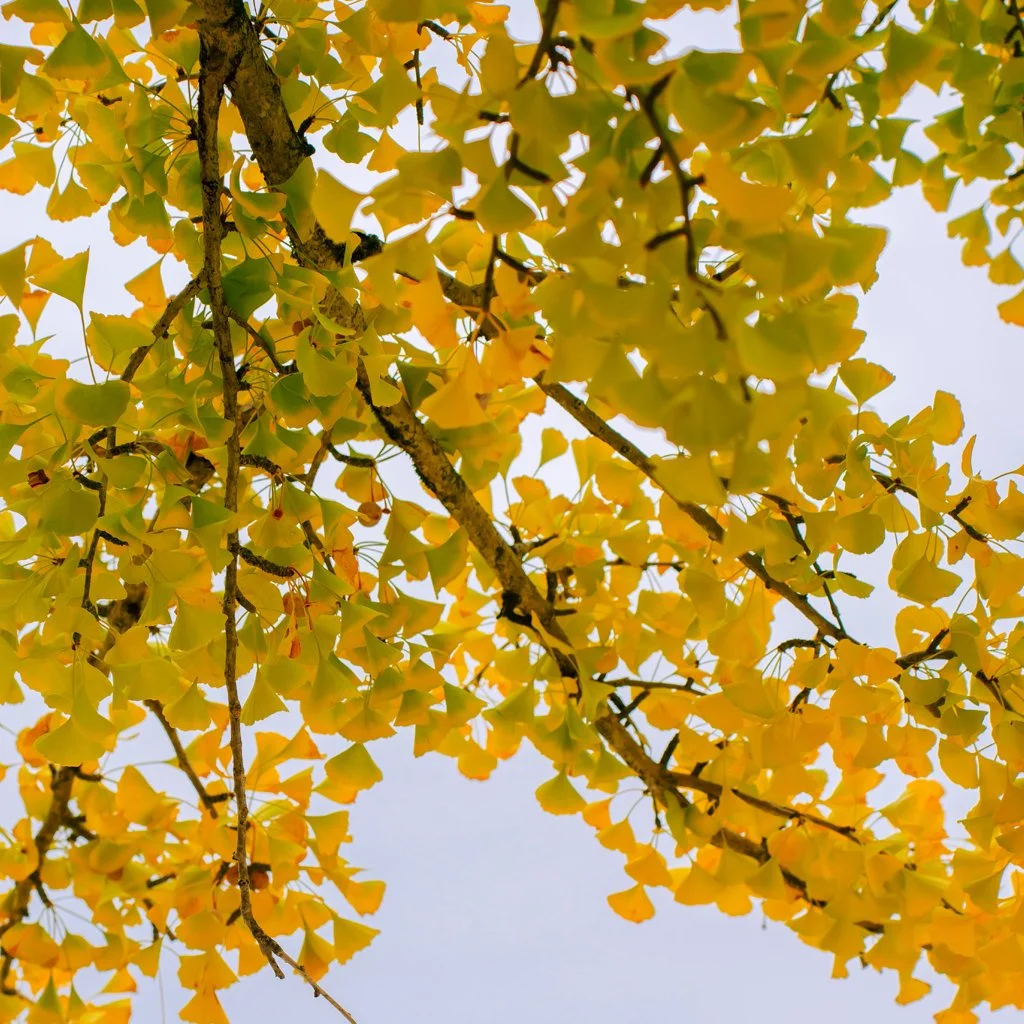 Image 3 of 19
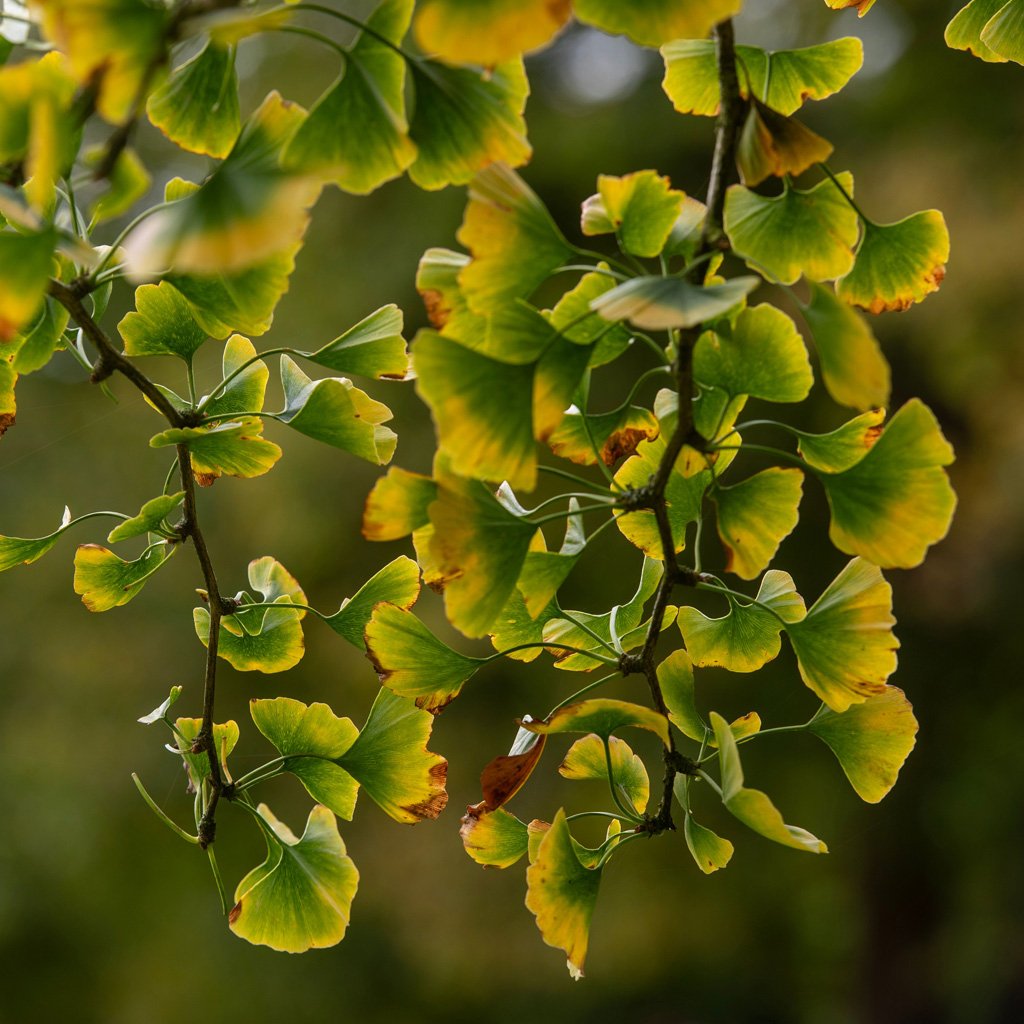 Image 4 of 19
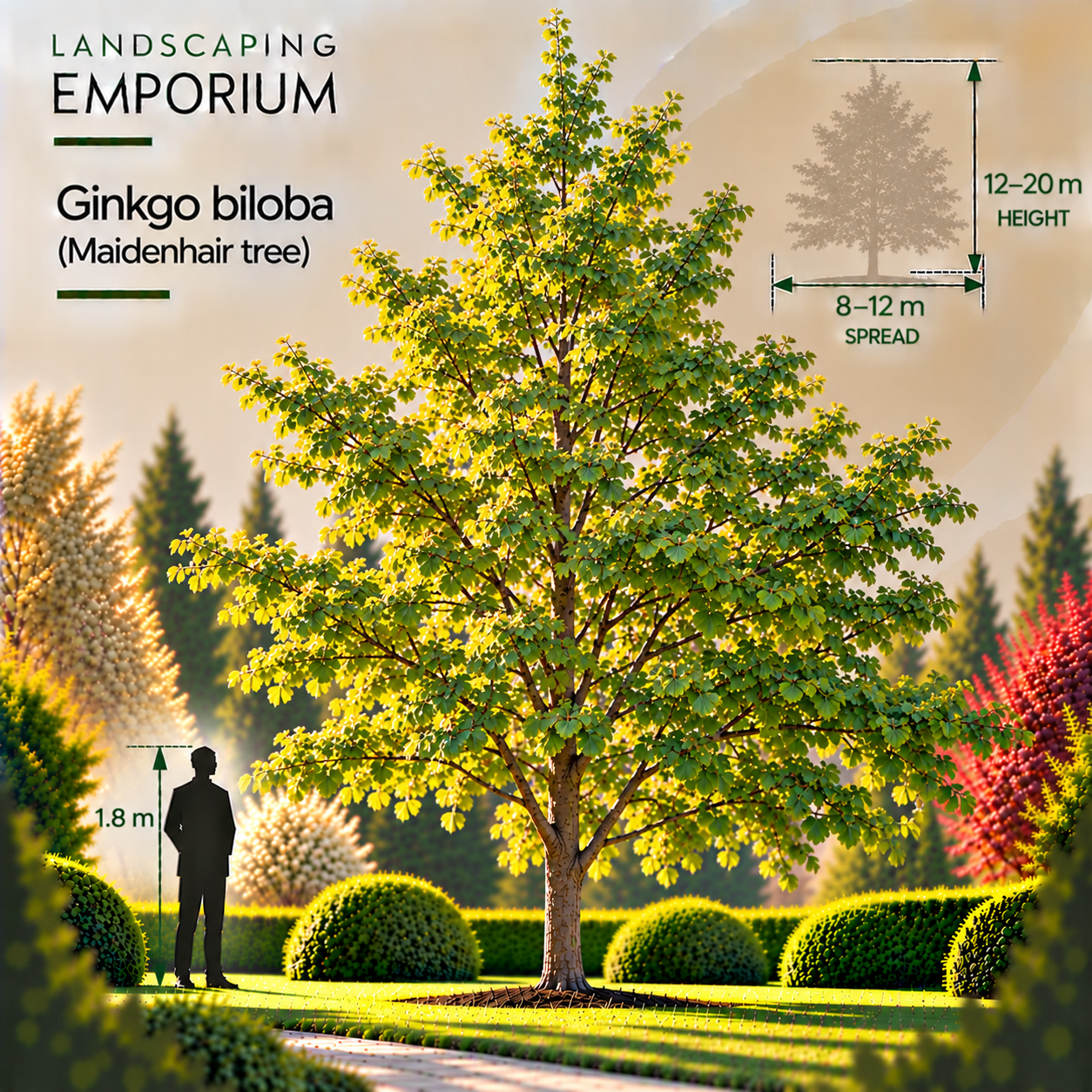 Image 5 of 19
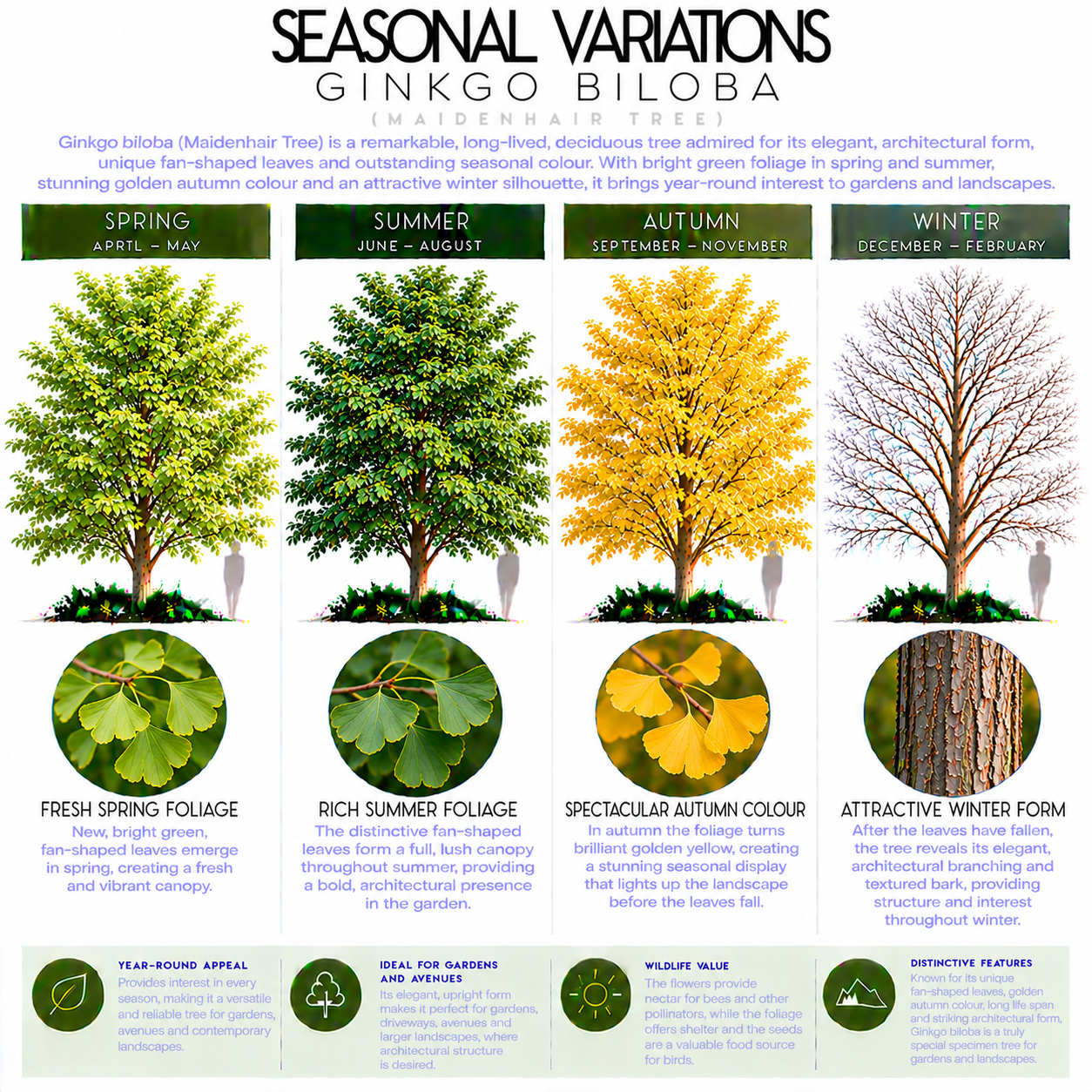 Image 6 of 19
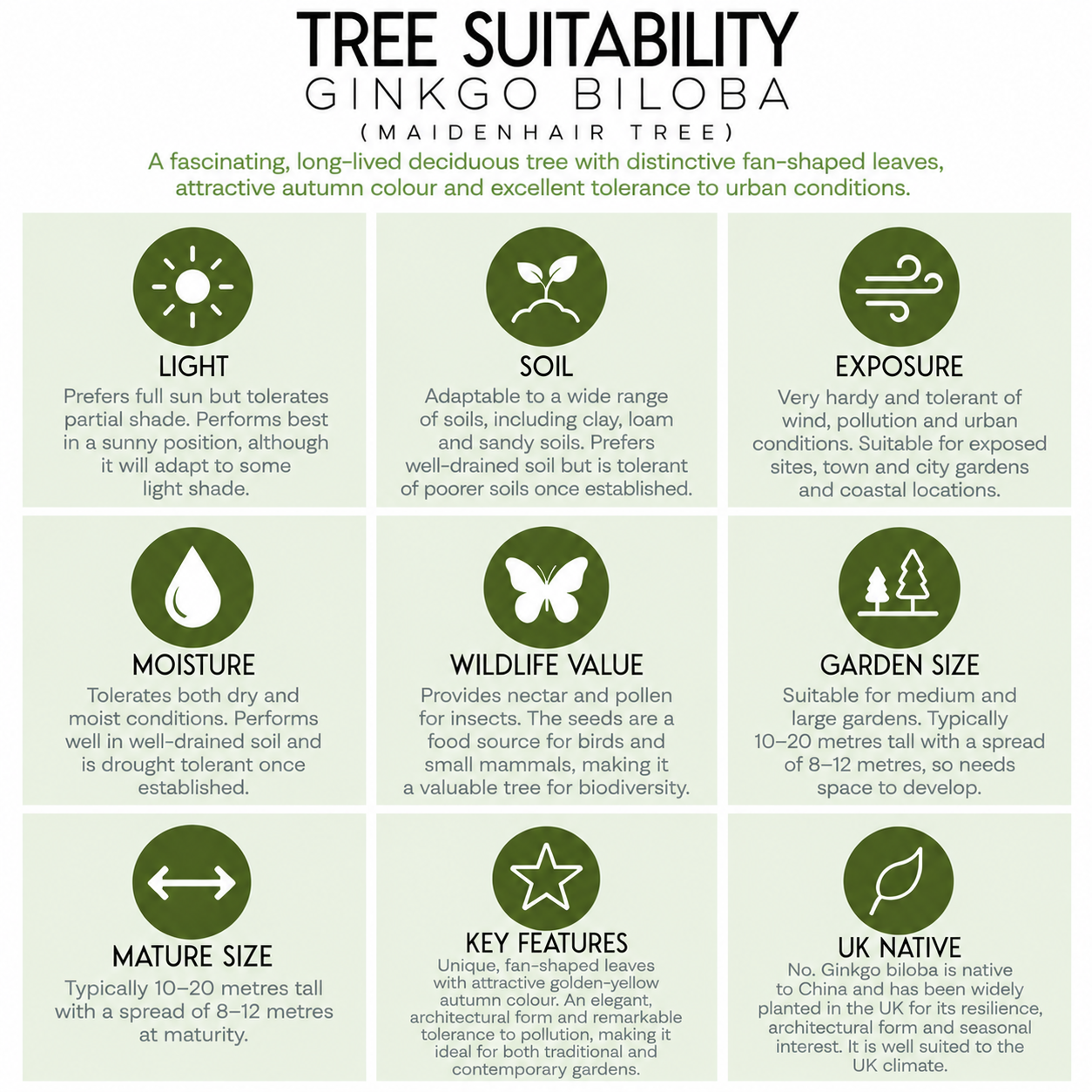 Image 7 of 19
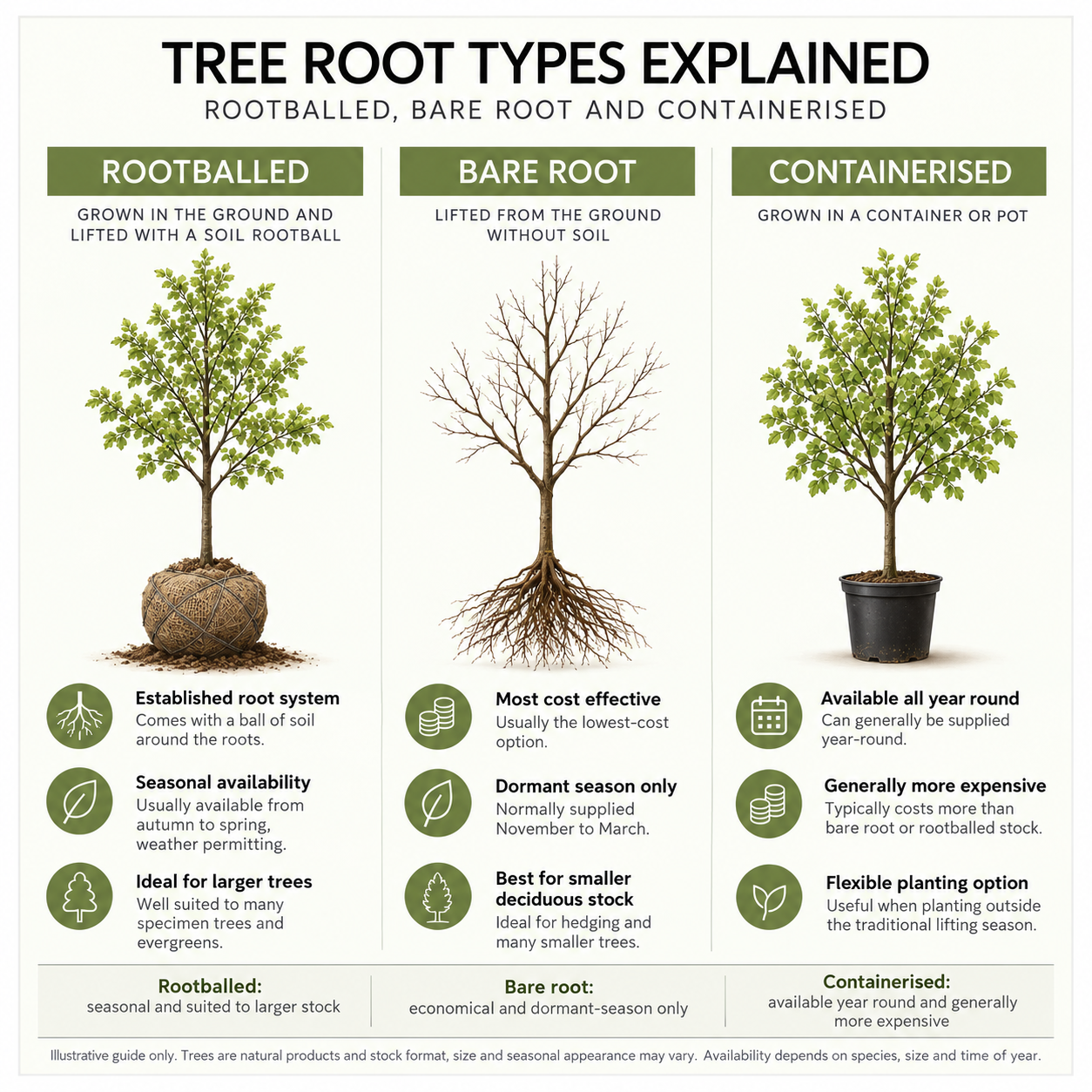 Image 8 of 19
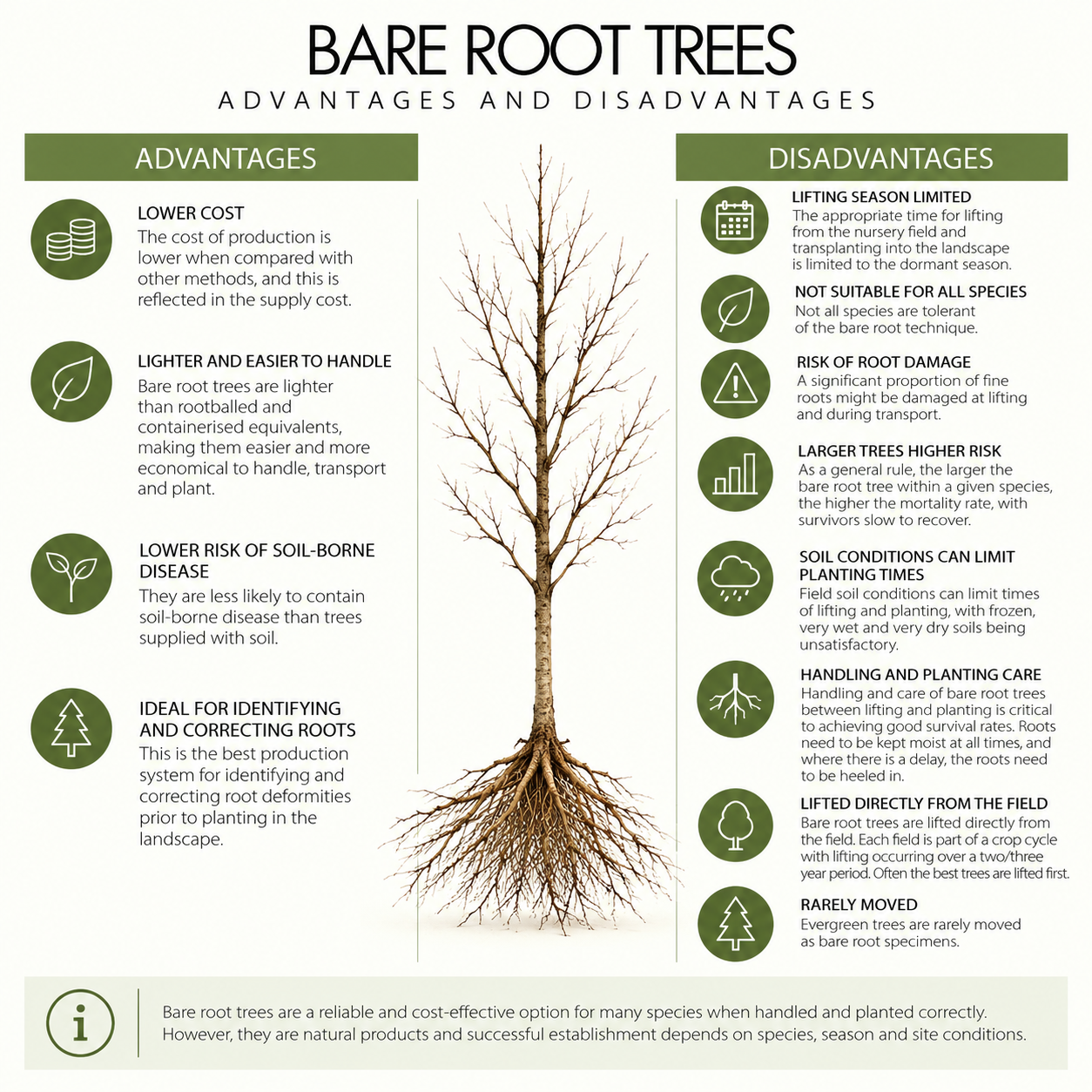 Image 9 of 19
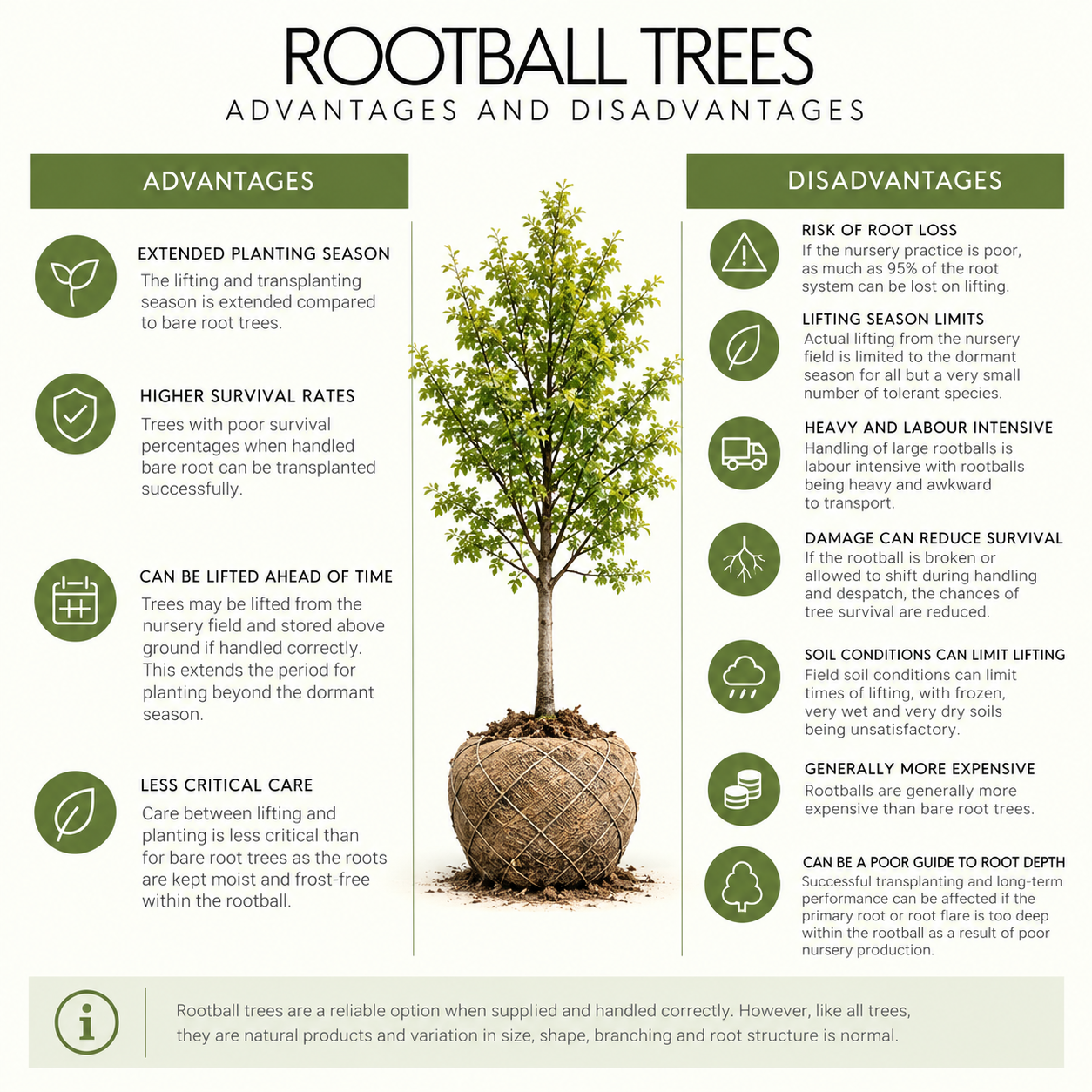 Image 10 of 19
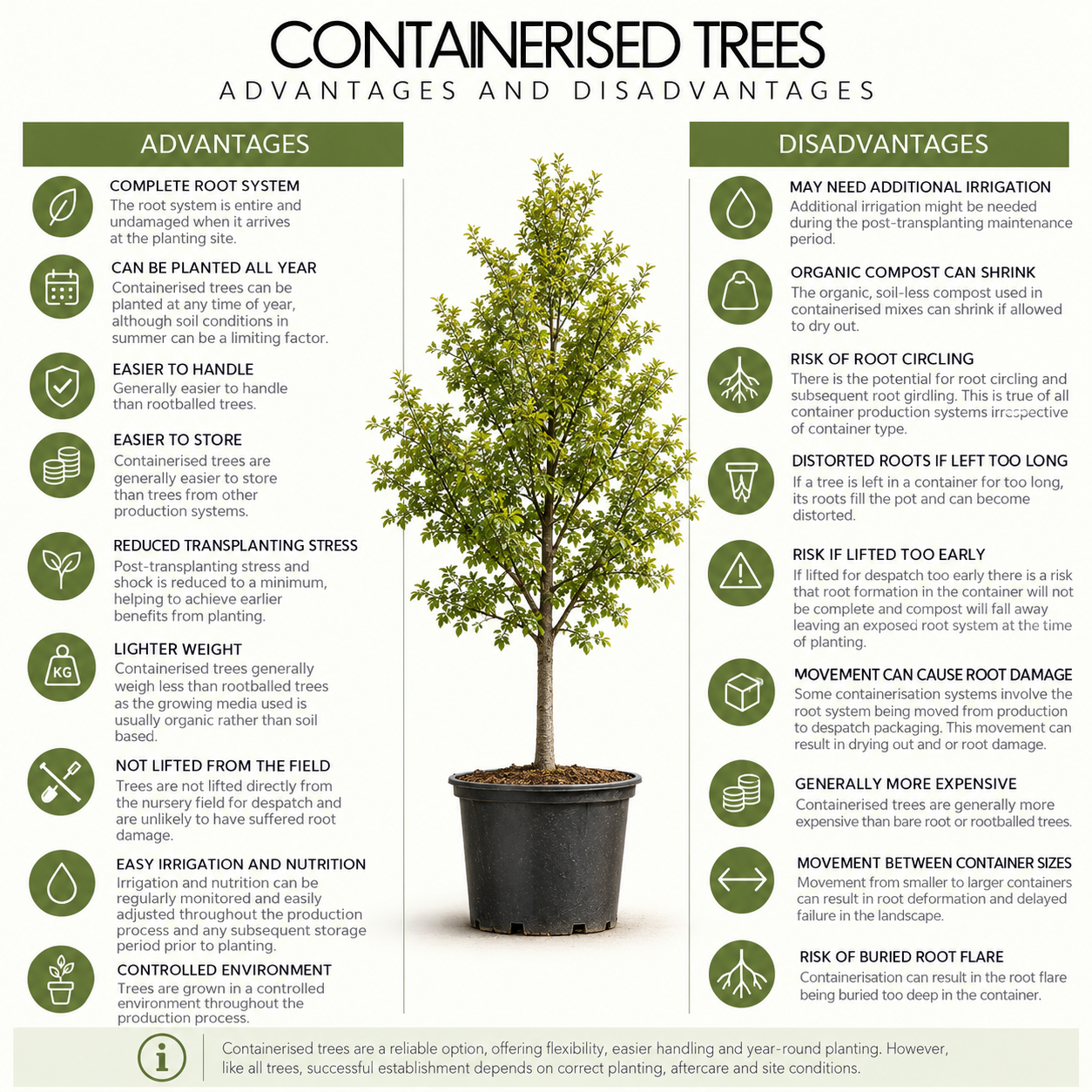 Image 11 of 19
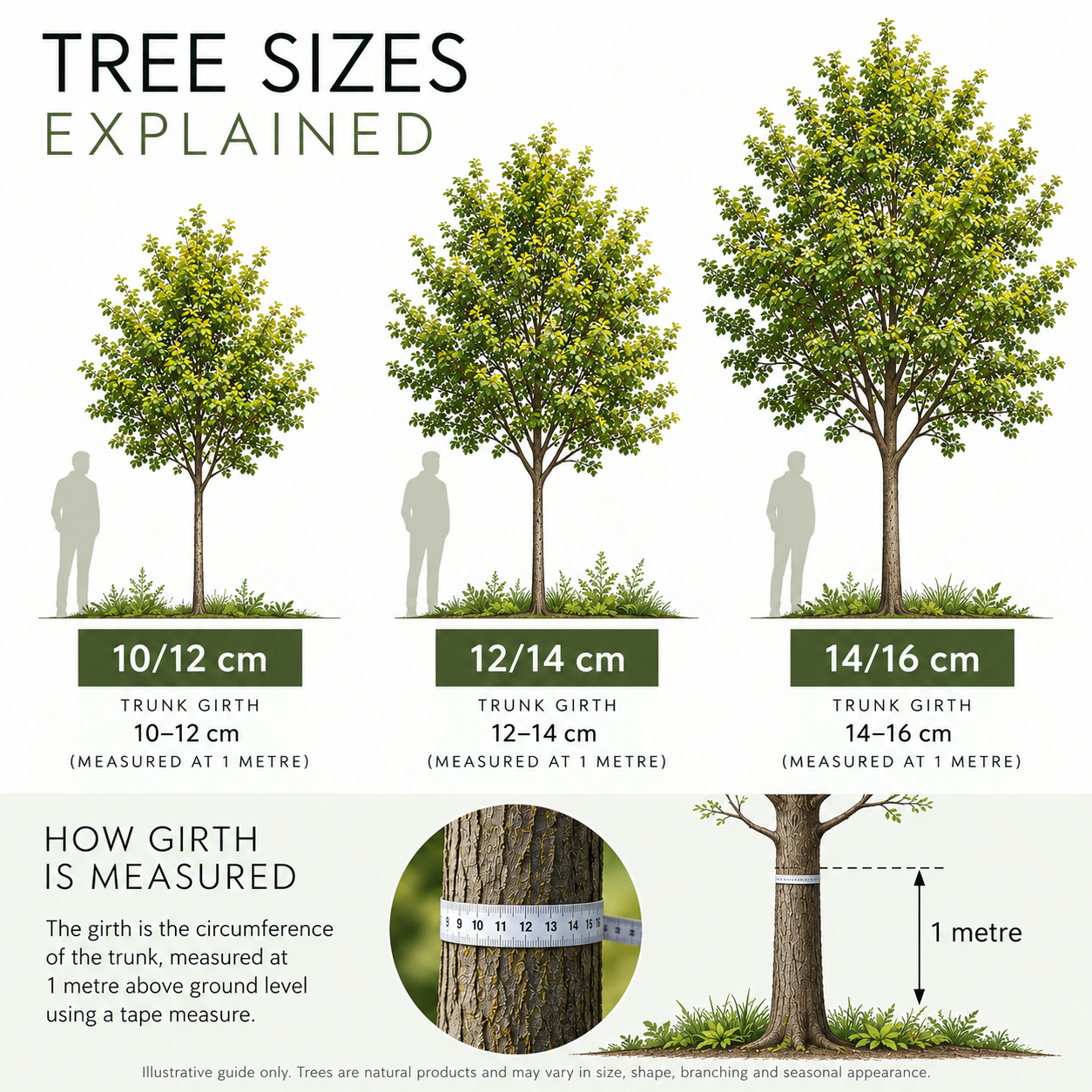 Image 12 of 19
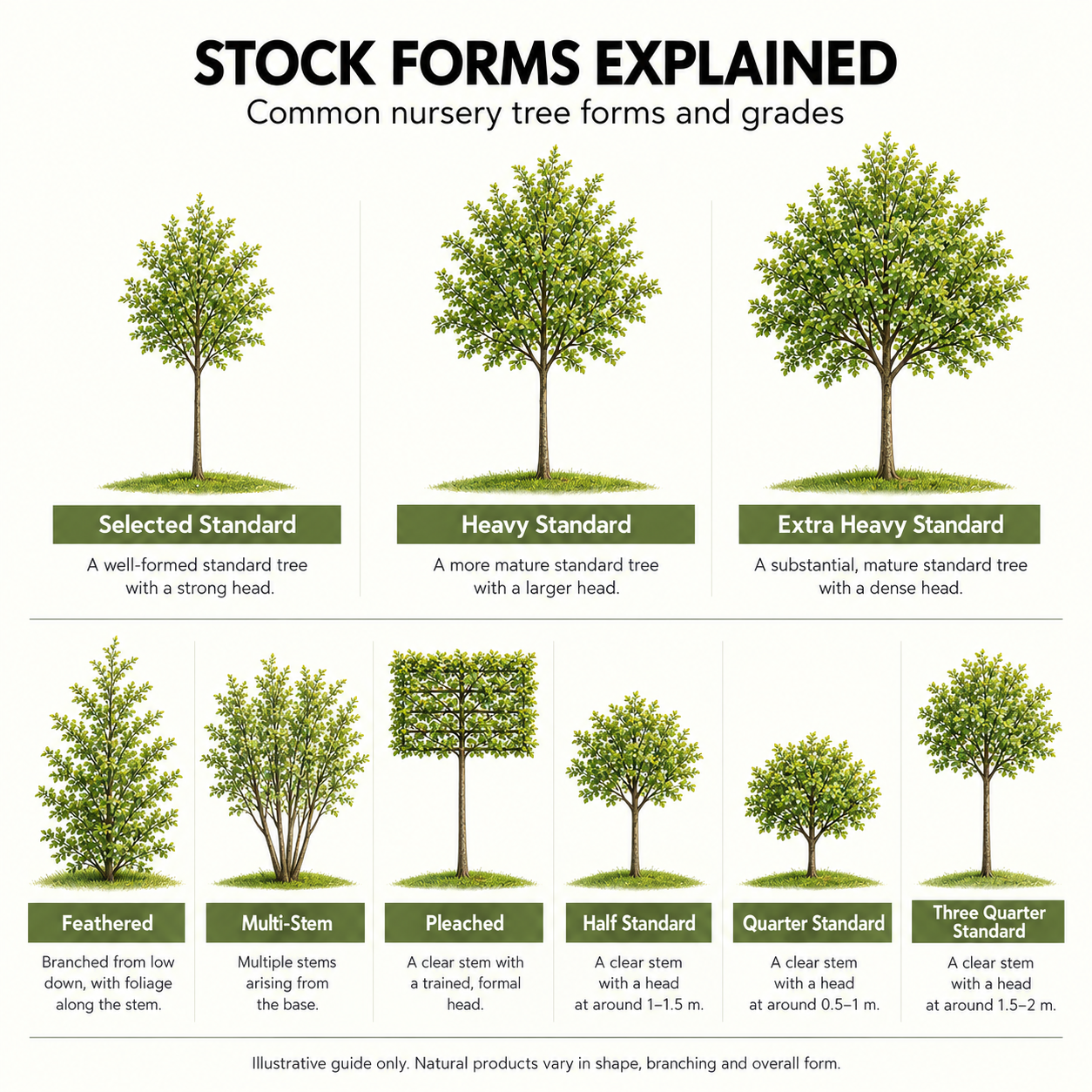 Image 13 of 19
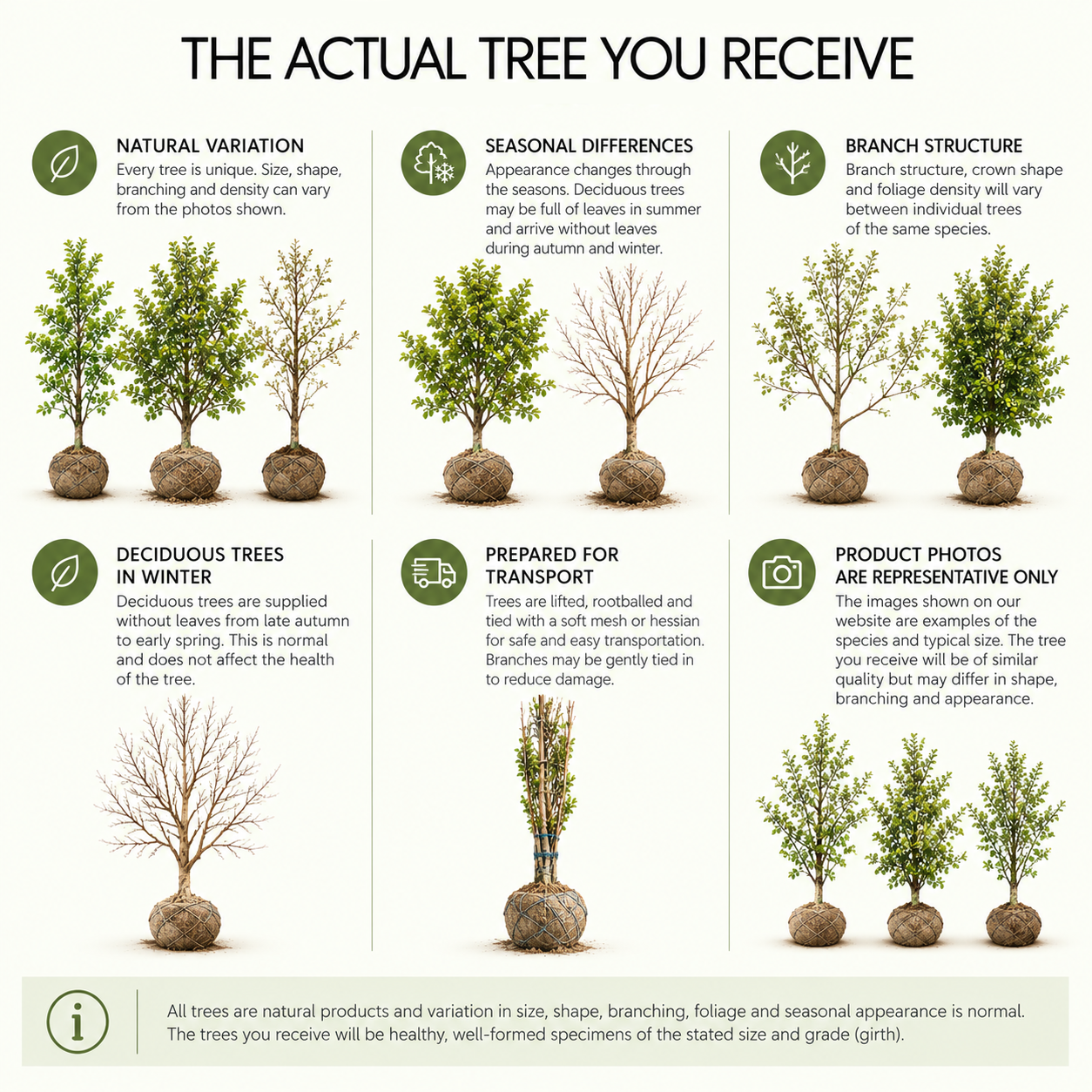 Image 14 of 19
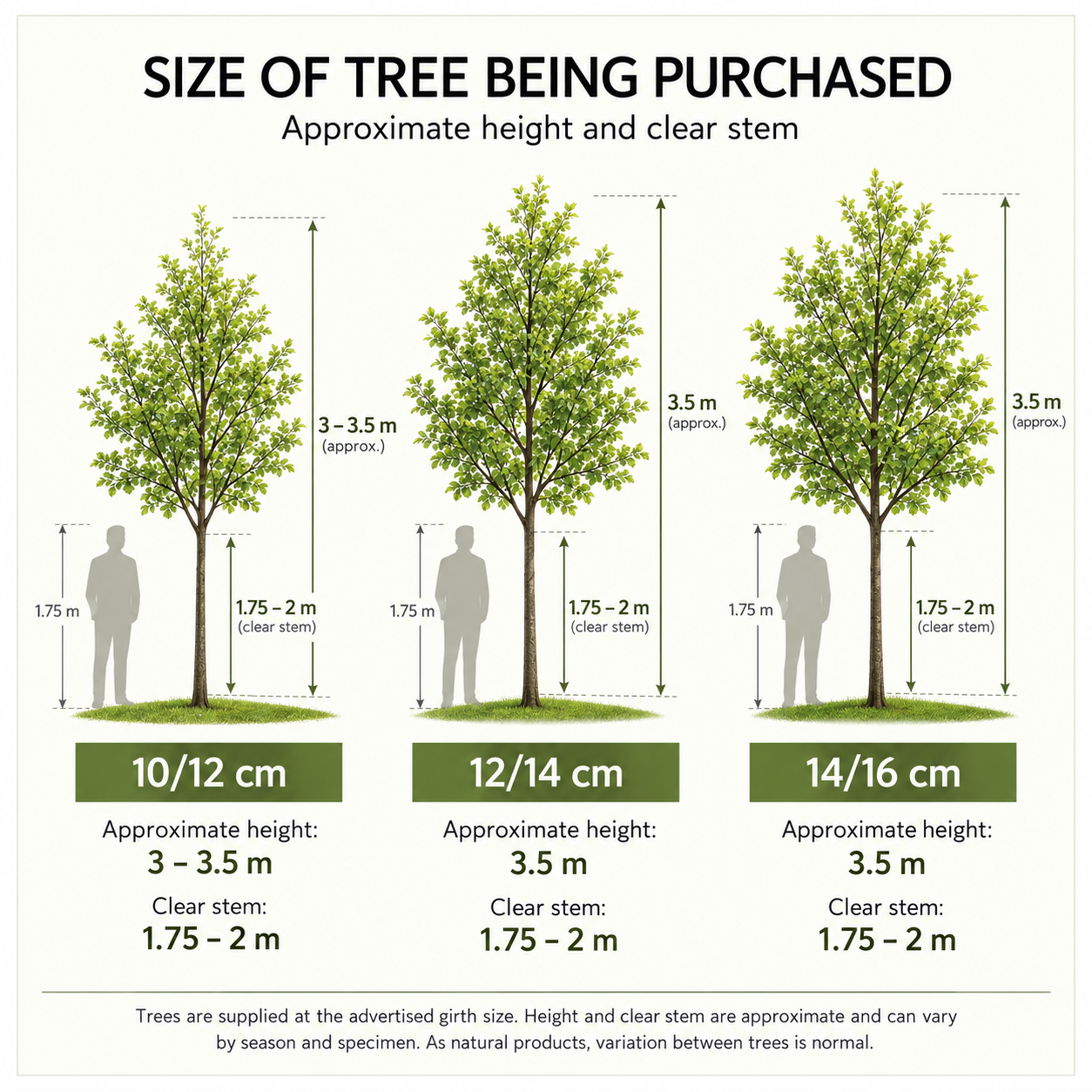 Image 15 of 19
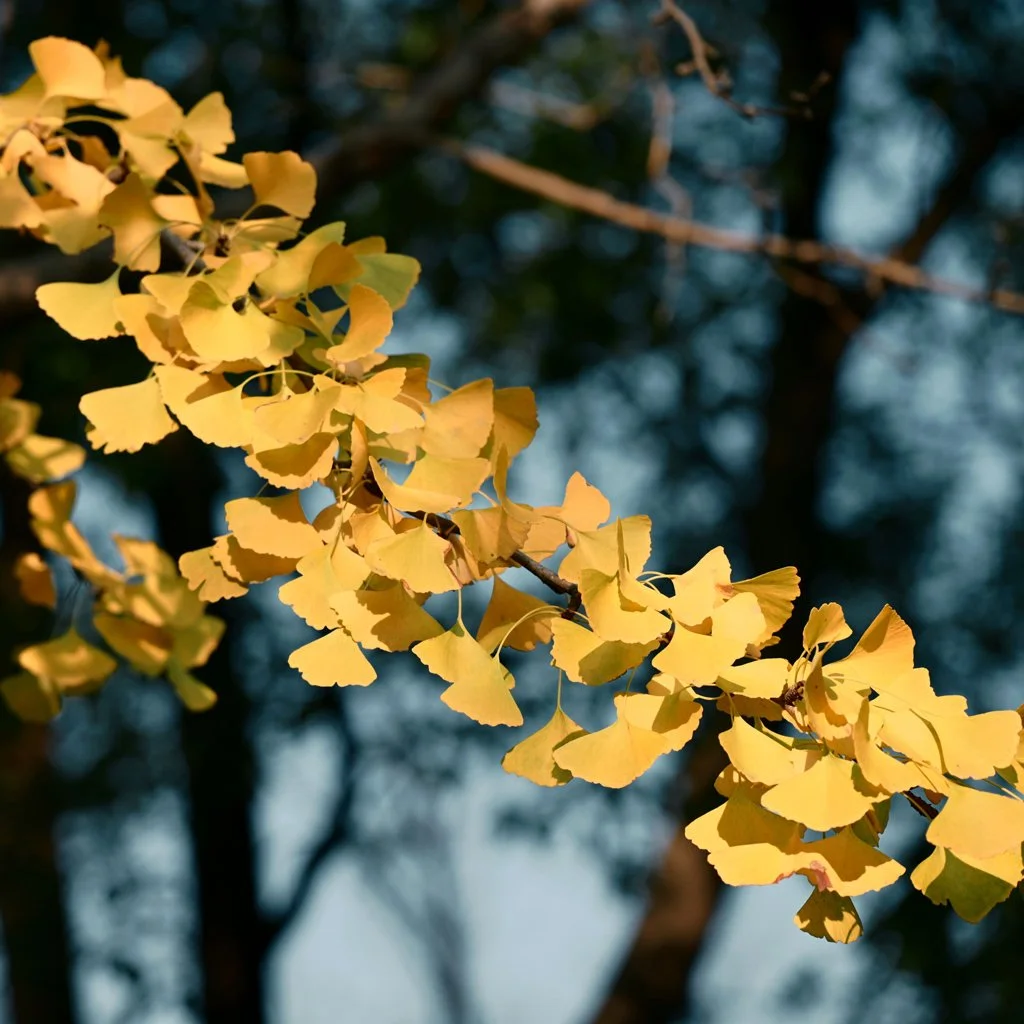 Image 16 of 19
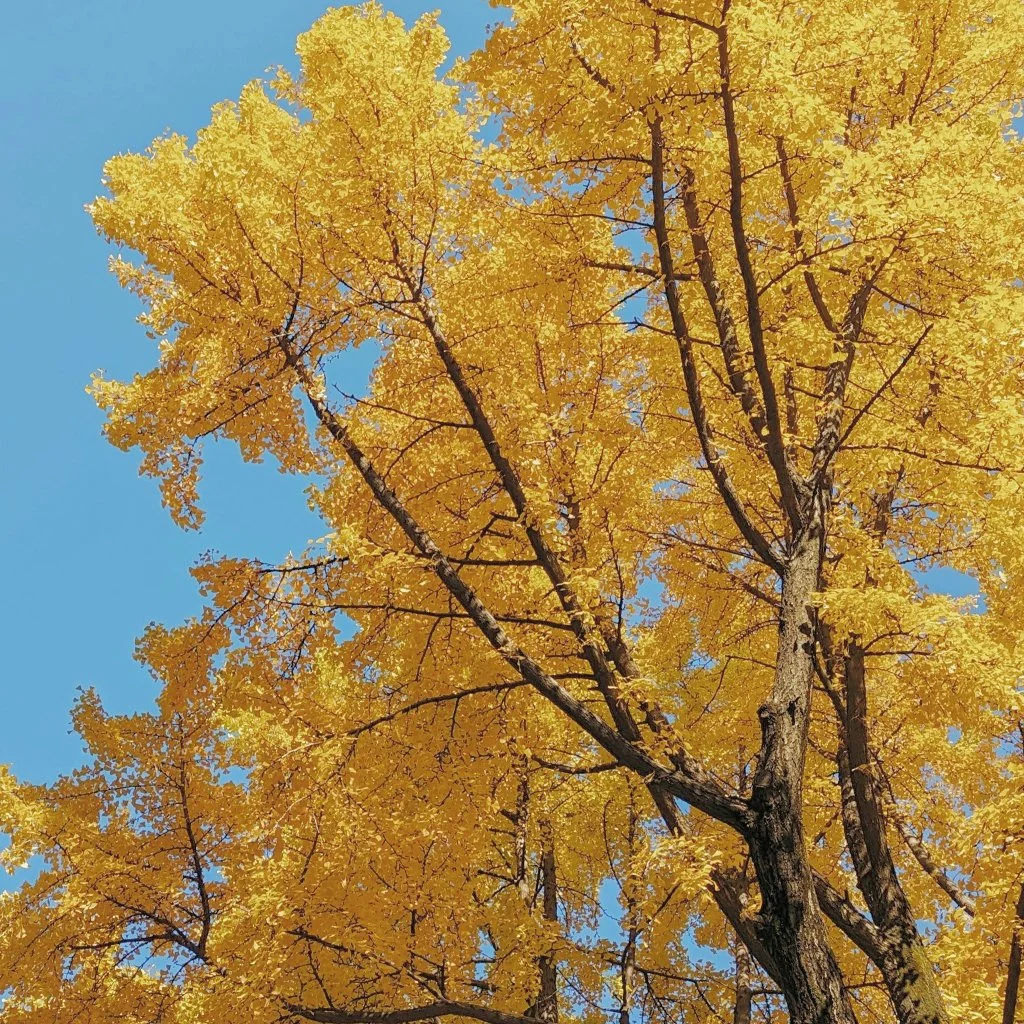 Image 17 of 19
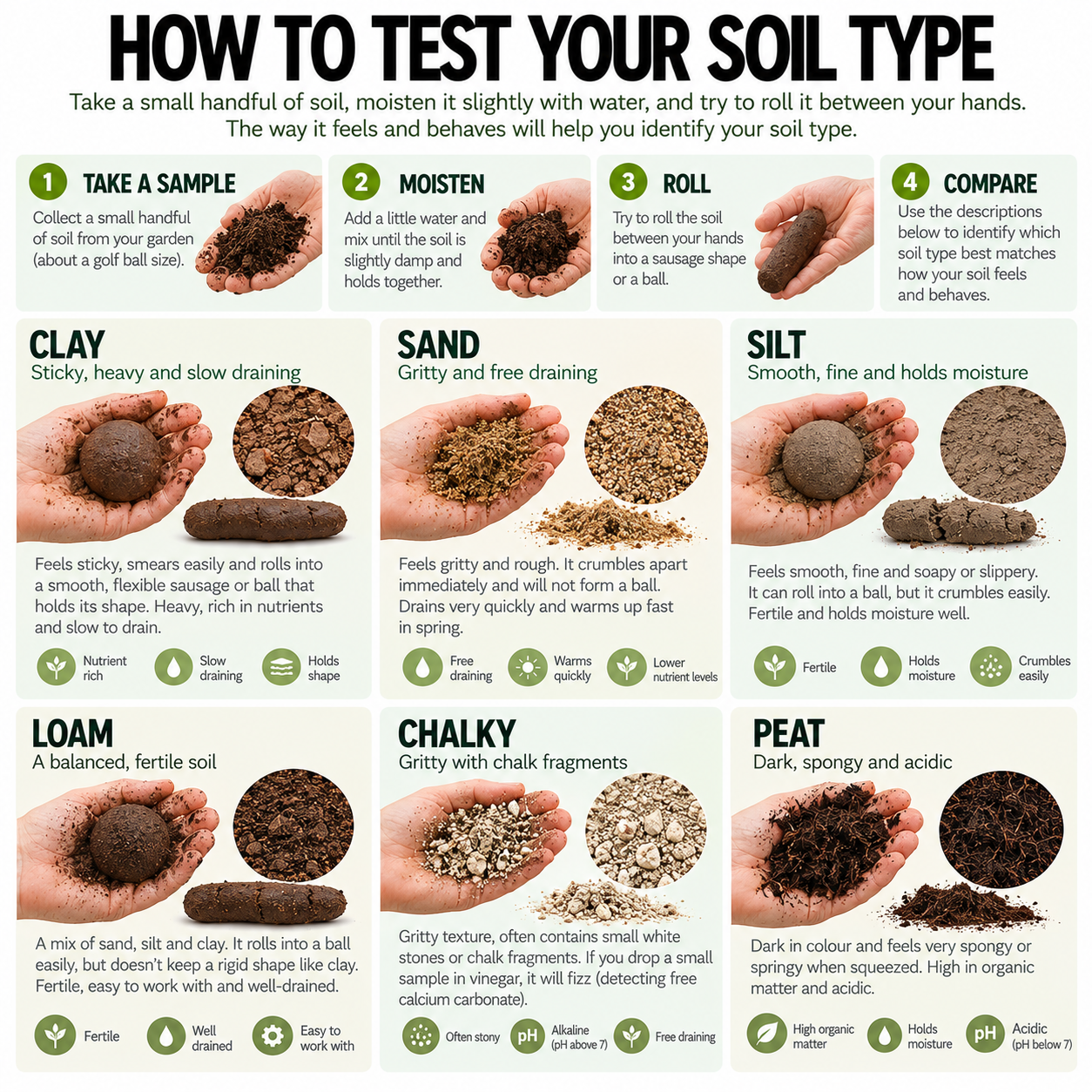 Image 18 of 19
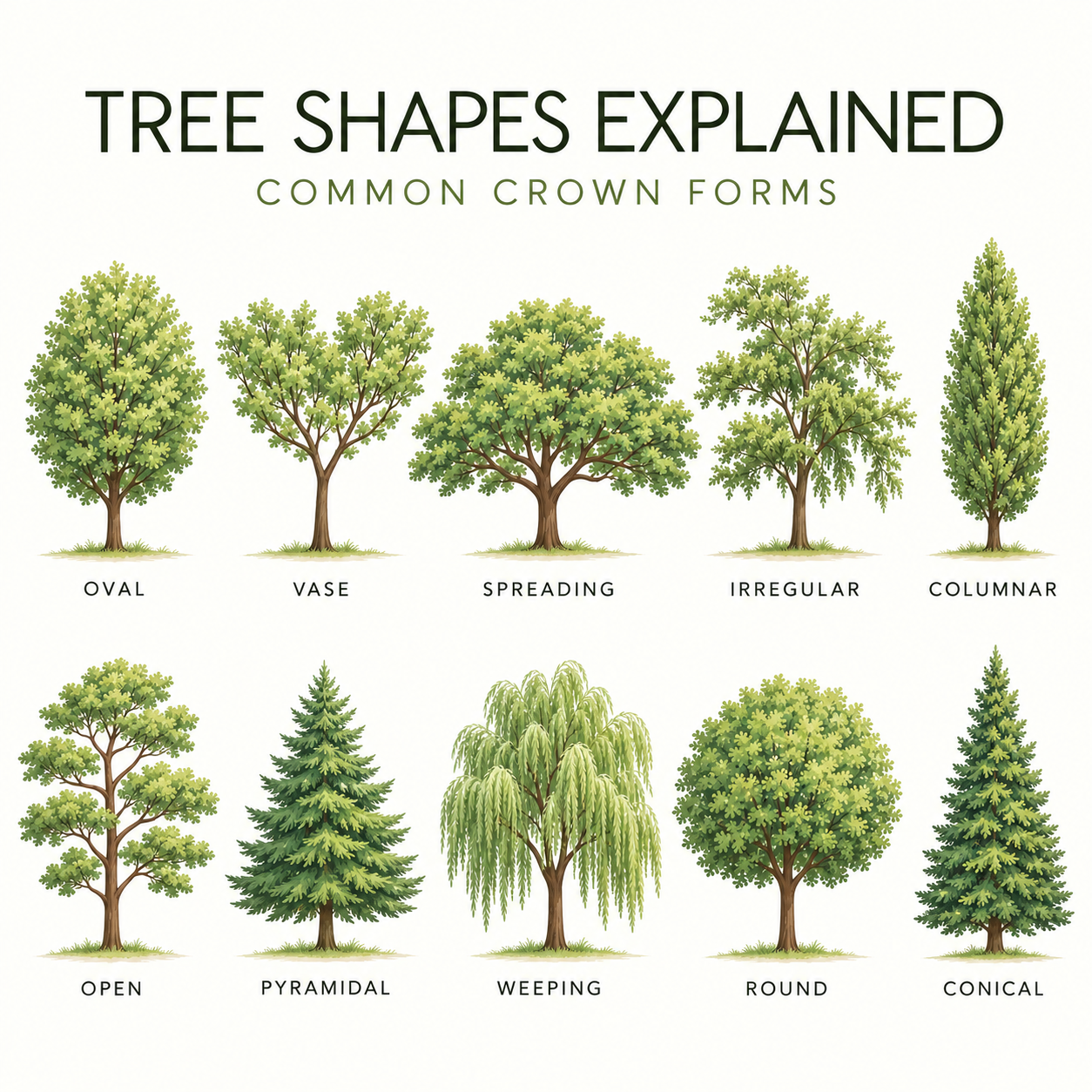 Image 19 of 19