Ilex aquifolium, commonly known as English Holly or Common Holly, is a highly attractive UK-native evergreen specimen tree valued for its dense, glossy dark green foliage, distinctive spiny leaves and excellent year-round structure. Its naturally upright, bushy growth habit makes it particularly useful for evergreen screening, ornamental planting and wildlife-friendly gardens.
English Holly produces small white flowers in late spring, followed by bright red berries on pollinated female trees. The berries provide valuable winter food for birds, while the dense evergreen canopy offers shelter and nesting opportunities. Male trees do not produce berries, and female trees generally require a compatible male pollinator nearby for reliable fruit production.
This versatile evergreen tree is particularly suitable for gardens requiring privacy, structure or planting in partially shaded positions. It tolerates a wide range of soil types, including clay, loam, sand and chalk, provided drainage is adequate. Although naturally slow-growing, established specimens can eventually develop into substantial trees, so sufficient space should be allowed for their mature height and crown spread.
For gardens across Lancashire, the Ribble Valley, Greater Manchester, Cheshire and the wider North West, Ilex aquifolium offers a dependable native evergreen option for specimen planting, naturalistic landscapes, woodland gardens and year-round screening.
Key Features of English Holly
Slow-growing when young • Dense, upright and bushy evergreen habit • Glossy dark green foliage with distinctive spiny leaves • Small white spring flowers • Red berries on pollinated female trees • Excellent year-round screening • Tolerates partial shade and established plants can tolerate considerable shade • UK native • High wildlife value, providing shelter, nesting opportunities and winter berries
Ilex aquifolium Plant Specification
Mature size: 10–15m+ high × approximately 4–8m wide
Growth rate: Slow when young
Foliage: Evergreen
Habit: Dense, bushy, broadly upright; becoming tree-like with maturity
Leaf colour: Glossy dark green
Flowers: Small white flowers in late spring
Fruit: Bright red berries on pollinated female specimens
Position: Full sun or partial shade; established plants can tolerate deeper shade
Soil: Most well-drained soils, including clay, loam, chalk and sand
Soil pH: Acidic, neutral or alkaline
Moisture: Moist but well-drained or well-drained
Exposure: Sheltered or exposed positions
Hardiness: H6 – hardy throughout the UK
UK native: Yes
Wildlife value: High – spring flowers support pollinators, evergreen foliage provides shelter and nesting habitat, and berries on female trees offer winter food for birds
Best uses: Evergreen specimen tree, privacy screening, woodland gardens, shaded gardens, native planting schemes, wildlife gardens and formal or naturalistic landscapes
Pruning: Generally minimal when grown as a specimen; can be selectively pruned to maintain shape
Important: Holly berries are harmful if eaten. Spiny leaves may also cause injury, so consider positioning carefully where children and pets regularly play.
Professional Tree Planting and Installation
Landscaping Emporium can arrange professional specimen tree planting through Kirman Design across selected areas of North West England.
We can install specimen trees within the following postcode areas, subject to site access and project requirements:
BB, BL, CH1–CH5, CW8, CW9, FY, L, LA1–LA6, M, OL, PR, SK1–SK12, WA and WN.
If you require professional planting outside these areas, please contact us before purchasing to discuss whether installation can be arranged.
Telephone: 01942 604976
Before ordering a large English Holly specimen, please consider the available planting space, soil drainage, delivery access and any lifting equipment that may be required.
For more detailed information about the tree, please refer to the downloadable plant specification. Our separate delivery, access and planting guide explains what to consider when ordering larger specimen trees.

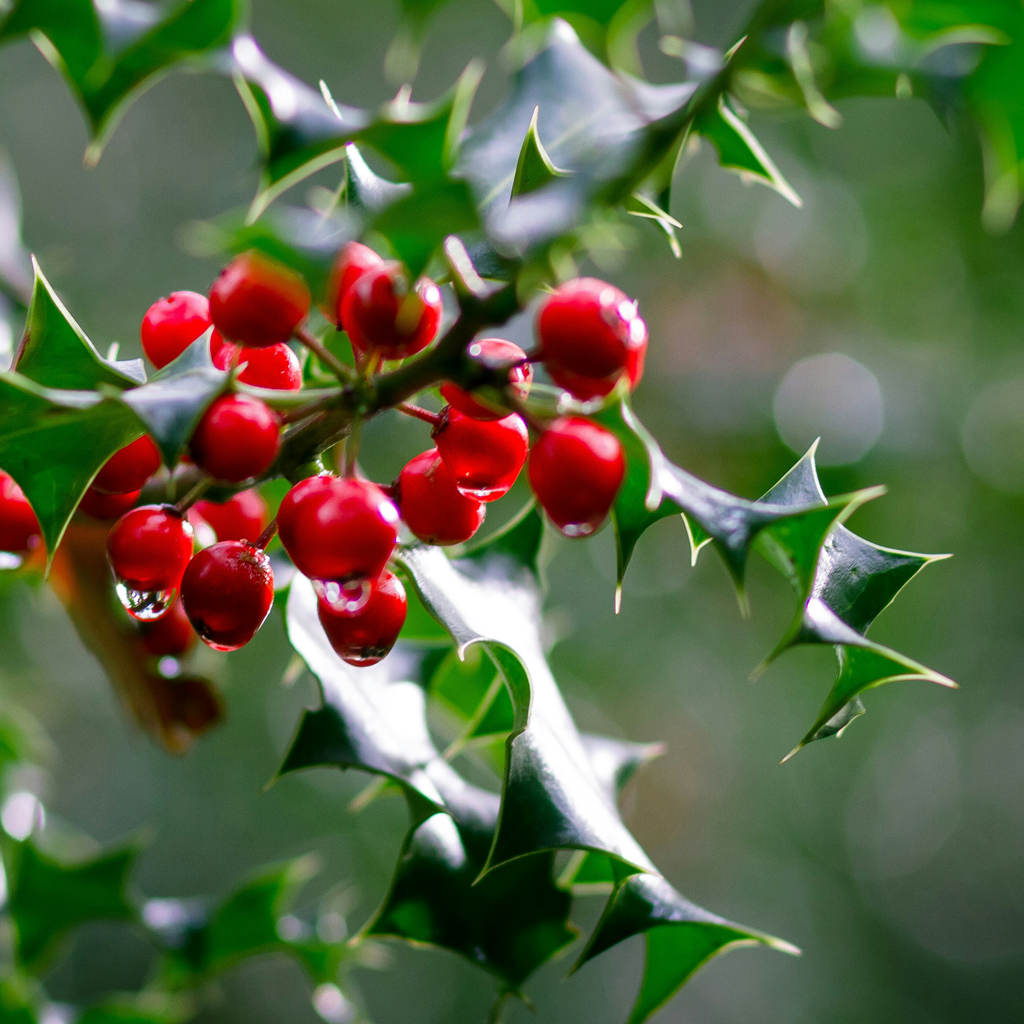 Image 1 of 13
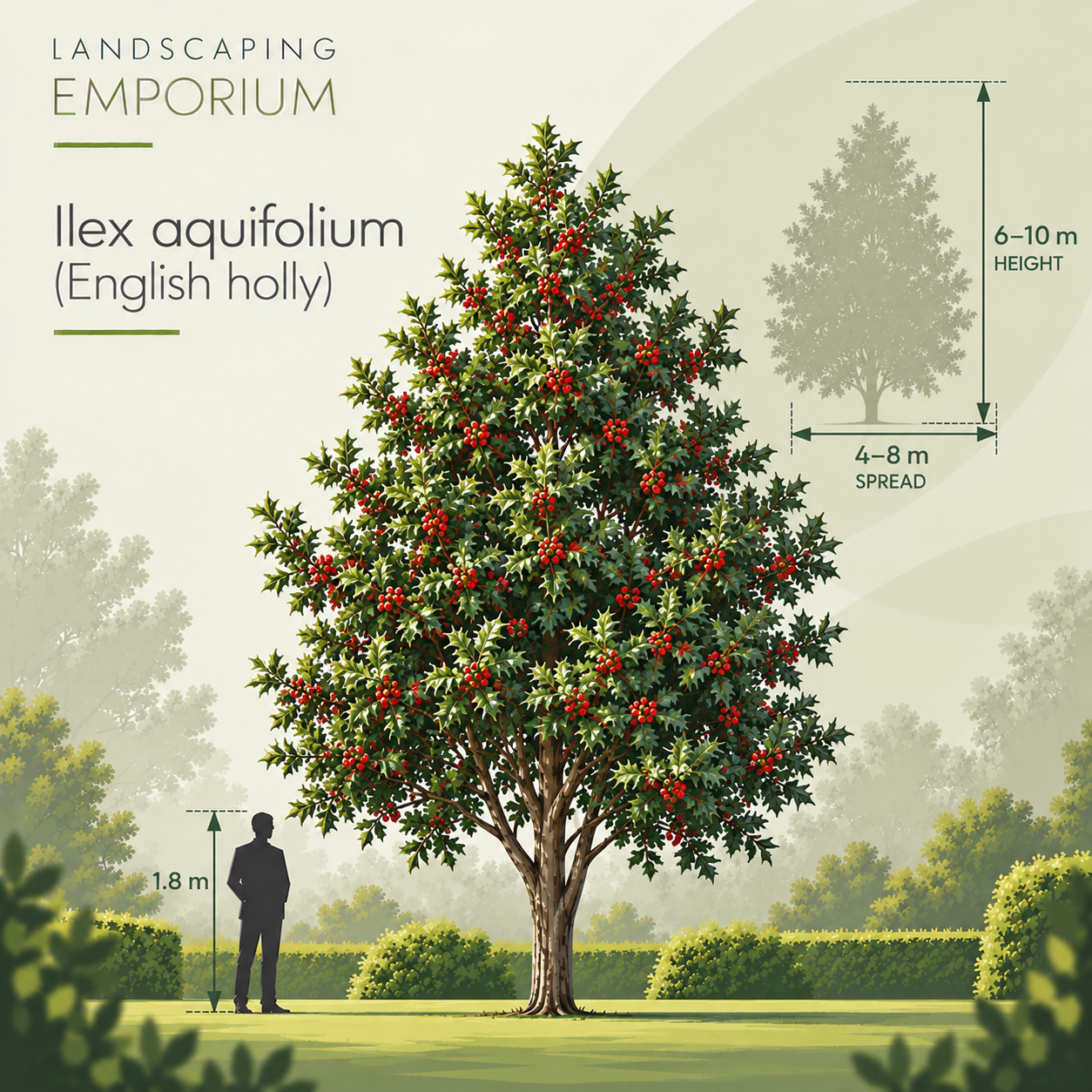 Image 2 of 13
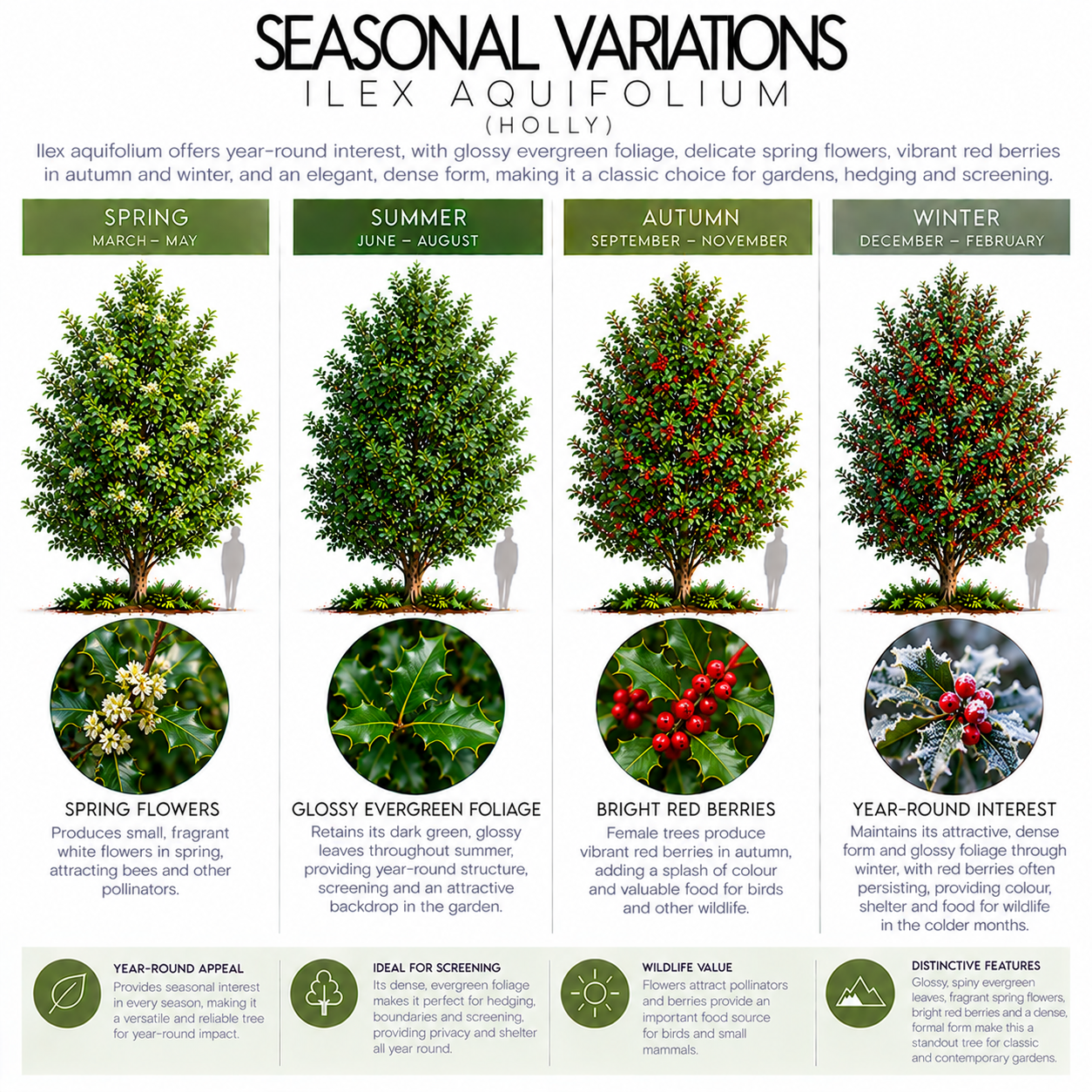 Image 3 of 13
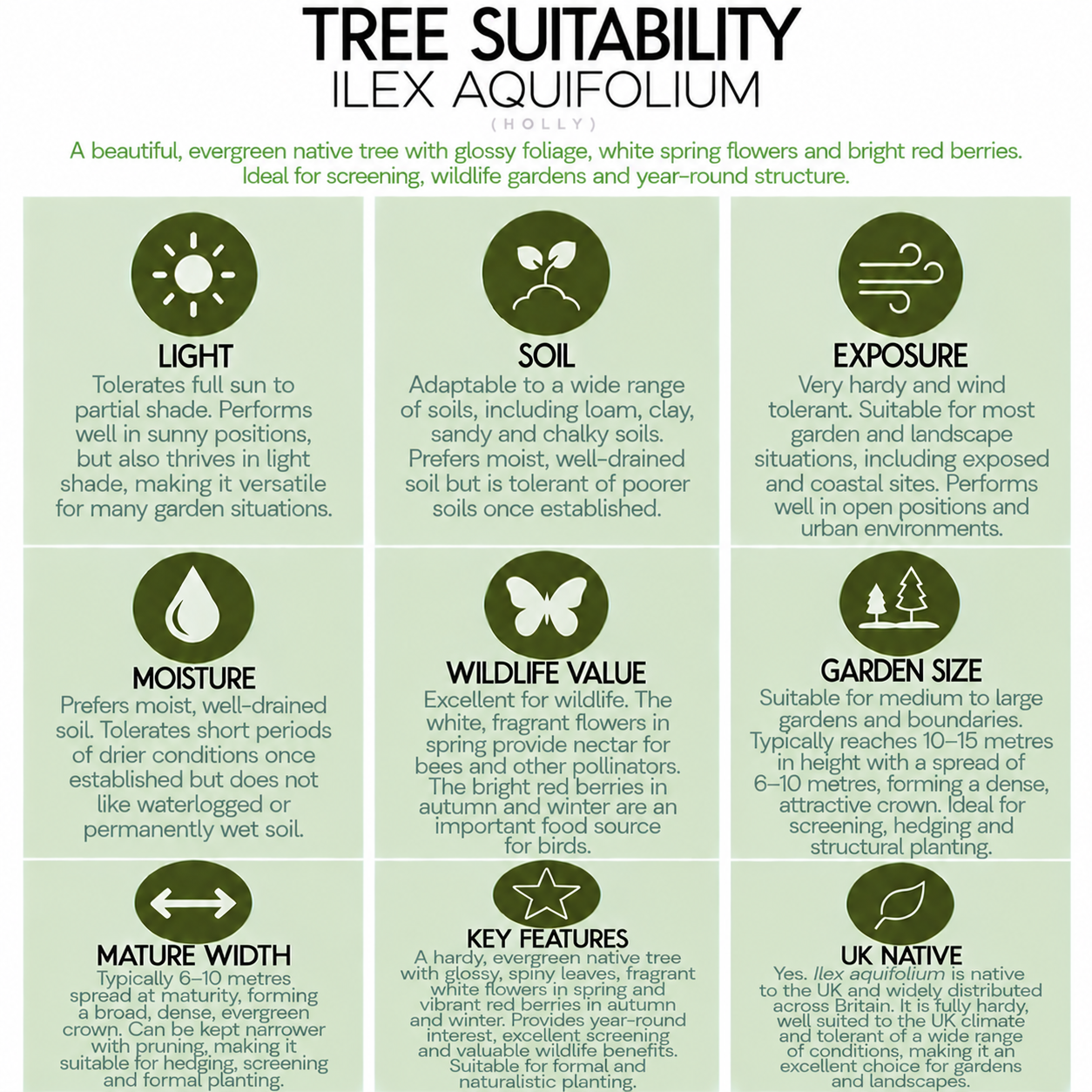 Image 4 of 13
 Image 5 of 13
 Image 6 of 13
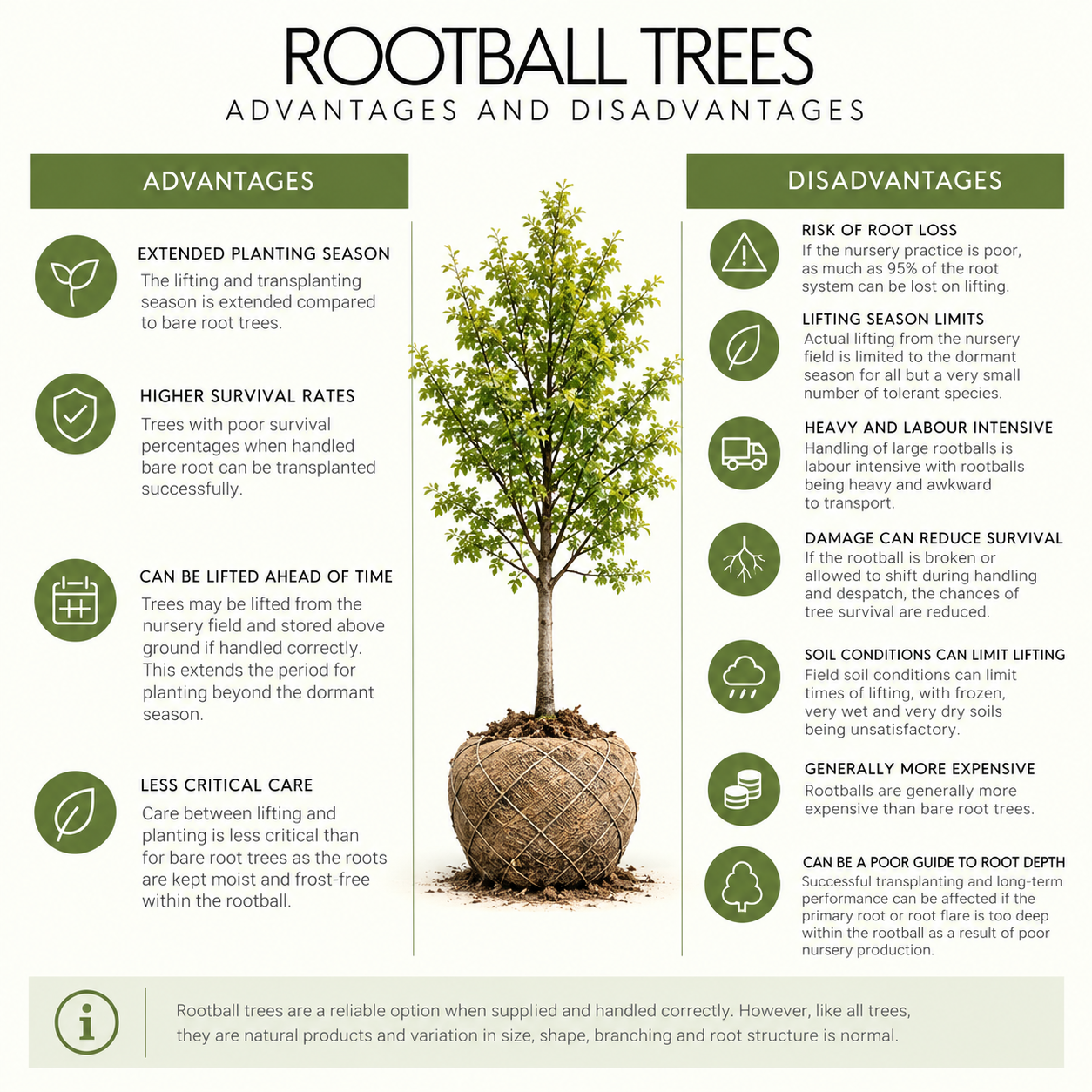 Image 7 of 13
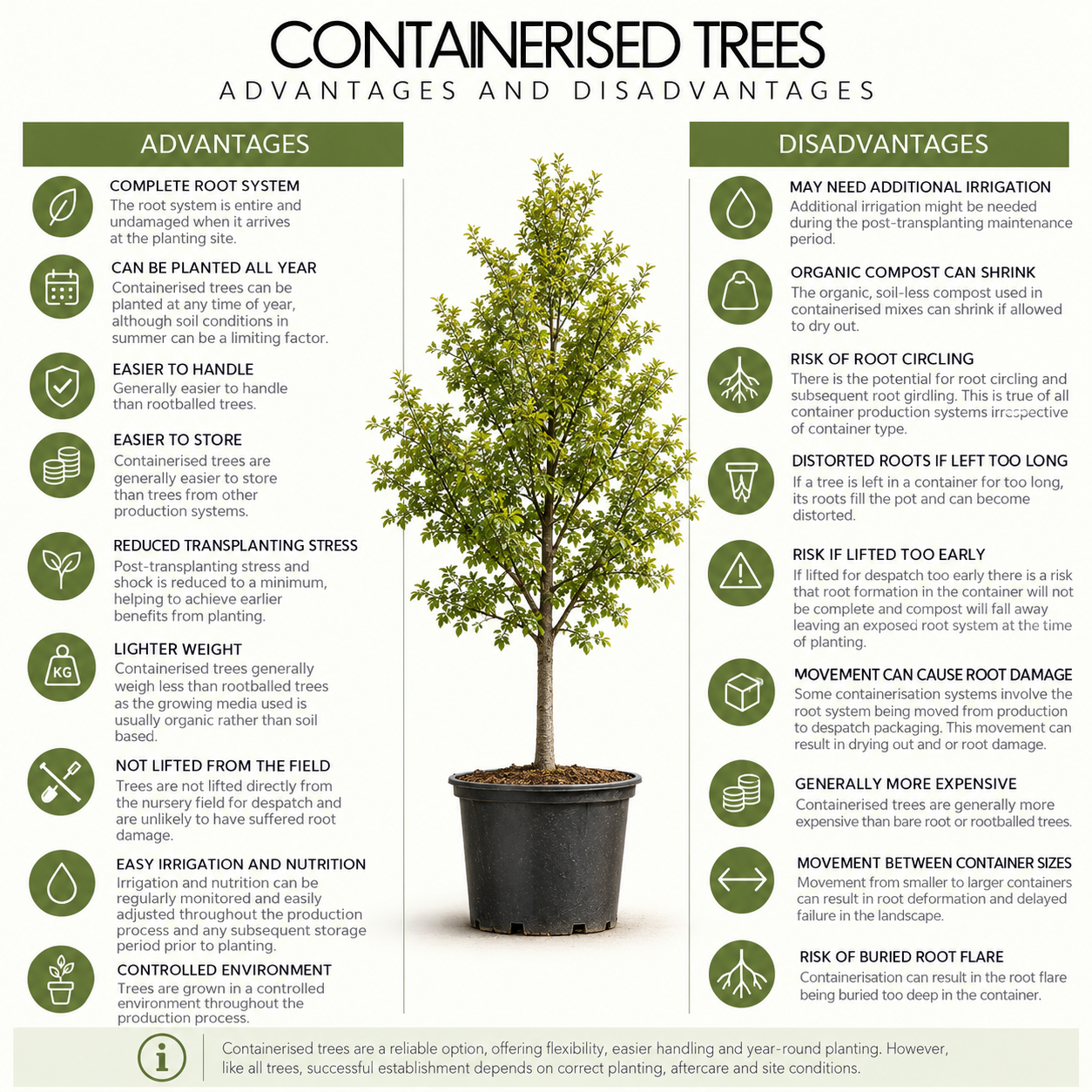 Image 8 of 13
 Image 9 of 13
 Image 10 of 13
 Image 11 of 13
 Image 12 of 13
 Image 13 of 13