Magnolia grandiflora, commonly known as Evergreen Magnolia or Bull Bay, is a large evergreen tree with glossy, leathery leaves and magnificent, fragrant, creamy-white flowers. The flowers appear from late summer into autumn, creating a striking display among the dark green foliage.
Native to the south-eastern United States, this impressive tree is best suited to a warm, sheltered position with room to develop. Its year-round foliage, large flowers and distinctive rusty-brown leaf undersides make it a memorable specimen for larger gardens and landscapes.
Magnolia grandiflora is not a compact magnolia. It can eventually grow beyond 12 metres tall and spread more than 8 metres, so it should be planted where its mature size can be accommodated.
Key Features of Magnolia grandiflora
Large evergreen specimen tree
Glossy, leathery, dark green leaves
Distinctive rusty-brown undersides to the foliage
Large, creamy-white flowers with a strong fragrance
Flowers from late summer into autumn
Suitable for full sun or partial shade
Prefers a sheltered position
Grows best in moist but well-drained soil
Can reach more than 12 metres in height and 8 metres in spread
Provides year-round structure and screening
Particularly suited to larger gardens and landscapes
RHS hardiness rating H5
Magnolia grandiflora – Tree Specification
Botanical name: Magnolia grandiflora
Common name: Evergreen Magnolia / Bull Bay / Southern Magnolia
Family: Magnoliaceae
Tree type: Large evergreen broadleaf tree
Mature height: More than 12m; often around 12–18m in suitable conditions.
Mature spread: More than 8m; allow approximately 8–15m or more for the mature crown.
Time to maturity: Approximately 20–50 years.
Growth rate: Moderate, depending on growing conditions.
Crown shape: Rounded and broad, becoming substantial with age.
Foliage: Evergreen, glossy, leathery and dark green, with a rusty-brown underside.
Flowers: Large, cup-shaped, creamy-white flowers, up to approximately 25cm across.
Flowering season: Late summer to autumn.
Fruit: Cone-like fruiting structures may develop after flowering, containing bright red seeds as they mature.
Position: Full sun or partial shade.
Soil: Moist but well-drained or well-drained soil. Can grow in clay, loam, sand and chalk soils.
Soil moisture: Avoid prolonged waterlogging and very dry conditions.
Exposure: Sheltered.
Hardiness: RHS hardiness rating H5. It is hardy in most parts of the UK, but a sheltered position helps protect evergreen foliage and flowers from cold, exposed conditions.
Native status: Not native to the UK; native to the south-eastern United States.
Wildlife value: The flowers can be visited by insects. Its evergreen canopy also provides year-round cover and shelter.
Maintenance: Generally low maintenance once established. Prune only when necessary.
Suitable uses: Specimen planting, larger gardens, sheltered gardens, evergreen structure, screening, architectural planting and suitable wall-side positions.
Why Choose Magnolia grandiflora?
Evergreen Foliage Throughout the Year
Unlike deciduous magnolias, Magnolia grandiflora retains its leaves throughout the year. Its large, glossy leaves bring structure and colour to the garden during every season.
The leaves are leathery and dark green, with a distinctive rusty-brown underside. This two-tone foliage is especially noticeable when the leaves move in the wind or are viewed from below.
Large, Fragrant Late-Summer Flowers
Magnolia grandiflora produces large, creamy-white flowers from late summer into autumn. The flowers are highly fragrant and stand out clearly against the tree’s dark evergreen foliage.
The blooms can be around 25cm across, making them one of the tree’s most striking features. Flowering can vary according to the tree’s age, position and growing conditions.
A warm, sheltered site can help provide the conditions this magnolia needs to grow well and flower reliably.
An Impressive Specimen Tree
With its broad, rounded crown and substantial mature dimensions, Magnolia grandiflora makes a strong focal point in a large garden.
It can be planted as a standalone specimen or used to create evergreen structure within a larger landscape. Its size means it is best given room to grow rather than placed in a confined border or small garden.
Useful for Evergreen Screening
The dense evergreen foliage can provide year-round screening as the tree matures. Its eventual size should be considered carefully before planting, particularly near buildings, boundaries, paths and other trees.
Magnolia grandiflora is a long-term choice for a suitable site. It is not a quick solution for a narrow space or a small garden where a more compact tree would be more appropriate.
Suitable for a Sheltered Position
Magnolia grandiflora grows best in full sun or partial shade in a sheltered position. A warm site protected from cold, drying winds is particularly helpful in exposed or colder locations.
It may be grown as a specimen tree in an open garden or trained against a suitable wall where the site and planting space allow.
A Distinctive Evergreen Magnolia
Many familiar magnolias flower in spring on bare branches. Magnolia grandiflora is different: its flowers appear in late summer and autumn, among its evergreen foliage.
This combination of year-round leaves, large scented flowers and impressive mature size makes it a distinctive choice for gardens with sufficient space and shelter.
Planting and Establishment
Magnolia grandiflora grows best in a sheltered position in full sun or partial shade. Choose a site with enough room for the tree’s eventual height and spread.
Prepare the planting area so the soil is fertile, moisture-retentive and free-draining. The tree can grow in several soil types, but avoid ground that remains waterlogged or becomes very dry for long periods.
Plant with care and avoid unnecessary disturbance to the root system. Keep the root flare at the correct finished soil level, water thoroughly after planting and water regularly while the tree establishes.
A mulch of compost or well-rotted organic matter can help retain soil moisture and reduce competition from surrounding vegetation. Keep mulch clear of the trunk.
For larger nursery specimens, professional planting is recommended. Staking or another suitable support may be needed depending on the tree’s size and the conditions at the planting site.
Maintaining Magnolia grandiflora
Magnolia grandiflora generally needs little maintenance once established.
Avoid routine heavy pruning. Magnolias can be slow to recover from pruning, so remove only dead, damaged or unsuitable branches and make any necessary shaping cuts with care.
If the tree is being trained against a wall, plan its shape while it is young and use appropriate pruning and support. Water during prolonged dry weather, particularly while the tree is establishing.
Important Planting Considerations
Magnolia grandiflora is a large tree and needs generous space. Check its expected height and spread before planting, and consider its position in relation to buildings, boundaries, paths, overhead structures and underground services.
Choose a sheltered position. Cold, exposed sites can affect growth and flowering, and young trees may need extra protection while they establish.
Although it can grow in a range of soil types, it performs best in soil that is moist but well drained. Avoid planting in ground that remains waterlogged or in a very dry position.
This tree is generally unsuitable for small gardens, narrow spaces or exposed locations where there is not enough room for its mature crown.
Specimen Tree Delivery and Professional Planting
Landscaping Emporium, brought to you by Kirman Design, offers professional specimen tree supply and planting throughout selected areas of North West England.
We provide professional tree planting in the following postcode areas:
BB, BL, CH1–CH5, CW8, CW9, FY, L, LA1–LA6, M, OL, PR, SK1–SK12, WA and WN.
Please do not select professional planting at checkout if your property is outside these postcode areas without contacting us first.
If your property is outside our normal installation area, please contact us. We may still be able to arrange planting depending on your location, tree size and site access.
Before ordering, please consider delivery access, gate and passage widths, steps, slopes, overhead restrictions and the available planting space.
Magnolia grandiflora trees may be supplied in different nursery sizes and root formats depending on current stock and seasonal availability.
Overall height, trunk girth, crown dimensions and natural branching structure will vary between individual specimens.
Contact Landscaping Emporium
Landscaping Emporium – brought to you by Kirman Design
Unit 9, Bridgewater Business Park
Gladstone Street
Blackburn
BB1 3DL
Telephone: 01942 604976
Email: hello@landscapingemporium.co.uk
Website: www.landscapingemporium.co.uk
Professional tree supply and planting across North West England.

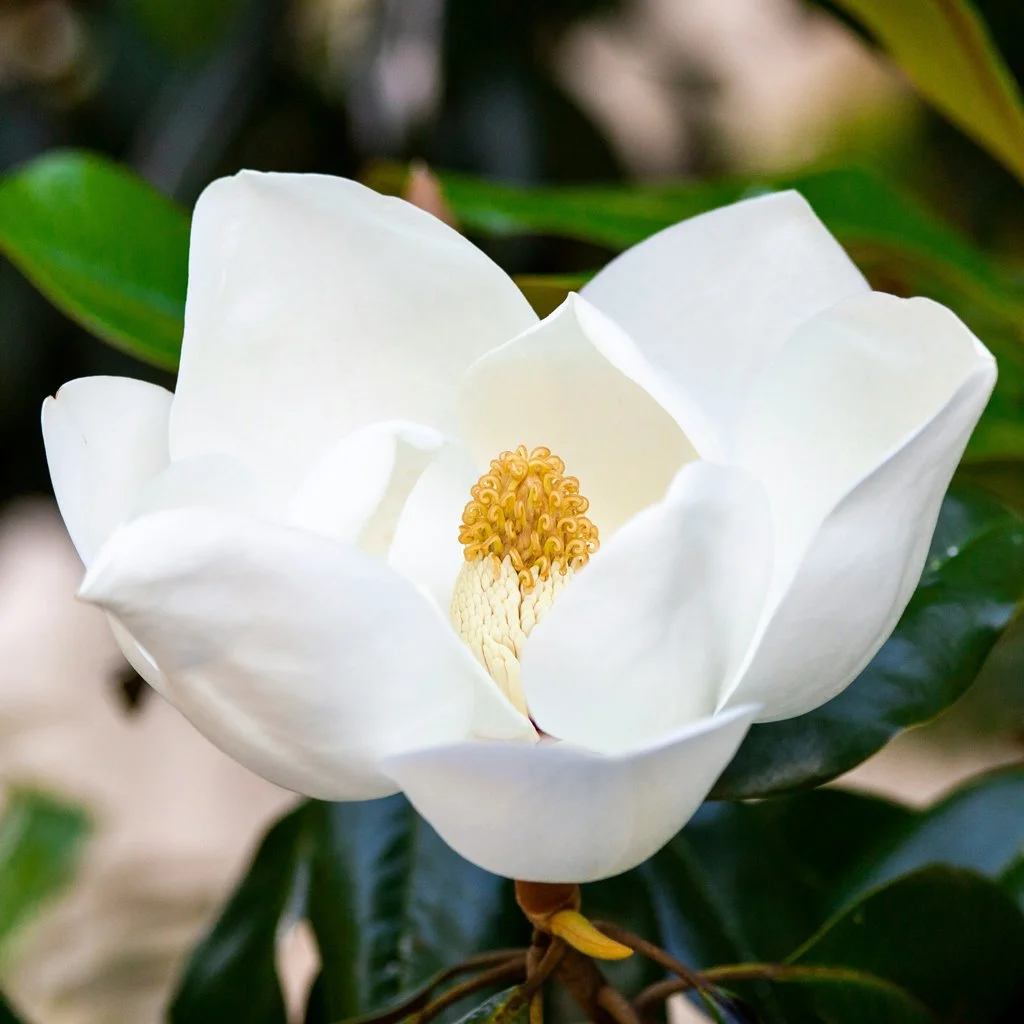 Image 1 of 16
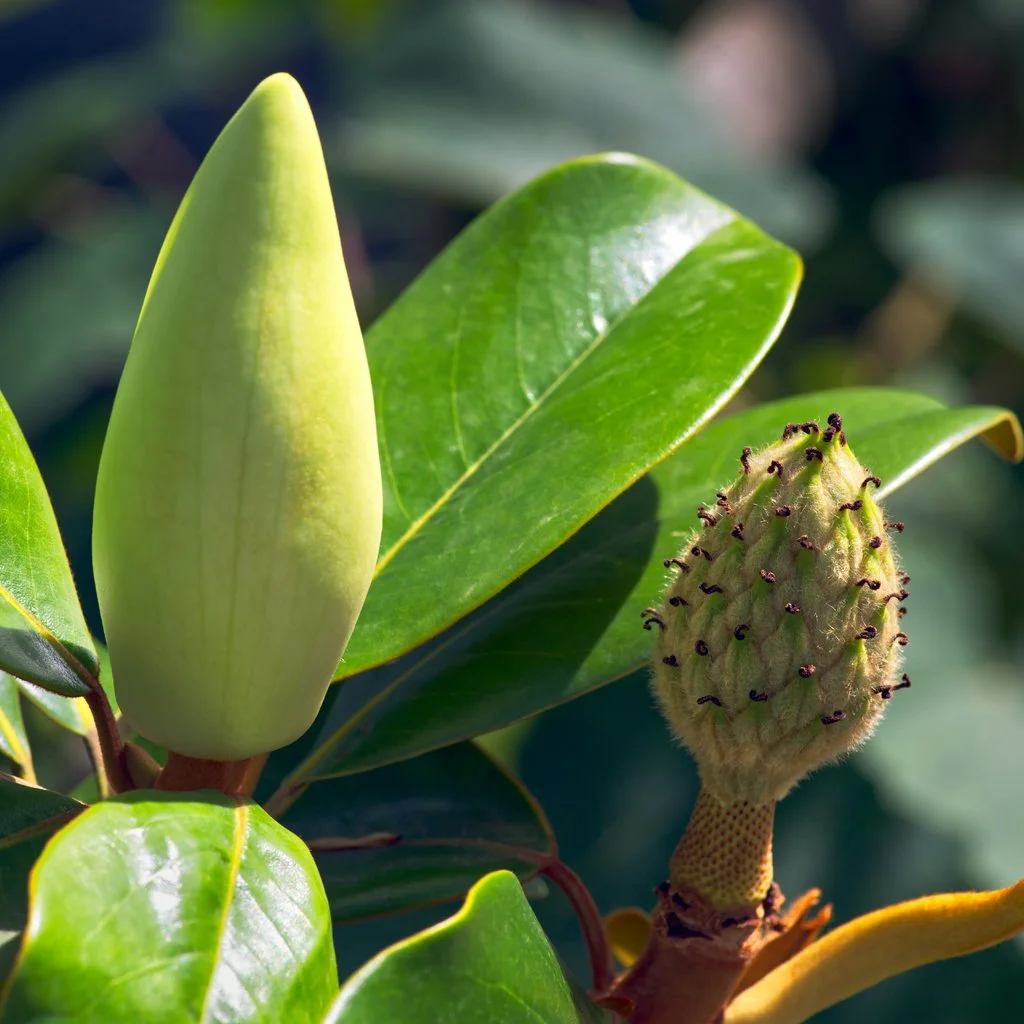 Image 2 of 16
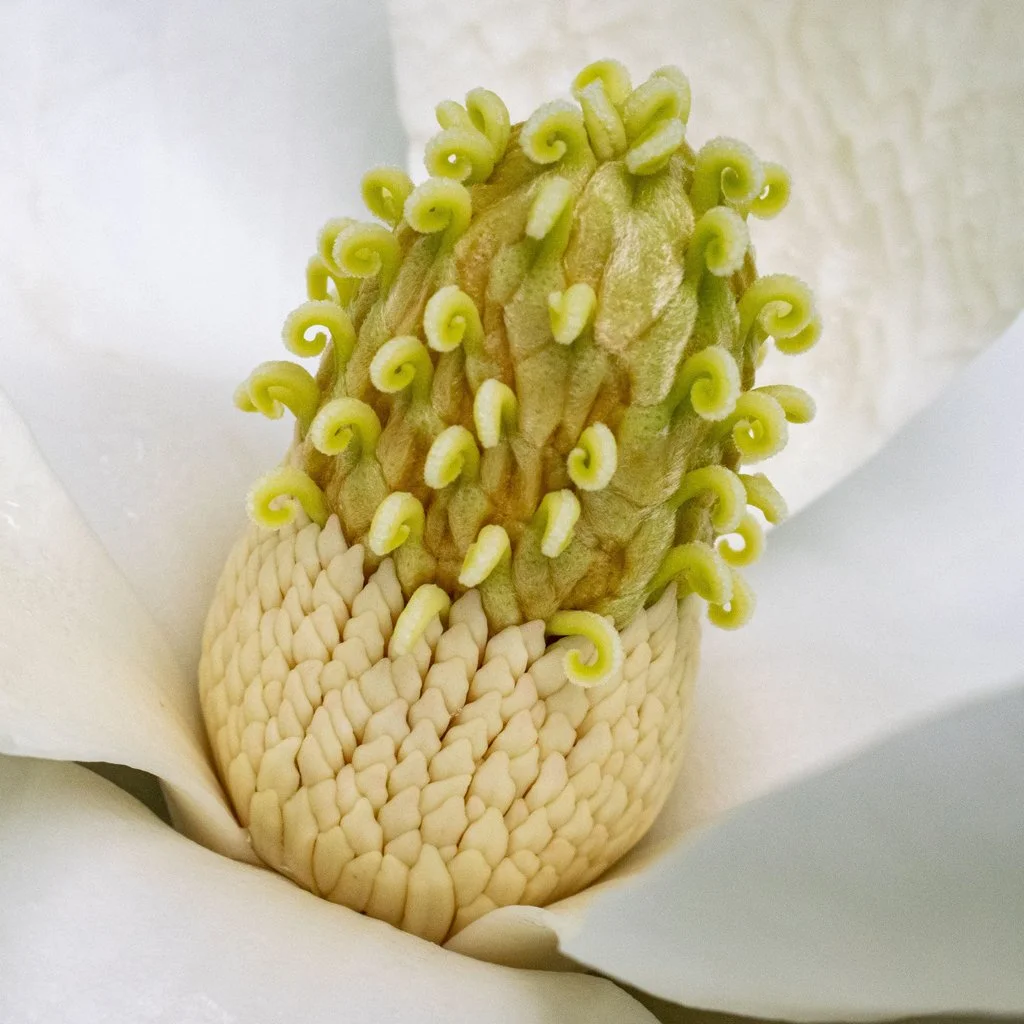 Image 3 of 16
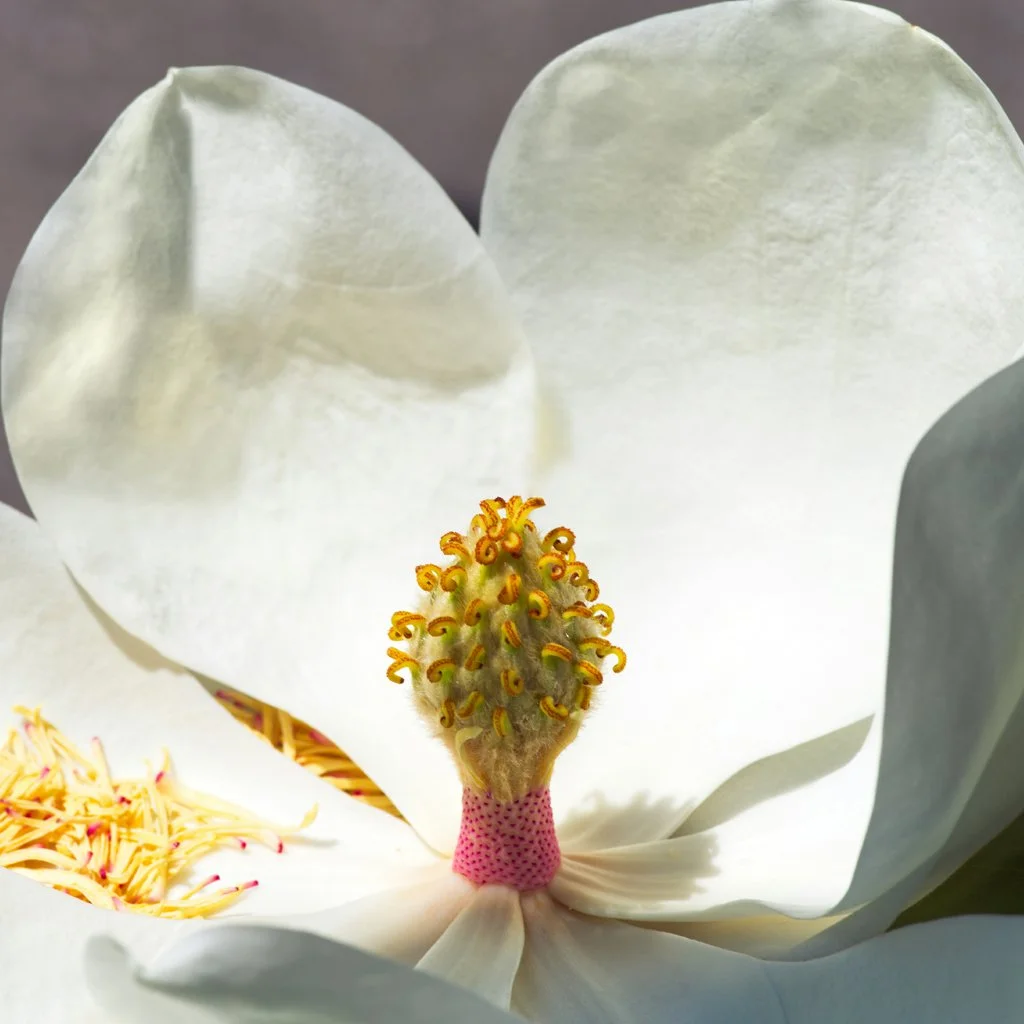 Image 4 of 16
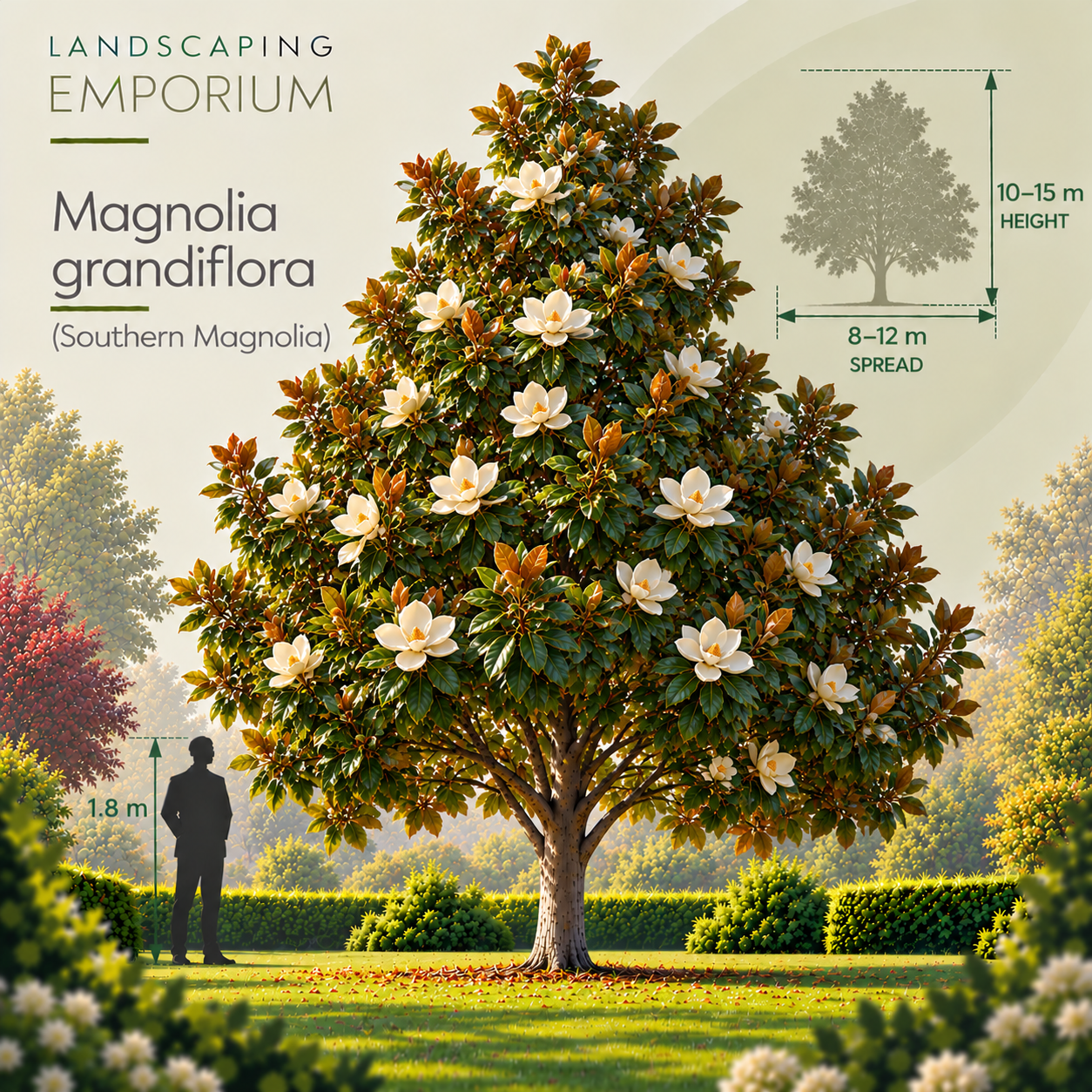 Image 5 of 16
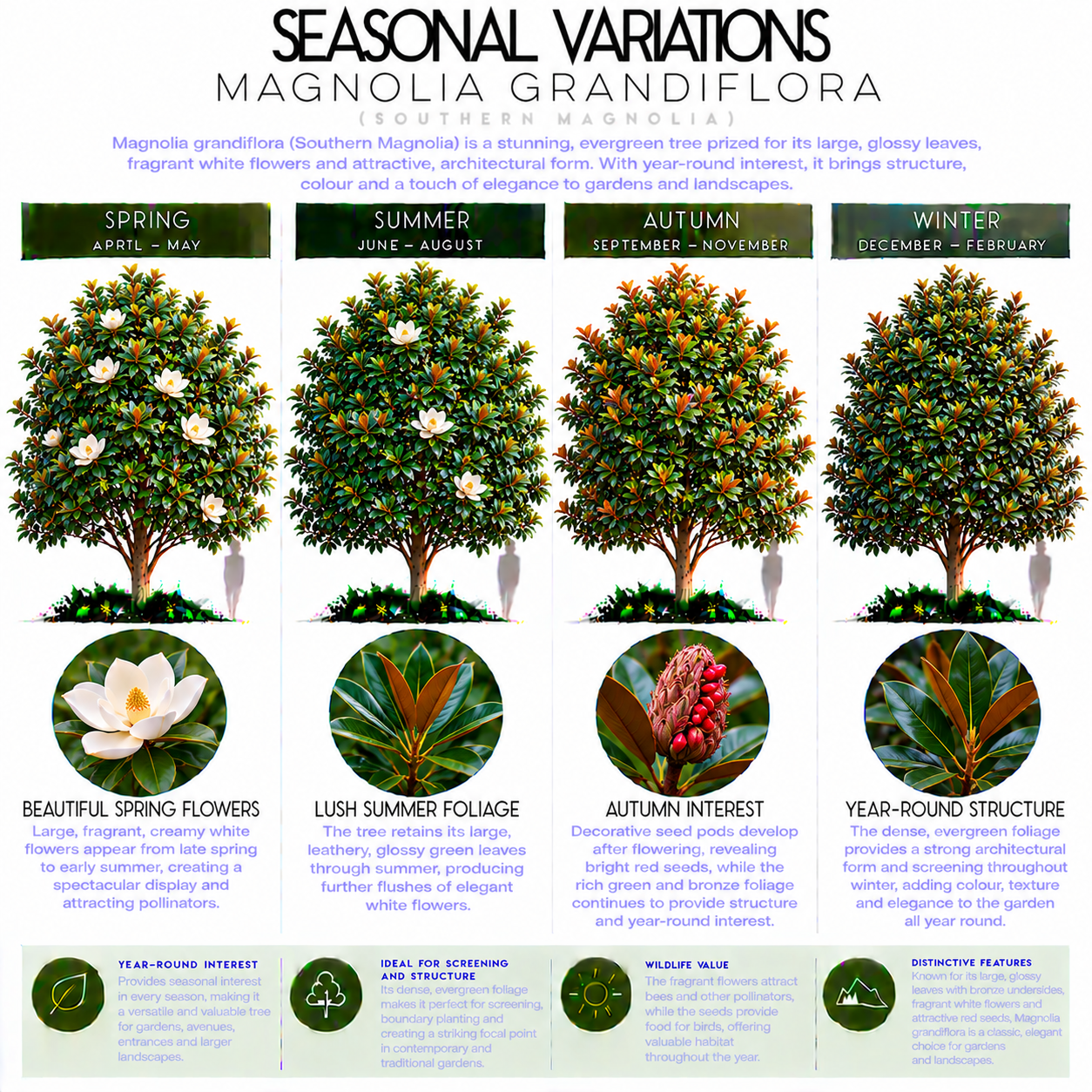 Image 6 of 16
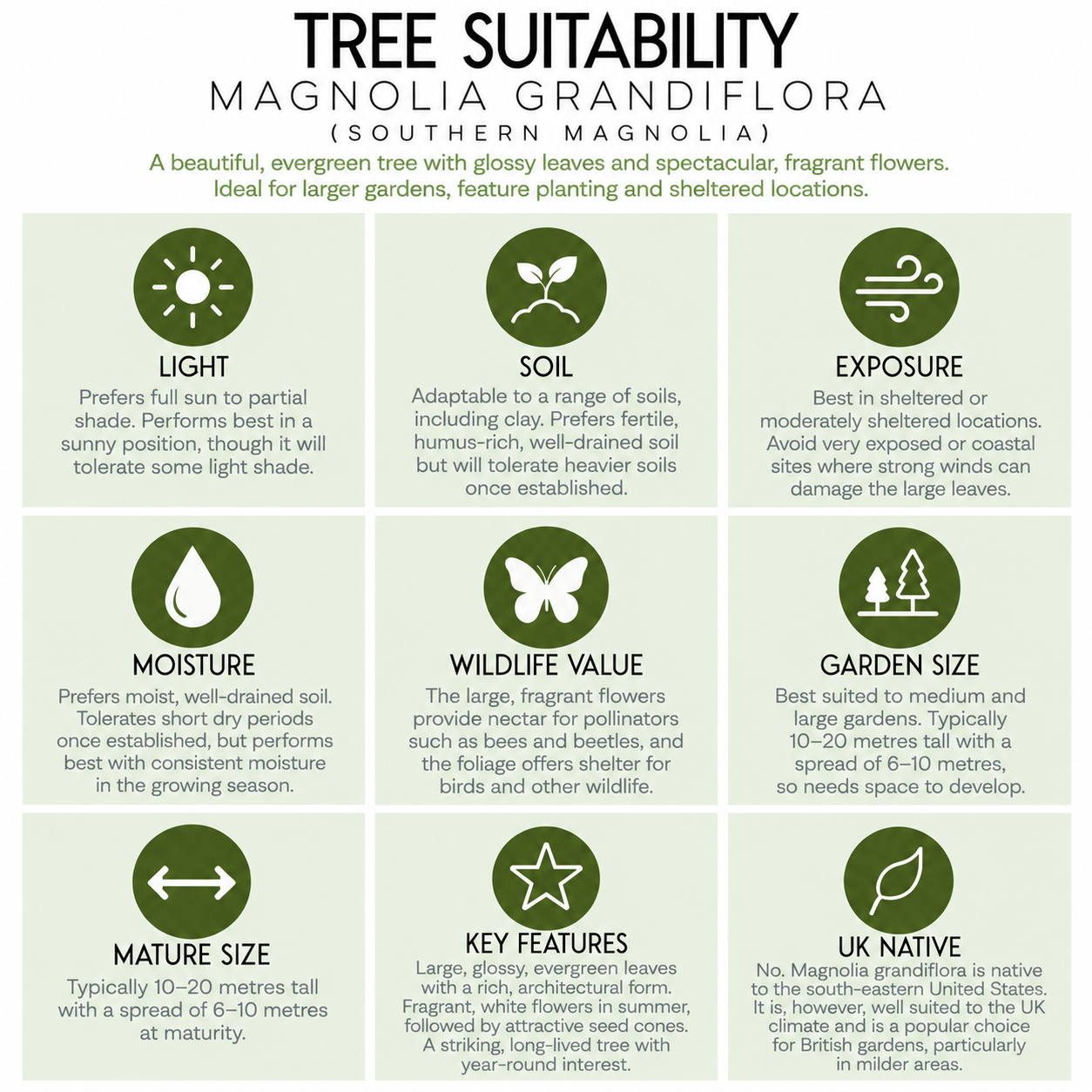 Image 7 of 16
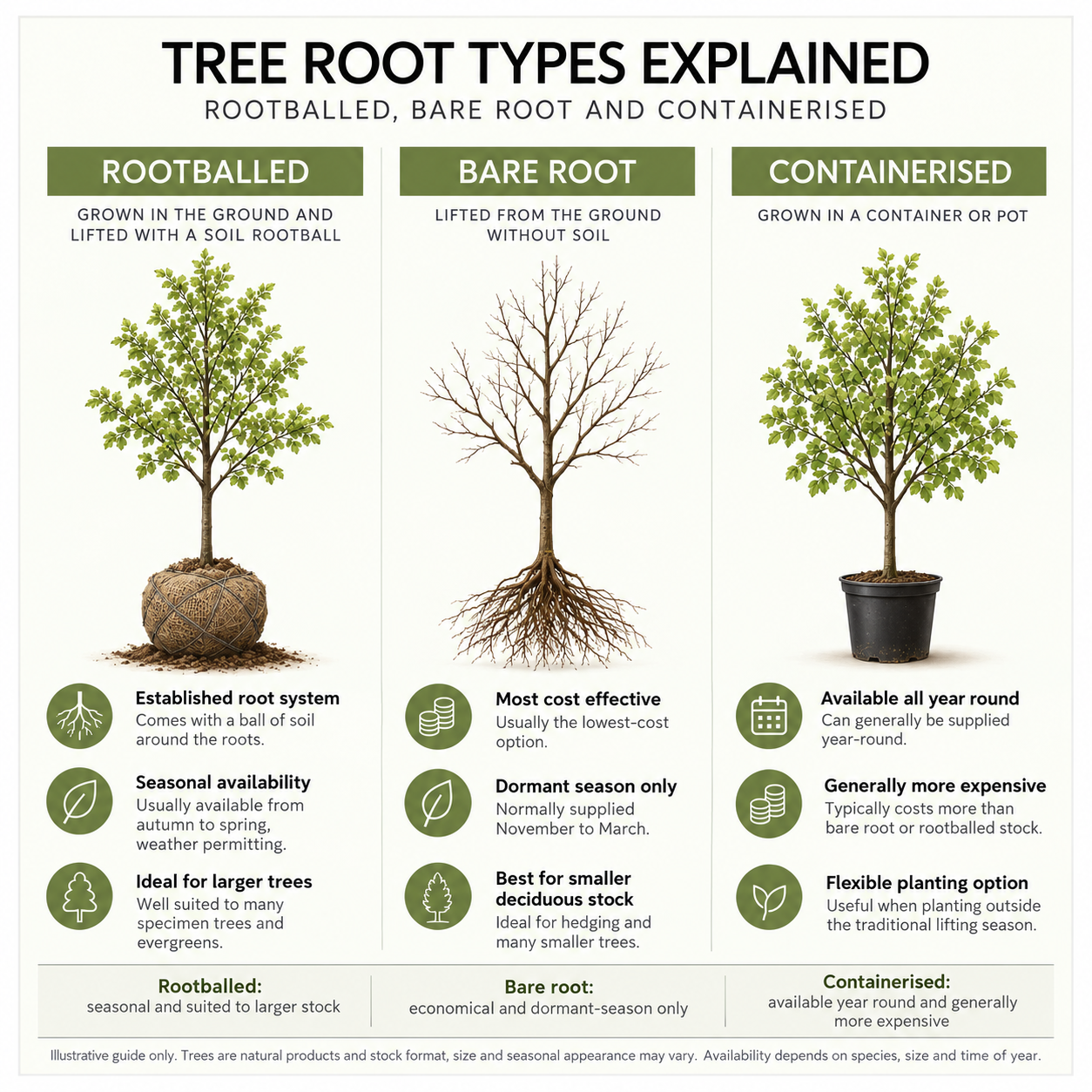 Image 8 of 16
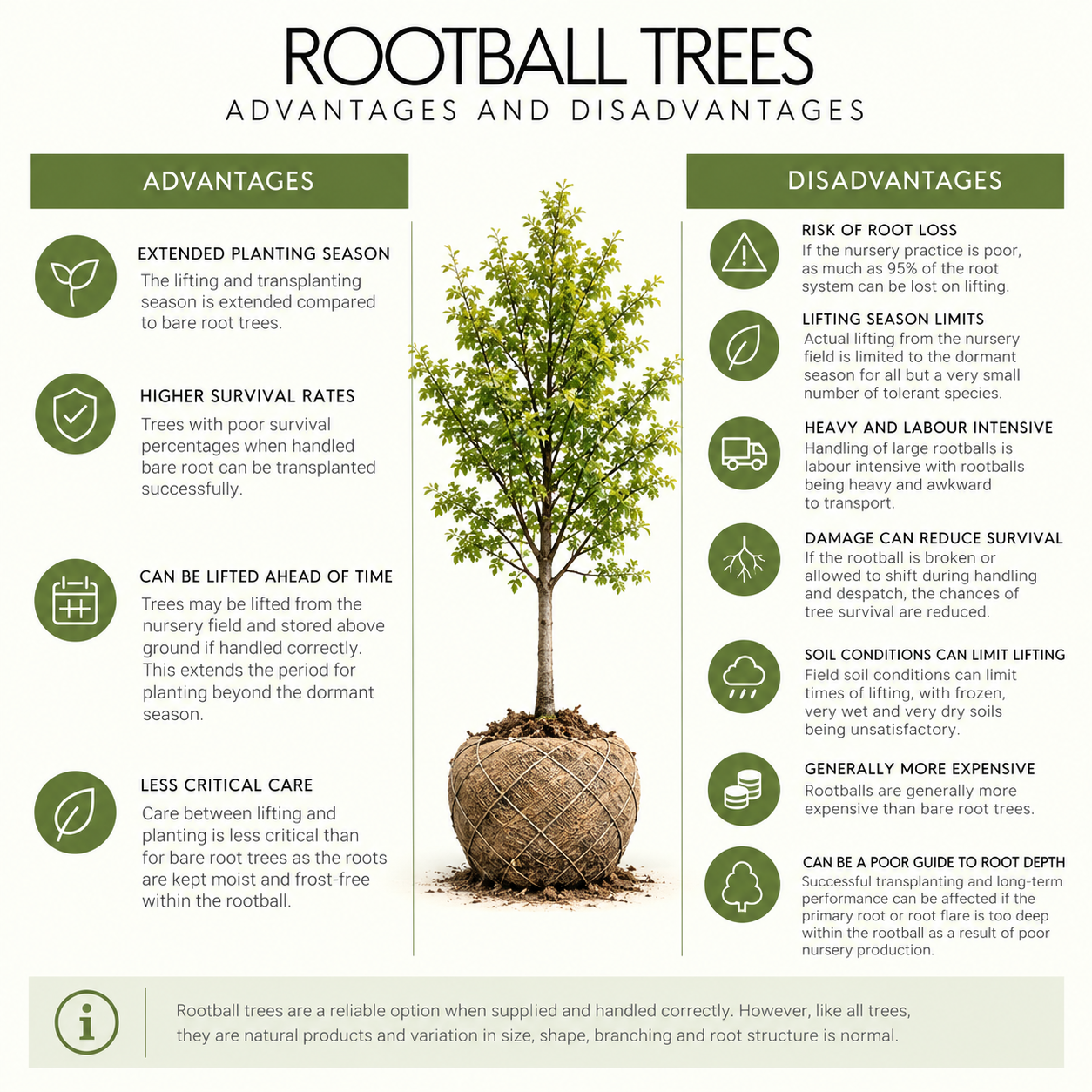 Image 9 of 16
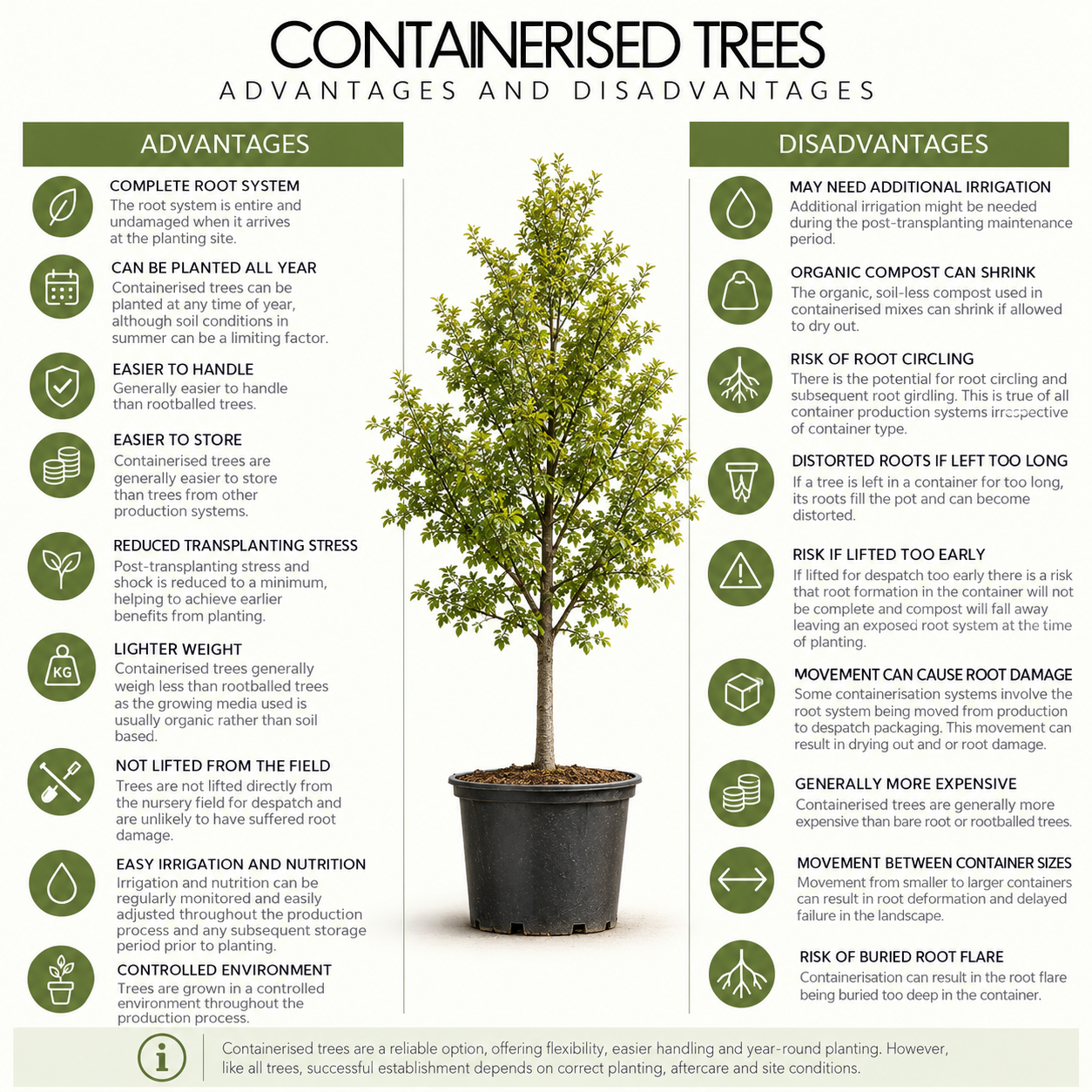 Image 10 of 16
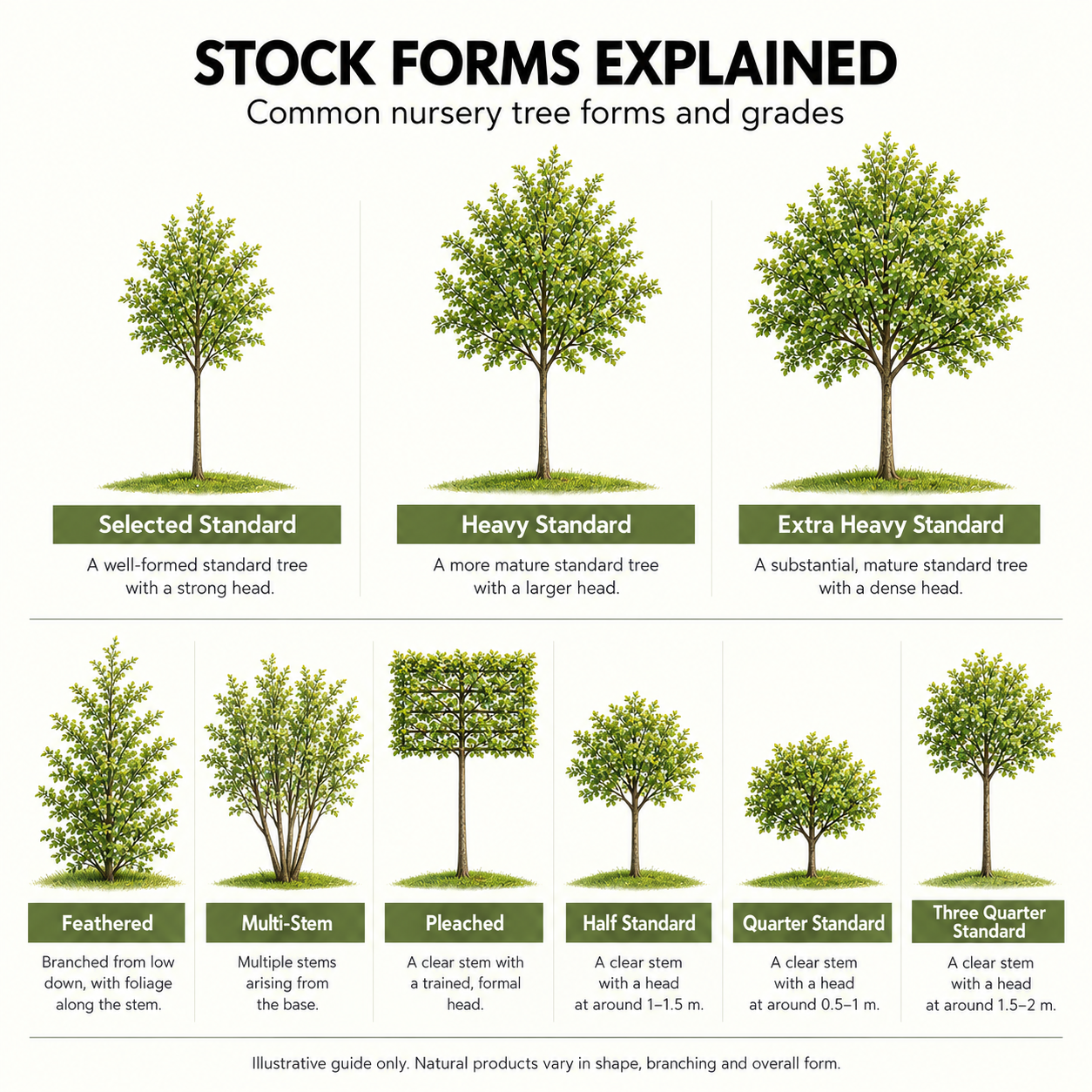 Image 11 of 16
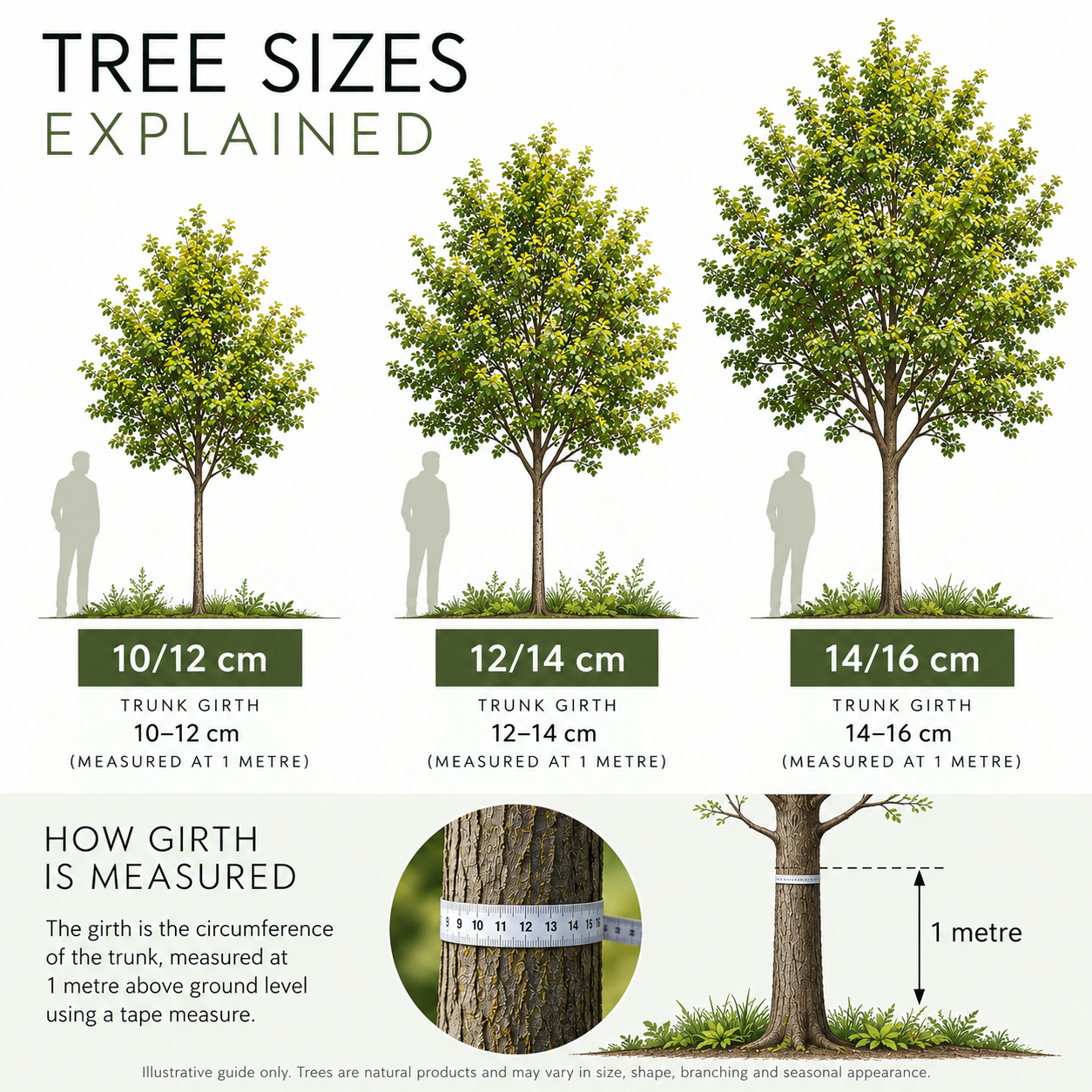 Image 12 of 16
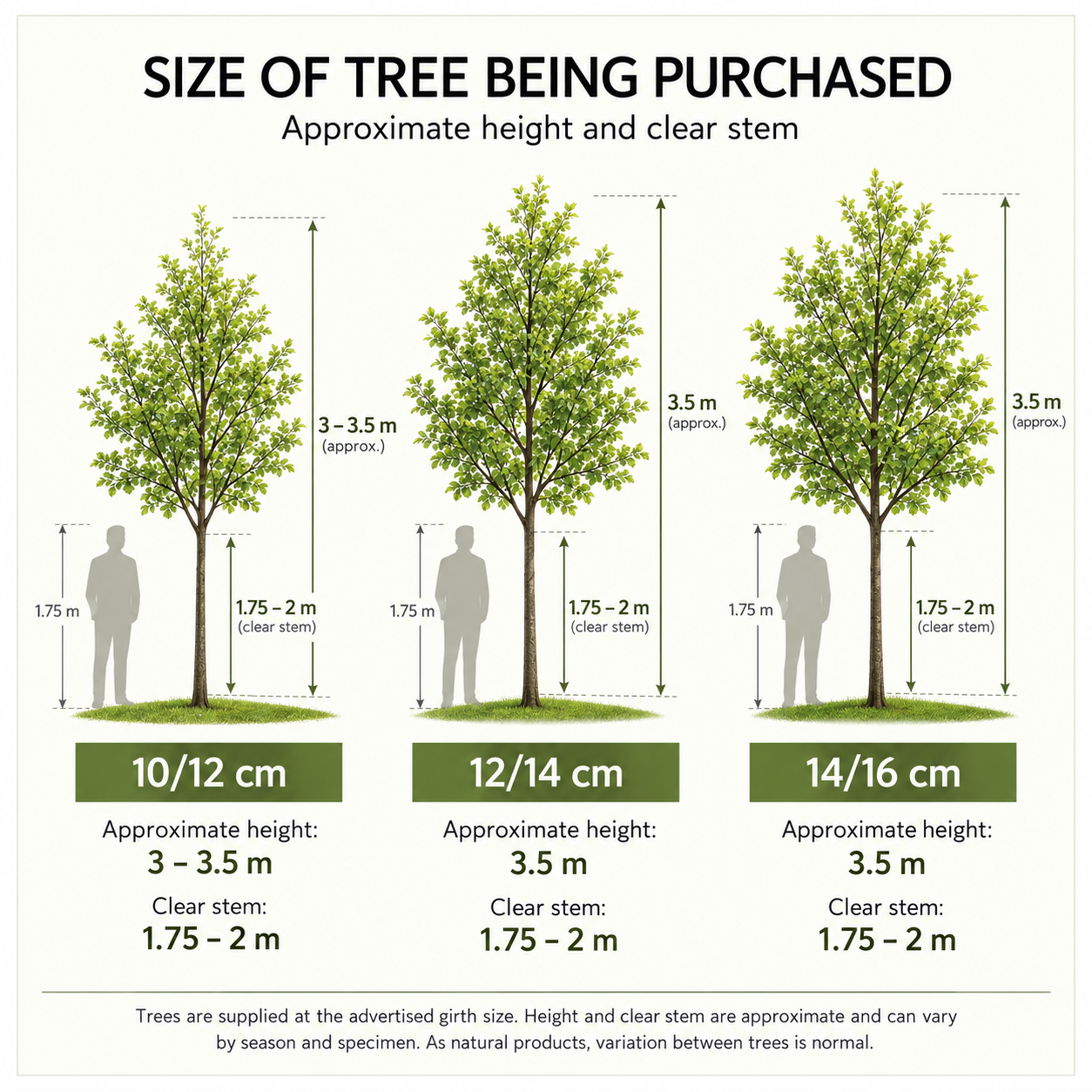 Image 13 of 16
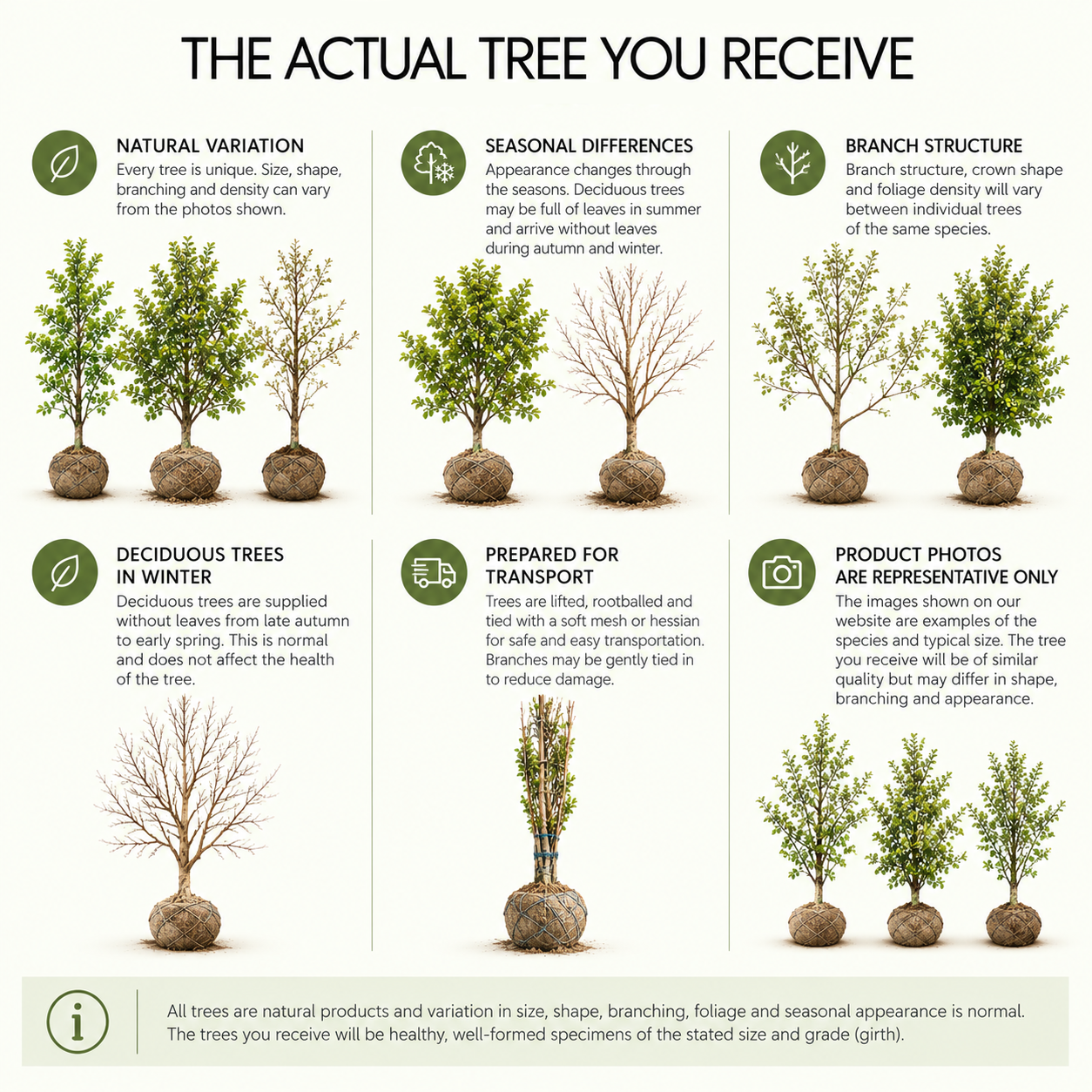 Image 14 of 16
 Image 15 of 16
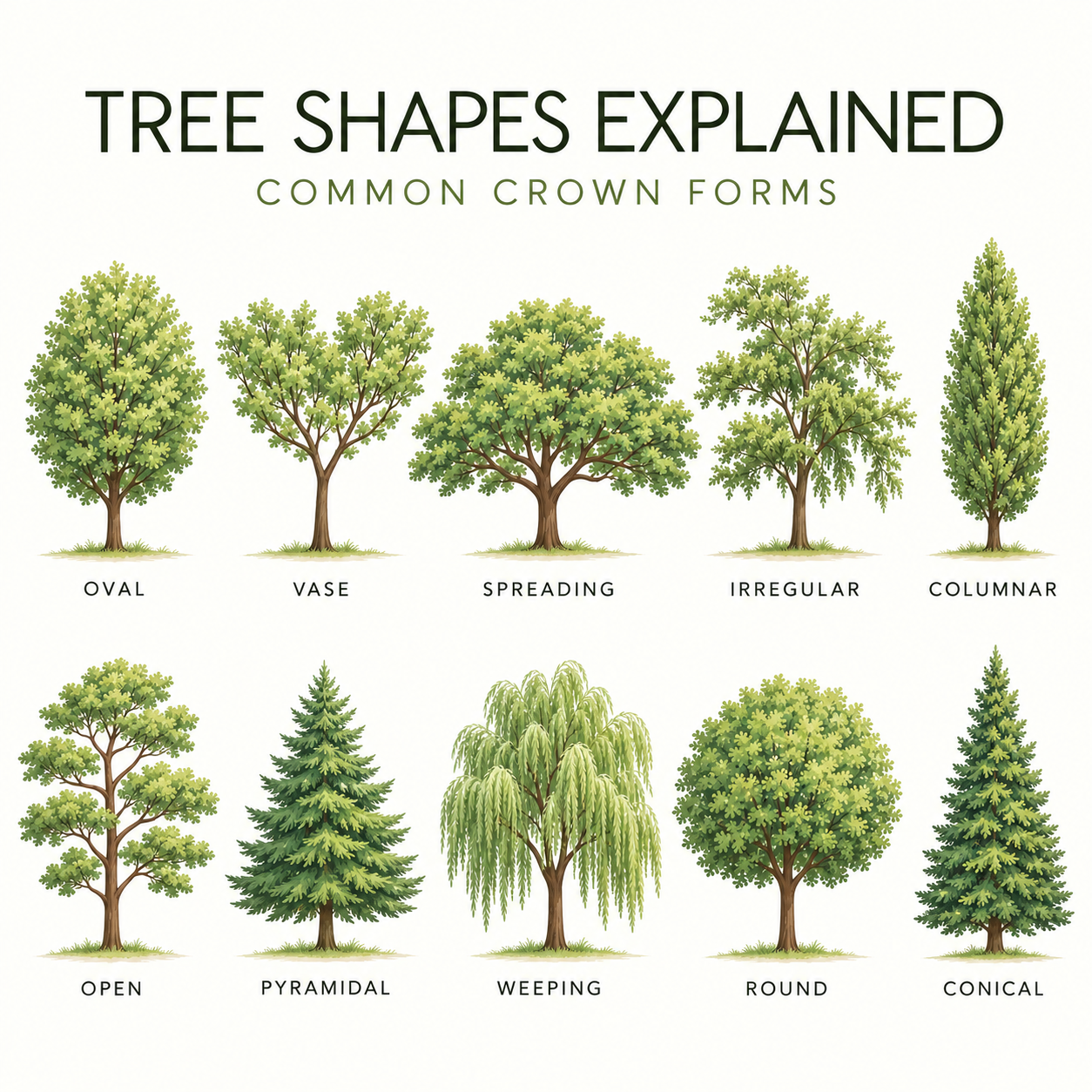 Image 16 of 16