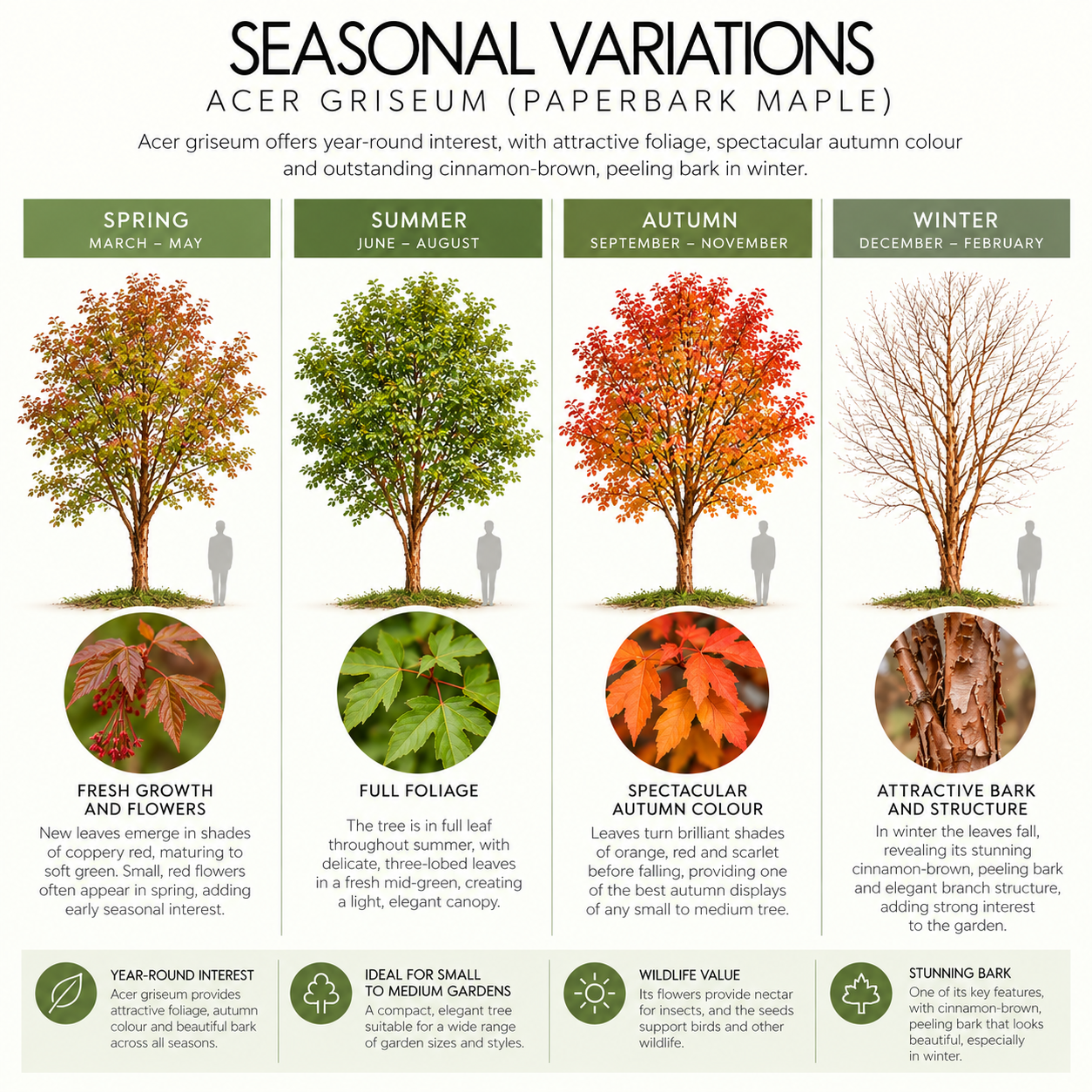
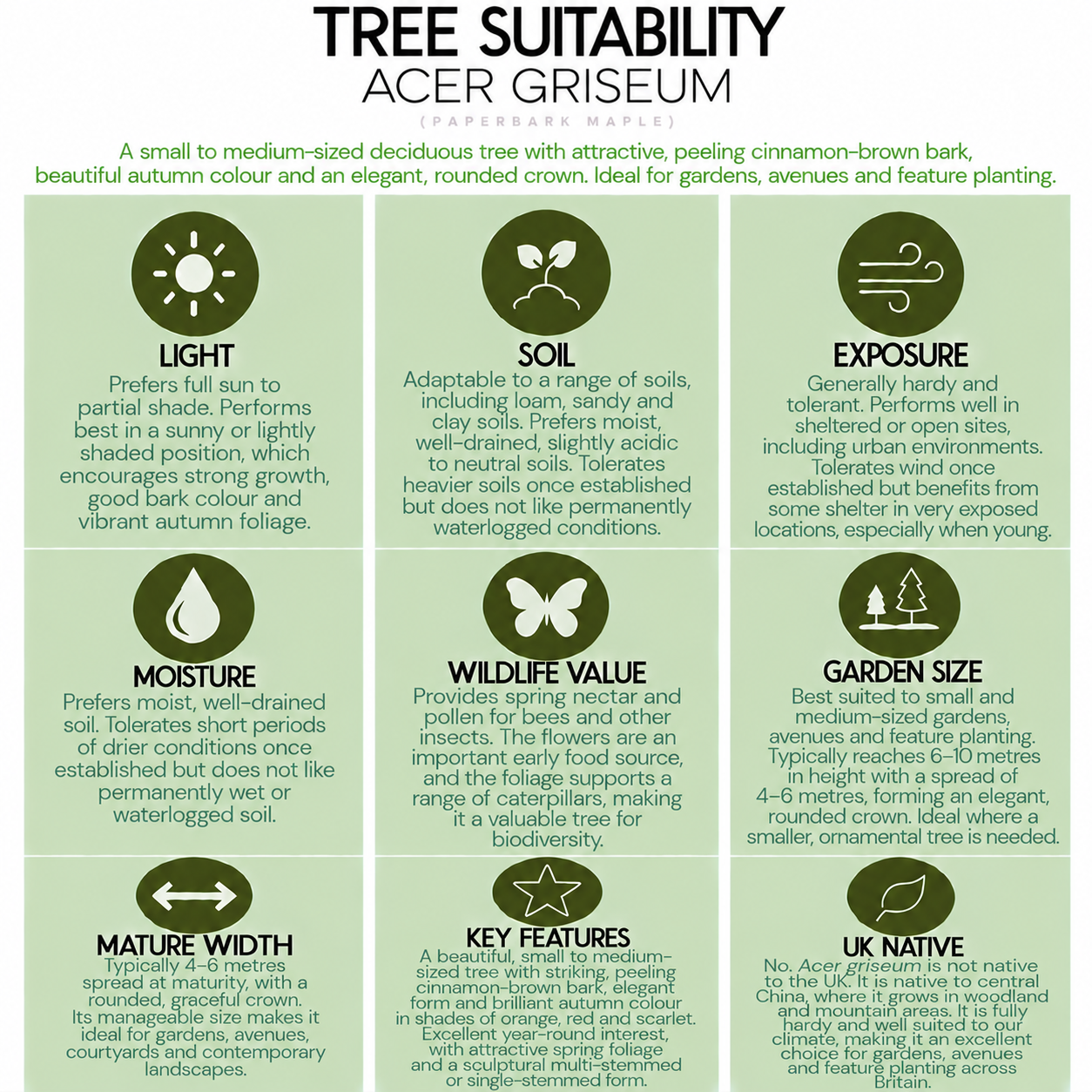
Parrotia persica, commonly known as Persian Ironwood, is a magnificent deciduous specimen tree admired for its exceptional autumn foliage, distinctive bark and graceful architectural form.
Native to northern Iran and the Caucasus region, this ornamental tree has become a popular choice for British gardens and landscapes where seasonal colour, structure and year-round interest are important design considerations.
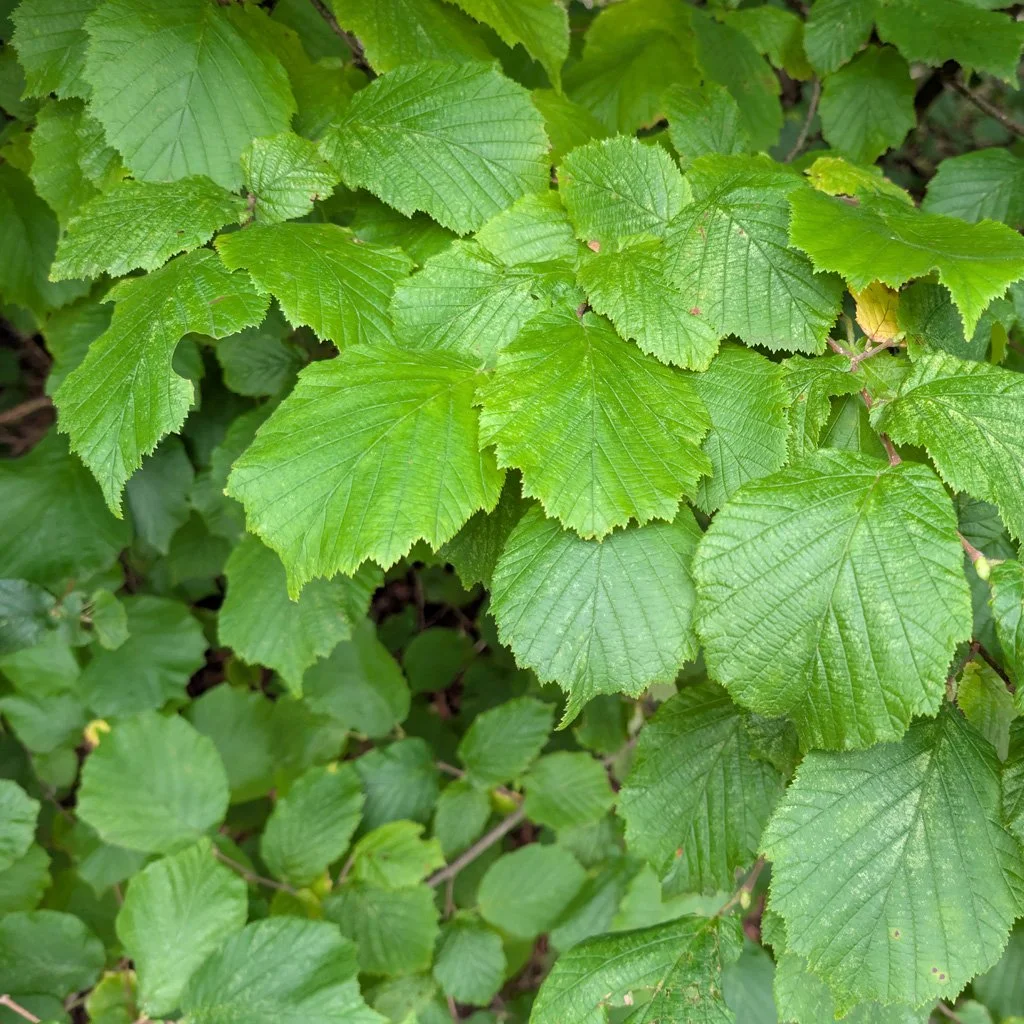
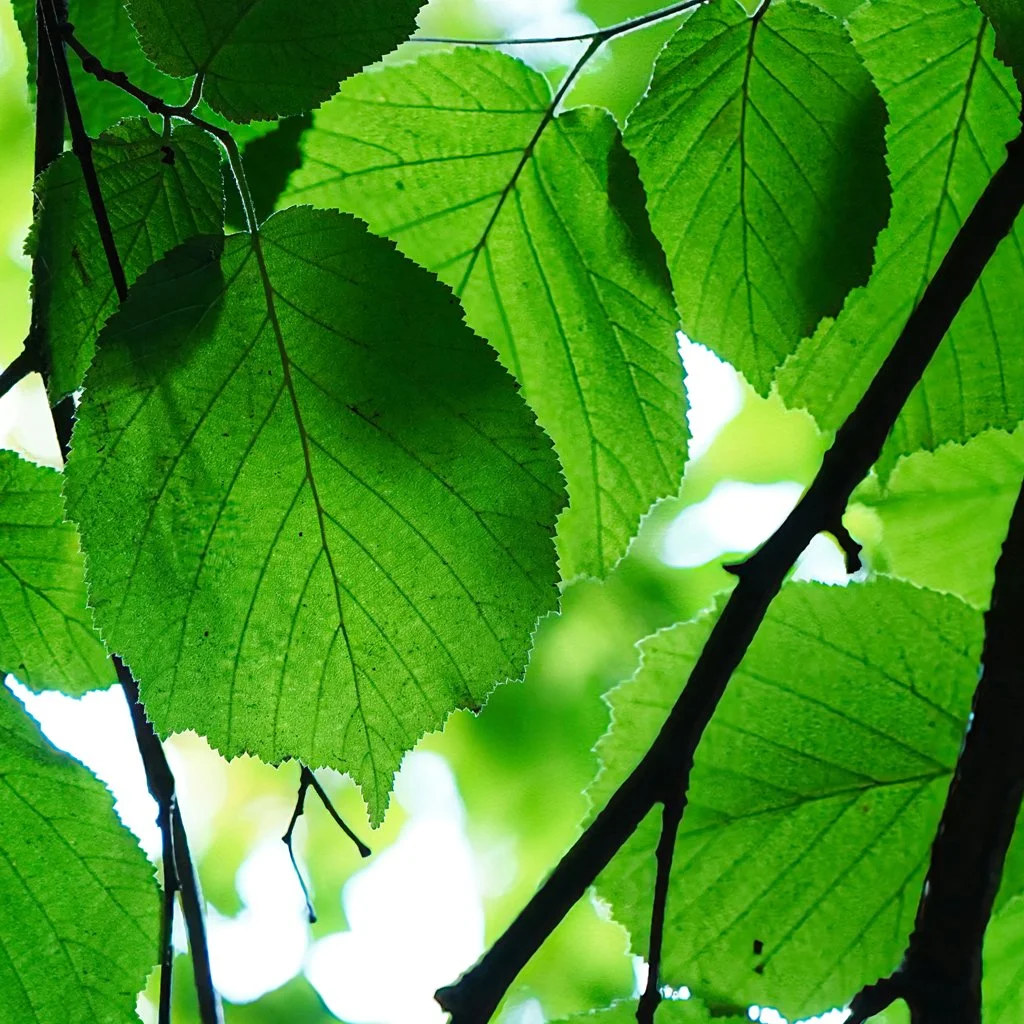
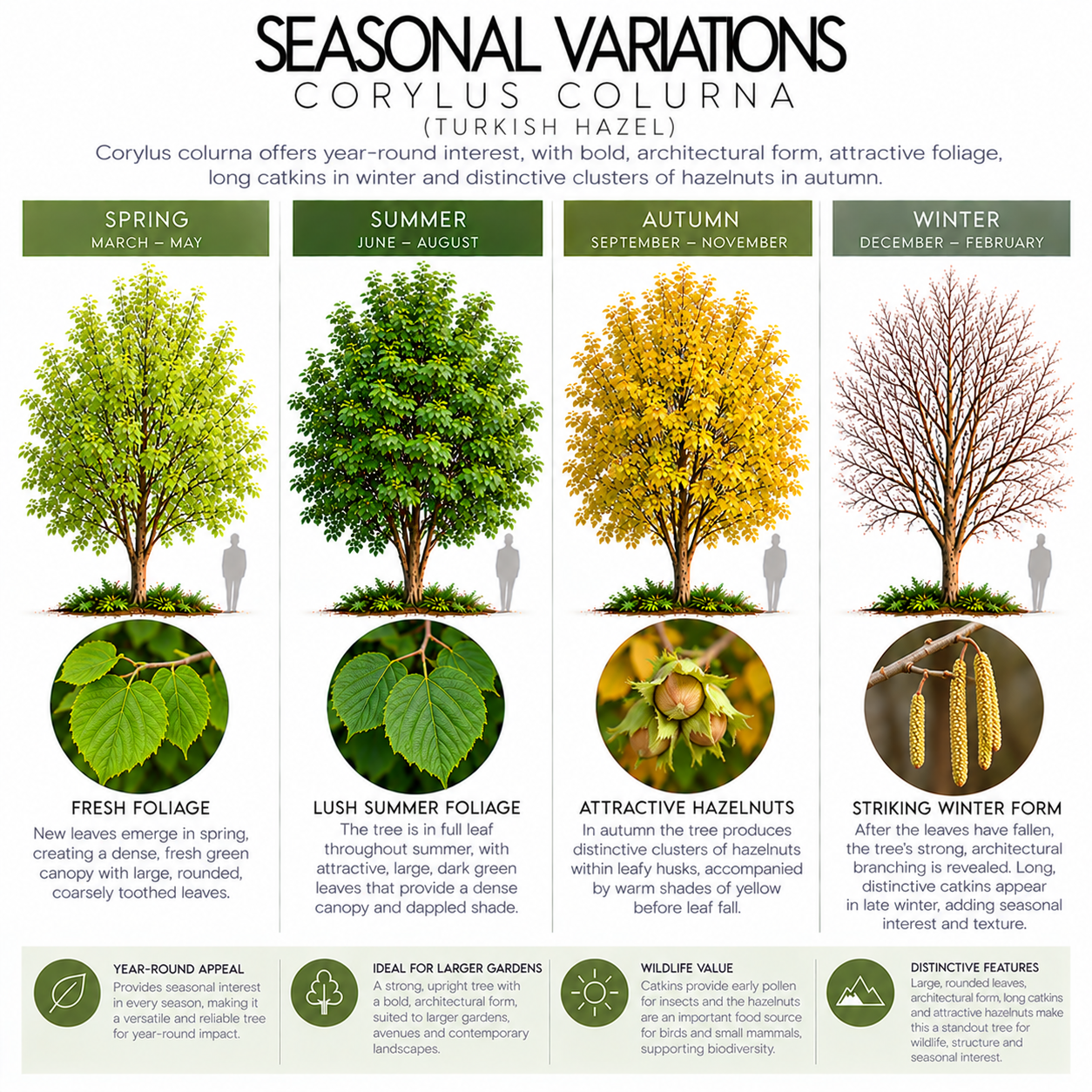
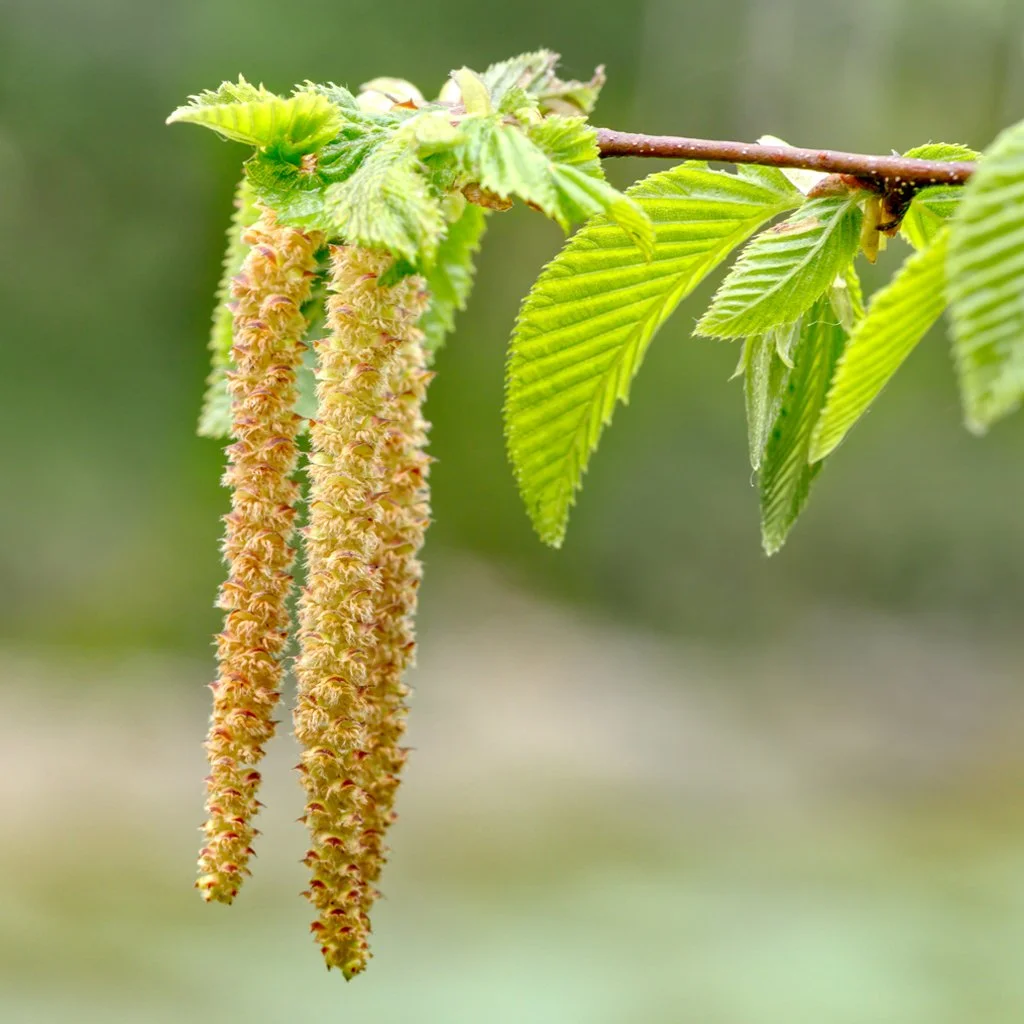
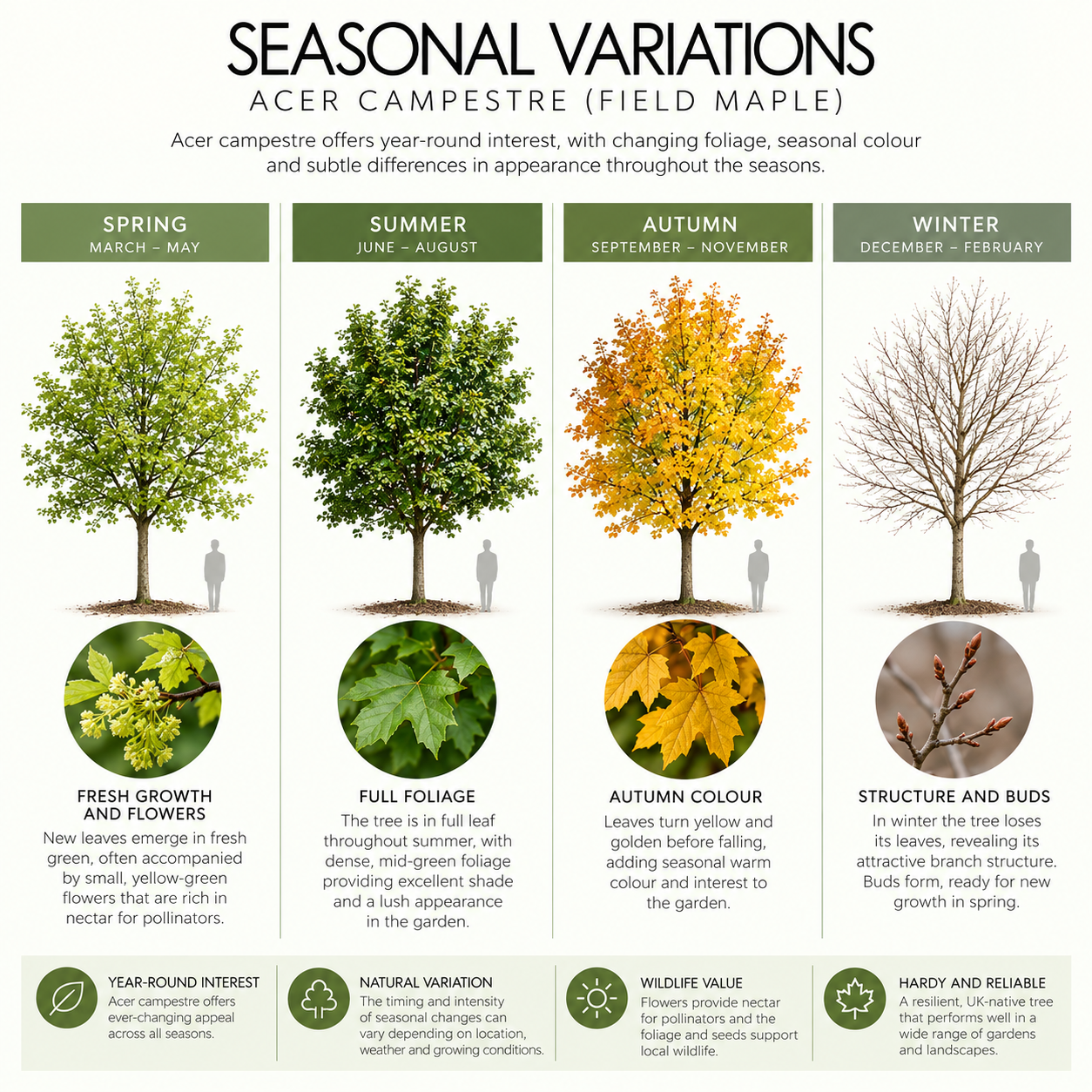
During spring, fresh green leaves emerge following unusual clusters of small, deep red flowers that appear on bare branches in late winter or early spring. Throughout summer, the tree develops a handsome canopy of rounded to oval leaves, creating an attractive green backdrop within the garden.
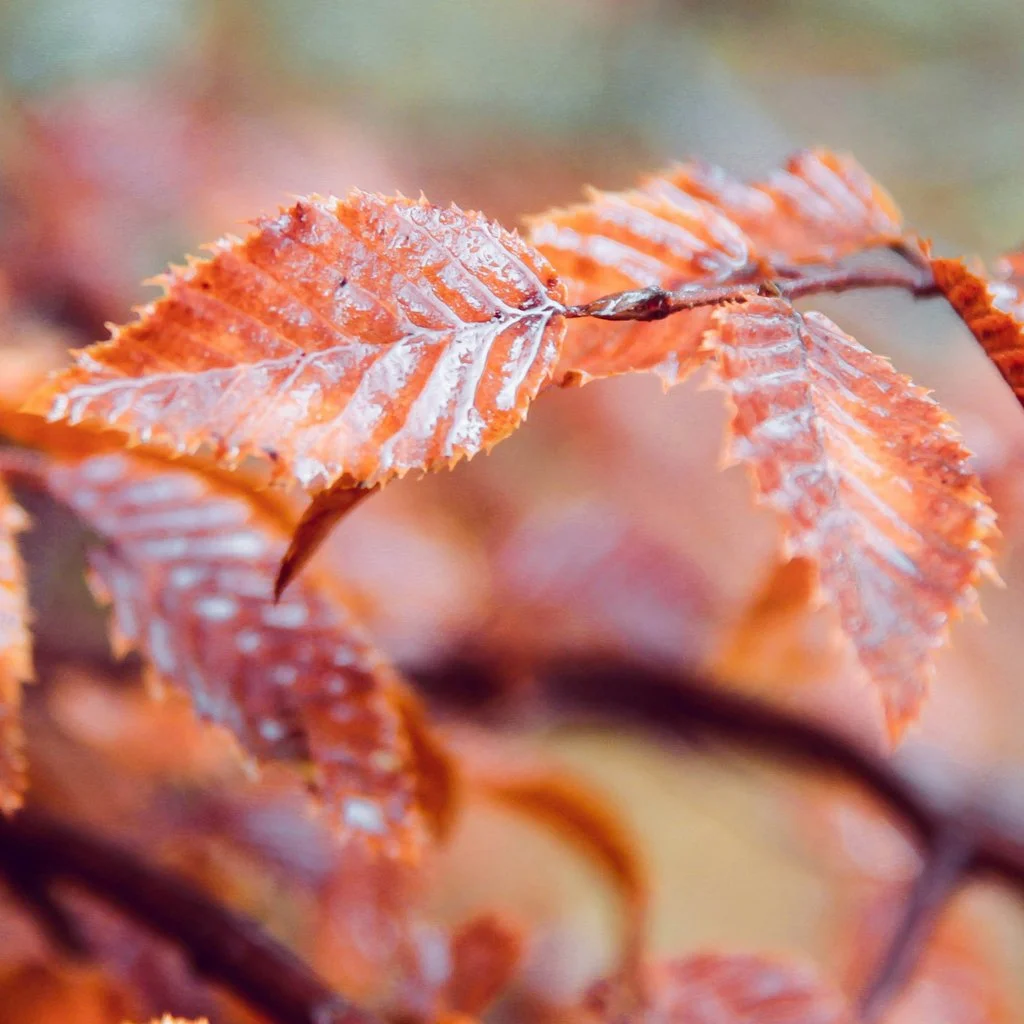
Its most spectacular display occurs in autumn, when the foliage transforms into an extraordinary mixture of golden yellow, orange, scarlet, crimson and burgundy. Different colours often appear simultaneously on the same tree, creating a particularly striking effect.
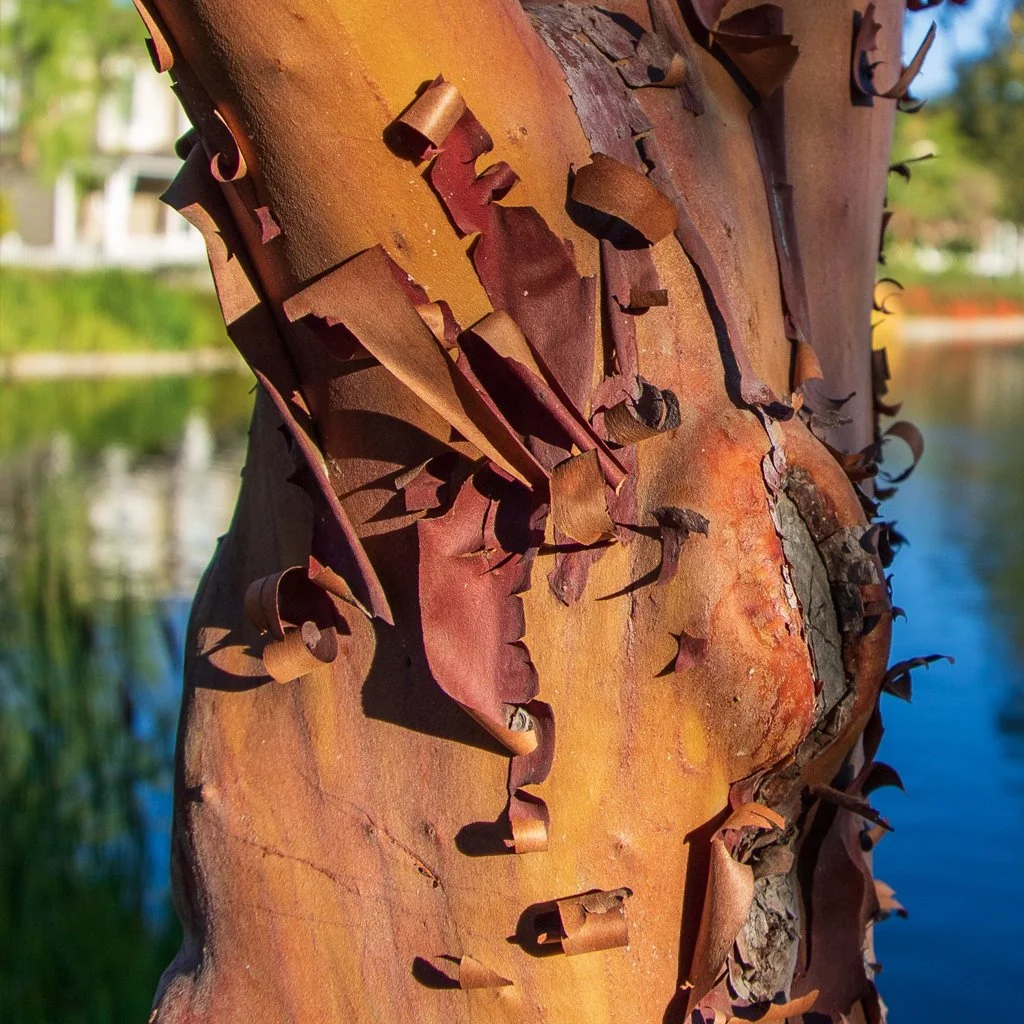
As the tree matures, its bark develops attractive grey, cream and brown patches that exfoliate to reveal a distinctive mottled appearance. This provides valuable winter interest after the leaves have fallen.
Parrotia persica can be grown as a traditional single-stem specimen or a multi-stem architectural tree, making it suitable for a variety of garden styles and planting schemes.
Key Features of Parrotia persica
Exceptional autumn foliage in yellow, orange, red and purple tones
Attractive mottled and exfoliating bark
Elegant broad, spreading crown
Distinctive small red flowers in late winter and early spring
Attractive green summer foliage
Excellent architectural specimen tree
Available in single-stem and multi-stem forms, subject to stock
Provides interest throughout the year
Generally low maintenance once established
Suitable for larger gardens, estates and parkland
Fully hardy in the UK
Particularly effective as a standalone feature tree
Parrotia persica Plant Specification
Botanical name: Parrotia persica
Common name: Persian Ironwood
Family: Hamamelidaceae
Tree type: Deciduous broadleaf ornamental tree
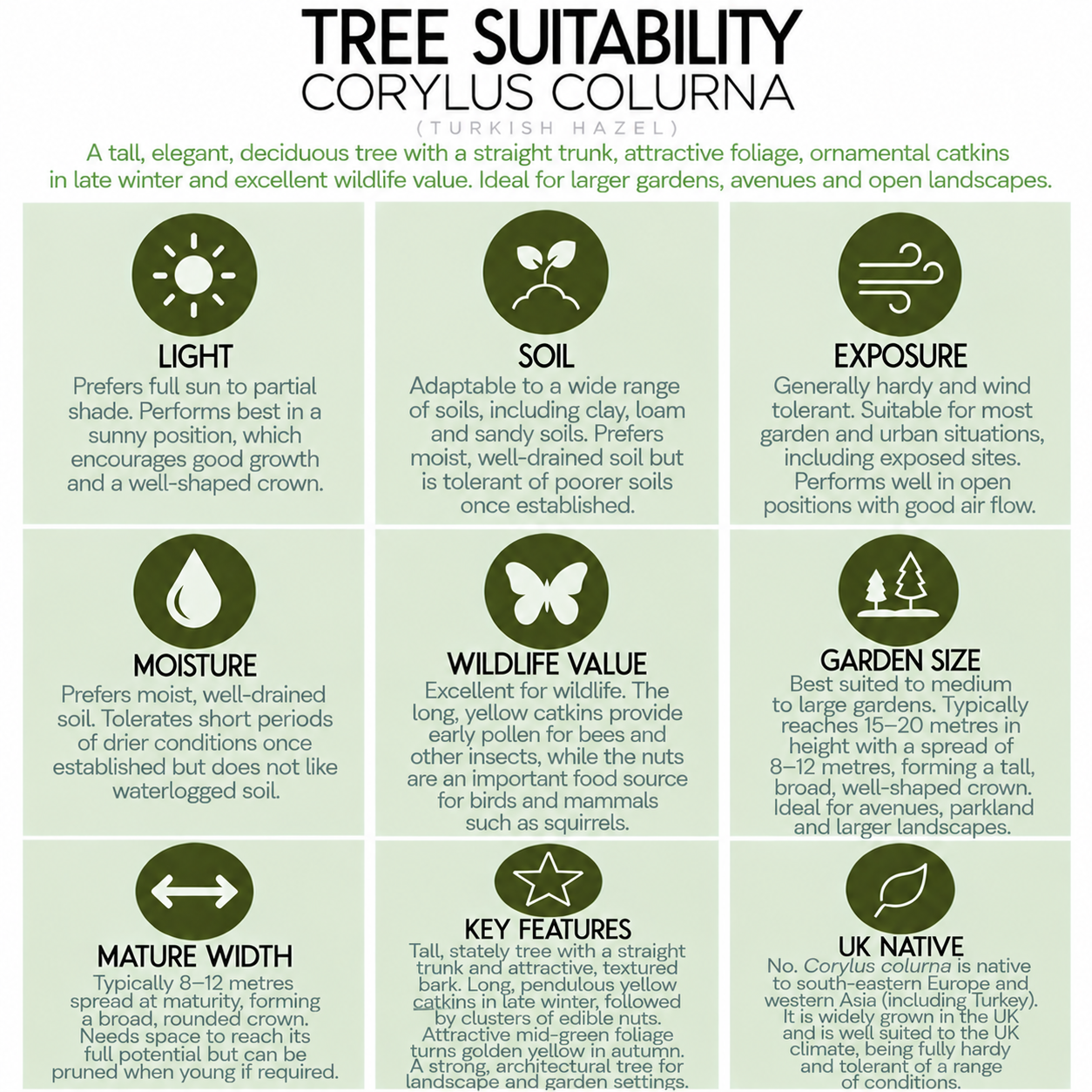
Mature height: Approximately 8–12m, occasionally taller in favourable conditions.
Mature spread: Approximately 6–10m or more, depending on form, age and growing conditions.
Growth rate: Slow to moderate, becoming more substantial with maturity.
Crown shape: Broadly spreading, rounded to irregularly oval, with attractive branching.
Foliage: Deciduous, with rounded to oval green leaves that develop spectacular autumn colour.
Autumn colour: Yellow, orange, scarlet, crimson and purple.
Flowers: Small, unusual clusters of deep red flowers appearing in late winter or early spring before the foliage emerges.
Fruit: Small woody capsules, generally of limited ornamental significance.
Bark: Smooth grey bark on younger trees, developing attractive mottled, exfoliating patches with maturity.
Position: Full sun or partial shade.
Soil: Adaptable to a range of reasonably fertile soils, including clay, loam and suitable sandy soils.
Soil moisture: Prefers moist but well-drained soil. Avoid prolonged waterlogging.
Exposure: Best in sheltered or moderately exposed positions.
Hardiness: Fully hardy in the UK.
Native status: Non-UK native.
Wildlife value: Offers some seasonal resources for insects and potential shelter for birds, although its principal value is ornamental.
Maintenance: Generally low maintenance. Formative pruning may be undertaken when young, with minimal pruning usually required once established.
Root system: Develops a substantial root system over time. Allow appropriate space from buildings, underground services and hard landscaping.
Suitable uses: Architectural planting, ornamental specimen trees, autumn colour displays, large gardens, parkland, estates, contemporary gardens and multi-stem feature planting.
Why Choose Parrotia persica?
Spectacular Autumn Colour
Persian Ironwood is widely regarded as one of the finest ornamental trees for autumn colour.
Its foliage can display several colours simultaneously, ranging from golden yellow and orange through to deep red and purple.
This creates an exceptional seasonal display and makes it particularly effective as a focal point within a garden.
Autumn colour is generally most impressive in a sunny position with suitable growing conditions.
Attractive Bark and Winter Interest
As Parrotia persica matures, its bark develops a distinctive mottled appearance.
The combination of grey, cream and brown patches provides ornamental interest throughout winter, particularly when the branching structure is fully visible.
This makes Persian Ironwood a valuable choice for gardens designed to remain attractive beyond the main growing season.
An Architectural Specimen Tree
The graceful spreading crown and attractive branch structure make Persian Ironwood an excellent architectural feature.
It can be used as a standalone tree within a lawn, positioned near a terrace or incorporated into a larger planting scheme.
Multi-stem specimens are particularly effective in contemporary gardens, where their branching structure can be appreciated from several viewpoints.
Suitable for Larger Gardens
Although Persian Ironwood is not an exceptionally tall tree compared with many native woodland species, its mature crown can become broad and substantial.
It is therefore best suited to gardens where sufficient space is available for the tree to develop naturally.
For smaller gardens, carefully selected nursery forms or appropriately positioned young specimens may be suitable, but eventual crown spread should always be considered.
Seasonal Interest Throughout the Year
Persian Ironwood offers attractive features in every season.
During late winter and early spring, its small red flowers appear against the bare branches.
Fresh green foliage provides interest through spring and summer, followed by its spectacular autumn colour.
During winter, the distinctive bark and branching structure continue to provide visual interest.
Planting and Establishment
Parrotia persica performs best in a sunny or partially shaded position with reasonably fertile, moist but well-drained soil.
Planting areas should be prepared carefully, ensuring that the root flare remains at the correct finished soil level.
Newly planted specimens require appropriate watering during establishment, particularly during dry periods.
Staking or underground anchoring may be necessary depending on the size and form of the tree.
A suitable mulch layer can help retain moisture and reduce competition from surrounding vegetation.
Allow adequate space for the tree's mature crown, particularly when selecting a multi-stem specimen.
For larger nursery trees, professional planting is recommended.
Specimen Tree Delivery and Professional Planting
Landscaping Emporium, brought to you by Kirman Design, offers professional specimen tree supply and planting throughout selected areas of North West England.
We provide professional tree planting in the following postcode areas:
BB, BL, CH1–CH5, CW8, CW9, FY, L, LA1–LA6, M, OL, PR, SK1–SK12, WA and WN.
Please do not select professional planting at checkout if your property is outside these postcode areas without contacting us first.
If your property is outside our normal installation area, please contact us. We may still be able to arrange planting depending on your location, tree size and site access.
Before ordering, please consider delivery access, gate and passage widths, steps, slopes, overhead restrictions and the available planting space.
Persian Ironwood may be supplied in different nursery sizes and forms, including single-stem and multi-stem specimens, depending on stock availability.
Overall height, trunk girth, crown dimensions and natural branching structure will vary between individual trees.
Contact Landscaping Emporium
Landscaping Emporium – brought to you by Kirman Design
Unit 9, Bridgewater Business Park
Gladstone Street
Blackburn
BB1 3DL
Telephone: 01942 604976
Email: hello@landscapingemporium.co.uk
Website: www.landscapingemporium.co.uk
Professional tree supply and planting across North West England.

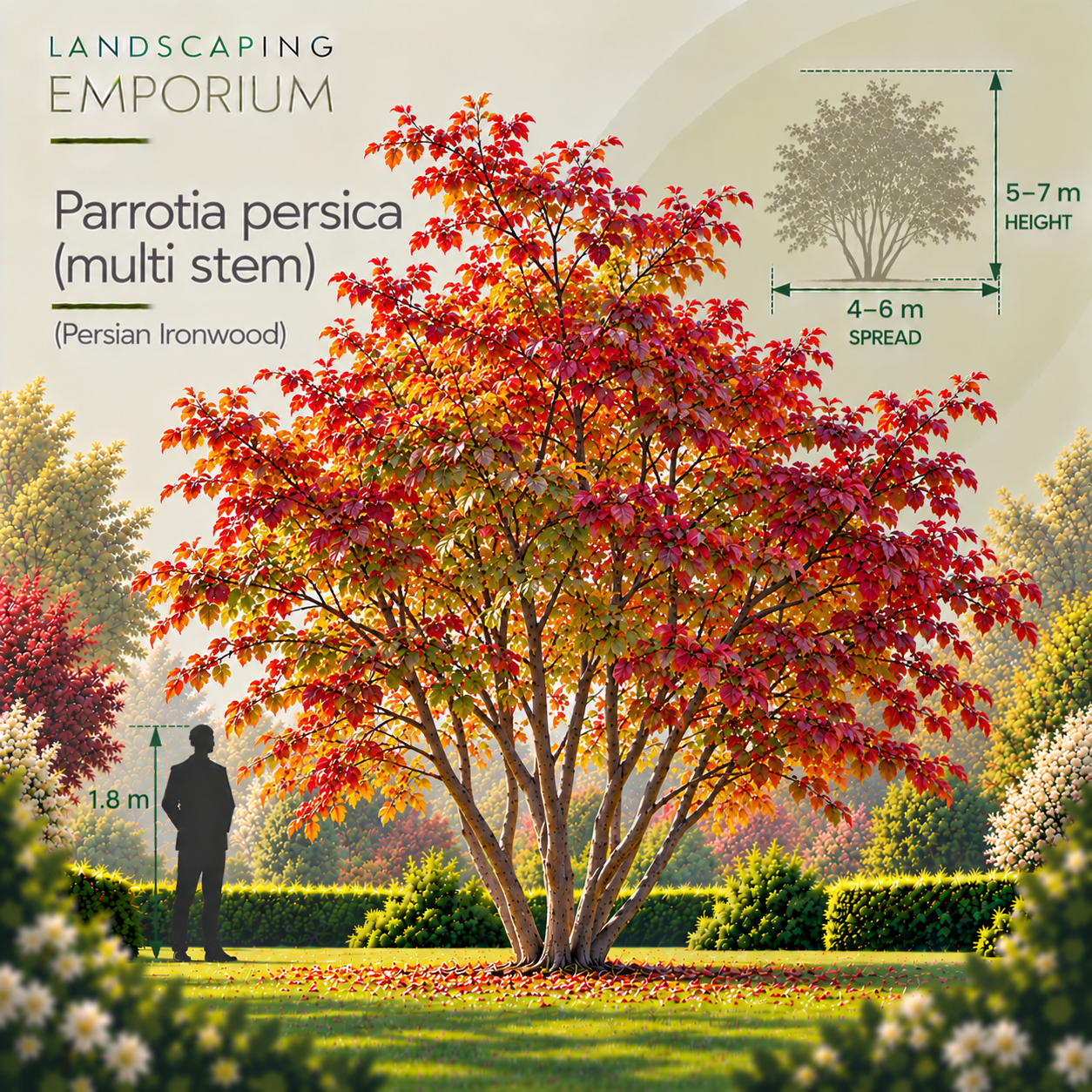 Image 1 of 12
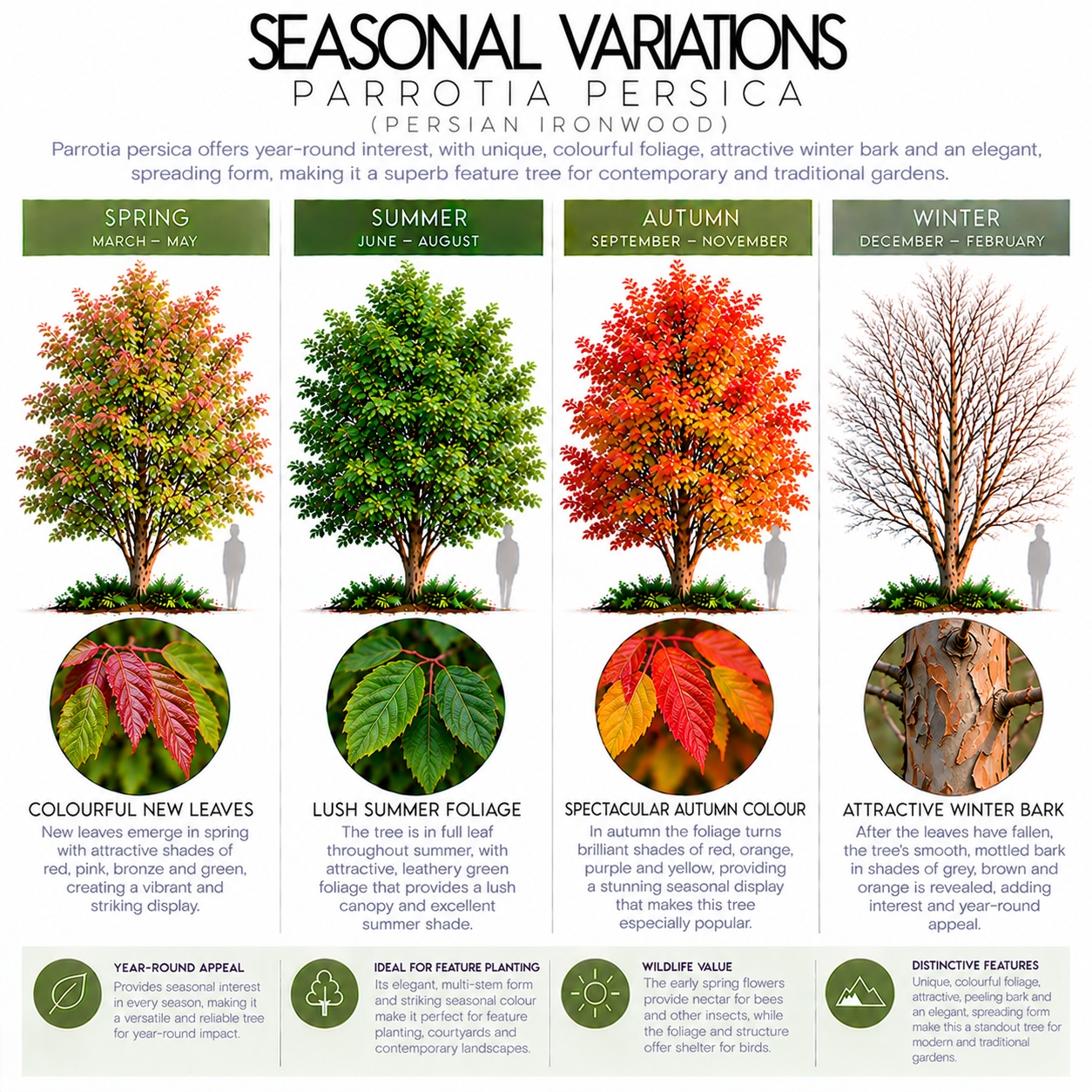 Image 2 of 12
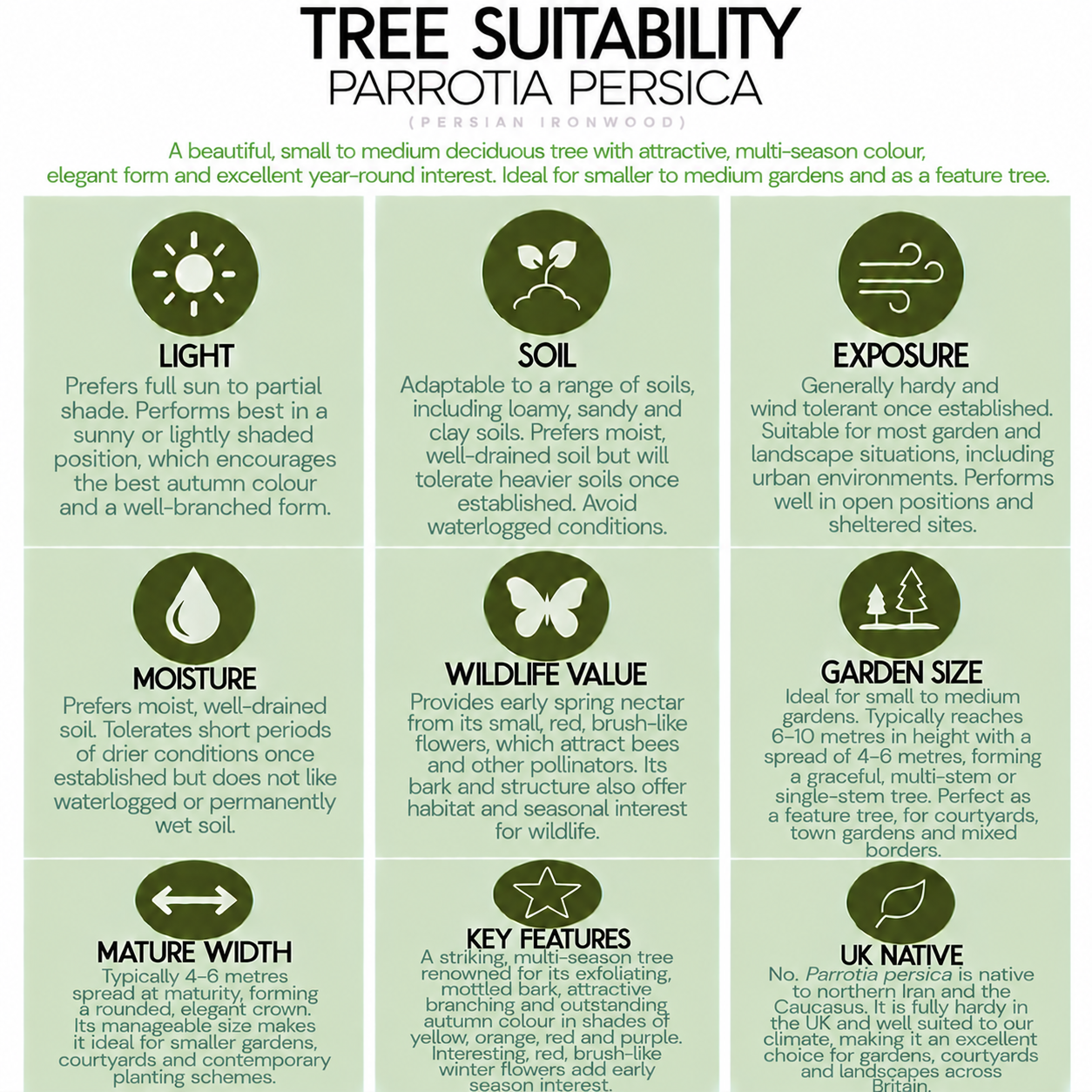 Image 3 of 12
 Image 4 of 12
 Image 5 of 12
 Image 6 of 12
 Image 7 of 12
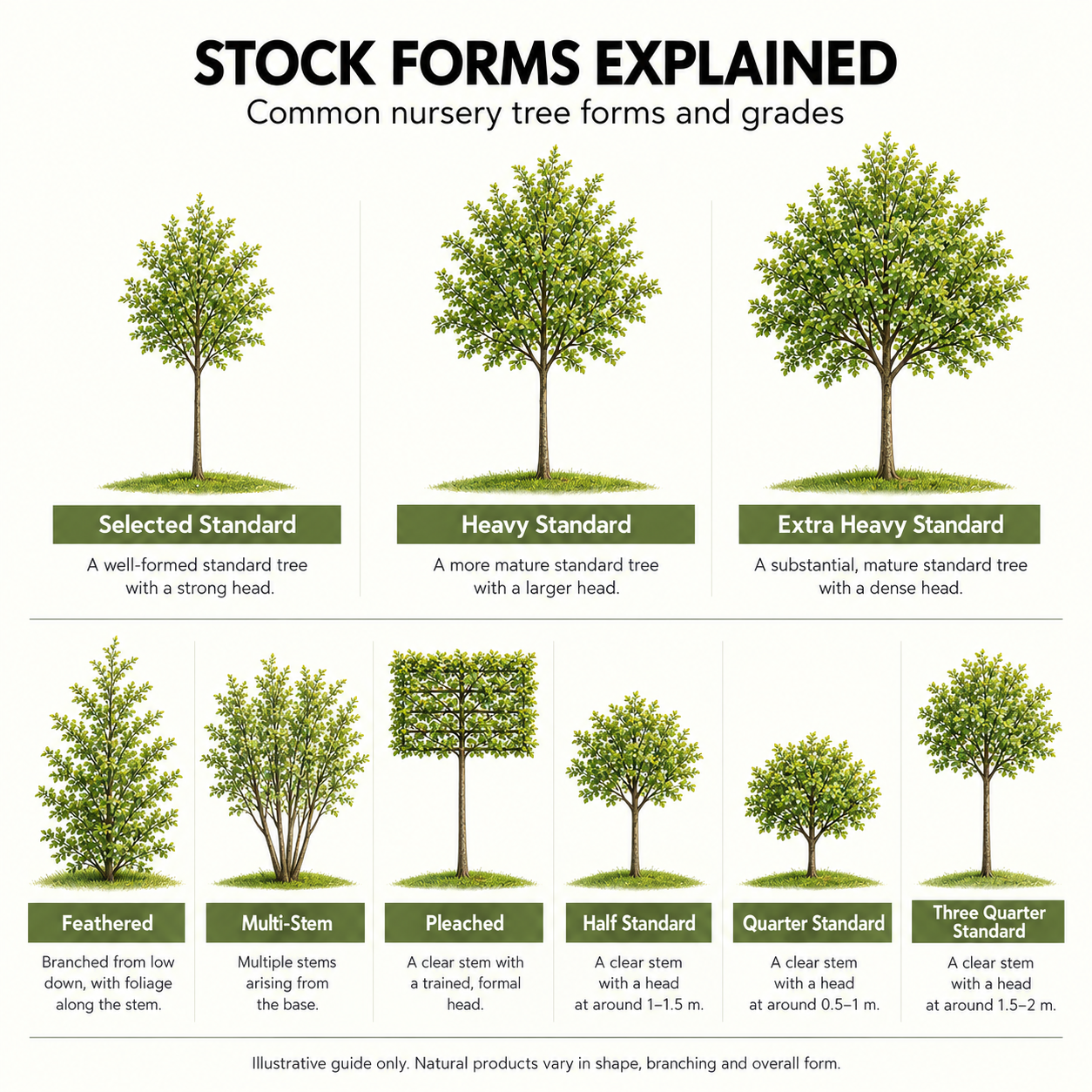 Image 8 of 12
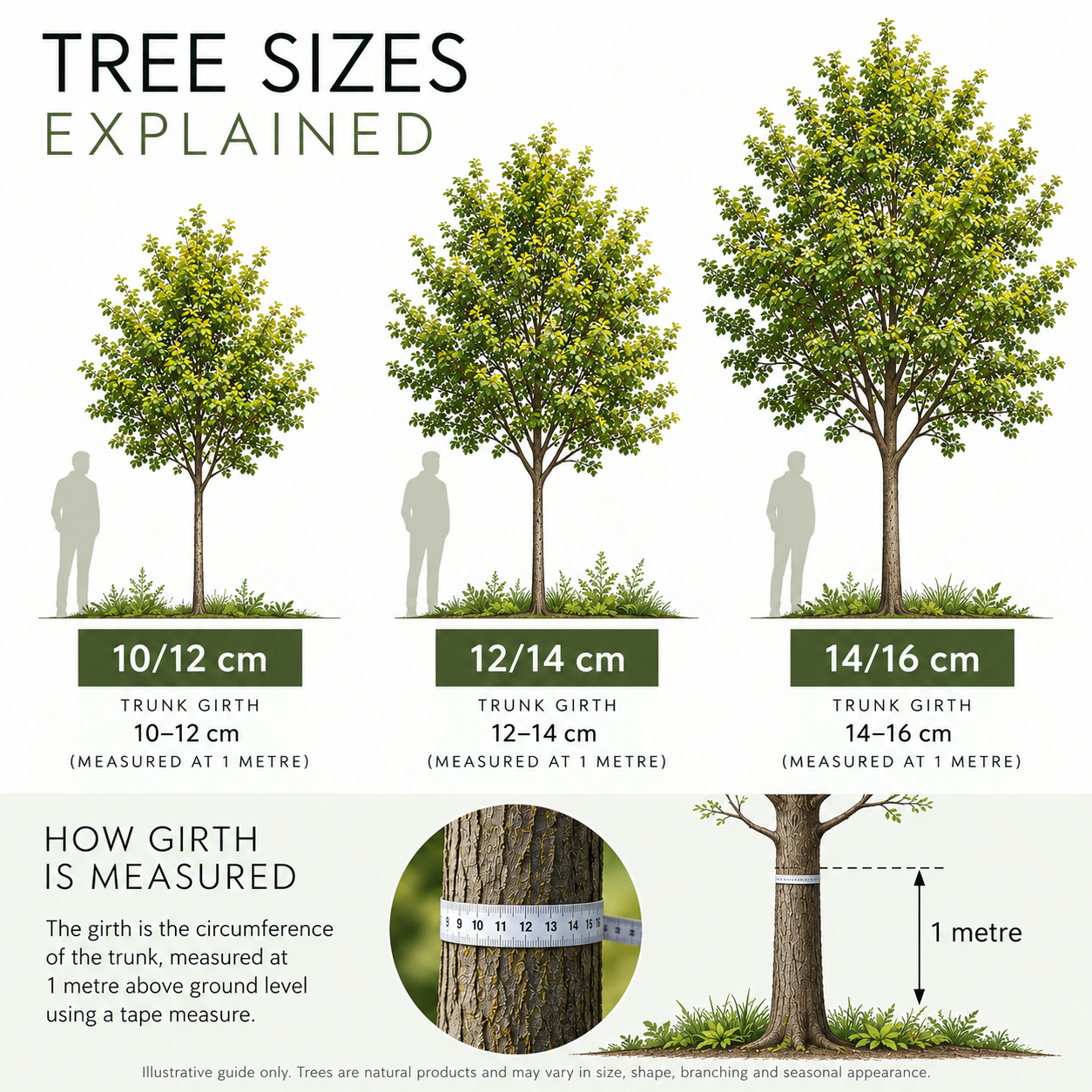 Image 9 of 12
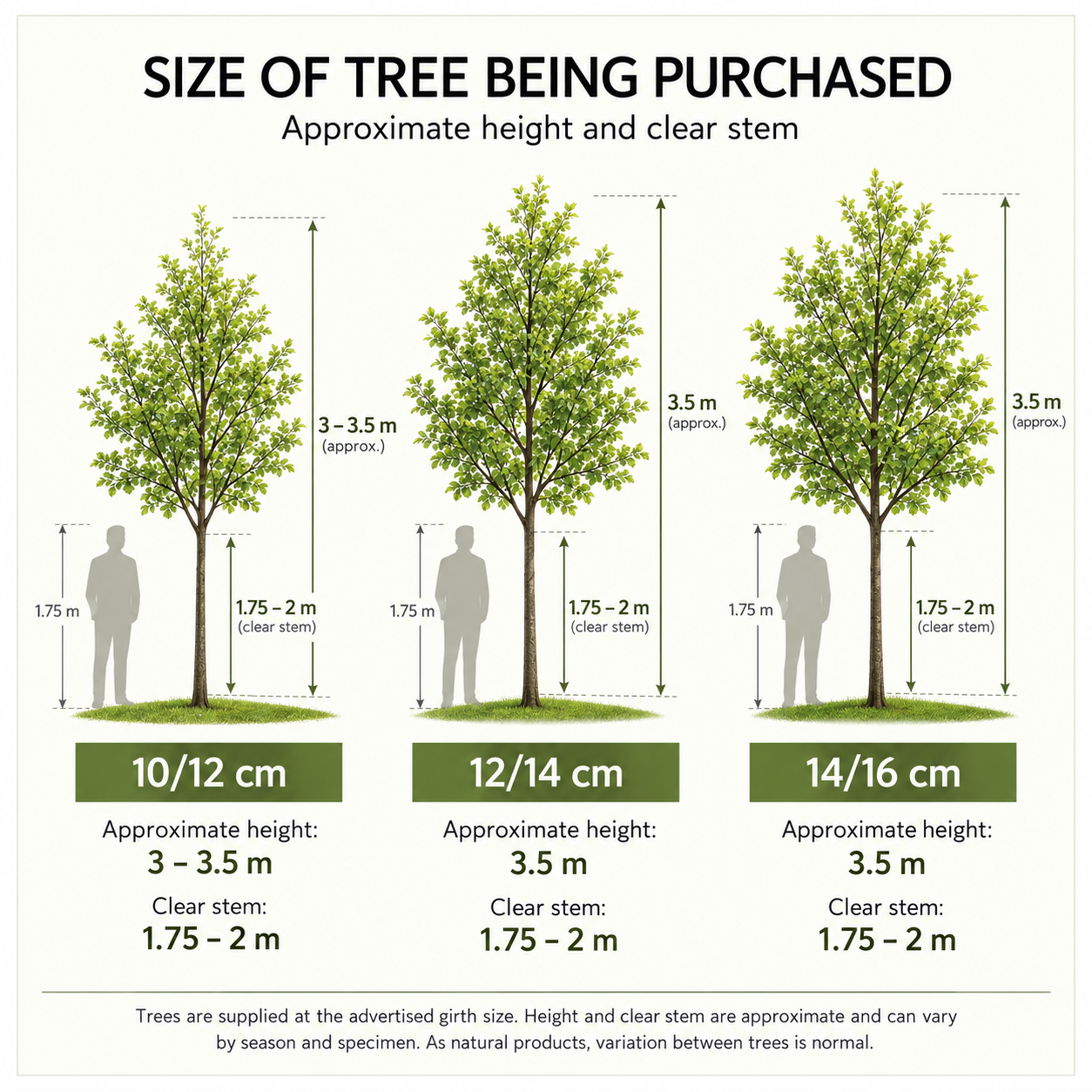 Image 10 of 12
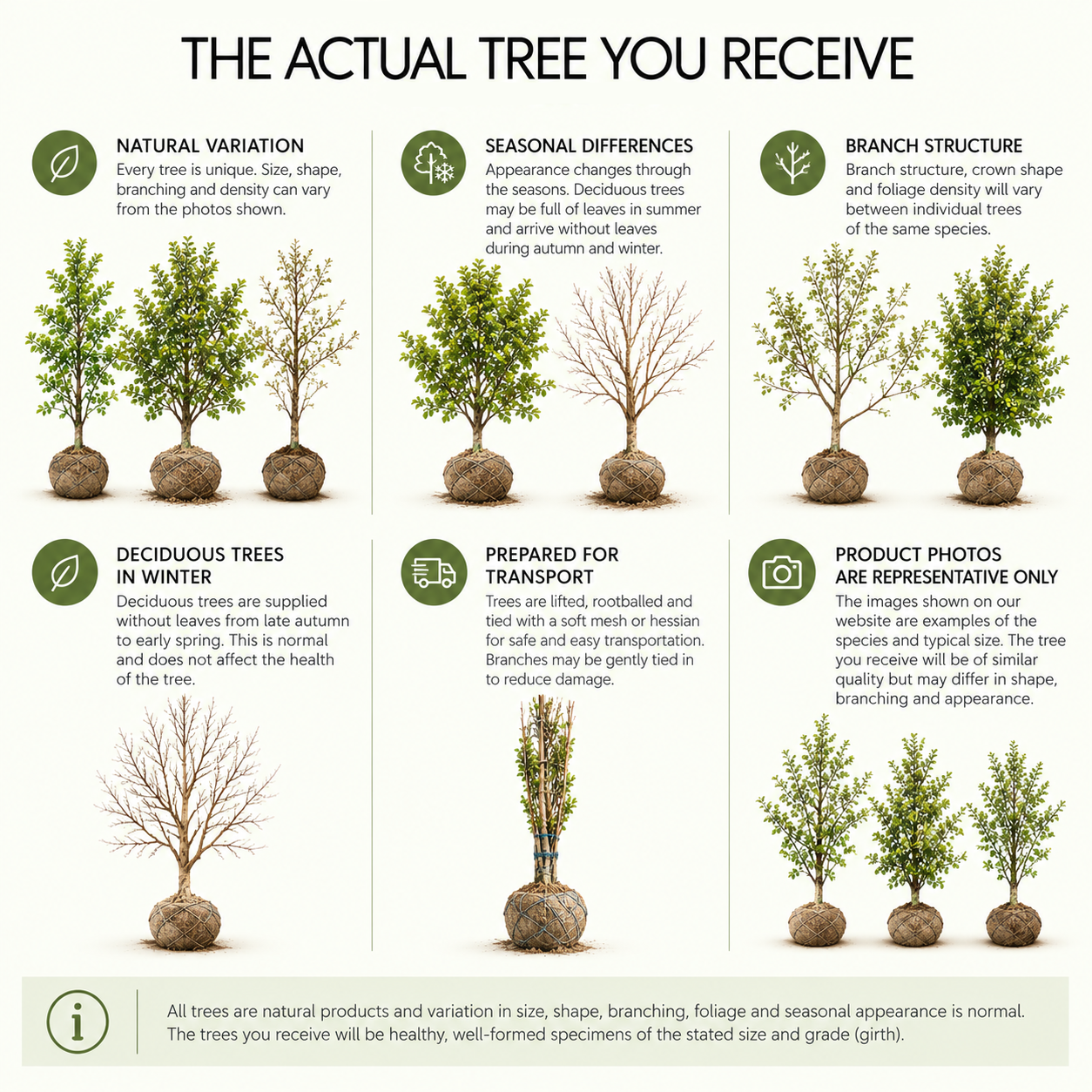 Image 11 of 12
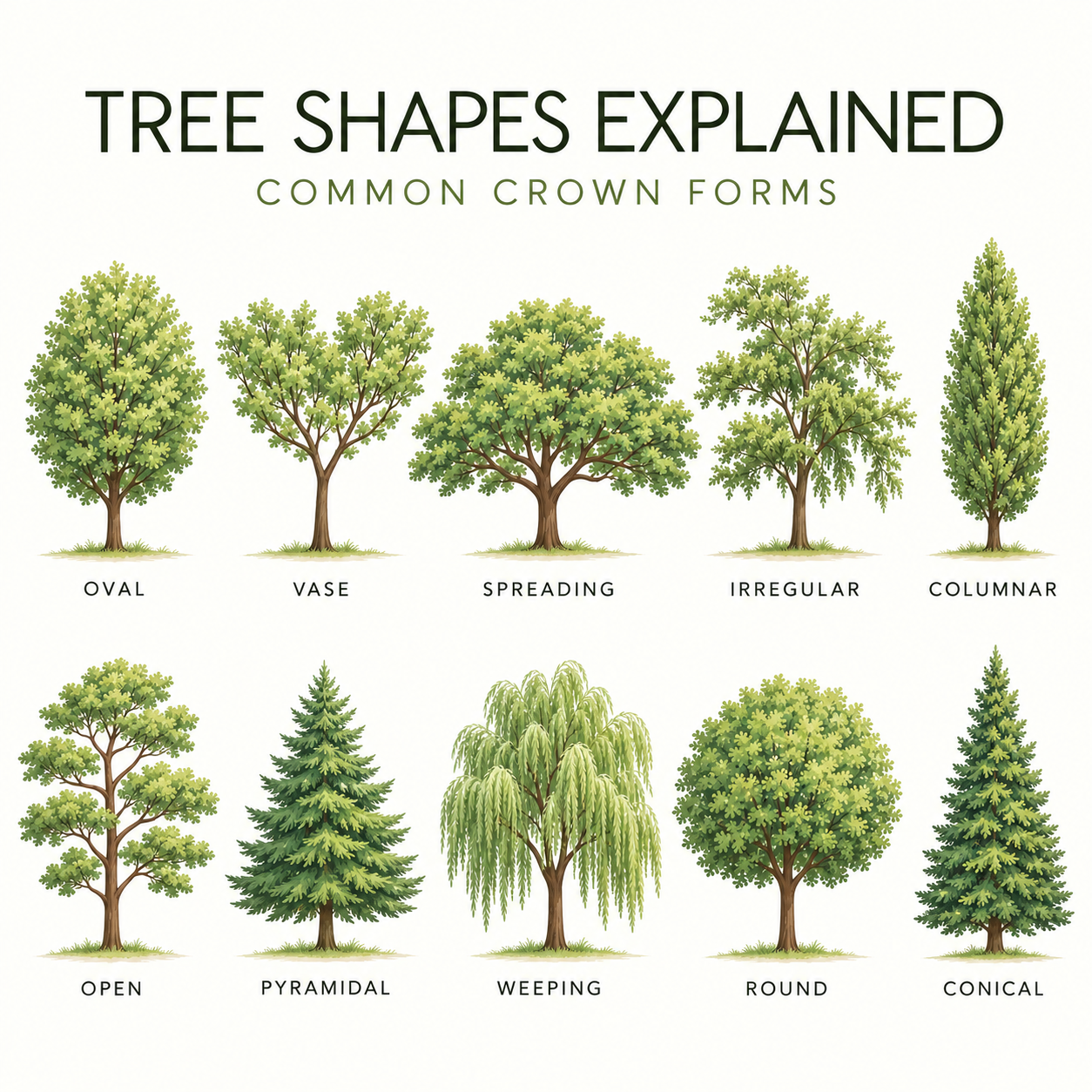 Image 12 of 12