Pinus sylvestris, the native Scots pine, is a large evergreen specimen tree with blue-green paired needles, warm orange upper bark and a rugged, increasingly sculptural crown.
It is an excellent choice for large gardens, estates, parkland, woodland edges and exposed landscapes with full sun and freely draining soil.
Product highlights
Native British evergreen conifer
Blue-green foliage throughout the year
Attractive orange and copper-coloured bark
Sculptural irregular crown with age
Fully hardy
Excellent wind tolerance
Suitable for poor sandy soil
High wildlife value
Moderate growth rate
Very low routine pruning requirement
Available in several specimen forms
Product information
Feature / Details
Botanical name: Pinus sylvestris
Common name: Scots pine
Plant type: Large evergreen conifer
Mature height: Approximately 15–25m
Mature spread: Approximately 6–10m
Growth rate: Moderate
Annual growth: Approximately 30–60cm
Position: Full sun
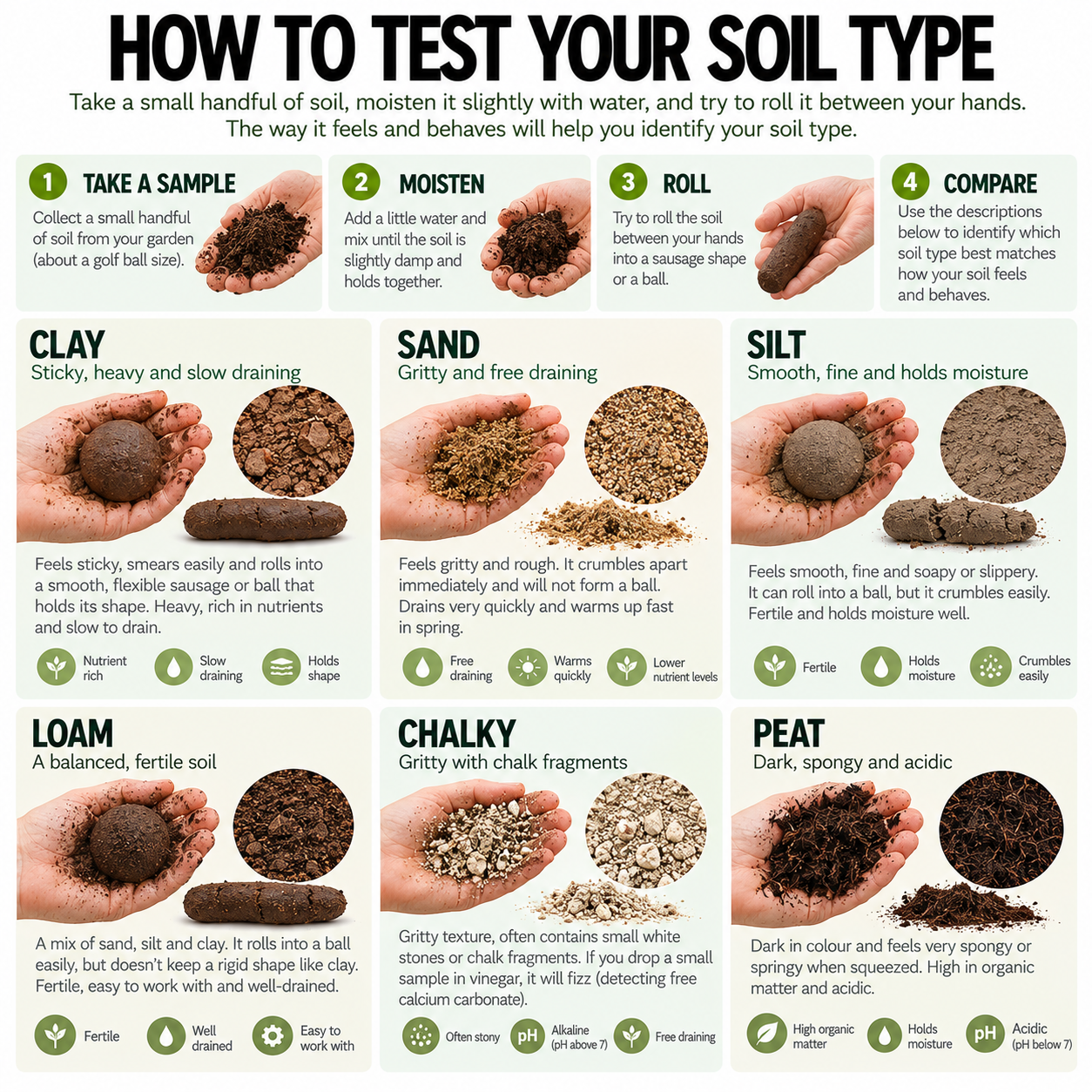
Soil: Sand, loam and other freely draining soils
Moisture: Dry to moderately moist
Hardiness: Fully hardy
UK native: Yes
Wildlife value: Exceptional
Maintenance: Very low
Suitable for
Large gardens
Estates and country properties
Parkland
Native woodland planting
Wildlife landscapes
Large lawns
Exposed inland sites
Sandy and freely draining soils
Upland and rural landscapes
Contemporary architectural planting
Selected coastal sites
Not recommended for
Small gardens
Deep shade
Permanently wet ground
Compacted soil
Poorly drained heavy clay
Positions beneath overhead services
Locations requiring a permanently dense formal screen
Sites without adequate mature crown space
Choosing the right form
Feathered Scots pine
Retains lower branches and provides greater immediate evergreen volume.
Clear-stem Scots pine
Displays more of the decorative trunk and allows views or planting beneath the crown.
Multi-stem Scots pine
Creates a broader, more sculptural specimen with greater immediate bark and branch interest.
Read our guide to multi-stem versus standard trees.
Rootballed or container-grown
Large rootballed specimens are normally planted during the dormant season. Container-grown stock provides a wider planting window, subject to suitable weather and reliable irrigation.
Our rootball versus container-grown trees guide will help you select the appropriate option.
Planting requirements
Plant into freely draining soil at the original nursery depth. Do not plant into a deep sump within heavy clay, as this can collect water around the rootball.
Larger Scots pines require secure anchoring, suitable machinery access and consistent establishment irrigation.
Follow our tree planting and establishment guide.
Pruning and maintenance
Scots pine needs little routine pruning. Remove only damaged, crossing, unsafe or poorly positioned branches and preserve its natural form.
Do not cut established branches back into old leafless wood, as regrowth may be limited.
General formative guidance is available on our RHS Pruning Group 1 page.
Our recommendation
Pinus sylvestris is recommended for large, sunny and freely draining landscapes requiring a native evergreen tree with strong wildlife value and long-term architectural character.
It is especially effective on exposed, sandy, upland and rural sites across North West England.
We can install specimen trees at any of the in following postcodes;
BB, BL, CH1 - CH5, CW8, CW9, FY, L, LA1 - LA6, M, OL, PR, SK1 - SK12, WA, & WN.
Please do not purchase if you want the hedging installed outside this area. If you do live outside the area, then please give us a call on 01942 604976 and we can see if it’s possible to do this.
For more information on the tree see the tree specification below. For more information about delivery, access and planting, see the guide below or click here.

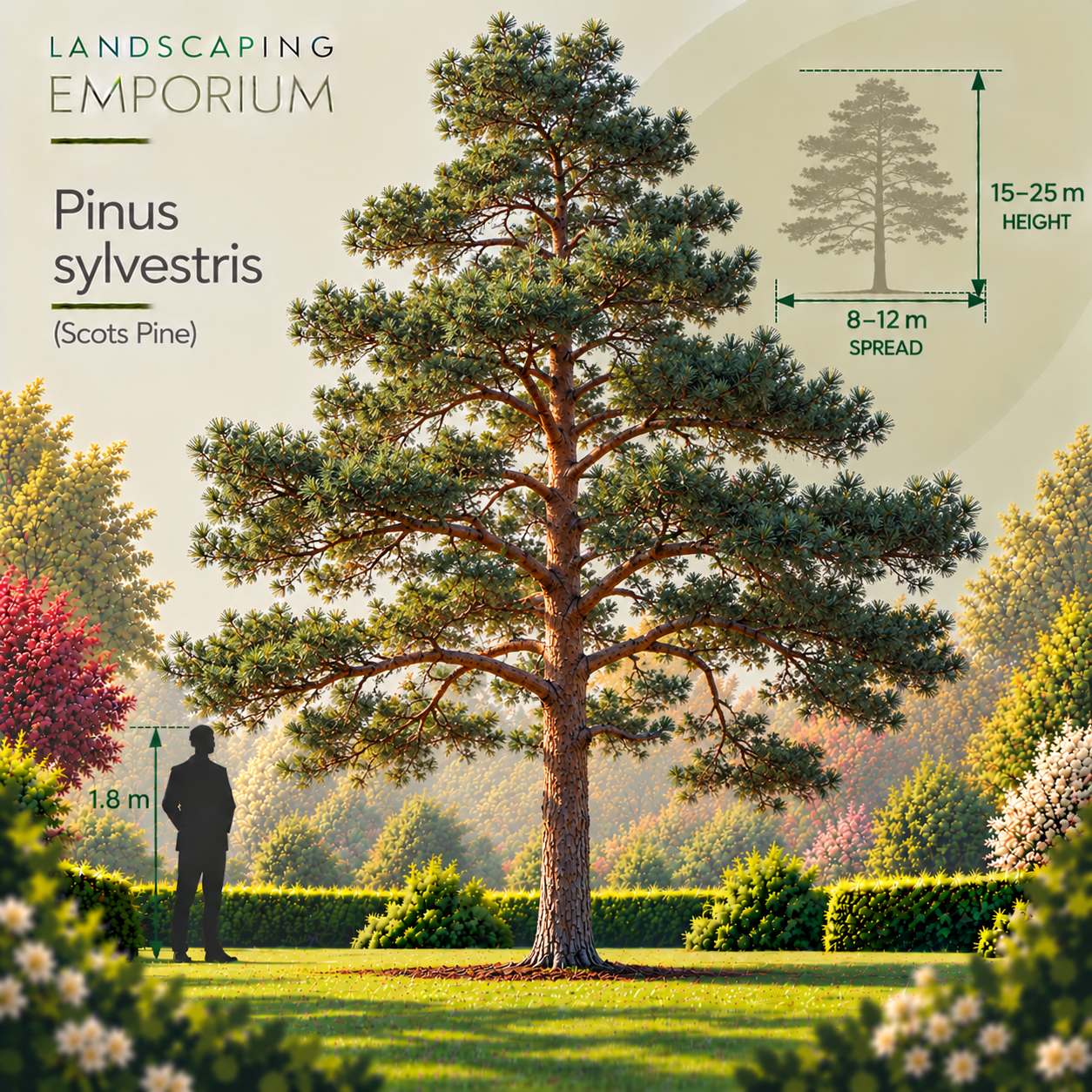 Image 1 of 12
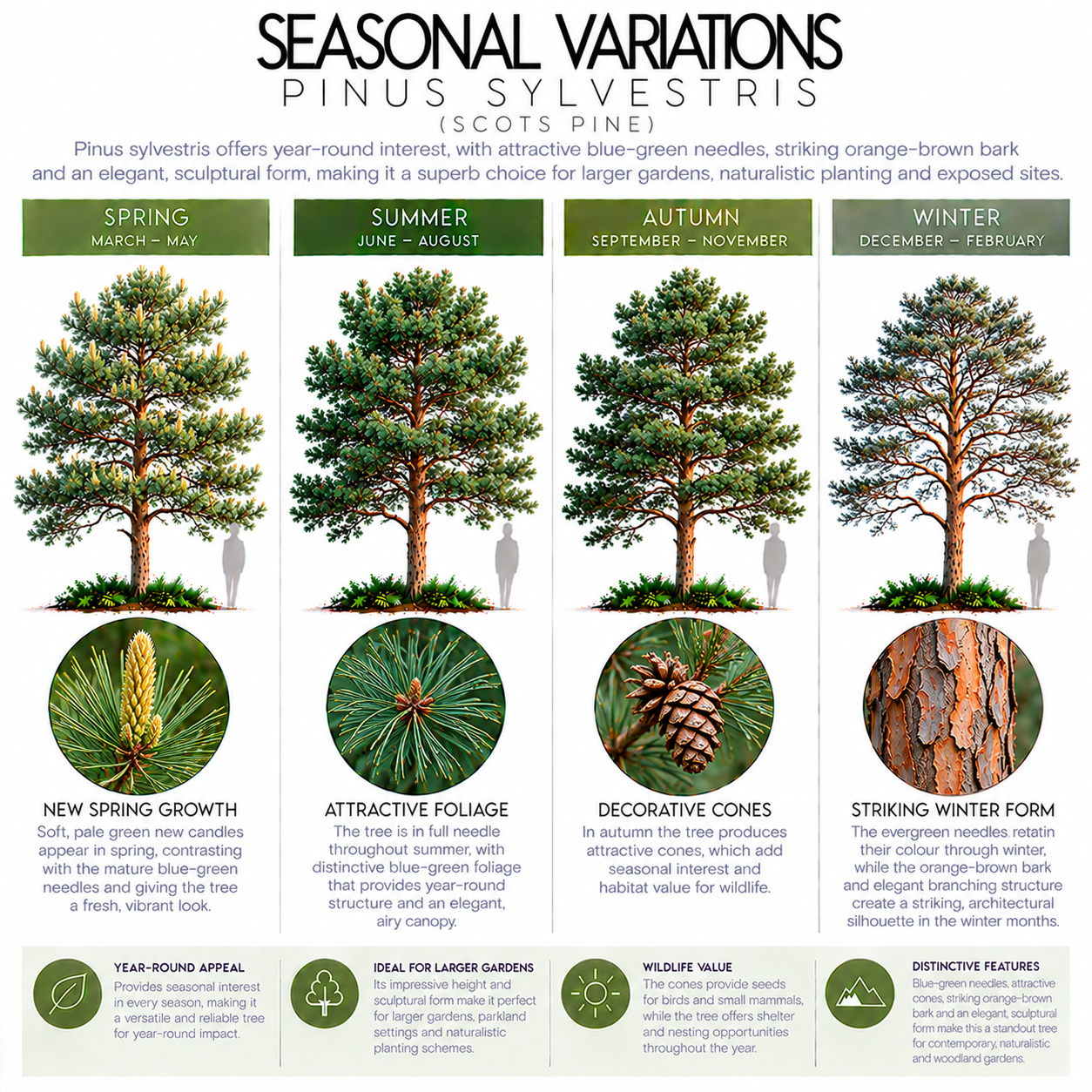 Image 2 of 12
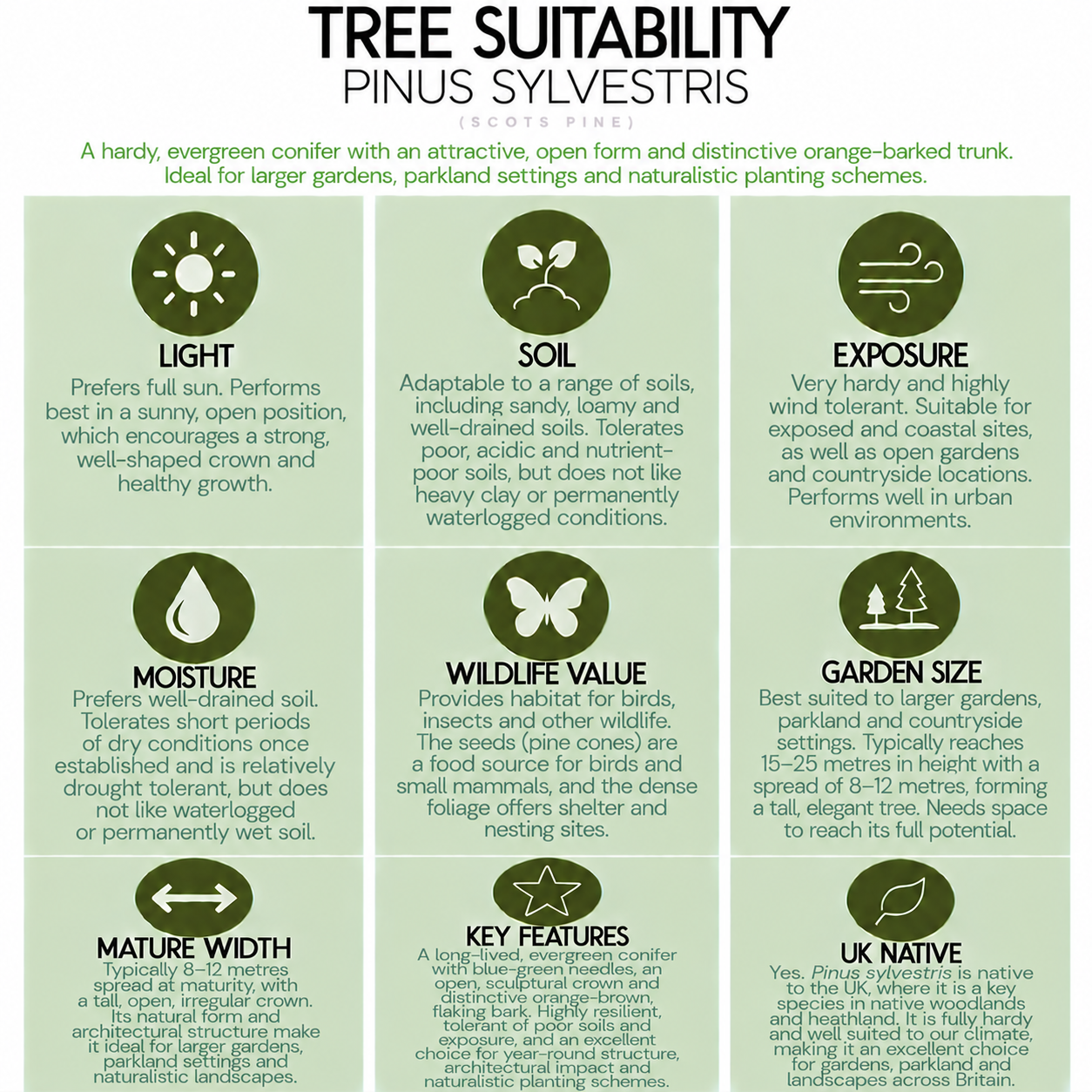 Image 3 of 12
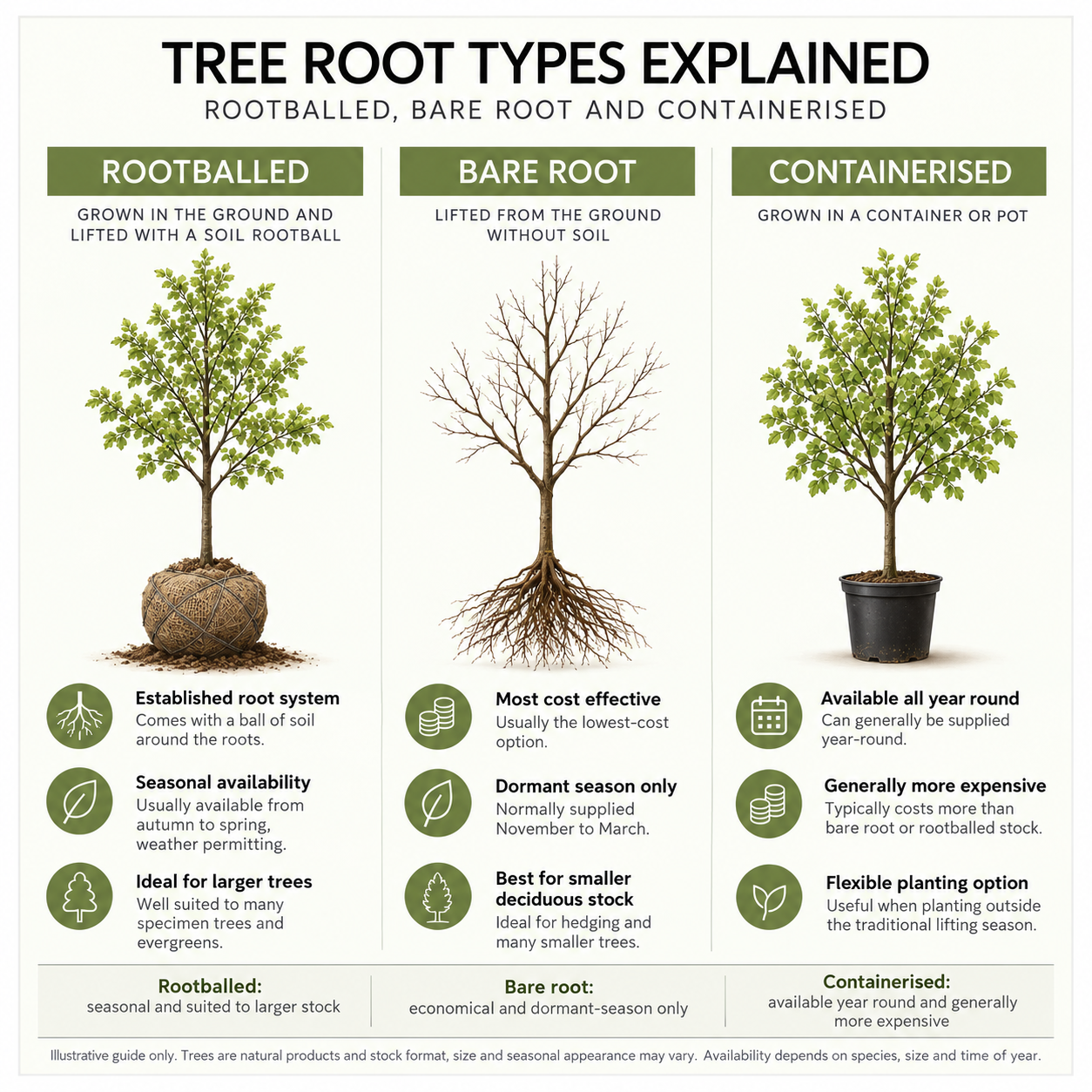 Image 4 of 12
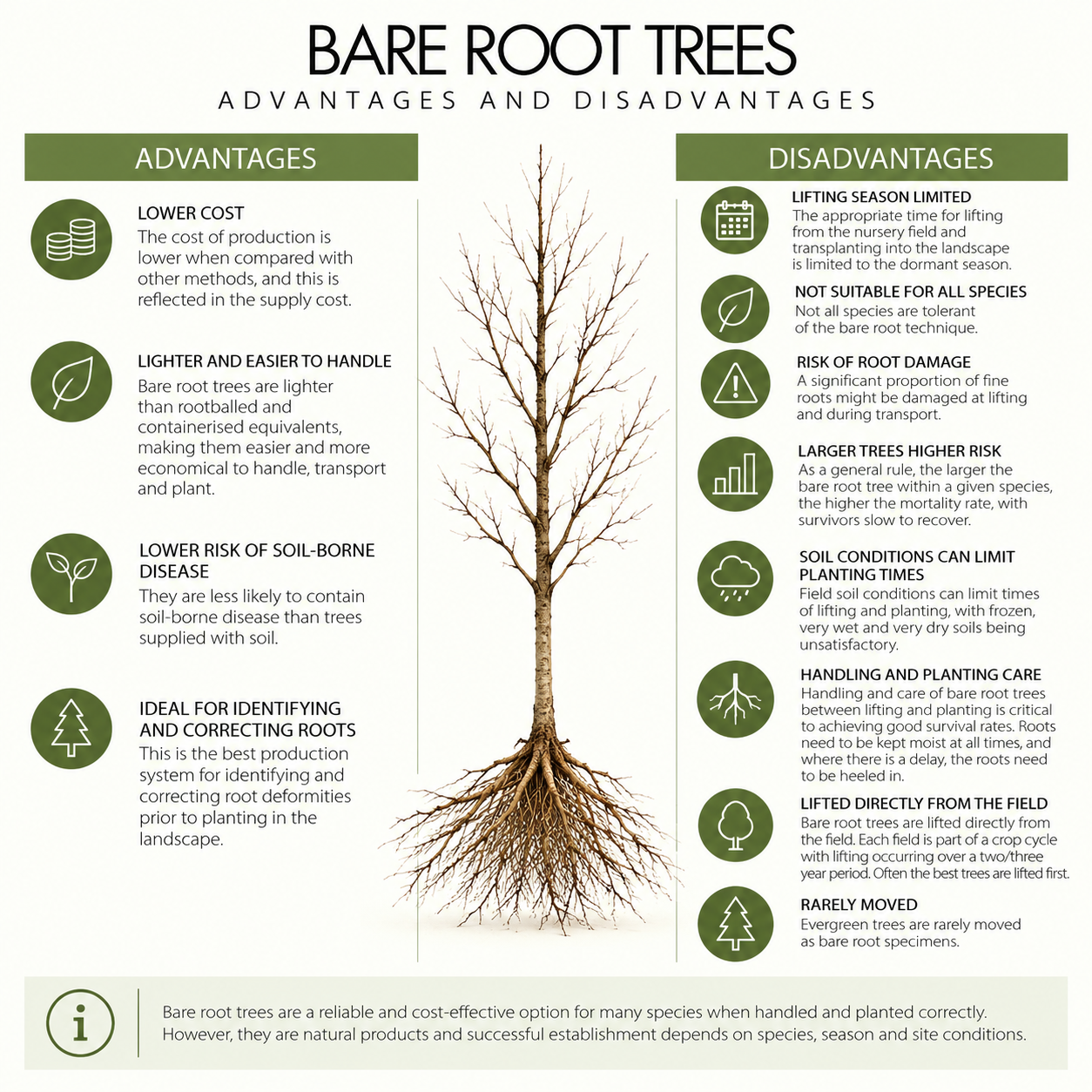 Image 5 of 12
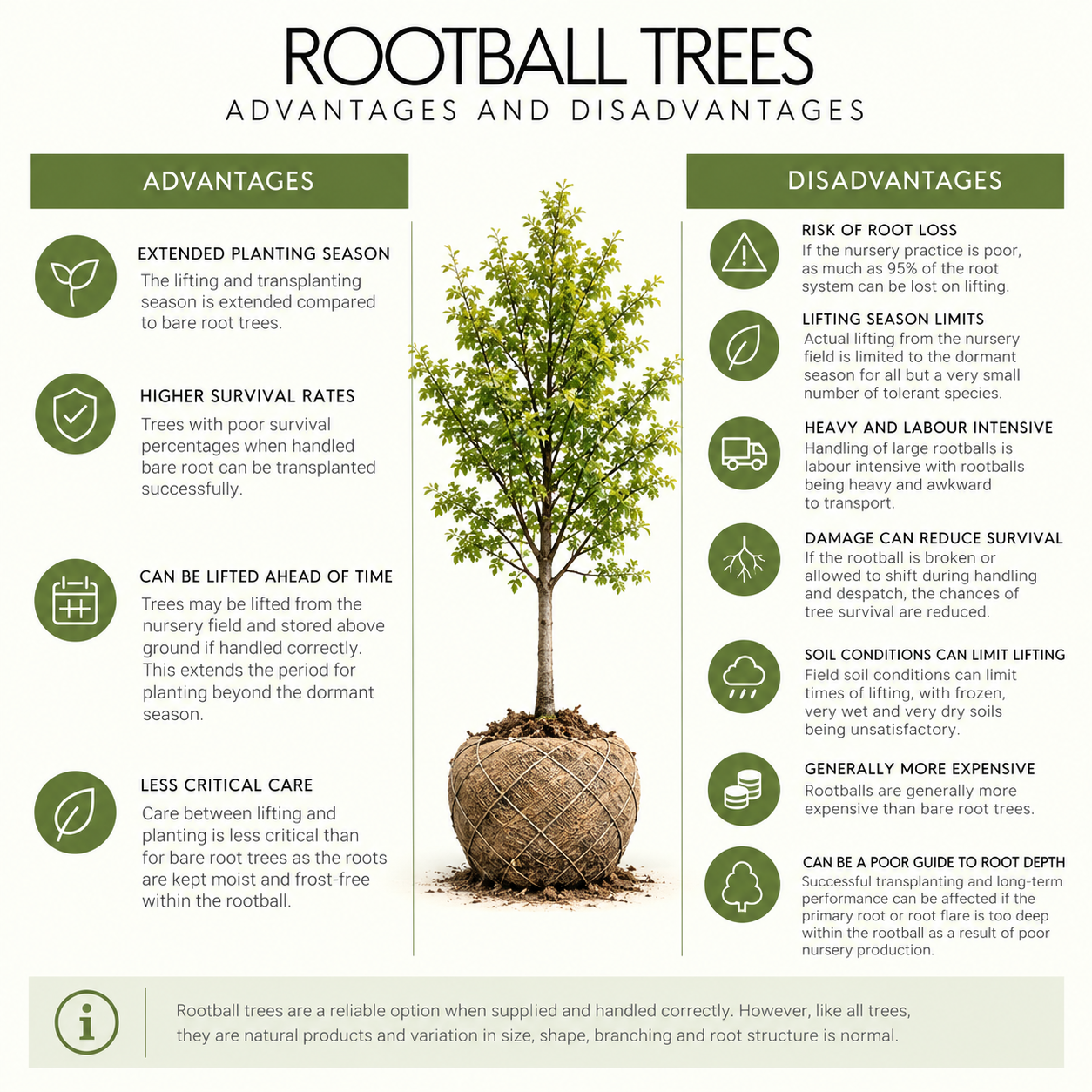 Image 6 of 12
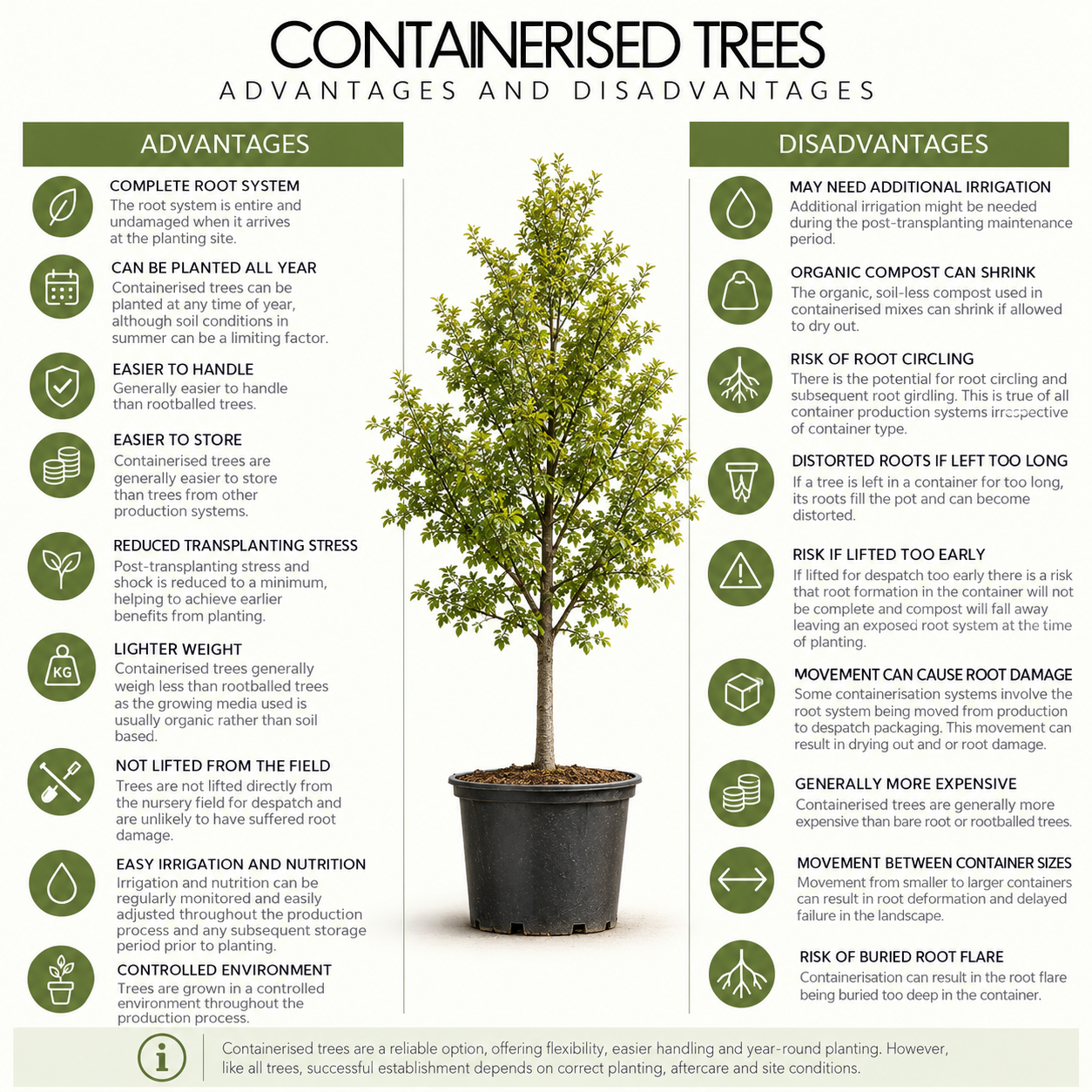 Image 7 of 12
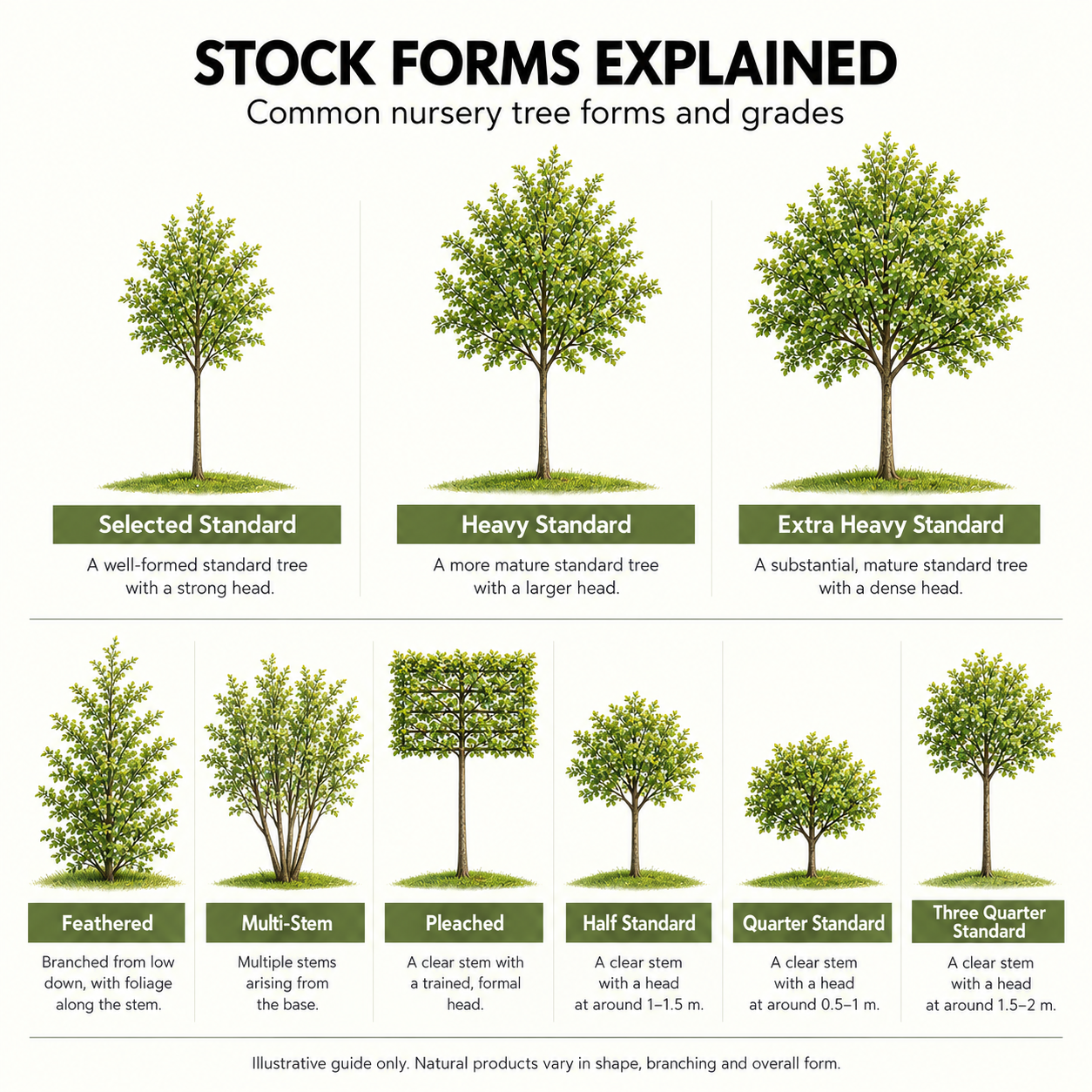 Image 8 of 12
 Image 9 of 12
 Image 10 of 12
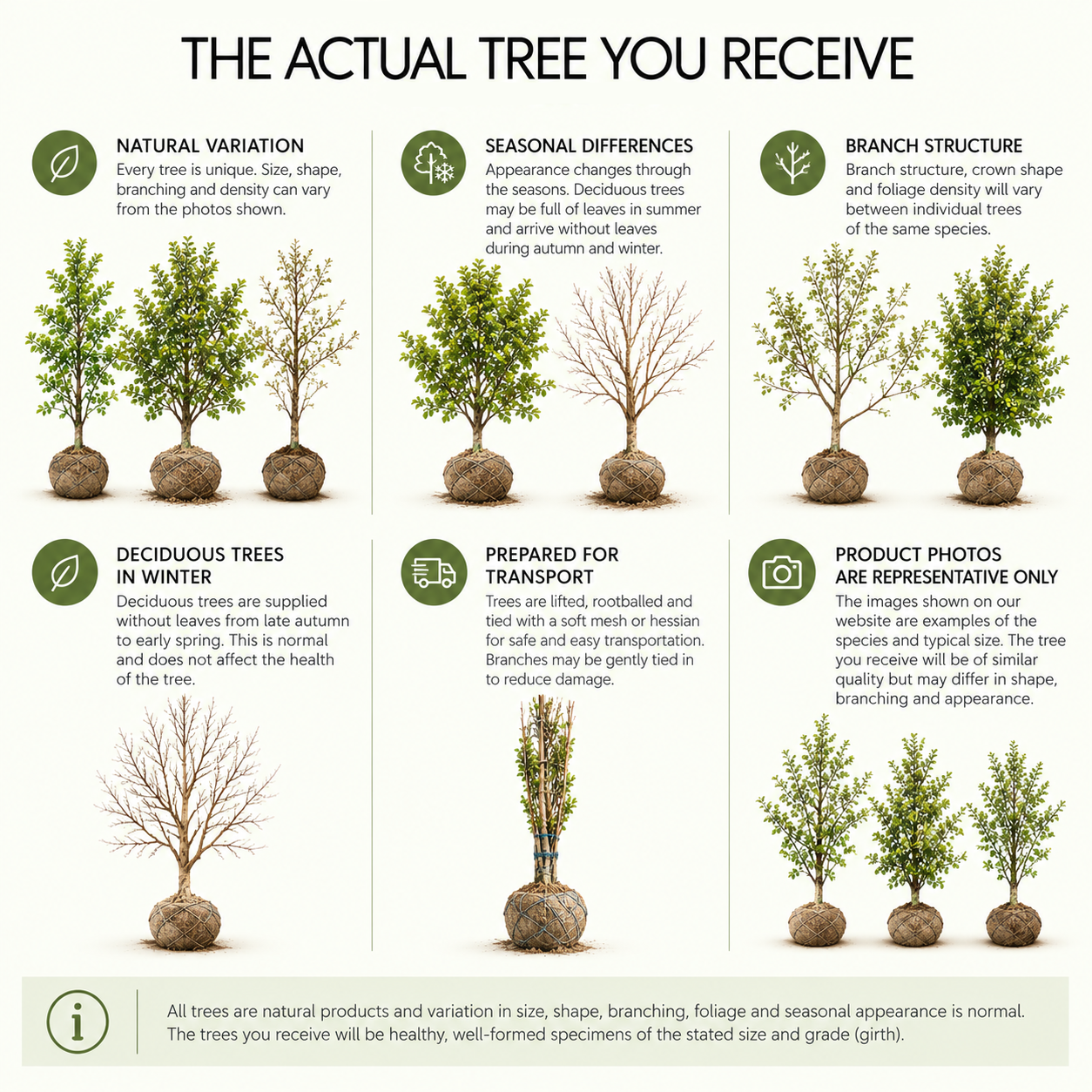 Image 11 of 12
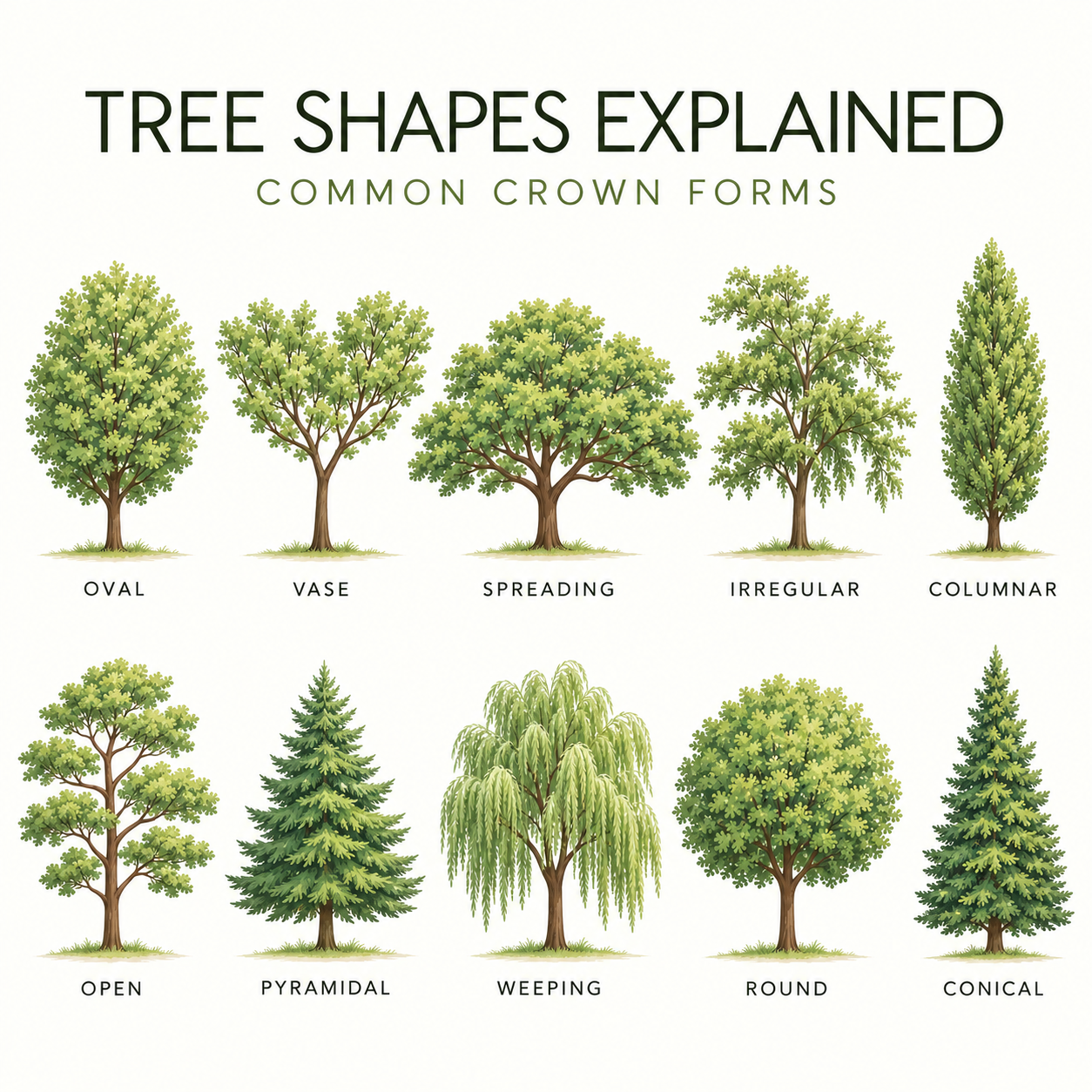 Image 12 of 12