Populus x canadensis, commonly known as Hybrid Black Poplar or Canadian Poplar, is an impressive, fast-growing deciduous tree valued for its substantial height, vigorous development and attractive green foliage.
A hybrid between the European Black Poplar (Populus nigra) and the Eastern Cottonwood (Populus deltoides), this tree has been widely planted throughout Britain and Europe for its rapid growth, landscape presence and adaptability.
Hybrid Black Poplar develops a strong trunk and an upright to broadly spreading crown, creating a substantial specimen tree capable of introducing height and structure into large gardens, parkland, rural estates and open landscapes.
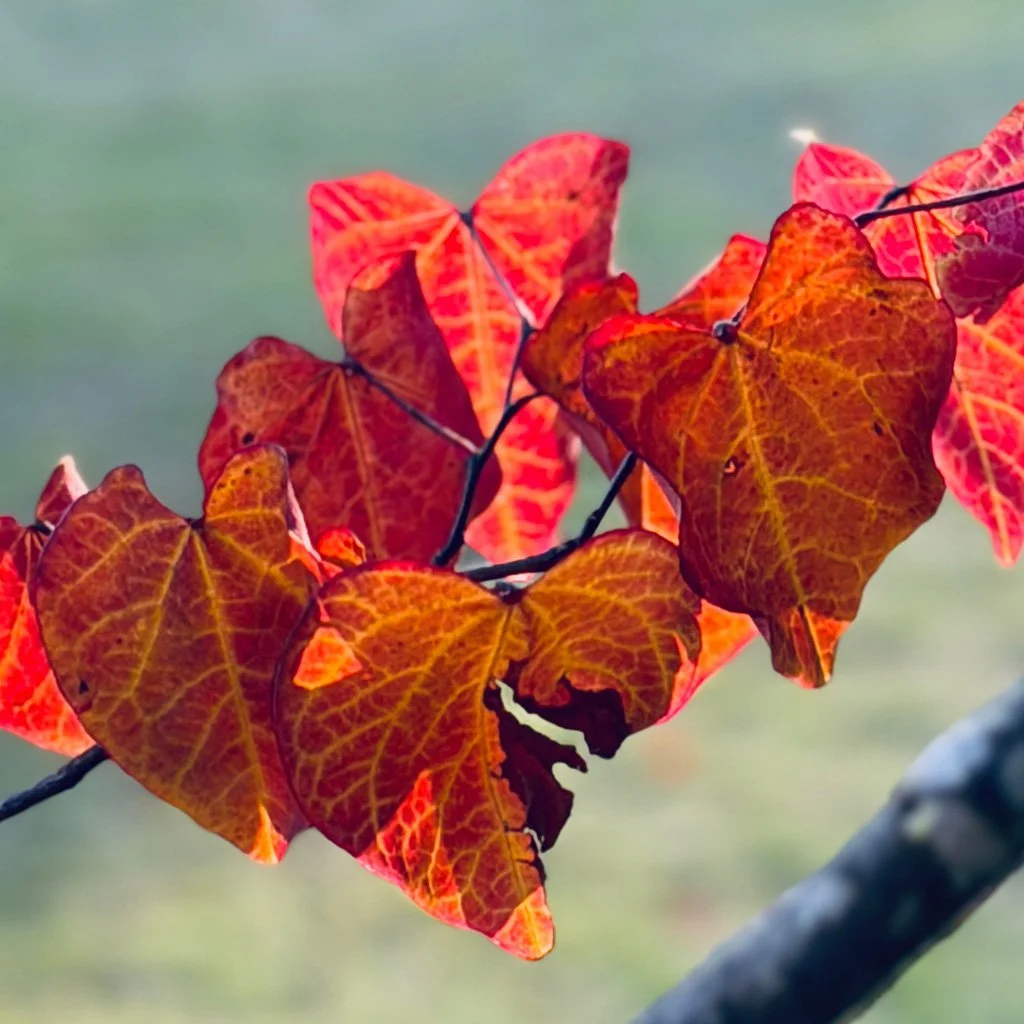
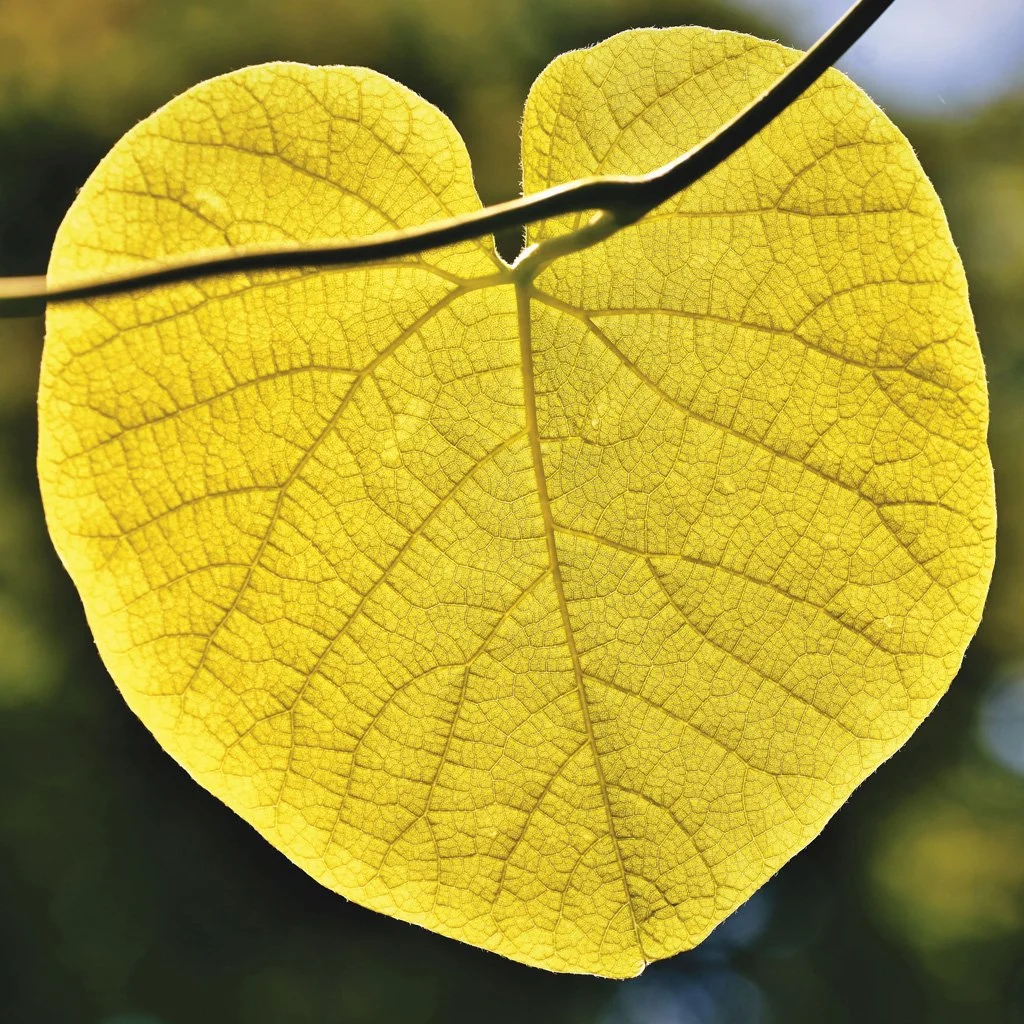
Its distinctive triangular to broadly diamond-shaped leaves emerge during spring, developing into glossy green summer foliage that moves attractively in the breeze. During autumn, the leaves typically turn shades of yellow before falling.
One of the principal advantages of Populus x canadensis is its exceptionally rapid growth under suitable conditions. This makes it particularly useful where a large-scale landscape feature, substantial tree canopy or relatively quick vertical impact is required.
However, its vigorous growth and extensive root system mean that careful site selection is essential. This is a tree for generous planting spaces rather than confined domestic gardens.
Key Features of Populus x canadensis
Fast-growing deciduous specimen tree
Impressive height and substantial landscape presence
Upright to broadly spreading crown
Attractive triangular green leaves
Yellow autumn foliage
Suitable for large gardens, estates and parkland
Useful for large-scale rural landscape planting
Tolerates a range of soil conditions
Particularly suited to moist, fertile soils
Provides shade and landscape structure
Offers habitat opportunities for wildlife
Fully hardy in the UK
Populus x canadensis Plant Specification
Botanical name: Populus × canadensis
Common name: Hybrid Black Poplar / Canadian Poplar
Family: Salicaceae
Tree type: Deciduous broadleaf tree
Parentage: Populus deltoides × Populus nigra
Mature height: Approximately 20–30m or more in favourable conditions, depending on cultivar and growing environment.
Mature spread: Approximately 10–15m or more, depending on cultivar and maturity.
Growth rate: Fast.
Crown shape: Upright to broadly spreading, with a substantial branching structure. Crown form varies between individual cultivars.
Foliage: Deciduous, glossy green leaves, typically triangular to broadly diamond-shaped.
Autumn colour: Yellow to golden-yellow.
Flowers: Male and female catkins produced during spring, generally on separate trees.
Fruit: Female trees may produce capsules containing cottony wind-dispersed seeds.
Position: Full sun.
Soil: Performs best in fertile, moist loam or clay soils but can tolerate other suitable soil types where adequate moisture is available.
Soil moisture: Prefers moist ground and can tolerate some periodically wet conditions. Avoid prolonged drought, particularly during establishment.
Exposure: Suitable for open landscapes and moderately exposed sites, although wind exposure and branch stability should be considered as trees mature.
Hardiness: Hardy in the UK.
Native status: Non-UK native hybrid.
Wildlife value: Provides foliage, shelter and habitat opportunities for insects and birds.
Maintenance: Generally low maintenance when appropriately positioned, although regular inspection and professional management may be necessary as the tree matures.
Root system: Extensive, vigorous and potentially moisture-seeking. Allow substantial clearance from buildings, drains, underground services and hard landscaping.
Suitable uses: Large gardens, rural estates, parkland, open landscapes, substantial specimen planting, woodland-edge planting and large-scale landscape schemes.
Why Choose Hybrid Black Poplar?
Rapid Growth and Landscape Impact
One of the most distinctive characteristics of Populus x canadensis is its rapid growth.
Under favourable conditions, it can establish an impressive vertical presence relatively quickly, making it attractive for large-scale landscape projects where slower-growing species may take considerably longer to create a similar effect.
Growth rates vary according to soil conditions, available moisture, climate and the particular cultivar supplied.
An Impressive Tree for Large Gardens
Hybrid Black Poplar is particularly suited to substantial gardens and estates where there is sufficient room for its mature height, crown and root system.
Its vigorous growth and imposing structure make it an effective specimen tree for open lawns, parkland and rural landscapes.
It is not generally appropriate for small gardens or confined planting areas.
Attractive Deciduous Foliage
The tree produces distinctive triangular green leaves that create an attractive summer canopy.
Its foliage moves readily in the breeze, adding movement and texture to the landscape.
In autumn, the canopy develops yellow tones before the leaves fall, revealing the tree's branching structure during winter.
Suitable for Moist Ground
Populus x canadensis generally performs particularly well in fertile soils with a reliable moisture supply.
It can be useful in larger landscapes with naturally moist ground, although suitability for persistently waterlogged sites should be assessed individually.
Its vigorous root system makes careful positioning especially important near drainage infrastructure and water services.
Wildlife and Habitat
Hybrid Black Poplar can contribute to wildlife-friendly landscapes by providing shelter, foliage and potential habitat for birds and insects.
Its ecological contribution varies by cultivar and site, and it should not be regarded as a direct replacement for native Black Poplar in conservation planting.
Where native biodiversity is the principal objective, native tree species should also be considered.
Planting and Establishment
Populus × canadensis performs best in a sunny, open position with adequate space for its eventual size.
Planting soil should be appropriately prepared, with particular attention paid to soil moisture, drainage and the available rooting area.
Newly planted trees require suitable watering during establishment, together with appropriate staking or anchoring where necessary.
Mulching can help conserve soil moisture and reduce competition from surrounding vegetation.
Because of its substantial mature dimensions and vigorous root system, this tree should be planted well away from buildings, foundations, drains, underground services and confined paved areas.
For larger nursery specimens, professional planting is strongly recommended.
Specimen Tree Delivery and Professional Planting
Landscaping Emporium, brought to you by Kirman Design, offers professional specimen tree supply and planting across selected areas of North West England.
We provide professional tree planting in the following postcode areas:
BB, BL, CH1–CH5, CW8, CW9, FY, L, LA1–LA6, M, OL, PR, SK1–SK12, WA and WN.
Please do not select professional planting at checkout if your property is outside these postcode areas without contacting us first.
If you are outside our normal installation area, please contact us. We may still be able to arrange planting depending on your location, tree size and site access.
Before ordering, please consider delivery access, gate widths, steps, slopes, overhead restrictions and the available planting space.
Hybrid Black Poplar may be supplied in different sizes and root formats depending on the nursery stock and season.
Overall height, trunk girth, crown dimensions and natural shape will vary between individual specimens.
Contact Landscaping Emporium
Landscaping Emporium – brought to you by Kirman Design
Unit 9, Bridgewater Business Park
Gladstone Street
Blackburn
BB1 3DL
Telephone: 01942 604976
Email: hello@landscapingemporium.co.uk
Website: www.landscapingemporium.co.uk
Professional tree supply and planting across North West England.

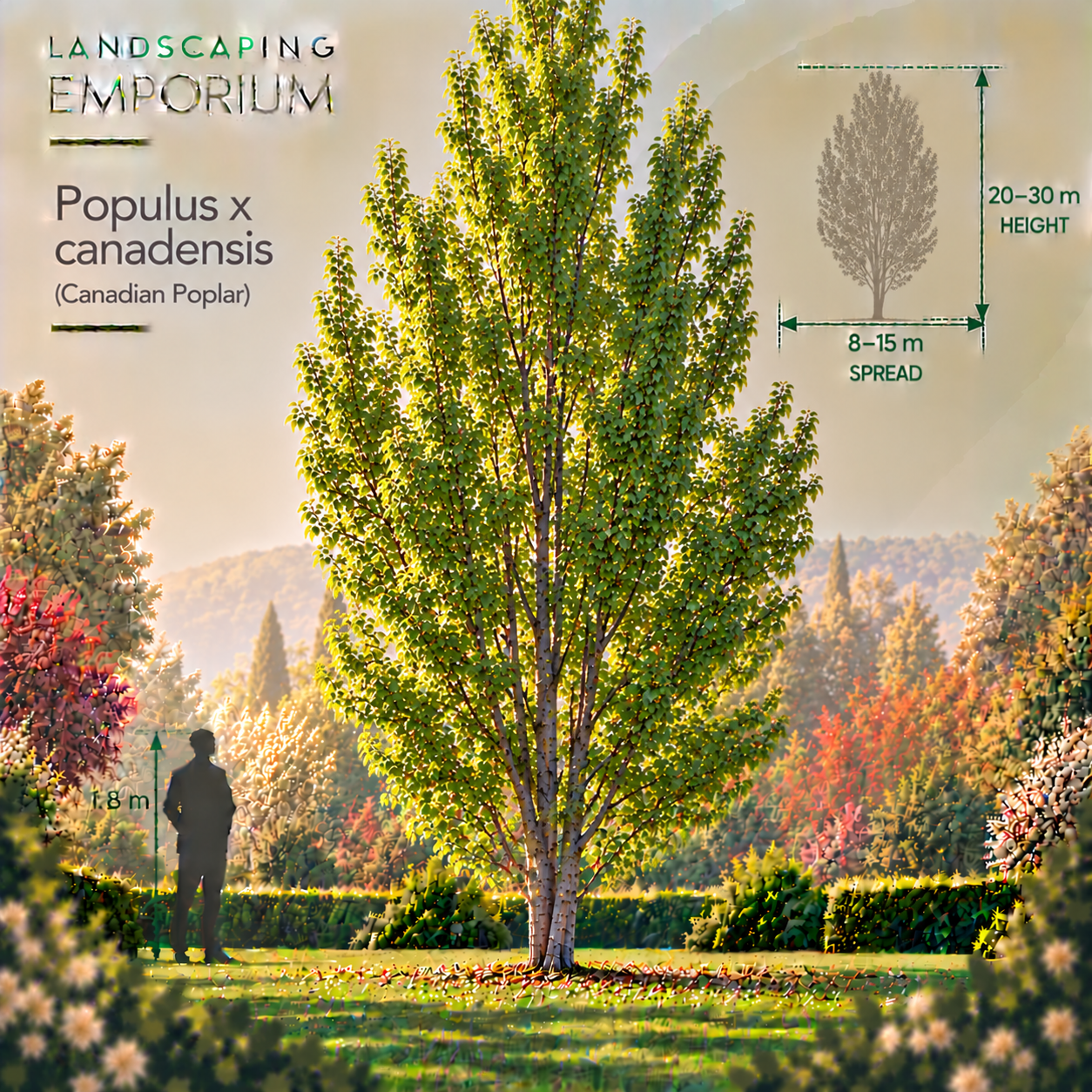 Image 1 of 12
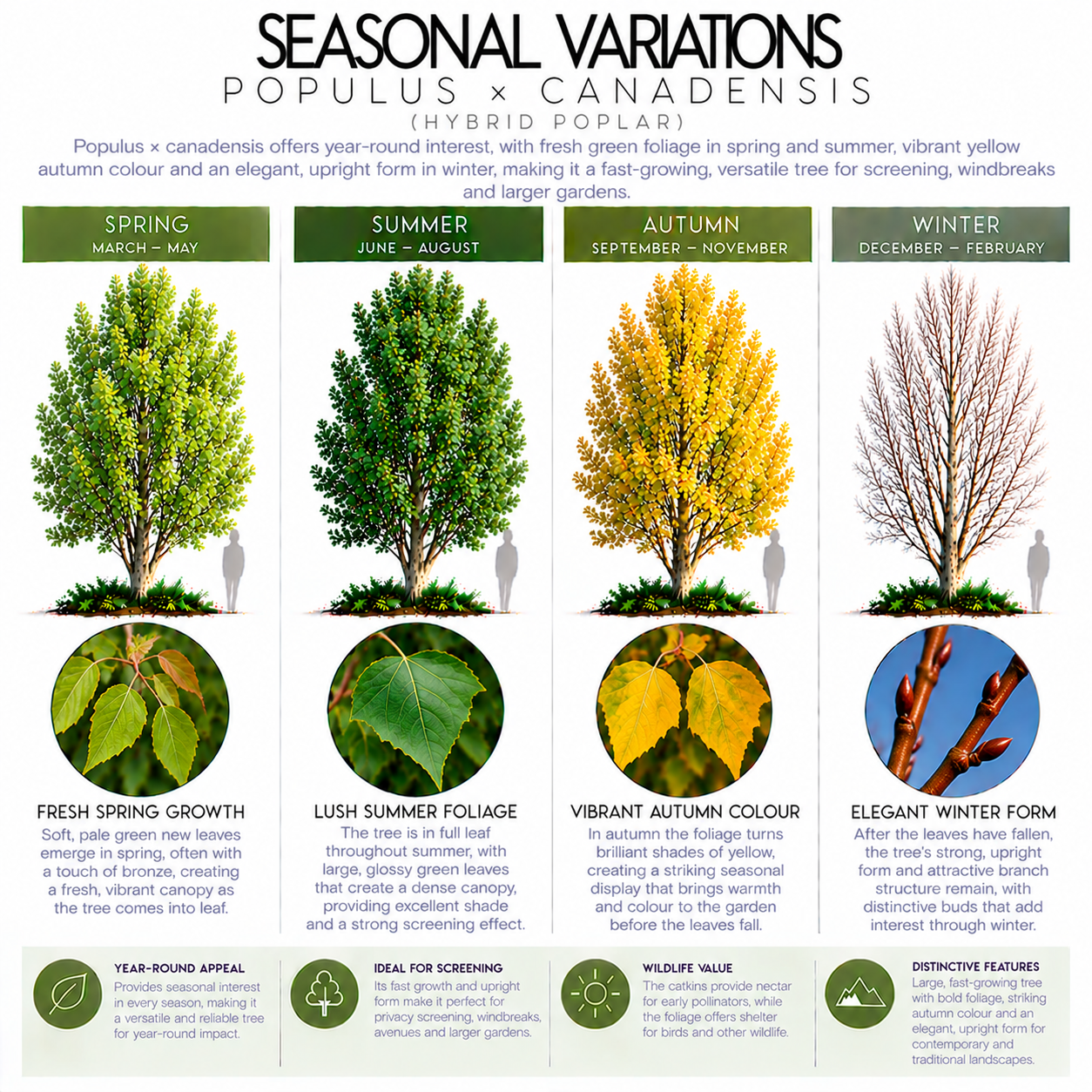 Image 2 of 12
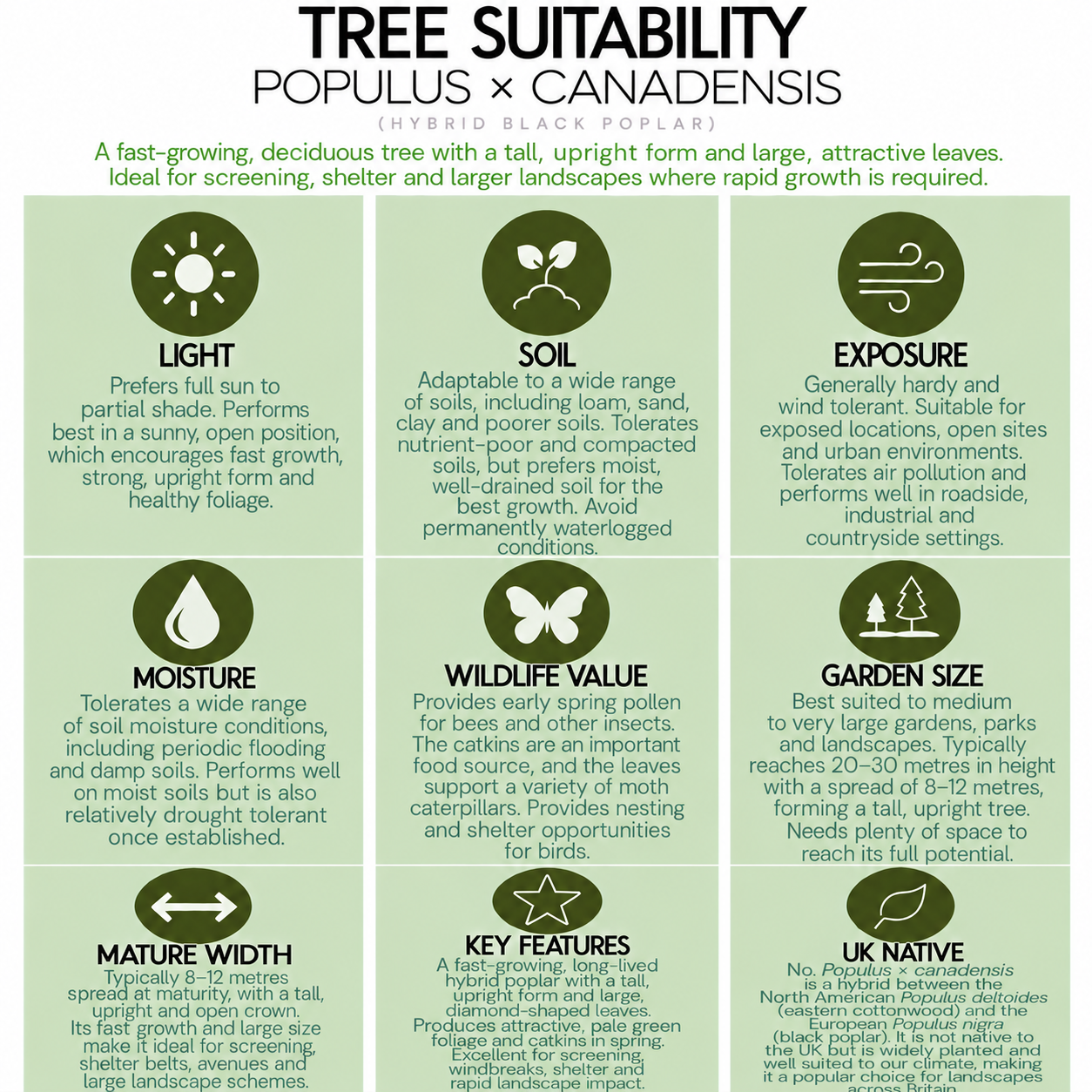 Image 3 of 12
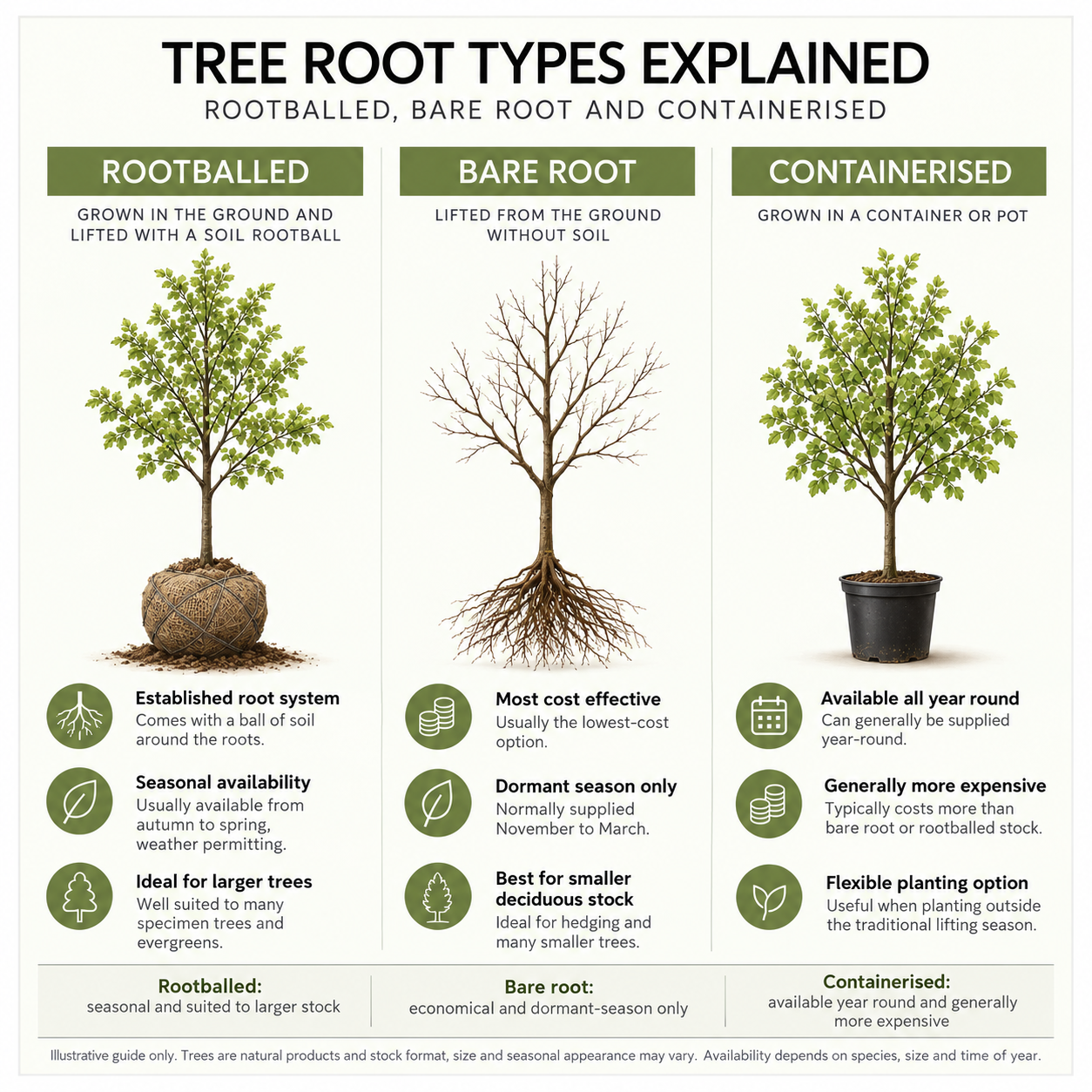 Image 4 of 12
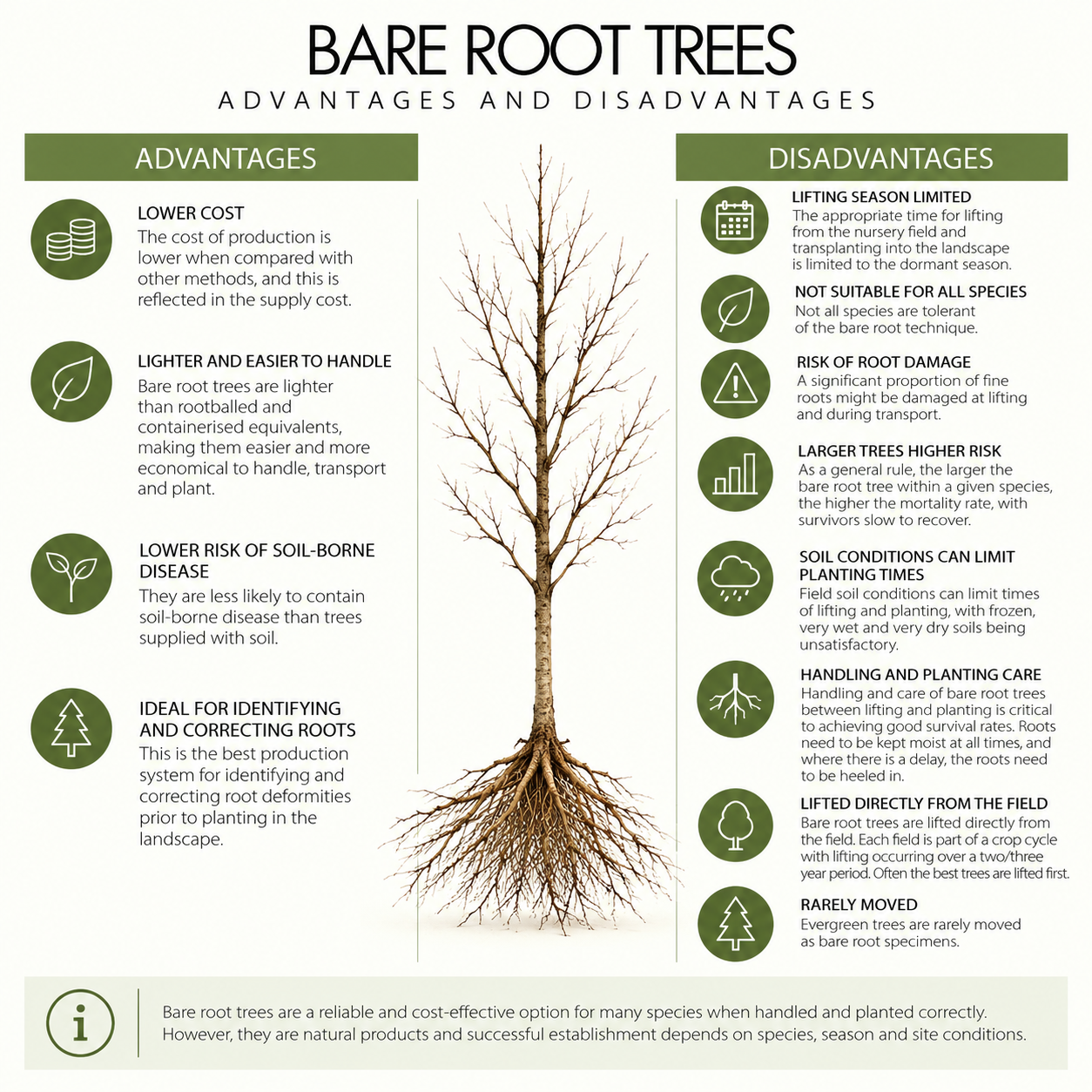 Image 5 of 12
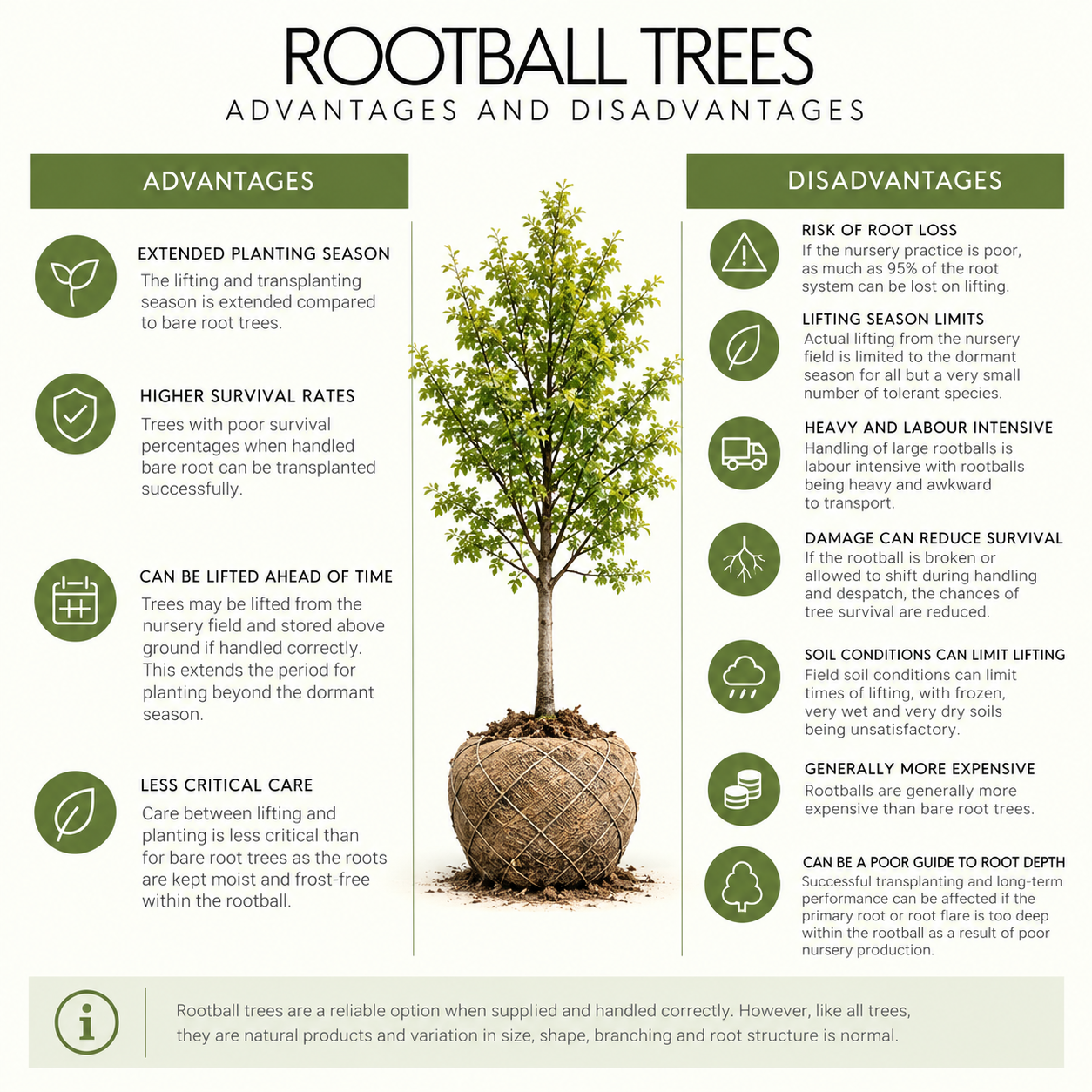 Image 6 of 12
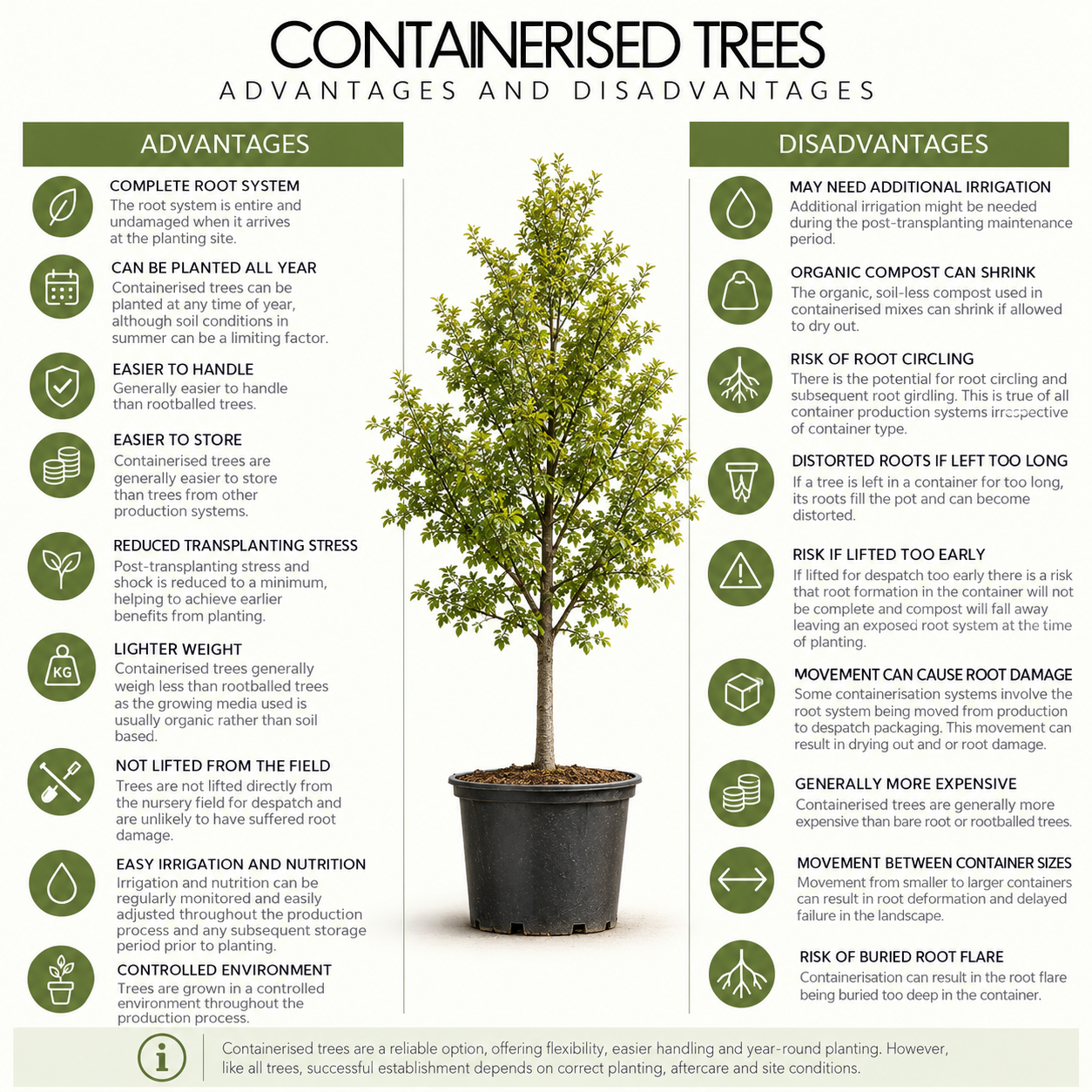 Image 7 of 12
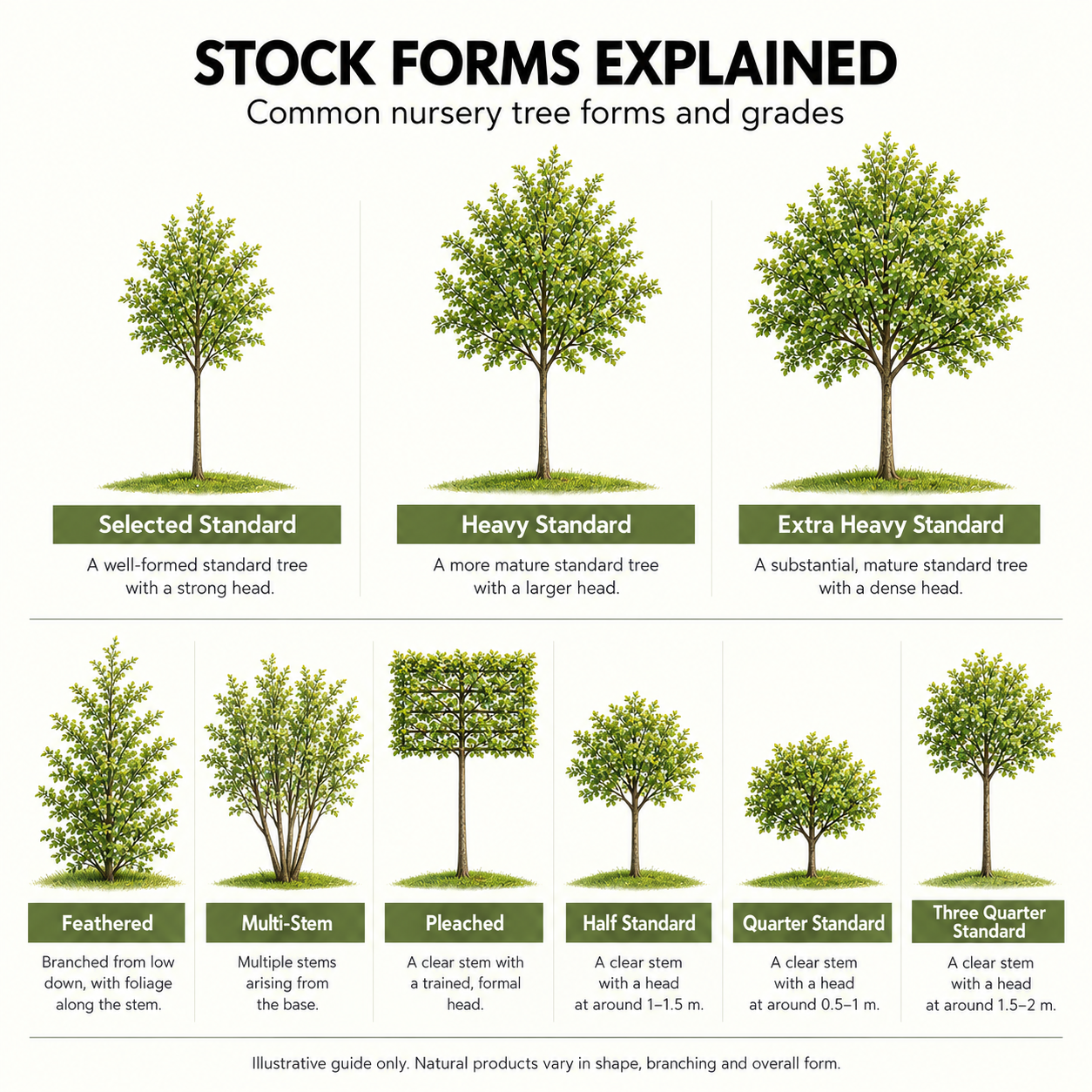 Image 8 of 12
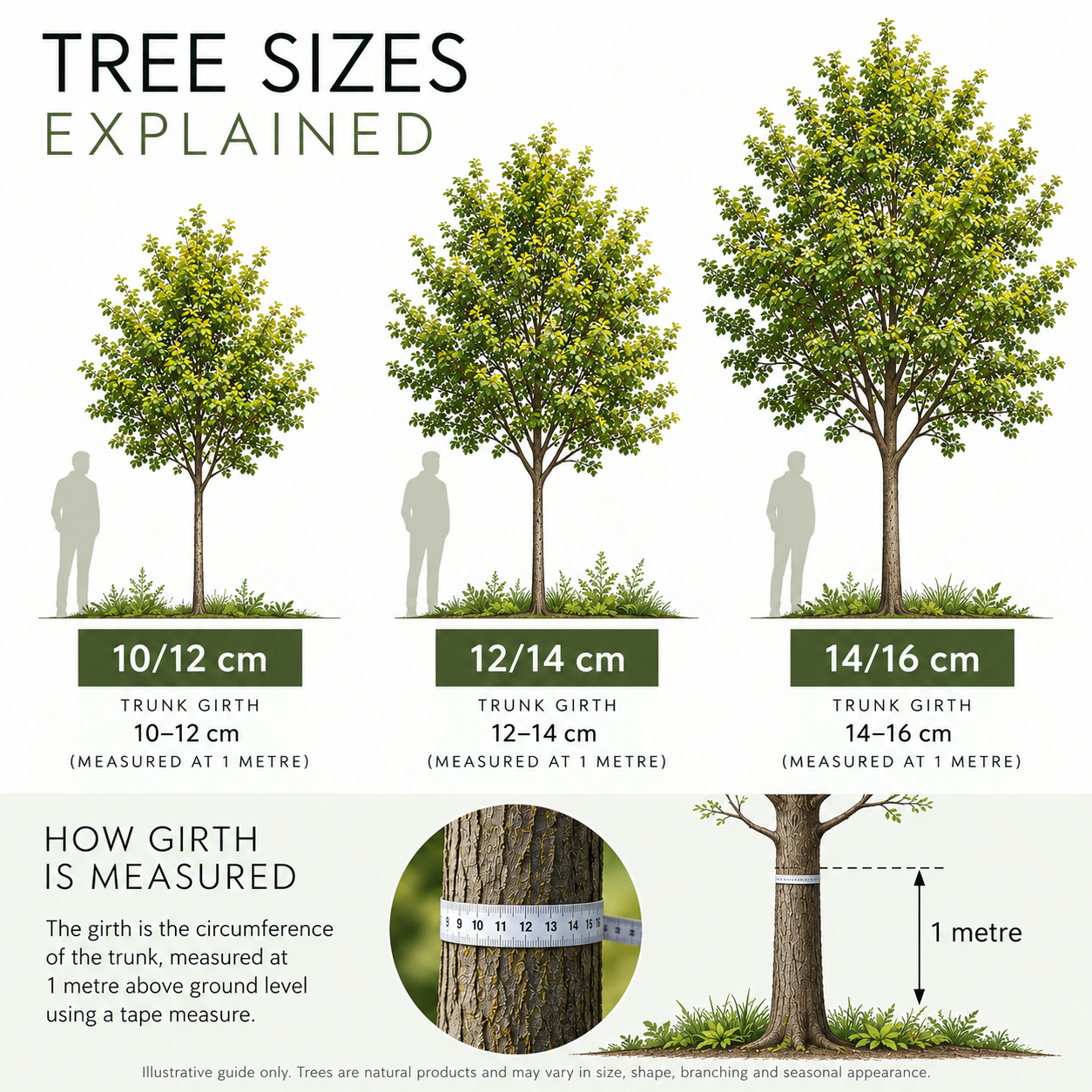 Image 9 of 12
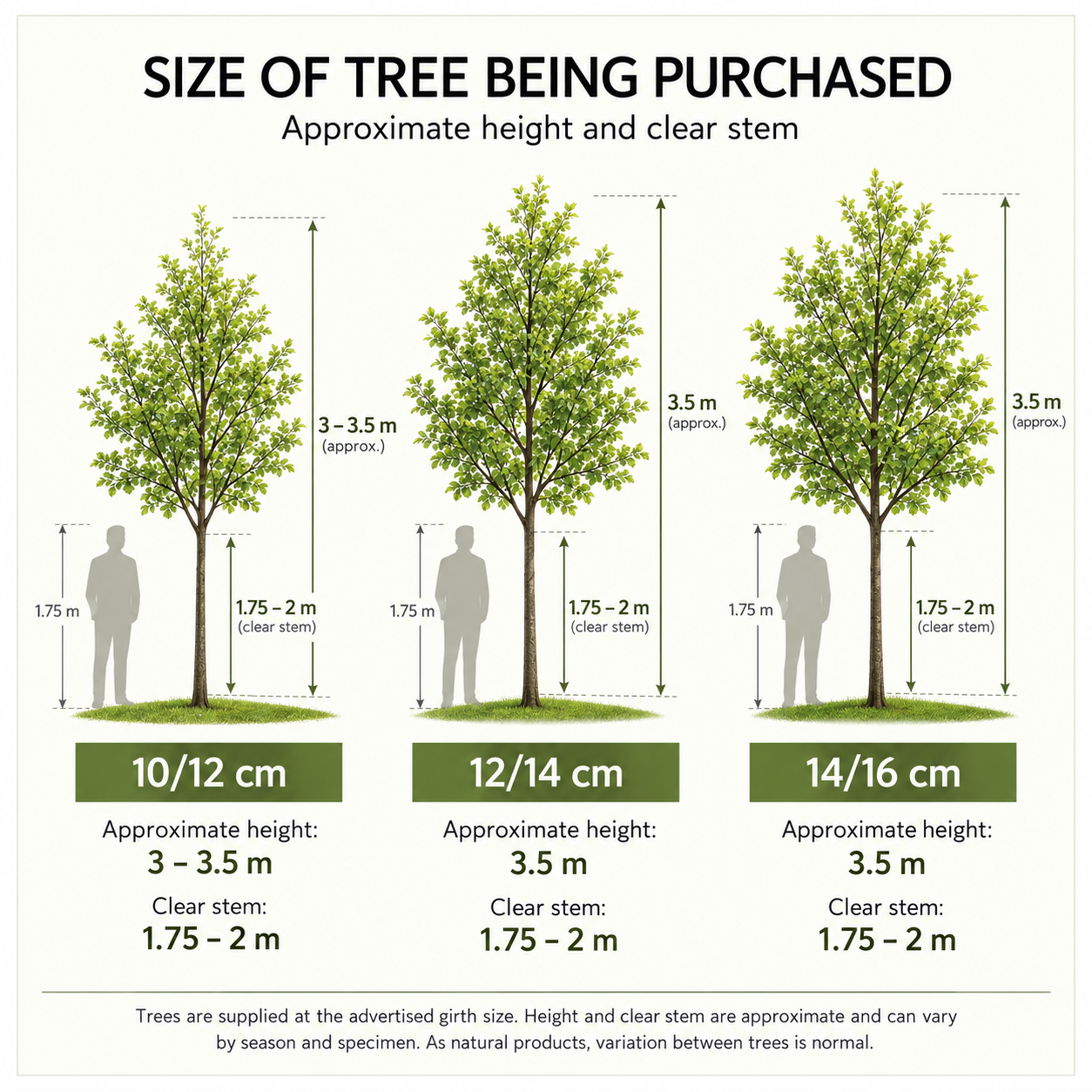 Image 10 of 12
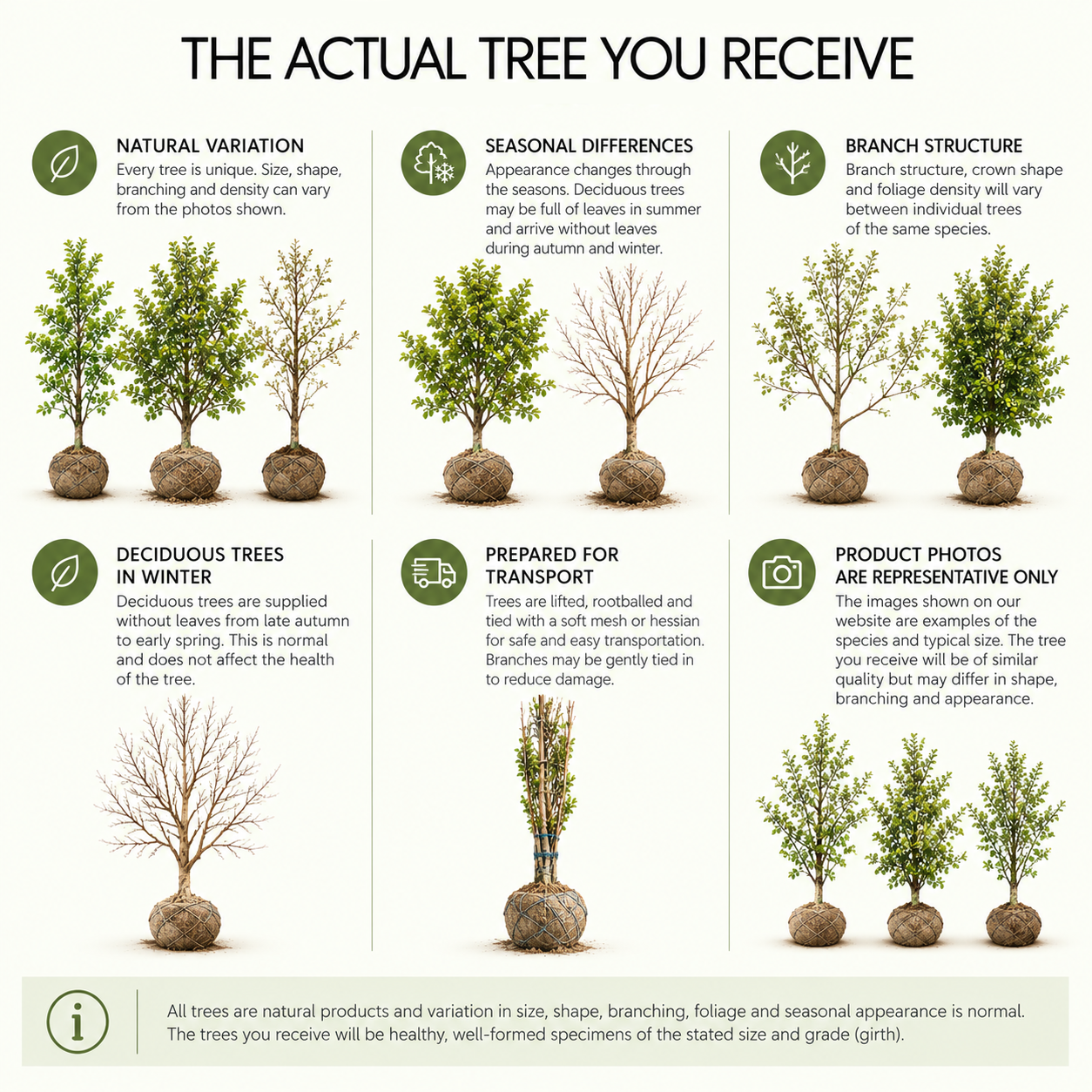 Image 11 of 12
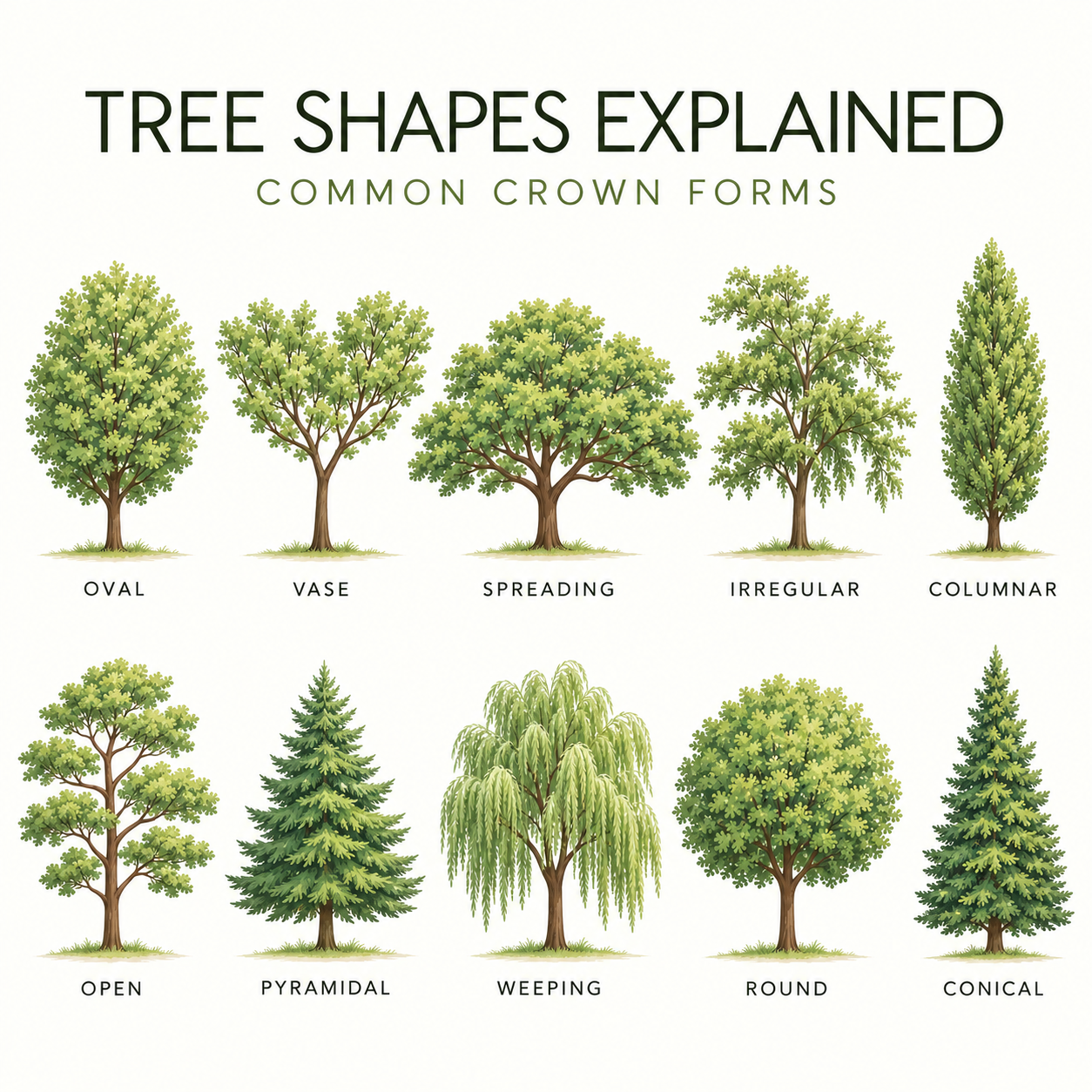 Image 12 of 12