About Prunus serrula – Tibetan Cherry
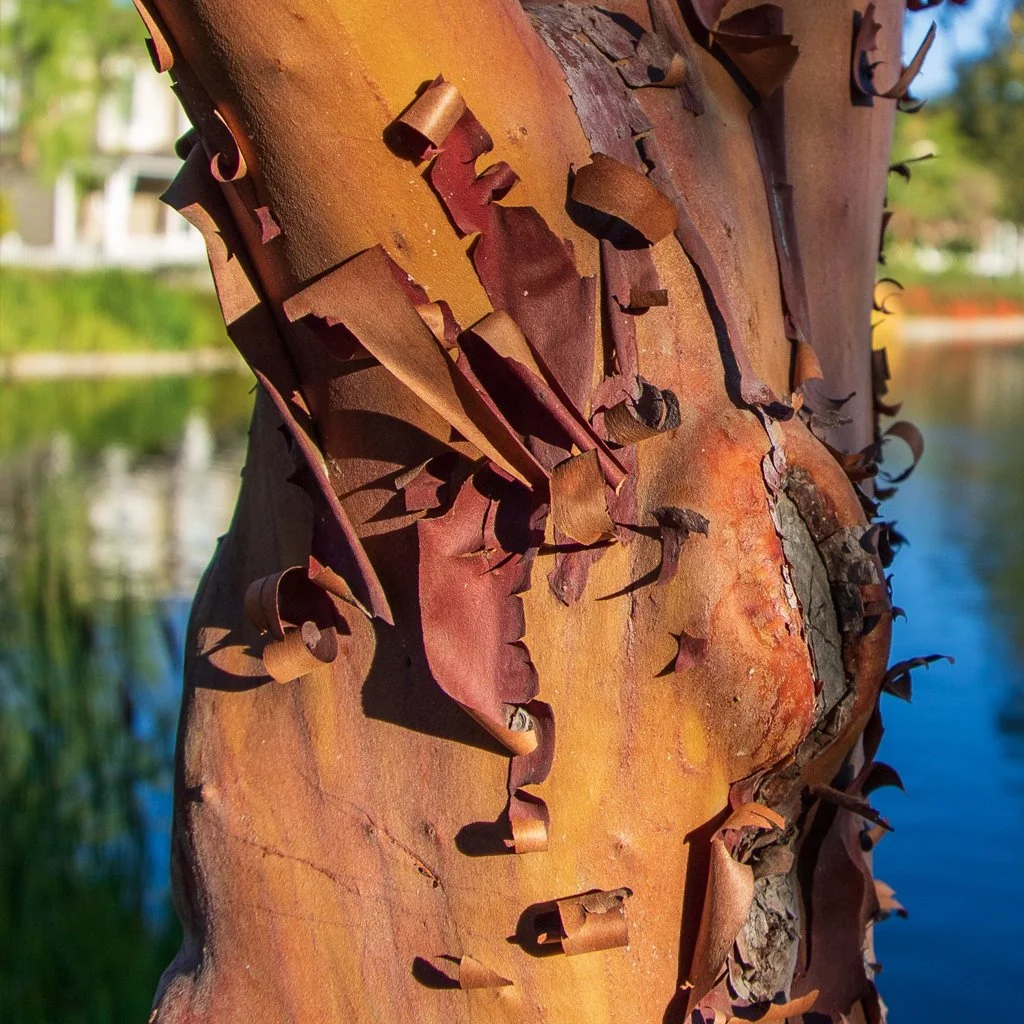
Prunus serrula, also known as Prunus tibetica or Tibetan Cherry, is a highly ornamental deciduous specimen tree prized for its exceptional polished, copper-mahogany bark. The smooth, glossy trunk develops distinctive horizontal markings and peeling layers, creating a striking architectural feature throughout the year, particularly during winter when the branches are bare.
In spring, small clusters of delicate white flowers appear as the narrow green leaves emerge. The foliage provides a fresh, elegant summer canopy before turning attractive shades of golden yellow in autumn. However, it is the remarkable reddish-brown bark that makes Tibetan Cherry one of the most distinctive ornamental trees for contemporary gardens and landscape designs.
Prunus serrula is particularly effective as a specimen tree where its trunk can be appreciated from the house, patio or garden seating area. It works beautifully alongside ornamental grasses, natural stone, porcelain paving and contrasting evergreen planting. Its architectural character also makes it suitable for formal gardens, courtyards with adequate growing space, and larger naturalistic landscapes.
This hardy ornamental cherry performs best in full sun and moderately fertile, well-drained soil. It tolerates a range of soil types, including clay, loam, sand and chalk, provided drainage is suitable. For gardens across Lancashire, the Ribble Valley, Greater Manchester, Cheshire and the wider North West, Tibetan Cherry offers exceptional year-round interest and a distinctive focal point.
Key Features of Tibetan Cherry
Moderate growth rate • Distinctive polished copper-mahogany bark • Attractive peeling bark and horizontal markings • Elegant rounded crown • Small white spring flowers • Narrow green summer foliage • Golden yellow autumn colour • Outstanding winter interest • Architectural specimen tree • Flowers provide a resource for pollinating insects
Prunus serrula – Plant Specification
Mature size: Approximately 8–12m high × 8m or more wide
Growth rate: Moderate
Foliage: Deciduous
Habit: Upright when young, developing a rounded or spreading crown with maturity
Bark: Glossy copper-red to mahogany-brown, with distinctive peeling layers
Leaf colour: Green in spring and summer, turning yellow in autumn
Flowers: Small white flowers in spring
Fruit: Small cherry-like fruits may develop following flowering
Position: Full sun
Soil: Moderately fertile, well-drained clay, loam, sand or chalk
Soil pH: Acidic, neutral or alkaline
Moisture: Moist but well-drained or well-drained
Exposure: Sheltered or exposed
Hardiness: H6 – hardy throughout the UK
UK native: No
Wildlife value: Good – spring flowers provide nectar and pollen for visiting insects
Best uses: Architectural specimen tree, contemporary gardens, ornamental planting, winter-interest gardens, attractive bark, feature planting and landscape design
Pruning: Minimal pruning is normally required. Where necessary, prune during summer to reduce the risk of silver leaf disease and bacterial canker.
Professional Tree Planting and Installation
Landscaping Emporium can arrange professional specimen tree planting through Kirman Design across selected areas of North West England.
We can install specimen trees within the following postcode areas, subject to access and project requirements:
BB, BL, CH1–CH5, CW8, CW9, FY, L, LA1–LA6, M, OL, PR, SK1–SK12, WA and WN.
If you require professional planting outside these areas, please contact us before purchasing to discuss whether installation can be arranged.
Telephone: 01942 604976
Before ordering a large Tibetan Cherry specimen, please consider the available planting space, soil drainage, delivery access and any specialist lifting equipment that may be required.
For more information about this tree, please refer to the downloadable plant specification. Our separate delivery, access and planting guide explains the practical considerations when ordering larger specimen trees.

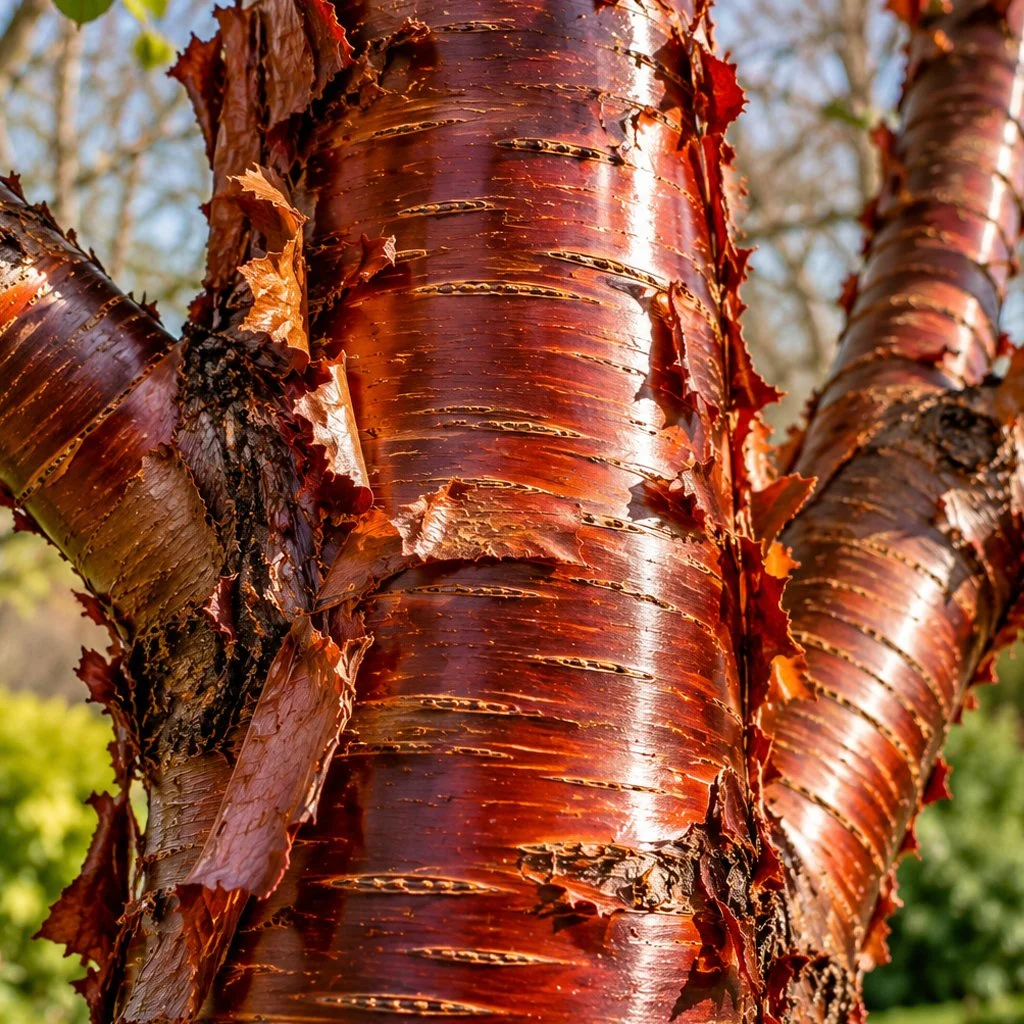 Image 1 of 15
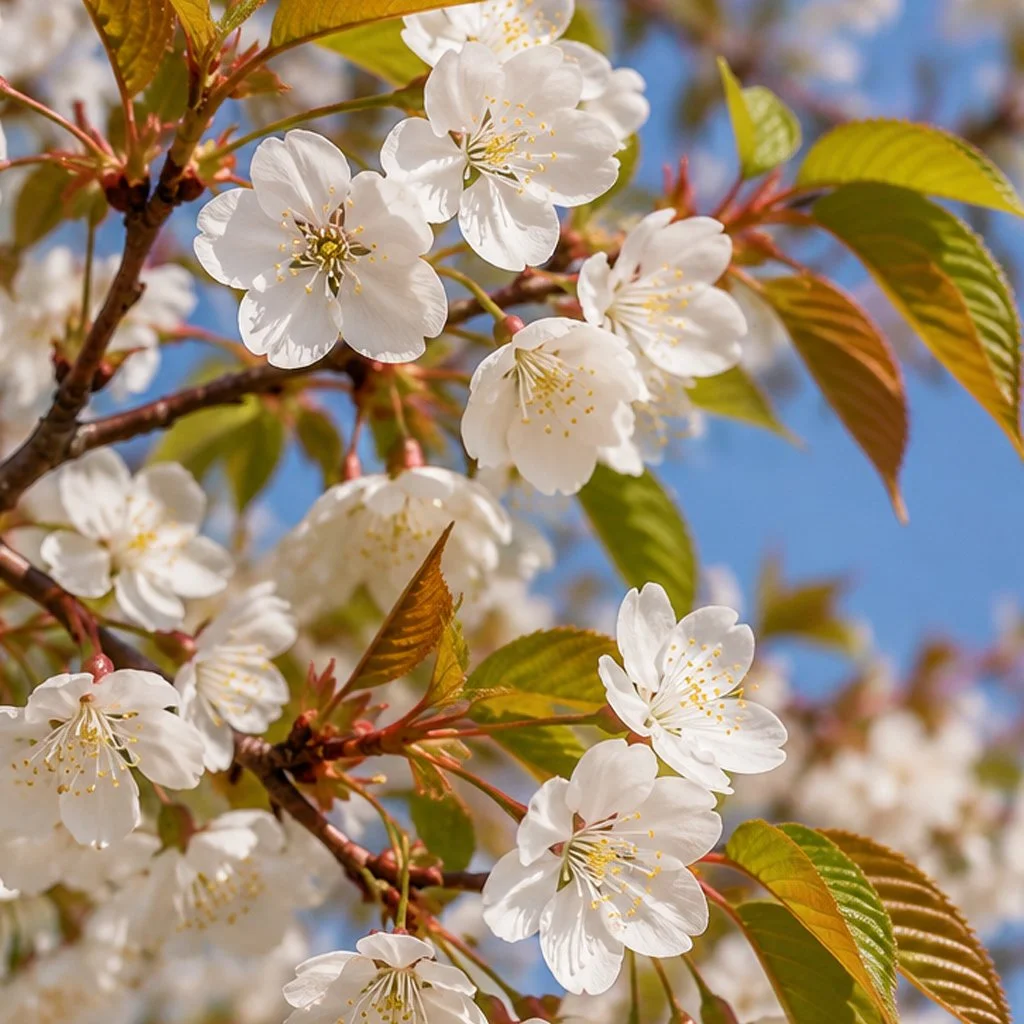 Image 2 of 15
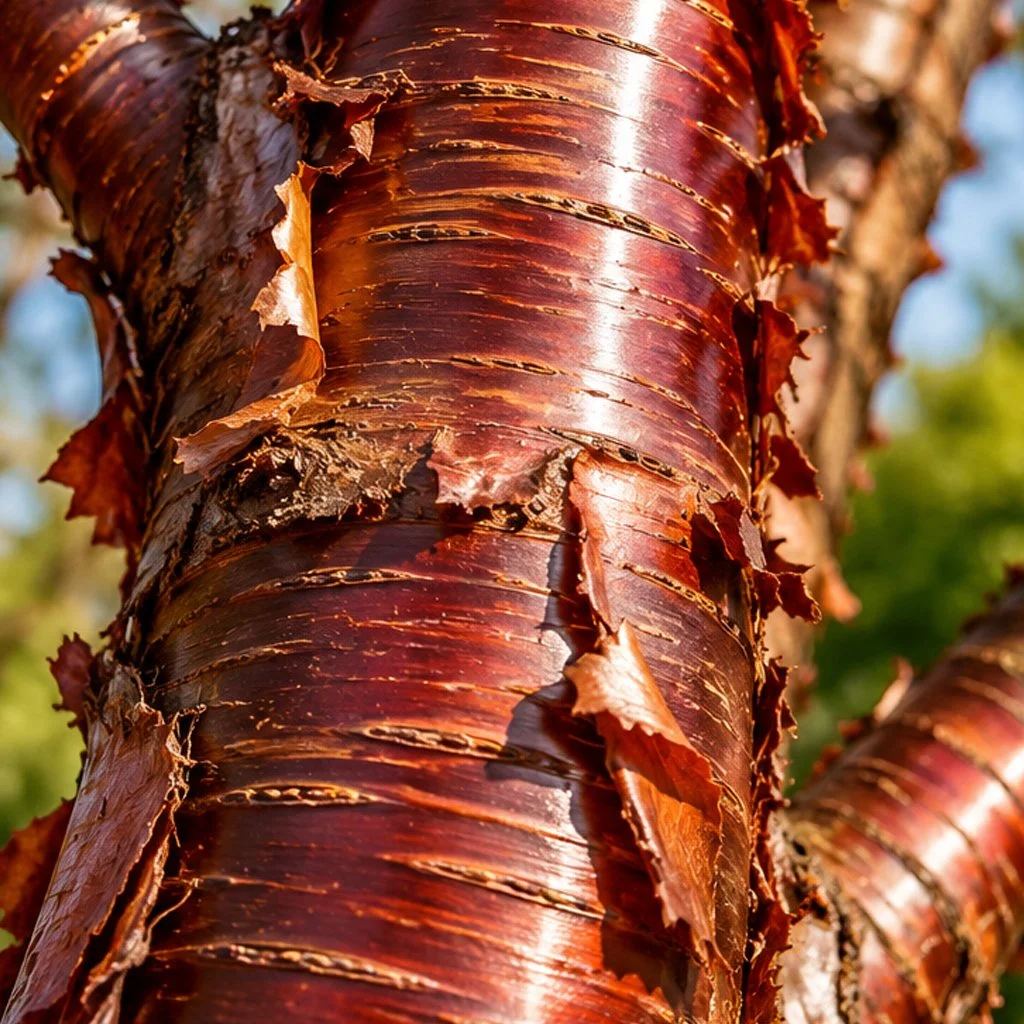 Image 3 of 15
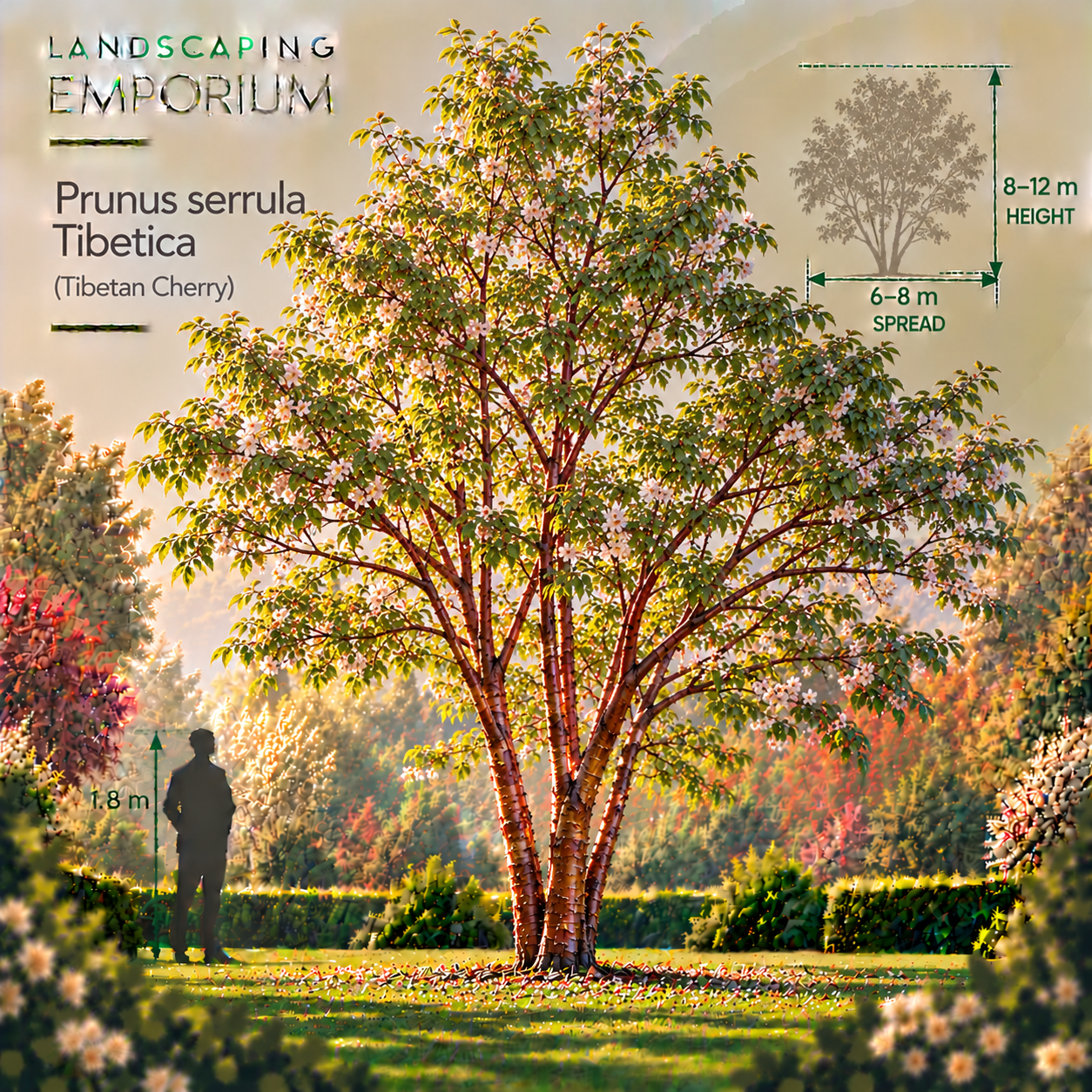 Image 4 of 15
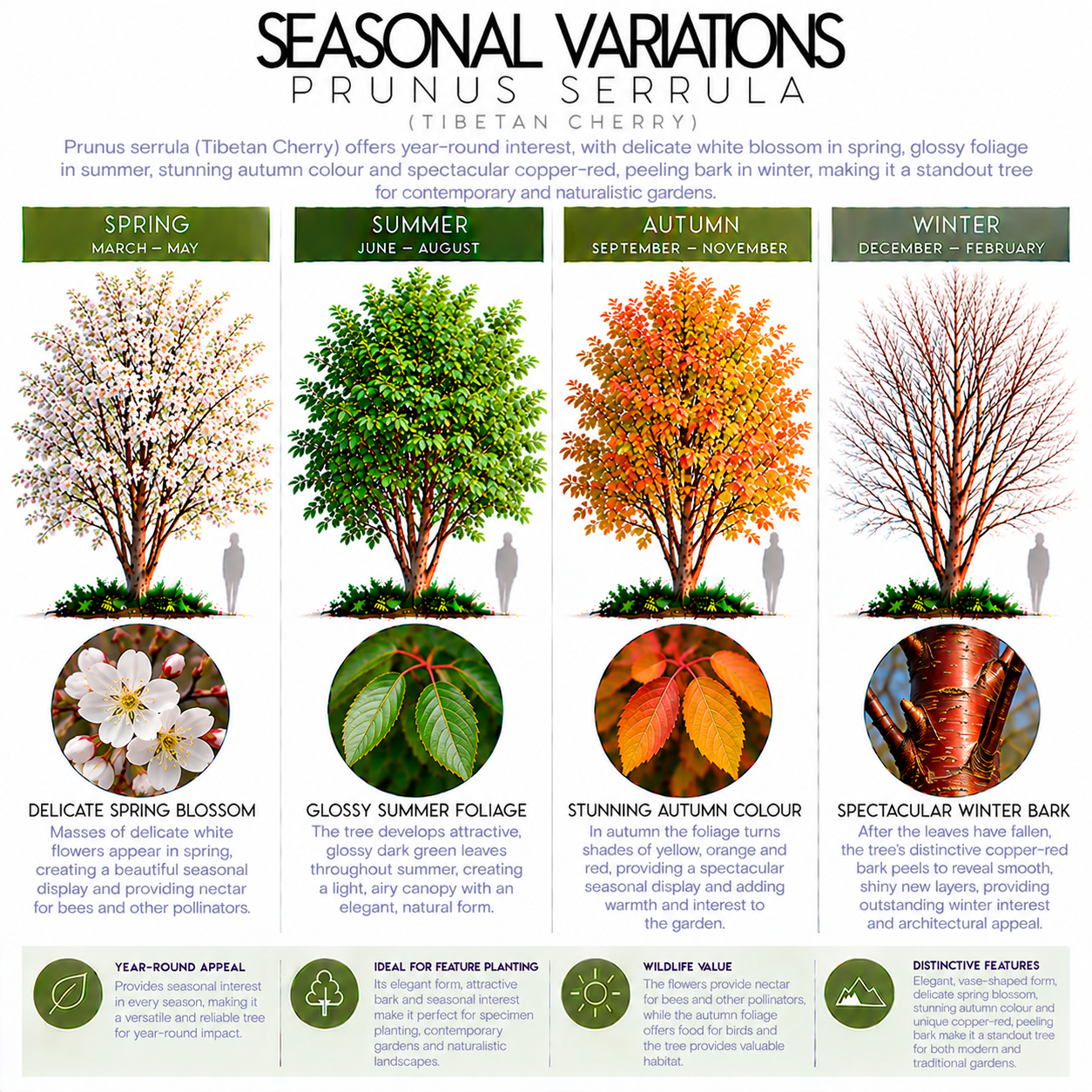 Image 5 of 15
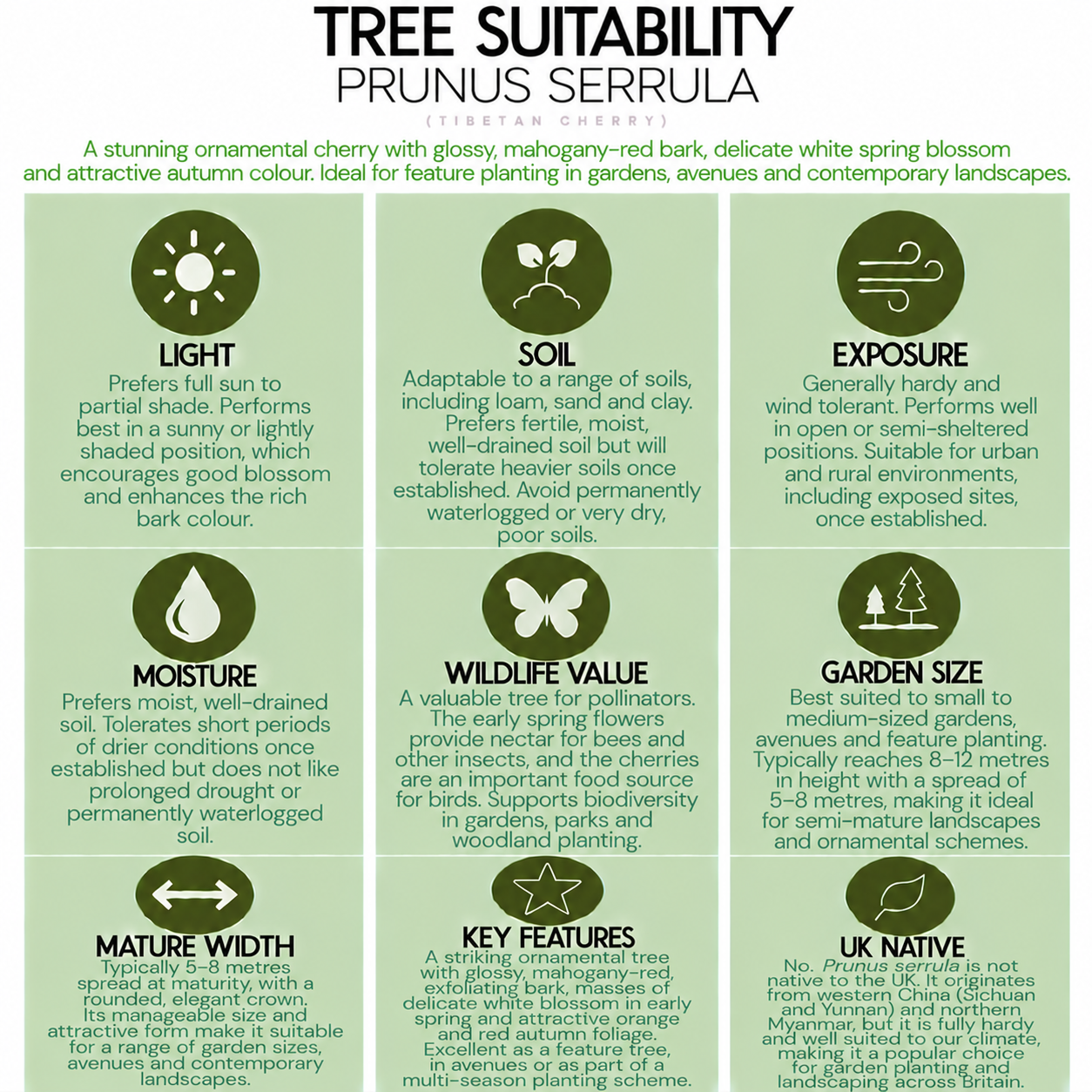 Image 6 of 15
 Image 7 of 15
 Image 8 of 15
 Image 9 of 15
 Image 10 of 15
 Image 11 of 15
 Image 12 of 15
 Image 13 of 15
 Image 14 of 15
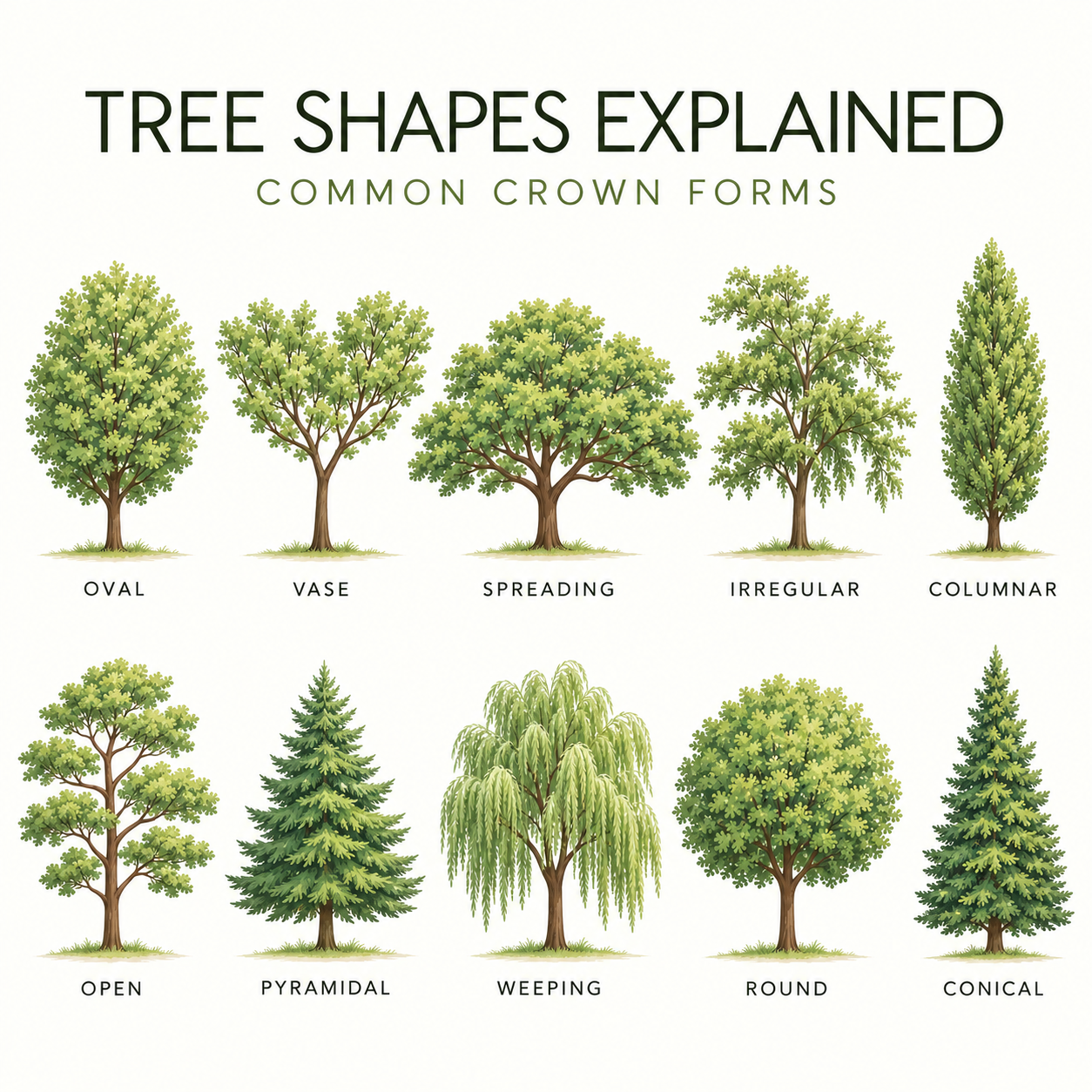 Image 15 of 15