Salix alba, commonly known as White Willow, is a magnificent, fast-growing deciduous tree valued for its graceful spreading crown, slender silvery-green foliage and outstanding suitability for damp or waterlogged ground. Its elegant appearance and natural character make it particularly attractive in large gardens, parkland, riverside landscapes and naturalistic planting schemes.
White Willow develops a substantial trunk with deeply fissured grey bark and a broad, spreading canopy. Its narrow, lance-shaped leaves have a distinctive silvery underside, creating a soft, shimmering effect as they move in the breeze. During spring, slender catkins appear alongside the emerging foliage, providing valuable early-season resources for pollinating insects.
As a vigorous, long-lived tree, Salix alba is especially useful for creating a substantial landscape feature where space allows. It thrives in moist and poorly drained soils, including heavy clay, making it an excellent choice for larger properties with naturally wet ground.
White Willow should be planted with careful consideration of its eventual size and extensive root system. It is generally unsuitable for confined gardens or locations close to buildings, foundations, drainage systems and underground services.
Key Features of White Willow
Fast growth rate • Graceful, broad spreading crown • Attractive silvery-green deciduous foliage • Distinctive deeply fissured bark • Spring catkins supporting pollinating insects • Excellent tolerance of wet and poorly drained ground • Suitable for large gardens, parkland and waterside landscapes • Fully hardy in the UK • Valuable habitat for wildlife • Can be managed through appropriate pollarding where suitable
Salix alba Plant Specification
Botanical name: Salix alba
Common name: White Willow
Family: Salicaceae
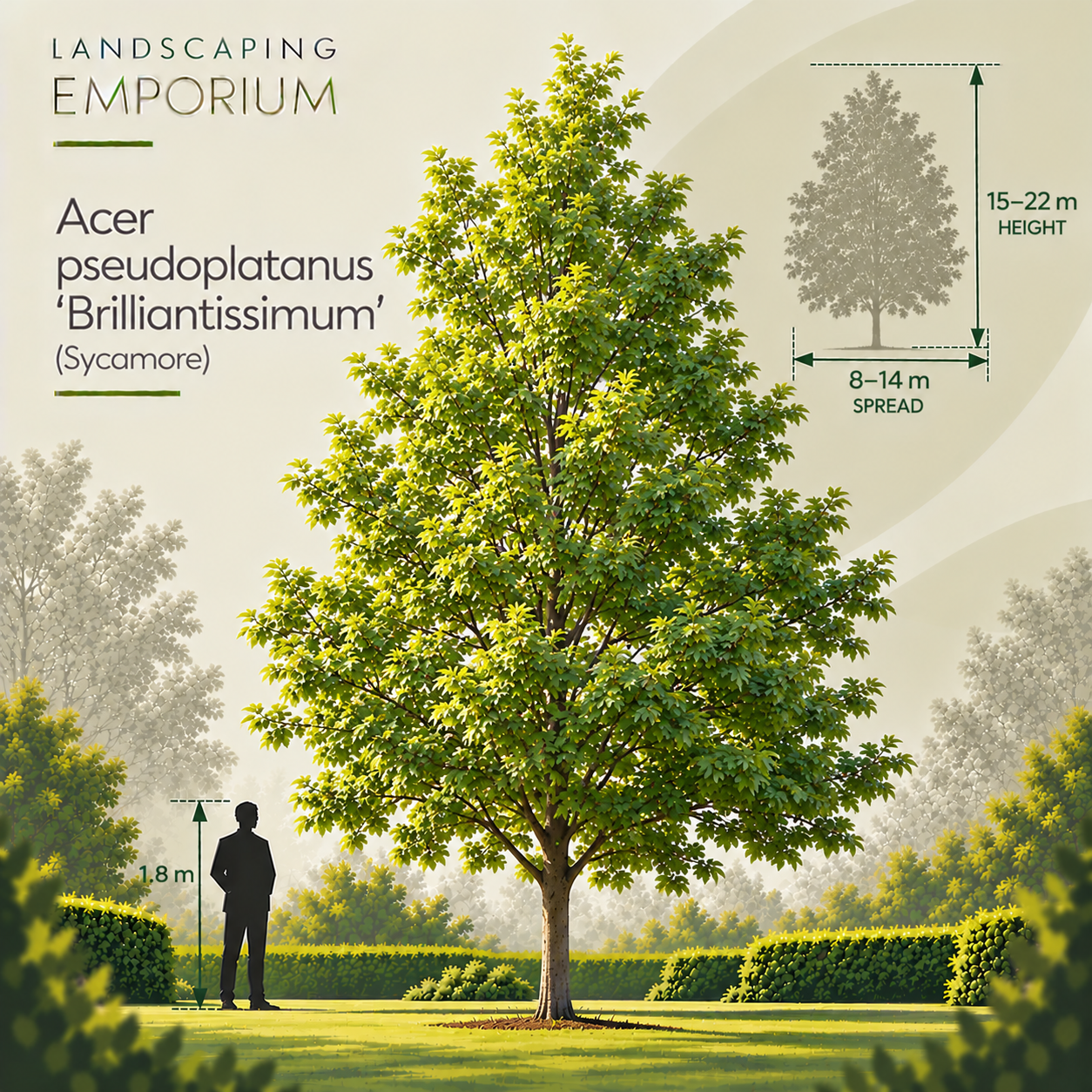
Mature size: Typically 15–25m high with a broad crown potentially spreading 10–15m or more, depending on growing conditions and management.
Growth rate: Fast – vigorous growth when established in favourable conditions.
Foliage: Deciduous – narrow, silvery-green leaves with pale, silky undersides.
Crown shape: Broad, spreading and irregularly rounded with gracefully arching branches.
Flowers: Slender catkins appearing in spring, usually April to May. Male and female flowers are generally carried on separate trees.
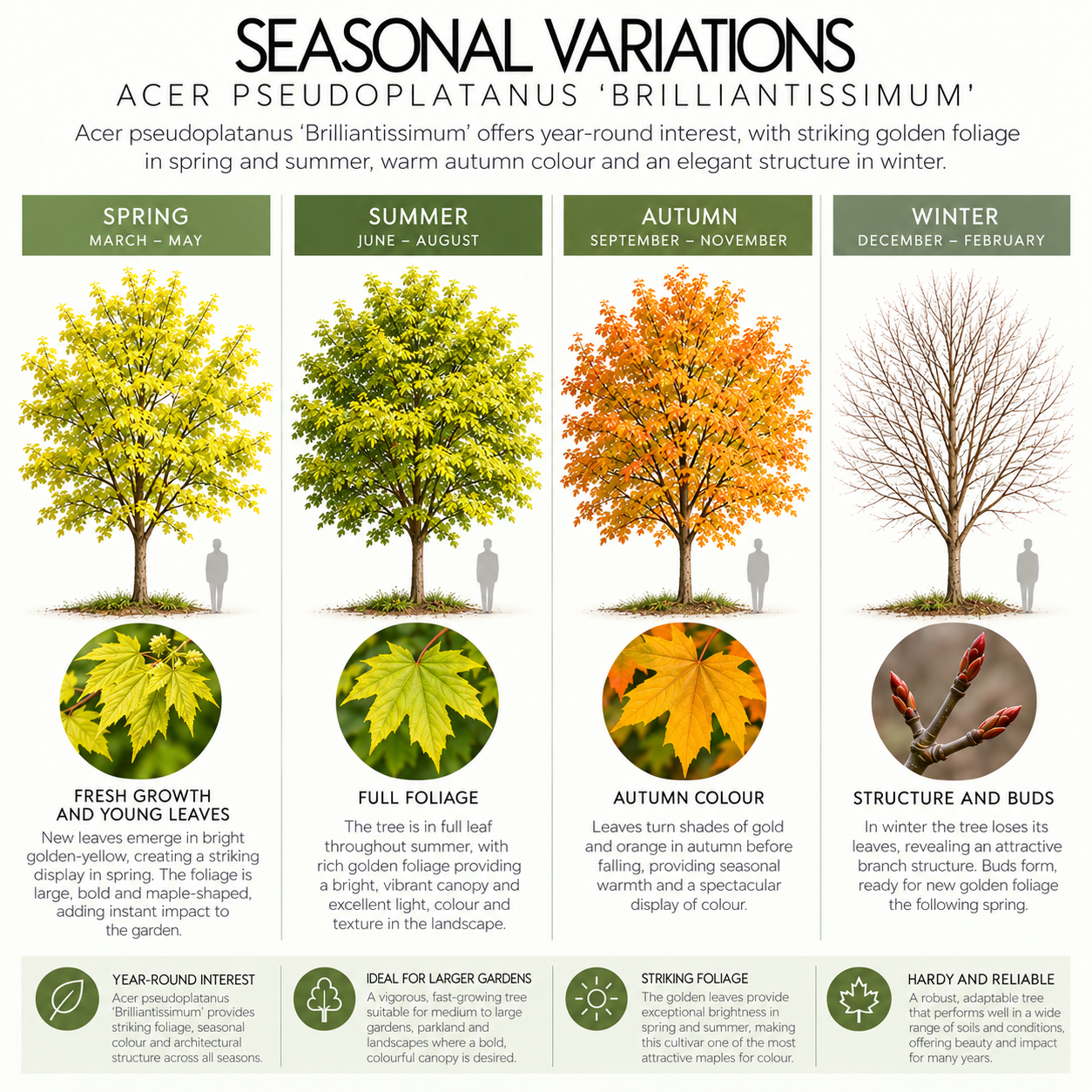
Autumn colour: Leaves generally turn pale yellow before falling.
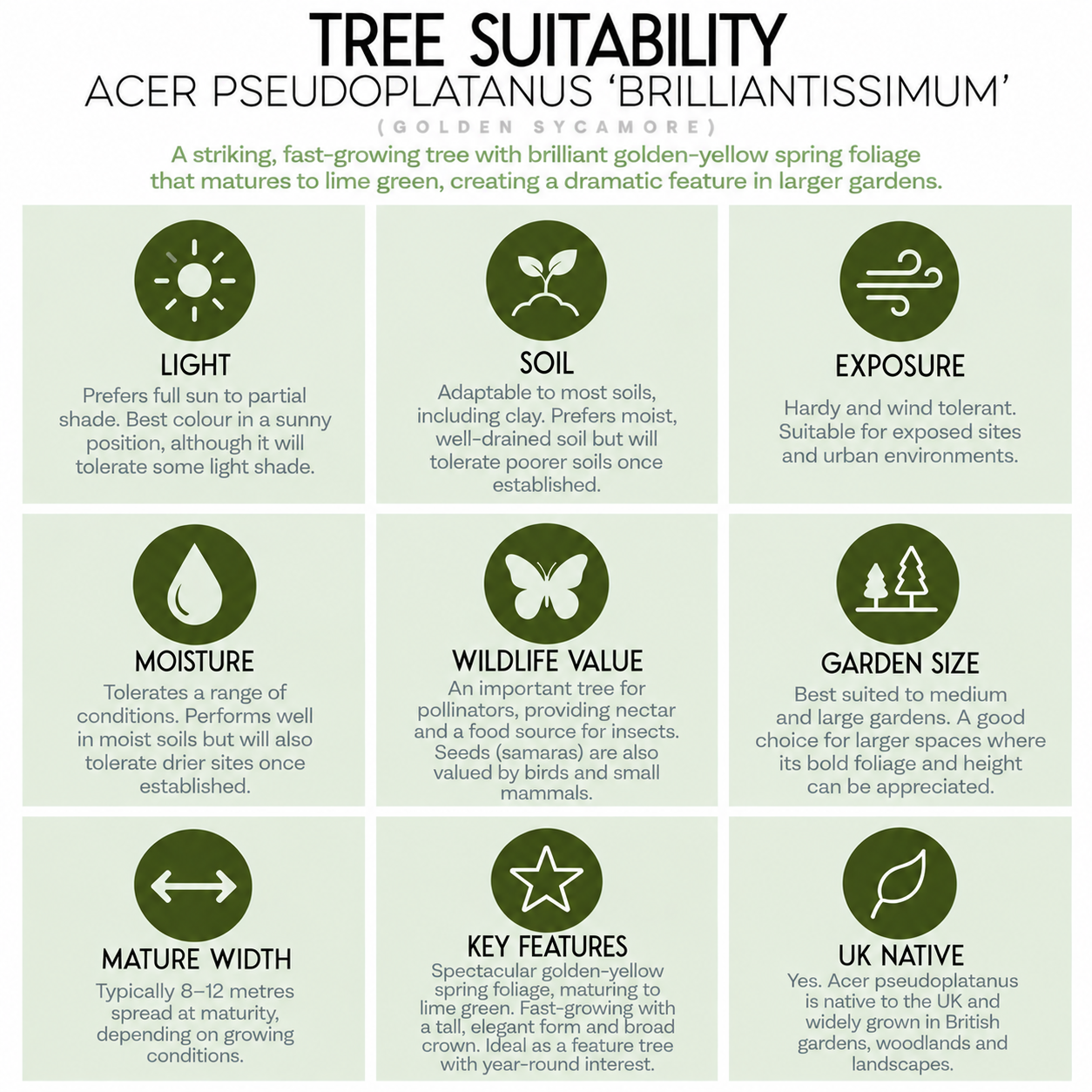
Position: Full sun.
Soil: Moist or wet clay, loam, sand and suitable chalk soils. Particularly tolerant of poorly drained ground.
Moisture requirements: Prefers consistently moist ground and tolerates seasonally waterlogged conditions. Less suitable for very dry soils.
Exposure: Suitable for sheltered and exposed positions.
UK native: Yes – a native species occurring in Britain.
Wildlife value: High – supports pollinating insects, provides habitat for birds and contributes to the biodiversity of wetland landscapes.
Hardiness: RHS H6 – hardy throughout the UK and northern Europe.
Maintenance: Generally low maintenance when given adequate space. Formative pruning may be beneficial when young. Established trees can be managed by professional pollarding where appropriate.
Root system: Vigorous and extensive, particularly where moisture is available. Careful positioning away from buildings, underground drainage and services is essential.
Suitable uses: Large gardens, parkland, wet ground, lakesides, riverbanks, naturalistic planting, wildlife landscapes and substantial rural properties.
Specimen Tree Delivery and Professional Planting
Landscaping Emporium, brought to you by Kirman Design, offers professional specimen tree supply and planting throughout selected areas of North West England.
We can professionally plant specimen trees in the following postcode areas:
BB, BL, CH1–CH5, CW8, CW9, FY, L, LA1–LA6, M, OL, PR, SK1–SK12, WA and WN.
Please do not select professional planting at checkout if your property is outside these postcode areas without contacting us first.
If you live outside our normal installation area, please call 01942 604976 or email hello@landscapingemporium.co.uk. We may still be able to arrange planting depending on your location, the tree size and site access.
Before ordering a large White Willow, please consider delivery access, gate and passage widths, steps, slopes, overhead restrictions and the available planting space.
Due to the eventual size and vigorous root system of Salix alba, we particularly recommend assessing the distance from buildings, foundations, drains, underground services and neighbouring properties before planting.
White Willow may be available in different nursery sizes and root formats, depending on the season and current stock. Overall height, trunk girth and crown dimensions will vary according to the selected specification.
For further guidance, explore our specimen tree collection, our trees for wet ground advice page, or contact our team to discuss professional tree supply and planting.
Landscaping Emporium – brought to you by Kirman Design
Unit 9, Bridgewater Business Park
Gladstone Street
Blackburn
BB1 3DL
Telephone: 01942 604976
Email: hello@landscapingemporium.co.uk
Professional tree supply and planting across North West England.

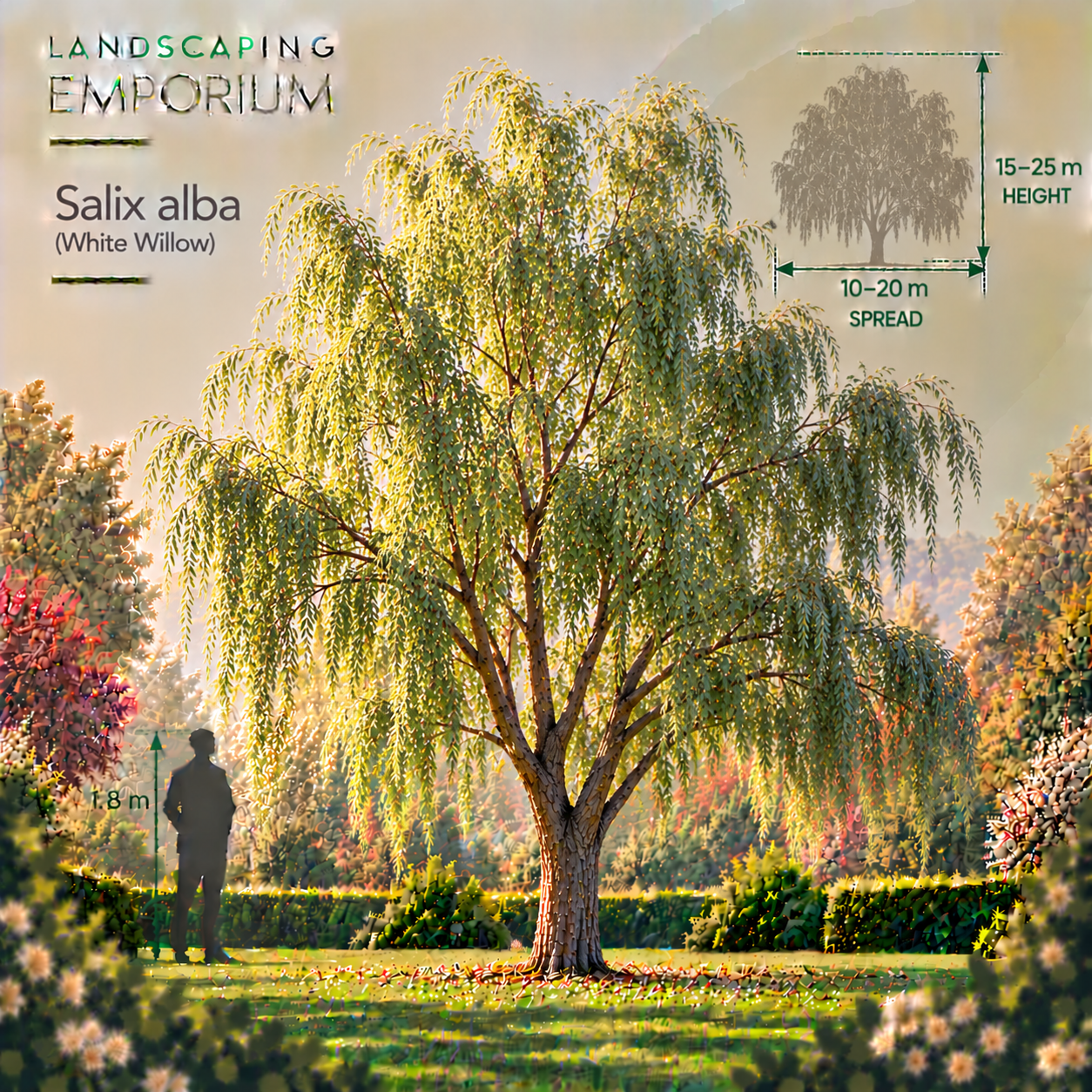 Image 1 of 12
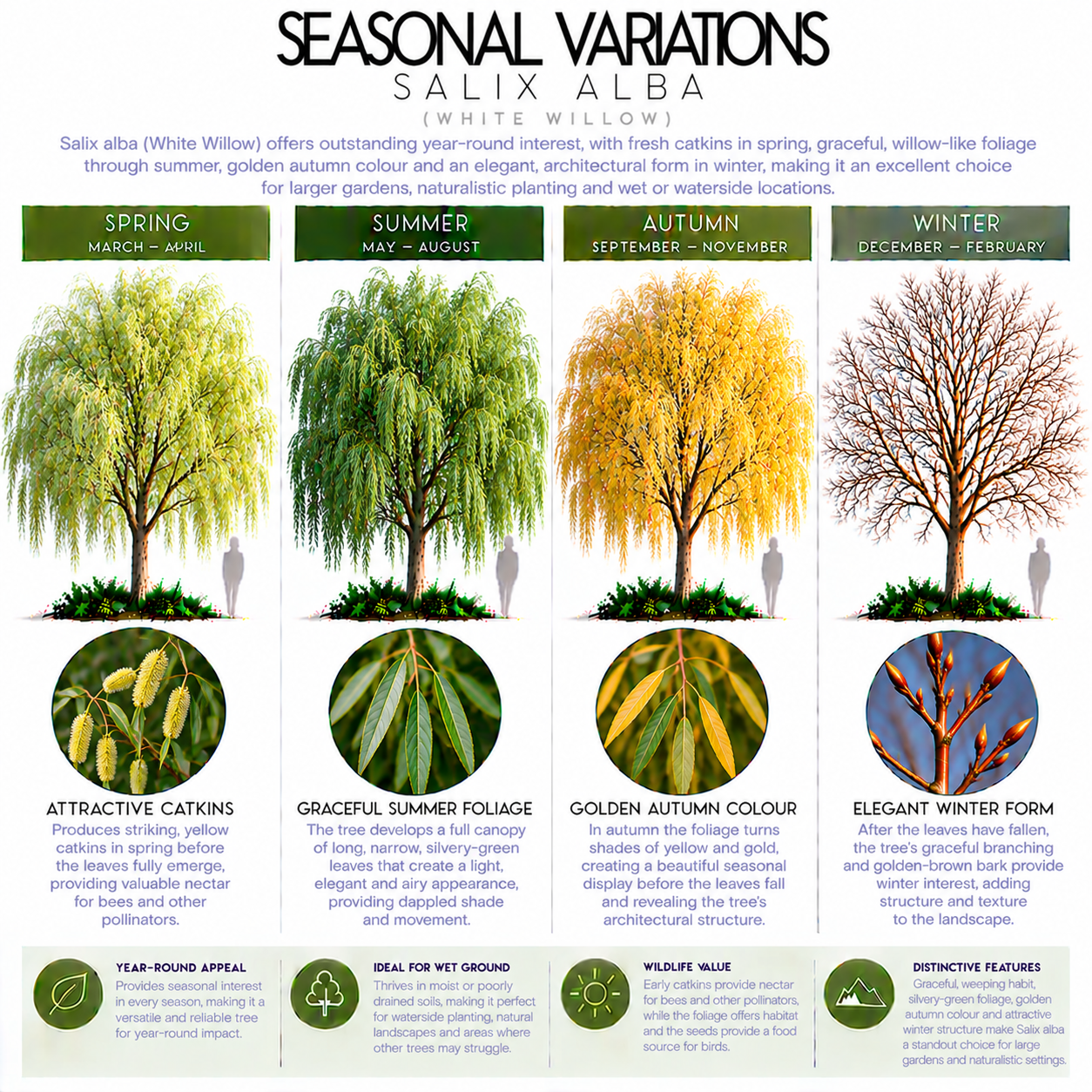 Image 2 of 12
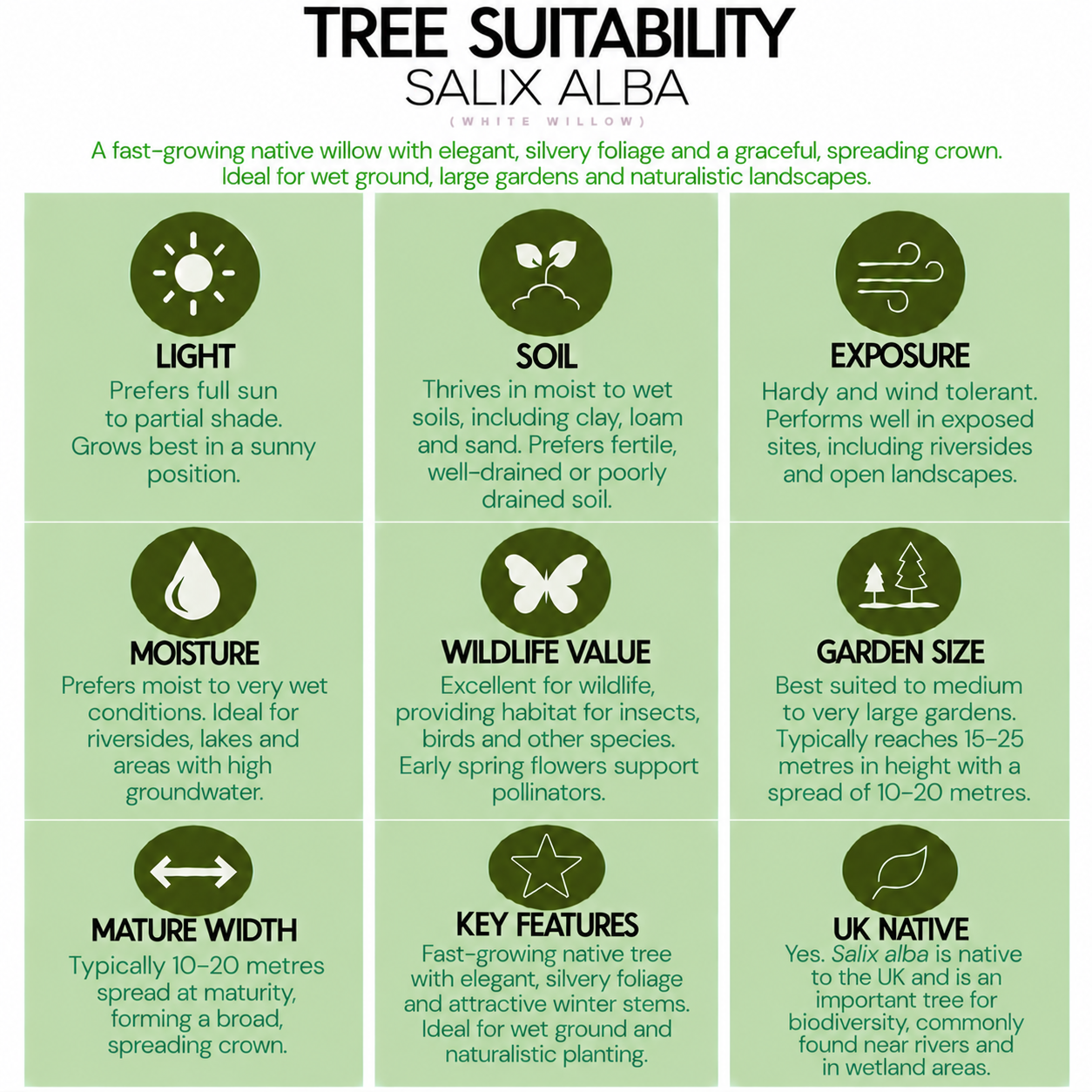 Image 3 of 12
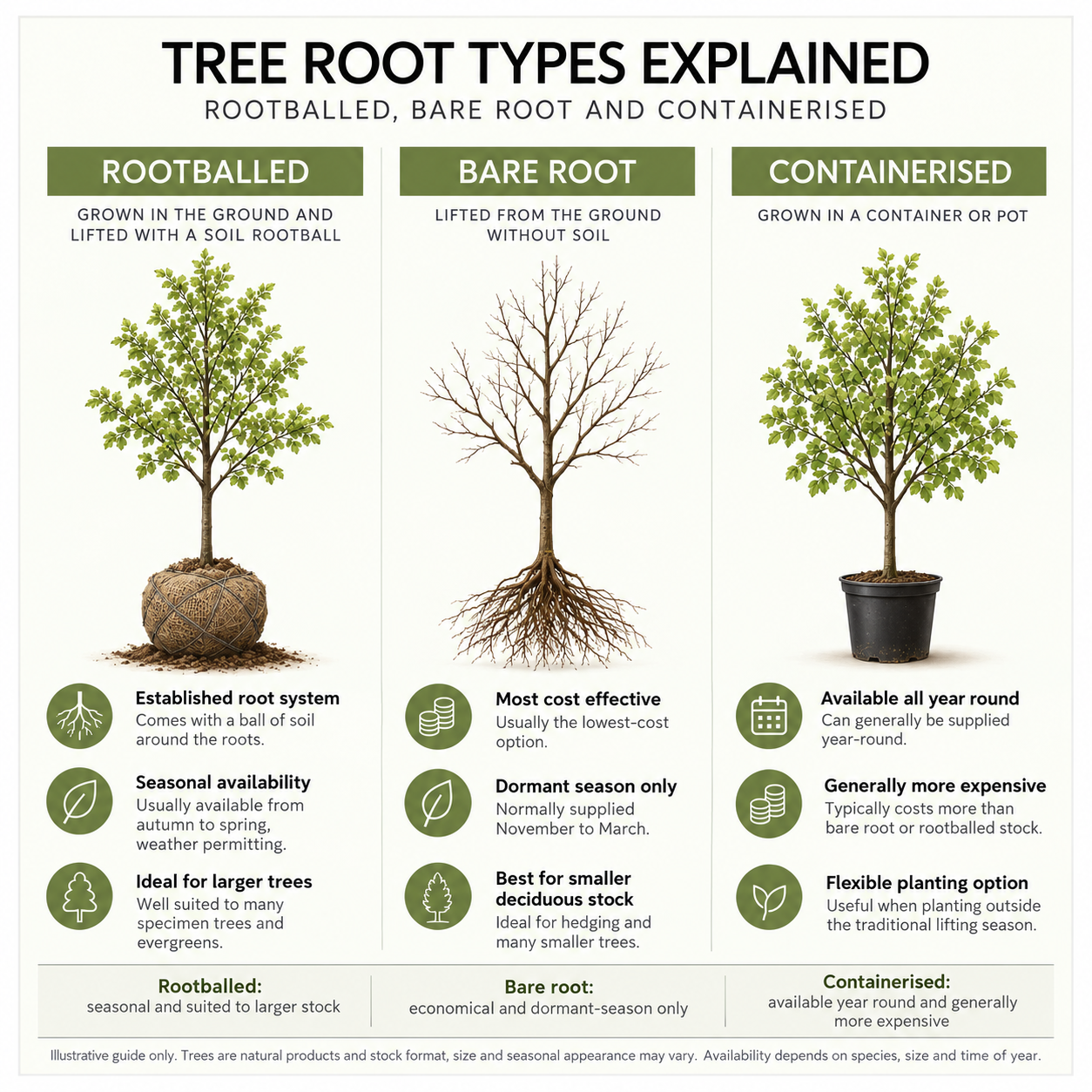 Image 4 of 12
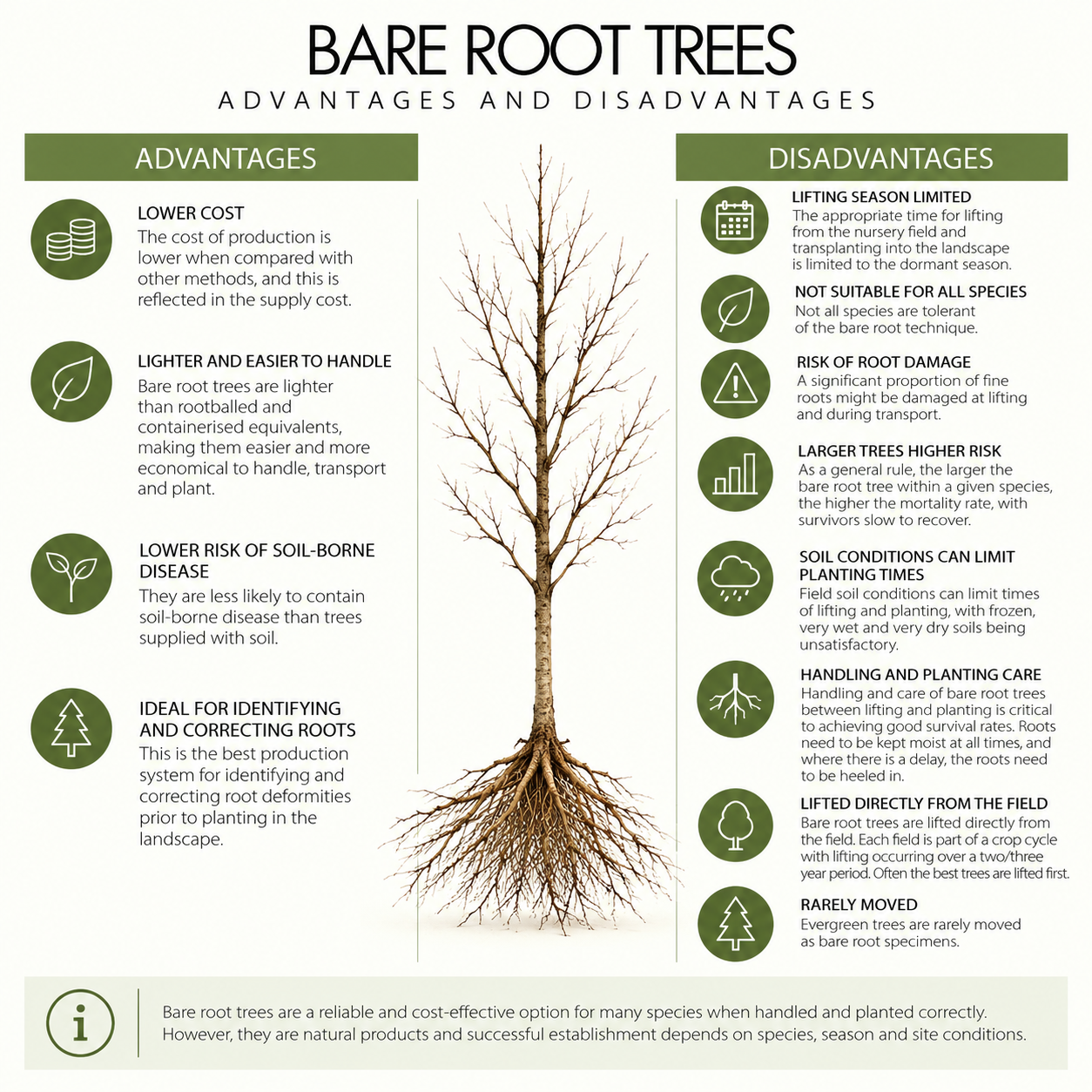 Image 5 of 12
 Image 6 of 12
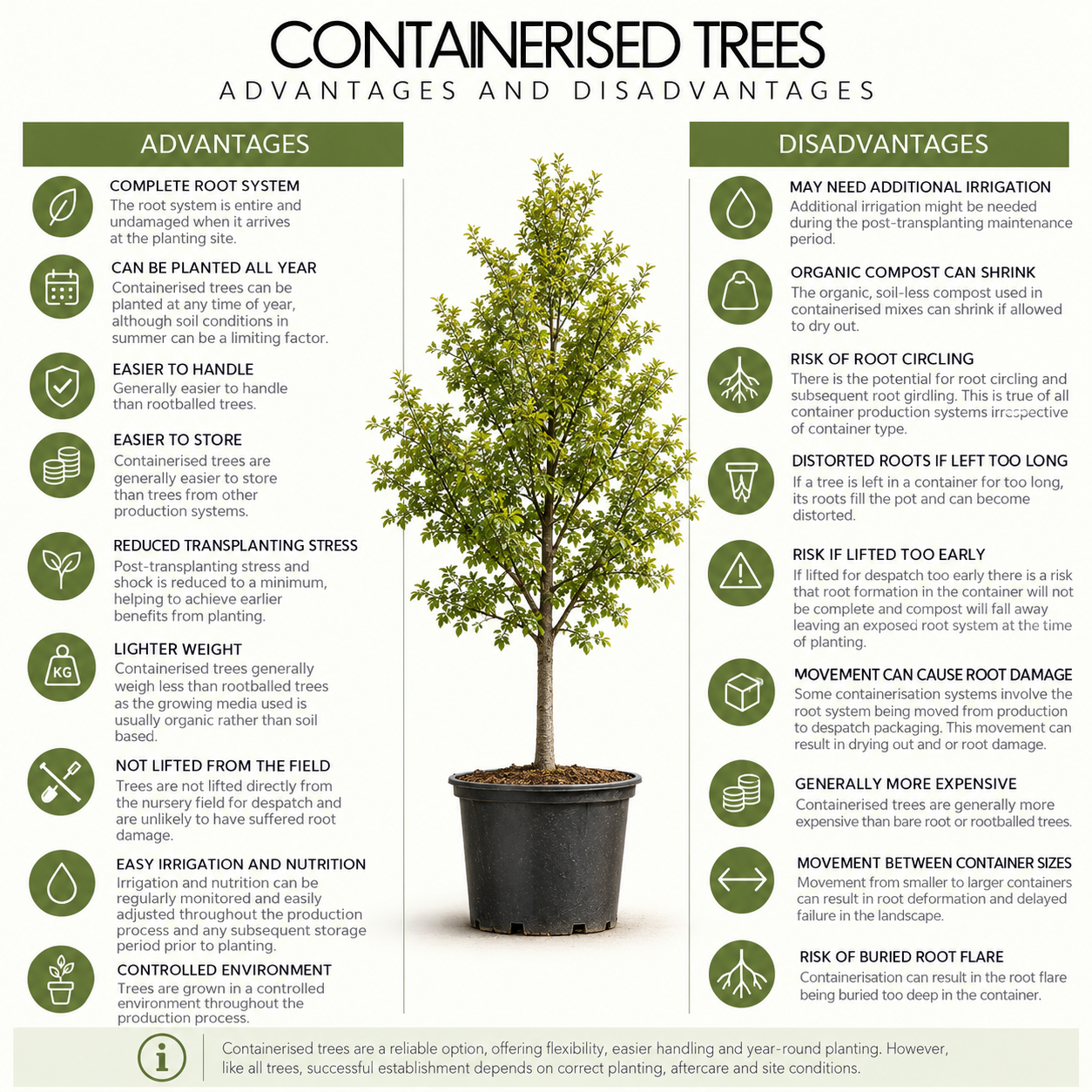 Image 7 of 12
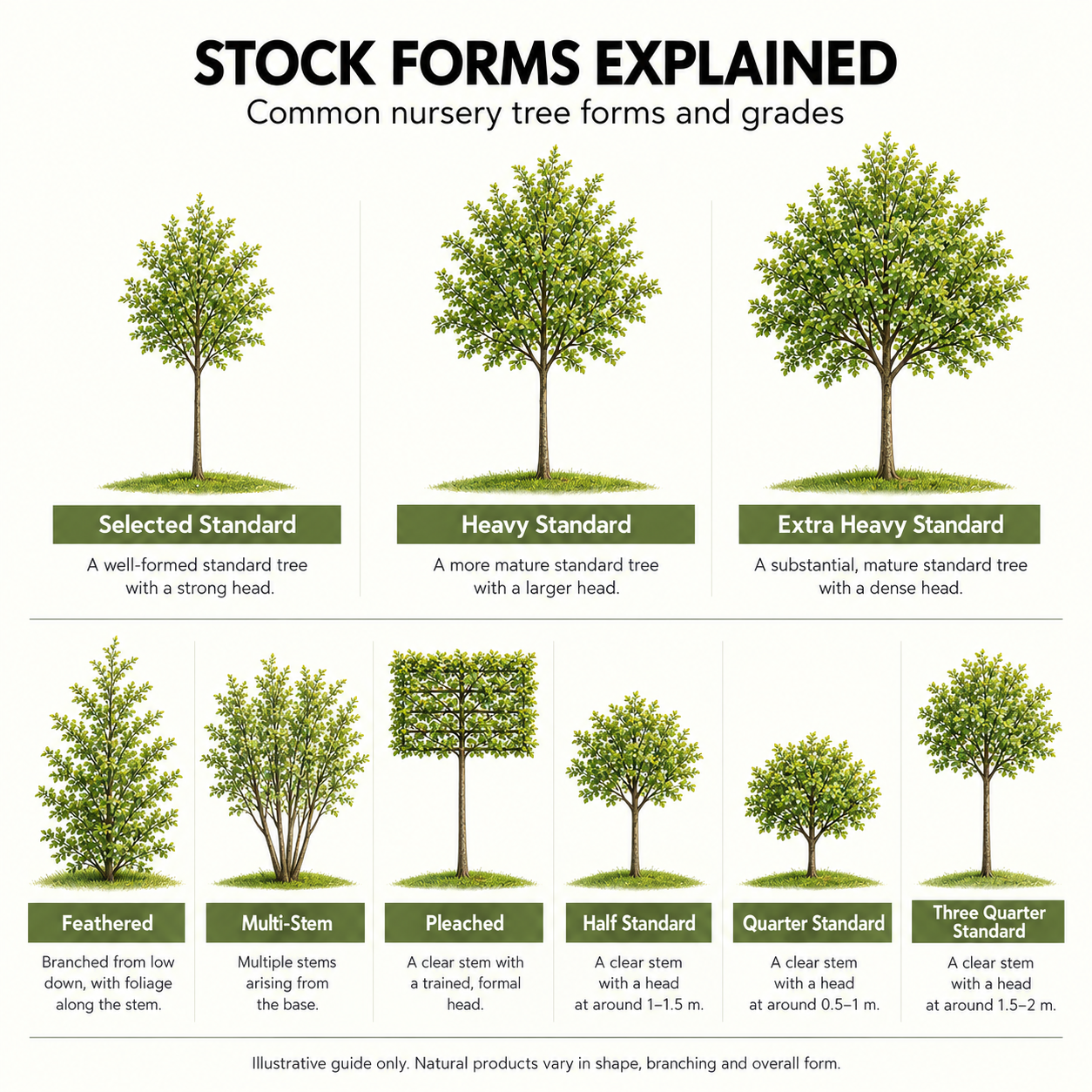 Image 8 of 12
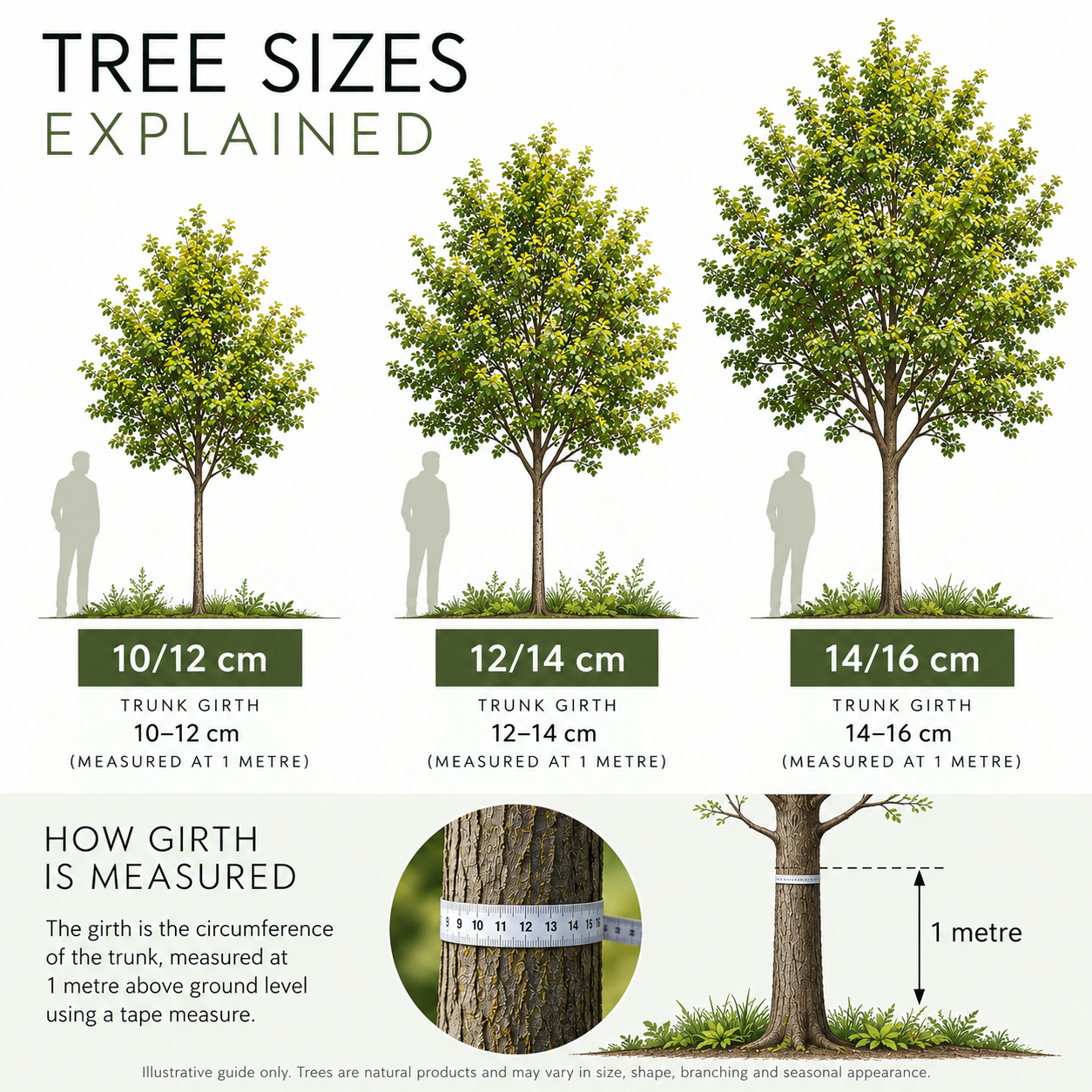 Image 9 of 12
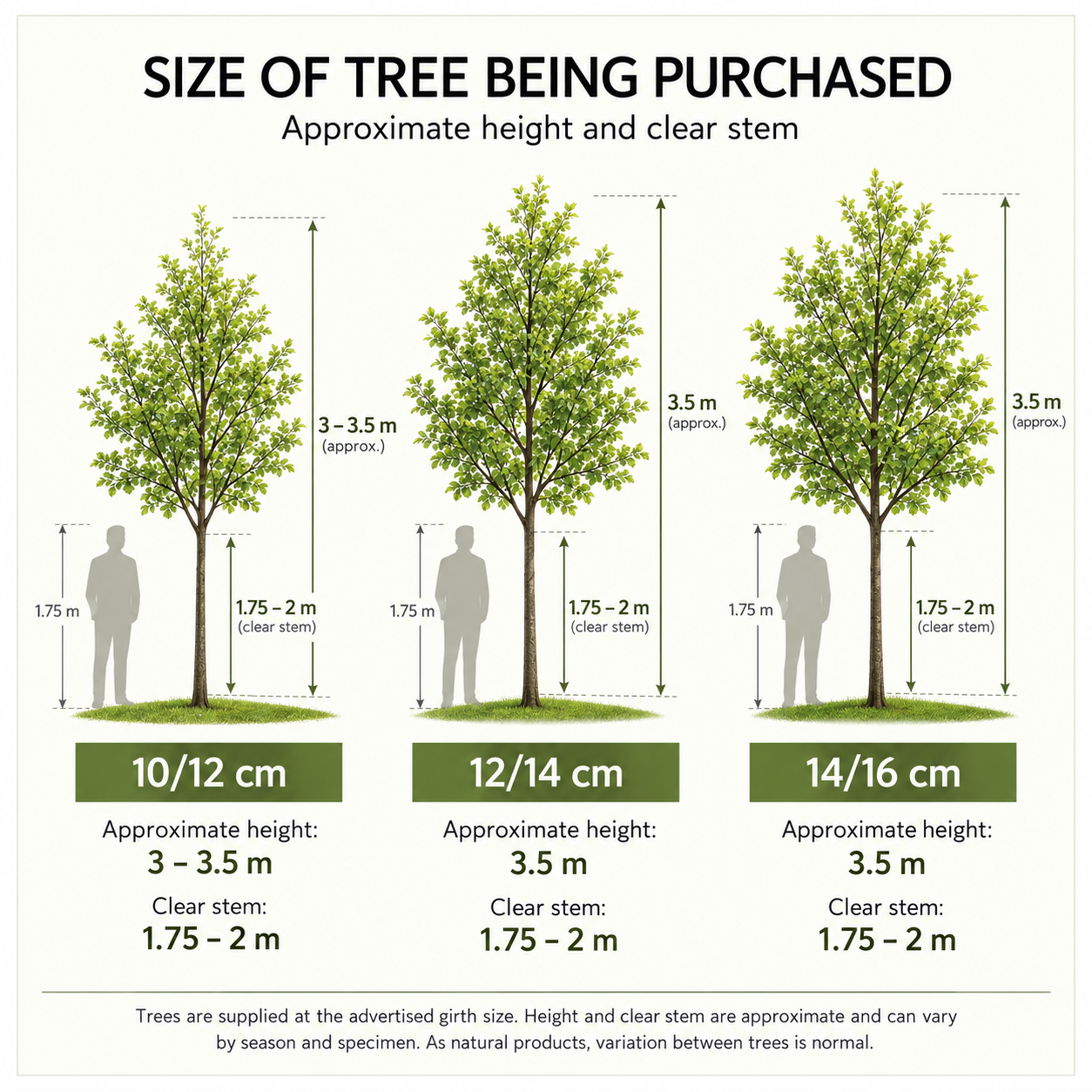 Image 10 of 12
 Image 11 of 12
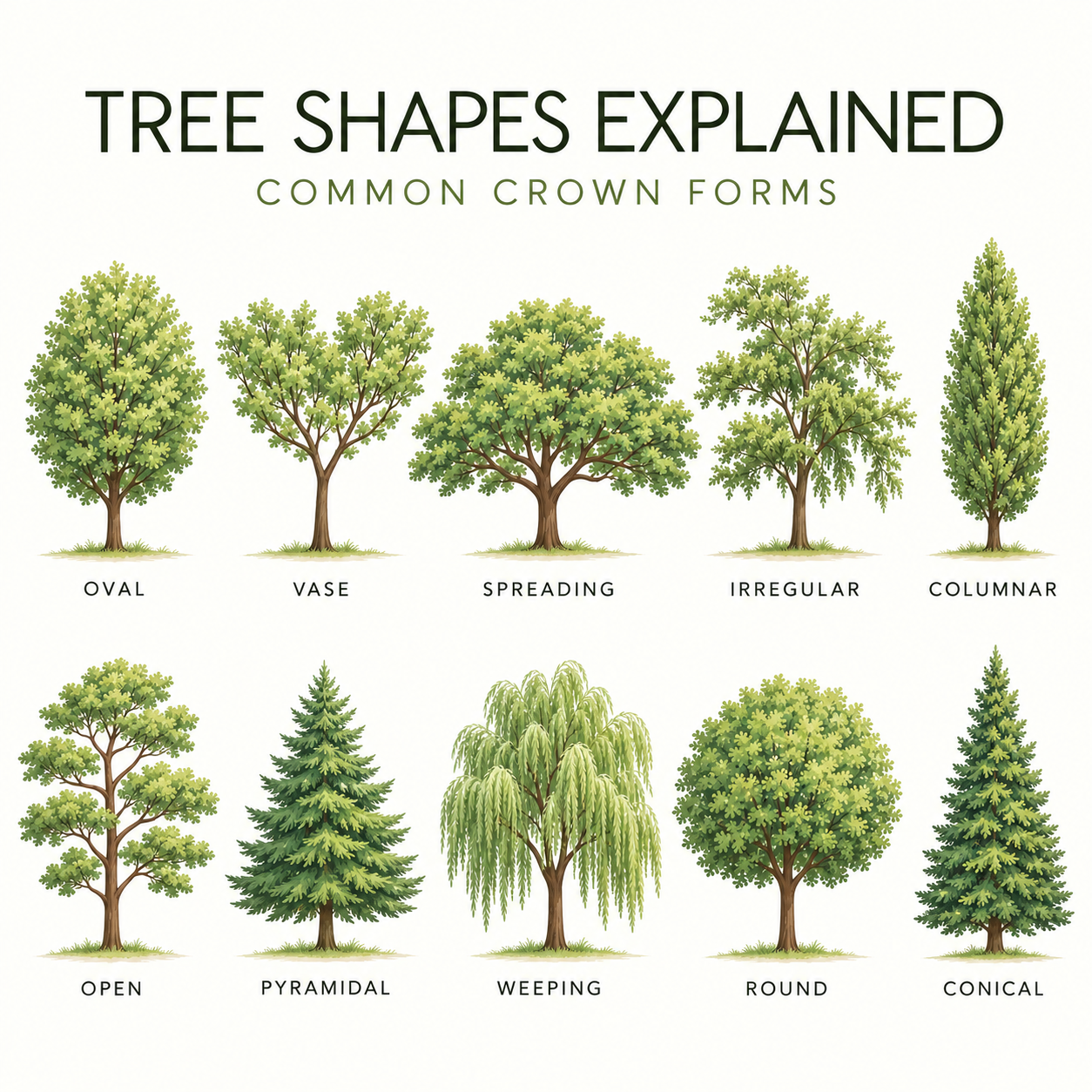 Image 12 of 12