Golden Weeping Willow is a dramatic, fast-growing tree known for its long, cascading branches and bright golden young stems. Its broad, weeping crown makes a striking feature beside a substantial pond or lake, or across a large open lawn.
This is a very large tree. Allow room for a mature height and spread of around 15–20 metres, and choose its position carefully in relation to buildings, drains, underground services and other features.
Golden Weeping Willow at a glance
Botanical name: Salix × sepulcralis ‘Chrysocoma’
Common name: Golden Weeping Willow
Mature height: Approximately 15–20 metres
Mature spread: Approximately 15–20 metres
Growth rate: Very fast
Typical annual growth: Approximately 60–100cm or more in suitable conditions
Crown: Broad, rounded and strongly weeping
Flowers: Yellow-green catkins in spring
Autumn colour: Yellow
Winter interest: Golden-yellow young branches
Best position: Full sun
Soil: Moisture-retentive soil
Wildlife value: Very good
Why choose Golden Weeping Willow?
The Golden Weeping Willow creates an unmistakable landscape feature. Its arching branches bring movement and scale, while the golden stems provide colour during winter. In spring, its catkins provide seasonal interest and a source of pollen.
It is best suited to large gardens, parkland, estates and spacious waterside settings where its mature size can be accommodated. For other ideas, see our trees for large gardens.
Where to plant Golden Weeping Willow
Choose an open position in full sun with plenty of room for the crown to develop. It grows well in moisture-retentive soil and can suit a large pond or lake setting. However, damp soil does not remove the need for careful positioning or adequate space.
Before planting, consider the tree’s eventual height, spread and root system. Avoid planting close to buildings, foundations, retaining walls, drains, soakaways, septic systems, underground services, swimming pools, roads, narrow boundaries, confined paving or overhead cables. If any structures or drainage infrastructure are nearby, get a site assessment before choosing a planting position.
Size, growth and maintenance
Golden Weeping Willow grows rapidly and develops a large, spreading crown with long drooping branches. Its speed of growth and eventual scale make it unsuitable for most small and medium-sized gardens.
Allow the tree to develop its natural form. Pruning is generally for removing dead, damaged or poorly positioned branches, rather than controlling its size. Any substantial pruning should be planned with the tree’s structure and the site in mind. See our RHS Pruning Group 1 guide for light-pruning guidance, and check species-specific advice before pruning.
Planting and aftercare
Prepare the planting position before the tree arrives, and make sure there is enough access to move it safely into place. Plant at the correct depth and water thoroughly after planting. Keep checking soil moisture as the tree establishes; even in a wet climate, the root area can dry out during warm, windy spells.
Read our tree planting guide and tree and hedge aftercare guide for more information.
Delivery and professional planting
Delivery and professional planting are available in selected North West postcodes: BB, BL, CH1–CH5, CW8–CW9, FY, L, LA1–LA6, M, OL, PR, SK1–SK12, WA and WN.
Availability depends on the tree size, access and site conditions. If your postcode is outside this area, or you are unsure whether the tree can be moved into the planting position, call 01942 604976 before ordering. For more information, see our delivery and installation FAQs.
Is Golden Weeping Willow right for your garden?
Choose this tree when you have a genuinely spacious site and want a fast-growing, dramatic specimen with a strongly weeping shape. Its size and growth rate make it unsuitable for confined spaces or locations close to buildings and services.

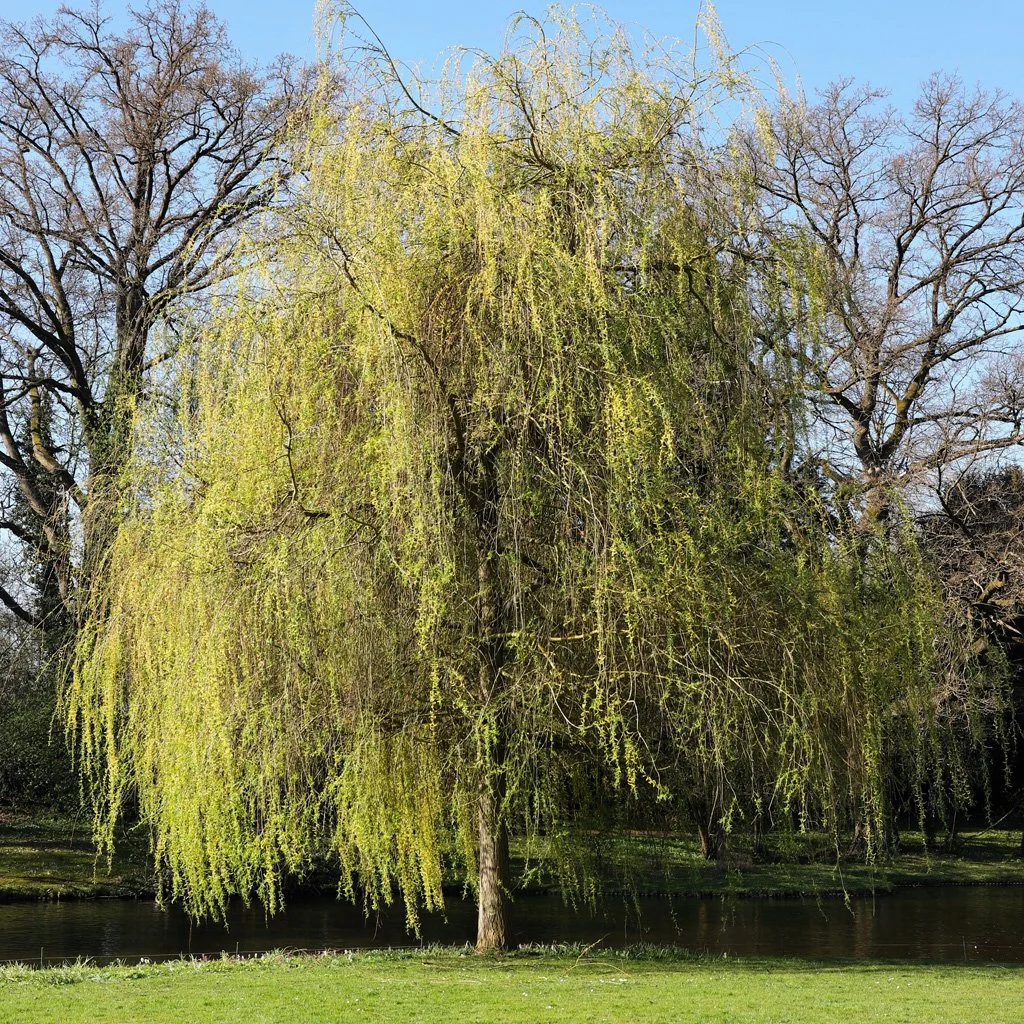 Image 1 of 13
 Image 2 of 13
 Image 3 of 13
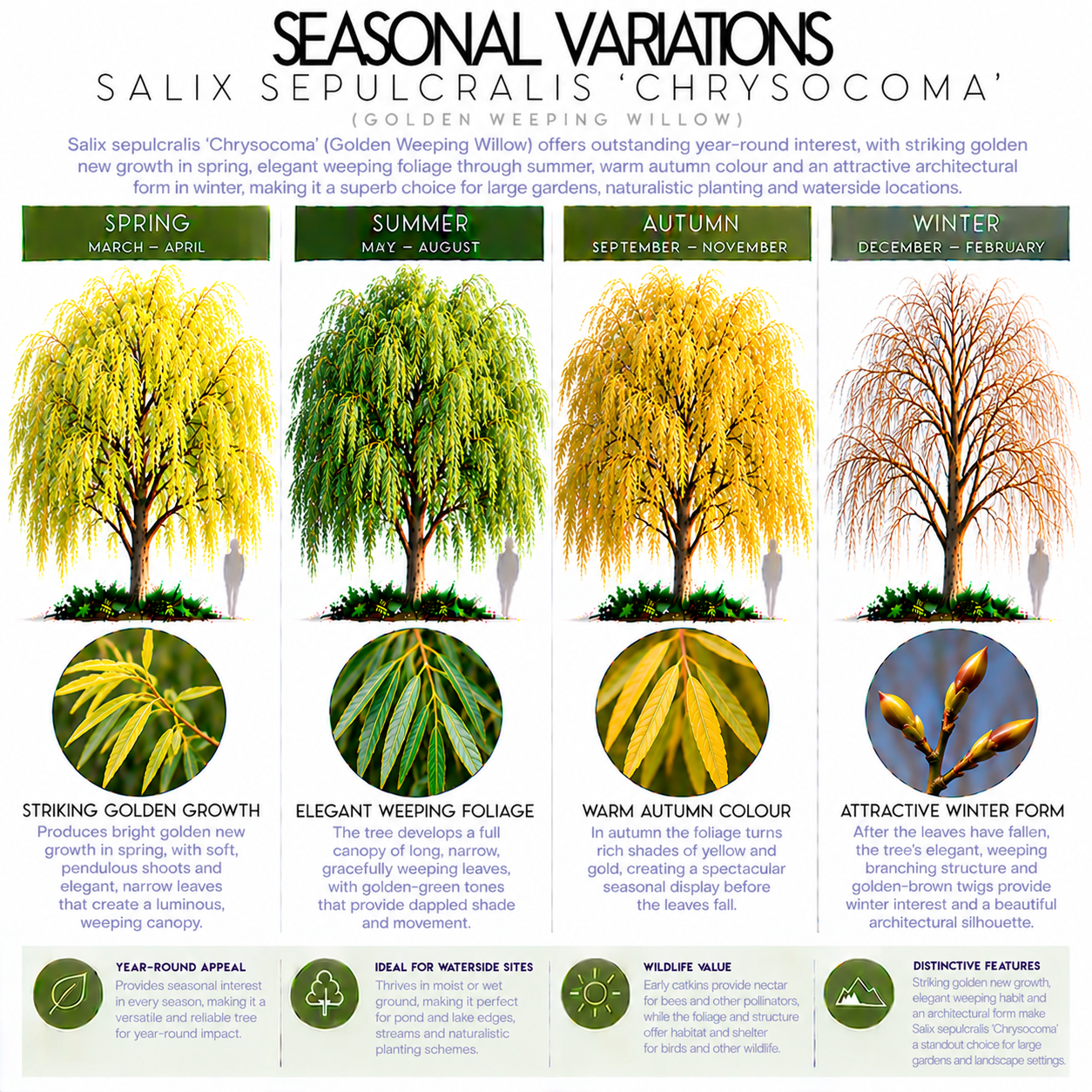 Image 4 of 13
 Image 5 of 13
 Image 6 of 13
 Image 7 of 13
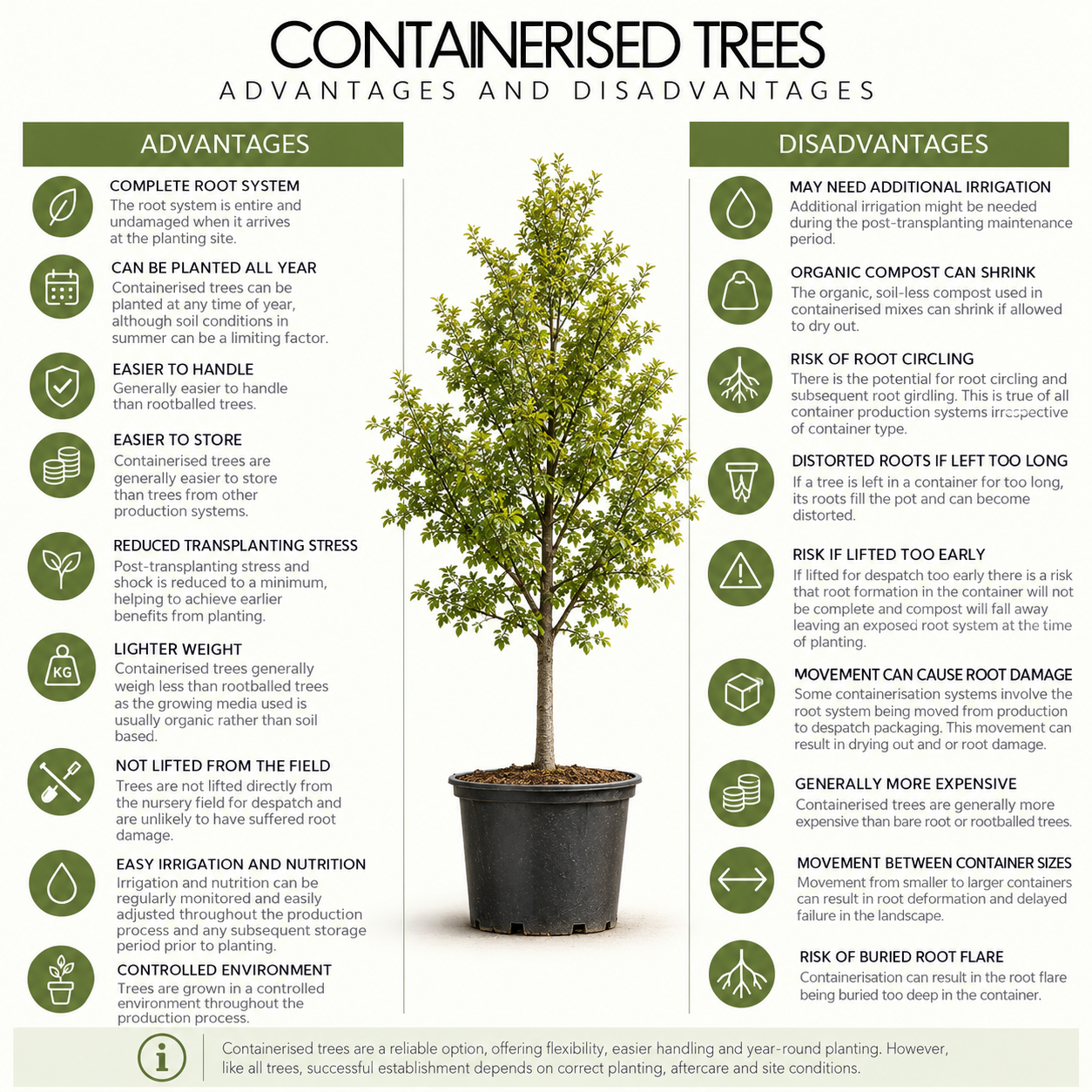 Image 8 of 13
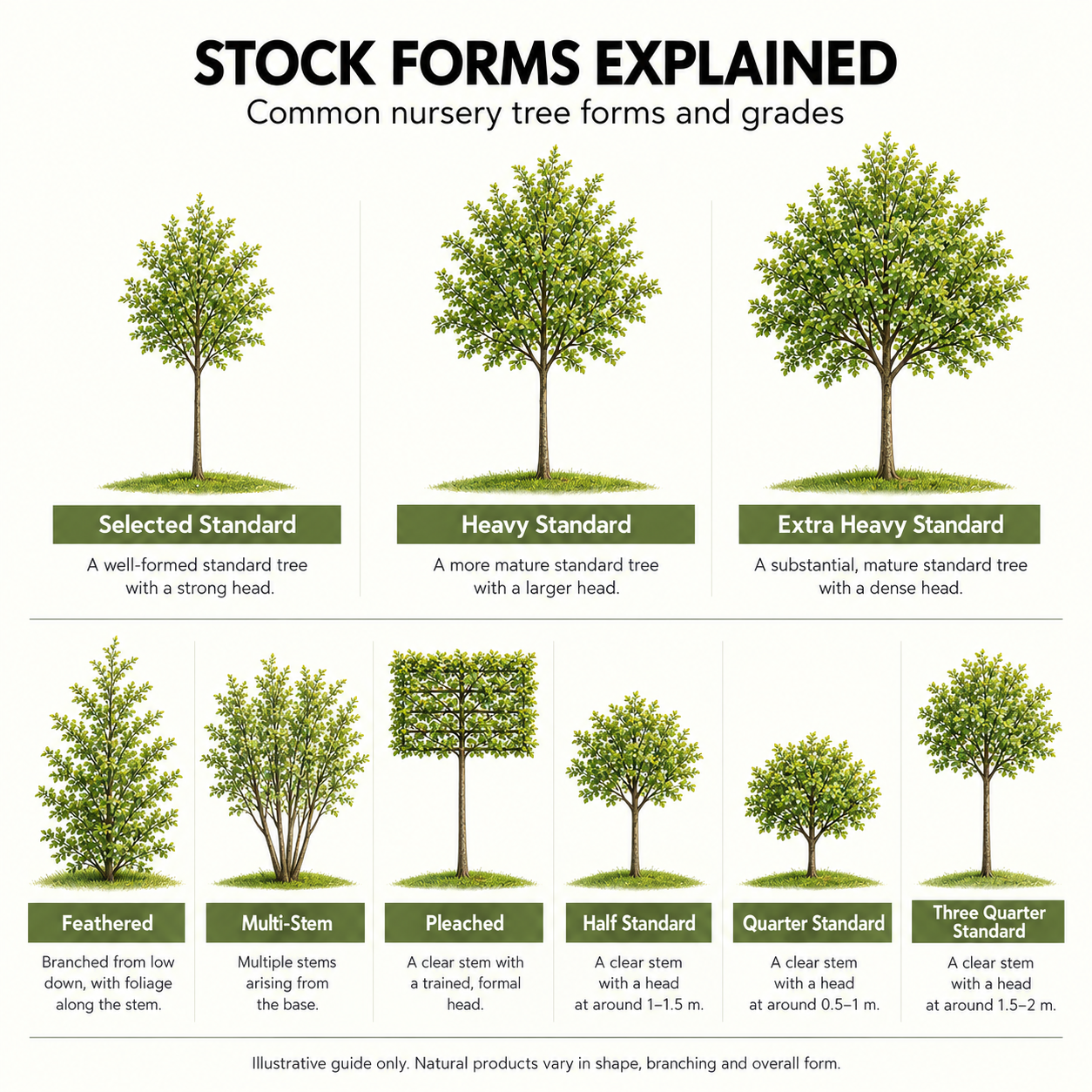 Image 9 of 13
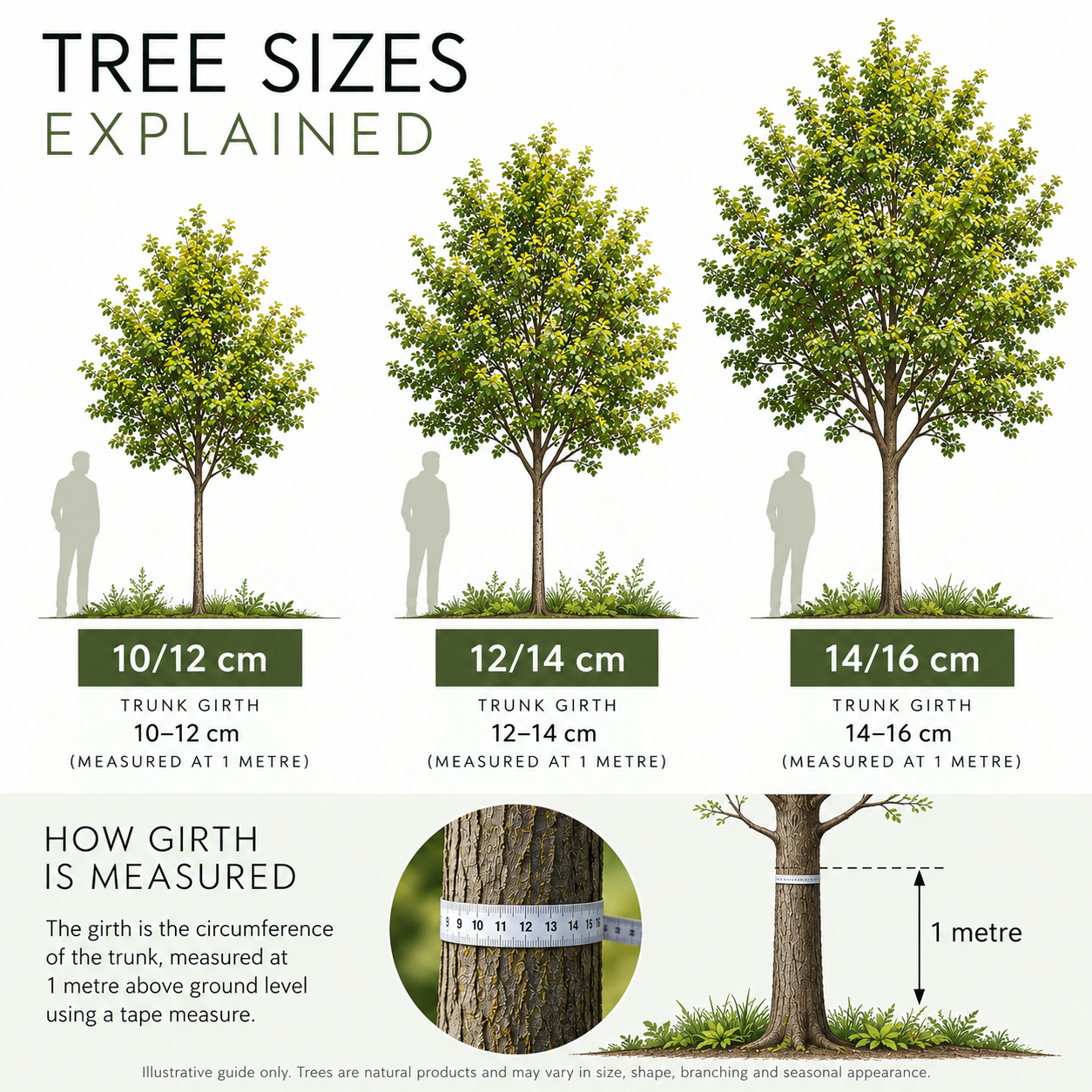 Image 10 of 13
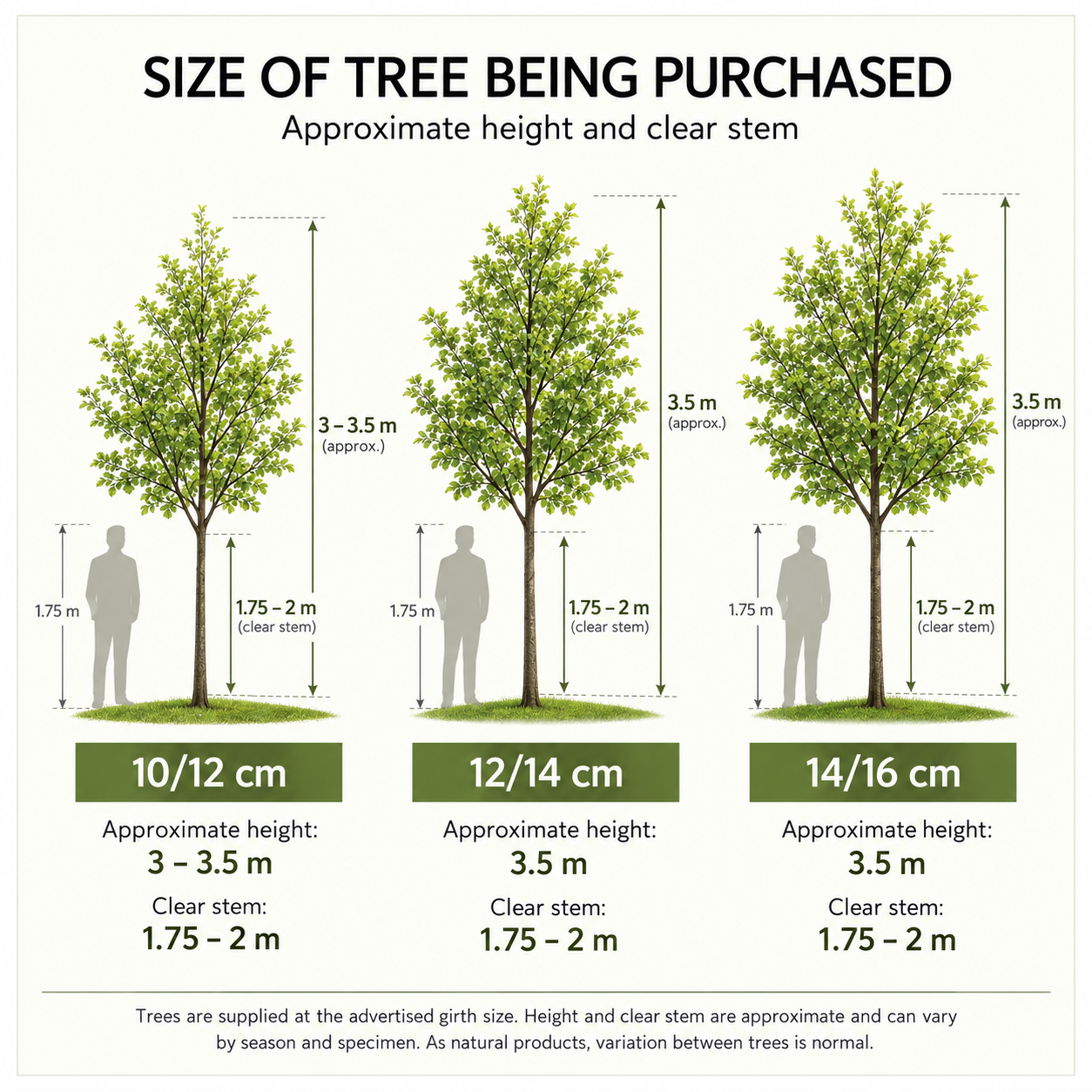 Image 11 of 13
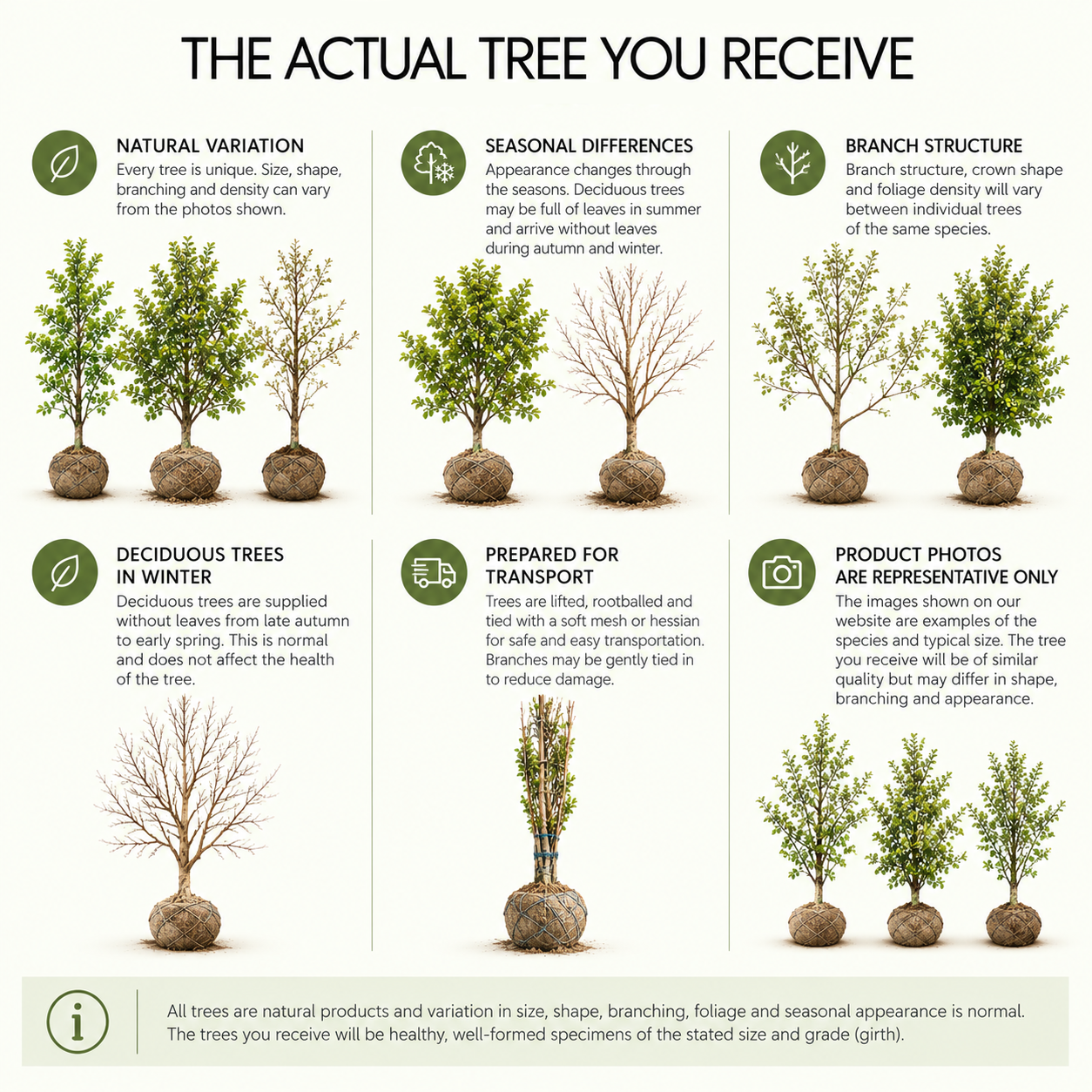 Image 12 of 13
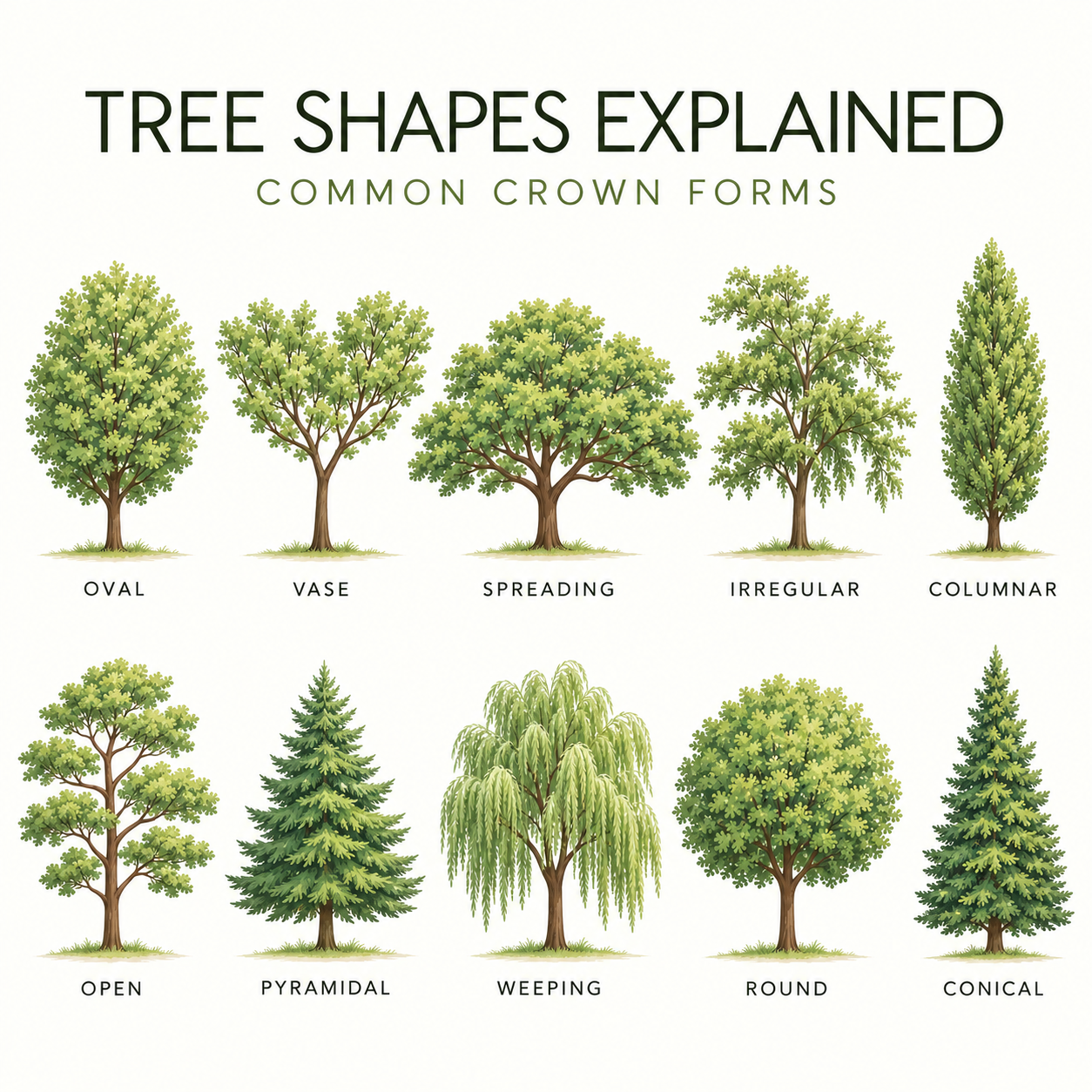 Image 13 of 13