Tilia cordata ‘Greenspire’, commonly called Greenspire Lime or Greenspire Small-leaved Lime, is a deciduous tree with a neat, upright shape. Its strong central leader and ascending branches create a narrowly conical crown when young, becoming broader as the tree matures.
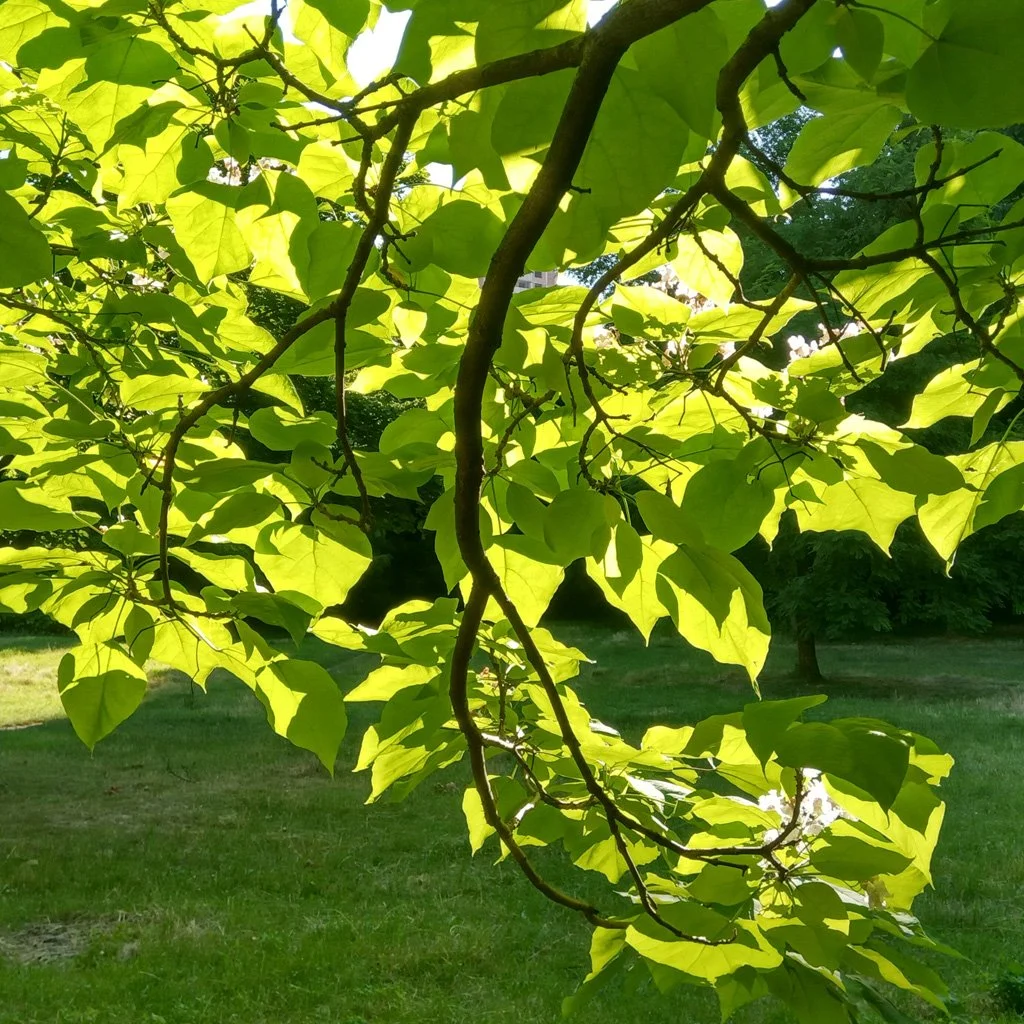
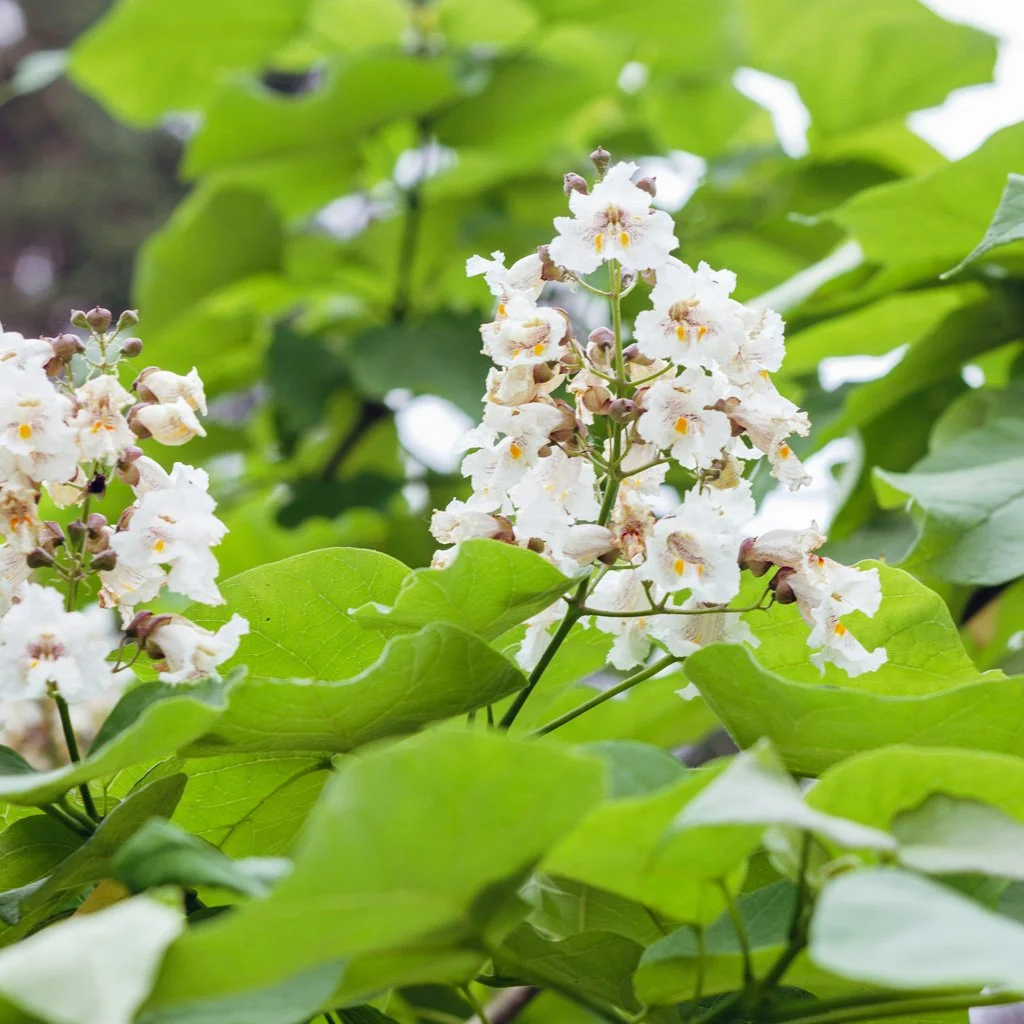
Heart-shaped, dark green leaves turn yellow in autumn. In midsummer, clusters of small, pale yellow flowers produce a sweet fragrance and attract bees and other pollinating insects.
Greenspire is a substantial tree. Allow space for an eventual height of around 15 metres and a spread of approximately 7 metres. It is a good choice for an avenue, parkland or a large garden where its form and seasonal features can be appreciated.
Tree details
Botanical name: Tilia cordata ‘Greenspire’
Common name: Greenspire Lime, Greenspire Small-leaved Lime
Mature height: Approximately 15 metres
Mature spread: Approximately 7 metres
Growth habit: Upright and narrowly conical when young; broader with maturity
Foliage: Dark green, heart-shaped leaves
Autumn colour: Yellow
Flowers: Fragrant, pale creamy-yellow flowers in midsummer
Wildlife value: Flowers attract bees and other pollinators
Position: Full sun or partial shade
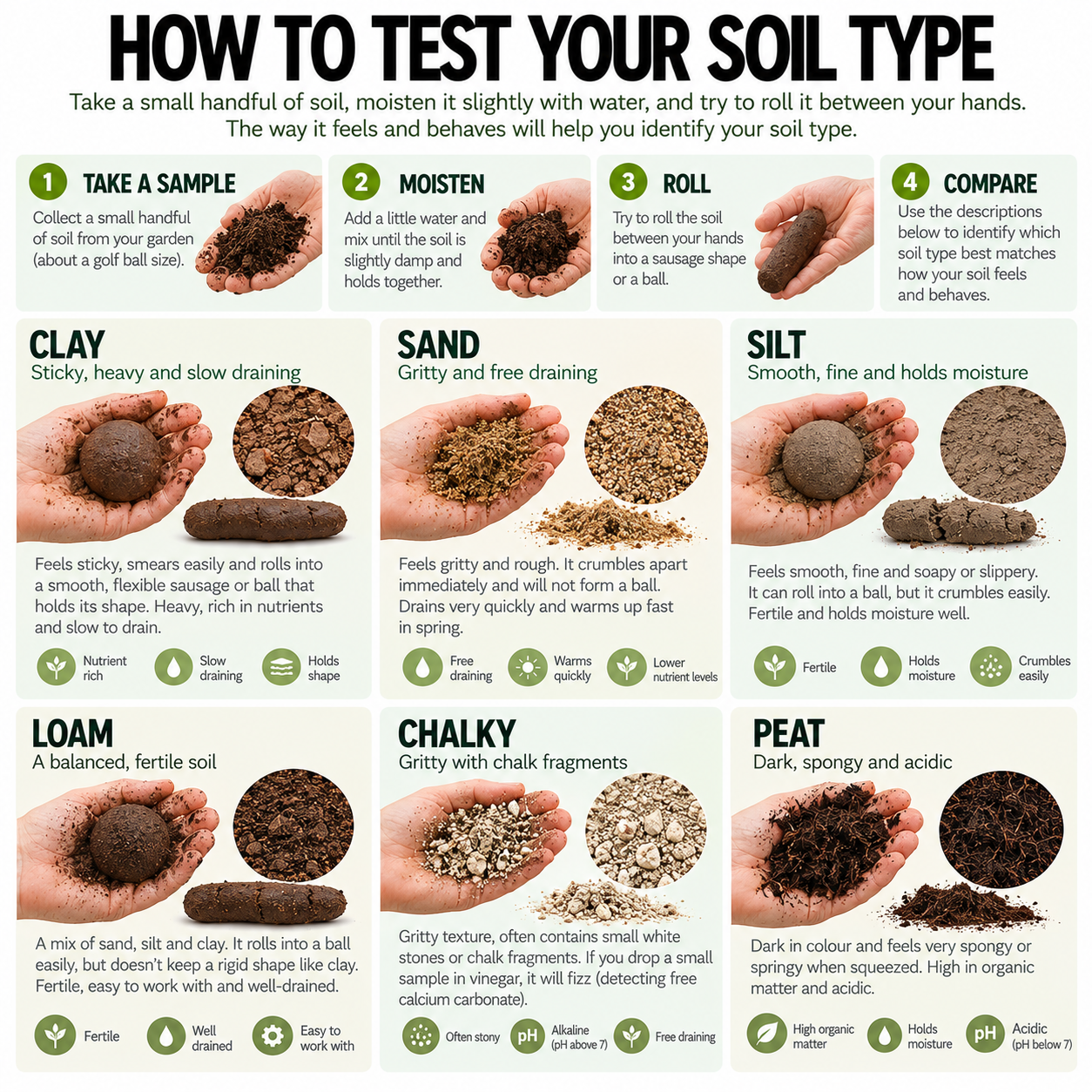
Soil: Moist but well-drained; adaptable to chalk, clay, sand and loam
Pruning: Light pruning only; RHS Pruning Group 1
Where to plant Greenspire Lime
Greenspire suits a large garden, parkland or avenue planting. Its upright outline can bring rhythm and structure to a long driveway or a broad landscape, while a single tree can make an attractive specimen where there is room for its mature canopy.
Choose a position in full sun or partial shade with moist, well-drained soil. The RHS recommends shelter from cold winds and advises against very dry conditions. Do not plant it where the mature tree would crowd buildings, overhead cables or other large plants.
This is not a small-garden tree. Consider its eventual height and spread before choosing a position.
Growth and seasonal interest
Greenspire Lime develops a strong, upright framework and a dense crown. Its foliage provides summer shade, then turns yellow in autumn before falling. The small, fragrant flowers appear in midsummer, when many bees are active.
The tree is generally low maintenance once established. Allow it to develop its natural form and prune selectively to remove dead, damaged or crossing branches. See the RHS Pruning Group 1 guide before pruning.
Planting and aftercare
Prepare the planting position in advance and water thoroughly after planting. Check the soil around the rootball during dry periods, especially while the tree is establishing. For practical advice, read our tree planting guide and tree and hedge aftercare guide.
Delivery and professional planting
Delivery and professional planting are available in selected North West postcodes: BB, BL, CH1–CH5, CW8–CW9, FY, L, LA1–LA6, M, OL, PR, SK1–SK12, WA and WN.
Availability depends on the tree size, access and site conditions. If your postcode is outside this area, or you are unsure whether the tree can be moved into the planting position, call 01942 604976 before ordering. See our delivery and installation FAQs for more information.
Is Greenspire Lime right for your garden?
Choose Tilia cordata ‘Greenspire’ if you have room for a large deciduous tree and want an upright shape, summer flowers, pollinator interest and yellow autumn colour. It is particularly well suited to avenues and spacious landscapes. Browse the full specimen tree collection for other options.
Contact Landscaping Emporium
Landscaping Emporium – brought to you by Kirman Design
Telephone: 01942 604976
Email: hello@landscapingemporium.co.uk
Website: www.landscapingemporium.co.uk
Professional tree supply and planting across North West England.

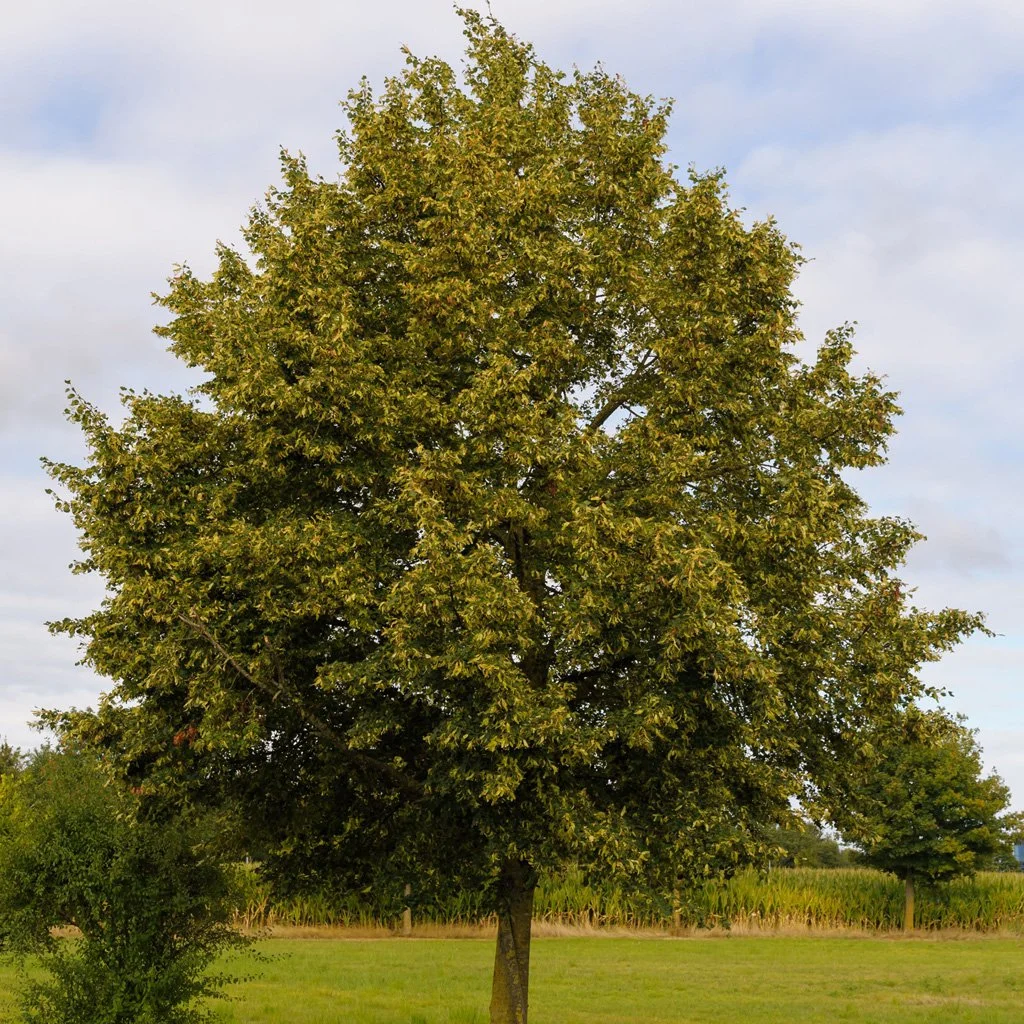 Image 1 of 12
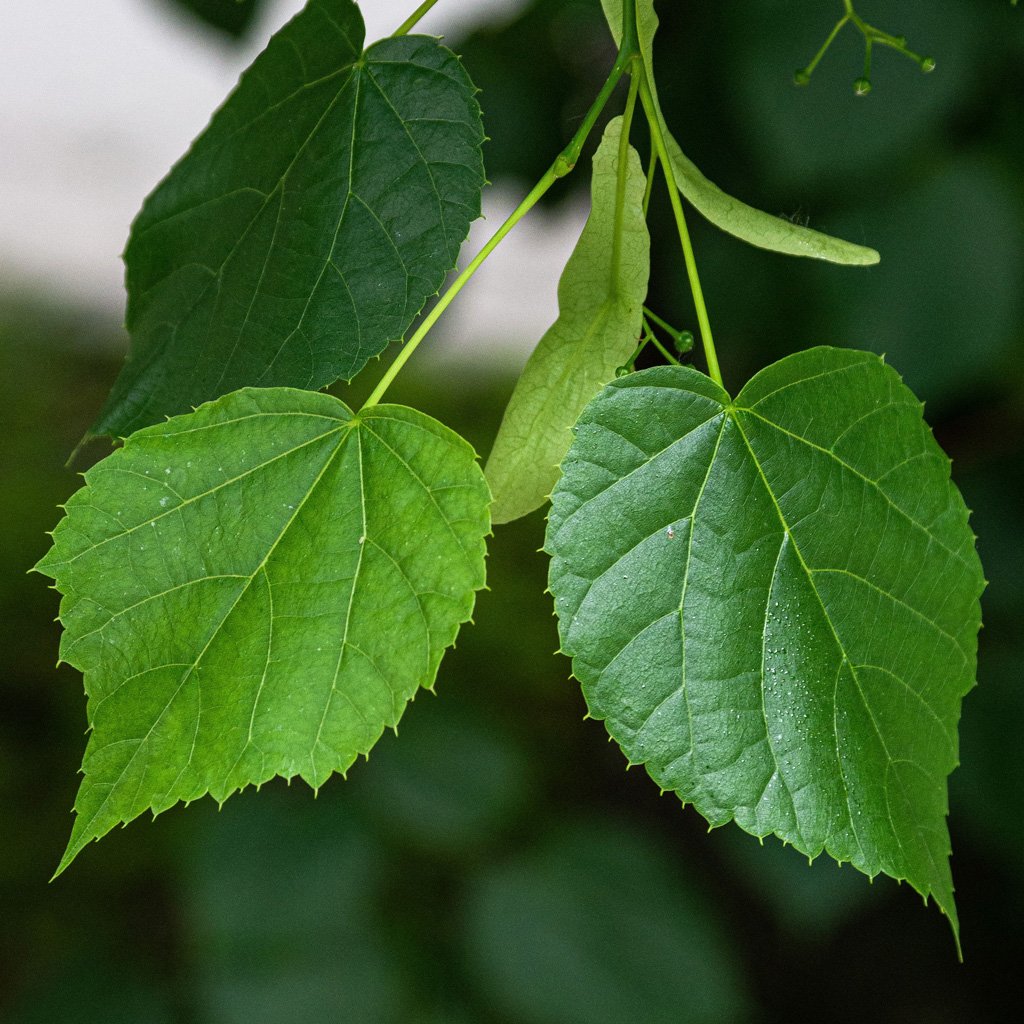 Image 2 of 12
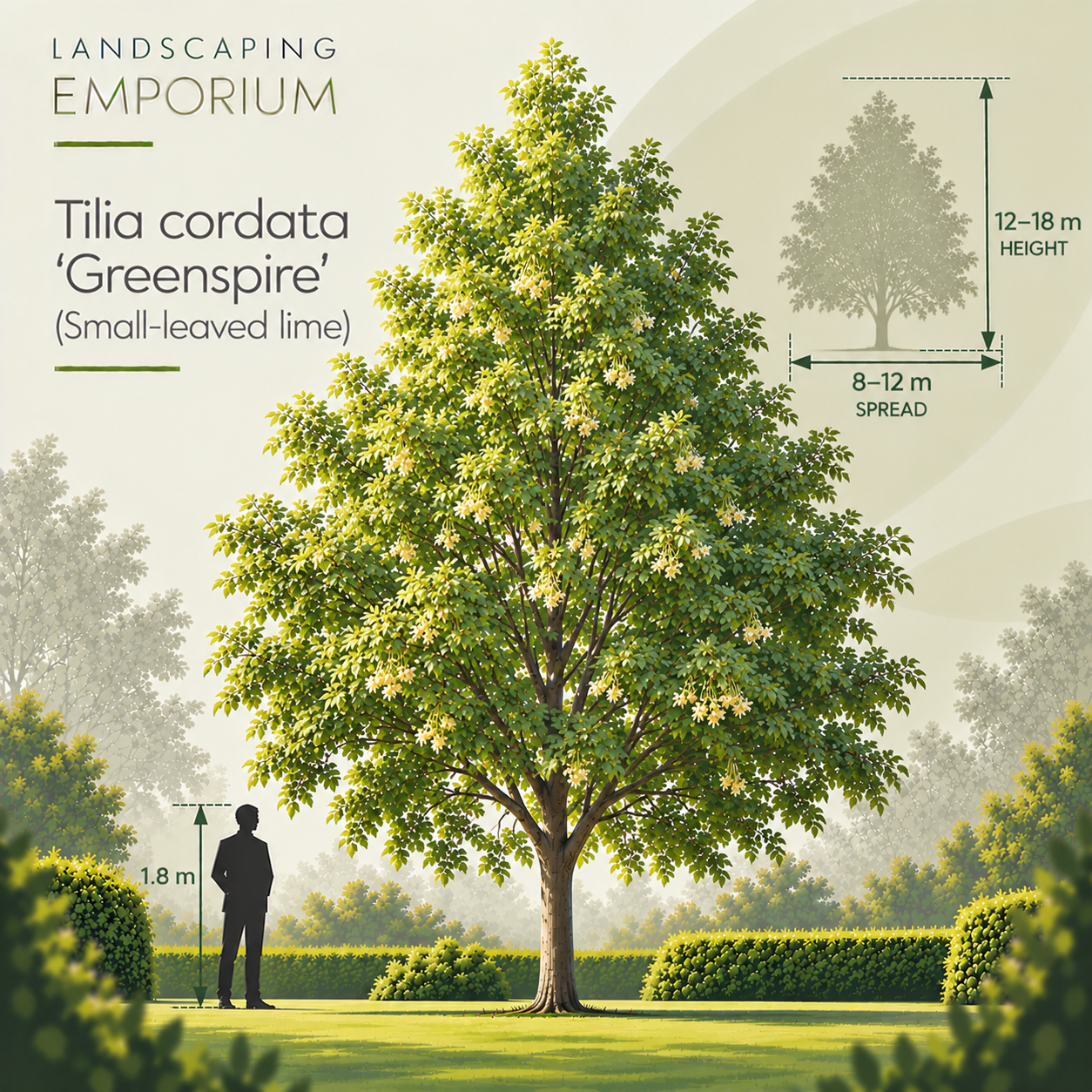 Image 3 of 12
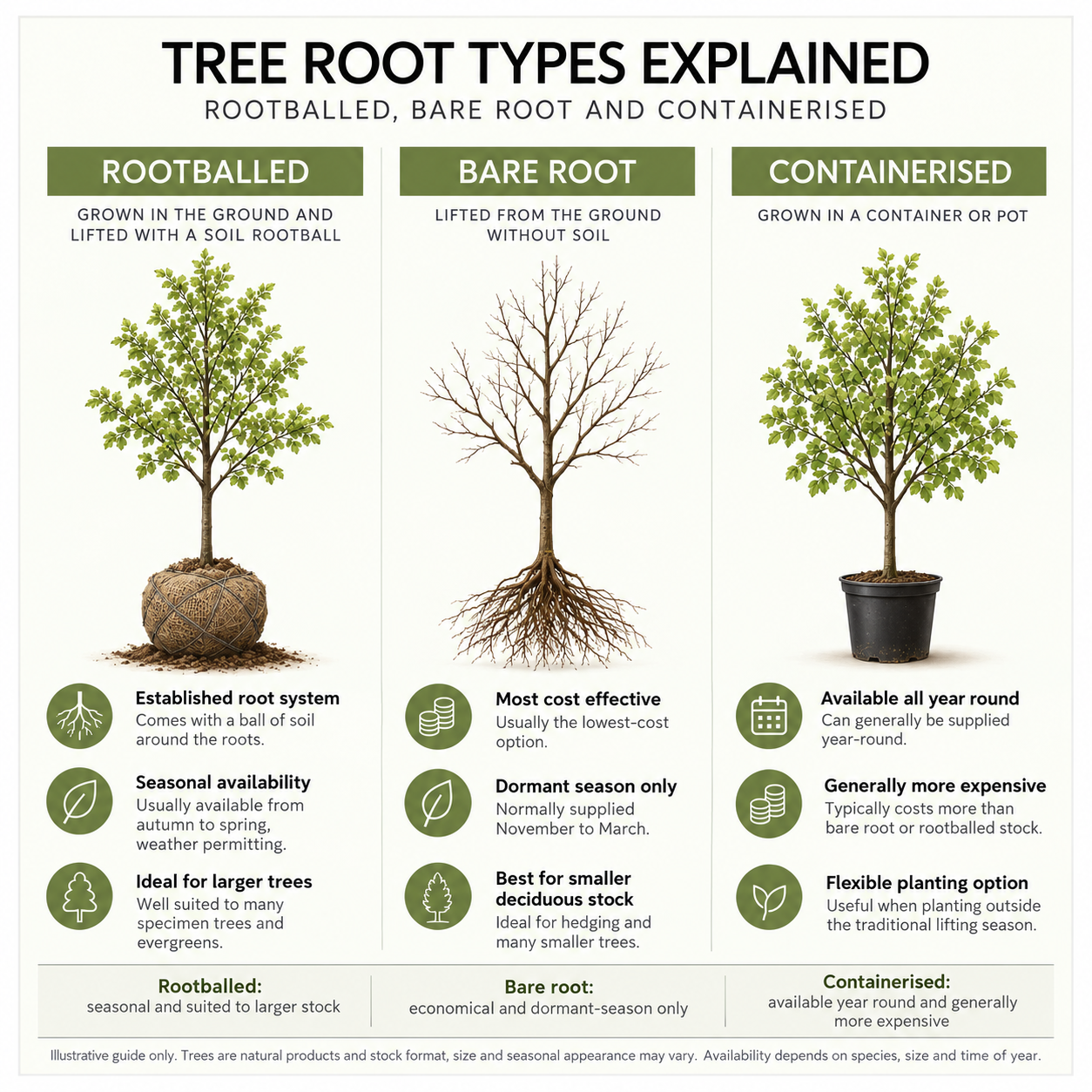 Image 4 of 12
 Image 5 of 12
 Image 6 of 12
 Image 7 of 12
 Image 8 of 12
 Image 9 of 12
 Image 10 of 12
 Image 11 of 12
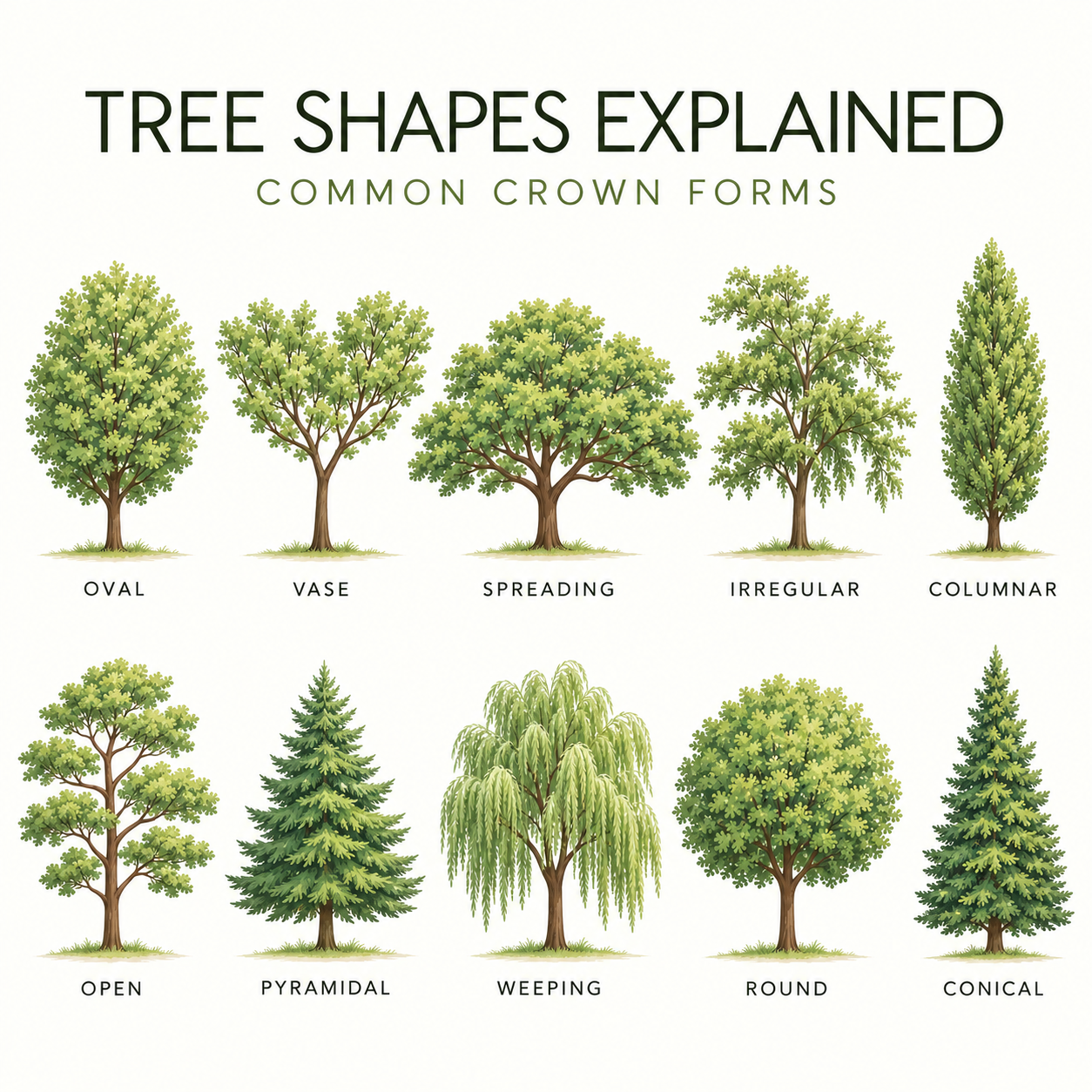 Image 12 of 12