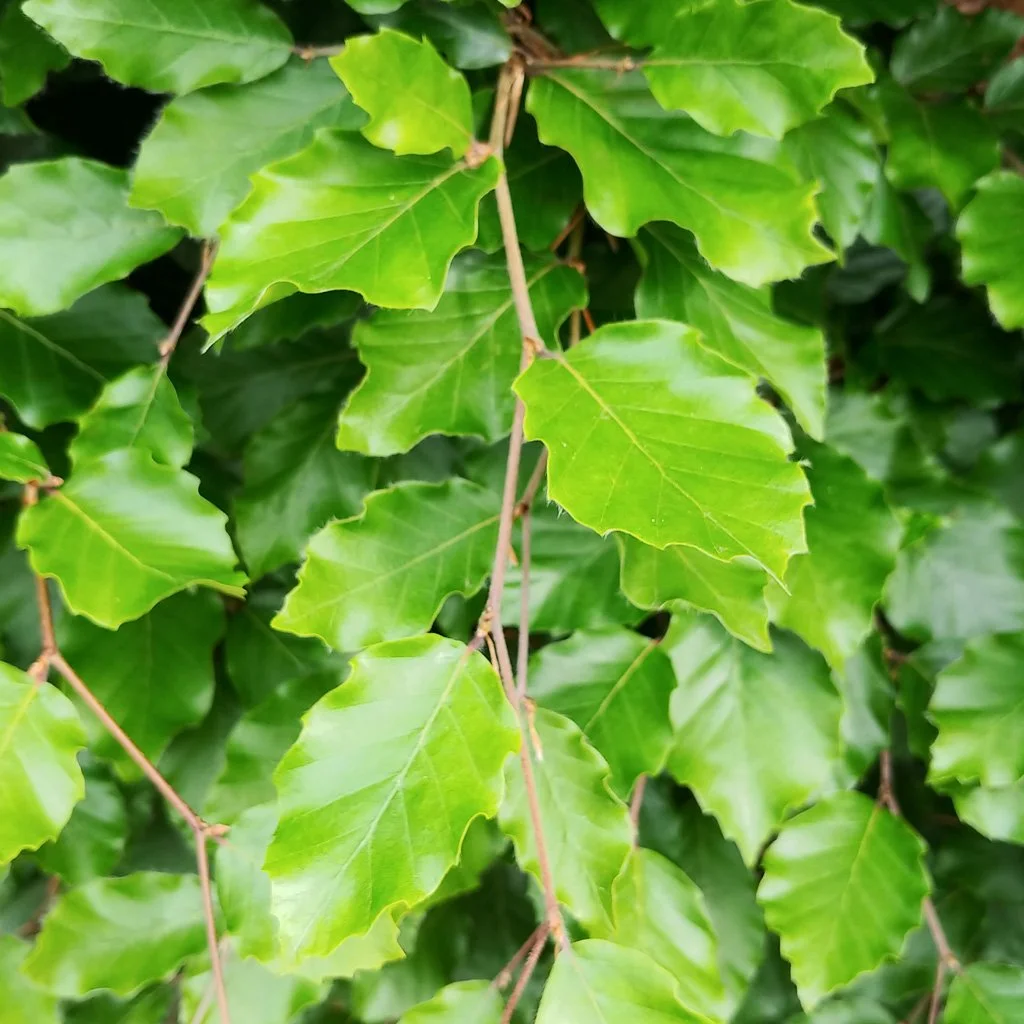
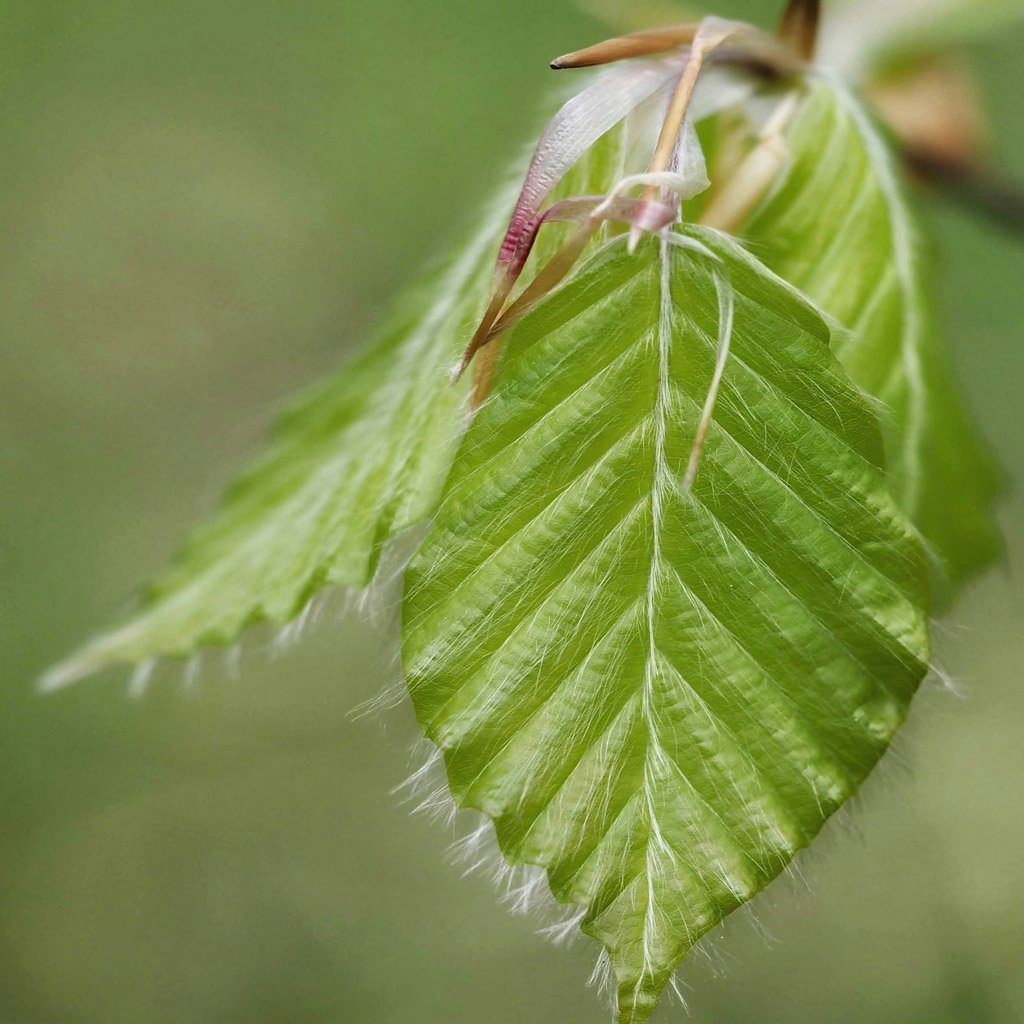
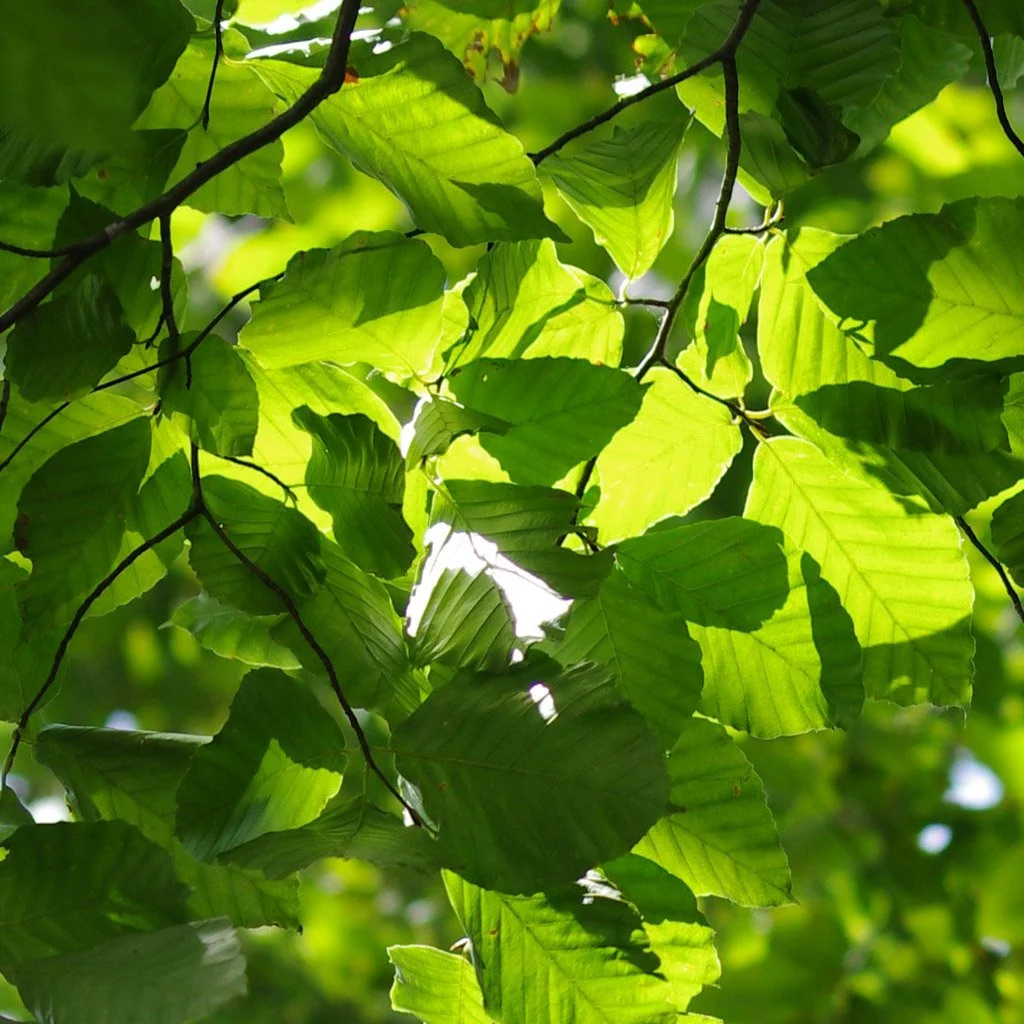
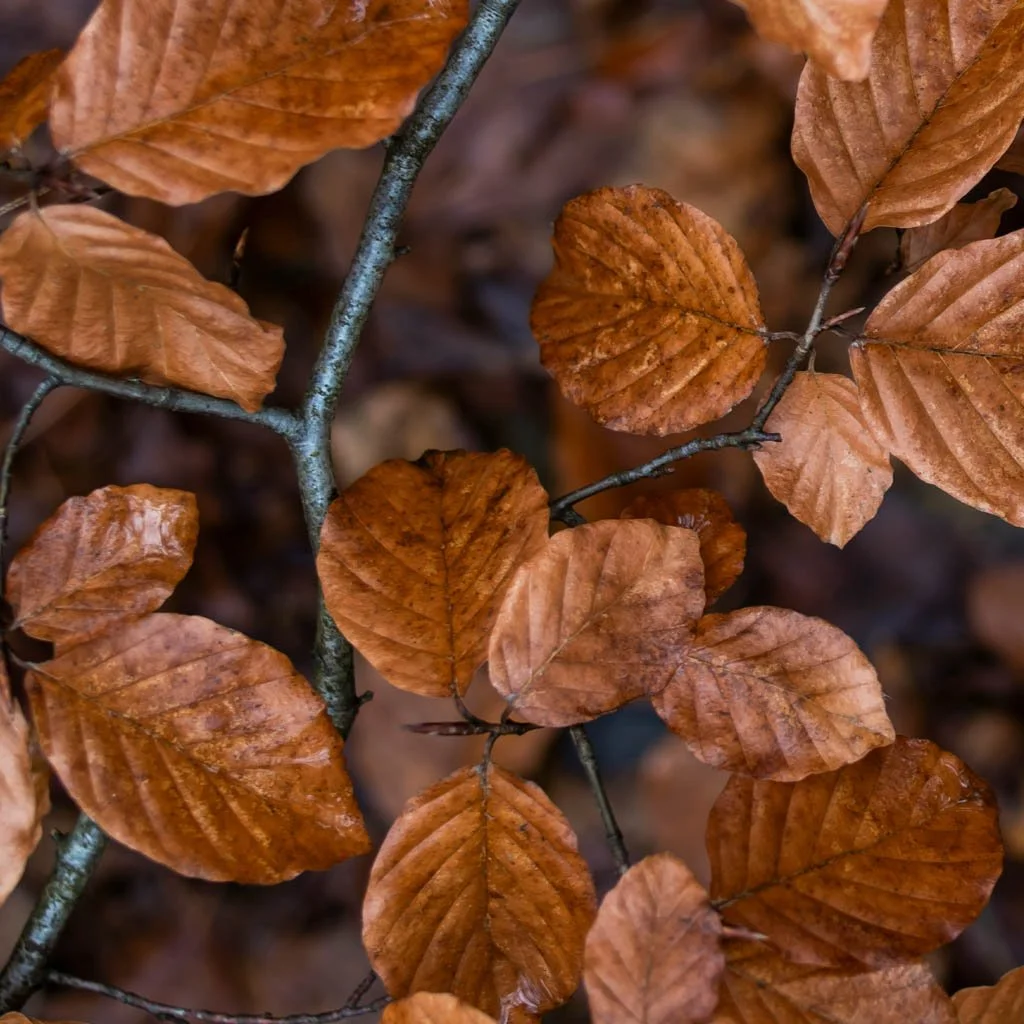
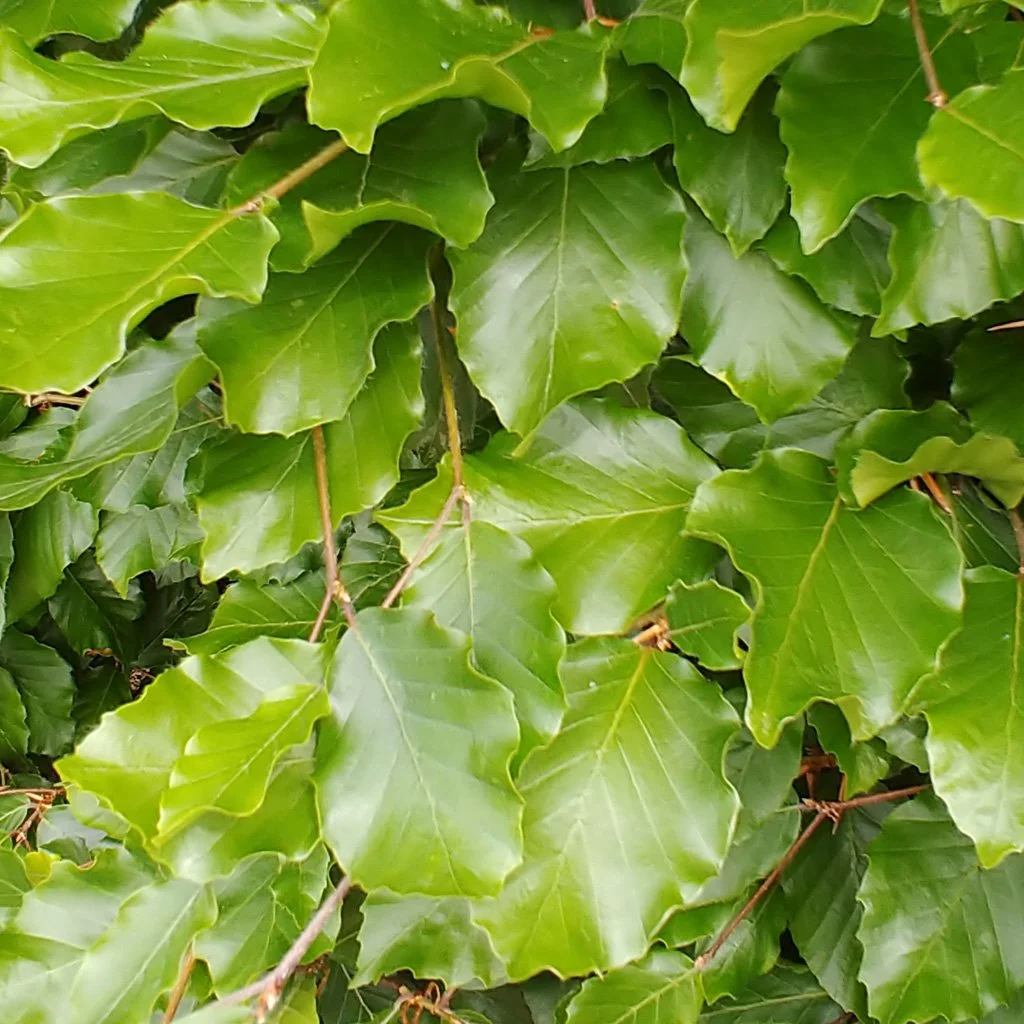
Fagus sylvatica ‘Atropunicea’, commonly known as purple beech or copper beech, is a commanding deciduous tree with rich purple-red foliage and a broad, architectural crown.
It is an excellent choice for customers seeking an impressive specimen tree with strong colour, long-term landscape value and immediate visual authority.
Tree Highlights
Deep purple to copper-bronze foliage
Magnificent broad specimen-tree form
Smooth silver-grey bark
Strong autumn and winter character
Fully hardy
Suitable for parkland, estates and large gardens
Good wildlife value
Available in several sizes and forms
Delivery and planting available across North West England
Tree Information
Feature / Details
Botanical name: Fagus sylvatica ‘Atropunicea’
Common name: Purple beech or copper beech
Mature height: Approximately 18–25m
Mature spread: Approximately 15–20m
Growth rate: Moderate
Foliage: Deciduous; purple-red to deep purple
Position: Full sun or partial shade
Soil: Fertile, moisture-retentive and well-drained
Hardiness: Fully hardy
Maintenance: Low once established
Wildlife value: Very good
Suitable for small gardens: No
Choose This Tree If You Want
A substantial focal-point tree
Dramatic purple foliage
Contrast against lawns and green planting
A long-lived parkland or estate tree
A broad canopy and strong architectural presence
A formal avenue where sufficient space is available
A premium specimen with immediate visual impact
It May Not Be the Best Choice If
Your garden is small or narrow
The mature crown would conflict with buildings or boundaries
Your soil remains permanently waterlogged
The site is extremely dry or exposed
Evergreen screening is required
Leaf fall, dense shade or beech mast would be unacceptable
Establishment watering cannot be provided
Choosing Your Tree Size
Younger feathered trees are economical, adaptable and usually establish quickly. Standards and heavy standards provide a recognisable tree form with greater immediate scale.
Semi-mature specimens create a much stronger initial impact but require suitable access, lifting equipment, anchoring and intensive watering.
See our guide to specimen tree sizes and our comparison of mature and younger trees before selecting.
Planting Requirements
Purple beech should be planted into a broad area of prepared soil with the root flare level with the surrounding ground.
Larger trees require:
Confirmed vehicle and machinery access
Safe lifting by the rootball
Appropriate underground or above-ground anchoring
A dependable irrigation arrangement
Mulching and weed control
Regular aftercare inspections
Use our tree planting and establishment guide. Specialist specimen-tree delivery and planting is available for suitable projects.
Pruning and Maintenance
Purple beech requires little routine pruning once a sound framework is established. Remove damaged, crossing or weak growth while branches remain small.
Our RHS Pruning Group 1 guide provides general maintenance guidance. Mature trees should be inspected and worked on by a qualified arborist.
The foliage supports invertebrates, while mature crowns offer nesting and shelter. Beech mast may provide food for birds and mammals.
Leaves, twigs and mast will fall beneath the crown. Avoid positioning a large specimen where this would cause an unacceptable maintenance or slip problem.
Do not encourage people or animals to consume beech nuts or foliage. Obtain appropriate veterinary advice where trees will be accessible to grazing livestock.
When We Wouldn’t Recommend It
We would not normally recommend Fagus sylvatica ‘Atropunicea’ for a small domestic garden, permanently saturated soil or any site without sufficient mature crown and rooting space.
We would also advise against purchasing a large specimen unless delivery access, planting equipment and establishment watering have been confirmed.
Our Recommendation
Purple beech is an outstanding choice for a large landscape where its mature size can be treated as an asset rather than a problem.
For most projects, a well-formed standard or heavy standard provides a useful balance between immediate presence, handling requirements and establishment potential. Semi-mature trees are best reserved for sites with professional planting resources and dependable long-term aftercare.
Delivery and Professional Planting
We can install specimen trees at any of the in following postcodes;
BB, BL, CH1 - CH5, CW8, CW9, FY, L, LA1 - LA6, M, OL, PR, SK1 - SK12, WA, & WN.
Please do not purchase if you want the hedging installed outside this area. If you do live outside the area, then please give us a call on 01942 604976 and we can see if it’s possible to do this.
For more information on the tree see the tree specification below. For more information about delivery, access and planting, see the guide below or click here.
Fagus sylvatica ‘Atropunicea’, commonly known as purple beech or copper beech, is a commanding deciduous tree with rich purple-red foliage and a broad, architectural crown.
It is an excellent choice for customers seeking an impressive specimen tree with strong colour, long-term landscape value and immediate visual authority.
Tree Highlights
Deep purple to copper-bronze foliage
Magnificent broad specimen-tree form
Smooth silver-grey bark
Strong autumn and winter character
Fully hardy
Suitable for parkland, estates and large gardens
Good wildlife value
Available in several sizes and forms
Delivery and planting available across North West England
Tree Information
Feature / Details
Botanical name: Fagus sylvatica ‘Atropunicea’
Common name: Purple beech or copper beech
Mature height: Approximately 18–25m
Mature spread: Approximately 15–20m
Growth rate: Moderate
Foliage: Deciduous; purple-red to deep purple
Position: Full sun or partial shade
Soil: Fertile, moisture-retentive and well-drained
Hardiness: Fully hardy
Maintenance: Low once established
Wildlife value: Very good
Suitable for small gardens: No
Choose This Tree If You Want
A substantial focal-point tree
Dramatic purple foliage
Contrast against lawns and green planting
A long-lived parkland or estate tree
A broad canopy and strong architectural presence
A formal avenue where sufficient space is available
A premium specimen with immediate visual impact
It May Not Be the Best Choice If
Your garden is small or narrow
The mature crown would conflict with buildings or boundaries
Your soil remains permanently waterlogged
The site is extremely dry or exposed
Evergreen screening is required
Leaf fall, dense shade or beech mast would be unacceptable
Establishment watering cannot be provided
Choosing Your Tree Size
Younger feathered trees are economical, adaptable and usually establish quickly. Standards and heavy standards provide a recognisable tree form with greater immediate scale.
Semi-mature specimens create a much stronger initial impact but require suitable access, lifting equipment, anchoring and intensive watering.
See our guide to specimen tree sizes and our comparison of mature and younger trees before selecting.
Planting Requirements
Purple beech should be planted into a broad area of prepared soil with the root flare level with the surrounding ground.
Larger trees require:
Confirmed vehicle and machinery access
Safe lifting by the rootball
Appropriate underground or above-ground anchoring
A dependable irrigation arrangement
Mulching and weed control
Regular aftercare inspections
Use our tree planting and establishment guide. Specialist specimen-tree delivery and planting is available for suitable projects.
Pruning and Maintenance
Purple beech requires little routine pruning once a sound framework is established. Remove damaged, crossing or weak growth while branches remain small.
Our RHS Pruning Group 1 guide provides general maintenance guidance. Mature trees should be inspected and worked on by a qualified arborist.
The foliage supports invertebrates, while mature crowns offer nesting and shelter. Beech mast may provide food for birds and mammals.
Leaves, twigs and mast will fall beneath the crown. Avoid positioning a large specimen where this would cause an unacceptable maintenance or slip problem.
Do not encourage people or animals to consume beech nuts or foliage. Obtain appropriate veterinary advice where trees will be accessible to grazing livestock.
When We Wouldn’t Recommend It
We would not normally recommend Fagus sylvatica ‘Atropunicea’ for a small domestic garden, permanently saturated soil or any site without sufficient mature crown and rooting space.
We would also advise against purchasing a large specimen unless delivery access, planting equipment and establishment watering have been confirmed.
Our Recommendation
Purple beech is an outstanding choice for a large landscape where its mature size can be treated as an asset rather than a problem.
For most projects, a well-formed standard or heavy standard provides a useful balance between immediate presence, handling requirements and establishment potential. Semi-mature trees are best reserved for sites with professional planting resources and dependable long-term aftercare.
Delivery and Professional Planting
We can install specimen trees at any of the in following postcodes;
BB, BL, CH1 - CH5, CW8, CW9, FY, L, LA1 - LA6, M, OL, PR, SK1 - SK12, WA, & WN.
Please do not purchase if you want the hedging installed outside this area. If you do live outside the area, then please give us a call on 01942 604976 and we can see if it’s possible to do this.
For more information on the tree see the tree specification below. For more information about delivery, access and planting, see the guide below or click here.

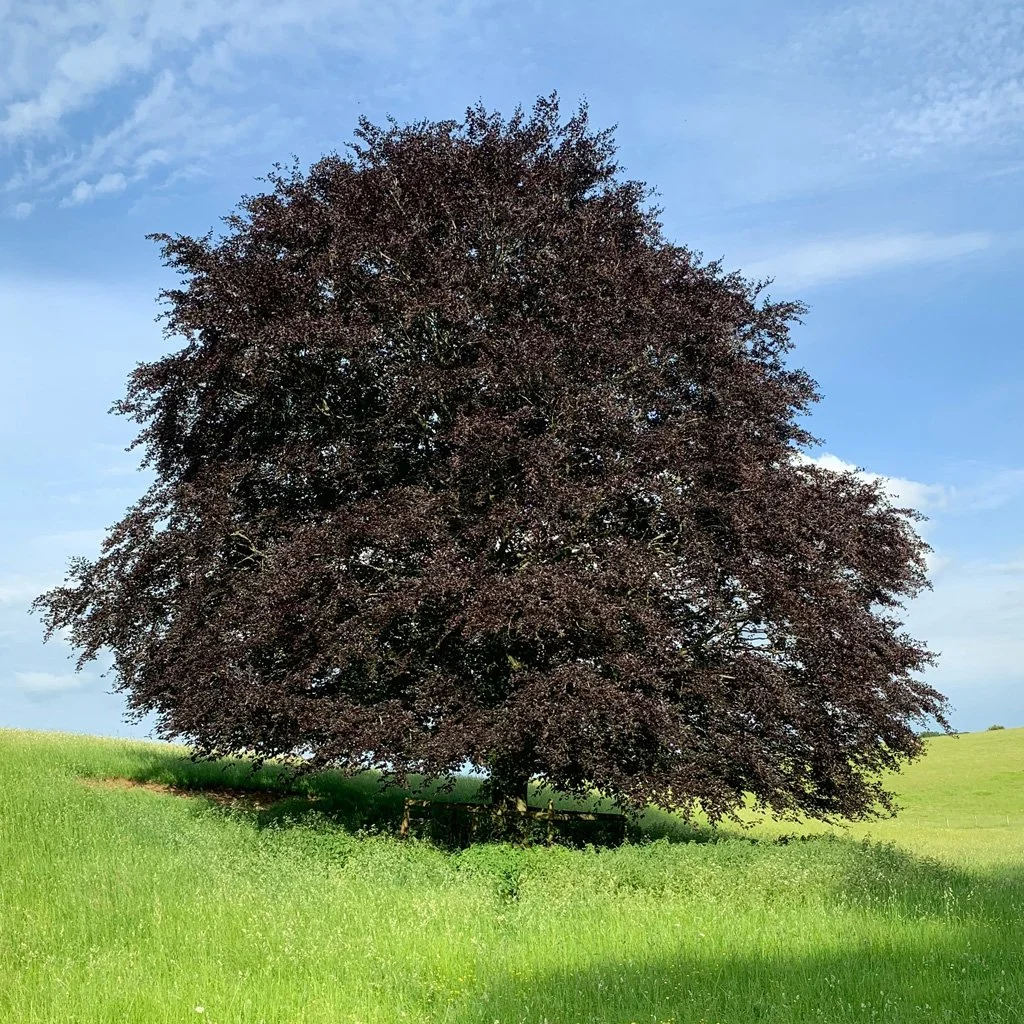 Image 1 of 4
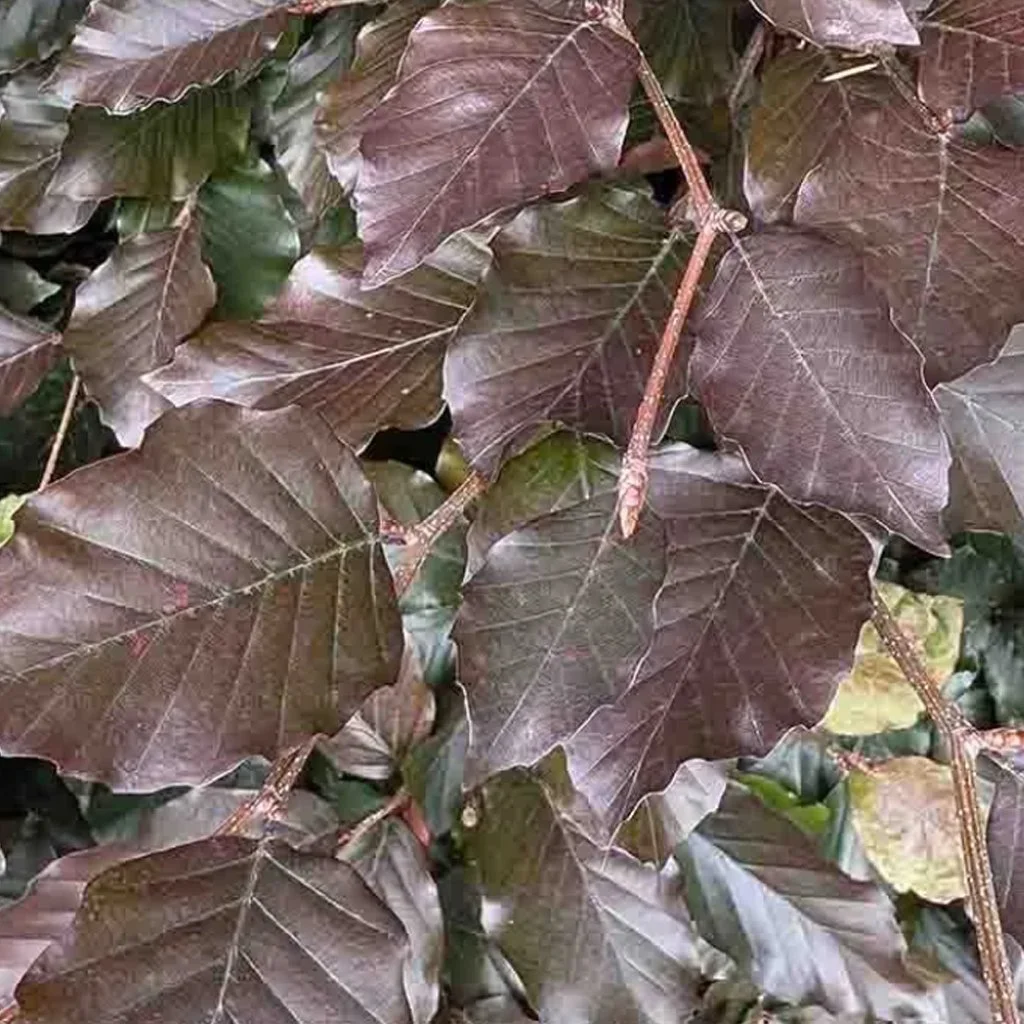 Image 2 of 4