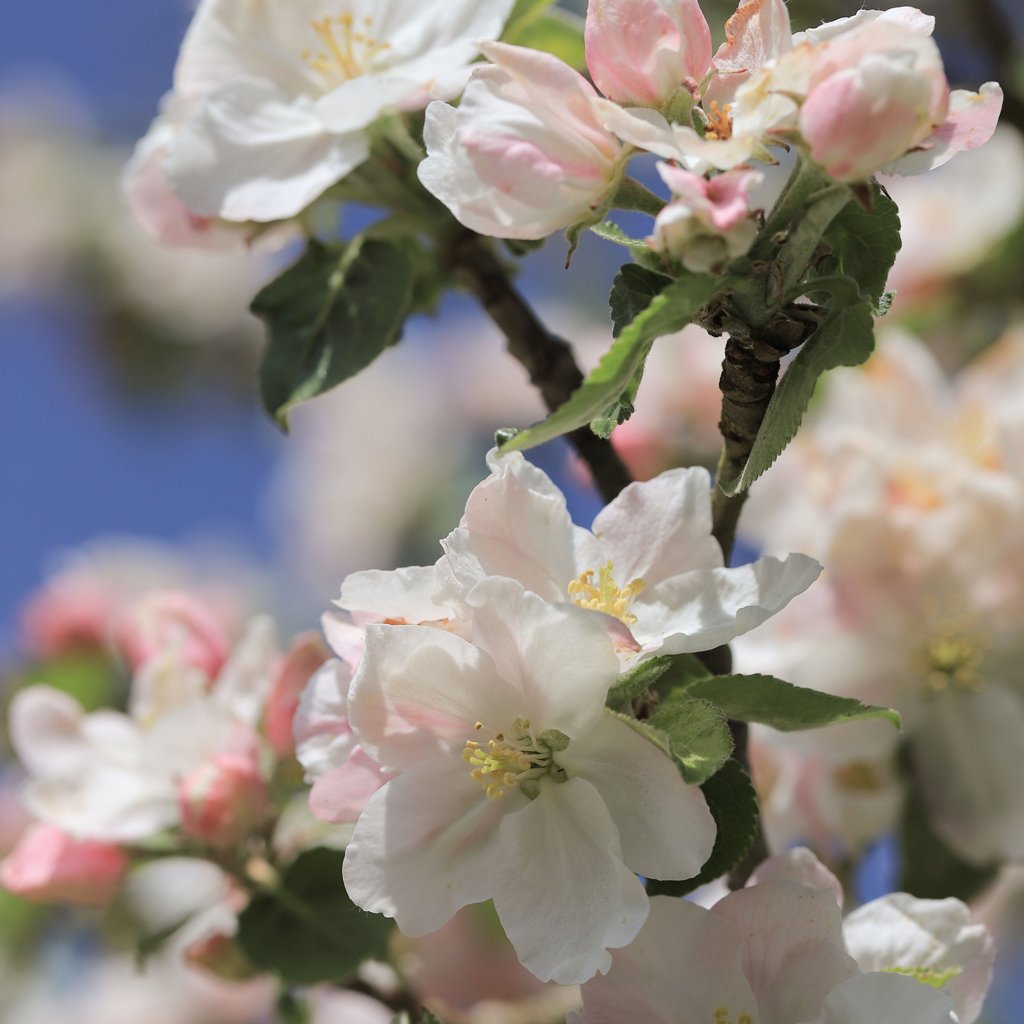
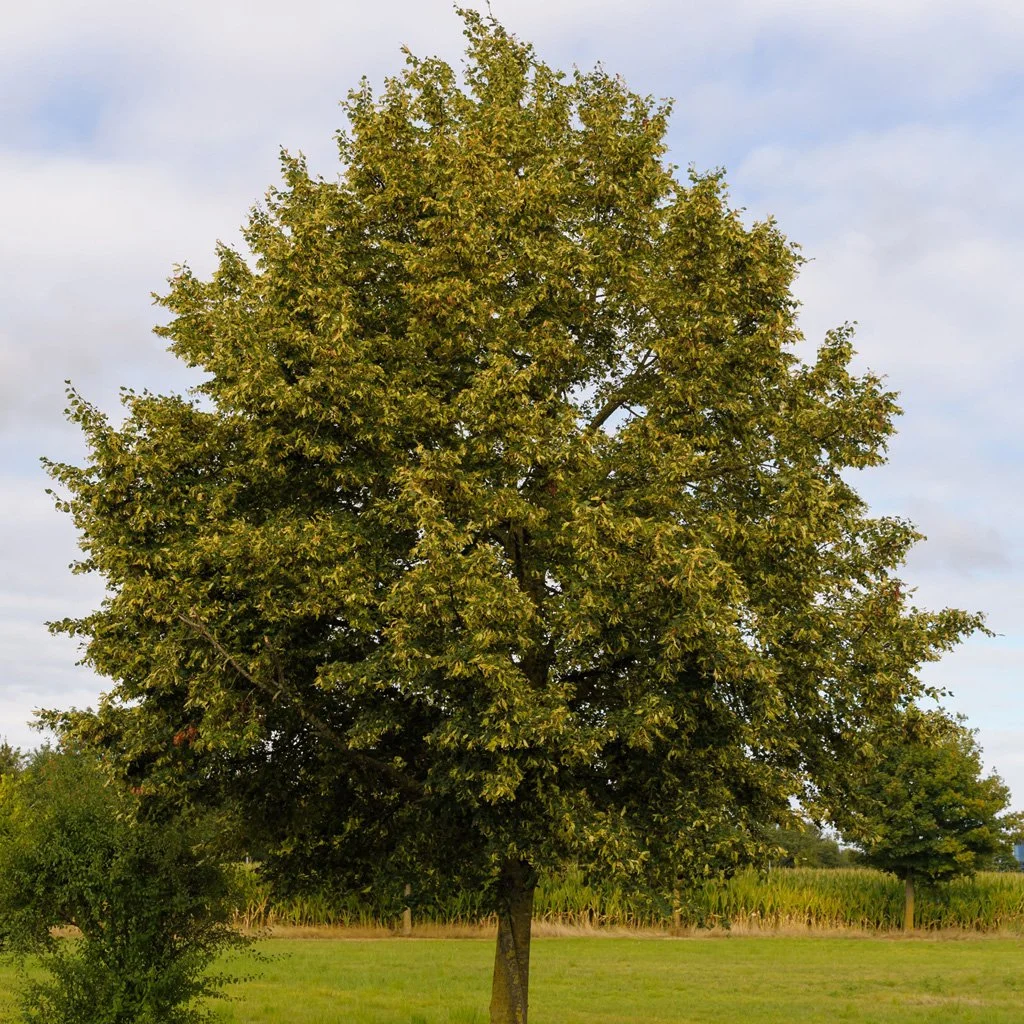
A handsome, naturally pyramidal deciduous tree for avenues, estates, broad lawns and substantial urban landscapes.
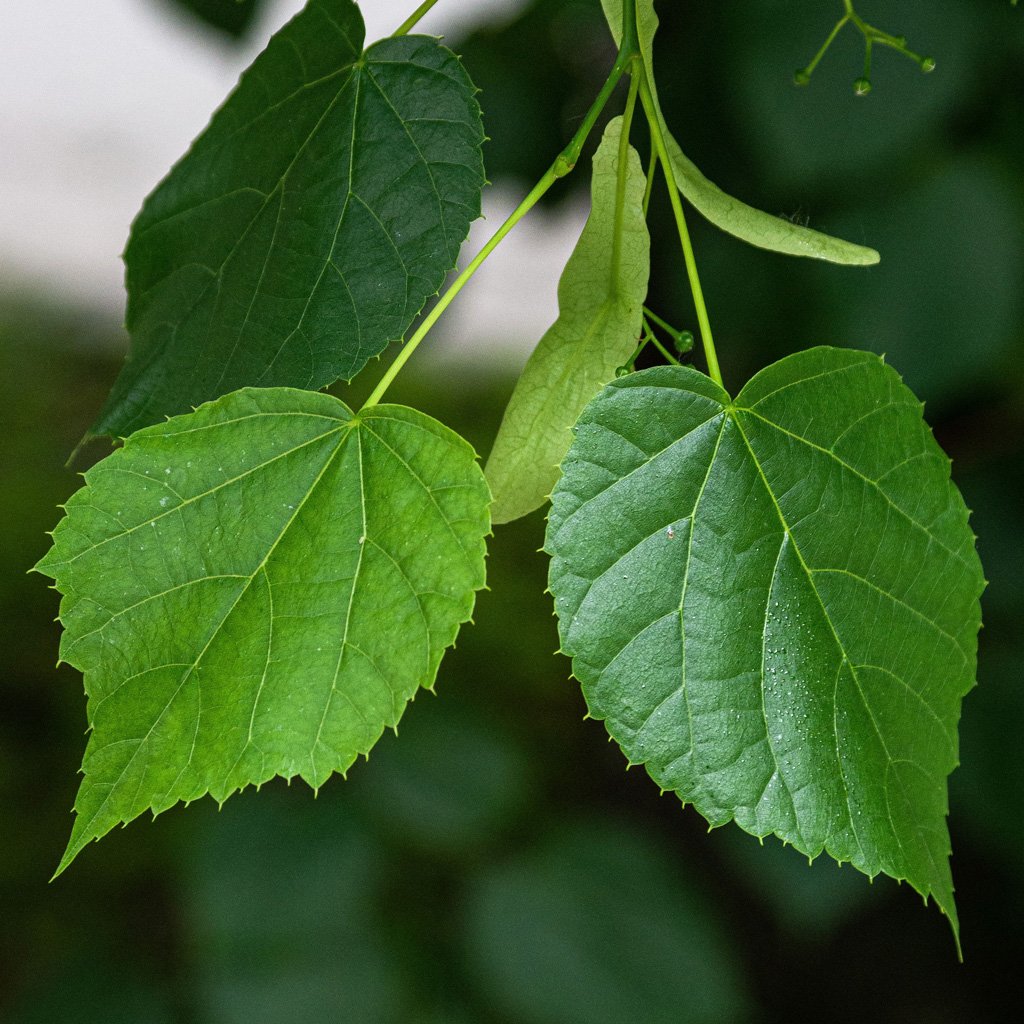
Corylus colurna combines a straight trunk and dependable architectural crown with textured corky bark, spring catkins, heart-shaped foliage and yellow autumn colour.
Product Highlights
Strong pyramidal crown when young
Broadens attractively with maturity
Excellent specimen and avenue tree
Straight trunk and formal landscape character
Decorative corky mature bark
Long spring catkins
Fringed autumn nut clusters
Yellow to golden-yellow autumn foliage
Fully hardy
Good urban tolerance
Drought tolerant once established
Low routine maintenance
Product Information
Feature / Details
Botanical name: Corylus colurna
Common name: Turkish hazel
Family: Betulaceae
Plant type: Large deciduous tree
Mature height: Approximately 15–25 metres
Mature spread: Approximately 8–15 metres
Growth rate: Moderate
Position: Full sun or partial shade
Soil types: Chalk, clay, loam and suitable sand
Drainage: Well-drained
Hardiness: Fully hardy
Foliage: Large, heart-shaped green leaves
Autumn colour: Yellow to golden yellow
Flowers: Yellow-brown catkins
Fruit: Nuts enclosed within fringed husks
Maintenance: Low once established
Wildlife value: Good
Suitable For
Large gardens
Estates and parkland
Formal avenues
Broad driveways
Urban and commercial landscapes
Large residential developments
Architectural planting schemes
Substantial lawn specimens
Roadside planting with adequate soil volume
When We Would Not Recommend It
Corylus colurna is unlikely to be appropriate for:
Small or narrow gardens
Confined courtyards
Positions beneath overhead cables
Permanently waterlogged ground
Sites without adequate rooting volume
Locations requiring evergreen screening
Paved areas where nut and husk fall would be unacceptable
Public spaces where nut-allergy risk cannot be managed
Size and Supply Form
Available sizes vary seasonally and may include feathered, standard, heavy-standard, rootballed, container-grown and semi-mature trees.
Please refer to our specimen tree sizes explained guide before ordering.
For help choosing between younger and more established stock, see mature trees versus younger trees.
Rootballed trees are generally supplied during the cooler planting season, while container-grown trees provide a wider planting window where irrigation is available. Learn more in our rootball versus container-grown guide.
Planting Requirements
Plant in full sun or partial shade, allowing substantial space for the crown and roots to develop.
The root flare must remain visible at finished soil level. Secure the tree appropriately and water thoroughly after planting.
Regular watering is essential during establishment. Drought tolerance applies to established trees and should not be taken to mean that newly planted stock can be left without irrigation.
Read our tree planting and establishment guide for detailed aftercare information.
Larger trees may require specialist transport, lifting and anchoring. Our specimen-tree delivery and planting service is available throughout North West England.
Pruning and Maintenance
Protect the central leader and carry out limited formative pruning while the tree is young. Once established, pruning should normally be restricted to damaged, crossing or structurally unsuitable branches.
Avoid unnecessary hard pruning, which can spoil the natural crown and create large wounds.
See our RHS Pruning Group 1 guide for relevant minimal-pruning principles.
Wildlife and Practical Considerations
Spring catkins provide pollen, while nuts may supply food for birds and mammals. The canopy also provides shelter and potential nesting habitat.
Nut production varies and is not guaranteed. Fallen nuts, fringed husks, catkins and leaves create seasonal litter.
Hazelnuts can cause severe allergic reactions. Consider this carefully when specifying the tree beside schools, communal facilities, busy pedestrian areas or other sensitive public spaces.
For native wildlife planting, hedgerows or coppice-style growth, consider Corylus avellana – common hazel.
Our Recommendation
We recommend Corylus colurna for substantial gardens, avenues and urban landscapes where its mature dimensions have been properly accommodated.
It is especially valuable when a project requires strong pyramidal form, a reliable central trunk and greater tolerance of urban conditions and summer dryness than many traditional large deciduous trees.
Contact us with your postcode, preferred size, site photographs and access information for current availability, delivery pricing and planting recommendations.
Delivery and Professional Planting
We can install specimen trees at any of the in following postcodes;
BB, BL, CH1 - CH5, CW8, CW9, FY, L, LA1 - LA6, M, OL, PR, SK1 - SK12, WA, & WN.
Please do not purchase if you want the hedging installed outside this area. If you do live outside the area, then please give us a call on 01942 604976 and we can see if it’s possible to do this.
For more information on the tree see the tree specification below. For more information about delivery, access and planting, see the guide below or click here.
A handsome, naturally pyramidal deciduous tree for avenues, estates, broad lawns and substantial urban landscapes.
Corylus colurna combines a straight trunk and dependable architectural crown with textured corky bark, spring catkins, heart-shaped foliage and yellow autumn colour.
Product Highlights
Strong pyramidal crown when young
Broadens attractively with maturity
Excellent specimen and avenue tree
Straight trunk and formal landscape character
Decorative corky mature bark
Long spring catkins
Fringed autumn nut clusters
Yellow to golden-yellow autumn foliage
Fully hardy
Good urban tolerance
Drought tolerant once established
Low routine maintenance
Product Information
Feature / Details
Botanical name: Corylus colurna
Common name: Turkish hazel
Family: Betulaceae
Plant type: Large deciduous tree
Mature height: Approximately 15–25 metres
Mature spread: Approximately 8–15 metres
Growth rate: Moderate
Position: Full sun or partial shade
Soil types: Chalk, clay, loam and suitable sand
Drainage: Well-drained
Hardiness: Fully hardy
Foliage: Large, heart-shaped green leaves
Autumn colour: Yellow to golden yellow
Flowers: Yellow-brown catkins
Fruit: Nuts enclosed within fringed husks
Maintenance: Low once established
Wildlife value: Good
Suitable For
Large gardens
Estates and parkland
Formal avenues
Broad driveways
Urban and commercial landscapes
Large residential developments
Architectural planting schemes
Substantial lawn specimens
Roadside planting with adequate soil volume
When We Would Not Recommend It
Corylus colurna is unlikely to be appropriate for:
Small or narrow gardens
Confined courtyards
Positions beneath overhead cables
Permanently waterlogged ground
Sites without adequate rooting volume
Locations requiring evergreen screening
Paved areas where nut and husk fall would be unacceptable
Public spaces where nut-allergy risk cannot be managed
Size and Supply Form
Available sizes vary seasonally and may include feathered, standard, heavy-standard, rootballed, container-grown and semi-mature trees.
Please refer to our specimen tree sizes explained guide before ordering.
For help choosing between younger and more established stock, see mature trees versus younger trees.
Rootballed trees are generally supplied during the cooler planting season, while container-grown trees provide a wider planting window where irrigation is available. Learn more in our rootball versus container-grown guide.
Planting Requirements
Plant in full sun or partial shade, allowing substantial space for the crown and roots to develop.
The root flare must remain visible at finished soil level. Secure the tree appropriately and water thoroughly after planting.
Regular watering is essential during establishment. Drought tolerance applies to established trees and should not be taken to mean that newly planted stock can be left without irrigation.
Read our tree planting and establishment guide for detailed aftercare information.
Larger trees may require specialist transport, lifting and anchoring. Our specimen-tree delivery and planting service is available throughout North West England.
Pruning and Maintenance
Protect the central leader and carry out limited formative pruning while the tree is young. Once established, pruning should normally be restricted to damaged, crossing or structurally unsuitable branches.
Avoid unnecessary hard pruning, which can spoil the natural crown and create large wounds.
See our RHS Pruning Group 1 guide for relevant minimal-pruning principles.
Wildlife and Practical Considerations
Spring catkins provide pollen, while nuts may supply food for birds and mammals. The canopy also provides shelter and potential nesting habitat.
Nut production varies and is not guaranteed. Fallen nuts, fringed husks, catkins and leaves create seasonal litter.
Hazelnuts can cause severe allergic reactions. Consider this carefully when specifying the tree beside schools, communal facilities, busy pedestrian areas or other sensitive public spaces.
For native wildlife planting, hedgerows or coppice-style growth, consider Corylus avellana – common hazel.
Our Recommendation
We recommend Corylus colurna for substantial gardens, avenues and urban landscapes where its mature dimensions have been properly accommodated.
It is especially valuable when a project requires strong pyramidal form, a reliable central trunk and greater tolerance of urban conditions and summer dryness than many traditional large deciduous trees.
Contact us with your postcode, preferred size, site photographs and access information for current availability, delivery pricing and planting recommendations.
Delivery and Professional Planting
We can install specimen trees at any of the in following postcodes;
BB, BL, CH1 - CH5, CW8, CW9, FY, L, LA1 - LA6, M, OL, PR, SK1 - SK12, WA, & WN.
Please do not purchase if you want the hedging installed outside this area. If you do live outside the area, then please give us a call on 01942 604976 and we can see if it’s possible to do this.
For more information on the tree see the tree specification below. For more information about delivery, access and planting, see the guide below or click here.

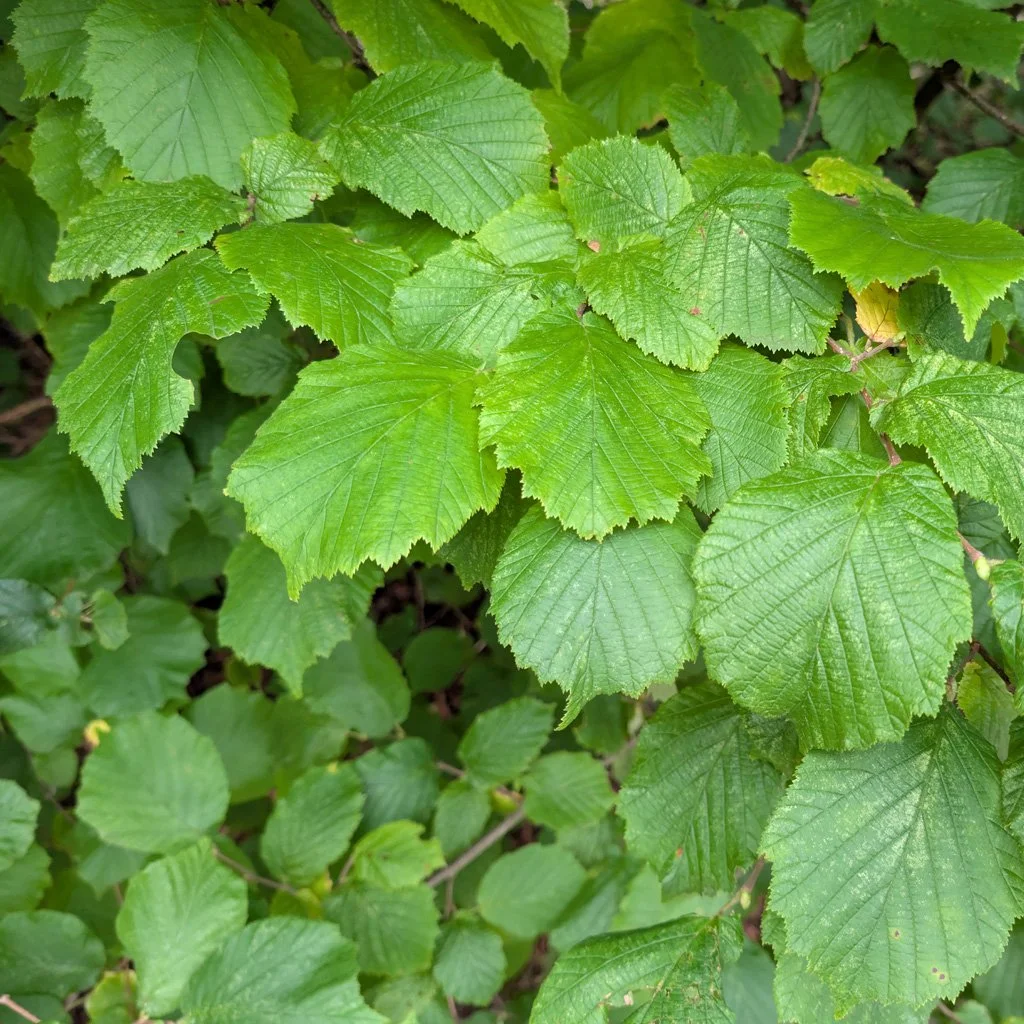 Image 1 of 7
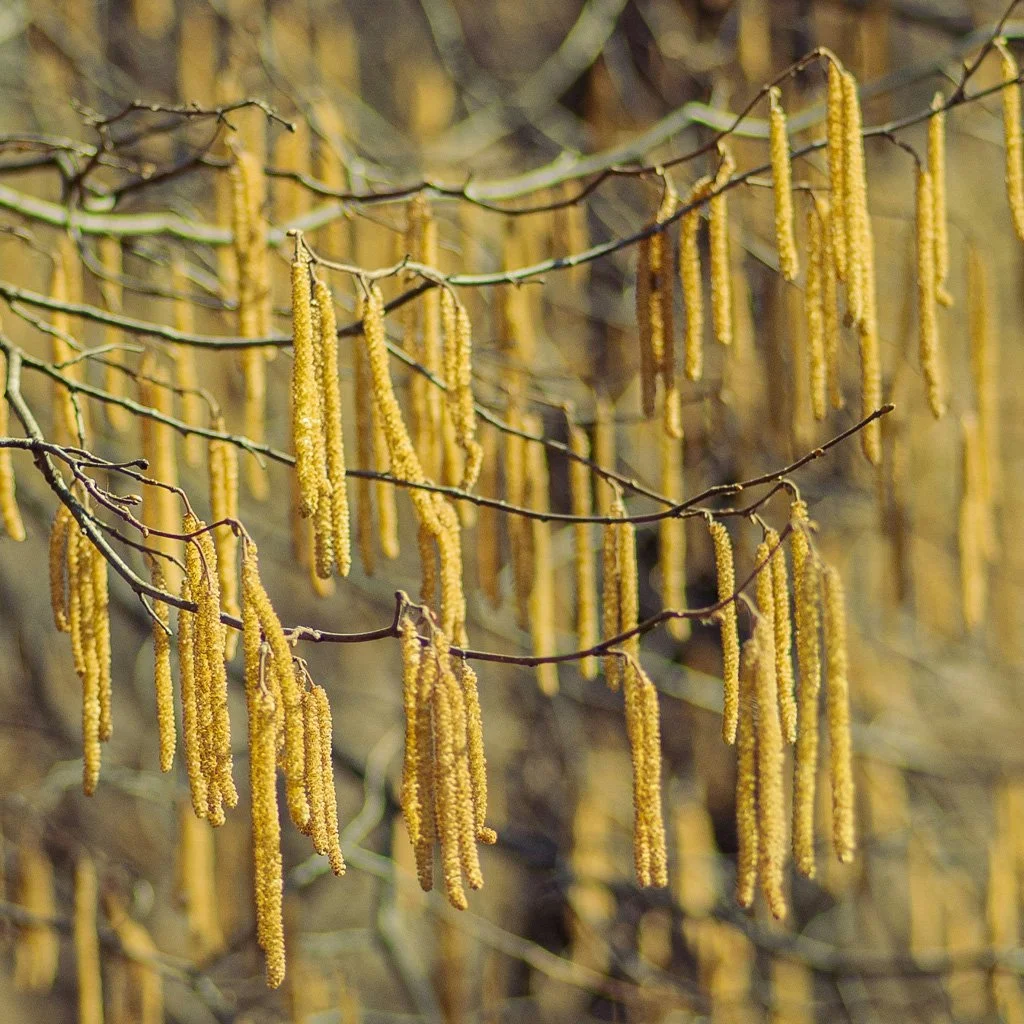 Image 2 of 7
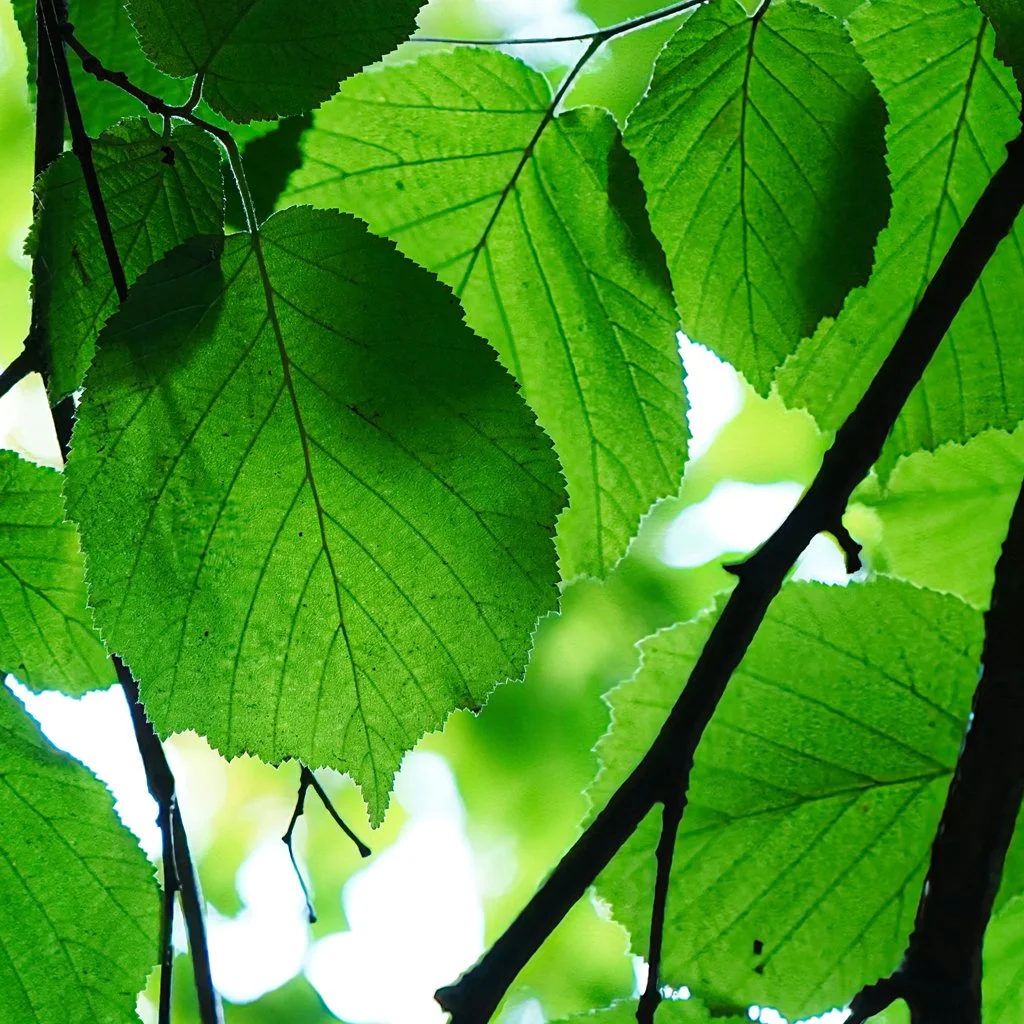 Image 3 of 7
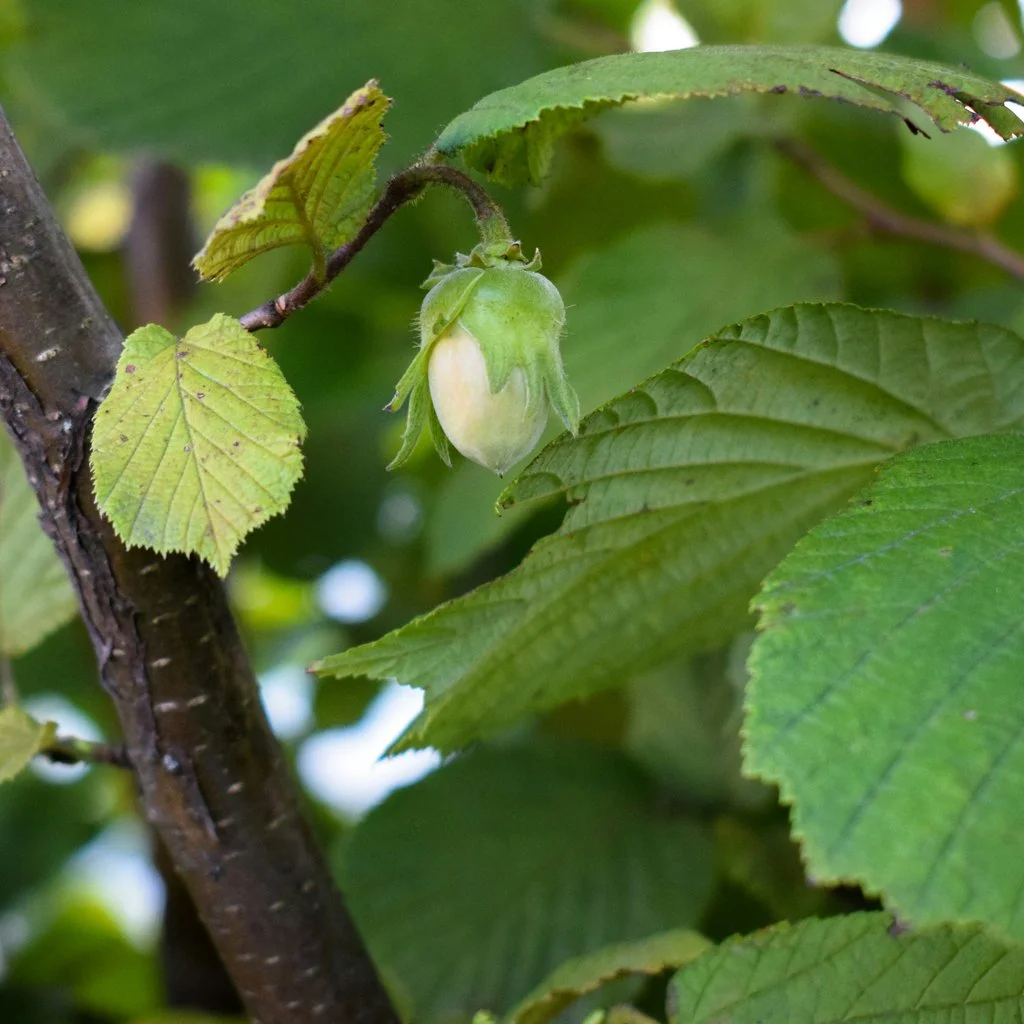 Image 4 of 7
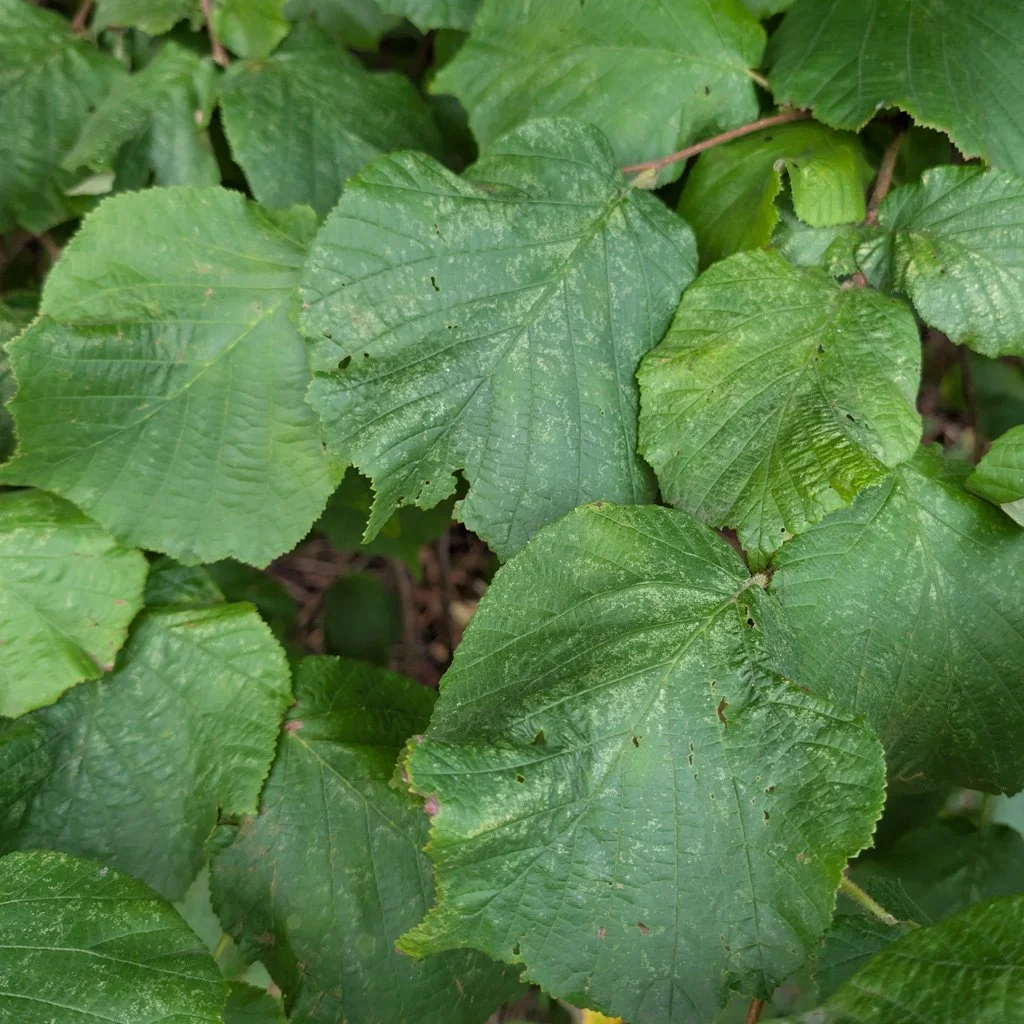 Image 5 of 7
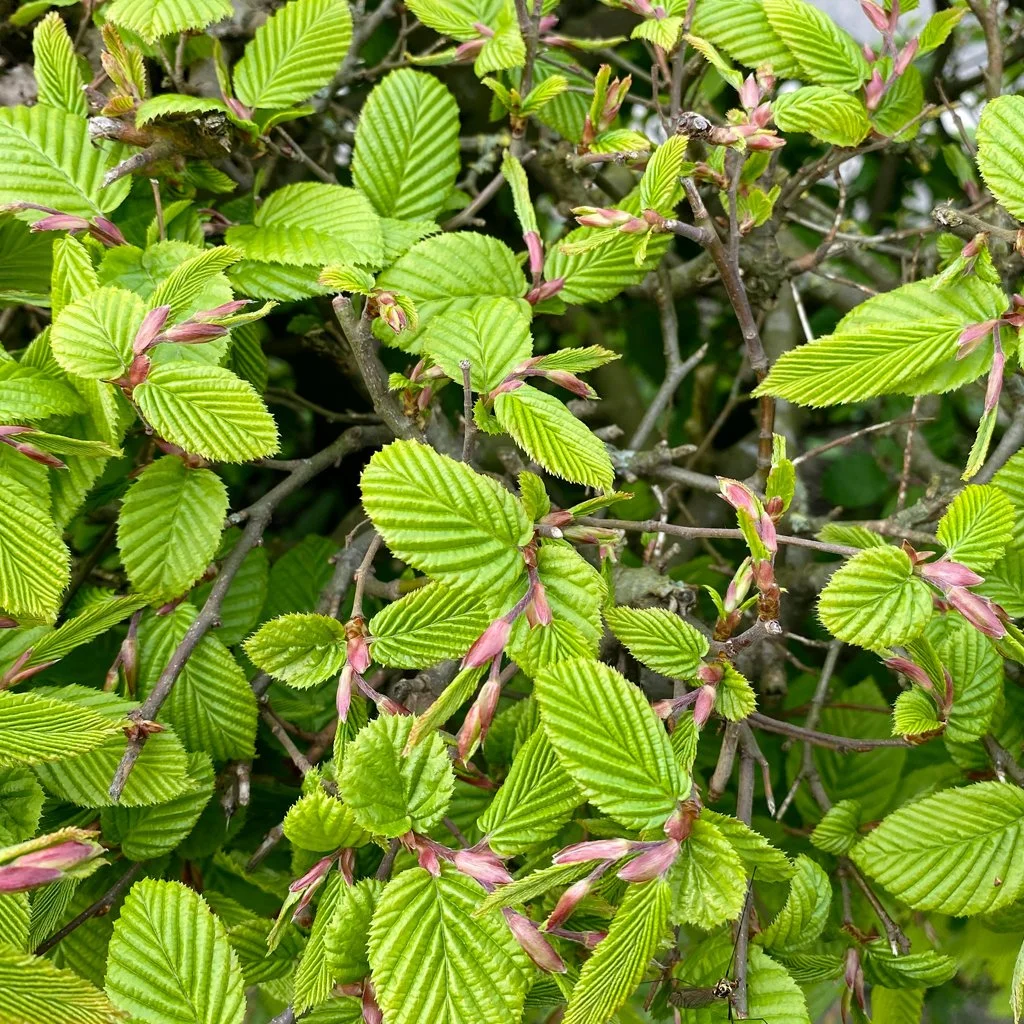 Image 6 of 7
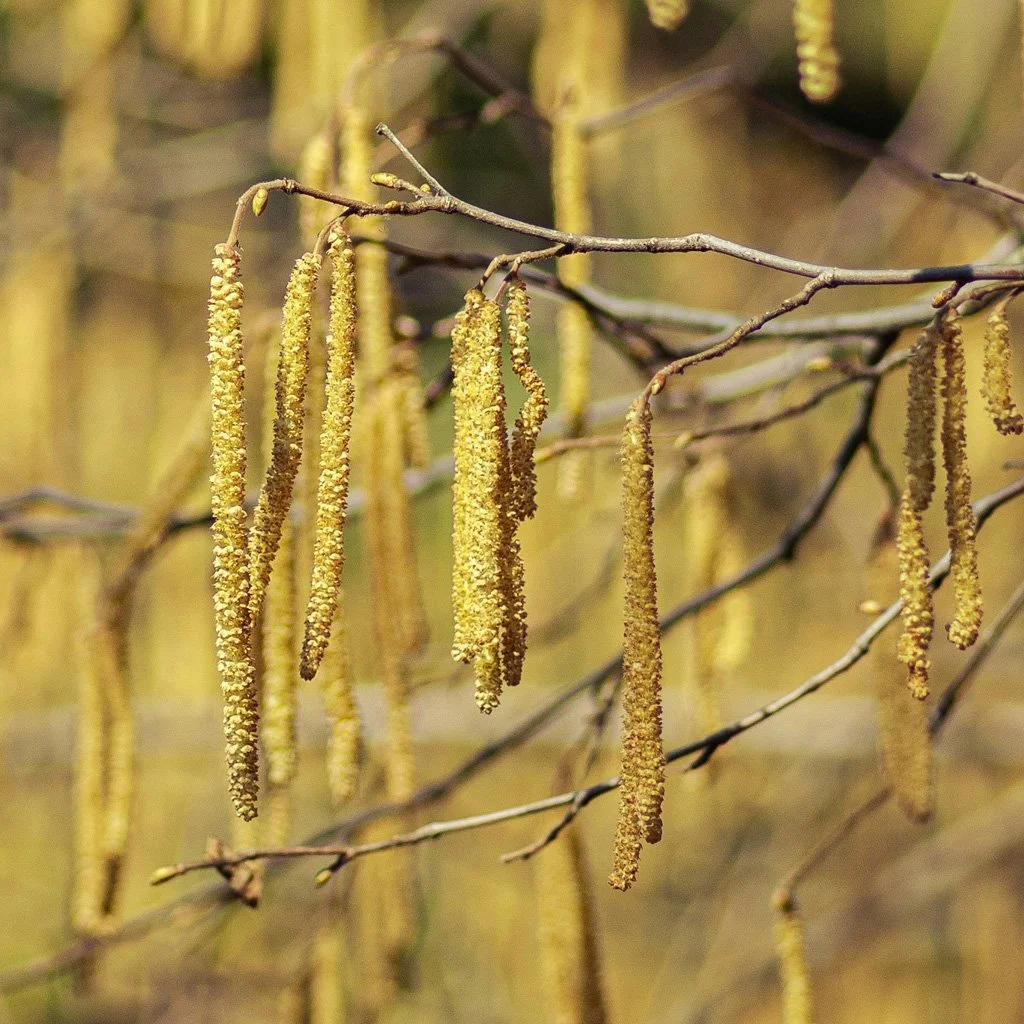 Image 7 of 7