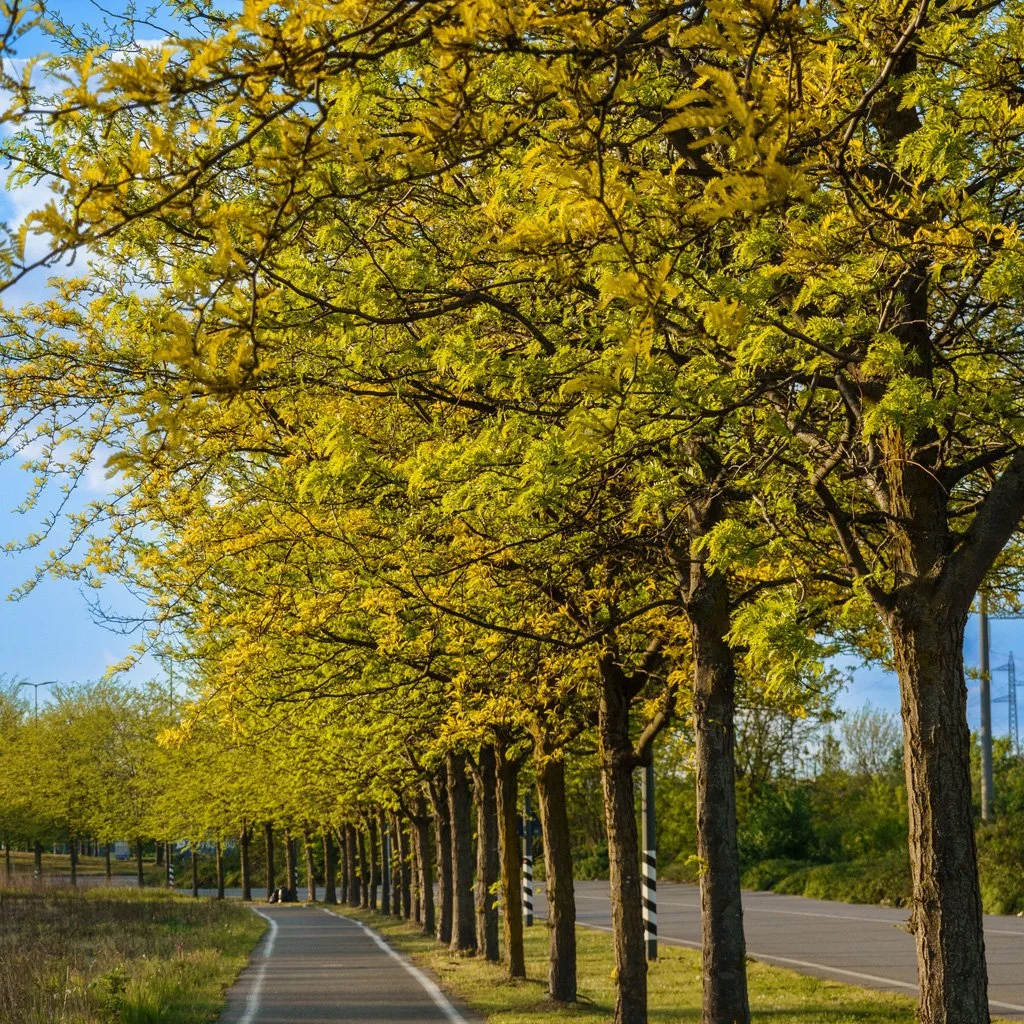
A magnificent large specimen tree with a strong pyramidal crown, deeply cut foliage and some of the most reliable autumn colour available.
Liquidambar styraciflua ‘Worplesdon’ is ideal for estates, parkland, large lawns, avenues and substantial gardens.
Tree highlights
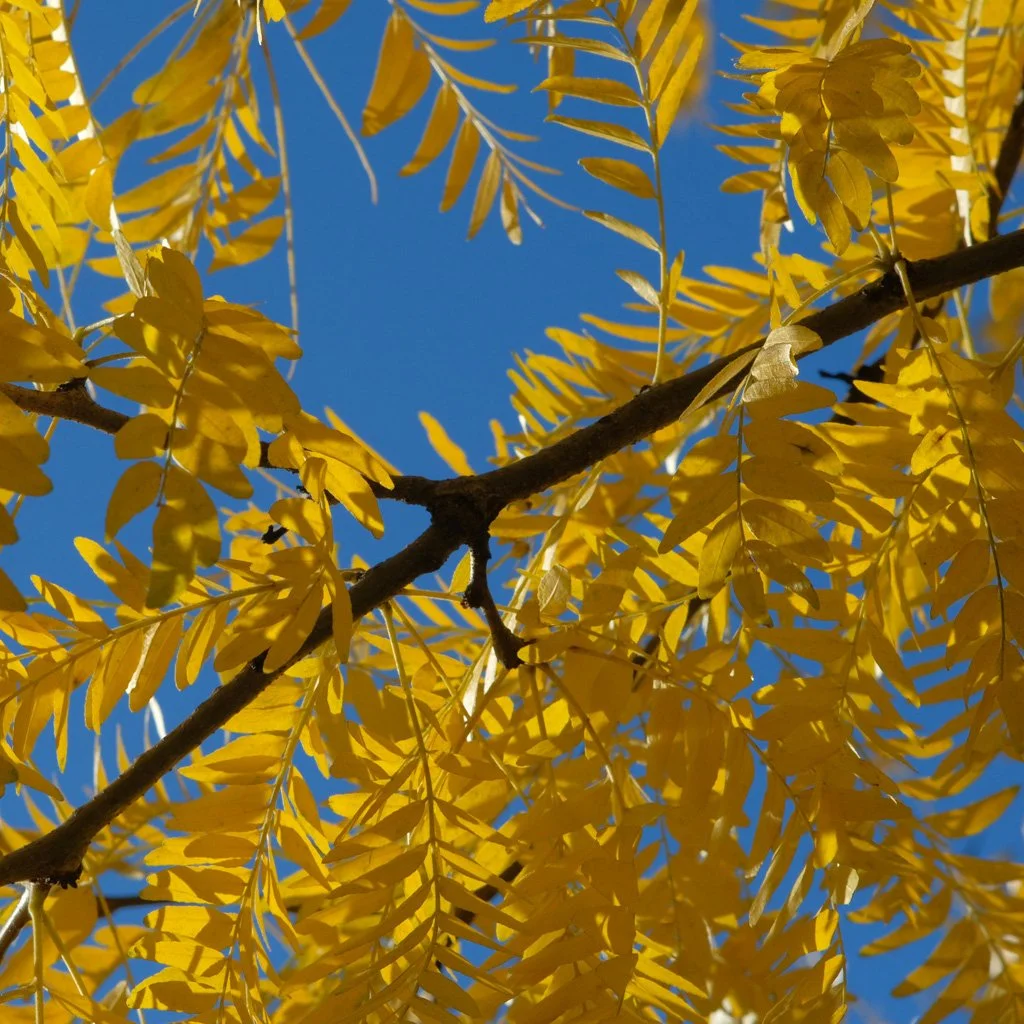
Yellow, orange, red and purple autumn colour
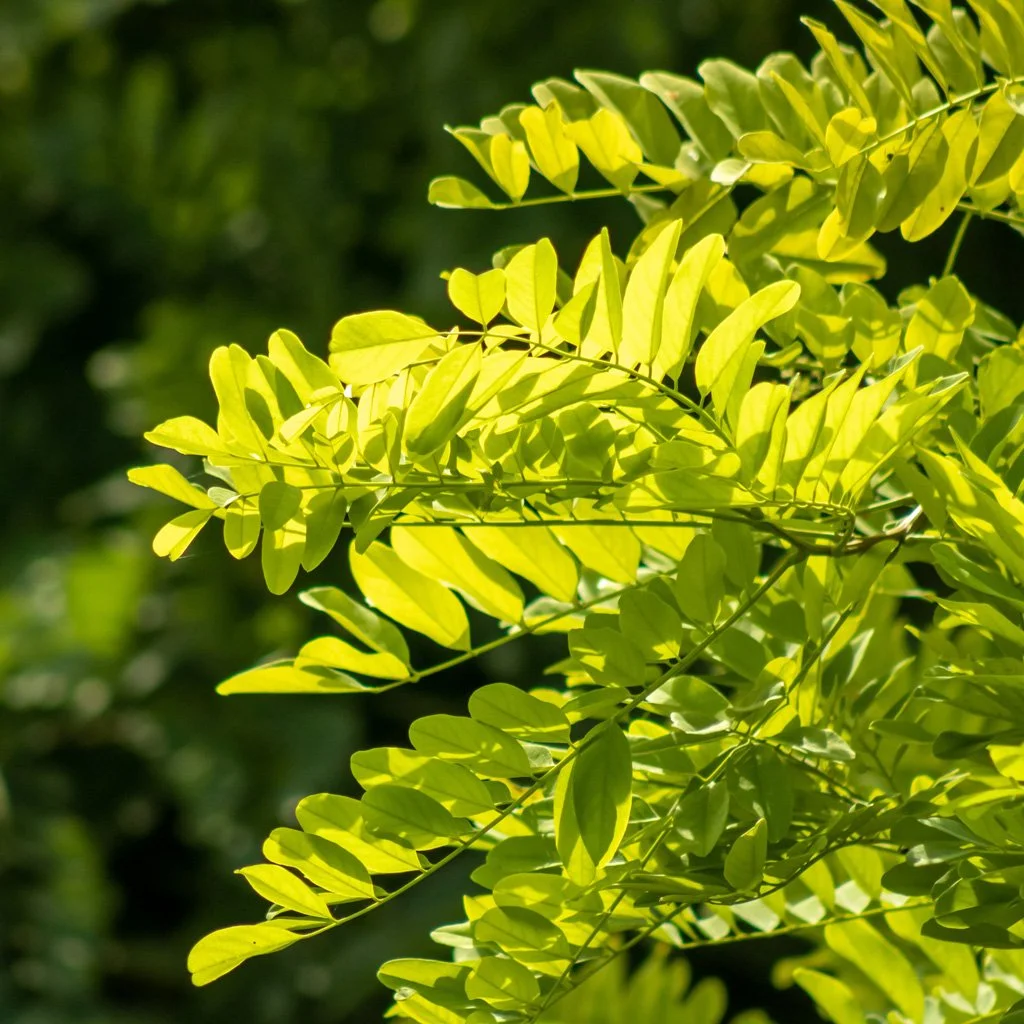
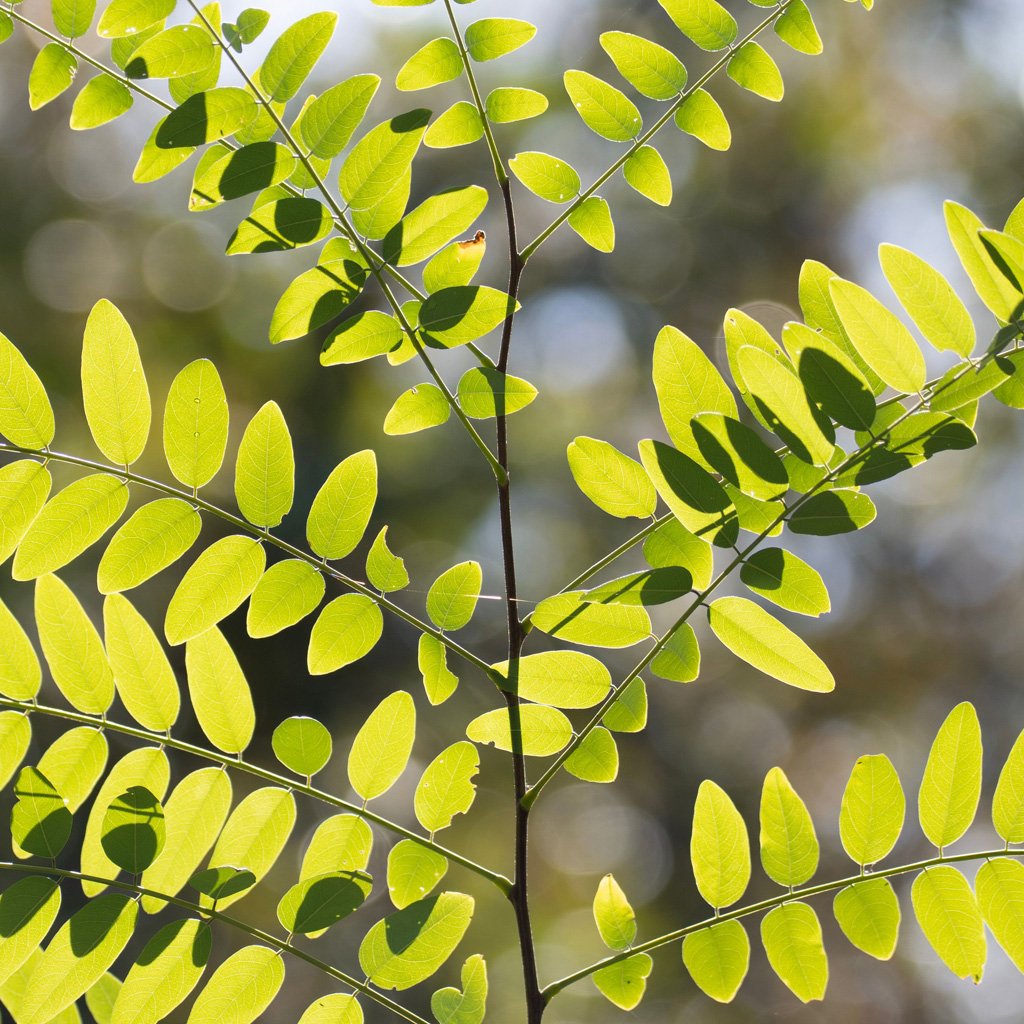
Deeply cut glossy green leaves
Strong pyramidal crown
Broadens attractively with age
Distinctive corky wings on mature branches
Large long-lived specimen tree
RHS Award of Garden Merit cultivar
Very hardy
Suitable for deep, moisture-retentive soil
Reliable in cool North-West-European conditions
Tree information
Feature / Details
Botanical name: Liquidambar styraciflua ‘Worplesdon’
Common name: ‘Worplesdon’ Sweet Gum
Plant type: Large deciduous specimen tree
Mature height: Approximately 12–20 metres
Mature spread: Approximately 8–12 metres
Growth rate: ModerateAnnual growth
Approximately 30–50cm
Crown form: Narrow pyramidal, broadening with age
Foliage: Glossy, deeply cut green leaves
Flowers: Small yellow-green flowers
Fruit: Woody, spiky capsules
Autumn colour: Yellow, apricot, orange, red and purple
Preferred position: Full sun
Soil: Deep, fertile and moisture-retentive
Preferred pH: Acid to neutral
Hardiness: Very hardy
Wildlife value: Moderate
Maintenance: Low to moderate
Is it the right tree for your site?
Choose ‘Worplesdon’ if you want:
A large autumn-colour specimen
A disciplined pyramidal shape
Distinctive deeply cut foliage
A mature tree with strong architectural presence
A long-term parkland or estate feature
Reliable autumn performance in North West conditions
A tree suitable for broad lawns and avenues
It may not be suitable if:
Your garden is small
You require evergreen privacy
Soil is strongly alkaline or shallow
The position is very dry or waterlogged
The site is severely exposed
Spiky capsules would be a nuisance
There is inadequate room for an 8–12 metre crown
Choosing your tree size
Young standards are generally the most economical option and often establish quickly.
Heavy standards provide greater immediate height and visible canopy.
Multi-stem and semi-mature specimens create stronger initial impact but require suitable access, lifting arrangements, anchoring and planned irrigation.
Read our specimen tree sizes explained and mature trees versus younger trees guides.
Planting position and soil
Plant in full sun for the strongest autumn colour.
The ideal soil is:
Deep
Fertile
Moisture-retentive
Freely drained
Acid to neutral
Clay can be suitable where its structure and drainage are adequate. Strongly alkaline, shallow, dry or permanently waterlogged ground should be avoided.
Planting and establishment
Successful establishment depends on:
Thorough soil preparation
Correct planting depth
Suitable support or anchoring
Regular watering during dry periods
A mulch circle kept away from the trunk
Protection from construction damage
Adequate rooting volume
Future access for inspection and arboricultural work
Use our tree planting and establishment guide.
For larger trees, see our specimen tree delivery and planting information.
Pruning and maintenance
‘Worplesdon’ requires relatively little pruning after a sound framework has formed.
Young trees may need formative work to maintain a clear leader and remove crossing, damaged or weakly attached branches.
Established trees should be pruned only for structural, clearance or safety reasons. Avoid unnecessary hard crown reduction.
See our RHS pruning group 1 guide.
Autumn colour and fruit capsules
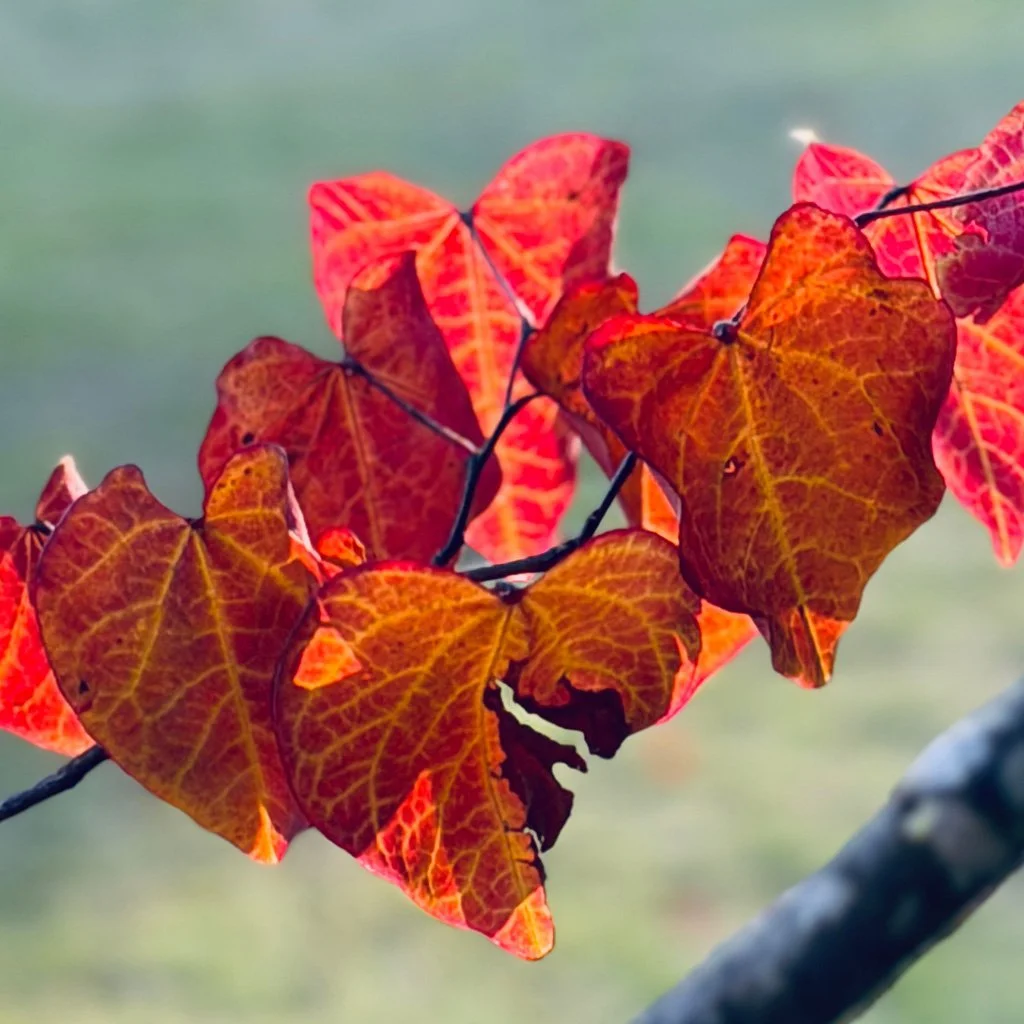
The principal selling feature is its extended autumn display, which can move through yellow, apricot, orange, red and red-purple.
The woody, spiky capsules may remain after leaf fall and release winged seeds. They add botanical interest but can be uncomfortable beneath the tree and troublesome over paths or lawns.
Wildlife value
The tree offers moderate wildlife value through its flowers, canopy, seeds, bark and fallen leaves.
Its ecological contribution can be improved by combining it with native shrubs, nectar-rich perennials and wildlife-friendly groundcover.
When we wouldn’t recommend it
We would not normally recommend ‘Worplesdon’ for small gardens, shallow or alkaline soils, permanently wet sites, positions beneath services or areas where capsule fall cannot be managed.
A smaller autumn-colour tree may be more appropriate where crown width and rooting volume are restricted.
Our recommendation
We recommend Liquidambar styraciflua ‘Worplesdon’ for clients seeking a large, proven specimen tree with elegant foliage, a strong pyramidal form and dependable multi-coloured autumn colour.
Contact Landscaping Emporium for current sizes, availability, delivery requirements and professional planting advice.
Delivery and Professional planting
We can install specimen trees at any of the in following postcodes;
BB, BL, CH1 - CH5, CW8, CW9, FY, L, LA1 - LA6, M, OL, PR, SK1 - SK12, WA, & WN.
Please do not purchase if you want the hedging installed outside this area. If you do live outside the area, then please give us a call on 01942 604976 and we can see if it’s possible to do this.
For more information on the tree see the tree specification below. For more information about delivery, access and planting, see the guide below or click here.
A magnificent large specimen tree with a strong pyramidal crown, deeply cut foliage and some of the most reliable autumn colour available.
Liquidambar styraciflua ‘Worplesdon’ is ideal for estates, parkland, large lawns, avenues and substantial gardens.
Tree highlights
Yellow, orange, red and purple autumn colour
Deeply cut glossy green leaves
Strong pyramidal crown
Broadens attractively with age
Distinctive corky wings on mature branches
Large long-lived specimen tree
RHS Award of Garden Merit cultivar
Very hardy
Suitable for deep, moisture-retentive soil
Reliable in cool North-West-European conditions
Tree information
Feature / Details
Botanical name: Liquidambar styraciflua ‘Worplesdon’
Common name: ‘Worplesdon’ Sweet Gum
Plant type: Large deciduous specimen tree
Mature height: Approximately 12–20 metres
Mature spread: Approximately 8–12 metres
Growth rate: ModerateAnnual growth
Approximately 30–50cm
Crown form: Narrow pyramidal, broadening with age
Foliage: Glossy, deeply cut green leaves
Flowers: Small yellow-green flowers
Fruit: Woody, spiky capsules
Autumn colour: Yellow, apricot, orange, red and purple
Preferred position: Full sun
Soil: Deep, fertile and moisture-retentive
Preferred pH: Acid to neutral
Hardiness: Very hardy
Wildlife value: Moderate
Maintenance: Low to moderate
Is it the right tree for your site?
Choose ‘Worplesdon’ if you want:
A large autumn-colour specimen
A disciplined pyramidal shape
Distinctive deeply cut foliage
A mature tree with strong architectural presence
A long-term parkland or estate feature
Reliable autumn performance in North West conditions
A tree suitable for broad lawns and avenues
It may not be suitable if:
Your garden is small
You require evergreen privacy
Soil is strongly alkaline or shallow
The position is very dry or waterlogged
The site is severely exposed
Spiky capsules would be a nuisance
There is inadequate room for an 8–12 metre crown
Choosing your tree size
Young standards are generally the most economical option and often establish quickly.
Heavy standards provide greater immediate height and visible canopy.
Multi-stem and semi-mature specimens create stronger initial impact but require suitable access, lifting arrangements, anchoring and planned irrigation.
Read our specimen tree sizes explained and mature trees versus younger trees guides.
Planting position and soil
Plant in full sun for the strongest autumn colour.
The ideal soil is:
Deep
Fertile
Moisture-retentive
Freely drained
Acid to neutral
Clay can be suitable where its structure and drainage are adequate. Strongly alkaline, shallow, dry or permanently waterlogged ground should be avoided.
Planting and establishment
Successful establishment depends on:
Thorough soil preparation
Correct planting depth
Suitable support or anchoring
Regular watering during dry periods
A mulch circle kept away from the trunk
Protection from construction damage
Adequate rooting volume
Future access for inspection and arboricultural work
Use our tree planting and establishment guide.
For larger trees, see our specimen tree delivery and planting information.
Pruning and maintenance
‘Worplesdon’ requires relatively little pruning after a sound framework has formed.
Young trees may need formative work to maintain a clear leader and remove crossing, damaged or weakly attached branches.
Established trees should be pruned only for structural, clearance or safety reasons. Avoid unnecessary hard crown reduction.
See our RHS pruning group 1 guide.
Autumn colour and fruit capsules
The principal selling feature is its extended autumn display, which can move through yellow, apricot, orange, red and red-purple.
The woody, spiky capsules may remain after leaf fall and release winged seeds. They add botanical interest but can be uncomfortable beneath the tree and troublesome over paths or lawns.
Wildlife value
The tree offers moderate wildlife value through its flowers, canopy, seeds, bark and fallen leaves.
Its ecological contribution can be improved by combining it with native shrubs, nectar-rich perennials and wildlife-friendly groundcover.
When we wouldn’t recommend it
We would not normally recommend ‘Worplesdon’ for small gardens, shallow or alkaline soils, permanently wet sites, positions beneath services or areas where capsule fall cannot be managed.
A smaller autumn-colour tree may be more appropriate where crown width and rooting volume are restricted.
Our recommendation
We recommend Liquidambar styraciflua ‘Worplesdon’ for clients seeking a large, proven specimen tree with elegant foliage, a strong pyramidal form and dependable multi-coloured autumn colour.
Contact Landscaping Emporium for current sizes, availability, delivery requirements and professional planting advice.
Delivery and Professional planting
We can install specimen trees at any of the in following postcodes;
BB, BL, CH1 - CH5, CW8, CW9, FY, L, LA1 - LA6, M, OL, PR, SK1 - SK12, WA, & WN.
Please do not purchase if you want the hedging installed outside this area. If you do live outside the area, then please give us a call on 01942 604976 and we can see if it’s possible to do this.
For more information on the tree see the tree specification below. For more information about delivery, access and planting, see the guide below or click here.
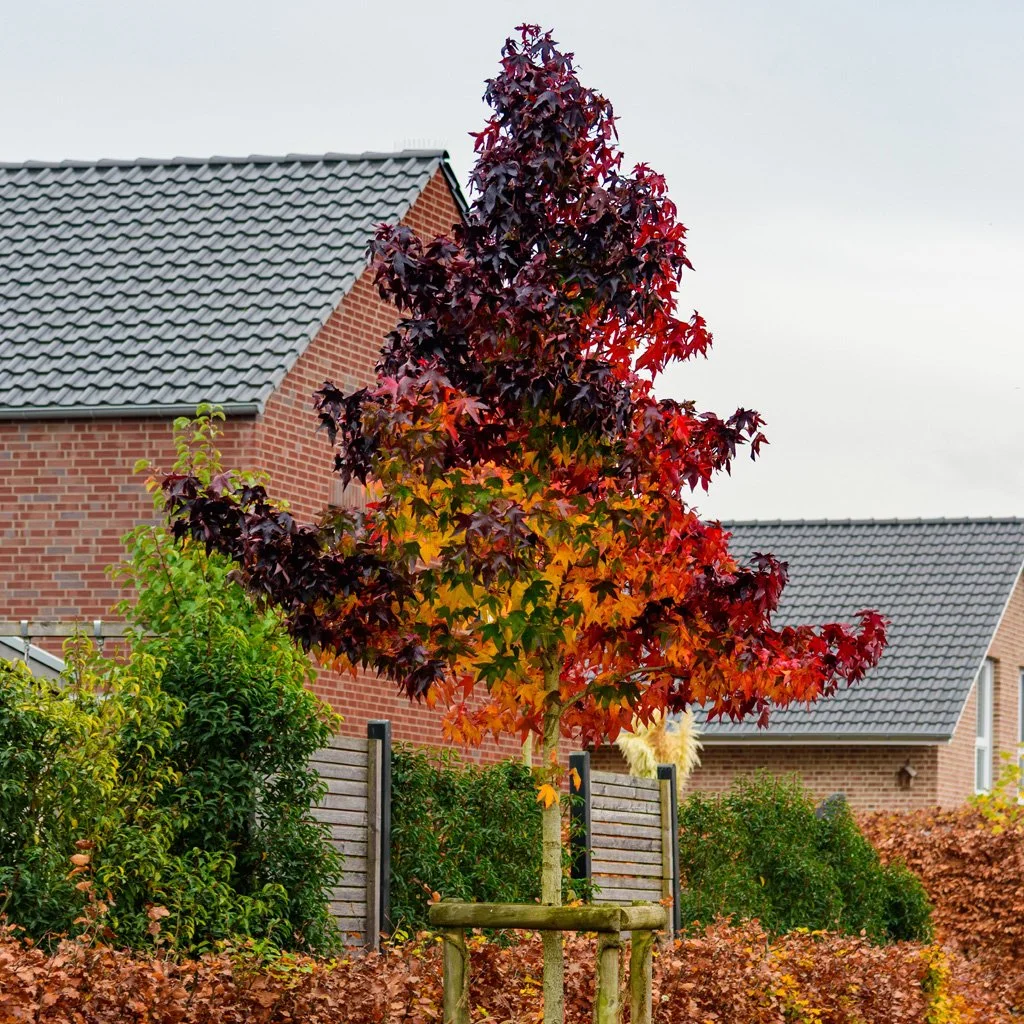 Image 1 of 7
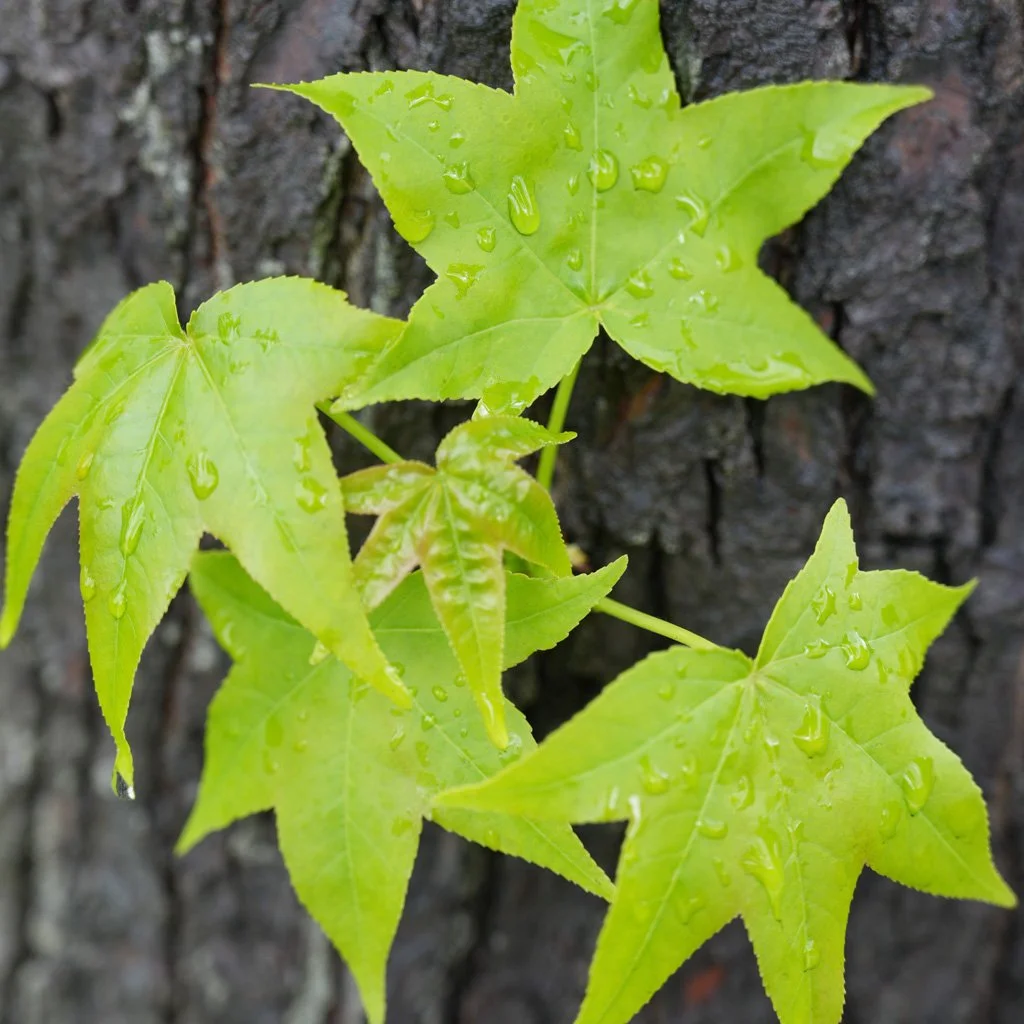 Image 2 of 7
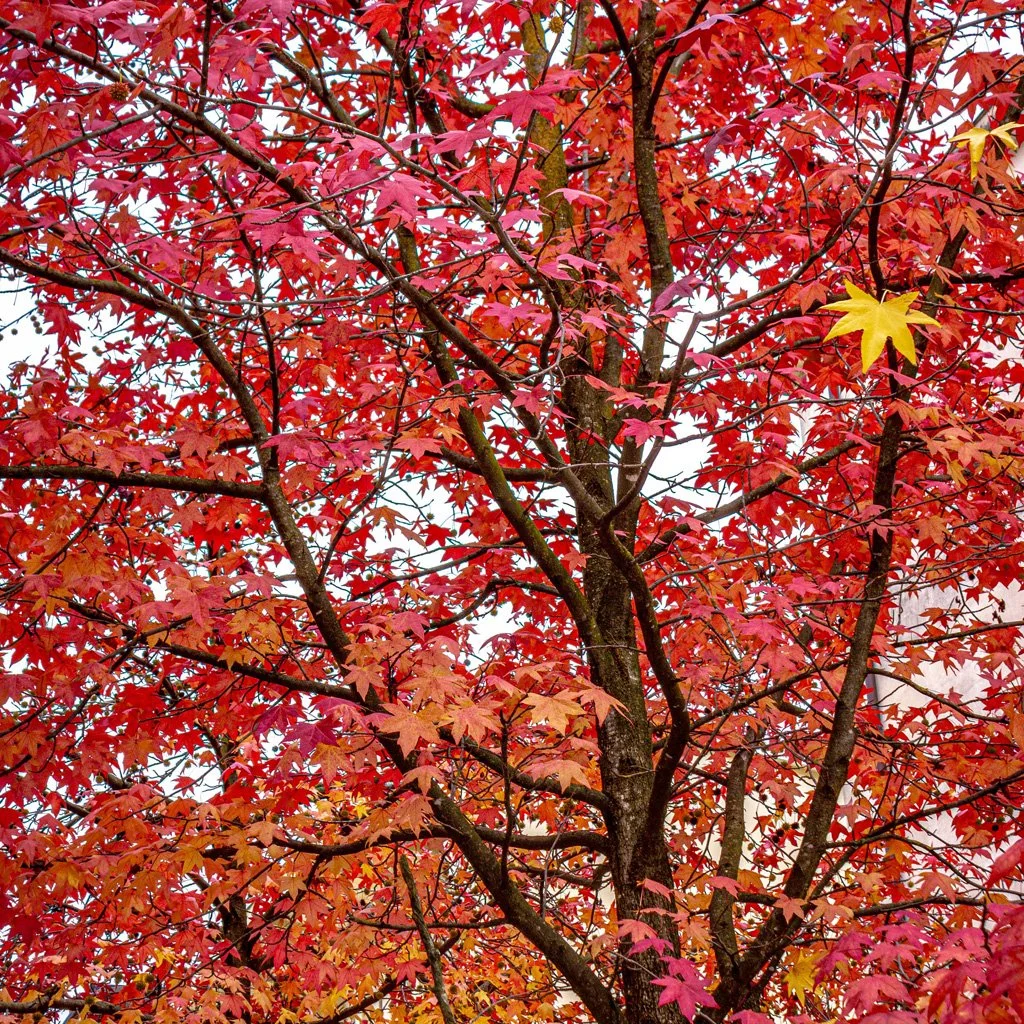 Image 3 of 7
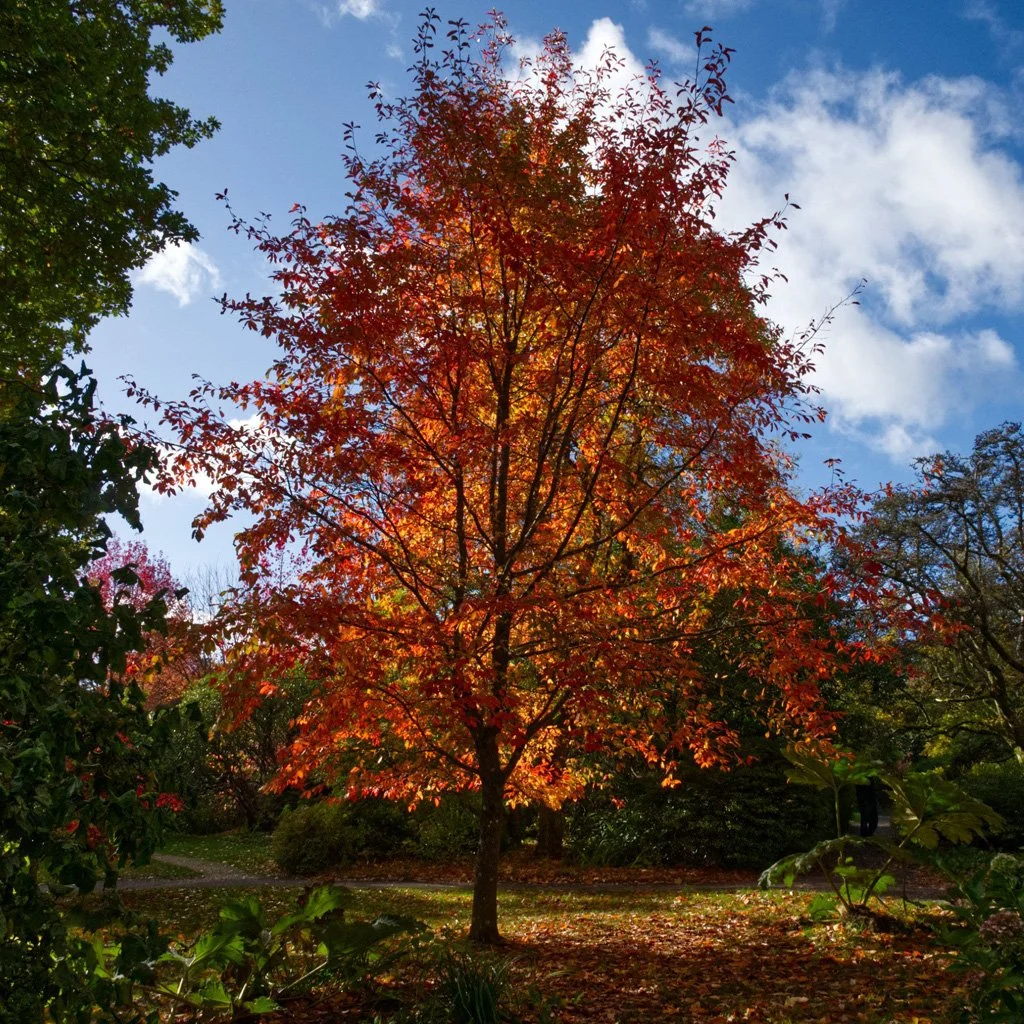 Image 4 of 7
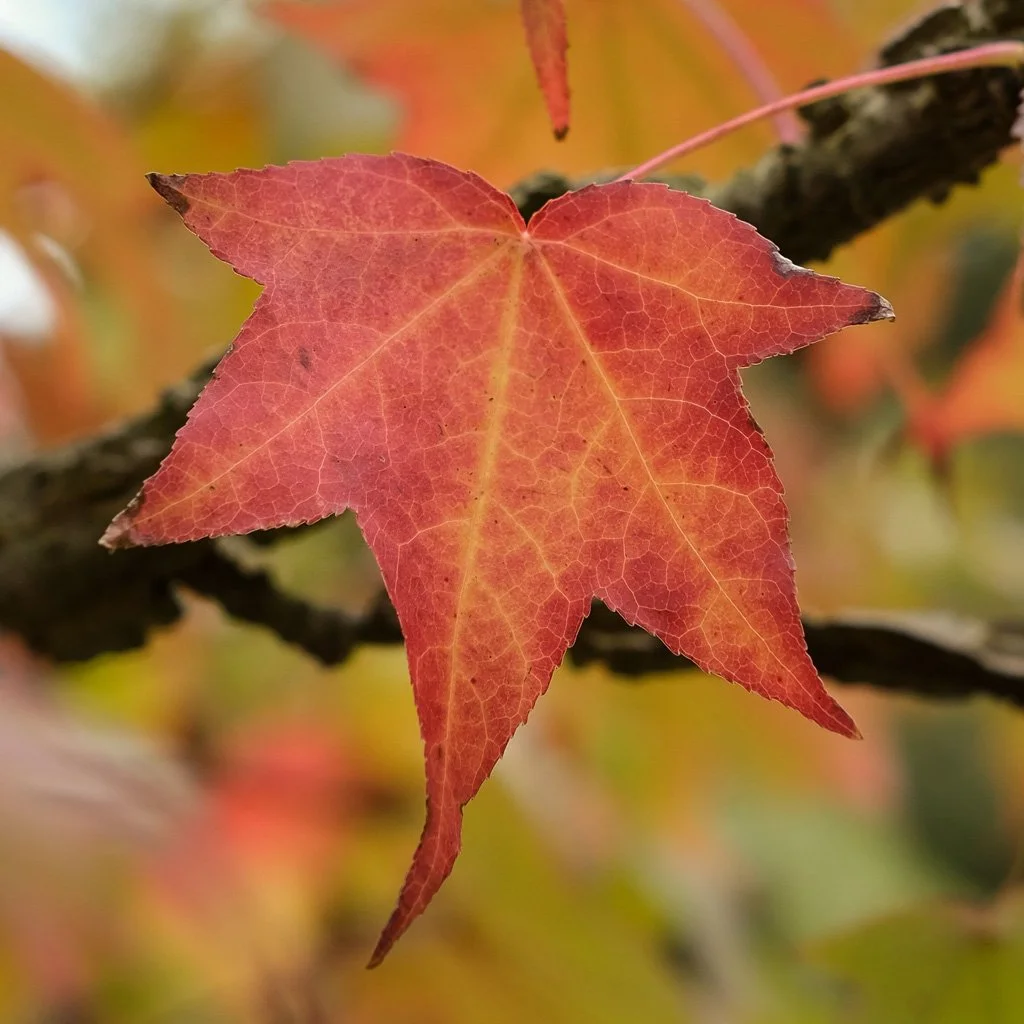 Image 5 of 7
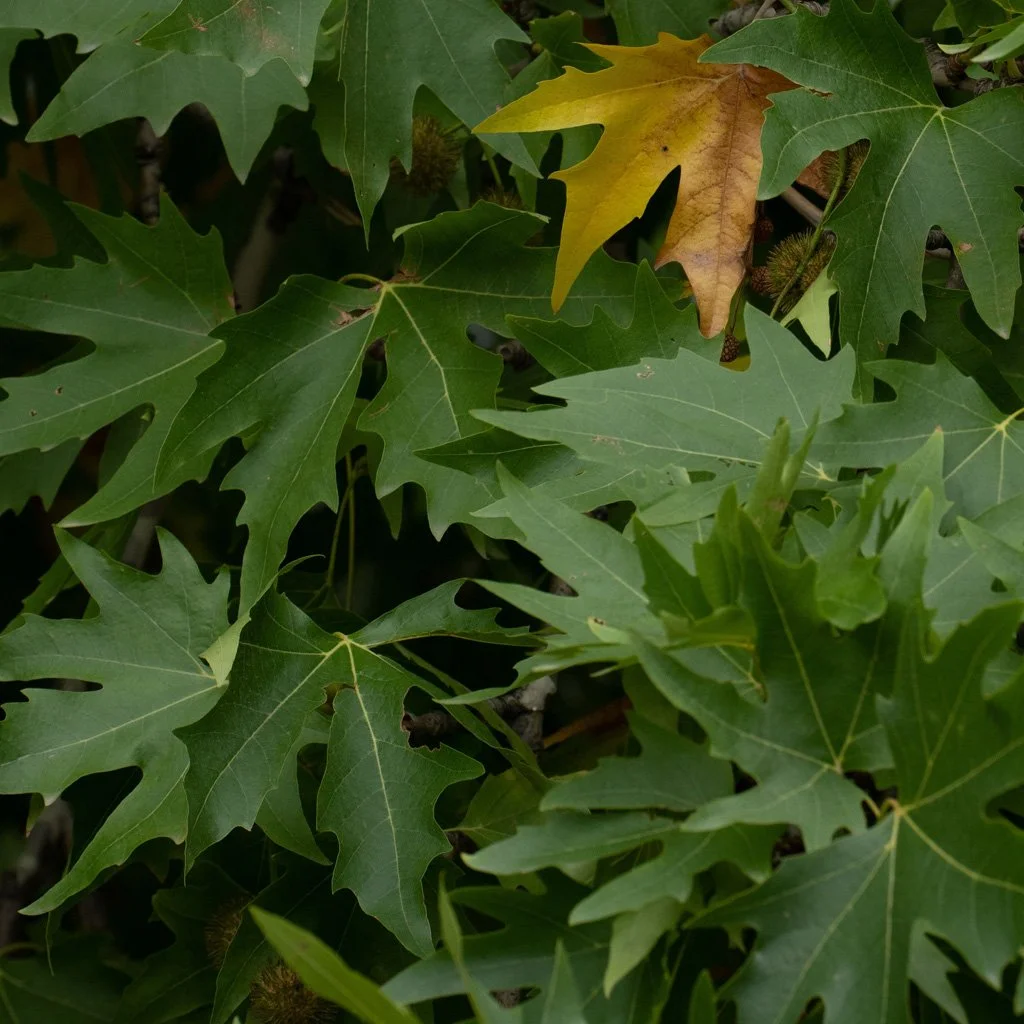 Image 6 of 7
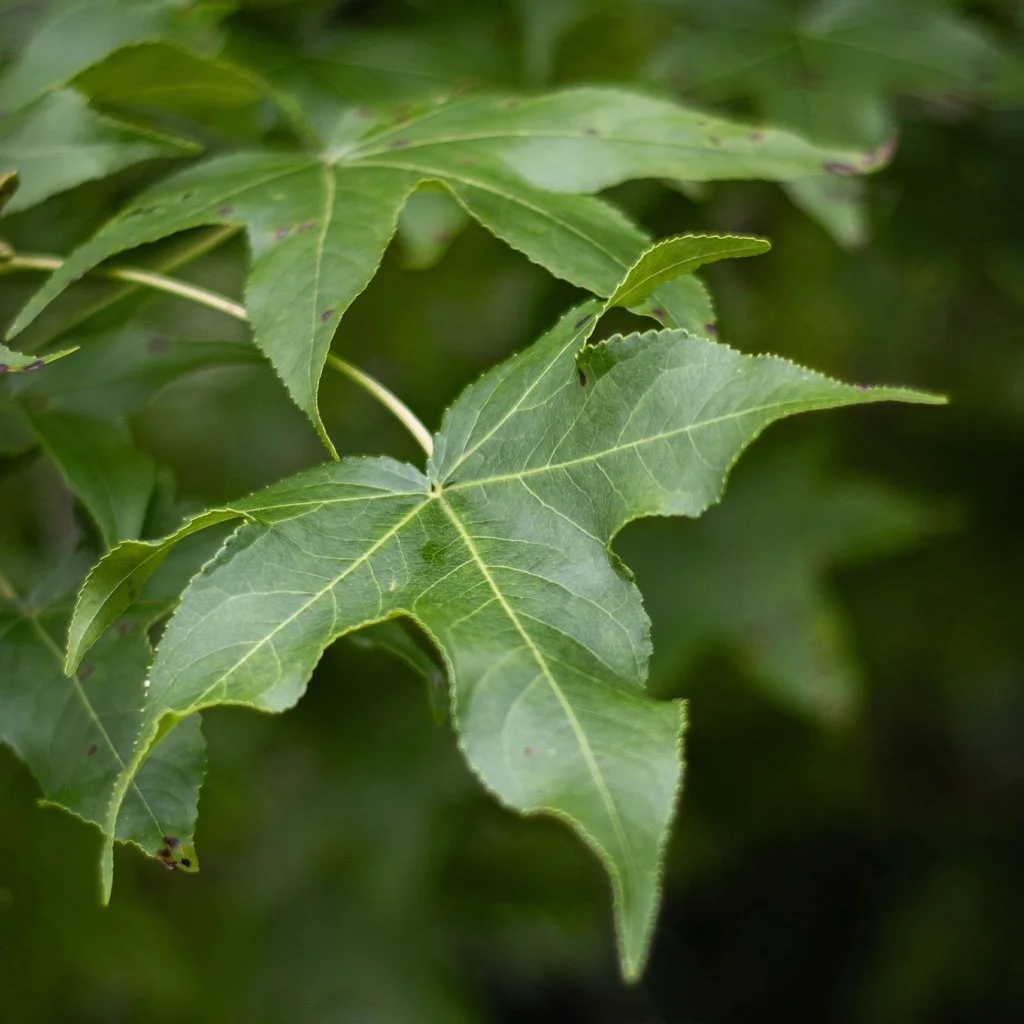 Image 7 of 7