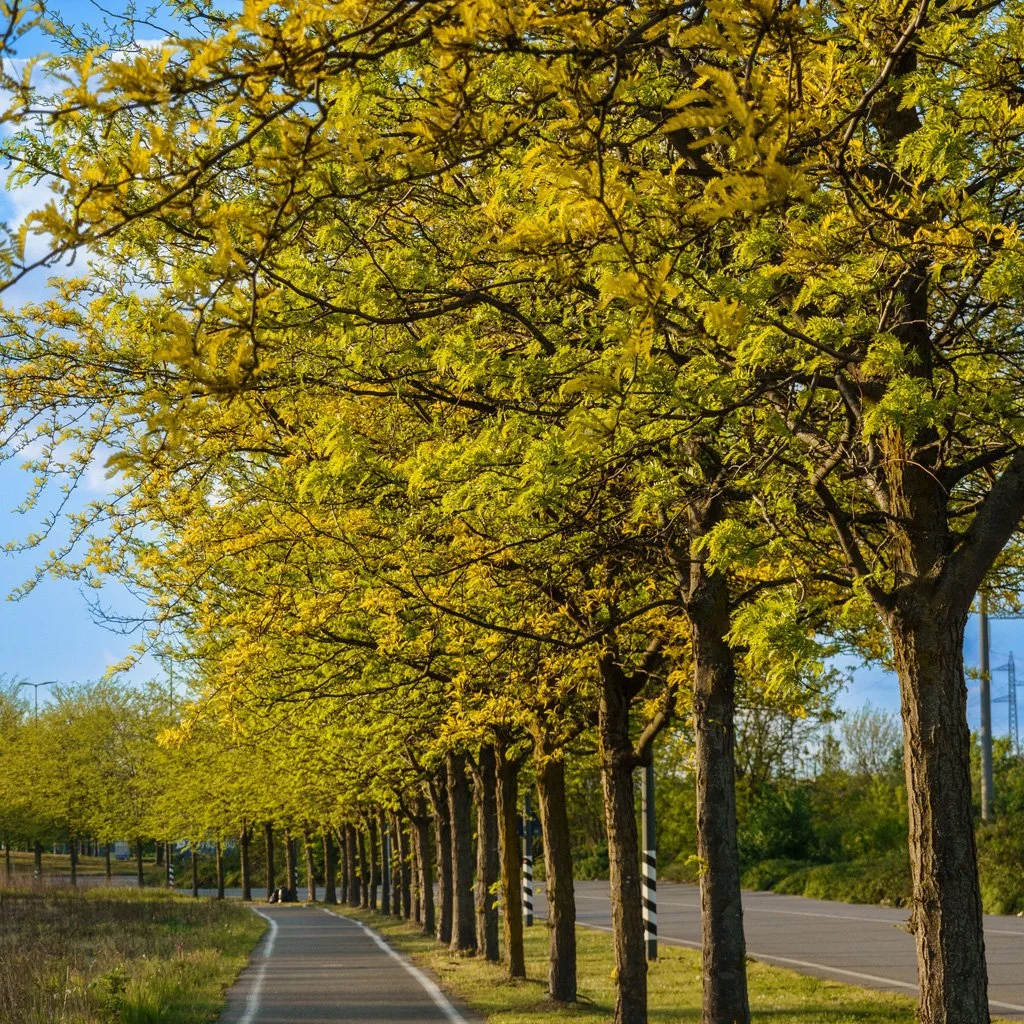
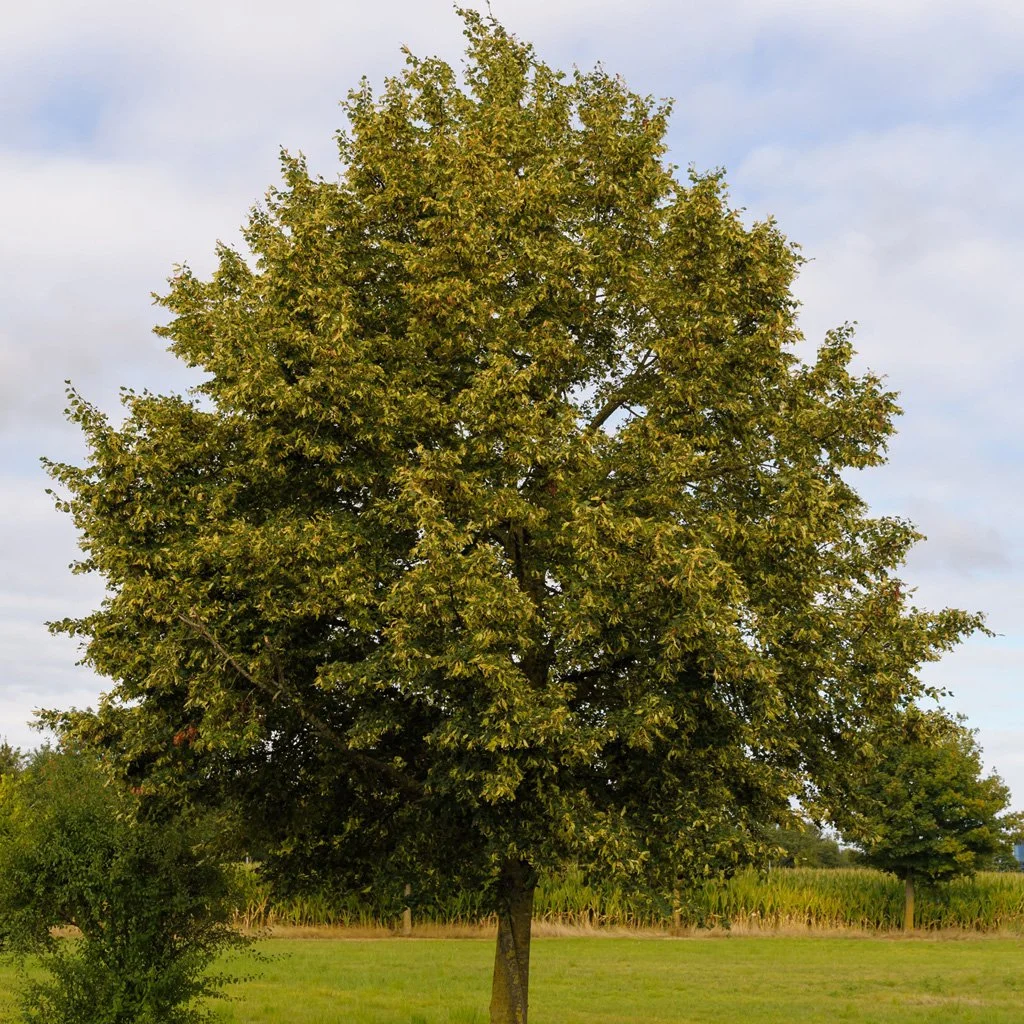
A spectacular large specimen tree with distinctive four-lobed foliage, tulip-shaped flowers and brilliant golden autumn colour.
Also known as the American Tulip Tree, Liriodendron tulipifera is best suited to large gardens, parkland, estates and expansive lawns.
Tree highlights
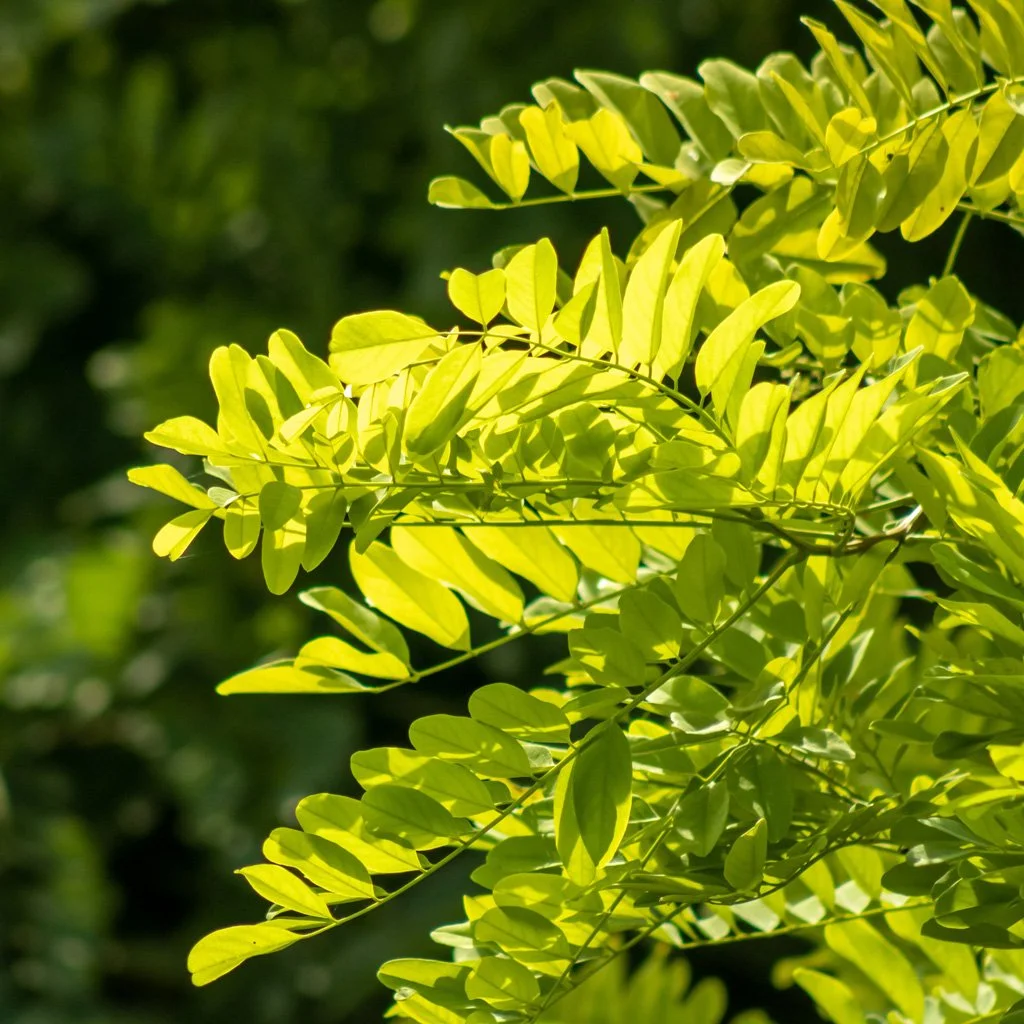
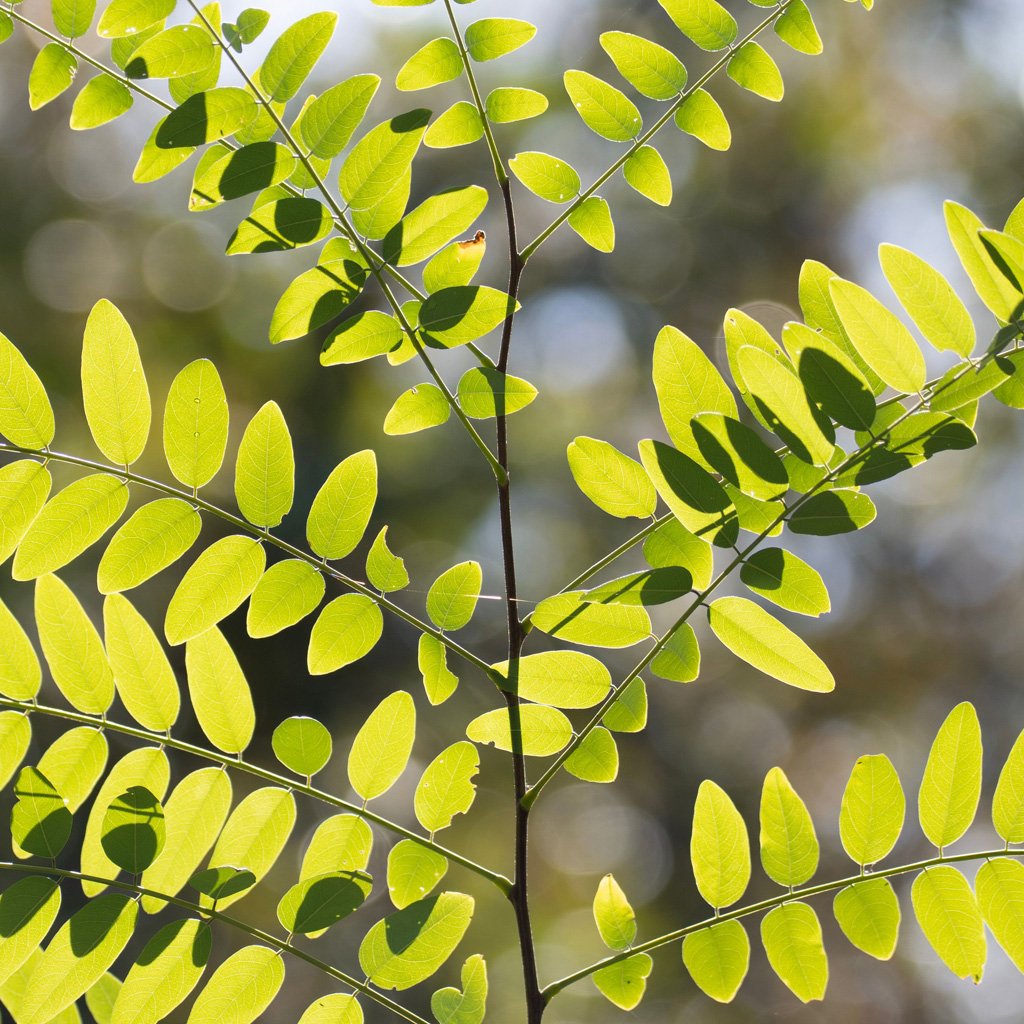
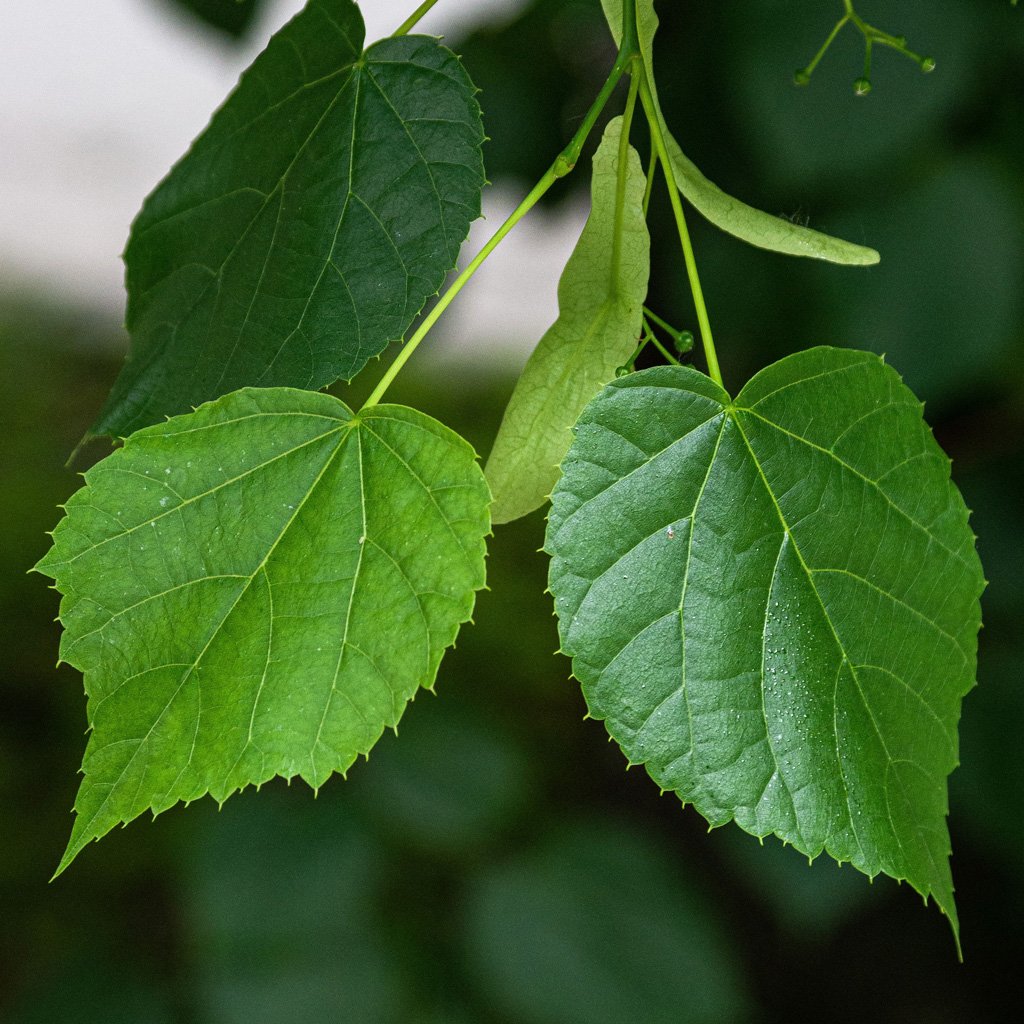
Distinctive four-lobed leaves
Greenish-yellow tulip-shaped flowers
Orange markings within the flowers
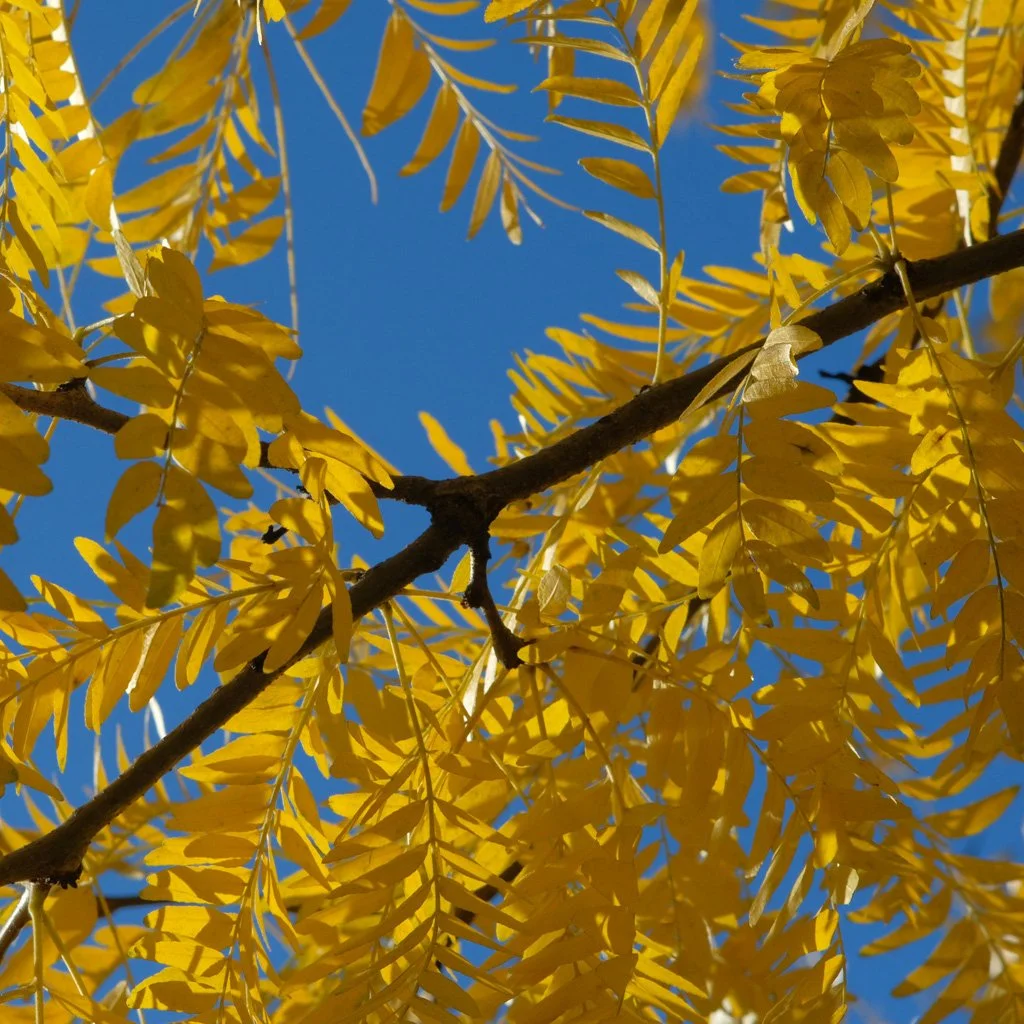
Brilliant butter-yellow autumn colour
Tall pyramidal crown
Broadens impressively with age
Long-lived legacy tree
Fully hardy
Suitable for deep, moisture-retentive soil
Strong architectural presence
Tree information
Feature / Detail
Botanical name: Liriodendron tulipifera
Common name: Tulip Tree or American Tulip Tree
Plant type: Large deciduous specimen tree
Mature height: Approximately 20–30 metres
Mature spread: Approximately 10–15 metres
Growth rate: Moderate to fast when young
Annual growth: Approximately 40–60cm
Crown form: Tall pyramidal, broadening with age
Foliage: Four-lobed green leaves
Flowers: Greenish-yellow and orange-marked
Flowering period: Late spring to early summer
Autumn colour: Golden yellow
Preferred position: Full sun or light partial shade
Soil: Deep, fertile and moisture-retentive
Hardiness: Fully hardy
Wildlife value: Good
Maintenance: Low to moderate
Is the Tulip Tree right for your site?
Choose it if you want:
A dramatic parkland or estate specimen
A tall architectural tree
Exceptional autumn colour
Unusual foliage that creates visual interest
A long-term legacy tree
A large tree for a broad lawn
A strong vertical feature within a spacious landscape
It may not be the best choice if:
Your garden is small
You need evergreen privacy
The soil is shallow, dry or permanently waterlogged
The site is severely exposed
There is insufficient clearance from buildings or services
Large leaves and autumn litter would be problematic
Choosing your tree size
Young trees are economical and usually establish well with correct watering and support.
Standards and heavy standards offer immediate height while remaining relatively manageable for installation.
Semi-mature and larger specimen trees provide much greater impact but require suitable vehicle access, lifting equipment, anchoring and structured irrigation.
Read our specimen tree sizes explained and mature trees versus younger trees guides.
Planting position
Allow for an eventual height of approximately 20–30 metres and a spread of around 10–15 metres.
Plant in full sun or light partial shade, in deep, fertile and moisture-retentive soil.
Avoid:
Shallow soil
Severely compacted ground
Permanently waterlogged locations
Exposed coastal sites
Narrow positions beside buildings
Locations beneath overhead services
Planting and establishment
Good establishment requires:
Deep soil preparation
Correct planting depth
Appropriate staking or anchoring
Thorough watering after planting
Regular watering during dry weather
A mulch circle kept away from the trunk
Protection from construction damage
Adequate long-term rooting room
Use our tree planting and establishment guide.
For larger specimens, review our specimen tree delivery and planting information.
Pruning and maintenance
Pruning requirements are generally low once a balanced framework has developed.
Remove damaged, crossing or weakly attached branches while the tree is young. Established trees should be pruned only for structural, safety or clearance requirements.
Avoid hard pruning that spoils the natural crown and encourages weak regrowth.
See our RHS pruning group 1 guide.
Tulip Tree flowers and autumn colour
The tulip-shaped flowers appear in late spring or early summer and are greenish-yellow with orange markings.
The four-lobed leaves remain attractive throughout summer before turning brilliant butter-yellow or golden in autumn.
The mature winter structure is architectural and impressive, even when the tree is without foliage.
Wildlife value
The flowers can provide nectar for insects, while the substantial canopy creates habitat, shelter and nesting opportunities.
For the strongest wildlife results, combine the tree with native shrubs, flowering understorey plants, bulbs and other nectar-rich species.
When we wouldn’t recommend it
We would not normally recommend a Tulip Tree for:
Small urban gardens
Narrow front gardens
Shallow or dry soils
Permanently wet planting areas
Severely exposed positions
Locations close to buildings
Sites without room for a broad mature crown
Projects requiring immediate evergreen screening
Our recommendation
Liriodendron tulipifera is a superb choice where a substantial landscape needs a tall, long-lived and architecturally distinctive tree.
We recommend it for estates, parkland, large lawns and expansive gardens where its mature size can be fully appreciated.
Contact Landscaping Emporium for current stock sizes, delivery requirements and professional planting advice.
Delivery and Professional Planting
We can install specimen trees at any of the in following postcodes;
BB, BL, CH1 - CH5, CW8, CW9, FY, L, LA1 - LA6, M, OL, PR, SK1 - SK12, WA, & WN.
Please do not purchase if you want the hedging installed outside this area. If you do live outside the area, then please give us a call on 01942 604976 and we can see if it’s possible to do this.
For more information on the tree see the tree specification below. For more information about delivery, access and planting, see the guide below or click here.
A spectacular large specimen tree with distinctive four-lobed foliage, tulip-shaped flowers and brilliant golden autumn colour.
Also known as the American Tulip Tree, Liriodendron tulipifera is best suited to large gardens, parkland, estates and expansive lawns.
Tree highlights
Distinctive four-lobed leaves
Greenish-yellow tulip-shaped flowers
Orange markings within the flowers
Brilliant butter-yellow autumn colour
Tall pyramidal crown
Broadens impressively with age
Long-lived legacy tree
Fully hardy
Suitable for deep, moisture-retentive soil
Strong architectural presence
Tree information
Feature / Detail
Botanical name: Liriodendron tulipifera
Common name: Tulip Tree or American Tulip Tree
Plant type: Large deciduous specimen tree
Mature height: Approximately 20–30 metres
Mature spread: Approximately 10–15 metres
Growth rate: Moderate to fast when young
Annual growth: Approximately 40–60cm
Crown form: Tall pyramidal, broadening with age
Foliage: Four-lobed green leaves
Flowers: Greenish-yellow and orange-marked
Flowering period: Late spring to early summer
Autumn colour: Golden yellow
Preferred position: Full sun or light partial shade
Soil: Deep, fertile and moisture-retentive
Hardiness: Fully hardy
Wildlife value: Good
Maintenance: Low to moderate
Is the Tulip Tree right for your site?
Choose it if you want:
A dramatic parkland or estate specimen
A tall architectural tree
Exceptional autumn colour
Unusual foliage that creates visual interest
A long-term legacy tree
A large tree for a broad lawn
A strong vertical feature within a spacious landscape
It may not be the best choice if:
Your garden is small
You need evergreen privacy
The soil is shallow, dry or permanently waterlogged
The site is severely exposed
There is insufficient clearance from buildings or services
Large leaves and autumn litter would be problematic
Choosing your tree size
Young trees are economical and usually establish well with correct watering and support.
Standards and heavy standards offer immediate height while remaining relatively manageable for installation.
Semi-mature and larger specimen trees provide much greater impact but require suitable vehicle access, lifting equipment, anchoring and structured irrigation.
Read our specimen tree sizes explained and mature trees versus younger trees guides.
Planting position
Allow for an eventual height of approximately 20–30 metres and a spread of around 10–15 metres.
Plant in full sun or light partial shade, in deep, fertile and moisture-retentive soil.
Avoid:
Shallow soil
Severely compacted ground
Permanently waterlogged locations
Exposed coastal sites
Narrow positions beside buildings
Locations beneath overhead services
Planting and establishment
Good establishment requires:
Deep soil preparation
Correct planting depth
Appropriate staking or anchoring
Thorough watering after planting
Regular watering during dry weather
A mulch circle kept away from the trunk
Protection from construction damage
Adequate long-term rooting room
Use our tree planting and establishment guide.
For larger specimens, review our specimen tree delivery and planting information.
Pruning and maintenance
Pruning requirements are generally low once a balanced framework has developed.
Remove damaged, crossing or weakly attached branches while the tree is young. Established trees should be pruned only for structural, safety or clearance requirements.
Avoid hard pruning that spoils the natural crown and encourages weak regrowth.
See our RHS pruning group 1 guide.
Tulip Tree flowers and autumn colour
The tulip-shaped flowers appear in late spring or early summer and are greenish-yellow with orange markings.
The four-lobed leaves remain attractive throughout summer before turning brilliant butter-yellow or golden in autumn.
The mature winter structure is architectural and impressive, even when the tree is without foliage.
Wildlife value
The flowers can provide nectar for insects, while the substantial canopy creates habitat, shelter and nesting opportunities.
For the strongest wildlife results, combine the tree with native shrubs, flowering understorey plants, bulbs and other nectar-rich species.
When we wouldn’t recommend it
We would not normally recommend a Tulip Tree for:
Small urban gardens
Narrow front gardens
Shallow or dry soils
Permanently wet planting areas
Severely exposed positions
Locations close to buildings
Sites without room for a broad mature crown
Projects requiring immediate evergreen screening
Our recommendation
Liriodendron tulipifera is a superb choice where a substantial landscape needs a tall, long-lived and architecturally distinctive tree.
We recommend it for estates, parkland, large lawns and expansive gardens where its mature size can be fully appreciated.
Contact Landscaping Emporium for current stock sizes, delivery requirements and professional planting advice.
Delivery and Professional Planting
We can install specimen trees at any of the in following postcodes;
BB, BL, CH1 - CH5, CW8, CW9, FY, L, LA1 - LA6, M, OL, PR, SK1 - SK12, WA, & WN.
Please do not purchase if you want the hedging installed outside this area. If you do live outside the area, then please give us a call on 01942 604976 and we can see if it’s possible to do this.
For more information on the tree see the tree specification below. For more information about delivery, access and planting, see the guide below or click here.

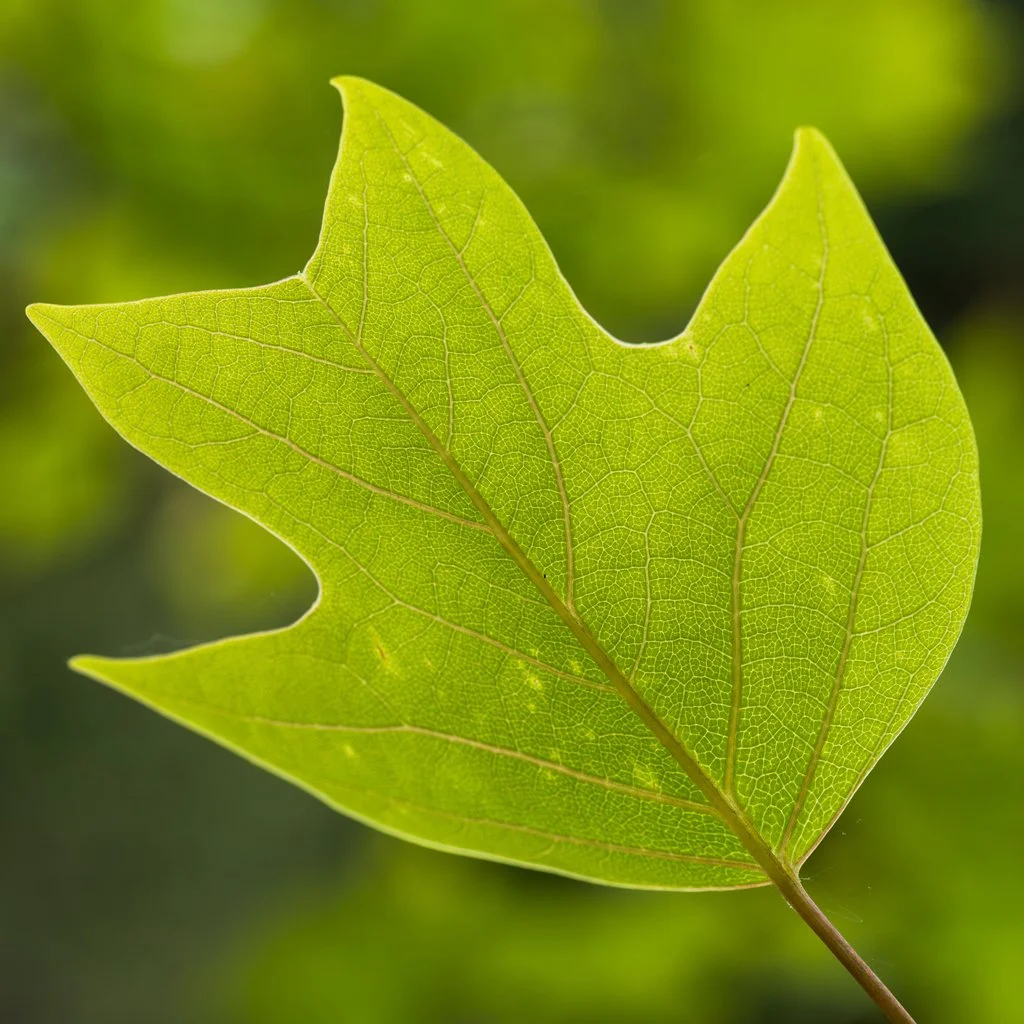 Image 1 of 8
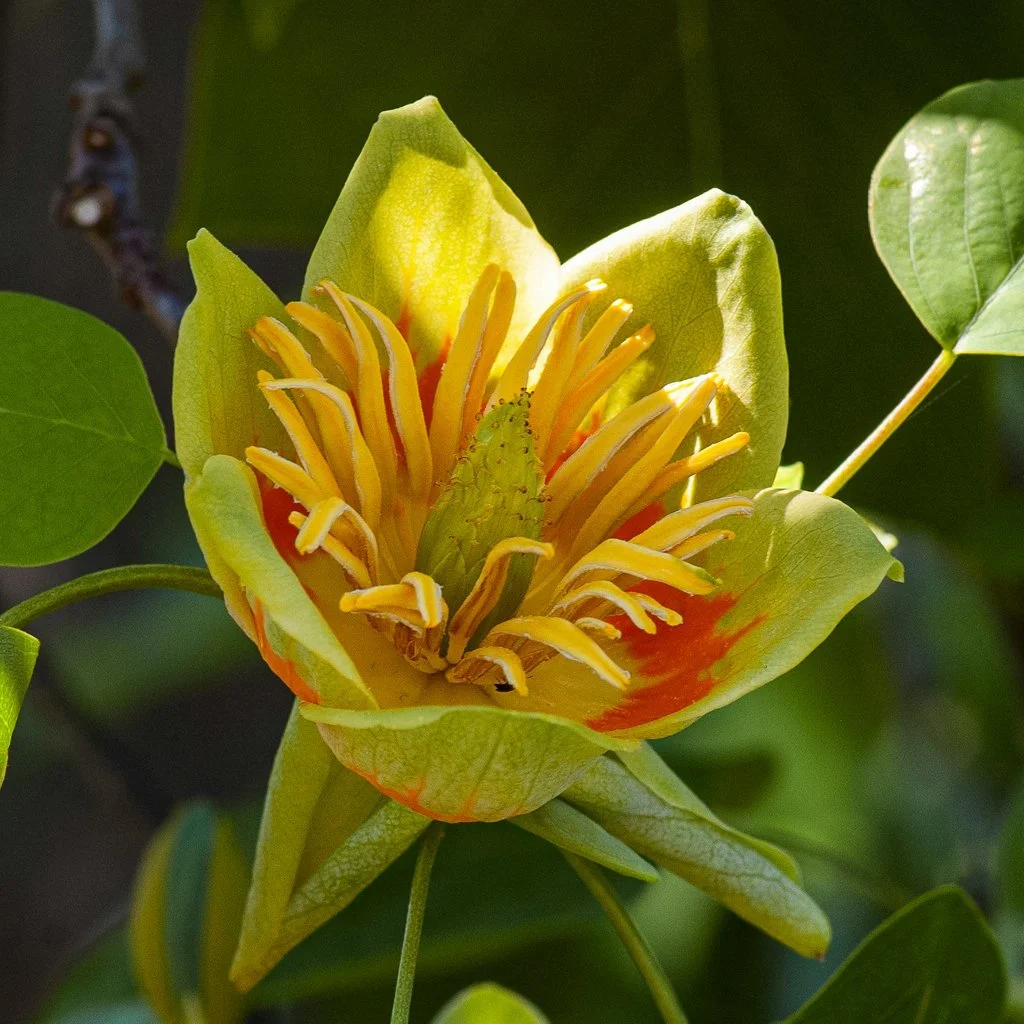 Image 2 of 8
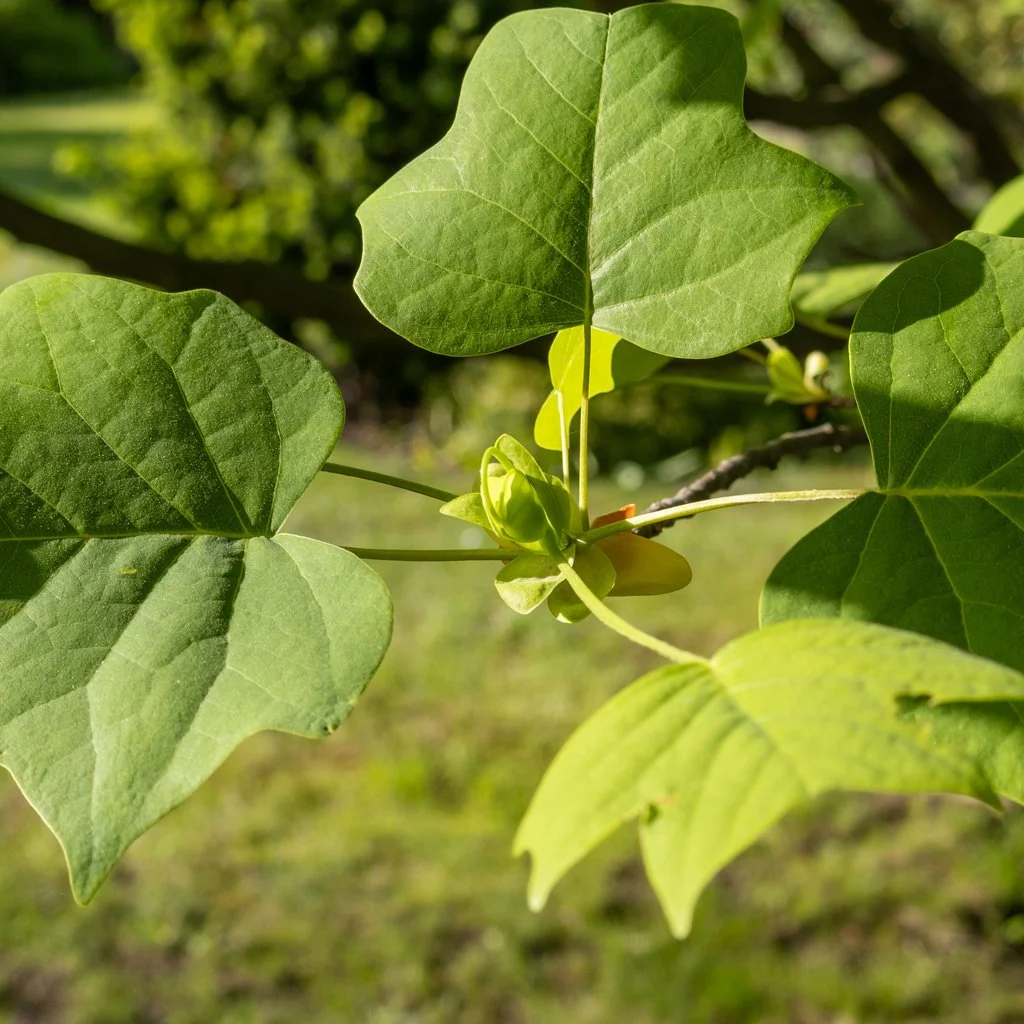 Image 3 of 8
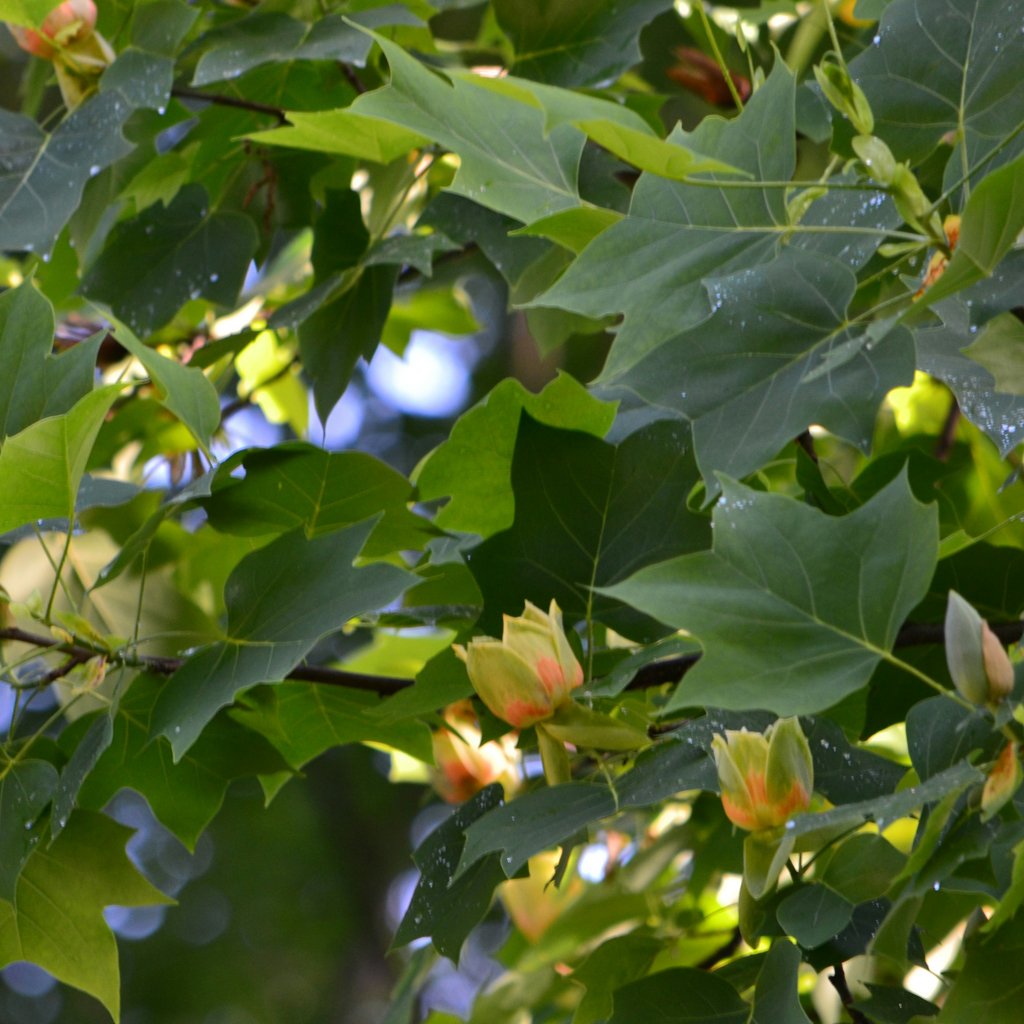 Image 4 of 8
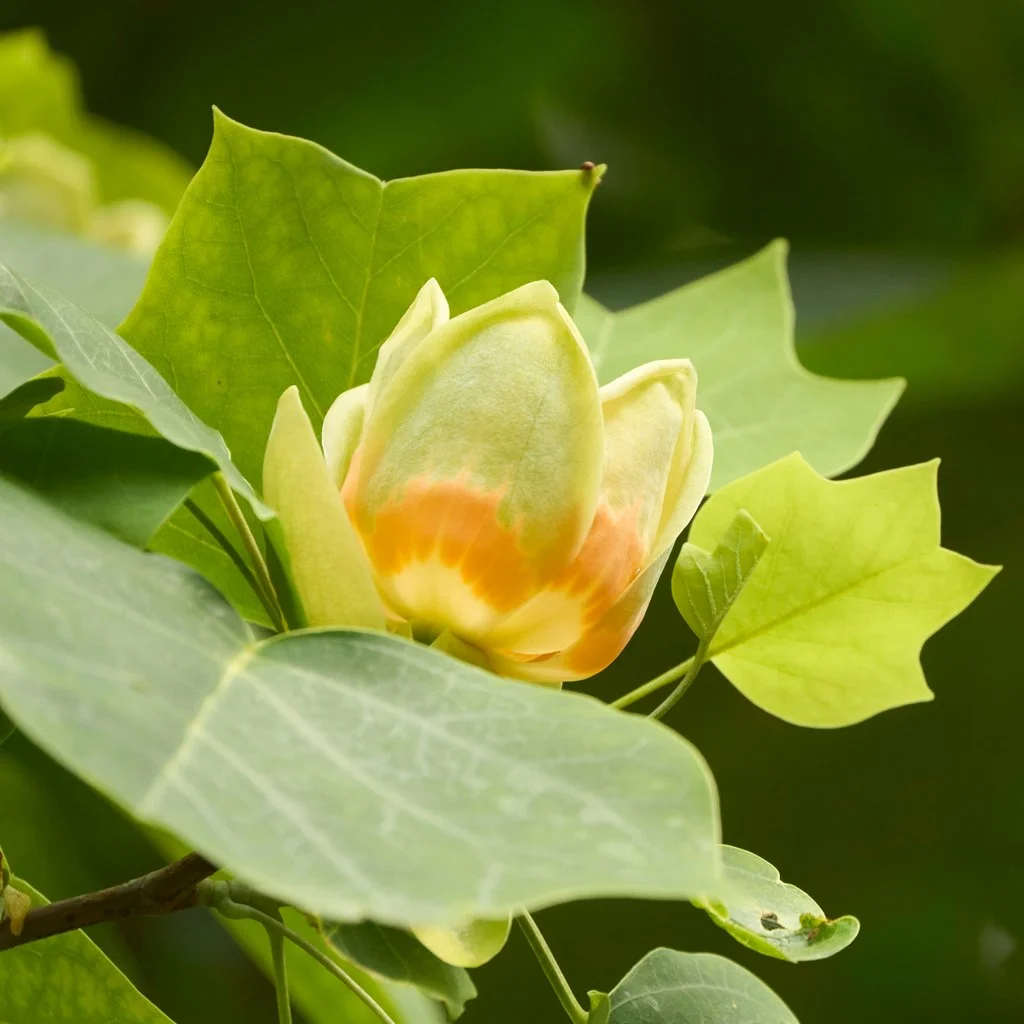 Image 5 of 8
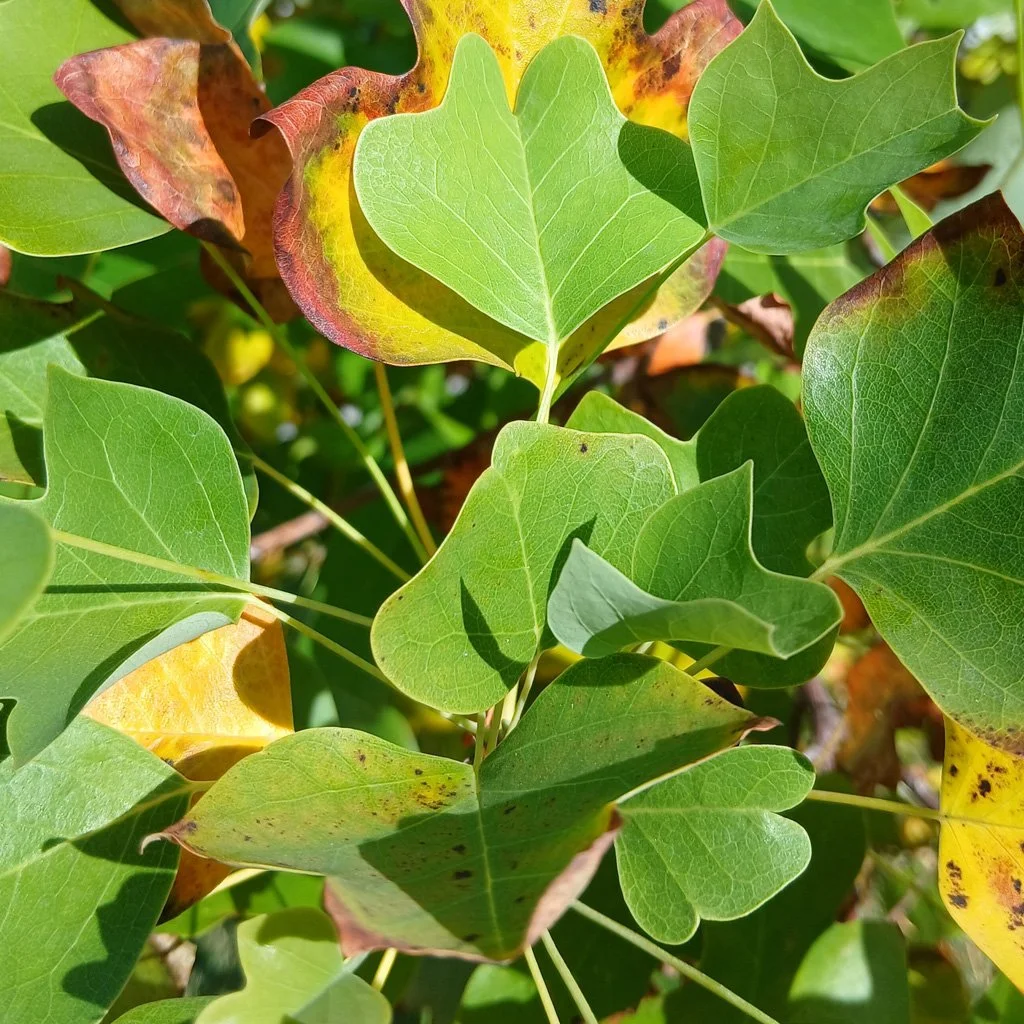 Image 6 of 8
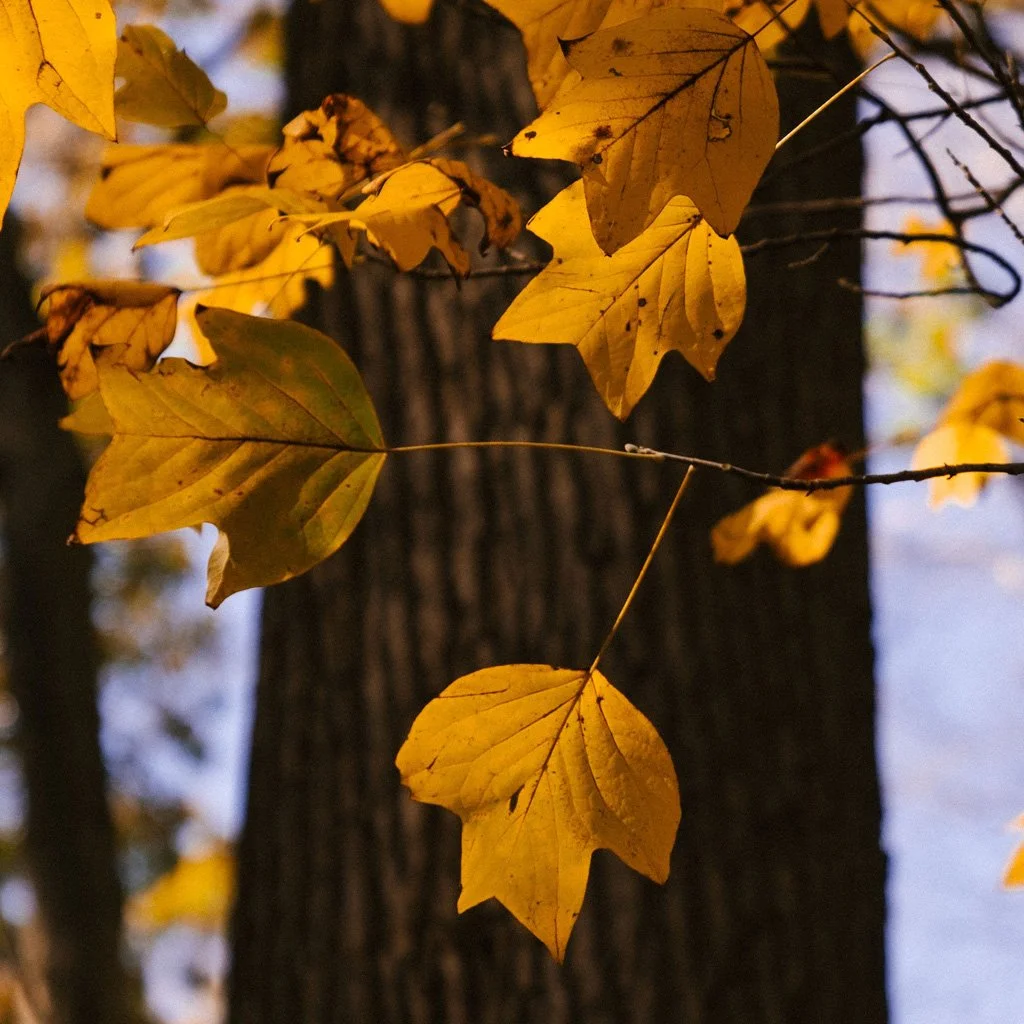 Image 7 of 8
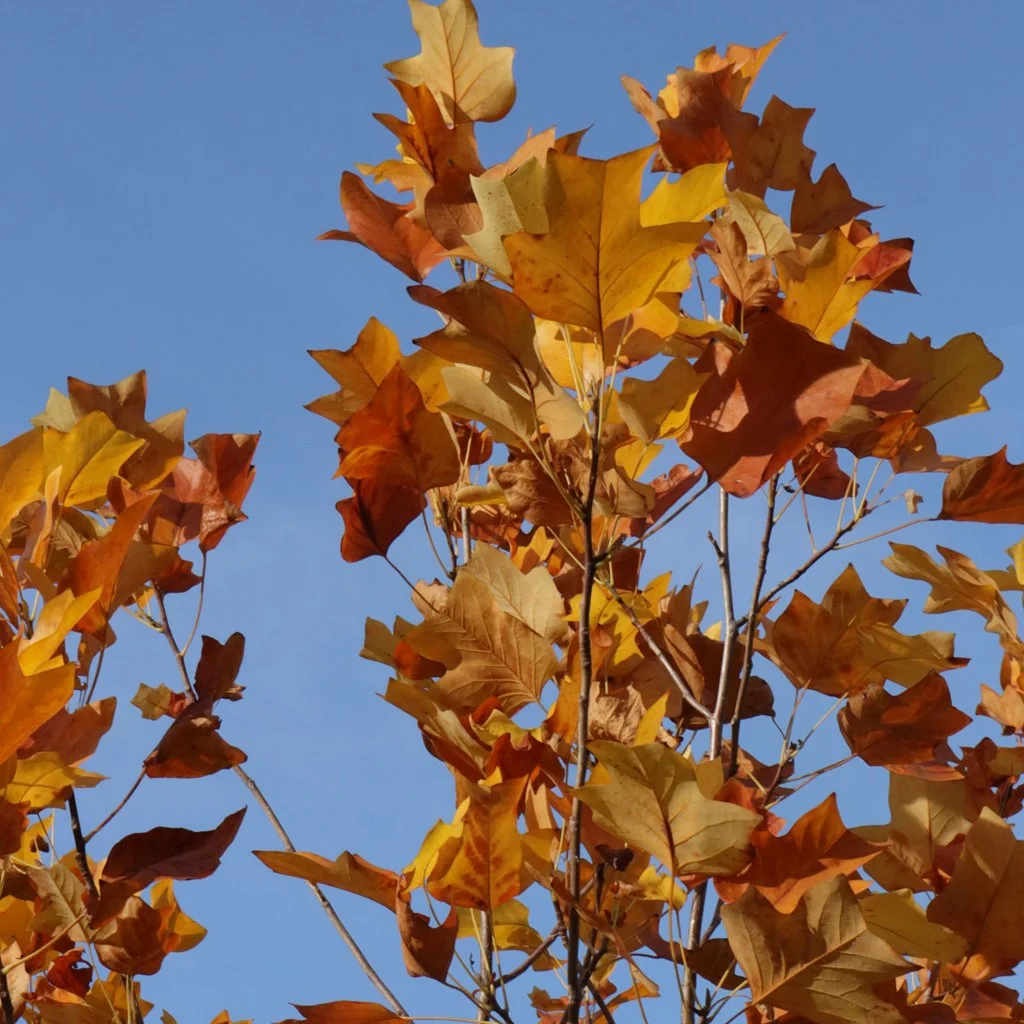 Image 8 of 8