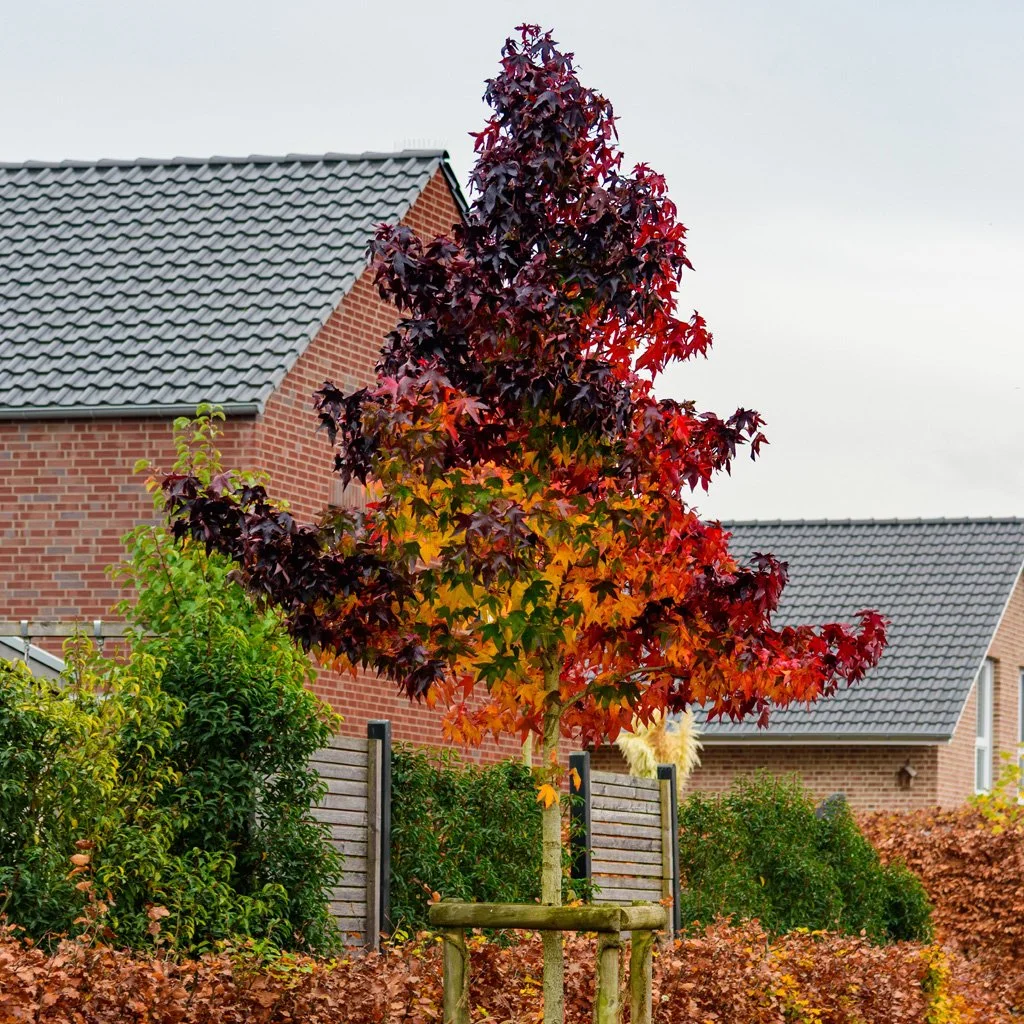
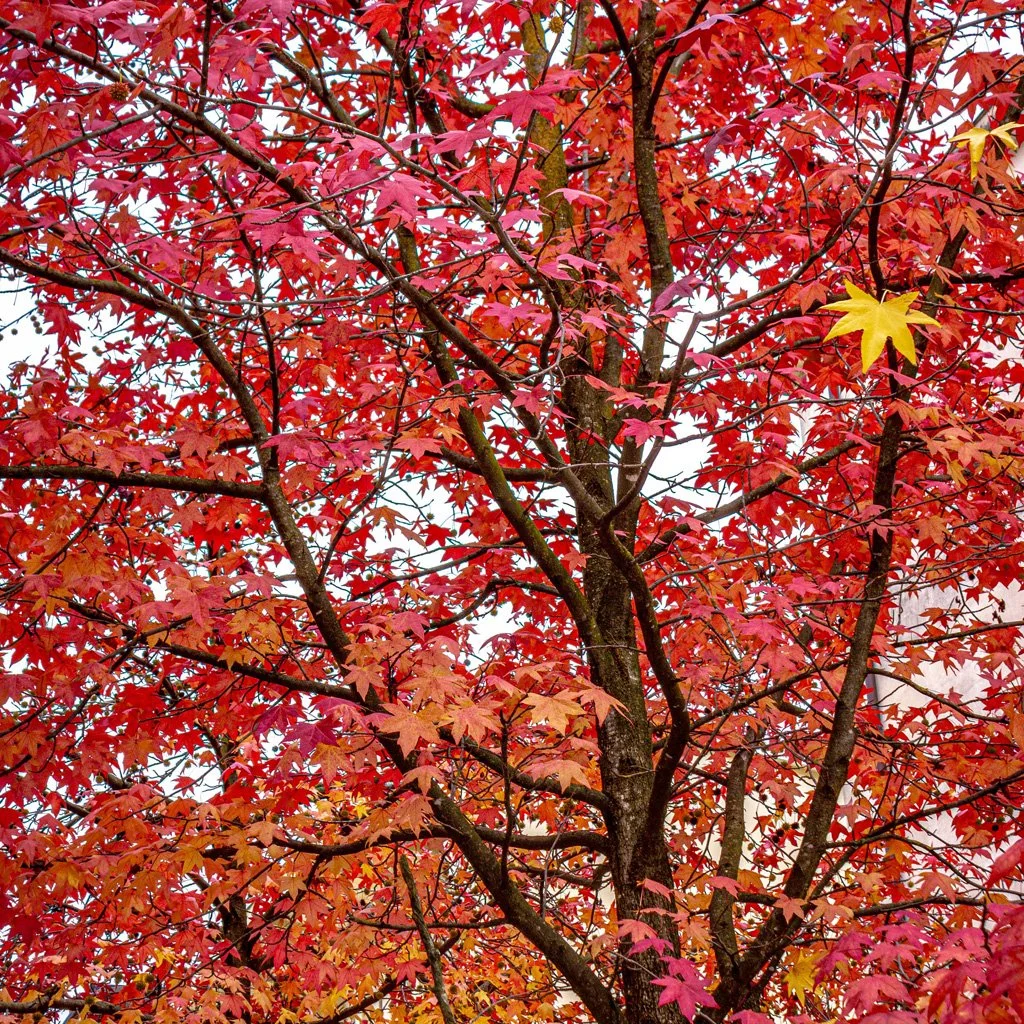
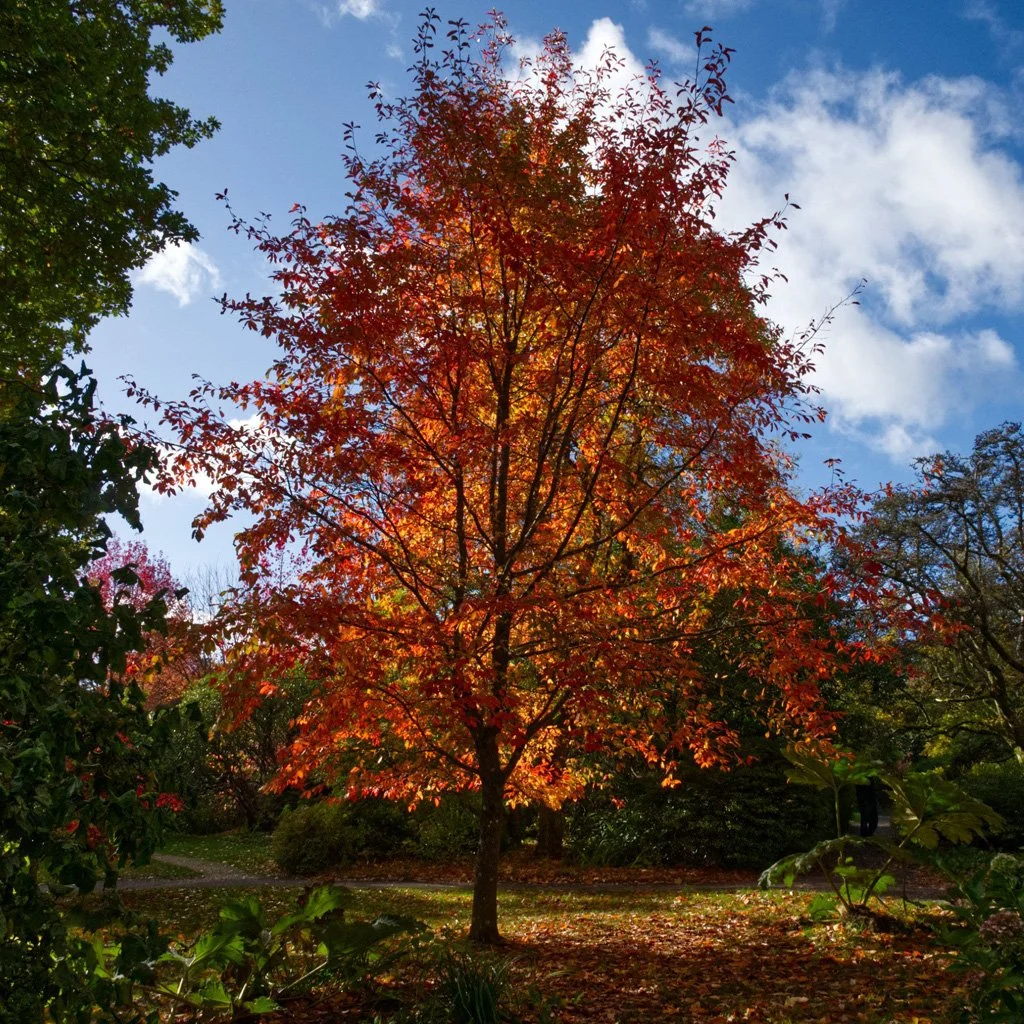
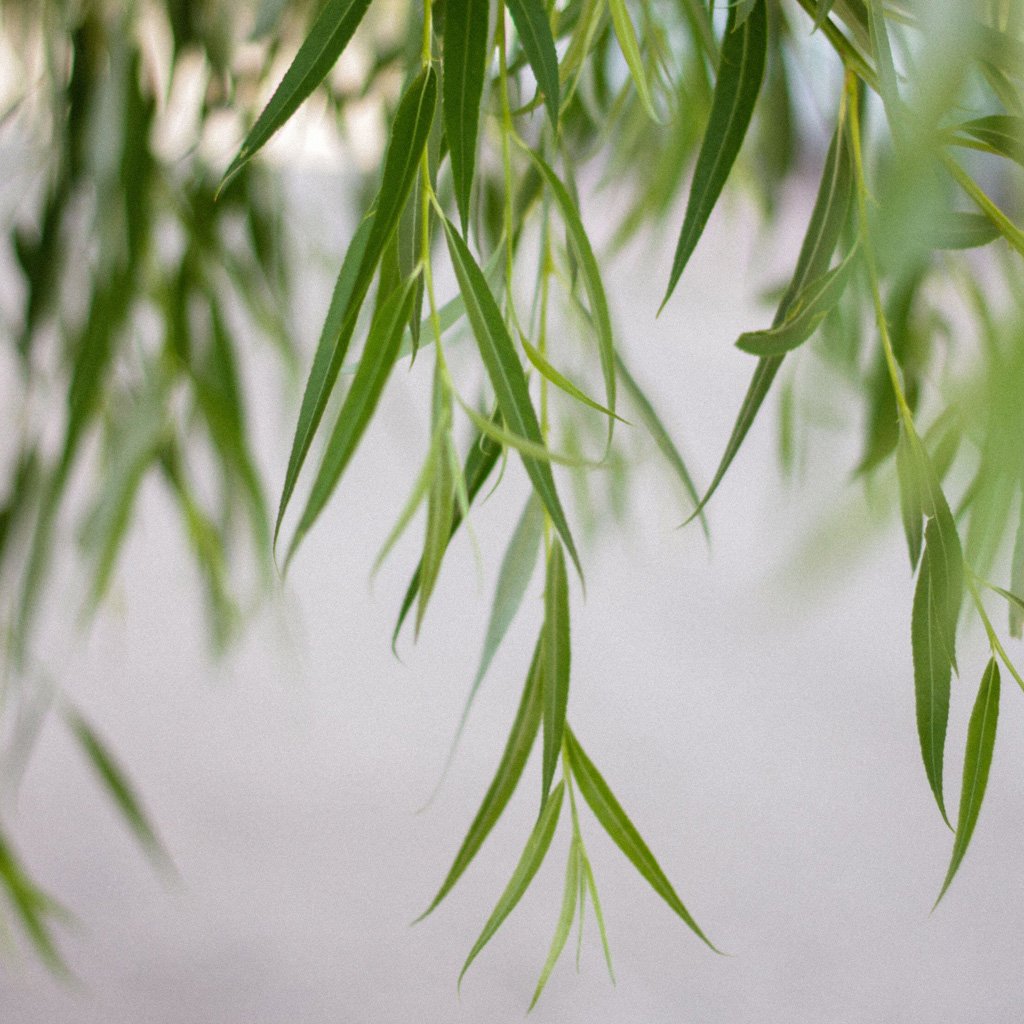
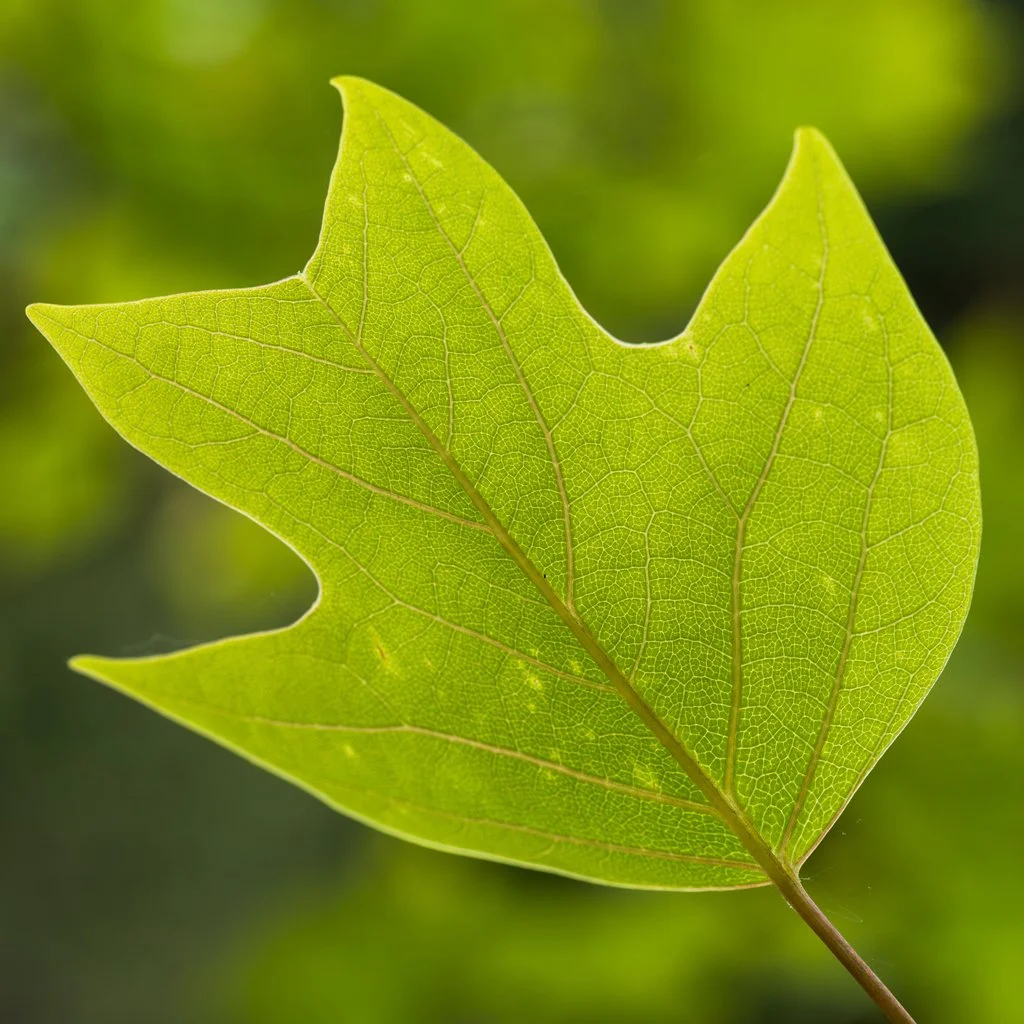
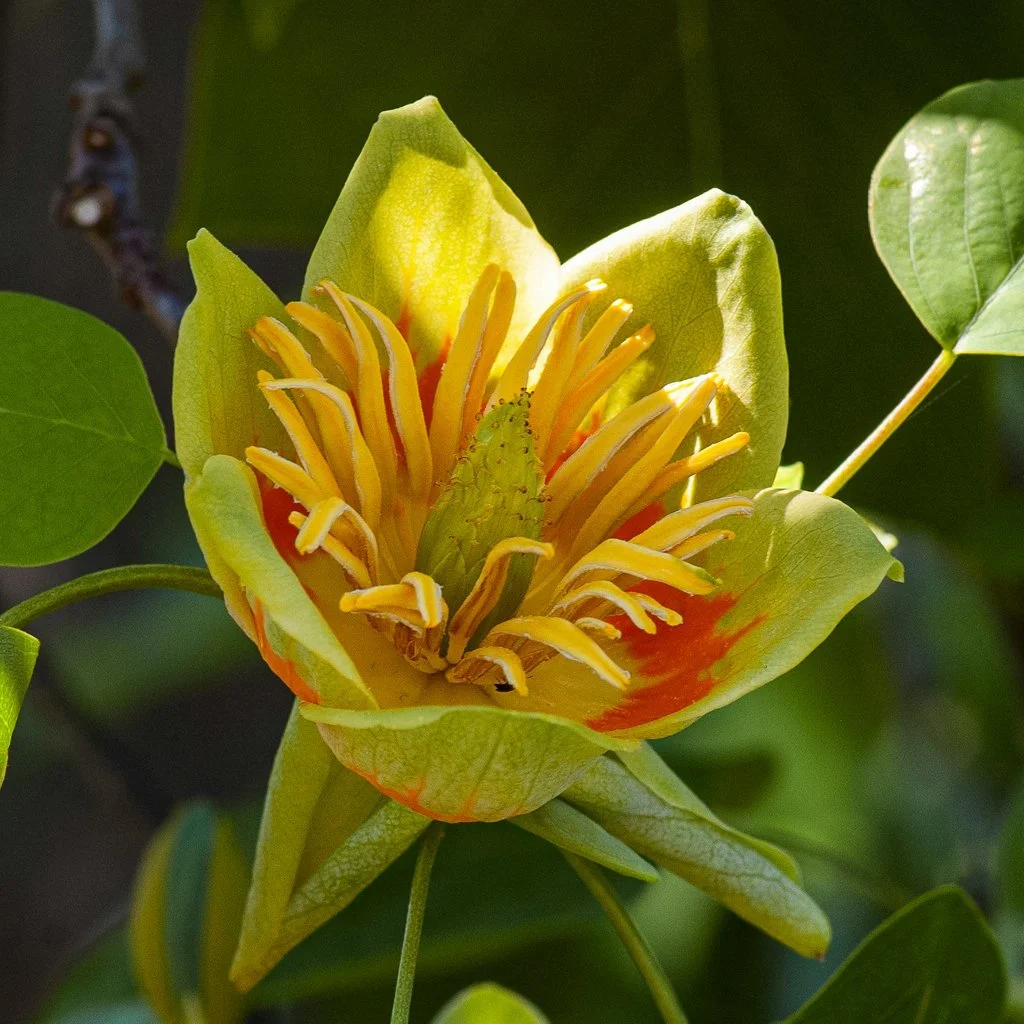
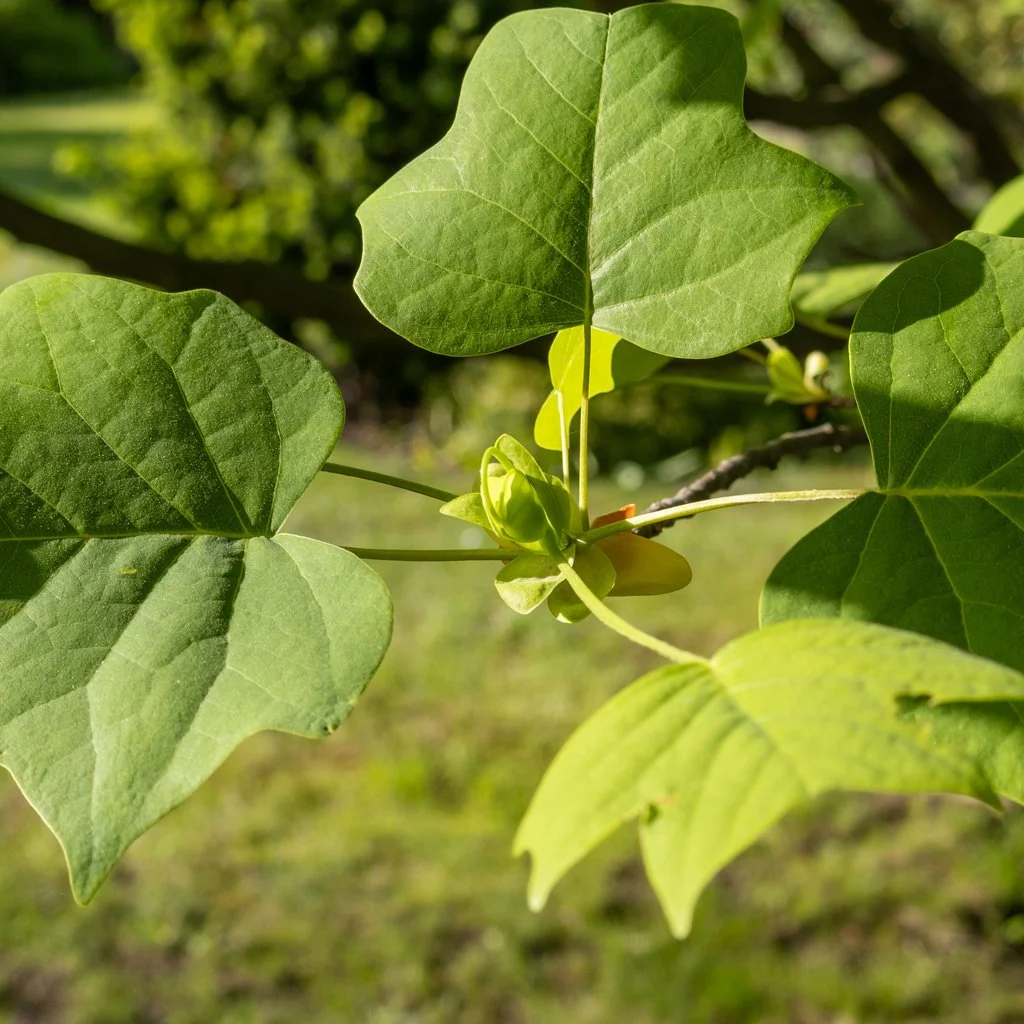
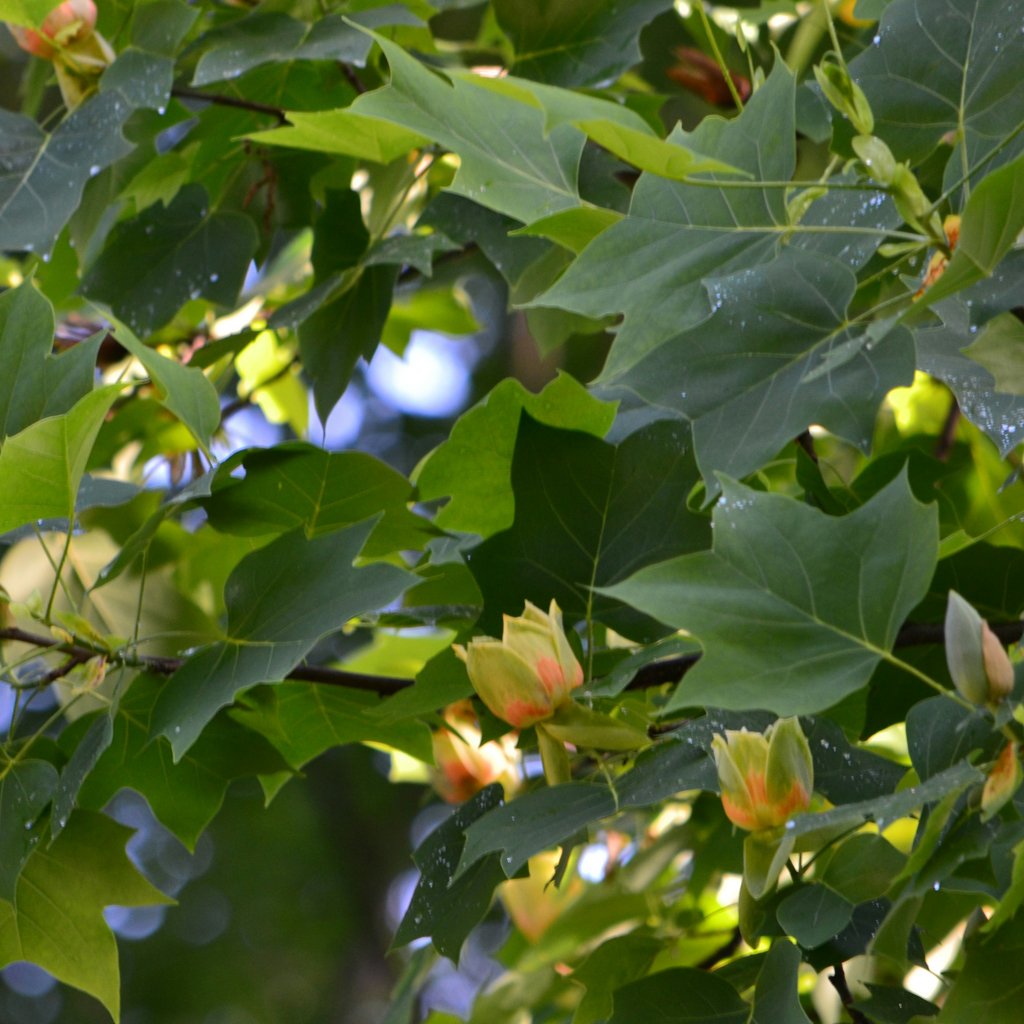
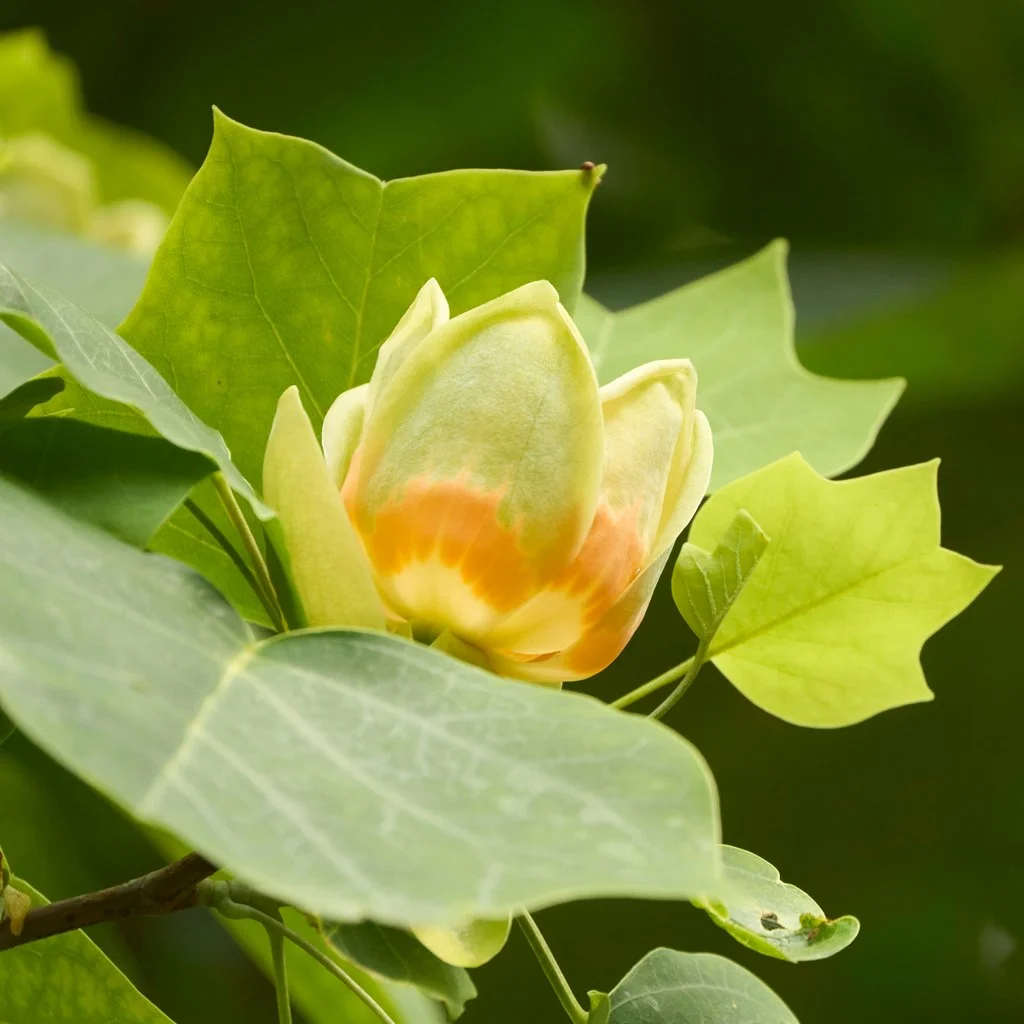
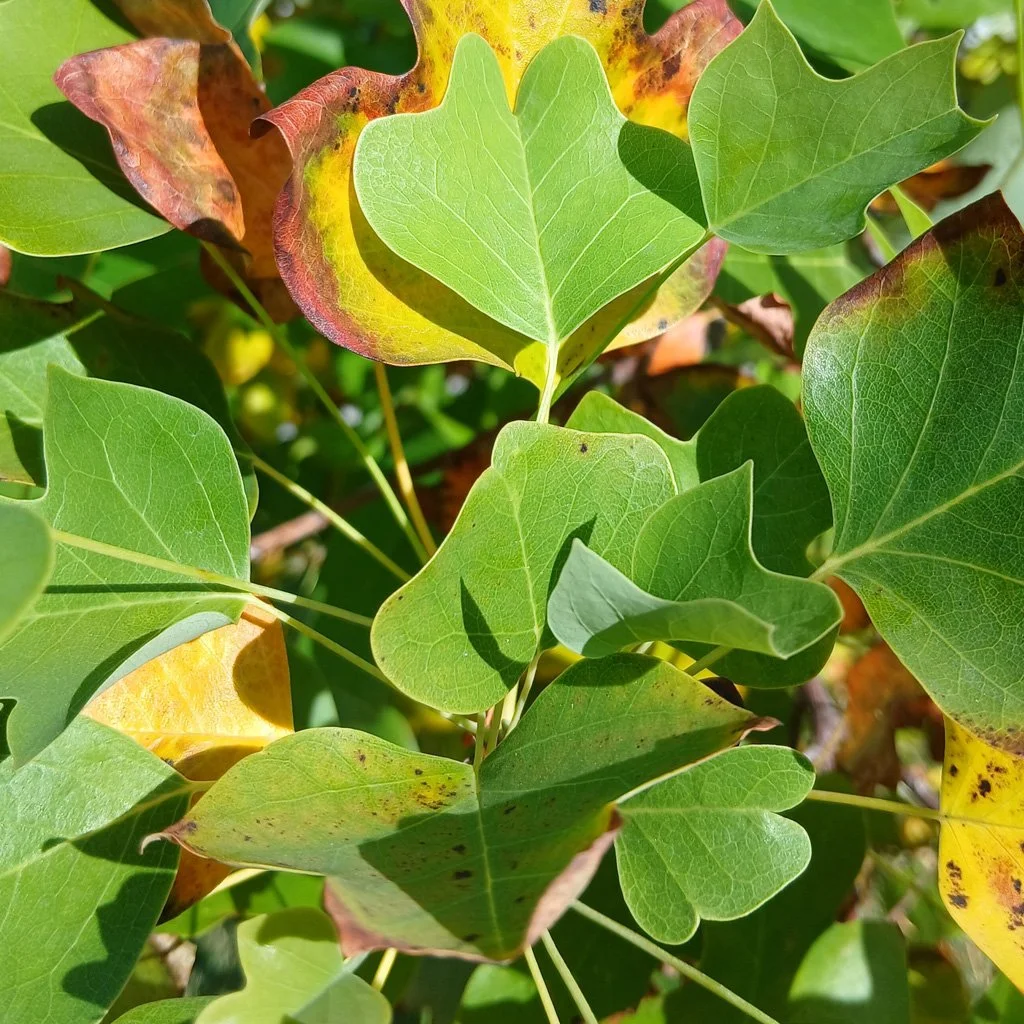
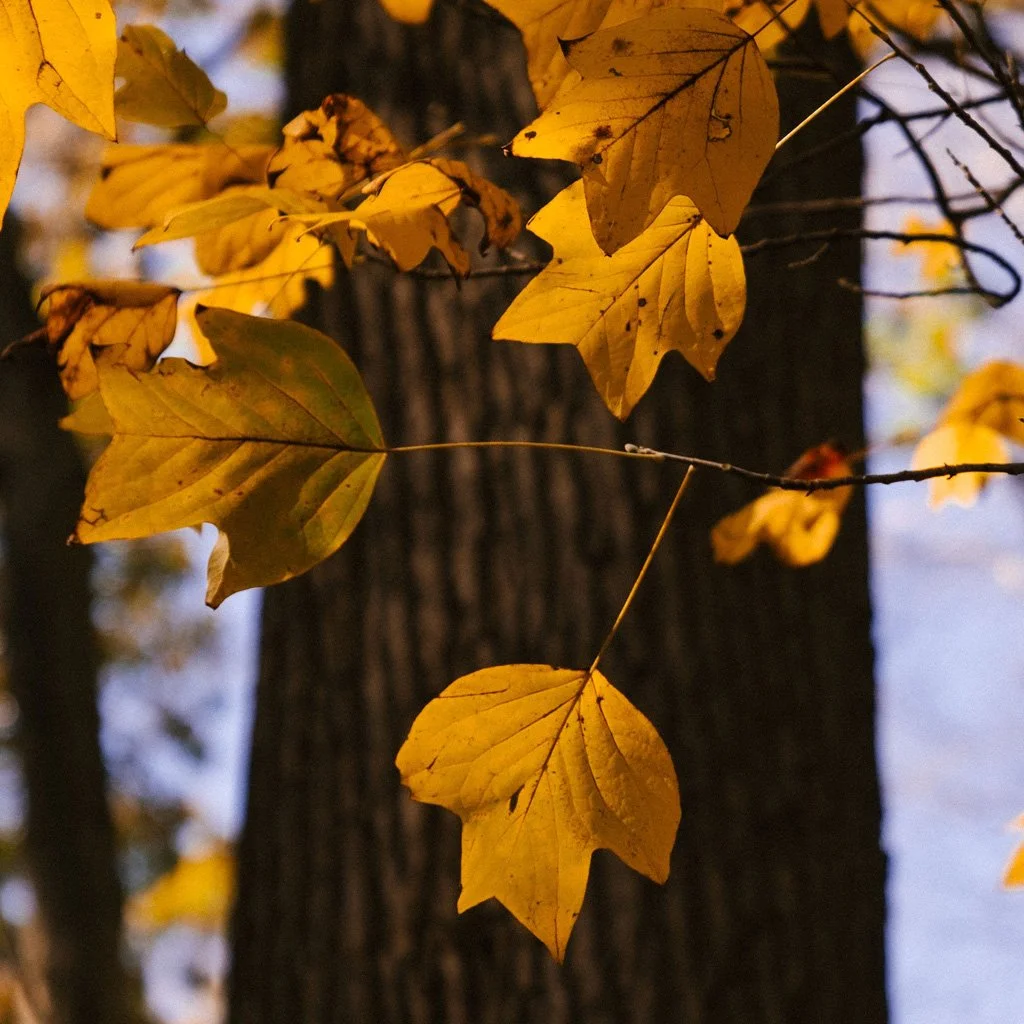
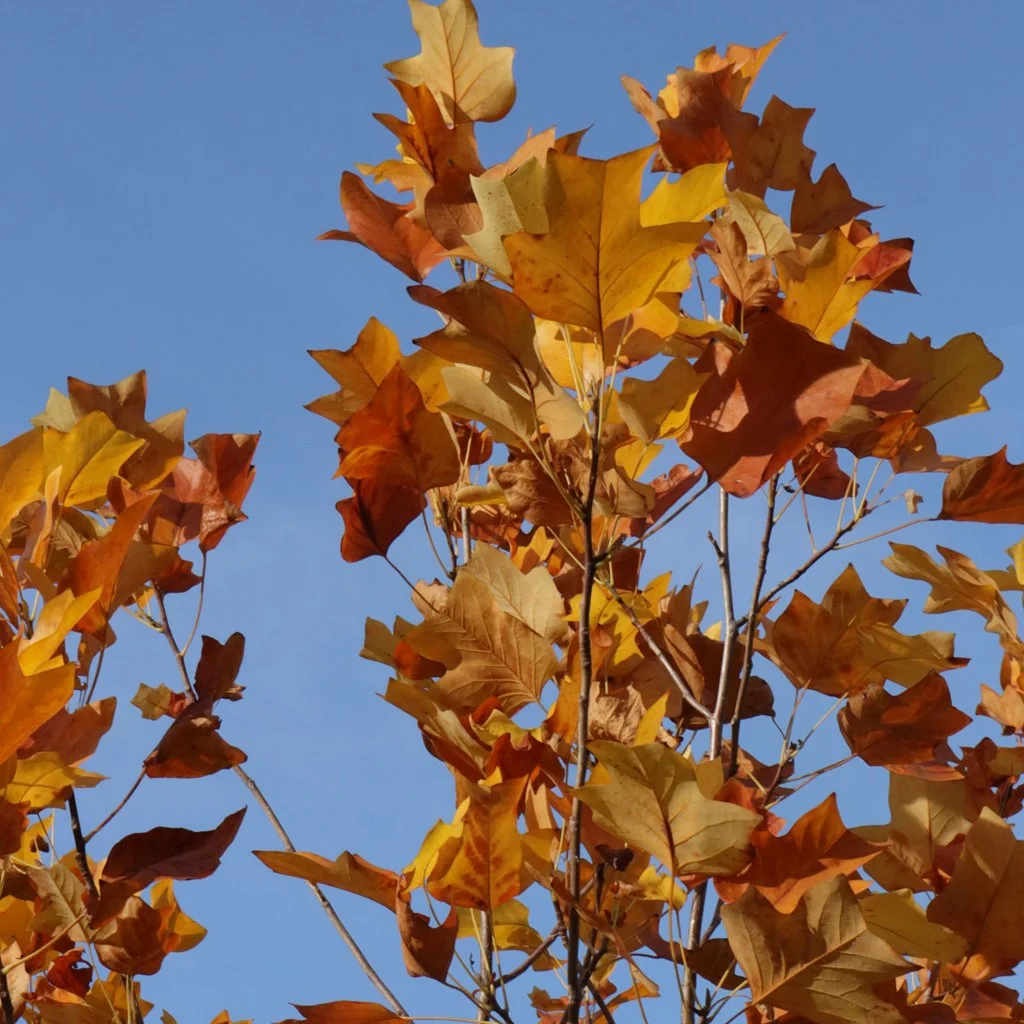
An elegant architectural tree with fine green foliage, filtered summer shade and clear golden-yellow autumn colour.
‘Skyline’ is normally thornless and produces little or no troublesome pods, making it a refined alternative to seed-raised Honey Locust trees.
Tree highlights
Upright architectural crown
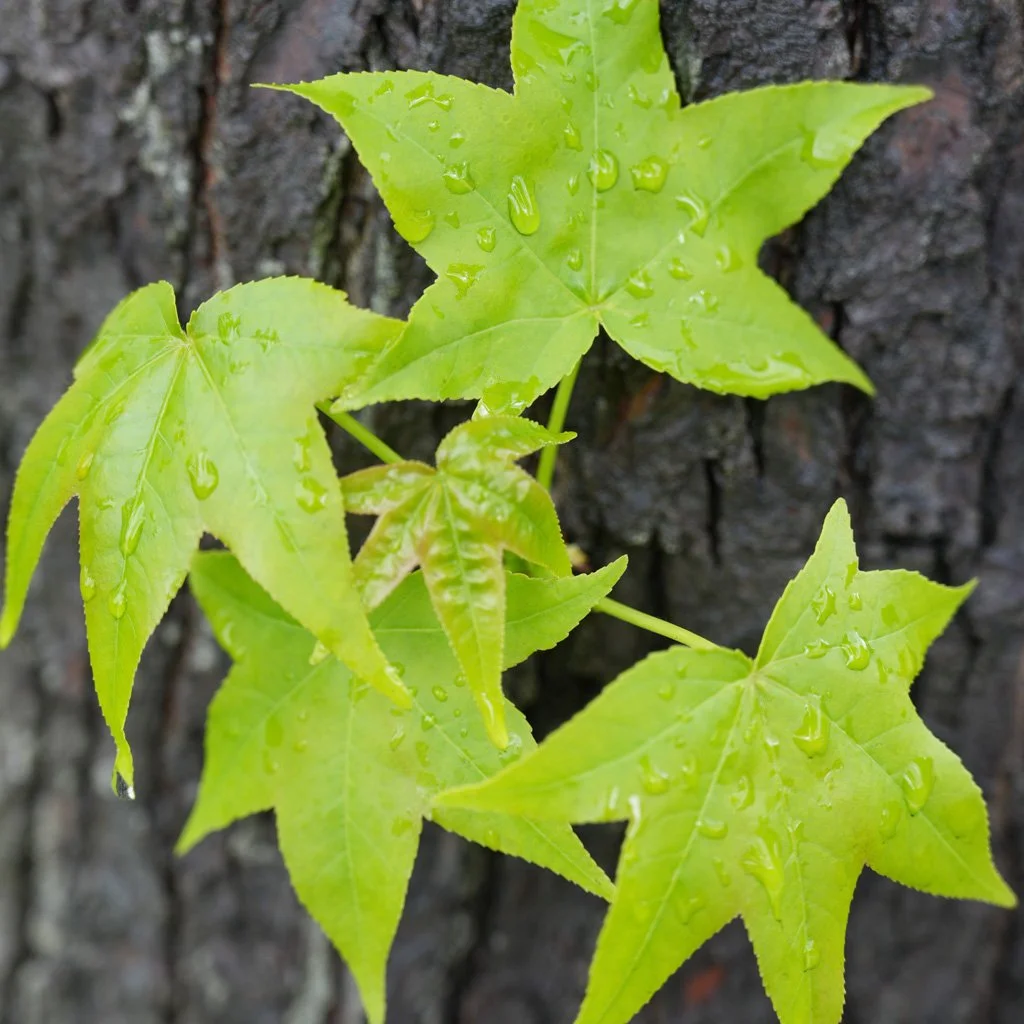
Fine, fern-like foliage
Light, filtered summer shade
Clear golden-yellow autumn colour
Normally thornless
Little or no pod production
Moderate-to-fast growth
Good urban tolerance
Suitable for avenues and driveways
Excellent contemporary specimen tree
Tree information
Feature / Details
Botanical name: Gleditsia triacanthos ‘Skyline’
Common name: Skyline Honey Locust
Plant type: Deciduous ornamental tree
Mature height: Approximately 12–18 metres
Mature spread: Approximately 8–12 metres
Growth rate: Moderate to fast
Annual growth: Approximately 30–60cm
Crown form: Upright and broadly pyramidal
Foliage: Fine pinnate or bipinnate leaves
Summer shade: Light and filtered
Autumn colour: Golden yellow
Thorns: Normally absent
Pods: Usually few or absent
Position: Full sun or light partial shade
Soil: Adaptable but freely drained
Hardiness: Very good
Wildlife value: Moderate
Maintenance: Low to moderate
Is ‘Skyline’ right for your garden?
Choose ‘Skyline’ if you want:
An elegant high-canopy tree
Filtered light rather than dense shade
An architectural specimen for a lawn
A regular tree for an avenue or driveway
Fine foliage above layered planting
Reliable golden autumn colour
A normally thornless Honey Locust
A tree with minimal pod production
It may not be suitable if:
Evergreen privacy is required
The planting space is narrow
The site remains waterlogged
Dense shade is required
The garden is too small for an 8–12 metre crown
Buildings or services are too close
Choosing your tree size
Young standards are usually economical and establish quickly with secure staking, watering and formative care.
Heavy standards provide greater immediate height and a developing canopy.
Semi-mature trees provide stronger architectural presence but require suitable access, lifting equipment, anchoring and planned irrigation.
Read our specimen tree sizes explained and mature trees versus younger trees guides.
Planting position
Plant in full sun for the strongest growth and best autumn colour.
Allow for an eventual crown approximately 8–12 metres wide. Keep the tree clear of buildings, boundaries, overhead services and restricted rooting areas.
For avenue planting, approximately 8–12 metre centres may be appropriate, depending on the intended design, site conditions and required long-term crown development.
Soil requirements
‘Skyline’ grows in several soil types but requires adequate drainage.
It can tolerate suitable clay, loam, sand and chalky ground. Severe compaction and persistent waterlogging should be corrected before planting.
Its eventual tolerance of heat and dry periods develops only after the root system has established.
Planting and aftercare
Successful establishment depends on:
Broad soil preparation
Correct planting depth
Secure support or anchoring
Thorough watering after planting
Regular watering during dry weather
Mulching without covering the trunk
Protection from construction damage
Periodic inspection of the crown and supports
Use our tree planting and establishment guide.
Larger trees may require specialist machinery. See our specimen-tree delivery and planting information.
Pruning requirements
Retain a strong central leader and remove damaged, crossing, poorly attached or competing branches while the tree is young.
Once established, pruning should be limited to necessary structural, clearance or safety work. Avoid topping and repeated hard crown reduction.
See our RHS pruning group 1 guide.
Thorn and pod information
‘Skyline’ is normally thornless and selected for little or no pod production.
Occasional fruiting may still occur, and supplied trees should be inspected as part of normal nursery quality control. It should therefore be described as normally thornless and low-fruiting rather than guaranteed completely thorn- and pod-free.
When we wouldn’t recommend it
We would not normally recommend ‘Skyline’ for small gardens, narrow planting strips, persistently waterlogged soil or locations beneath overhead services.
It is also unsuitable where dense evergreen screening is the main objective.
Our recommendation
We recommend Gleditsia triacanthos ‘Skyline’ where a medium-to-large garden needs height and structure without oppressive shade.
Its fine foliage, regular crown, golden autumn colour, normally thornless growth and limited pod production make it particularly useful in contemporary gardens, avenues and high-quality landscape schemes.
Contact Landscaping Emporium for current sizes, availability, delivery requirements and professional planting guidance.
Delivery and Professional Planting
We can install specimen trees at any of the in following postcodes;
BB, BL, CH1 - CH5, CW8, CW9, FY, L, LA1 - LA6, M, OL, PR, SK1 - SK12, WA, & WN.
Please do not purchase if you want the hedging installed outside this area. If you do live outside the area, then please give us a call on 01942 604976 and we can see if it’s possible to do this.
For more information on the tree see the tree specification below. For more information about delivery, access and planting, see the guide below or click here.
An elegant architectural tree with fine green foliage, filtered summer shade and clear golden-yellow autumn colour.
‘Skyline’ is normally thornless and produces little or no troublesome pods, making it a refined alternative to seed-raised Honey Locust trees.
Tree highlights
Upright architectural crown
Fine, fern-like foliage
Light, filtered summer shade
Clear golden-yellow autumn colour
Normally thornless
Little or no pod production
Moderate-to-fast growth
Good urban tolerance
Suitable for avenues and driveways
Excellent contemporary specimen tree
Tree information
Feature / Details
Botanical name: Gleditsia triacanthos ‘Skyline’
Common name: Skyline Honey Locust
Plant type: Deciduous ornamental tree
Mature height: Approximately 12–18 metres
Mature spread: Approximately 8–12 metres
Growth rate: Moderate to fast
Annual growth: Approximately 30–60cm
Crown form: Upright and broadly pyramidal
Foliage: Fine pinnate or bipinnate leaves
Summer shade: Light and filtered
Autumn colour: Golden yellow
Thorns: Normally absent
Pods: Usually few or absent
Position: Full sun or light partial shade
Soil: Adaptable but freely drained
Hardiness: Very good
Wildlife value: Moderate
Maintenance: Low to moderate
Is ‘Skyline’ right for your garden?
Choose ‘Skyline’ if you want:
An elegant high-canopy tree
Filtered light rather than dense shade
An architectural specimen for a lawn
A regular tree for an avenue or driveway
Fine foliage above layered planting
Reliable golden autumn colour
A normally thornless Honey Locust
A tree with minimal pod production
It may not be suitable if:
Evergreen privacy is required
The planting space is narrow
The site remains waterlogged
Dense shade is required
The garden is too small for an 8–12 metre crown
Buildings or services are too close
Choosing your tree size
Young standards are usually economical and establish quickly with secure staking, watering and formative care.
Heavy standards provide greater immediate height and a developing canopy.
Semi-mature trees provide stronger architectural presence but require suitable access, lifting equipment, anchoring and planned irrigation.
Read our specimen tree sizes explained and mature trees versus younger trees guides.
Planting position
Plant in full sun for the strongest growth and best autumn colour.
Allow for an eventual crown approximately 8–12 metres wide. Keep the tree clear of buildings, boundaries, overhead services and restricted rooting areas.
For avenue planting, approximately 8–12 metre centres may be appropriate, depending on the intended design, site conditions and required long-term crown development.
Soil requirements
‘Skyline’ grows in several soil types but requires adequate drainage.
It can tolerate suitable clay, loam, sand and chalky ground. Severe compaction and persistent waterlogging should be corrected before planting.
Its eventual tolerance of heat and dry periods develops only after the root system has established.
Planting and aftercare
Successful establishment depends on:
Broad soil preparation
Correct planting depth
Secure support or anchoring
Thorough watering after planting
Regular watering during dry weather
Mulching without covering the trunk
Protection from construction damage
Periodic inspection of the crown and supports
Use our tree planting and establishment guide.
Larger trees may require specialist machinery. See our specimen-tree delivery and planting information.
Pruning requirements
Retain a strong central leader and remove damaged, crossing, poorly attached or competing branches while the tree is young.
Once established, pruning should be limited to necessary structural, clearance or safety work. Avoid topping and repeated hard crown reduction.
See our RHS pruning group 1 guide.
Thorn and pod information
‘Skyline’ is normally thornless and selected for little or no pod production.
Occasional fruiting may still occur, and supplied trees should be inspected as part of normal nursery quality control. It should therefore be described as normally thornless and low-fruiting rather than guaranteed completely thorn- and pod-free.
When we wouldn’t recommend it
We would not normally recommend ‘Skyline’ for small gardens, narrow planting strips, persistently waterlogged soil or locations beneath overhead services.
It is also unsuitable where dense evergreen screening is the main objective.
Our recommendation
We recommend Gleditsia triacanthos ‘Skyline’ where a medium-to-large garden needs height and structure without oppressive shade.
Its fine foliage, regular crown, golden autumn colour, normally thornless growth and limited pod production make it particularly useful in contemporary gardens, avenues and high-quality landscape schemes.
Contact Landscaping Emporium for current sizes, availability, delivery requirements and professional planting guidance.
Delivery and Professional Planting
We can install specimen trees at any of the in following postcodes;
BB, BL, CH1 - CH5, CW8, CW9, FY, L, LA1 - LA6, M, OL, PR, SK1 - SK12, WA, & WN.
Please do not purchase if you want the hedging installed outside this area. If you do live outside the area, then please give us a call on 01942 604976 and we can see if it’s possible to do this.
For more information on the tree see the tree specification below. For more information about delivery, access and planting, see the guide below or click here.
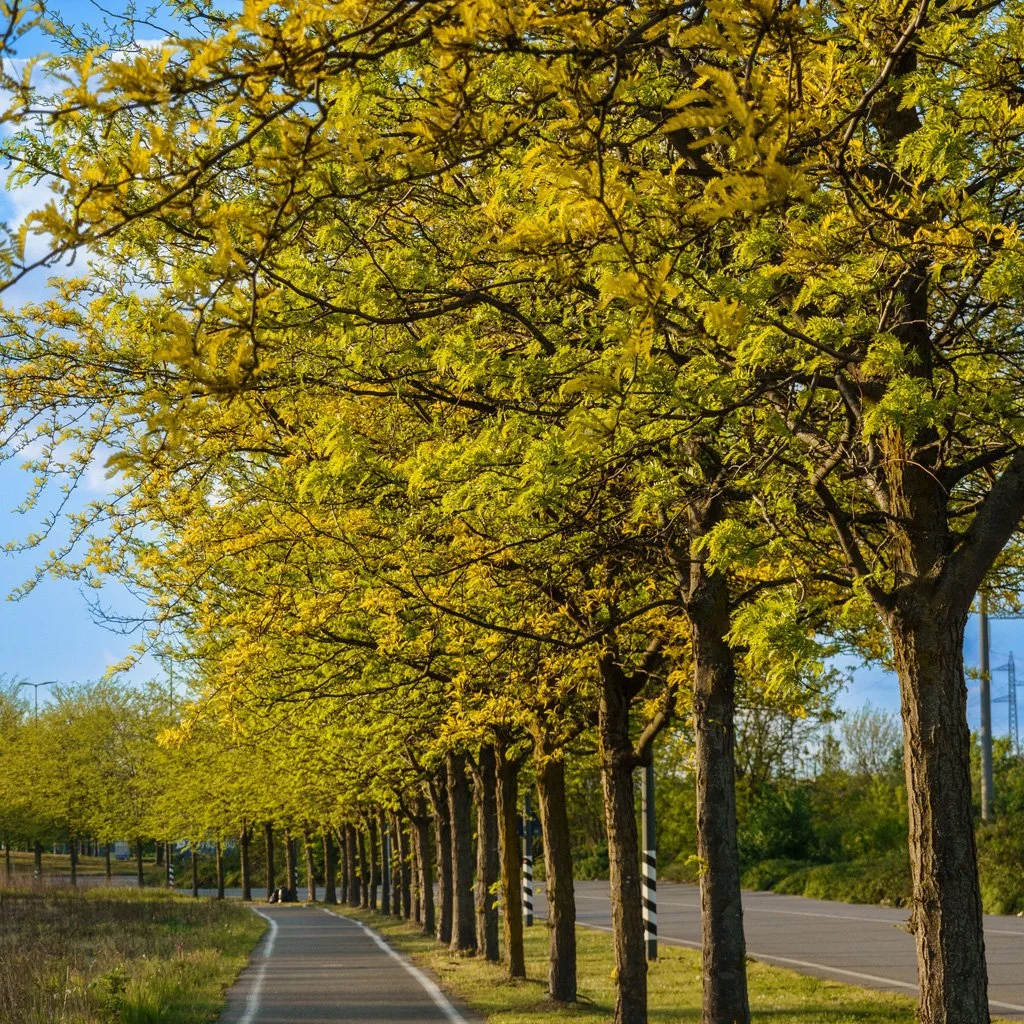 Image 1 of 10
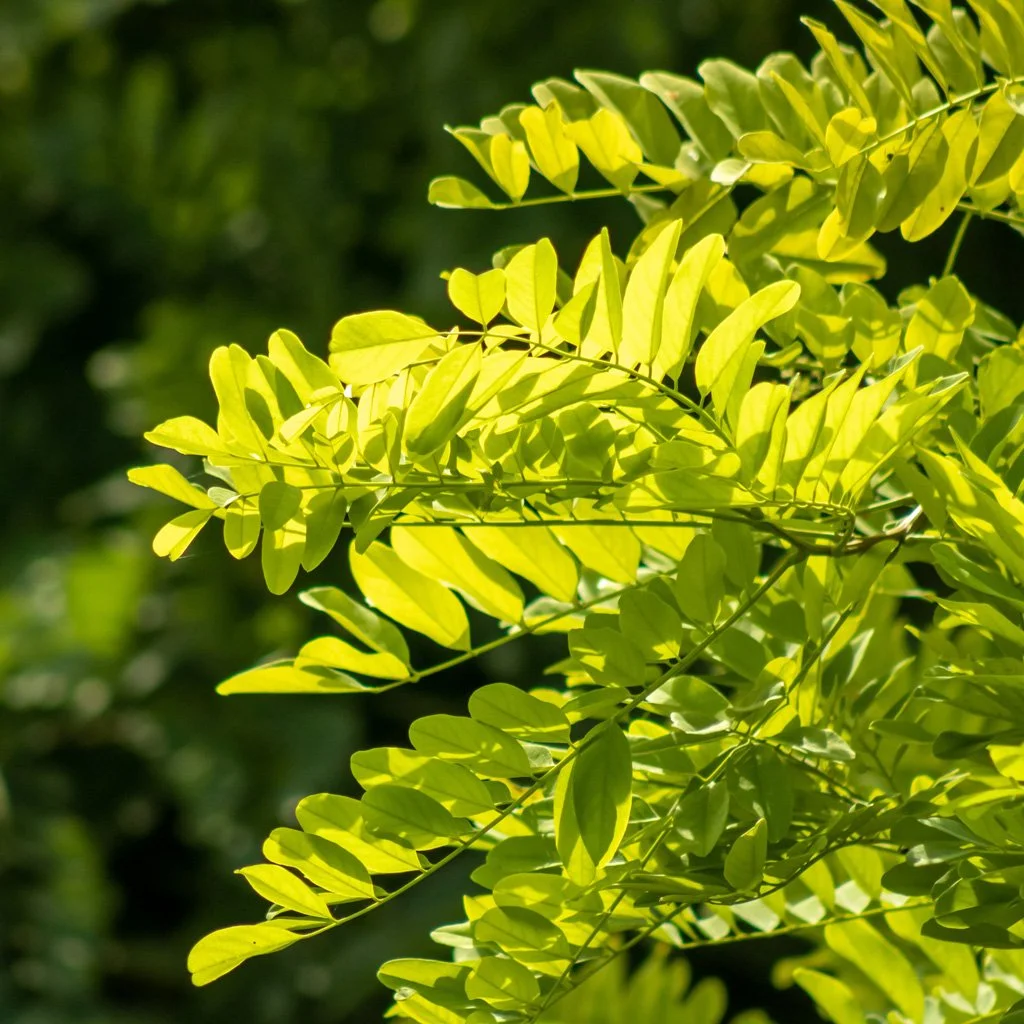 Image 2 of 10
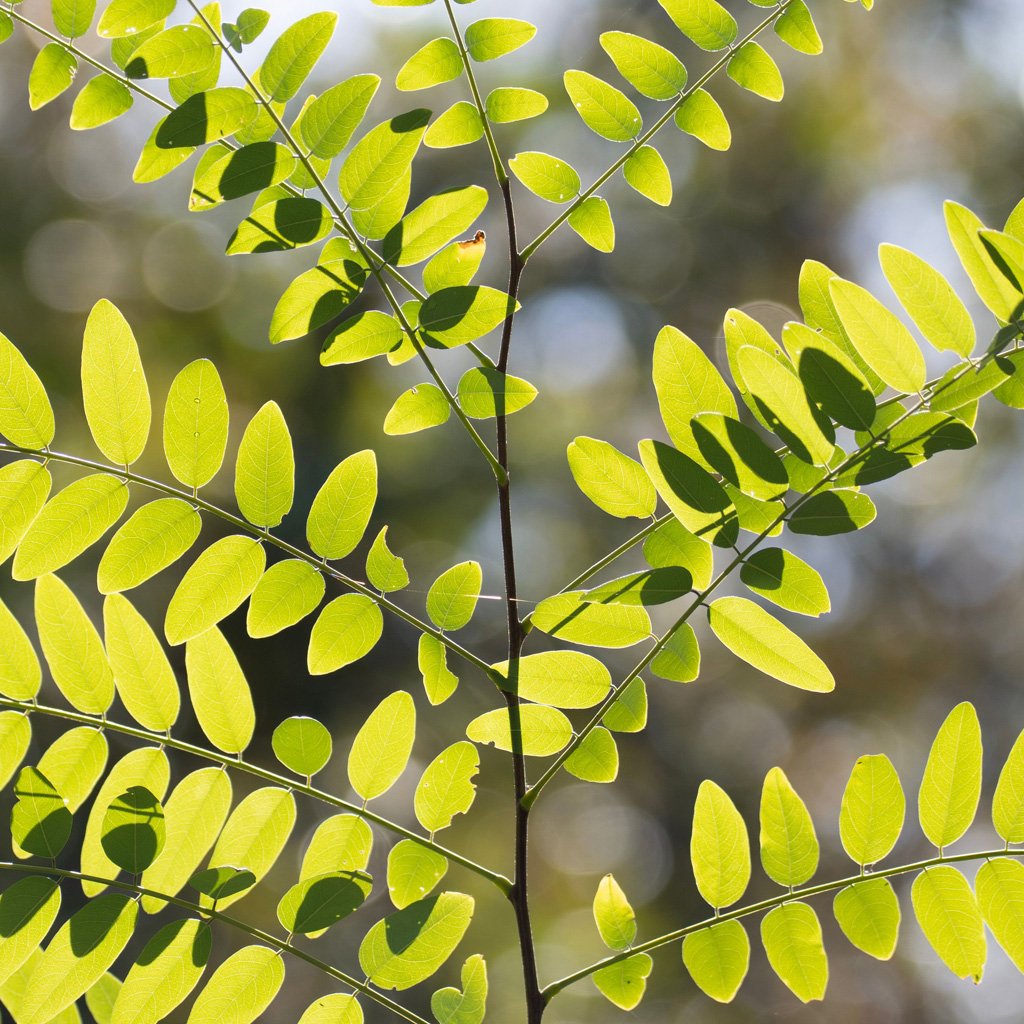 Image 3 of 10
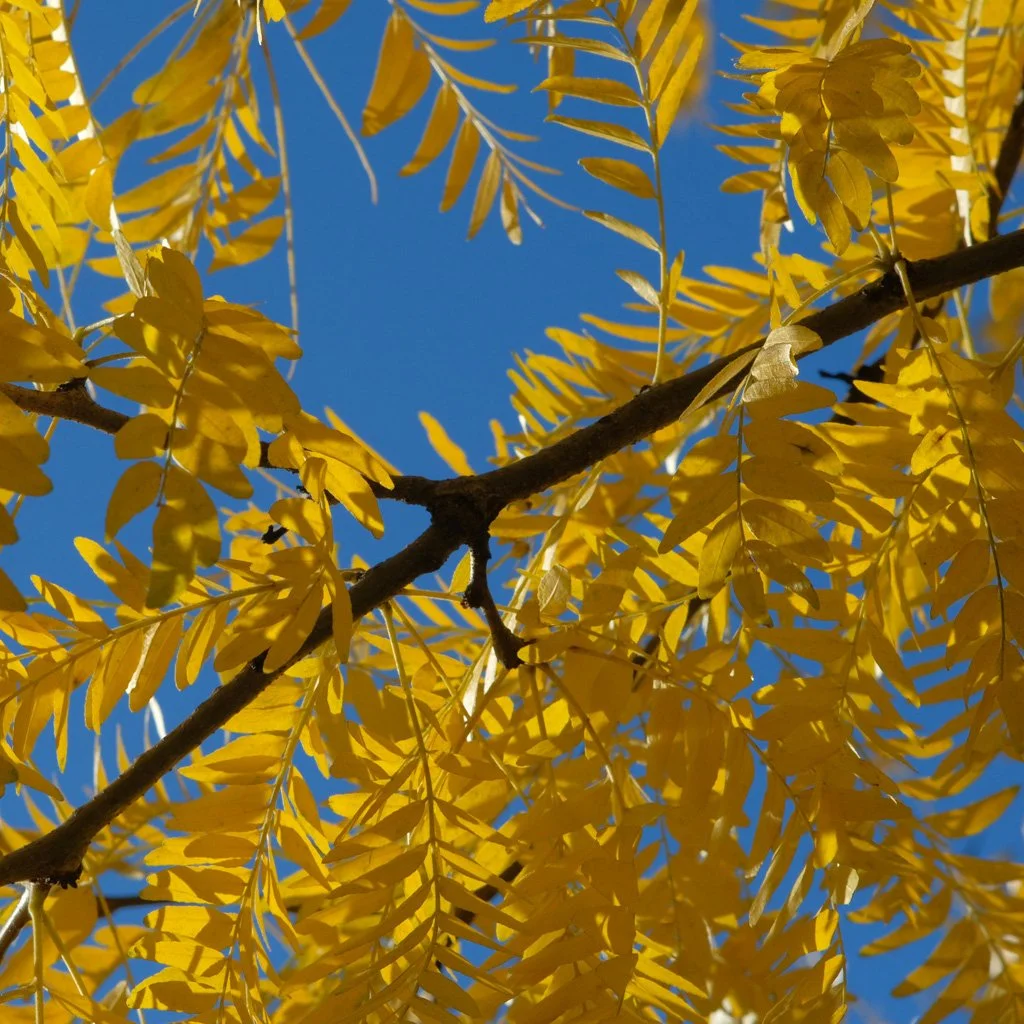 Image 4 of 10
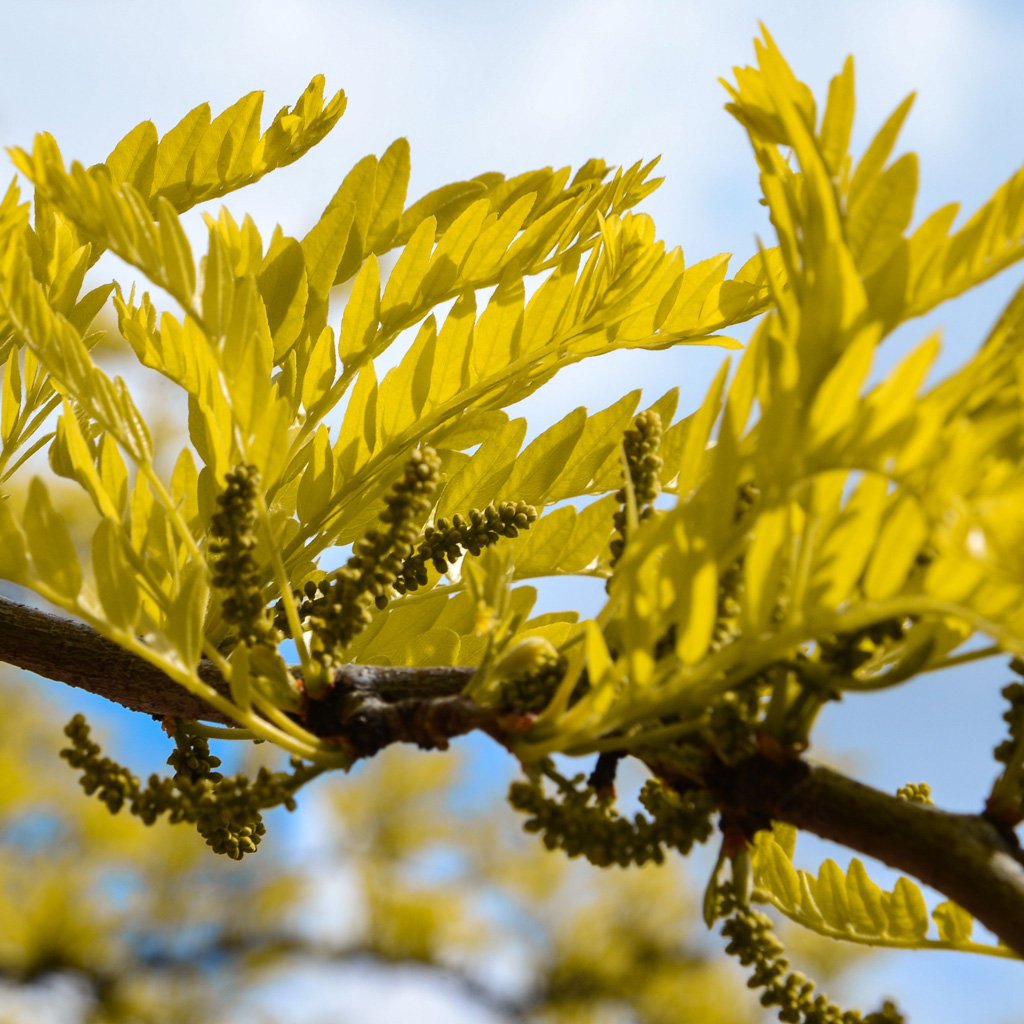 Image 5 of 10