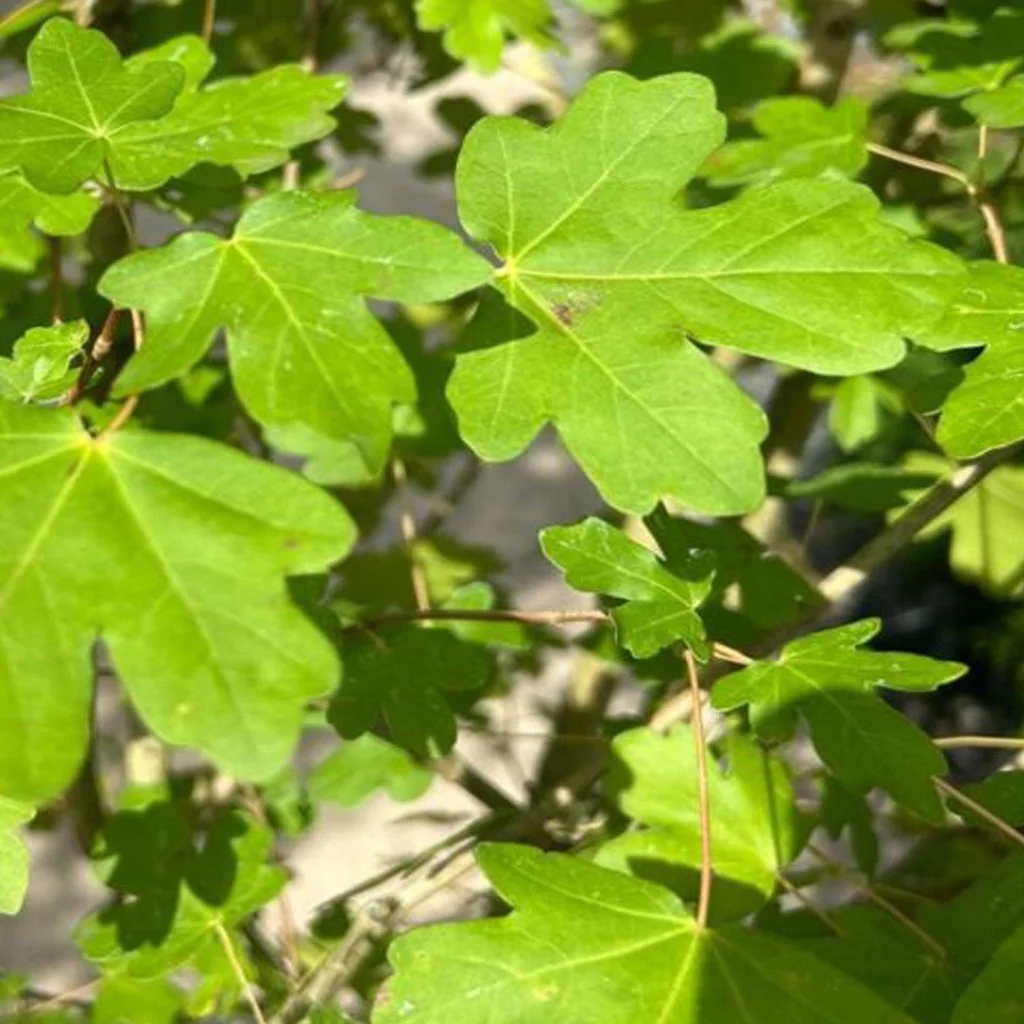
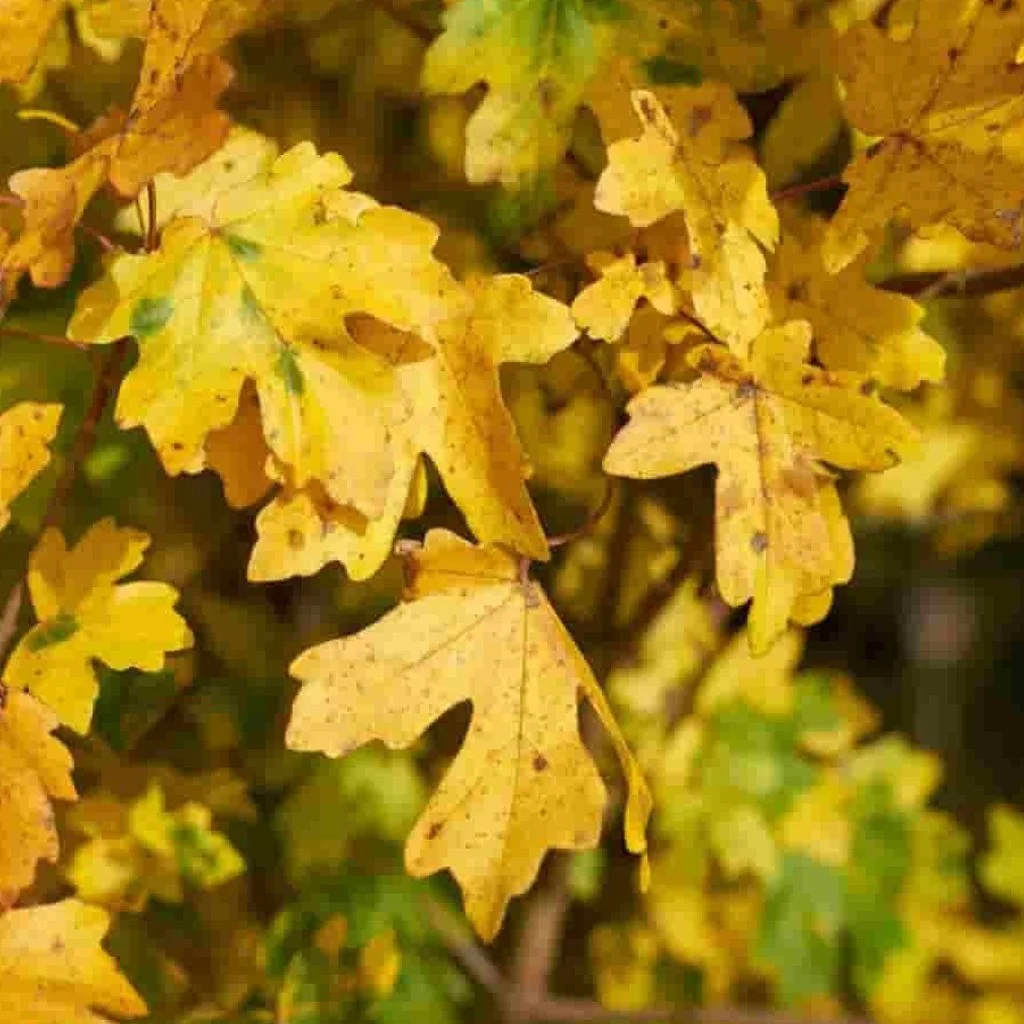
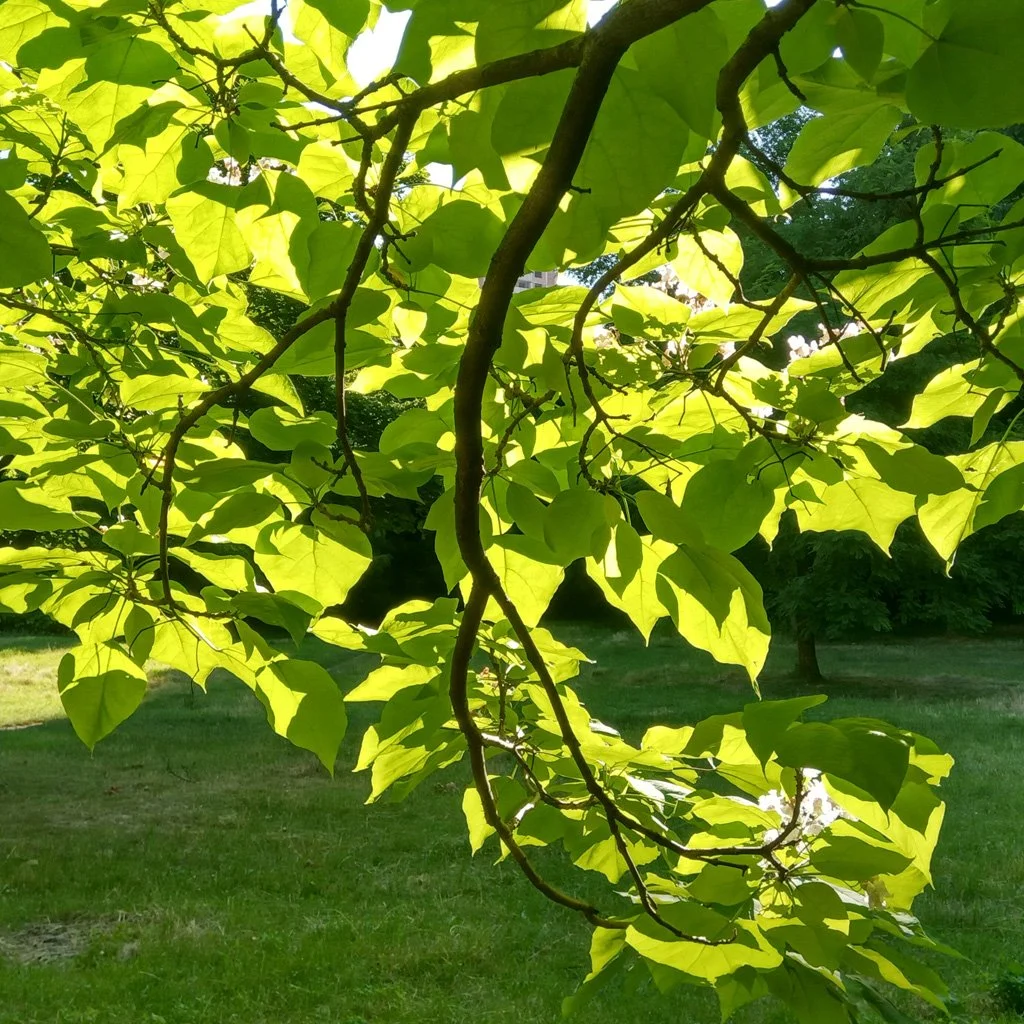
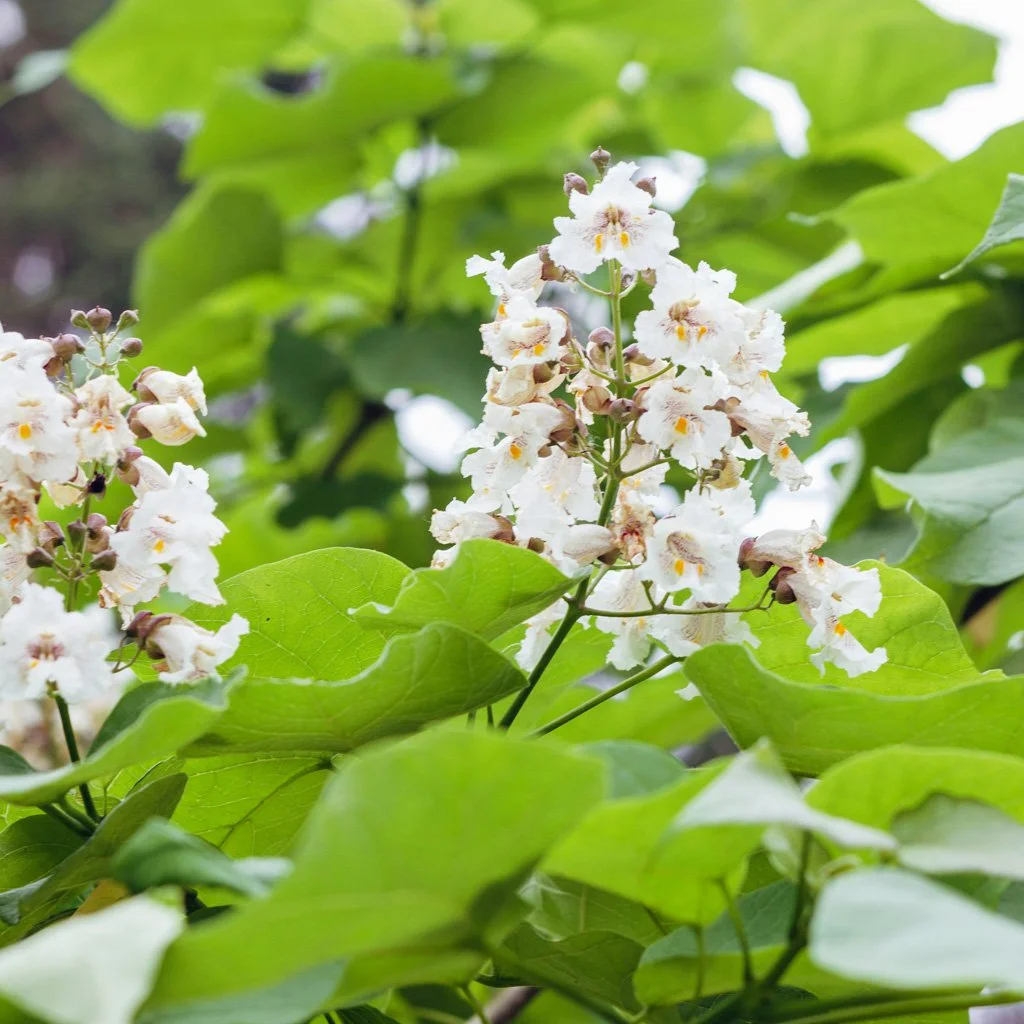
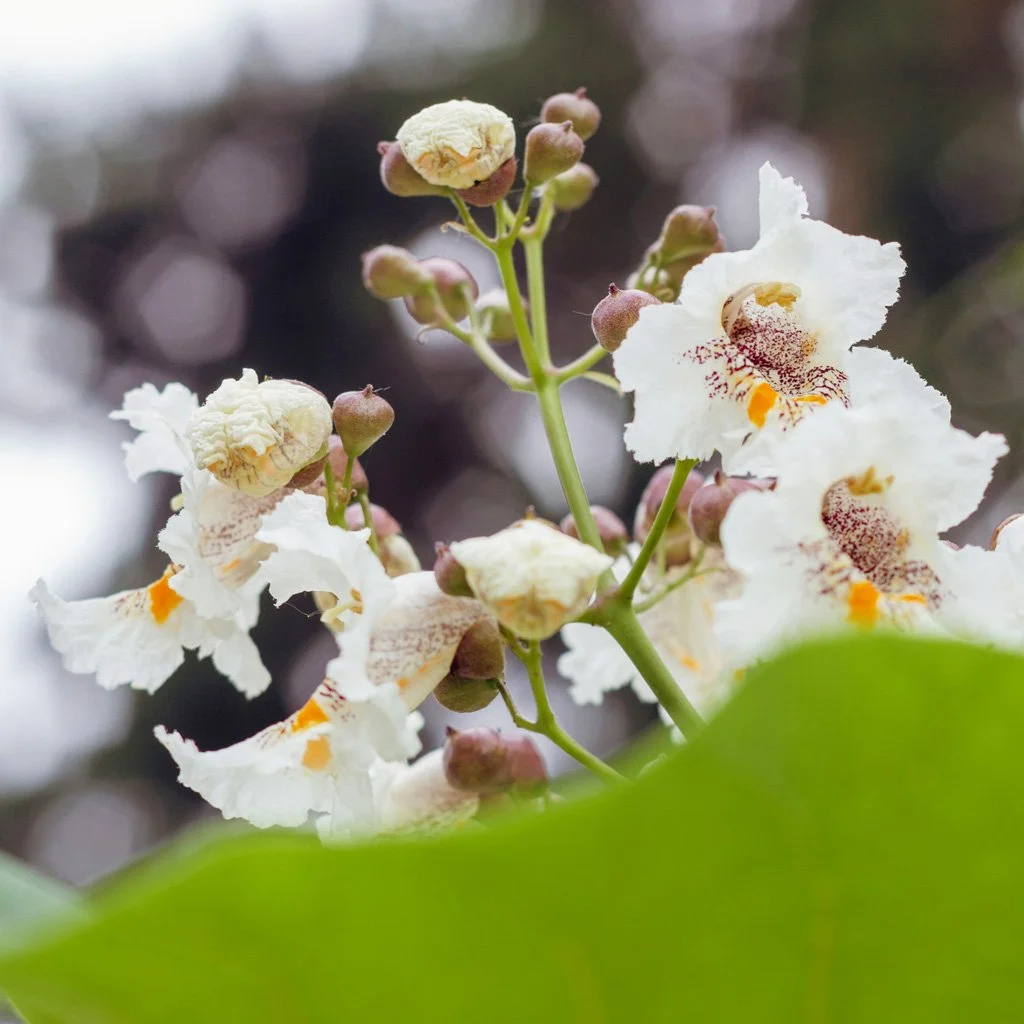
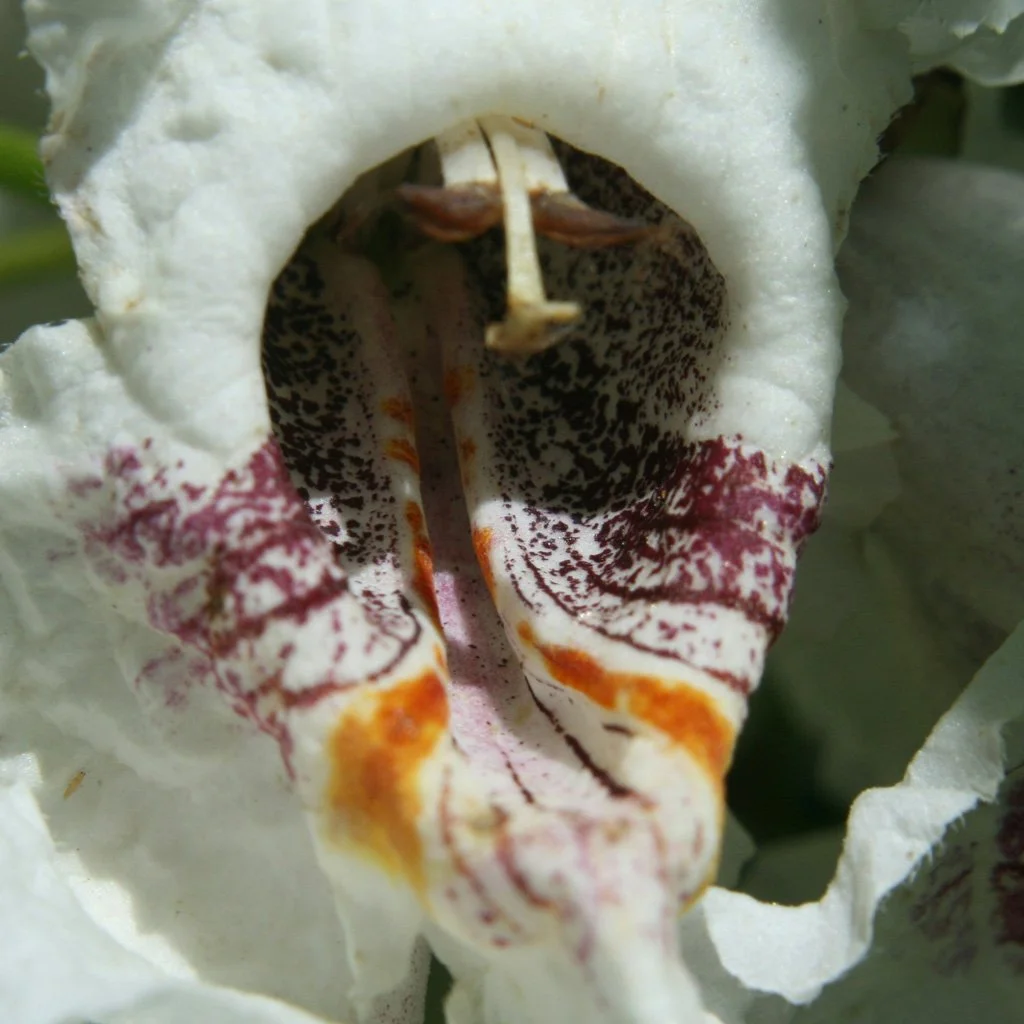
Crataegus monogyna is a hardy and adaptable native tree offering white spring blossom, deeply lobed foliage, red autumn haws and outstanding habitat value.
It is an excellent choice for customers seeking a smaller native tree for an informal garden, rural landscape, meadow, orchard or ecological planting scheme.
Tree Highlights
UK-native deciduous tree
White blossom during late spring
Red autumn haws
Exceptional wildlife value
Fully hardy
Excellent tolerance of exposure
Suitable for clay and chalk
Moderate to fast growth when young
More compact than many native canopy trees
Available in different forms and sizes
Tree Information
Feature / Details
Botanical name: Crataegus monogyna
Common names: Common hawthorn, quickthorn
Mature height: Approximately 6–10m
Mature spread: Approximately 4–8m
Growth rate: Moderate to fast
Foliage: Deciduous
Flowers: White clusters, usually May
Fruit: Red autumn haws
Position: Full sun or partial shade
Soil: Chalk, clay, loam or sand
Hardiness: Fully hardy
Wildlife value: Exceptional
Maintenance: Low to moderate
Choose This Tree If You Want
A tough native specimen
Spring blossom and autumn fruit
A wildlife-friendly tree
A tree for an exposed garden
An informal, naturalistic crown
Rural or traditional character
A manageable alternative to oak or beech
A tree suited to several soil types
It May Not Be the Best Choice If
Thorns would be hazardous
The tree would be immediately beside a play area
Fallen fruit would affect pale paving or vehicles
An evergreen tree is required
The planting position is deeply shaded
The ground remains permanently waterlogged
A perfectly uniform formal crown is essential
Selecting Your Tree
Young bare-root or feathered hawthorn trees are economical and establish readily when planted during the dormant season.
Standards provide a defined stem and immediate tree shape. Multi-stem specimens create a broader, more naturalistic effect but require additional room for low thorny branches.
Larger trees provide greater immediate impact but need confirmed delivery access, anchoring and establishment irrigation.
See specimen tree sizes explained and mature trees versus younger trees before ordering.
Planting Requirements
Plant with the root flare level with the surrounding ground. Prepare a broad rooting area and avoid placing additional soil or mulch against the trunk.
Newly planted trees require:
Suitable support or anchoring
Regular watering
A mulch-covered rooting area
Grass and weed control
Protection from rabbits, deer or livestock where necessary
Periodic checks of stakes, ties and guards
Follow our tree planting and establishment guide.
For standards and larger trees, specialist specimen-tree delivery and planting is available across North West England.
Pruning and Maintenance
Once the required crown structure has formed, hawthorn needs relatively little routine pruning.
Remove dead, damaged, crossing or unsafe branches and avoid unnecessary hard cutting. Wear suitable gloves and eye protection because the branches are thorny.
Our RHS Pruning Group 1 guide provides general maintenance guidance.
Wildlife and Practical Considerations
The spring flowers support pollinating insects, while the autumn haws provide food for birds. The dense thorny crown also offers valuable nesting and shelter.
Avoid positioning low branches beside busy paths and collect thorny prunings carefully.
Fruit production varies naturally and should not be treated as guaranteed. Fallen haws may stain or become slippery on hard surfaces.
When We Wouldn’t Recommend It
We would not normally recommend common hawthorn immediately beside children’s play areas, narrow entrances or heavily used pedestrian routes.
It is also unsuitable where evergreen screening, a completely formal crown or consistently thorn-free growth is required.
Our Recommendation
Crataegus monogyna is one of the most useful native trees for wildlife-focused and rural planting.
A selected standard works well as a garden or lawn specimen. Feathered and multi-stem trees are particularly effective in meadows, woodland edges and naturalistic schemes.
Delivery and Professional Planting
We can install specimen trees at any of the in following postcodes;
BB, BL, CH1 - CH5, CW8, CW9, FY, L, LA1 - LA6, M, OL, PR, SK1 - SK12, WA, & WN.
Please do not purchase if you want the hedging installed outside this area. If you do live outside the area, then please give us a call on 01942 604976 and we can see if it’s possible to do this.
For more information on the tree see the tree specification below. For more information about delivery, access and planting, see the guide below or click here.
Crataegus monogyna is a hardy and adaptable native tree offering white spring blossom, deeply lobed foliage, red autumn haws and outstanding habitat value.
It is an excellent choice for customers seeking a smaller native tree for an informal garden, rural landscape, meadow, orchard or ecological planting scheme.
Tree Highlights
UK-native deciduous tree
White blossom during late spring
Red autumn haws
Exceptional wildlife value
Fully hardy
Excellent tolerance of exposure
Suitable for clay and chalk
Moderate to fast growth when young
More compact than many native canopy trees
Available in different forms and sizes
Tree Information
Feature / Details
Botanical name: Crataegus monogyna
Common names: Common hawthorn, quickthorn
Mature height: Approximately 6–10m
Mature spread: Approximately 4–8m
Growth rate: Moderate to fast
Foliage: Deciduous
Flowers: White clusters, usually May
Fruit: Red autumn haws
Position: Full sun or partial shade
Soil: Chalk, clay, loam or sand
Hardiness: Fully hardy
Wildlife value: Exceptional
Maintenance: Low to moderate
Choose This Tree If You Want
A tough native specimen
Spring blossom and autumn fruit
A wildlife-friendly tree
A tree for an exposed garden
An informal, naturalistic crown
Rural or traditional character
A manageable alternative to oak or beech
A tree suited to several soil types
It May Not Be the Best Choice If
Thorns would be hazardous
The tree would be immediately beside a play area
Fallen fruit would affect pale paving or vehicles
An evergreen tree is required
The planting position is deeply shaded
The ground remains permanently waterlogged
A perfectly uniform formal crown is essential
Selecting Your Tree
Young bare-root or feathered hawthorn trees are economical and establish readily when planted during the dormant season.
Standards provide a defined stem and immediate tree shape. Multi-stem specimens create a broader, more naturalistic effect but require additional room for low thorny branches.
Larger trees provide greater immediate impact but need confirmed delivery access, anchoring and establishment irrigation.
See specimen tree sizes explained and mature trees versus younger trees before ordering.
Planting Requirements
Plant with the root flare level with the surrounding ground. Prepare a broad rooting area and avoid placing additional soil or mulch against the trunk.
Newly planted trees require:
Suitable support or anchoring
Regular watering
A mulch-covered rooting area
Grass and weed control
Protection from rabbits, deer or livestock where necessary
Periodic checks of stakes, ties and guards
Follow our tree planting and establishment guide.
For standards and larger trees, specialist specimen-tree delivery and planting is available across North West England.
Pruning and Maintenance
Once the required crown structure has formed, hawthorn needs relatively little routine pruning.
Remove dead, damaged, crossing or unsafe branches and avoid unnecessary hard cutting. Wear suitable gloves and eye protection because the branches are thorny.
Our RHS Pruning Group 1 guide provides general maintenance guidance.
Wildlife and Practical Considerations
The spring flowers support pollinating insects, while the autumn haws provide food for birds. The dense thorny crown also offers valuable nesting and shelter.
Avoid positioning low branches beside busy paths and collect thorny prunings carefully.
Fruit production varies naturally and should not be treated as guaranteed. Fallen haws may stain or become slippery on hard surfaces.
When We Wouldn’t Recommend It
We would not normally recommend common hawthorn immediately beside children’s play areas, narrow entrances or heavily used pedestrian routes.
It is also unsuitable where evergreen screening, a completely formal crown or consistently thorn-free growth is required.
Our Recommendation
Crataegus monogyna is one of the most useful native trees for wildlife-focused and rural planting.
A selected standard works well as a garden or lawn specimen. Feathered and multi-stem trees are particularly effective in meadows, woodland edges and naturalistic schemes.
Delivery and Professional Planting
We can install specimen trees at any of the in following postcodes;
BB, BL, CH1 - CH5, CW8, CW9, FY, L, LA1 - LA6, M, OL, PR, SK1 - SK12, WA, & WN.
Please do not purchase if you want the hedging installed outside this area. If you do live outside the area, then please give us a call on 01942 604976 and we can see if it’s possible to do this.
For more information on the tree see the tree specification below. For more information about delivery, access and planting, see the guide below or click here.

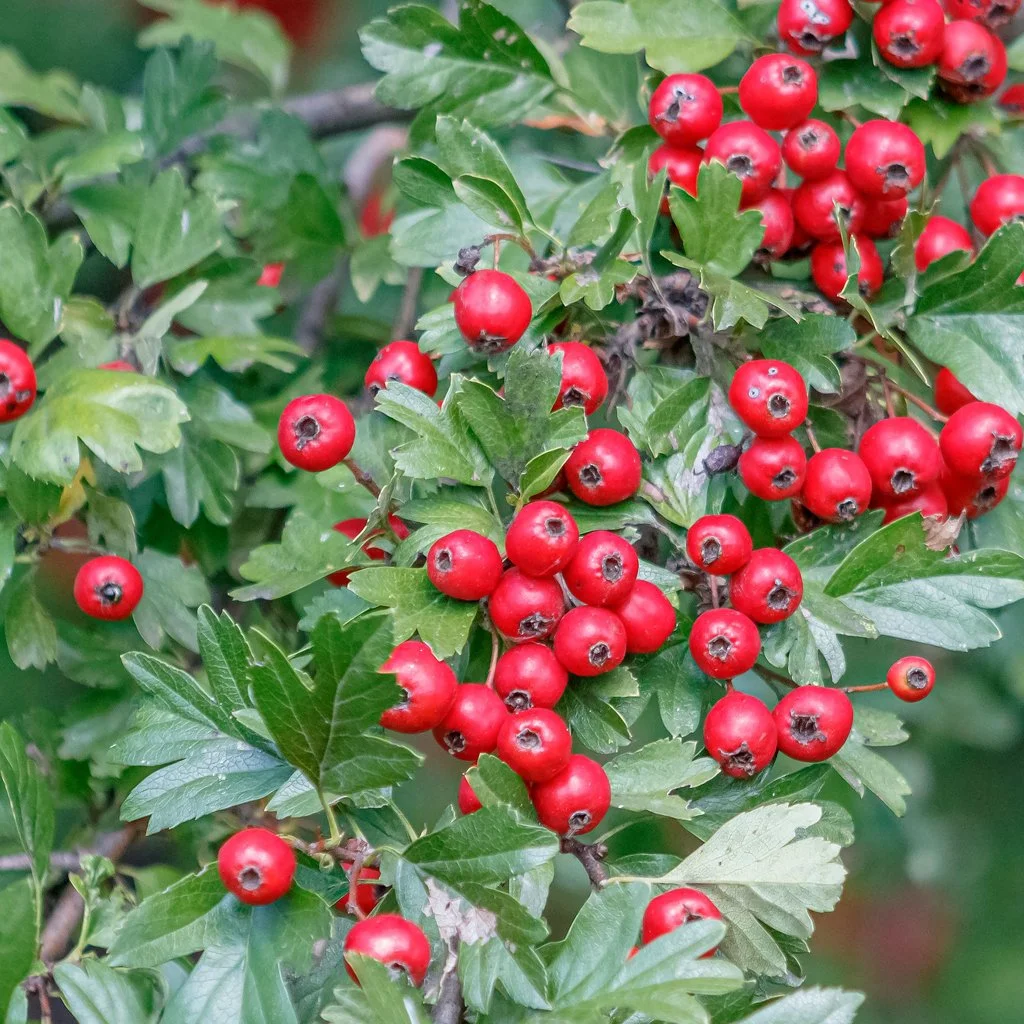 Image 1 of 5
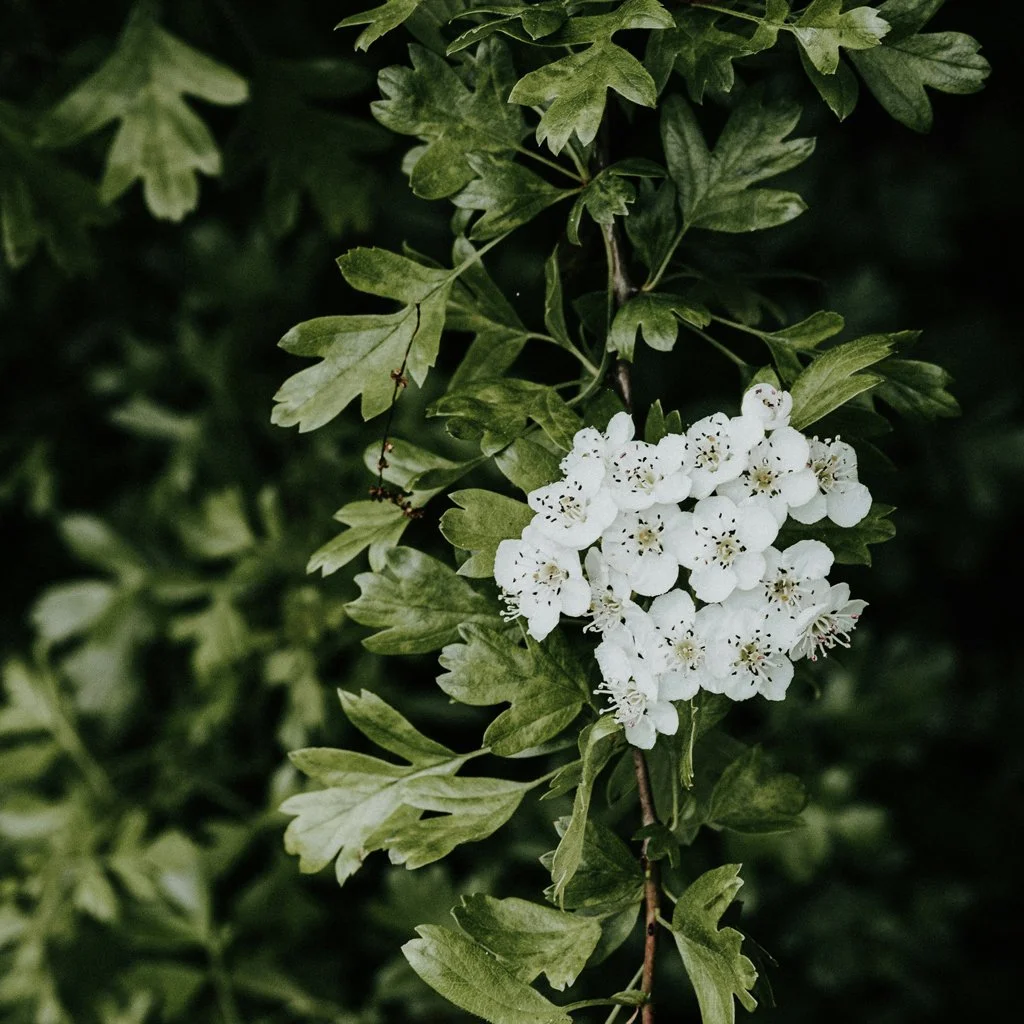 Image 2 of 5
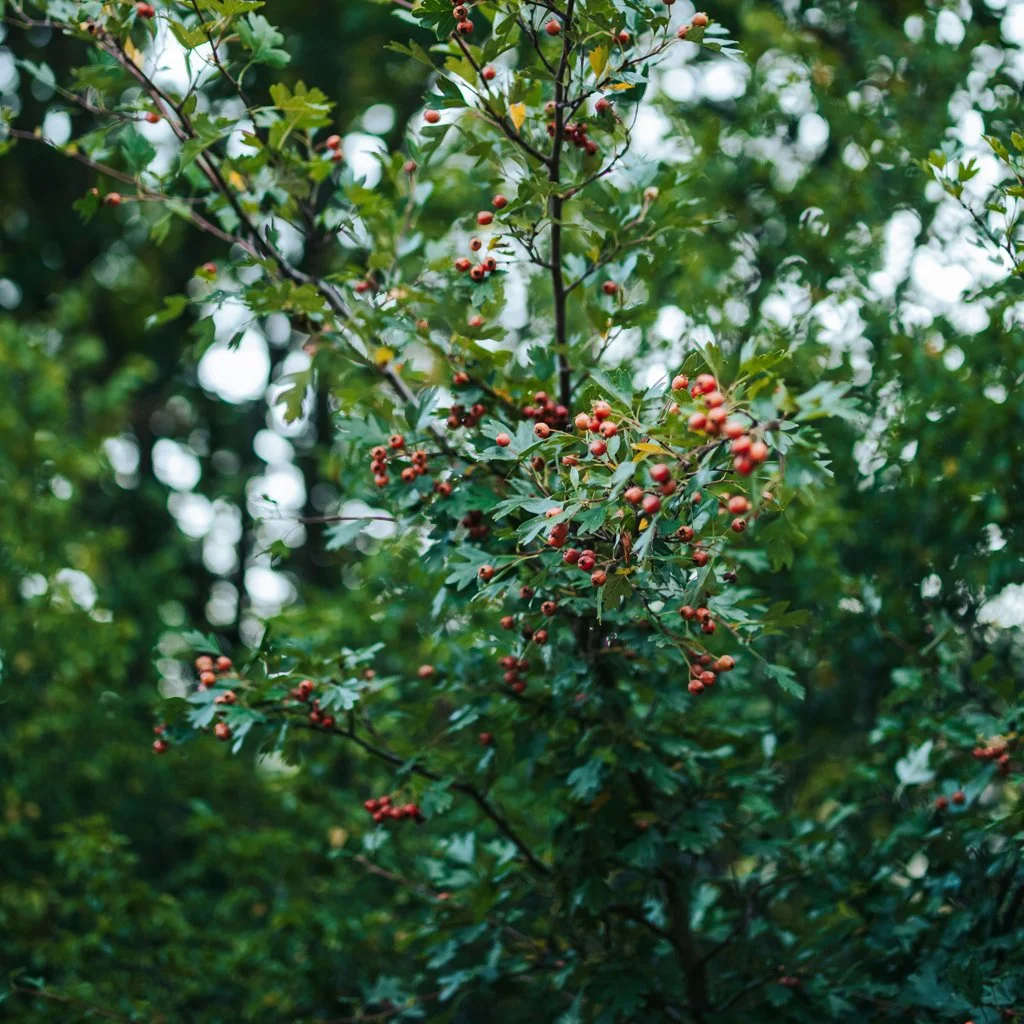 Image 3 of 5
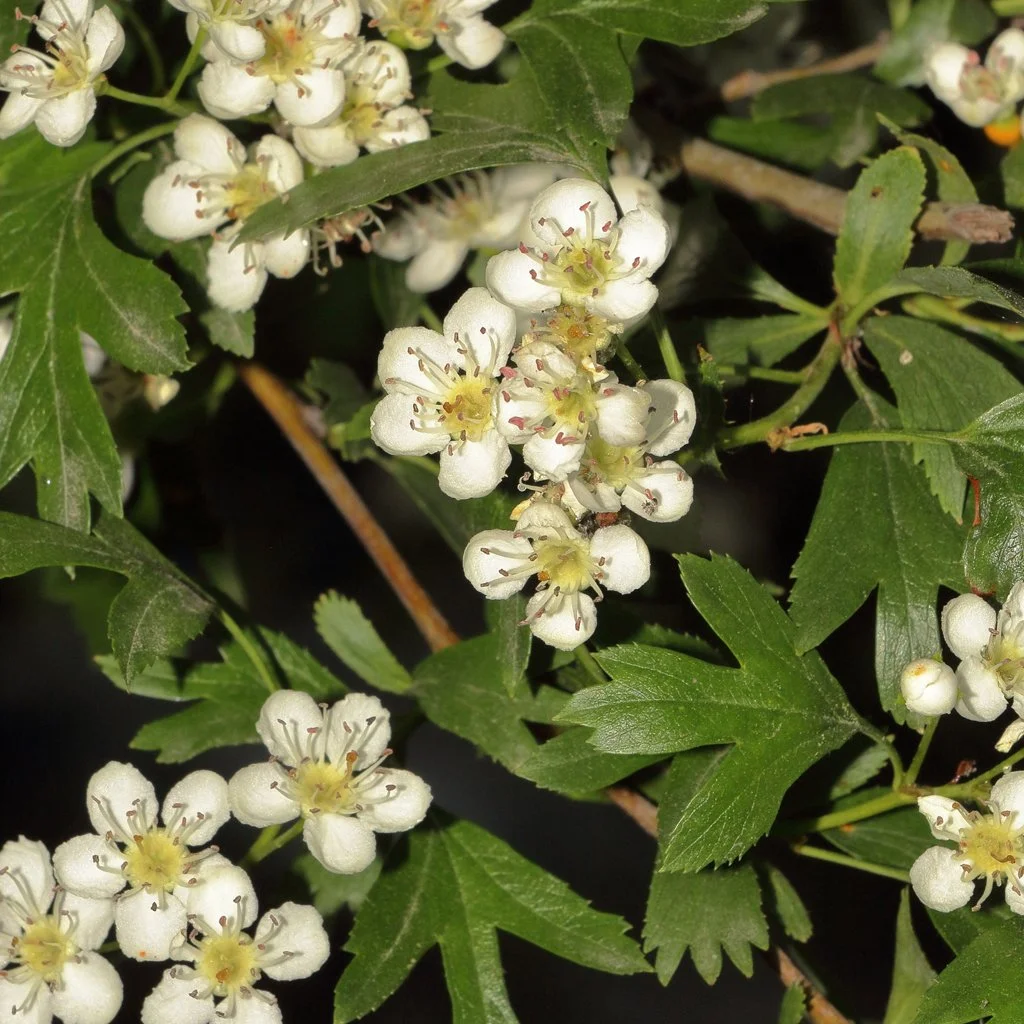 Image 4 of 5
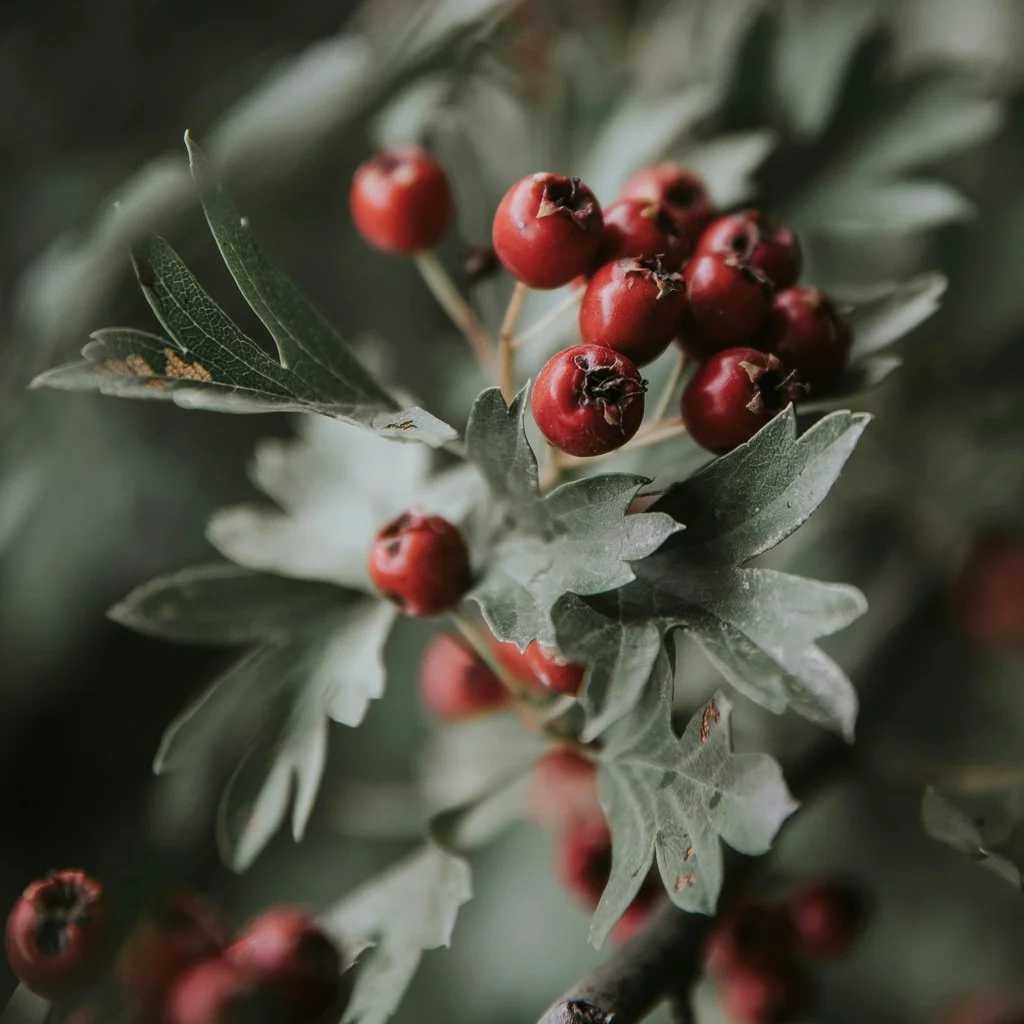 Image 5 of 5