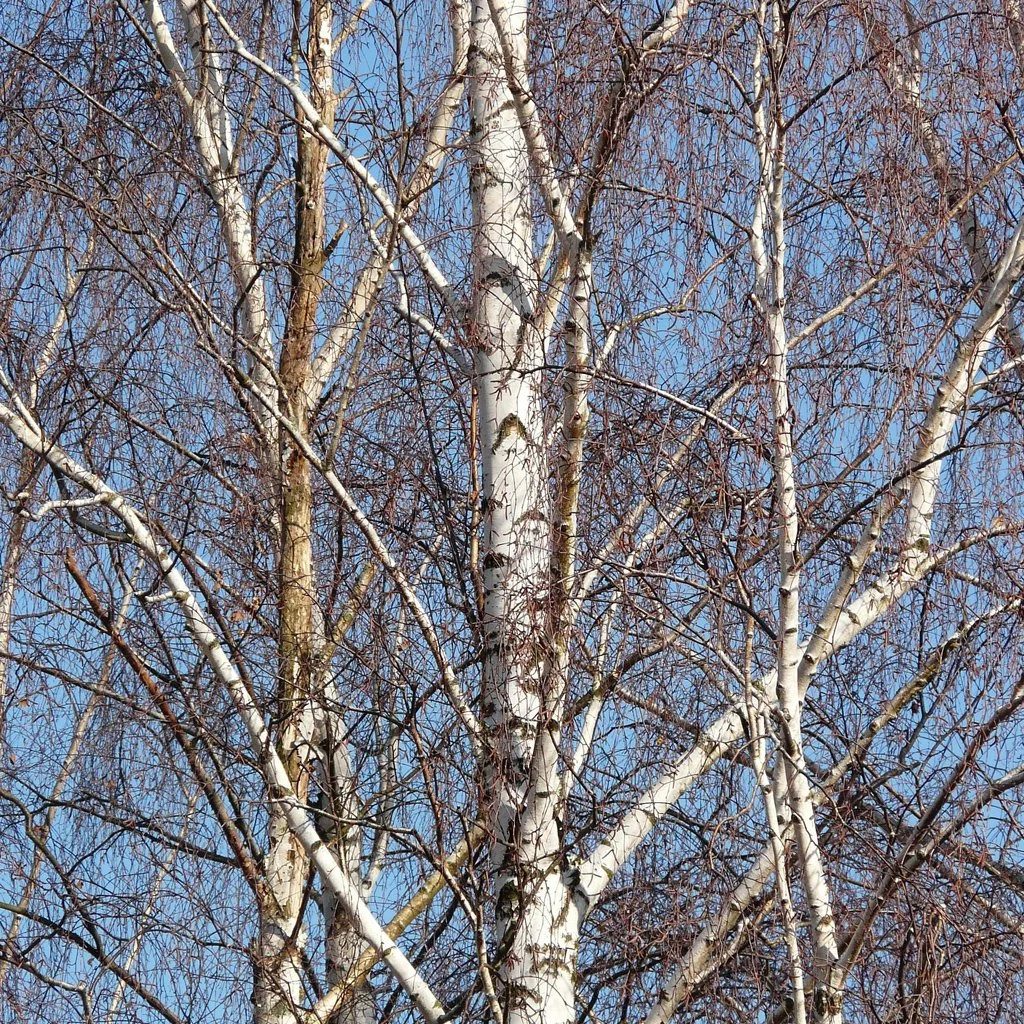
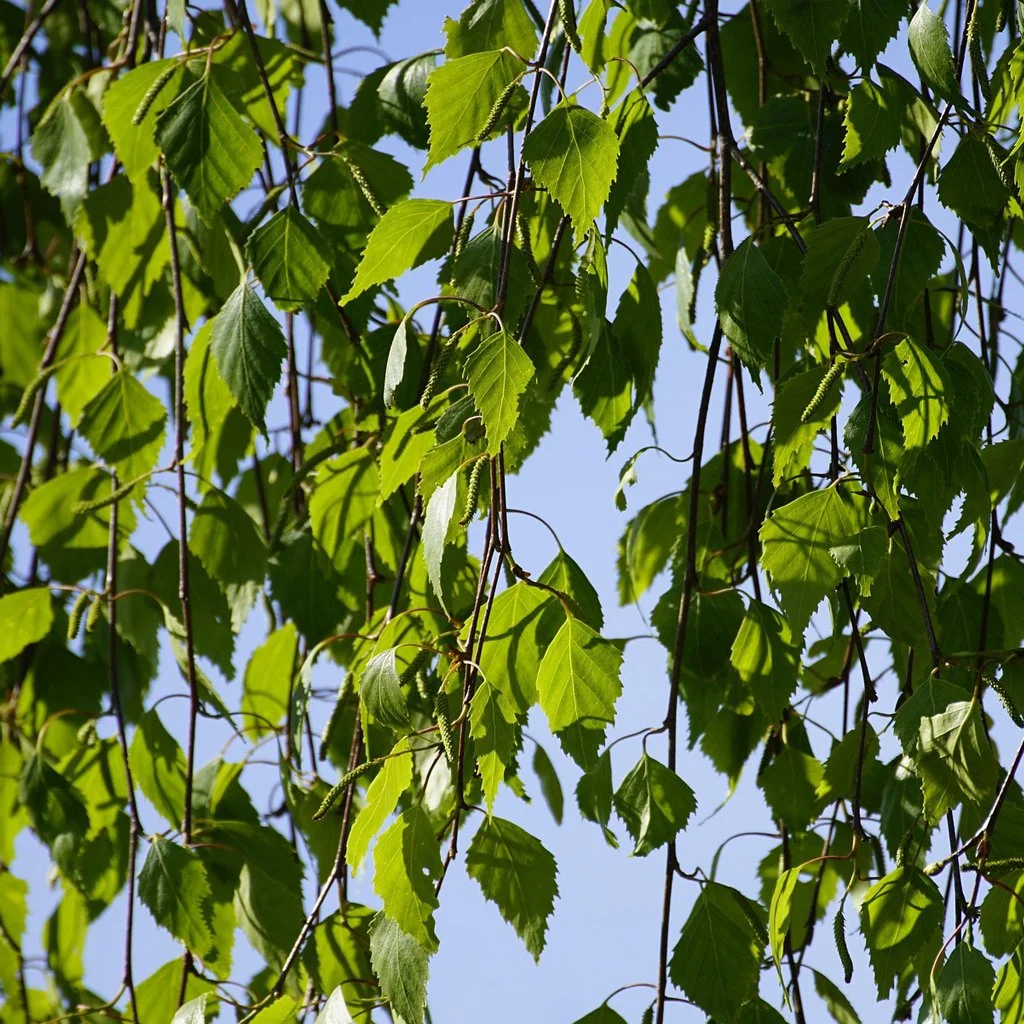
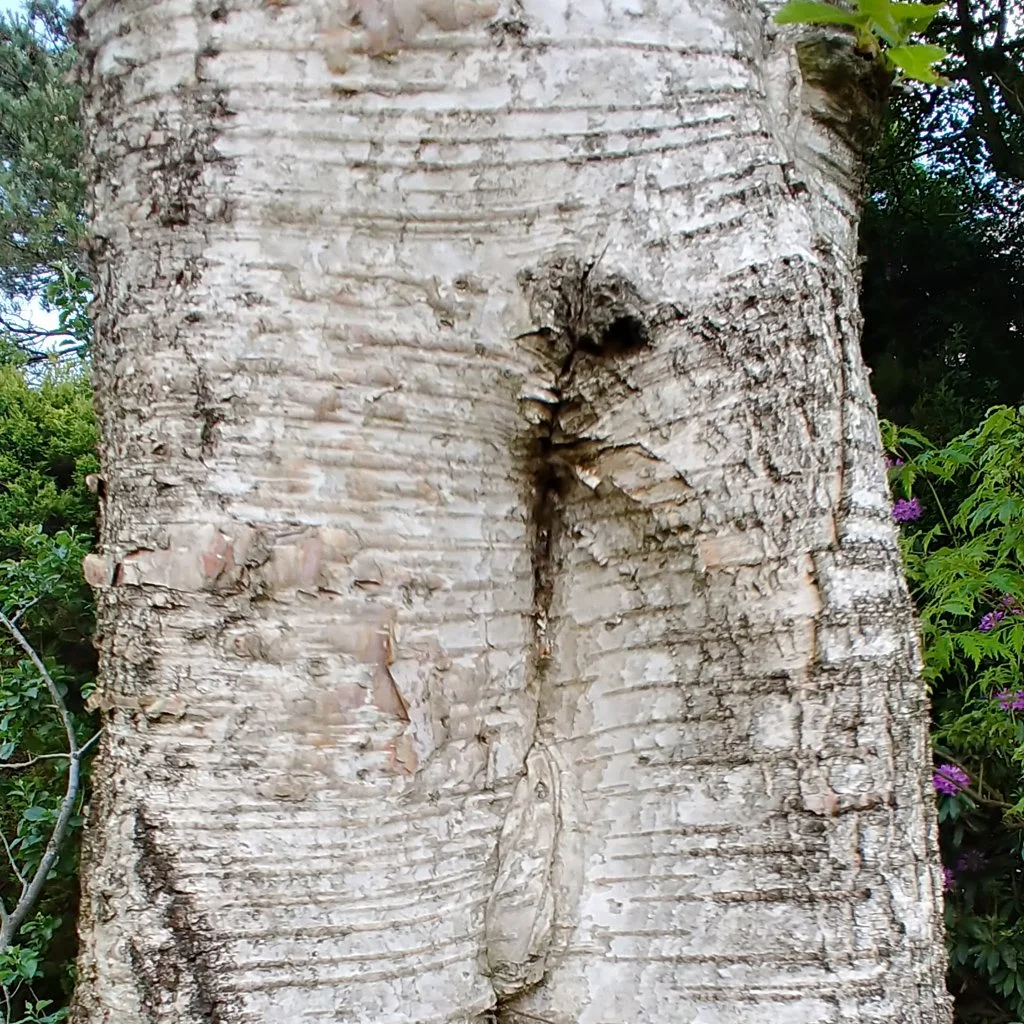
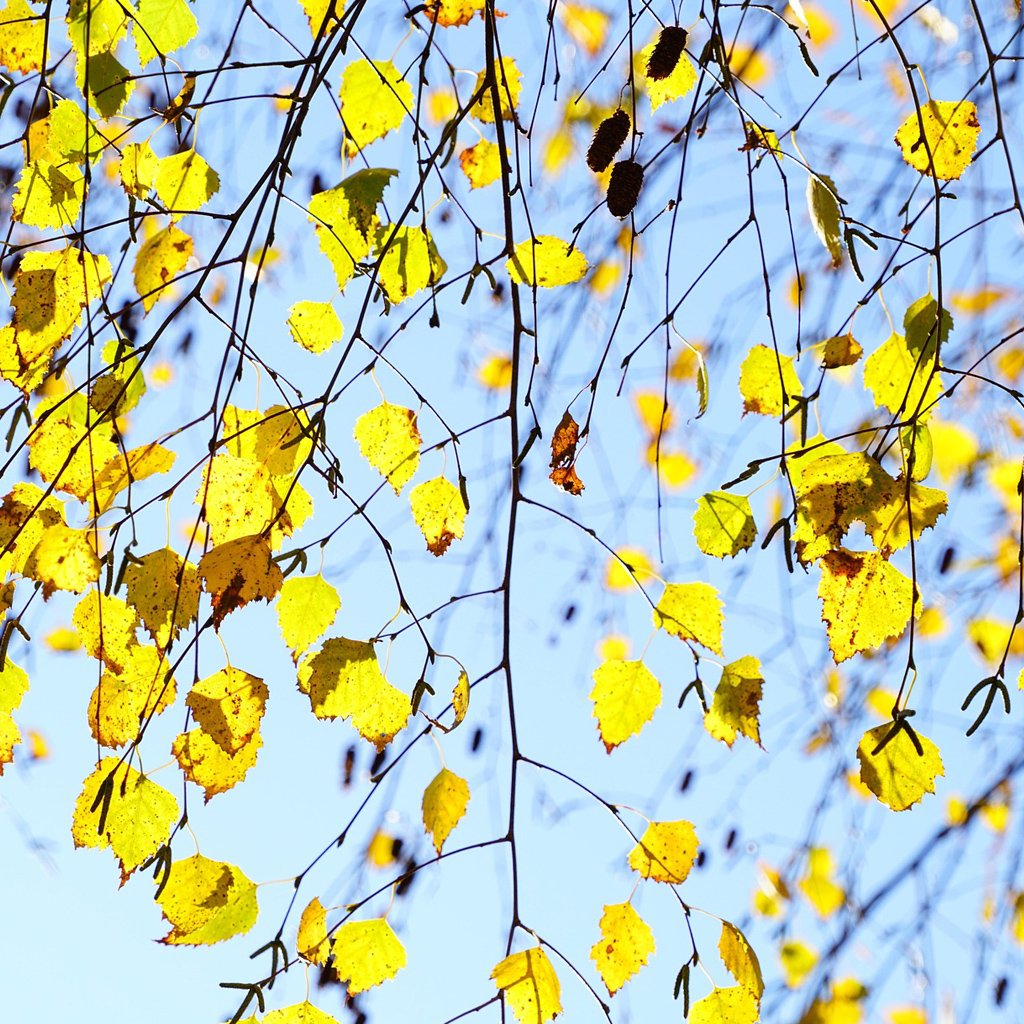
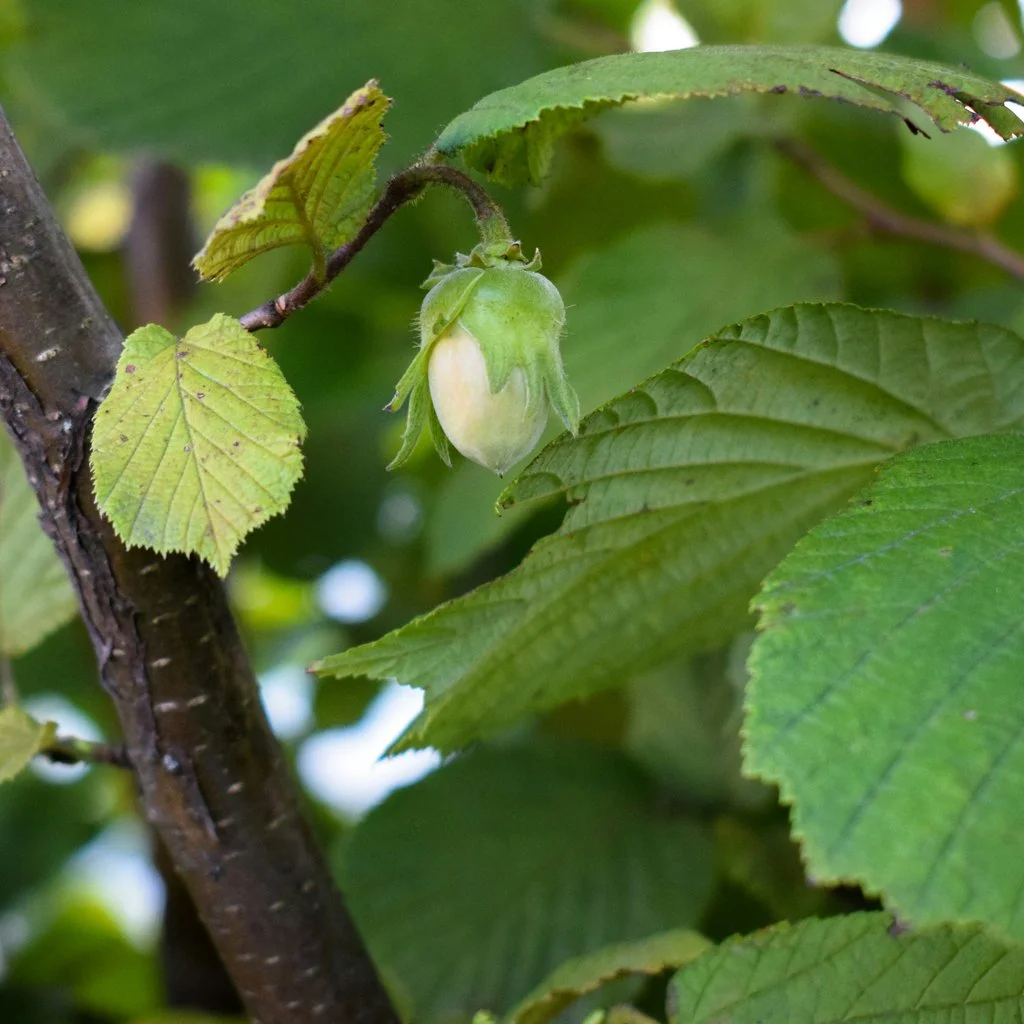
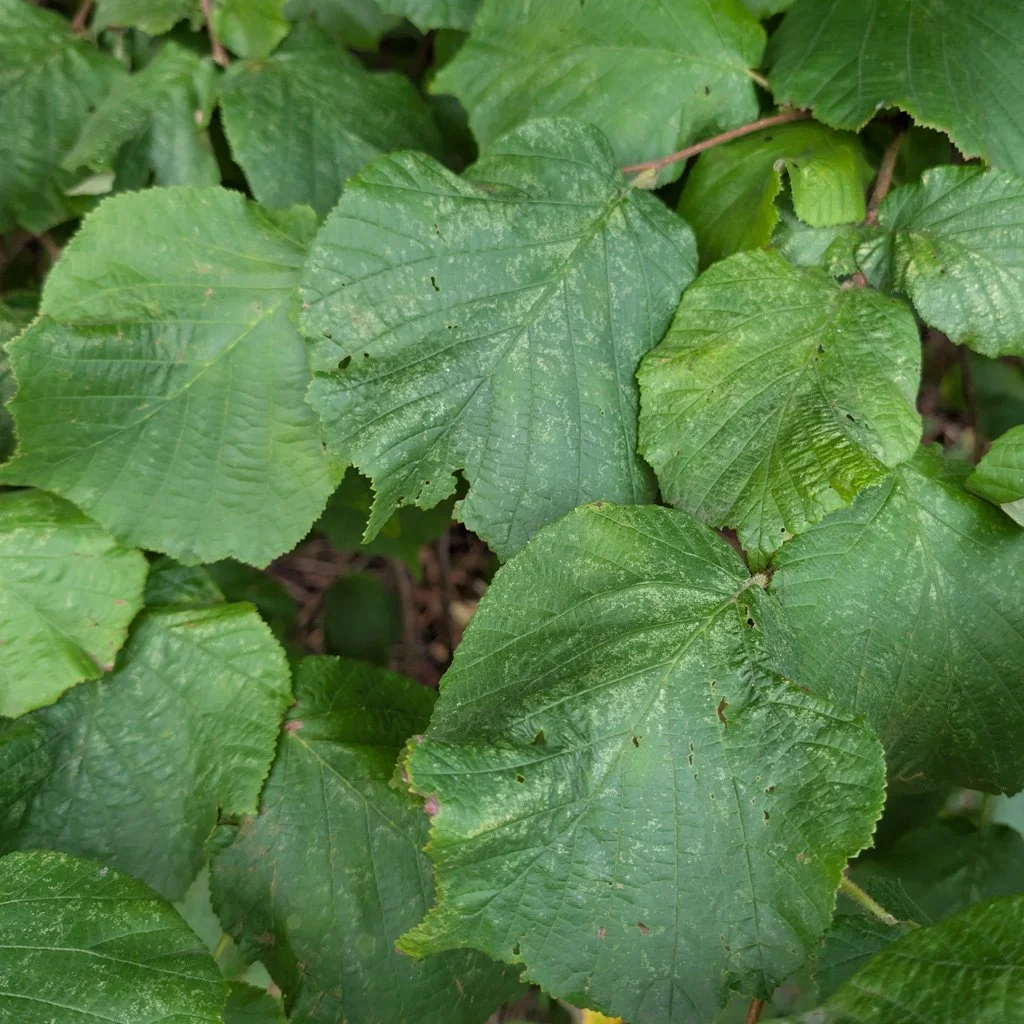
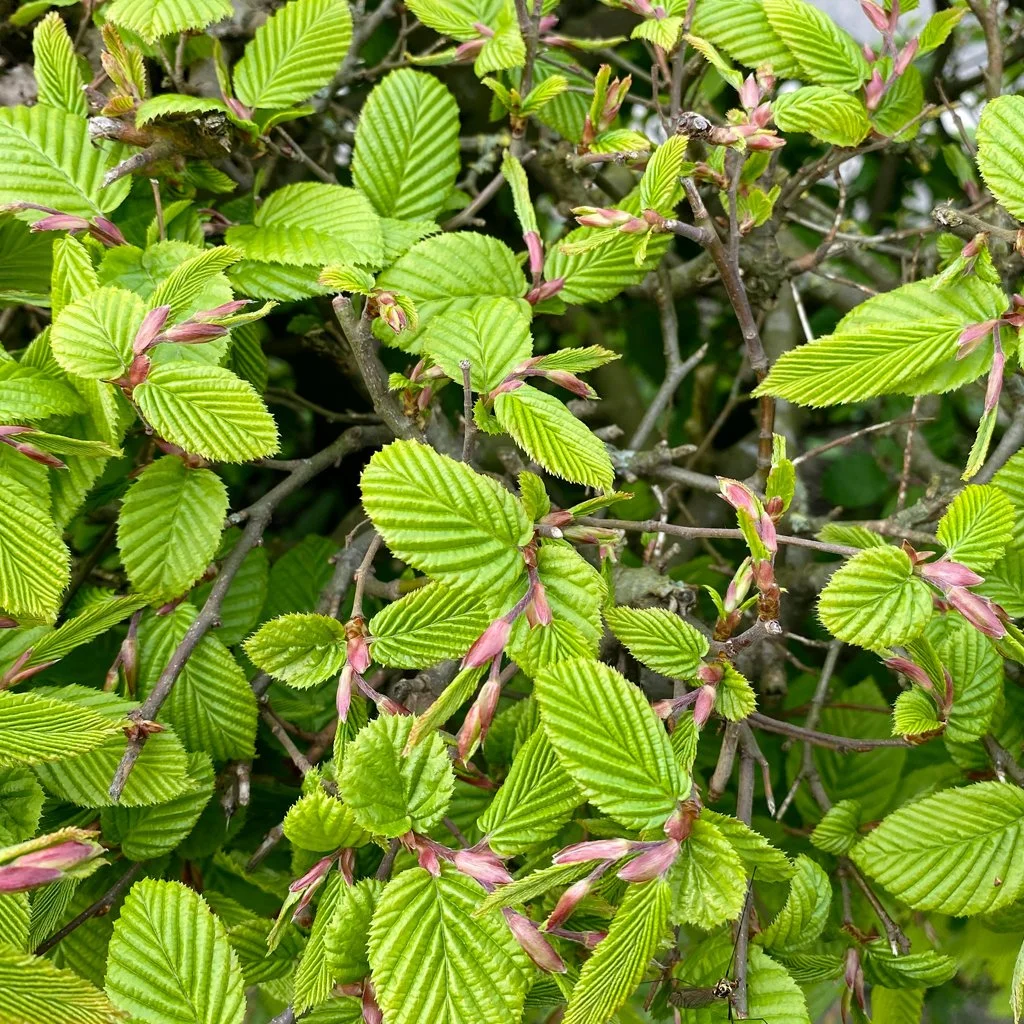
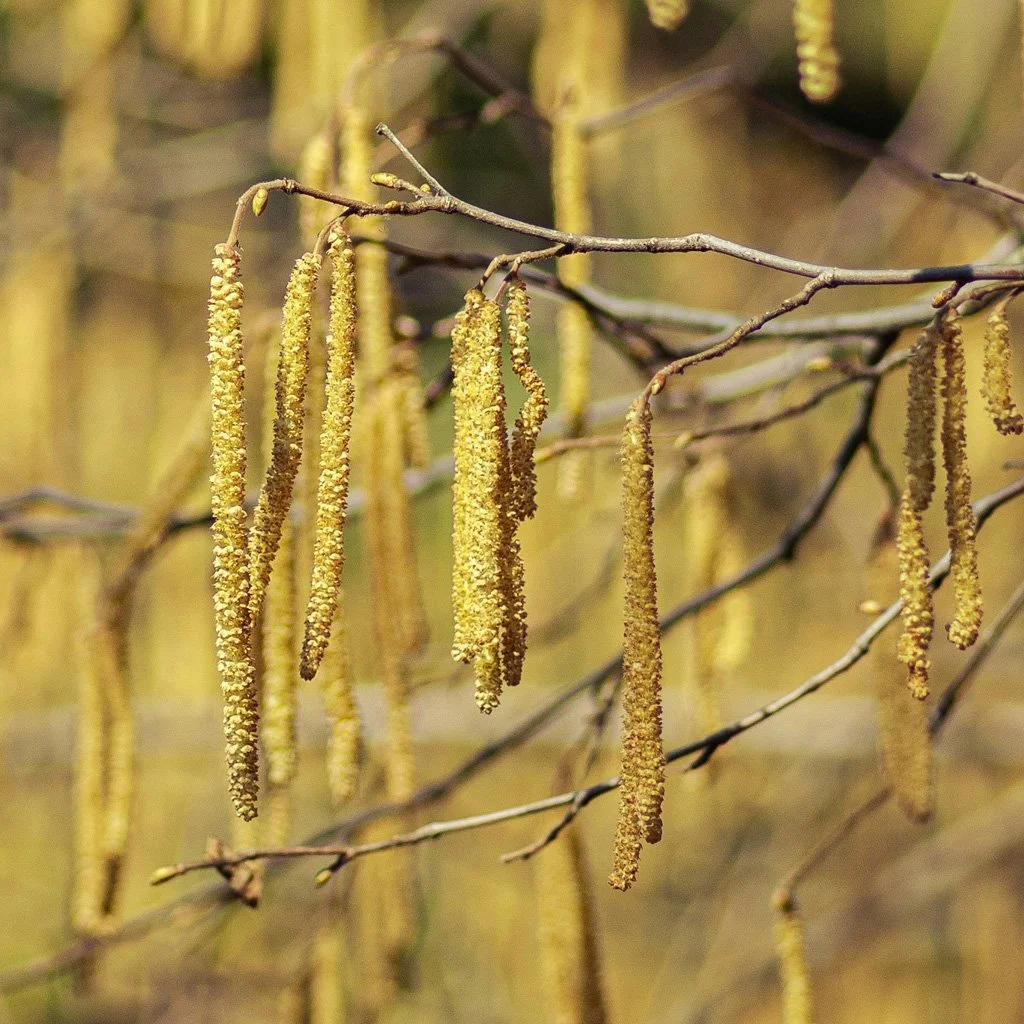
Carpinus betulus ‘Fastigiata’ is a strong upright hornbeam with dense green foliage, a formal pyramidal-to-oval crown and exceptional tolerance of heavy clay.
This product is supplied in feathered form, meaning that branches are retained from close to ground level. It provides more immediate foliage, volume and seasonal screening than a clear-stem standard tree.
It is ideal for formal avenues, estate entrances, boundary structure, architectural planting and substantial screening schemes.
Product highlights
Supplied as a feathered tree
Dense foliage from close to ground level
Strong upright shape when young
Develops a broader oval crown with maturity
Excellent performance on heavy clay
Tolerates seasonally wet ground
Fully hardy
Suitable for full sun or partial shade
Good wind and urban tolerance
Useful seasonal screening
Excellent for avenues and entrances
Moderate growth rate
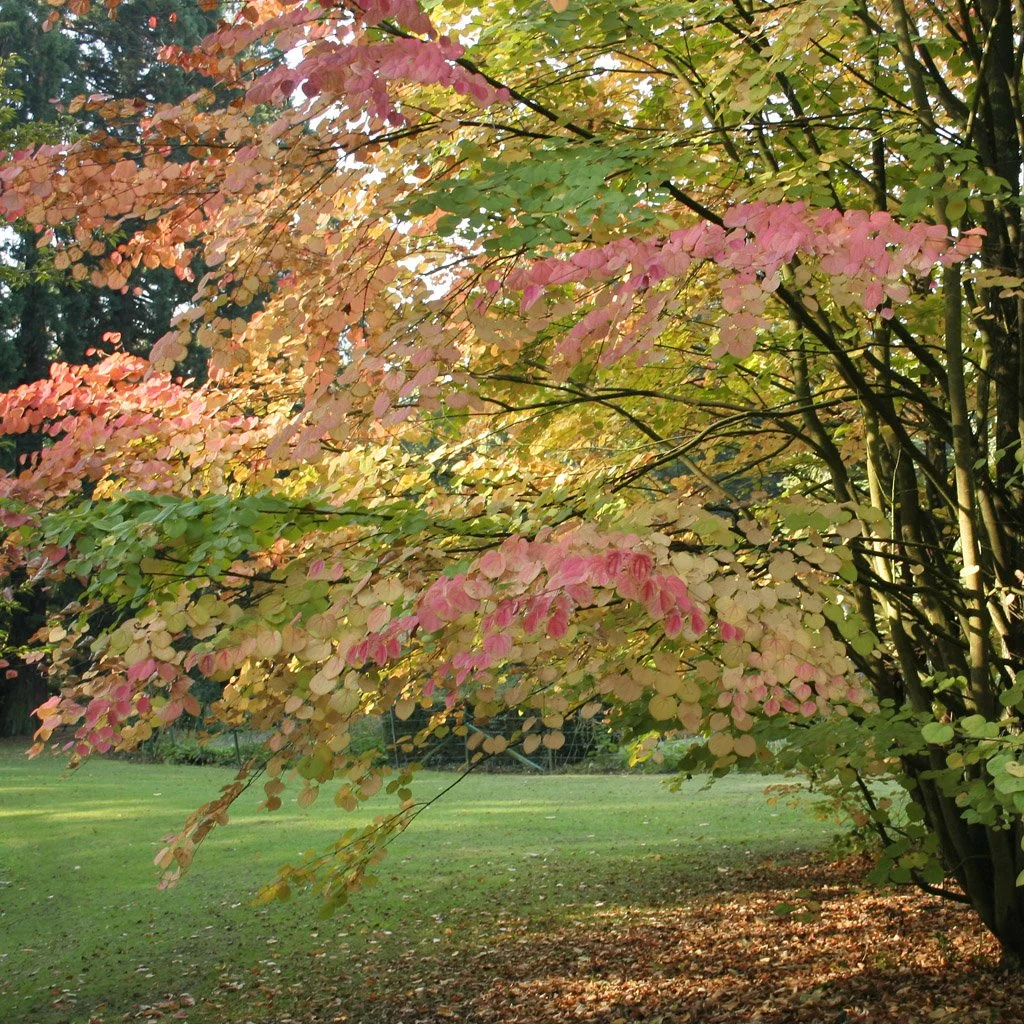
Golden-brown autumn colour
Product information
Feature / Details
Botanical name: Carpinus betulus ‘Fastigiata’
Common name: Upright hornbeam or fastigiate hornbeam
Supplied form: Feathered
Plant type: Large deciduous architectural tree
Mature height: Approximately 12–18m
Mature spread: Approximately 6–10m
Growth rate: Moderate
Annual growth: Approximately 30–50cm when established
Position: Full sun or partial shade
Soil: Clay, loam, chalk and improved sandy soil
Moisture: Moist, well-drained or seasonally wet
Hardiness: Fully hardy
Screening: Seasonal
Maintenance: Low
Wildlife value: Good
What you will receive
This listing is for a feathered Carpinus betulus ‘Fastigiata’. The tree retains lateral branches along most of the central stem, including branches close to ground level.
Exact height, crown density, stem development, rootball dimensions and container size vary according to the selected product option and seasonal nursery availability.
Why choose the feathered form?
A feathered upright hornbeam provides:
A standard tree should be selected instead if a clear trunk is required for pedestrian access, vehicle clearance, views or underplanting.
Suitable for
Not recommended for
Small or very narrow gardens
Permanently flooded ground
Positions requiring evergreen privacy
Sites without room for a 6–10m mature crown
Locations where low branches would obstruct access
Severely exposed coastal positions
Planting directly over underground services
Mature shape
Young Carpinus betulus ‘Fastigiata’ trees have a strongly upright, pyramidal outline. They become fuller and more oval as they mature.
Customers should not assume that the tree will remain tightly columnar throughout its life. Allow sufficient distance from buildings, boundaries and neighbouring trees for the mature crown.
Planting spacing
Indicative spacing depends on the intended effect:
Individual specimen: Allow the complete mature crown to develop
Formal avenue: Often approximately 7–10m centres
Seasonal screen: Project-specific spacing based on required continuity
Repeated architectural planting: Balance immediate effect with mature crown width
Professional layout advice is recommended for avenues and substantial screening schemes.
Rootballed or container-grown
Larger feathered hornbeams are frequently supplied rootballed during the dormant season. Container-grown stock offers a broader planting period where reliable watering is available.
Read our rootball versus container-grown trees guide before ordering.
Choosing the correct size
Younger feathered trees establish efficiently and develop naturally into the site. Larger specimens offer greater immediate height and screening but require more involved handling, anchoring and aftercare.
Our guides to specimen tree sizes explained and mature trees versus younger trees will help you compare the available options.
Planting requirements
Plant at the original nursery depth in broadly prepared soil. Do not bury the trunk flare or disturb the rootball unnecessarily.
Large feathered specimens require:
Suitable delivery and machinery access
Careful lifting by the rootball
Secure staking or underground anchoring
Deep watering immediately after planting
Regular irrigation during establishment
Mulching over the root zone
Inspection and adjustment of ties
Because the lower branches increase wind resistance, the anchoring method must be appropriate for the supplied tree and site exposure.
Follow our tree planting and establishment guide.
Pruning and maintenance
Preserve the main leader and the well-distributed lower branches that create the feathered form.
Remove damaged, crossing or poorly attached branches while cuts are small. Do not routinely lift the crown unless the design requirement has changed and the consequences have been properly considered.
General guidance is available on our RHS Pruning Group 1 page.
Our recommendation
Feathered Carpinus betulus ‘Fastigiata’ is recommended where immediate height, foliage from ground level and strong architectural repetition are required.
It is especially effective for formal avenues, estate entrances and seasonal screening on clay or moisture-retentive sites across North West England.
Delivery and professional planting
We can install specimen trees at any of the in following postcodes;
BB, BL, CH1 - CH5, CW8, CW9, FY, L, LA1 - LA6, M, OL, PR, SK1 - SK12, WA, & WN.
Please do not purchase if you want the hedging installed outside this area. If you do live outside the area, then please give us a call on 01942 604976 and we can see if it’s possible to do this.
For more information on the tree see the tree specification below. For more information about delivery, access and planting, see the guide below or click here.
Carpinus betulus ‘Fastigiata’ is a strong upright hornbeam with dense green foliage, a formal pyramidal-to-oval crown and exceptional tolerance of heavy clay.
This product is supplied in feathered form, meaning that branches are retained from close to ground level. It provides more immediate foliage, volume and seasonal screening than a clear-stem standard tree.
It is ideal for formal avenues, estate entrances, boundary structure, architectural planting and substantial screening schemes.
Product highlights
Supplied as a feathered tree
Dense foliage from close to ground level
Strong upright shape when young
Develops a broader oval crown with maturity
Excellent performance on heavy clay
Tolerates seasonally wet ground
Fully hardy
Suitable for full sun or partial shade
Good wind and urban tolerance
Useful seasonal screening
Excellent for avenues and entrances
Moderate growth rate
Golden-brown autumn colour
Product information
Feature / Details
Botanical name: Carpinus betulus ‘Fastigiata’
Common name: Upright hornbeam or fastigiate hornbeam
Supplied form: Feathered
Plant type: Large deciduous architectural tree
Mature height: Approximately 12–18m
Mature spread: Approximately 6–10m
Growth rate: Moderate
Annual growth: Approximately 30–50cm when established
Position: Full sun or partial shade
Soil: Clay, loam, chalk and improved sandy soil
Moisture: Moist, well-drained or seasonally wet
Hardiness: Fully hardy
Screening: Seasonal
Maintenance: Low
Wildlife value: Good
What you will receive
This listing is for a feathered Carpinus betulus ‘Fastigiata’. The tree retains lateral branches along most of the central stem, including branches close to ground level.
Exact height, crown density, stem development, rootball dimensions and container size vary according to the selected product option and seasonal nursery availability.
Why choose the feathered form?
A feathered upright hornbeam provides:
A standard tree should be selected instead if a clear trunk is required for pedestrian access, vehicle clearance, views or underplanting.
Suitable for
Not recommended for
Small or very narrow gardens
Permanently flooded ground
Positions requiring evergreen privacy
Sites without room for a 6–10m mature crown
Locations where low branches would obstruct access
Severely exposed coastal positions
Planting directly over underground services
Mature shape
Young Carpinus betulus ‘Fastigiata’ trees have a strongly upright, pyramidal outline. They become fuller and more oval as they mature.
Customers should not assume that the tree will remain tightly columnar throughout its life. Allow sufficient distance from buildings, boundaries and neighbouring trees for the mature crown.
Planting spacing
Indicative spacing depends on the intended effect:
Individual specimen: Allow the complete mature crown to develop
Formal avenue: Often approximately 7–10m centres
Seasonal screen: Project-specific spacing based on required continuity
Repeated architectural planting: Balance immediate effect with mature crown width
Professional layout advice is recommended for avenues and substantial screening schemes.
Rootballed or container-grown
Larger feathered hornbeams are frequently supplied rootballed during the dormant season. Container-grown stock offers a broader planting period where reliable watering is available.
Read our rootball versus container-grown trees guide before ordering.
Choosing the correct size
Younger feathered trees establish efficiently and develop naturally into the site. Larger specimens offer greater immediate height and screening but require more involved handling, anchoring and aftercare.
Our guides to specimen tree sizes explained and mature trees versus younger trees will help you compare the available options.
Planting requirements
Plant at the original nursery depth in broadly prepared soil. Do not bury the trunk flare or disturb the rootball unnecessarily.
Large feathered specimens require:
Suitable delivery and machinery access
Careful lifting by the rootball
Secure staking or underground anchoring
Deep watering immediately after planting
Regular irrigation during establishment
Mulching over the root zone
Inspection and adjustment of ties
Because the lower branches increase wind resistance, the anchoring method must be appropriate for the supplied tree and site exposure.
Follow our tree planting and establishment guide.
Pruning and maintenance
Preserve the main leader and the well-distributed lower branches that create the feathered form.
Remove damaged, crossing or poorly attached branches while cuts are small. Do not routinely lift the crown unless the design requirement has changed and the consequences have been properly considered.
General guidance is available on our RHS Pruning Group 1 page.
Our recommendation
Feathered Carpinus betulus ‘Fastigiata’ is recommended where immediate height, foliage from ground level and strong architectural repetition are required.
It is especially effective for formal avenues, estate entrances and seasonal screening on clay or moisture-retentive sites across North West England.
Delivery and professional planting
We can install specimen trees at any of the in following postcodes;
BB, BL, CH1 - CH5, CW8, CW9, FY, L, LA1 - LA6, M, OL, PR, SK1 - SK12, WA, & WN.
Please do not purchase if you want the hedging installed outside this area. If you do live outside the area, then please give us a call on 01942 604976 and we can see if it’s possible to do this.
For more information on the tree see the tree specification below. For more information about delivery, access and planting, see the guide below or click here.
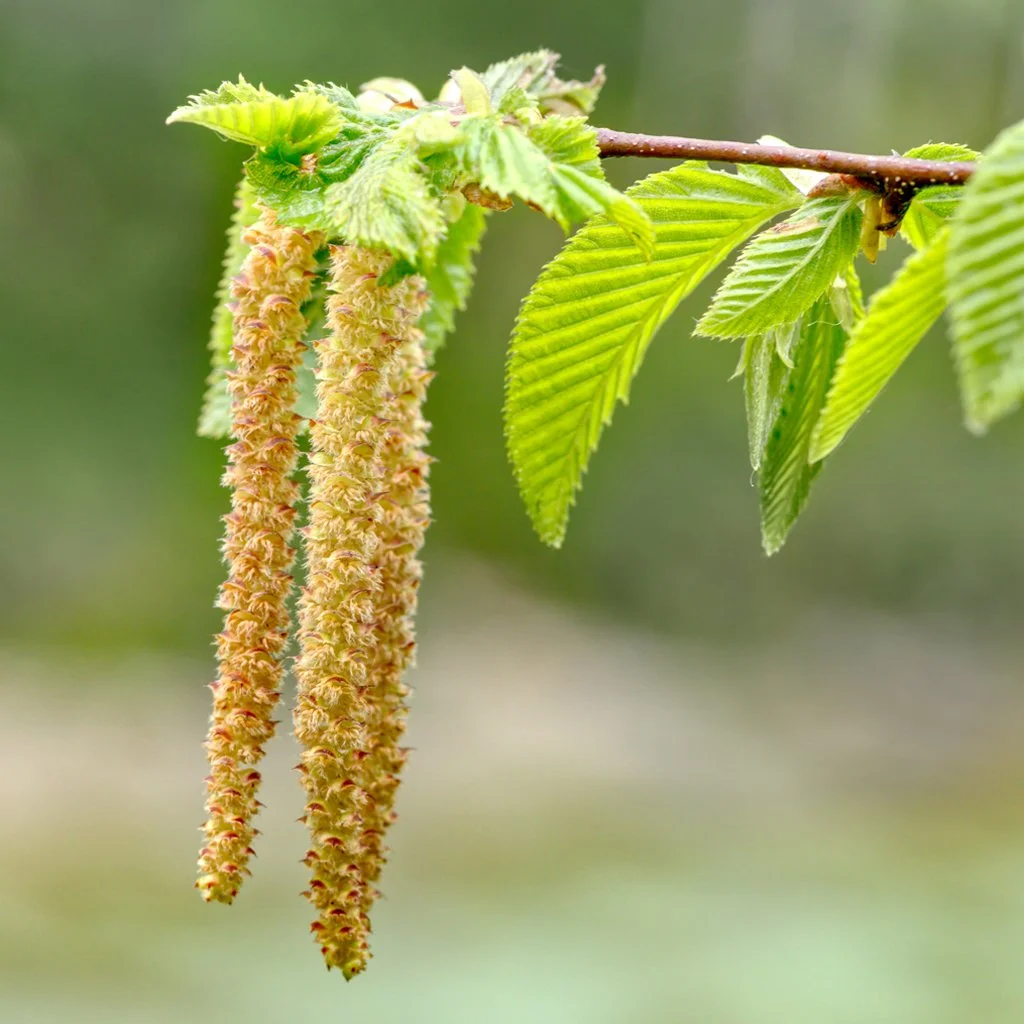 Image 1 of 3
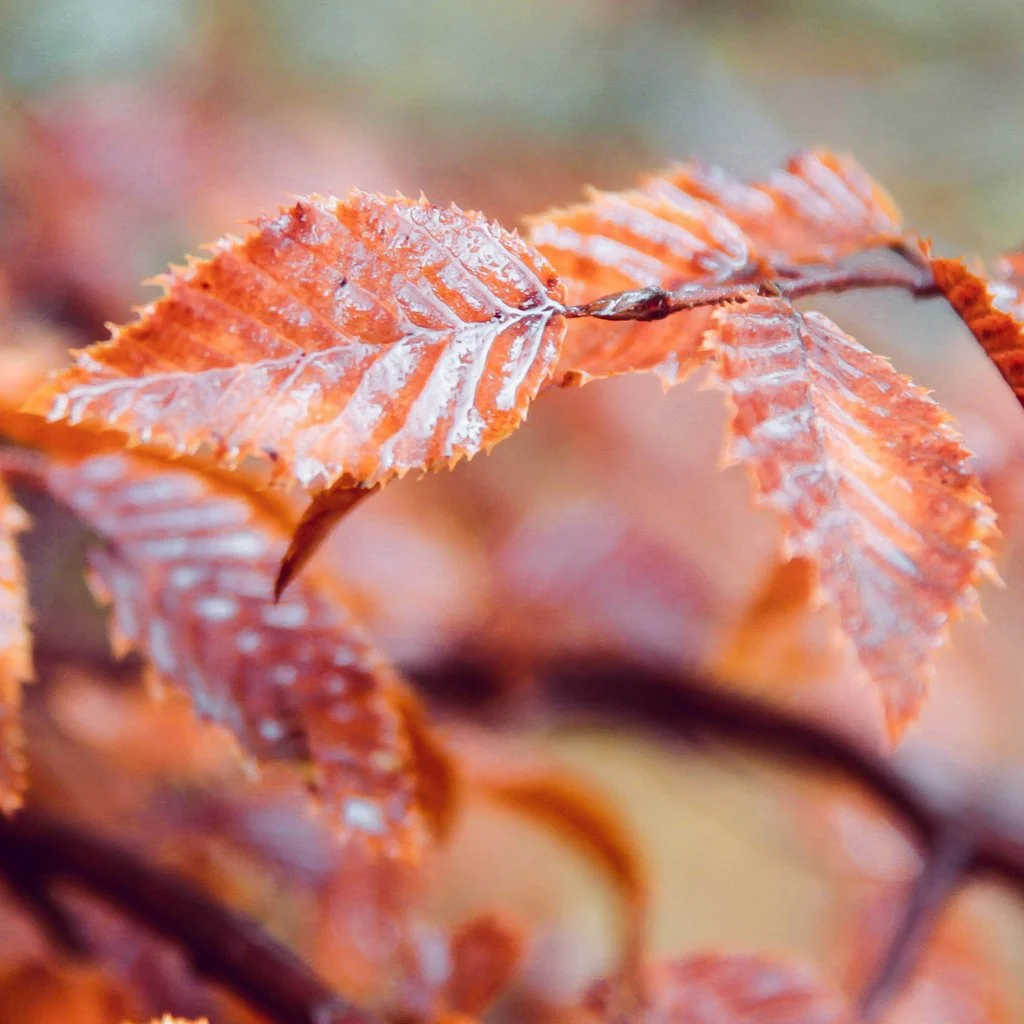 Image 2 of 3
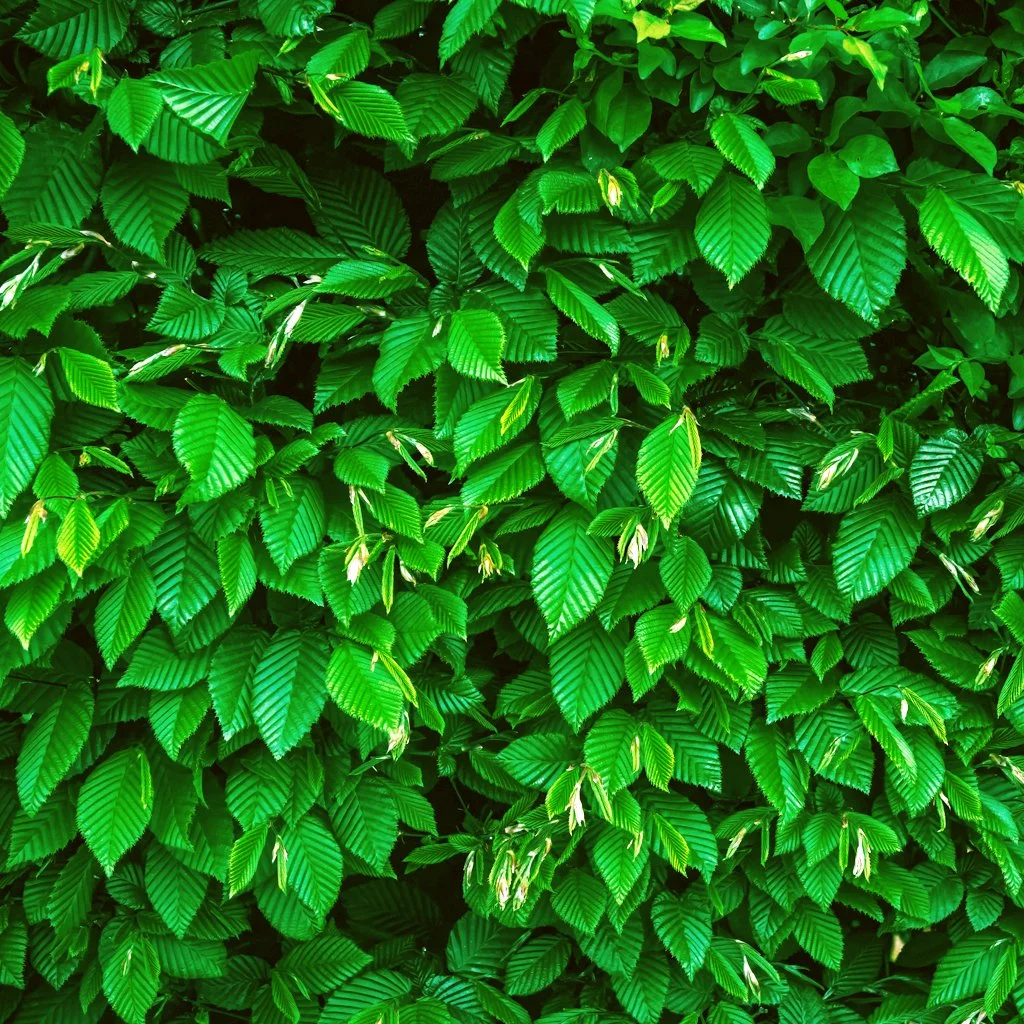 Image 3 of 3