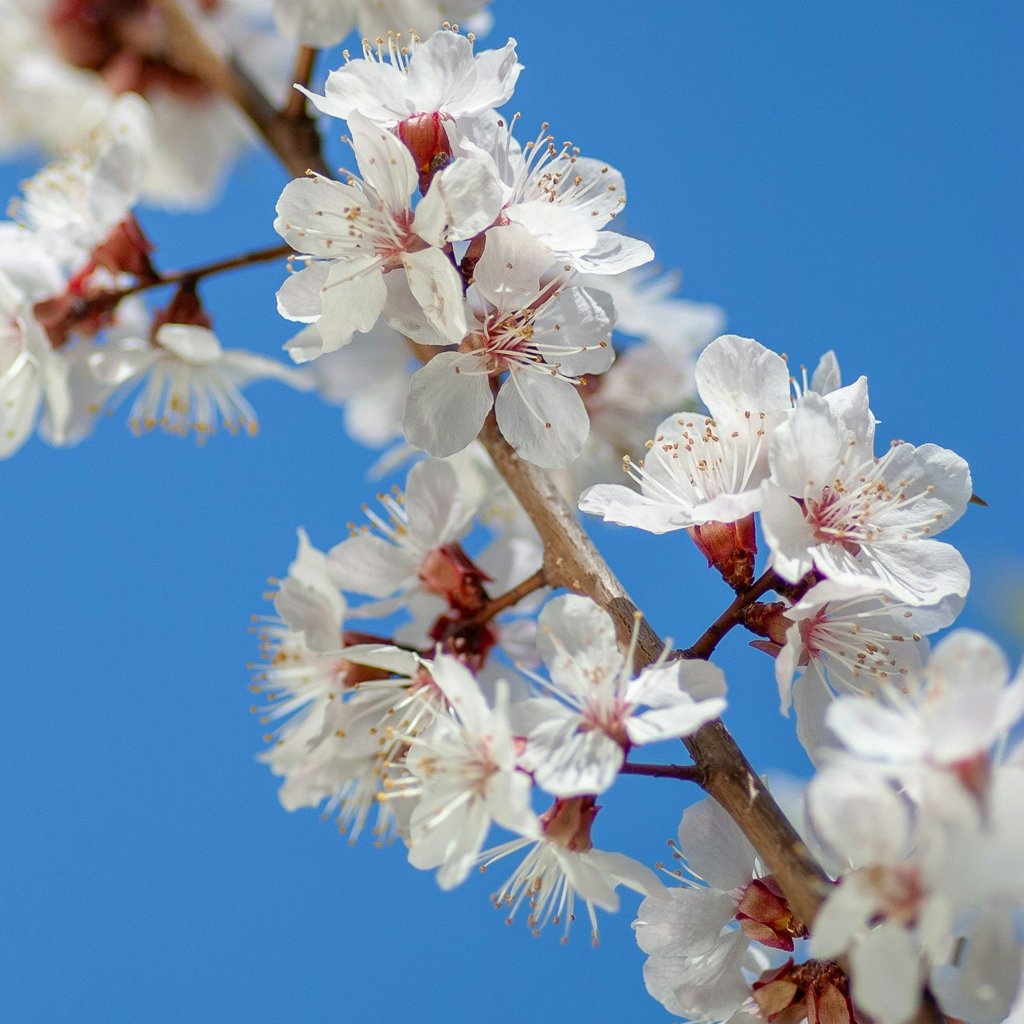
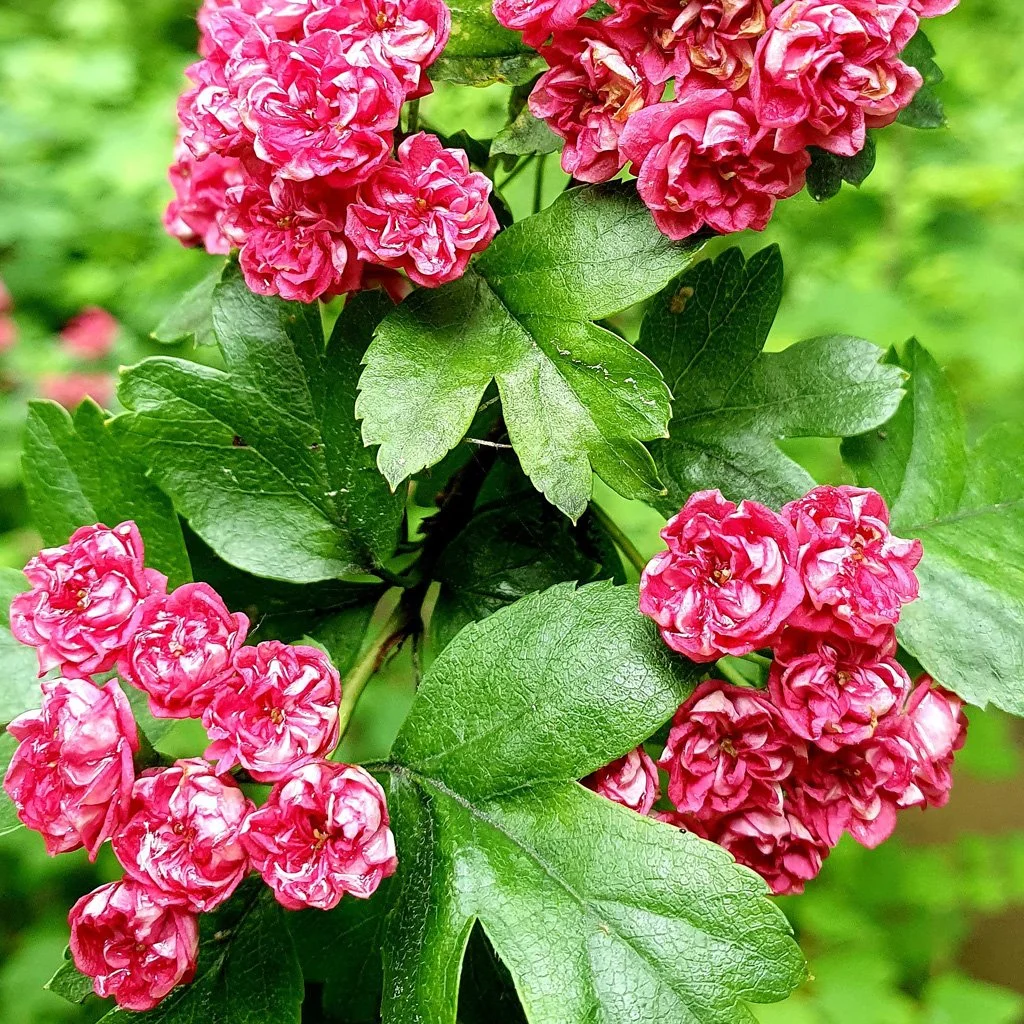
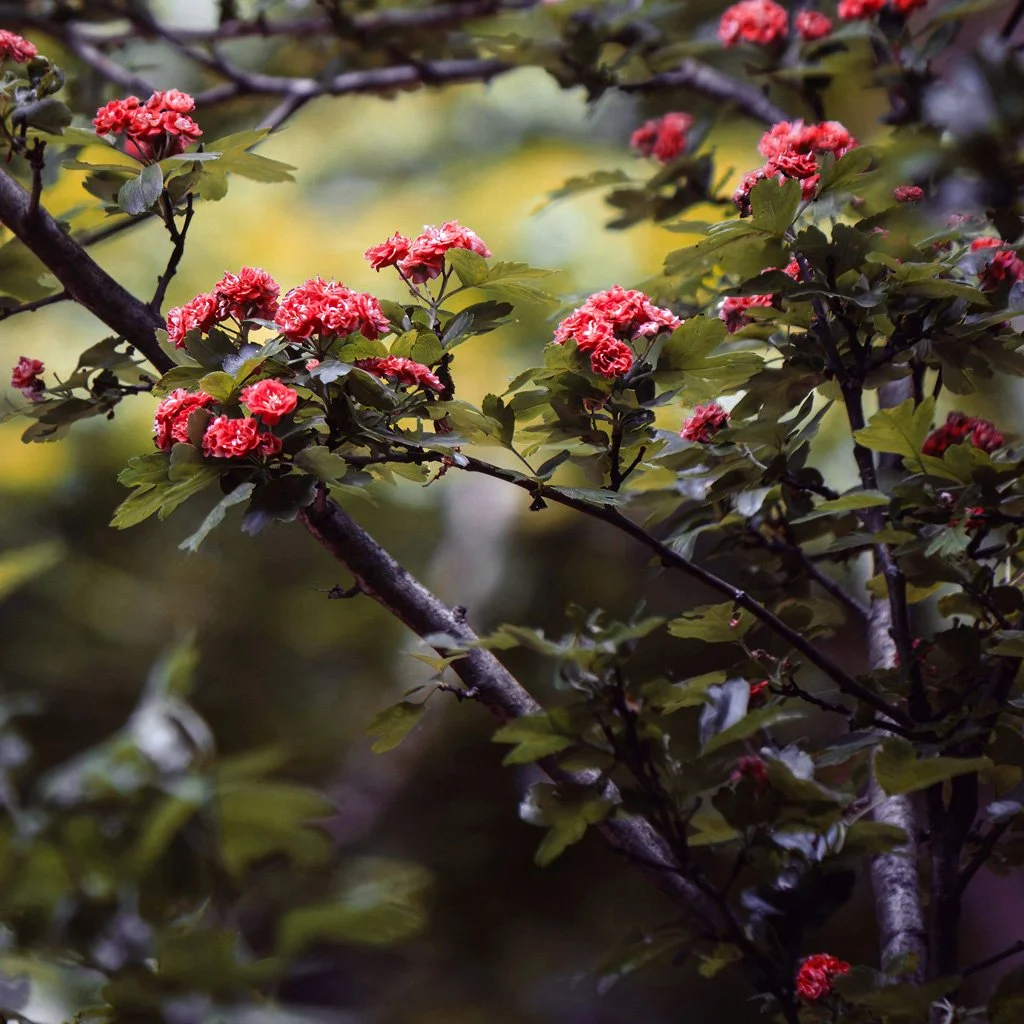
White spring blossom, persistent orange-red crab apples and a compact ornamental crown make Malus ‘Evereste’ an exceptional small specimen tree.
Available in selected standard, half-standard, heavy-standard, multi-stem and specimen sizes.
Tree highlights
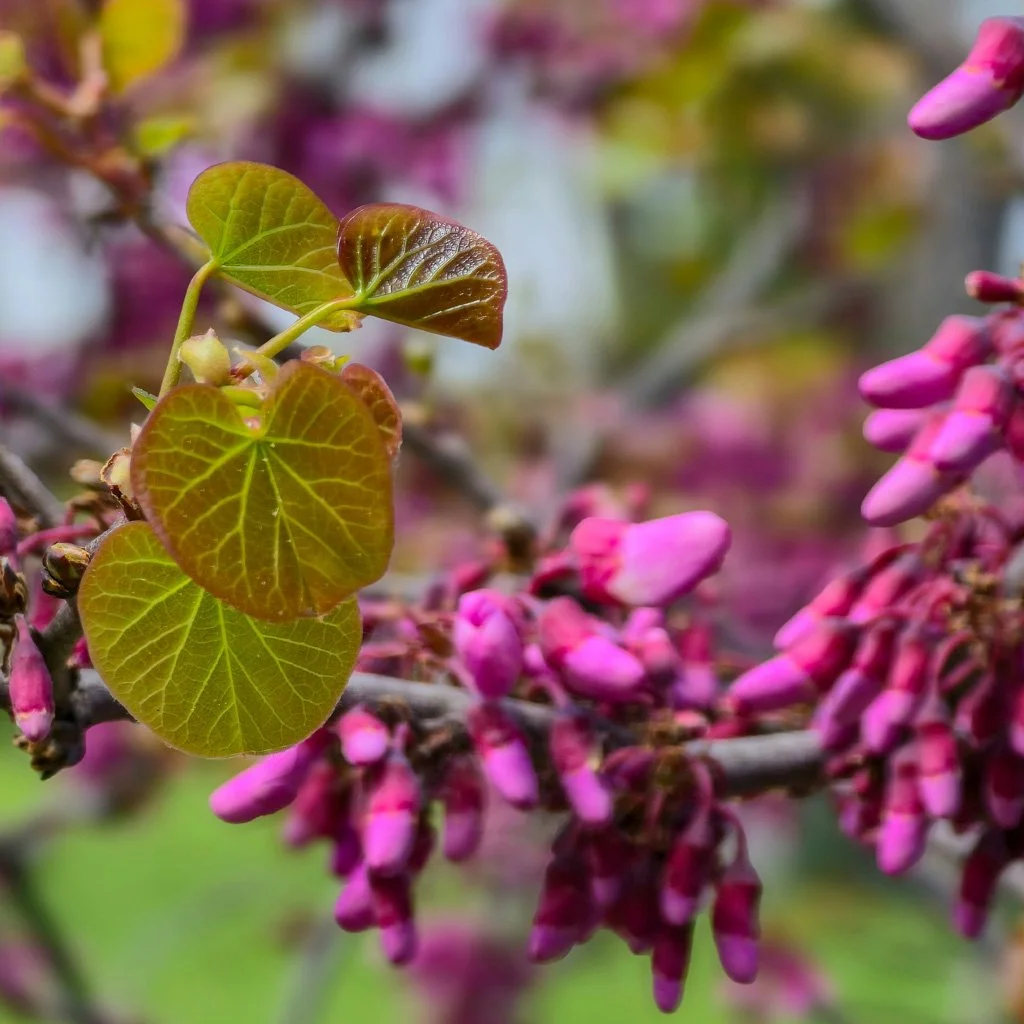
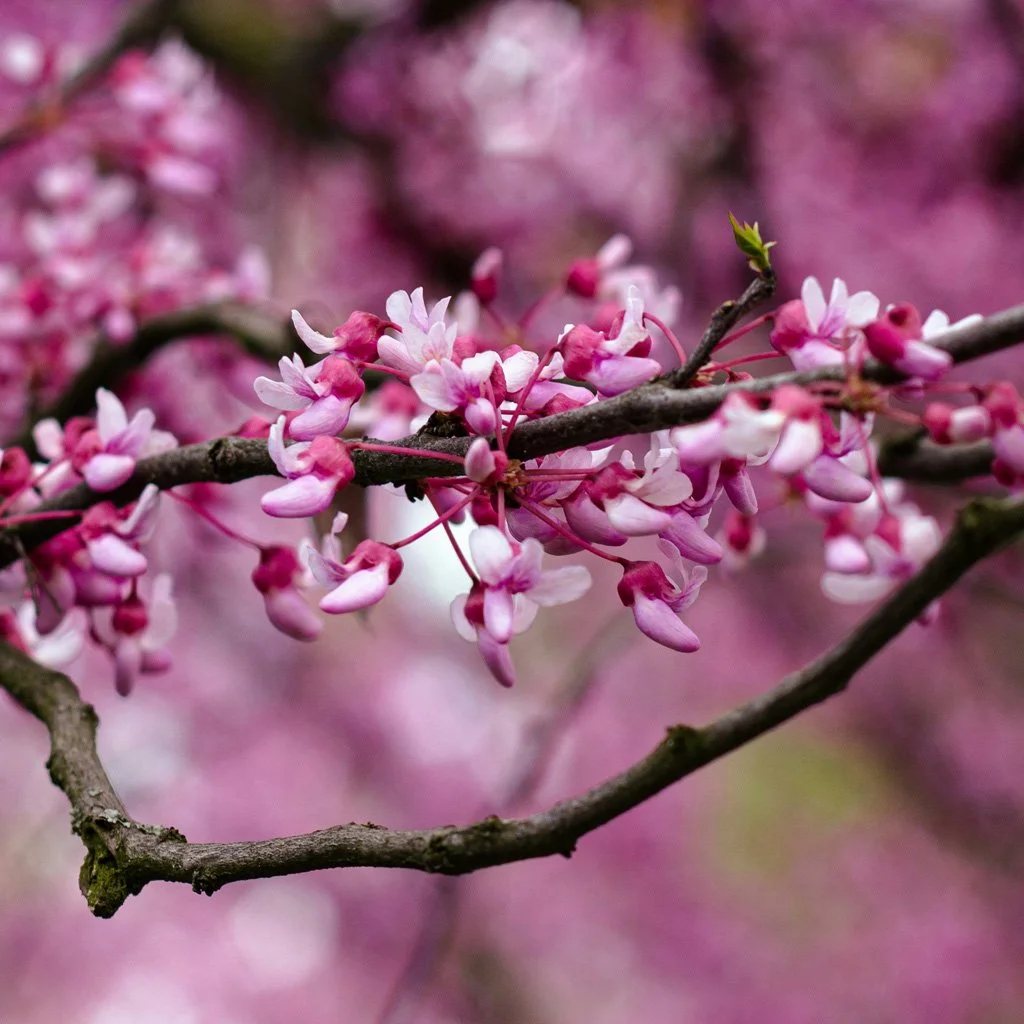
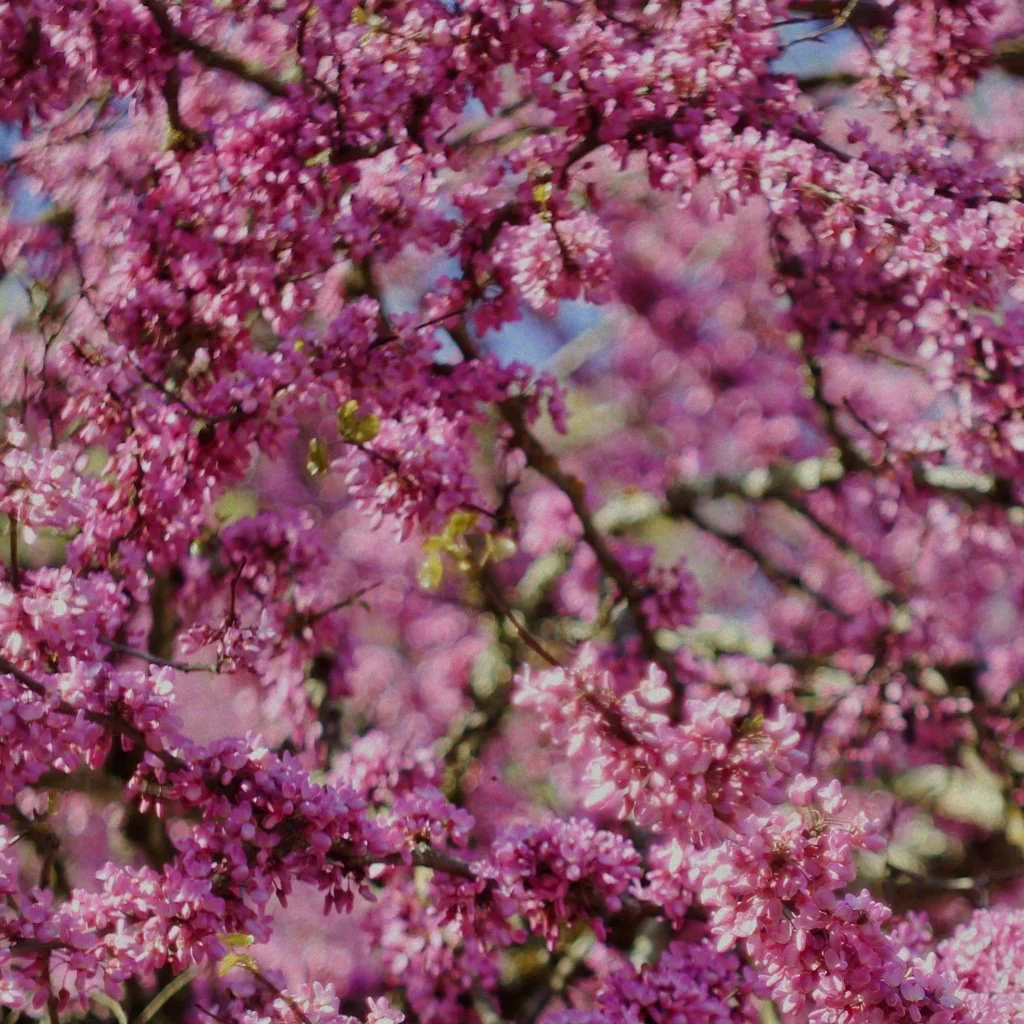
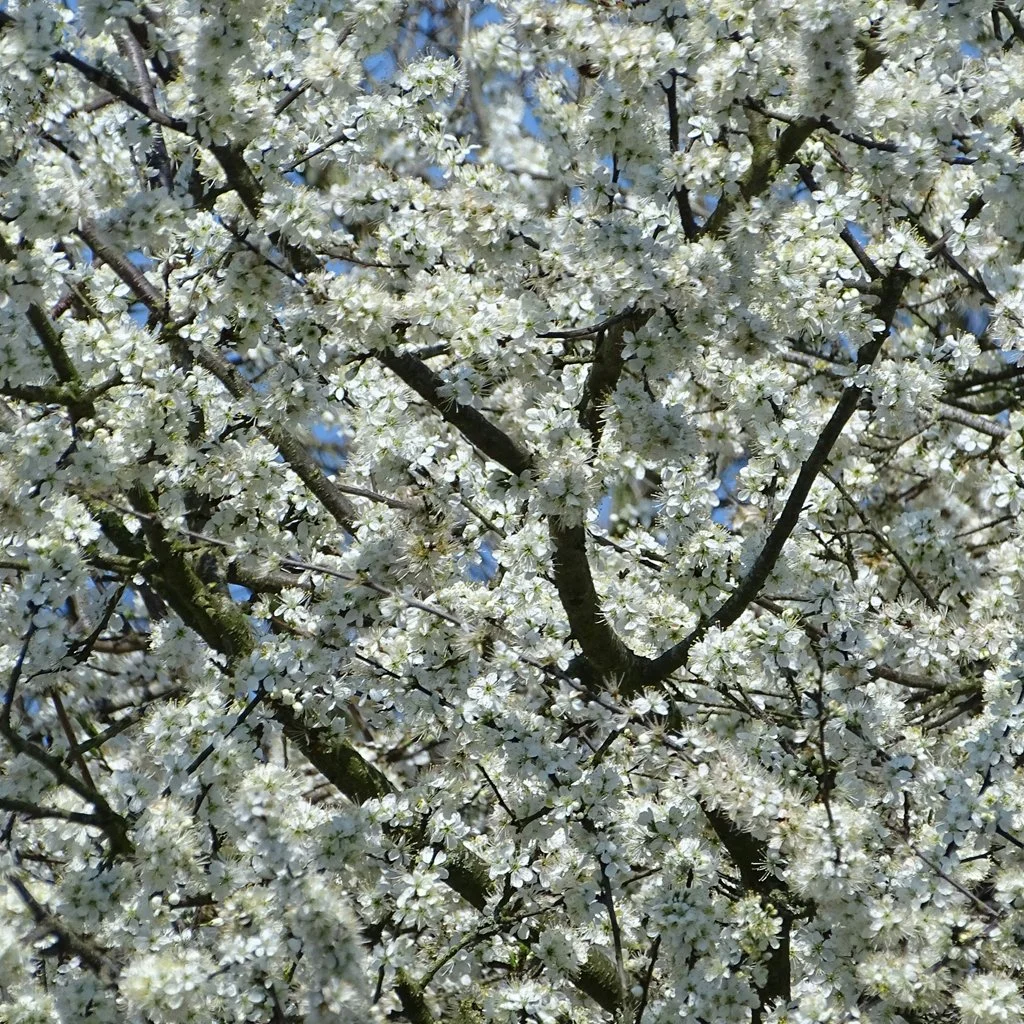
Deep pink-red buds opening to white spring flowers
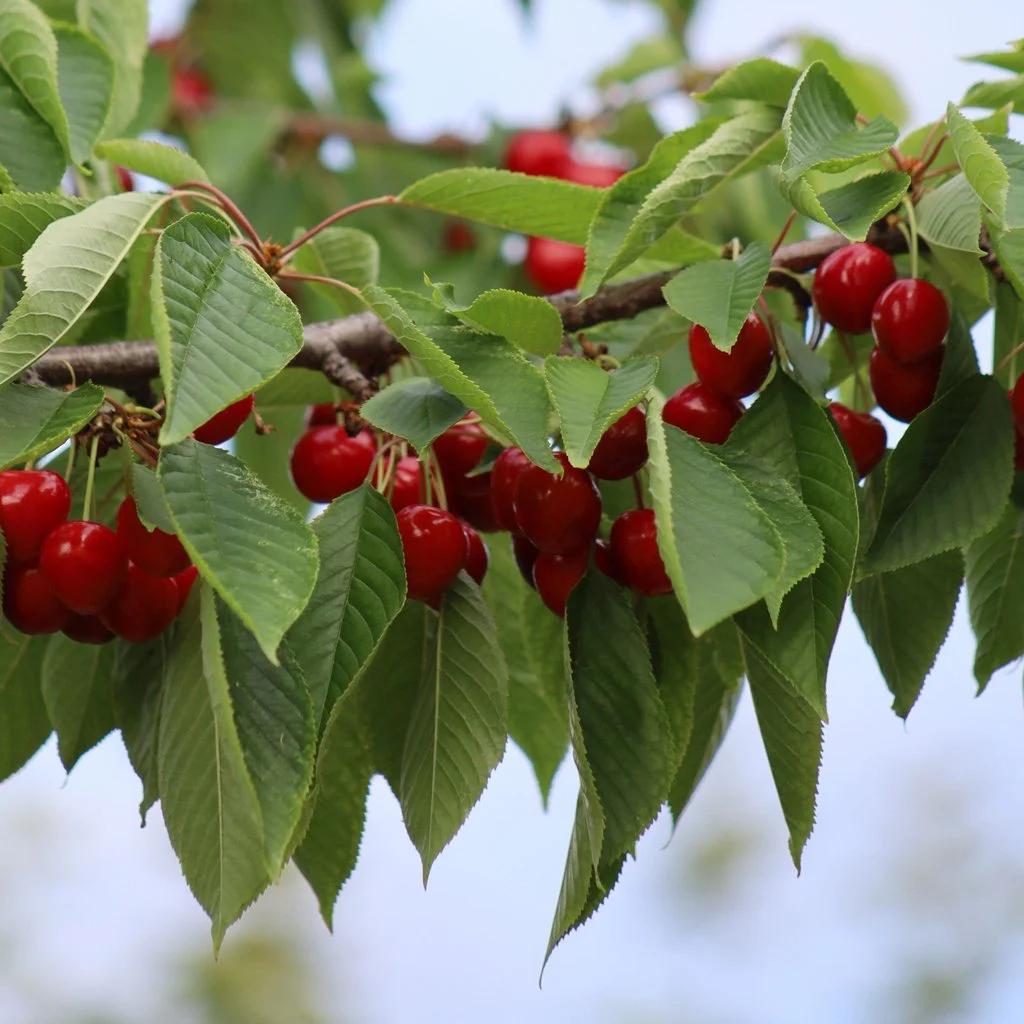
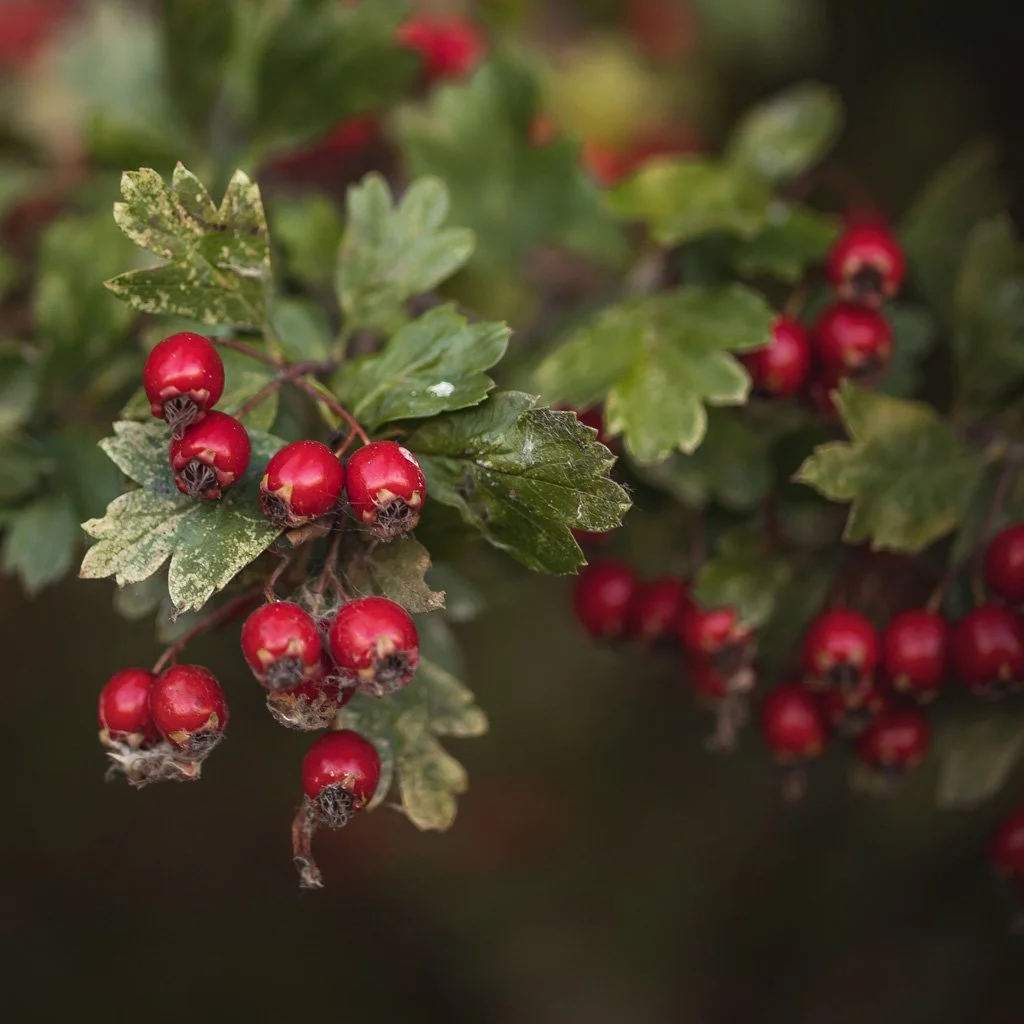
Orange-red crab apples persisting into winter
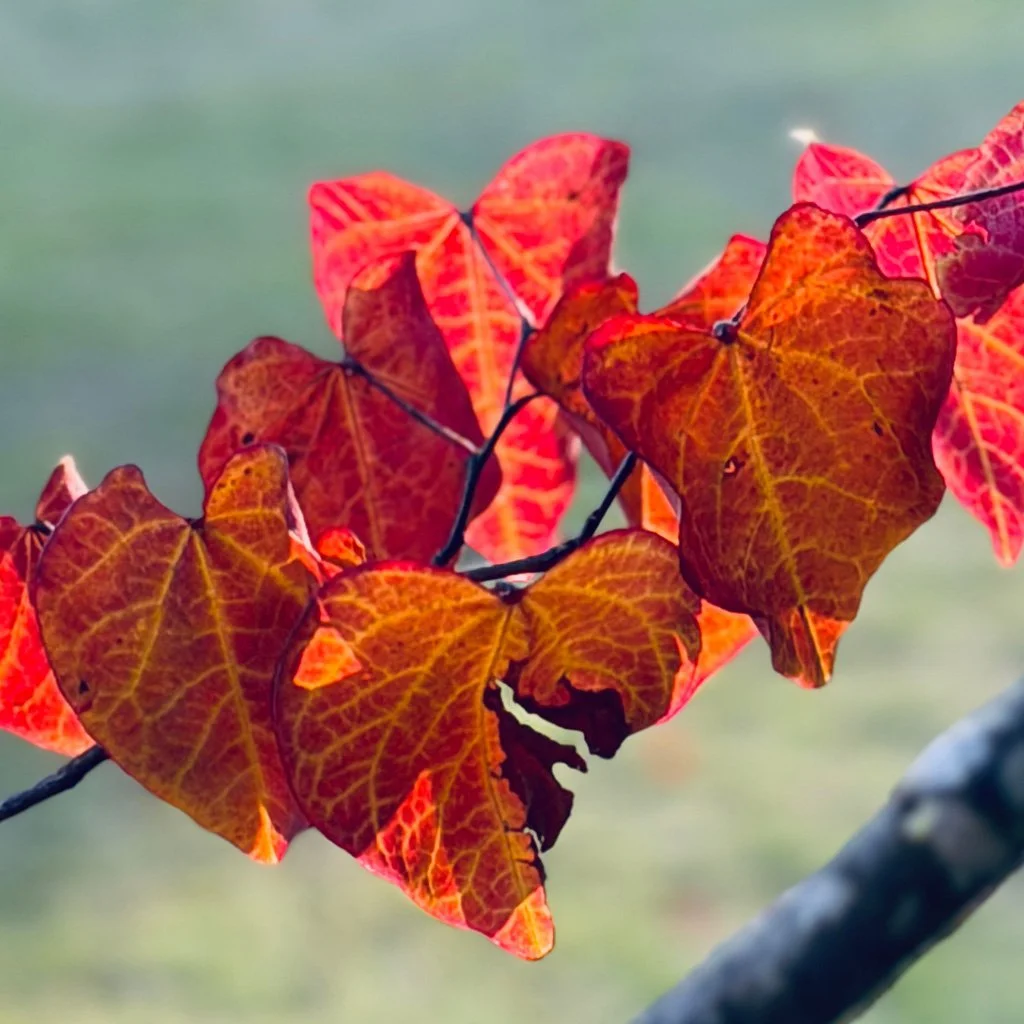
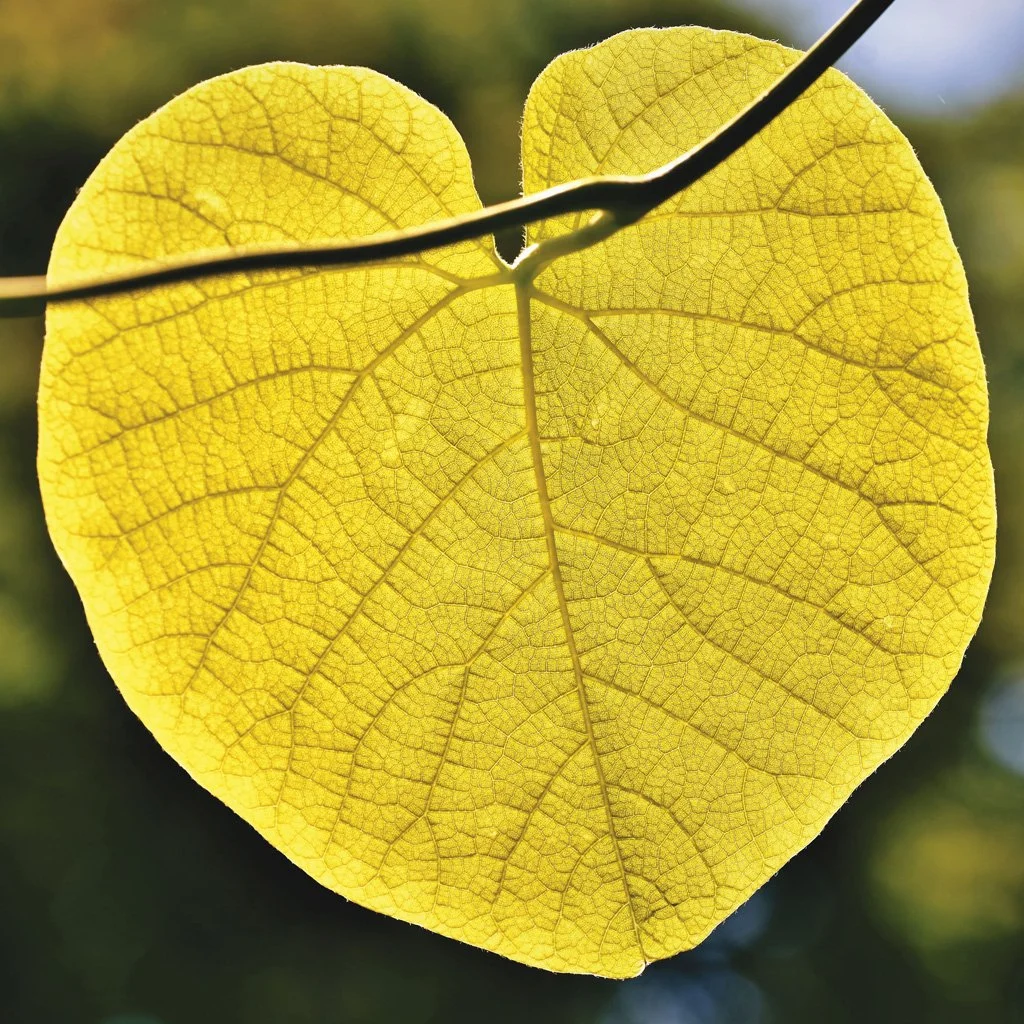
Yellow and orange autumn foliage
Excellent pollinator and bird value
Compact conical-to-rounded crown
Suitable for small and medium-sized gardens
Fully hardy
Moderate growth rate
Low maintenance once established
Generally good disease resistance
Tree information
Feature / Detail
Botanical name: Malus ‘Evereste’
Common name: ‘Evereste’ Crab Apple
Plant type: Deciduous ornamental tree
Mature height: Approximately 4–7 metres
Mature spread: Approximately 4–6 metres
Growth rate: Moderate, approximately 30–50cm annually
Flower colour: White, opening from red-pink buds
Flowering season: Mid to late spring
Fruit colour: Orange-red
Autumn foliage: Yellow to orange
Preferred position: Full sun
Shade tolerance: Light partial shade
Soil requirements: Moisture-retentive but freely drained
Hardiness: Fully hardy
Wildlife value: Excellent
Maintenance level: Low
Is Malus ‘Evereste’ the right tree for you?
Choose ‘Evereste’ if you want:
A compact flowering tree for a lawn or front garden
White blossom rather than double pink flowers
Attractive fruit after the flowering season
A valuable tree for bees and garden birds
Strong interest from spring through winter
A manageable alternative to a large flowering cherry
A tree suited to both traditional and contemporary gardens
It may not be the best choice if:
You require evergreen screening
The planting area remains waterlogged
Fallen fruit over paving would cause a problem
The position is extremely exposed to coastal wind
There is insufficient space for a 4–6 metre crown
You want an apple selected principally for eating fresh
Choosing your tree size
Young standard trees provide the most economical option and usually establish quickly with suitable support and watering.
Half-standard and heavy-standard trees offer a useful balance between manageable installation and immediate crown impact.
Multi-stem and larger specimen trees create a broader, more established appearance but require suitable delivery access, lifting arrangements, anchoring and more intensive watering.
Read our specimen tree sizes explained and mature trees versus younger trees guides before selecting your size.
Planting position
Plant in full sun for maximum blossom, fruit colour and crown development. Light partial shade is acceptable, but the floral and fruit display may be reduced.
Allow enough room for a mature spread of approximately 4–6 metres. Keep the tree clear of buildings, boundaries, overhead services and restricted rooting areas.
For repeated ornamental planting, approximately 5–7 metre centres will usually allow individual crowns to develop, subject to the project design and site conditions.
Planting and aftercare
Successful establishment depends on:
Planting at the correct depth
Keeping the root flare visible at soil level
Suitable staking or underground anchoring
Thorough watering after planting
Regular watering during dry weather
Maintaining a mulch circle clear of the trunk
Periodic inspection of ties, supports and branch structure
Use our tree planting and establishment guide when planning the work.
Larger trees may require specialist machinery. See our specimen-tree delivery and planting information.
Pruning requirements
Pruning requirements are low after the tree has developed a balanced framework.
Remove crossing, damaged, congested or weak branches when necessary, using clean and correctly positioned cuts. Avoid severe or repetitive pruning, which can create vigorous regrowth and reduce flowering.
See our RHS pruning group 1 guide for further guidance.
Wildlife benefits
The accessible single flowers provide spring forage for bees and other pollinating insects. The orange-red fruits provide a useful food source for birds during autumn and winter.
This makes ‘Evereste’ particularly suitable for pollinator gardens, wildlife schemes, mixed borders and orchard-style planting.
When we wouldn’t recommend it
We would not normally recommend ‘Evereste’ for continuously waterlogged ground, severely compacted sites, extremely exposed coastal positions or locations where fruit fall cannot be managed.
A columnar tree may be more appropriate for a very narrow space, while an evergreen species will be needed where permanent screening is the priority.
Our recommendation
Malus ‘Evereste’ is one of the strongest all-round ornamental trees for small and medium-sized gardens.
We recommend it where clients want a dependable sequence of red spring buds, abundant white flowers, attractive foliage, warm autumn colour and persistent orange-red fruit without the scale of a large parkland tree.
Contact Landscaping Emporium for current availability, prices, delivery requirements and help choosing the most appropriate size.
Delivery and Professional Planting
We can install specimen trees at any of the in following postcodes;
BB, BL, CH1 - CH5, CW8, CW9, FY, L, LA1 - LA6, M, OL, PR, SK1 - SK12, WA, & WN.
Please do not purchase if you want the hedging installed outside this area. If you do live outside the area, then please give us a call on 01942 604976 and we can see if it’s possible to do this.
For more information on the tree see the tree specification below. For more information about delivery, access and planting, see the guide below or click here.
White spring blossom, persistent orange-red crab apples and a compact ornamental crown make Malus ‘Evereste’ an exceptional small specimen tree.
Available in selected standard, half-standard, heavy-standard, multi-stem and specimen sizes.
Tree highlights
Deep pink-red buds opening to white spring flowers
Orange-red crab apples persisting into winter
Yellow and orange autumn foliage
Excellent pollinator and bird value
Compact conical-to-rounded crown
Suitable for small and medium-sized gardens
Fully hardy
Moderate growth rate
Low maintenance once established
Generally good disease resistance
Tree information
Feature / Detail
Botanical name: Malus ‘Evereste’
Common name: ‘Evereste’ Crab Apple
Plant type: Deciduous ornamental tree
Mature height: Approximately 4–7 metres
Mature spread: Approximately 4–6 metres
Growth rate: Moderate, approximately 30–50cm annually
Flower colour: White, opening from red-pink buds
Flowering season: Mid to late spring
Fruit colour: Orange-red
Autumn foliage: Yellow to orange
Preferred position: Full sun
Shade tolerance: Light partial shade
Soil requirements: Moisture-retentive but freely drained
Hardiness: Fully hardy
Wildlife value: Excellent
Maintenance level: Low
Is Malus ‘Evereste’ the right tree for you?
Choose ‘Evereste’ if you want:
A compact flowering tree for a lawn or front garden
White blossom rather than double pink flowers
Attractive fruit after the flowering season
A valuable tree for bees and garden birds
Strong interest from spring through winter
A manageable alternative to a large flowering cherry
A tree suited to both traditional and contemporary gardens
It may not be the best choice if:
You require evergreen screening
The planting area remains waterlogged
Fallen fruit over paving would cause a problem
The position is extremely exposed to coastal wind
There is insufficient space for a 4–6 metre crown
You want an apple selected principally for eating fresh
Choosing your tree size
Young standard trees provide the most economical option and usually establish quickly with suitable support and watering.
Half-standard and heavy-standard trees offer a useful balance between manageable installation and immediate crown impact.
Multi-stem and larger specimen trees create a broader, more established appearance but require suitable delivery access, lifting arrangements, anchoring and more intensive watering.
Read our specimen tree sizes explained and mature trees versus younger trees guides before selecting your size.
Planting position
Plant in full sun for maximum blossom, fruit colour and crown development. Light partial shade is acceptable, but the floral and fruit display may be reduced.
Allow enough room for a mature spread of approximately 4–6 metres. Keep the tree clear of buildings, boundaries, overhead services and restricted rooting areas.
For repeated ornamental planting, approximately 5–7 metre centres will usually allow individual crowns to develop, subject to the project design and site conditions.
Planting and aftercare
Successful establishment depends on:
Planting at the correct depth
Keeping the root flare visible at soil level
Suitable staking or underground anchoring
Thorough watering after planting
Regular watering during dry weather
Maintaining a mulch circle clear of the trunk
Periodic inspection of ties, supports and branch structure
Use our tree planting and establishment guide when planning the work.
Larger trees may require specialist machinery. See our specimen-tree delivery and planting information.
Pruning requirements
Pruning requirements are low after the tree has developed a balanced framework.
Remove crossing, damaged, congested or weak branches when necessary, using clean and correctly positioned cuts. Avoid severe or repetitive pruning, which can create vigorous regrowth and reduce flowering.
See our RHS pruning group 1 guide for further guidance.
Wildlife benefits
The accessible single flowers provide spring forage for bees and other pollinating insects. The orange-red fruits provide a useful food source for birds during autumn and winter.
This makes ‘Evereste’ particularly suitable for pollinator gardens, wildlife schemes, mixed borders and orchard-style planting.
When we wouldn’t recommend it
We would not normally recommend ‘Evereste’ for continuously waterlogged ground, severely compacted sites, extremely exposed coastal positions or locations where fruit fall cannot be managed.
A columnar tree may be more appropriate for a very narrow space, while an evergreen species will be needed where permanent screening is the priority.
Our recommendation
Malus ‘Evereste’ is one of the strongest all-round ornamental trees for small and medium-sized gardens.
We recommend it where clients want a dependable sequence of red spring buds, abundant white flowers, attractive foliage, warm autumn colour and persistent orange-red fruit without the scale of a large parkland tree.
Contact Landscaping Emporium for current availability, prices, delivery requirements and help choosing the most appropriate size.
Delivery and Professional Planting
We can install specimen trees at any of the in following postcodes;
BB, BL, CH1 - CH5, CW8, CW9, FY, L, LA1 - LA6, M, OL, PR, SK1 - SK12, WA, & WN.
Please do not purchase if you want the hedging installed outside this area. If you do live outside the area, then please give us a call on 01942 604976 and we can see if it’s possible to do this.
For more information on the tree see the tree specification below. For more information about delivery, access and planting, see the guide below or click here.
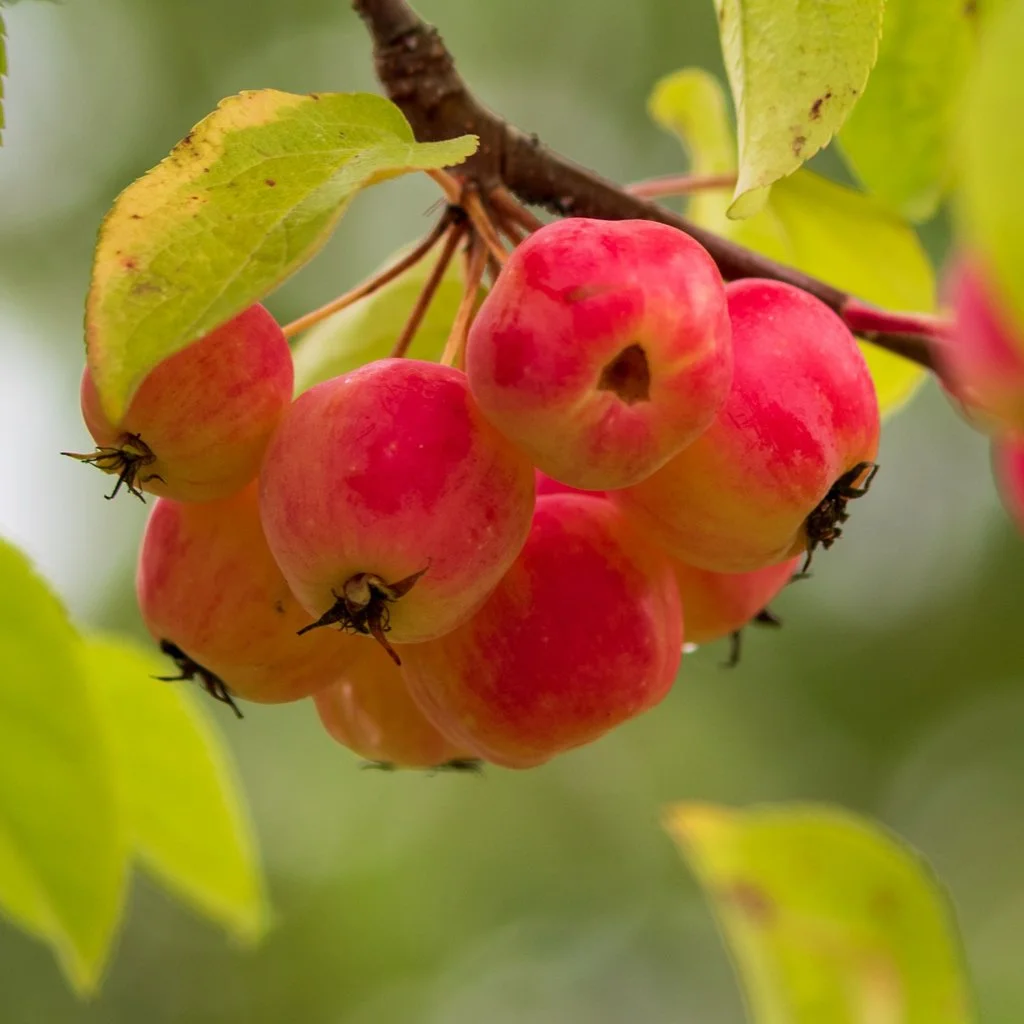 Image 1 of 2
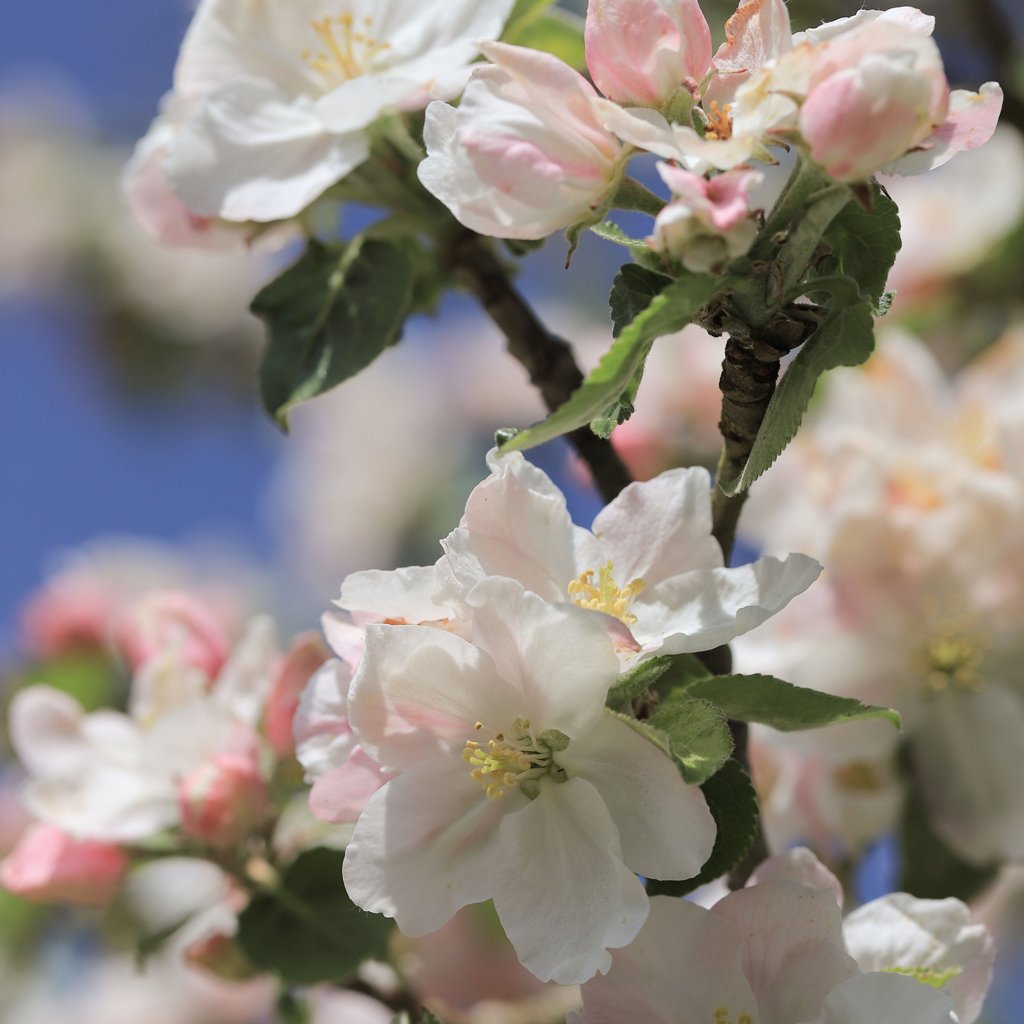 Image 2 of 2