A hardy, fast-establishing evergreen hedge with attractive silvery-green foliage, excellent tolerance of coastal winds and dry conditions, and beautifully fragrant autumn flowers.
Elaeagnus × submacrophylla, commonly known as Oleaster or Ebbinge's Silverberry and previously known as Elaeagnus × ebbingei, is an exceptionally versatile evergreen hedging plant.
Its distinctive foliage combines deep green upper leaf surfaces with attractive silvery undersides, creating texture and movement throughout the year.
Small, creamy-white flowers appear during autumn, producing a surprisingly strong, sweet fragrance when many other garden plants have finished flowering.
Oleaster is particularly useful for creating privacy, screening and wind protection in gardens where exposure, poor soil or coastal conditions may make other evergreen hedges difficult to establish.
Why Choose Elaeagnus × submacrophylla?
Evergreen foliage providing year-round privacy and screening
Attractive dark green leaves with distinctive silvery undersides
Good tolerance of exposed and windy positions
Particularly suitable for many coastal gardens
Tolerates dry, free-draining soils once established
Small, highly fragrant autumn flowers
Adaptable to full sun and partial shade
Responds well to regular trimming
Creates dense, attractive evergreen boundaries
Useful for both contemporary and traditional garden designs
Provides nectar and pollen for pollinating insects
Why Choose Oleaster Hedging?
Oleaster is an excellent choice where a robust evergreen hedge is required for privacy, screening or shelter.
Its relatively vigorous growth and dense foliage allow it to form an effective garden boundary, while its adaptability makes it particularly valuable in exposed gardens.
Unlike some evergreen hedging plants that struggle with drying winds, Oleaster can perform well in windy and coastal situations once established.
Its silver-backed foliage also provides an attractive contrast against darker evergreen plants, paving and garden structures.
Available Sizes
Elaeagnus × submacrophylla may be available in a selection of heights and supply formats, depending on nursery stock and the time of year.
Smaller plants offer an economical solution for longer hedge boundaries, while larger specimens provide greater immediate height, structure and screening.
Please select the available size and quantity from the product options above.
If the size you require is not currently listed, please contact Landscaping Emporium to discuss availability and sourcing.
How Fast Does Oleaster Hedging Grow?
Oleaster is generally considered a moderately fast-growing evergreen hedging plant.
Under favourable conditions, established plants can produce approximately 30–60cm of new growth annually, although actual growth depends on soil conditions, moisture, exposure, planting size and maintenance.
Regular formative pruning encourages branching and helps develop a dense, compact hedge.
Without regular trimming, Oleaster can develop into a substantial evergreen shrub, potentially reaching approximately 2.5–4 metres in height and spread.
How Many Plants Do I Need?
The appropriate planting density depends on the size and form of the plants supplied and how quickly you wish to create a continuous hedge.
Smaller plants generally require closer spacing, while larger, well-branched specimens can be planted further apart.
For many conventional hedge sizes, approximately 2–3 plants per linear metre may be suitable, but the spacing should always be confirmed against the actual nursery specification.
Our Hedging Collection provides additional options for creating new garden boundaries.
Growing Conditions
Oleaster is particularly valued for its adaptability to a wide range of garden situations.
Position: Full sun or partial shade.
Soil: Suitable for many reasonably fertile, well-drained soils, including sandy, loamy and some clay soils where drainage is adequate.
Soil pH: Tolerant of acidic, neutral and alkaline conditions.
Moisture: Prefers well-drained ground and tolerates periods of dryness once established.
Exposure: Suitable for sheltered and exposed positions, including many coastal gardens.
Foliage: Evergreen, with attractive green leaves and silvery undersides.
Flowers: Small, fragrant, creamy-white flowers during autumn.
Eventual Size: Approximately 2.5–4 metres if allowed to grow naturally, depending on conditions and management.
Hardiness: RHS H5, generally hardy across much of the UK, although young plants may benefit from protection in particularly severe conditions.
Oleaster Hedging for Exposed and Coastal Gardens
One of the greatest advantages of Elaeagnus × submacrophylla is its ability to tolerate challenging growing conditions.
Its evergreen foliage and robust branching structure make it particularly useful for garden boundaries affected by persistent winds.
Oleaster can also tolerate salt-laden coastal winds, making it an excellent option for many gardens in coastal locations.
It is suitable for consideration in areas such as Lytham, Southport, Formby and other exposed parts of Lancashire and Merseyside.
For further advice, visit our Hedging for Exposed Sites guide.
Is Oleaster Suitable for Dry Soil?
Yes. Established Oleaster plants have good tolerance of dry conditions, making this species particularly useful for free-draining gardens.
However, newly planted hedging requires regular watering while its root system develops.
Adding suitable organic matter during soil preparation, applying mulch and providing establishment irrigation can significantly improve planting success.
For more guidance, read our Hedging for Dry Soil guide.
Planting and Establishment
Good ground preparation is essential for creating a healthy, long-lasting Oleaster hedge.
Before planting, remove weeds, check drainage and prepare a continuous planting strip where appropriate.
Plants should be positioned at the correct spacing and depth, with their root systems adequately supported by the surrounding soil.
Water thoroughly following planting and continue to monitor soil moisture during the establishment period.
In exposed locations, larger plants may require appropriate temporary support.
Apply organic mulch around the planting area to conserve moisture and reduce weed competition, keeping it clear of the stems.
Pruning and Maintenance
Oleaster responds well to regular pruning and can be maintained as either a formal or informal evergreen hedge.
Light formative pruning encourages branching and produces a denser structure.
Once established, one or two trims annually will generally be sufficient, depending on the desired appearance and growth rate.
Avoid unnecessarily severe pruning during periods of prolonged drought or extreme weather.
Check for nesting birds before undertaking hedge maintenance.
Supply & Professional Planting
Landscaping Emporium supplies Elaeagnus × submacrophylla hedging for customers undertaking their own planting and for professionally installed garden projects.
Through Kirman Design, we can also provide a complete supply and planting service, including ground preparation, correct planting distances, installation and establishment advice.
Professional hedging installation is available across applicable areas of Lancashire, the Ribble Valley, Greater Manchester, Cheshire, Merseyside and Cumbria.
Important – Seasonal Availability
Availability of Oleaster hedging varies according to plant size, supply format and nursery stock.
Some sizes may be available throughout much of the year, while larger specimens or particular supply formats may only be available seasonally.
If the product is temporarily out of stock, please contact us to discuss alternative sizes or future availability.
Delivery, Access & Planting
Larger Oleaster hedging plants can be substantial in both size and weight.
Before ordering, consider vehicle access, unloading arrangements, the route to the planting area and how the plants will be handled.
Careful planning is particularly important for larger plants and more extensive hedge installations.
Read our Guide to Hedge Delivery, Access & Planting
Why Buy Oleaster Hedging from Landscaping Emporium?
At Landscaping Emporium, our hedging plants are selected with practical garden design, long-term performance and successful establishment in mind.
We understand that choosing a hedge involves more than selecting the right species. Plant size, site conditions, access, planting preparation and ongoing care are equally important.
Whether you are creating a new garden boundary, improving privacy or planting a wind-resistant evergreen hedge, we can help you identify the most suitable options.
Select your preferred size and quantity above, or contact Landscaping Emporium for advice on larger orders and professional installation.

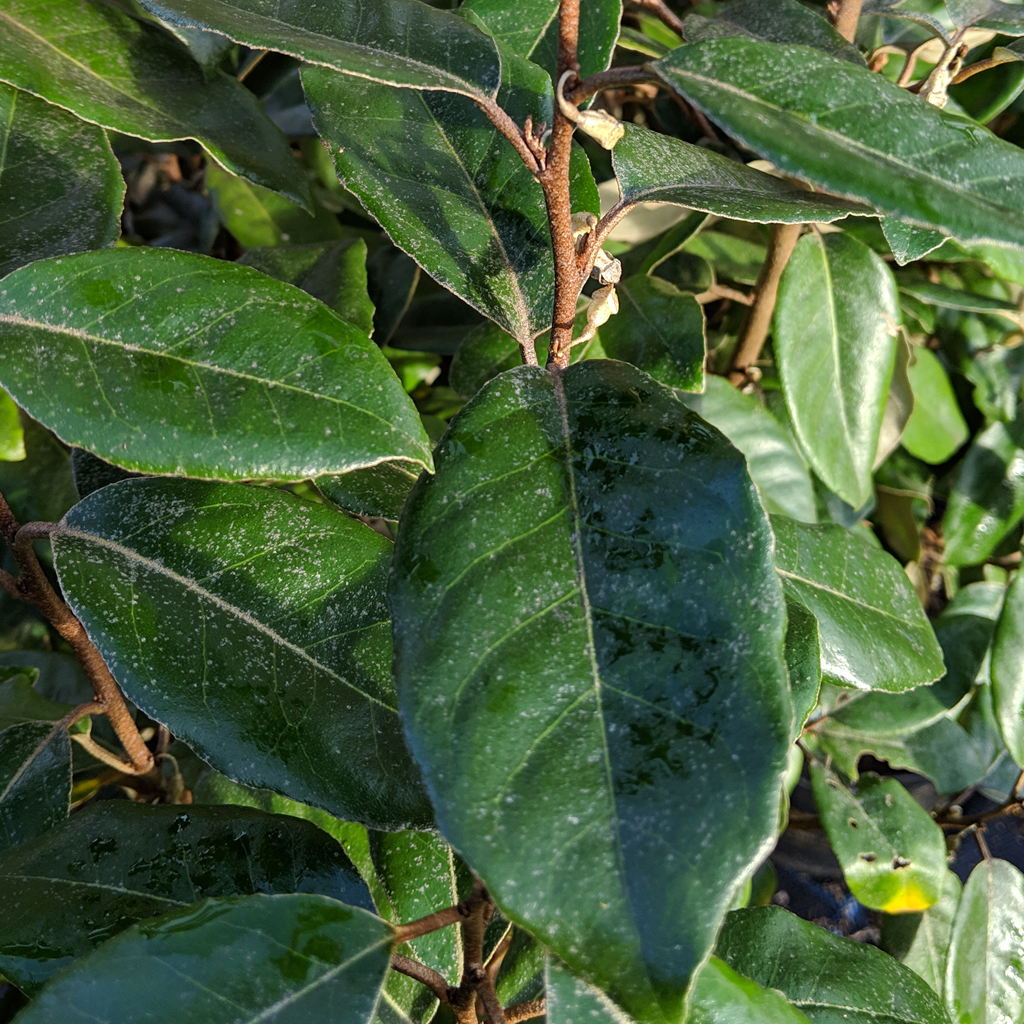 Image 1 of 12
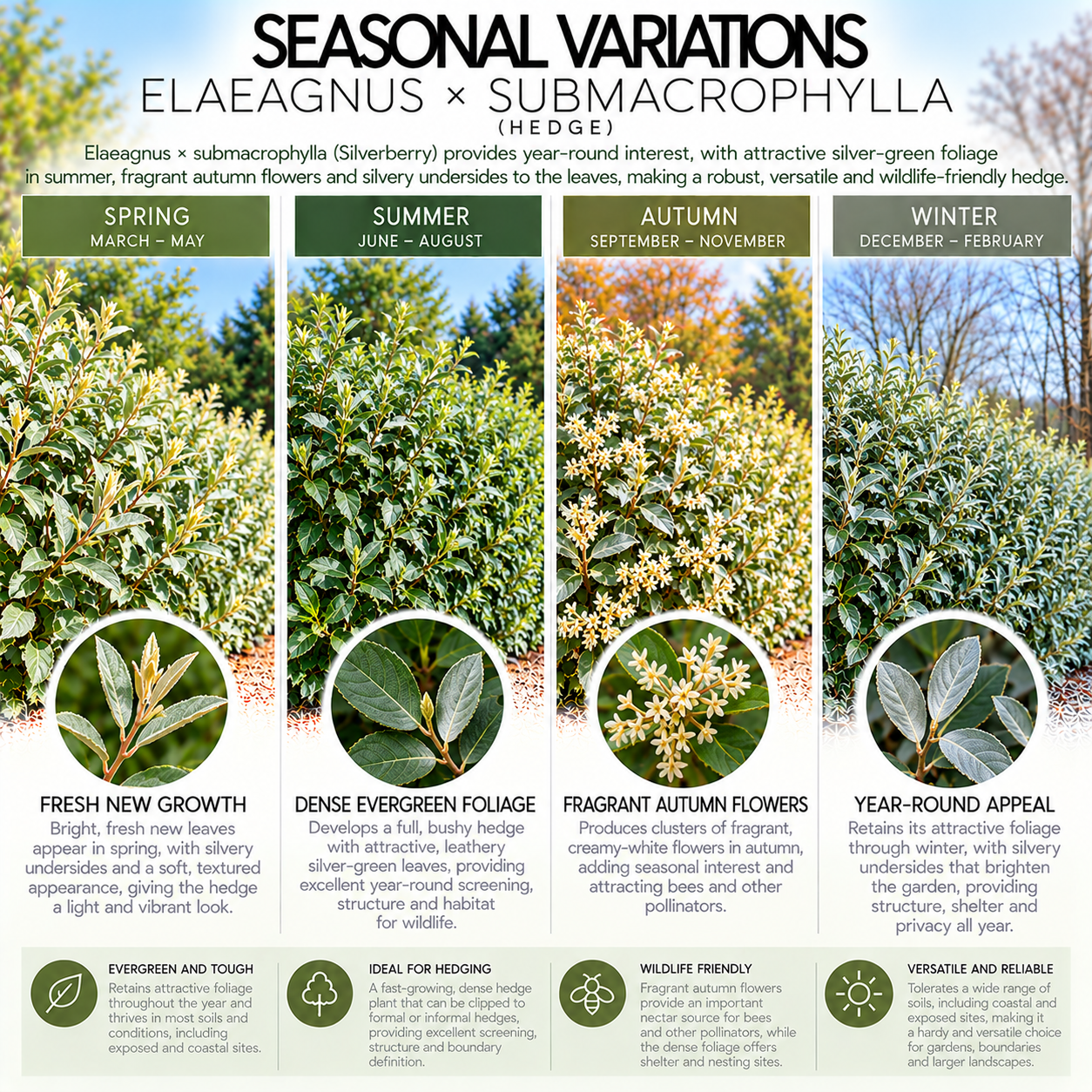 Image 2 of 12
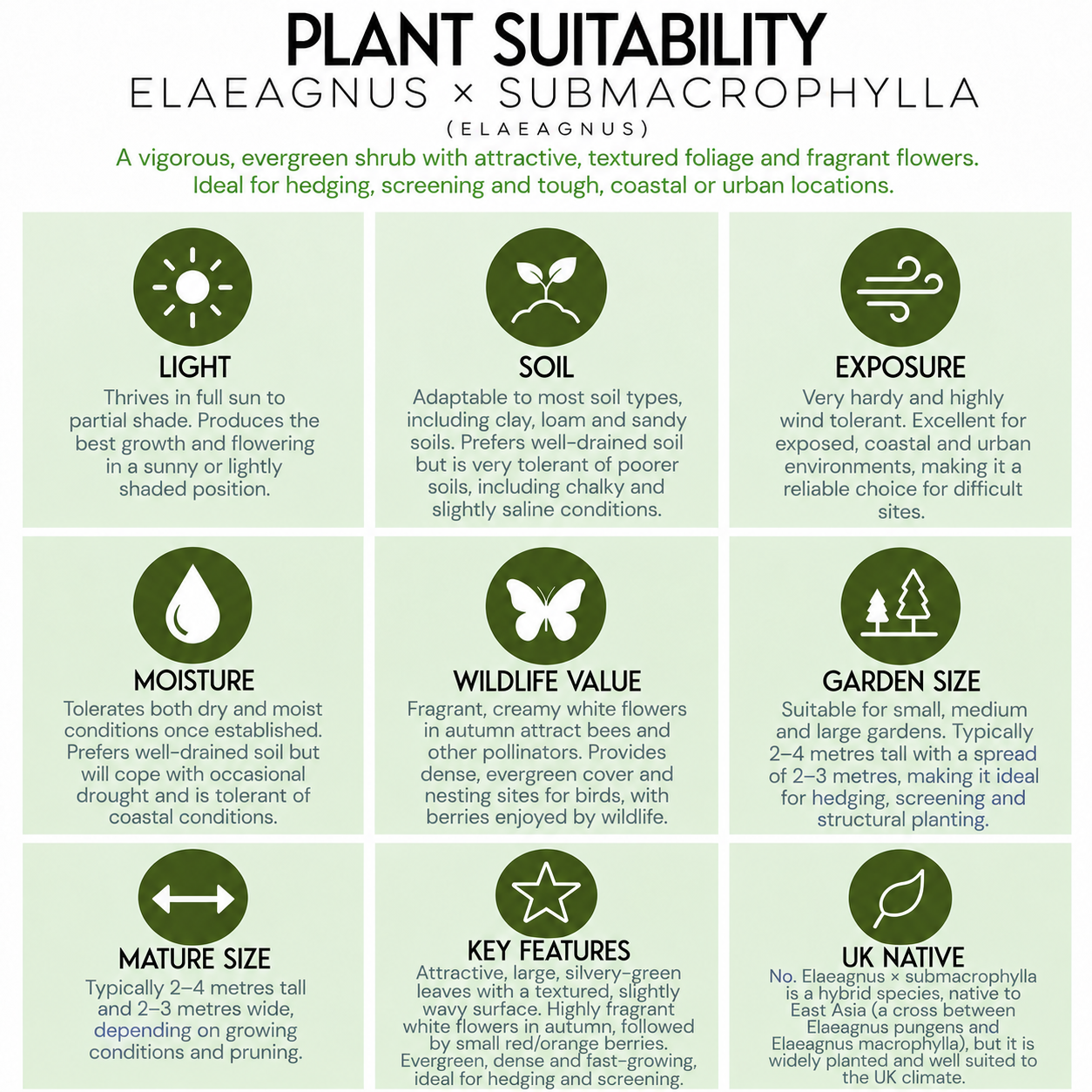 Image 3 of 12
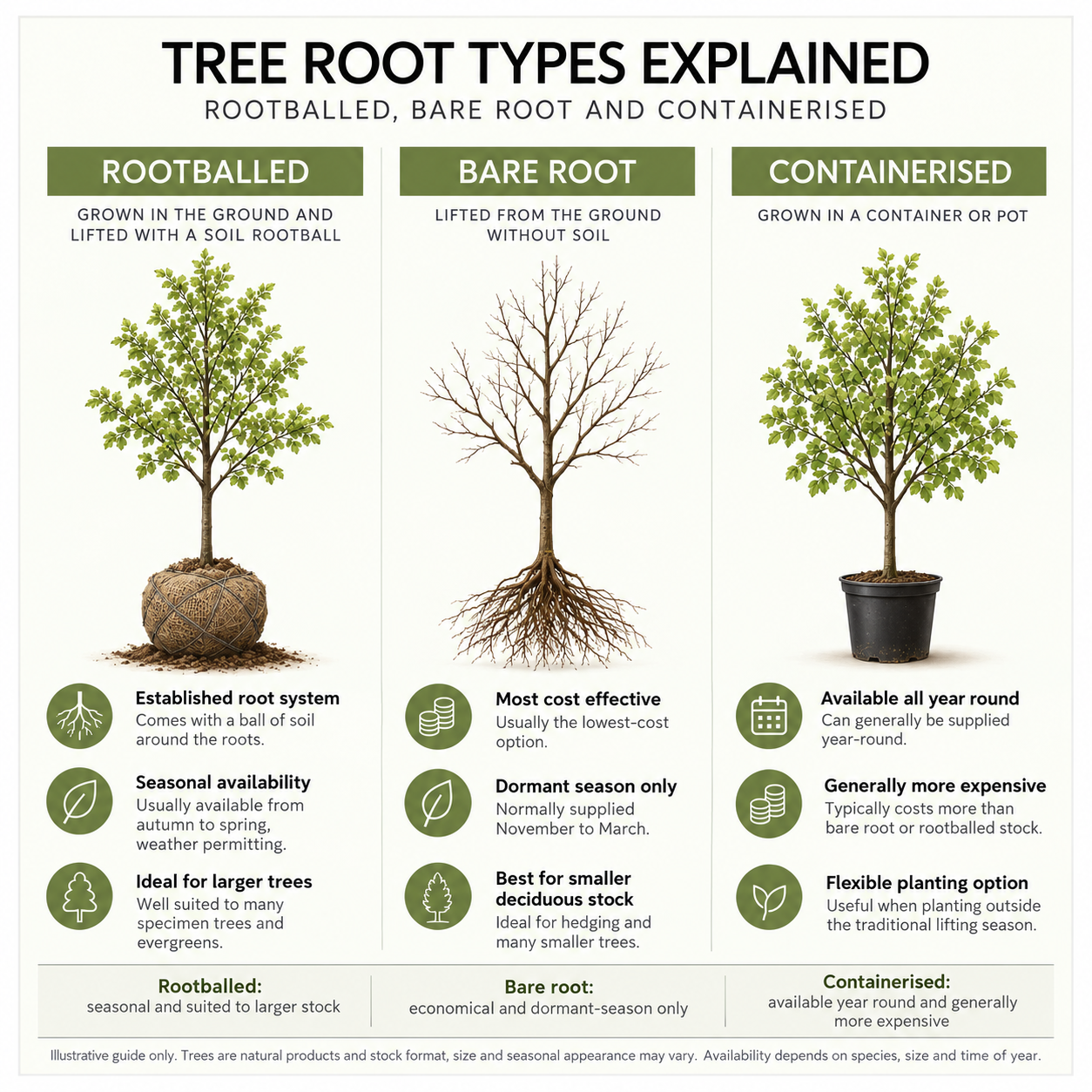 Image 4 of 12
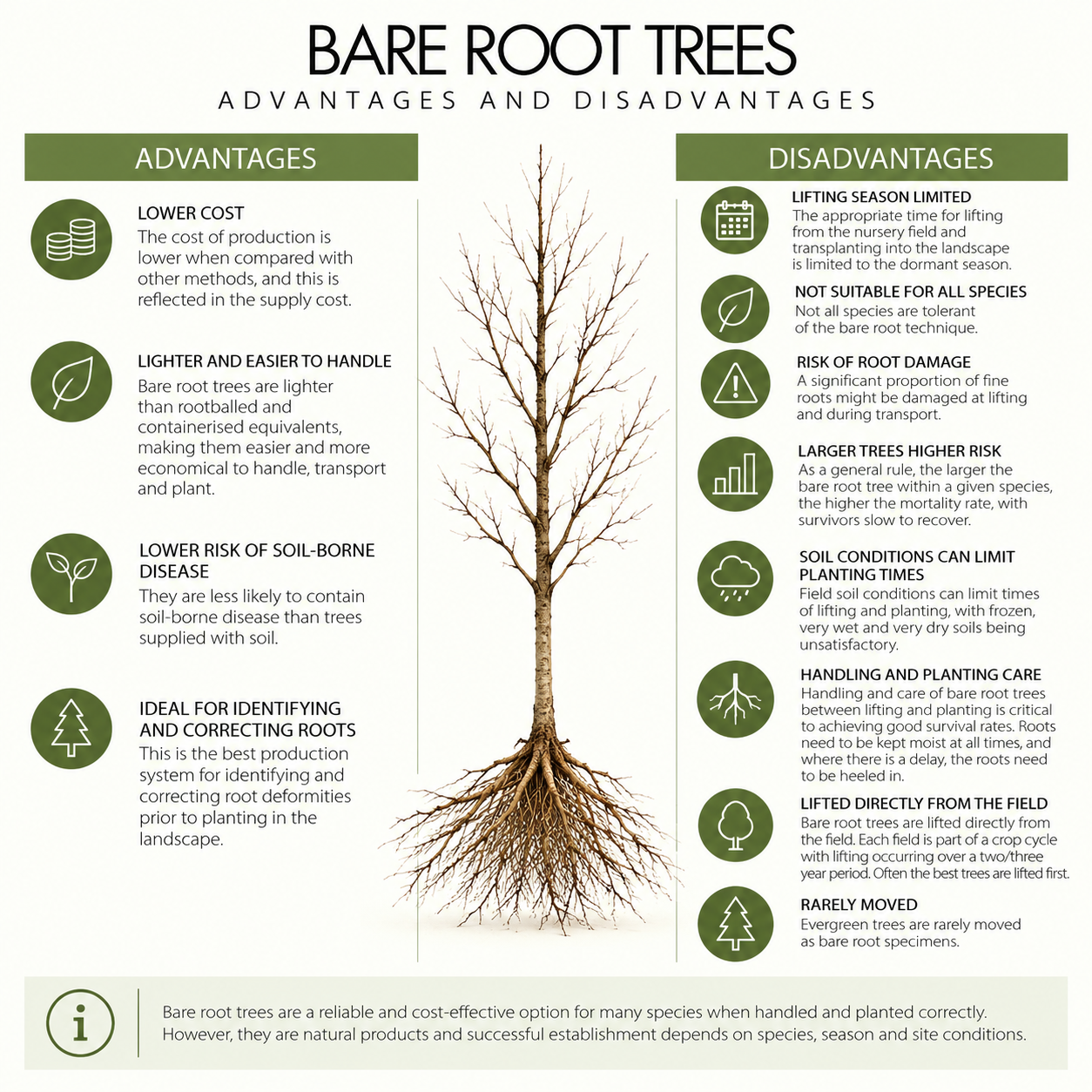 Image 5 of 12
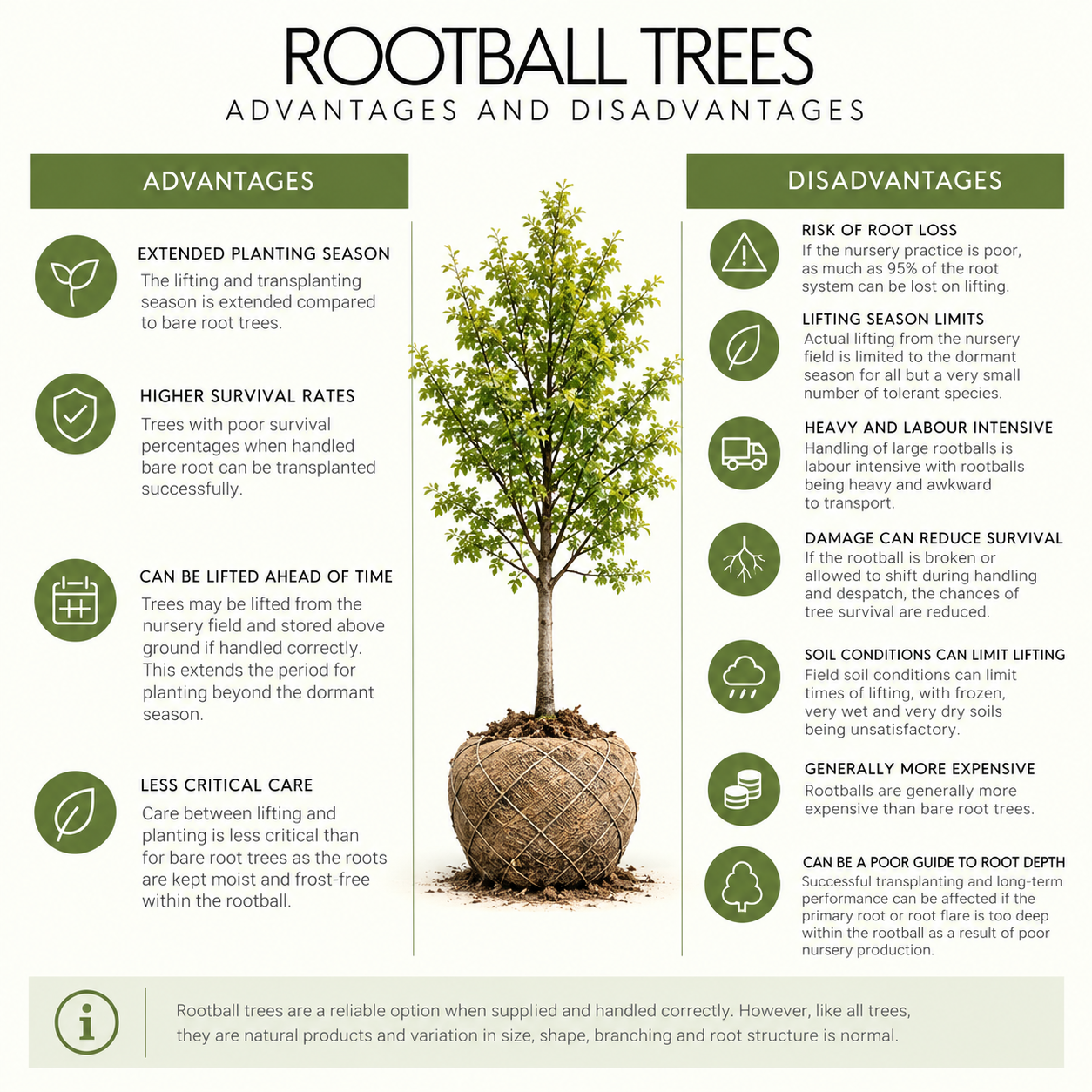 Image 6 of 12
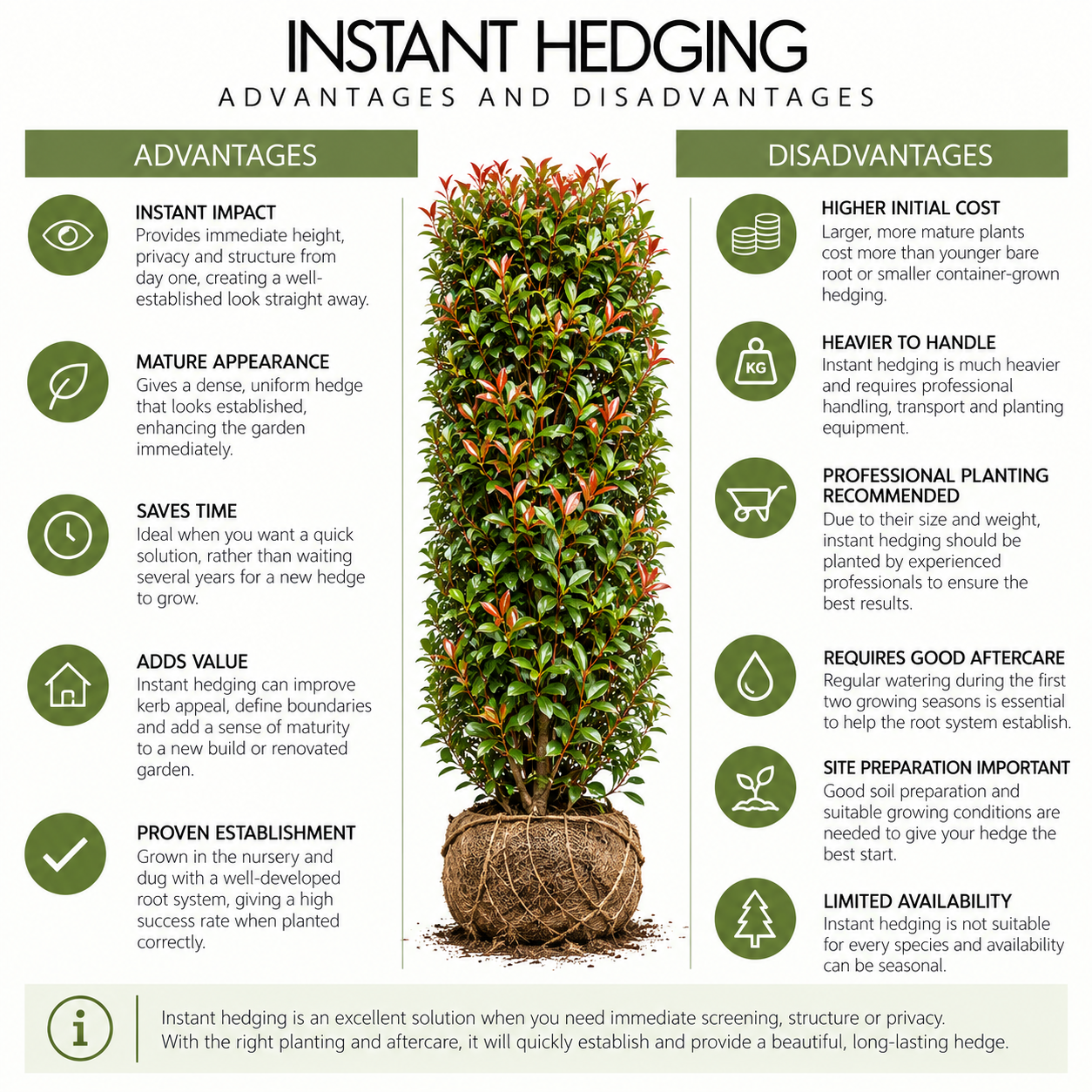 Image 7 of 12
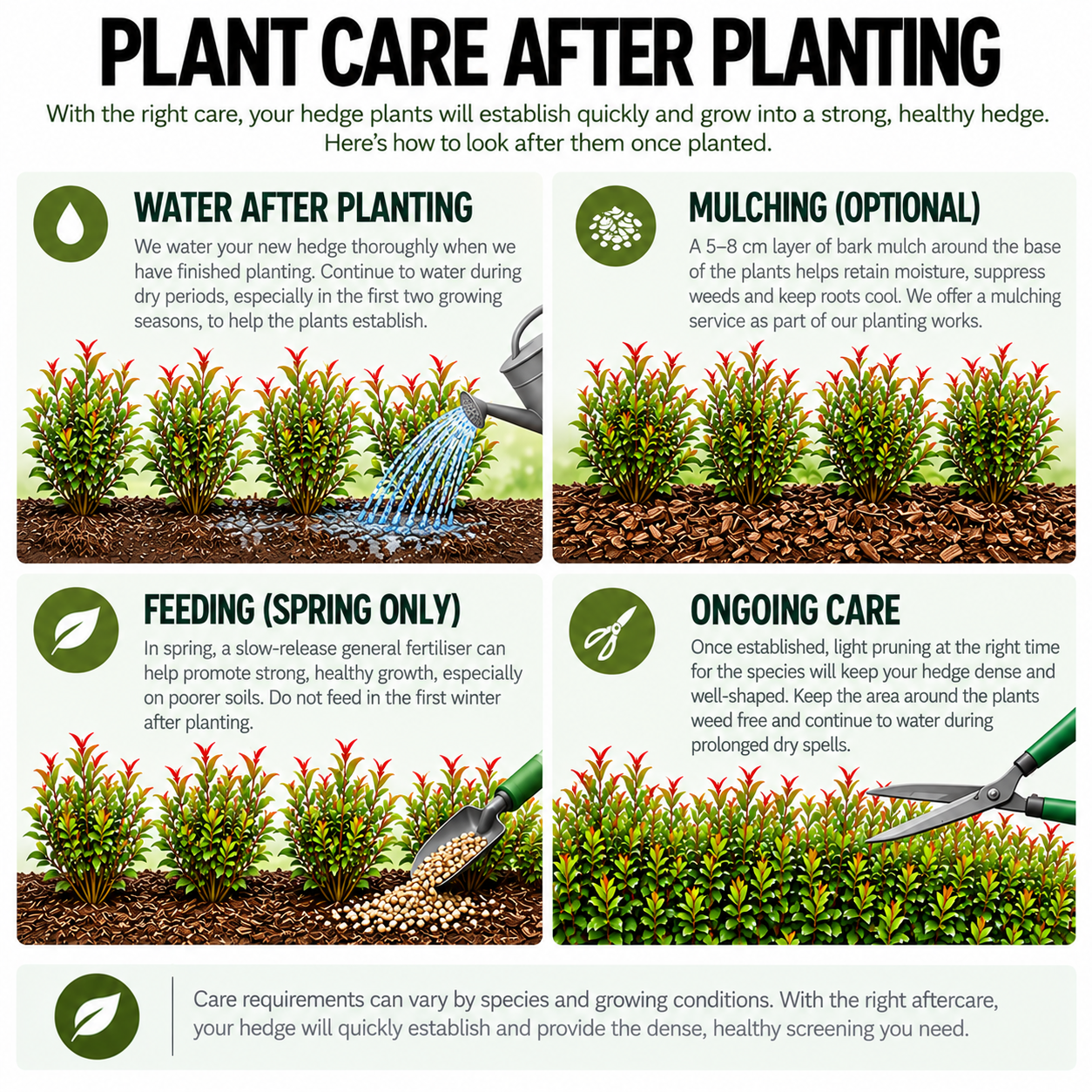 Image 8 of 12
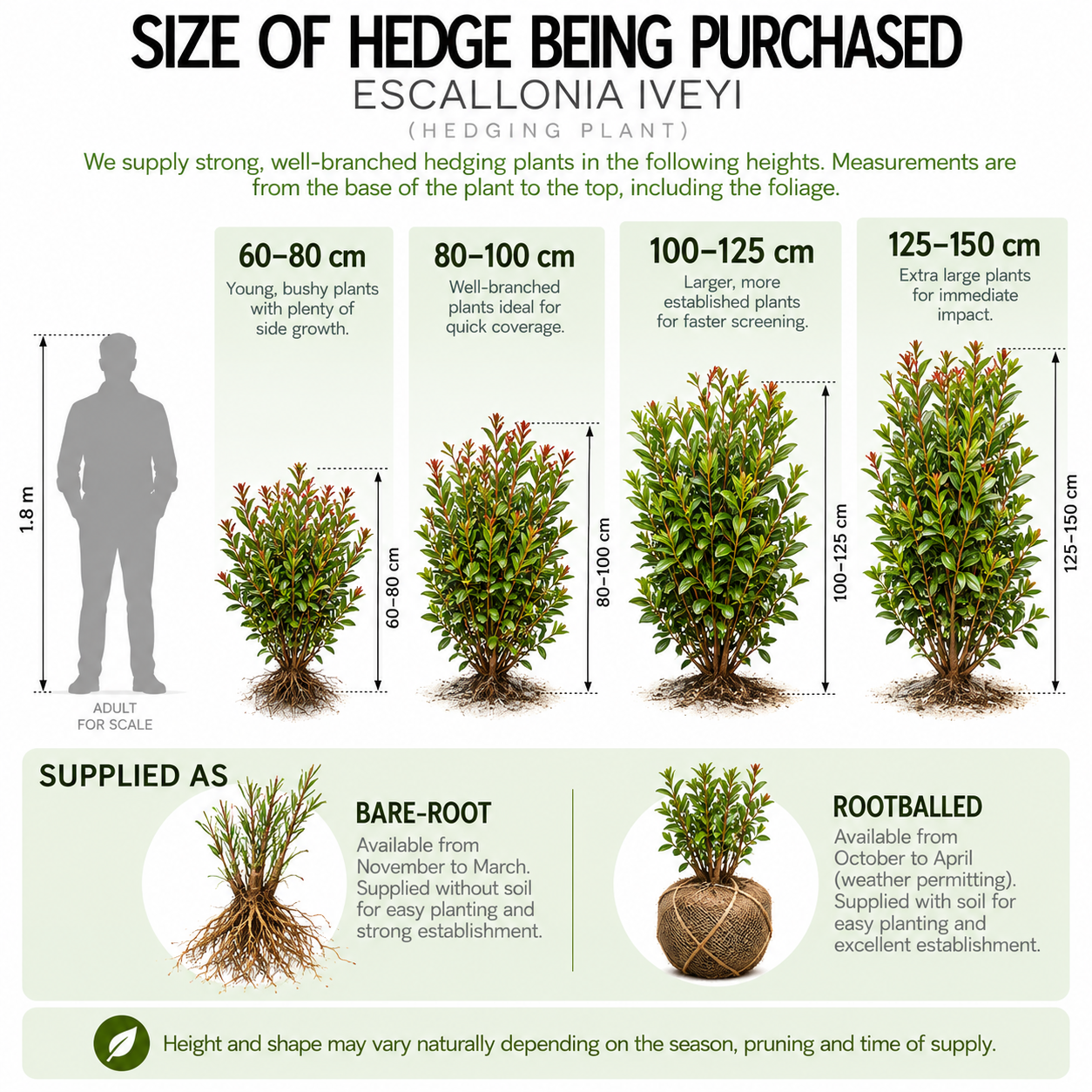 Image 9 of 12
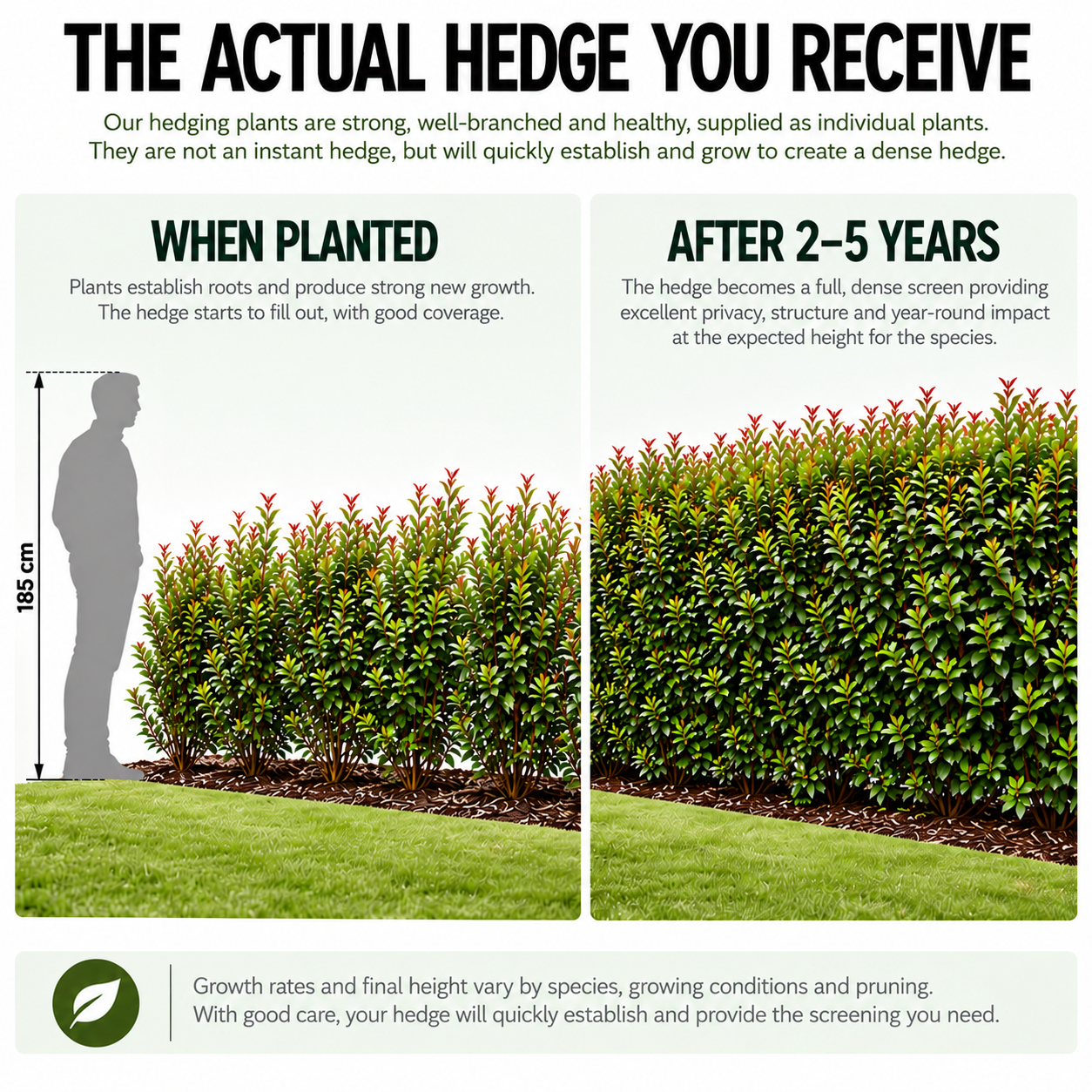 Image 10 of 12
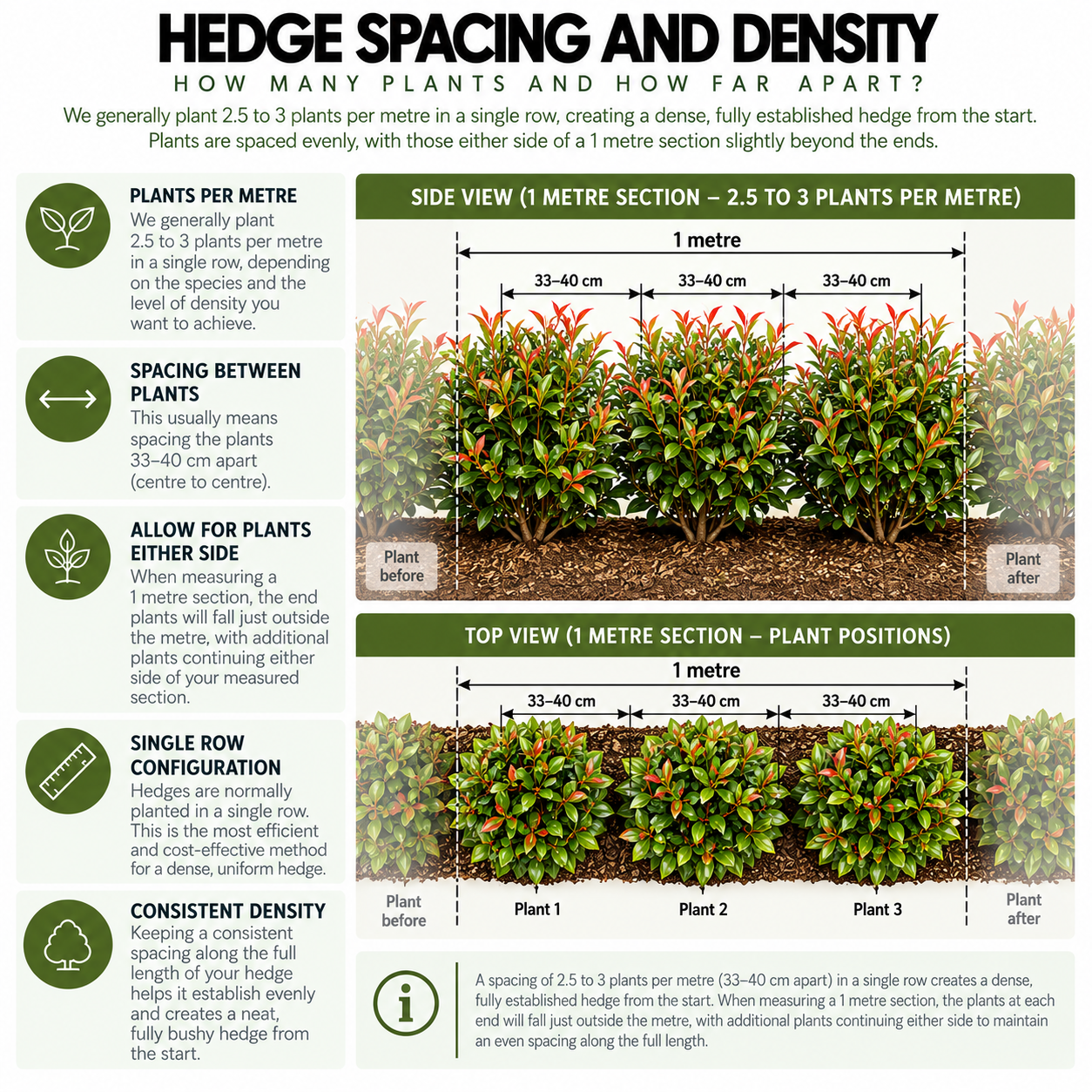 Image 11 of 12
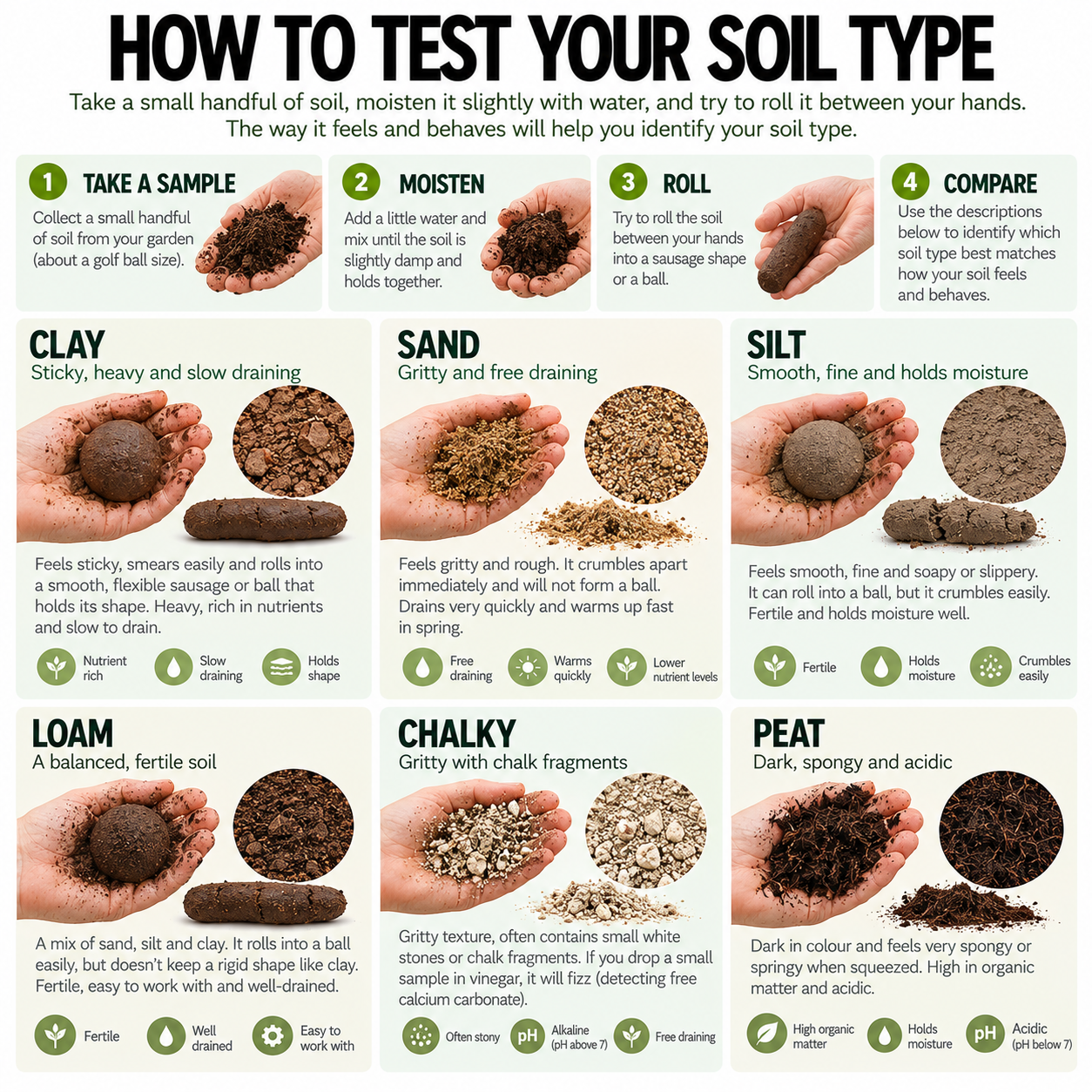 Image 12 of 12