Landscaping Emporium | Hedging
Best Coastal Hedging Plants for Seaside Gardens
Coastal gardens can be challenging
places to establish hedging.
Salt-laden winds, sandy soil,
strong exposure and drying
conditions require careful
plant selection.
Discover evergreen and native
coastal hedging plants selected
for privacy, screening and
shelter, with expert guidance
on buying, planting and
establishing hedges near the sea.
Shop Coastal Hedging Plants
The six plants below offer
different advantages for
coastal gardens.
Some are well suited to
salt-laden exposure, while
others perform best in
sheltered seaside locations.
Explore each species and
follow the shopping links
to view available hedging.
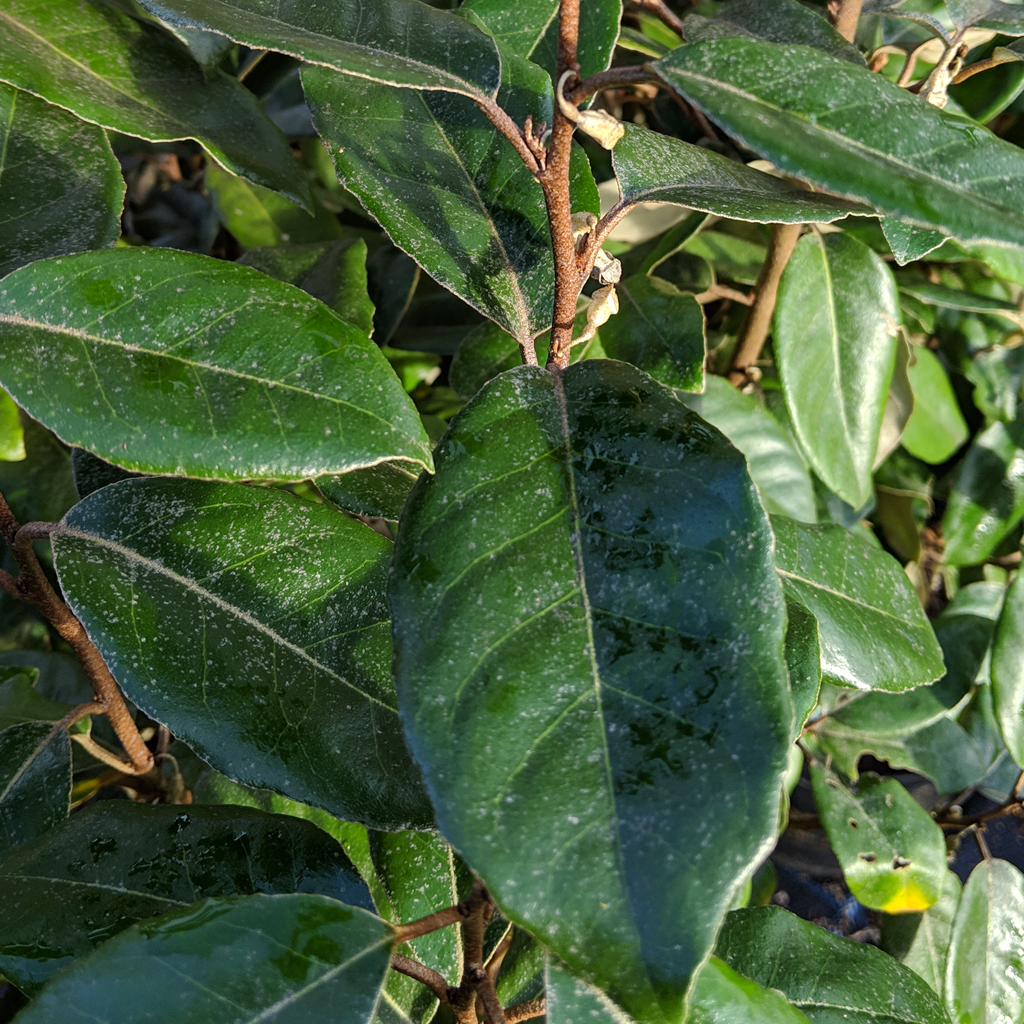
Evergreen | Coastal Exposure
Oleaster Hedging
Elaeagnus × submacrophylla
One of the most useful evergreen
hedging plants for coastal gardens.
Oleaster has attractive green
leaves with silvery undersides
and tolerates many windy,
salt-laden and free-draining
situations once established.
An excellent choice for
coastal privacy and screening.
View Oleaster Product →
Griselinia littoralis
Add Catalogue Photograph
Evergreen | Milder Coastal Gardens
Griselinia Hedging
Griselinia littoralis
An attractive evergreen hedge
with distinctive apple-green,
leathery foliage.
Griselinia is a popular
choice for coastal gardens
and provides dense privacy
screening in suitable
mild locations.
Avoid frost-prone or
severely exposed cold sites.
Browse Hedging Collection →
Escallonia
Add Catalogue Photograph
Evergreen | Flowering Hedge
Escallonia Hedging
Escallonia species and cultivars
An attractive flowering
hedge for suitable seaside
gardens, combining glossy
foliage with pink, red
or white flowers.
Many varieties tolerate
coastal conditions, although
very cold or directly exposed
locations may require
additional shelter.
Explore Flowering Hedging →
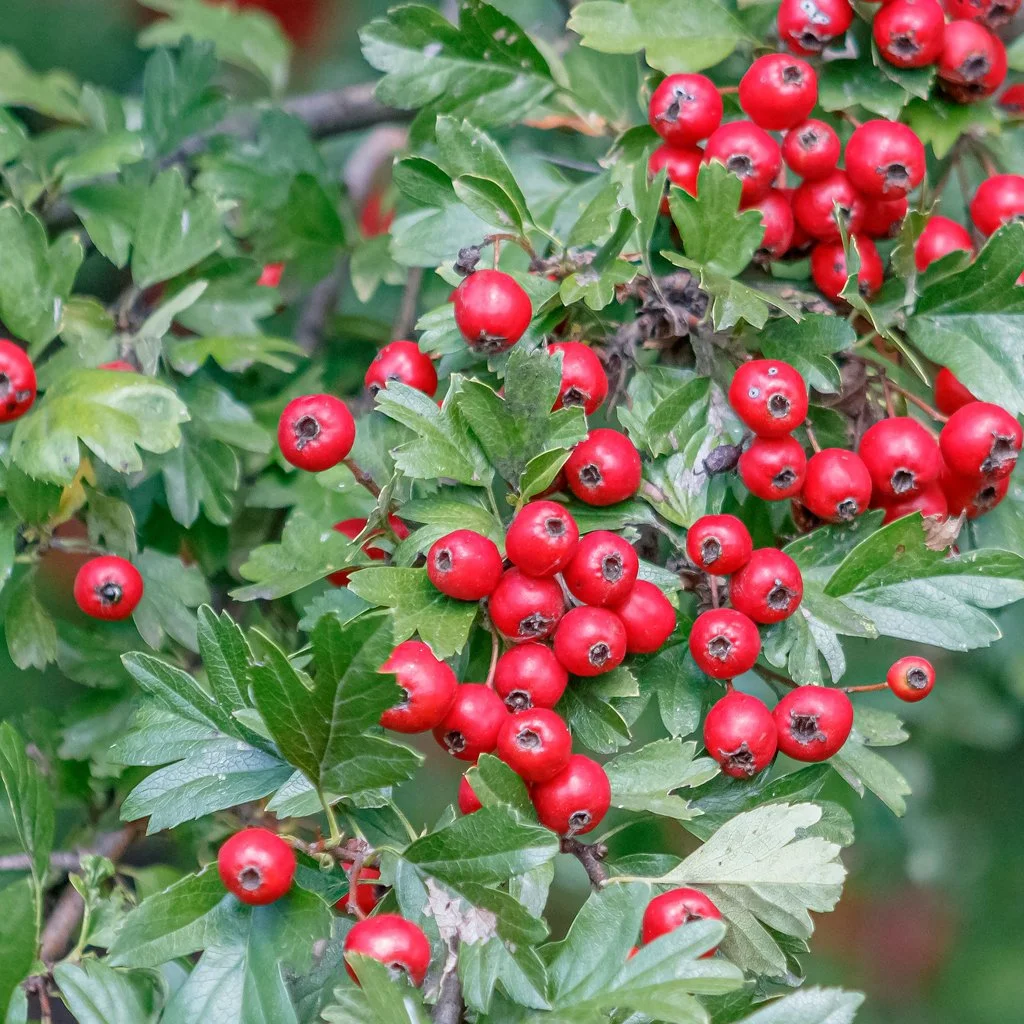
Native | Rural Coastal Boundaries
Hawthorn Hedging
Crataegus monogyna
A hardy native hedge
suitable for many
exposed coastal and
countryside boundaries.
Hawthorn forms a dense,
thorny wind-filtering hedge
with spring blossom,
red autumn berries
and excellent wildlife value.
Assess exposure to
direct salt spray.
Shop Hawthorn →
English Holly
Add Catalogue Photograph
Native | Evergreen Screening
English Holly
Ilex aquifolium
An evergreen native hedge
with glossy foliage
and excellent year-round
structure.
Holly can be useful
for sheltered and
moderately exposed coastal
gardens, particularly
where wildlife habitat
and winter privacy
are important.
Explore Native Hedging →
Blackthorn
Add Catalogue Photograph
Native | Wildlife | Rural Boundaries
Blackthorn Hedging
Prunus spinosa
A tough native hedging
plant suited to many
rural and coastal
situations.
Blackthorn provides
dense thorny growth,
early spring blossom
and autumn sloes.
Particularly appropriate
for larger informal
boundaries where its
suckering habit can
be accommodated.
Explore Native Hedging →
Not Every Coastal Garden Has the Same Growing Conditions
A garden directly overlooking
the sea experiences very
different conditions from
a property several streets
inland that benefits from
surrounding buildings
and established planting.
Salt spray, prevailing winds,
winter temperatures,
soil drainage and the
degree of shelter all
influence plant suitability.
Oleaster is often a stronger
candidate for direct coastal
exposure, while Griselinia
and Escallonia may be better
suited to milder or
more protected seaside
gardens in colder regions.
Which Hedge Is Best for a Coastal Garden?
Compare the principal
advantages of each species
before deciding which
hedge is right for
your location.
| Plant |
Foliage |
Coastal Suitability |
Main Advantage |
| Oleaster |
Evergreen |
Strong coastal tolerance |
Wind-resistant screening |
| Griselinia |
Evergreen |
Milder coastal locations |
Fresh green privacy hedge |
| Escallonia |
Evergreen |
Suitable coastal situations |
Flowers and screening |
| Hawthorn |
Deciduous |
Many coastal rural sites |
Native wildlife windbreak |
| English Holly |
Evergreen |
More sheltered coastal sites |
Winter screening |
| Blackthorn |
Deciduous |
Many exposed rural sites |
Dense, thorny shelter |
What Makes Coastal Gardens Challenging for Hedging?
Salt-Laden Winds
Winds blowing inland from
the sea can carry salt spray
onto leaves and stems.
Sensitive plants may
develop scorched foliage,
reduced growth and
increased moisture stress.
Plants with tough, leathery,
waxy or small leaves
often have characteristics
that make them better suited
to these conditions.
Sandy and Free-Draining Soil
Many coastal gardens have
sandy soils that drain
quickly and may be relatively
low in organic matter.
This can make watering
and nutrient retention
more difficult,
particularly during
the establishment period.
Read our
hedging for dry soil guide
for further advice.
Persistent Wind Exposure
Coastal wind can damage
new growth, increase
moisture loss and
destabilise recently
planted hedging.
Species selection,
appropriate plant size
and establishment care
are particularly important.
See our guide to
hedging for exposed sites
.
Winter Temperatures
Coastal areas are not
necessarily frost-free.
Cold winter winds can
cause significant damage,
especially to less hardy
evergreen hedging.
In colder regions,
avoid assuming that
all plants described
as coastal hedging
will tolerate an
exposed winter position.
Evergreen Coastal Hedging or Native Hedging?
Evergreen Coastal Hedges
Evergreen species are
particularly valuable
where year-round privacy
and screening are required.
Oleaster is a strong
candidate for many
exposed seaside gardens.
Griselinia and Escallonia
also provide attractive
evergreen foliage in
suitable locations.
However, evergreen
plants continue to lose
moisture through their
foliage during winter,
so exposure and soil
moisture should be
considered carefully.
Native Coastal Hedges
Native hedges can be
particularly appropriate
for rural coastal gardens,
agricultural boundaries
and naturalistic landscapes.
Hawthorn and Blackthorn
offer dense branches,
valuable wildlife habitat
and effective wind filtering.
A mixed native hedge
may be more appropriate
than a formal evergreen
hedge where biodiversity
and landscape character
are the priorities.
Explore our
native hedging guide
.
How to Plant Hedging Successfully in Coastal Gardens
1. Assess Coastal Exposure
Establish whether the
planting location receives
direct salt-laden winds
or benefits from protection
provided by buildings,
landforms or other vegetation.
2. Select Suitable Plant Sizes
Smaller plants can be
easier to establish
in difficult locations
than very large specimens,
although they take longer
to provide screening.
Larger rootballed or
container-grown plants
may provide immediate
height but require
particularly careful
handling, support
and aftercare.
3. Improve the Soil Where Necessary
Remove weeds and assess
the structure and drainage
of the planting area.
On very sandy soil,
suitable organic matter
can improve moisture
retention and support
healthy root development.
4. Provide Temporary Shelter
In particularly exposed
coastal locations,
temporary permeable
windbreak screening
may improve establishment.
Avoid creating
unnecessarily solid
barriers that concentrate
wind turbulence.
5. Water During Establishment
Coastal winds can
rapidly dry foliage
and the surrounding soil.
Monitor soil moisture
and provide appropriate
watering throughout
the establishment period,
particularly in sandy soil.
6. Mulch and Maintain
Organic mulch can help
conserve moisture and
suppress competing weeds.
Keep mulch clear of
plant stems and root collars.
Use appropriate formative
pruning to encourage
dense branching and
long-term wind resistance.
For further information,
visit our
hedge delivery and planting guide
.
Coastal Hedging in Lancashire and Merseyside
Landscaping Emporium supplies
hedging plants for residential,
rural and commercial gardens
across North West England.
Coastal locations including
Lytham St Annes, Southport,
Formby and other parts of
the Lancashire and Merseyside
coastline can present
challenging combinations
of wind exposure,
sandy ground and
seasonal salt spray.
Through Kirman Design,
professional planting
services are available
in applicable areas,
with advice on species
selection, preparation,
installation and aftercare.
The correct choice depends
on the individual property
rather than its postcode
alone. A sheltered courtyard
near the sea may support
different plants from a
fully exposed garden
beside an open coastline.
Frequently Asked Questions About Coastal Hedging
What is the best hedge for a coastal garden?
Oleaster is a particularly
useful evergreen option
for many coastal gardens.
Griselinia and Escallonia
may also perform well
in suitable milder
or protected locations.
The best choice depends
on salt exposure, soil
and winter temperatures.
Which hedges tolerate salty sea winds?
Oleaster is well known
for tolerating salt-laden
winds. Several other
shrubs, including
selected Escallonia
and Griselinia,
can tolerate coastal
conditions where
their cold-hardiness
requirements are met.
Is Griselinia suitable for coastal gardens?
Yes. Griselinia is
widely used as coastal
hedging, especially in
milder locations.
However, cold and
severe winter exposure
can limit its suitability
in parts of the UK.
Is Escallonia good for seaside gardens?
Many Escallonia varieties
tolerate coastal conditions
and provide attractive
flowers as well as
evergreen foliage.
Their suitability varies
by cultivar, exposure
and winter temperatures.
Can native hedging grow near the sea?
Yes. Hawthorn and
Blackthorn are among
the native species
suitable for consideration
in coastal gardens.
Direct salt exposure
and ground conditions
should still be assessed.
Do coastal hedges need watering?
Yes. Even salt-tolerant
and drought-tolerant
plants require appropriate
watering while their
roots establish.
This is particularly
important in sandy
and windy locations.
Will hedging protect my garden from sea winds?
A suitable hedge can
help filter strong winds
and create a more
sheltered garden.
The effectiveness depends
on its height, width,
density, position
and surrounding terrain.
When is the best time to plant coastal hedging?
Autumn and spring are
often suitable periods,
provided the soil and
weather conditions
are appropriate.
Bare-root and rootballed
plants are generally
available seasonally.
Avoid planting during
extreme wind, frost
or hot dry weather.
Find the Right Hedge for Your Coastal Garden
Whether you're creating
evergreen privacy,
planting a coastal
windbreak or establishing
a wildlife-friendly
rural boundary,
Landscaping Emporium
can help you choose
suitable hedging plants.
Explore our range
of hedging species,
sizes and supply
options, with
professional planting
available where suitable.
