
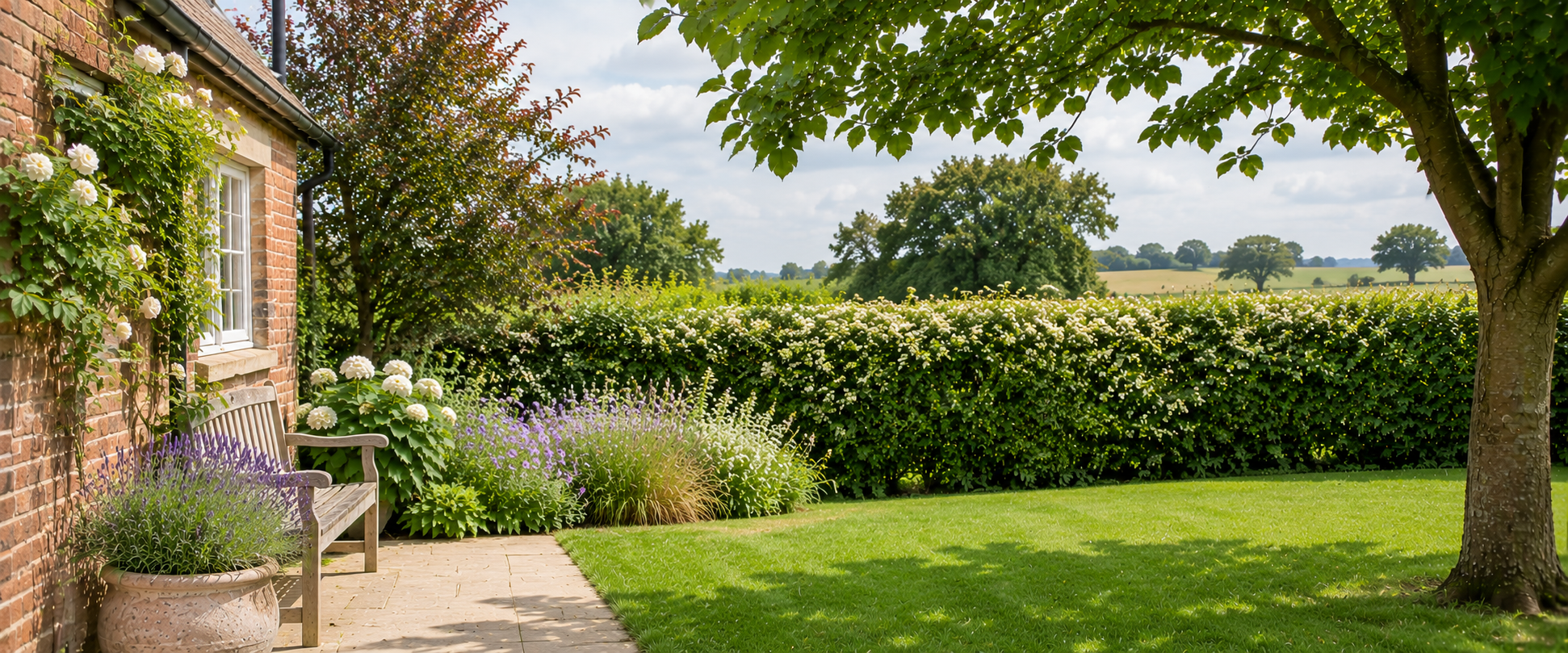
Hedging Plants & Professional Hedge Planting in Culcheth
Quality native, evergreen and deciduous hedging for village gardens, countryside boundaries, larger residential plots and natural garden screening throughout Culcheth and surrounding Warrington communities.
Landscaping Emporium supplies hedging plants for gardens and rural properties around Culcheth, with options for traditional native hedgerows, evergreen privacy screening and clipped residential boundaries.
Culcheth's village setting and proximity to surrounding countryside mean that hedging can serve several purposes, from defining a residential garden to creating a natural boundary alongside open land.
Choosing the right species depends on the intended hedge height, available planting space, soil conditions, exposure and whether a formal or natural appearance is preferred.
Our range includes bare-root, rootballed and container-grown hedging, with professional supply and planting options for suitable projects.
Selected by designers. Installed by professionals.
Hedging for Village Gardens & Countryside Properties
Culcheth includes established residential gardens, village properties and homes adjoining open countryside.
In these settings, hedging can provide privacy while helping a garden connect visually with its surrounding landscape.
Formal evergreen hedging may be appropriate near the house, while native hedgerows can create a softer boundary at the edge of a larger garden.
The choice between formal and natural hedging should reflect the property's character, exposure and intended maintenance regime.
Native Countryside Hedgerows
Hawthorn and suitable native mixtures for traditional rural boundaries.
Evergreen Garden Privacy
Yew, Portuguese Laurel and Holly for year-round screening where conditions suit.
Traditional Clipped Hedges
Beech and Hornbeam for structured boundaries with seasonal character.
Wind-Filtering Boundaries
Carefully selected hedging to help filter wind across exposed garden edges.
Creating Traditional Native Hedgerows in Culcheth
Native hedgerows can be particularly appropriate where a garden adjoins open countryside or agricultural land.
Hawthorn is a traditional hedging species with spring blossom, autumn berries and dense thorny growth.
Mixed native hedgerows can provide additional seasonal interest, wildlife value and variation in foliage and flowering.
Choosing a Native Hedge Mixture
A suitable mixed native hedge may include Hawthorn, Hazel, Field Maple and other appropriate native species.
Species selection should reflect soil conditions, available space, the intended maintenance regime and the character of the surrounding landscape.
A predominantly Hawthorn hedge can provide a dense traditional boundary, while a mixed hedge may offer a broader range of seasonal resources for wildlife.
Allowing Enough Planting Space
A countryside hedge may require more width than a closely clipped ornamental hedge.
Allow sufficient room for the intended mature shape and access for future maintenance.
Native Hedgerow Design Tip
For a countryside-facing garden, consider a mixed native hedge rather than relying entirely on one ornamental species. This can create a natural transition between the garden and surrounding land.
Six Hedging Plants to Consider for Culcheth Gardens
These six species provide options for native hedgerows, evergreen privacy and traditional clipped boundaries. The best choice depends on the individual site.
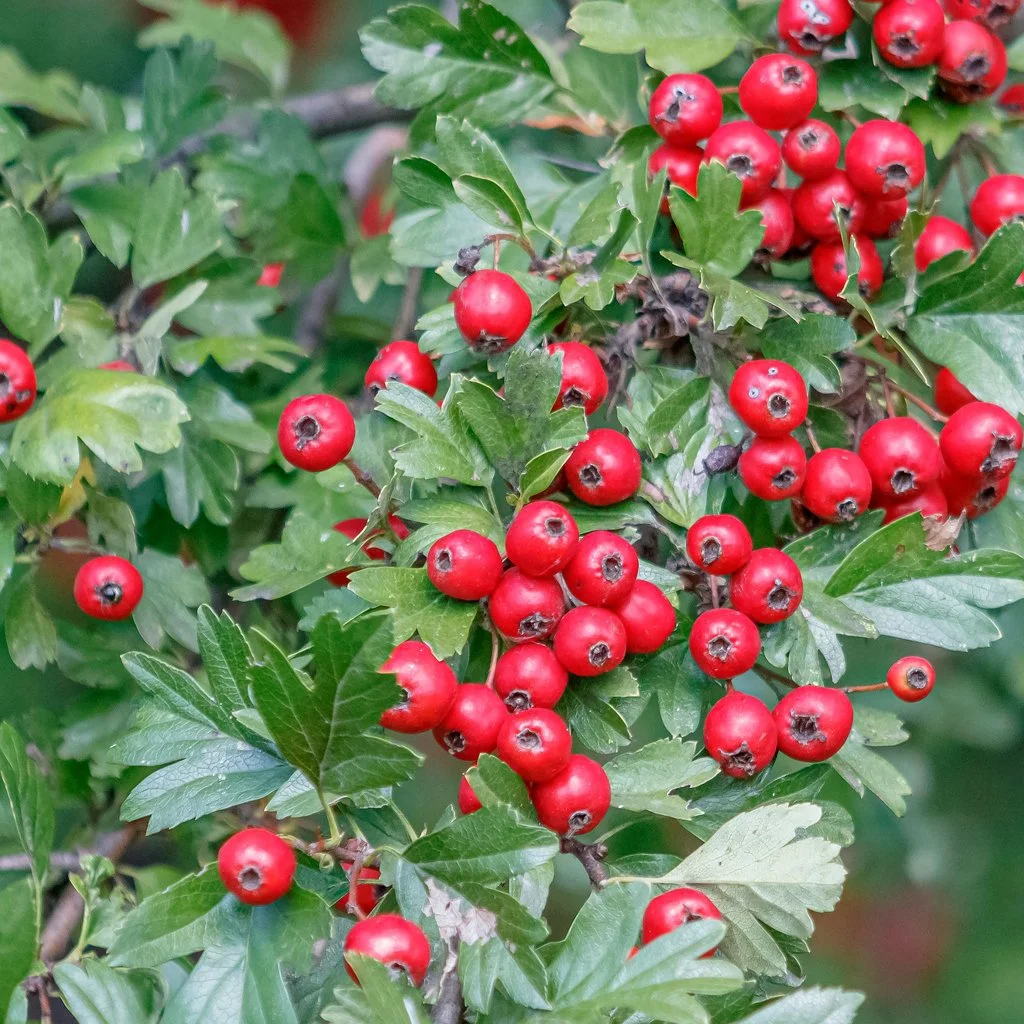
Hawthorn
Traditional native hedging with spring blossom, autumn berries and thorny growth. Suitable for many rural boundaries.
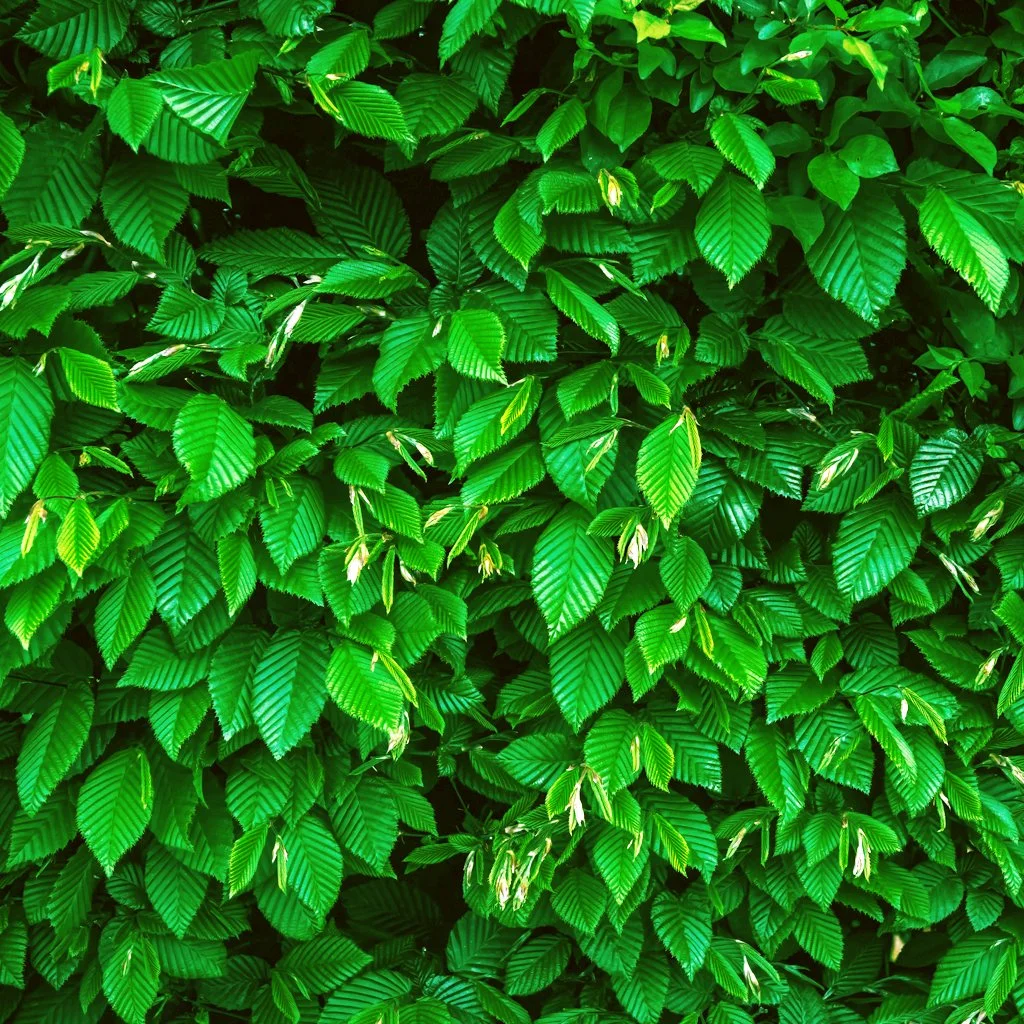
Hornbeam
Traditional clipped deciduous hedging that tolerates many heavier soils, provided the ground is not persistently waterlogged.
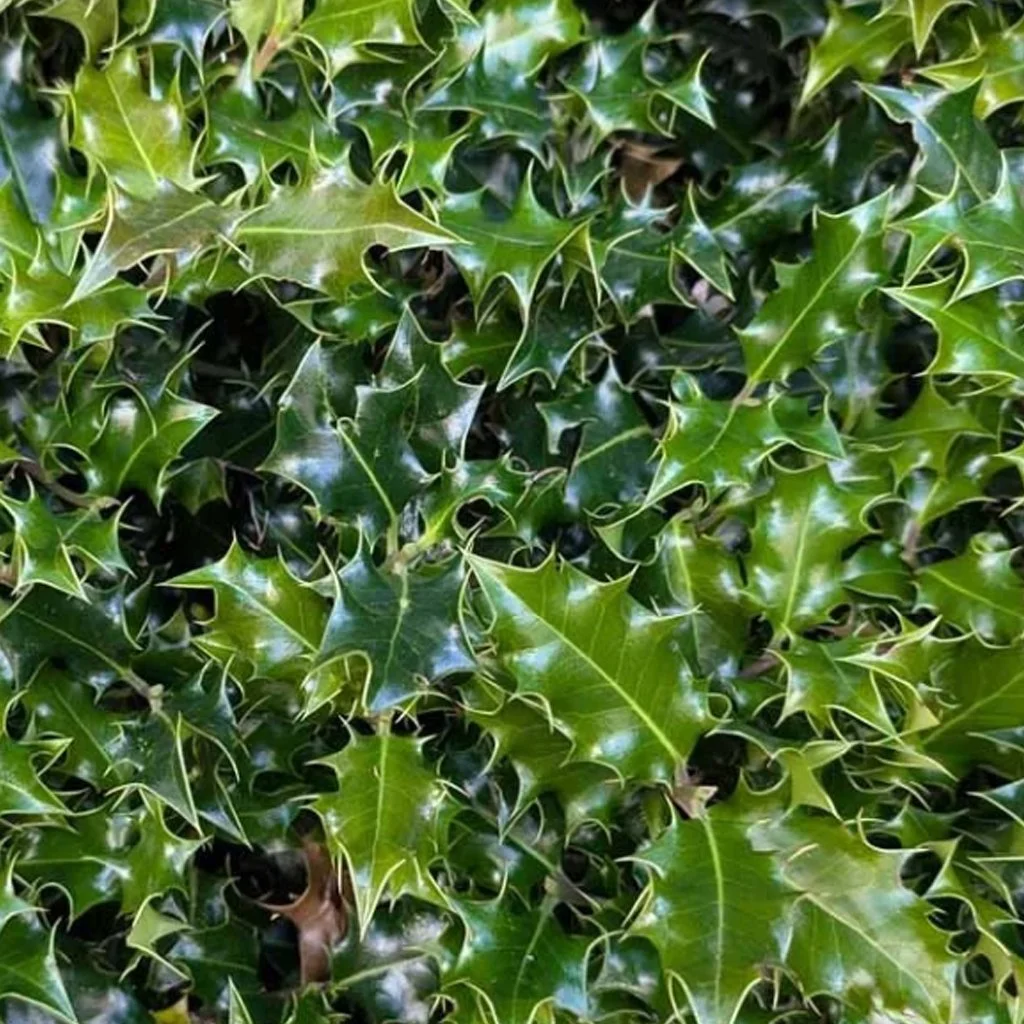
English Holly
Native evergreen hedging with glossy, often spiny foliage. Provides year-round structure and shelter for wildlife.
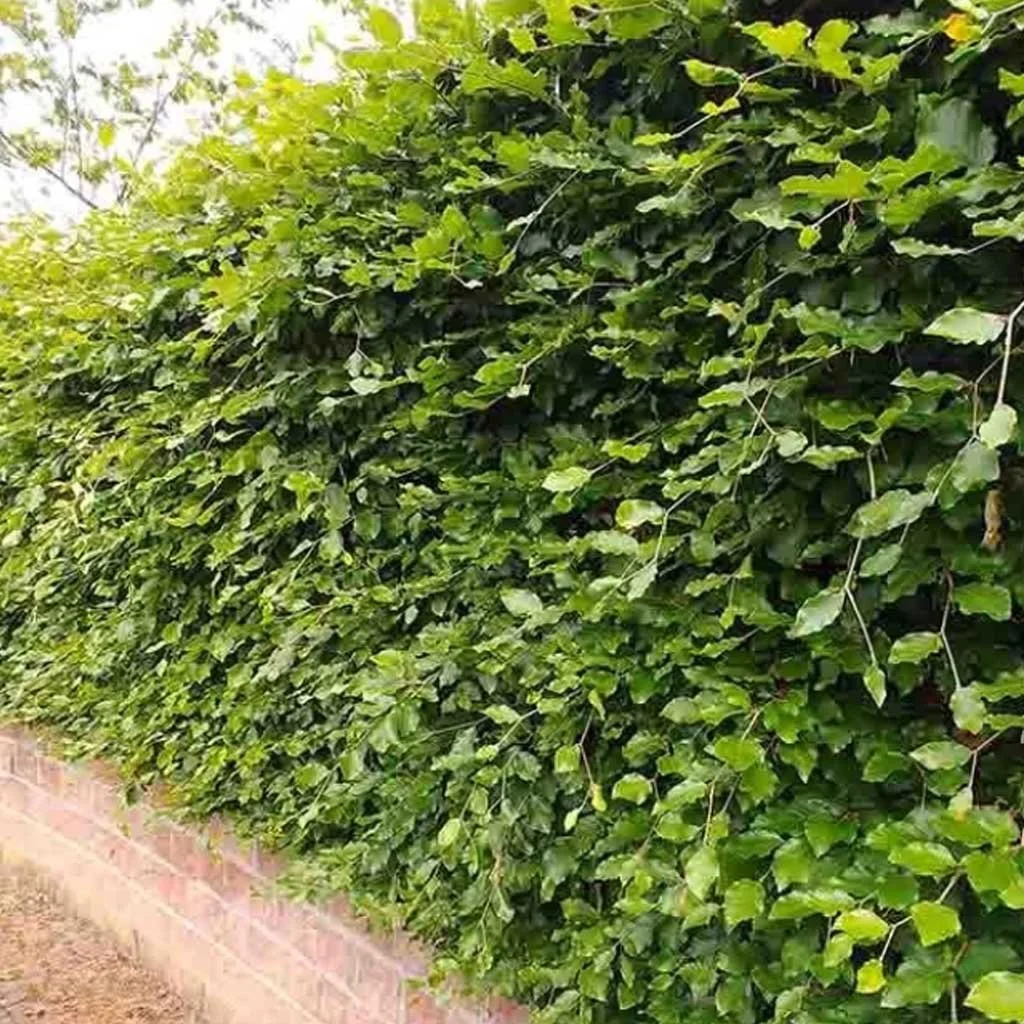
Green Beech
Traditional clipped hedging with seasonal colour. Clipped plants may retain coppery leaves during winter.
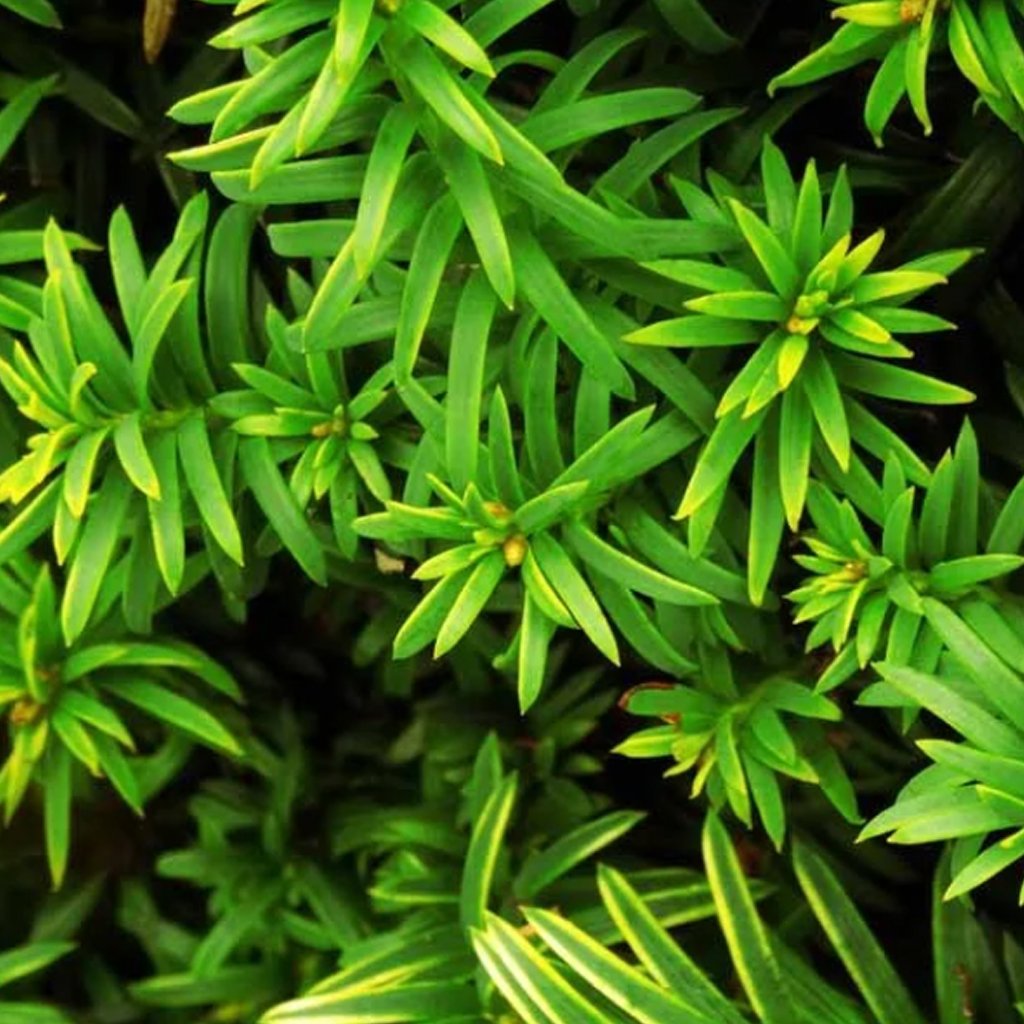
English Yew
Dense evergreen hedging for formal boundaries and privacy where drainage is adequate. Highly toxic if ingested.
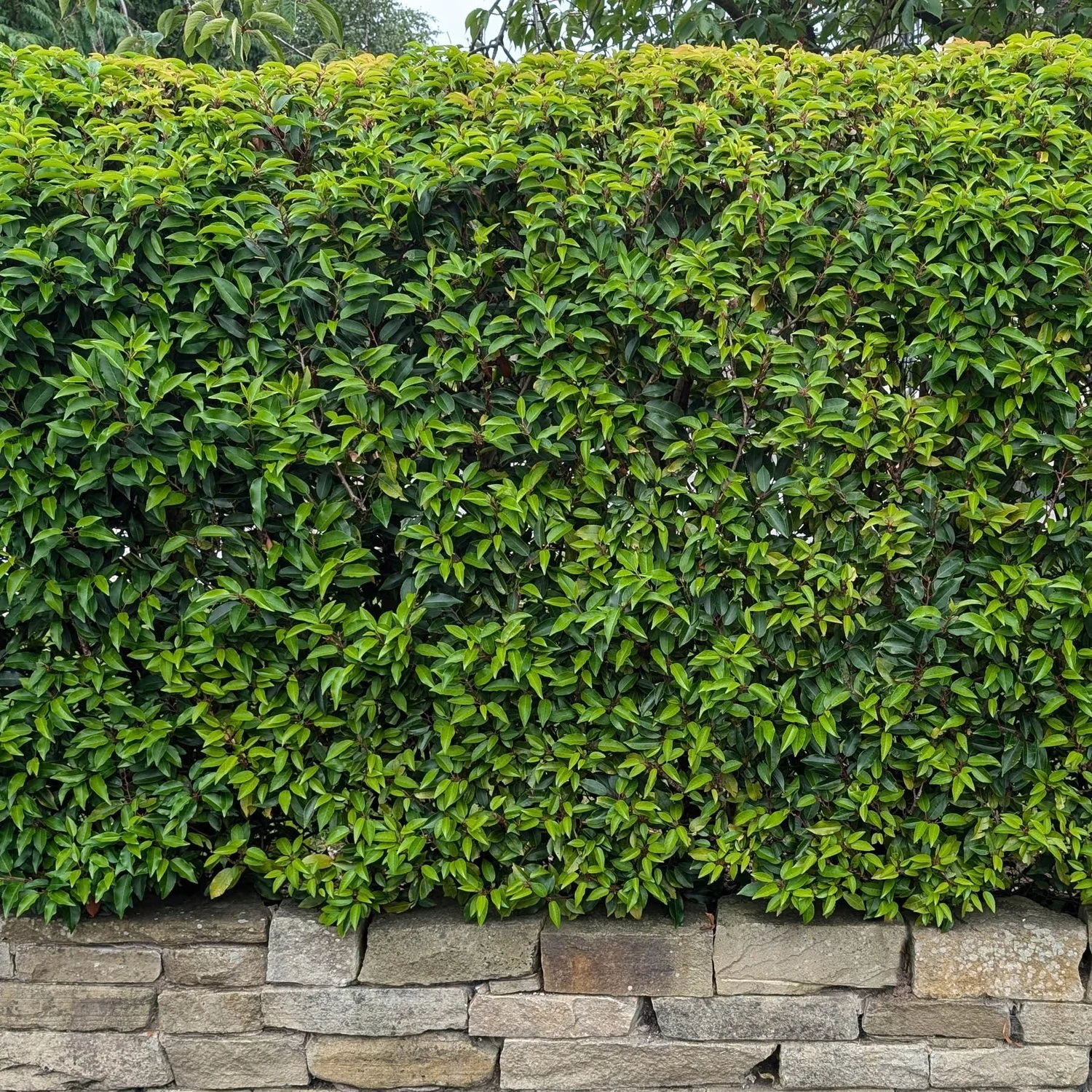
Portuguese Laurel
Evergreen screening with glossy foliage and reddish stems. Suitable for selected residential boundaries where conditions permit.
Plant sizes, stock types, prices and availability vary by species and season. Check individual product listings.
Hedging for Gardens Adjoining Open Countryside
A garden adjoining open land may benefit from a planted boundary that provides enclosure without appearing overly formal.
Native hedging can create a softer visual transition between the garden and surrounding fields.
Where a boundary adjoins agricultural land, consider access for maintenance, the mature width of the hedge and whether grazing animals may reach the planting.
Hedging Near Livestock
Species selection must take account of the animals present and whether they can access foliage, fruit or hedge clippings.
English Yew is highly toxic to horses and other livestock. It should not be planted where grazing animals could reach the hedge or cut material.
Existing Hedgerow Protection
Some countryside hedgerows are subject to legal protection and removal controls.
Before removing or substantially altering an established rural hedgerow, check whether any restrictions apply.
Active wild bird nests are legally protected. Cutting and removal work should be planned to avoid disturbing nesting birds.
Using Hedging to Create Shelter in Open Gardens
Gardens adjoining open land may experience stronger winds than those enclosed by buildings and mature vegetation.
A suitably designed hedge can help filter wind and create a more sheltered environment for outdoor seating, ornamental planting and lawns.
Why a Permeable Hedge Helps
A hedge that allows some air to pass through its foliage can help reduce wind speed while limiting the turbulence associated with completely solid barriers.
The effectiveness of a wind-filtering hedge depends on its height, density, length, orientation and the surrounding landscape.
Positioning a Shelter Hedge
Consider the prevailing wind direction and the area requiring protection before deciding where the hedge should be positioned.
The intended mature height and available planting width should also influence species selection.
Young plants may need suitable support and careful watering during establishment, particularly on exposed sites.
Windbreak Planting Tip
A hedge designed primarily for shelter may require a different height, density and planting arrangement from a closely clipped ornamental garden hedge.
Choosing Hedging for Culcheth's Garden Soils
Soil conditions vary between established residential gardens, village properties and surrounding rural sites.
Some planting areas may contain heavier soils or have restricted drainage, while others may be more free-draining.
Hornbeam can tolerate many heavier soils, provided they are not persistently waterlogged.
English Yew and Green Beech generally require adequate drainage, with Yew particularly vulnerable to prolonged saturation.
Check the Planting Area
Examine the ground after periods of heavy rainfall and consider whether water remains in the intended planting position.
A trench excavated into poorly draining soil may collect water, so simply adding compost does not necessarily resolve the problem.
Persistent waterlogging should be investigated before ordering large quantities of hedging.
Creating Hedgerows That Support Garden Wildlife
Native hedgerows can provide shelter, nesting opportunities and seasonal food sources for wildlife.
Hawthorn blossom supports pollinating insects, while autumn berries can provide food for birds.
Mixed native planting can extend the range of flowering and fruiting periods, providing additional seasonal resources.
Managing a Wildlife Hedge
Where practical, avoid unnecessary cutting during periods when birds may be nesting and always check for active nests before maintenance.
Some hedges can be managed to retain flowers and berries by avoiding excessive annual clipping, subject to boundary and access requirements.
A varied hedge structure can provide additional cover for wildlife compared with an excessively thin or heavily reduced boundary.
Bare-Root, Rootballed & Container-Grown Hedging
The appropriate stock type depends on the species, desired initial height, planting season and project requirements.
Bare-Root Hedging
Generally available during the dormant season and often economical for longer boundaries and native hedgerows.
Rootballed Hedging
Available in selected species and sizes, generally from mid-October to late April, weather permitting.
Container-Grown Hedging
Can provide greater flexibility in planting dates, subject to suitable ground conditions and aftercare.
Choosing Plant Sizes
Larger plants may provide more immediate screening but can require additional handling and establishment care.
Helping New Hedging Establish Successfully
Successful hedge establishment depends on suitable species selection, correct planting and consistent aftercare.
Newly planted hedges need adequate moisture while roots establish in the surrounding soil.
Watering New Hedging
Watering requirements vary with weather, soil conditions, plant size and stock type.
During dry periods, newly planted hedging may require regular thorough watering.
Avoid keeping the root zone continually saturated, particularly in heavier soils.
Mulching and Weed Control
Suitable organic mulch can help conserve moisture and reduce weed competition.
Keep mulch clear of plant stems and avoid piling material against the hedge base.
Planning Future Maintenance
Allow enough space for the mature hedge and ensure appropriate access for clipping and maintenance.
Professional Hedge Supply & Planting in Culcheth
Landscaping Emporium works alongside Kirman Design to offer professional hedge supply and planting for suitable projects around Culcheth and neighbouring Warrington communities.
Depending on the agreed specification, services may include plant selection, quantity calculations, delivery, ground preparation, setting out, planting, irrigation and aftercare advice.
Site access, drainage, existing boundaries, exposure and available planting space should be considered before preparing a quotation.
What Affects Hedge Planting Costs?
The cost of supplying and planting a hedge depends on its length, species, plant size, stock type, spacing and site conditions.
Additional costs may arise from ground preparation, existing hedge removal, restricted access, irrigation and disposal requirements.
Larger rootballed plants may require more labour and handling than smaller bare-root stock.
A quotation should therefore reflect the intended planting specification and the practical conditions of the site.
How to Request a Hedge Planting Quotation
Describe Your Hedge
Provide the approximate length, intended purpose and preferred supplied plant height.
Show the Site
Include your postcode, photographs, access details and any drainage or exposure concerns.
Review the Options
We can discuss suitable species, available plant sizes and installation requirements.
Learn more about our professional hedge supply and planting service .
Hedging in Culcheth & Surrounding Communities
We welcome hedging supply and planting enquiries from Culcheth and surrounding Warrington communities.
Culcheth
Native hedging and residential garden boundaries.
Glazebury
Traditional hedgerows and countryside-facing gardens.
Newchurch
Evergreen screening and established garden hedging.
Risley
Residential privacy hedging and natural boundaries.
Birchwood
Garden screening and clipped hedging.
Lowton
Native hedgerows and evergreen garden boundaries.
Professional planting availability depends on location, project requirements and site access.
Culcheth Hedging FAQs
Which hedging plants are suitable for Culcheth gardens?
Hawthorn, Hornbeam, Holly, Beech, Yew and Portuguese Laurel may be suitable depending on soil, drainage, exposure and intended purpose.
Which hedge is best for a countryside boundary?
Hawthorn and suitable mixed native hedgerows are traditional options for rural boundaries and wildlife-friendly planting.
Can hedging help reduce wind?
Yes. A suitably designed permeable hedge can help filter wind and create shelter in exposed gardens.
Which hedging supports garden wildlife?
Native species such as Hawthorn and Holly can provide shelter, nesting opportunities and seasonal food sources.
Which hedge provides year-round privacy?
Evergreen species such as Yew, Portuguese Laurel and Holly can provide year-round screening where conditions suit.
Can I plant Yew near a horse paddock?
Yew is highly toxic to horses and other livestock. It should not be planted where animals could access the hedge or its clippings.
When is bare-root hedging available?
Generally during the dormant season, subject to weather and stock availability.
When is rootballed hedging available?
Generally from mid-October to late April, weather permitting and subject to stock availability.
Do you offer professional hedge planting in Culcheth?
We welcome planting enquiries for suitable projects, subject to availability, access and project requirements.
How many hedging plants will I need?
Quantities depend on hedge length, species, plant size, stock type and recommended spacing.
Explore Hedging Across Cheshire & Warrington
Visit our Cheshire Hedging Guide for regional planting advice and species selection.
Explore nearby hedging guides for Warrington , Lymm and Stockton Heath .
Alternatively, browse our hedging plant collection or use the Hedge Selector to compare species by growing conditions and purpose.
Planning a New Hedge in Culcheth?
Whether you need a native countryside hedgerow, evergreen garden privacy or a wind-filtering boundary, explore our range or enquire about professional hedge supply and planting.
Telephone: 01942 604976
Email: hello@landscapingemporium.co.uk
Selected by designers. Installed by professionals.