
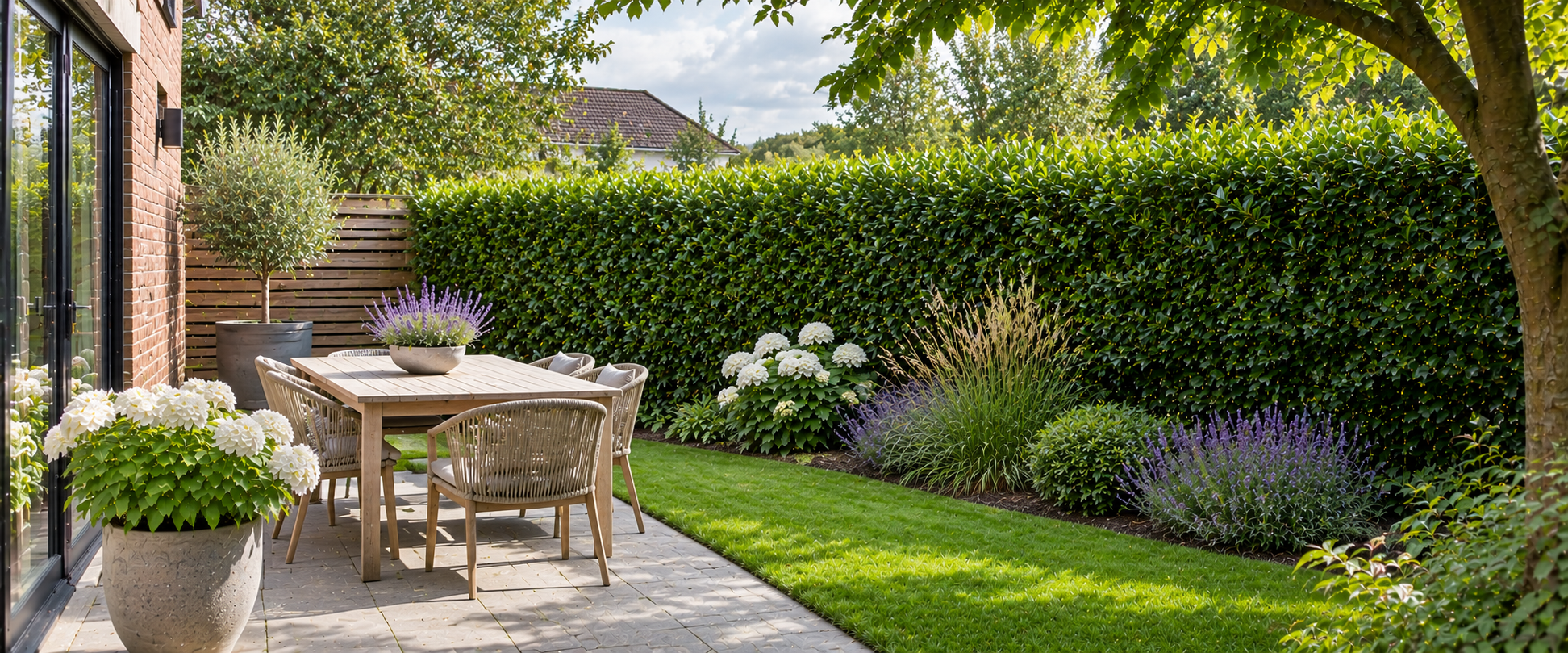
Hedging Plants & Professional Hedge Planting in Handforth
Evergreen, deciduous and native hedging for residential privacy, compact garden boundaries, established properties and new planting schemes throughout Handforth.
Landscaping Emporium supplies hedging plants for homeowners looking to create year-round screening, soften existing fences or introduce attractive garden boundaries.
Handforth includes established residential streets and more recent housing developments, where garden privacy and available planting space can be important considerations.
A well-chosen hedge can create a greener, more attractive boundary without occupying more space than necessary. However, its maintained width, height, growth rate and long-term maintenance must all be considered before planting.
Our range includes bare-root, rootballed and container-grown hedging, with professional supply and planting available for suitable projects.
Selected by designers. Installed by professionals.
Hedging for Residential Gardens in Handforth
In residential gardens, hedging can provide privacy while creating a softer, greener appearance than a continuous fence or wall.
The most suitable species depends on the available space, intended hedge height, soil conditions and how regularly the homeowner wishes to maintain it.
Evergreen Privacy
Yew, Portuguese Laurel and Holly for year-round screening where growing conditions are suitable.
Compact Garden Boundaries
Carefully selected hedging maintained at a manageable width beside patios, paths and fencing.
Traditional Garden Hedges
Beech and Hornbeam for clipped boundaries with attractive seasonal foliage.
Natural Garden Boundaries
Hawthorn and suitable native species for less formal garden planting.
Privacy Hedging Between Neighbouring Gardens
One of the main reasons for planting a hedge in a residential garden is to reduce overlooking from neighbouring properties.
Evergreen hedging can provide screening throughout the year, while deciduous hedging offers seasonal privacy and a different garden character.
Screening a Patio or Seating Area
Privacy requirements should be assessed from the actual position of the patio, seating area or garden room.
A hedge positioned near the area requiring screening may sometimes be more effective than a taller hedge along a distant boundary.
Screening Neighbouring Windows
The required hedge height depends on the viewing angle, ground levels and distance between properties.
A hedge that screens a ground-floor window may not prevent overlooking from an upper floor.
Avoiding Excessive Height
Very tall hedges can create unwanted shade and increase maintenance requirements.
The preferred finished height should be agreed before choosing the plant size and planting position.
Privacy Design Tip
Identify the exact sightline that needs screening before deciding on the hedge's height and location.
This can help achieve privacy without unnecessarily enclosing the whole garden.
Best Hedging Options for Narrow Garden Boundaries
In smaller Handforth gardens, the available planting width may be as important as the required hedge height.
A hedge planted too close to a path, patio or fence may become difficult to maintain as it matures.
English Yew for Formal Narrow Hedges
English Yew responds well to clipping and can be maintained as a relatively narrow formal hedge.
However, it still needs adequate root space, suitable drainage and regular maintenance.
Hornbeam for Seasonal Boundaries
Hornbeam can form an attractive clipped hedge where a deciduous species is preferred.
It tolerates many heavier soils and can be kept to a controlled shape through appropriate pruning.
Portuguese Laurel for Evergreen Screening
Portuguese Laurel offers attractive evergreen foliage but requires adequate space for its growth and ongoing maintenance.
Allowing for Hedge Width
The planting position should allow for the intended finished width, rather than the width of the plants on delivery.
Where space is extremely restricted, it may be necessary to consider alternative screening solutions rather than forcing a hedge into an unsuitable position.
Six Hedging Plants for Handforth Gardens
Explore evergreen, traditional and native species suitable for a range of garden conditions and boundary designs.
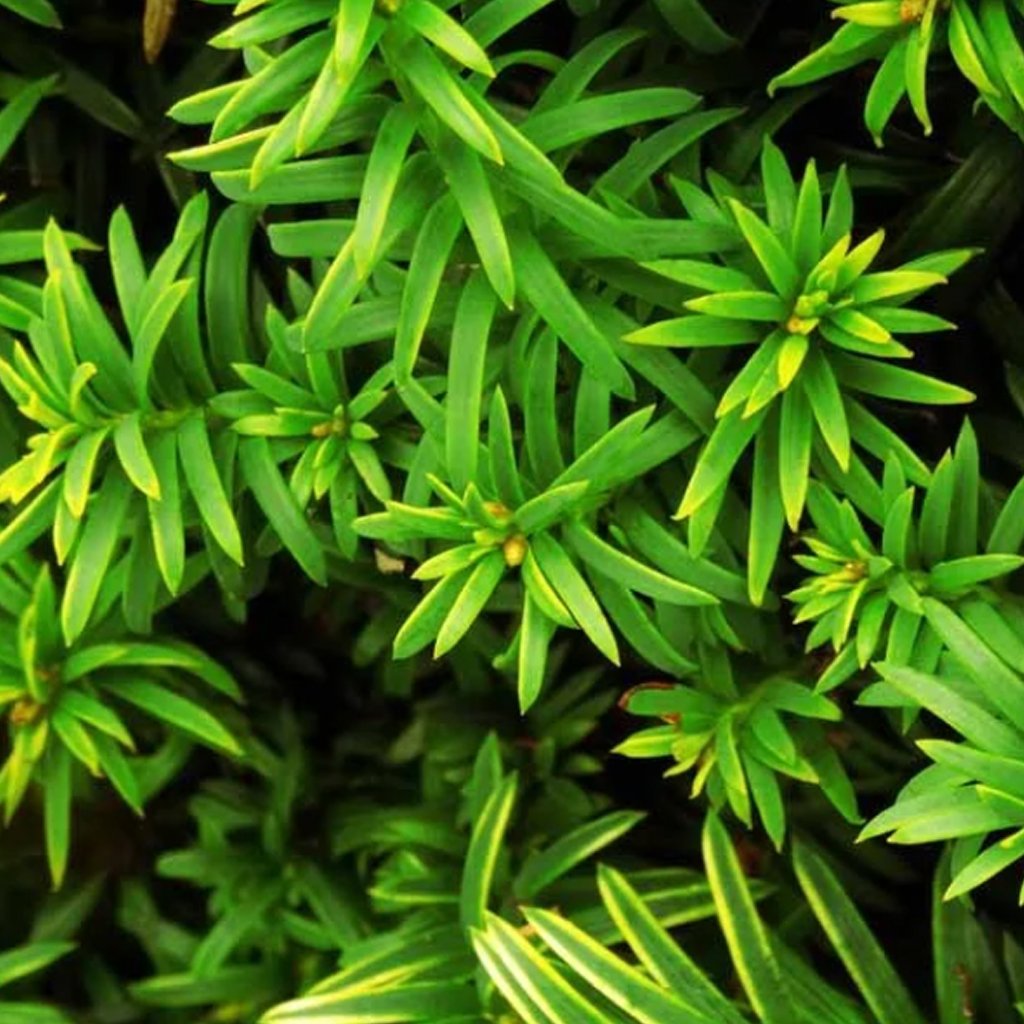
English Yew
Dense evergreen hedging for formal boundaries and controlled privacy. Requires suitable drainage and is highly toxic if eaten.
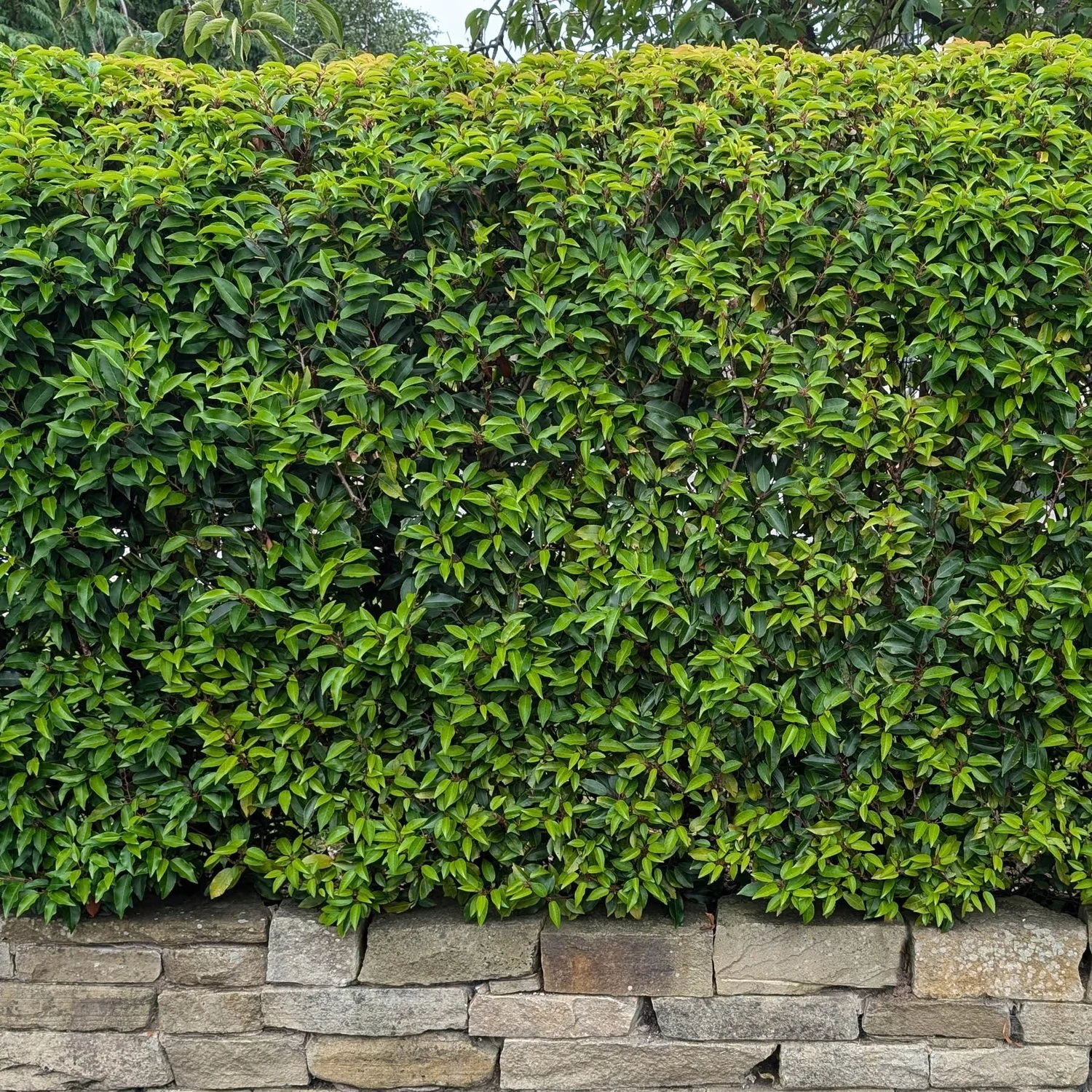
Portuguese Laurel
Evergreen screening with glossy foliage and reddish stems. Best where adequate planting width is available.
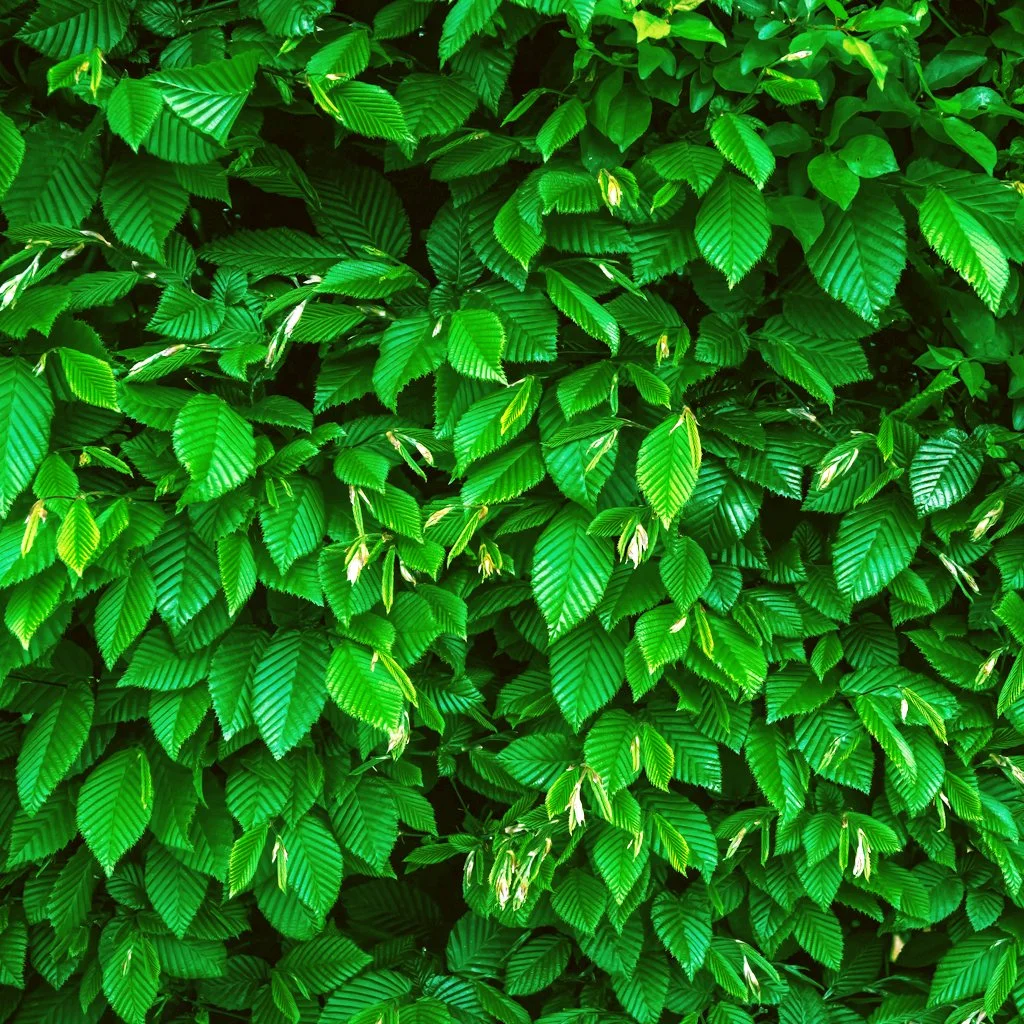
Hornbeam
Traditional deciduous hedging that responds well to clipping and tolerates many heavier soils where drainage is adequate.
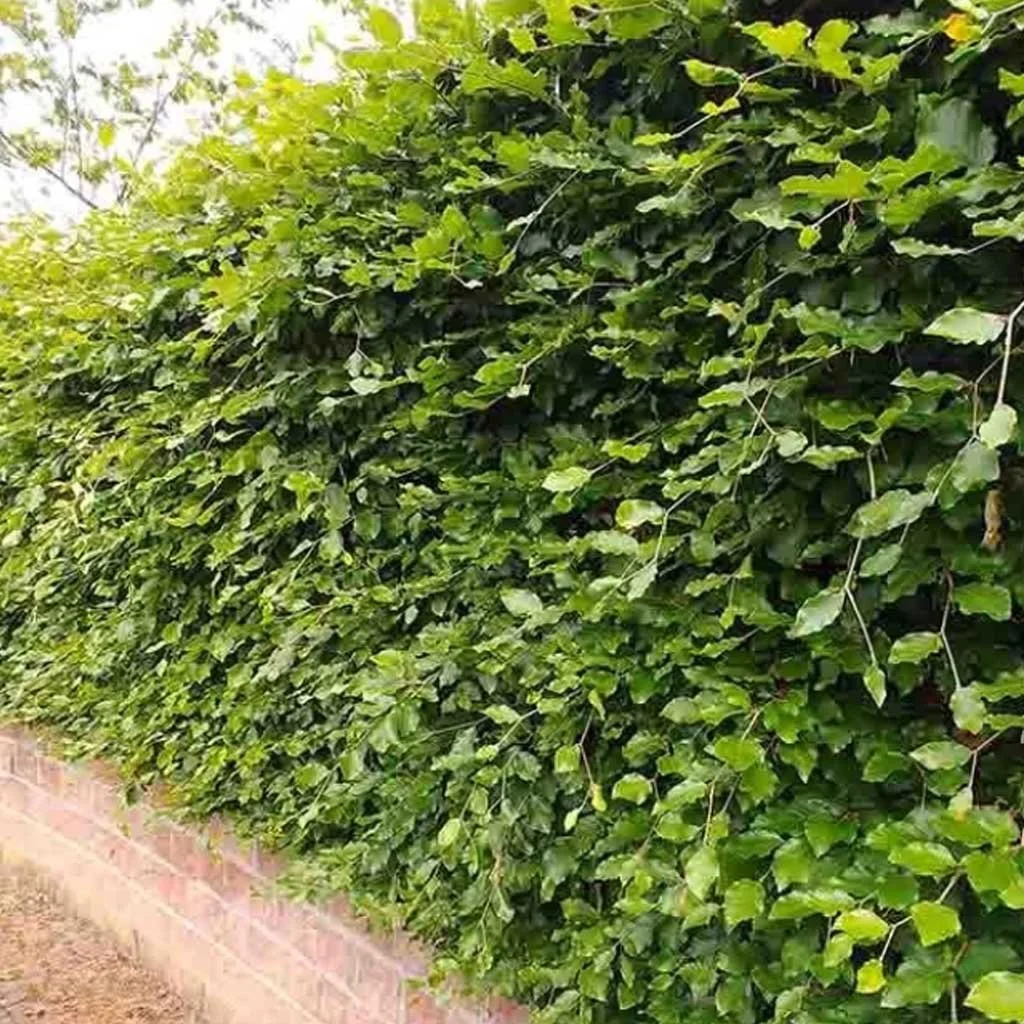
Green Beech
Traditional clipped hedging with seasonal colour. Established clipped plants may retain some coppery leaves through winter.
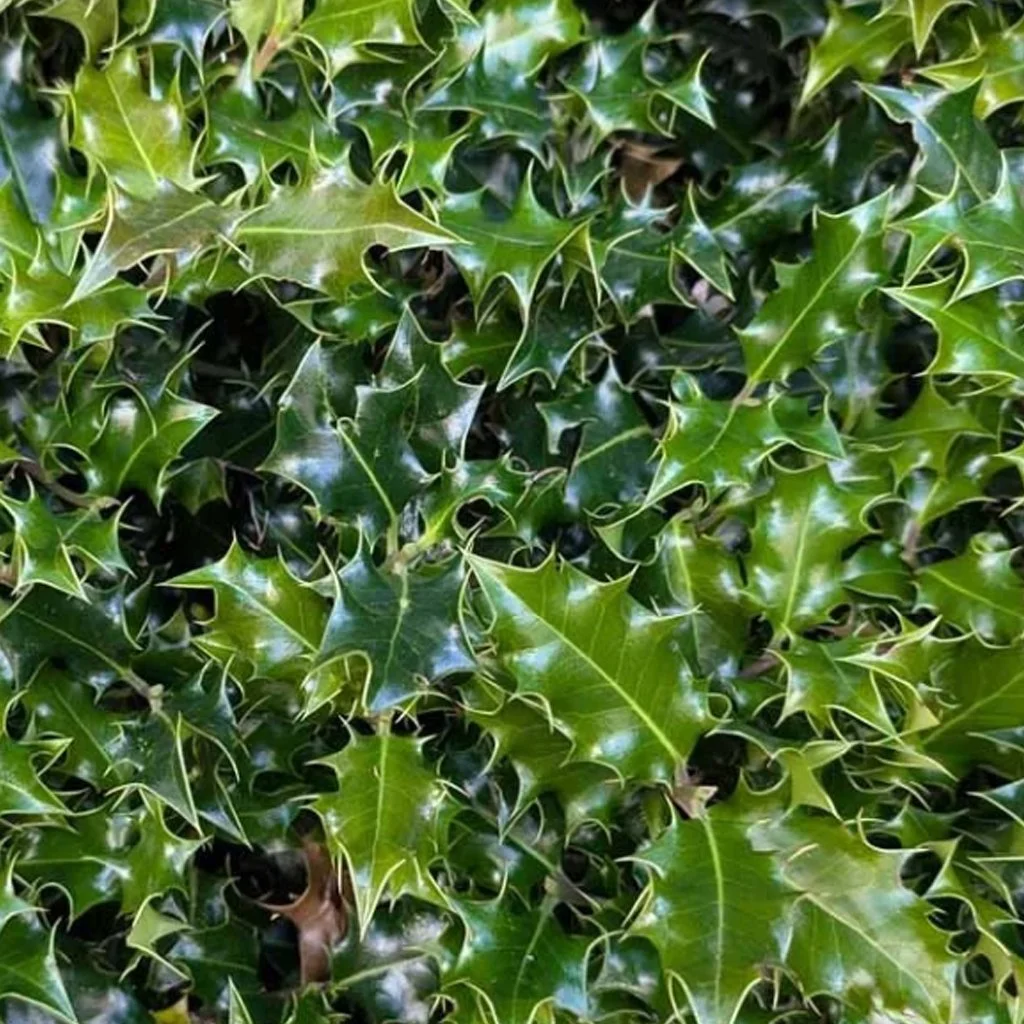
English Holly
Native evergreen hedging with dense, often spiny foliage for year-round screening and wildlife shelter.
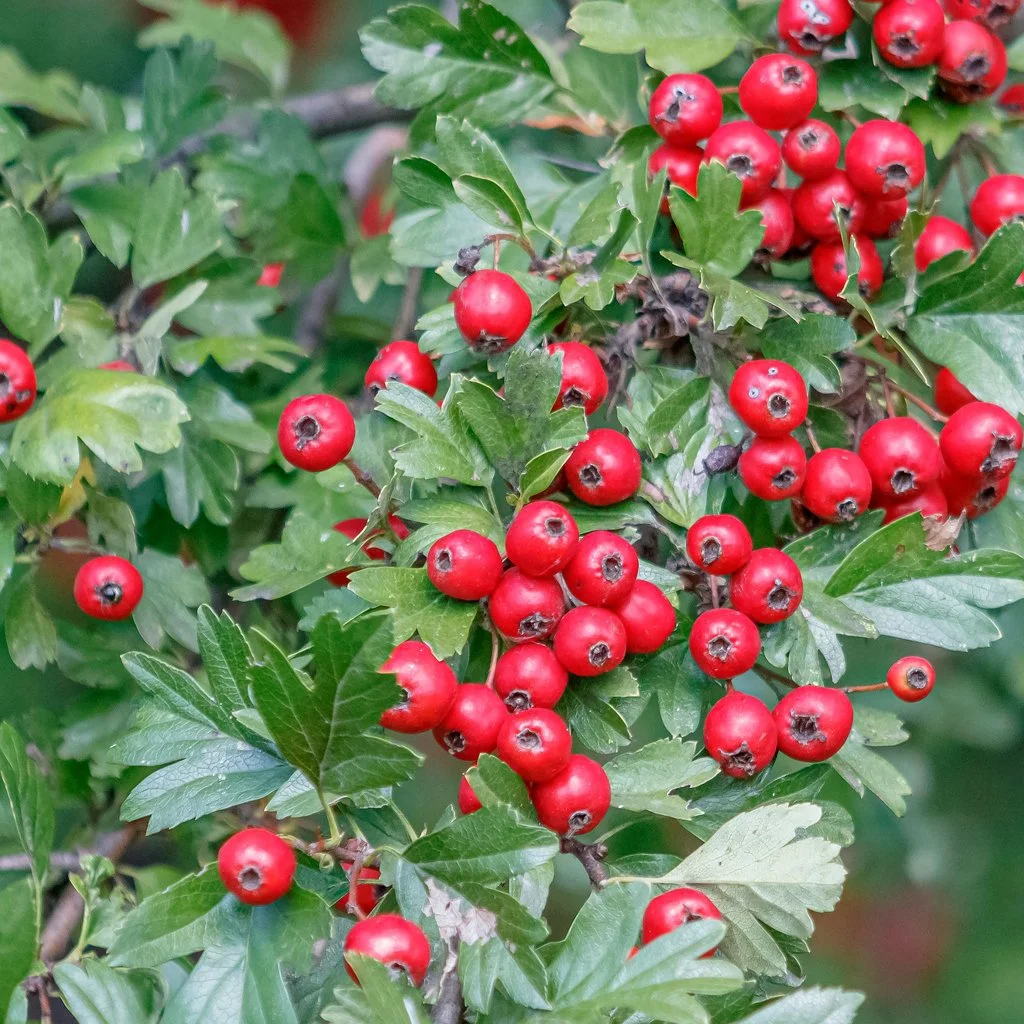
Hawthorn
Native deciduous hedging for informal boundaries, with spring blossom, autumn berries and thorny growth.
Plant sizes, stock types, prices and availability vary by species and season.
Choosing the Right Hedge Height for Your Garden
The intended height of a hedge should reflect its purpose and the surrounding garden.
Low Garden Boundaries
Lower hedging can define front gardens, paths and planting areas without creating a substantial screen.
Patio Privacy
A taller hedge may provide screening around a patio or seating area, depending on sightlines and ground levels.
Neighbouring Windows
Screening upper-floor views requires careful assessment of height, position and distance.
Long-Term Maintenance
Choose a height that can be maintained safely without excessive annual cutting.
Evergreen hedges can also be subject to high-hedge legislation in certain circumstances. It is sensible to consider neighbouring daylight and garden amenity before planting.
Hedging for Gardens Near Roads & Busy Streets
Roadside hedging can soften the appearance of a front garden, create visual separation from passing traffic and introduce greenery.
Evergreen species can provide year-round screening where appropriate.
A hedge may help intercept some airborne particles and reduce wind exposure, but it should not be treated as a complete noise barrier.
Driveway Visibility
A hedge beside a driveway must not obstruct visibility for drivers, cyclists or pedestrians.
Footpaths and Pavements
Allow enough room for future growth and clipping so that the hedge does not encroach onto public pedestrian routes.
Exposure and Maintenance
Consider wind exposure, roadside pollution, winter maintenance and the accessibility of the hedge for pruning.
Choosing Hedging for Handforth Garden Soils
Garden soils can vary considerably between properties. Some planting areas may contain compacted ground, heavier soil or material introduced during construction.
Heavier Soils
Hornbeam can tolerate many heavier soils, provided the ground is not persistently waterlogged.
Free-Draining Ground
Beech and Yew generally require adequate drainage and may struggle where water remains around the roots for long periods.
Shaded Boundaries
Some species tolerate partial shade, but the combined effects of shade, dry soil and root competition must be considered.
Newly Landscaped Gardens
Where soil has been compacted by construction, appropriate ground preparation may be needed before planting.
Check the Actual Planting Position
Soil conditions can differ even within a single garden. Assess drainage, compaction and available rooting space before selecting plants.
Native Hedging for Natural Garden Boundaries
Native hedging can introduce seasonal interest and wildlife value into residential gardens.
Hawthorn provides spring flowers, autumn berries and dense, thorny growth.
English Holly provides evergreen structure and shelter for wildlife.
Where space allows, a mixed native hedge may incorporate suitable species such as Hawthorn, Hazel and Field Maple.
Natural hedges generally need adequate space to develop and may not be the best choice for the narrowest garden boundaries.
Maintenance should take account of nesting birds and the seasonal value of flowers and berries.
Bare-Root, Rootballed & Container-Grown Hedging
Bare-Root Hedging
Generally available during the dormant season and often economical for longer boundaries.
Rootballed Hedging
Generally available from mid-October to late April, weather permitting, in selected species and sizes.
Container-Grown Hedging
Offers greater flexibility in planting dates, subject to suitable conditions and aftercare.
Larger Hedging Plants
May provide more immediate screening but require appropriate handling, watering and establishment.
How Many Hedging Plants Will I Need?
Plant quantities depend on hedge length, supplied size, species, stock type and recommended spacing.
Some rootballed hedge specifications use around three plants per linear metre. Bare-root planting densities can differ significantly according to plant size.
Confirm the correct spacing for the chosen stock before ordering.
Establishing a New Hedge in a Residential Garden
Successful establishment depends on correct planting, suitable soil preparation and consistent aftercare.
Prepare the Planting Area
Remove competing weeds and assess soil structure, drainage and available rooting space.
Plant at the Correct Depth
Follow the planting requirements for the supplied stock and avoid burying stems too deeply.
Water During Establishment
Monitor soil moisture and water thoroughly when required, especially during dry weather.
Apply Suitable Mulch
Organic mulch can reduce weed competition and help retain moisture. Keep it clear of stems.
Maintain the Intended Shape
Formative pruning and ongoing trimming should be appropriate to the species and desired hedge form.
Allow for the First Growing Seasons
Even a healthy hedge can struggle without appropriate watering and maintenance during establishment.
What Does Hedge Supply & Planting Cost in Handforth?
The cost of a new hedge depends on the species, plant size, quantity, stock type and installation requirements.
Hedge Length & Spacing
The total length and recommended planting density determine the number of plants.
Supplied Plant Height
Larger plants generally cost more and may require additional handling and support.
Ground Preparation
Removing old planting, addressing compaction and preparing soil can affect labour costs.
Access & Additional Work
Restricted access, irrigation, mulching and other agreed work can affect the quotation.
For compact residential gardens, access arrangements and available working space can be important installation considerations.
A project-specific quotation is preferable to relying on a generic cost per metre.
Professional Hedge Supply & Planting in Handforth
Landscaping Emporium works alongside Kirman Design to offer professional hedge supply and planting for suitable projects in Handforth and nearby areas.
Depending on the agreed specification, the service may include plant selection, quantity calculations, delivery, ground preparation, setting out, planting, irrigation and aftercare advice.
How to Request a Quotation
Describe the Hedge
Tell us the approximate length, intended height, purpose and preferred species.
Provide Site Details
Include your postcode, photographs, access information and available planting width.
Review the Options
We can discuss suitable stock types, planting requirements and quotation arrangements.
Learn more about our professional hedge supply and planting service .
Hedging in Handforth & Surrounding Communities
We welcome hedging supply and planting enquiries from Handforth and surrounding areas.
Handforth
Evergreen privacy hedging and residential garden boundaries.
Wilmslow
Formal evergreen hedging and established garden planting.
Styal
Traditional hedging and natural garden boundaries.
Dean Row
Privacy hedging and garden screening.
Heald Green
Compact residential hedging and evergreen boundaries.
Cheadle Hulme
Garden privacy screening and traditional hedging.
Professional planting availability depends on location, project requirements and site access.
Handforth Hedging FAQs
Which hedging plants are suitable for Handforth?
Yew, Portuguese Laurel, Hornbeam, Beech, Holly and Hawthorn may all be suitable, depending on site conditions.
Which hedge is best for a narrow garden?
English Yew can be maintained as a relatively narrow formal hedge, provided adequate planting space and drainage are available.
Which hedge provides year-round privacy?
Evergreen species including Yew, Portuguese Laurel and Holly can provide year-round screening.
Can hedging screen neighbouring windows?
Yes, depending on the position, height and viewing angle. Upper-floor overlooking may require a different approach from ground-level privacy.
Can a hedge be planted beside a driveway?
Often, yes, but it must not obstruct visibility, pedestrian access or safe vehicle movements.
How wide should a garden hedge be?
The appropriate width depends on the species, height and intended maintenance regime. Allow sufficient space for healthy growth and clipping access.
When is bare-root hedging available?
Generally during the dormant season, subject to weather and stock availability.
When is rootballed hedging available?
Generally from mid-October to late April, weather permitting.
How many hedging plants will I need?
Quantities depend on hedge length, species, plant size, stock type and recommended spacing.
Do you offer professional hedge planting in Handforth?
We welcome enquiries for suitable projects, subject to access and installation requirements.
What affects the cost of a new hedge?
Plant size, quantity, ground preparation, access and any additional installation requirements affect the cost.
How should a newly planted hedge be watered?
Monitor soil moisture regularly and water thoroughly when needed, particularly during dry weather and the establishment period.
Explore Hedging Across Cheshire
Visit our Cheshire Hedging Guide for regional planting advice and species selection.
Explore nearby guides for Wilmslow, Alderley Edge and Knutsford.
Alternatively, browse our hedging plant collection or use the Hedge Selector.
Planning a New Hedge in Handforth?
Whether you need a narrow garden hedge, evergreen privacy screening or traditional boundary planting, explore our hedging range or enquire about professional supply and installation.
Telephone: 01942 604976
Email: hello@landscapingemporium.co.uk
Selected by designers. Installed by professionals.