
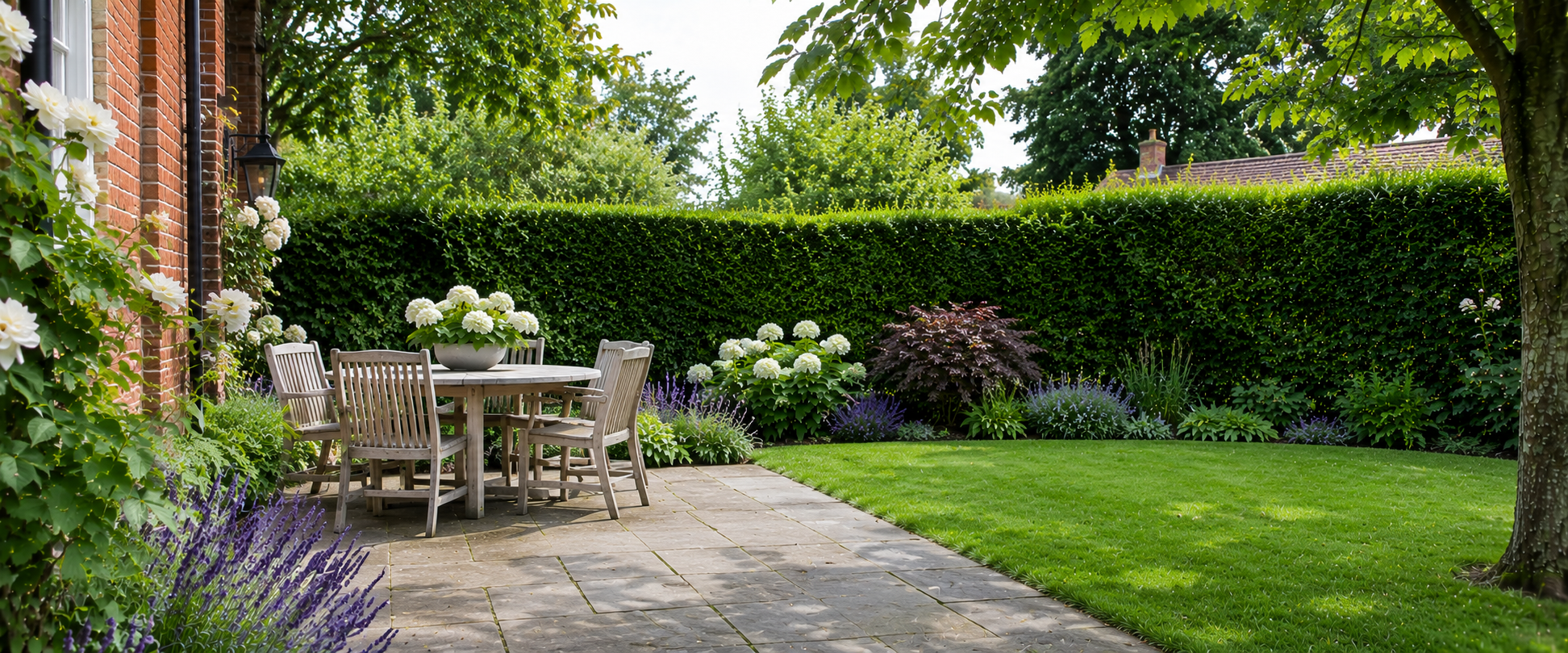
Hedging Plants & Professional Hedge Planting in Hartford
Evergreen, traditional and native hedging for established gardens, mature boundaries, formal landscaping and year-round privacy in Hartford, Cheshire.
Landscaping Emporium supplies quality hedging plants for homeowners in Hartford and the surrounding Northwich area.
From formal English Yew hedges to traditional Beech and Hornbeam, carefully chosen hedging can provide garden structure, privacy and an attractive backdrop to ornamental planting.
Hartford has a mixture of traditional houses, family homes and established residential gardens. Where mature trees, existing shrubs and boundary planting are already present, the best hedge is not necessarily the fastest-growing species.
Available root space, soil conditions, shade, drainage and long-term maintenance should all influence the planting specification.
We supply bare-root, rootballed and container-grown hedging, with professional planting available for suitable projects.
Selected by designers. Installed by professionals.
Hedging That Complements an Established Garden
In an established garden, a new hedge should work with existing trees, shrubs, paths, lawns and boundary features.
A formal hedge can provide a strong architectural framework, while a more natural boundary can create a softer transition between different parts of the garden.
Formal Evergreen Boundaries
English Yew for dense, clipped hedging and understated year-round garden structure.
Privacy for Family Gardens
Portuguese Laurel and other suitable evergreens for screening patios, seating areas and residential boundaries.
Traditional Garden Hedges
Beech and Hornbeam for clipped boundaries with seasonal foliage and attractive form.
Wildlife-Friendly Planting
Hawthorn, Holly and suitable mixed native hedging for natural garden boundaries.
The eventual maintained height and width should be considered before planting, particularly where a hedge will border an existing path or planting bed.
Planting Hedging Near Mature Trees in Hartford
Mature trees can be one of the most valuable features of an established garden, but they also create particular challenges when planting new hedging.
Their roots compete for water and nutrients, while the canopy can reduce the amount of light reaching young plants.
Understanding Root Competition
Tree roots frequently extend well beyond the visible canopy.
A planting position that appears clear above ground may contain an extensive network of established roots.
New hedging can struggle to establish where available moisture and rooting space are severely restricted.
Choosing Shade-Tolerant Hedging
English Yew and Holly can tolerate shade, although neither is guaranteed to thrive in heavily root-congested or excessively dry ground.
Species selection should consider the intensity of shade, soil moisture and the amount of usable planting space.
Protecting Existing Trees
Excavating a continuous trench through significant tree roots can damage established trees.
Where planting is proposed within a tree's rooting area, the layout and installation method should be assessed first.
Important Tree Protection Advice
Protected trees may be subject to additional legal controls.
Before excavating near a mature tree, check whether a Tree Preservation Order or conservation-area restrictions apply.
Where necessary, obtain appropriate arboricultural advice before proceeding.
Watering Beneath Trees
Ground beneath established trees can become dry even when the surrounding garden appears moist.
New hedging in these locations requires careful monitoring and appropriate watering during establishment.
Our Hedge Selector can help identify species that tolerate particular light and soil conditions.
Formal Hedging for Traditional Hartford Properties
Clipped hedging can create a strong visual framework around lawns, paths and ornamental planting beds.
For traditional properties, Beech, Hornbeam and English Yew can provide a restrained appearance that complements established garden design.
English Yew
Yew is particularly suited to formal evergreen hedging. Its dense foliage responds well to careful clipping and provides year-round garden structure.
Green Beech
Beech produces fresh green spring foliage that changes to coppery brown in autumn.
Regularly clipped Beech often retains some dead leaves through winter, although it should not be treated as fully evergreen.
Hornbeam
Hornbeam provides attractive pleated foliage and can be particularly useful where soils are heavier but adequately drained.
Designing with Existing Planting
The position of a new formal hedge should complement established specimen trees, existing borders and important garden views.
Six Hedging Plants for Hartford Gardens
These species provide options for formal evergreen boundaries, traditional clipped hedges, wildlife-friendly planting and residential privacy.
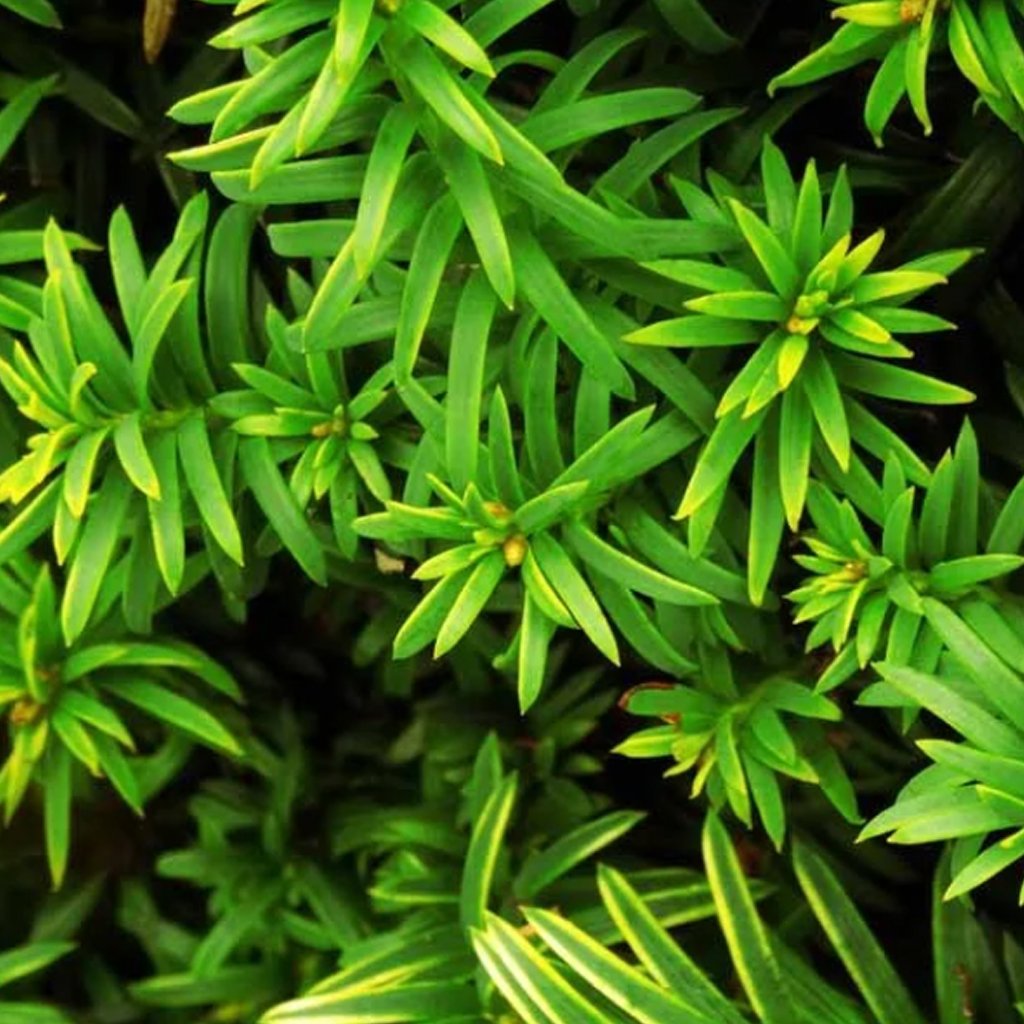
English Yew
Dense evergreen hedging for formal boundaries and controlled screening. Tolerates some shade but requires adequate drainage. Highly toxic if ingested.
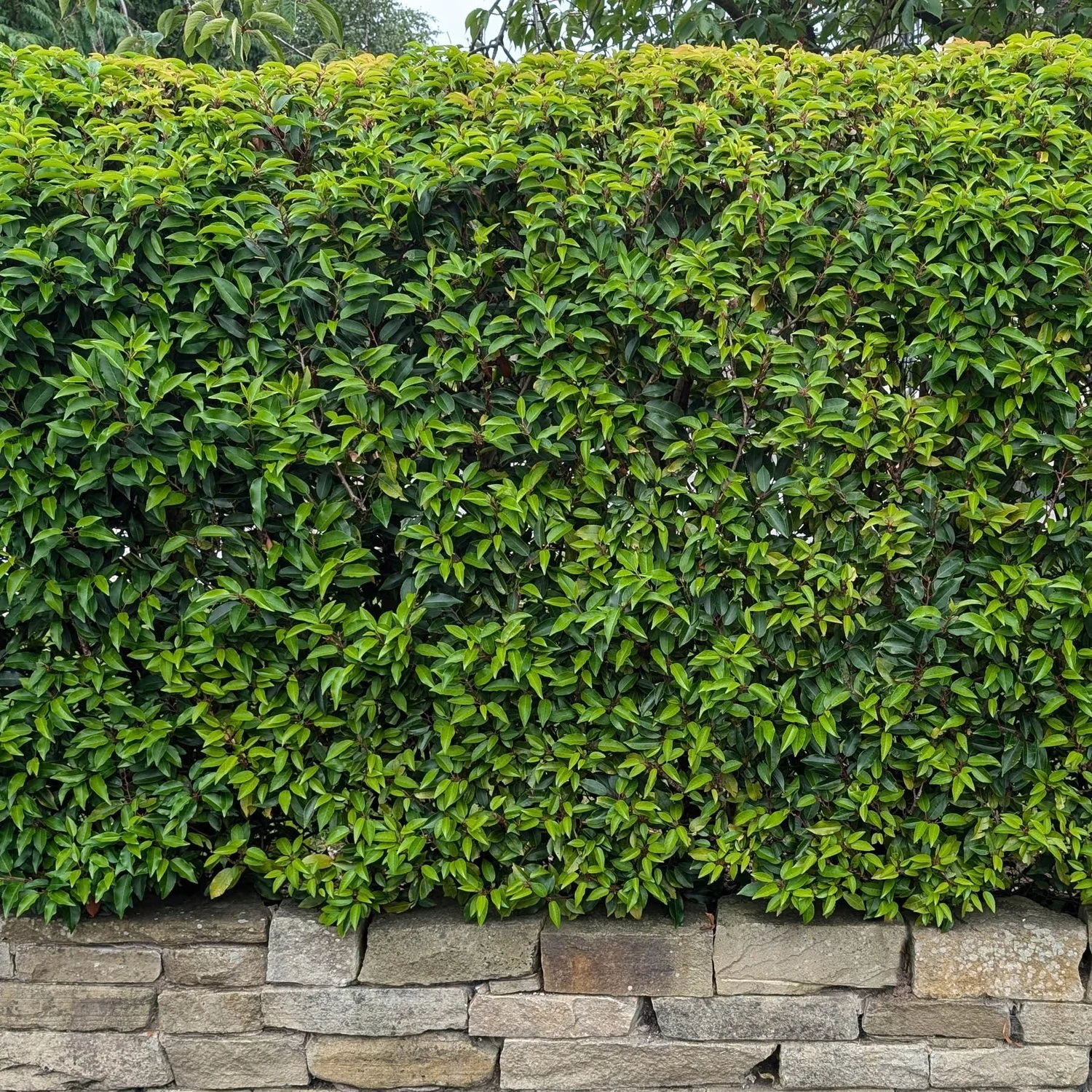
Portuguese Laurel
Attractive evergreen hedging with glossy foliage and reddish stems. Suitable for privacy screening where adequate space is available.
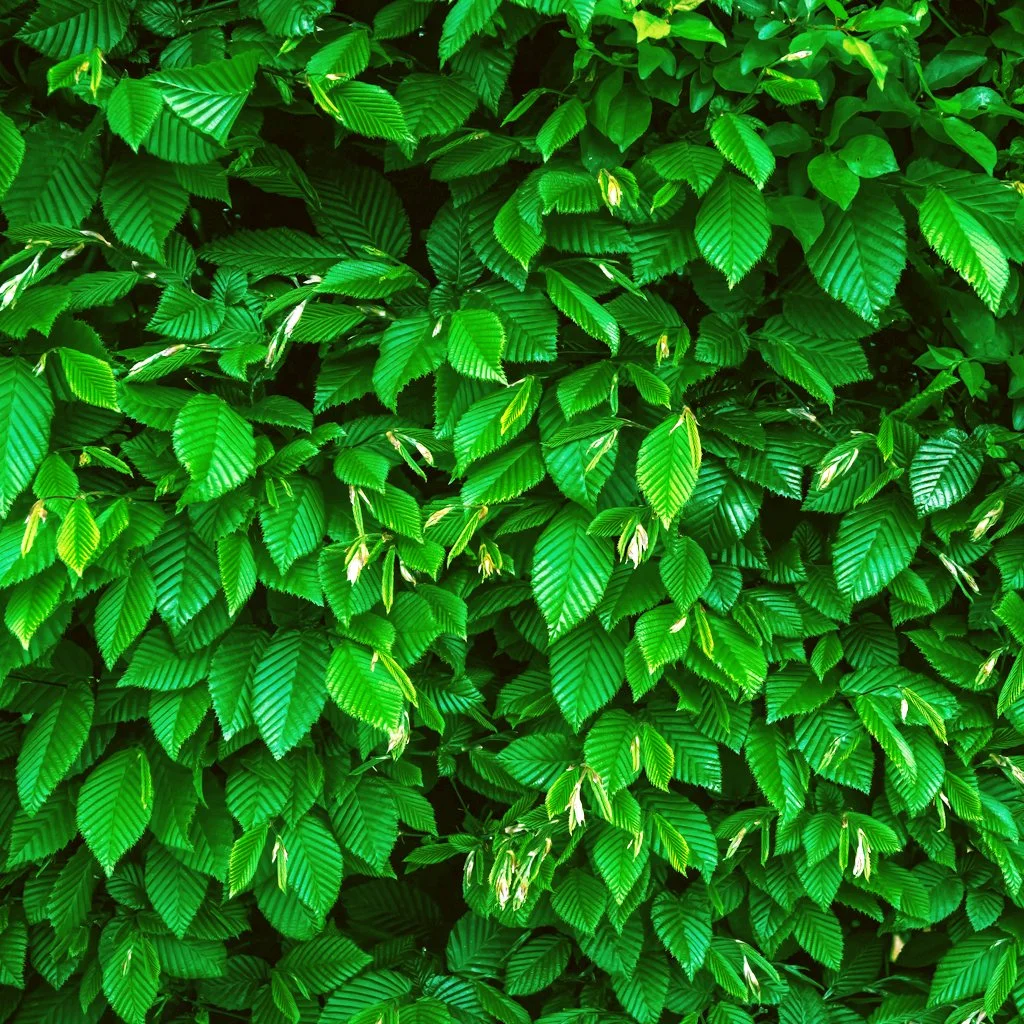
Hornbeam
Traditional deciduous hedging with pleated foliage. Suitable for clipped boundaries and many heavier soils where drainage is adequate.
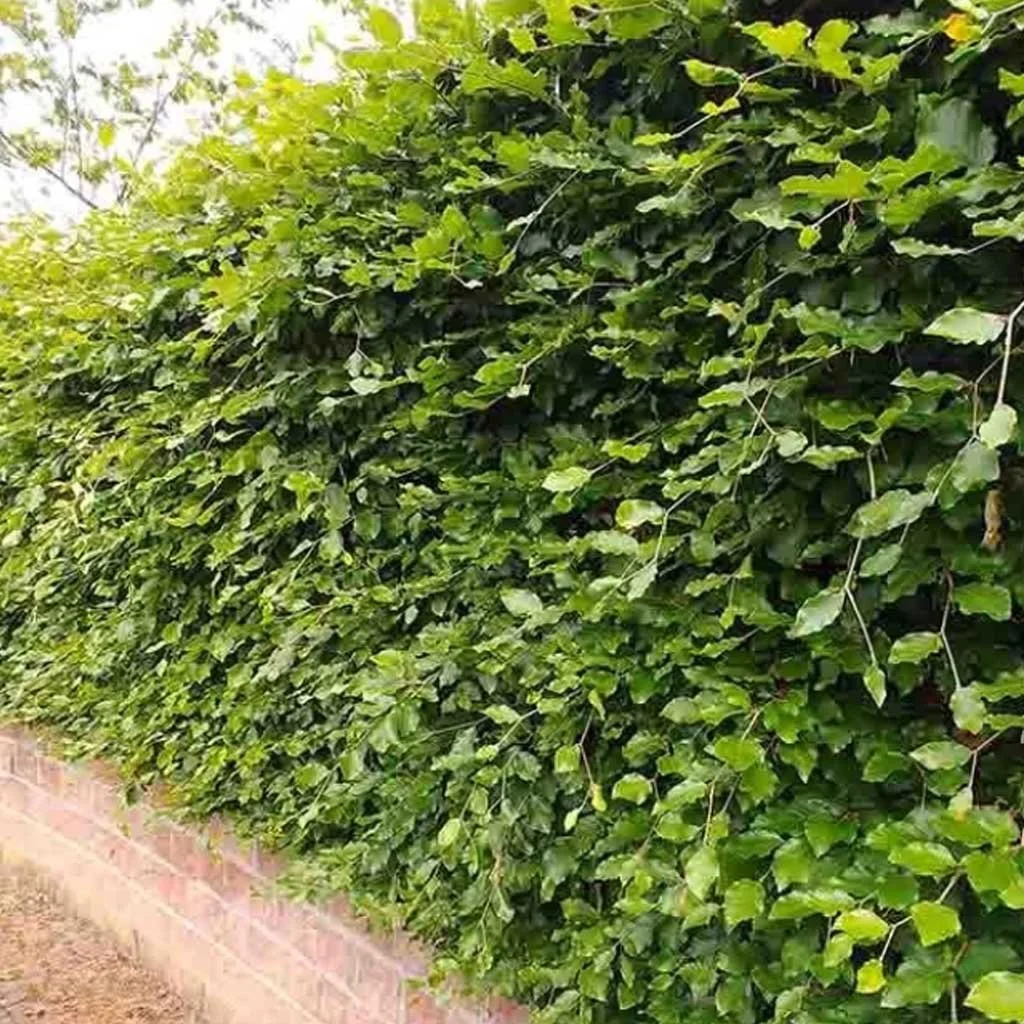
Green Beech
Classic clipped hedging with fresh green foliage and coppery autumn colour. May retain some leaves through winter.
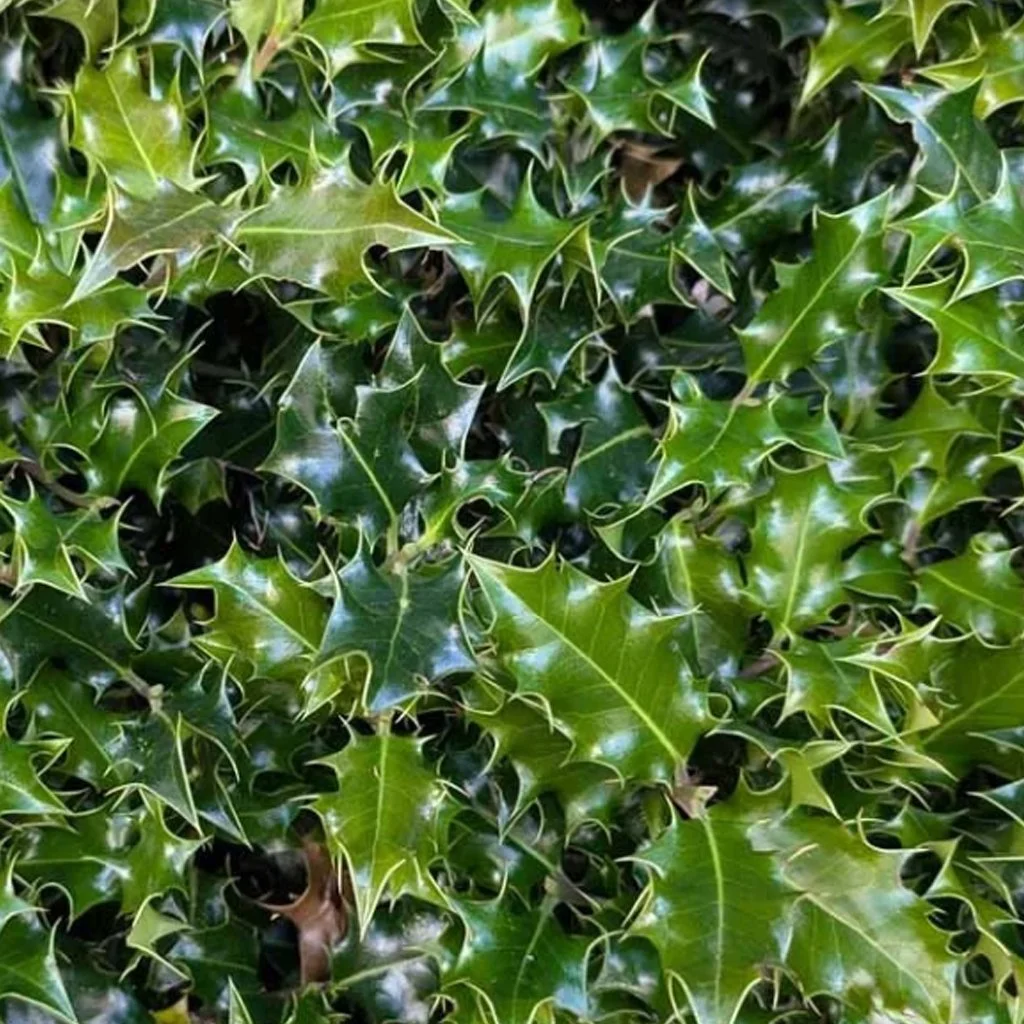
English Holly
Native evergreen hedging with dense, often spiny foliage. Tolerates partial shade and provides year-round structure and wildlife shelter.
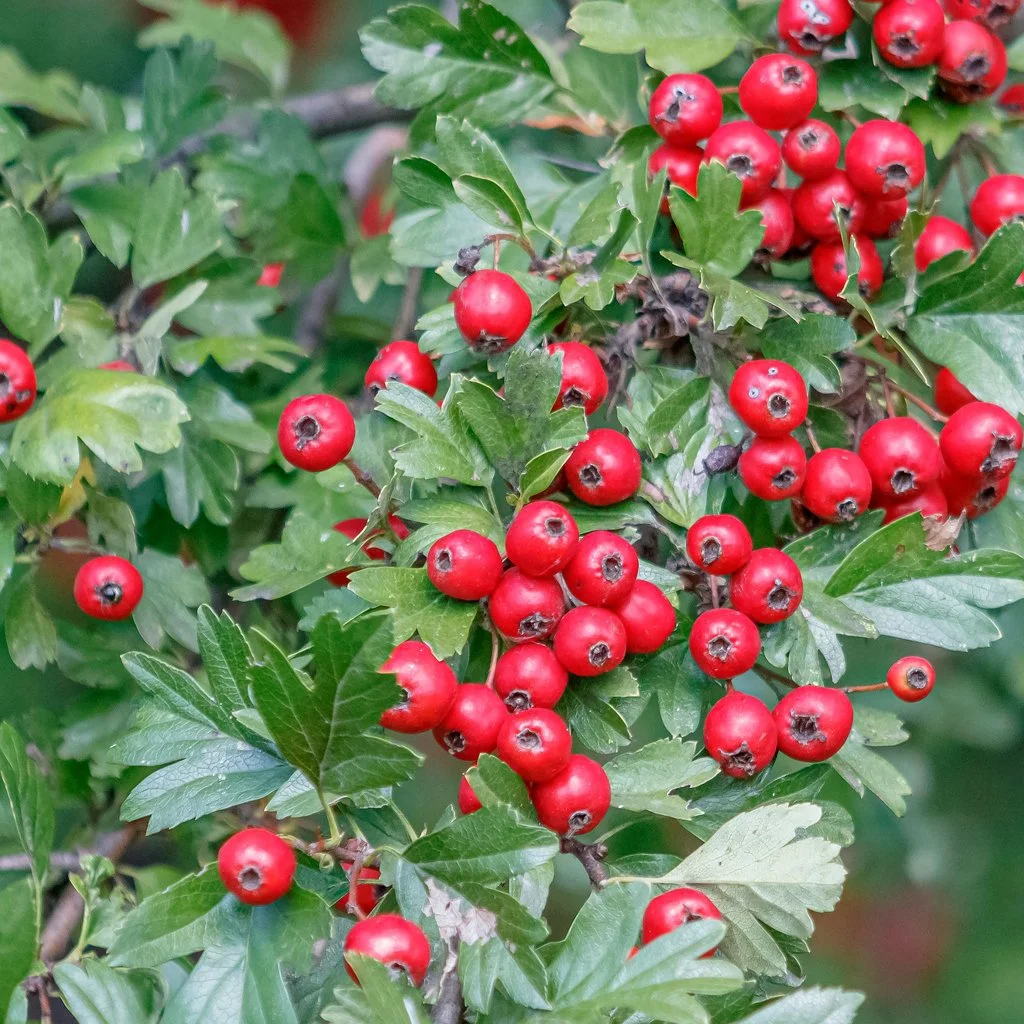
Hawthorn
Native deciduous hedging with spring blossom, autumn berries and thorny branches. Suitable for informal and wildlife-friendly garden boundaries.
Plant sizes, stock types, prices and availability vary by species and season.
Creating Privacy Without Over-Enclosing the Garden
Evergreen hedging can provide privacy throughout the year, but taller is not always better.
An excessively high boundary can reduce sunlight, increase maintenance requirements and make an established garden feel enclosed.
Screening a Patio
A hedge positioned near a seating area may provide effective screening without requiring every garden boundary to be raised.
Screening Neighbouring Windows
The required height depends on the viewing angle, ground levels and distance between properties.
Maintaining Garden Views
Where a property has attractive specimen trees or established ornamental planting, hedging should be positioned to preserve important views.
Garden Design Consideration
Identify the precise area requiring privacy before choosing the hedge height and position.
A strategically placed screen can often achieve more than a uniformly tall boundary hedge.
Formal Hedging for Front Gardens in Hartford
A carefully maintained hedge can enhance the appearance of a front garden and provide a consistent framework for ornamental planting.
English Yew is a particularly attractive choice for formal evergreen boundaries where drainage is suitable.
Beech and Hornbeam can complement traditional properties where a seasonal hedge is preferred.
Driveway Visibility
Hedging beside a driveway should not obstruct visibility for drivers, cyclists or pedestrians.
Boundary Access
Allow sufficient space for future clipping without depending on access from neighbouring land.
Existing Walls and Features
Consider the condition of boundary walls, underground services and existing planting before excavating.
Choosing Hedging for Hartford Garden Soils
Soil conditions can vary considerably between properties in Hartford.
An established garden may have a different soil profile from a recently landscaped plot, particularly where construction has disturbed the ground.
Heavier Soils
Hornbeam can tolerate many heavier soils, provided drainage remains adequate.
Well-Drained Ground
Beech and English Yew generally require adequate drainage and should not be planted into persistently saturated ground.
Compacted Soil
Compaction can restrict root growth and reduce drainage.
Appropriate ground preparation may be needed before planting.
Dry Soil Beneath Trees
Existing tree roots can create very dry planting conditions.
Even shade-tolerant species may struggle without sufficient moisture during establishment.
Assess the Planting Position
Check soil structure, drainage, compaction and root competition before selecting the final hedge species.
Planning for the Mature Height & Width of a Hedge
The size of the plants supplied is only one part of the specification.
The eventual maintained height and width will determine how the hedge fits into the garden over time.
Hedges Beside Paths
Allow enough width for future growth without obstructing pedestrian access.
Hedges Beside Lawns
Consider whether the hedge will be maintained as a formal clipped boundary or allowed to develop more naturally.
Clipping Access
Allow suitable access for regular maintenance on all necessary sides.
Species Growth Rate
Faster growth does not necessarily mean a better hedge.
A species with a manageable growth habit may be more suitable for a carefully designed garden.
Bare-Root, Rootballed & Container-Grown Hedging
The type of stock supplied affects planting dates, initial appearance, handling and cost.
Bare-Root Hedging
Generally available during the dormant season and often economical for longer boundaries.
Rootballed Hedging
Generally available from mid-October to late April, weather permitting, in selected species and sizes.
Container-Grown Hedging
Offers greater planting flexibility, subject to suitable ground conditions and aftercare.
Larger Hedging Plants
Can provide more immediate screening but may require additional handling, support and watering.
How Many Hedging Plants Will I Need?
Plant quantities depend on the hedge length, species, supplied size, stock type and recommended spacing.
Some rootballed hedging specifications use around three plants per linear metre.
Bare-root planting densities can vary considerably according to plant size and arrangement.
The correct spacing should be confirmed for the selected plant specification.
Establishing Hedging in a Mature Garden
A successful hedge requires suitable ground preparation, correct planting and ongoing care.
Preparing the Ground
Remove competing weeds and assess soil structure, drainage and available root space.
Protecting Existing Roots
Avoid unnecessary damage to established tree roots and important nearby planting.
Planting Depth
Follow the appropriate planting specification and avoid burying the root collar too deeply.
Watering
Monitor soil moisture regularly, especially during dry weather and where mature trees compete for water.
Mulching
Suitable organic mulch can help retain moisture and suppress competing weeds.
Keep mulch clear of plant stems.
Formative Pruning
Initial pruning and subsequent clipping should be appropriate to the species and desired hedge form.
Establishment Is Essential
Even high-quality hedging can fail if soil moisture, drainage and competition are not managed during the first growing seasons.
What Does Hedge Supply & Planting Cost in Hartford?
The cost of a new hedge depends on the selected species, plant size, stock type, quantity and installation requirements.
Species & Plant Size
Different species and supplied sizes have different purchase costs.
Hedge Length & Spacing
The total length and recommended planting density determine quantities.
Ground Preparation
Existing roots, compacted soil, old planting and drainage issues can affect labour.
Access & Additional Work
Restricted access, irrigation, mulching and larger plant handling may affect the quotation.
Established gardens may require particular care when working near mature trees, walls, drainage and existing planting.
A project-specific quotation should identify the plant sizes, quantities and installation requirements rather than relying solely on a generic cost per metre.
Professional Hedge Supply & Planting in Hartford
Landscaping Emporium works alongside Kirman Design to offer professional hedge supply and planting for suitable projects in Hartford and the wider Northwich area.
Depending on the agreed specification, services may include species selection, quantity calculations, delivery, ground preparation, setting out, planting, irrigation and aftercare advice.
How to Request a Quotation
Describe the Hedge
Provide the approximate length, preferred plant height, purpose and any species preferences.
Show the Site
Include your postcode, photographs, access details and information about existing trees or boundaries.
Review the Options
We can discuss appropriate stock types, planting requirements and quotation arrangements.
Find out more about our professional hedge supply and planting service .
Hedging in Hartford & the Surrounding Northwich Area
We welcome hedging supply and planting enquiries from Hartford and surrounding central Cheshire communities.
Hartford
Formal evergreen hedging, established gardens and privacy screening.
Northwich
Residential hedging, traditional boundaries and evergreen screening.
Weaverham
Native hedging, privacy planting and established garden boundaries.
Greenbank
Residential hedging for garden boundaries and outdoor living spaces.
Davenham
Traditional clipped hedges and natural village garden planting.
Sandiway
Evergreen screening and traditional hedging for larger gardens.
Professional planting availability depends on project requirements, access and location.
Hartford Hedging FAQs
Which evergreen hedge is best for a Hartford garden?
English Yew, Portuguese Laurel and Holly are possible choices. The best species depends on drainage, shade, available space and the required appearance.
Can I plant a hedge beneath mature trees?
Sometimes, but root competition, shade and dry soil can make establishment difficult. The planting position and method should be assessed first.
Which hedge is suitable for a traditional property?
Beech, Hornbeam and English Yew can complement traditional architecture where site conditions are suitable.
Which hedging tolerates heavier soil?
Hornbeam can tolerate many heavier soils, provided the ground is not persistently waterlogged.
Can hedging provide privacy from neighbouring windows?
Yes, depending on hedge position, height, ground levels and viewing angles.
Will a hedge grow in deep shade?
Some species tolerate shade, but very low light and strong root competition can prevent successful establishment.
When is bare-root hedging available?
Generally during the dormant season, subject to weather and stock availability.
When is rootballed hedging available?
Generally from mid-October to late April, weather permitting.
How many hedging plants will I need?
Quantities depend on hedge length, species, stock type, plant size and recommended spacing.
Do you provide professional hedge planting in Hartford?
We welcome enquiries for suitable supply and planting projects in Hartford and surrounding areas.
What affects the cost of a new hedge?
Species, plant size, quantities, ground preparation, access and additional installation requirements all influence cost.
How should a newly planted hedge be watered?
Monitor soil moisture and water thoroughly when required, particularly during dry weather and where mature trees compete for water.
Explore Hedging Across Cheshire
For regional planting advice, visit our Cheshire Hedging Guide .
You can also explore nearby guides for Northwich, Winsford and Holmes Chapel.
Browse the complete hedging plant collection or use our Hedge Selector to compare species.
Planning a New Hedge in Hartford?
Whether you need formal evergreen screening, a traditional garden hedge or professional planting around an established garden, explore our range and discuss your requirements.
Telephone: 01942 604976
Email: hello@landscapingemporium.co.uk
Selected by designers. Installed by professionals.