
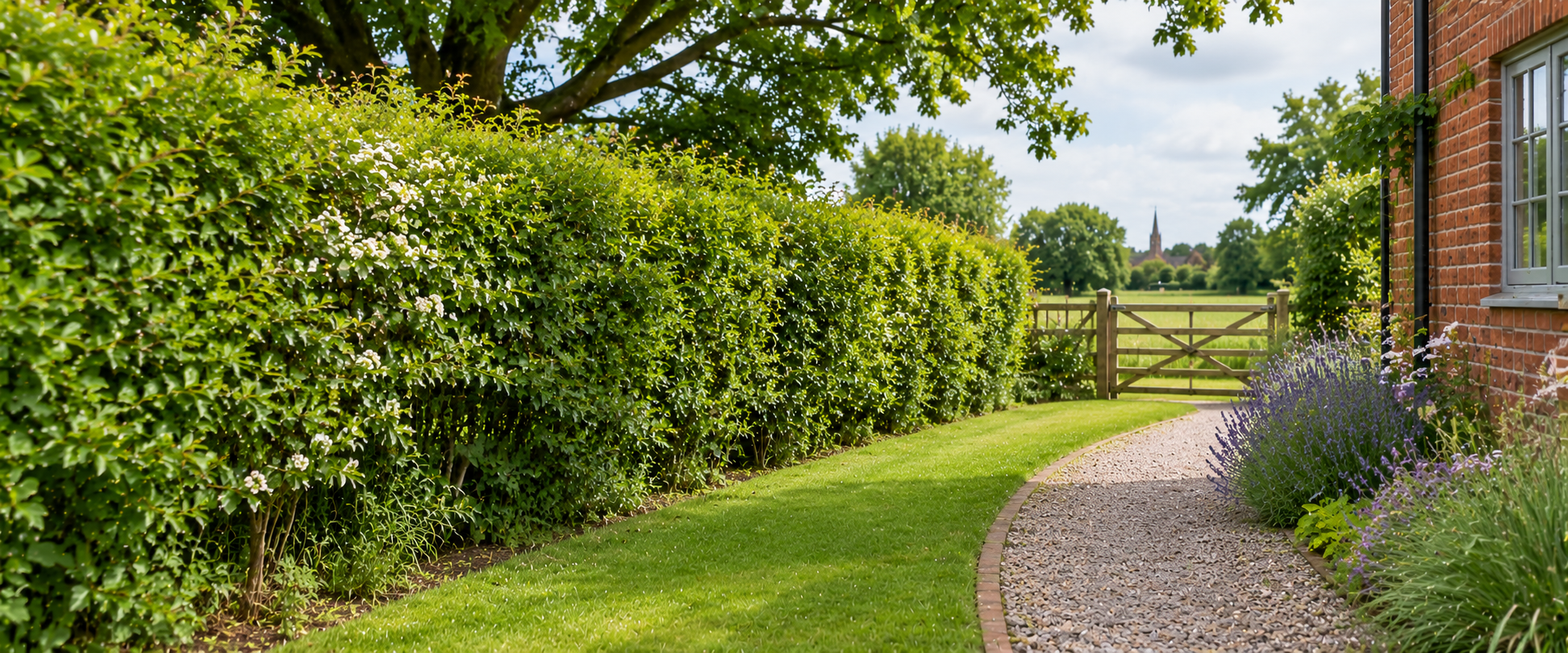
Hedging Plants & Professional Hedge Planting in Hindley
Quality hedging plants for restoring garden boundaries, replacing failing hedges and creating attractive privacy screening in Hindley, Hindley Green and surrounding Wigan areas.
An established garden hedge can become uneven, develop gaps or lose its ability to provide privacy. However, replacing the entire boundary is not always necessary.
In some situations, careful renovation or selective replanting may restore the hedge's appearance. In others, complete replacement offers a more reliable long-term solution.
Landscaping Emporium supplies evergreen, deciduous and native hedging plants, with professional planting available for suitable projects.
We can help you consider replacement species, plant sizes, soil preparation and the establishment requirements of a new hedge.
Selected by designers. Installed by professionals.
Repairing or Replacing Garden Hedging in Hindley
Residential gardens in Hindley and Hindley Green can have a mixture of established boundaries, older hedging and recently planted screens.
When a hedge begins to deteriorate, it is important to identify the cause before buying replacement plants.
Poor drainage, drought, excessive shade, inappropriate pruning and competition from neighbouring vegetation can all contribute to hedge decline.
Gaps in Existing Hedges
Small gaps may sometimes be filled with new plants, provided the underlying cause of failure is addressed.
Overgrown Boundaries
Some species respond well to renovation pruning, while others may struggle to regenerate from older bare wood.
Uneven Hedge Growth
Differences in light, soil conditions and root competition can produce inconsistent growth along a boundary.
Complete Replacement
Where the existing hedge is severely damaged or unsuitable for the site, a new planting scheme may be more appropriate.
Why Do Established Hedges Develop Gaps?
Hedge decline does not always have a single cause. Several growing conditions may contribute to the problem.
Insufficient Light
Overhanging trees and neighbouring structures can reduce light, especially at the base of a hedge.
Root Competition
Established trees, shrubs and hedge plants compete for water, nutrients and rooting space.
Unsuitable Drainage
Persistently saturated ground can damage the roots of species that require well-drained soil.
Incorrect Pruning
Some conifers will not regenerate from old brown wood. Severe cutting may leave permanent gaps.
Diagnose Before Replanting
Replacing dead plants with the same species in unchanged conditions may lead to repeated failures.
Assess soil, drainage, light, root competition and possible pest or disease problems before selecting replacements.
Where disease is suspected, obtain a reliable diagnosis before moving or reusing affected material.
When Is It Better to Replace a Hedge?
The decision depends on the species, extent of damage and whether the existing hedge can recover.
| Hedge condition | Possible approach | Important consideration |
|---|---|---|
| Small isolated gaps | Selective replanting | Existing roots and shade may affect new plants. |
| Overgrown Yew | Planned renovation | Yew can regenerate from old wood, but substantial pruning needs care. |
| Brown Leylandii interior | Limited recovery from bare wood | Severe pruning into old brown growth generally does not regenerate. |
| Extensive plant loss | Consider replacement | Identify the original cause of failure first. |
| Unsuitable species | Choose an alternative | Match the new hedge to soil, light and space. |
Where an existing hedge is healthy and suitable, retaining it may be preferable to starting again.
Choosing New Hedging for Hindley Gardens
The best replacement hedge should address the limitations of the original planting while providing the required appearance and screening.
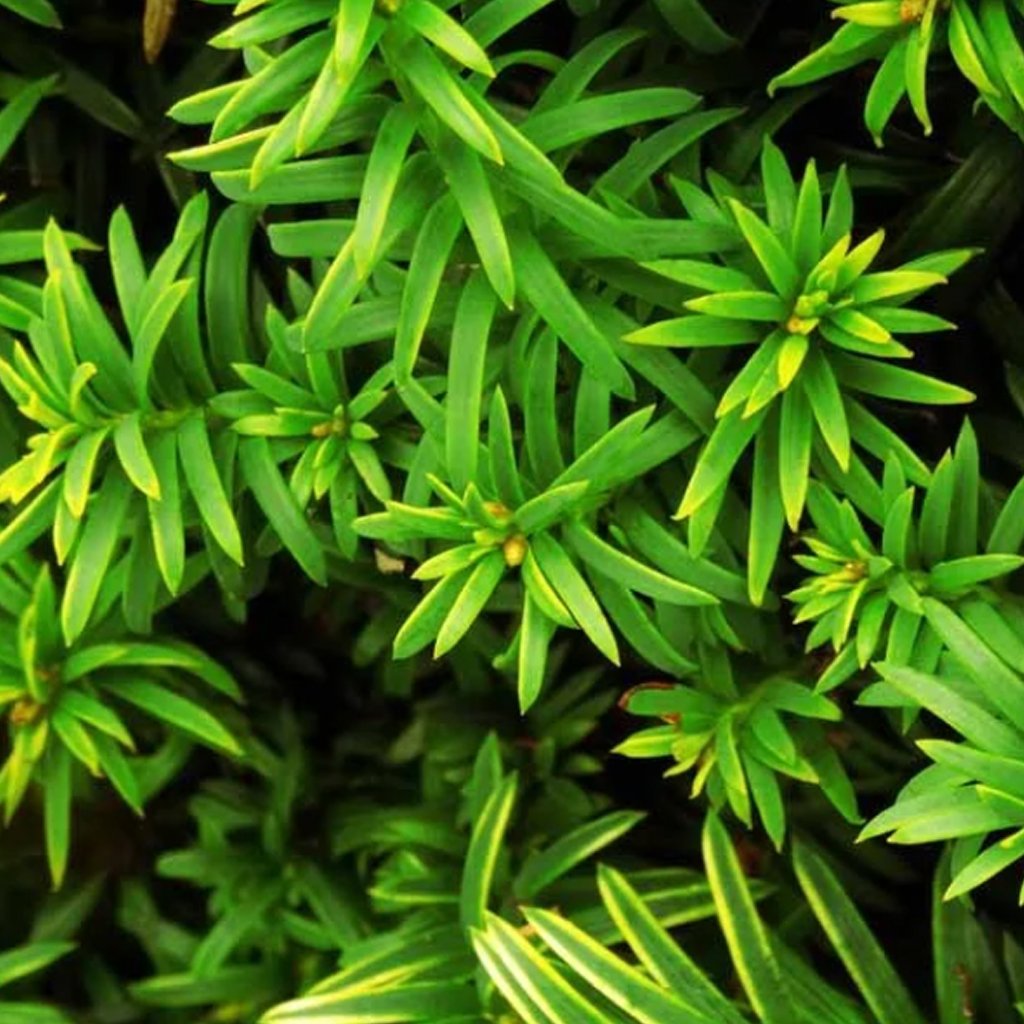
English Yew
Dense evergreen foliage and excellent clipping tolerance make Yew suitable for formal privacy hedging.
Established Yew can regenerate from old wood, although recovery takes time. Requires adequate drainage and is poisonous if eaten.
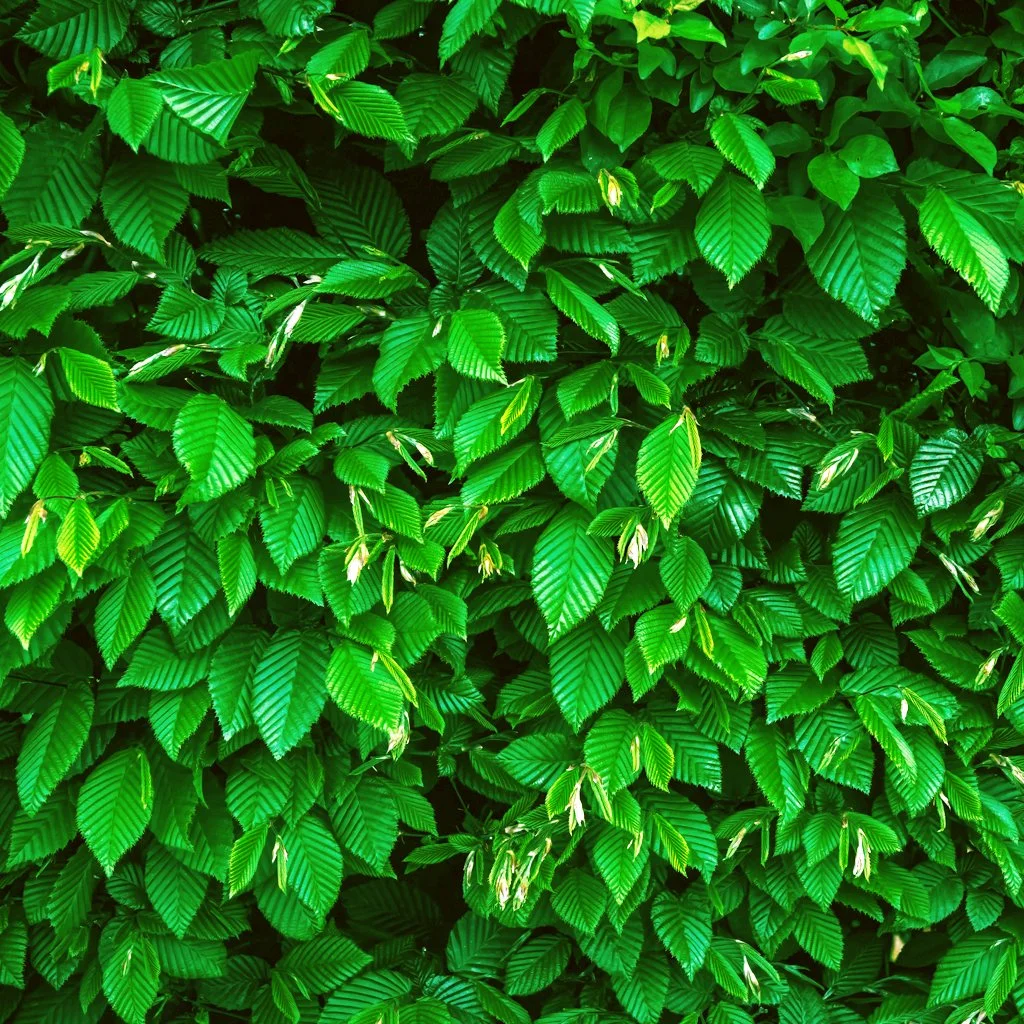
Hornbeam
A deciduous hedge that tolerates regular clipping and many heavier soil conditions.
A useful option where Beech may struggle with heavier, moisture-retentive ground. Does not tolerate prolonged waterlogging.
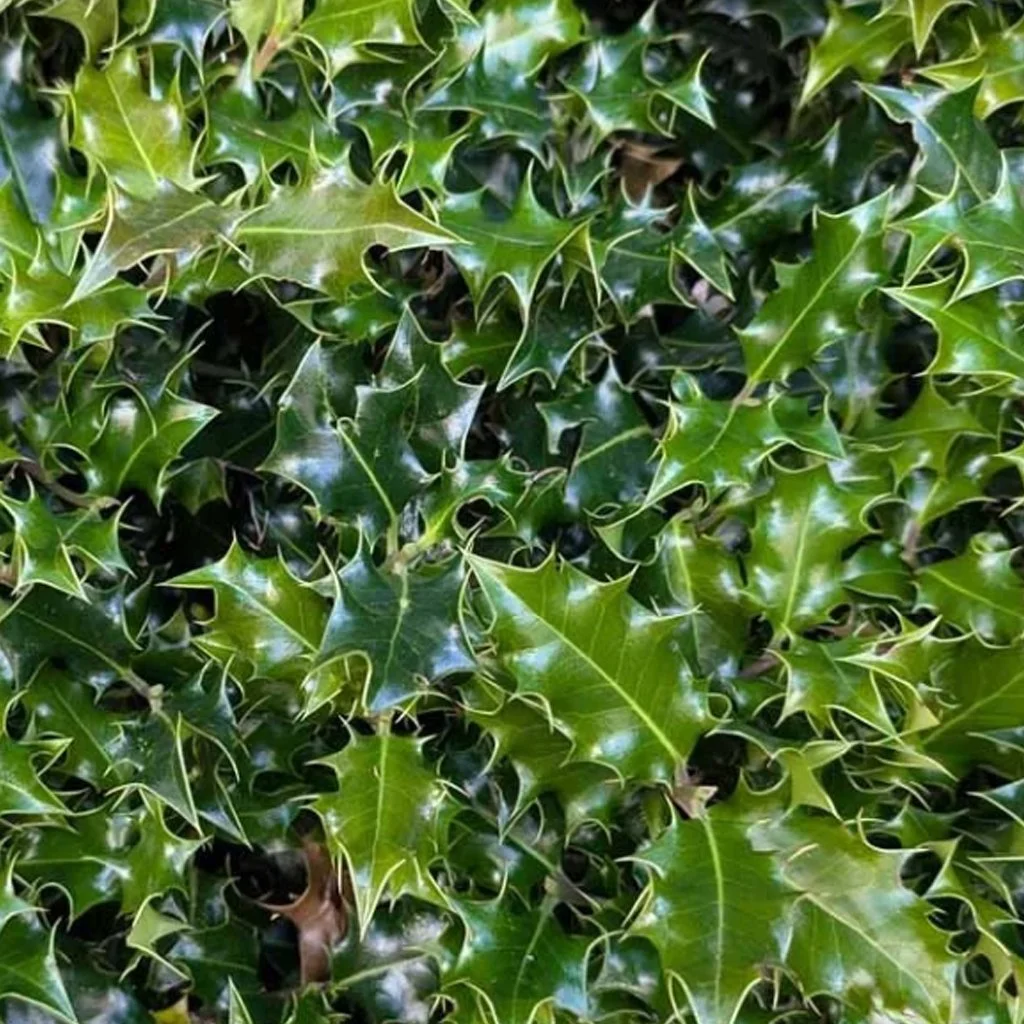
English Holly
Native evergreen hedging with dense foliage and a traditional garden character.
Suitable for some partially shaded boundaries, subject to soil conditions. Its prickly foliage should be considered near paths.
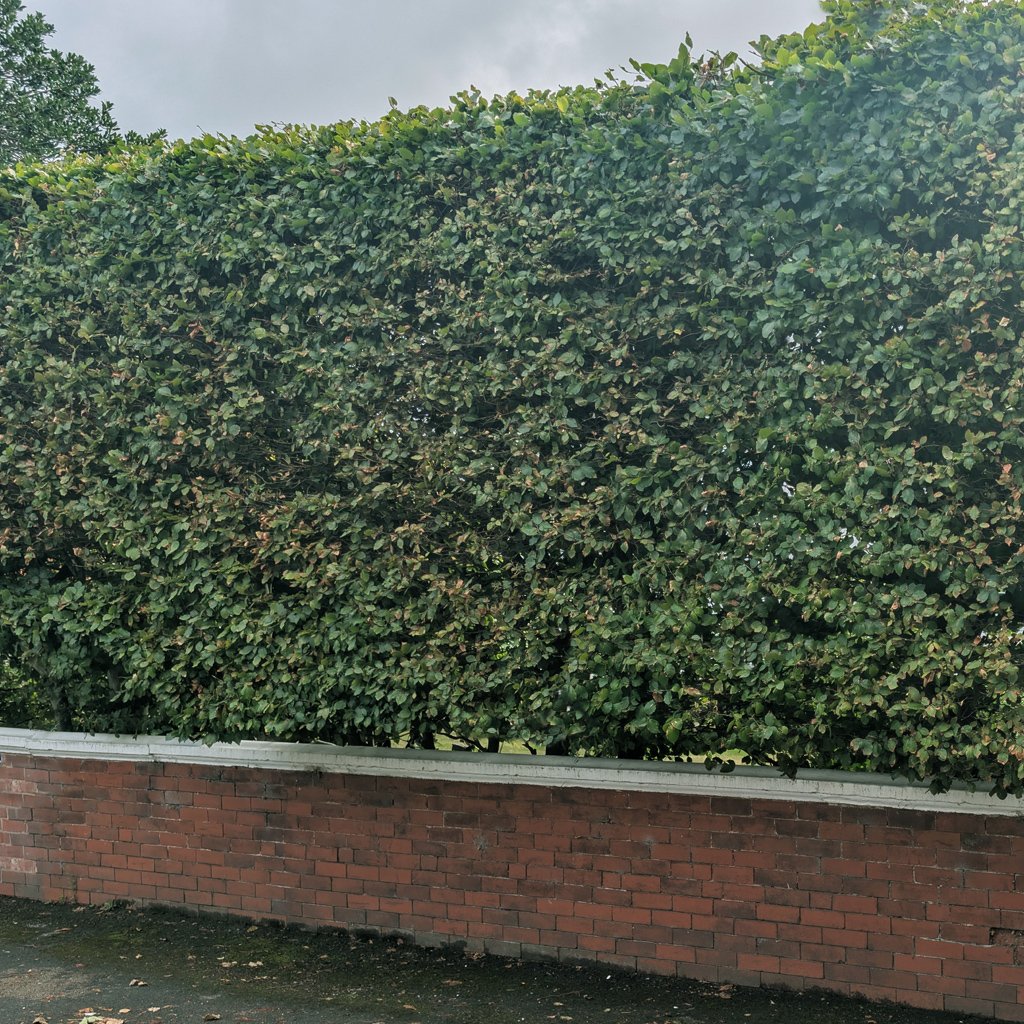
Green Beech
A traditional deciduous hedge with attractive seasonal colour. Clipped Beech often retains dry brown leaves during winter, providing some screening.
Prefers suitable free-draining soil.
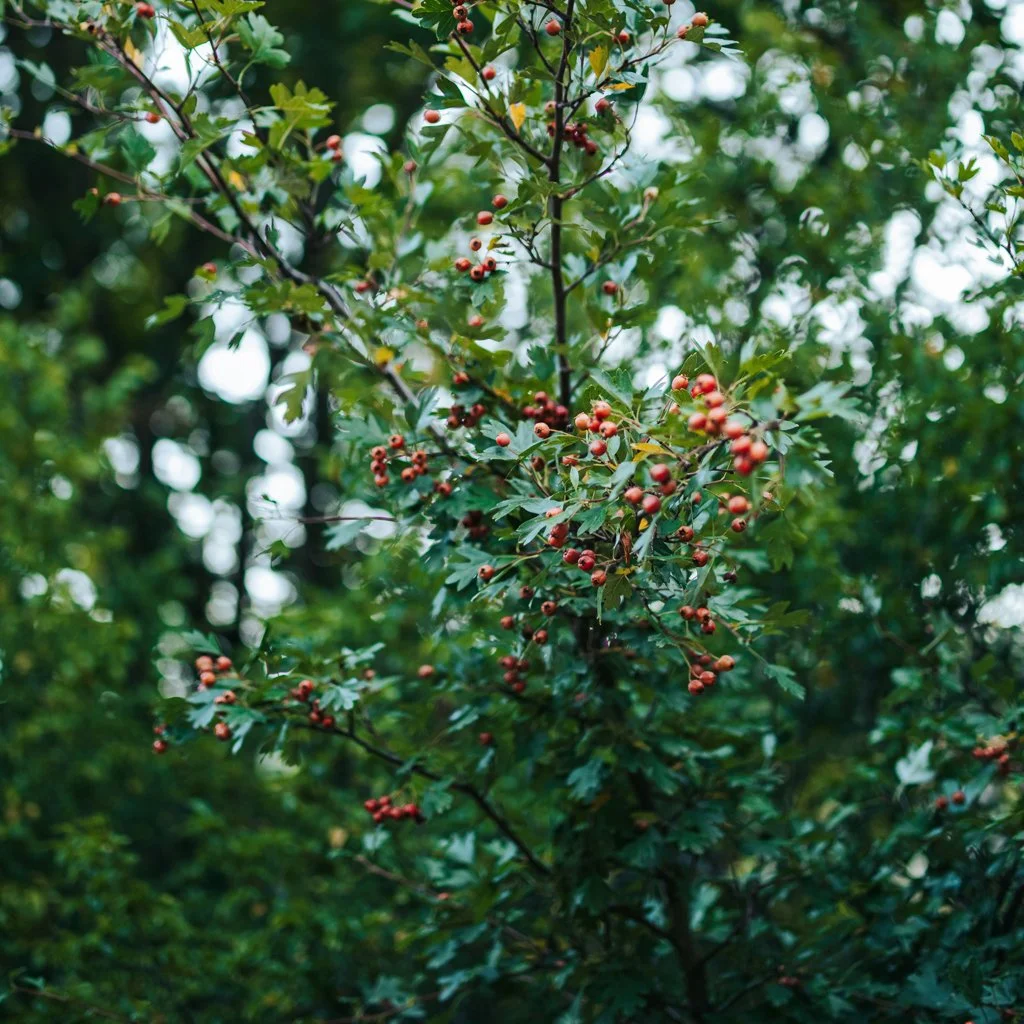
Hawthorn
A native deciduous species with spring blossom, autumn berries and thorny growth.
Useful for traditional boundaries and mixed native hedgerows.
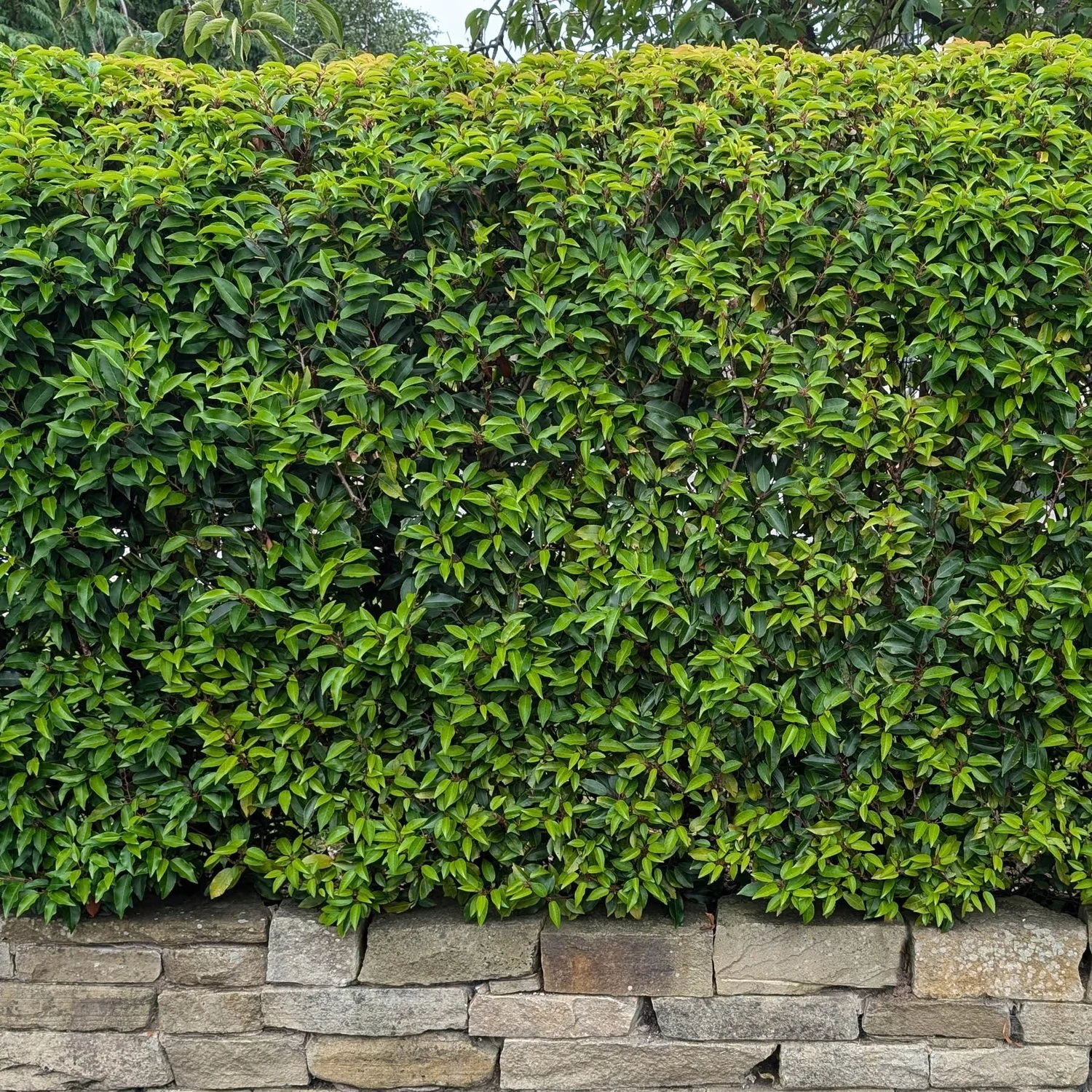
Portuguese Laurel
An attractive evergreen hedge with dark green foliage and reddish young stems.
Suitable for structured screening where there is sufficient space and suitable drainage. Leaves and seeds are poisonous if eaten.
Plant sizes, stock types and availability vary by species and season.
Why Soil Conditions Can Vary Along a Boundary
Even within one garden, growing conditions can change significantly along the length of a hedge.
One section may be shaded by a tree while another receives full sunlight. Soil beside paving may be compacted, while a lower area may retain more water.
These differences can produce uneven growth despite all the plants being the same species.
Shaded Sections
Reduced light can affect foliage density and growth. Choose a species suitable for the available light.
Wet Sections
Check whether water accumulates after rainfall. Persistent saturation may require corrective work before replanting.
Dry Sections
Ground near established trees or buildings can become dry during the growing season.
Compacted Sections
Restricted rooting conditions may affect plant growth. Soil preparation should respond to actual ground conditions.
Where site conditions vary substantially, an alternative planting arrangement may be more successful than a continuous single-species hedge.
Preparing the Ground for Replacement Hedging
Replacing an old hedge requires particular attention to the existing root system and soil conditions.
Remove Failed Plants
Remove dead or unsuitable plants carefully, considering nearby roots, boundaries and underground services.
Assess the Soil
Check for compaction, poor drainage, rubble and other conditions that could restrict establishment.
Plan the Planting Line
Allow appropriate space for the intended finished hedge width and maintenance access.
Provide Aftercare
Monitor watering, weed competition and plant condition during the establishment period.
Replanting in the Same Position
It is not always necessary to move a hedge to a different location.
However, if the original hedge failed because of drainage, shading, disease or inadequate rooting space, those problems should be addressed before replanting.
Choosing Replacement Hedging Stock
Bare-Root Hedging
Often economical for deciduous and native hedging during the dormant planting season.
Useful for longer replacement boundaries where gradual establishment is acceptable.
Rootballed Hedging
Larger plants supplied with a retained soil ball.
Generally available from mid-October to late April, weather permitting.
Container-Grown Hedging
Offers greater seasonal flexibility, provided soil conditions and establishment care are suitable.
Larger plants may provide earlier screening, but they require appropriate planting and aftercare.
Where an old hedge is being replaced, the choice of stock should reflect the available rooting space and access.
Professional Hedge Planting in Hindley
Landscaping Emporium works alongside Kirman Design to offer professional hedge supply and planting for suitable projects in Hindley, Hindley Green and surrounding Wigan areas.
Depending on the agreed specification, services may include species selection, plant quantities, delivery, ground preparation, setting out, planting, irrigation and aftercare advice.
Request a Replacement Hedge Quotation
Please provide your postcode, approximate hedge length, required height, photographs and details of access.
If replacing an existing hedge, please also include photographs showing its condition, any gaps and the surrounding planting.
Let us know whether you wish to retain part of the existing hedge or consider complete replacement.
Learn more about our professional hedge supply and planting service .
Hindley Hedging FAQs
Can I fill gaps in an existing hedge?
Sometimes. New plants may establish successfully where suitable light, soil and rooting space are available. The original cause of failure should be addressed.
Should I replace an old hedge completely?
Not necessarily. Selective replanting or renovation pruning may be suitable, depending on species and condition.
Can a brown Leylandii hedge grow back?
Leylandii generally does not regenerate from old brown wood. Cutting deeply into bare growth can leave permanent gaps.
Can Yew hedging be renovated?
Established Yew can regenerate from old wood, although substantial renovation should be carefully planned and recovery takes time.
Why does my hedge grow unevenly?
Differences in sunlight, drainage, soil structure and root competition can affect growth along a boundary.
Which hedge is suitable for heavier soil?
Hornbeam tolerates many heavier soils, but prolonged waterlogging remains a concern. Actual drainage should be checked.
Can I replant in the same hedge trench?
Replanting may be possible, but the soil and underlying causes of the previous failure should be assessed first.
Is larger replacement hedging better for privacy?
Larger plants provide more initial screening, but may require greater preparation and establishment care.
Do you supply and plant hedging in Hindley?
We welcome enquiries for suitable projects, subject to site conditions, access, scope and availability. Request a quotation .
Hedging in Hindley, Hindley Green and Wigan
Landscaping Emporium welcomes hedging enquiries from Hindley, Hindley Green and neighbouring communities across Wigan and Greater Manchester.
Explore our Wigan Hedging Guide , Atherton Hedging Guide and Greater Manchester Hedging Guide .
You can also browse hedging plants or use our Hedge Selector to compare species.
Replacing or Planting a Hedge in Hindley?
Whether you are replacing a failing boundary hedge, introducing evergreen privacy or planning a completely new planting scheme, we can help you consider suitable plants and professional planting options.
Telephone: 01942 604976
Email: info@kirmandesign.com
Selected by designers. Installed by professionals.