
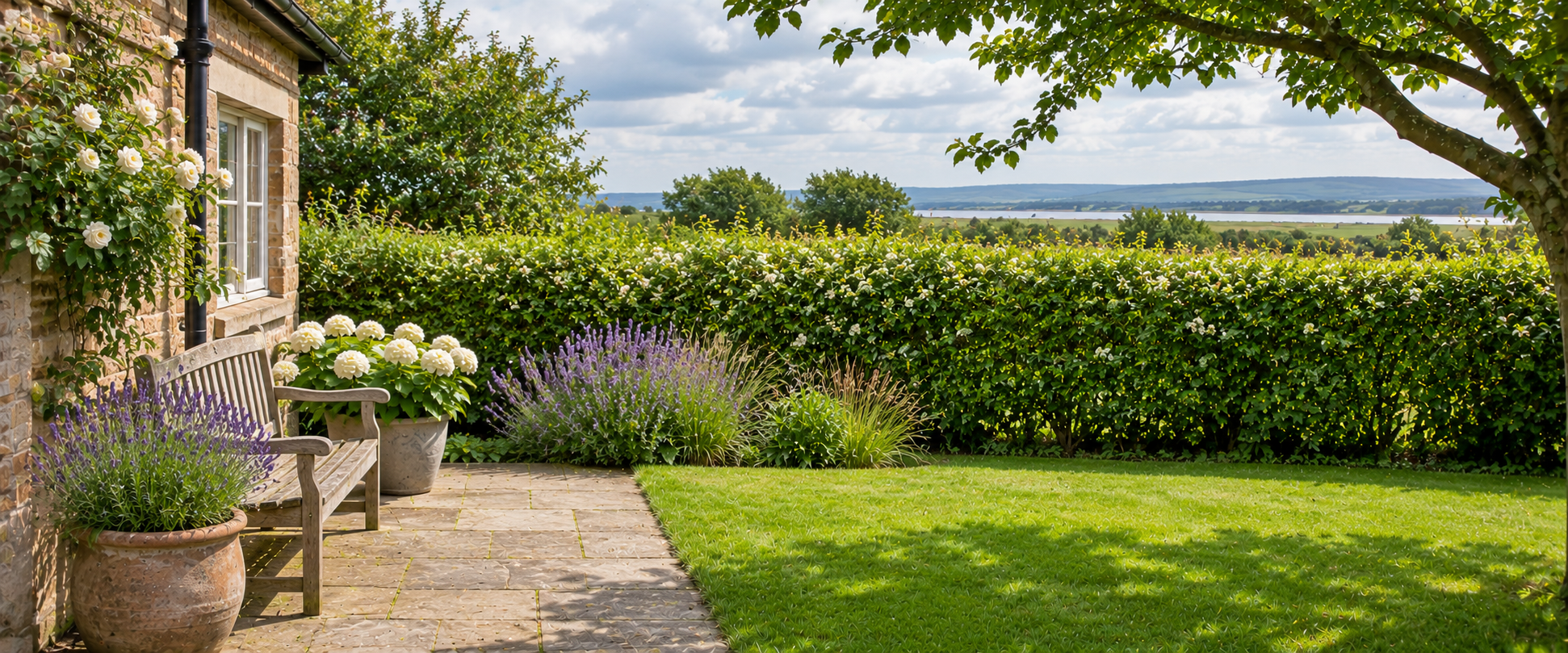
Hedging Plants & Professional Hedge Planting in Neston
Quality evergreen, deciduous and native hedging for residential privacy, traditional gardens, countryside boundaries and exposed properties around Neston and the Dee Estuary.
Landscaping Emporium supplies hedging plants for established gardens and rural properties throughout Neston, Parkgate, Little Neston and surrounding Wirral communities.
Neston's location near the Dee Estuary creates a range of garden conditions. Some properties enjoy shelter from buildings and mature planting, while more open gardens may experience strong winds and, in particular locations, salt-laden air.
Choosing hedging according to the actual site conditions is important for successful establishment and long-term performance.
Our range includes bare-root, rootballed and container-grown hedging, with professional supply and planting available for suitable projects.
Selected by designers. Installed by professionals.
Hedging for Gardens Near the Dee Estuary
Neston and its neighbouring communities include established residential gardens, traditional properties and gardens adjoining open countryside.
The proximity of the Dee Estuary is an important consideration, but not every garden experiences the same degree of exposure.
A sheltered garden within a residential neighbourhood may accommodate a wider range of ornamental hedging than a boundary directly exposed to prevailing winds.
Exposed Garden Boundaries
Hedging selected for wind filtering, shelter and long-term resilience.
Evergreen Privacy
Year-round screening for residential gardens where site conditions support evergreen species.
Traditional Gardens
Beech, Hornbeam and Yew for formal clipped garden boundaries.
Natural Hedgerows
Hawthorn and suitable native mixtures for countryside boundaries and wildlife habitat.
Choosing Hedging for Wind-Exposed Gardens in Neston
Wind can affect hedge establishment, particularly where properties have open boundaries with limited shelter from buildings or existing vegetation.
Young hedging plants are especially vulnerable to moisture loss, movement around the root system and damage during strong winds.
How a Hedge Can Reduce Wind
A suitably designed hedge can act as a permeable windbreak, allowing some air to pass through the foliage while reducing wind speed beyond the boundary.
This can be more effective for creating usable garden shelter than relying solely on an abrupt, completely solid barrier.
Choosing the Right Plant Size
Larger plants can provide earlier screening, but they may be more difficult to establish in exposed locations.
Smaller, well-rooted plants can sometimes be a more practical choice where wind exposure is significant.
Support During Establishment
Depending on plant size and site conditions, newly planted hedging may need temporary support, careful firming and regular monitoring.
Windbreak Design Advice
Assess the direction of the prevailing wind, the required hedge height, available planting width and the distance from areas requiring shelter.
A windbreak should be designed for the garden rather than selected solely by the maximum height of available plants.
Popular Hedging Plants for Neston Gardens
These six species provide options for native boundaries, traditional clipped hedges and evergreen privacy. They are not all suitable for direct coastal salt exposure.
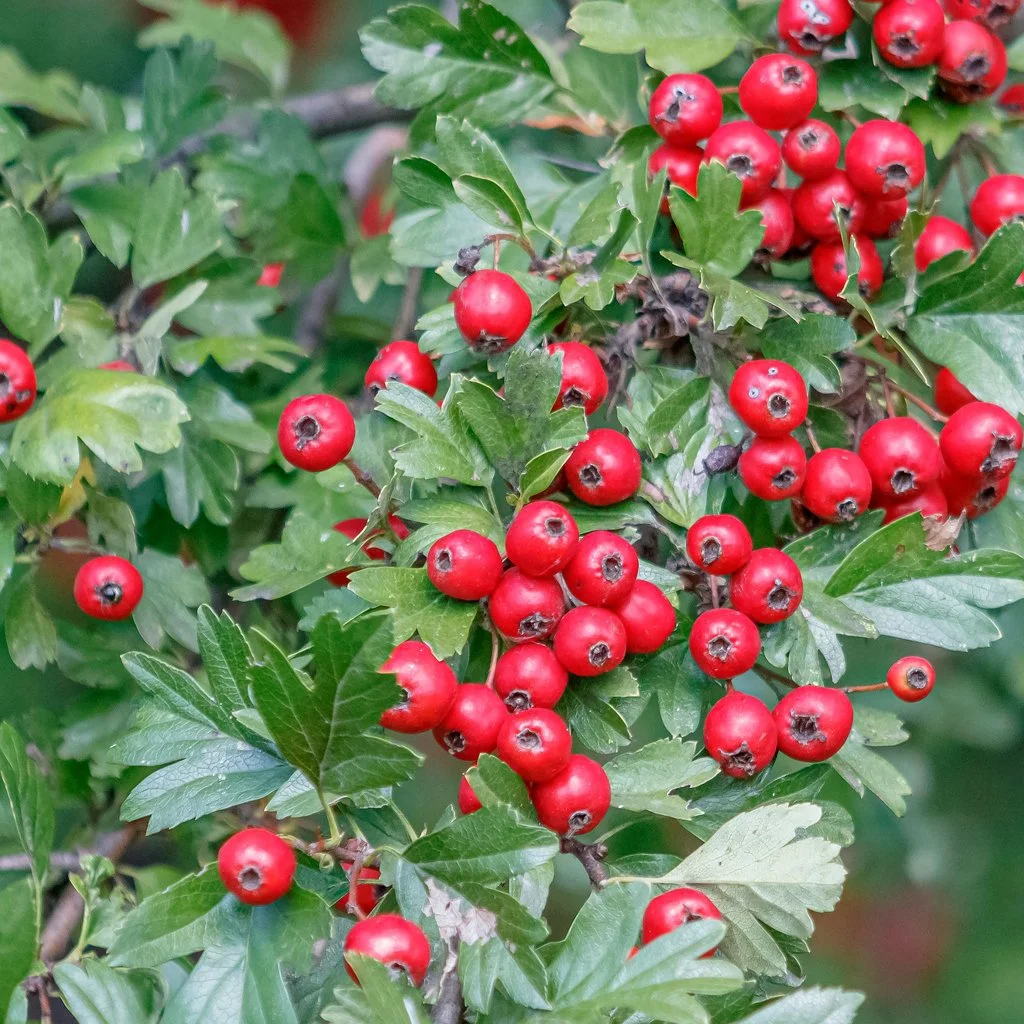
Hawthorn
Traditional native hedging with spring blossom, autumn berries and valuable wildlife habitat.
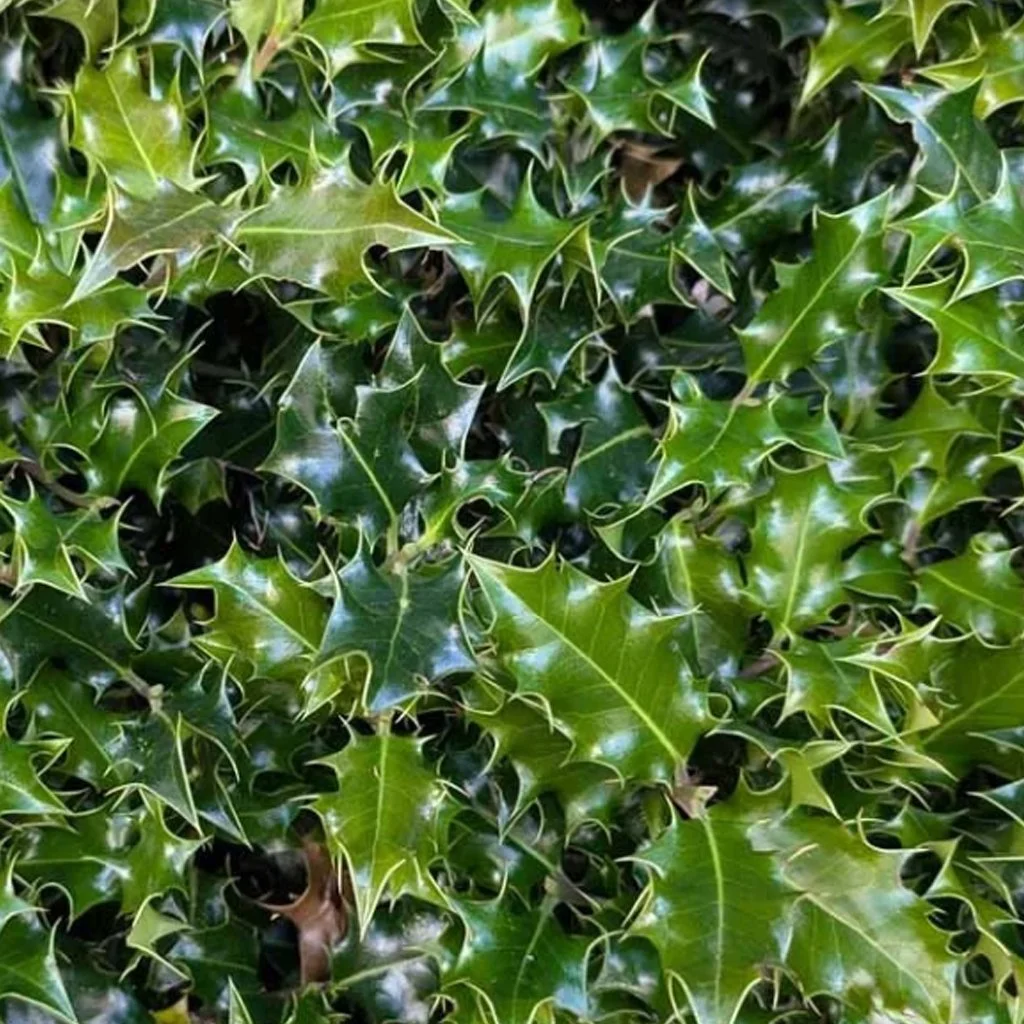
English Holly
Native evergreen hedging with spiny foliage and year-round structure for suitable garden sites.
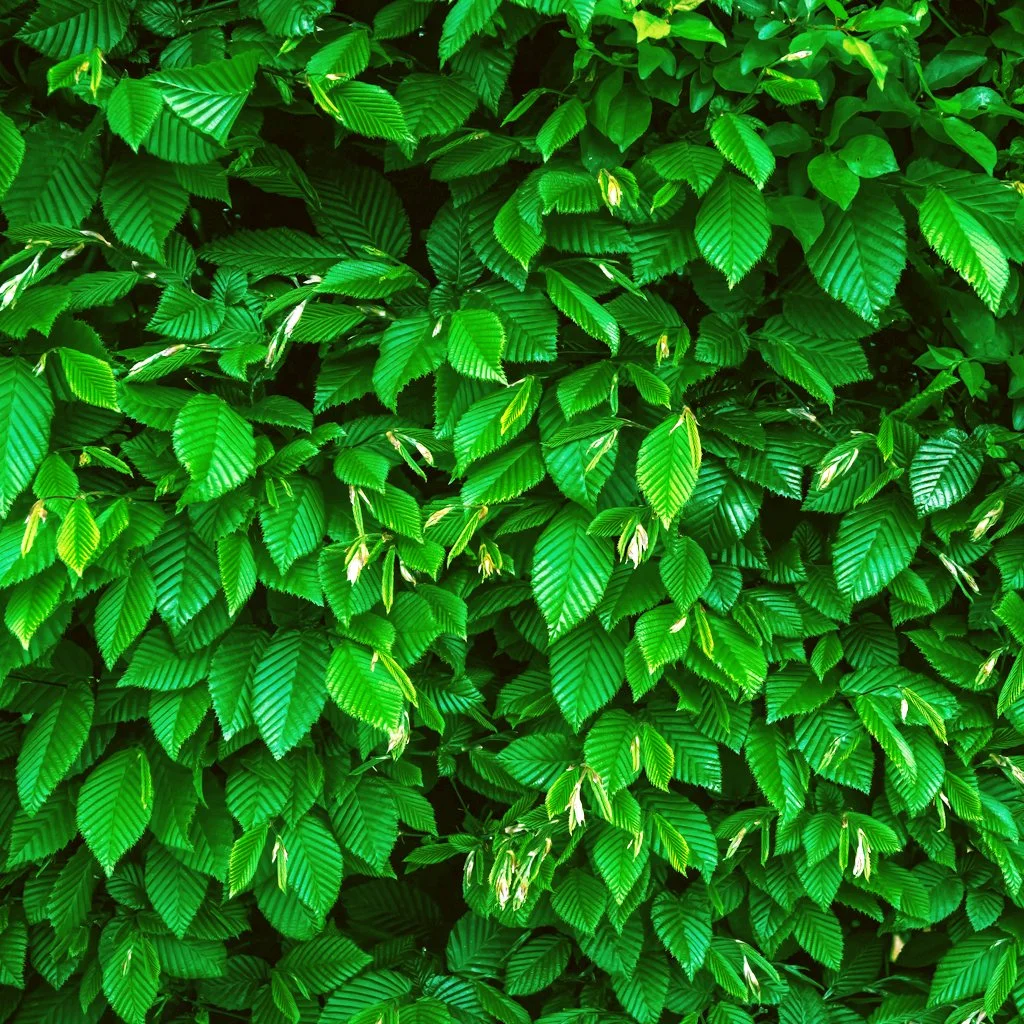
Hornbeam
Traditional deciduous hedging for clipped boundaries and many heavier garden soils.

English Yew
Dense evergreen hedging for formal boundaries where drainage is adequate. Toxic if ingested.
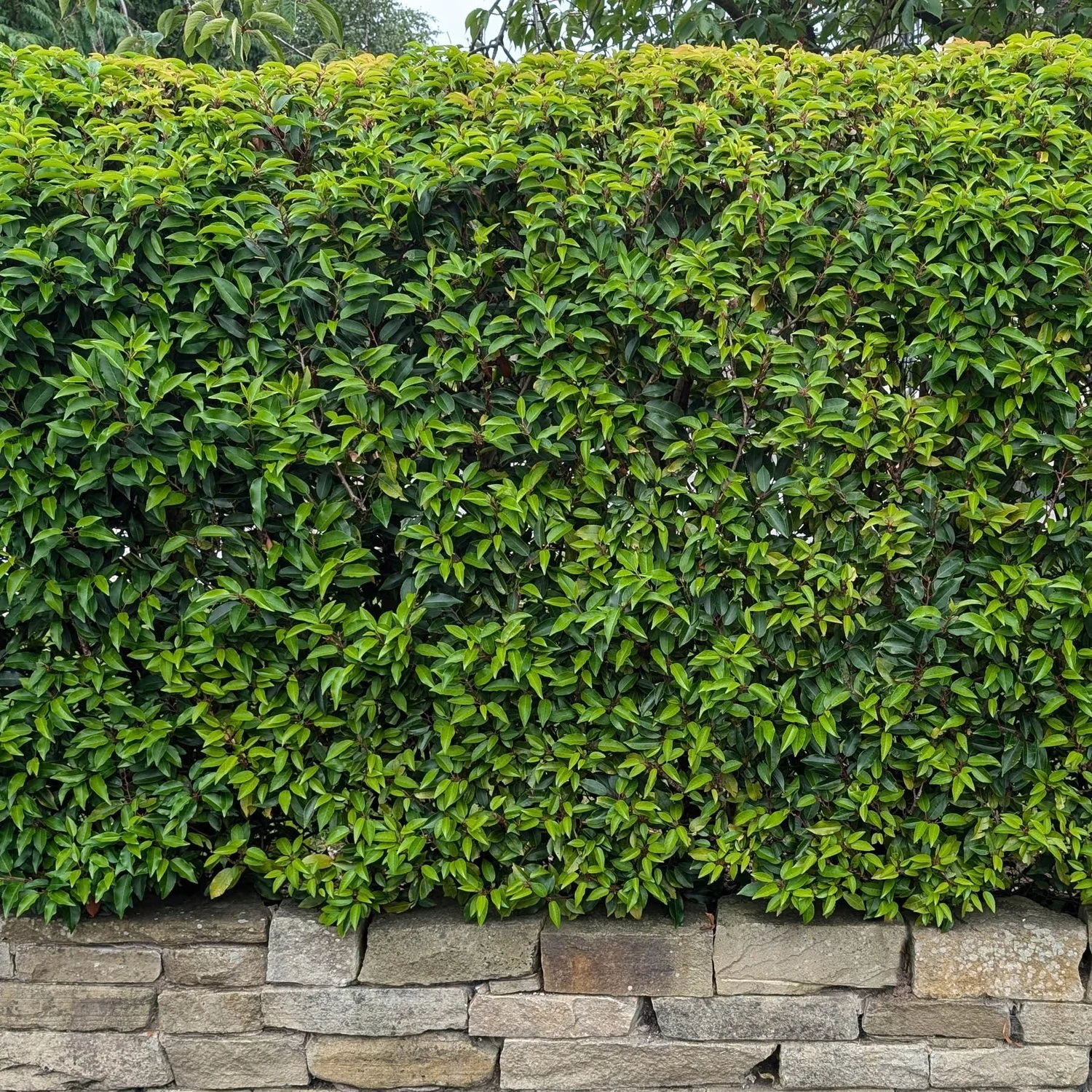
Portuguese Laurel
Evergreen screening with glossy foliage, for appropriately sheltered and well-sited gardens.
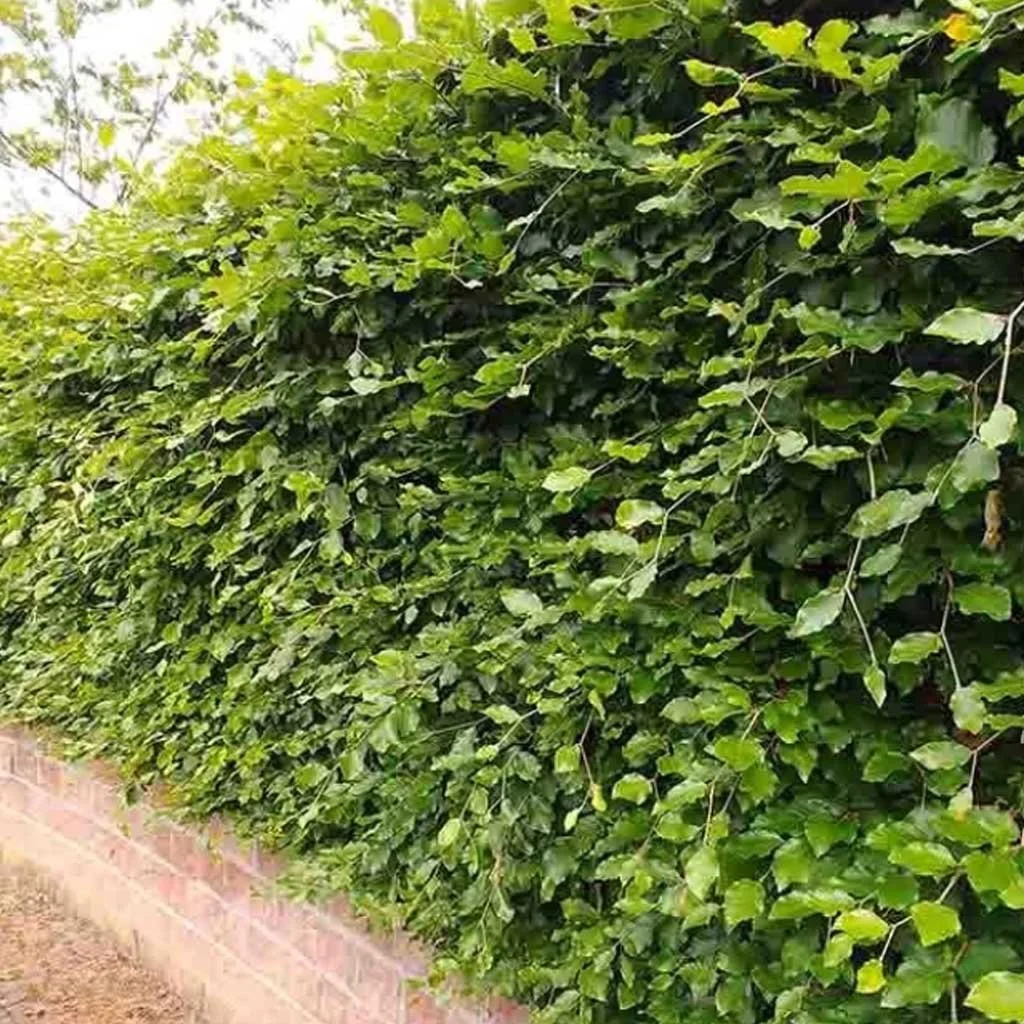
Green Beech
Traditional clipped hedging with seasonal colour and potential winter leaf retention.
Plant sizes, stock types, prices and availability vary by species and season.
Hedging for Salt-Laden Winds Near the Dee Estuary
Some gardens around Parkgate and other exposed locations near the Dee Estuary may experience salt carried on prevailing winds.
Salt exposure can damage sensitive foliage, increase moisture stress and affect the appearance and growth of newly planted hedging.
Wind Tolerance Is Not Salt Tolerance
A species that tolerates strong inland winds will not necessarily tolerate repeated salt-laden exposure.
This distinction is particularly important when selecting evergreen hedging, as foliage remains exposed through winter.
Assess the Actual Exposure
A garden sheltered by buildings, mature trees or established hedges may experience very different conditions from an open boundary facing the estuary.
Look for evidence of salt-related foliage damage on existing plants before selecting a new hedge.
Specialist Coastal Hedging
For genuinely exposed coastal positions, specialist salt-tolerant species may be more appropriate than conventional ornamental hedging.
Sea Buckthorn (Hippophae rhamnoides) is one example worth assessing for suitable open coastal situations, although its thorny, suckering habit requires adequate space and careful management.
Species suitability must be assessed for the specific site rather than assumed from the postcode.
Coastal Planting Advice
Where salt exposure is significant, consider species tolerance, wind direction, available shelter, soil conditions and the maintenance requirements of the proposed hedge.
Do not assume that every garden in Neston requires coastal-specialist plants.
Choosing Hedging for Neston Garden Soils
Soil conditions vary between gardens in Neston and surrounding communities.
Some sites contain heavier soils and areas with restricted drainage, while others may be relatively free-draining.
Hornbeam on Heavier Soils
Hornbeam can tolerate many heavier soils, provided the planting area is not persistently waterlogged.
Beech & Yew
Beech generally performs best where drainage is adequate.
Yew should not be planted into persistently wet or waterlogged ground.
Wind & Soil Moisture
Wind can increase water loss from plants even when the underlying soil contains moisture.
On exposed sites, check both soil drainage and moisture availability during establishment.
Evergreen Privacy Hedging for Neston Gardens
Evergreen hedging can provide year-round screening around residential gardens, seating areas and outdoor living spaces.
In sheltered gardens, Yew and Portuguese Laurel may be appropriate choices where soil and drainage conditions are suitable.
English Holly offers another evergreen option, although its establishment and growth characteristics should be considered.
Planning the Screening Height
The appropriate height depends on the viewing position, neighbouring properties and the intended purpose of the hedge.
Screening a terrace from ground-level views is different from addressing overlooking from an upper-floor window.
Allowing Maintenance Space
Consider the hedge's mature width and leave sufficient access for trimming and maintenance.
A hedge planted too close to a boundary may become difficult to manage.
Native Hedging for Countryside Boundaries Around Neston
Native hedging can complement properties adjoining countryside, open spaces and established rural boundaries.
Hawthorn Hedging
Hawthorn is a traditional native hedging species with spring blossom, autumn berries and dense thorny growth.
Mixed Native Hedgerows
Suitable mixed native hedging can provide additional seasonal interest and wildlife habitat.
Species should be chosen for the boundary's purpose, exposure, soil and available growing space.
Existing Hedgerows
Before removing or substantially altering an established countryside hedgerow, check whether legal protection applies.
Protected wildlife, including nesting birds, must also be considered before undertaking work.
Bare-Root, Rootballed & Container-Grown Hedging
Bare-Root Hedging
Generally supplied during the dormant season and often economical for longer boundaries.
Rootballed Hedging
Available in selected species and sizes, generally from mid-October to late April, weather permitting.
Container-Grown Hedging
Offers additional planting flexibility, subject to suitable conditions and appropriate aftercare.
Larger Hedging Plants
Can provide earlier screening but require careful handling and establishment, particularly on exposed sites.
How Many Hedging Plants Will I Need?
Plant quantities depend on the hedge length, species, supplied size, stock type and recommended spacing.
Some rootballed hedging specifications use approximately three plants per linear metre.
Bare-root spacing varies according to plant size and the intended planting arrangement.
How Much Does Hedge Supply & Planting Cost in Neston?
The cost of a new hedge depends on the selected species, plant size, boundary length and site preparation.
Plant Size & Quantity
Larger plants and greater quantities increase the material cost.
Ground Preparation
Existing vegetation, compacted soil, roots and obstructions can affect labour.
Site Access
Restricted access and difficult delivery routes may affect installation costs.
Exposure & Aftercare
Exposed sites may require additional support, irrigation and establishment care.
For a new hedge in an exposed garden, the tallest available plants are not always the most economical or reliable choice.
A project-specific quotation should account for the planting conditions, rather than relying on a generic price per metre.
Caring for Newly Planted Hedging in Exposed Gardens
Watering
New hedging needs appropriate watering during establishment.
Wind can increase moisture loss, so monitor the rooting area during dry periods.
Firming & Support
Strong winds can loosen newly planted root systems.
Check plants after severe weather and maintain any specified temporary support systems.
Mulching
Suitable mulch can help retain soil moisture and suppress competitive weeds.
Keep mulch away from the stems.
Monitoring Foliage
Inspect exposed hedging for signs of wind scorch, salt damage, drought stress or poor establishment.
Formative Pruning
Correct early pruning encourages dense, balanced growth.
The appropriate method and timing depend on the species.
Professional Hedge Supply & Planting in Neston
Landscaping Emporium works alongside Kirman Design to offer professional hedge supply and planting for suitable projects around Neston.
Depending on the agreed specification, services may include plant selection, quantity calculations, delivery, ground preparation, setting out, planting, irrigation and aftercare advice.
Request a Hedge Planting Quotation
Describe Your Project
Provide your postcode, approximate hedge length and intended purpose.
Share Site Conditions
Include photographs, wind exposure, soil conditions, access details and preferred plant height.
Review the Specification
Discuss suitable species, sizes, quantities and planting arrangements.
Learn more about our professional hedge supply and planting service .
Hedging in Neston & Surrounding Communities
We welcome hedging supply and planting enquiries from Neston and surrounding Wirral Peninsula communities.
Neston
Evergreen screening and hedging for established gardens.
Parkgate
Hedging for gardens where estuary exposure may be a consideration.
Little Neston
Traditional garden boundaries and evergreen privacy.
Willaston
Clipped hedging and natural garden boundaries.
Burton
Native hedging and countryside-facing garden boundaries.
Hinderton
Evergreen hedging and residential garden planting.
Professional planting availability depends on location, project requirements and site access.
Neston Hedging FAQs
Which hedging plants are suitable for Neston?
Hawthorn, Holly, Hornbeam, Yew, Portuguese Laurel and Beech may be suitable, depending on site conditions.
Can hedging help reduce wind in a garden?
Yes. A suitably designed permeable hedge can help filter wind and provide shelter.
Which hedging suits exposed coastal gardens?
The best species depends on wind strength, salt exposure, drainage and soil conditions. Highly exposed sites may require specialist coastal-tolerant plants.
Are all Neston gardens affected by salt-laden winds?
No. Exposure varies considerably according to location, shelter and the direction of prevailing winds.
What is the difference between wind and salt tolerance?
Some plants tolerate strong winds but can still suffer foliage damage from salt-laden air.
Which hedge provides year-round privacy?
Evergreen species such as Yew, Portuguese Laurel and Holly can provide year-round screening on suitable sites.
Which hedging is suitable for heavier soils?
Hornbeam can tolerate many heavier soils, provided the ground is not persistently waterlogged.
Which native hedge suits a countryside boundary?
Hawthorn and suitable mixed native hedging are traditional options for rural boundaries.
When is bare-root hedging available?
Generally during the dormant season, subject to weather and stock availability.
When is rootballed hedging available?
Generally from mid-October to late April, weather permitting.
How many hedging plants will I need?
Quantities depend on hedge length, plant size, species, stock type and recommended spacing.
What affects hedge planting costs?
Plant quantities, plant size, ground preparation, site access and aftercare requirements all affect the cost.
Do you offer professional hedge planting in Neston?
We welcome planting enquiries for suitable projects, subject to access and project requirements.
Can you help me choose the right hedge?
Use our Hedge Selector or complete the Hedging Enquiry Form .
Explore Hedging Across Cheshire & the Wirral
Visit our Cheshire Hedging Guide for regional planting advice and species selection.
Explore nearby hedging guides for Chester , Ellesmere Port and Frodsham .
Alternatively, browse our hedging plant collection or use the Hedge Selector .
Planning a New Hedge in Neston?
Whether you need evergreen privacy hedging, a traditional garden boundary or plants for an exposed location, explore our range or enquire about professional hedge supply and planting.
Telephone: 01942 604976
Email: hello@landscapingemporium.co.uk
Selected by designers. Installed by professionals.