
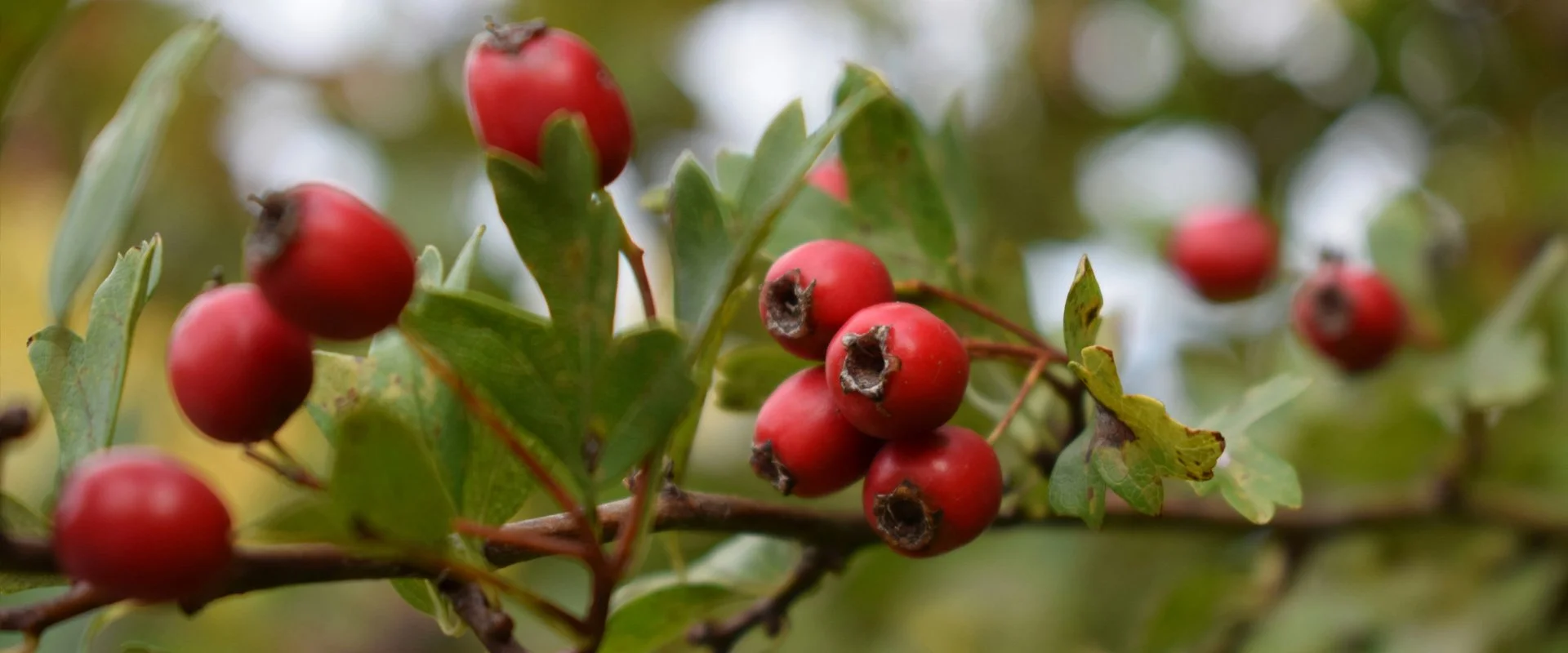
Hedging Plants & Professional Hedge Planting in the Ribble Valley
Quality evergreen, native and deciduous hedging plants for countryside boundaries, garden privacy and established landscapes throughout the Ribble Valley.
Landscaping Emporium supplies carefully selected hedging for rural properties, country homes, village gardens, agricultural boundaries and contemporary residential developments across the Ribble Valley.
From traditional native hedgerows that complement the surrounding countryside to carefully clipped evergreen boundaries for formal gardens, we help customers choose hedging that suits the character of their property and its growing conditions.
We offer hedging plants for customers undertaking their own planting, together with professional hedge supply and installation for suitable projects.
Selected by designers. Installed by professionals.
Choosing Hedging for the Ribble Valley Landscape
The Ribble Valley includes sheltered villages, river valleys, farmland, wooded landscapes and more elevated countryside. These varied settings mean that no single hedging species is suitable for every property.
Some sites have heavier, moisture-retentive soils, while others are more freely draining. Open countryside locations may be exposed to strong winds, and elevated properties can experience colder conditions than sheltered gardens.
When planning a hedge, it is important to consider soil drainage, wind exposure, planting width, mature height, access for maintenance and the visual relationship with the surrounding landscape.
Species for Different Ribble Valley Conditions
Hawthorn is a traditional native hedging plant, useful for many rural boundaries and wildlife-friendly schemes.
Hornbeam tolerates many heavier soils and provides a structured deciduous hedge, although prolonged waterlogging should still be avoided.
English Yew creates dense evergreen boundaries for formal gardens where soil drainage is suitable.
Green Beech offers attractive seasonal foliage and can retain copper-brown leaves through winter when regularly clipped.
Our Hedge Selector helps you compare hedging species according to growing conditions, intended purpose and preferred characteristics.
Popular Hedging Plants for the Ribble Valley
These six species offer options for native countryside boundaries, year-round privacy, formal gardens and established residential landscapes. Final suitability depends on the individual planting site.
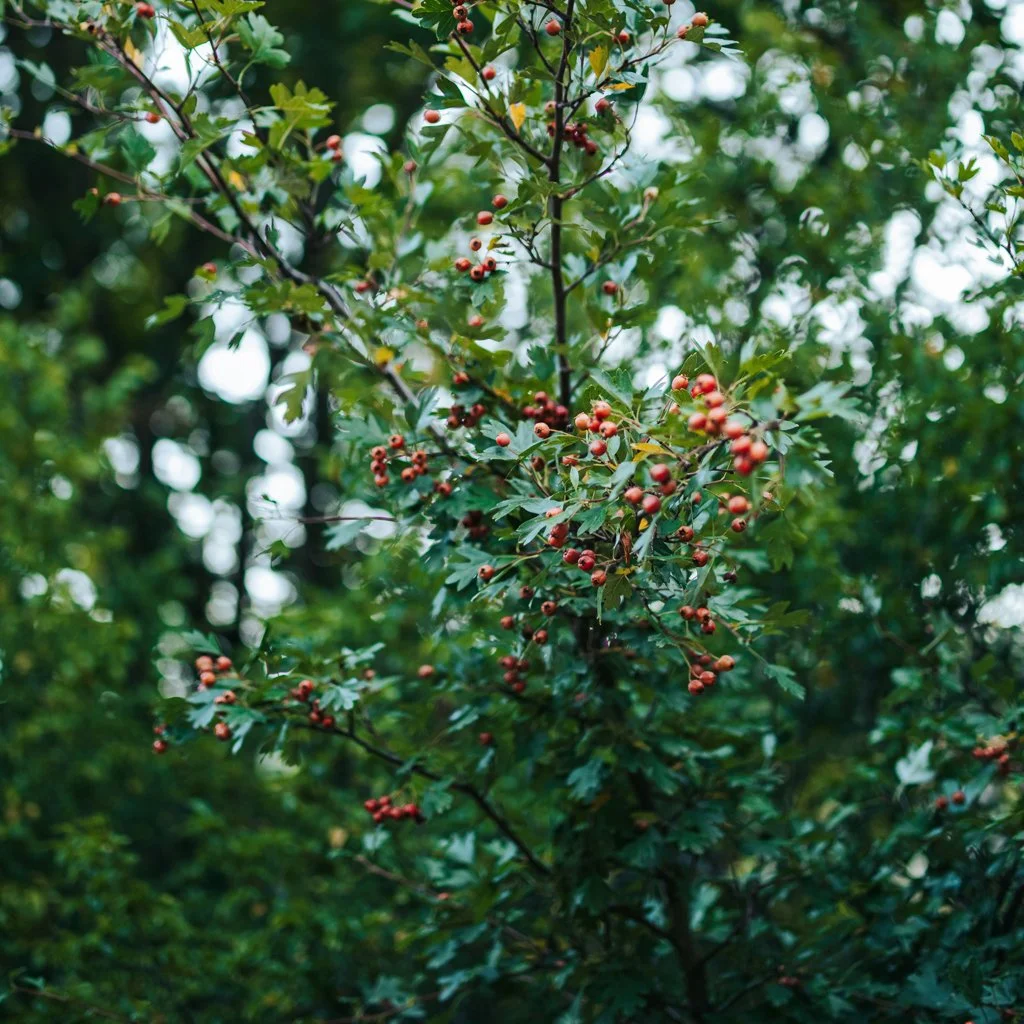
Hawthorn
Traditional native hedging with spring blossom, autumn berries and a thorny structure. Particularly useful for countryside boundaries and wildlife-friendly planting.
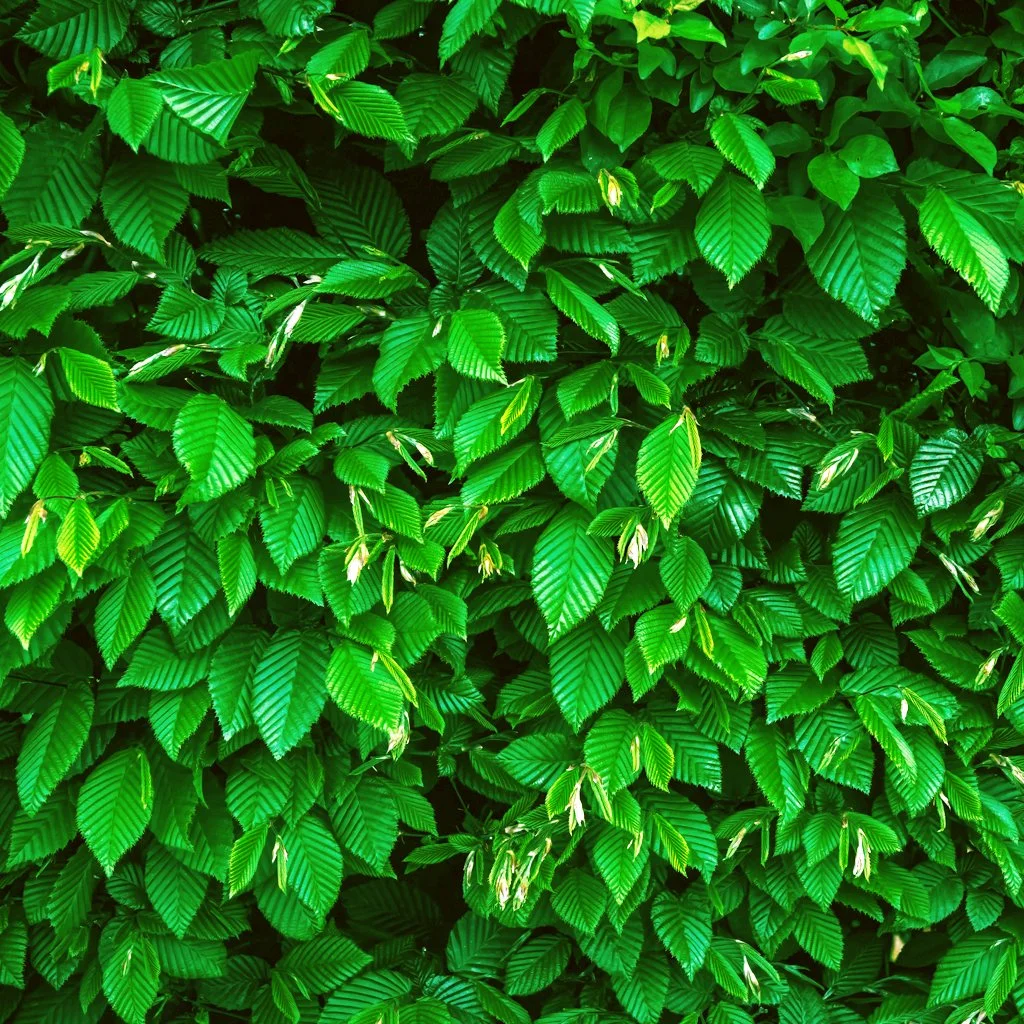
Hornbeam
Versatile deciduous hedging for many heavier soils. Creates a defined boundary and may retain some dry foliage through winter when regularly clipped.
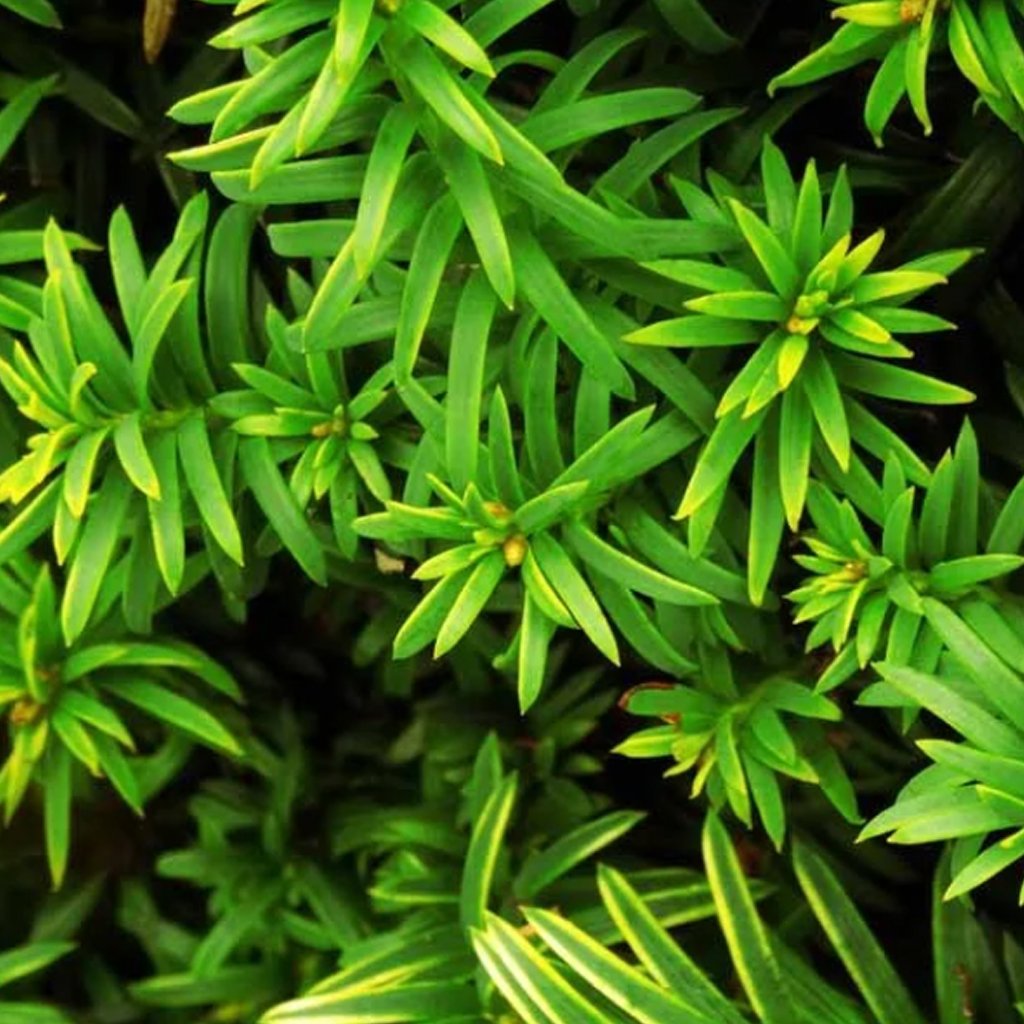
English Yew
Dense, long-lived evergreen hedging for formal gardens, country properties and year-round privacy. Requires suitable soil drainage.
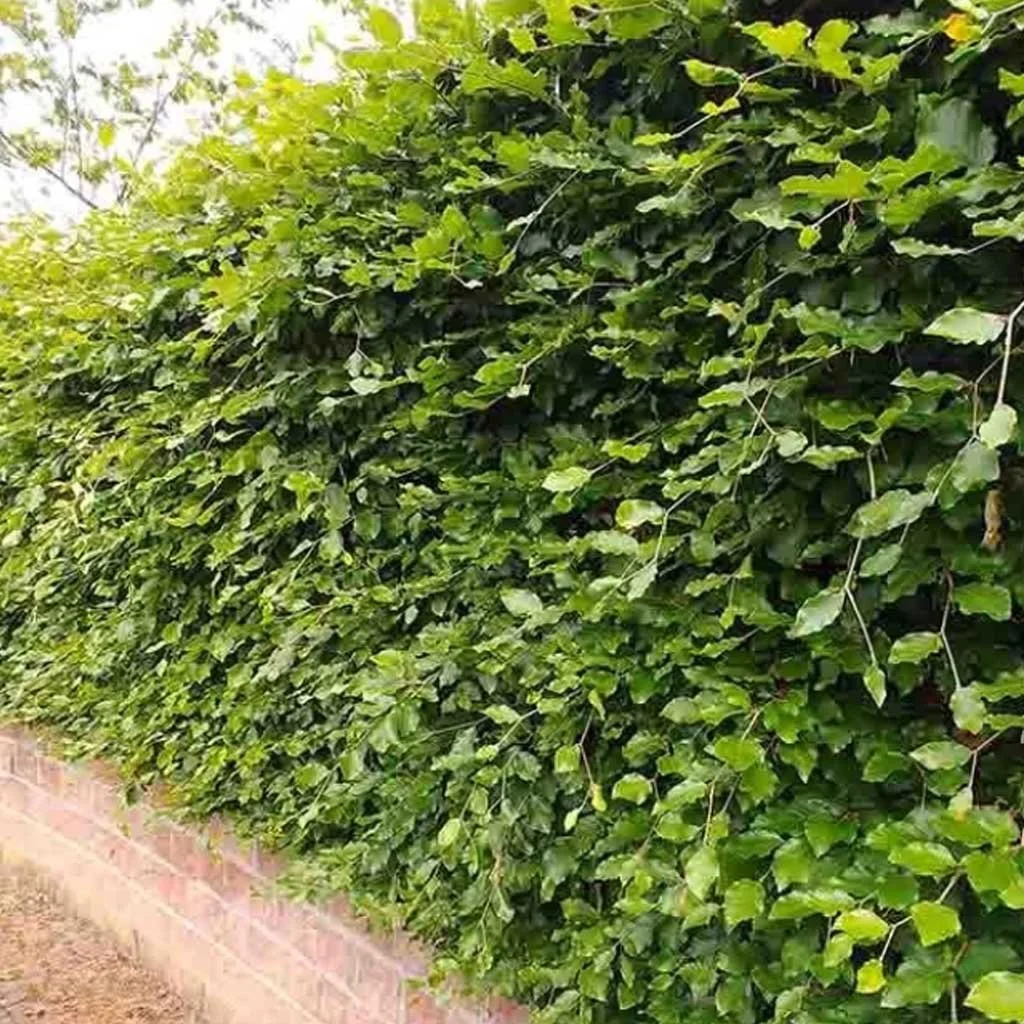
Green Beech
Classic deciduous hedging with fresh green summer foliage and copper-brown leaves often retained through winter on well-maintained clipped hedges.
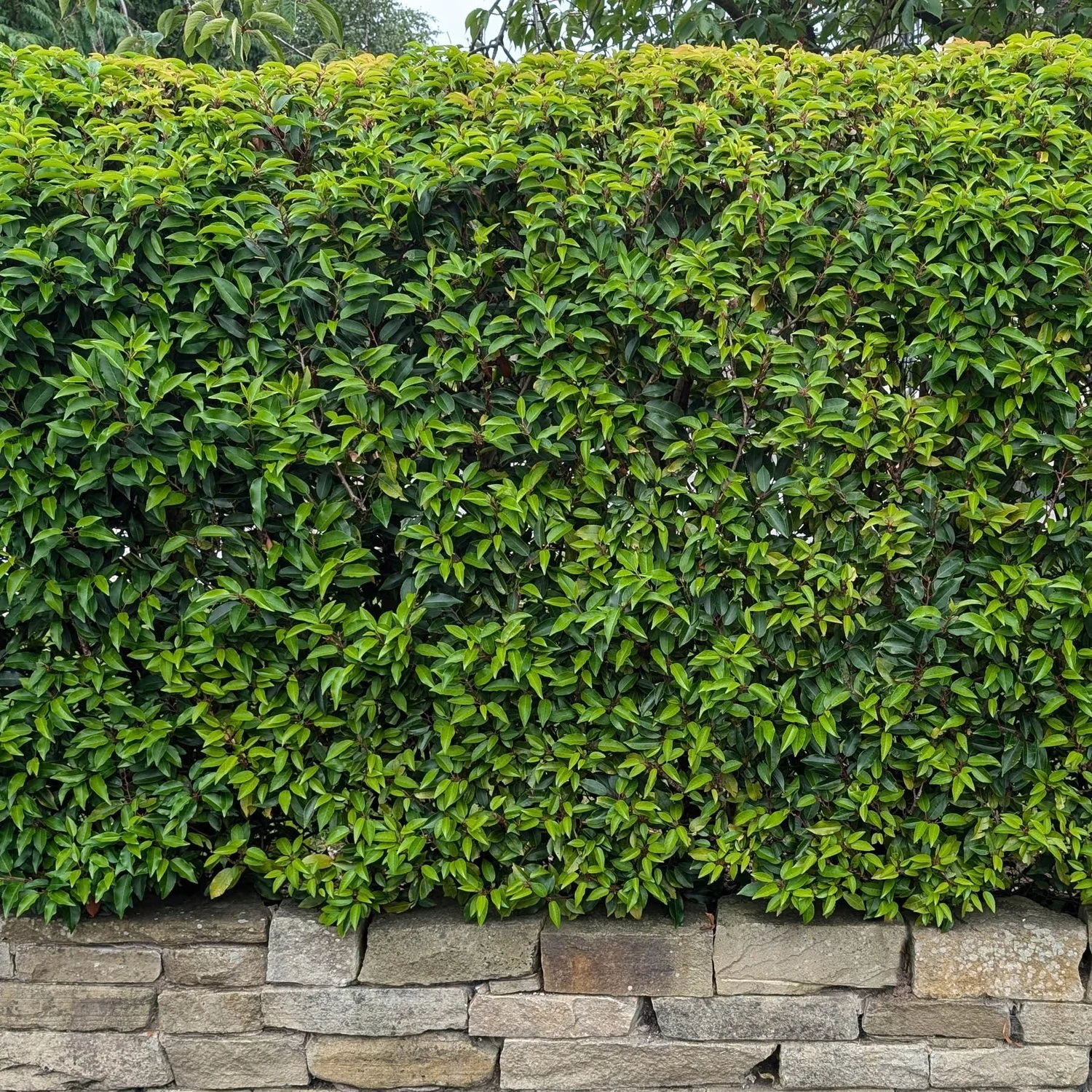
Portuguese Laurel
Attractive evergreen hedging with glossy foliage and reddish stems. Suitable for structured residential boundaries in appropriate growing conditions.
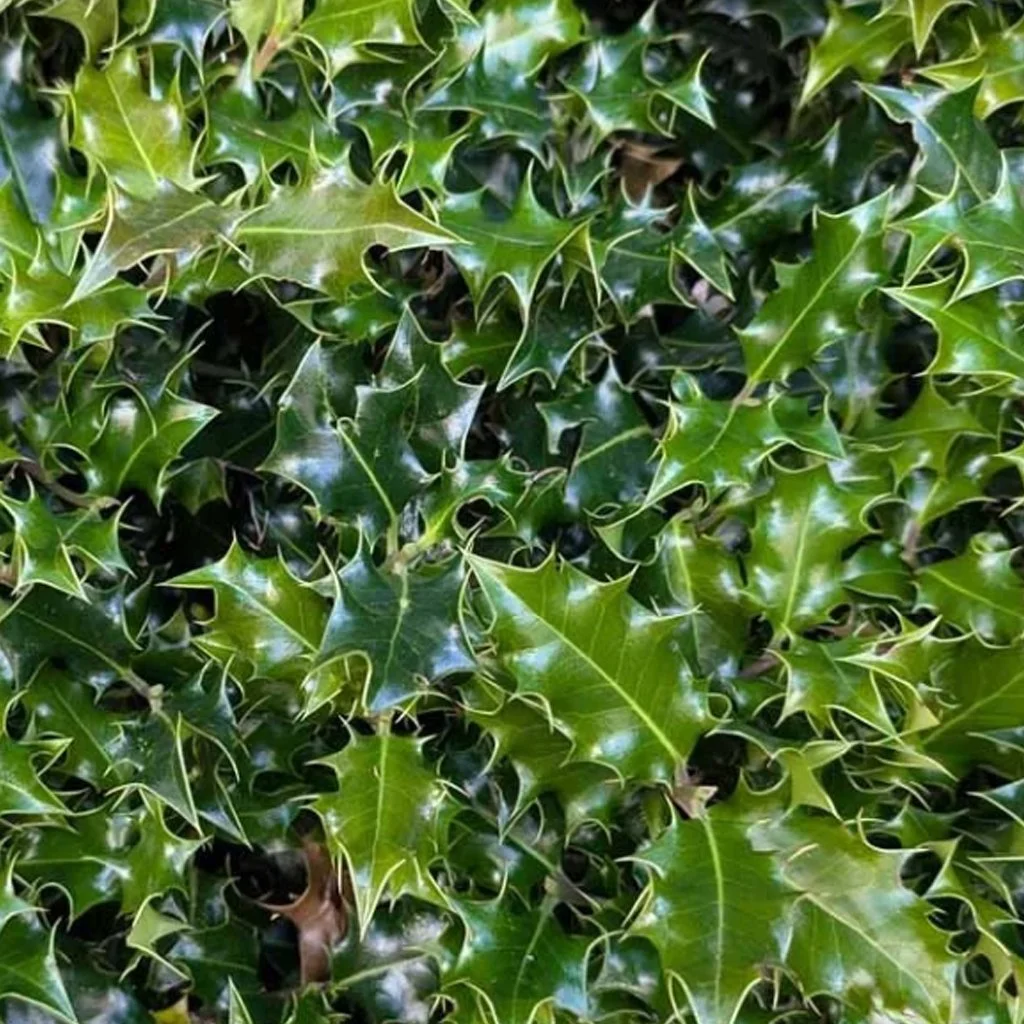
English Holly
Native evergreen hedging with distinctive spiny foliage, providing year-round structure and an attractive boundary for traditional garden settings.
Plant availability, sizes and root types vary by species, season and nursery stock.
Hedging for Rural Estates, Gardens and Agricultural Boundaries
The Ribble Valley's varied landscape calls for hedging that balances appearance, practical function and long-term management.
Native Countryside Hedgerows
Hawthorn and suitable mixed native species can create natural boundaries that complement agricultural and rural landscapes, while providing shelter and habitat for wildlife.
Country Houses and Estates
English Yew, Hornbeam and Green Beech can create formal avenues, garden divisions, clipped boundaries and structured planting around larger properties.
Village Garden Privacy
Evergreen hedging can screen neighbouring properties, patios and outdoor living areas while introducing greenery in place of conventional fencing.
Wildlife-Friendly Boundaries
Mixed native hedging can provide flowers, fruits, nesting opportunities and seasonal interest, supporting biodiversity across gardens and rural properties.
Native Hedgerows for the Ribble Valley Countryside
Native hedgerows are an important feature of the Lancashire countryside. For suitable rural properties, new native planting can help connect existing landscape features and provide useful habitat for wildlife.
Hawthorn is a traditional backbone species for many native hedgerows. Depending on the site and planting objectives, a mixed hedge might also include Blackthorn, Hazel, Field Maple, Dog Rose or other appropriate native species.
A mixed native hedge can offer a longer period of flowering, fruiting and seasonal interest than a single-species boundary. Species selection should reflect local conditions, intended management and the surrounding landscape.
Planning a Rural Hedgerow
Consider the required boundary function, livestock access, exposure, existing vegetation, soil conditions and available space before deciding on species and planting density.
Where an existing hedgerow is present, check applicable hedgerow protection rules before removal or substantial alteration. A new hedge should not automatically be treated as a replacement for an established habitat.
For longer boundaries, bare-root native plants can provide a practical and cost-effective planting option during the dormant season.
Establishing Hedging on Exposed Ribble Valley Sites
Open rural properties and elevated locations can experience stronger winds and colder conditions than sheltered residential gardens.
Successful establishment depends on selecting appropriate species and plant sizes, preparing the planting ground, protecting young plants where necessary and maintaining adequate moisture during dry periods.
Wind and Weather Exposure
Consider prevailing winds, surrounding shelter and the potential need for temporary protection. Very large plants are not always the most reliable choice for exposed locations.
Soil Preparation and Drainage
Check soil structure and drainage before planting. Avoid planting into waterlogged or frozen ground, and ensure that the planting method is appropriate for the site conditions.
Mulching, watering and suitable protection from browsing animals may be particularly important for new countryside hedges.
Bare-Root and Rootballed Hedging in the Ribble Valley
The appropriate stock type depends on hedge length, initial plant size, budget and planting season.
Bare-Root Hedging
Bare-root plants are particularly useful for longer countryside boundaries, native hedgerows and larger planting schemes.
Hawthorn, Hornbeam and Green Beech are commonly available bare-root during the dormant season.
Rootballed Hedging
Rootballed plants are often selected for larger initial sizes and more immediate screening.
Availability is generally from mid-October to late April, weather permitting.
Container-grown hedging may also be available outside the dormant season where suitable establishment conditions can be maintained.
Professional Hedge Planting Across the Ribble Valley
Landscaping Emporium, working alongside Kirman Design, offers professional hedge supply and planting for suitable residential and rural projects throughout the Ribble Valley.
Our approach considers site access, soil conditions, drainage, exposure, hedge length, planting density, required height and future maintenance.
Depending on the agreed specification, the service can include plant selection, delivery, ground preparation, setting out, installation, mulching, irrigation and aftercare guidance.
Larger rural projects may require additional planning for access, sloping ground, existing trees, underground services, livestock and boundary features.
Find out more about our professional hedge supply and planting service .
Why Choose Landscaping Emporium for Ribble Valley Hedging?
We combine quality plant supply with practical garden design and landscaping experience, helping customers select hedging suited to their property and long-term requirements.
Site-Appropriate Species
Soil, drainage, exposure and intended use inform the selection of suitable hedging plants.
Considered Boundaries
Mature height, width, appearance and maintenance are considered when planning formal and rural hedging.
Supply or Professional Planting
Purchase hedging for your own project or enquire about professional supply and installation.
Practical Aftercare
Appropriate planting, watering, mulching and ongoing maintenance help newly planted hedges establish.
Hedging Supply and Planting Throughout the Ribble Valley
We welcome enquiries for garden privacy, country estate boundaries, village properties and rural planting projects across the Ribble Valley.
Explore Nearby Hedging Locations
Our dedicated town pages provide more localised guidance for residential gardens and countryside planting.
Delivery and installation availability depend on location, plant quantities, access and nursery stock.
Frequently Asked Questions About Ribble Valley Hedging
What is the best hedge for a rural Ribble Valley property?
Hawthorn and appropriate mixed native hedging can provide traditional countryside boundaries. The right choice depends on the site, exposure and intended function.
Which hedging provides year-round privacy?
English Yew, Portuguese Laurel and English Holly can provide evergreen screening where their growing requirements are met.
What hedging is suitable for exposed countryside?
Hawthorn and other site-appropriate native species may be suitable for many exposed rural boundaries. Wind exposure, soil and plant size should be considered.
Can I plant a mixed native hedgerow?
Yes. A mixed native hedge can include species such as Hawthorn, Blackthorn, Hazel, Field Maple and Dog Rose, selected according to the site and planting objectives.
Which hedge is suitable for heavier soil?
Hornbeam tolerates many heavier soils, although prolonged waterlogging should still be avoided. Drainage should be checked before planting.
When should bare-root hedging be planted?
Bare-root hedging is generally planted during the dormant season, when ground and weather conditions are suitable.
Do you offer professional hedge planting?
Yes. Professional supply and planting is available for suitable projects across the Ribble Valley, subject to location, access and availability.
How can I request a hedging quotation?
Complete our Hedging Enquiry Form with your postcode, approximate hedge length, preferred plant height and site photographs where available.
Planning a New Hedge in the Ribble Valley?
Browse quality hedging plants or request a quotation for professional supply and planting for your garden, countryside property or rural boundary.
Telephone: 01942 604976
Email: hello@landscapingemporium.co.uk
Selected by designers. Installed by professionals.