
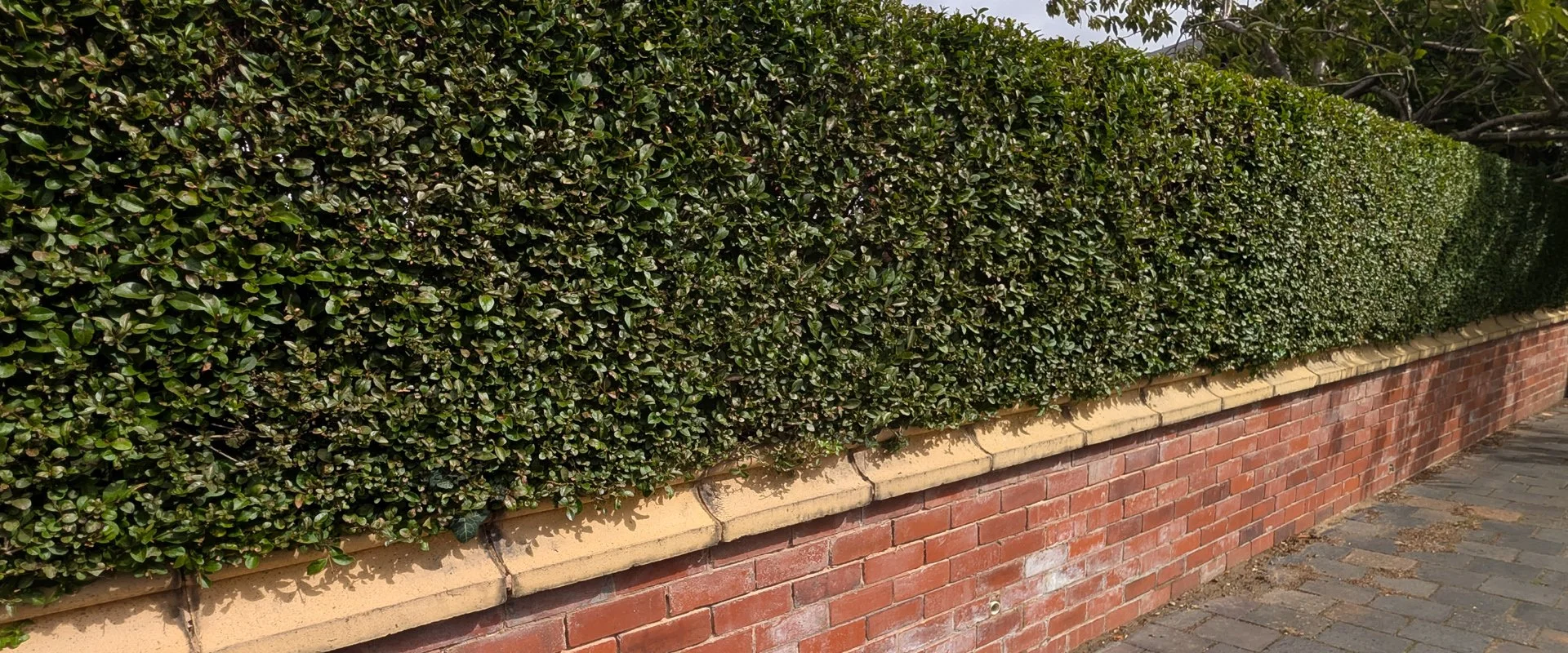
Hedging Plants & Professional Hedge Planting in Shevington
Quality hedging plants for garden privacy, natural boundaries and wildlife-friendly planting in Shevington, Shevington Moor, Appley Bridge and surrounding areas.
A well-designed hedge can do much more than define a property boundary. It can provide privacy, filter wind, soften views of fencing and create valuable shelter for garden wildlife.
Landscaping Emporium supplies evergreen, deciduous and native hedging, with professional planting available for suitable projects.
We can help you consider the appropriate species, supplied size, planting arrangement and establishment requirements for your garden.
Selected by designers. Installed by professionals.
Designing a Hedge for a Shevington Garden
Shevington and its surrounding communities include established residential gardens alongside properties closer to open countryside. The most suitable hedge depends on the individual site rather than the postcode alone.
A narrow garden boundary may call for a closely maintained evergreen hedge, while a larger plot may accommodate a mixed native hedgerow with a broader, less formal shape.
Defined Residential Boundaries
For boundaries adjoining neighbours, consider the hedge's eventual width, height, maintenance access and the amount of shade it may create.
Gardens Adjoining Open Land
For more exposed positions, choose plants suited to wind and local ground conditions, and plan carefully for establishment.
Natural Garden Boundaries
Mixed native hedging can introduce blossom, berries and changing seasonal colour into a garden.
Immediate Privacy Requirements
Larger evergreen plants may offer more initial screening, but require appropriate handling, planting and aftercare.
Hedging Species Worth Considering in Shevington
Rather than selecting a hedge purely by appearance, consider its eventual size, exposure tolerance, soil requirements and the level of maintenance you can provide.
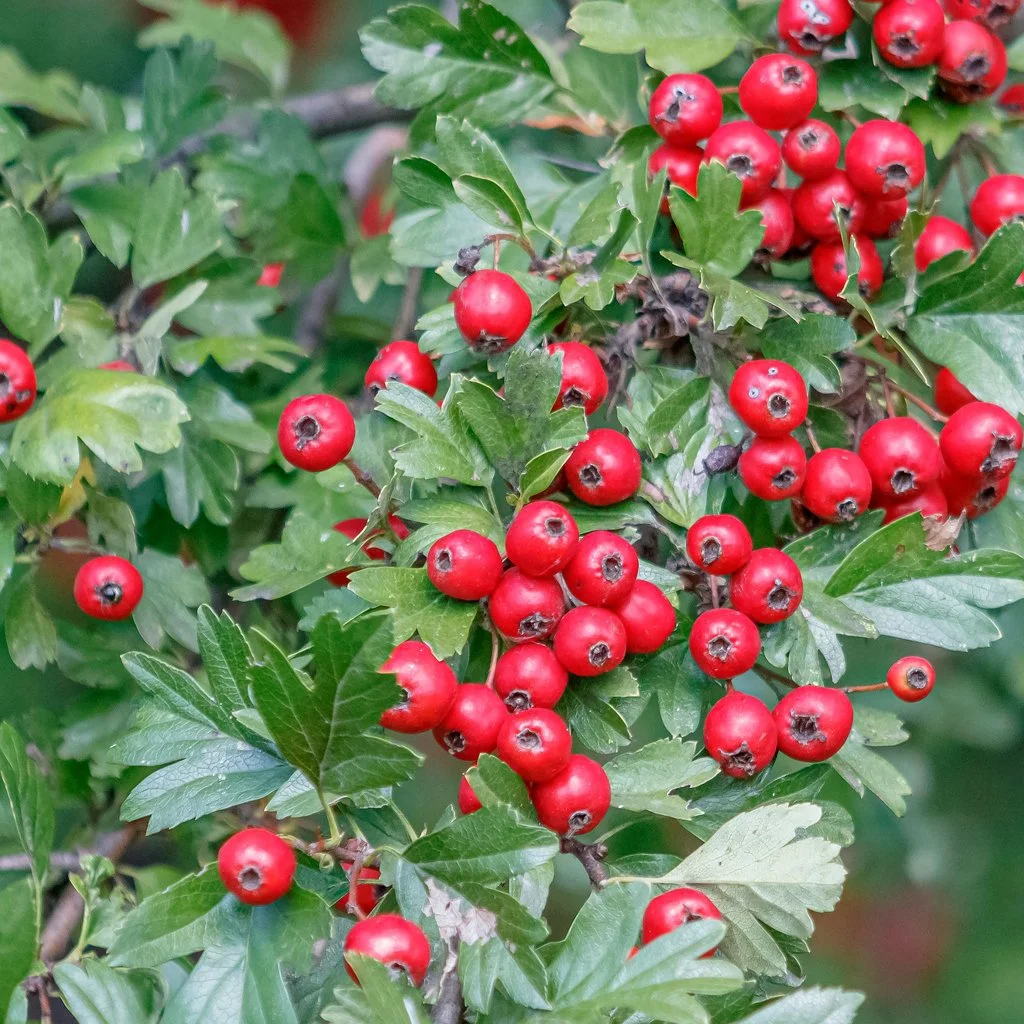
Hawthorn
A traditional native choice for informal boundaries. Spring blossom, autumn berries and dense, thorny growth provide seasonal interest and wildlife value.
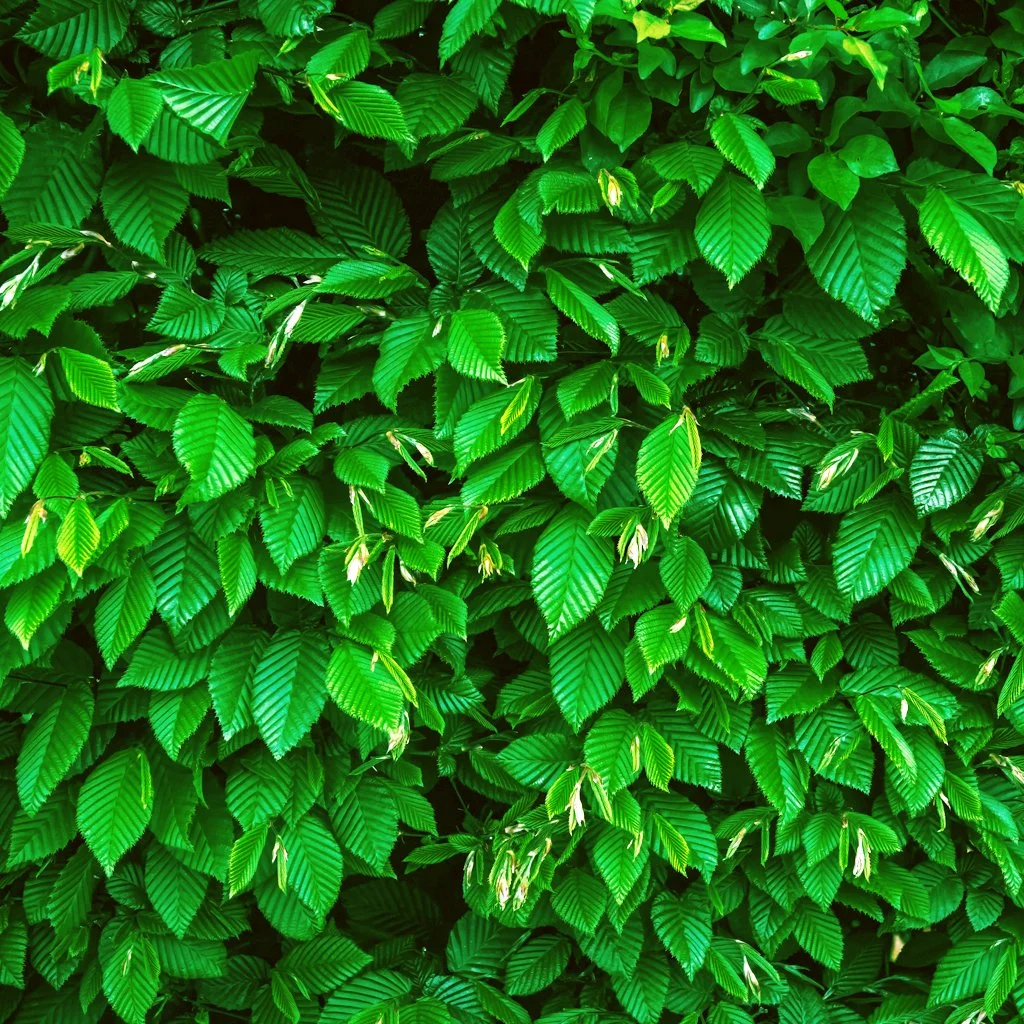
Hornbeam
A useful deciduous option for clipped garden boundaries, including many heavier soils. Some dry leaves may remain on regularly clipped hedges through winter.
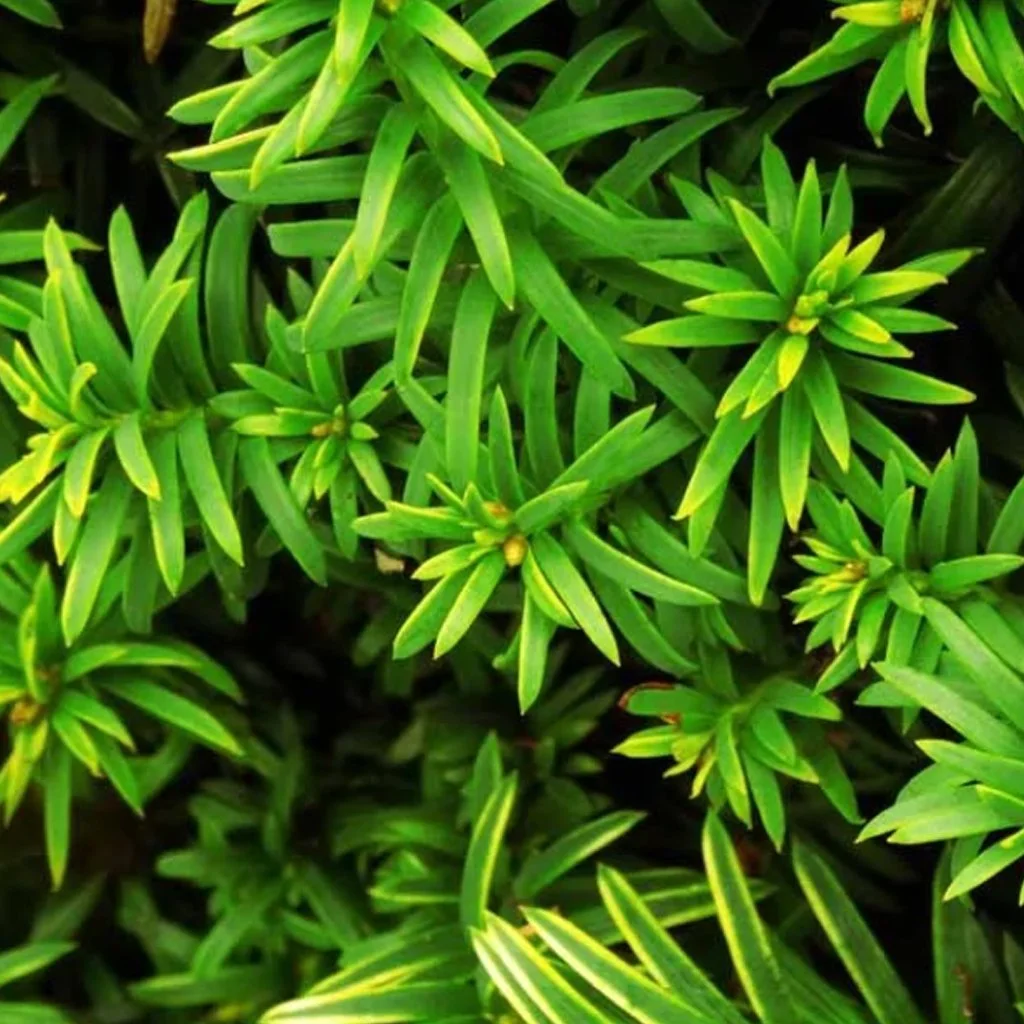
English Yew
Dense, long-lived evergreen hedging suited to formal boundaries where drainage is adequate. Yew is poisonous if eaten.
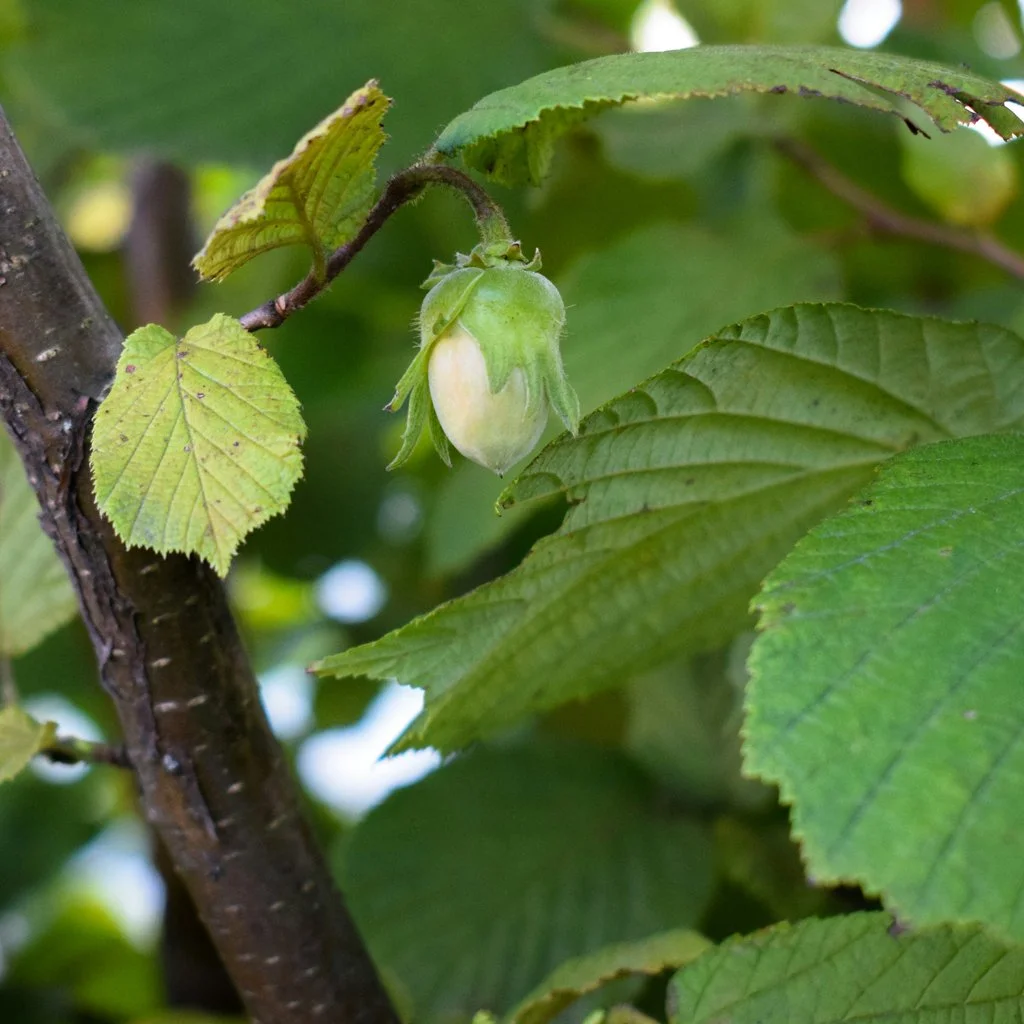
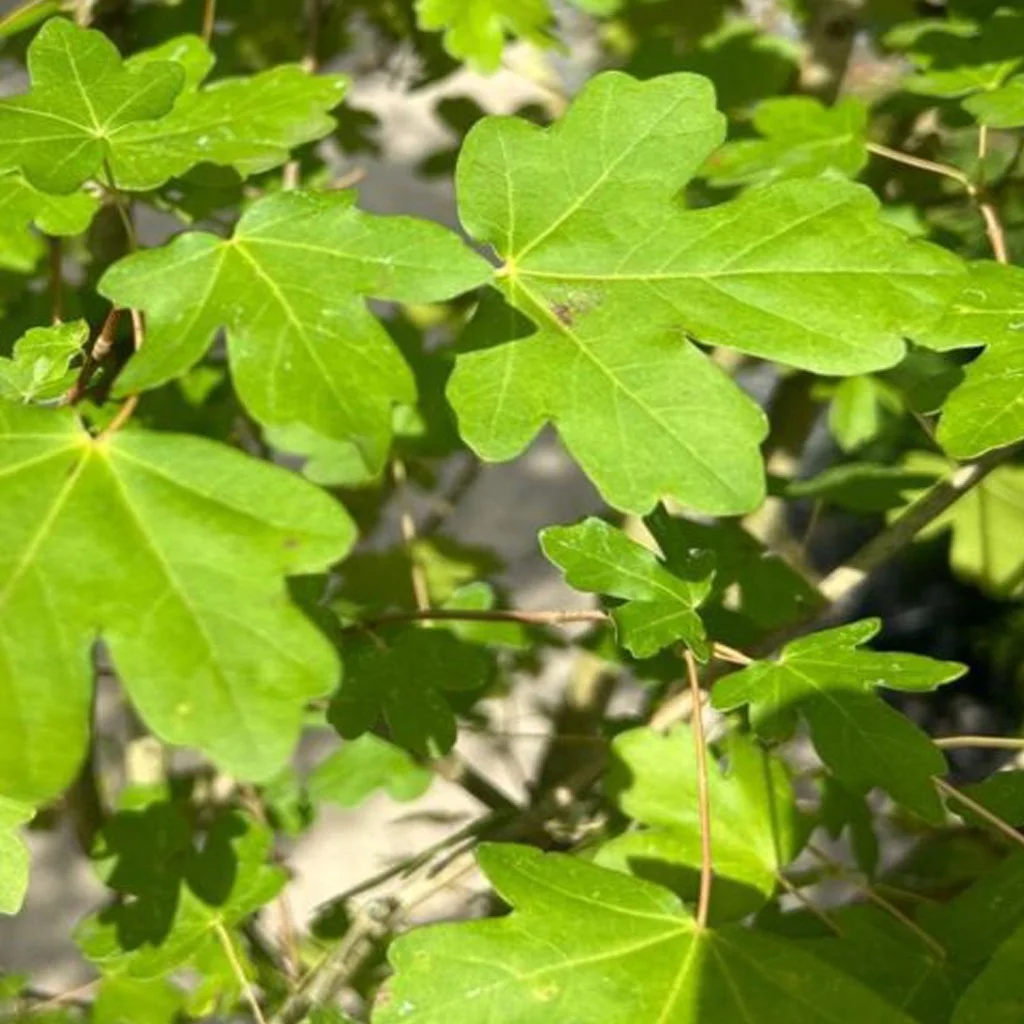
Mixed Native Hedging
Hawthorn can form the backbone of a mixed native boundary, with Hazel, Field Maple and Dog Rose considered where available space and growing conditions allow.
A mixed hedgerow can offer seasonal diversity and wildlife benefits.
Choosing a Mixed Native Hedge
Plant selection should account for the hedge's intended function, available width, soil conditions and mature behaviour of each species.
For a wider countryside-style boundary, a combination of suitable native plants may offer more seasonal variety than a single-species hedge.
Single-Row or Double-Staggered Hedging?
One of the first decisions when planning a hedge is whether to plant in a single row or a double-staggered arrangement.
Single-Row Planting
A single row can be appropriate for formal evergreen hedging or where planting width is limited. Spacing depends on the species and supplied plant size.
Double-Staggered Planting
Two offset rows are commonly used for native hedgerows, helping create a broader and potentially denser boundary. They require more space and a suitable planting plan.
For example, a 20-metre hedge planted at three plants per metre requires approximately 60 plants before allowing for any special planting arrangements.
This is illustrative: the correct quantity must reflect the stock type, species and intended hedge structure.
Four Essentials for Establishing a Healthy New Hedge
Successful hedge planting depends on much more than placing plants in the ground. Preparation and aftercare are particularly important during the first growing seasons.
Inspect the Soil
Check drainage, compaction and buried obstructions. Avoid planting into persistently waterlogged soil without addressing the cause.
Prepare the Planting Area
Remove persistent weeds, provide sufficient rooting space and prepare the soil according to its condition rather than automatically adding large quantities of compost.
Water Correctly
Water thoroughly after planting and monitor moisture during establishment. Newly planted hedges may need additional watering during dry weather, including their second summer.
Control Competition
Keep grass and weeds away from the base of young plants. Suitable mulch can help conserve moisture, but should not be piled against stems.
Creating a Hedge That Supports Wildlife
A native hedgerow can provide shelter, nesting opportunities and seasonal food for birds, pollinators and other wildlife.
Hawthorn blossom provides resources for visiting insects, while its autumn fruits are eaten by birds. Hazel and other suitable native species can add further diversity.
Where space permits, allowing a hedge to develop a wider base and retaining appropriate flowering and fruiting growth can increase its ecological value.
When Should a Native Hedge Be Cut?
Avoid disturbing active bird nests. In the UK, active wild bird nests are legally protected. Late-winter trimming, after checking for nesting activity, can be preferable for many established native hedges.
Where appropriate, a rotational trimming approach may allow more flowers and berries to develop than annual close clipping.
Choosing the Right Hedging Stock
Bare-Root Plants
Often a cost-effective option for longer native and deciduous hedges. Generally supplied during dormancy.
Rootballed Plants
Larger plants supplied with a retained soil ball. Generally available from mid-October to late April, weather permitting.
Container-Grown Plants
May offer greater seasonal flexibility, although suitable planting conditions and establishment care remain essential.
The largest available plant is not always the best choice. Smaller plants may establish effectively when planted and maintained correctly, while larger plants can provide more immediate screening.
Professional Hedge Planting in Shevington
Landscaping Emporium works alongside Kirman Design to offer professional hedge supply and planting for suitable projects across Shevington and surrounding areas of Wigan.
Depending on the agreed specification, services may include species selection, quantity calculations, delivery, ground preparation, setting out, planting, irrigation and aftercare advice.
Information We Need for a Quotation
To help us assess your project, please provide the property postcode, approximate hedge length, required privacy height, preferred species if known, photographs of the planting area and any access restrictions.
For larger or exposed sites, please also mention any known drainage problems, livestock access or existing boundary features.
Find out more about our professional hedge supply and planting service .
Shevington Hedging FAQs
Is a mixed native hedge better than a single species?
A mixed hedge can provide greater seasonal diversity and wildlife value. A single-species hedge may be more appropriate where a uniform appearance or precise clipping is required.
Should a native hedge be planted in two rows?
Double-staggered planting is commonly used for native hedgerows, but a single row may be appropriate where space is restricted.
Can a hedge reduce wind exposure?
A suitably designed hedge can filter wind and provide shelter. Its effectiveness depends on height, density, positioning and the surrounding landscape.
How long does a newly planted hedge take to establish?
Establishment varies with species, plant size, soil, weather and aftercare. Regular monitoring is important during the first growing seasons.
Is Hawthorn suitable for a wildlife hedge?
Yes. Hawthorn provides blossom, berries, dense branching and shelter, making it a valuable native hedging species.
Can I plant a hedge beside an existing fence?
Often yes, provided there is sufficient rooting space, adequate light and access for future maintenance.
Is bare-root hedging suitable for a long boundary?
Bare-root plants can be economical for longer hedges, particularly native and deciduous species planted during dormancy.
How do I prevent grass competing with a new hedge?
Maintain a suitable weed-free strip and consider appropriate mulch, keeping it clear of plant stems.
Can Landscaping Emporium supply and plant my hedge in Shevington?
We welcome enquiries for suitable projects, subject to site conditions, access, scope and availability. Request a quotation .
Hedging in Shevington & Surrounding Wigan Communities
Landscaping Emporium welcomes hedging enquiries from Shevington, Shevington Moor, Appley Bridge and nearby communities.
Explore our Wigan Hedging Guide , Orrell Hedging Guide and Greater Manchester Hedging Guide .
You can also browse hedging plants or use our Hedge Selector to compare species.
Planning a New Hedge in Shevington?
From native hedgerows to established evergreen screening, we can help you consider suitable plants for your garden and planting requirements.
Telephone: 01942 604976
Email: info@kirmandesign.com
Selected by designers. Installed by professionals.