
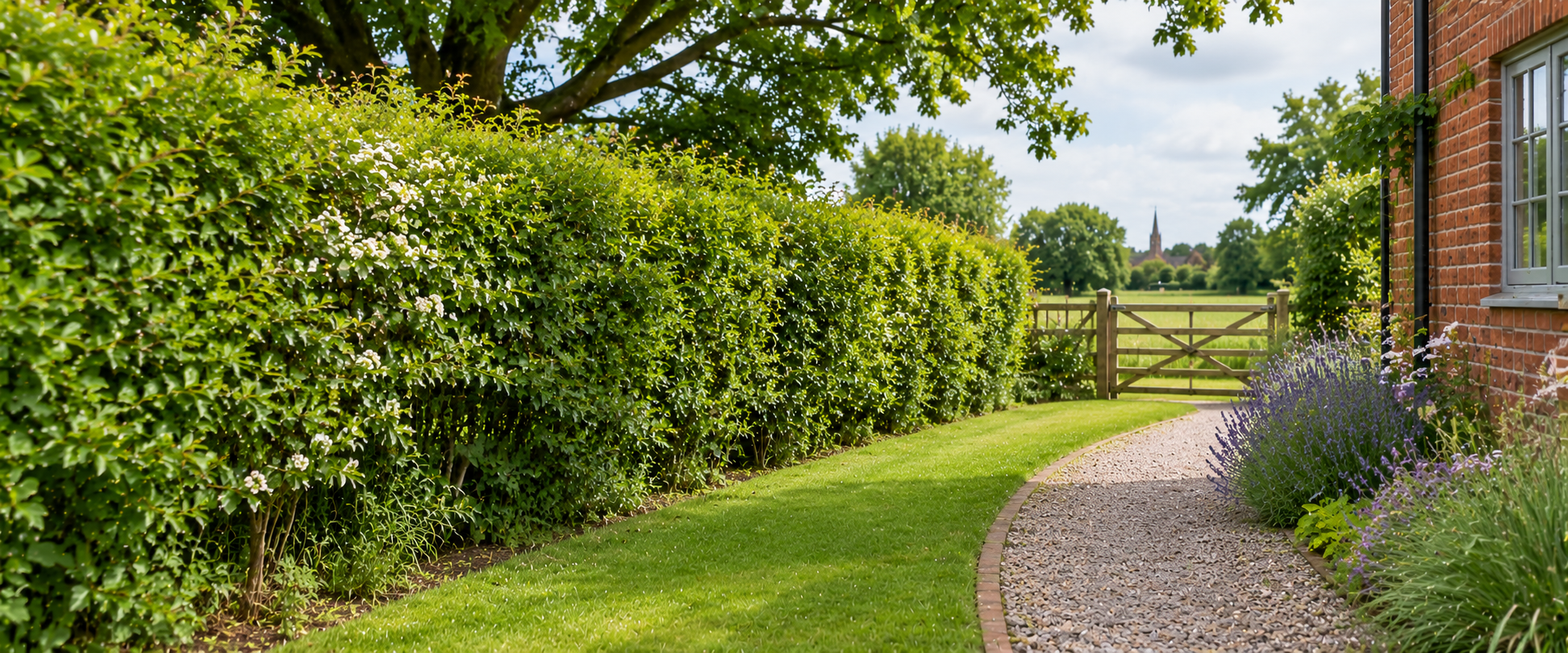
Hedging Plants & Professional Hedge Planting in Tarporley
Quality evergreen, deciduous and native hedging for traditional Cheshire gardens, formal boundaries, established country properties and rural landscapes throughout Tarporley and surrounding villages.
Landscaping Emporium supplies quality hedging plants for gardens and countryside properties around Tarporley, with options for year-round privacy, clipped garden structure and traditional native hedgerows.
Whether you are restoring a traditional garden, creating a formal entrance, replacing an ageing boundary or establishing a new hedge alongside a rural property, selecting the right species is essential for long-term success.
Our range includes bare-root, rootballed and container-grown hedging, with professional supply and planting available for suitable projects.
Selected by designers. Installed by professionals.
Hedging for Traditional Cheshire Gardens & Country Properties
Tarporley is characterised by its historic village centre, established residential gardens and surrounding Cheshire countryside.
Traditional garden boundaries, mature trees, sandstone walls and countryside hedgerows contribute to the character of the area.
A carefully selected hedge can complement these features while providing privacy, garden structure and a natural transition between landscaped gardens and open countryside.
Traditional Garden Structure
Beech, Hornbeam and Yew for formal clipped boundaries, garden rooms and established planting schemes.
Evergreen Privacy
Yew, Portuguese Laurel and Holly for year-round screening where soil and growing conditions suit.
Country House Entrances
Formal hedging to define driveways, entrance gardens and landscaped approaches.
Rural Garden Boundaries
Hawthorn and mixed native species for natural hedgerows and wildlife-friendly boundaries.
Hedging Alongside Sandstone Walls & Traditional Boundaries
Sandstone boundary walls and traditional hedgerows are characteristic features of parts of the Tarporley landscape.
A clipped hedge can complement a sandstone wall, soften the appearance of an entrance and provide additional screening.
Choosing a Suitable Hedge
English Yew can create a dense, formal evergreen hedge where drainage is suitable.
Green Beech and Hornbeam provide traditional clipped alternatives with seasonal foliage.
Protecting Existing Structures
Planting positions should allow sufficient room for roots, future hedge width and maintenance access.
Existing walls should be assessed before excavation, particularly where foundations or historic masonry may be affected.
Traditional Boundary Design
Consider the relationship between hedge height, wall height and the character of the property. A lower clipped hedge can provide structure without obscuring attractive stonework.
Popular Hedging Plants for Tarporley Gardens
These six species offer options for evergreen screening, formal garden structure and native countryside hedging.
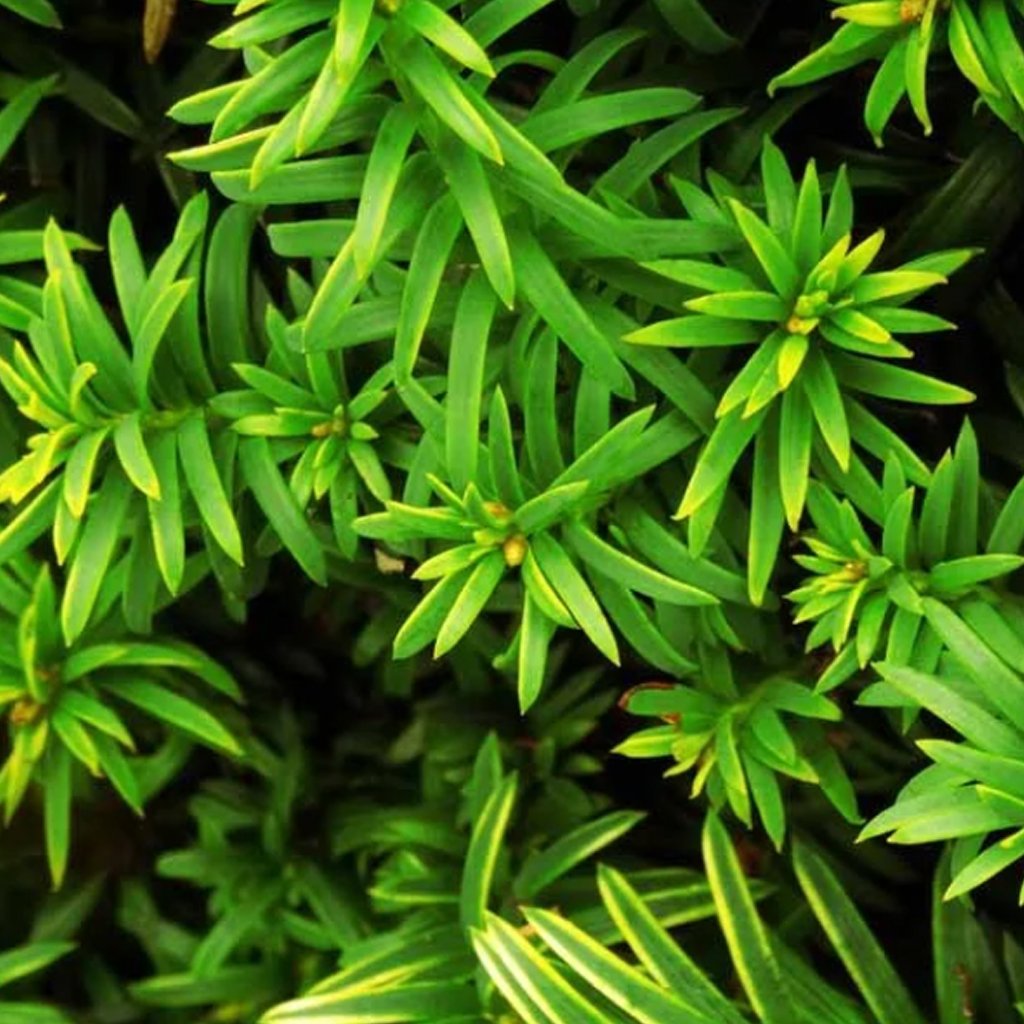
English Yew
Dense evergreen hedging for traditional formal gardens, clipped boundaries and structured planting. Highly toxic if ingested.
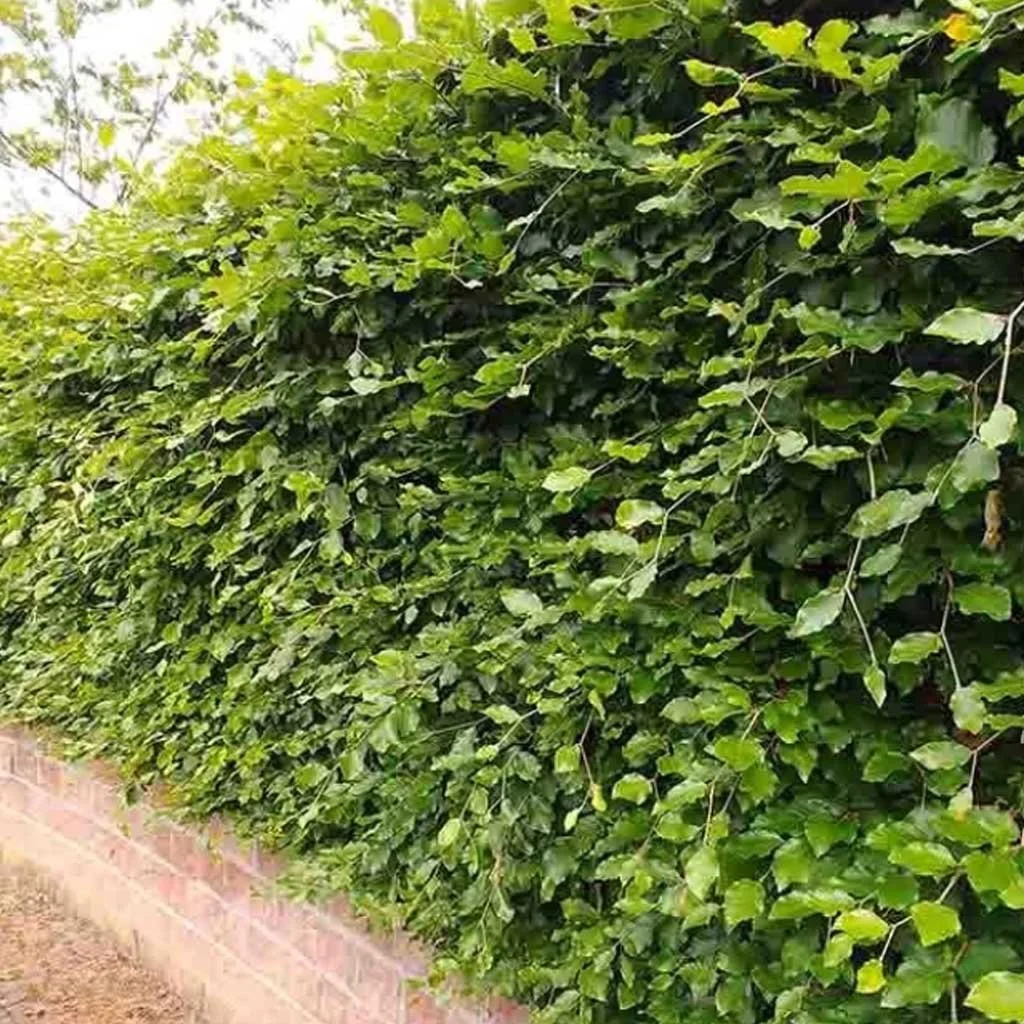
Green Beech
Traditional deciduous hedging with seasonal colour and potential winter leaf retention when regularly clipped.
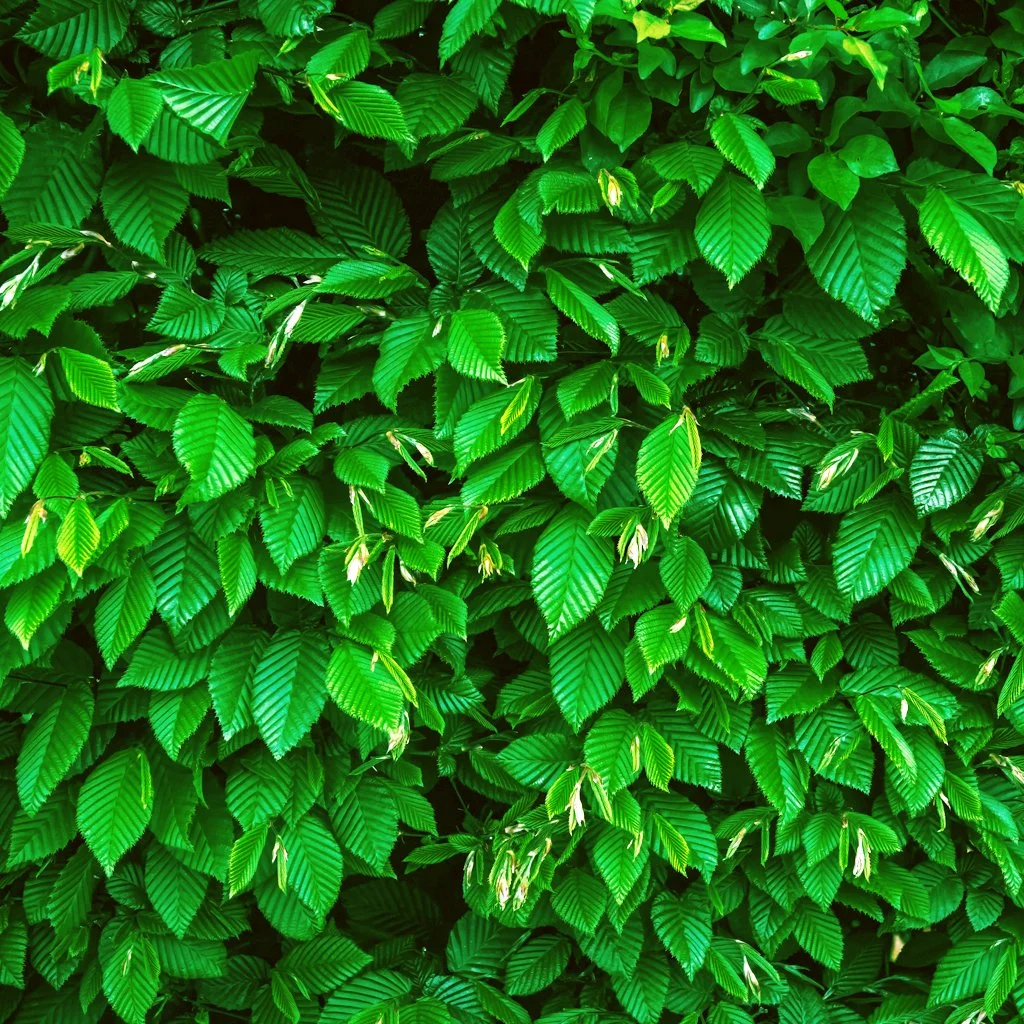
Hornbeam
Traditional clipped hedging that tolerates many heavier garden soils where drainage remains adequate.
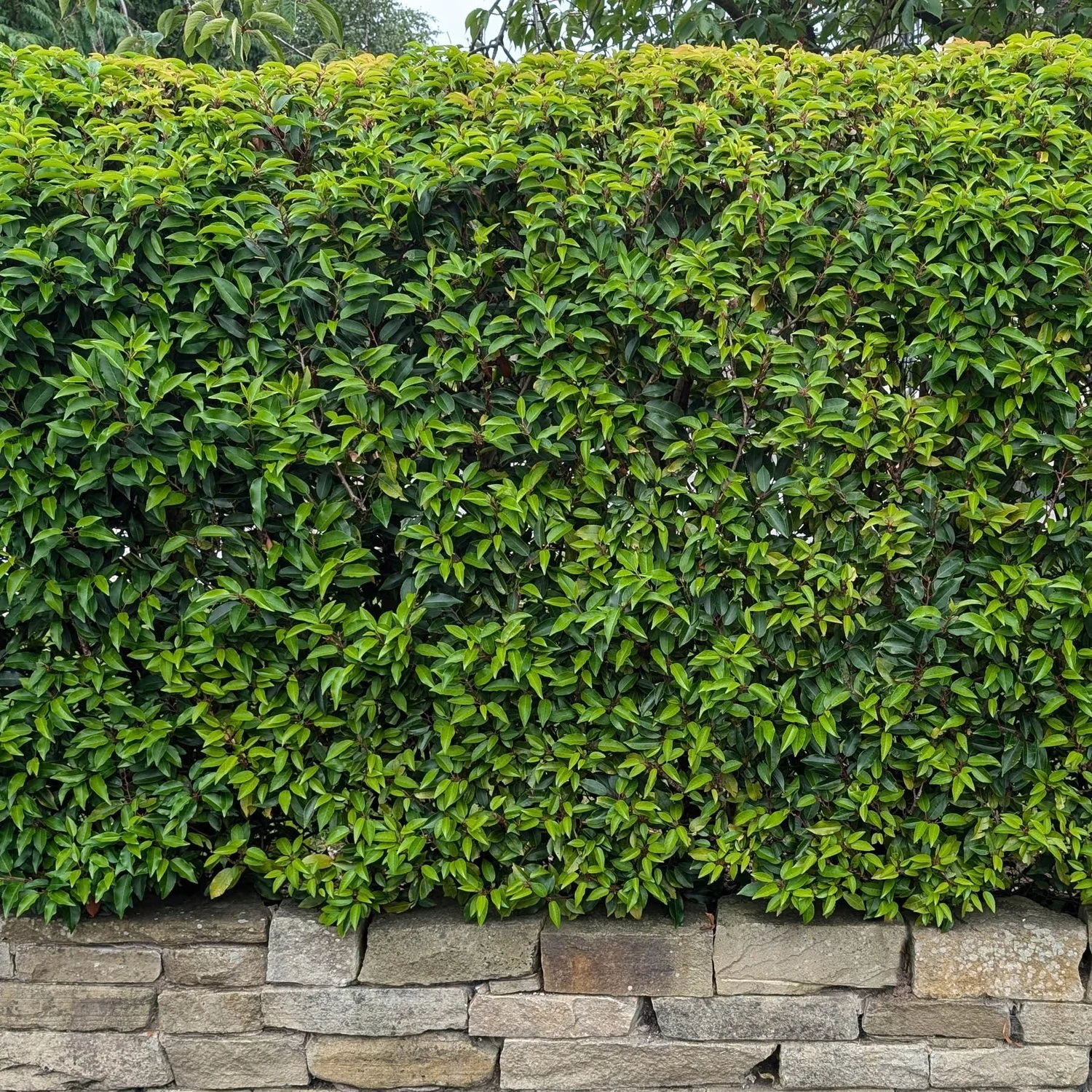
Portuguese Laurel
Attractive evergreen hedging with glossy foliage and reddish stems for residential privacy on suitable sites.
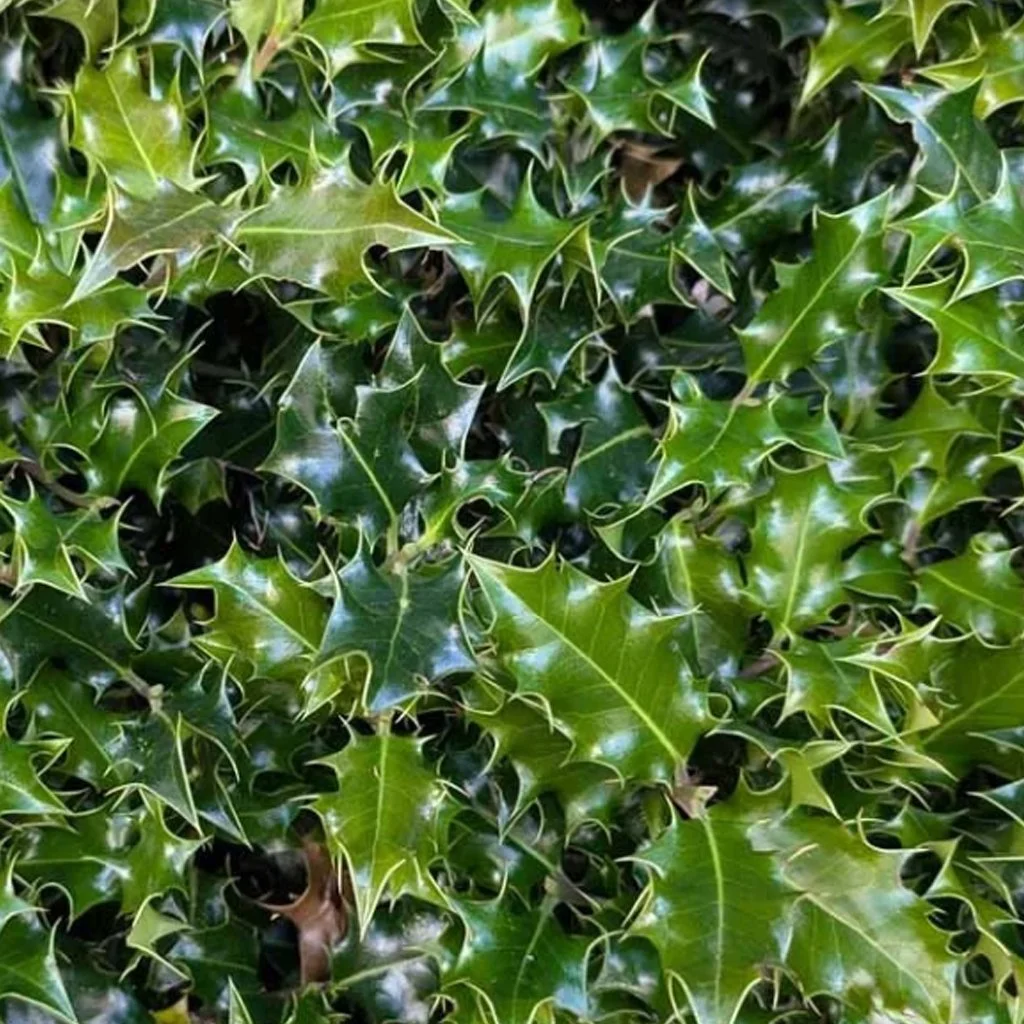
English Holly
Native evergreen hedging with often-spiny foliage, year-round structure and wildlife value.
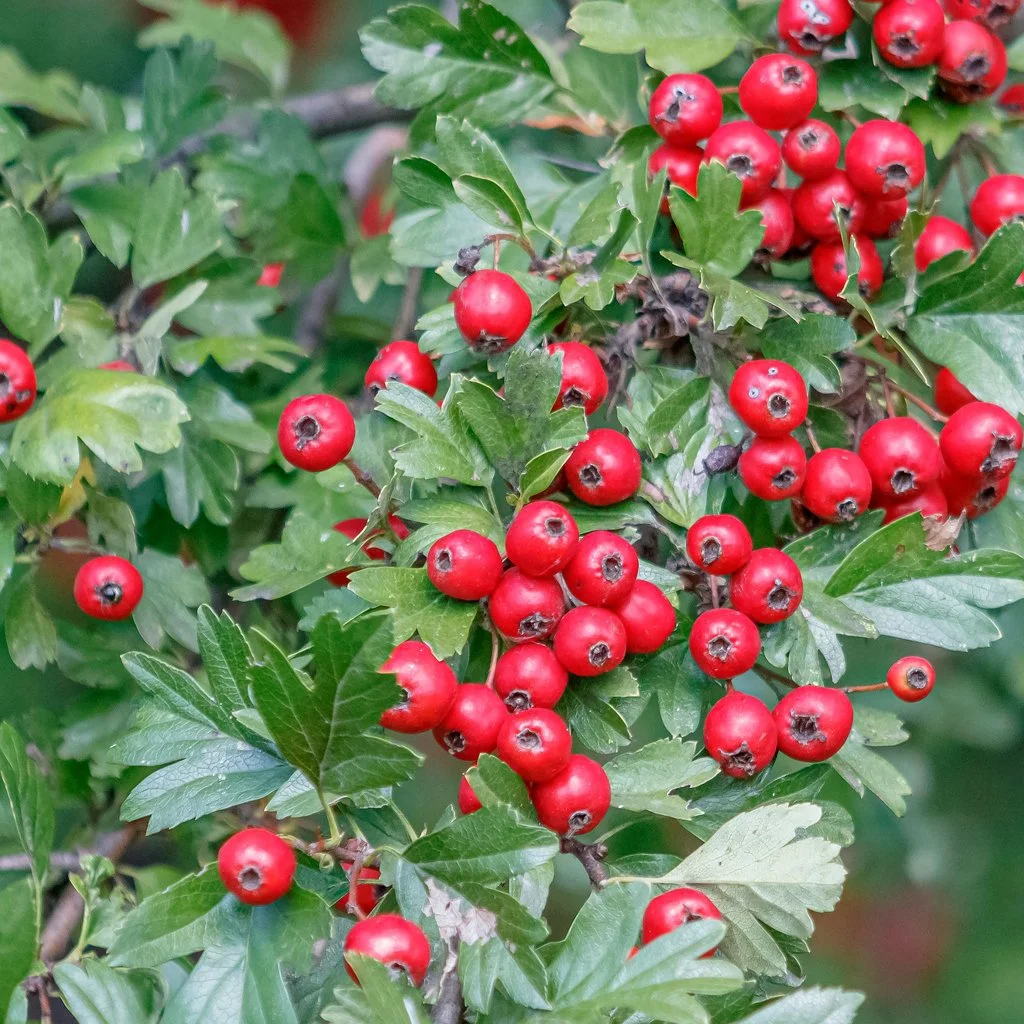
Hawthorn
Native thorny hedging with spring blossom, autumn berries and wildlife value for rural boundaries.
Plant sizes, stock types and availability vary by species and season.
Formal Hedging for Country Houses & Established Gardens
Formal hedging can provide a strong framework for larger traditional gardens and established properties.
Clipped hedges help define garden rooms, frame pathways and create a consistent backdrop for ornamental planting.
English Yew for Garden Architecture
English Yew is particularly suited to formal clipping and can be used for structured garden boundaries and garden compartments.
Beech & Hornbeam for Traditional Character
Beech and Hornbeam offer traditional deciduous alternatives with seasonal foliage changes.
Entrance & Driveway Hedging
Hedging can frame a driveway or garden entrance, but planting must allow adequate visibility, access and future maintenance space.
Native Hedgerows for Rural Properties Around Tarporley
Traditional hedgerows form an important part of the countryside surrounding Tarporley.
Native hedging can create a natural boundary while providing flowers, berries, shelter and nesting opportunities for wildlife.
Hawthorn Hedging
Hawthorn is widely used in traditional countryside hedges because it develops dense, thorny growth and responds well to appropriate cutting.
Mixed Native Hedgerows
A mixed native hedge may include Hawthorn, Blackthorn, Field Maple and Hazel where the site and intended purpose are suitable.
Protecting Existing Hedgerows
Existing rural hedgerows may be protected by law. Check the relevant requirements before removal or substantial alteration.
Livestock Considerations
Where hedging borders grazing land, species must be selected with the animals concerned in mind.
English Yew is highly toxic if ingested and should not be planted where livestock can access it.
Choosing Hedging for Tarporley's Soil & Landscape
Ground conditions around Tarporley can vary between the sandstone ridge and fringe, residential gardens and surrounding farmland.
Soil texture, drainage, slope, exposure and previous ground disturbance should all be assessed before planting.
Free-Draining Ground
English Yew and Green Beech can perform well where drainage and other growing conditions are suitable.
Heavier Soils
Hornbeam is a useful option for many heavier soils, provided the ground does not remain waterlogged.
Exposed Rural Boundaries
On open sites, consider wind exposure, plant anchorage and watering requirements during establishment.
Existing Trees & Root Competition
Mature trees can create dry shade and root competition that affect new hedge establishment.
Species selection and planting positions should account for these conditions.
Evergreen Privacy Hedging for Tarporley Gardens
Evergreen hedging can provide year-round privacy for patios, terraces and garden seating areas.
English Yew and Portuguese Laurel are options where the available space and soil conditions suit.
Choosing the Right Height
The ideal hedge height depends on the position of neighbouring buildings, ground levels and the areas requiring screening.
Choosing the Right Width
A hedge must have sufficient space for healthy growth and ongoing clipping.
Where garden space is limited, a shorter section of carefully positioned screening may be preferable to hedging the entire boundary.
Privacy Design Tip
A well-positioned hedge can screen a seating area without obscuring attractive views towards the surrounding countryside.
Bare-Root, Rootballed & Container-Grown Hedging
Bare-Root Hedging
Generally available during the dormant season and often economical for longer hedge runs.
Rootballed Hedging
Available in selected species and sizes, generally from mid-October to late April, weather permitting.
Container-Grown Hedging
Offers greater planting date flexibility, subject to suitable conditions and aftercare.
Larger Hedging Plants
Can provide earlier screening but may require additional handling, access and establishment care.
How Many Hedging Plants Will I Need?
Plant quantities depend on hedge length, species, supplied size and planting specification.
Some rootballed hedging specifications use approximately three plants per linear metre, although actual spacing must be confirmed for the chosen plants.
For example, a 15-metre hedge planted at three plants per metre would require approximately 45 plants.
Bare-root planting densities may differ depending on plant size and whether a single or staggered row is required.
How Much Does Hedge Supply & Planting Cost in Tarporley?
The cost of a new hedge depends on the species, plant size, quantity, ground preparation and installation requirements.
Plant Species & Size
Different species, supplied heights and stock types have different nursery costs.
Hedge Length
The length and recommended planting density determine the number of plants.
Ground Preparation
Existing vegetation, compaction, rubble and drainage conditions may affect preparation.
Access & Installation
Restricted access, sloping ground and larger plants can increase handling requirements.
Bare-root native hedging may be economical for longer rural boundaries during the appropriate planting season.
Larger evergreen plants can provide earlier privacy but generally involve a higher initial investment.
A project-specific quotation is more reliable than assuming a fixed cost per linear metre.
Aftercare for Newly Planted Hedging in Tarporley
Watering
Newly planted hedges need appropriate watering while roots establish. Adjust watering to weather and soil moisture.
Mulching
Suitable mulch can help retain moisture and reduce weed competition. Keep mulch clear of stems.
Weed Control
Maintain a reasonably weed-free planting strip during establishment.
Formative Pruning
Appropriate early pruning helps develop a balanced, dense hedge. Timing depends on species.
Wind Exposure
Check stability and supports where required, particularly on open rural sites.
Drainage
Monitor for persistent waterlogging and address problems where practicable.
Professional Hedge Supply & Planting in Tarporley
Landscaping Emporium works alongside Kirman Design to offer professional hedge supply and planting for suitable projects around Tarporley.
Depending on the agreed specification, services may include plant selection, quantity calculations, delivery, ground preparation, setting out, planting, irrigation and aftercare advice.
Request a Hedge Planting Quotation
Measure Your Boundary
Provide your postcode, approximate hedge length and intended purpose.
Describe Your Site
Include photographs, preferred plant height, ground conditions and access details.
Review Your Options
Discuss suitable species, plant sizes, quantities and installation requirements.
Learn more about our professional hedge supply and planting service .
Hedging in Tarporley & Surrounding Cheshire Villages
We welcome hedging supply and planting enquiries from Tarporley and surrounding communities.
Tarporley
Formal hedging, evergreen privacy and traditional garden boundaries.
Eaton
Country garden hedging and established property boundaries.
Utkinton
Traditional hedging and screening for countryside gardens.
Cotebrook
Native hedgerows and evergreen garden boundaries.
Bunbury
Traditional clipped hedging and country garden planting.
Beeston
Native hedging and rural garden boundaries.
Professional planting availability depends on location, project requirements and site access.
Tarporley Hedging FAQs
Which hedging plants are suitable for Tarporley?
Yew, Beech, Hornbeam, Portuguese Laurel, Holly and Hawthorn may be suitable depending on soil conditions and intended use.
Which hedge is best for a traditional Cheshire garden?
English Yew, Green Beech and Hornbeam are traditional choices for formal clipped hedging.
Which hedge is best for year-round privacy?
Evergreen species such as Yew and Portuguese Laurel can provide year-round screening on suitable sites.
Can I plant a hedge beside a sandstone wall?
Potentially, provided there is sufficient rooting space and the planting does not compromise the existing structure.
Which hedge is suitable for a rural boundary?
Hawthorn and suitable mixed native hedging are traditional choices for countryside boundaries.
Which hedge is suitable for heavier soil?
Hornbeam tolerates many heavier soils, although persistent waterlogging should be addressed.
Can mature hedging provide immediate privacy?
Larger plants may provide earlier screening, but the result depends on plant size, spacing and the required height.
How many hedging plants will I need?
Quantities depend on hedge length, species, supplied plant size and recommended spacing.
How much does hedge planting cost in Tarporley?
Costs depend on plant selection, quantity, ground preparation, access and installation.
When is bare-root hedging available?
Generally during the dormant season, subject to weather and stock availability.
When is rootballed hedging available?
Generally from mid-October to late April, weather permitting and subject to availability.
Do newly planted hedges need watering?
Yes. Appropriate watering is important during establishment, especially in dry weather.
Do you offer professional hedge planting in Tarporley?
We welcome enquiries for suitable hedge supply and planting projects around Tarporley.
Can you help me choose the right hedge?
Use our Hedge Selector or complete the Hedging Enquiry Form.
Explore Hedging Across Cheshire
Visit our Cheshire Hedging Guide for regional plant selection and planting advice.
Explore other Cheshire hedging guides for Kelsall, Nantwich and Northwich.
Alternatively, browse our hedging plant collection or use the Hedge Selector.
Planning a New Hedge in Tarporley?
Whether you need a formal evergreen hedge, traditional garden boundary, privacy screen or native hedgerow, explore our plants or request a quotation.
Telephone: 01942 604976
Email: hello@landscapingemporium.co.uk
Selected by designers. Installed by professionals.