Landscaping Emporium | Size & Maturity
Fast-Growing Trees for UK Gardens
Fast-growing trees are an attractive
option when you want to introduce
height, privacy and garden structure
without waiting decades for
young trees to develop.
From elegant Silver Birch
to impressive Dawn Redwood,
carefully selected quick-growing
specimen trees can transform
a new garden or larger landscape.
However, rapid growth often
comes with greater mature
dimensions and additional
maintenance requirements.
Choosing the right species
for the available space
is essential.
Discover six fast-growing
trees, compare their
characteristics and learn
how to choose, plant
and maintain them
successfully.
Landscaping Emporium
supplies selected
specimen trees,
with professional
planting available
for suitable projects
across North West England.
Six Fast-Growing Trees to Consider
These species are known
for relatively rapid
growth in suitable
conditions. Growth rates
vary with age, climate,
soil, moisture,
exposure and aftercare.
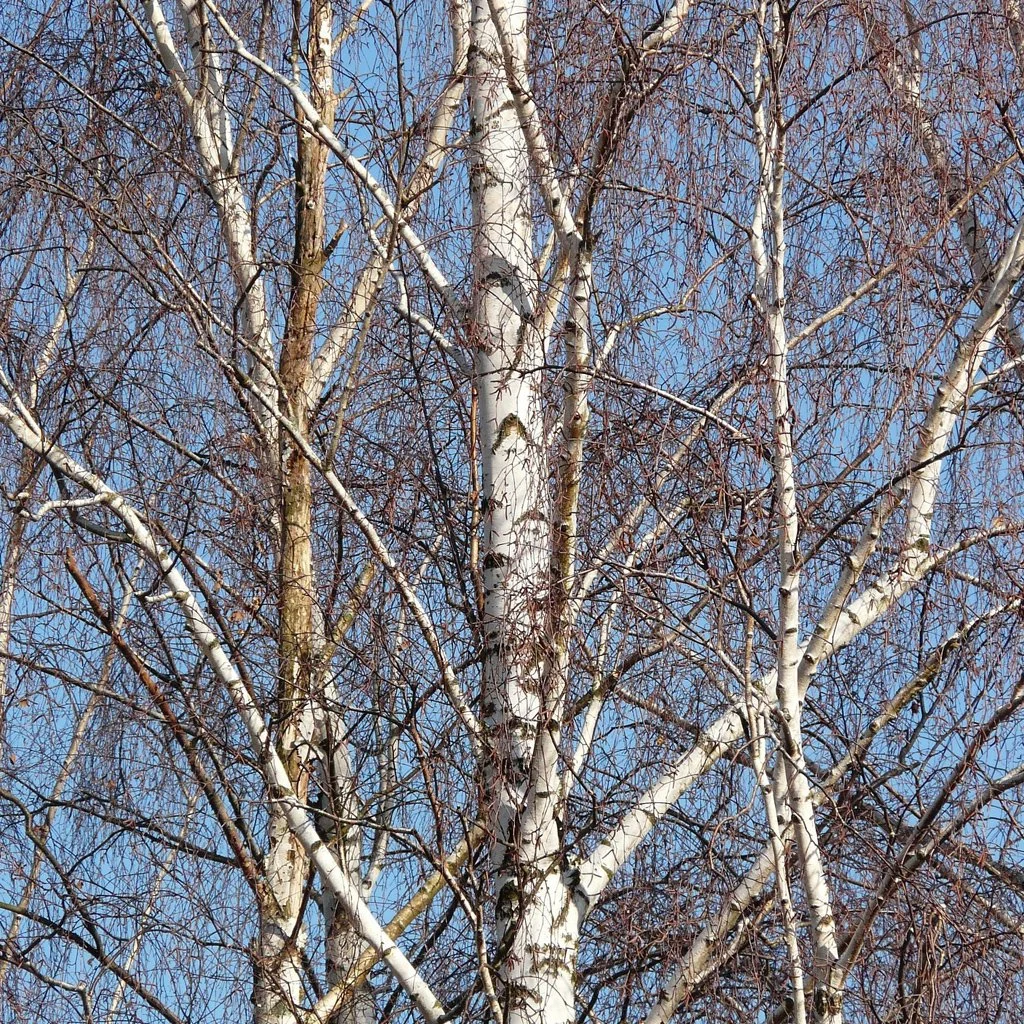
Relatively Fast | Native
Silver Birch
Betula pendula
An elegant British native
tree with delicate foliage,
a light canopy and
distinctive pale bark.
Silver Birch can establish
an attractive naturalistic
garden character relatively
quickly in suitable soil.
Particularly effective
in groups where space
allows for mature
crown development.
View Silver Birch →
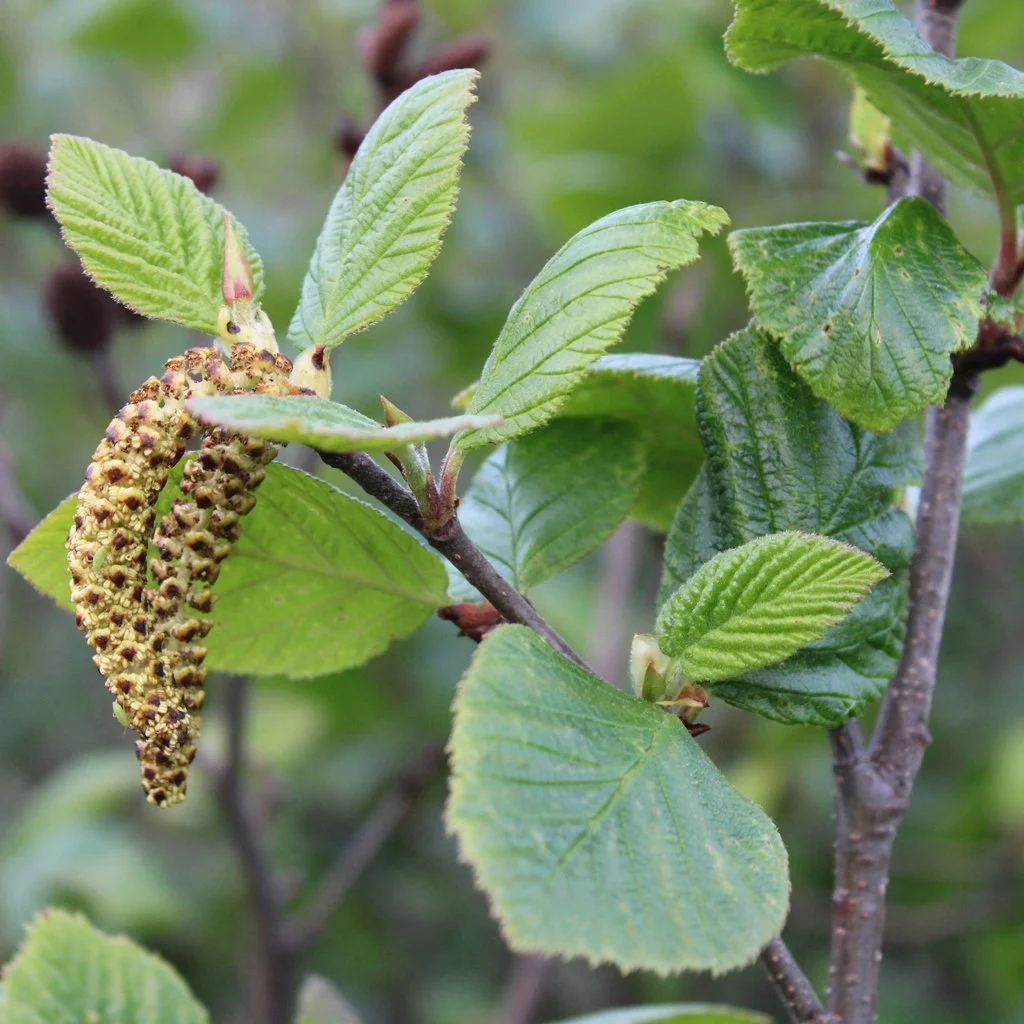
Fast | Moist Ground
Common Alder
Alnus glutinosa
A vigorous British
native tree well
suited to moist
ground and
larger landscapes.
Common Alder
can develop
height relatively
quickly and
provides useful
wildlife value.
Particularly suitable
for appropriate
waterside and
naturalistic
planting schemes.
View Common Alder →
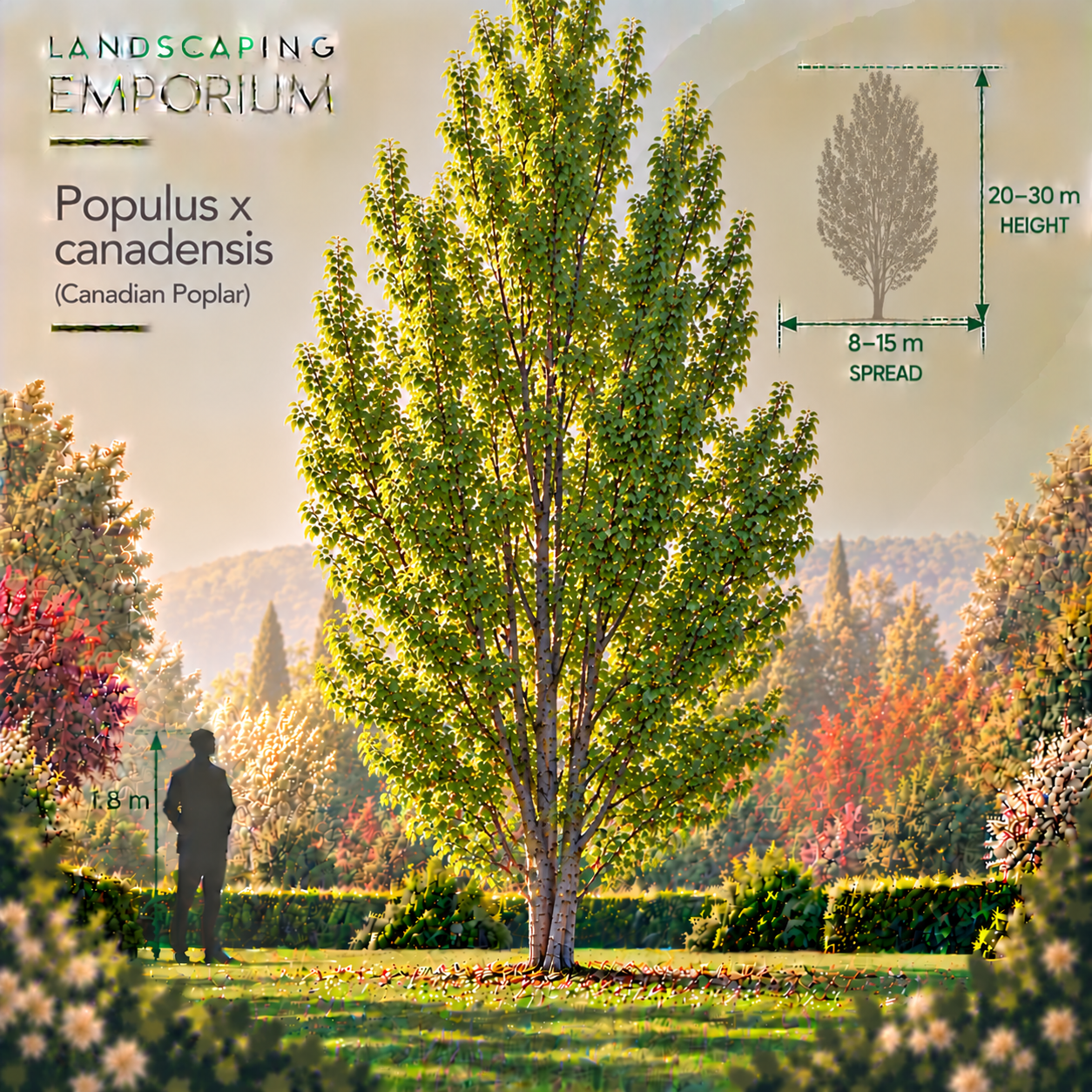
Very Fast | Large Landscapes
Hybrid Poplar
Populus × canadensis
Hybrid Poplars
are among the
fastest-growing
temperate
landscape trees.
Their rapid
development makes
them suitable
for selected
large-scale
planting schemes.
Not generally
recommended for
restricted domestic
gardens because
of their eventual
size and vigorous
root systems.
View Hybrid Poplar →
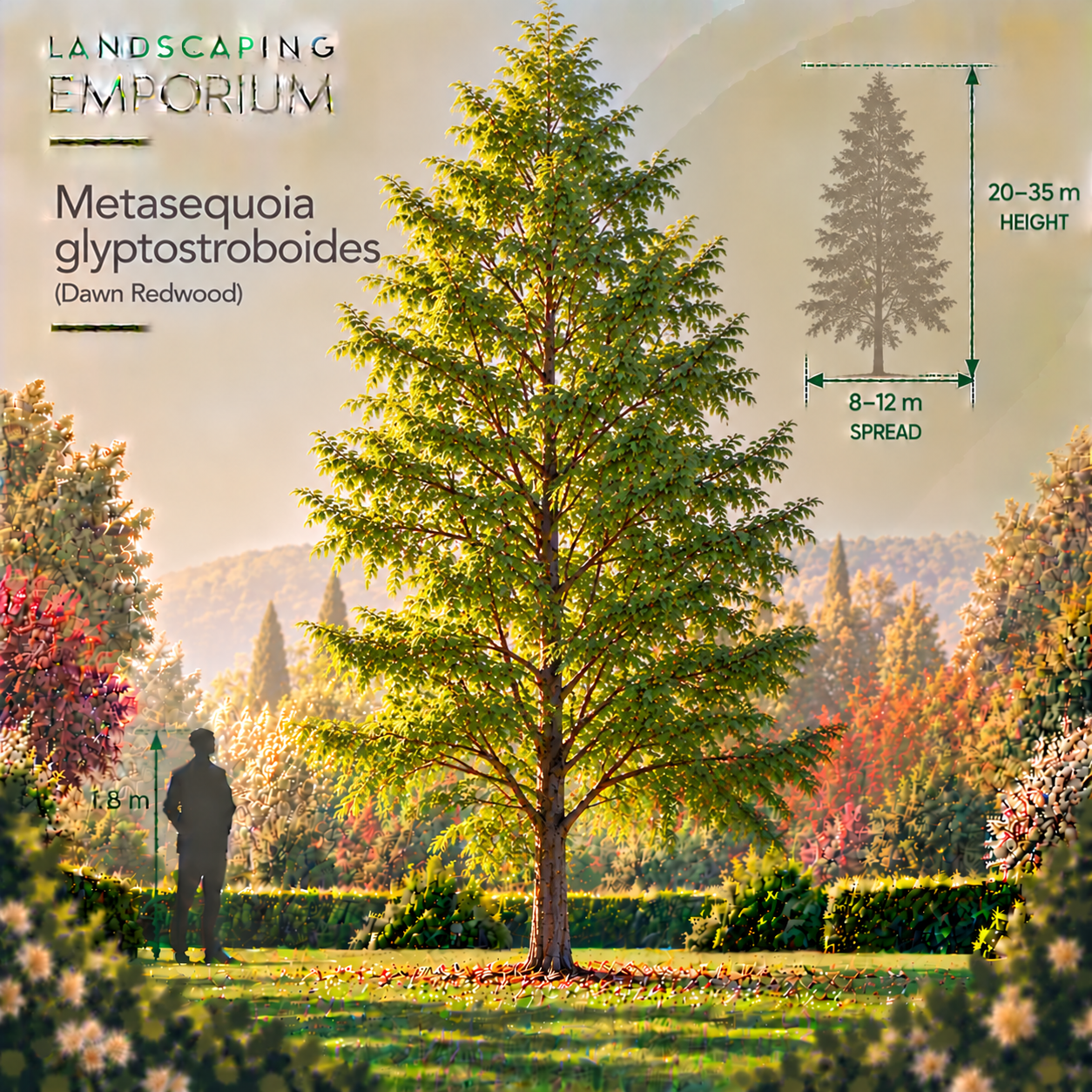
Fast | Architectural
Dawn Redwood
Metasequoia glyptostroboides
A remarkable
deciduous conifer
with soft foliage
and a distinctive
conical shape.
Dawn Redwood
can grow rapidly
once established,
particularly
where moisture
is adequate.
Best suited
to larger
gardens and
landscapes
with room
for its
eventual size.
View Dawn Redwood →
Very Fast | Evergreen
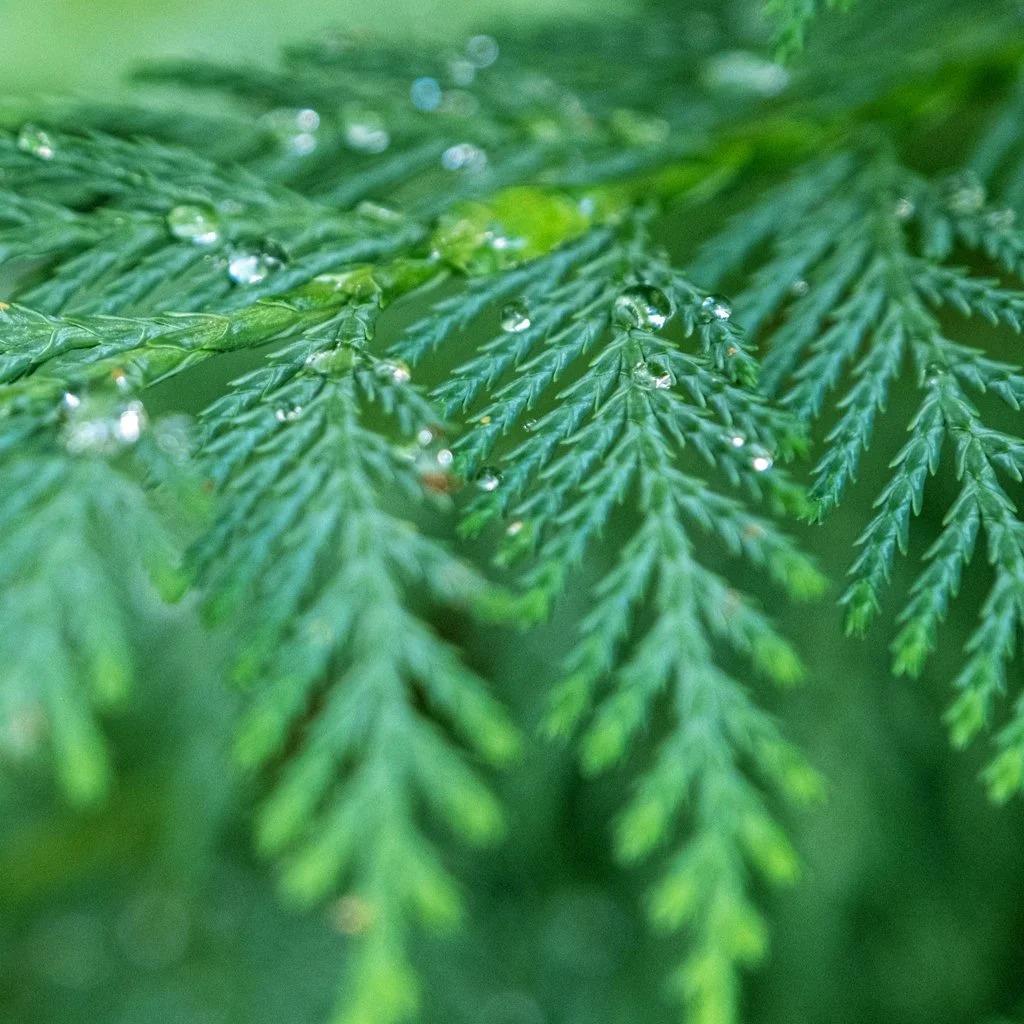
Leyland Cypress
× Cuprocyparis leylandii
A vigorous
evergreen conifer
often used
for rapid
screening.
Its dense
foliage can
provide privacy
relatively
quickly.
Requires
careful siting
and regular
maintenance
to prevent
excessive
height and
width.
View Leyland Cypress →
Fast | Moist Soils
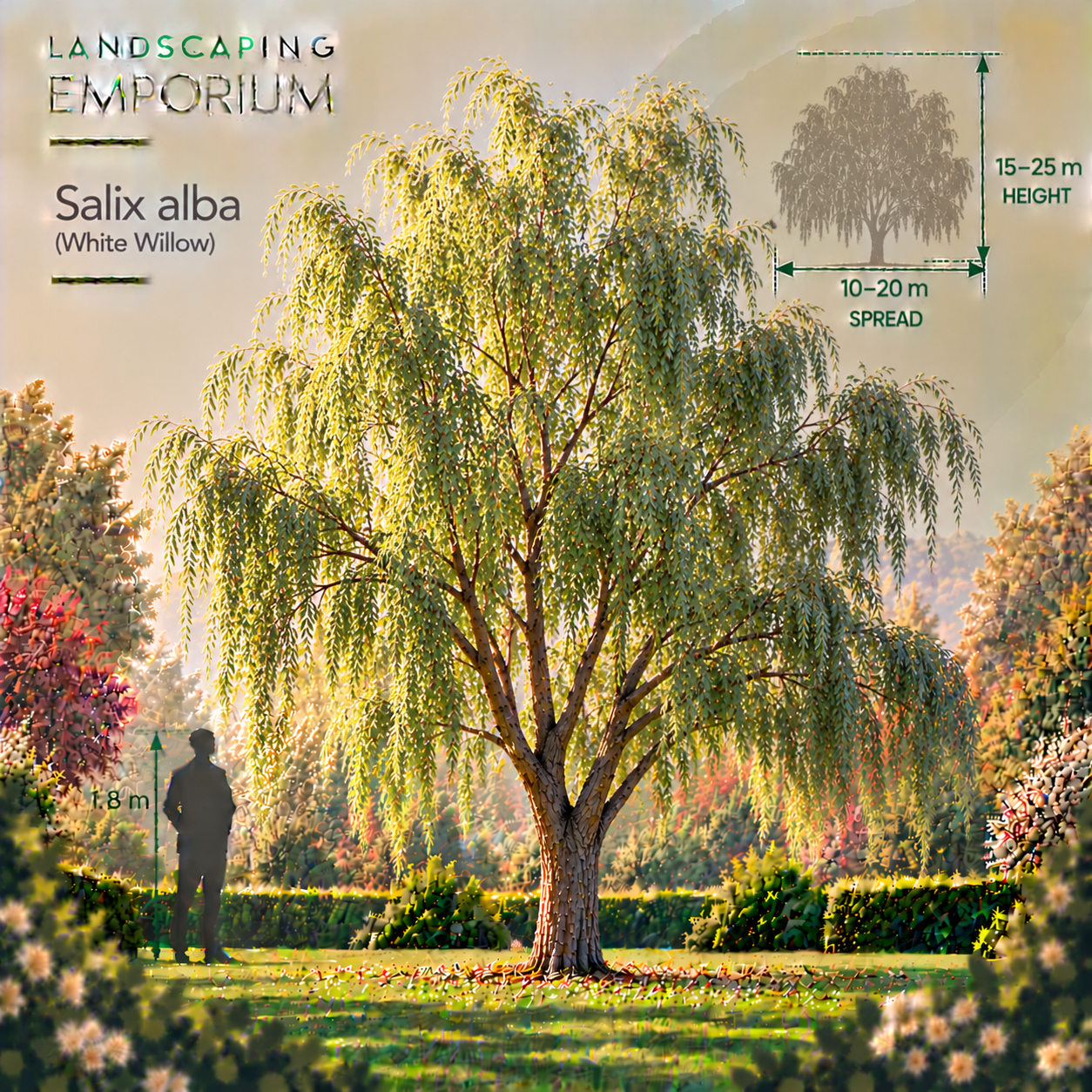
White Willow
Salix alba
A vigorous
native deciduous
tree with
narrow leaves
and a broad,
spreading
crown.
Particularly
suitable for
large gardens,
waterside settings
and appropriate
moist ground.
Requires
substantial
space and
careful
consideration
of nearby
structures
and services.
View White Willow →
What Is Considered a Fast-Growing Tree?
Fast-growing trees
are species that
can develop height
and canopy relatively
quickly under
suitable growing
conditions.
Growth rates vary
substantially
between species,
cultivars and
individual sites.
Some vigorous
species can grow
more than one
metre in a
favourable year
once established,
while others
grow at a
more moderate
pace.
Important:
Nursery size,
planting quality,
soil moisture
and aftercare
can be just
as important
as natural
growth rate.
Compare Fast-Growing Trees
| Tree |
Relative Growth |
Foliage |
Best Use |
Main Consideration |
| Silver Birch |
Relatively fast |
Deciduous |
Naturalistic gardens |
Allow for mature height |
| Common Alder |
Fast |
Deciduous |
Moist ground |
Large eventual size |
| Hybrid Poplar |
Very fast |
Deciduous |
Large landscapes |
Vigorous roots and canopy |
| Dawn Redwood |
Fast |
Deciduous conifer |
Architectural specimen |
Needs substantial space |
| Leyland Cypress |
Very fast |
Evergreen |
Screening |
Ongoing pruning and height control |
| White Willow |
Fast |
Deciduous |
Large moist sites |
Size, roots and proximity to structures |
Why Choose Fast-Growing Trees?
Quicker Garden Structure
Vigorous species
can establish
visible height
and canopy
more quickly
than slow-growing
alternatives.
Faster Screening
Selected species
can help reduce
overlooking,
although crown
density and
seasonal foliage
remain important.
Landscape Impact
Fast-growing trees
can be useful
in large
new landscapes
where early
structure is
desirable.
Wildlife Value
Suitable native
species such
as Birch
and Alder
can provide
habitat and
ecological
benefits.
Fast-Growing Trees for Privacy and Screening
Rapid growth
can be useful
where privacy
is a priority.
However, the
fastest-growing
species are
not always
the most
suitable
screening trees.
Leyland Cypress
can provide
dense evergreen
foliage, but
it requires
ongoing maintenance
and careful
height control.
Silver Birch
grows relatively
quickly but
has a lighter
canopy and
loses its
leaves in
winter.
The best
choice depends
on the
height of
overlooking,
available space,
maintenance
requirements
and desired
appearance.
Explore our
Trees for Screening Neighbours
guide.
Fast-Growing Evergreen Trees
Evergreen trees
retain foliage
throughout the
year and
can provide
permanent garden
structure.
Leyland Cypress
is one of
the best-known
vigorous evergreen
screening conifers.
However, its
speed of growth
means that
regular trimming
and sufficient
growing space
are essential.
For many domestic
gardens, a
slower-growing
evergreen species
may provide
a more
manageable
long-term
solution.
See our
Evergreen Specimen Trees
guide.
Fast-Growing Deciduous Trees
Deciduous trees
can provide
rapid summer
canopy development
and seasonal
interest.
Silver Birch,
Common Alder,
Hybrid Poplar
and White Willow
are examples
of relatively
vigorous species.
Dawn Redwood
is also
deciduous,
despite being
a conifer.
These trees
differ greatly
in mature
size and
soil requirements,
so species
selection should
be based
on the
site rather
than growth
rate alone.
Explore our
Deciduous Specimen Trees
guide.
Fast-Growing Trees for Small Gardens
The fastest-growing
tree is rarely
the best
choice for
a small
garden.
Vigorous species
can quickly
outgrow restricted
spaces, creating
problems with
shading, maintenance
and proximity
to buildings.
Silver Birch
may be suitable
for some
gardens where
its eventual
size can
be accommodated,
but it
is not
a compact
tree.
For restricted
plots, choosing
a smaller
species at
a more
advanced nursery
size can
be a
better solution
than choosing
an exceptionally
vigorous tree.
Read our
Trees for Small Gardens
guide.
Fast-Growing Trees for Large Gardens
Large gardens
and country
properties can
provide the
space required
for vigorous
trees to
develop naturally.
Common Alder,
Dawn Redwood,
Hybrid Poplar
and Willow
can all
become substantial
landscape features.
Their eventual
height, crown
spread and
rooting requirements
must be
considered before
planting.
See our
Trees for Large Gardens
guide.
Fast-Growing Trees for Wet Ground
Some vigorous
trees are
particularly
well suited
to moist
growing conditions.
Common Alder
is a
useful native
species for
appropriate
wet ground.
White Willow
also tolerates
moist conditions,
while Dawn
Redwood prefers
adequate soil
moisture during
growth.
Persistent
waterlogging,
seasonal flooding
and poorly
drained clay
are not
identical conditions,
so the
planting site
should be
assessed carefully.
Read our
Trees for Wet Ground
guide.
Fast-Growing Trees for Clay Soil
Some fast-growing
species tolerate
heavier soils,
provided their
individual requirements
are met.
Common Alder
can perform
well in
moist, heavier
ground.
Silver Birch
can adapt
to a
range of
soils but
should not
be planted
in persistently
waterlogged
conditions.
Compaction and
poor drainage
can restrict
root development
and reduce
growth even
in vigorous
species.
Explore our
Trees for Clay Soil
guide.
Fast-Growing Trees vs Semi-Mature Trees
There are
two different
ways to
achieve a
more established
garden appearance.
Fast-growing trees
are selected
for their
potential rate
of development
after planting.
Semi-mature trees
are selected
because they
already have
substantial height
and crown
structure when
supplied.
A slower-growing
semi-mature tree
may provide
more immediate
screening than
a small
fast-growing tree.
For customers
prioritising
immediate results,
nursery size
can be
more important
than natural
growth rate.
Compare our
Semi-Mature Specimen Trees
and
Mature Specimen Trees
guides.
How Quickly Do Fast-Growing Trees Grow?
Tree growth
is influenced
by species,
climate, soil,
rainfall, sunlight
and establishment.
Some vigorous
trees may
produce more
than a
metre of
extension growth
during a
favourable growing
season.
However, newly
planted trees
may initially
grow more
slowly while
their root
systems establish.
Growth rates
should therefore
be treated
as indicative,
not guaranteed
annual increases.
Are Fast-Growing Trees More Likely to Cause Problems?
Fast growth
does not
automatically make
a tree
unsuitable.
However, some
vigorous species
develop substantial
crowns and
extensive root
systems.
Poplars and
Willows require
particular care
when considering
planting distances
from buildings,
drains, services
and other
structures.
Soil type,
building foundations,
species and
local conditions
all influence
the appropriate
planting distance.
For sites
near buildings
or infrastructure,
obtain appropriate
professional advice
rather than
relying on
a universal
distance rule.
Planting Fast-Growing Specimen Trees
-
Choose the correct species.
Consider mature
size and
long-term space.
-
Assess soil conditions.
Check drainage,
moisture and
compaction.
-
Plan planting distances.
Allow for
roots and
eventual crown
development.
-
Plant at the correct depth.
Keep the
root flare
at the
appropriate
finished level.
-
Provide suitable support.
Use staking
or anchoring
appropriate
to the
tree size.
-
Water during establishment.
Monitor rootball
moisture and
weather conditions.
-
Mulch correctly.
Reduce weed
competition while
keeping mulch
clear of
the trunk.
-
Plan maintenance.
Consider future
pruning and
access requirements.
See our
Planting Guide
for further advice.
Professional Fast-Growing Tree Supply and Planting
Landscaping Emporium
supplies selected
specimen trees
for private
gardens, country
properties and
landscaping projects.
Through Kirman Design,
professional planting
may be available
across selected
areas of Lancashire,
the Ribble Valley,
Greater Manchester,
Cheshire, Merseyside
and Cumbria.
Our usual
installation postcode
areas include:
BB, BL, CH1–CH5,
CW8, CW9, FY, L,
LA1–LA6, M, OL,
PR, SK1–SK12,
WA and WN.
Availability depends
on tree size,
site access,
ground conditions
and project
requirements.
Telephone:
01942 604976
Email:
hello@landscapingemporium.co.uk
Frequently Asked Questions About Fast-Growing Trees
What are the fastest-growing trees in the UK?
Hybrid Poplar,
Willow and
Leyland Cypress
are among
the more
vigorous options,
although suitability
depends on
available space
and conditions.
Which fast-growing trees are best for privacy?
Leyland Cypress
can provide
dense evergreen
screening, but
requires regular
maintenance.
Other species
may be
preferable depending
on the site.
Are there fast-growing evergreen trees?
Yes. Leyland
Cypress is
a well-known
vigorous evergreen
screening conifer.
Which fast-growing trees suit small gardens?
Many very
fast-growing species
are unsuitable
for restricted
plots. Choosing
a smaller
species at
a larger
nursery size
may be
preferable.
How quickly does Silver Birch grow?
Silver Birch
is relatively
fast-growing in
suitable conditions,
although annual
growth varies
with soil,
weather and
establishment.
Do fast-growing trees need more water?
Vigorous growth
can create
substantial moisture
demand, but
watering requirements
depend on
species, soil
and weather.
Which fast-growing trees tolerate wet ground?
Common Alder
and White
Willow can
be suitable
for appropriately
moist sites.
Do fast-growing trees have invasive roots?
Some vigorous
species, particularly
Poplars and
Willows, develop
extensive root
systems. Planting
distances should
be assessed
for the
individual site.
Are fast-growing trees suitable near houses?
Suitability depends
on species,
mature dimensions,
soil and
building conditions.
Professional advice
is recommended
where structures
may be affected.
Can fast-growing trees be planted as semi-mature specimens?
Yes, where
suitable nursery
stock is
available.
Larger specimens
can provide
immediate structure
as well
as future
growth.
When is the best time to plant fast-growing trees?
Planting periods
depend on
species, nursery
stock type,
weather and
site conditions.
Can Landscaping Emporium supply and plant fast-growing trees?
We can
discuss suitable
specimen trees,
nursery availability,
delivery and
professional planting
for appropriate
projects across
our North
West England
service area.
Find the Right Fast-Growing Tree for Your Garden
Whether you
want quicker
garden structure,
additional privacy
or a
substantial landscape
feature, choosing
the right
tree is
more important
than growth
speed alone.
Browse our
specimen trees
or contact
Landscaping Emporium
to discuss
suitable species,
nursery sizes,
delivery and
professional planting.
