An elegant single-stem specimen tree with delicate spring blossom, beautiful seasonal foliage and a naturally graceful canopy.
Amelanchier lamarckii, commonly known as Juneberry or Snowy Mespilus, is a highly ornamental deciduous tree valued for its beautiful spring flowers, attractive foliage and outstanding autumn colour.
Grown in single-stem form, this specimen has one principal trunk supporting a branching crown. Depending on the nursery specification, it may be supplied as a standard tree with a clear stem beneath the canopy, making it particularly attractive for formal and contemporary garden designs.
In spring, clusters of delicate white, star-shaped flowers appear alongside emerging copper-bronze foliage. The leaves gradually develop a fresh green colour during summer, when small berries ripen from red to purple-black.
In autumn, the foliage transforms into vibrant shades of orange, copper and red, providing a spectacular seasonal display.
The single-stem form is particularly useful where a defined trunk, elevated canopy and attractive ornamental structure are required.
Why Choose a Single-Stem Amelanchier?
Single-stem Amelanchier offers the seasonal beauty of the species in a more defined tree form.
Elegant single trunk: A clear, upright main stem supports an attractive branching canopy.
Beautiful spring blossom: Delicate white flowers create a striking seasonal display.
Bronze spring foliage: Emerging leaves provide attractive coppery tones.
Outstanding autumn colour: Foliage develops orange, red and copper shades.
Ornamental summer berries: Small purple-black fruits provide seasonal interest and food for birds.
Wildlife-friendly: Flowers attract pollinating insects, while berries may benefit garden birds.
Defined canopy: Standard forms allow views and planting beneath the crown.
Fully hardy: Suitable for a wide range of UK gardens when planted in appropriate conditions.
Single-Stem Amelanchier for Garden Design
Amelanchier lamarckii is a versatile ornamental tree that can be used in both traditional and contemporary gardens.
Its single-stem structure creates a more conventional tree silhouette than the naturally branching multi-stem form.
The crown provides seasonal interest while allowing the trunk to remain visible, particularly when supplied as a clear-stem standard.
Contemporary Gardens
Single-stem Amelanchier works beautifully alongside porcelain paving, natural stone, ornamental grasses and evergreen planting.
Its elegant branching structure softens modern hard landscaping without creating an excessively dense canopy.
Lawns and Garden Borders
A single-stem specimen can provide a focal point within a lawn or mixed planting border.
The raised crown of a standard tree allows low-growing plants to be positioned beneath it, subject to available light and soil moisture.
Small and Medium Gardens
Amelanchier lamarckii is frequently selected for smaller and medium-sized gardens because of its attractive form and relatively light canopy.
However, it is not a dwarf tree. Its mature crown can become broad, so sufficient space must be allowed for future growth.
Patios and Seating Areas
A suitably positioned single-stem specimen can introduce height and seasonal interest beside an outdoor seating area.
Allow adequate distance for the mature canopy, rooting space and any seasonal fruit or leaf fall.
Formal and Naturalistic Gardens
The single-stem form is well suited to structured garden layouts, while its natural branching and seasonal foliage also complement softer, naturalistic planting schemes.
Exceptional Seasonal Interest
Spring – White Blossom and Bronze Foliage
Amelanchier lamarckii produces clusters of delicate white flowers in spring, usually during April and May.
The flowers appear alongside emerging bronze-tinted leaves, creating a beautiful contrast.
Summer – Green Foliage and Ornamental Berries
The foliage matures to fresh green during summer.
Small berries develop from red to purple-black as they ripen. These may attract birds and provide additional ornamental interest.
Autumn – Spectacular Colour
One of the species' greatest qualities is its autumn foliage.
The leaves develop striking shades of orange, red and copper before falling, creating a beautiful seasonal display.
Winter – Graceful Branching Structure
Once the leaves have fallen, the tree's single trunk and branching crown remain visible, providing structure and interest throughout winter.
Single-Stem Amelanchier for Small Gardens
Amelanchier lamarckii is an attractive choice for gardens where a flowering ornamental tree is required without an excessively heavy canopy.
The single-stem form is particularly useful where the garden design benefits from a defined trunk and a raised crown.
However, the mature size of the tree must be considered carefully.
An established specimen can develop a broad canopy, and regular severe pruning should not be relied upon to keep an unsuitable tree permanently small.
For additional ideas, explore our Trees for Small Gardens guide.
Growing Conditions
Amelanchier lamarckii performs best in fertile, moisture-retentive but well-drained soil.
Position: Full sun or partial shade.
Soil: Loam, sandy soils and suitable clay soils with adequate drainage.
Soil pH: Acidic to neutral soil preferred. Avoid highly alkaline or shallow chalky conditions.
Moisture: Moist but well-drained.
Exposure: Sheltered or moderately exposed positions.
Growth rate: Moderate, depending on growing conditions.
Hardiness: Fully hardy in the UK.
Pruning: Generally minimal. Remove dead, damaged or crossing branches where necessary.
The most vibrant autumn colour is usually achieved in a sunny position.
Planting Your Single-Stem Amelanchier
Correct planting is essential for healthy establishment and long-term growth.
Select a position with sufficient room for the mature crown and root system.
Check the soil for adequate drainage and remove competing weeds.
Prepare a planting hole wider than the rootball, but no deeper than necessary.
Position the tree so the root flare remains at the appropriate finished soil level.
Backfill using suitable excavated soil, avoiding excessive compaction.
Water thoroughly after planting.
Apply organic mulch around the rooting area, keeping it clear of the trunk.
Install appropriate staking or support where required by the specimen size and site conditions.
Larger standard trees may require specialist delivery, lifting equipment and professional planting.
Watering and Aftercare
Newly planted Amelanchier trees require regular monitoring during their establishment period.
Water thoroughly when necessary, particularly during dry weather.
Maintain a suitable mulch layer to help conserve moisture and reduce weed competition.
Avoid waterlogging and do not allow the rootball to dry out.
Once established, Amelanchier generally requires little pruning. Retain the tree's natural branching habit wherever possible.
For standard trees, avoid removing excessive lower branches in one operation, as this can affect crown balance and tree development.
Wildlife Benefits
Amelanchier lamarckii provides useful seasonal resources for garden wildlife.
Its spring flowers attract visiting pollinators, while summer berries may be eaten by birds.
The branching canopy also provides perching and shelter opportunities.
Explore our Trees for Wildlife guide for other beneficial specimen trees.
Single-Stem or Multi-Stem Amelanchier?
Both forms offer the same beautiful blossom, foliage and autumn colour, but their appearance and garden applications differ.
Single-Stem Amelanchier
One main trunk supporting the crown.
More conventional tree silhouette.
Suitable for lawns, borders and structured garden layouts.
Standard specimens may provide clearance beneath the canopy.
Ideal where a defined trunk is an important design feature.
Multi-Stem Amelanchier
Several principal stems rising from near ground level.
More sculptural, naturalistic appearance.
Particularly effective as an architectural focal point.
Attractive in contemporary and informal planting schemes.
Branching structure is visible from several directions.
Both forms require sufficient space for their eventual crown spread.
Looking for a more architectural tree? Explore our Amelanchier lamarckii Multi-Stem product in the Specimen Tree Collection.
Single-Stem Amelanchier Supplied by Landscaping Emporium
Landscaping Emporium supplies selected specimen trees for residential gardens, contemporary landscapes and professional garden design projects.
Single-stem Amelanchier may be available in different heights, stem girths and rootball or container sizes, subject to nursery availability.
Please check the individual product options carefully, as stem clearance, crown shape and overall dimensions may vary between specimens.
Professional planting and landscaping services may also be available through Kirman Design across suitable areas of Lancashire, the Ribble Valley, Greater Manchester, Cheshire, Merseyside and Cumbria.
Browse our Specimen Tree Collection or use our Tree Finder to explore suitable trees for your garden.

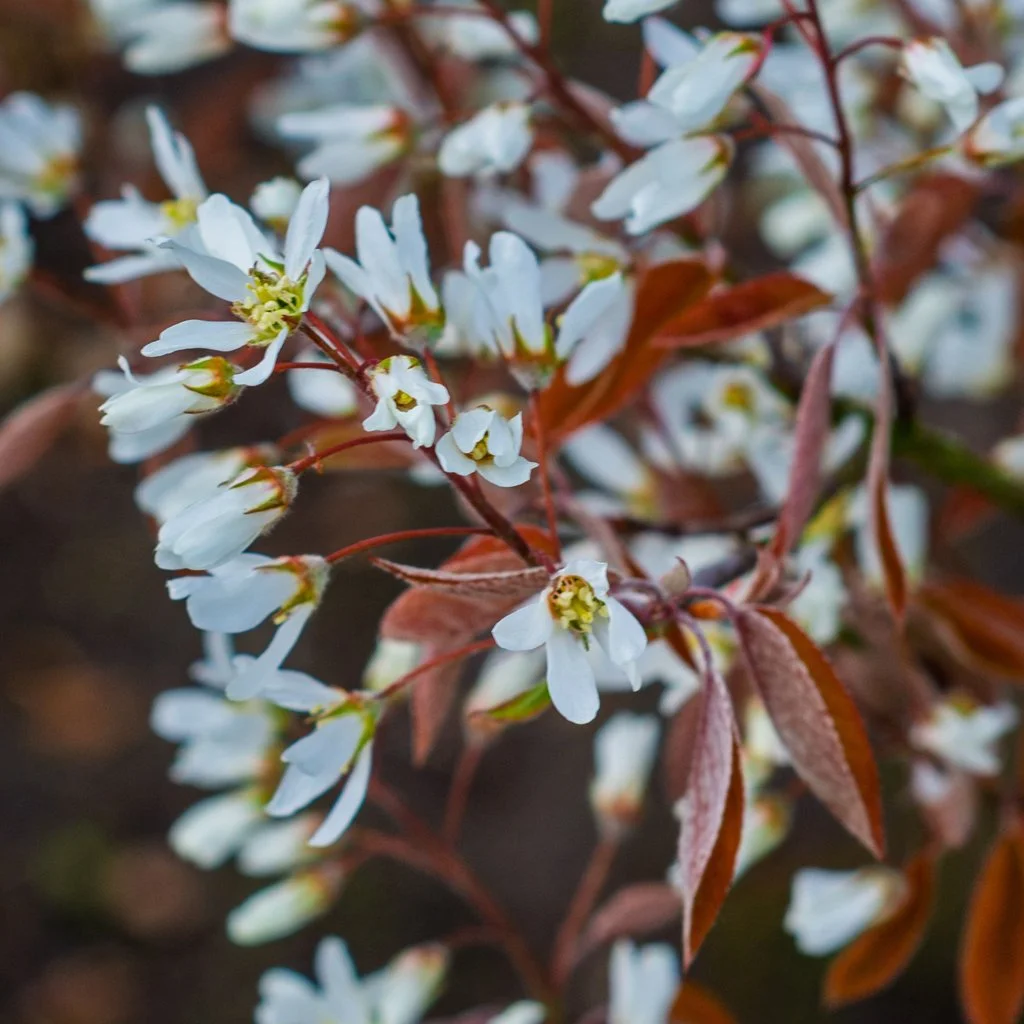 Image 1 of 14
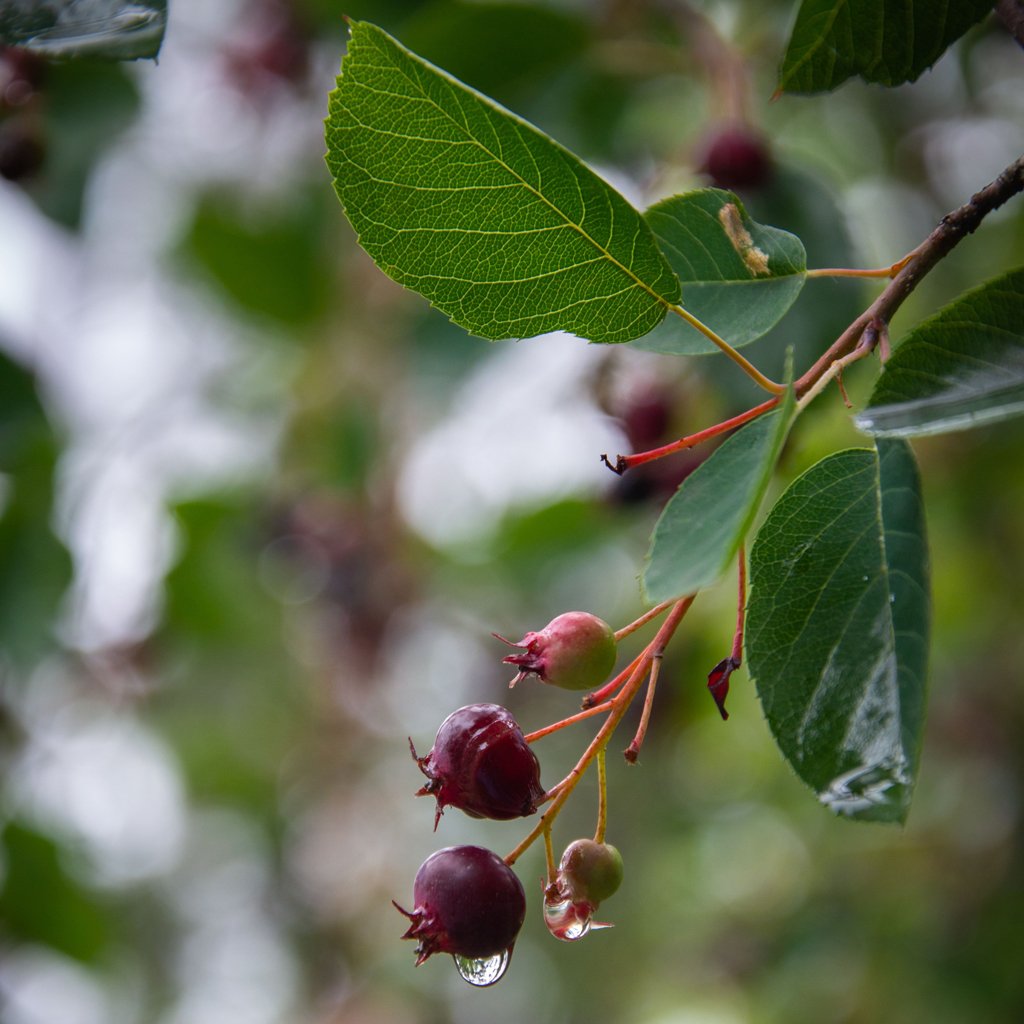 Image 2 of 14
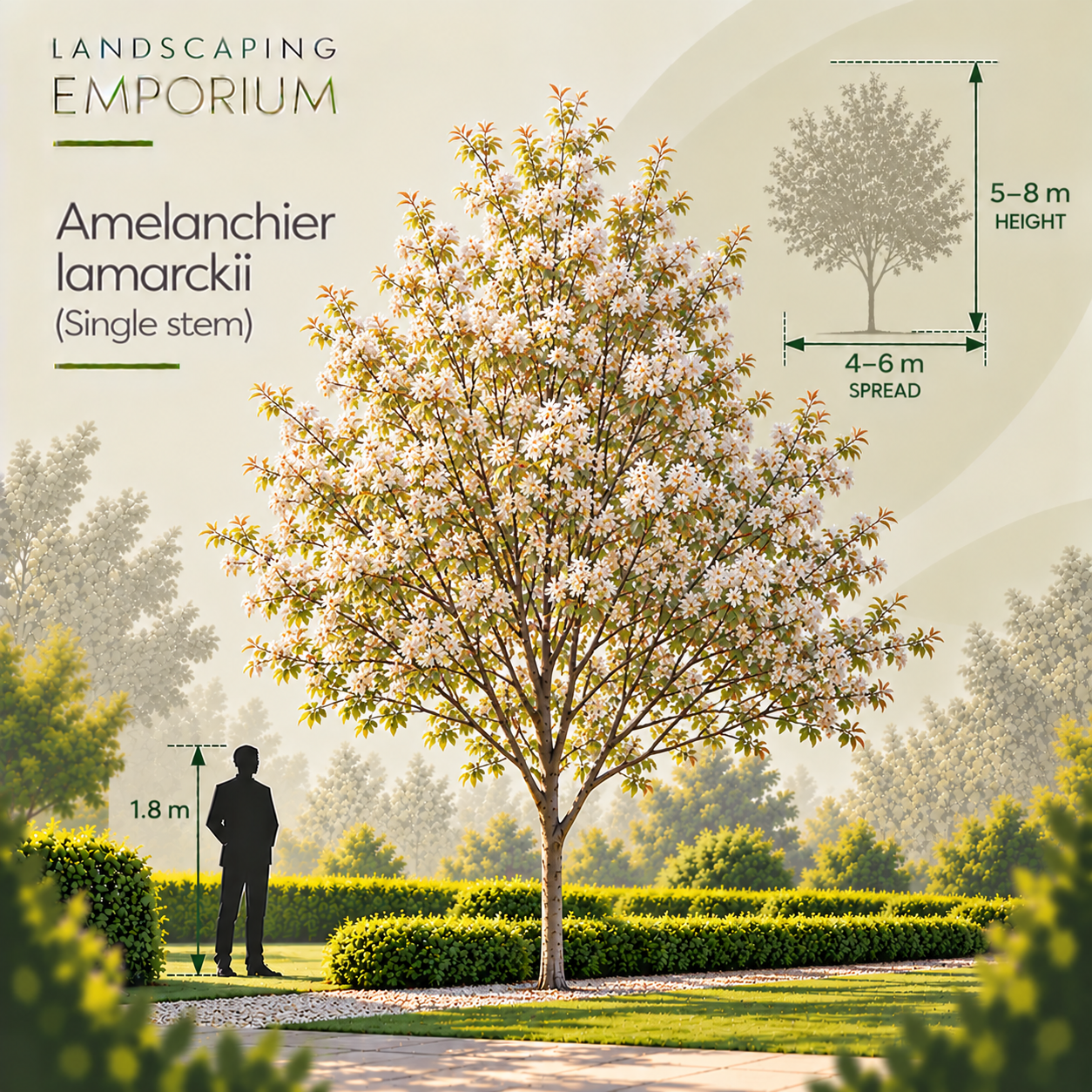 Image 3 of 14
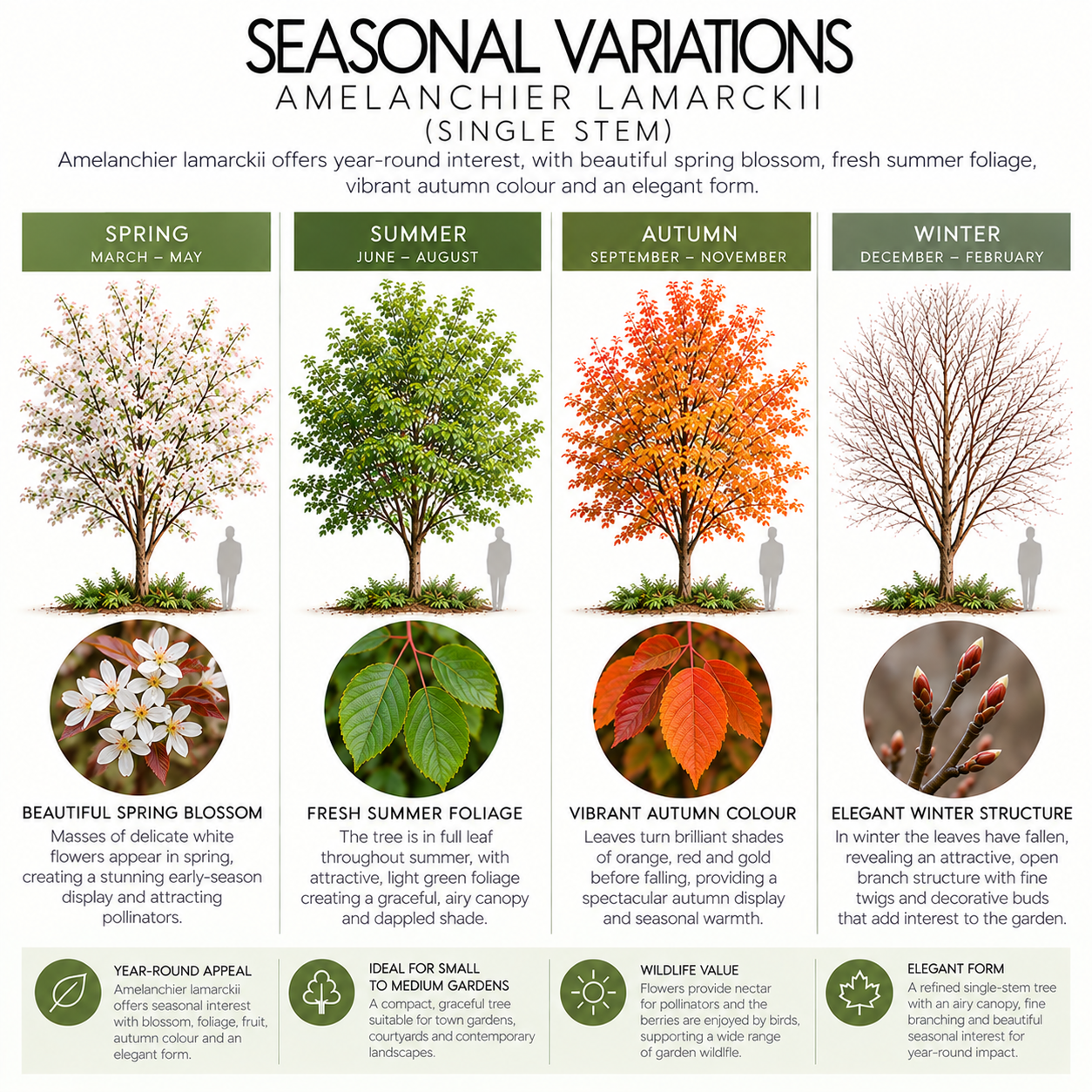 Image 4 of 14
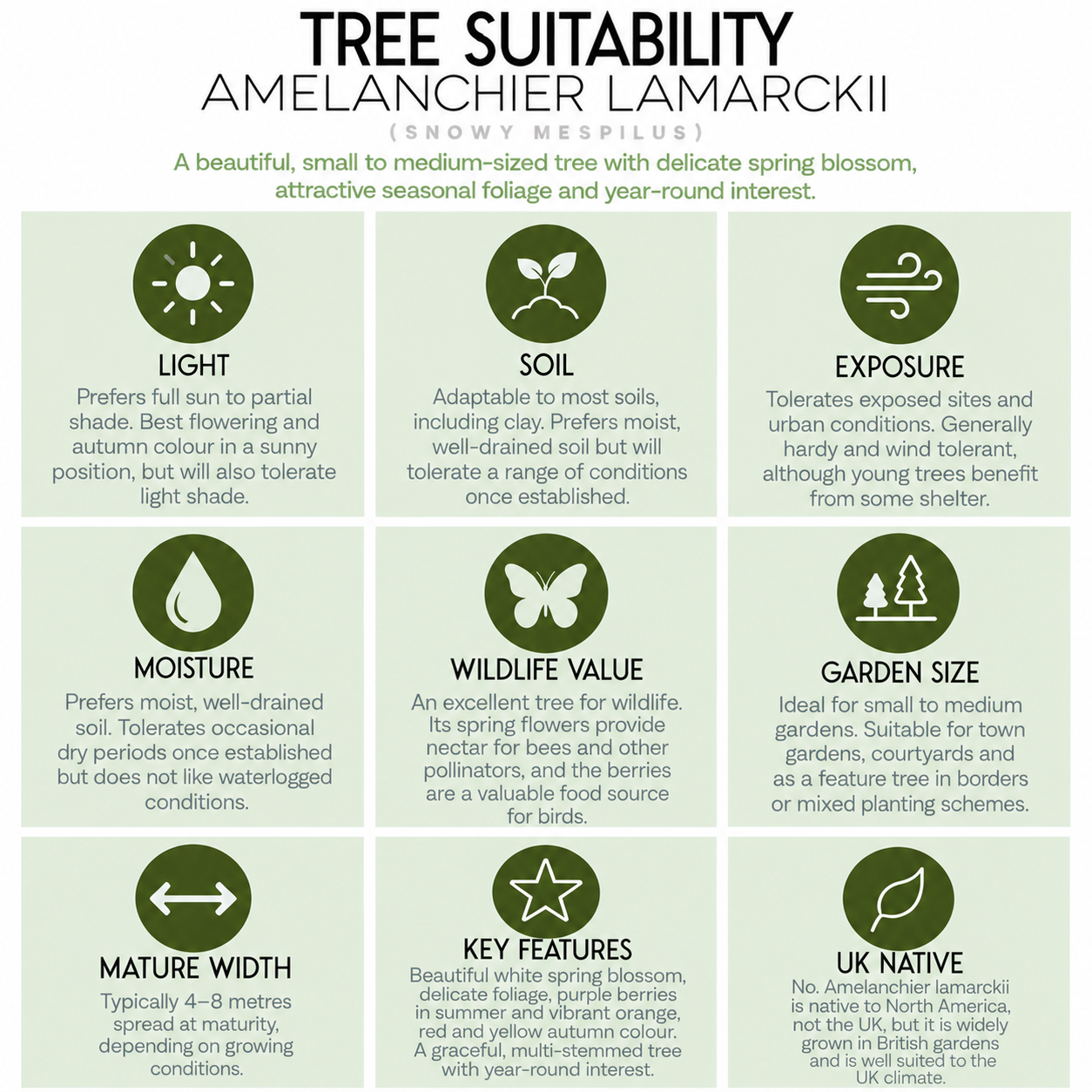 Image 5 of 14
 Image 6 of 14
 Image 7 of 14
 Image 8 of 14
 Image 9 of 14
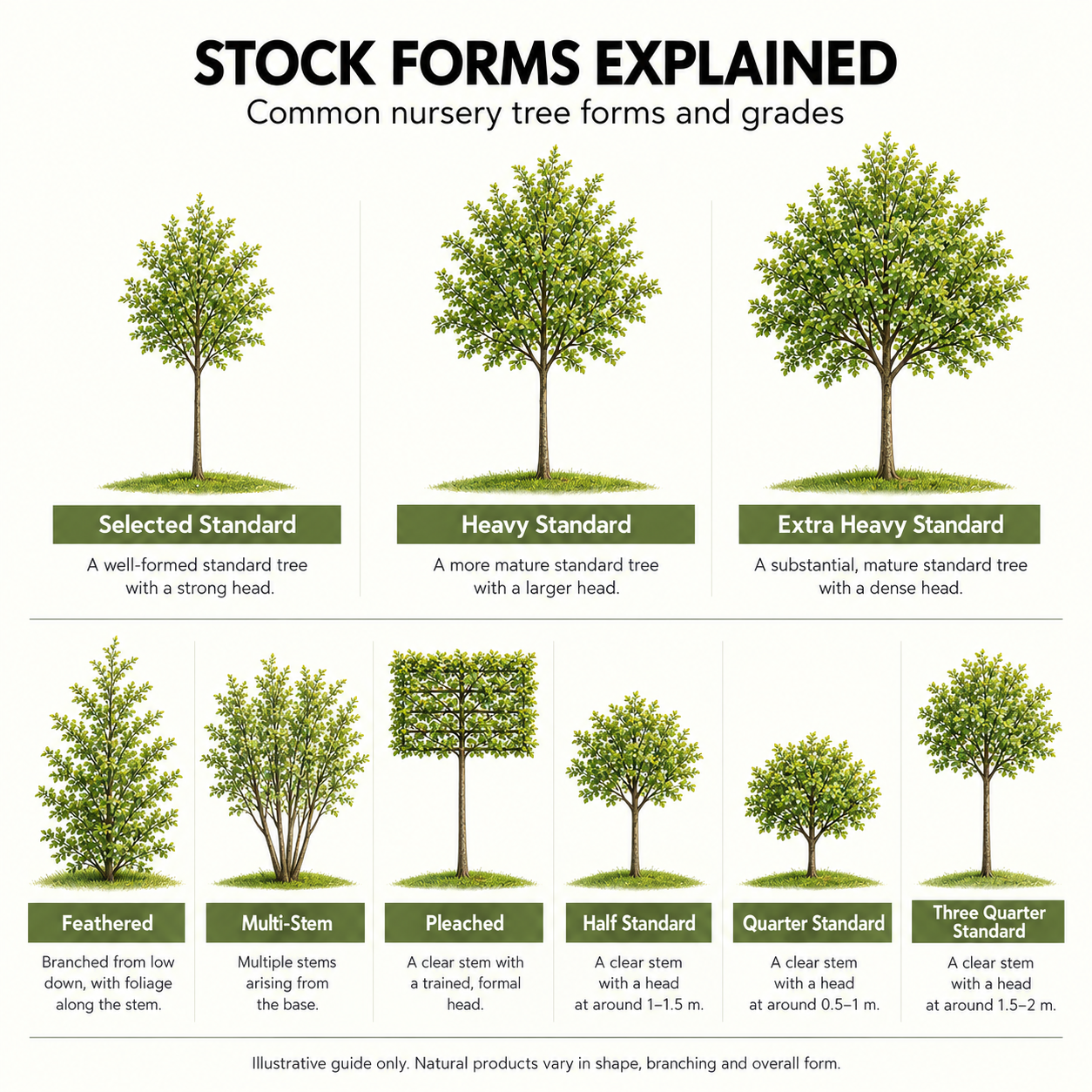 Image 10 of 14
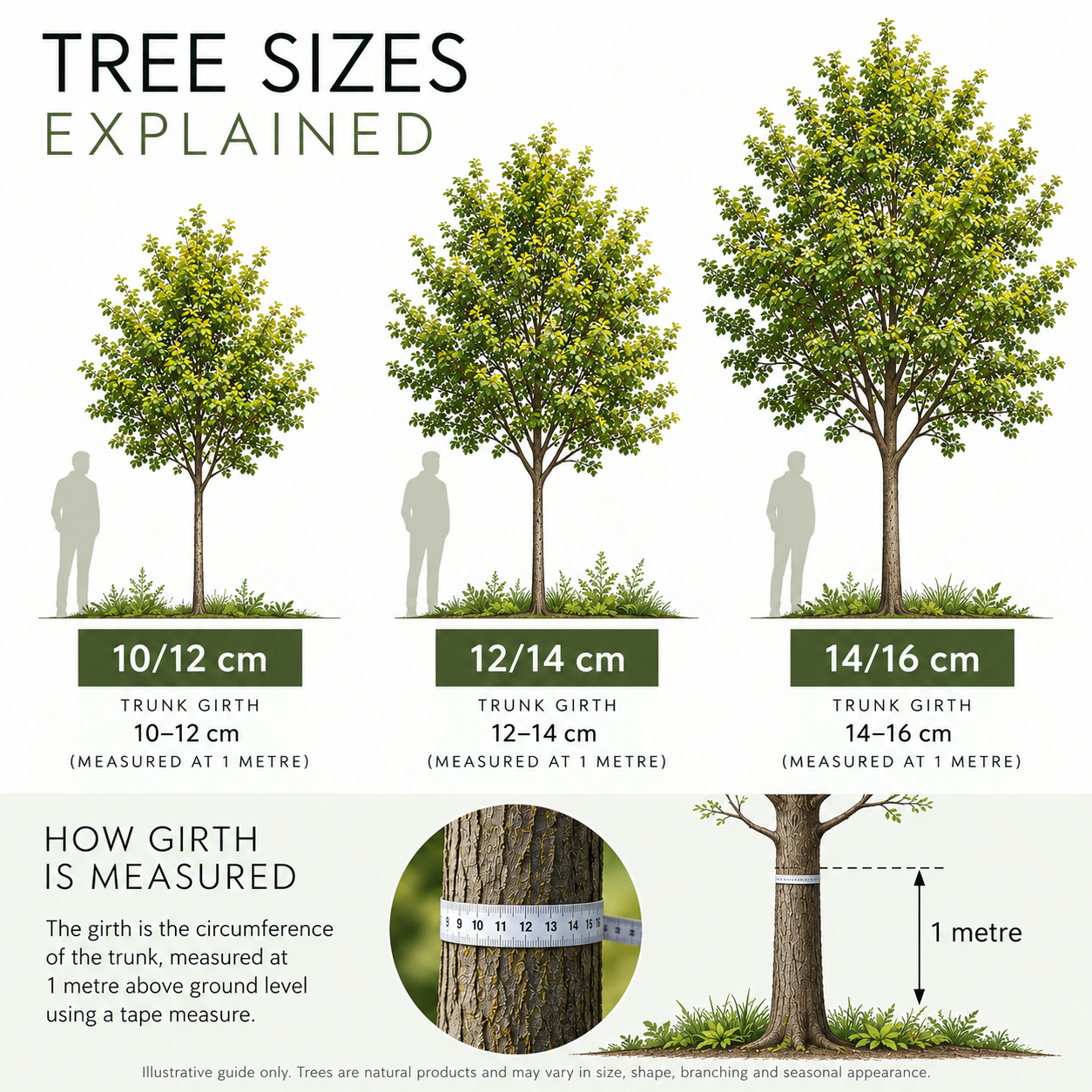 Image 11 of 14
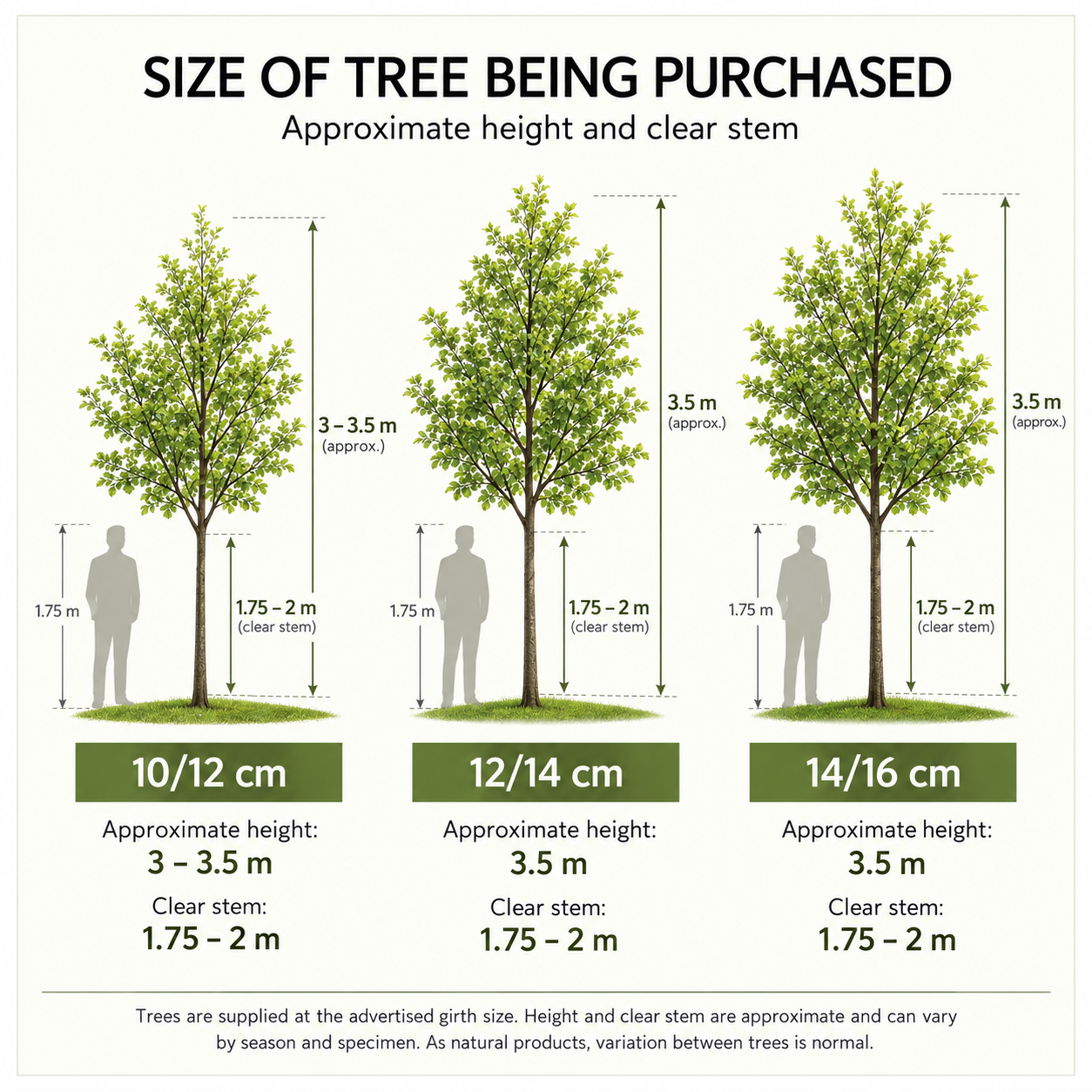 Image 12 of 14
 Image 13 of 14
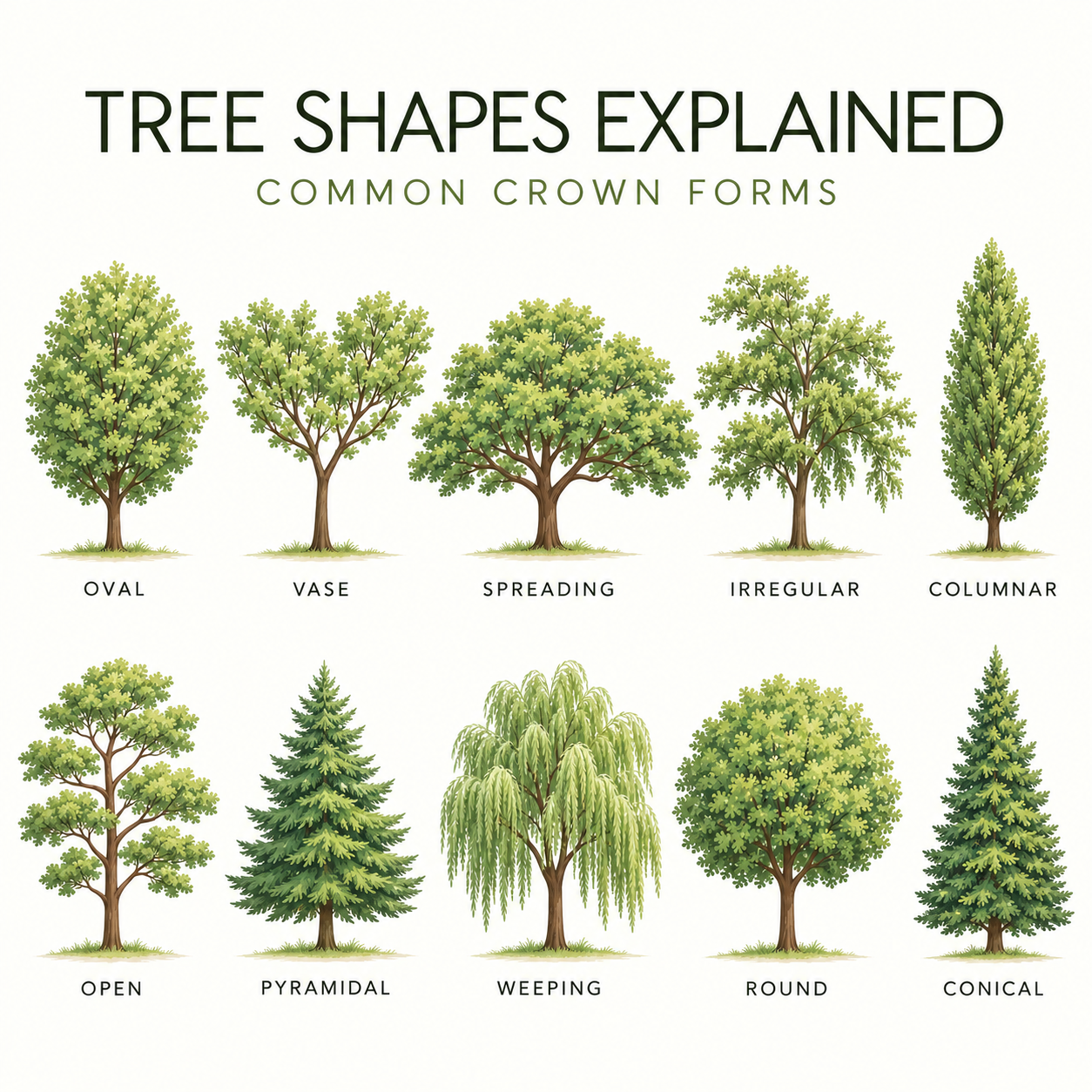 Image 14 of 14