About Corylus avellana – Common Hazel
Corylus avellana, commonly known as Common Hazel, is a versatile UK native deciduous tree or large shrub, valued for its attractive rounded foliage, distinctive golden-yellow catkins, edible hazelnuts and outstanding wildlife benefits.
Naturally developing a broad, multi-stemmed habit, Common Hazel is particularly well suited to naturalistic gardens, woodland planting, wildlife-friendly landscapes and mixed native hedgerows.
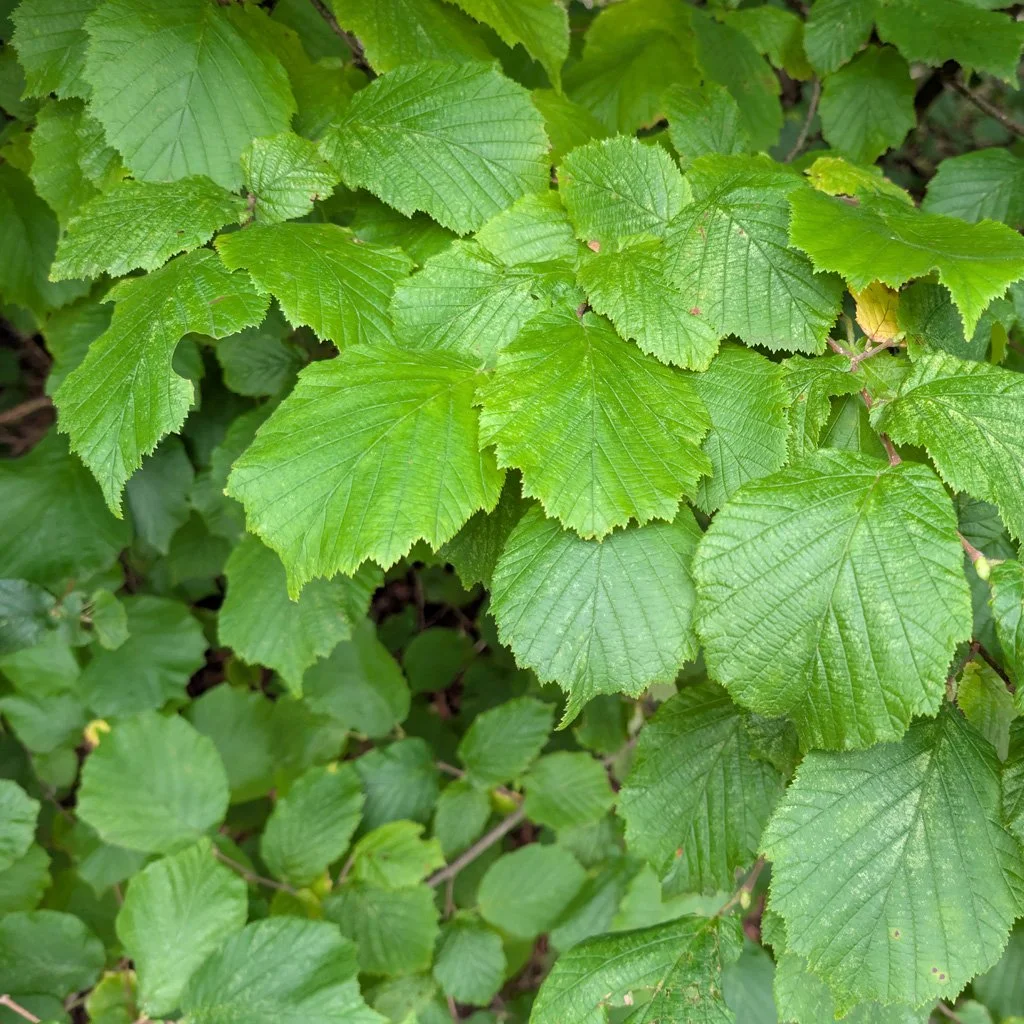
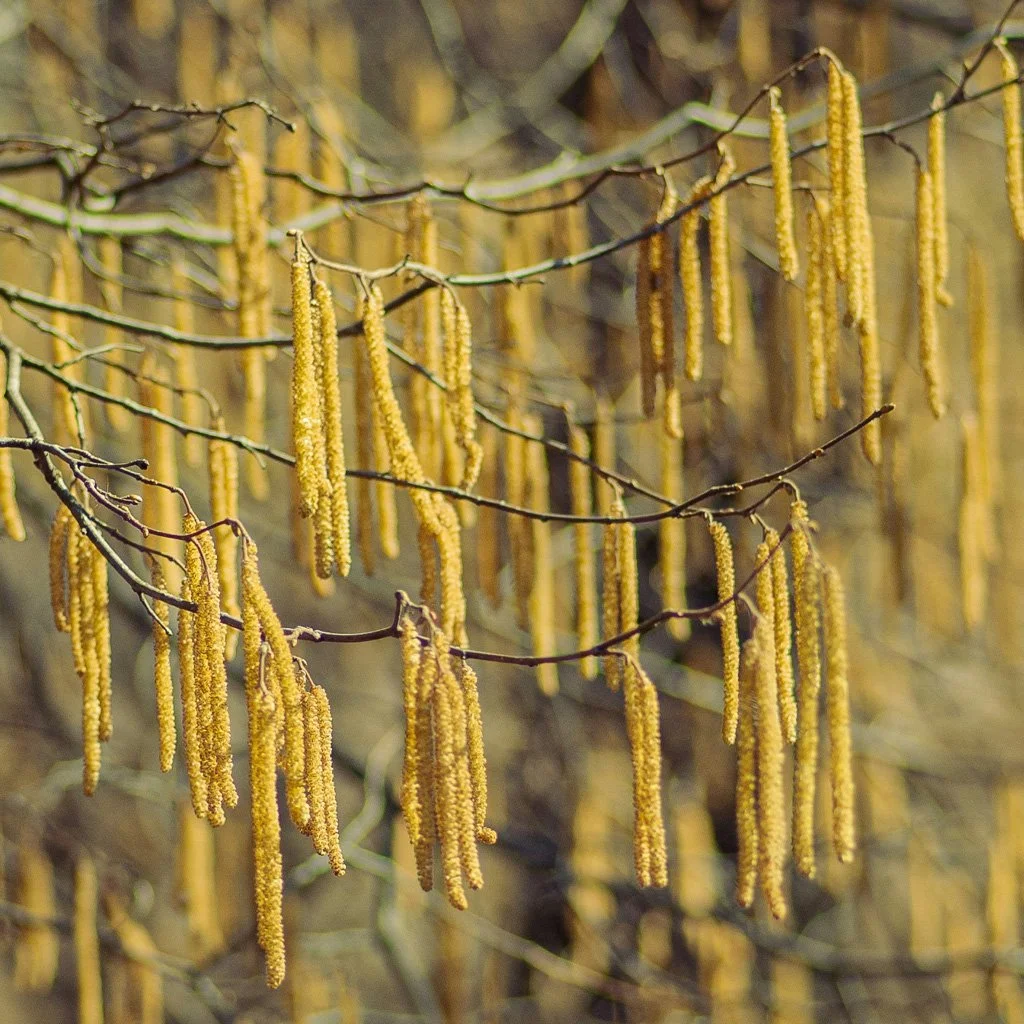
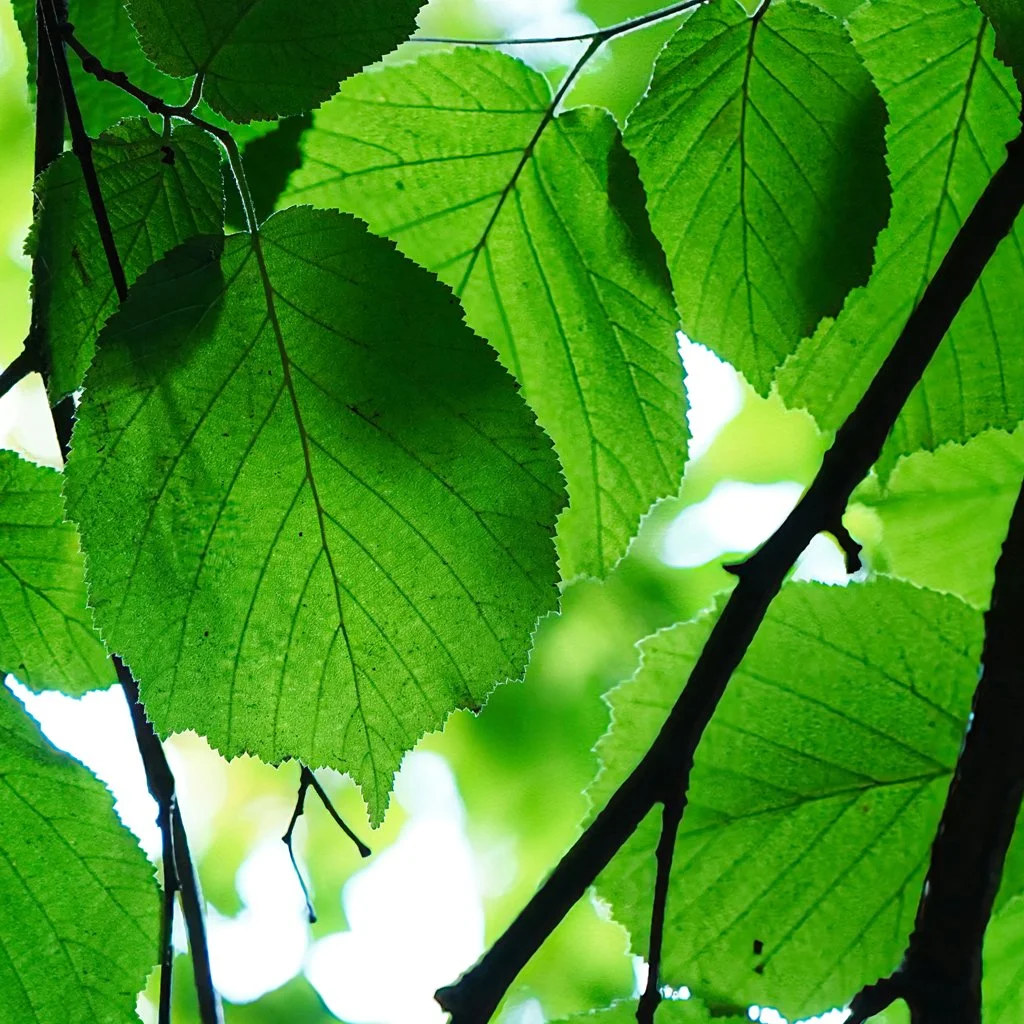
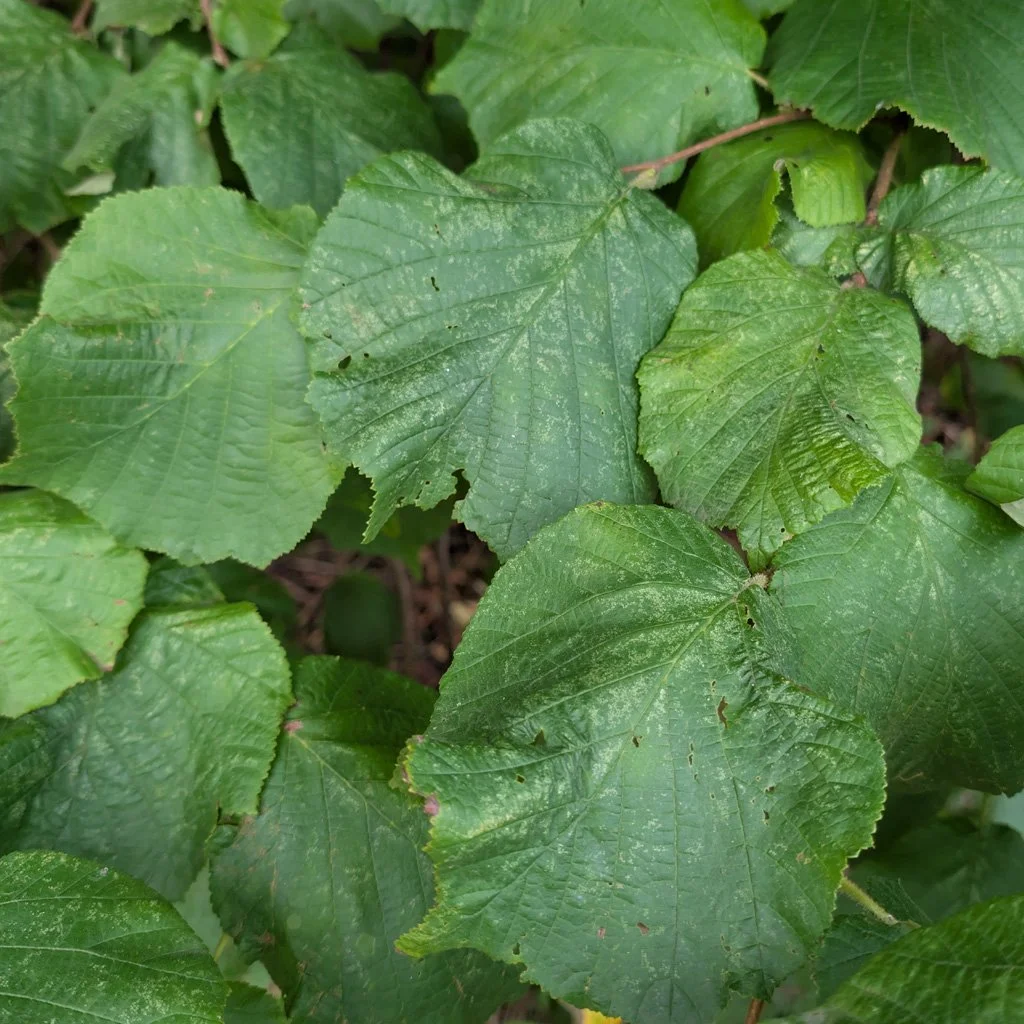
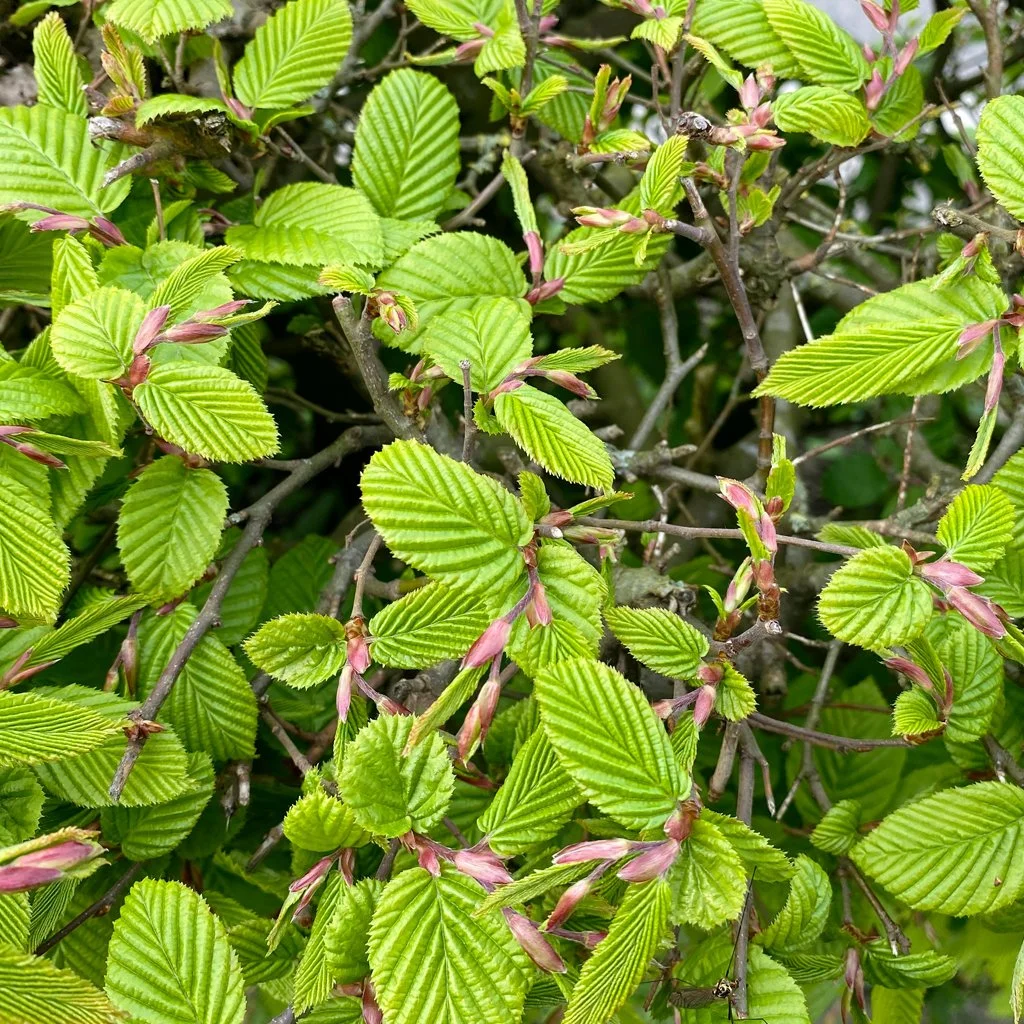
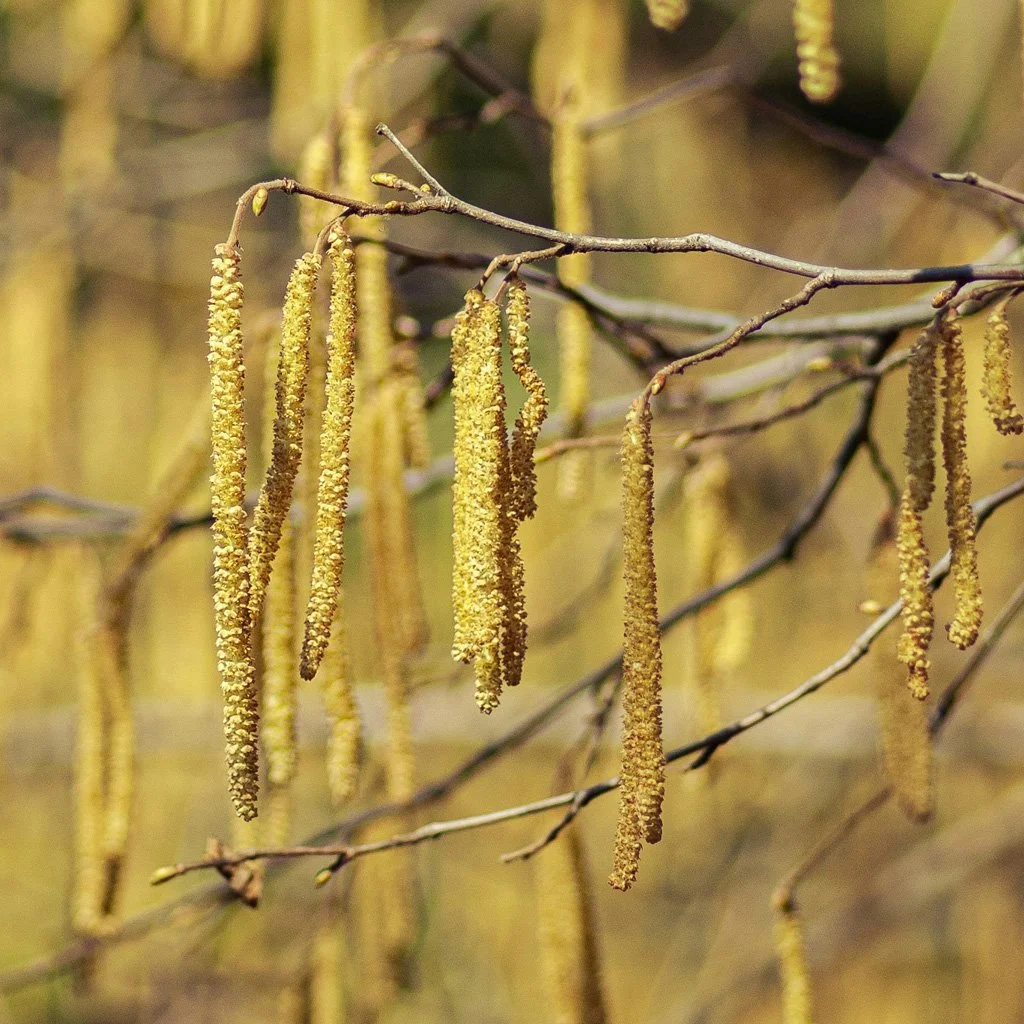
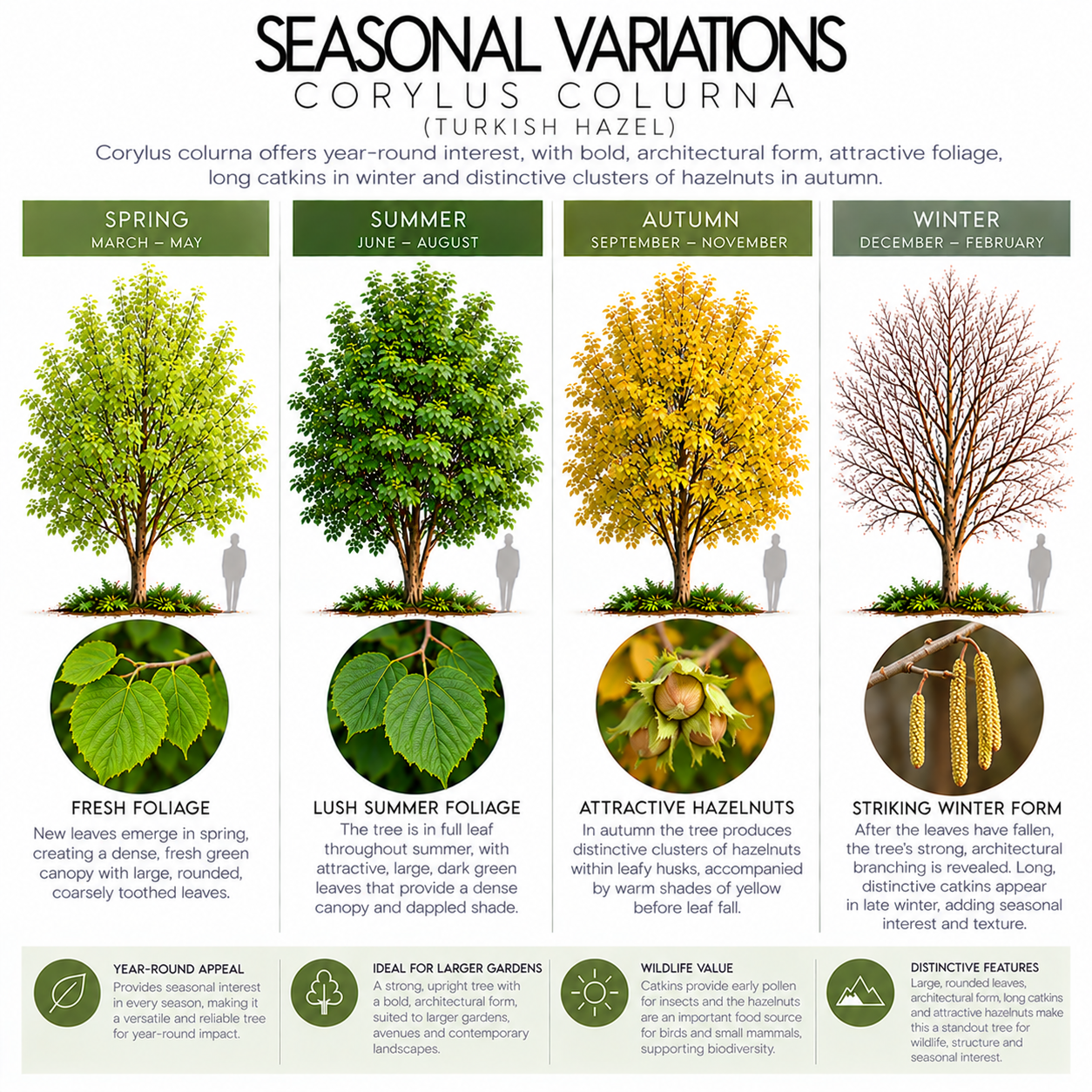
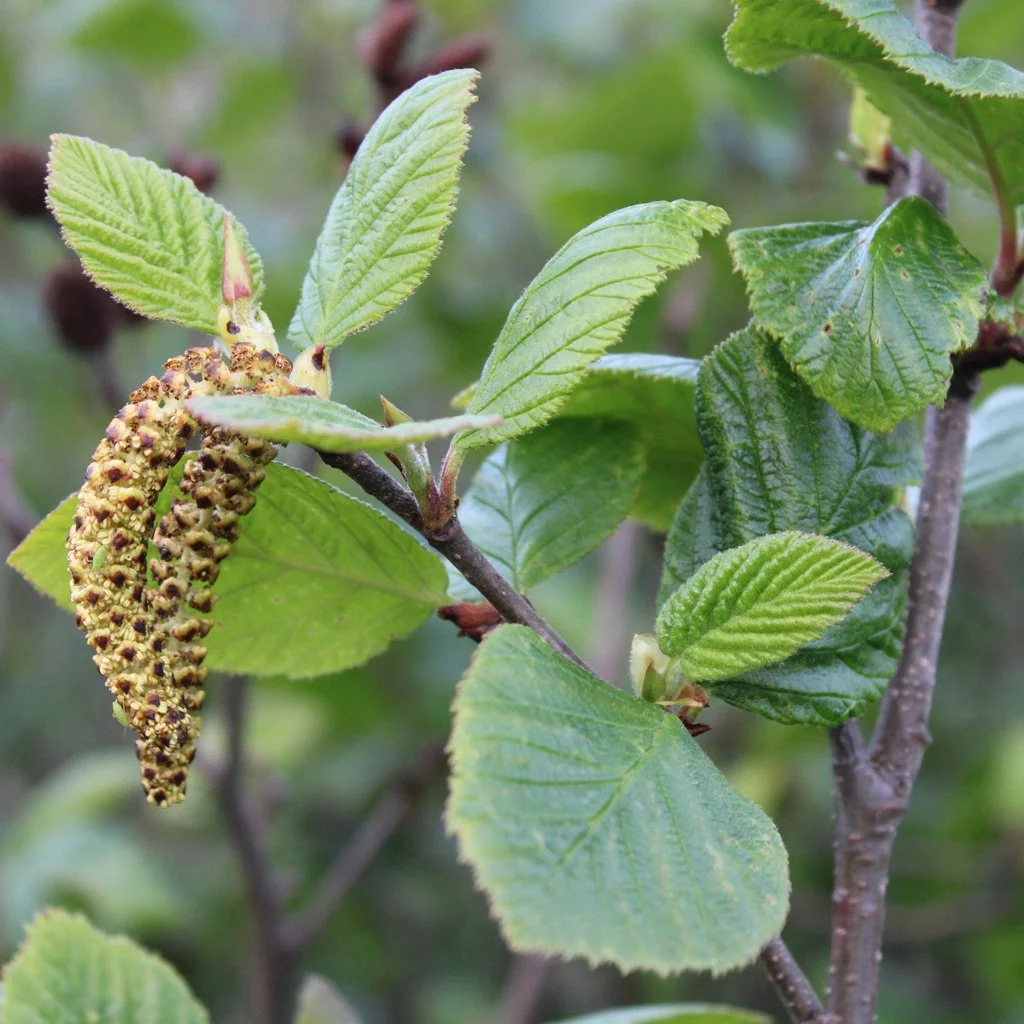
During late winter and early spring, the bare branches are decorated with long, pendulous yellow catkins. These are followed by fresh green, rounded leaves with softly toothed edges, creating an attractive, informal canopy throughout the growing season.
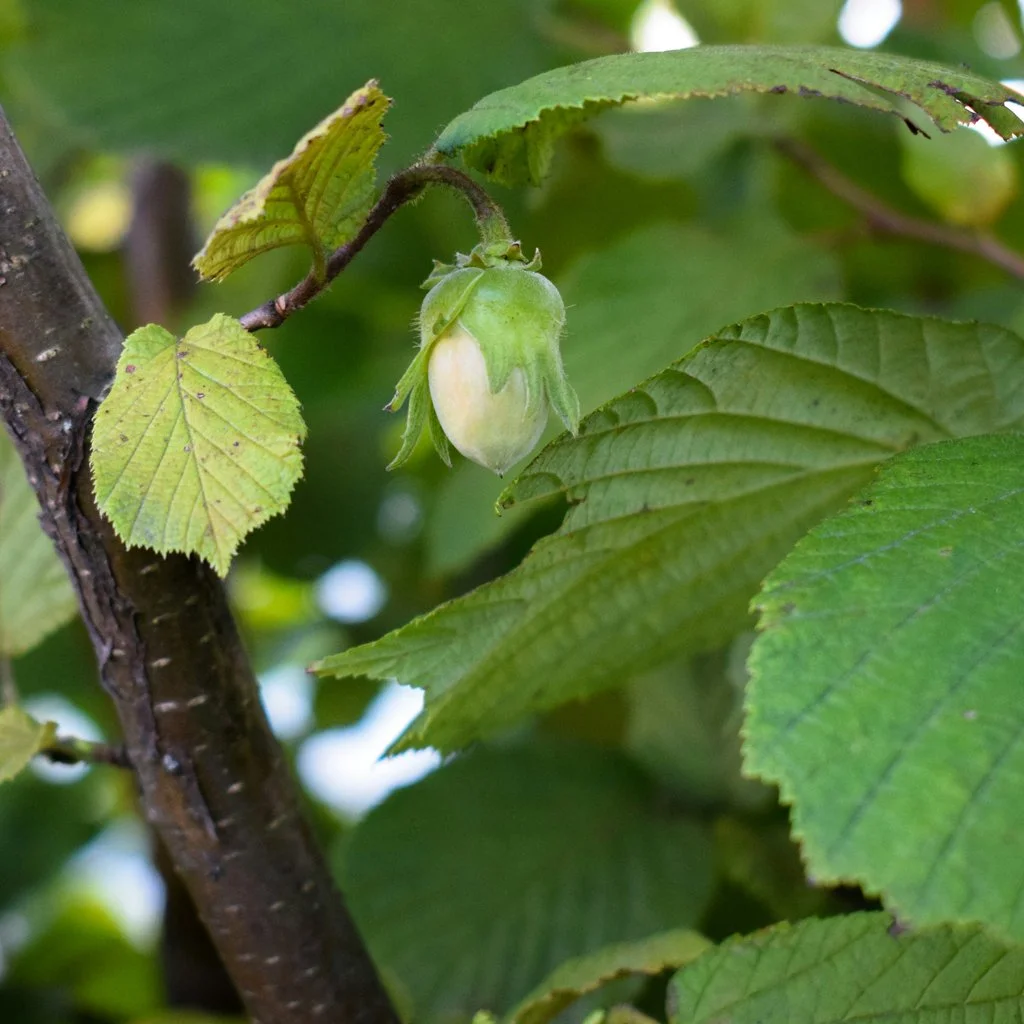
By late summer and early autumn, mature plants may produce clusters of edible hazelnuts enclosed within leafy green husks. These provide a valuable food source for birds and small mammals, including squirrels.
In autumn, the foliage develops attractive yellow tones before falling, revealing the plant's natural branching structure.
Common Hazel is particularly useful where a robust, adaptable native tree is required. It can be grown as a multi-stemmed specimen, incorporated into woodland-edge planting or managed through traditional coppicing.
Key Features of Corylus avellana
UK native species: Naturally occurring throughout much of Britain.
Growth habit: Broad, rounded, typically multi-stemmed tree or large shrub.
Foliage: Rounded to heart-shaped green leaves with toothed margins.
Catkins: Attractive yellow male catkins appearing in late winter and early spring.
Hazelnuts: Edible nuts produced in late summer and autumn on mature plants, where pollination and growing conditions are suitable.
Autumn colour: Yellow foliage before leaf fall.
Growth rate: Moderate to fast in favourable conditions.
Wildlife value: Supports numerous insects and provides food and shelter for birds and mammals.
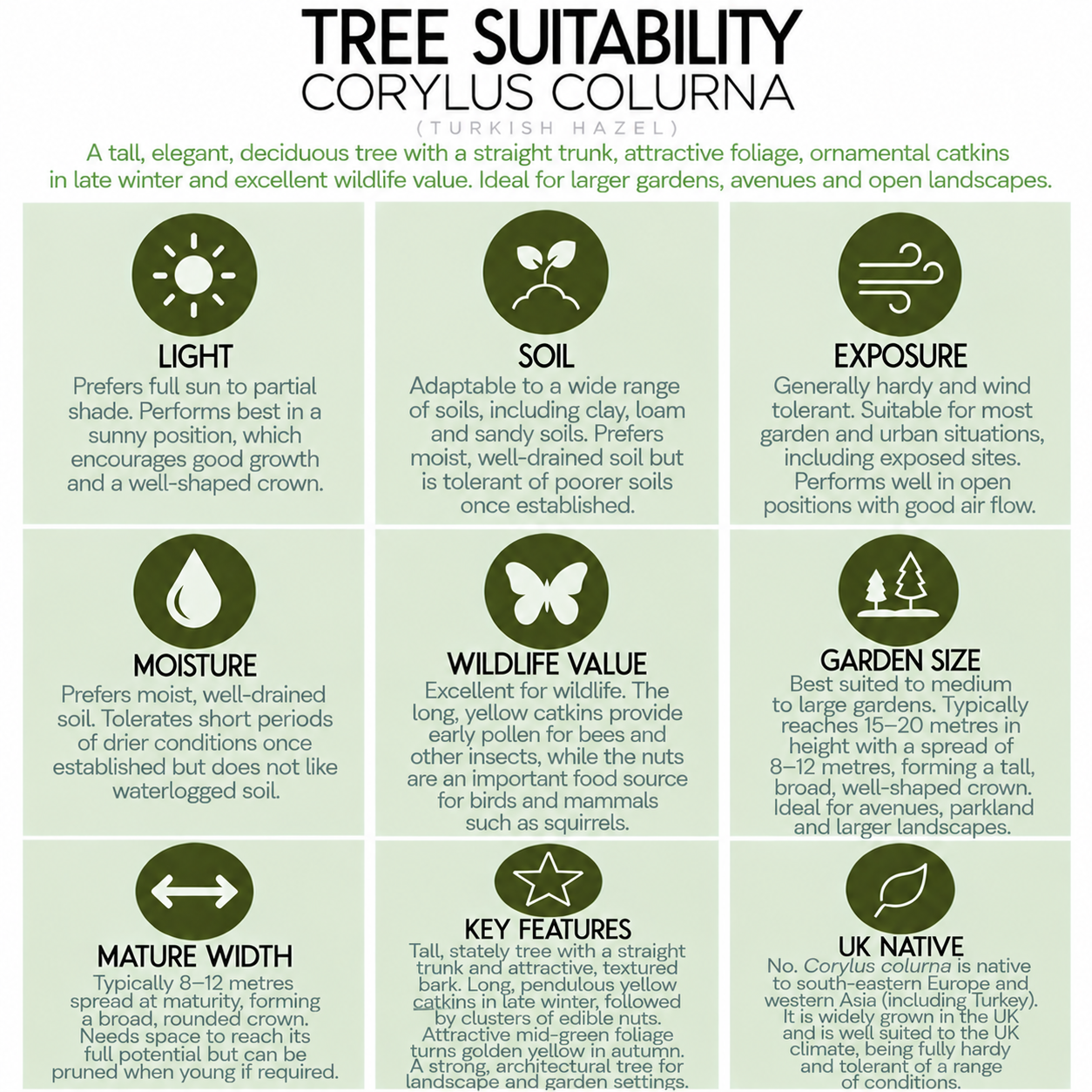
Adaptability: Suitable for a wide range of reasonably well-drained soils.
Management: Can be maintained through coppicing or grown naturally as a specimen.
Garden suitability: Larger gardens, woodland gardens, rural landscapes, native hedgerows and naturalistic planting schemes.
Where to Plant Corylus avellana
Common Hazel is an excellent choice for naturalistic planting schemes and gardens where biodiversity and seasonal interest are important.
It performs particularly well in woodland gardens, rural landscapes, field boundaries and mixed native hedgerows.
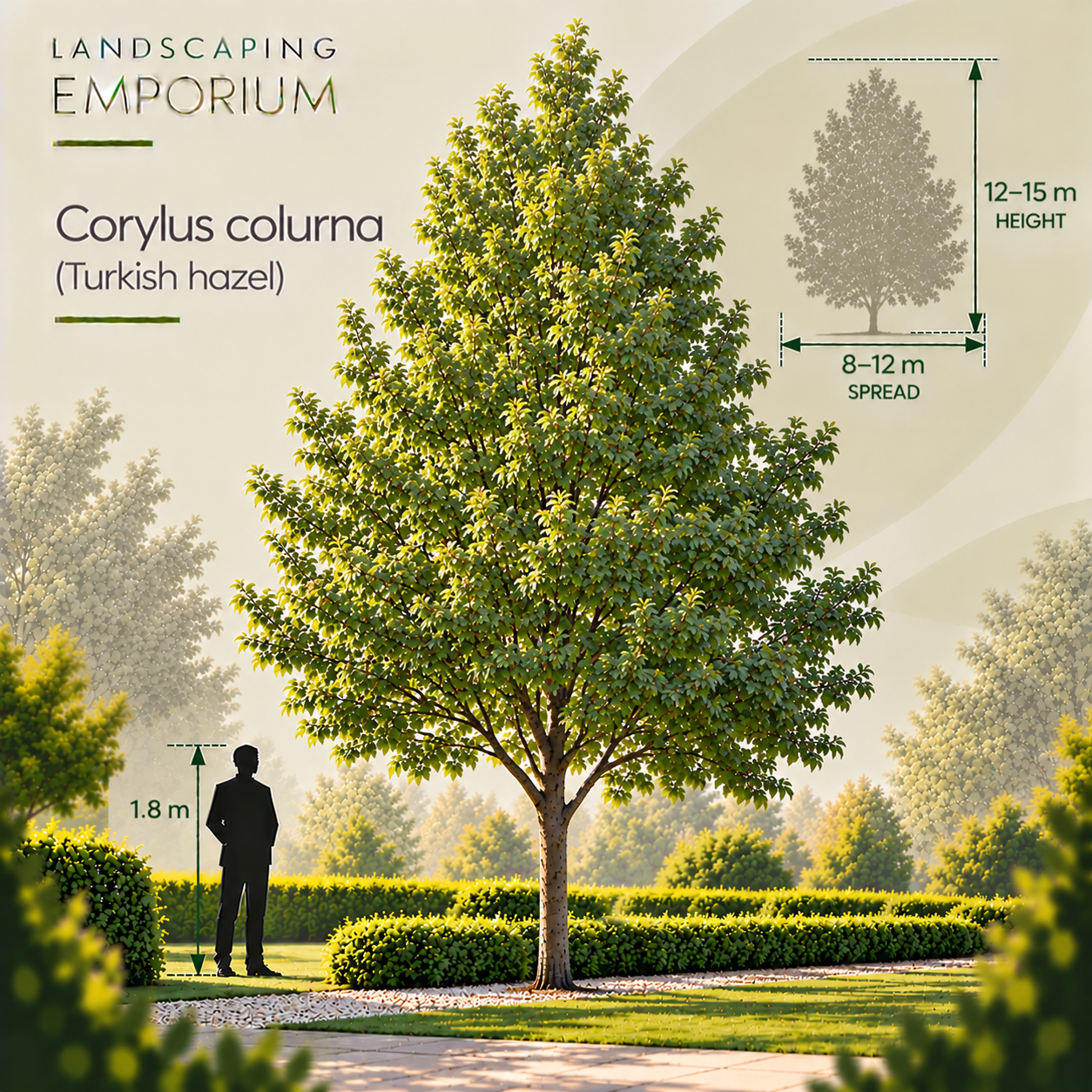
For use as a specimen tree, allow sufficient room for its naturally broad and multi-stemmed form to develop. Its mature size makes it more appropriate for medium to large gardens unless regularly managed.
Hazel is adaptable to a variety of soil types, including clay and chalk, provided the ground is not persistently waterlogged.
Although it tolerates partial and even considerable shade, flowering and nut production are generally better in brighter positions.
Common Hazel is also traditionally managed through coppicing, where stems are periodically cut close to ground level to encourage vigorous new growth. This makes it useful for sustainable woodland management and wildlife habitats.
For customers looking for native trees, explore our specimen tree collection or use our Find the Right Specimen Tree tool.
Wildlife Benefits of Common Hazel
Common Hazel is one of Britain's most valuable native woody plants for wildlife.
Its early catkins provide pollen for insects when few other sources are available. The leaves support a range of moth caterpillars and other invertebrates, while mature hazelnuts are eaten by wildlife including squirrels, wood mice and several bird species.
The dense branching structure also offers valuable nesting and shelter opportunities.
When included in a mixed native hedge or woodland-edge planting scheme, Hazel can contribute significantly to local biodiversity.
Specimen Tree Delivery and Professional Planting
Landscaping Emporium supplies selected specimen trees for residential gardens, commercial landscapes and professional planting projects.
Professional planting is available through our associated garden design and landscaping business, Kirman Design, across selected areas of North West England.
Our professional planting service covers the following postcode areas:
BB, BL, CH1–CH5, CW8, CW9, FY, L, LA1–LA6, M, OL, PR, SK1–SK12, WA and WN.
If your property is outside these postcode areas, please contact us before selecting professional planting at checkout.
Larger Common Hazel specimens may be supplied as multi-stemmed, rootballed or container-grown plants, depending on availability and the season.
Please consider access restrictions, planting space, ground conditions and delivery requirements before ordering.
For planting preparation and aftercare, please consult our Planting Guide.
Contact Landscaping Emporium
For assistance choosing the correct size of Common Hazel or arranging professional planting, please contact us.
Landscaping Emporium – brought to you by Kirman Design
Unit 9, Bridgewater Business Park
Gladstone Street
Blackburn
BB1 3DL
Telephone: 01942 604976
Email: hello@landscapingemporium.co.uk

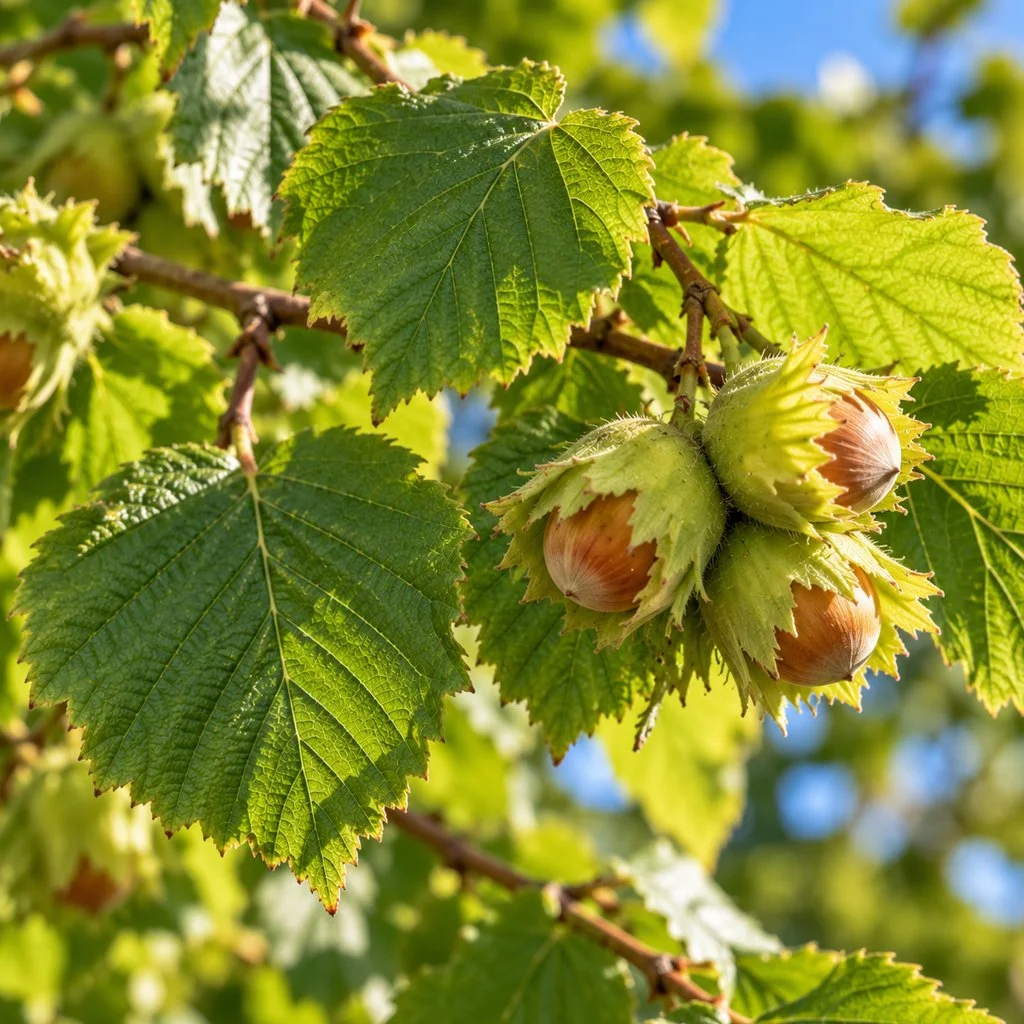 Image 1 of 12
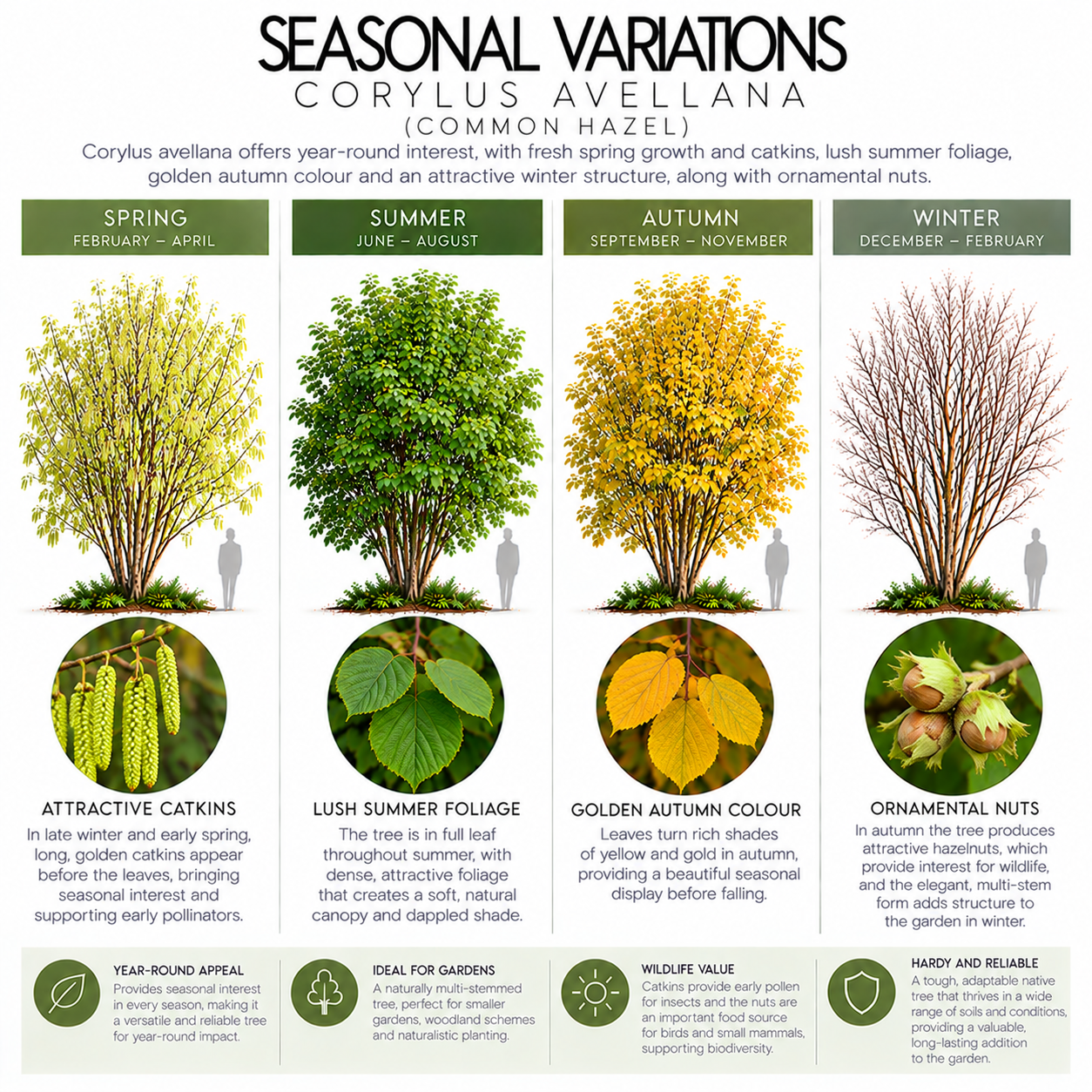 Image 2 of 12
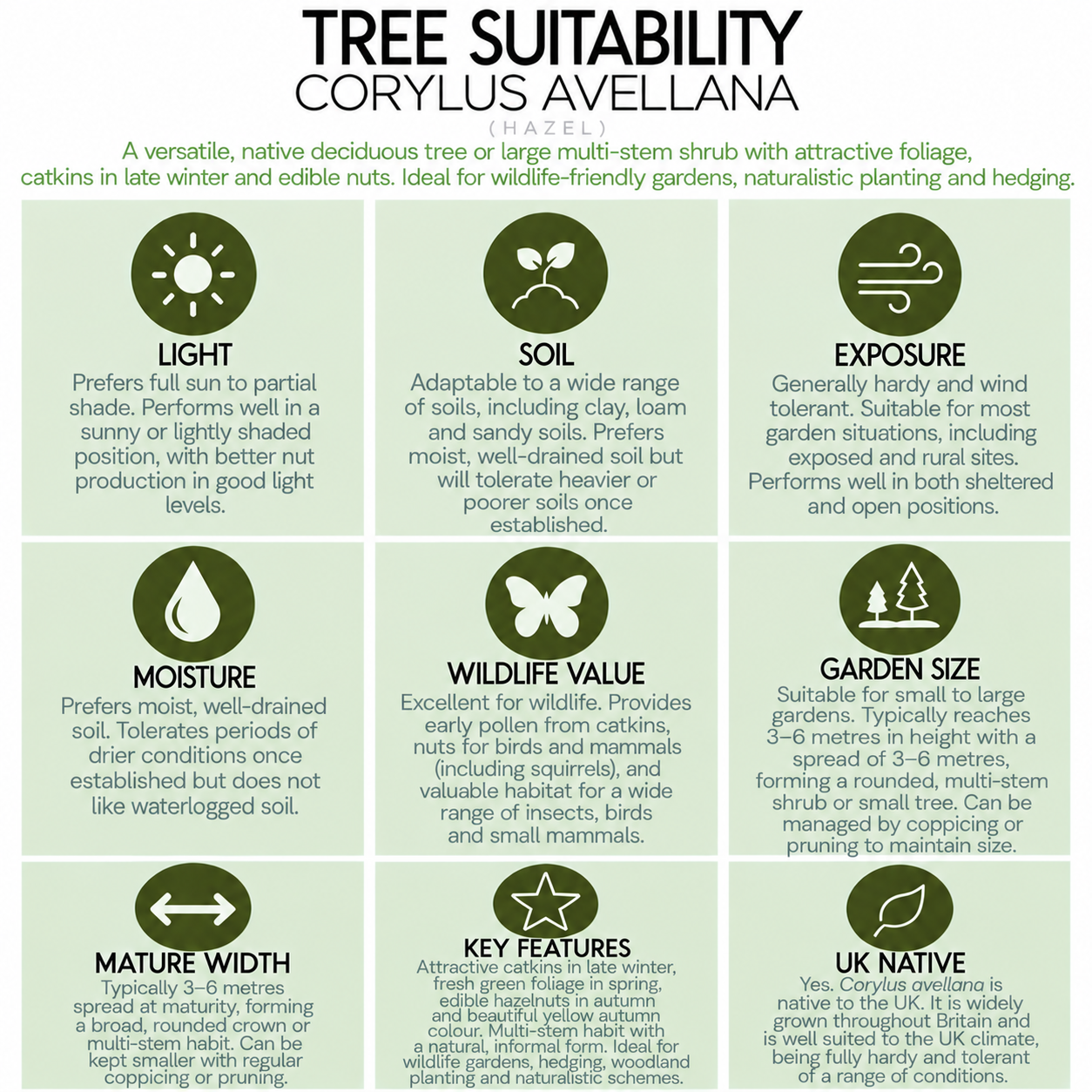 Image 3 of 12
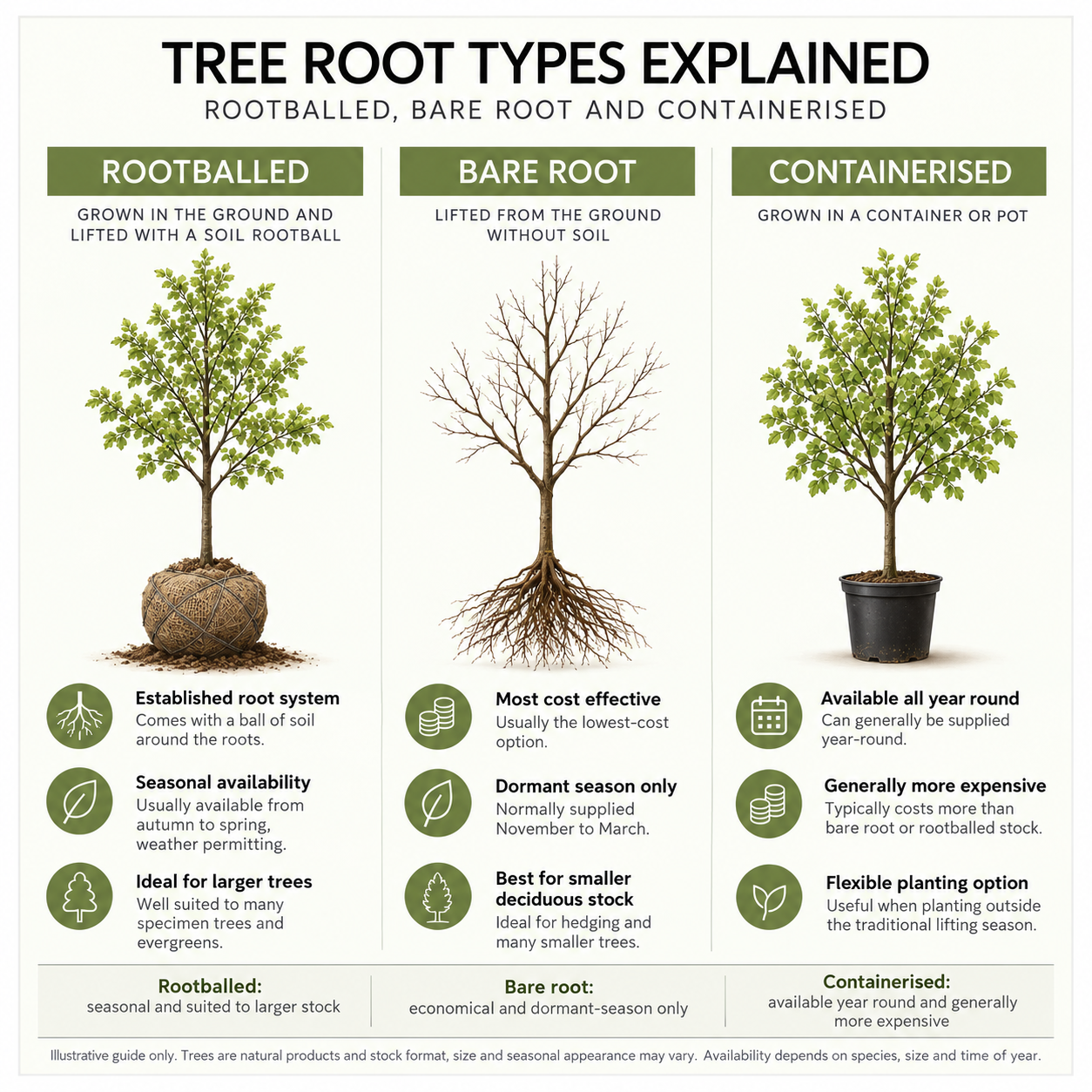 Image 4 of 12
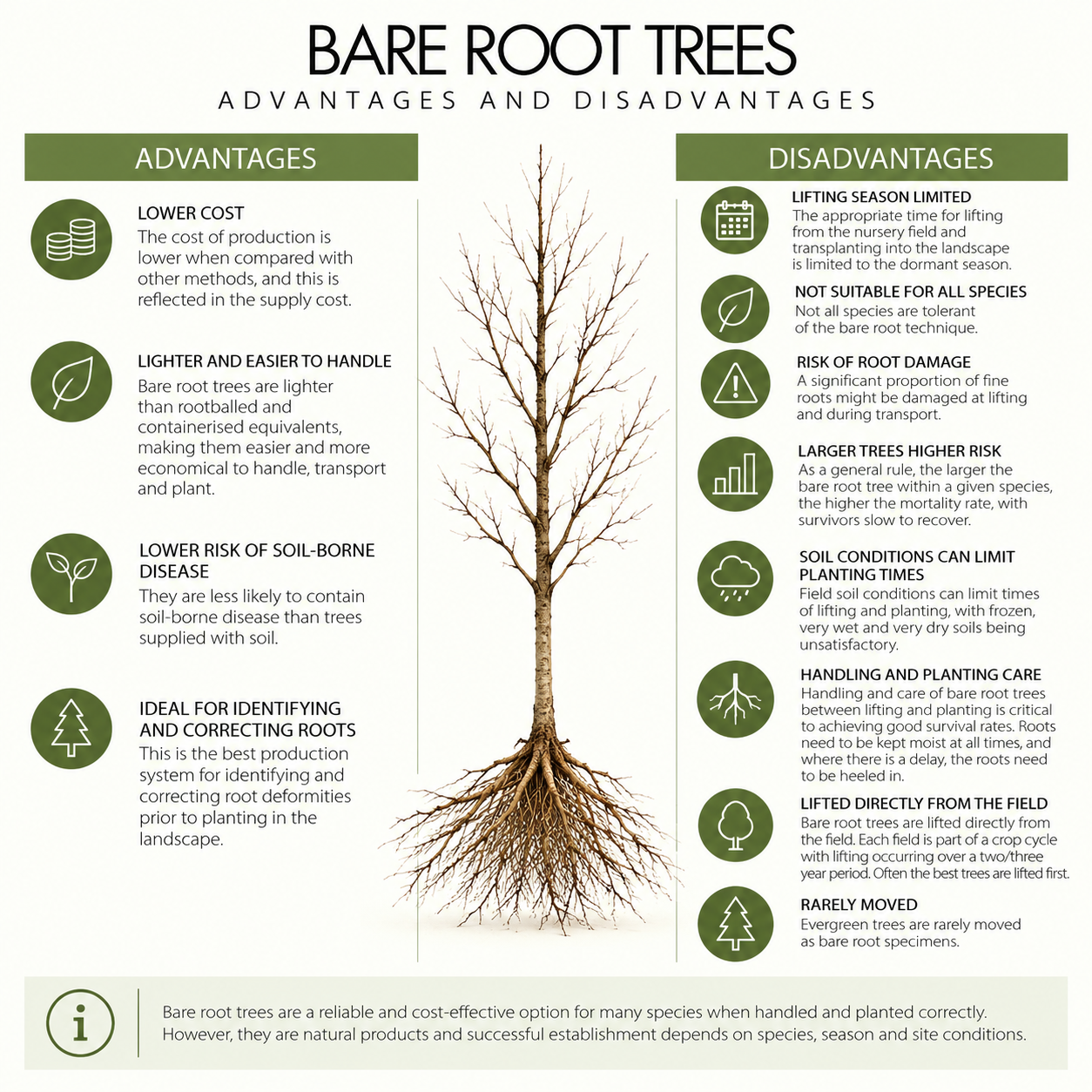 Image 5 of 12
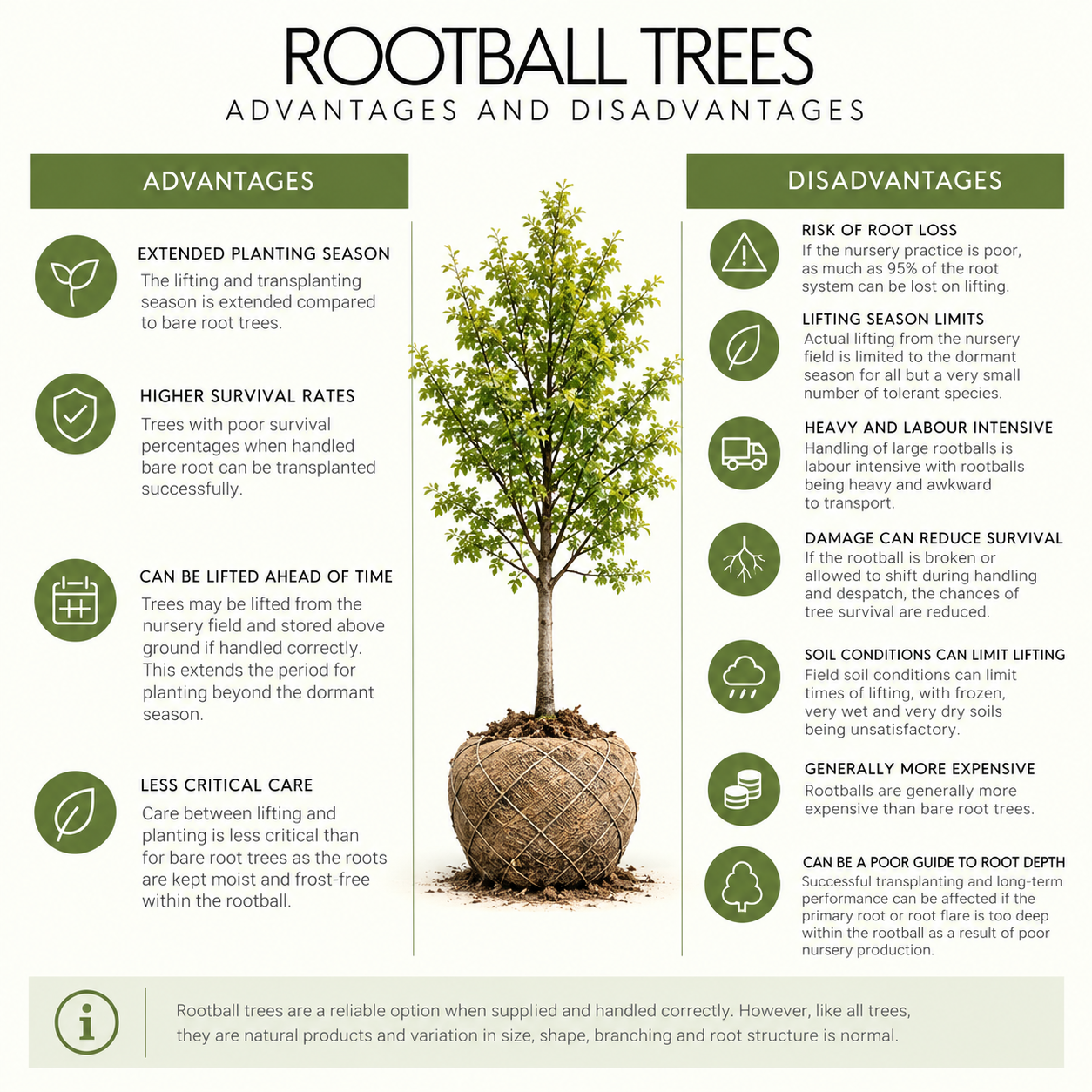 Image 6 of 12
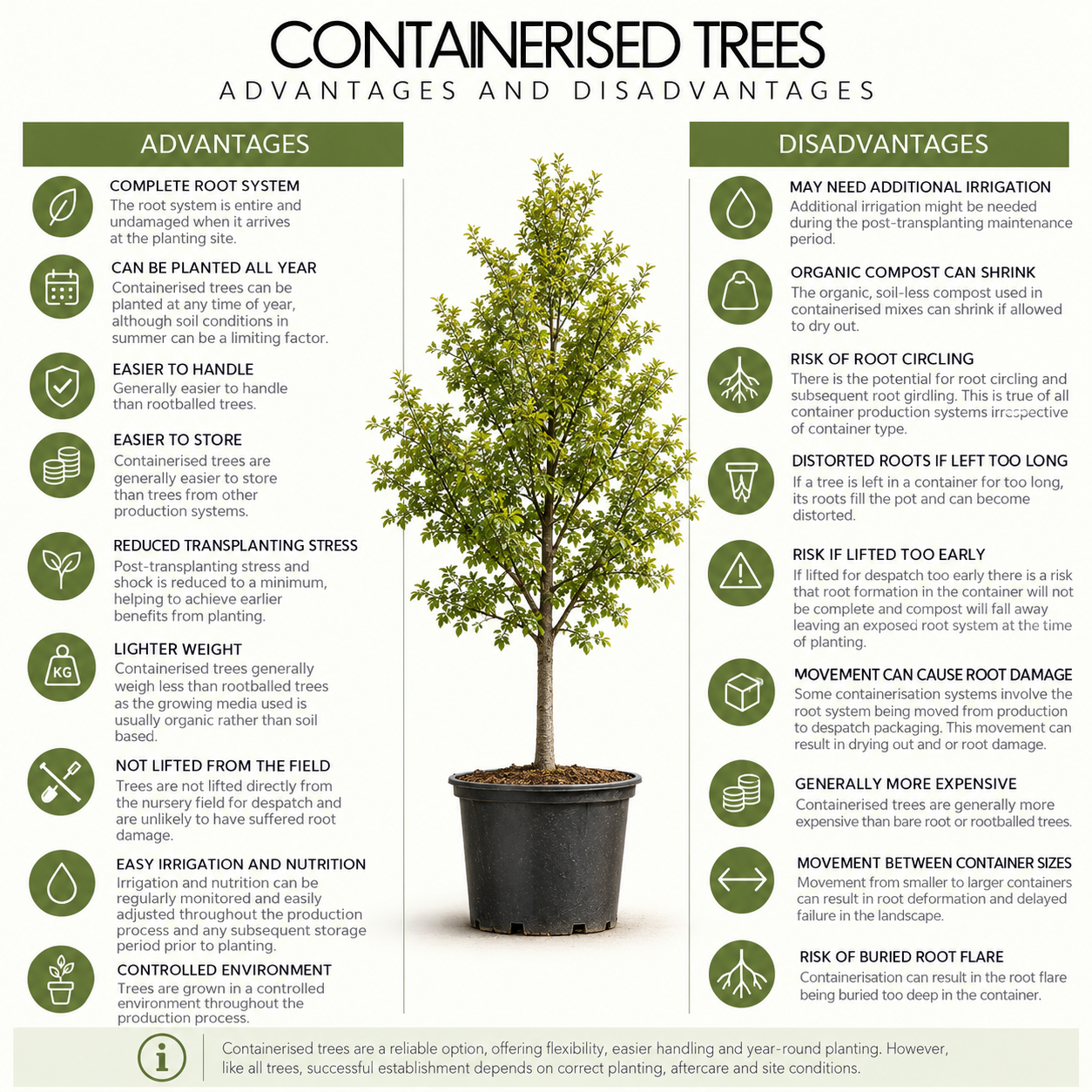 Image 7 of 12
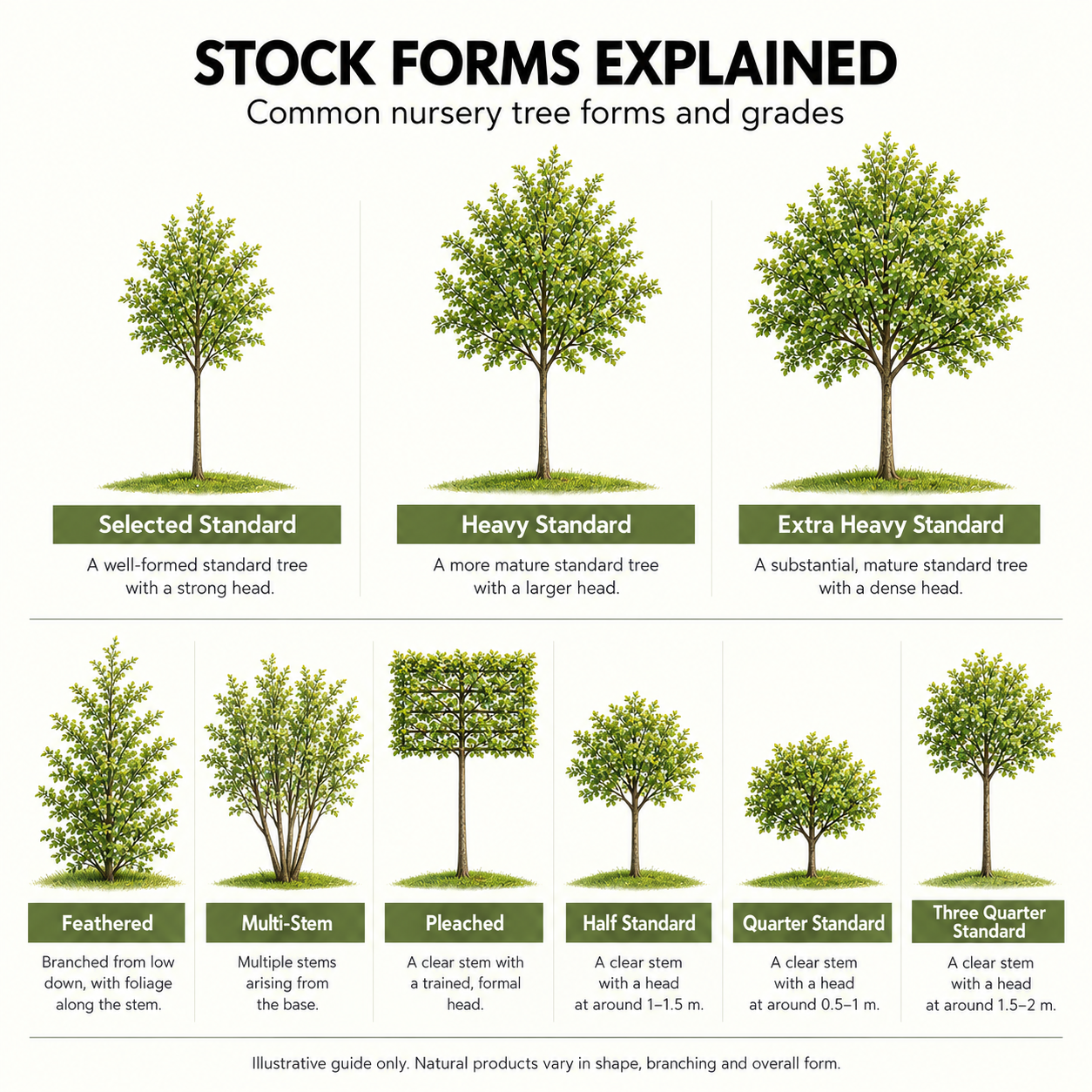 Image 8 of 12
 Image 9 of 12
 Image 10 of 12
 Image 11 of 12
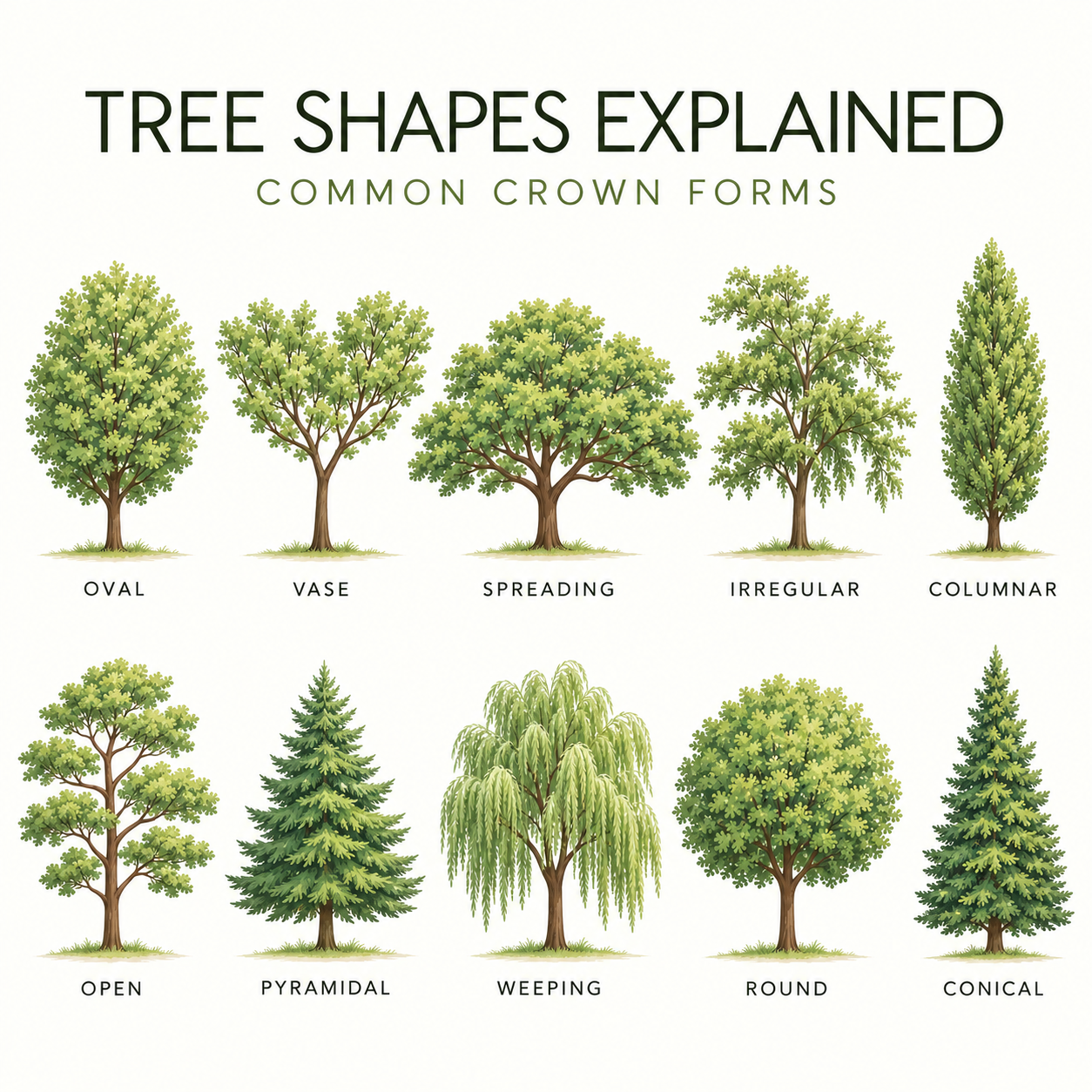 Image 12 of 12