About Fagus sylvatica 'Dawyck'
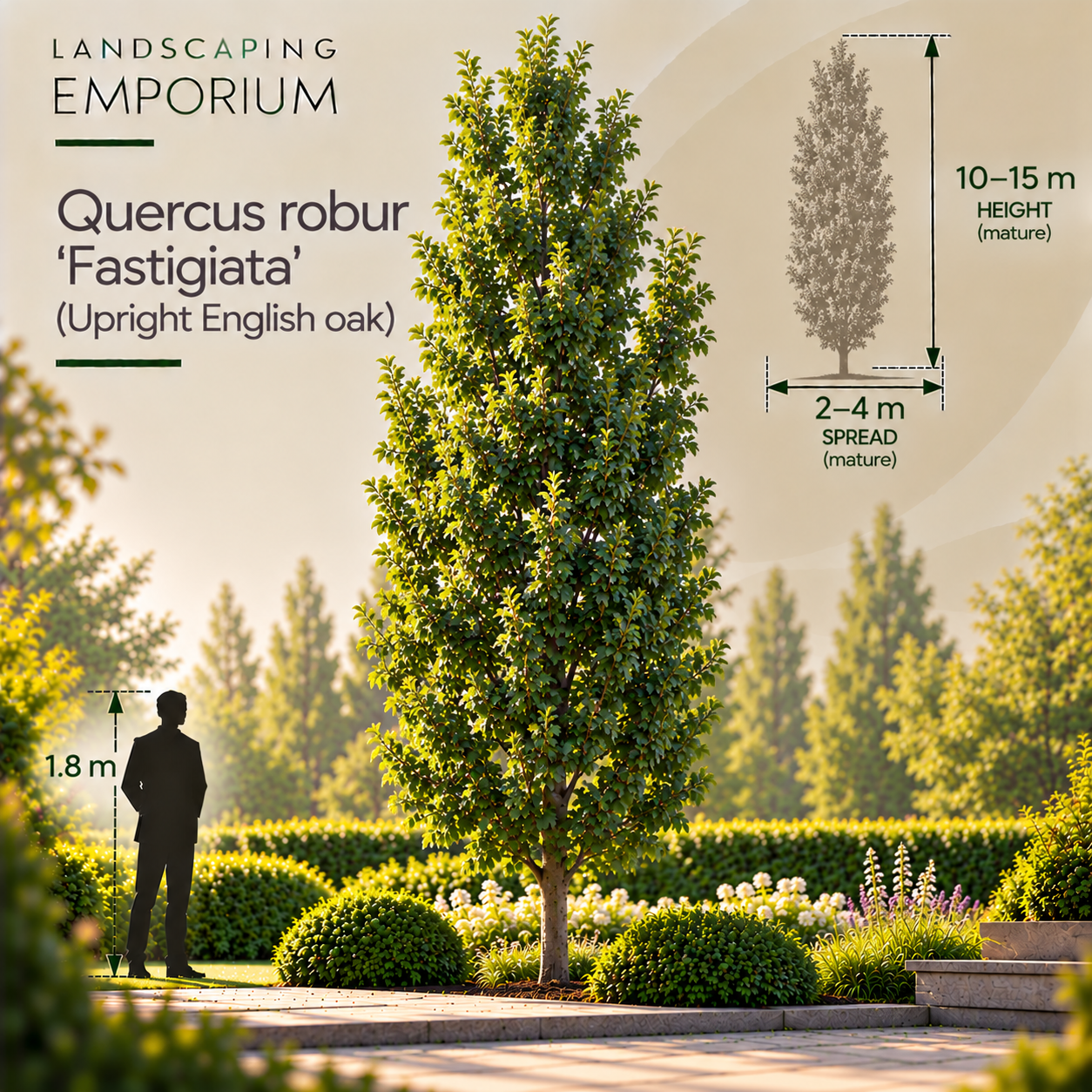
Fagus sylvatica 'Dawyck', commonly known as Columnar Beech or Dawyck Beech, is a distinctive deciduous specimen tree prized for its tall, upright growth habit, dense green foliage and elegant architectural appearance.
Unlike the broad, spreading crown of traditional Common Beech, 'Dawyck' develops a naturally narrow, upright silhouette, with branches growing steeply upwards to form a striking columnar or fastigiate crown.
This makes it an excellent choice for formal gardens, avenue planting, impressive property entrances and landscape schemes where vertical structure is required without the extensive spread of a conventional Beech tree.
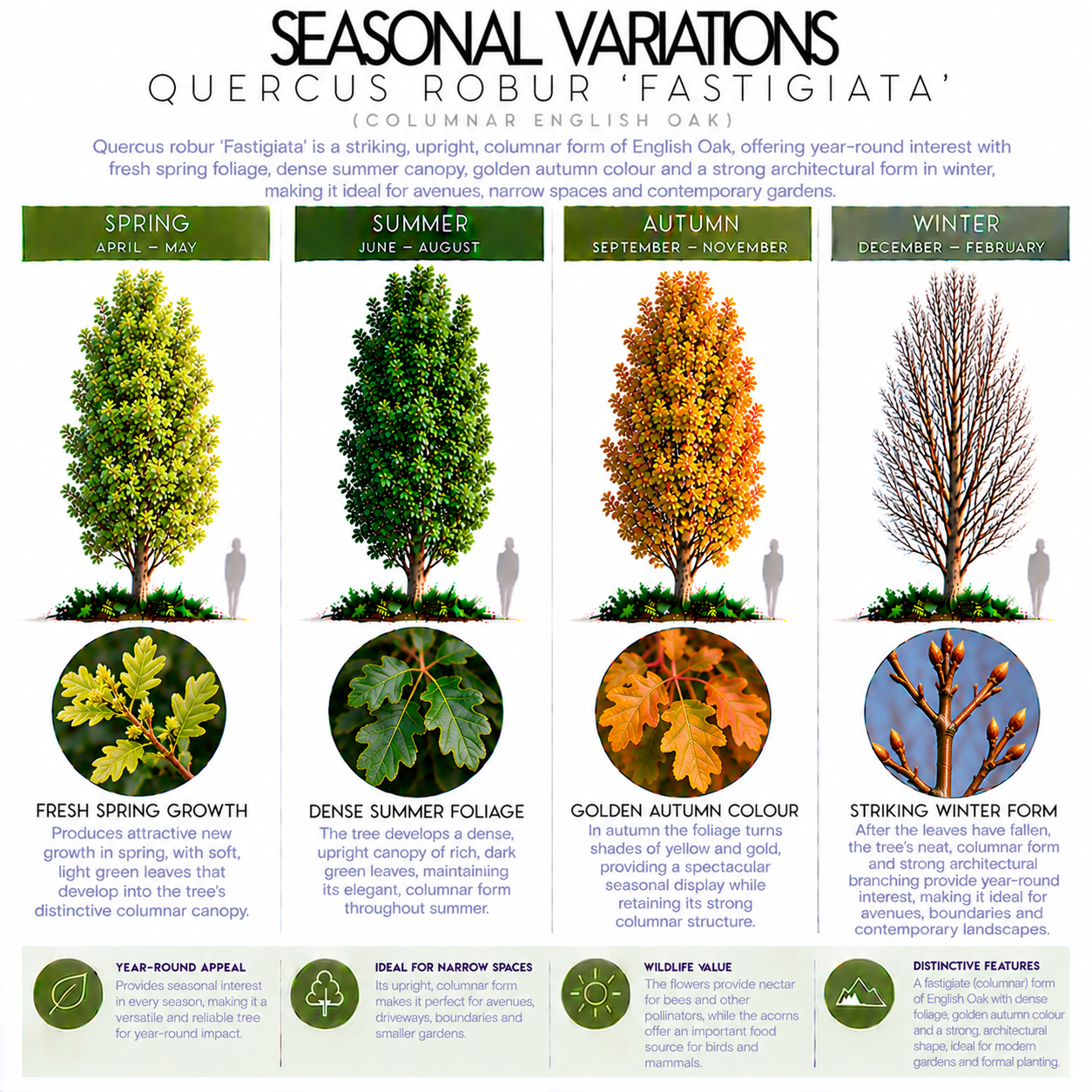
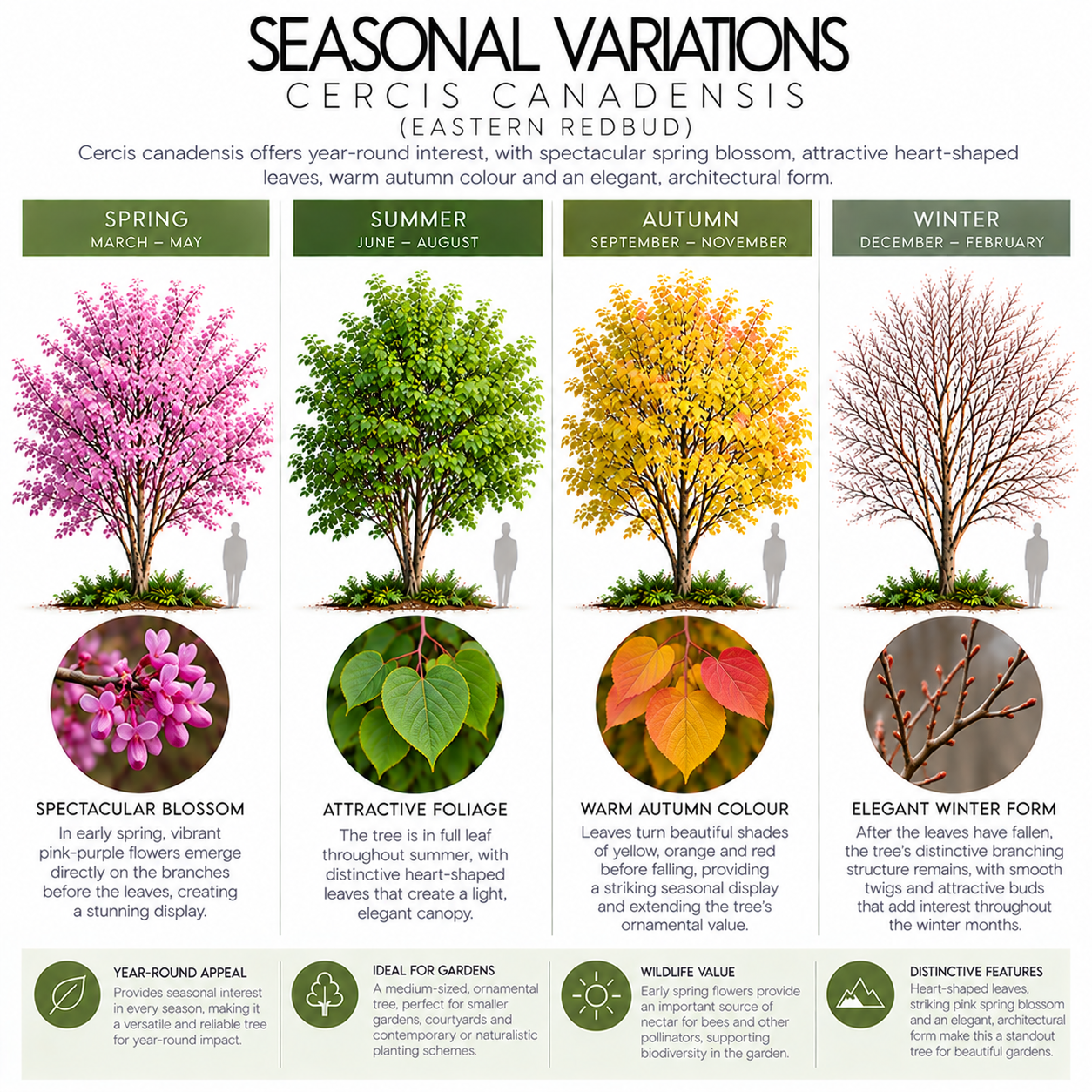
During spring, fresh green leaves emerge from distinctive pointed buds, gradually developing into a rich, glossy green canopy throughout summer.
In autumn, the foliage turns attractive shades of golden yellow, copper and warm brown, providing seasonal interest before the leaves fall.
The smooth grey bark and strong vertical branching structure also give the tree an attractive architectural presence during winter.
Although relatively narrow for a Beech, 'Dawyck' can eventually become a substantial tree and should be planted where sufficient space is available for its mature height and crown development.
Key Features of Fagus sylvatica 'Dawyck'
Growth habit: Strongly upright, columnar or fastigiate crown.
Foliage: Fresh green spring leaves developing into rich green summer foliage.
Autumn colour: Attractive golden yellow, copper and russet-brown tones.
Winter interest: Distinctive upright structure, smooth grey bark and pointed buds.
Growth rate: Generally slow to moderate, becoming more vigorous in favourable conditions.
Mature size: A tall specimen tree with a considerably narrower crown than ordinary Common Beech.
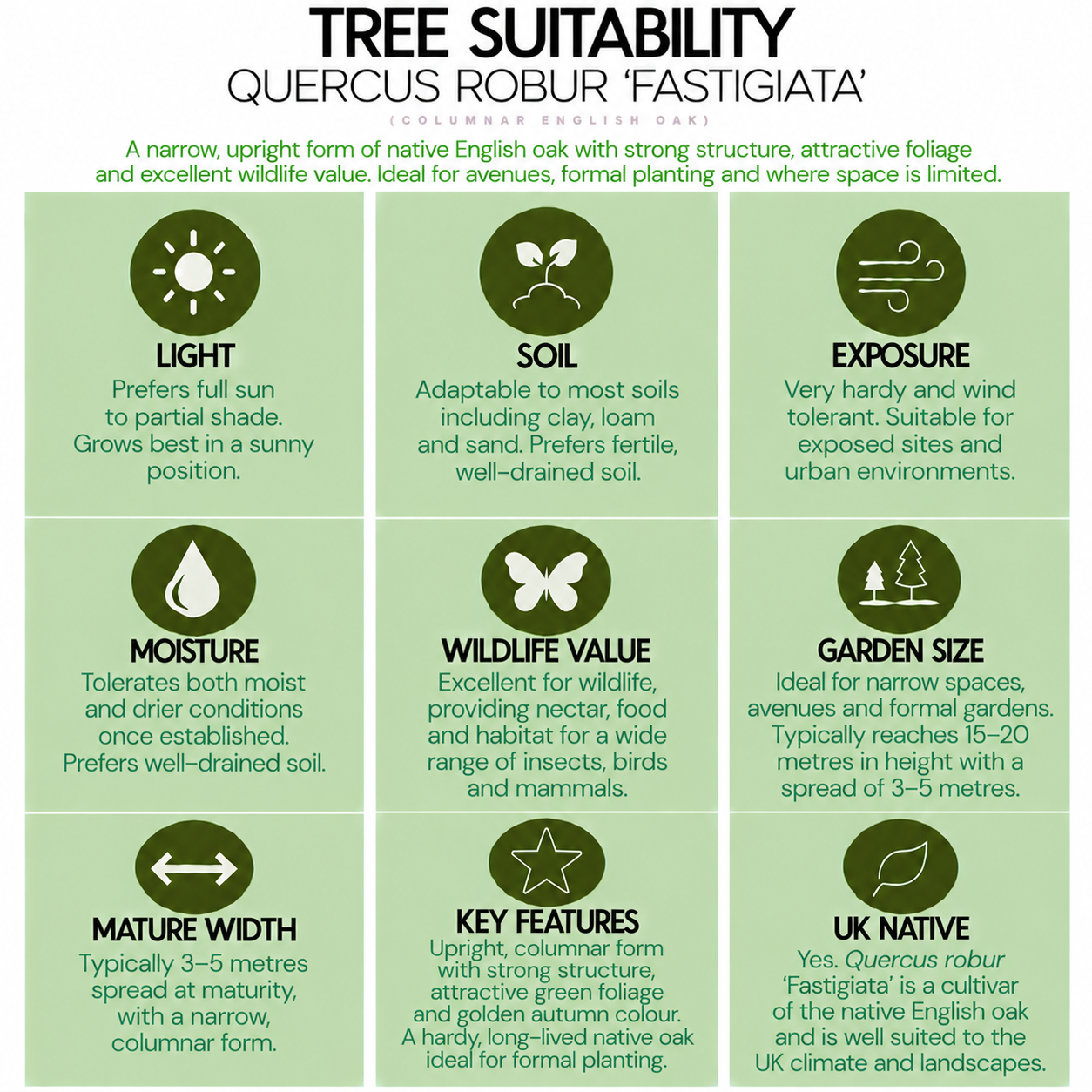
Position: Full sun or partial shade.
Soil: Fertile, moisture-retentive but well-drained soil; tolerates a range of soil types.
Maintenance: Relatively low maintenance once established.
Wildlife value: Provides habitat, shelter and potential food sources for wildlife.
Garden suitability: Formal gardens, large residential landscapes, avenue planting and architectural planting schemes.
Where to Plant Fagus sylvatica 'Dawyck'
Columnar Beech is particularly effective where a strong vertical feature is required.
Formal Gardens and Property Entrances
The naturally upright habit makes 'Dawyck' an excellent choice for framing entrances, gateways, driveways and formal garden features.
Pairs of trees can create an impressive symmetrical arrangement, while a single mature specimen provides a striking focal point.
Avenue and Driveway Planting
When planted in a carefully spaced avenue, Columnar Beech creates a distinctive architectural rhythm.
Its upright branching structure provides height and seasonal colour without the immediate lateral spread associated with conventional Common Beech.
However, adequate spacing must be allowed for long-term crown development and root growth.
Large Gardens and Contemporary Landscapes
The clean, upright silhouette complements both traditional and contemporary garden designs.
It is particularly effective alongside lower-growing ornamental planting, clipped hedges and structured landscape features.
Although the crown is relatively narrow, its ultimate height means that it is generally better suited to medium or large gardens than very small residential plots.
Growing Conditions and Care
Fagus sylvatica 'Dawyck' performs best in fertile, moisture-retentive but well-drained soil.
It tolerates a range of soil types, including clay and chalk, provided drainage is adequate and the roots are not subjected to prolonged waterlogging.
Choose a position in full sun or partial shade, with sufficient space for the tree to establish naturally.
Avoid exceptionally dry, compacted or persistently waterlogged ground.
Newly planted trees require regular watering during establishment, particularly through dry spring and summer periods.
Apply an organic mulch around the base of the tree, keeping it clear of the trunk, to help retain soil moisture and reduce competition from surrounding vegetation.
Little pruning is normally required, as the upright crown develops naturally.
Wildlife and Seasonal Interest
As a cultivar of Common Beech, 'Dawyck' contributes to garden biodiversity by providing shelter and habitat for birds and insects.
Mature trees may produce beech mast, which can provide food for wildlife.
Its dense summer foliage offers cover, while its golden autumn colour and strong winter silhouette provide ornamental interest throughout the year.
Specimen Tree Delivery and Professional Planting
Landscaping Emporium supplies selected specimen trees for residential gardens, commercial landscapes and professional planting projects.
Professional planting is available through our associated garden design and landscaping business, Kirman Design, across selected areas of North West England.
Our professional planting service covers the following postcode areas:
BB, BL, CH1–CH5, CW8, CW9, FY, L, LA1–LA6, M, OL, PR, SK1–SK12, WA and WN.
If your property is outside these postcode areas, please contact us before selecting professional planting at checkout.
Larger Columnar Beech specimens may require specialist delivery, lifting equipment and suitable access.
Please consider planting space, delivery access, overhead obstructions, ground conditions and the tree's eventual mature dimensions before ordering.
For further information, please consult our Planting Guide or use our Find the Right Specimen Tree tool.
Contact Landscaping Emporium
For assistance selecting the correct tree size or arranging professional planting, please contact us.
Landscaping Emporium – brought to you by Kirman Design
Unit 9, Bridgewater Business Park
Gladstone Street
Blackburn
BB1 3DL
Telephone: 01942 604976
Email: hello@landscapingemporium.co.uk

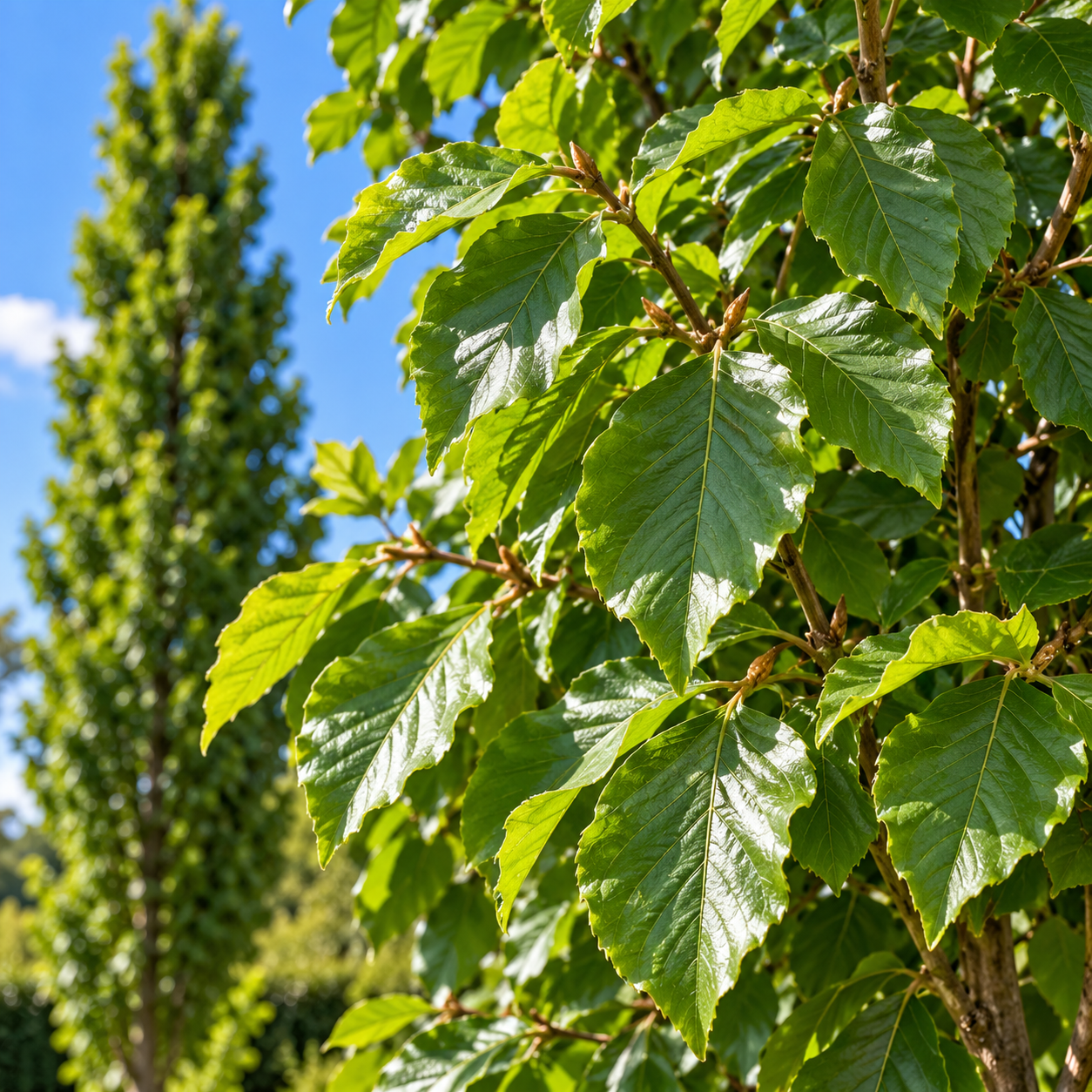 Image 1 of 13
 Image 2 of 13
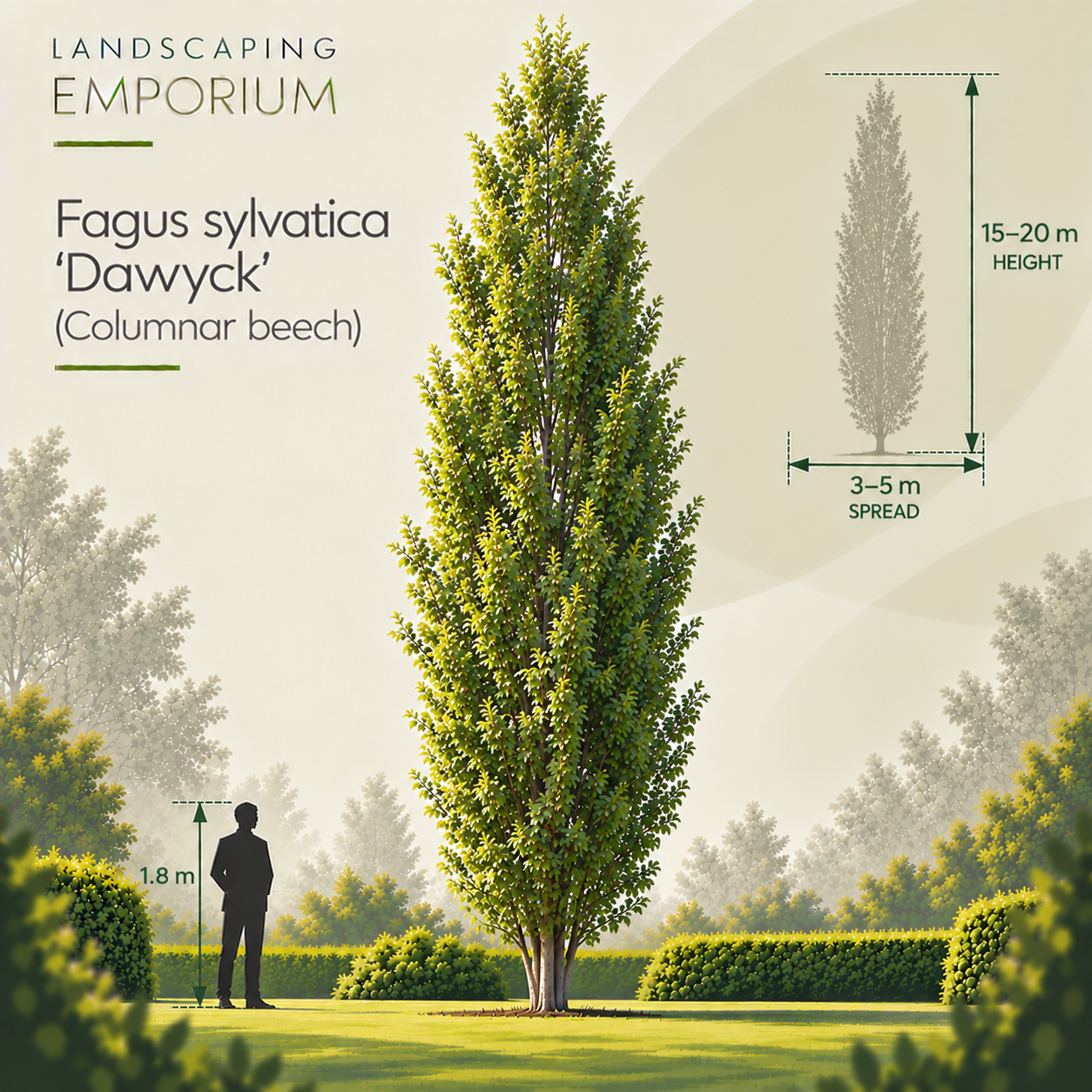 Image 3 of 13
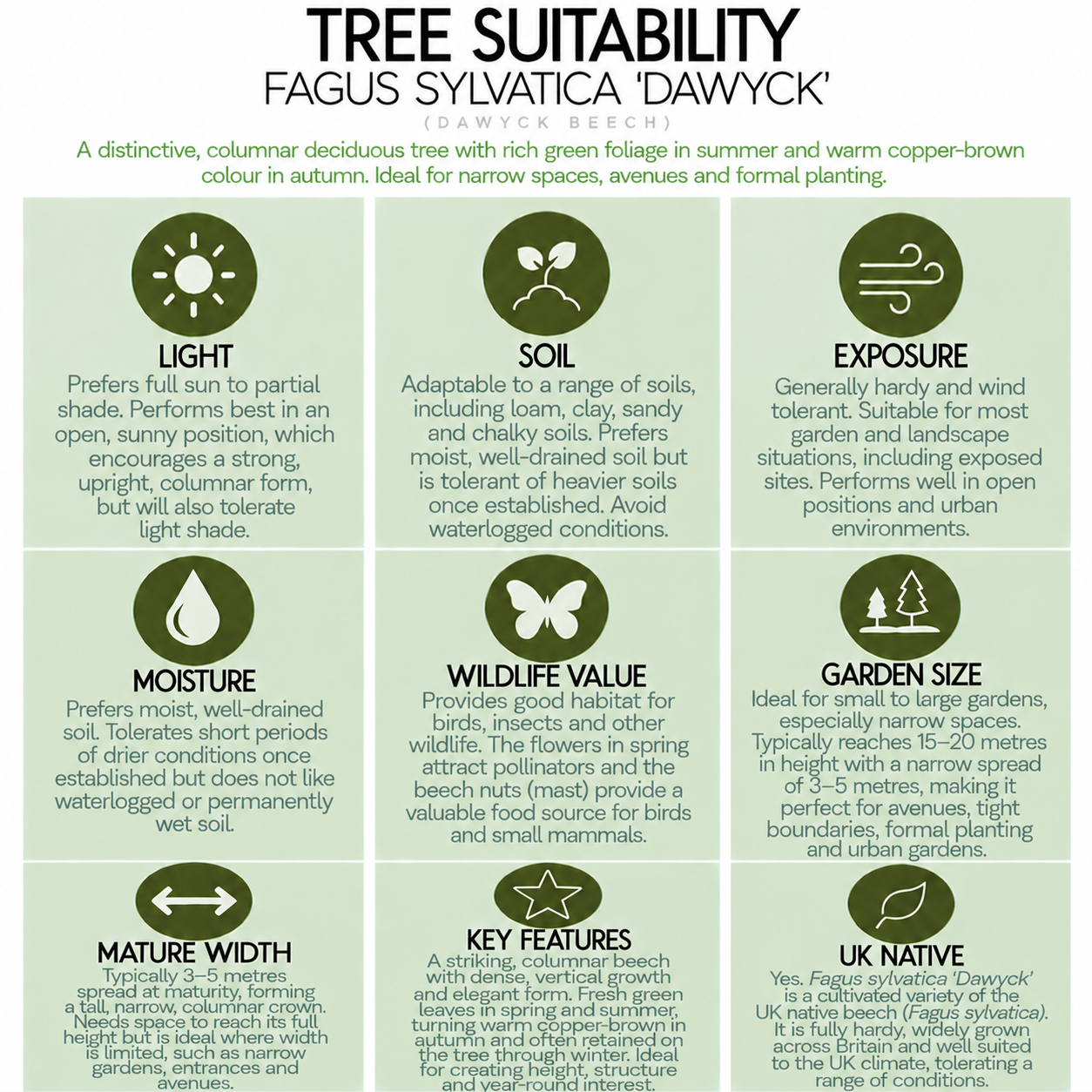 Image 4 of 13
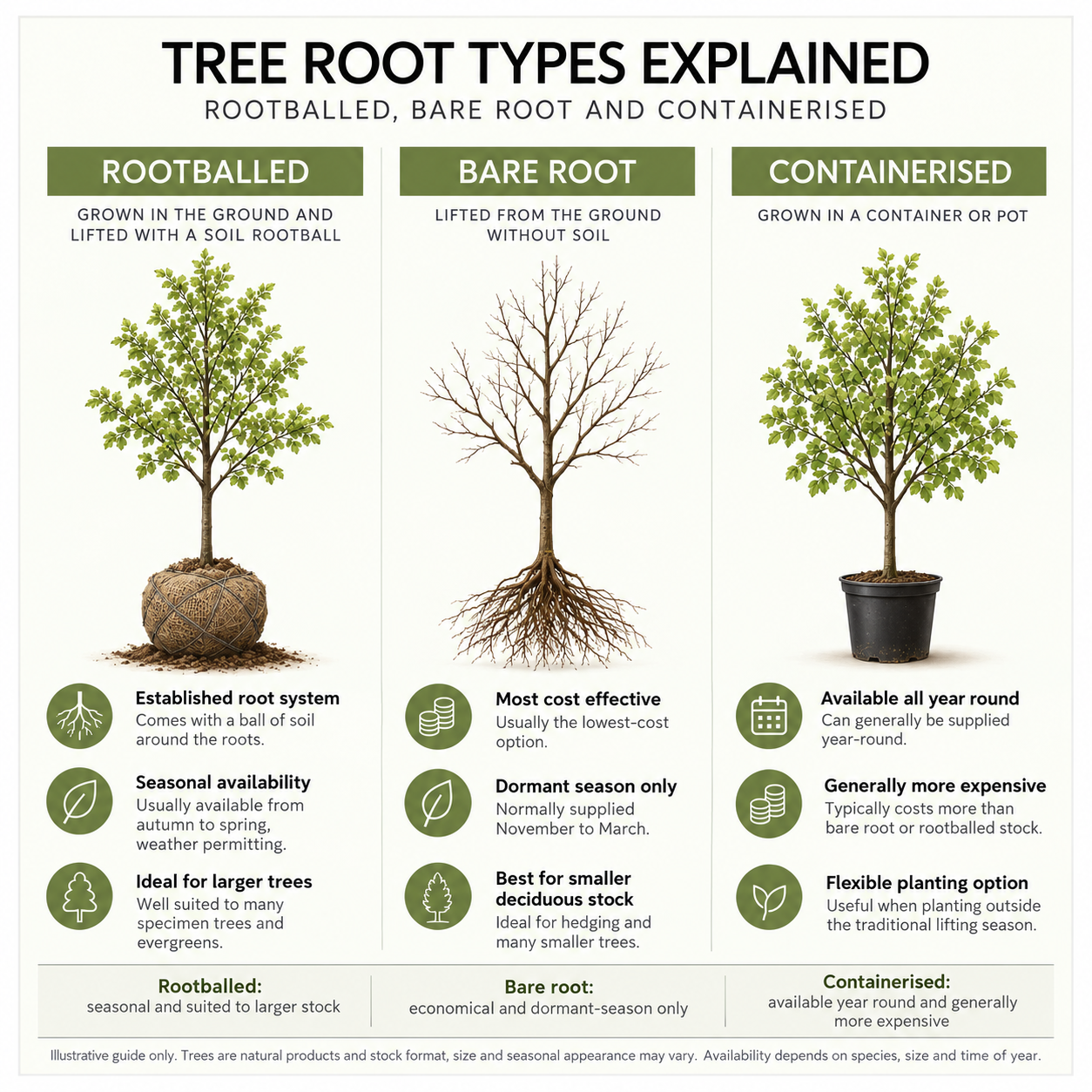 Image 5 of 13
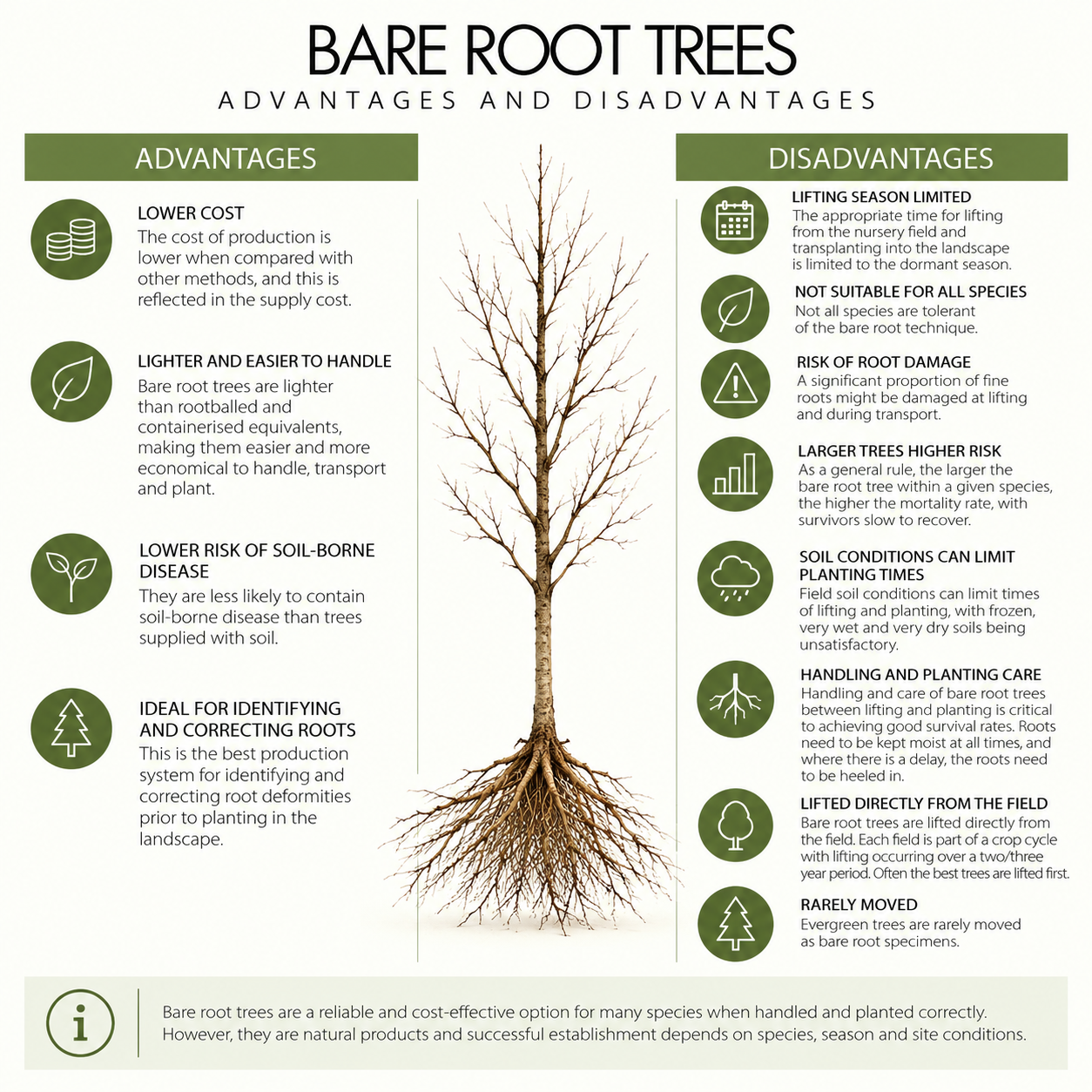 Image 6 of 13
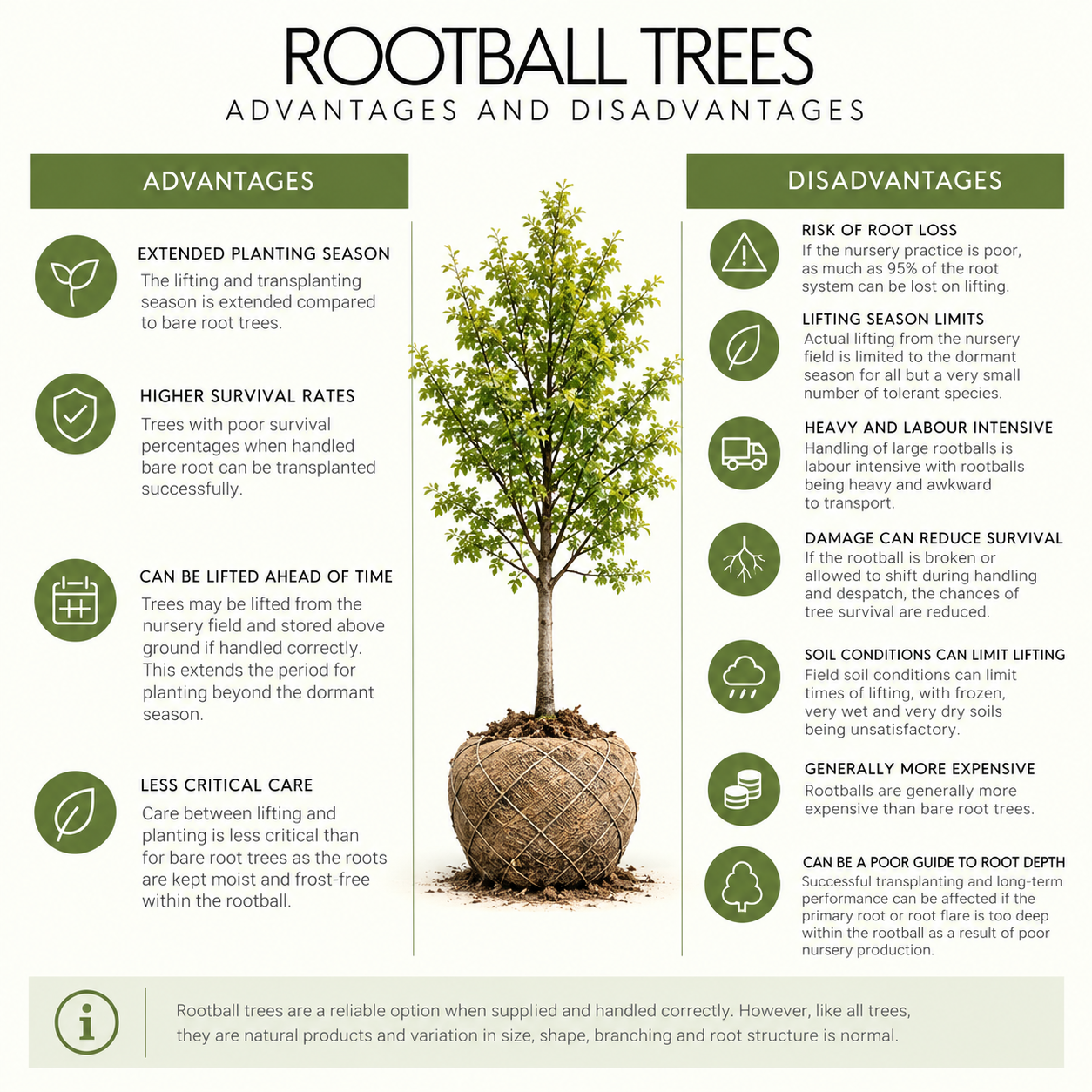 Image 7 of 13
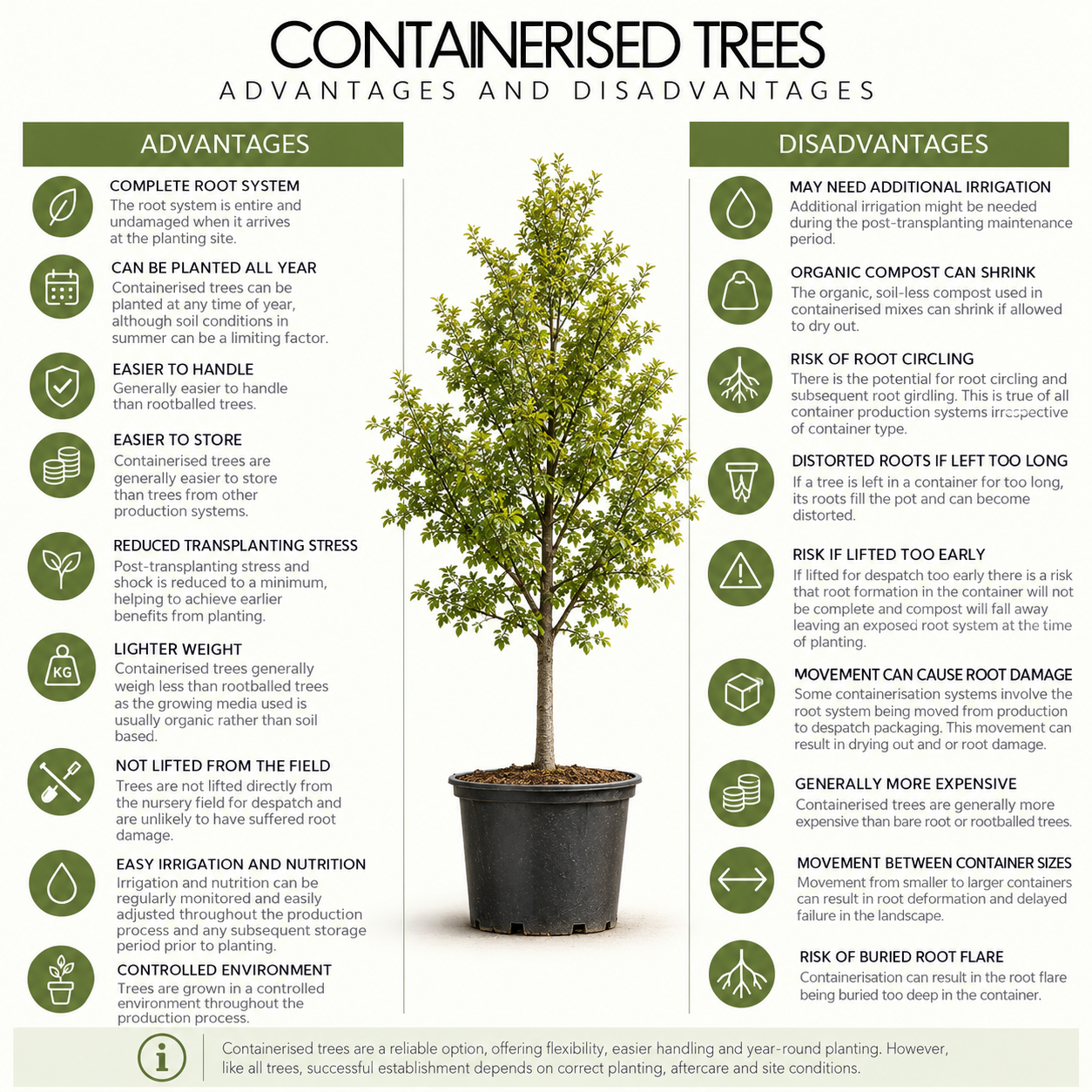 Image 8 of 13
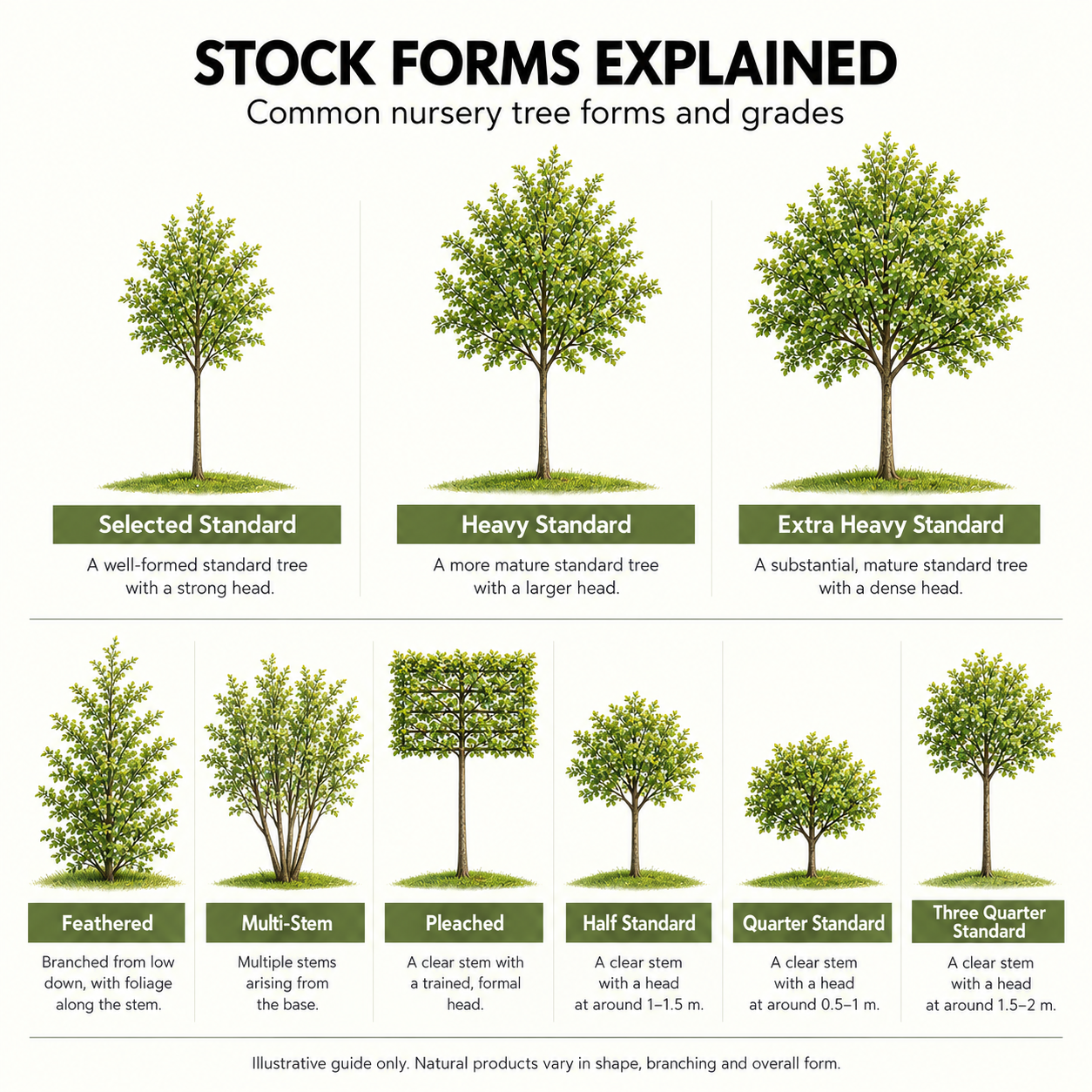 Image 9 of 13
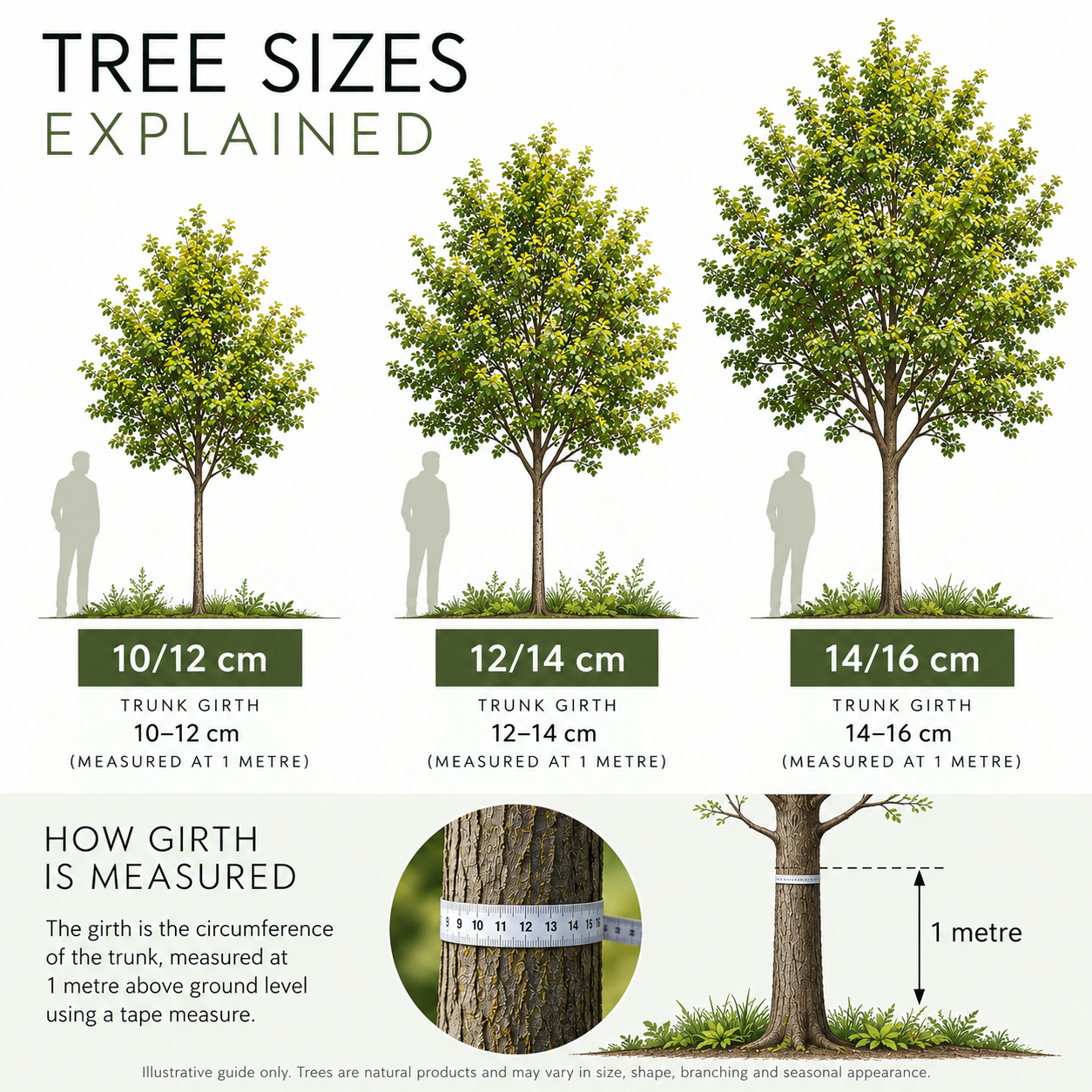 Image 10 of 13
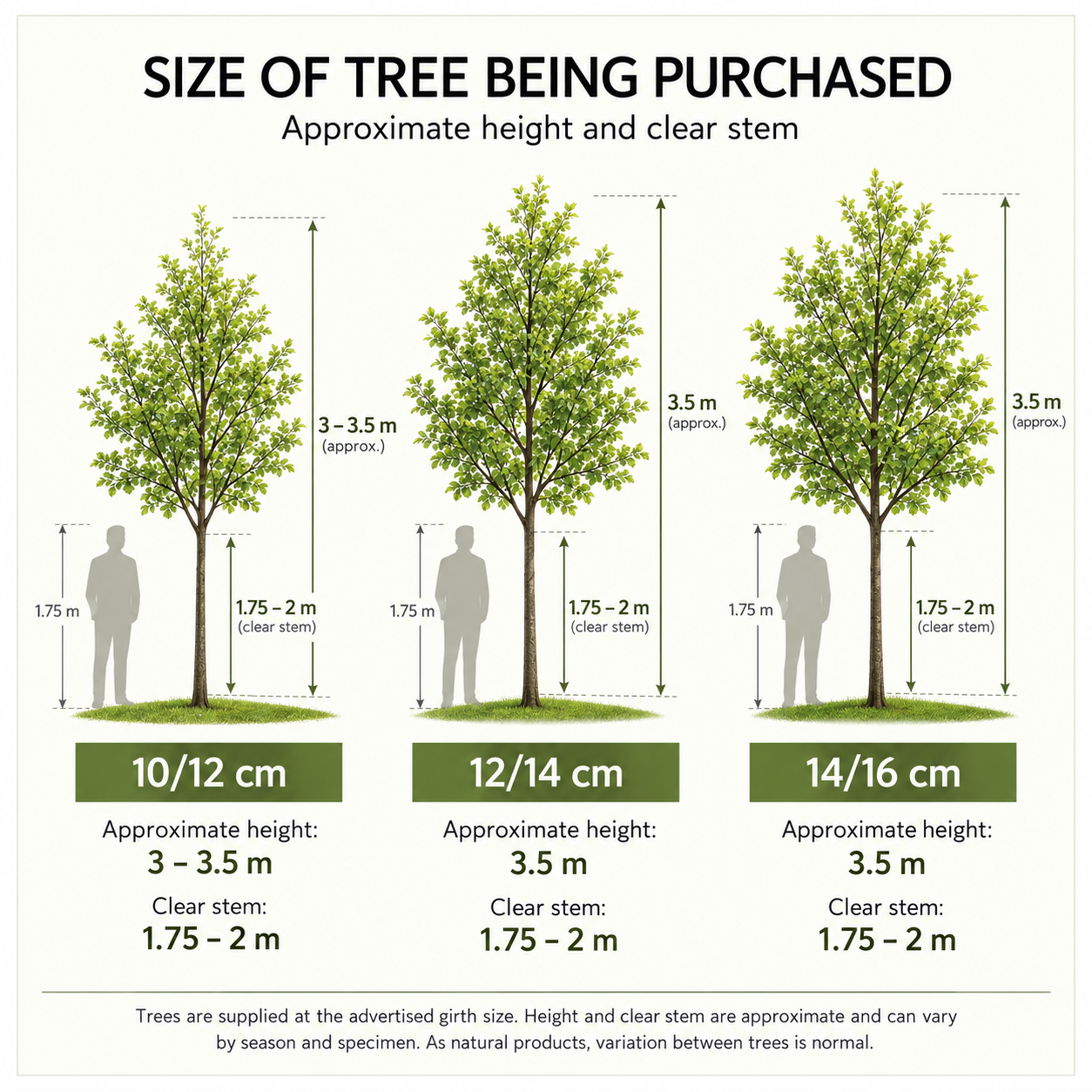 Image 11 of 13
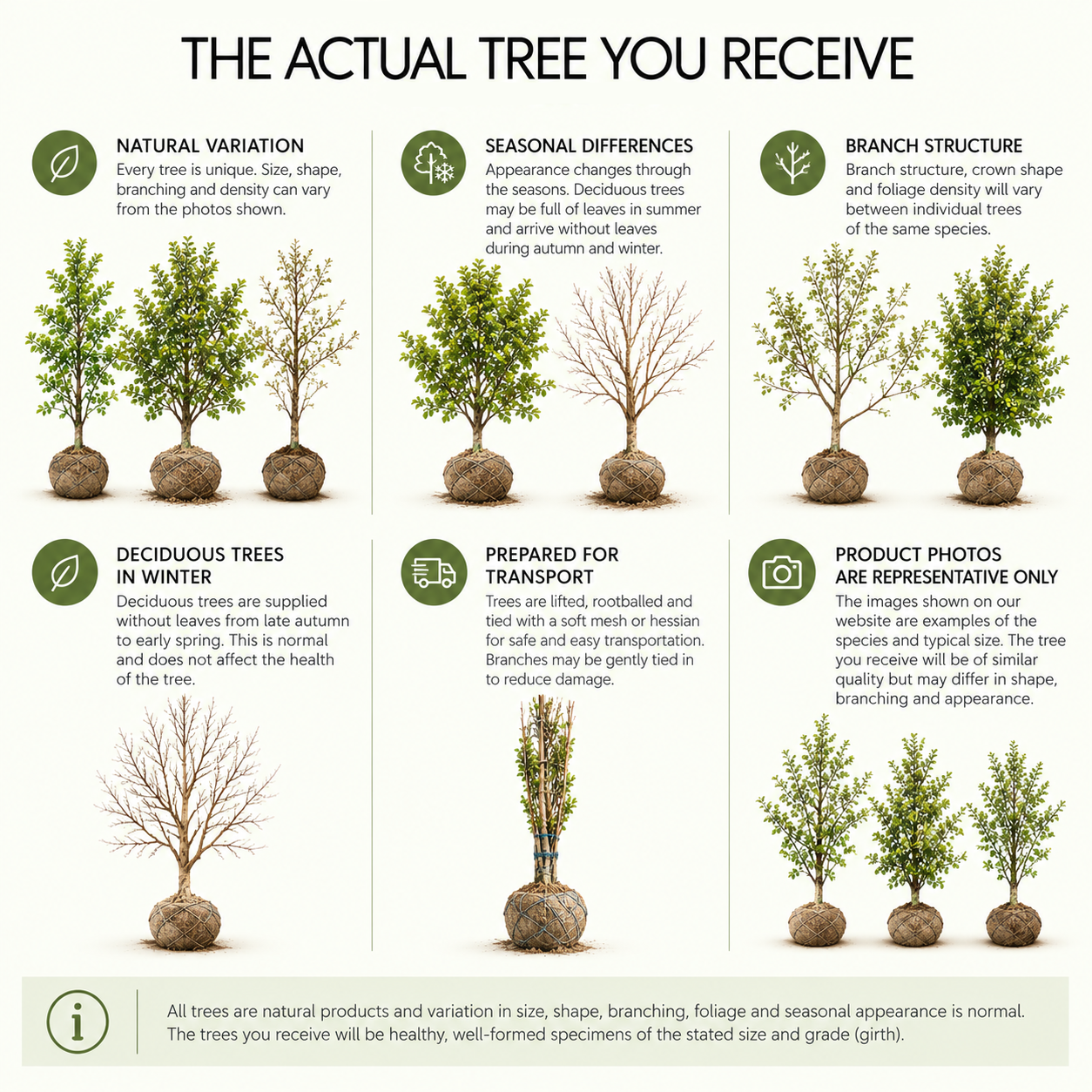 Image 12 of 13
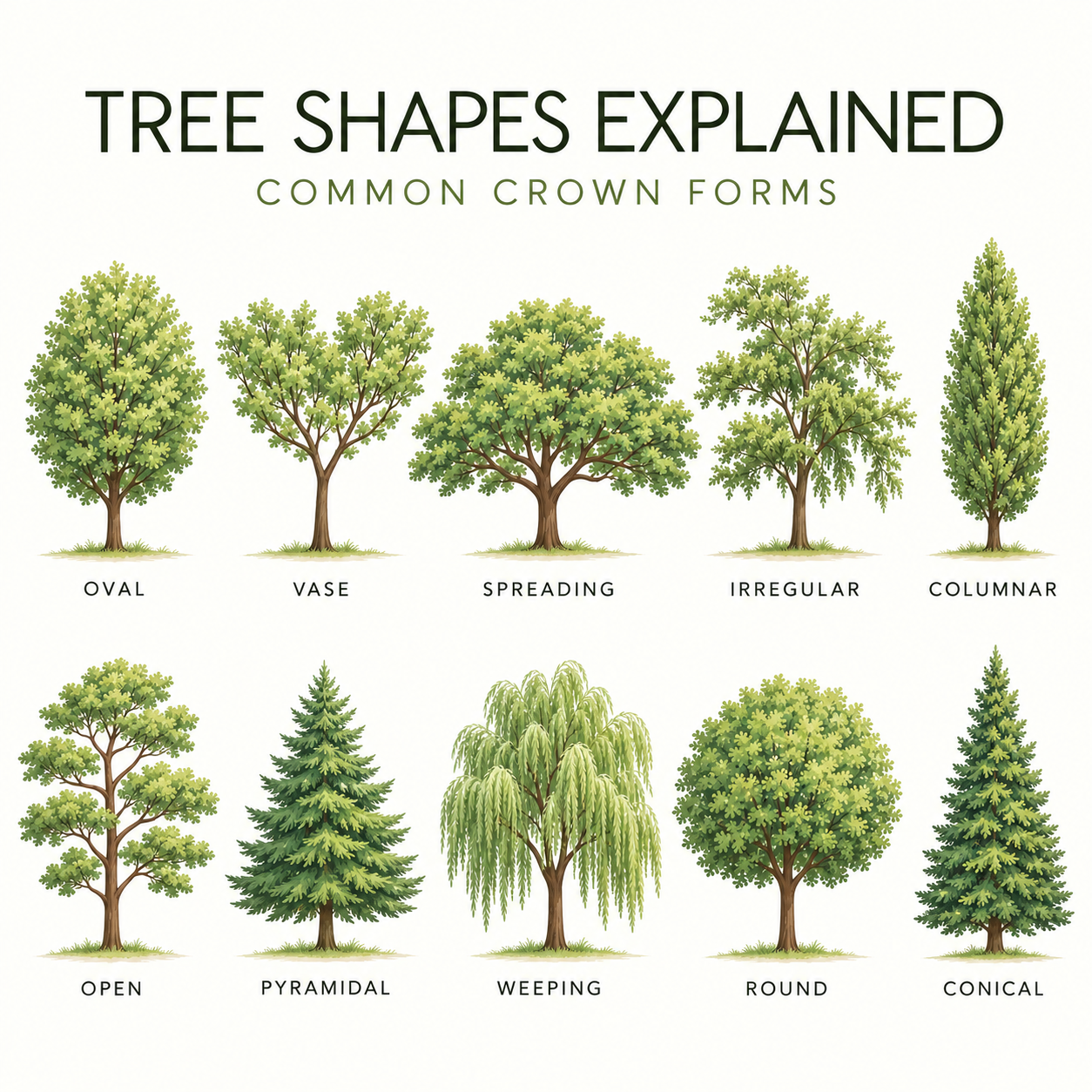 Image 13 of 13