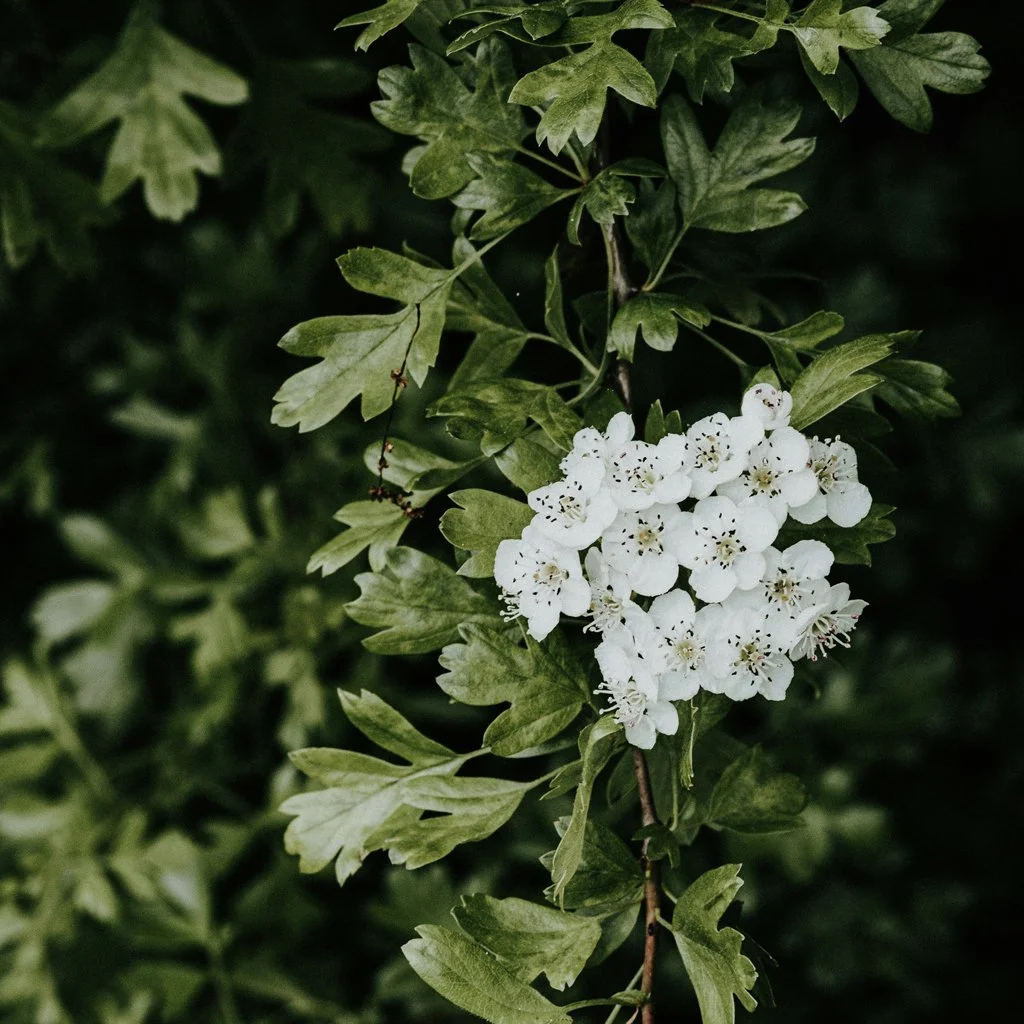
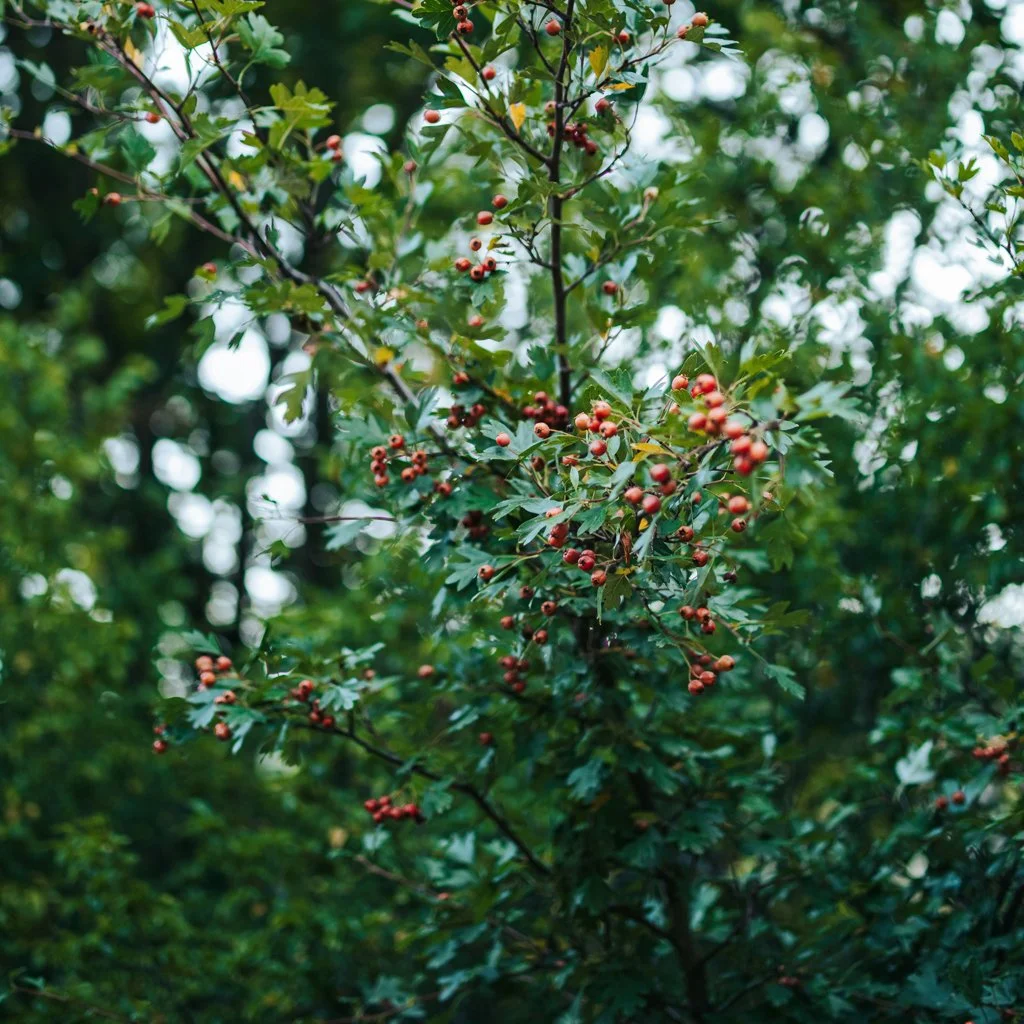
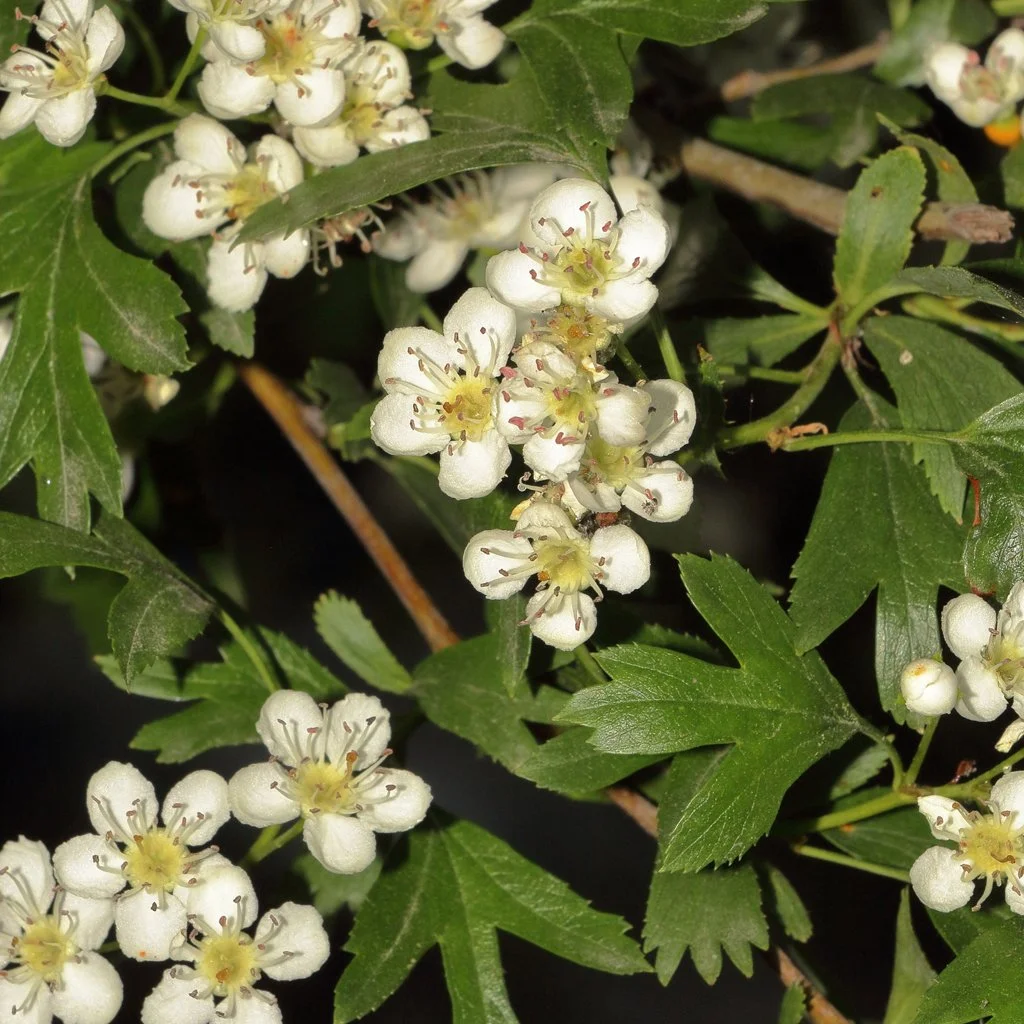
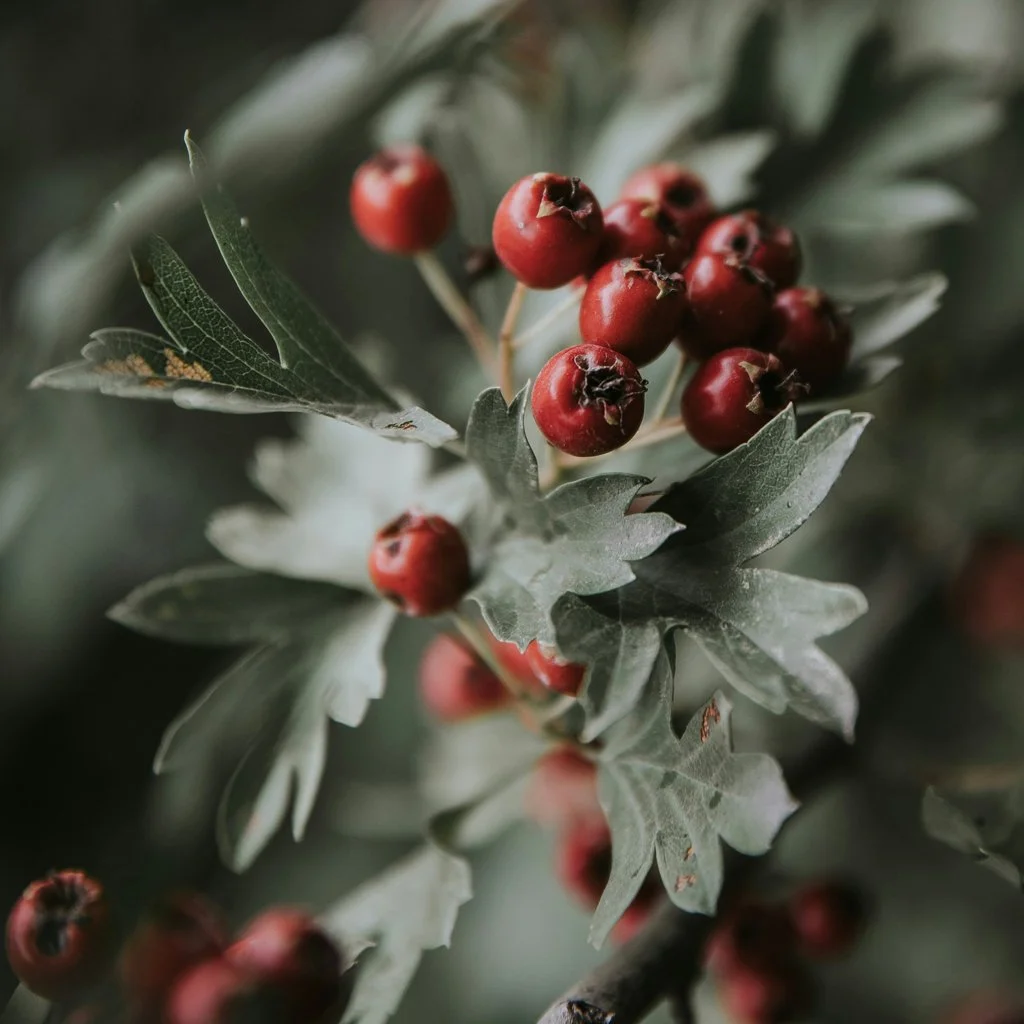
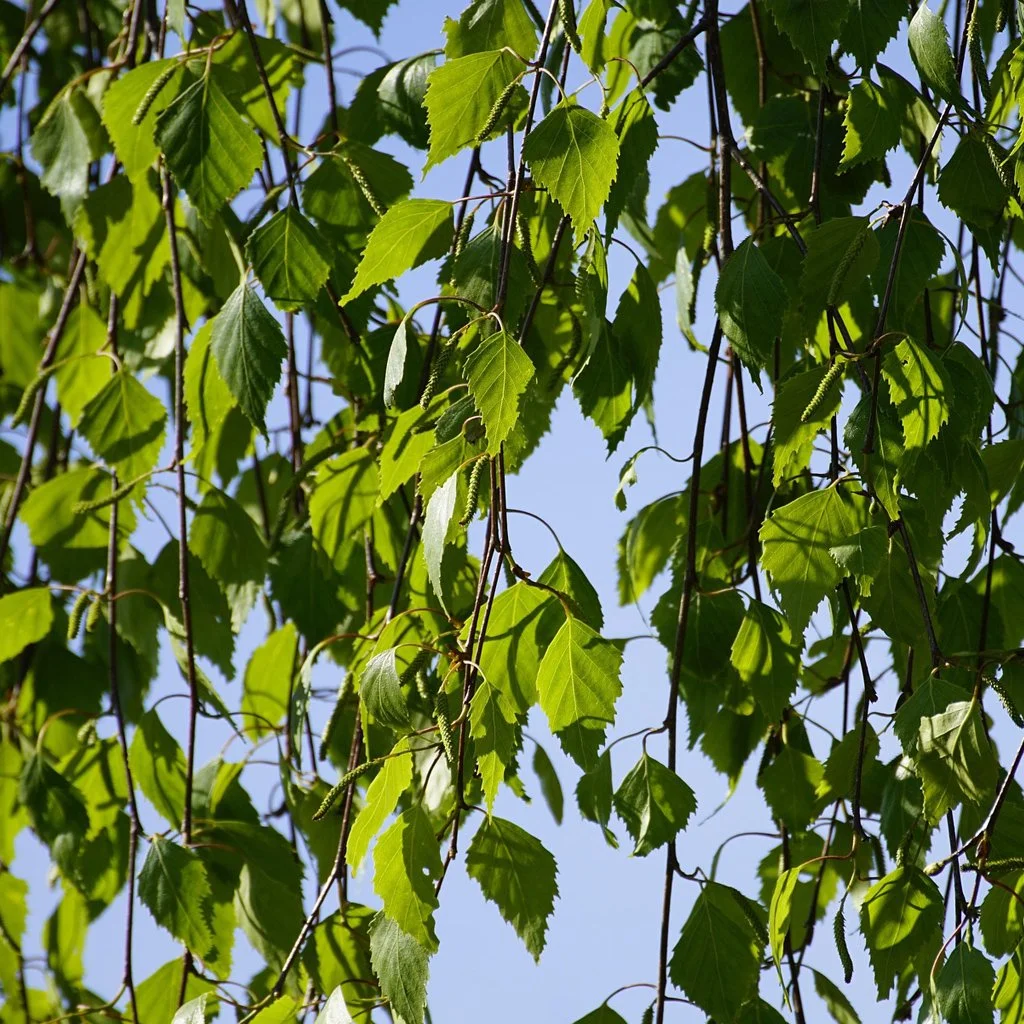
A vigorous UK-native flowering tree with fragrant white spring blossom, dark bird-friendly fruit and excellent tolerance of moisture-retentive ground.
Prunus padus, commonly known as Bird Cherry, is especially suitable for woodland edges, wildlife gardens, rural landscapes and naturalistic planting schemes.
Available in selected bare-root, feathered, standard, rootballed, container-grown, multi-stem and specimen sizes.
Tree highlights
Fragrant white spring flower racemes
Exceptional pollinator and bird value
UK-native tree
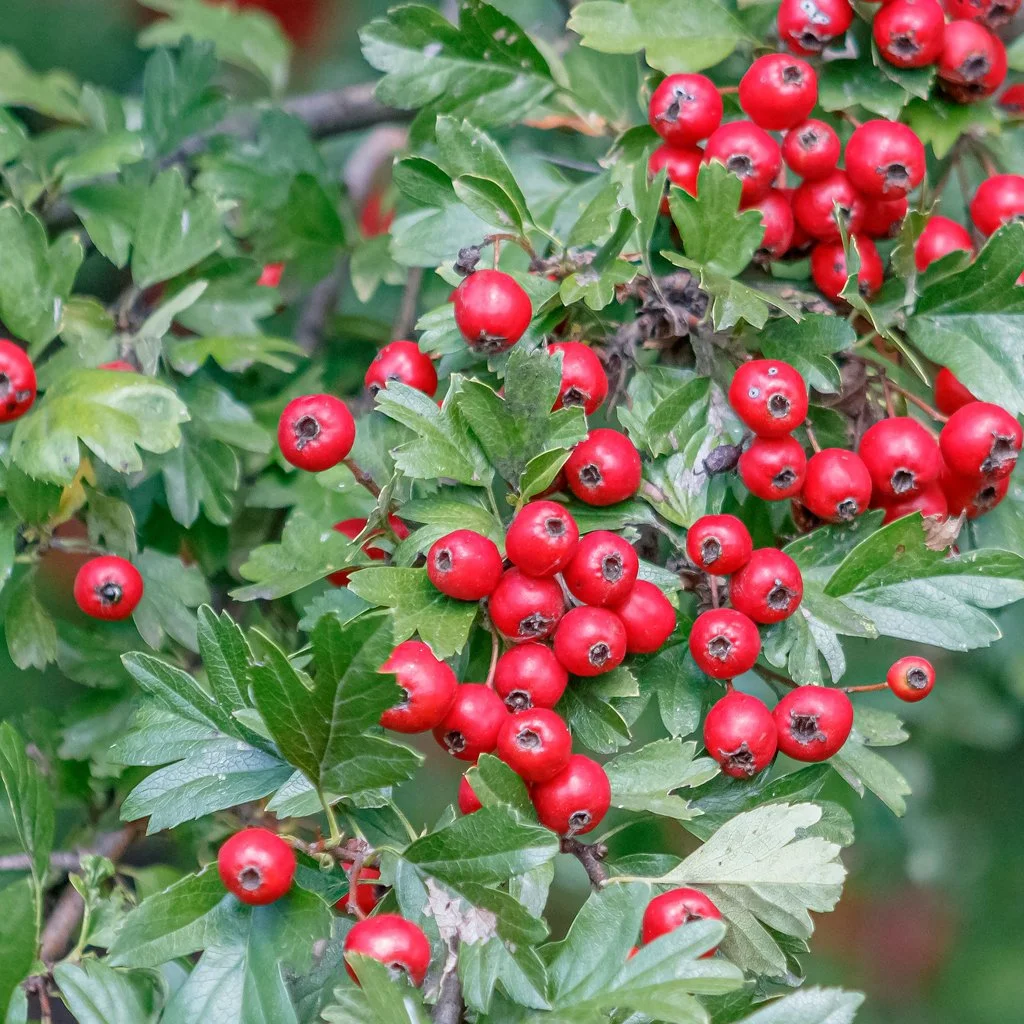
Dark ornamental fruits
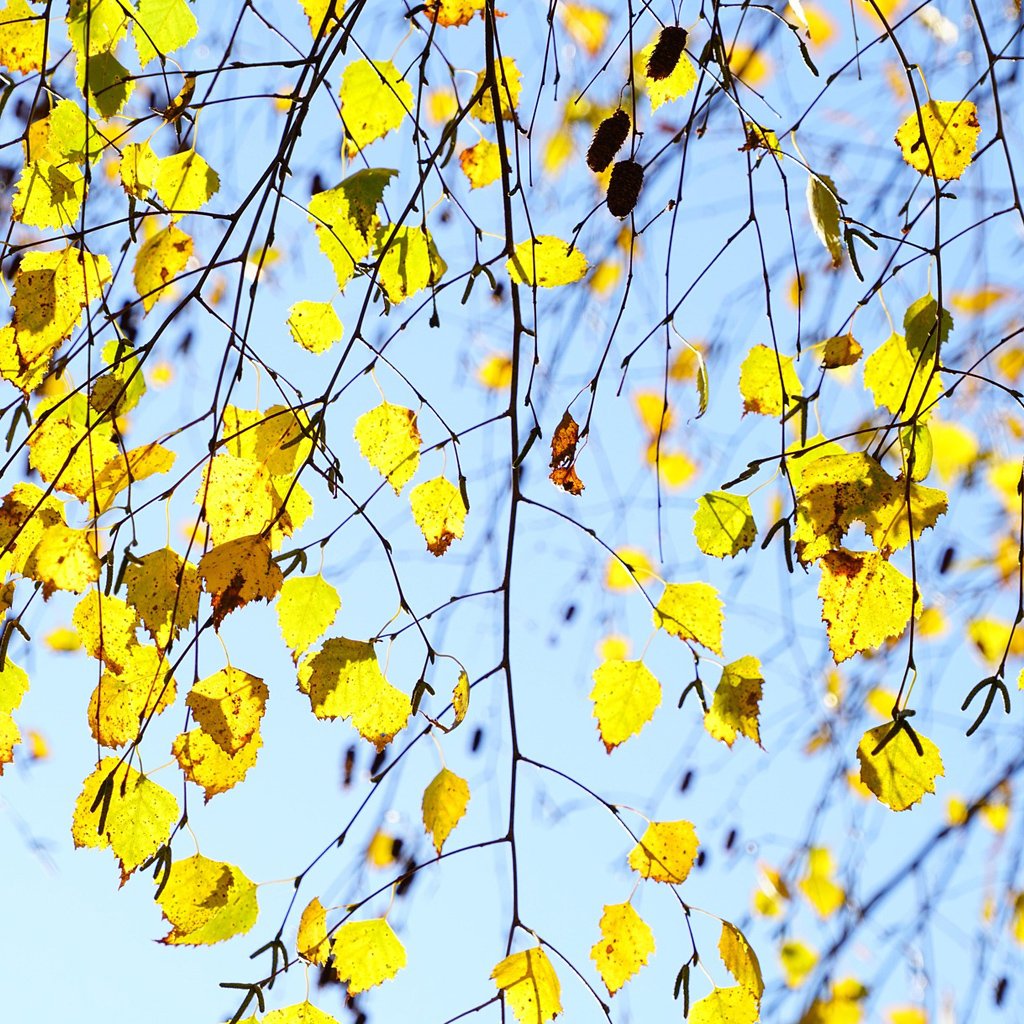
Yellow autumn foliage
Vigorous growth
Suitable for full sun or partial shade
Tolerant of suitable clay and damp ground
Fully hardy
Excellent naturalistic landscape character
Tree information
Detail / Feature
Botanical name: Prunus padus
Common name: Bird Cherry or European Bird Cherry
Plant type: Deciduous native flowering tree
Mature height: Approximately 8–15 metres
Mature spread: Approximately 4–8 metres
Growth rate: Fast to moderate
Annual growth: Approximately 40–60cm
Crown form: Upright, becoming rounded
Flower colour: White
Flowering season: Mid to late spring
Fruit colour: Red, ripening to black
Autumn foliage: Yellow
Preferred position: Full sun or partial shade
Soil requirements: Fertile and moisture-retentive
Clay suitability: Excellent where drainage is adequate
Hardiness: Fully hardy
Wildlife value: Exceptional
Maintenance: Low to moderate
Is Bird Cherry the right tree for you?
Choose Bird Cherry if you want:
A native flowering tree
Fragrant white spring blossom
Excellent wildlife value
A tree for moisture-retentive ground
A naturalistic woodland-edge tree
Strong growth and relatively quick establishment
Dark fruits for garden birds
A medium-sized specimen for a large lawn or landscape
It may not be suitable if:
Your garden is very small
You need evergreen screening
Fruit will fall over pale paving
A formal, tightly controlled crown is required
Animals may consume foliage or prunings
The site is exceptionally dry
There is insufficient room for a 4–8 metre crown
Choosing your tree size
Bare-root and young feathered trees offer the most economical option and generally establish quickly. Their roots must be protected from drying before planting.
Standards and heavy standards offer a useful balance between immediate height and manageable installation.
Multi-stem and semi-mature specimens provide greater initial impact but require suitable access, lifting, anchoring and dependable irrigation.
Read our specimen tree sizes explained and mature trees versus younger trees guides before ordering.
Planting position
Plant in full sun for the strongest flower display. Partial shade is also suitable, especially in woodland-edge or naturalistic planting.
Allow for a mature height of approximately 8–15 metres and a crown around 4–8 metres wide.
Avoid planting directly over services or beside pale paving where dark fruit fall would be problematic.
Soil and moisture requirements
Bird Cherry prefers fertile, moisture-retentive soil and performs well on suitable clay.
It tolerates seasonally damp ground but should not be planted in a permanently stagnant or severely compacted hole.
Its moisture tolerance makes it a useful flowering tree for sites where some ornamental cherries may struggle.
Planting and establishment
Successful establishment depends on:
Keeping the root flare at soil level
Broad soil preparation
Suitable staking or anchoring
Thorough watering after planting
Regular watering during dry weather
Mulching without covering the trunk
Protecting young trees from browsing
Regular inspection of ties and supports
Use our tree planting and establishment guide when planning the work.
Larger trees may need specialist lifting equipment. See our specimen-tree delivery and planting information.
Pruning requirements
Bird Cherry requires relatively little pruning once a sound framework has formed.
Remove damaged, crossing, congested or weakly attached branches when necessary. Pruning should preferably be completed during dry summer weather after flowering to reduce the risks of silver leaf and bacterial canker.
Avoid heavy winter pruning and unnecessary large wounds.
Our RHS pruning group 1 guide provides additional formative-pruning information.
Wildlife benefits
The white spring flowers provide accessible pollen and nectar. The foliage supports invertebrates and the dark fruits are readily eaten by birds.
The crown can also provide nesting, shelter and valuable connectivity between garden and countryside habitats.
Fruit and practical considerations
Dark fruit may stain pale paving, outdoor furniture and vehicles. Crushed fruit can also create a slippery surface.
Avoid placing Bird Cherry immediately beside pale porcelain paving, patios, seating areas or parking spaces.
Toxicity information
Seeds, leaves and other plant material contain cyanogenic compounds.
Do not encourage consumption of the fruit or stones. Prevent pets, horses and livestock from eating significant amounts of foliage or prunings and obtain appropriate professional advice where the tree will be planted on grazing land.
When we wouldn’t recommend it
We would not normally recommend Bird Cherry for very small gardens, extremely dry sites, formal planting requiring a tightly controlled crown or locations where dark fruit fall would be unacceptable.
Alder may be more appropriate for persistently wetter ground, while a compact ornamental cherry may suit a restricted domestic garden.
Our recommendation
We recommend Prunus padus for medium and large gardens, native landscapes, woodland edges and wildlife schemes.
Its fragrant white blossom, vigorous growth, moisture tolerance and outstanding ecological value make it particularly well suited to naturalistic projects across North West England.
Contact Landscaping Emporium for current availability, prices, size options, delivery requirements and professional planting guidance.Planting and establishment
Successful establishment depends on:
Keeping the root flare at soil level
Broad soil preparation
Suitable staking or anchoring
Thorough watering after planting
Regular watering during dry weather
Mulching without covering the trunk
Protecting young trees from browsing
Regular inspection of ties and supports
Use our tree planting and establishment guide when planning the work.
Larger trees may need specialist lifting equipment. See our specimen-tree delivery and planting information.
Pruning requirements
Bird Cherry requires relatively little pruning once a sound framework has formed.
Remove damaged, crossing, congested or weakly attached branches when necessary. Pruning should preferably be completed during dry summer weather after flowering to reduce the risks of silver leaf and bacterial canker.
Avoid heavy winter pruning and unnecessary large wounds.
Our RHS pruning group 1 guide provides additional formative-pruning information.
Wildlife benefits
The white spring flowers provide accessible pollen and nectar. The foliage supports invertebrates and the dark fruits are readily eaten by birds.
The crown can also provide nesting, shelter and valuable connectivity between garden and countryside habitats.
Fruit and practical considerations
Dark fruit may stain pale paving, outdoor furniture and vehicles. Crushed fruit can also create a slippery surface.
Avoid placing Bird Cherry immediately beside pale porcelain paving, patios, seating areas or parking spaces.
Toxicity information
Seeds, leaves and other plant material contain cyanogenic compounds.
Do not encourage consumption of the fruit or stones. Prevent pets, horses and livestock from eating significant amounts of foliage or prunings and obtain appropriate professional advice where the tree will be planted on grazing land.
When we wouldn’t recommend it
We would not normally recommend Bird Cherry for very small gardens, extremely dry sites, formal planting requiring a tightly controlled crown or locations where dark fruit fall would be unacceptable.
Alder may be more appropriate for persistently wetter ground, while a compact ornamental cherry may suit a restricted domestic garden.
Our recommendation
We recommend Prunus padus for medium and large gardens, native landscapes, woodland edges and wildlife schemes.
Its fragrant white blossom, vigorous growth, moisture tolerance and outstanding ecological value make it particularly well suited to naturalistic projects across North West England.
Contact Landscaping Emporium for current availability, prices, size options, delivery requirements and professional planting guidance.
Delivery and Professional Planting
We can install specimen trees at any of the in following postcodes;
BB, BL, CH1 - CH5, CW8, CW9, FY, L, LA1 - LA6, M, OL, PR, SK1 - SK12, WA, & WN.
Please do not purchase if you want the hedging installed outside this area. If you do live outside the area, then please give us a call on 01942 604976 and we can see if it’s possible to do this.
For more information on the tree see the tree specification below. For more information about delivery, access and planting, see the guide below or click here.
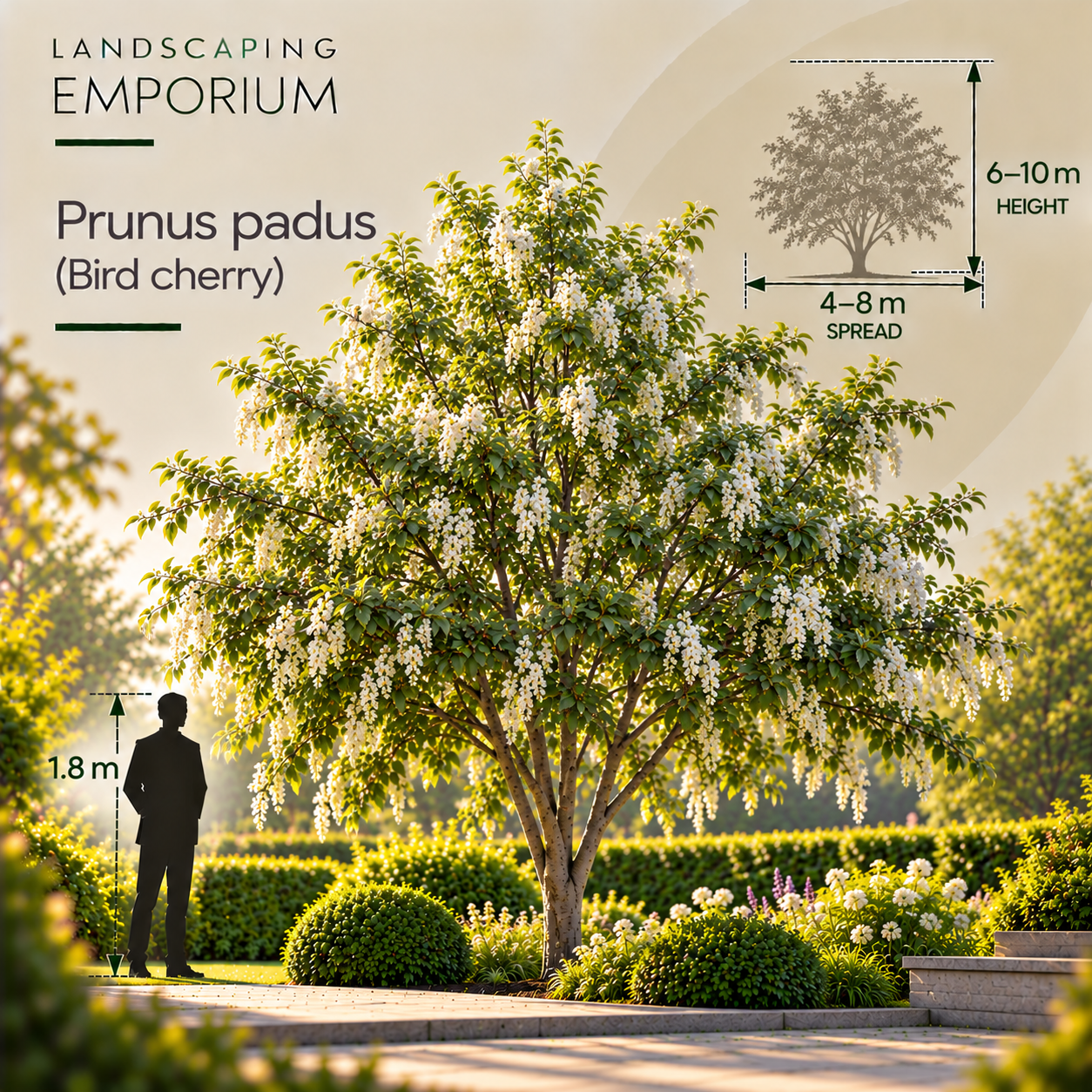 Image 1 of 11
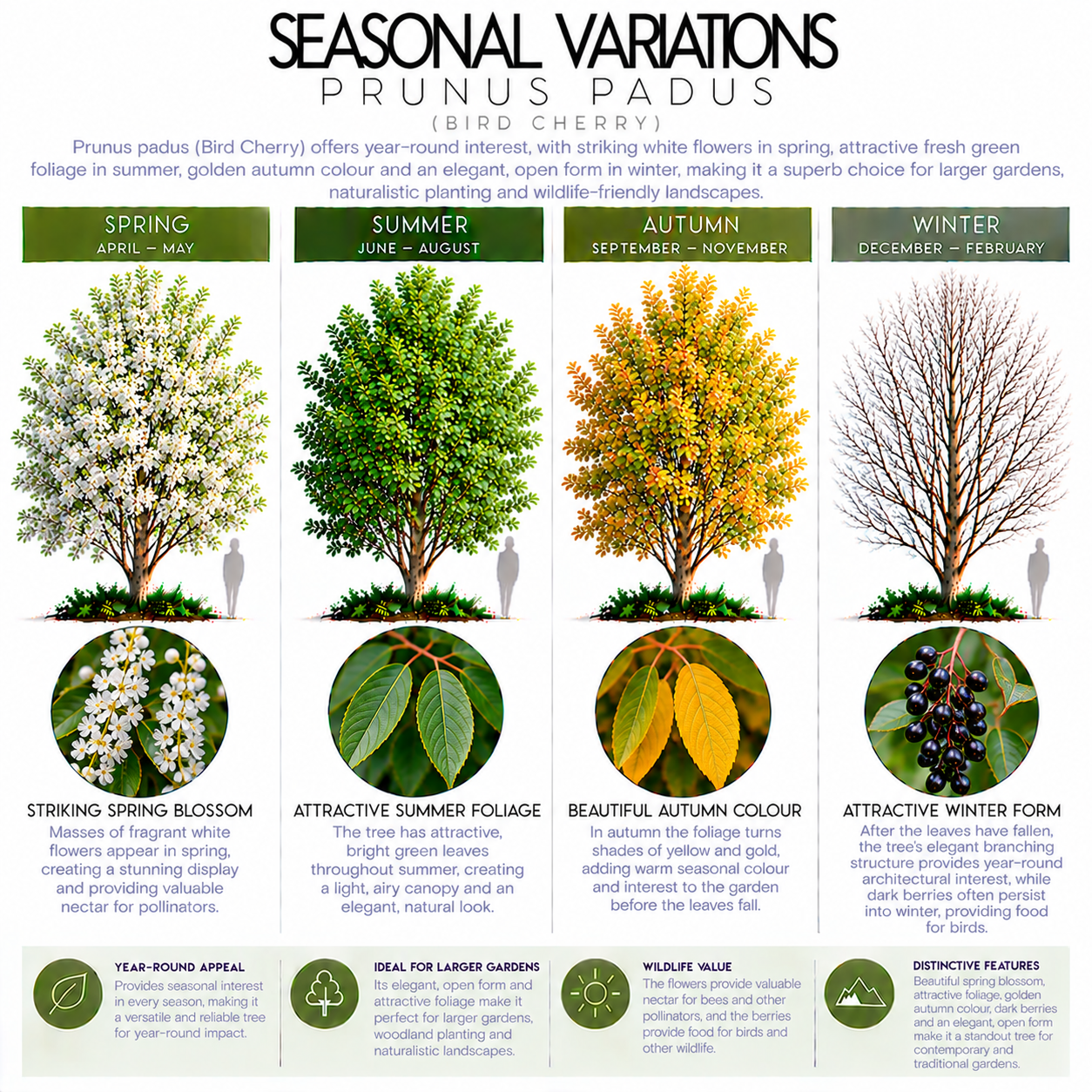 Image 2 of 11
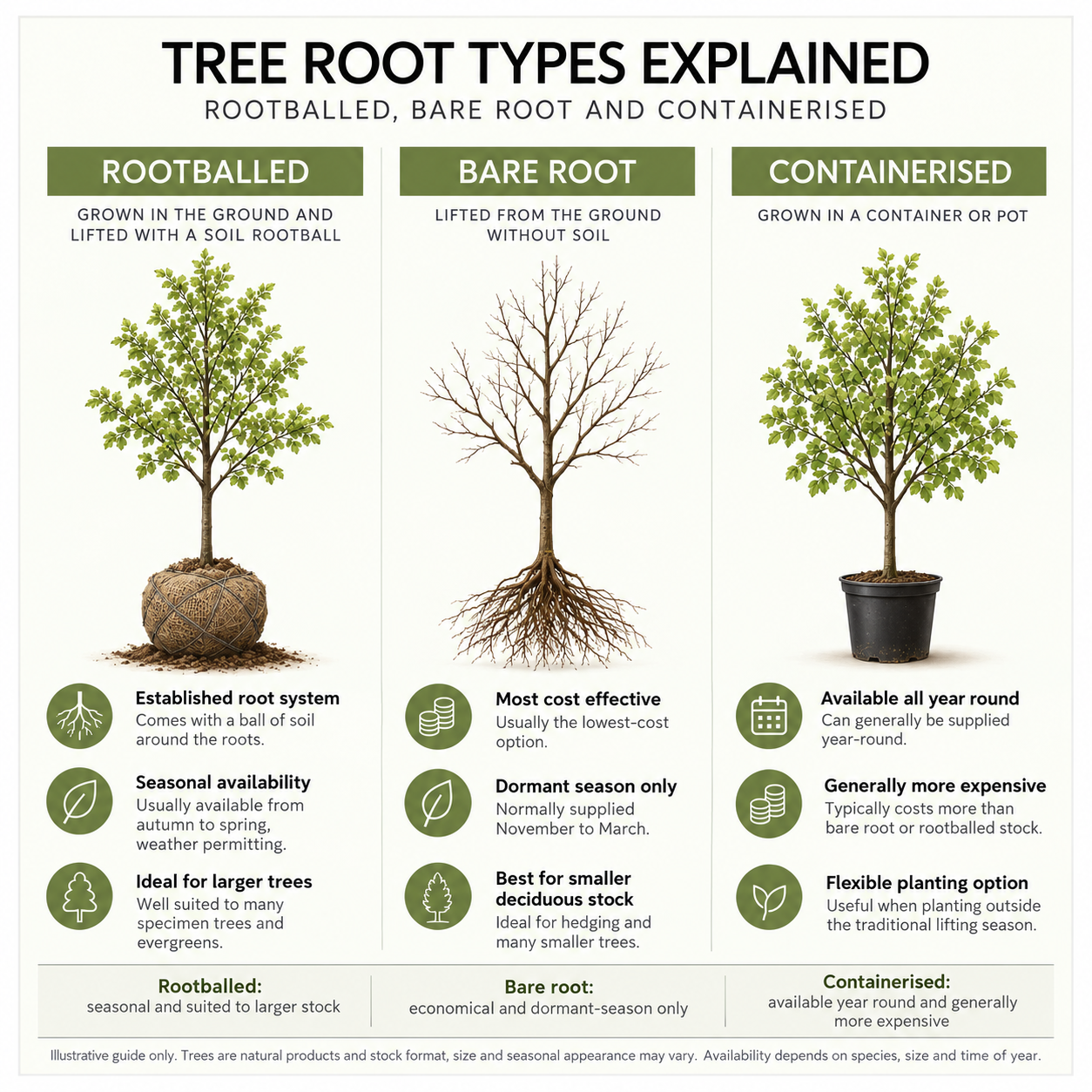 Image 3 of 11
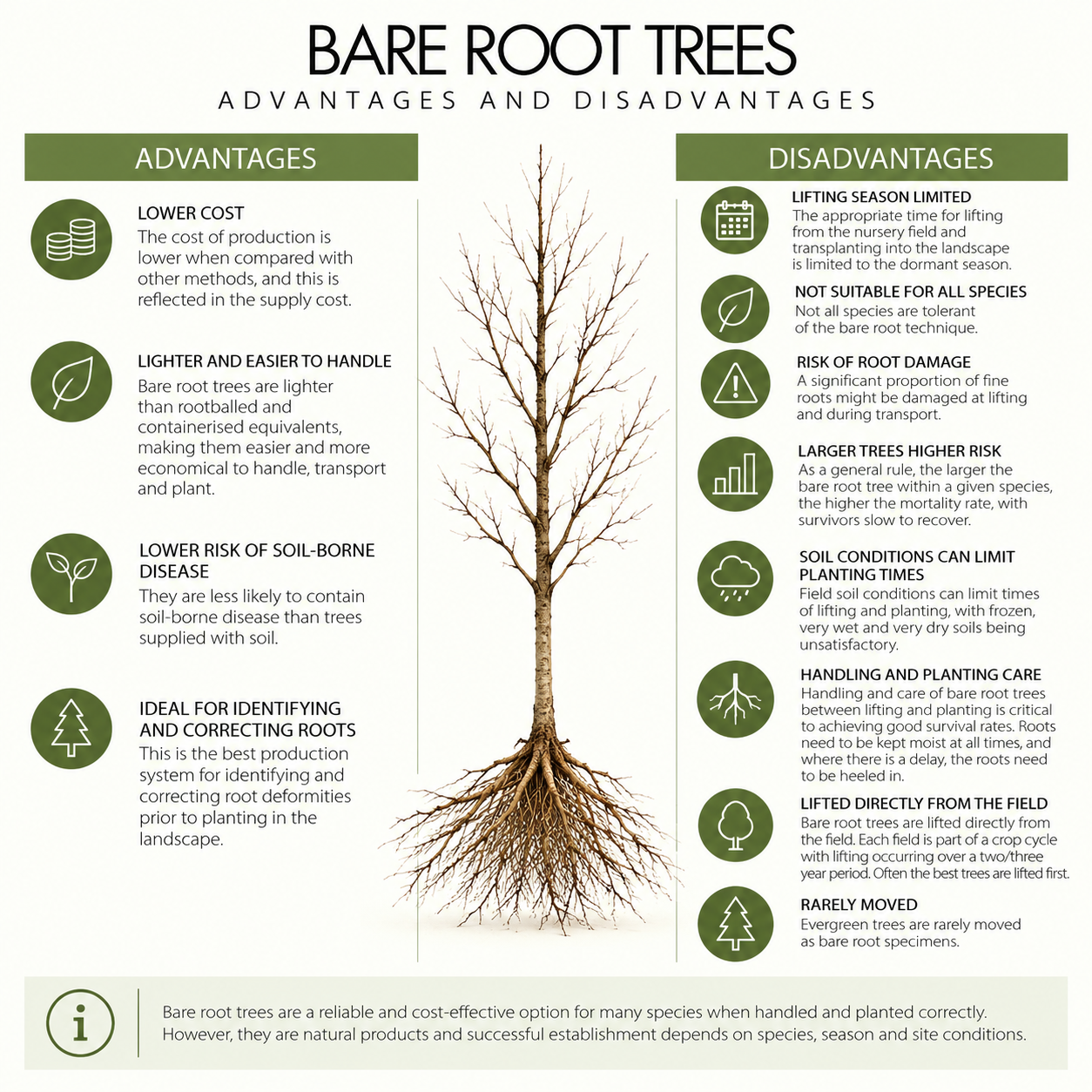 Image 4 of 11
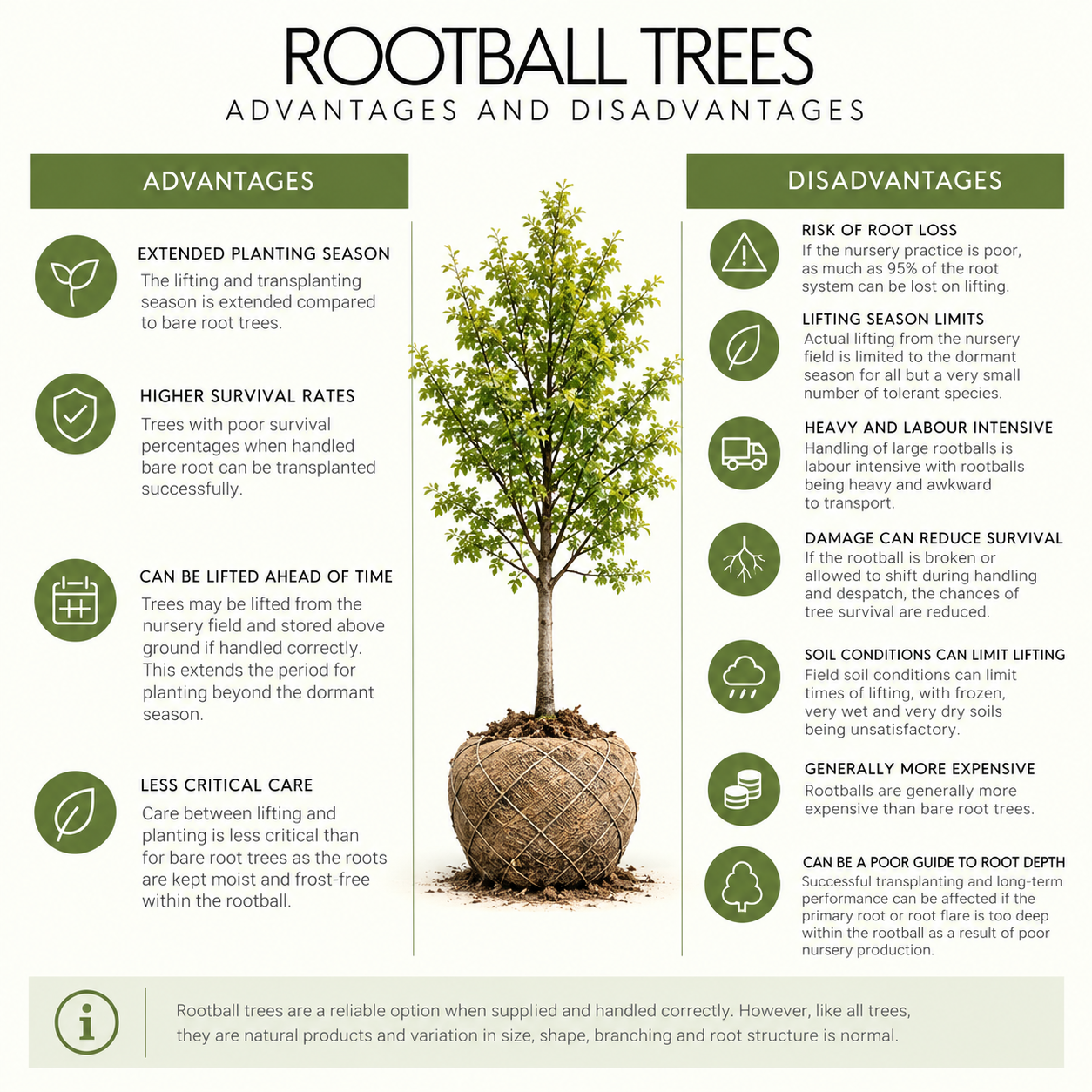 Image 5 of 11
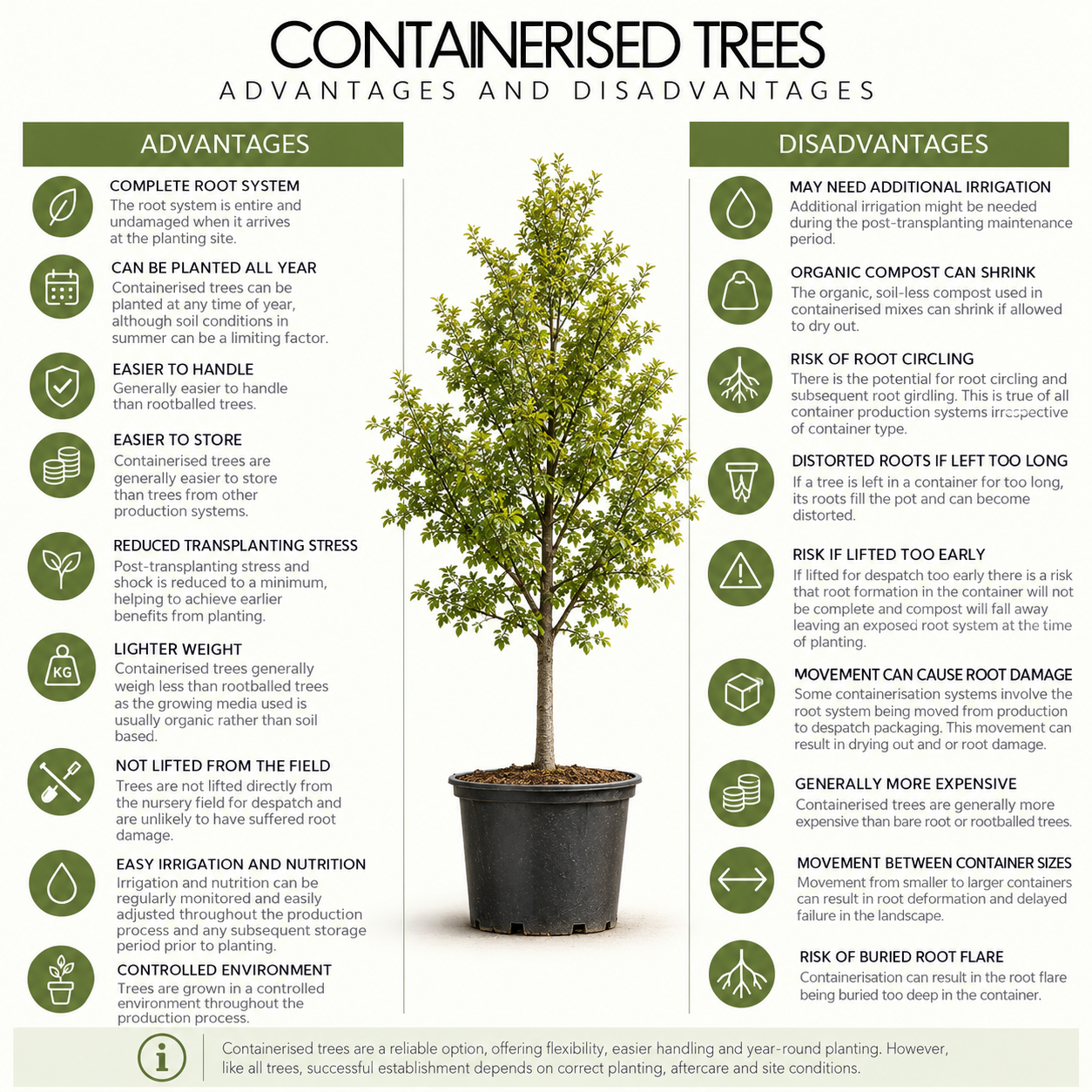 Image 6 of 11
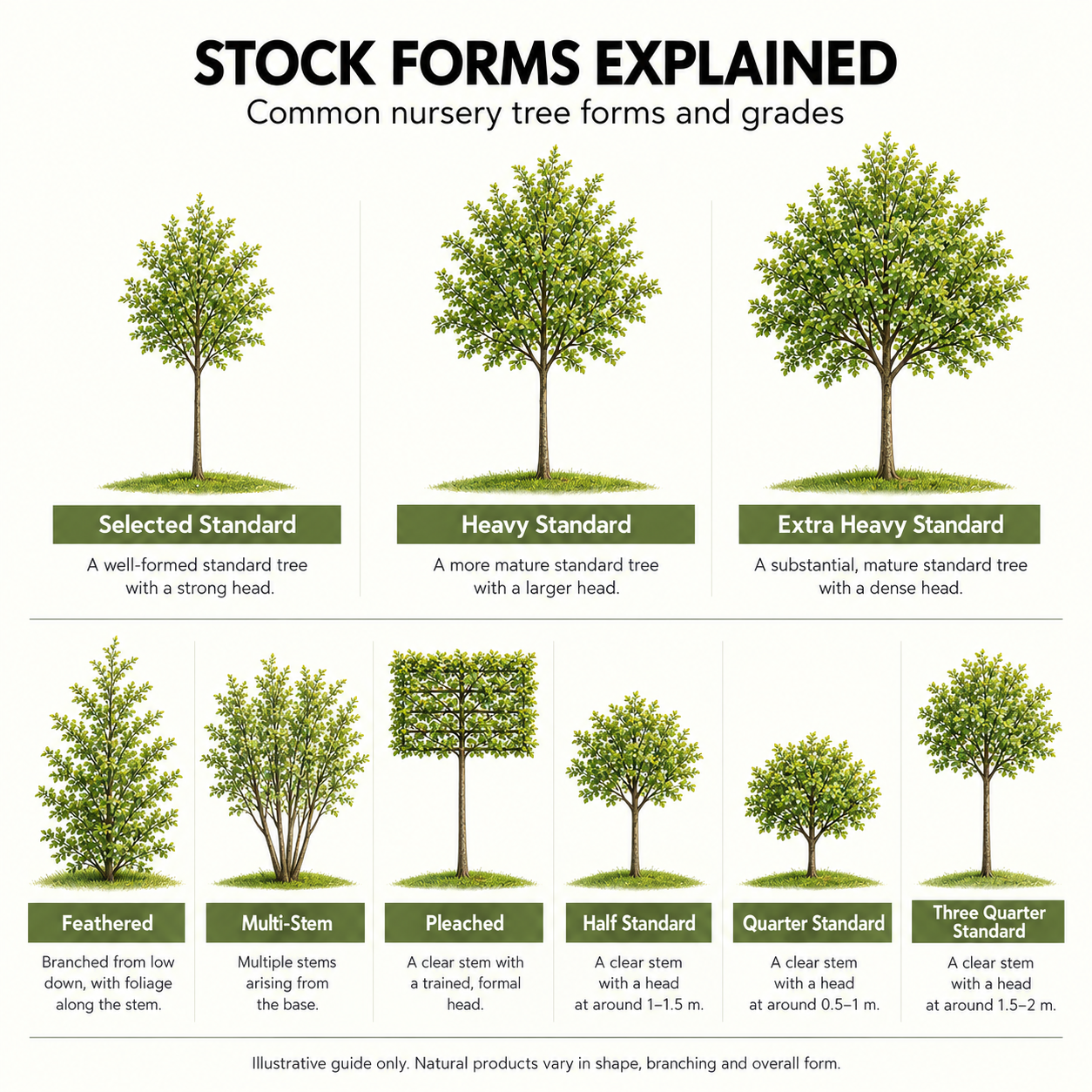 Image 7 of 11
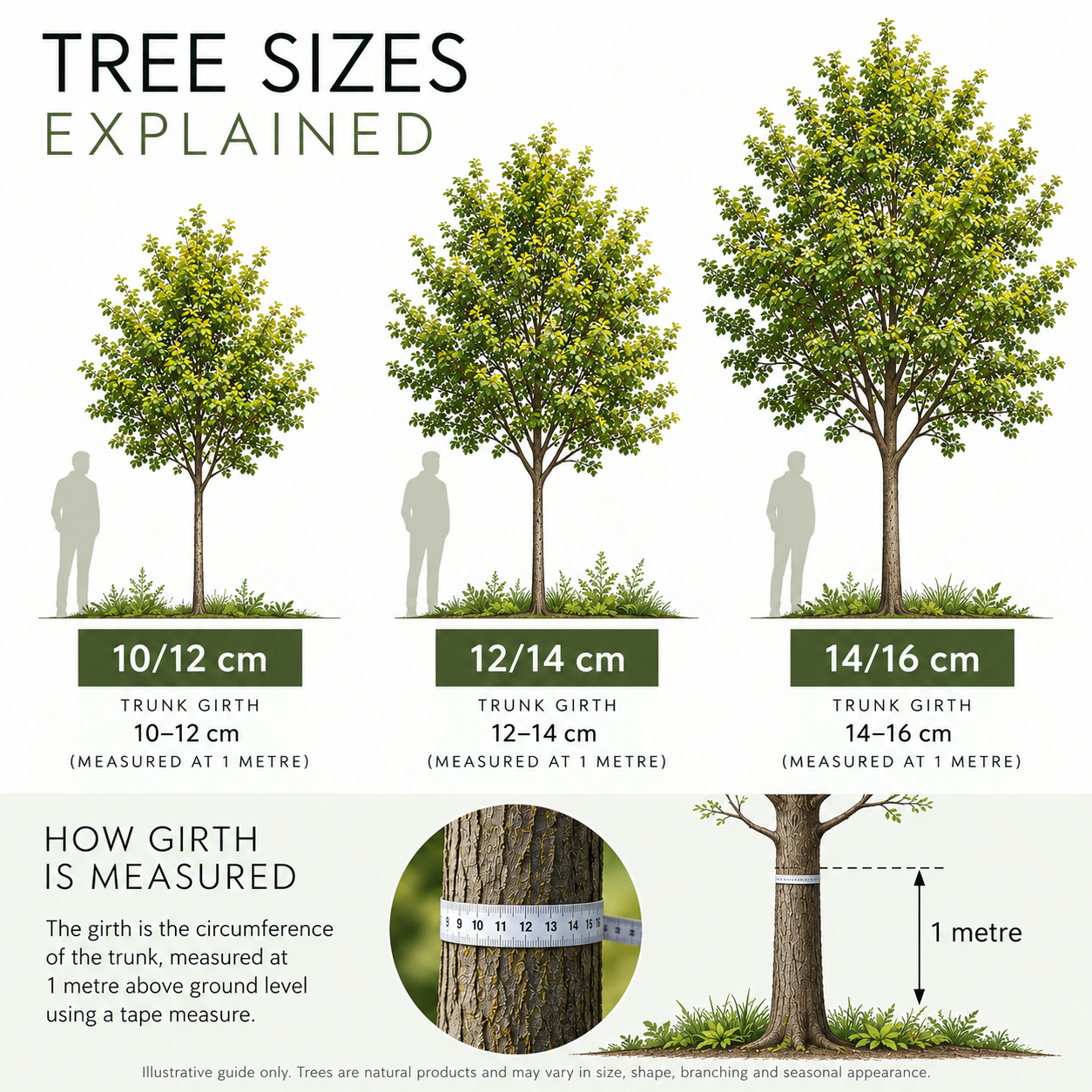 Image 8 of 11
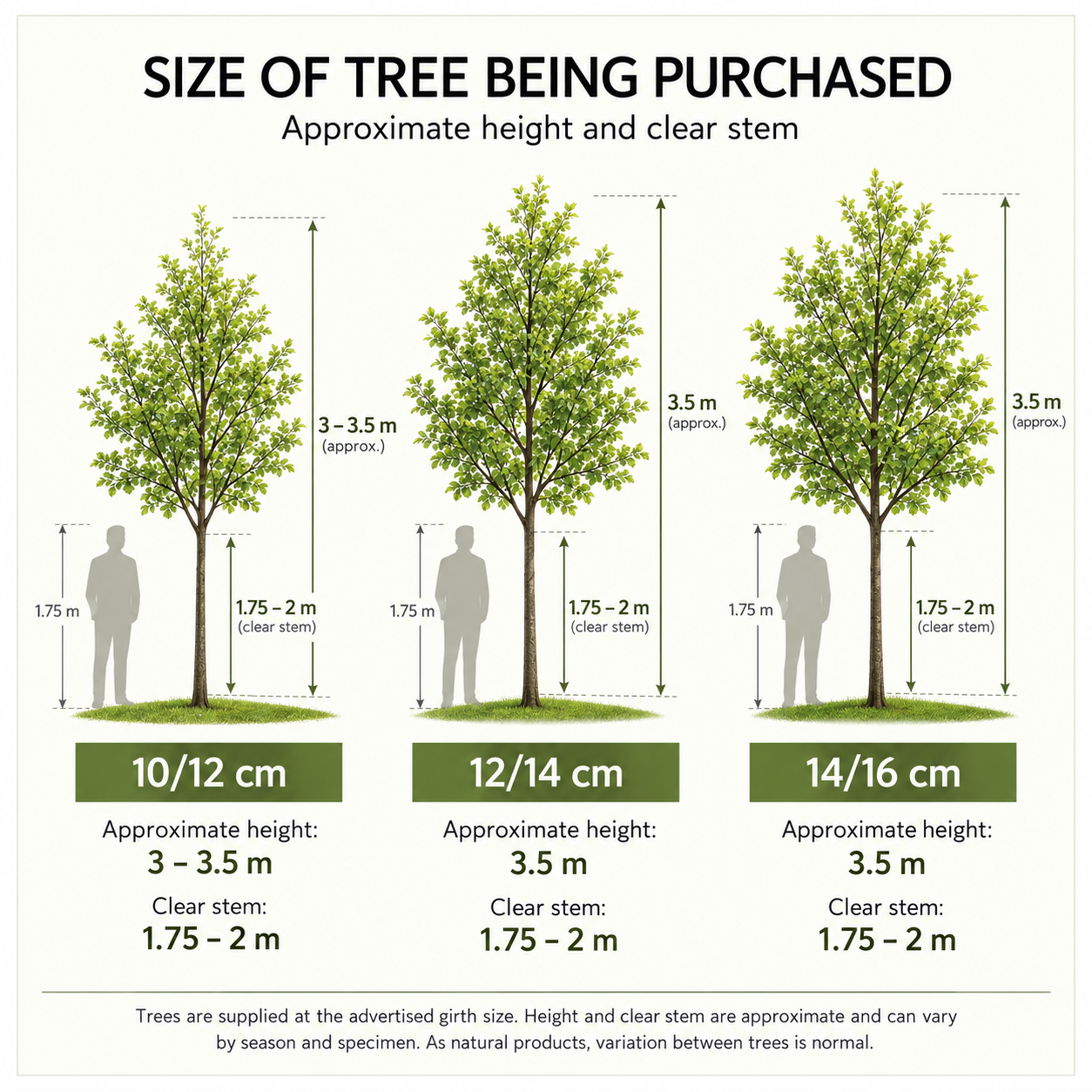 Image 9 of 11
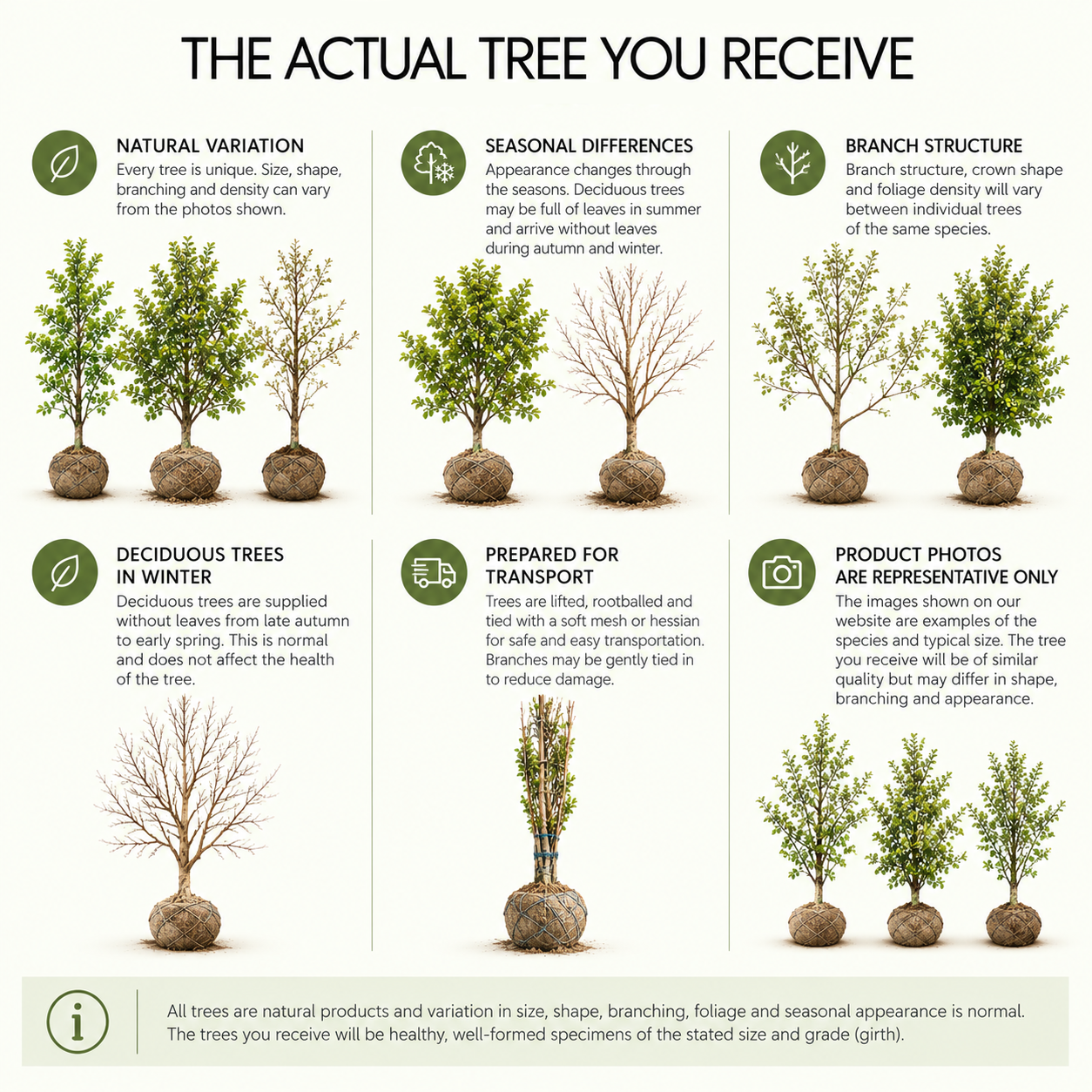 Image 10 of 11
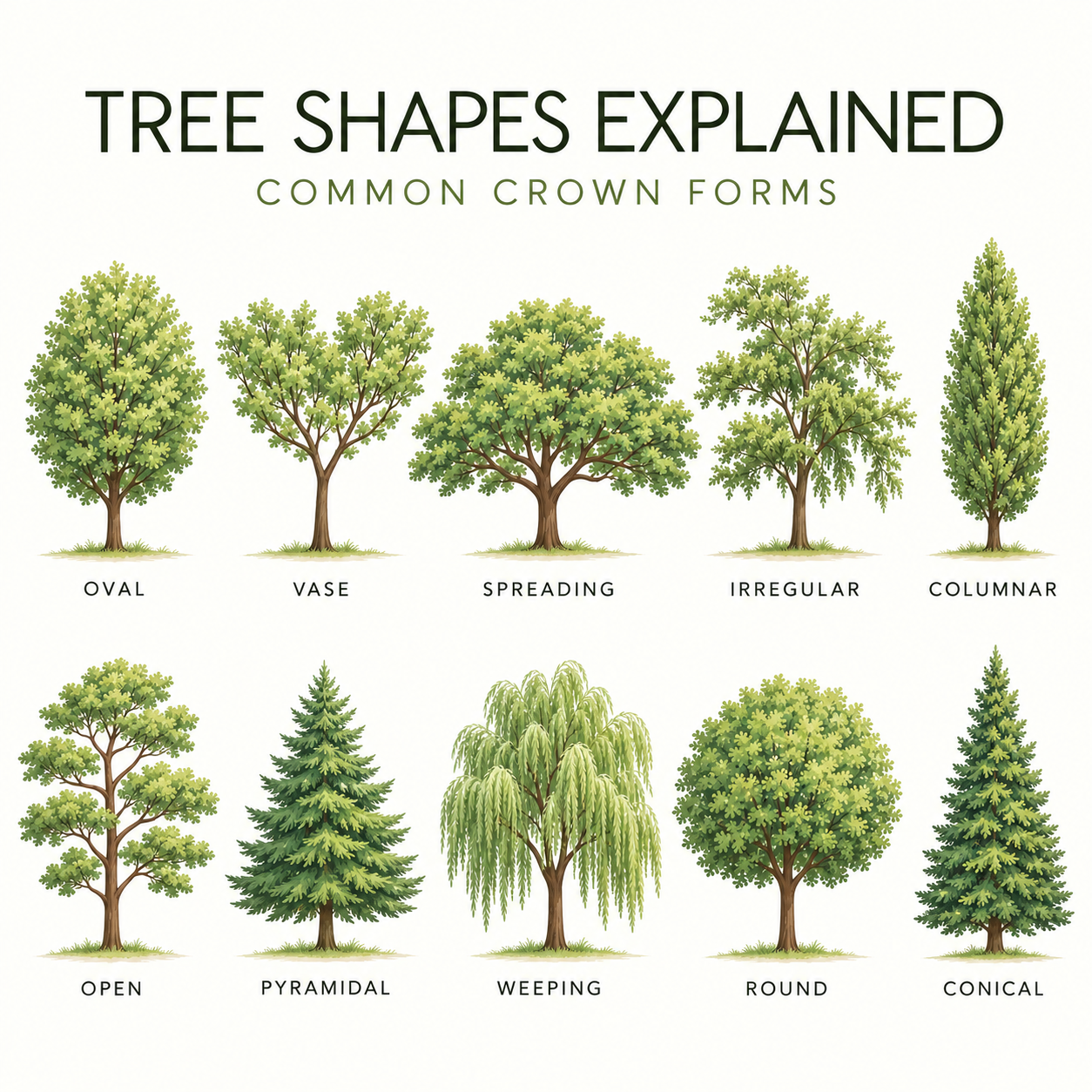 Image 11 of 11