A magnificent, long-lived native tree for large gardens, estates, parkland and biodiversity planting.
Quercus robur, commonly known as English oak or pedunculate oak, develops a broad, characterful crown with deeply lobed leaves, autumn acorns and outstanding wildlife value.
Available in selected feathered, standard, heavy-standard, rootballed, container-grown and semi-mature sizes.
Tree highlights
Iconic UK-native tree
Exceptional biodiversity value
Broad, spreading mature crown
Characterful branches and deeply fissured bark
Green lobed foliage
Acorns carried on long stalks
Suitable for several soils, including clay
Fully hardy
Excellent parkland and estate specimen
Potential lifespan measured in centuries
Tree information
Feature / Detail
Botanical name: Quercus robur
Common name: English Oak or Pedunculate Oak
Plant type: Large deciduous native tree
Mature height: Approximately 20–30 metres
Mature spread: Approximately 15–25 metres
Growth rate: Moderate when young
Annual growth: Approximately 30–60cm when established
Crown form: Broad, spreading and irregular
Leaf: Deeply lobed green foliage
Fruit: Acorns on long stalks
Autumn colour: Yellow-brown to warm brown
Preferred position: Full sun
Partial shade: Tolerated when young
Soil: Deep, fertile and moisture-retentive
Clay suitability: Excellent where drainage is adequate
Hardiness: Fully hardy
Wildlife value: Exceptional
Maintenance: Low, with periodic professional inspection
Is English oak the right tree for your site?
Choose English oak if you want:
A major native specimen tree
A tree for a large lawn, estate or parkland
Exceptional habitat and biodiversity value
Long-term landscape character
A tree suitable for many heavier North West soils
Strong winter structure from mature branches and bark
A commemorative or legacy tree
A native tree that becomes increasingly valuable with age
It may not be the right choice if:
Your garden is small or narrow
You need immediate evergreen screening
Buildings or services are close to the proposed position
There is insufficient room for a very large crown
Leaf and acorn fall would be problematic
Establishment watering cannot be provided
Future professional tree inspection cannot be accommodated
How much space does it need?
This is a genuinely large tree. A mature English oak can reach approximately 20–30 metres high with a crown 15–25 metres wide.
Select the position according to its eventual size rather than the dimensions of the tree at delivery.
Allow generous clearance from:
English oak should not be purchased for a restricted garden with the intention of controlling it through repeated hard pruning.
Choosing your tree size
Young feathered trees offer excellent value and can establish quickly with appropriate watering and protection.
Standards and heavy standards provide greater immediate height and a recognisable specimen-tree form.
Larger rootballed and semi-mature trees create substantial immediate impact but require appropriate vehicle access, mechanical lifting, anchoring and planned irrigation.
Read our specimen tree sizes explained and mature trees versus younger trees guides before ordering.
Planting requirements
English oak performs best in full sun and deep, fertile, moisture-retentive soil.
Clay is often highly suitable, but the planting area should not act as a water-filled sump. Severe compaction must be relieved across a broad area before planting.
The root flare must remain at finished ground level. Appropriate staking or underground anchoring should secure the rootball without unnecessarily restricting the stem.
Follow our tree planting and establishment guide for preparation, planting depth, support, mulching and watering guidance.
Establishment and watering
Water thoroughly immediately after planting and continue during dry periods while the root system establishes.
The larger the supplied tree, the greater its initial watering requirement. Semi-mature trees require a structured irrigation and inspection programme.
Mulch can help conserve soil moisture, but it must be kept clear of the trunk and root flare.
Pruning and maintenance
Maintenance requirements are relatively low once the tree has formed a sound framework.
Young trees should be inspected for damaged, crossing or weakly attached branches. Mature trees should normally be pruned only for safety, clearance or structural reasons.
Large English oaks require periodic inspection by a suitably qualified arborist.
See our RHS pruning group 1 guide before carrying out routine pruning.
Wildlife value
English oak is one of the most valuable native trees for wildlife.
Its leaves, bark, branches, acorns, cavities and associated deadwood can support complex ecosystems. Birds and mammals use the acorns as food, while the mature crown provides nesting and shelter.
Its wildlife value increases substantially as the tree ages.
Acorns and livestock
Acorns and oak foliage contain tannins and can be harmful when consumed in significant quantities, particularly by certain livestock.
Obtain veterinary or agricultural guidance before planting where horses, cattle or other grazing animals may have unrestricted access to fallen acorns or foliage.
Acorns, leaves and twigs may also require regular clearance from paths and heavily used surfaces.
When we wouldn’t recommend it
We would not normally recommend English oak for small gardens, highly restricted sites, positions close to buildings or locations beneath overhead services.
It is also unsuitable where evergreen screening, rapid privacy or a low-litter tree is required.
For restricted domestic gardens, a smaller ornamental species will usually provide a more sustainable long-term solution.
Our recommendation
We recommend Quercus robur for substantial gardens, estates, parkland and ecological projects where it can develop safely into a mature native tree.
Given sufficient space and appropriate establishment care, English oak becomes an irreplaceable landscape feature with exceptional wildlife, cultural and legacy value.
Contact Landscaping Emporium for current prices, available sizes, delivery access requirements and professional planting guidance.
For larger specimens, see our specimen-tree delivery and planting information.
Delivery an Professional Planting
We can install specimen trees at any of the in following postcodes;
BB, BL, CH1 - CH5, CW8, CW9, FY, L, LA1 - LA6, M, OL, PR, SK1 - SK12, WA, & WN.
Please do not purchase if you want the hedging installed outside this area. If you do live outside the area, then please give us a call on 01942 604976 and we can see if it’s possible to do this.
For more information on the tree see the tree specification below. For more information about delivery, access and planting, see the guide below or click here.

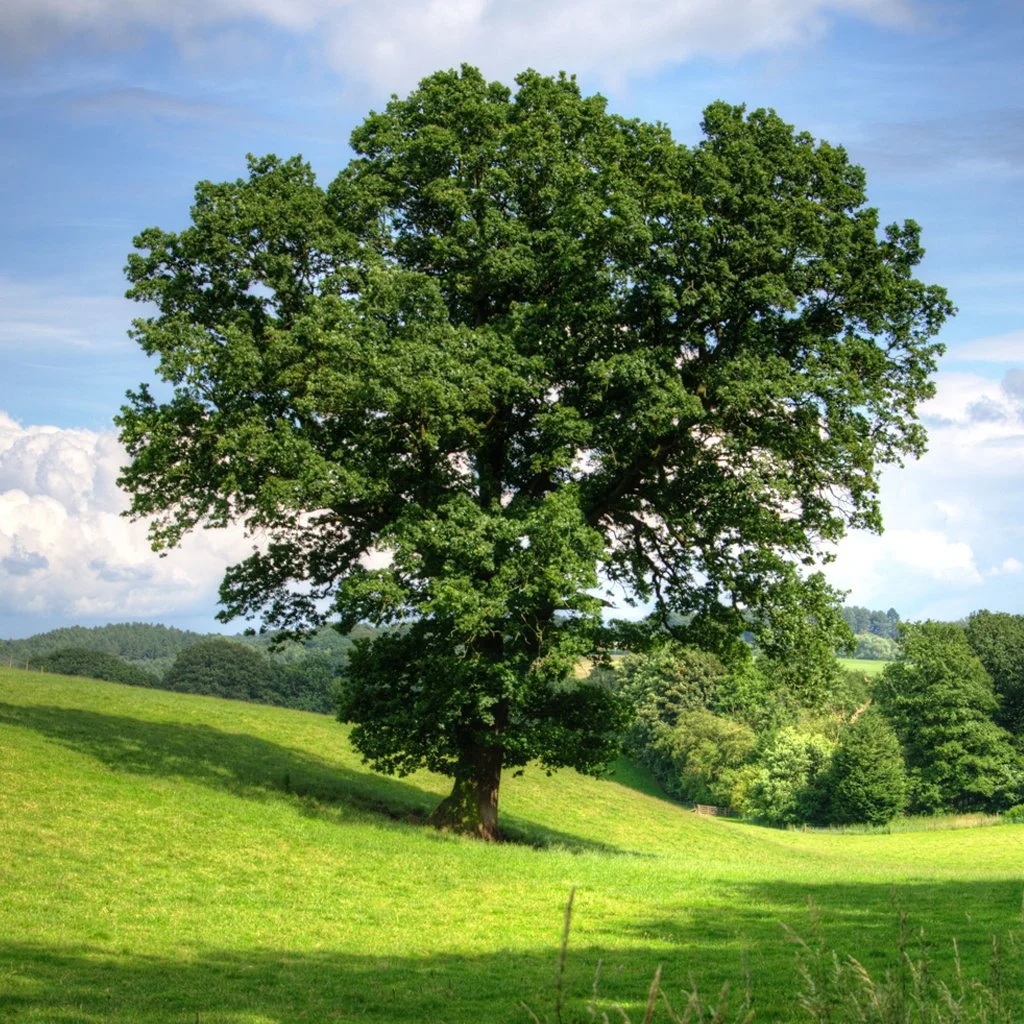 Image 1 of 22
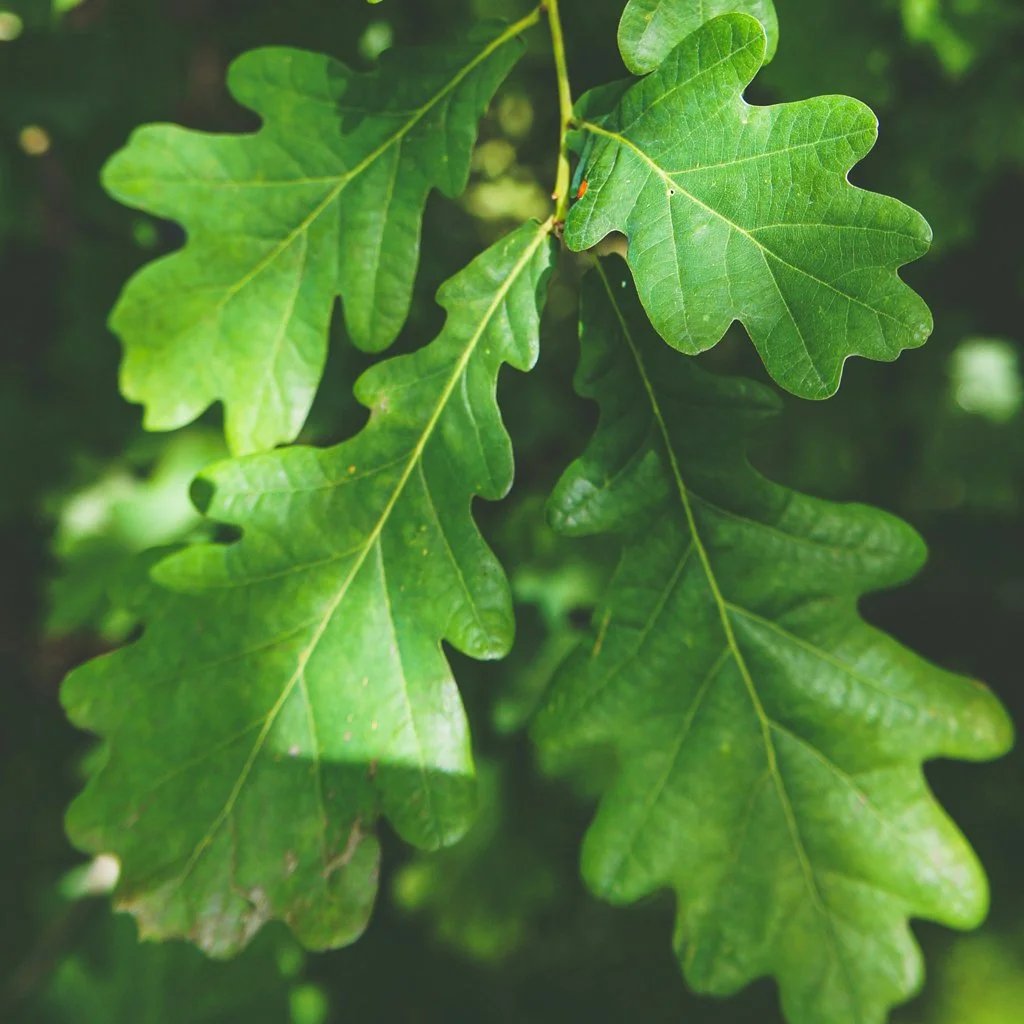 Image 2 of 22
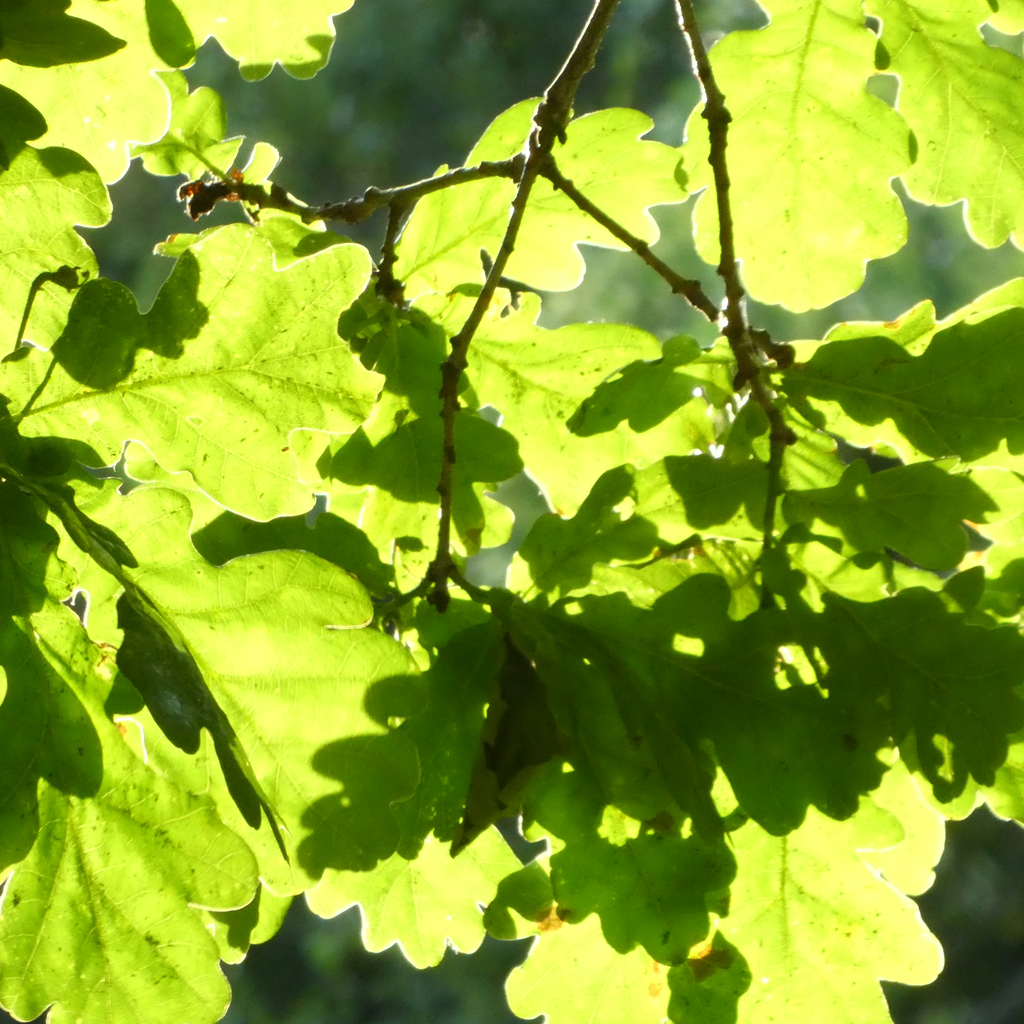 Image 3 of 22
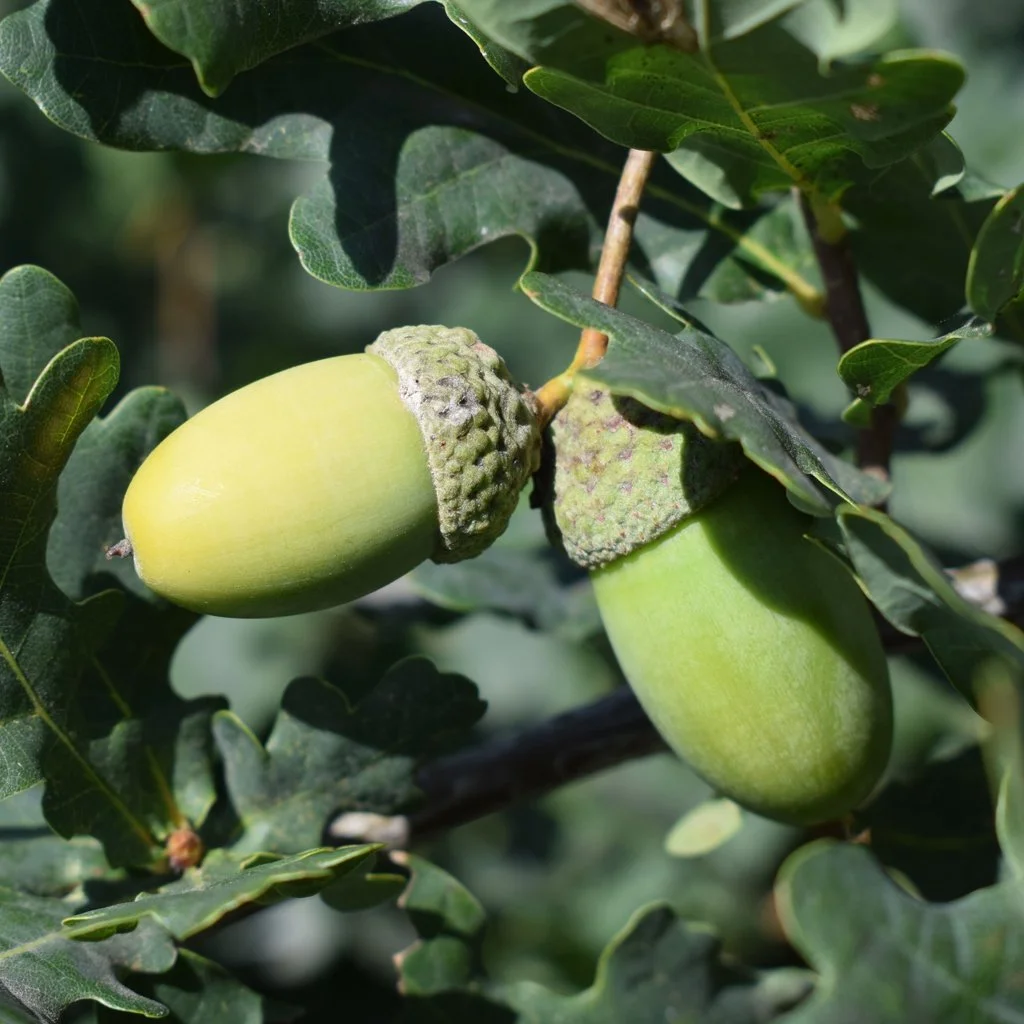 Image 4 of 22
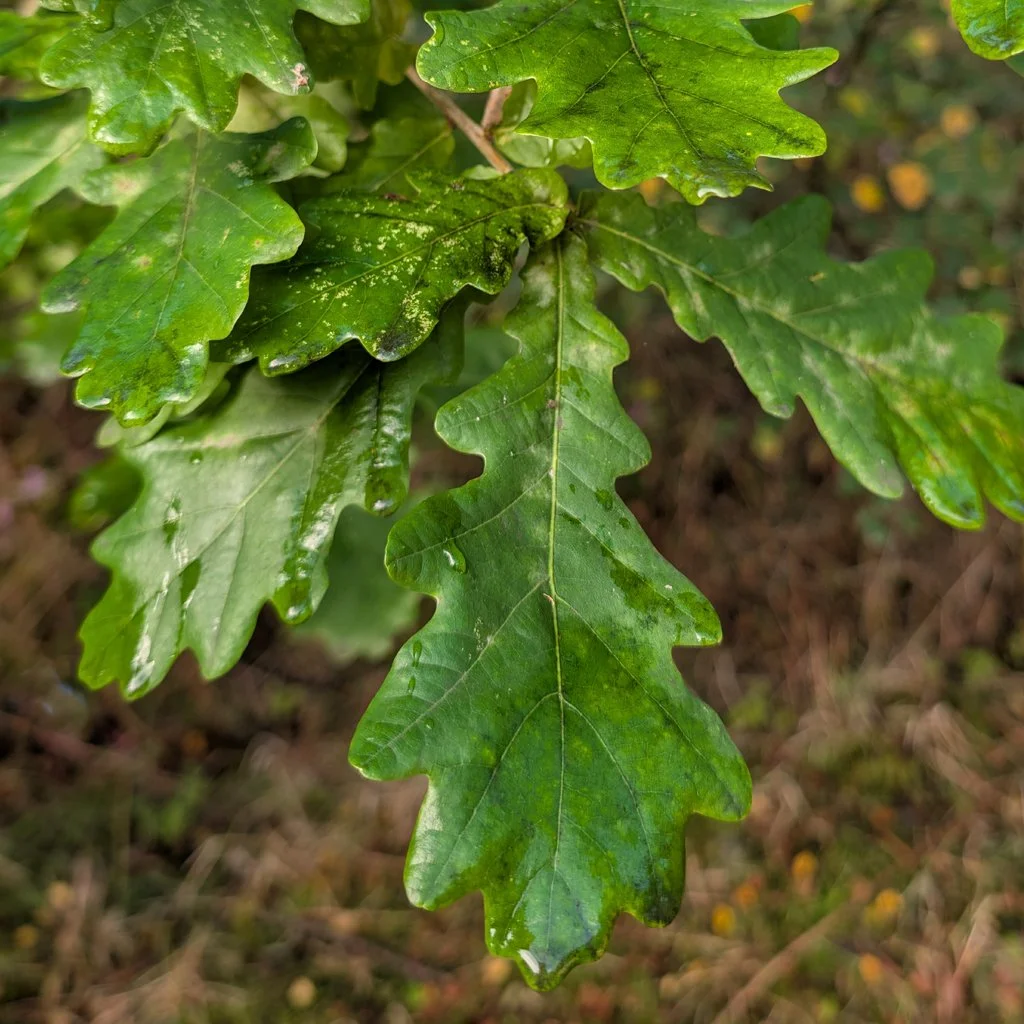 Image 5 of 22
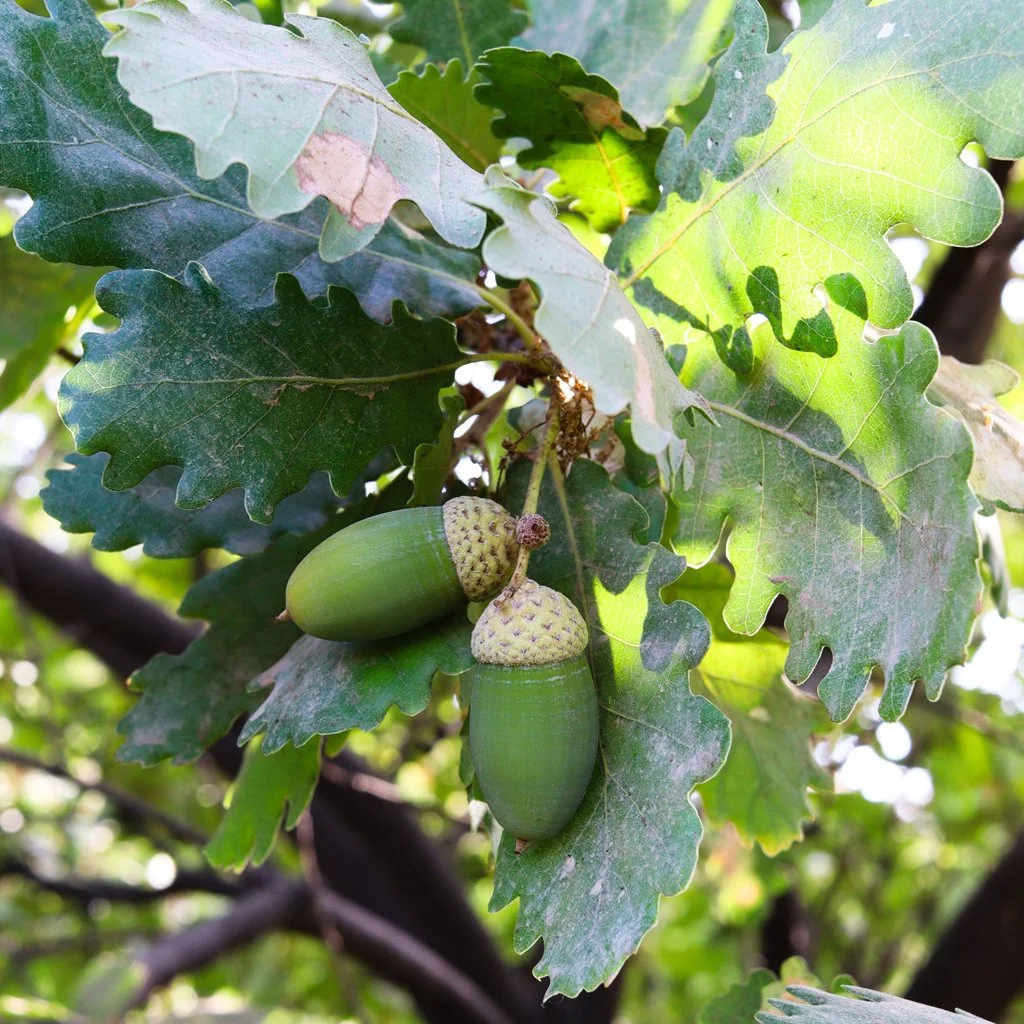 Image 6 of 22
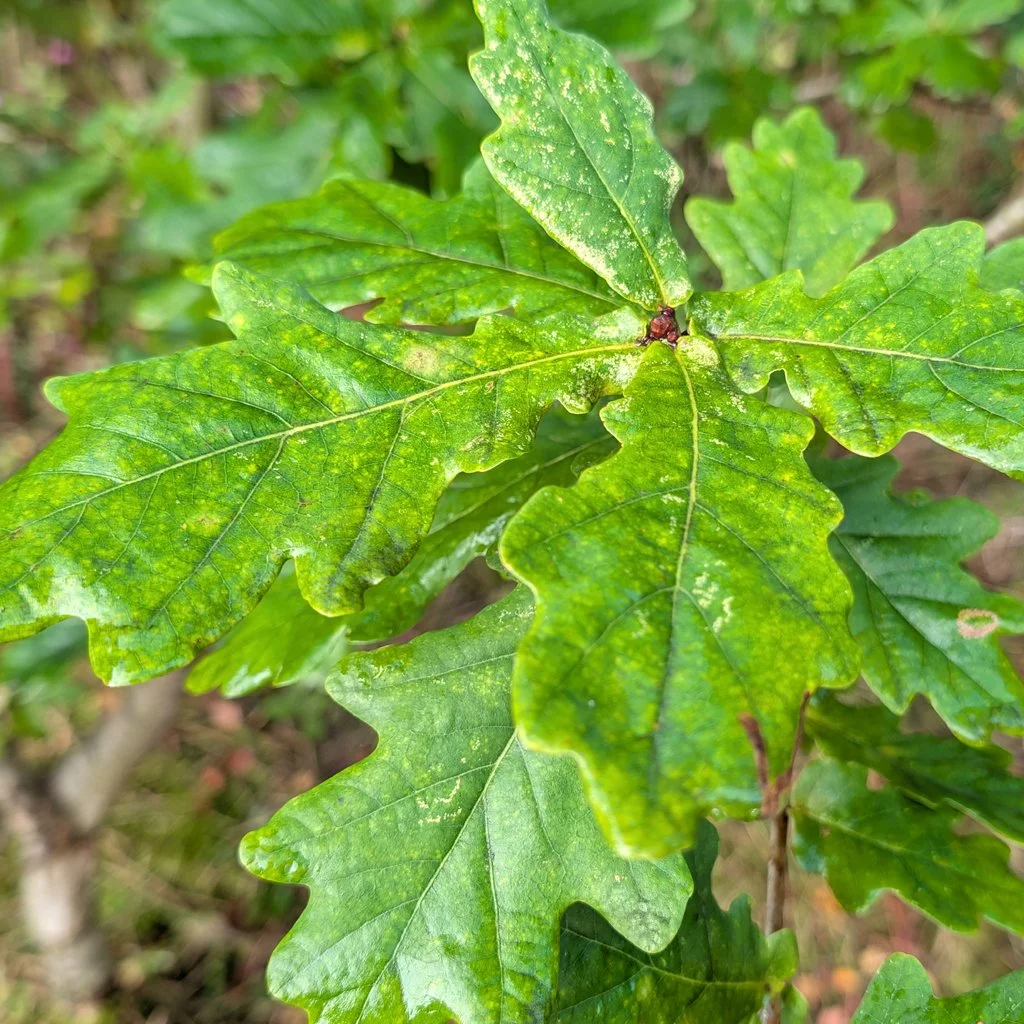 Image 7 of 22
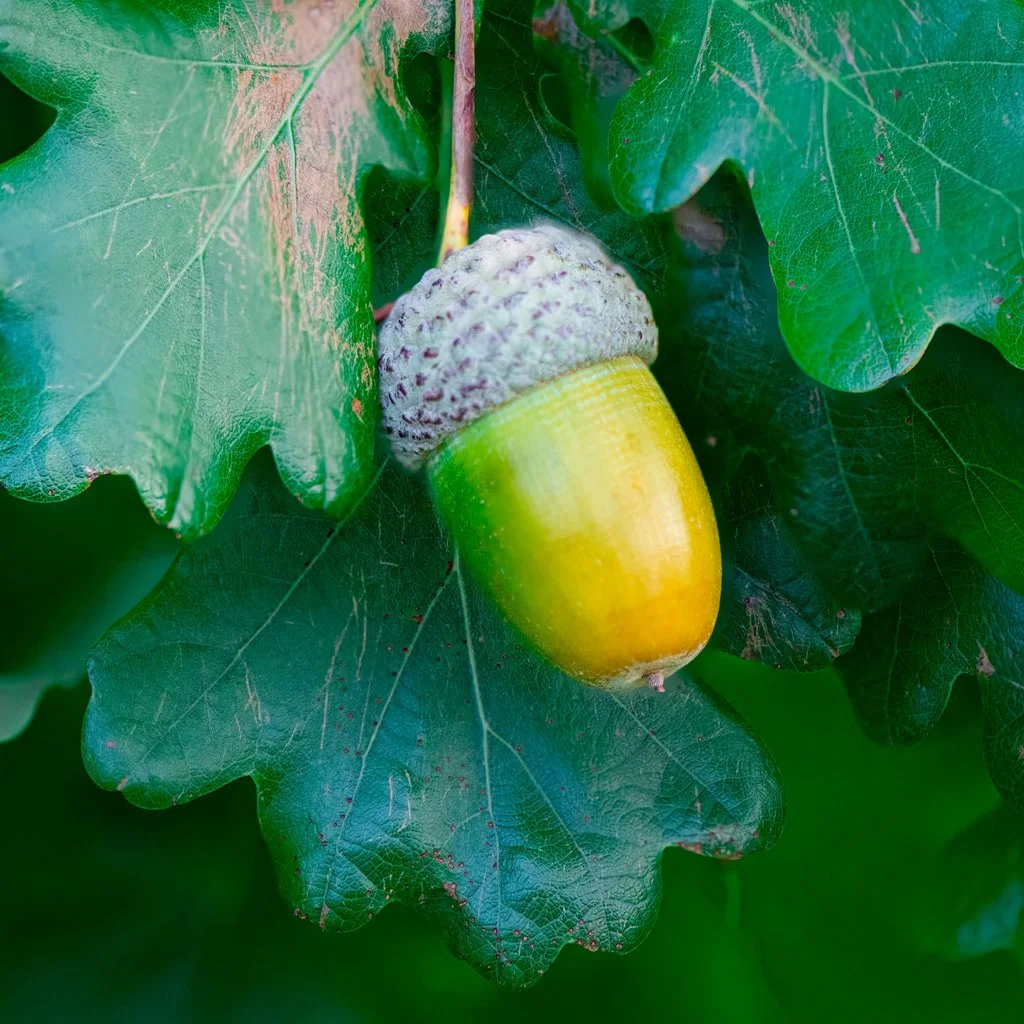 Image 8 of 22
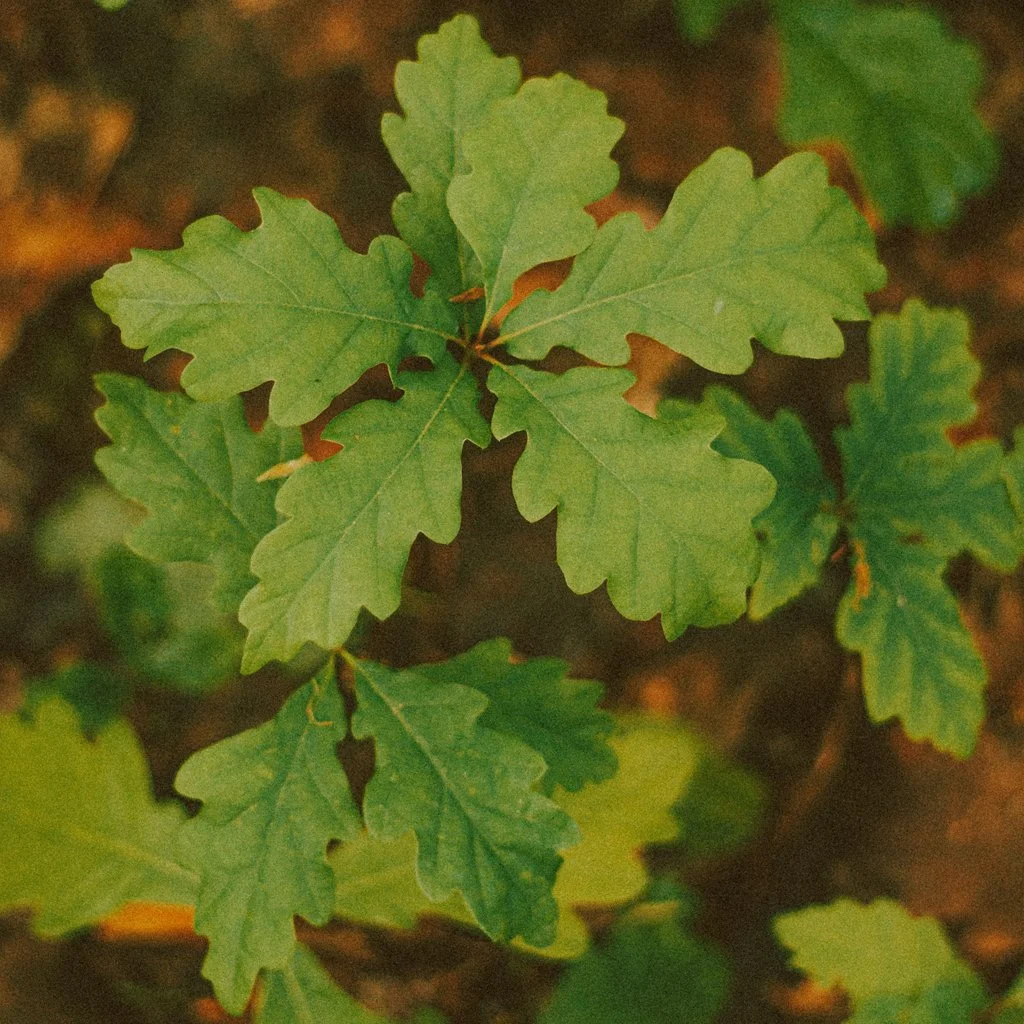 Image 9 of 22
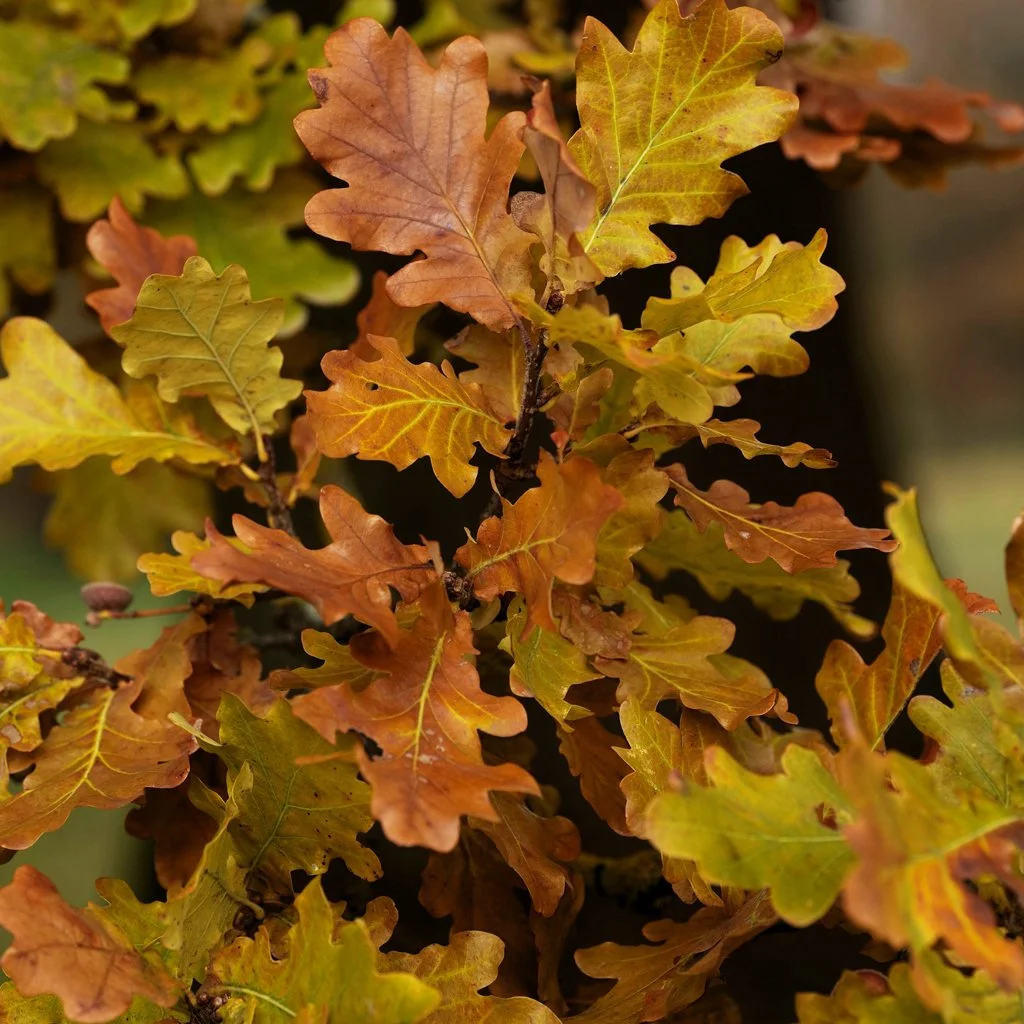 Image 10 of 22
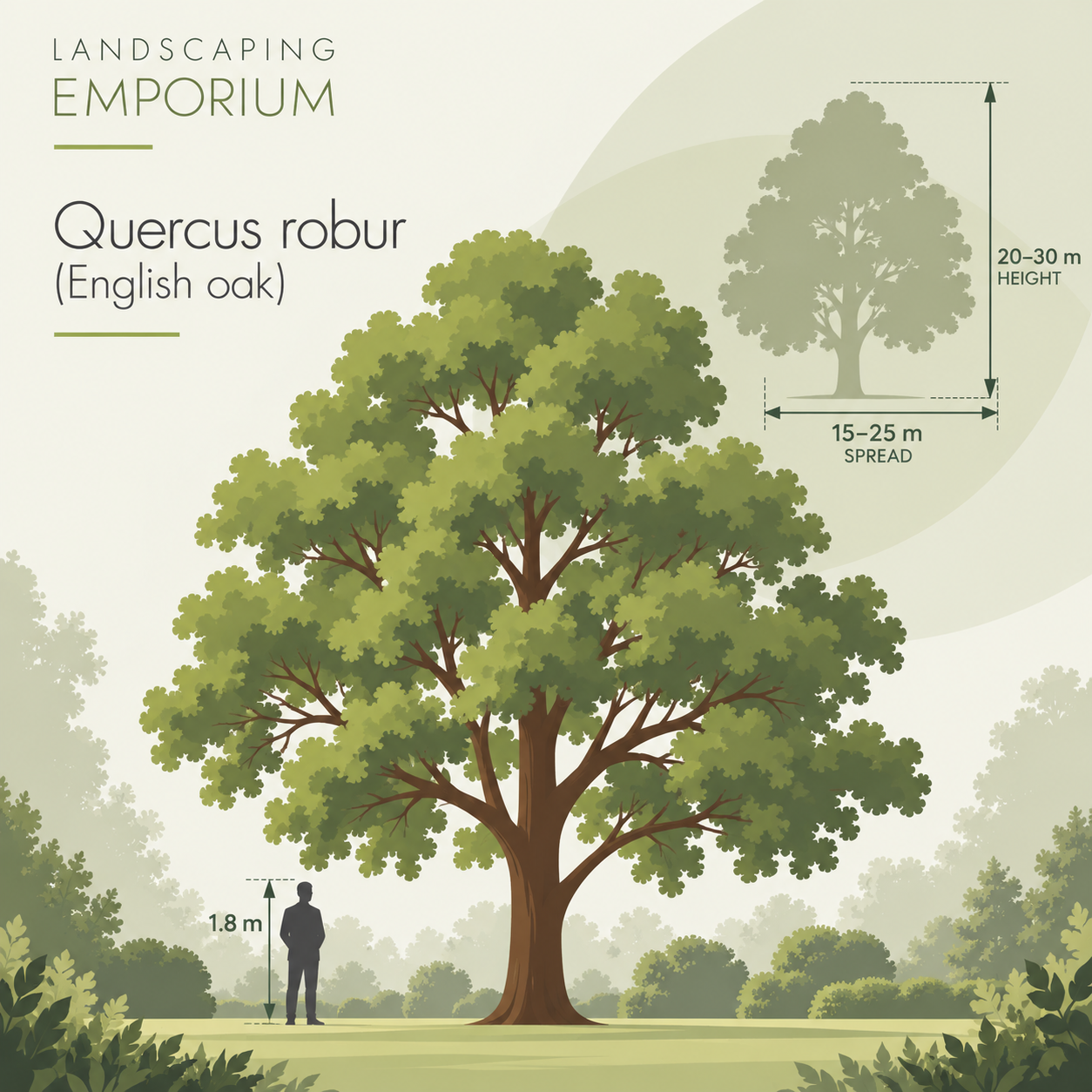 Image 11 of 22
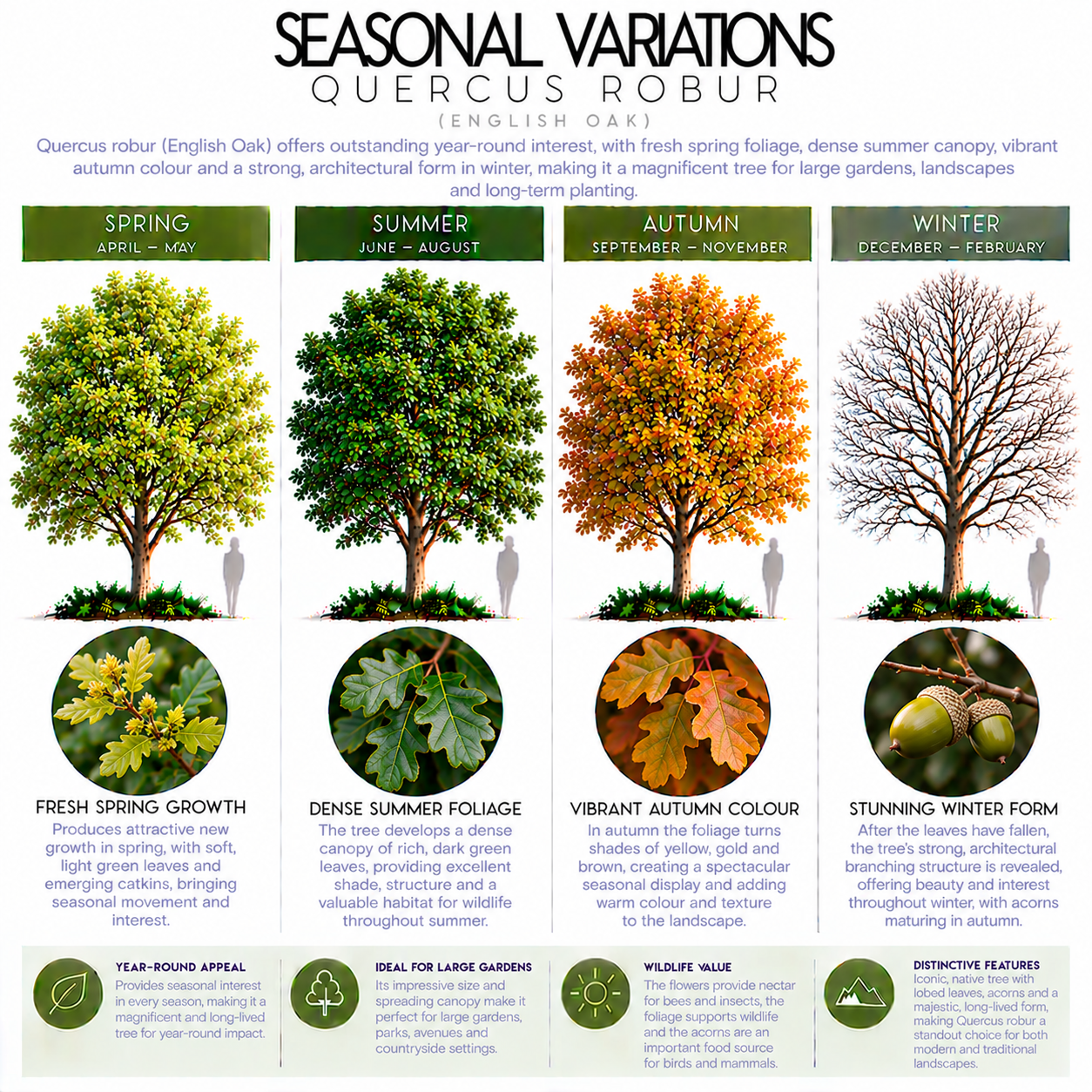 Image 12 of 22
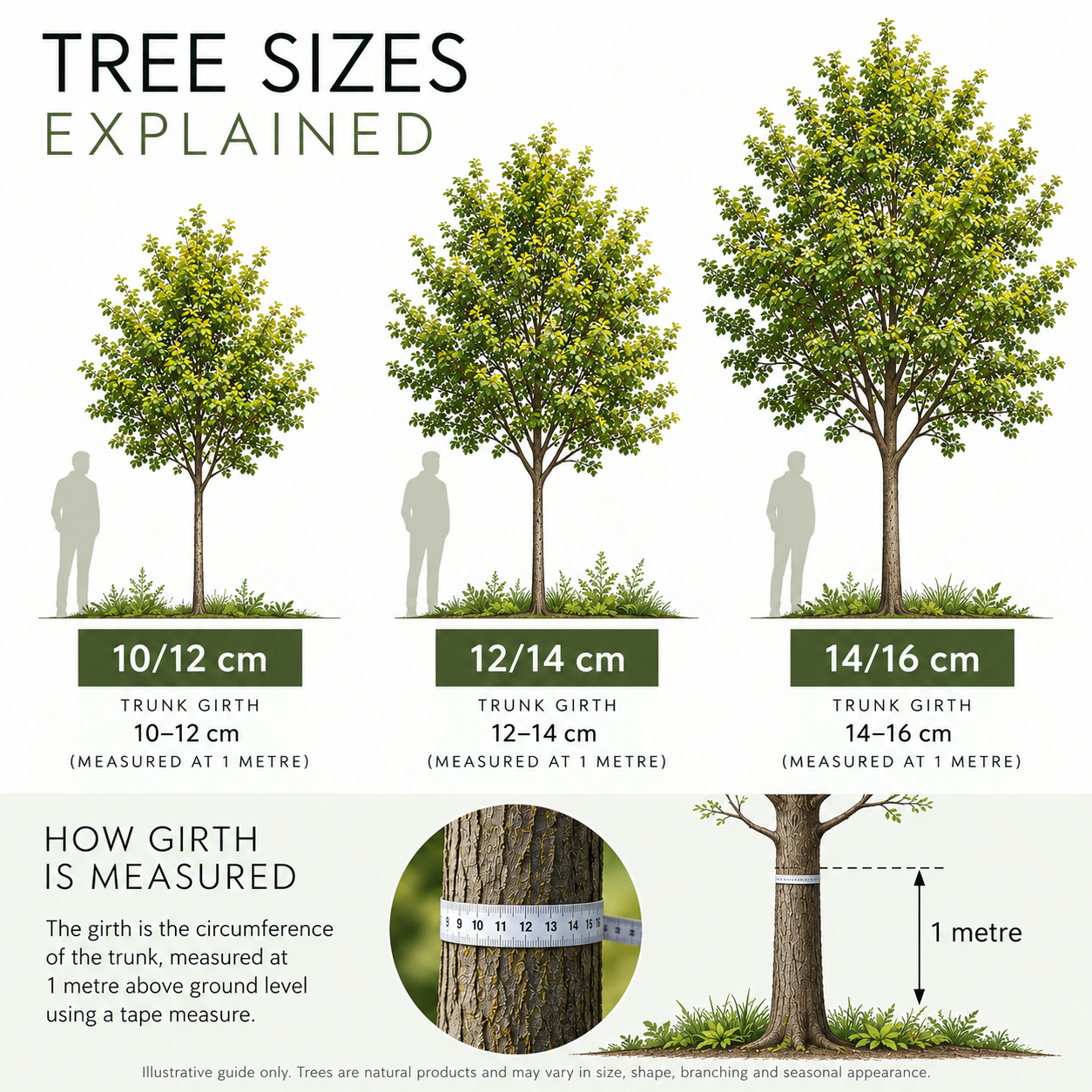 Image 13 of 22
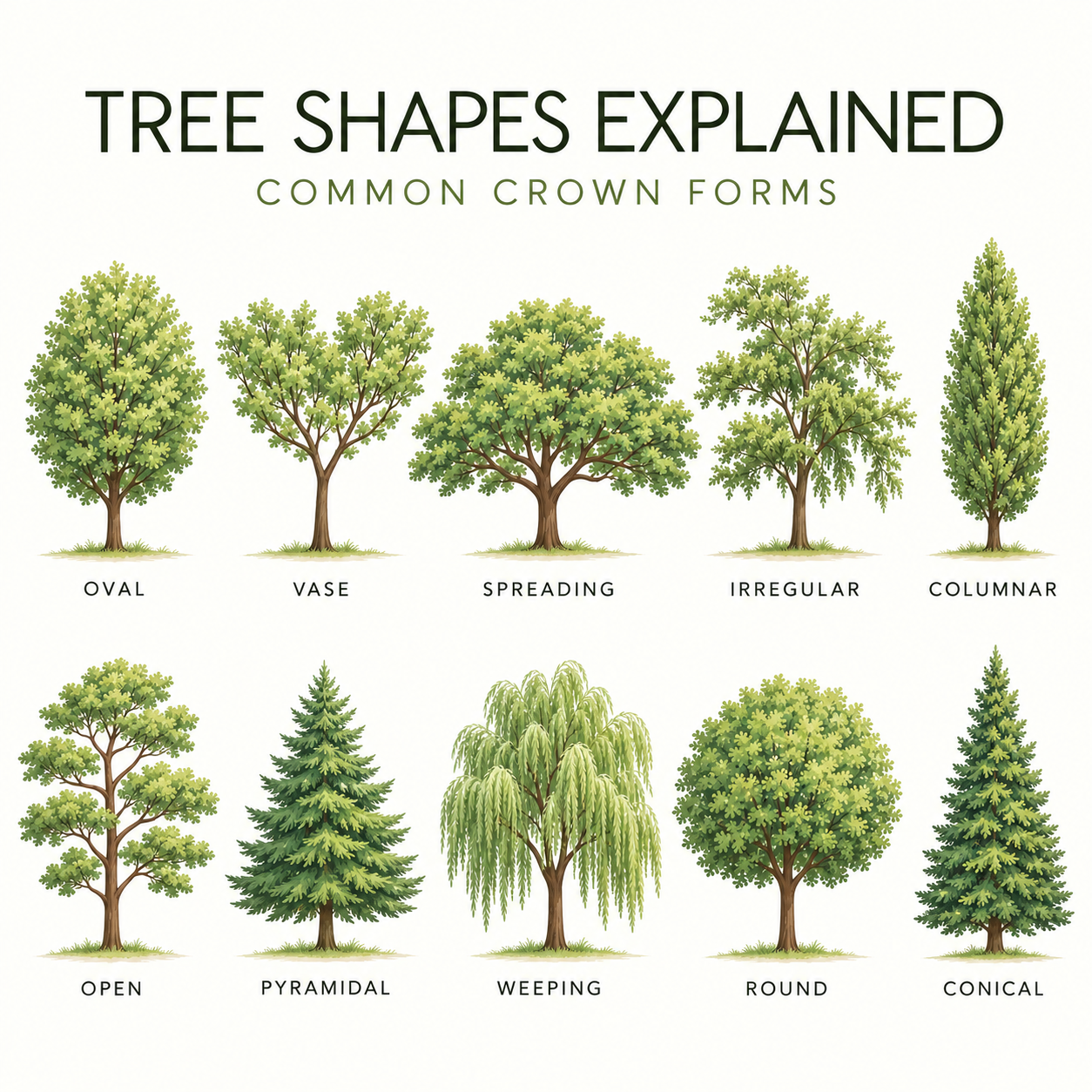 Image 14 of 22
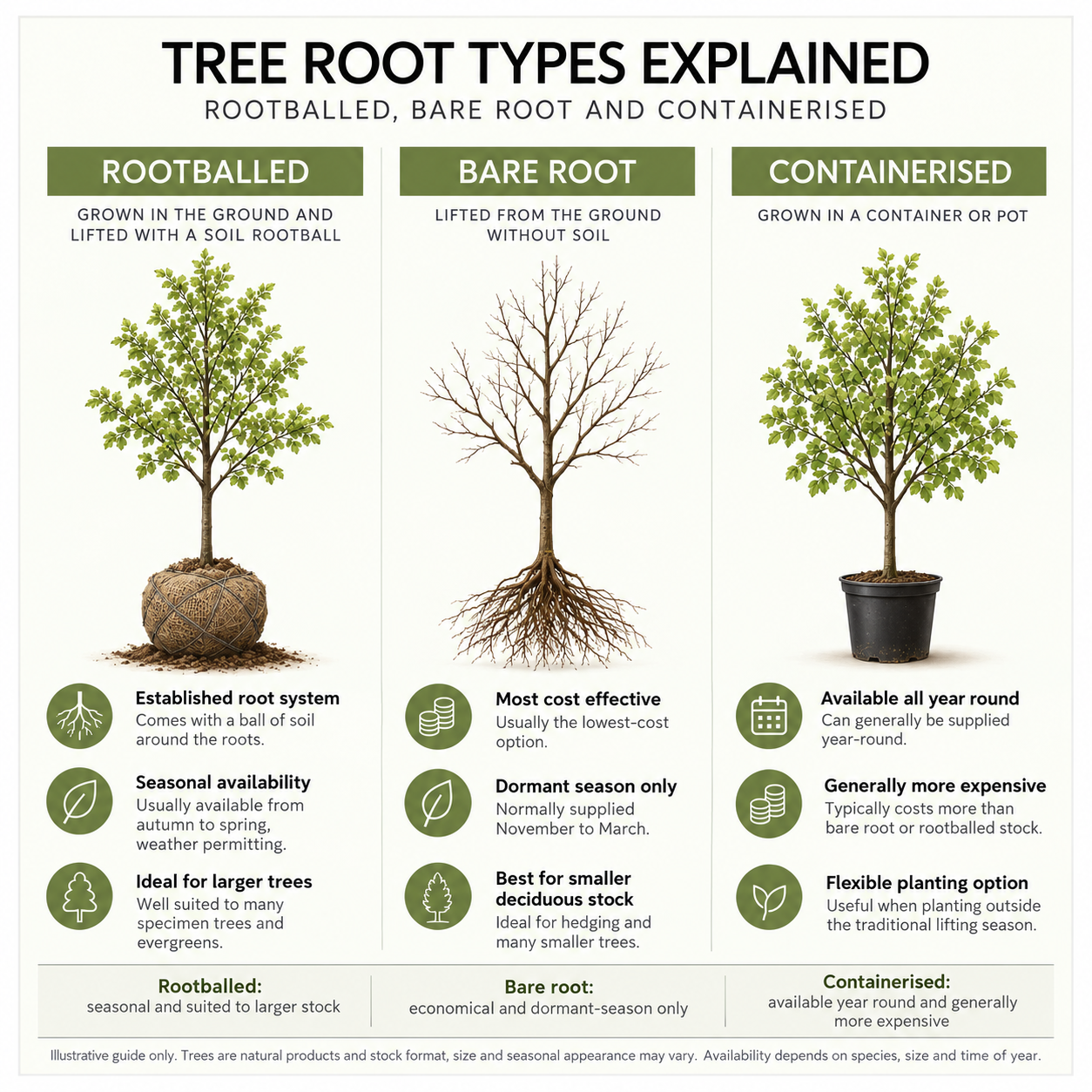 Image 15 of 22
 Image 16 of 22
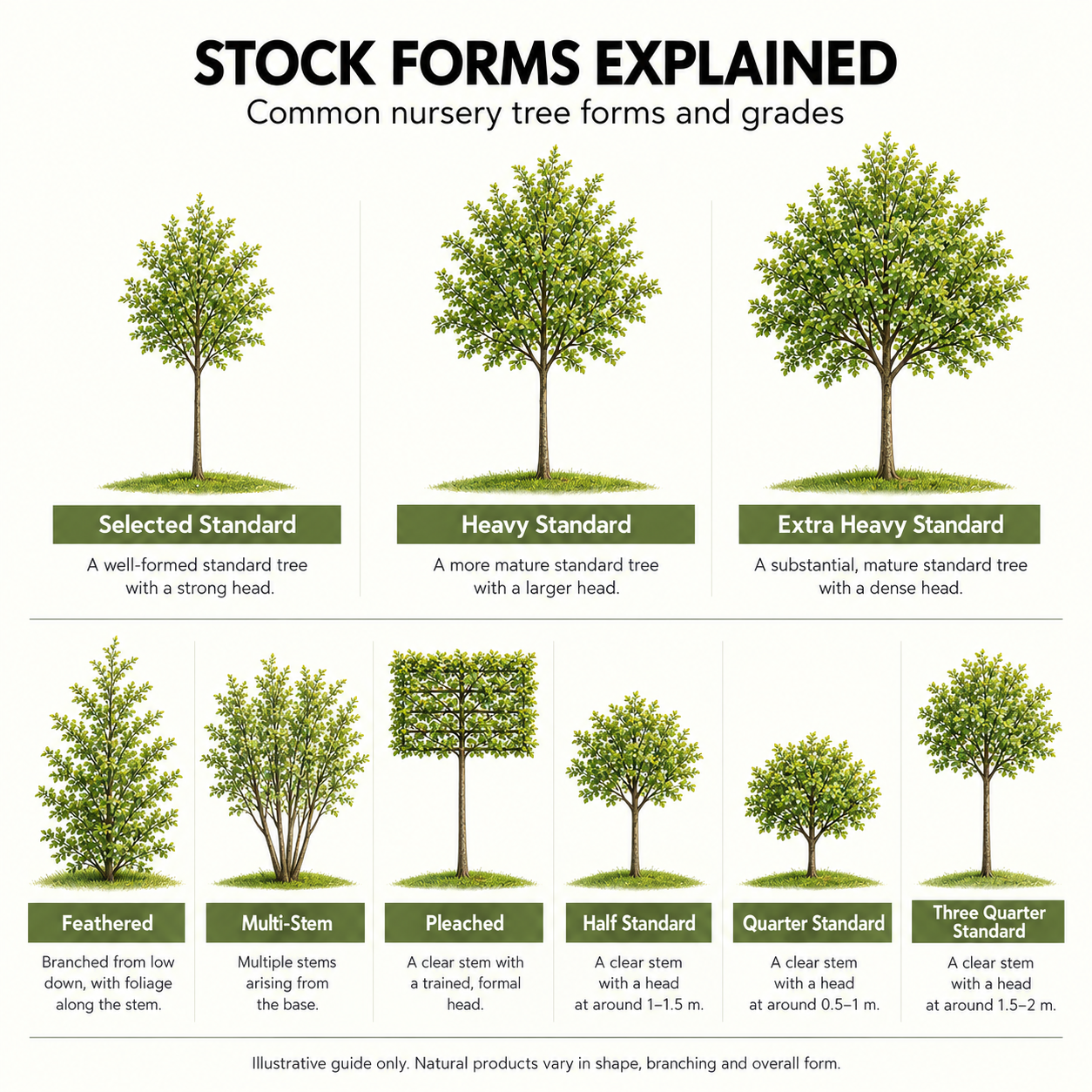 Image 17 of 22
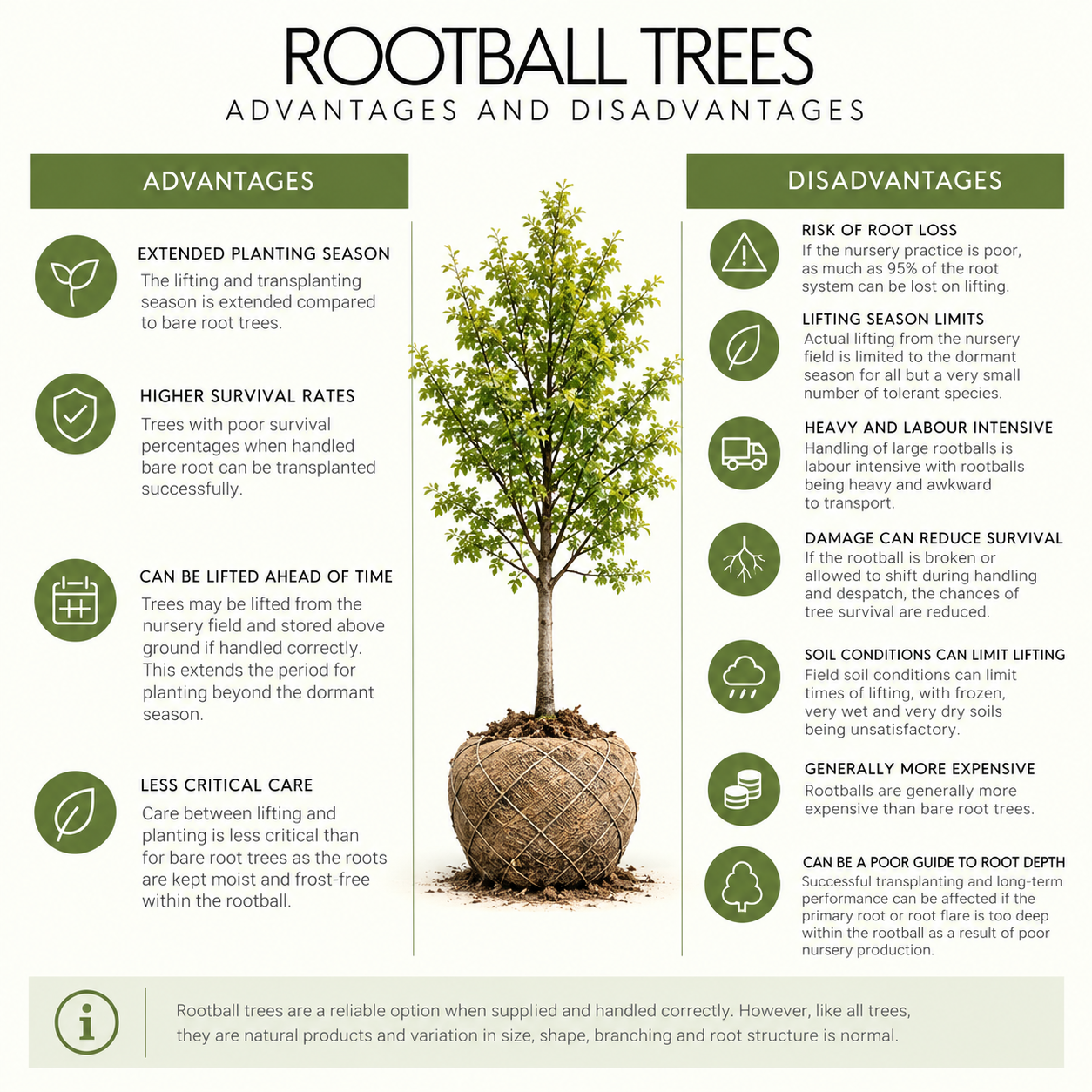 Image 18 of 22
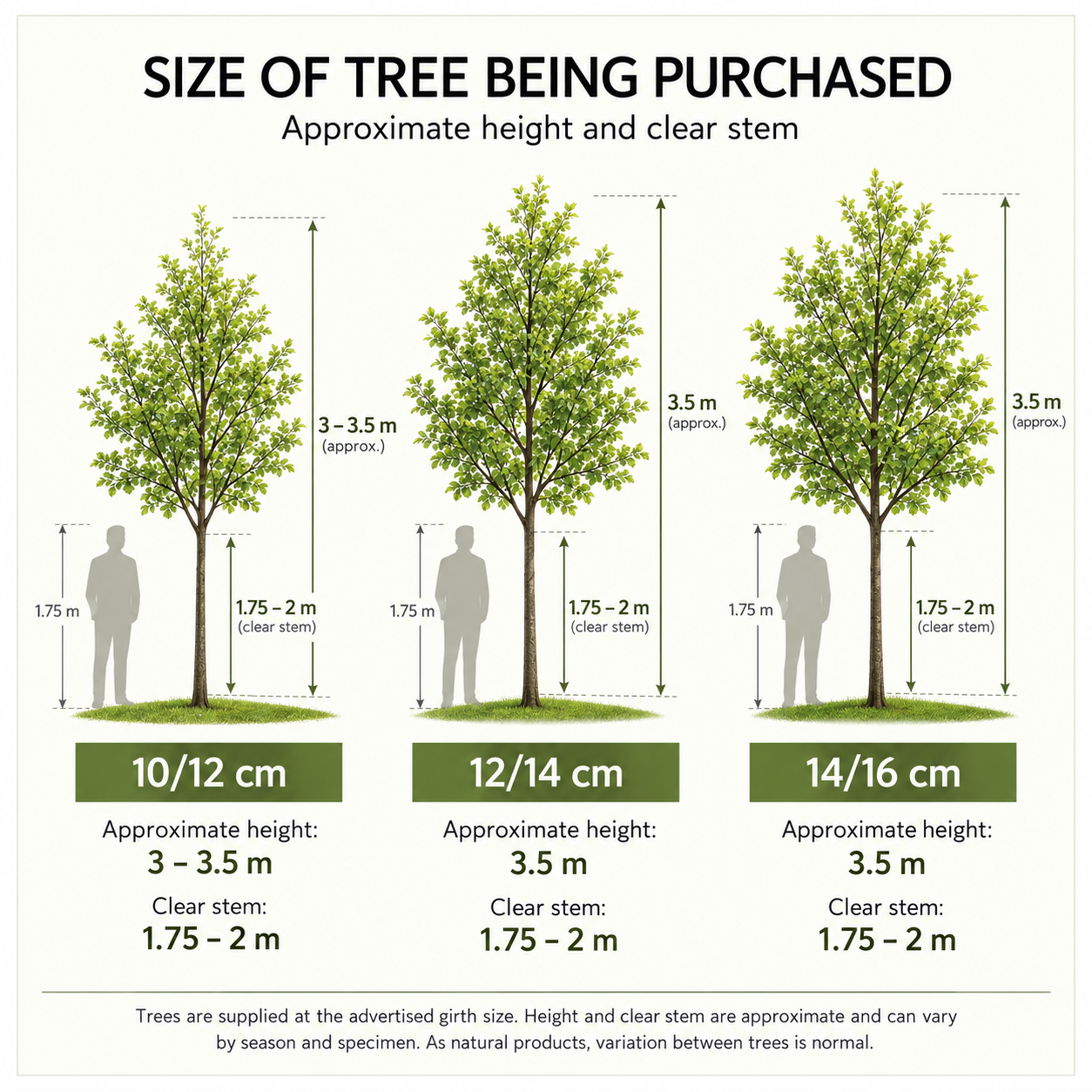 Image 19 of 22
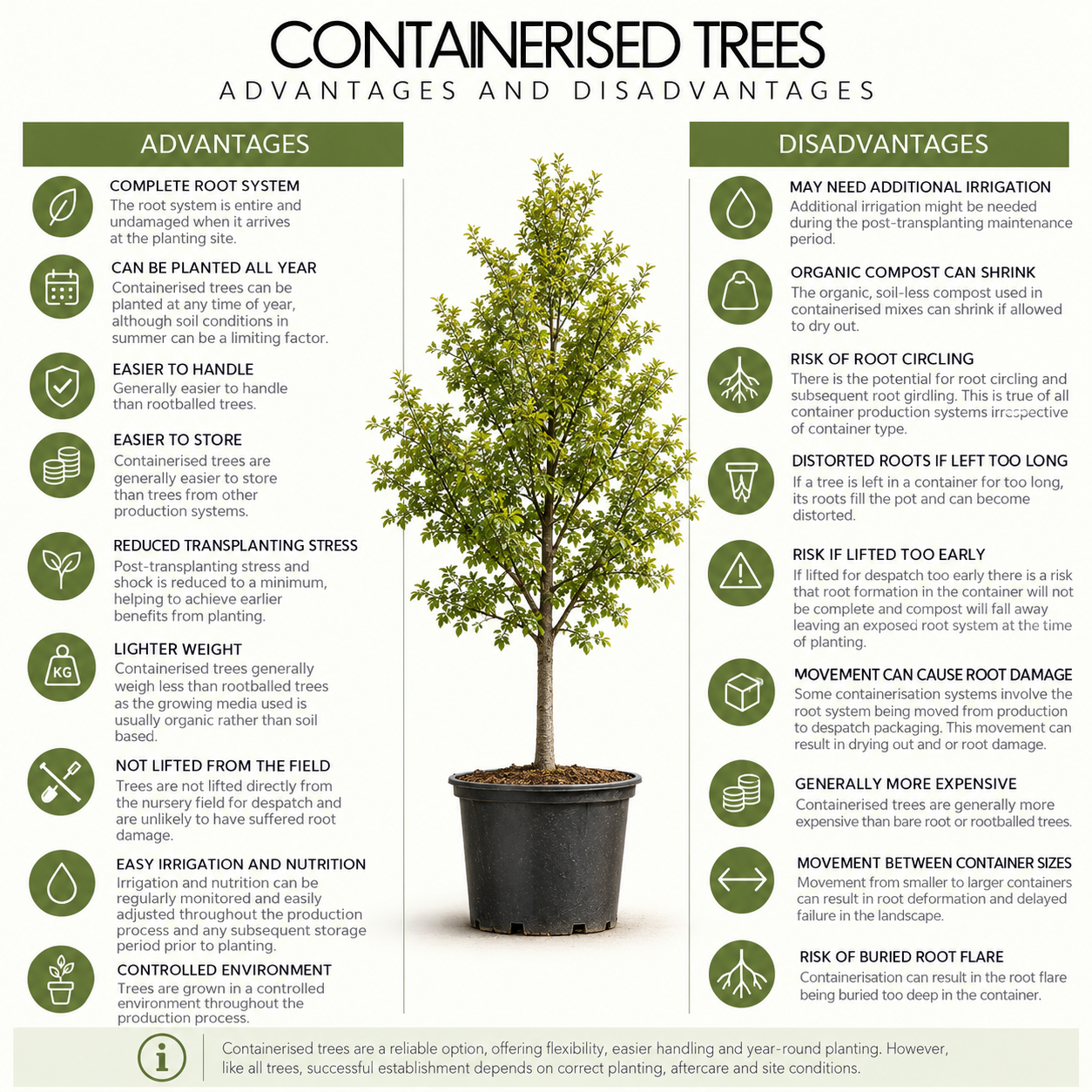 Image 20 of 22
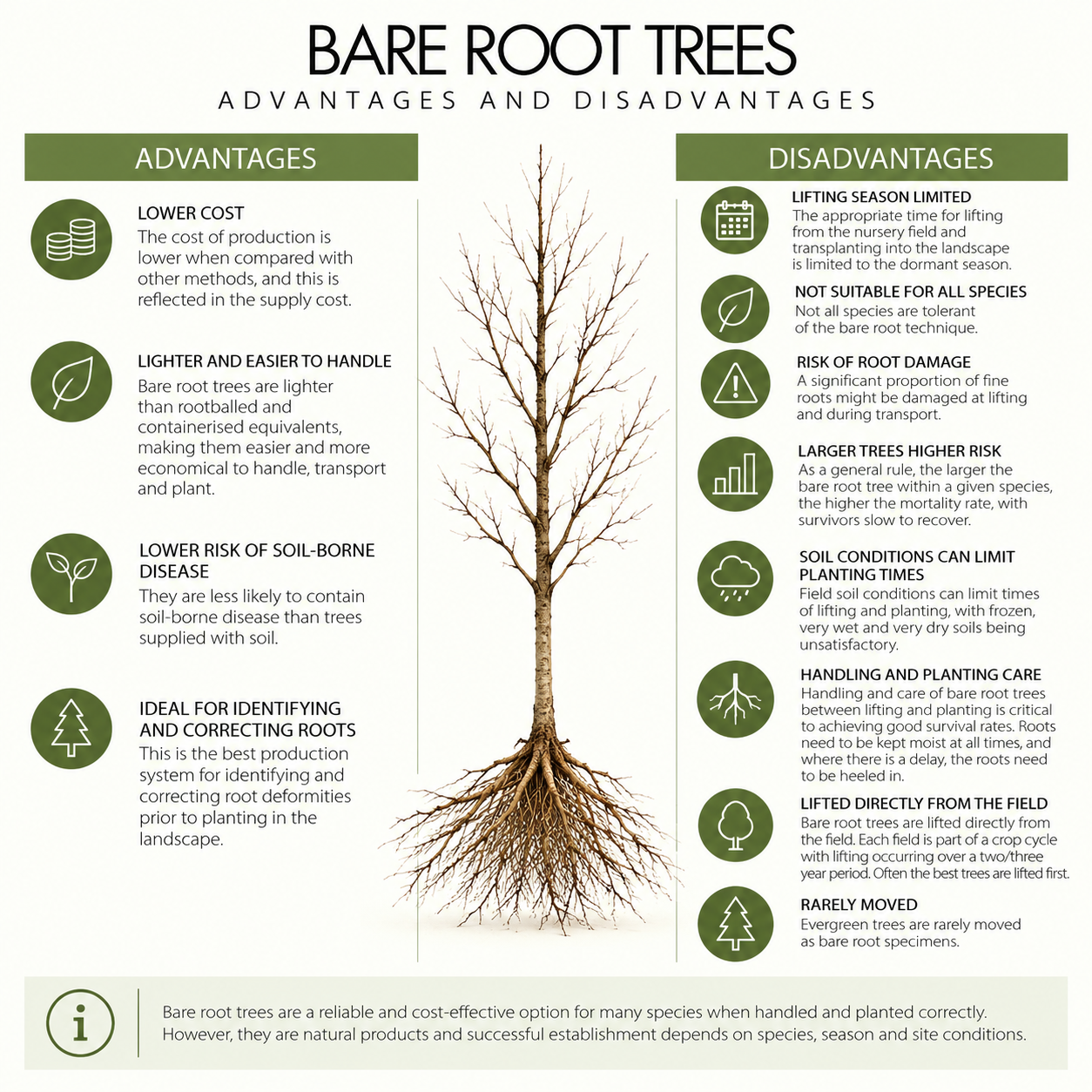 Image 21 of 22
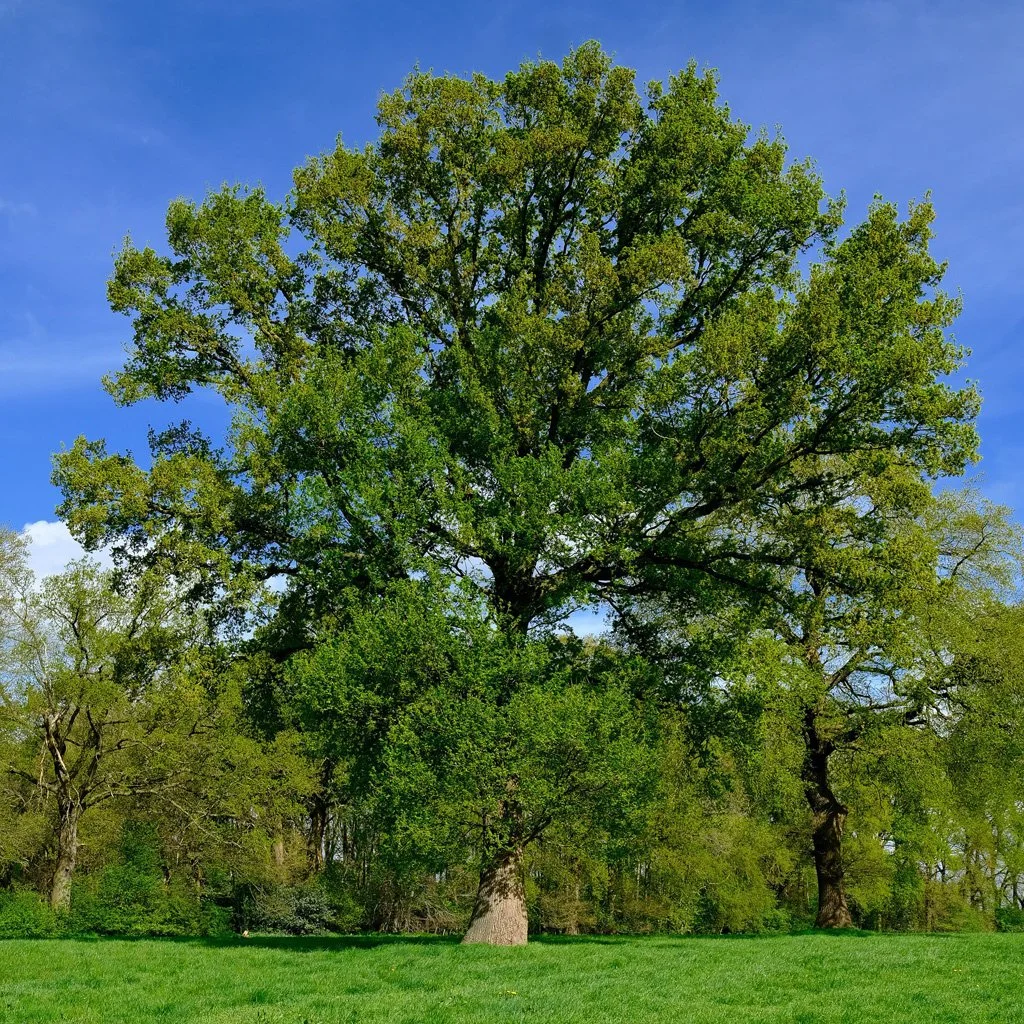 Image 22 of 22