Tilia cordata - Small-leaved lime

£500.00

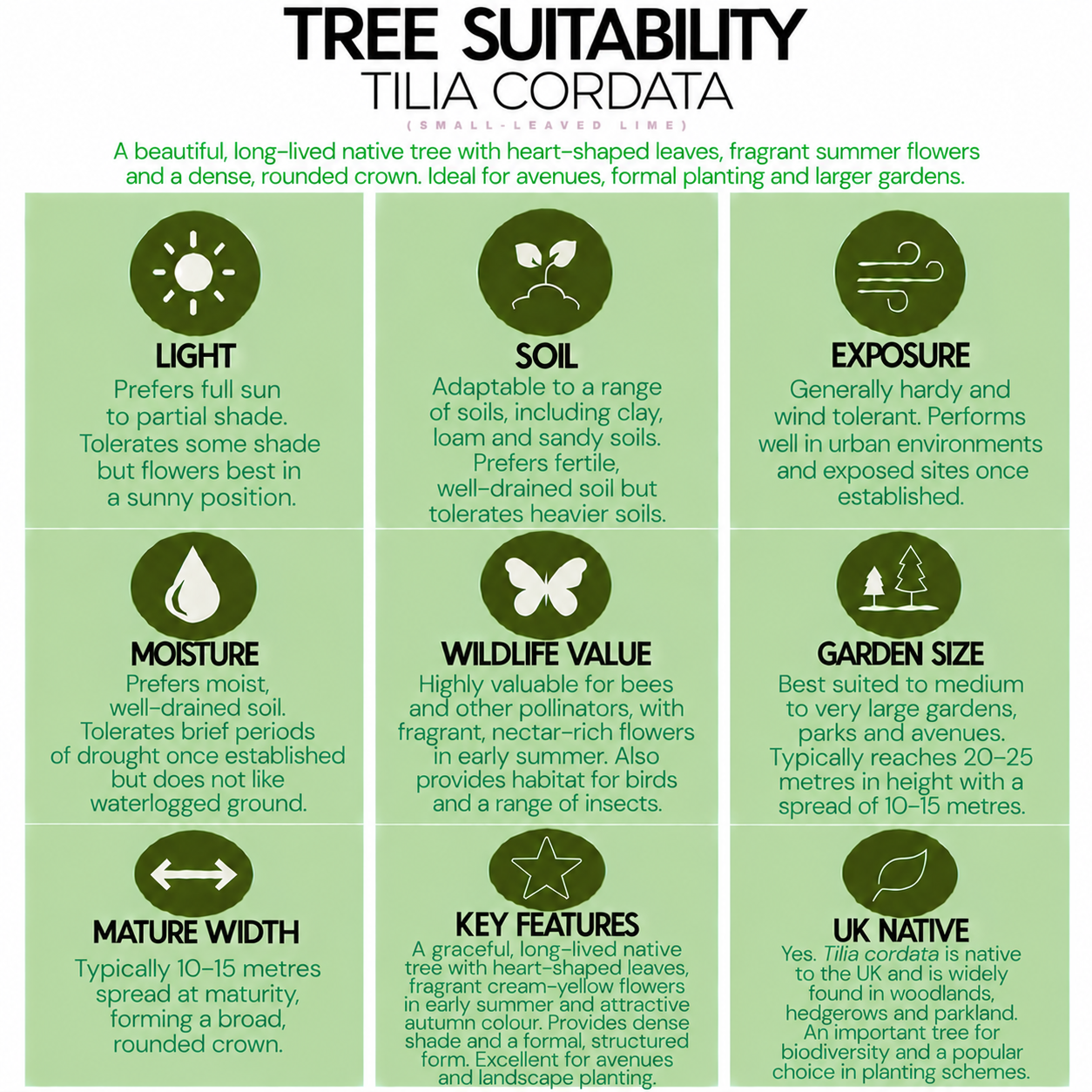
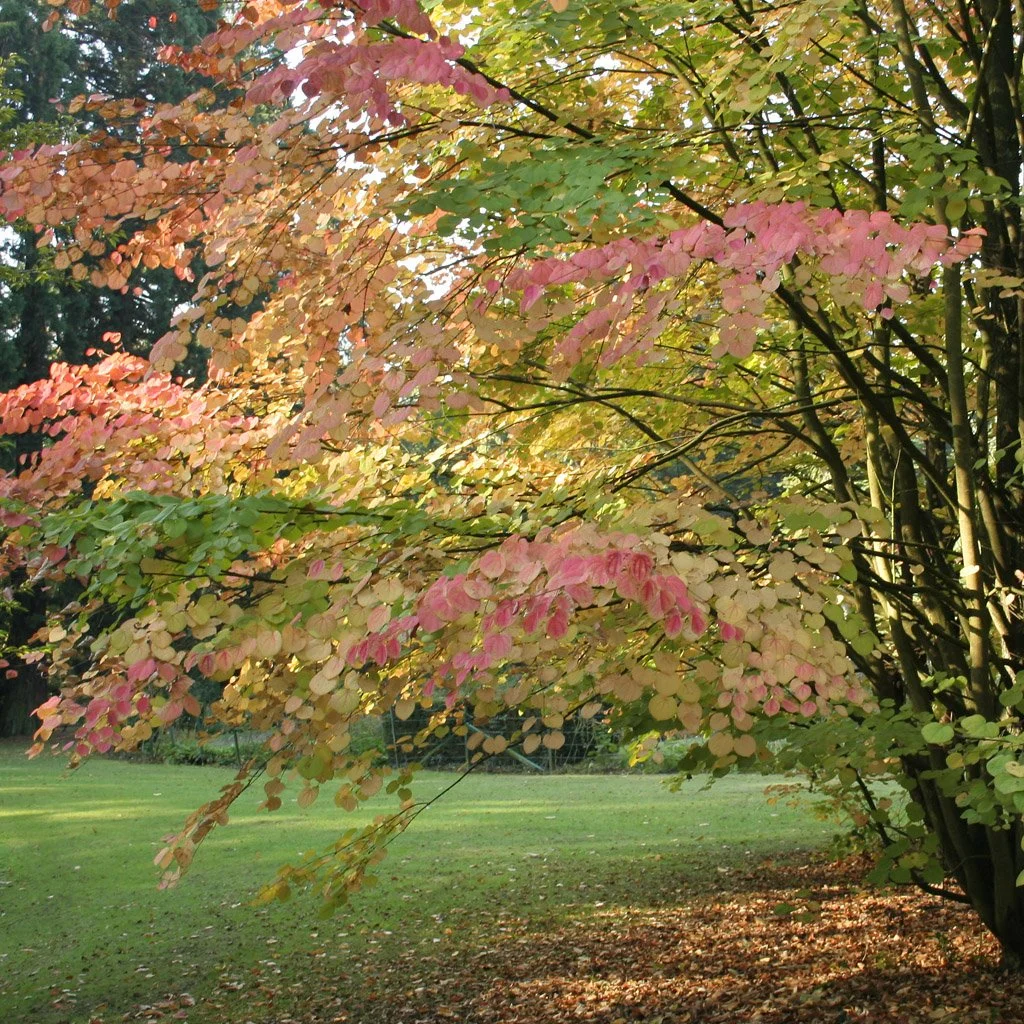
A substantial native deciduous tree with glossy heart-shaped foliage, fragrant midsummer flowers and outstanding pollinator value.

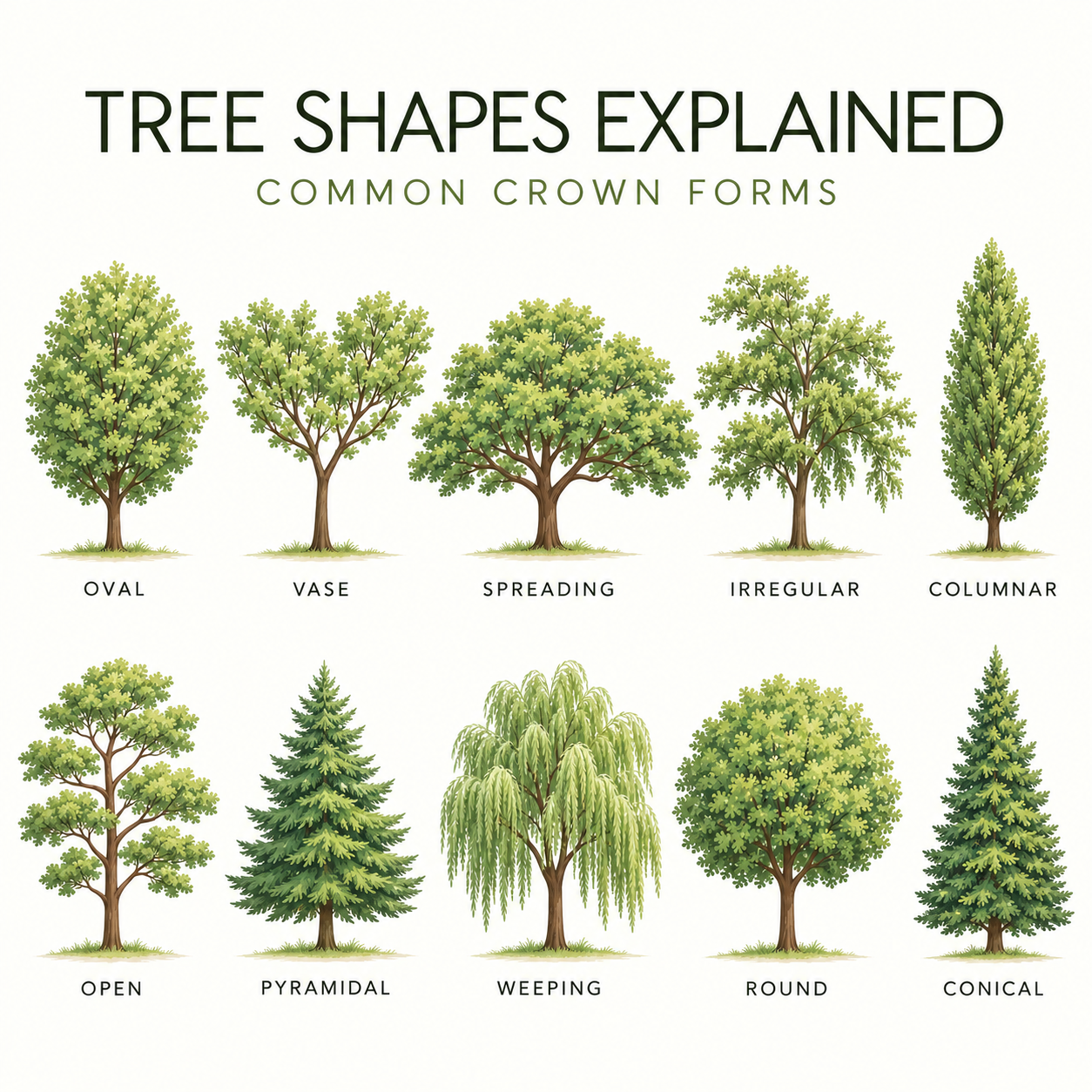
The straight species develops a naturally varied, rounded crown and is particularly suitable for large gardens, estates, parkland, woodland edges and biodiversity-led landscapes.

Why choose Tilia cordata?

  • Native British tree

  • Long-lived and increasingly characterful

  • Fragrant creamy-yellow flowers

  • Exceptional value for bees and pollinators

  • Glossy heart-shaped foliage

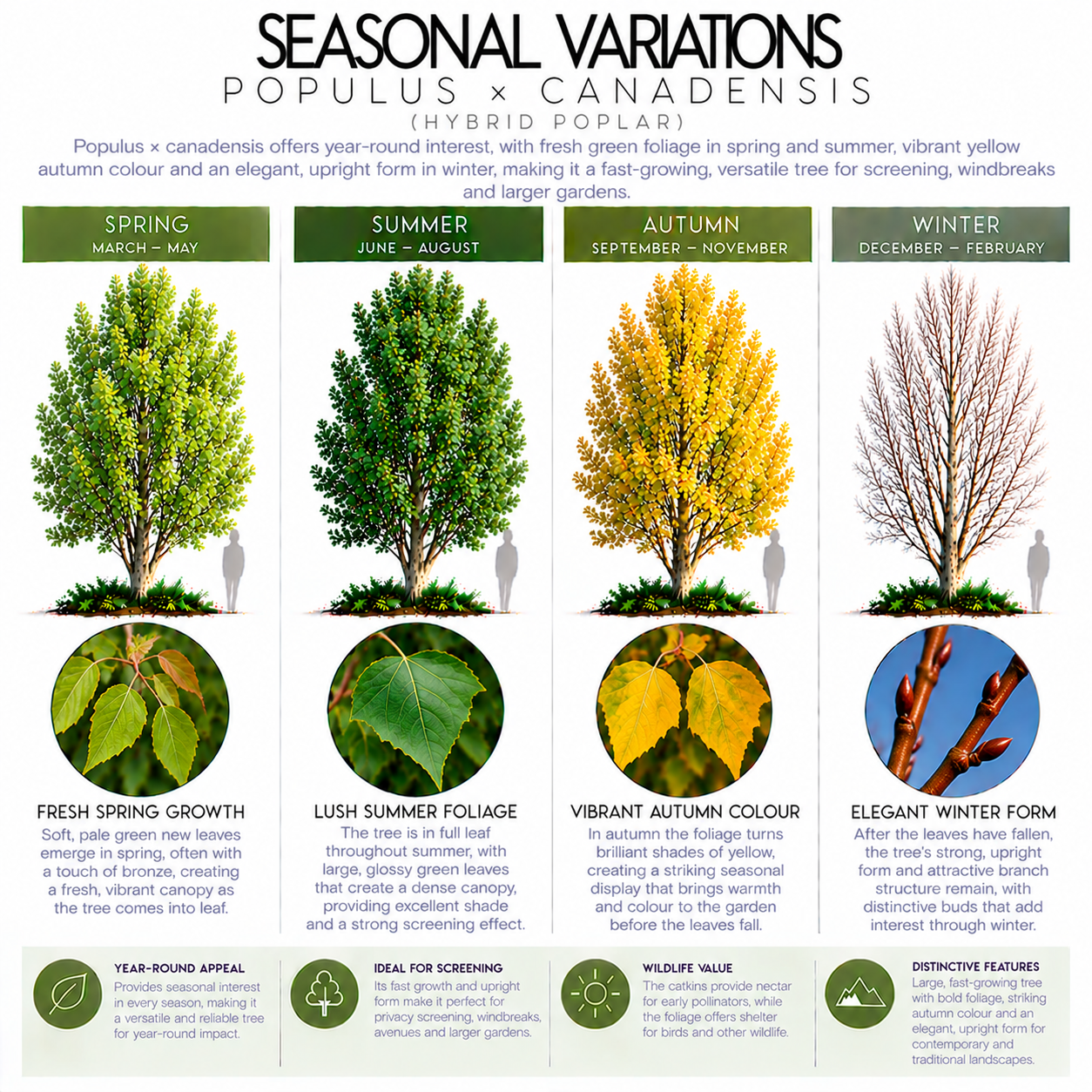
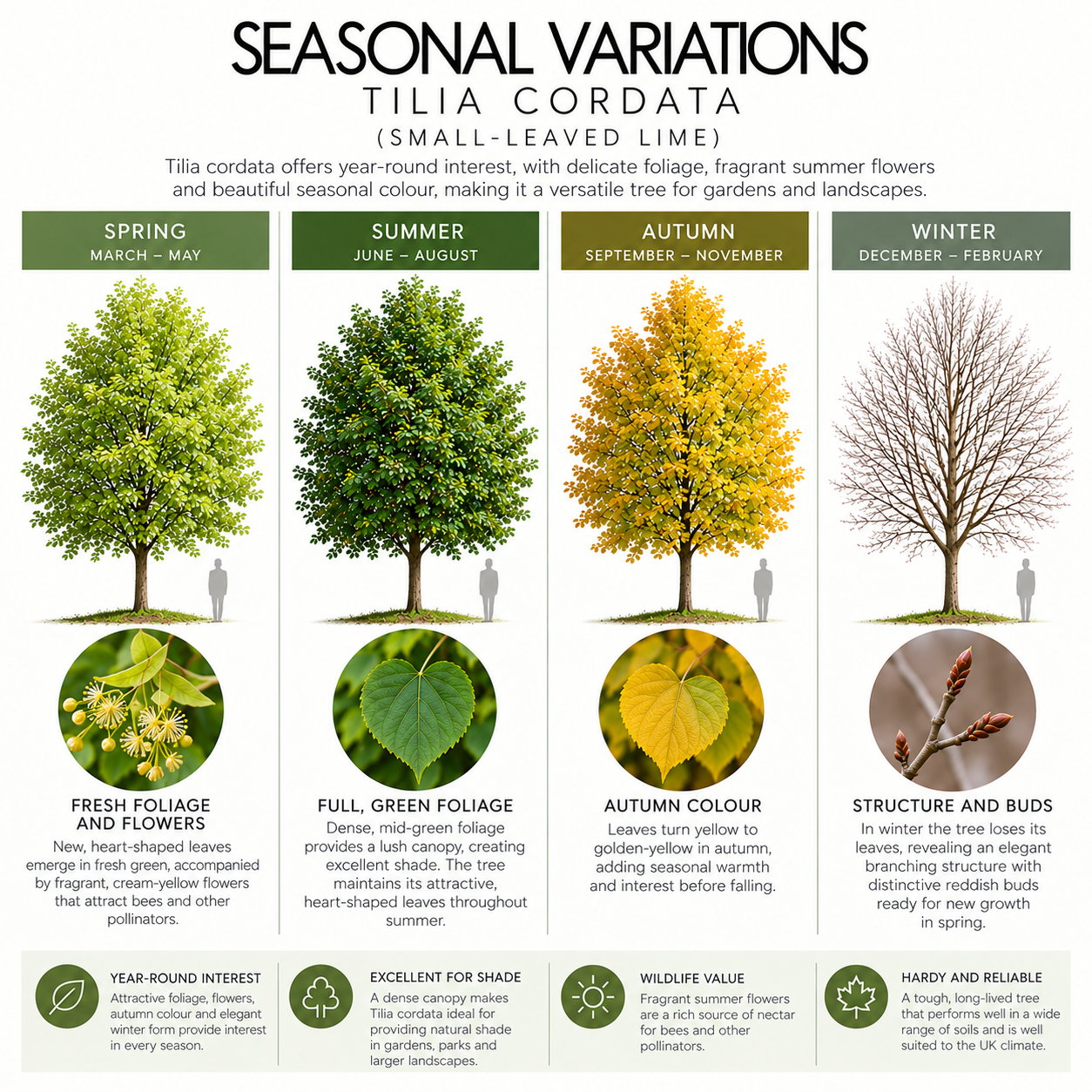
  • Yellow autumn colour

  • Good urban tolerance

  • Suitable for varied soil types

  • Strong parkland and ecological character

Tree details

Feature / Detail
Botanical name: Tilia cordata ‘Greenspire’
Common name: Small-leaved lime
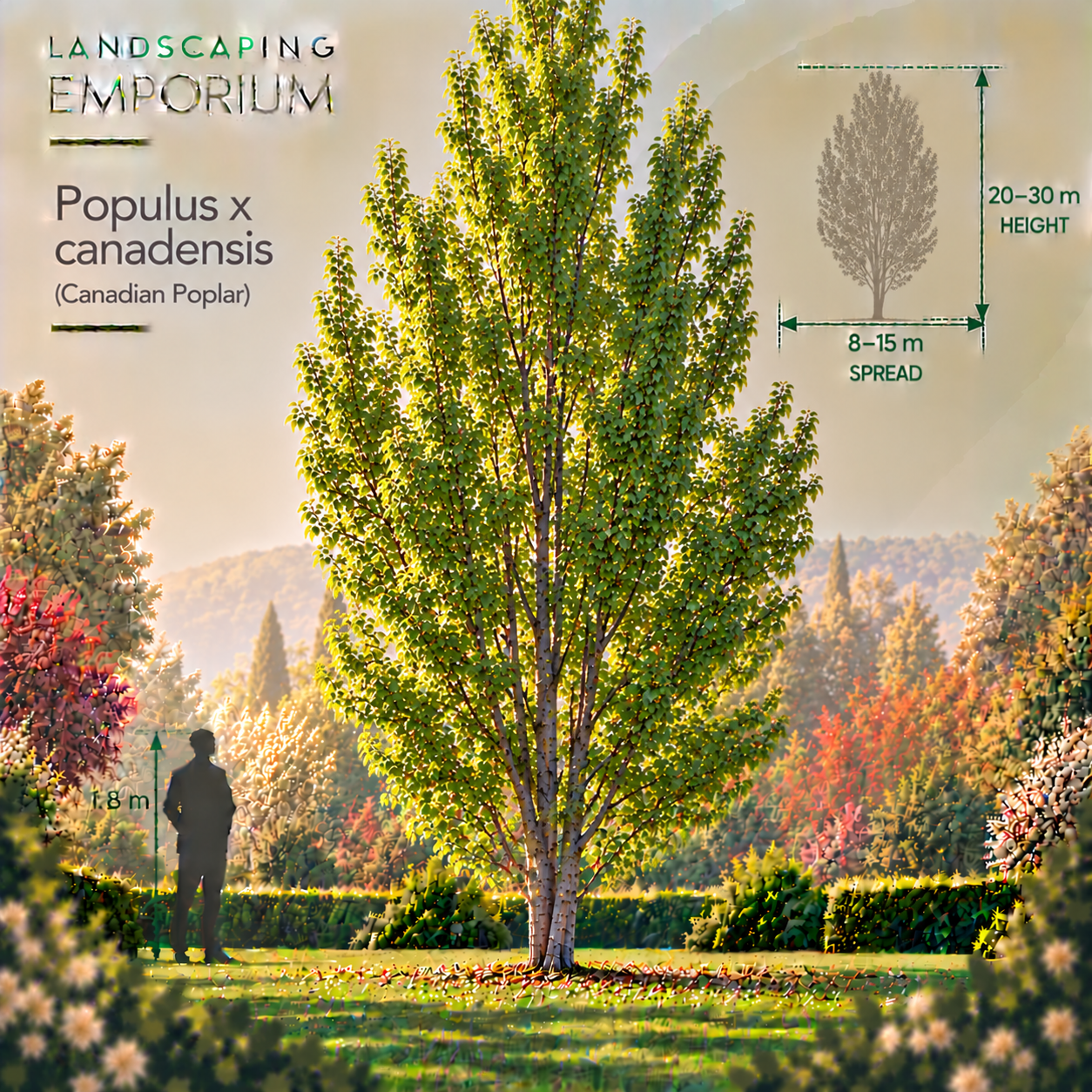
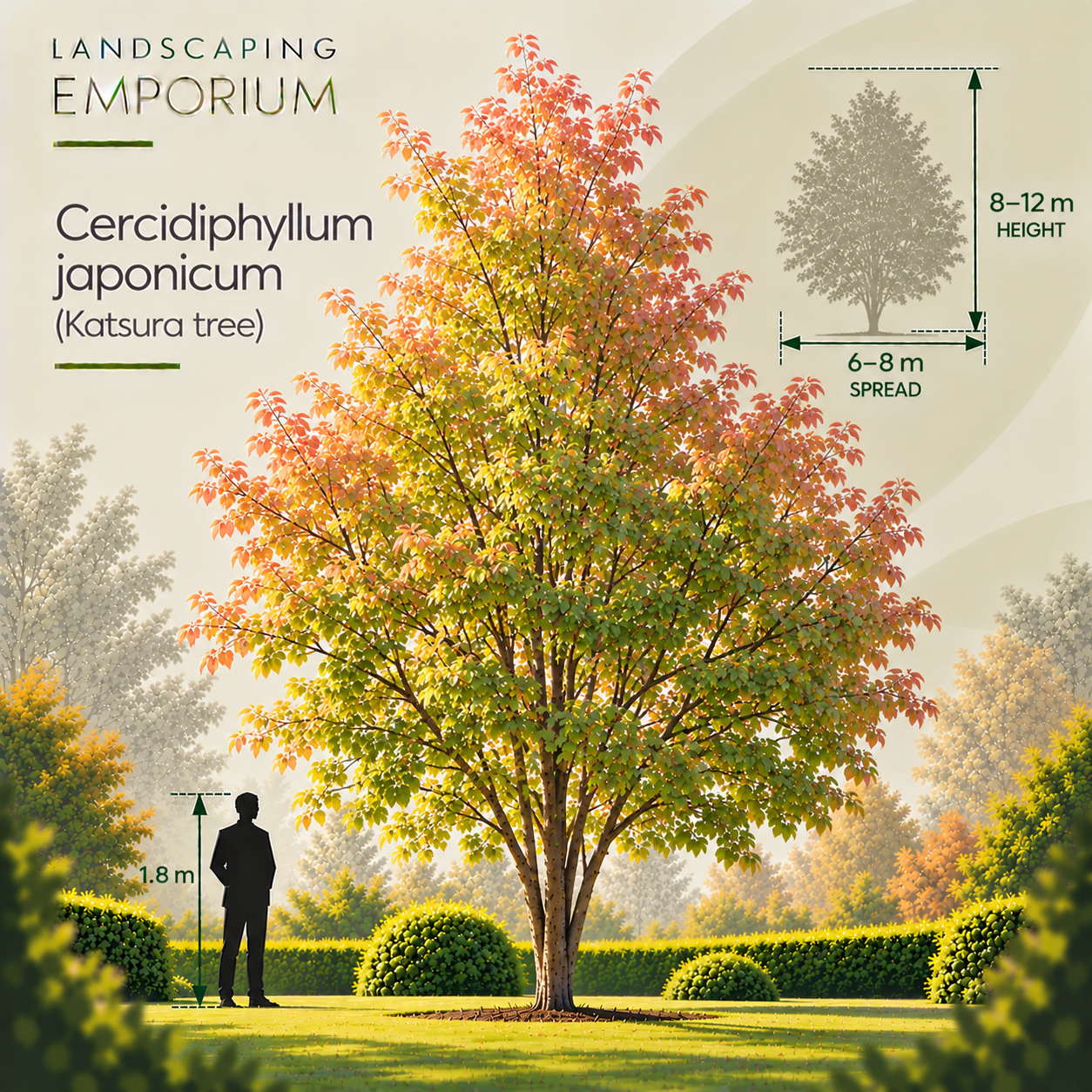
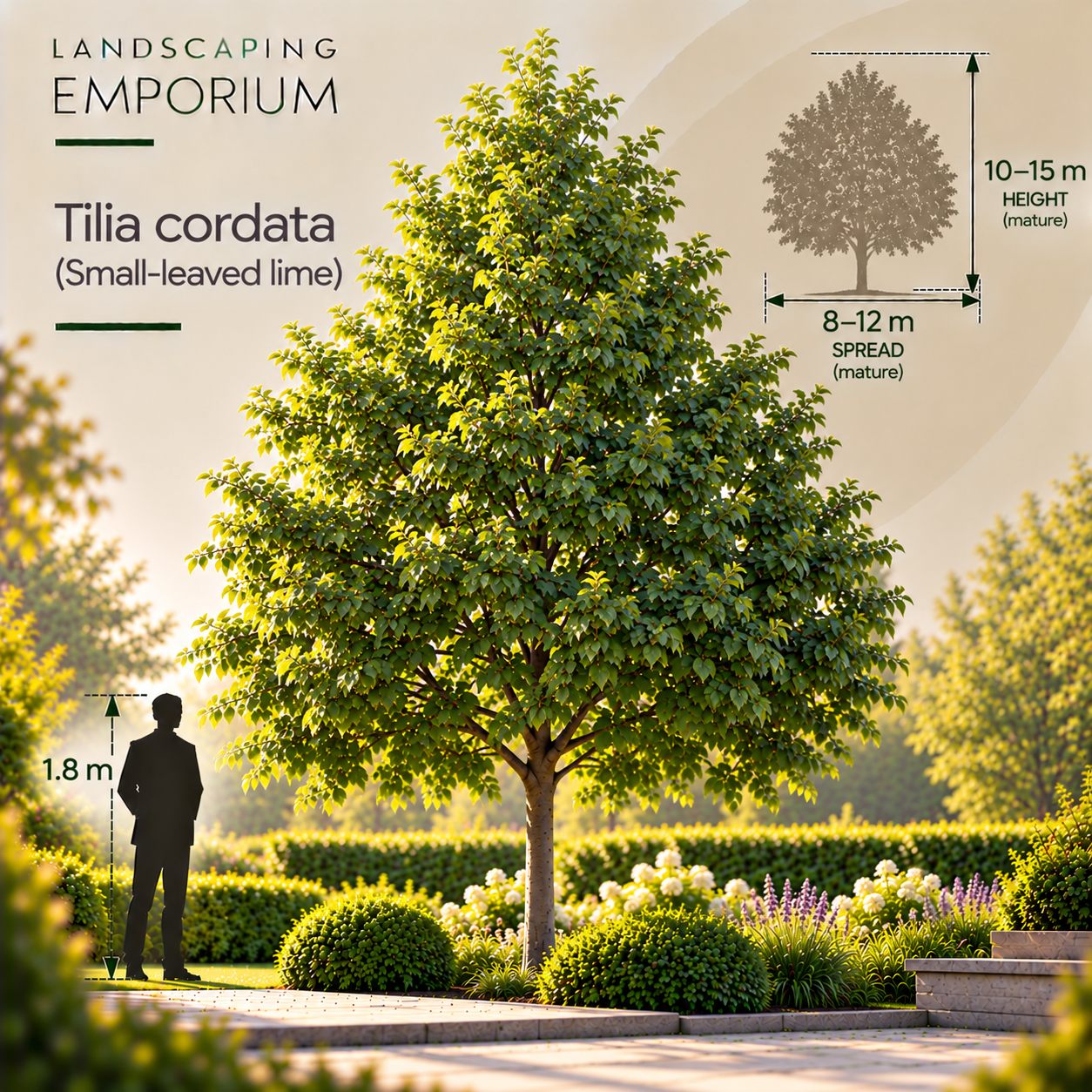
Mature height: Approximately 20 - 30 metres
Mature spread: Approximately 10 - 15 metres
Growth rate: Moderate
Annual growth rate: Approximatley 30 - 50cm
Position: Full sun or partial shade
Soil: Chalk, clay, loam or sand
Flowering period: Midsummer
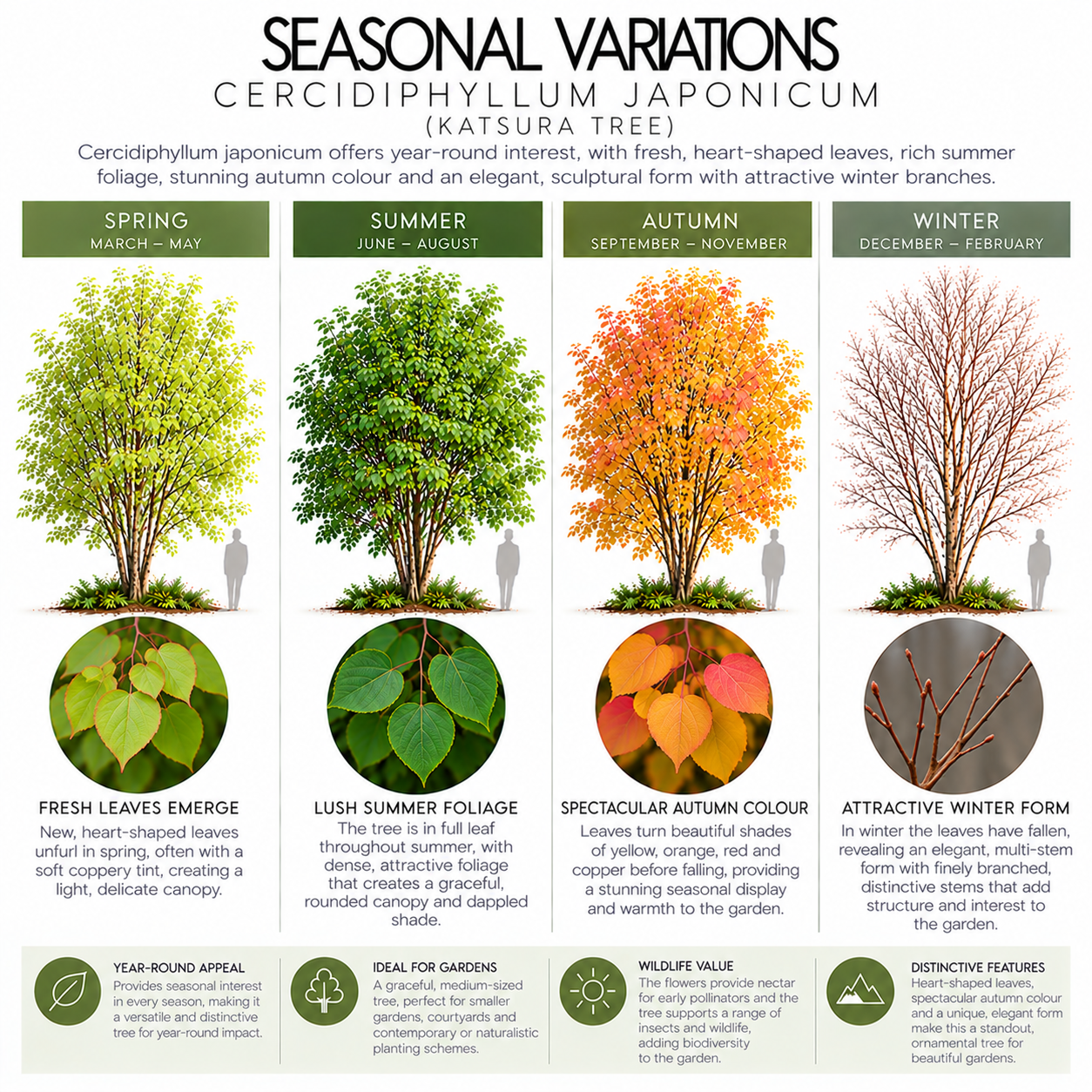
Autumn colour: Yellow to Golden Yellow
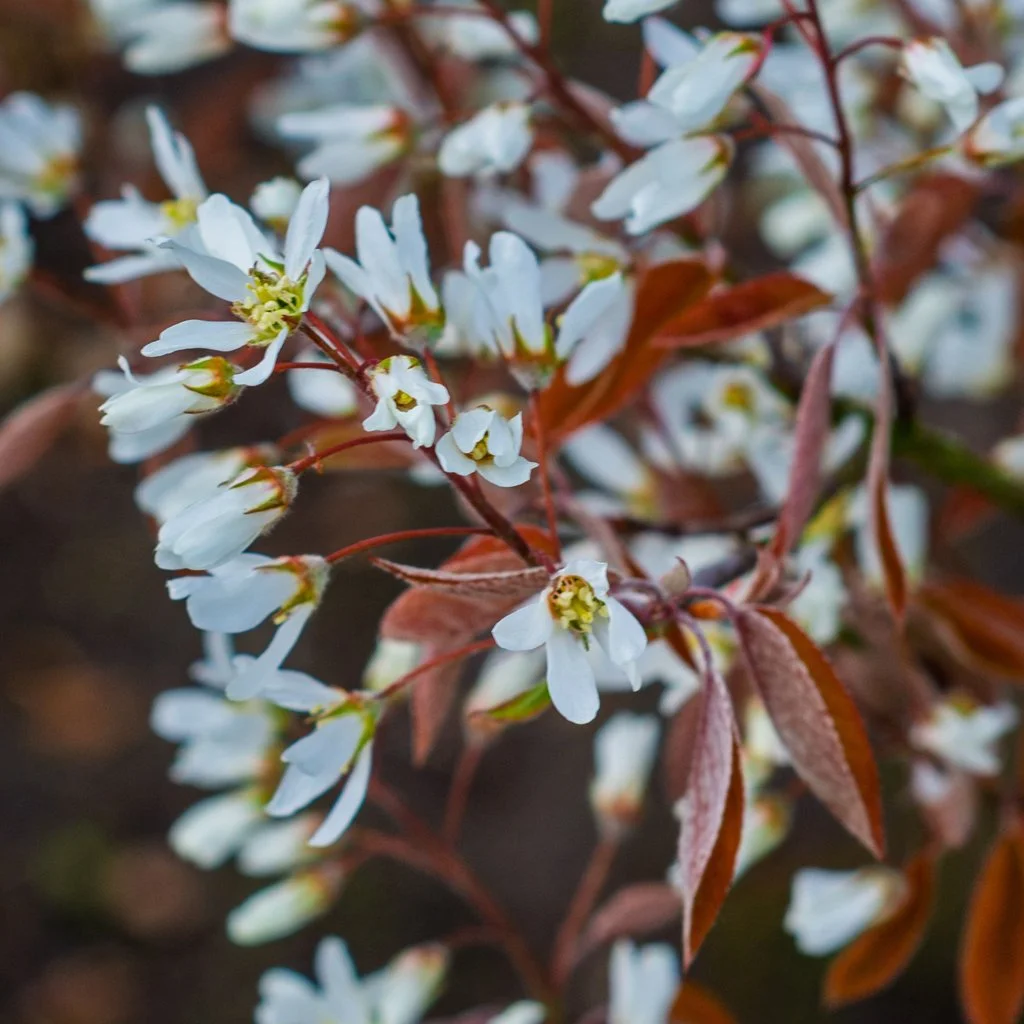
Flowers: Fragrant creamy-yellow flowers
Hardiness: Fully hardy
Wildlife value: Excellent
Pruning group: RHS Pruning Group 1

Ideal uses

  • Large specimen planting

  • Country estates

  • Parkland

  • Woodland edges

  • Large rural gardens

  • Native tree groups

  • Pollinator-friendly planting

  • Ecological landscapes

  • Biodiversity schemes

  • Generous urban green spaces

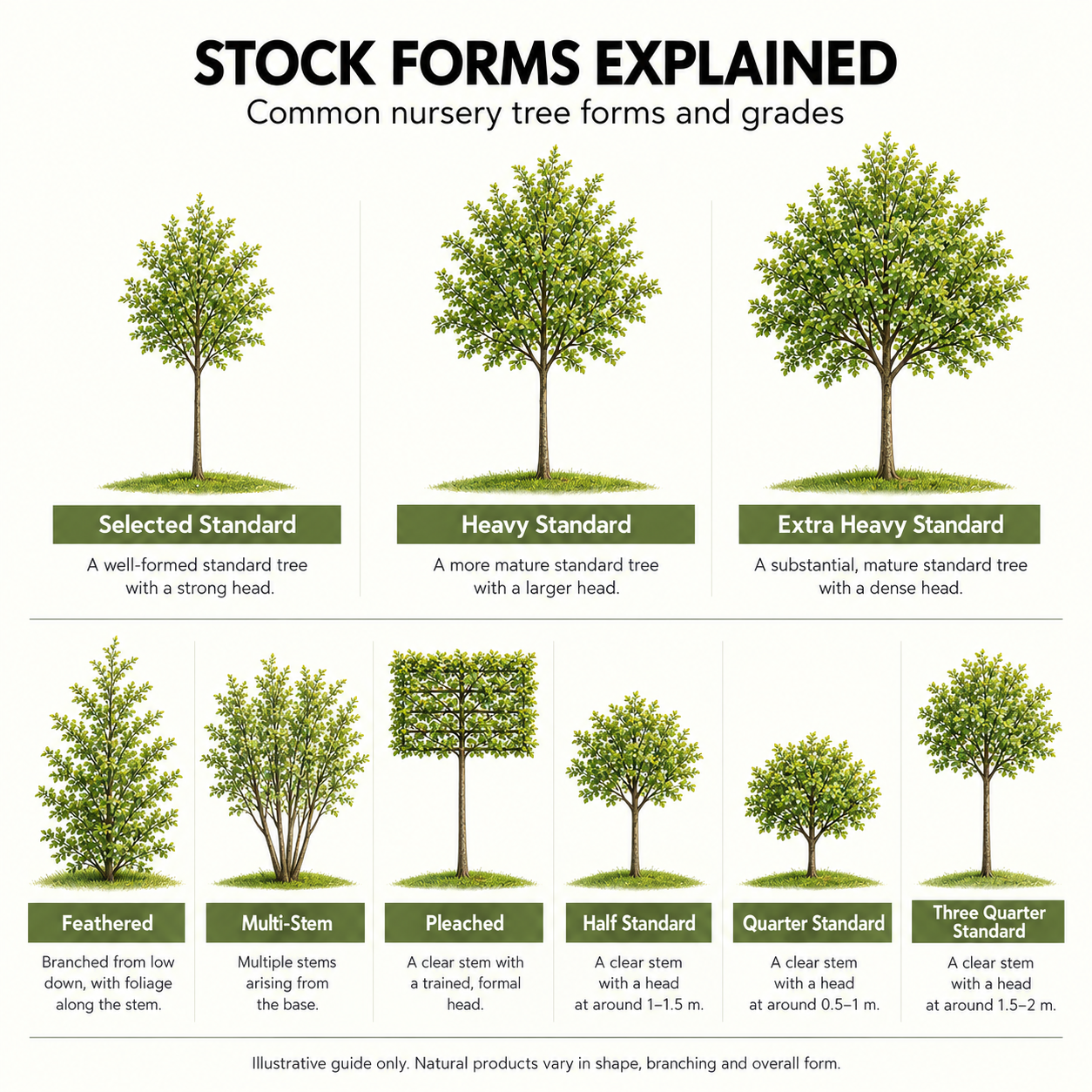
Available forms

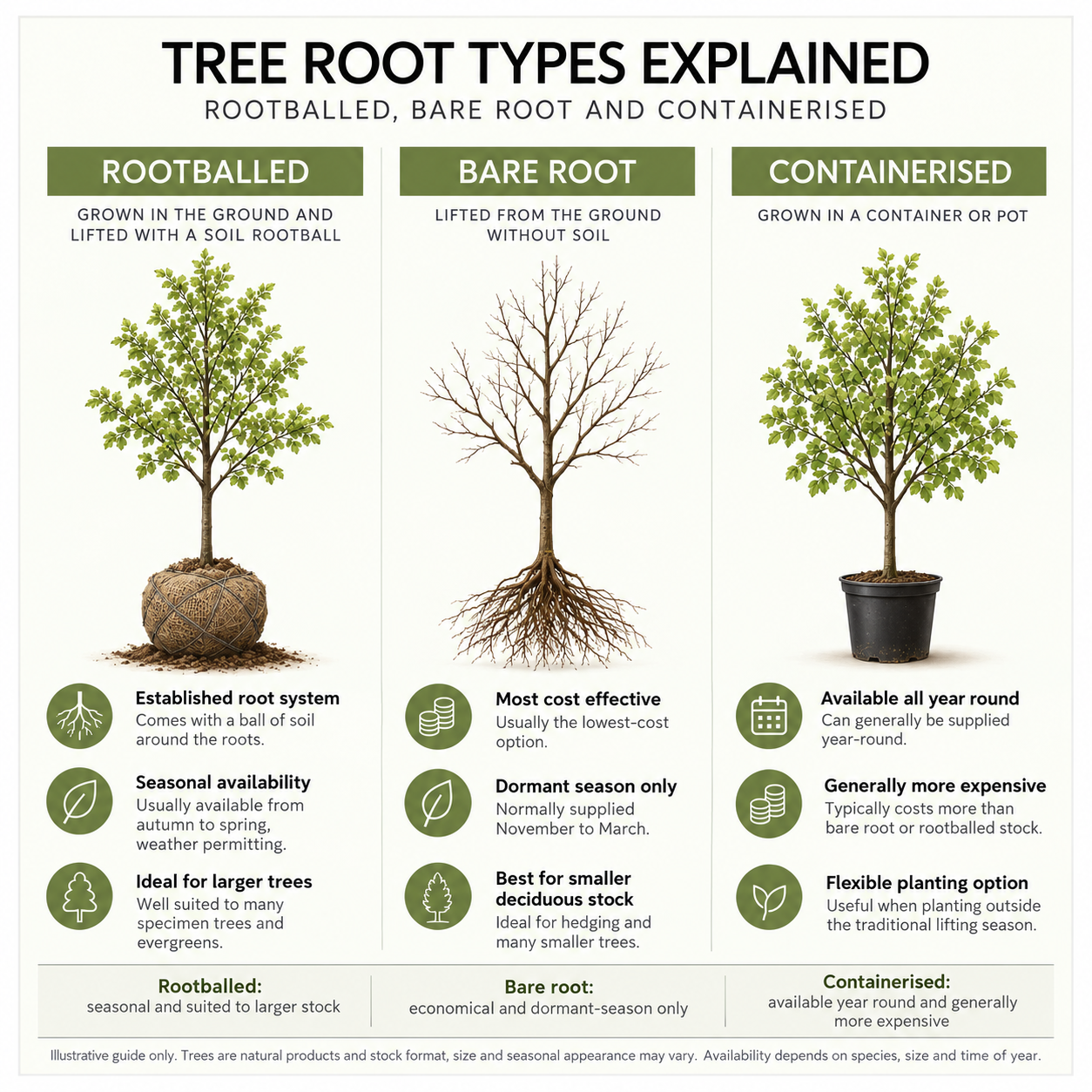
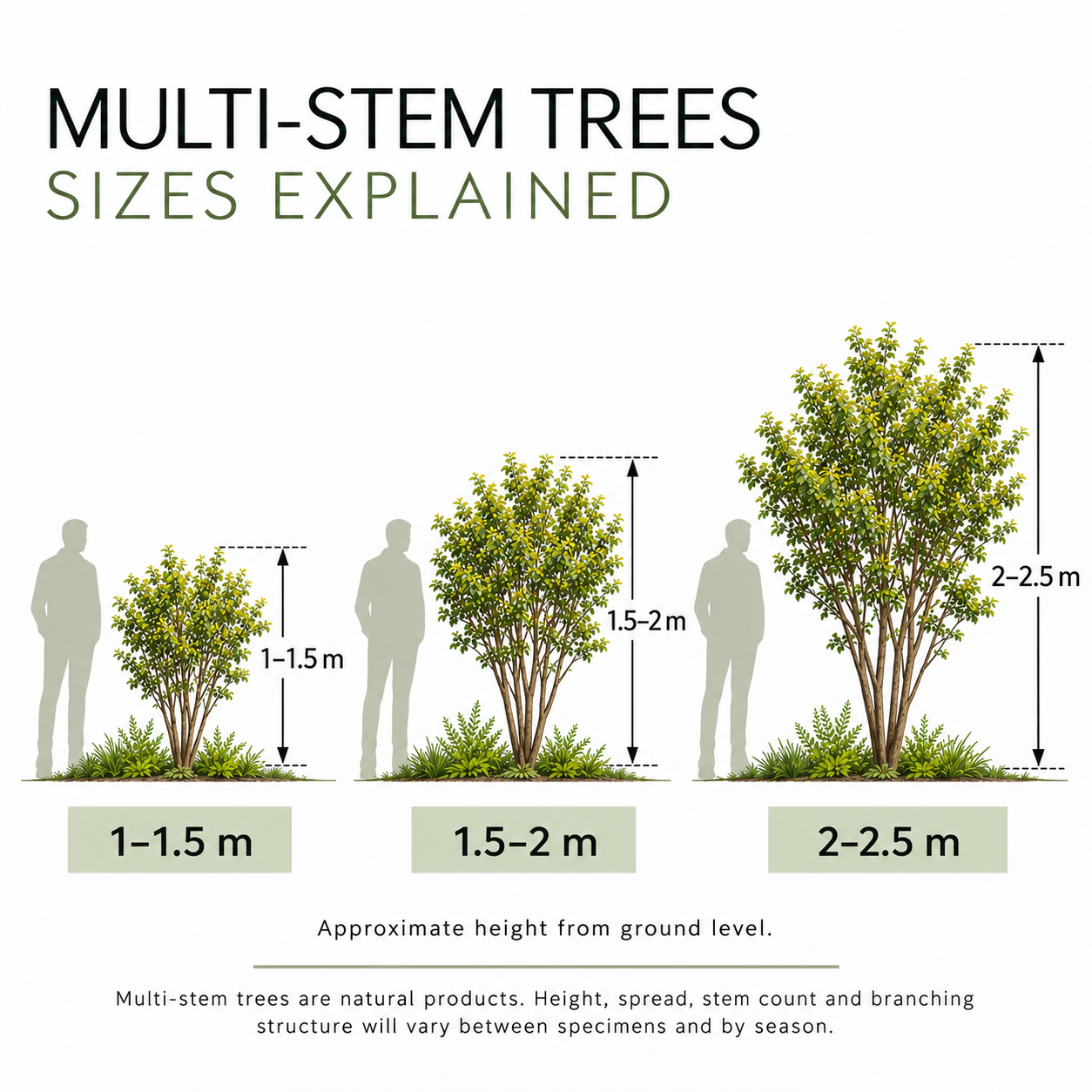
Subject to stock availability, Tilia cordata may be supplied as:

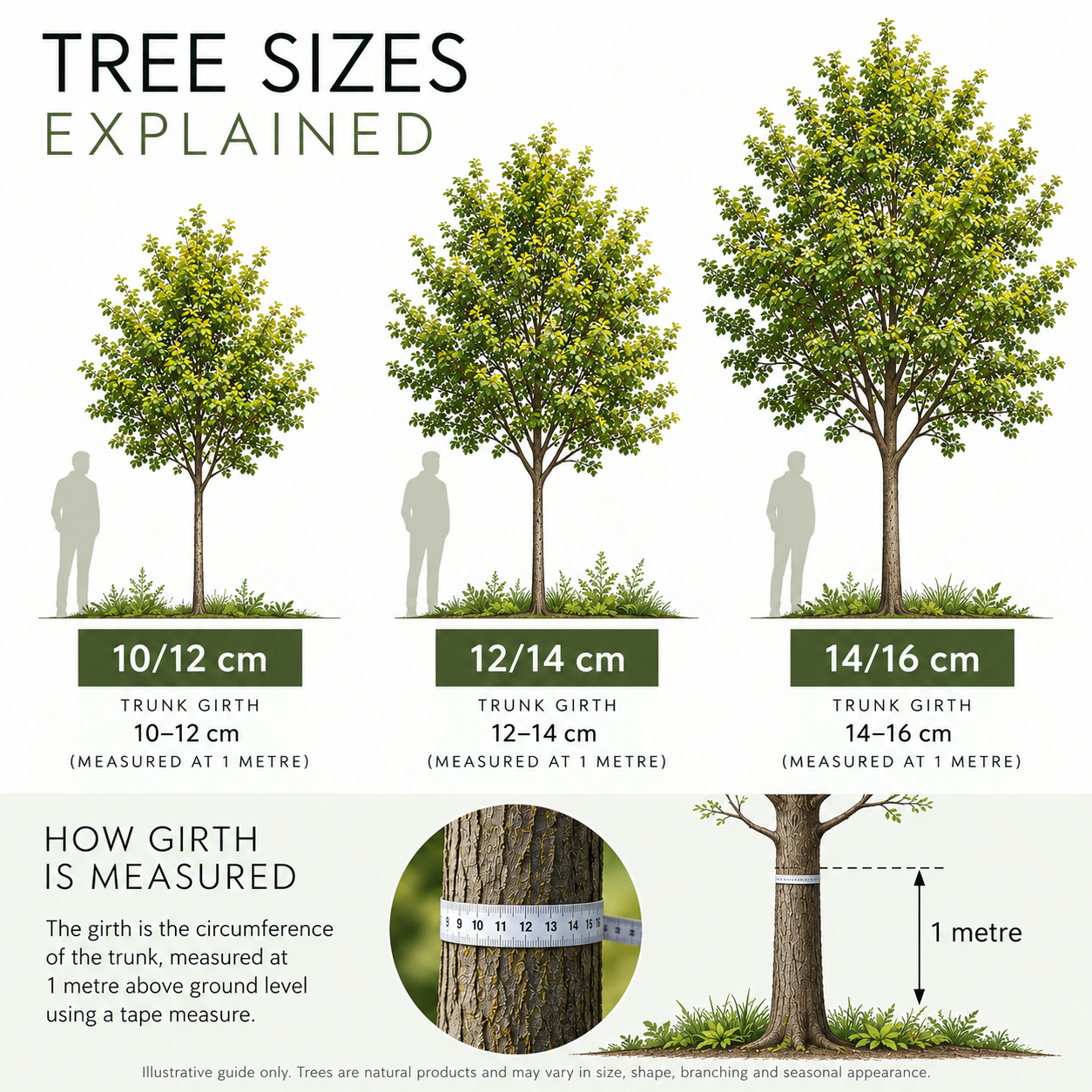
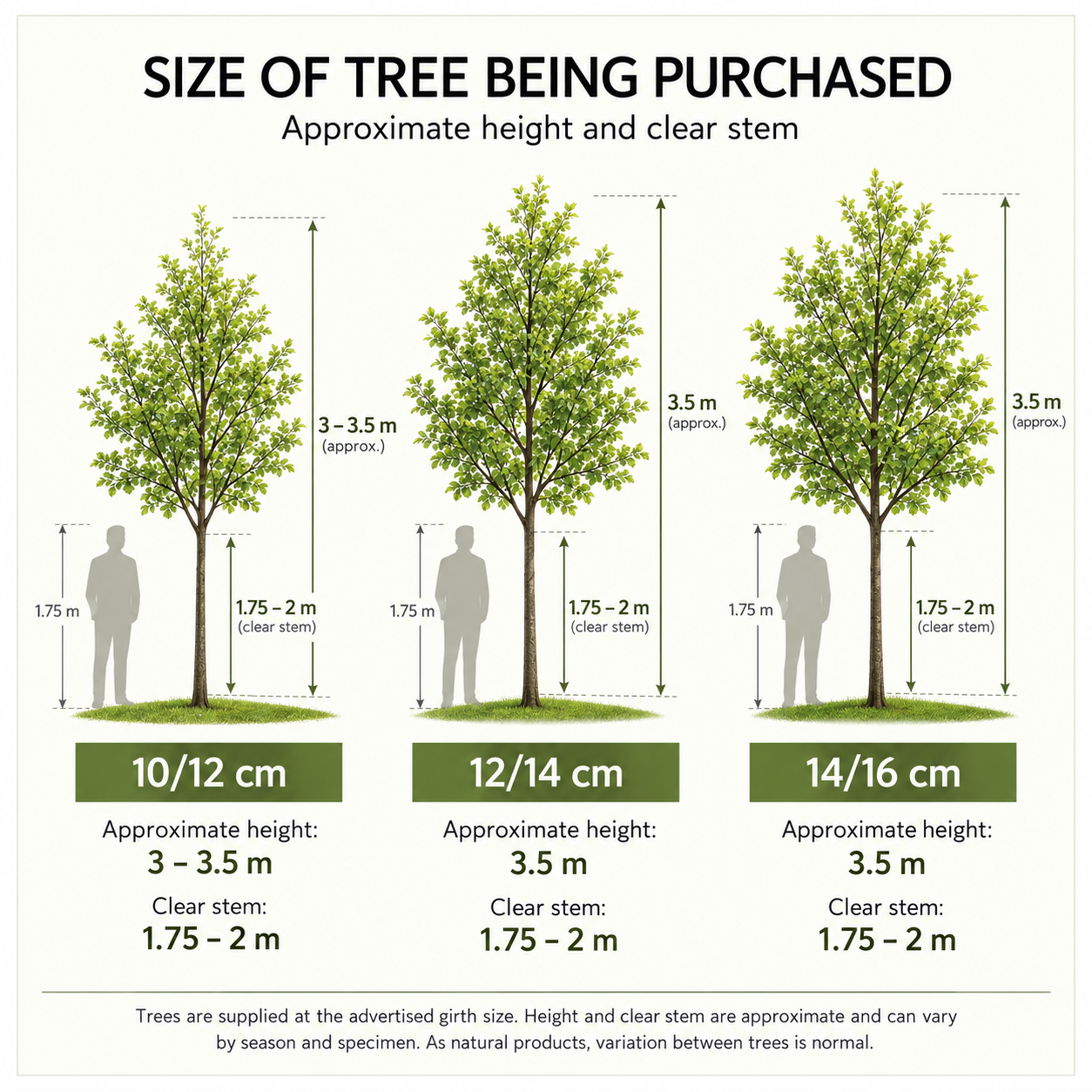
Explore our guide to specimen tree sizes before ordering.

Important positioning consideration

Tilia cordata becomes a large tree with a broad canopy. It should only be planted where sufficient crown and rooting space are available.

Aphids can produce sticky honeydew beneath the canopy. Avoid positioning the tree directly above frequently parked cars, valuable paving or important seating areas.

Delivery and Professional Planting

We can install specimen trees at any of the in following postcodes;

BB, BL, CH1 - CH5, CW8, CW9, FY, L, LA1 - LA6, M, OL, PR, SK1 - SK12, WA, & WN.

Please do not purchase if you want the hedging installed outside this area. If you do live outside the area, then please give us a call on 01942 604976 and we can see if it’s possible to do this.

For more information on the tree see the tree specification below. For more information about delivery, access and planting, see the guide below or click here.

Download the tree specification for:
Tilia cordata ‘Greenspire’

This downloadable PDF provides a complete, detailed reference guide for this tree. It includes full horticultural specifications, growth characteristics, soil and site requirements, seasonal interest, wildlife value, and practical planting considerations.

Ideal for gardeners, landscapers, and designers, the document is intended as a technical and planning resource to help you understand how this tree will perform in your garden or landscape over time.

Click the pdf icon to download the full specification sheet.

Download Tree specification

Download the practical guide to tree delivery, access and planting
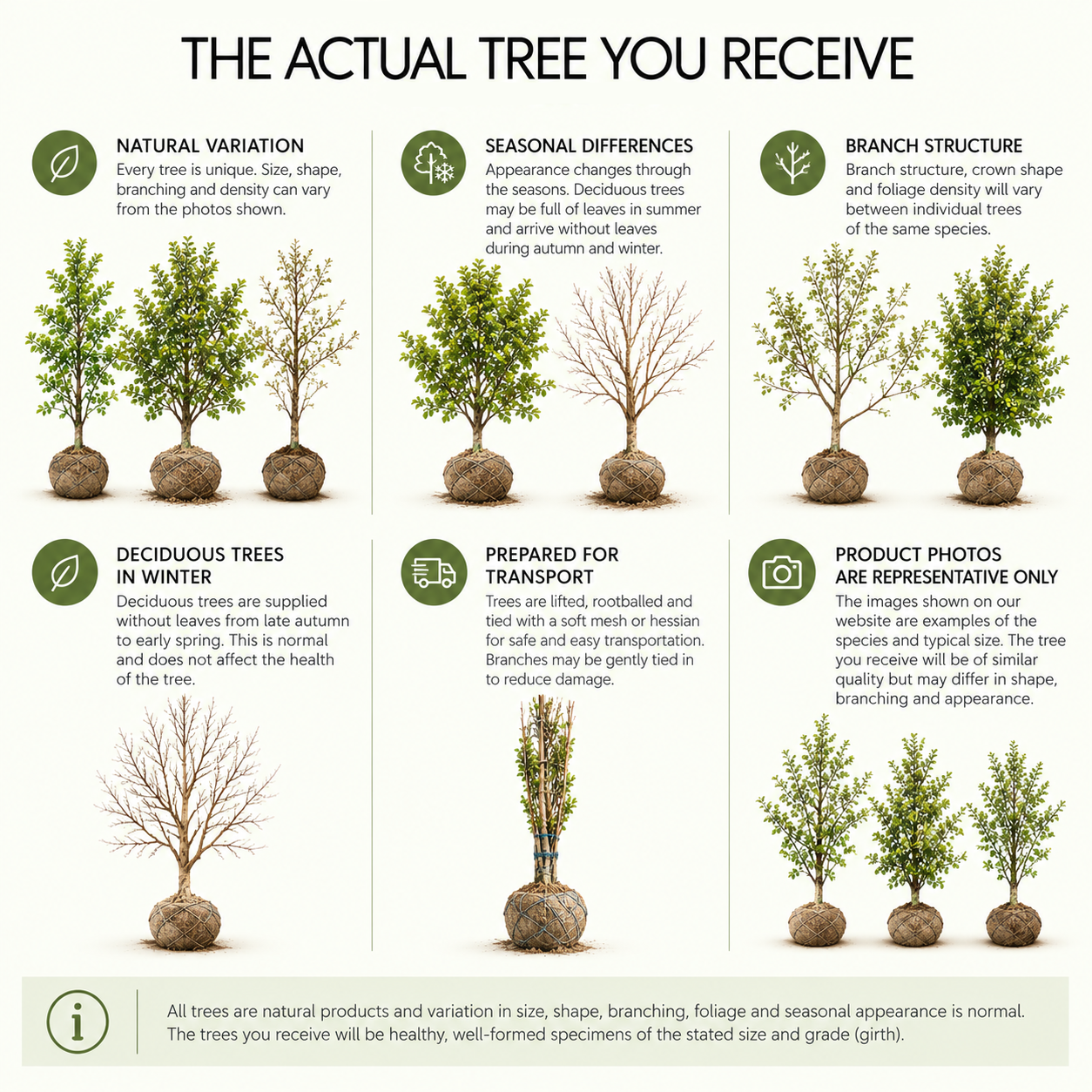
Buying a specimen tree is one of the quickest ways to transform a garden. It can provide instant height, structure, screening and maturity that would otherwise take years to achieve.

But buying a large tree is a little different from buying most plants online. The bigger the tree, the more important it becomes to think about how it will reach your garden, where it will be planted and what conditions it will have once it gets there.

Access through gates and passages, steps, overhead cables, underground services, ground conditions and even the distance from the road can all influence how a tree needs to be delivered and planted.

Don't worry — you don't need to work all of this out yourself. That's what we're here for.

This guide explains the practical things to consider before ordering and the information we'll ask you to provide. With a few measurements and photographs, we can usually establish what is required and make sure we arrive properly prepared to get your new tree safely into the ground.

You choose the tree. Show us where you'd like it. We'll help with the rest.

Download the practical guide to delivery, access and planting