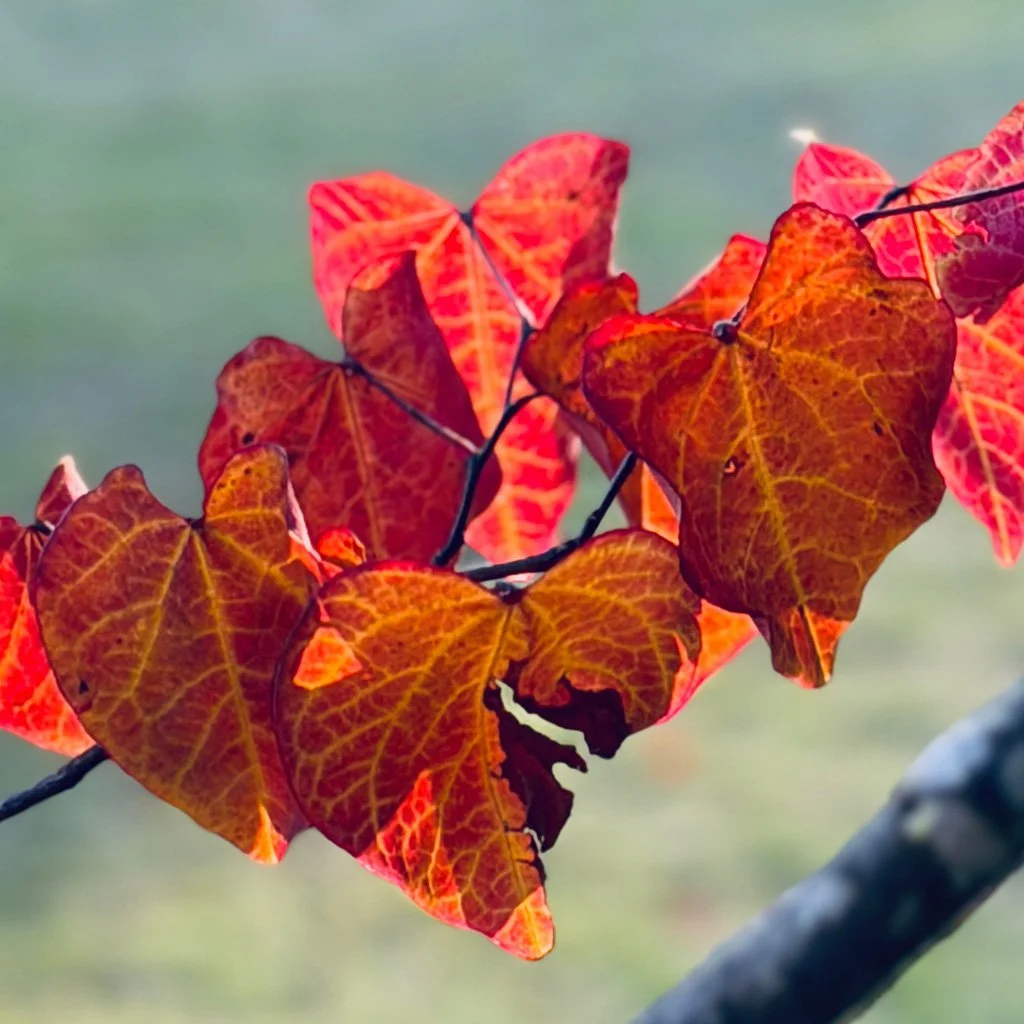
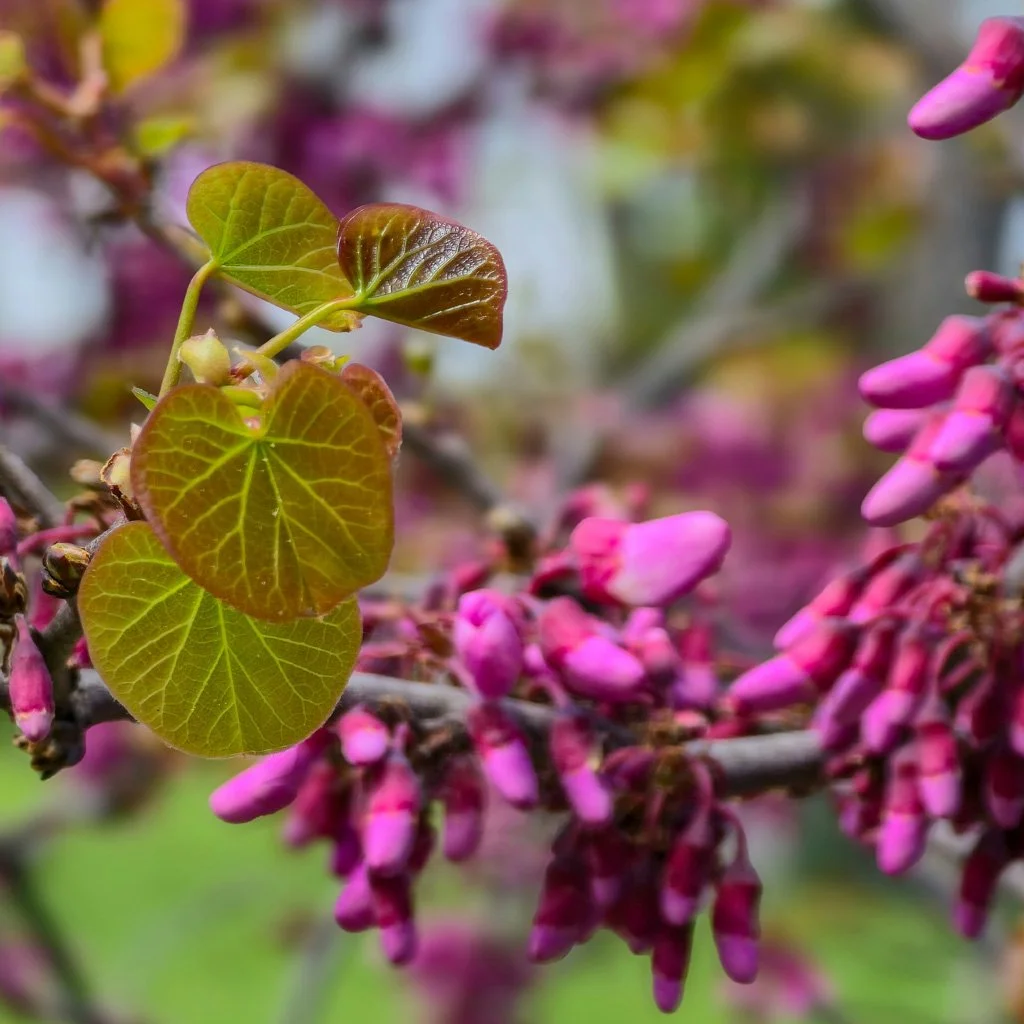
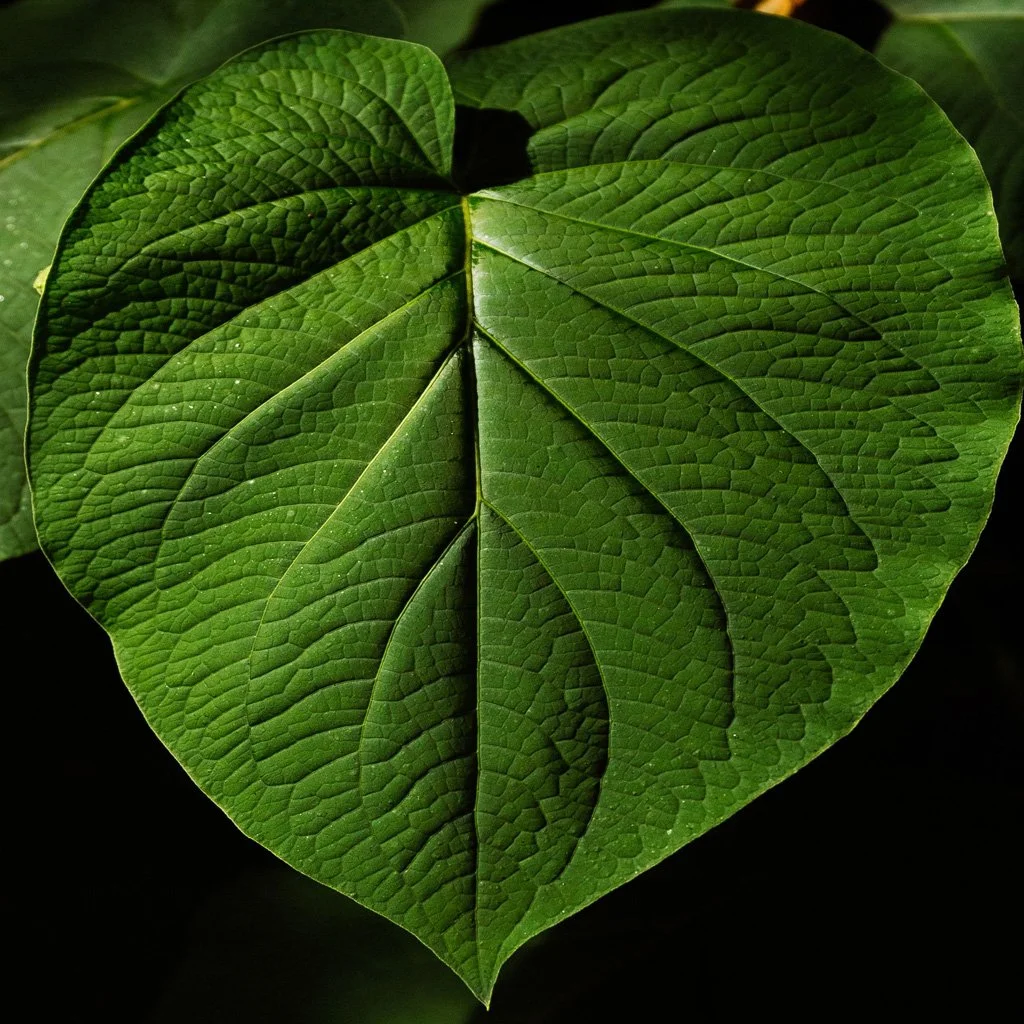
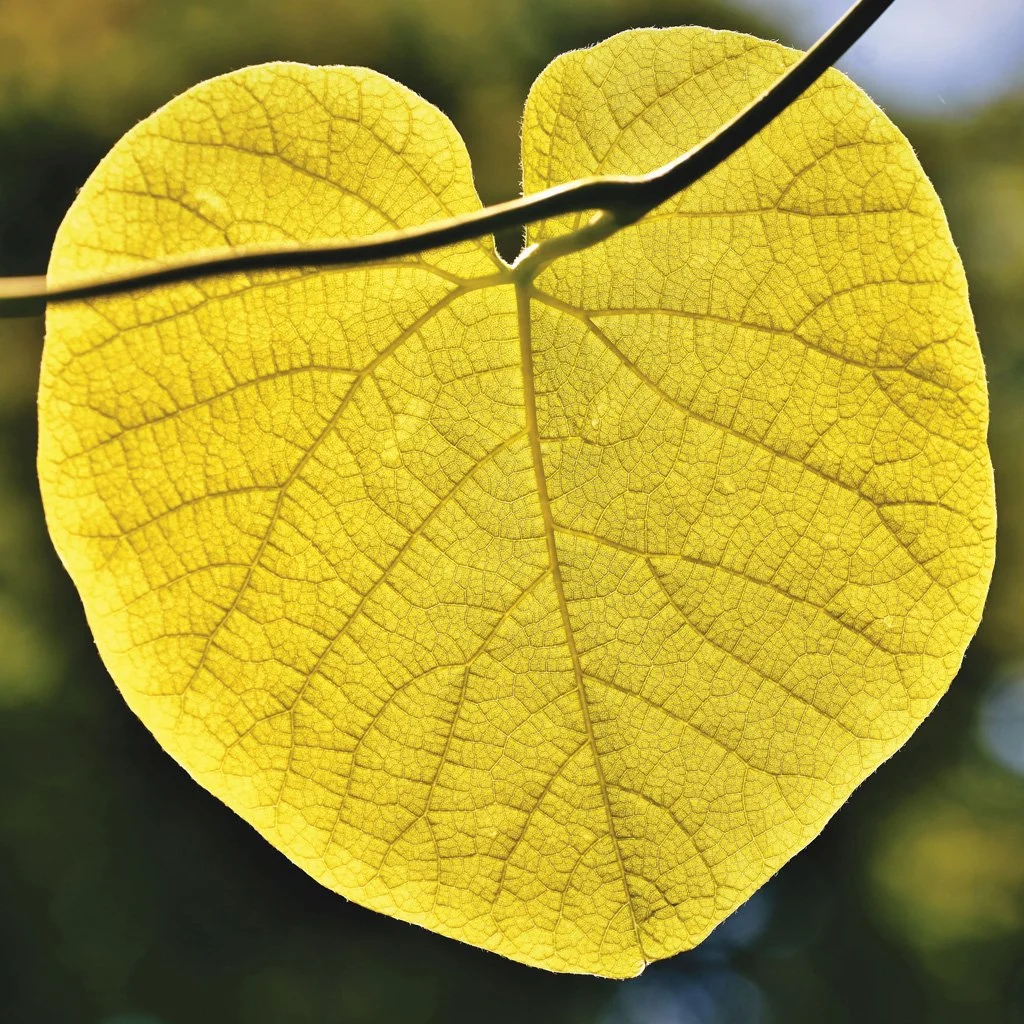
Acer pseudoplatanus, the sycamore, is a large, hardy deciduous tree with broad green foliage, yellow autumn colour and a dense rounded crown.
It is an excellent choice for estates, parkland, avenues, large gardens and exposed North West landscapes, particularly where heavy clay, urban conditions or wind make tree selection difficult.
Product highlights
Robust large specimen tree
Excellent wind and cold tolerance
Strong clay and urban-soil tolerance
Dense summer foliage
Yellow autumn colour
Spring flowers and winged samaras
Moderate-to-fast establishment
Suitable for full sun or partial shade
Available in multiple forms
Good wildlife value
Plant information
Feature / Details
Botanical name: Acer pseudoplatanus
Common name: Sycamore
Plant type: Large deciduous tree
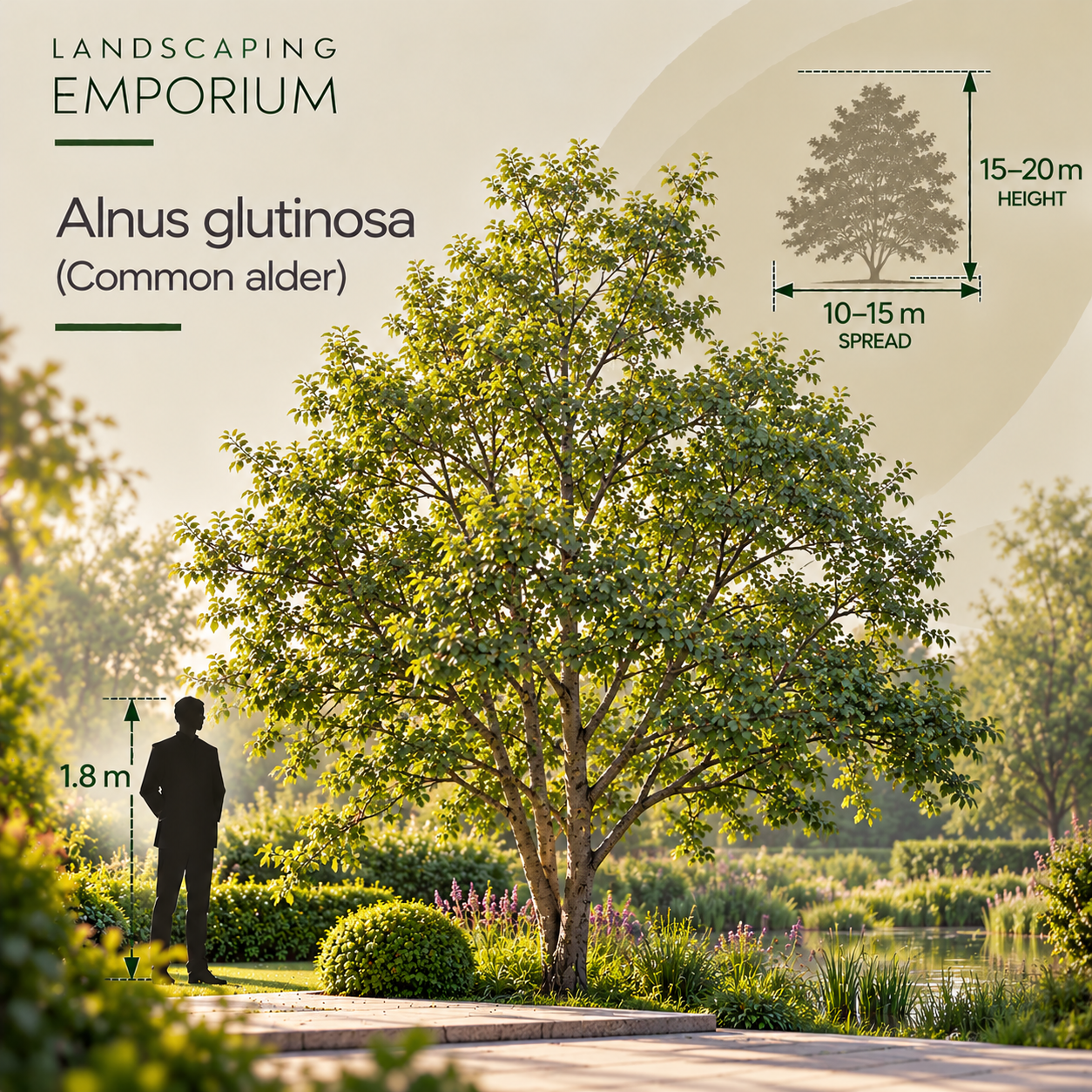
Mature height: Approximately 20–30m
Mature spread: Approximately 12–20m
Growth rate: Moderate to fast
Annual growth: Approximately 40–80cm when established
Position: Full sun or partial shade
Soil: Clay, loam, chalk and suitable urban soils
Moisture: Moist but not permanently flooded
Hardiness: Fully hardy
Wildlife value: Good
Maintenance: Low
Suitable for
Large gardens
Estates
Parkland
Avenues and drives
Commercial landscapes
Large lawns
Clay soils
Urban sites
Exposed inland locations
Shelter planting
Not recommended for
Small gardens
Narrow boundaries
Permanently flooded ground
Positions beneath overhead services
Evergreen privacy schemes
Sites without adequate rooting volume
Choosing the right size
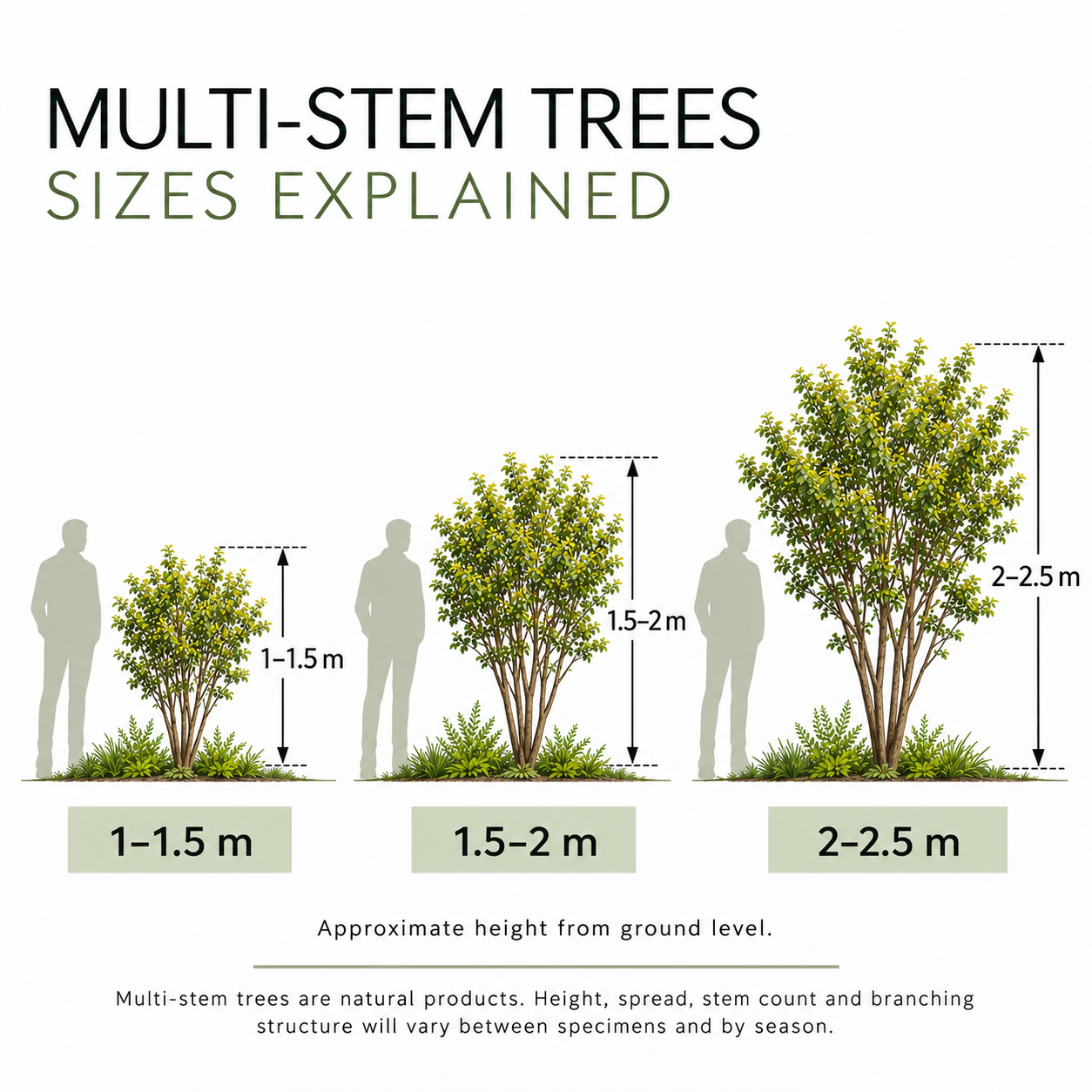
Younger trees establish efficiently and are easier to handle. Larger specimens provide immediate scale but require more involved delivery, lifting, anchoring and aftercare.
Read our guides to specimen tree sizes and mature trees versus younger trees.
Rootballed or container-grown?
Rootballed trees are commonly supplied during the dormant season. Container-grown trees offer a wider planting window where regular irrigation is available.
See rootball versus container-grown trees.
Planting and aftercare
Plant at the original nursery depth and provide a broad area of uncompacted soil. Large trees need secure staking or underground anchoring.
Water deeply after planting and maintain reliable irrigation during establishment. Apply mulch over the root zone while keeping it clear of the trunk.
Follow our tree planting and establishment guide.
Pruning
Free-growing sycamore needs limited pruning once a strong framework has formed. Remove dead, damaged, crossing or unsafe branches and avoid unnecessary hard reduction.
Use a qualified arborist for large established trees. See RHS Pruning Group 1.
Our recommendation
Acer pseudoplatanus is recommended for substantial landscapes requiring a highly resilient deciduous tree that can cope with clay, wind, cold and urban conditions.
We can install specimen trees at any of the in following postcodes;
BB, BL, CH1 - CH5, CW8, CW9, FY, L, LA1 - LA6, M, OL, PR, SK1 - SK12, WA, & WN.
Please do not purchase if you want the hedging installed outside this area. If you do live outside the area, then please give us a call on 01942 604976 and we can see if it’s possible to do this.
For more information on the tree see the tree specification below. For more information about delivery, access and planting, see the guide below or click here.

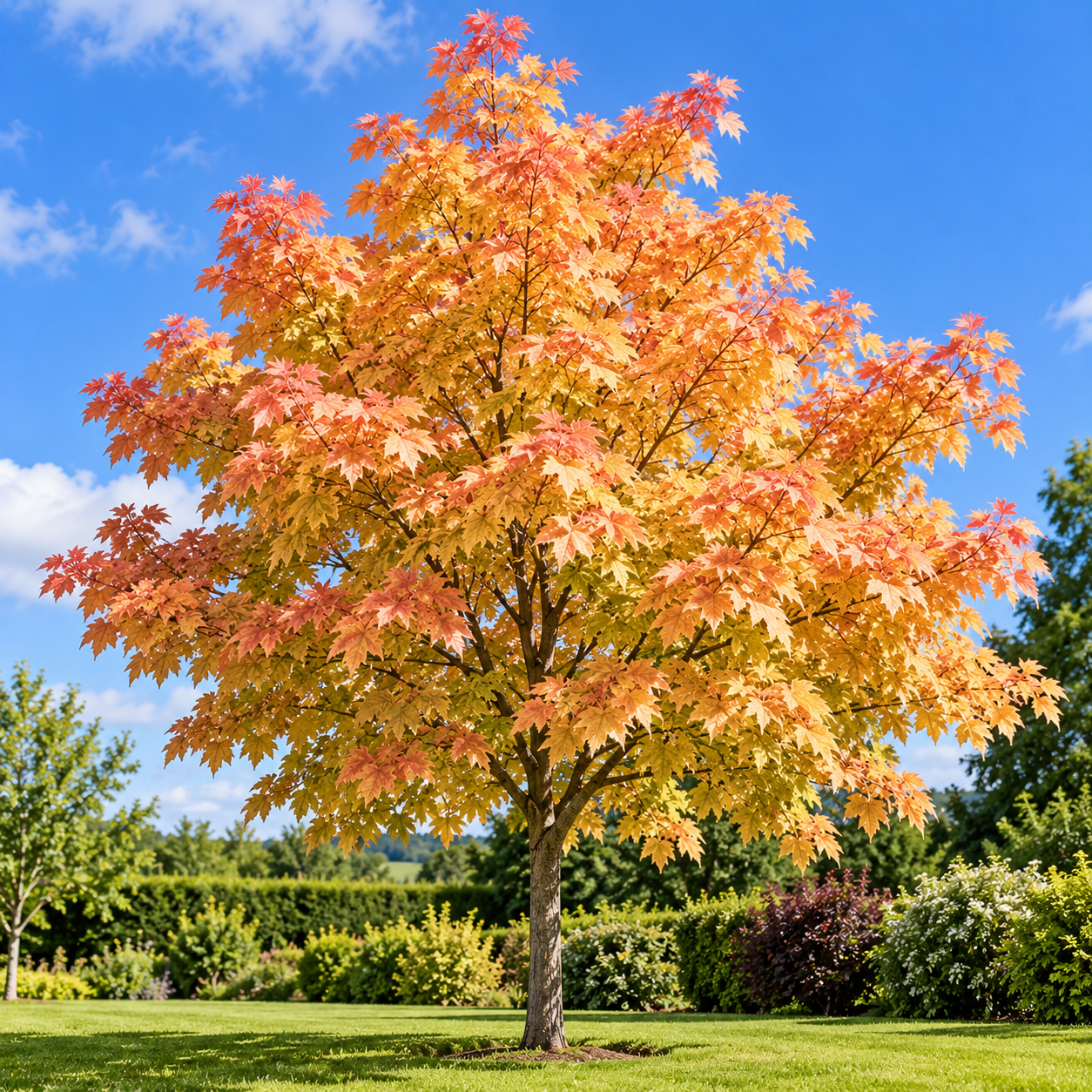 Image 1 of 15
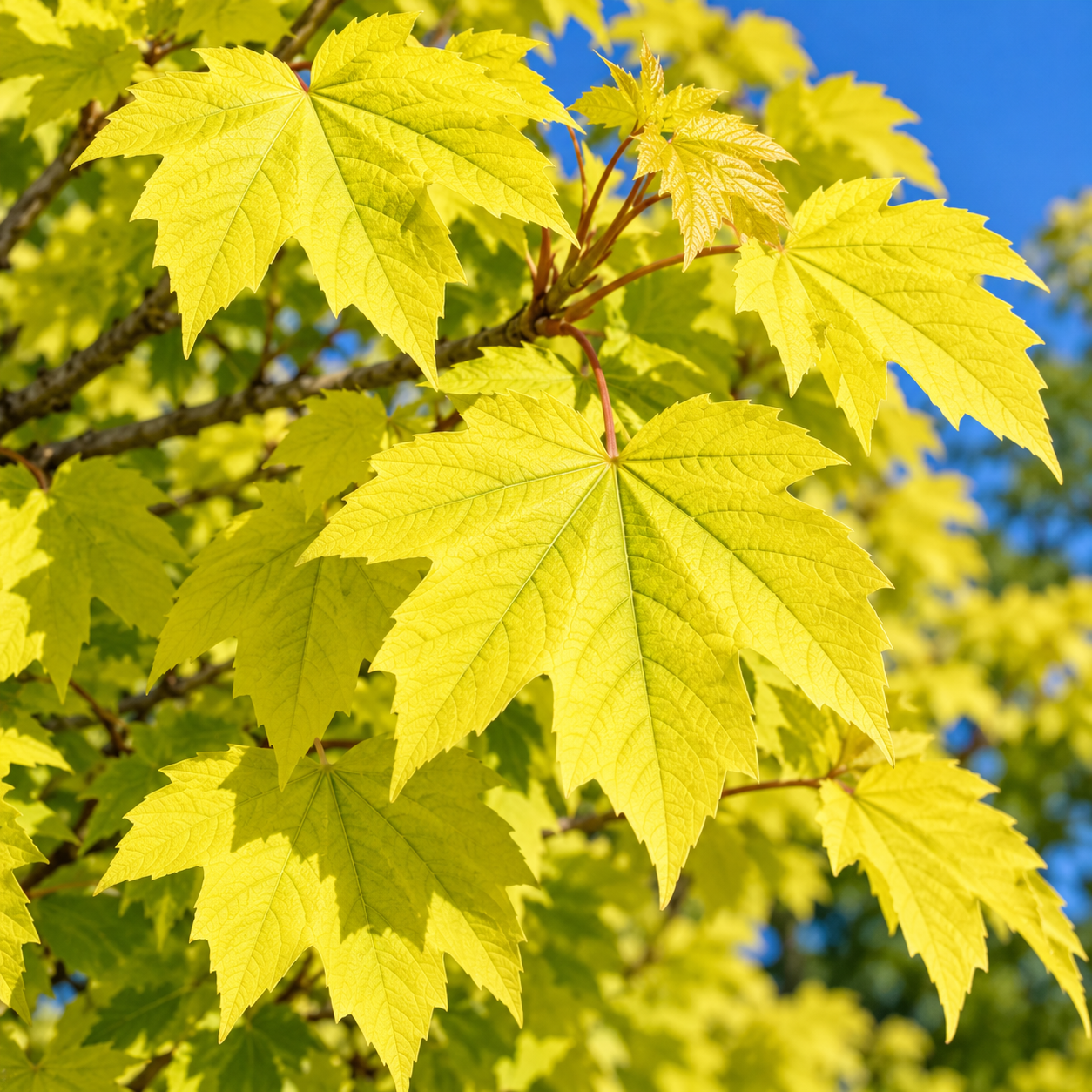 Image 2 of 15
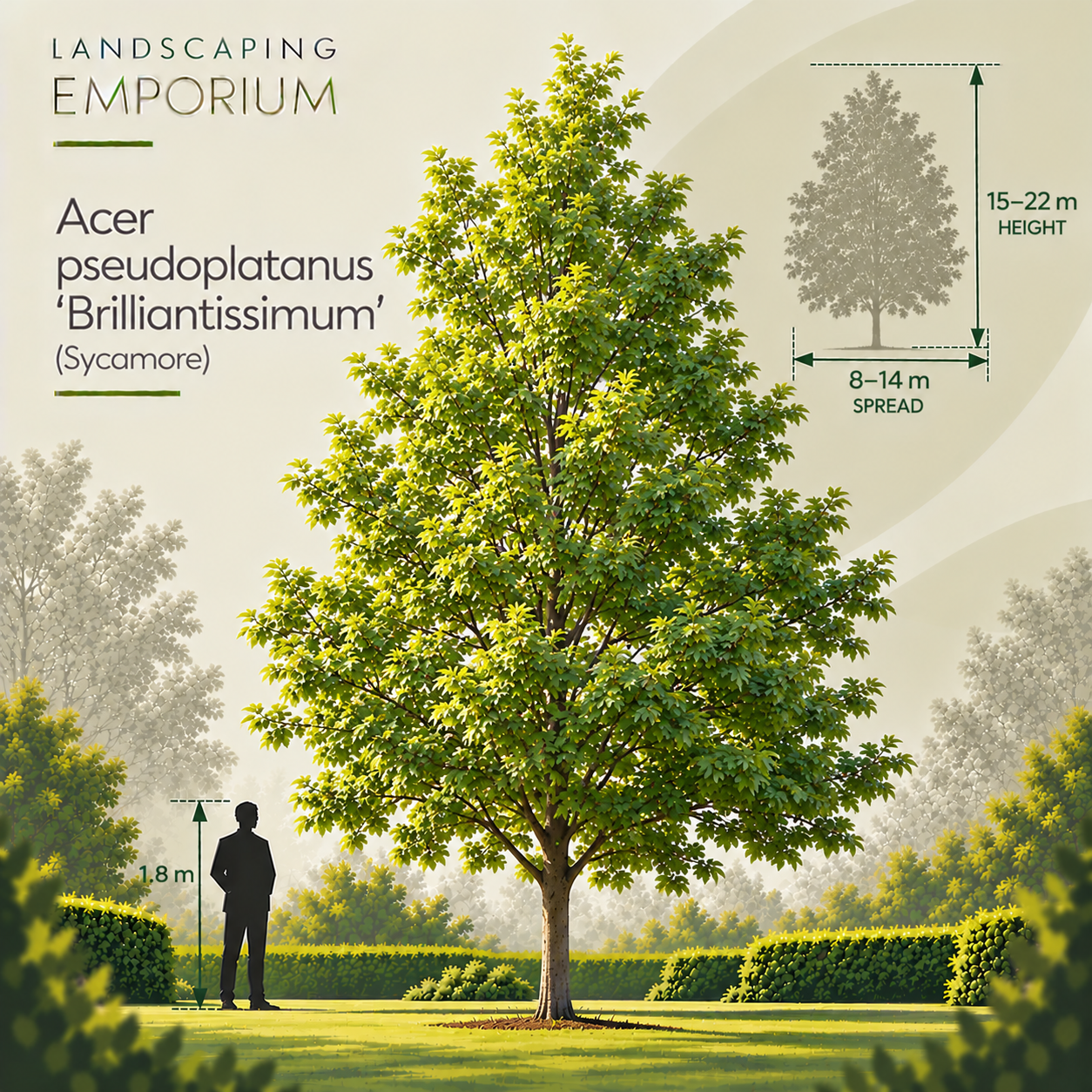 Image 3 of 15
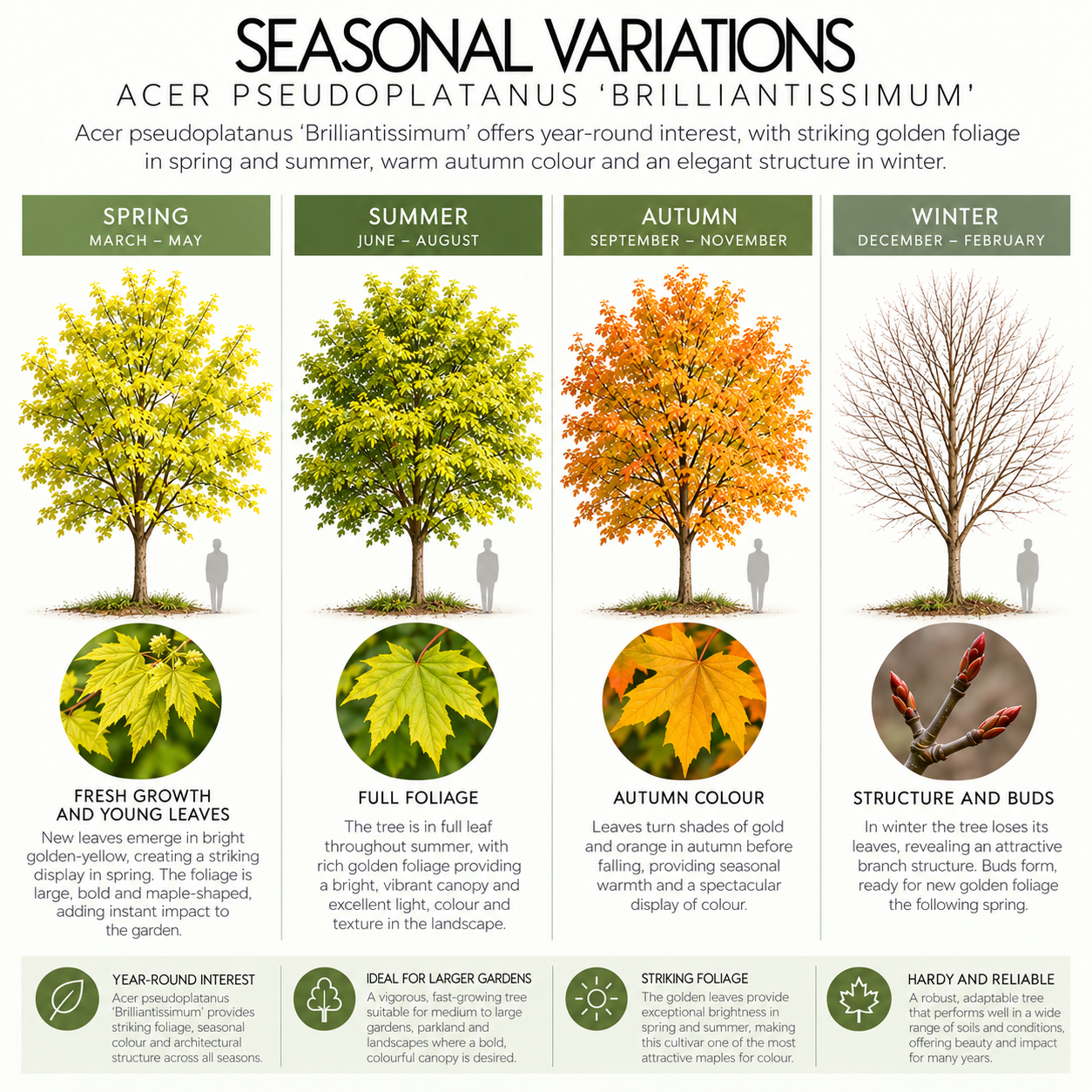 Image 4 of 15
 Image 5 of 15
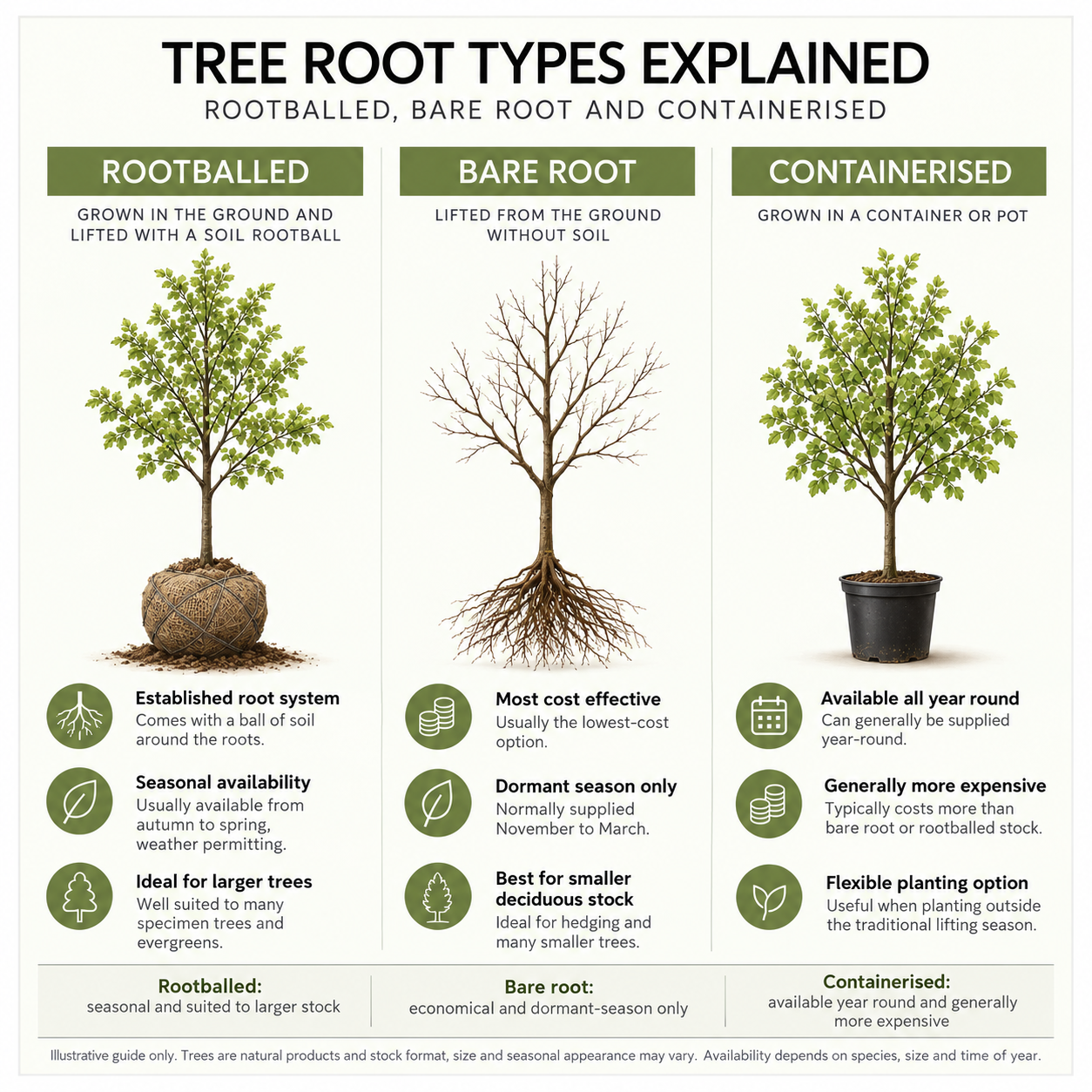 Image 6 of 15
 Image 7 of 15
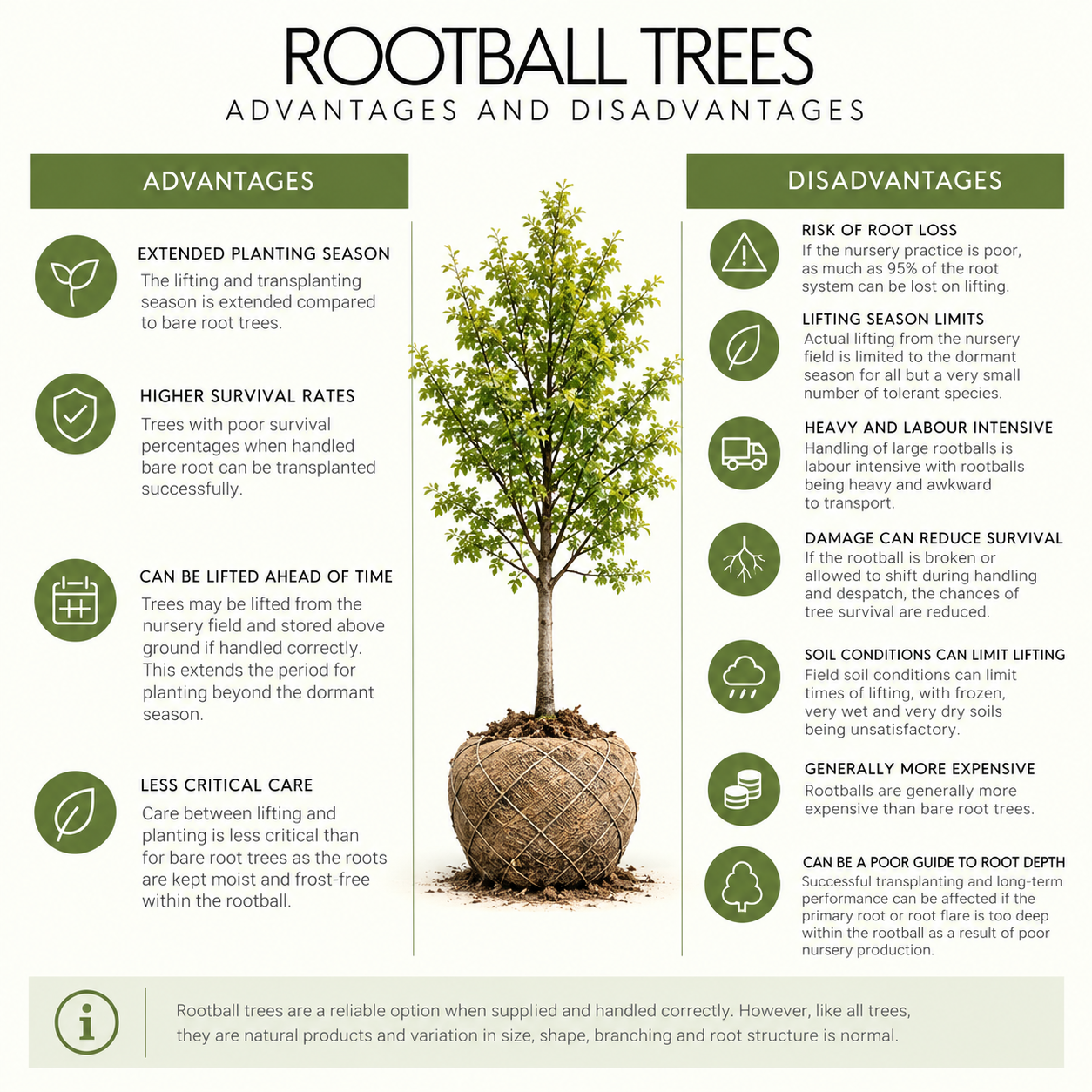 Image 8 of 15
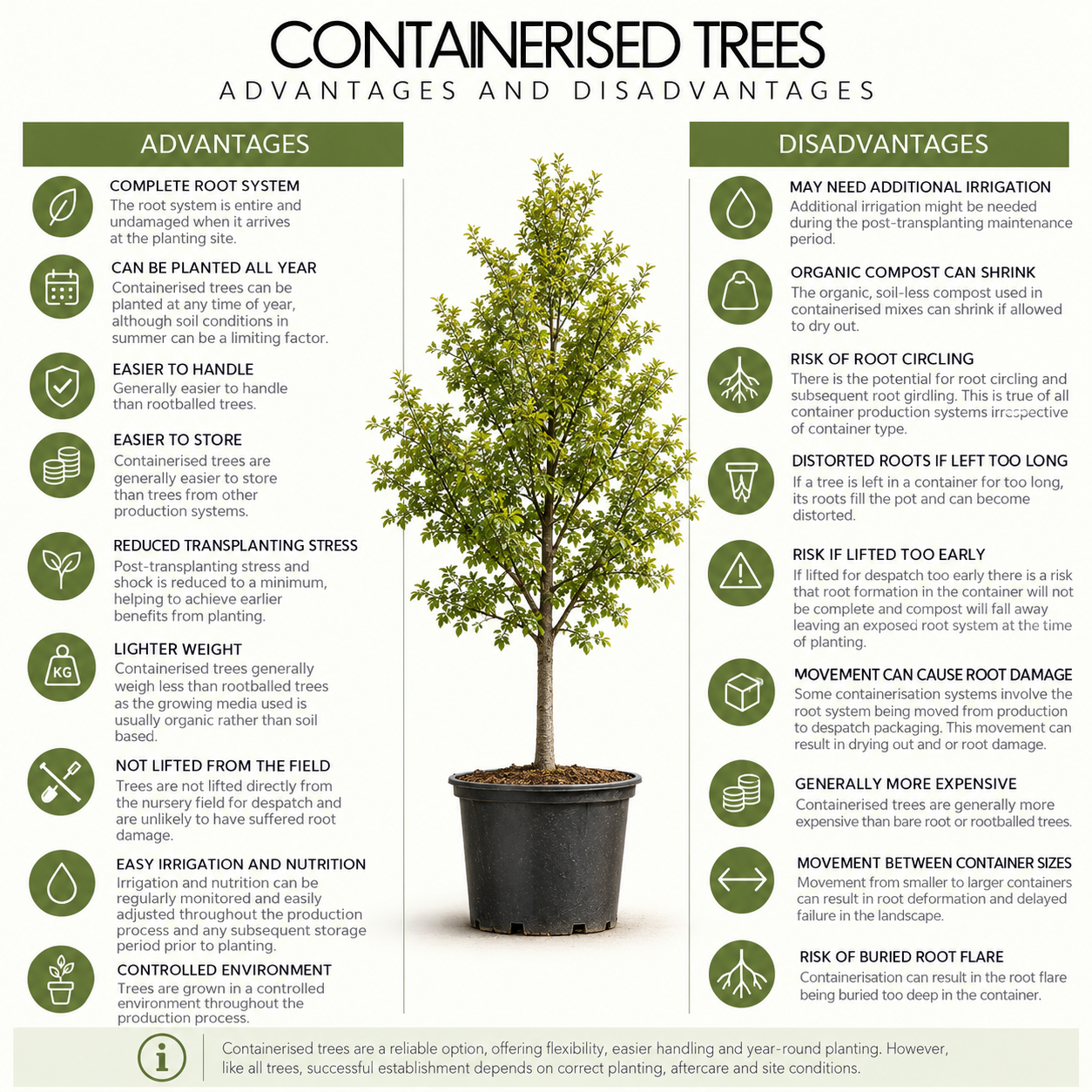 Image 9 of 15
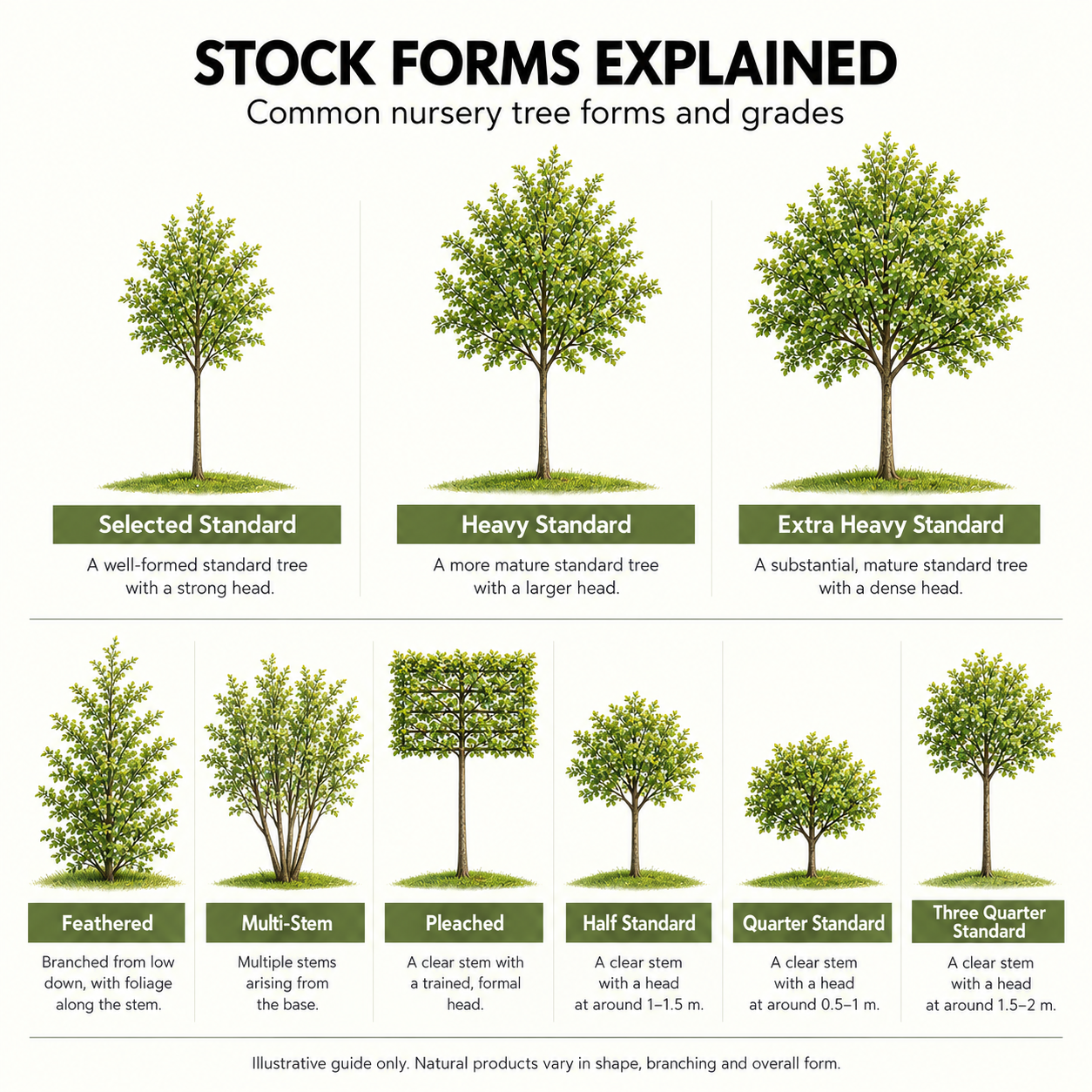 Image 10 of 15
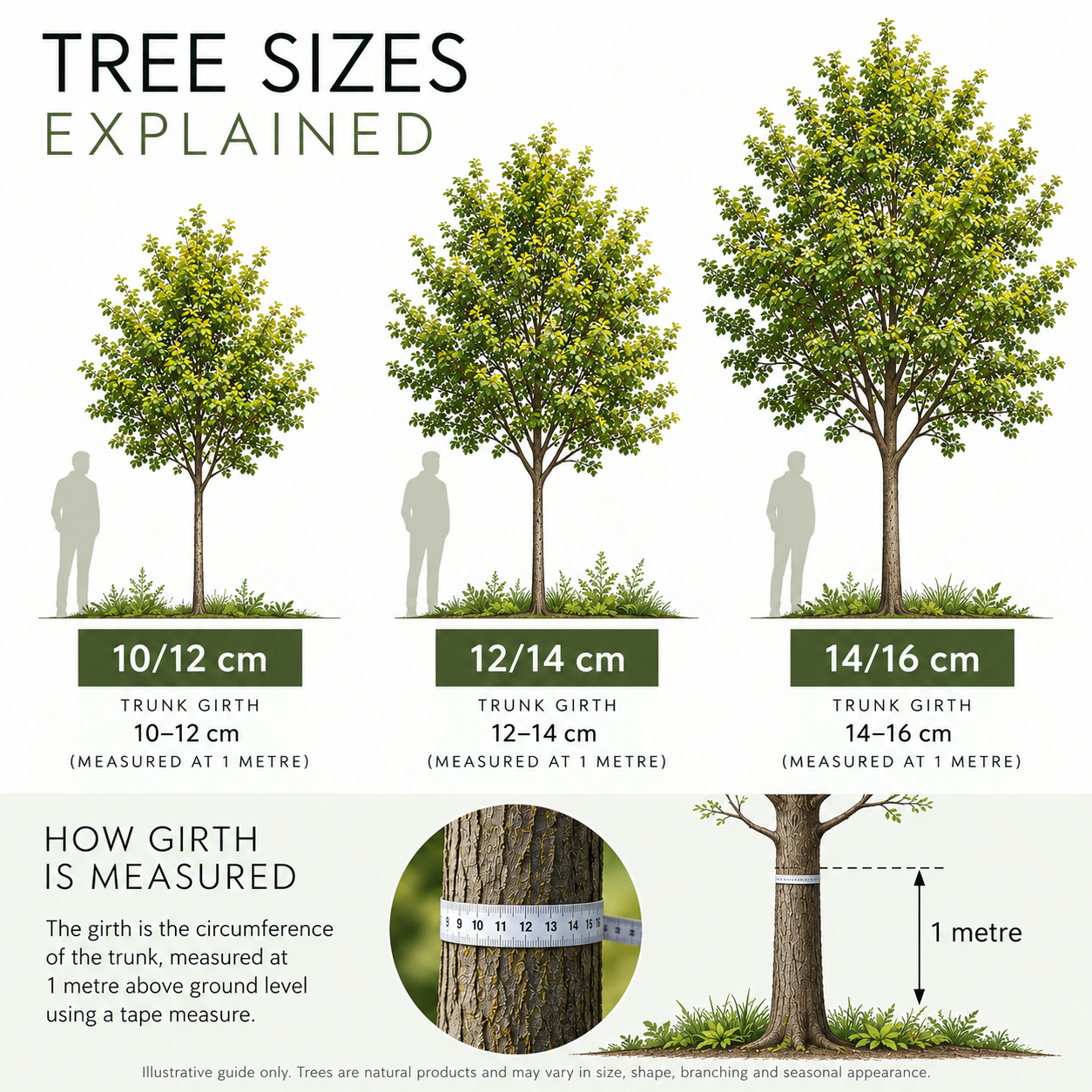 Image 11 of 15
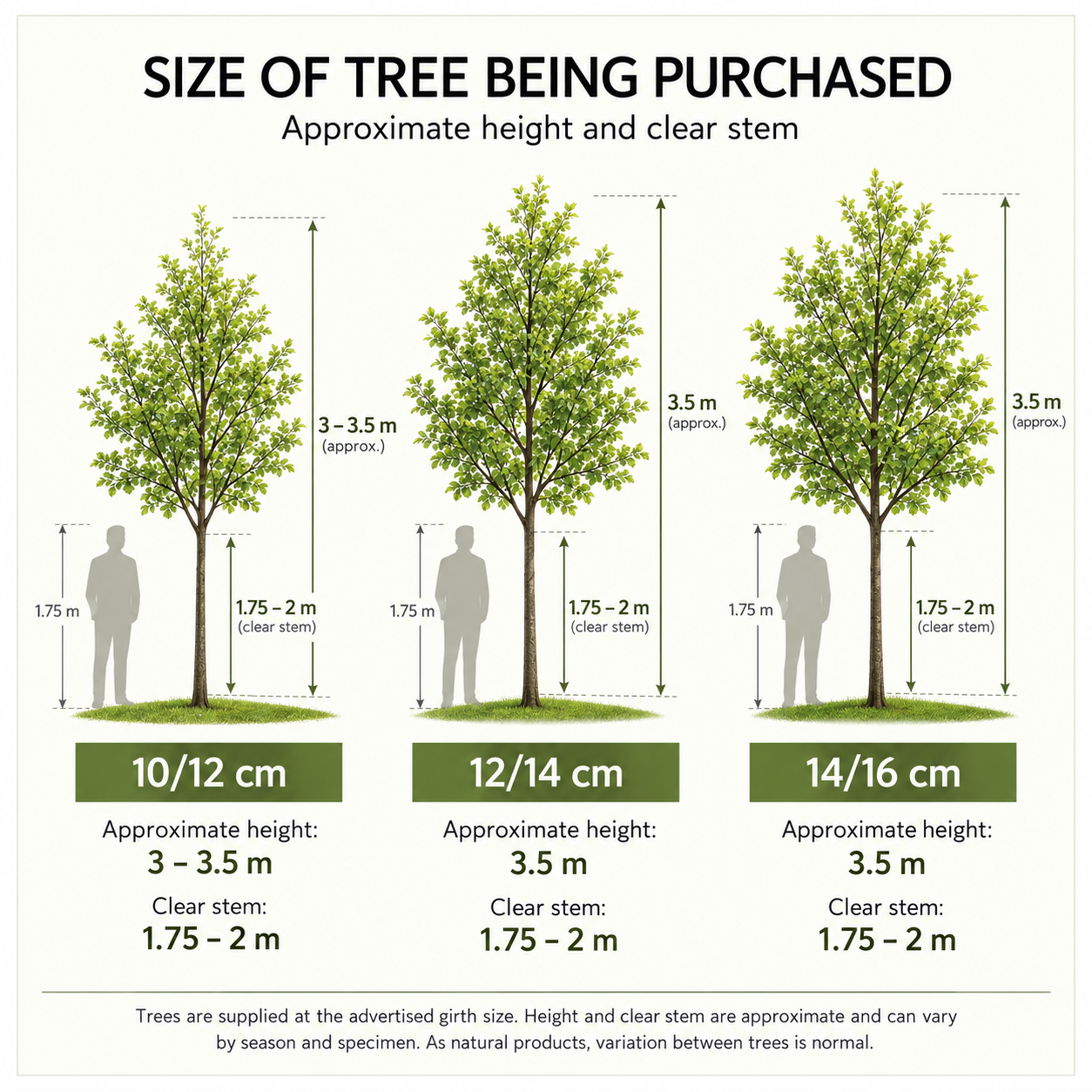 Image 12 of 15
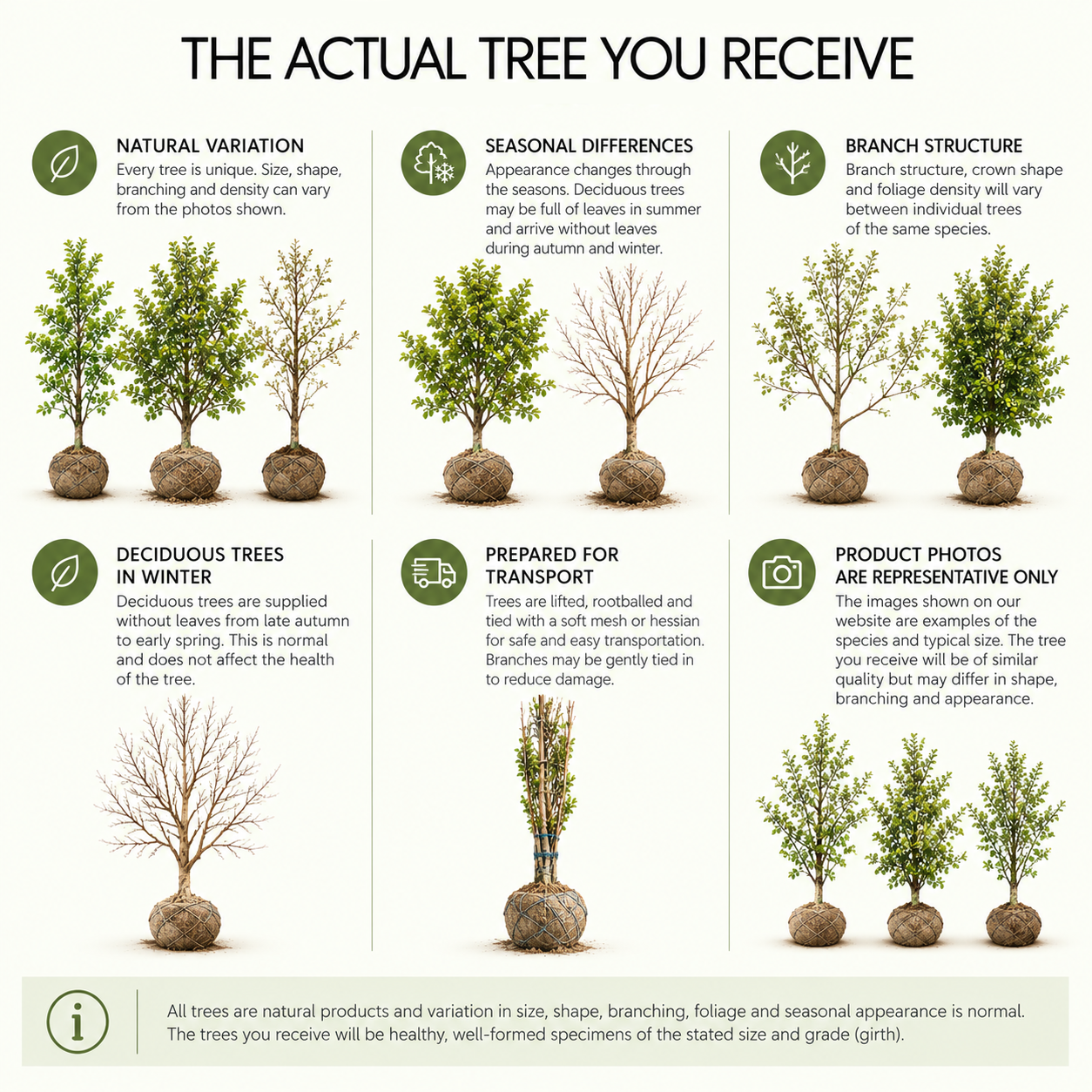 Image 13 of 15
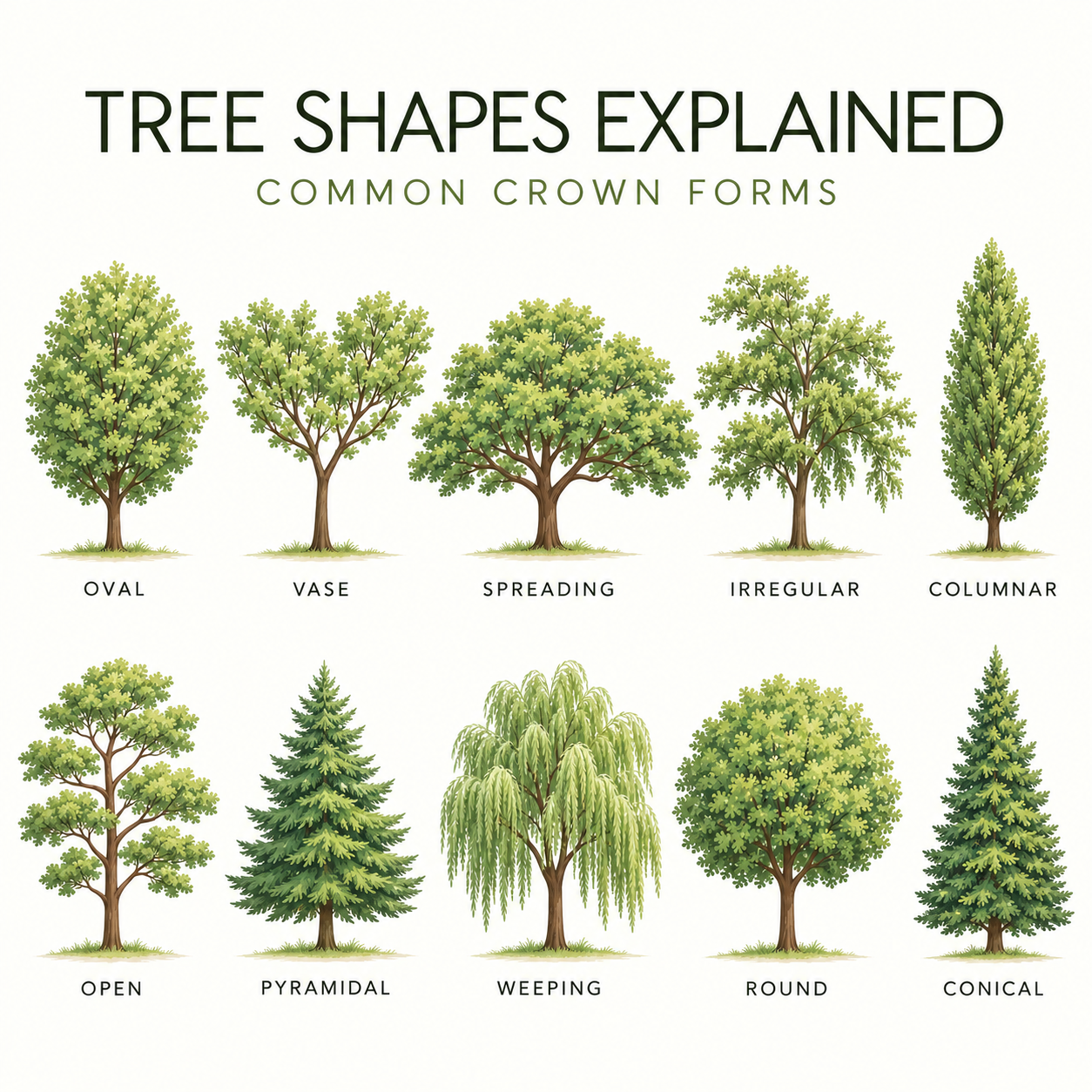 Image 14 of 15
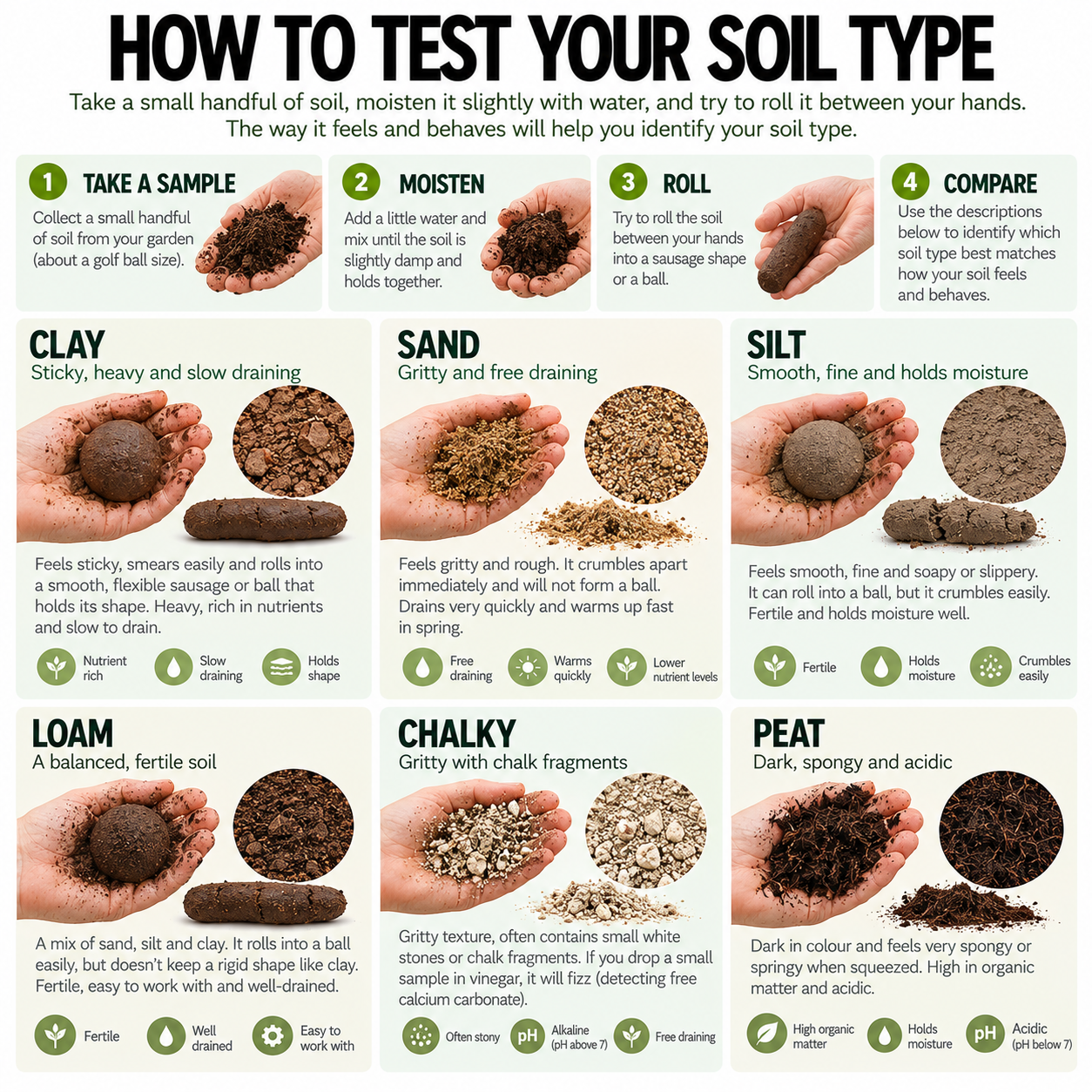 Image 15 of 15