
Hedging Plants & Professional Hedge Planting in Heswall
Evergreen, deciduous and native hedging for elevated gardens, formal boundaries, residential privacy and sloping properties throughout Heswall, Wirral.
Landscaping Emporium supplies hedging plants for residential gardens and landscaping projects in Heswall and surrounding parts of the Wirral.
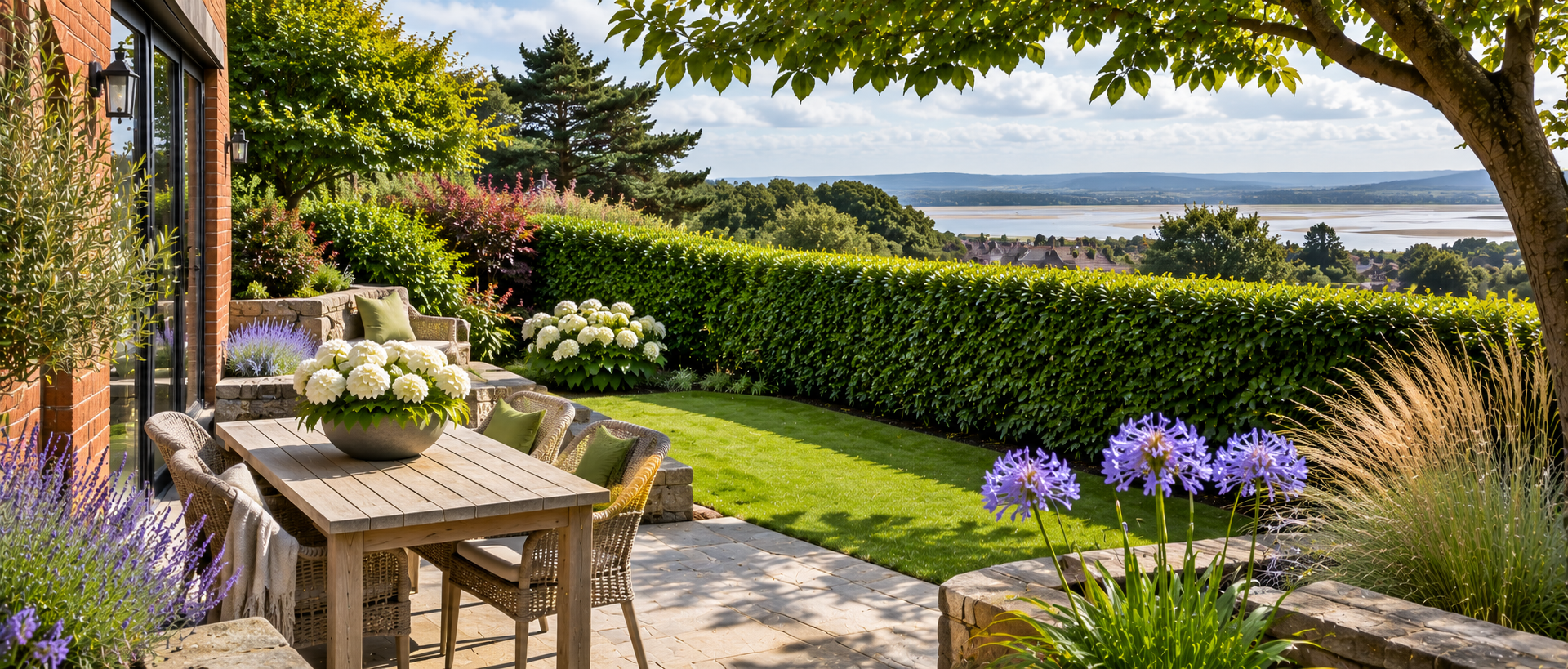
Heswall's position overlooking the Dee Estuary creates distinctive garden design opportunities. Some properties occupy elevated or sloping sites, while others have established gardens with mature trees and sheltered boundaries.
Whether you need a formal evergreen hedge, privacy around an elevated terrace, screening between neighbouring properties or a replacement garden boundary, plant selection should reflect the conditions of the site.
We supply bare-root, rootballed and container-grown hedging, with professional supply and planting available for suitable projects.
For advice covering the wider peninsula, visit our Wirral Hedging Guide, or explore our Merseyside Hedging Guide for regional planting information.
Selected by designers. Installed by professionals.
Hedging for Heswall's Established & Elevated Gardens
Heswall includes traditional residential gardens, contemporary properties and elevated sites where hedging must provide structure without unnecessarily obstructing views.
The best hedge is not necessarily the tallest or fastest-growing. It should be appropriate for the available space, maintained height, soil conditions and long-term garden design.
Elevated Gardens
Hedging selected for exposed positions, garden levels and important views.
Formal Garden Boundaries
Clipped evergreen hedging for traditional and contemporary properties.
Terrace Privacy
Screening around patios, raised seating areas and outdoor living spaces.
Established Landscapes
Replacement hedging and new boundaries alongside mature trees and planting.
Planting Hedging on Sloping Ground in Heswall
Some Heswall gardens have noticeable changes in level. Planting a hedge on a slope requires consideration of water movement, soil stability, access and the intended finished appearance.
Setting Out the Hedge
The planting line should be planned to suit the slope, existing boundaries and required screening height.
Consistent Finished Height
On sloping ground, a hedge can follow the natural level or be maintained to a visually level top. The most appropriate approach depends on the garden design and neighbouring viewpoints.
Water Movement
Rainwater may move across sloping ground rather than soaking evenly into the soil. New plants need appropriate watering and soil preparation to establish consistent growth.
Soil Erosion
Exposed soil on steeper slopes may be vulnerable to erosion. Suitable planting methods and surface protection may be required.
Safe Access
Larger rootballed hedging can be difficult to move and install on steep or restricted sites. Plant weight, handling arrangements and safe working access should be considered before ordering.
Sloping Garden Assessment
For significant slopes, retaining structures or restricted access, provide photographs showing the full change in level when requesting a quotation.
Creating Privacy Without Losing Garden Views
Elevated properties can benefit from attractive outlooks, but they may also experience overlooking from neighbouring houses or terraces.
Hedging can provide targeted screening while retaining selected views across the garden and beyond.
Screening Neighbouring Windows
The required hedge height depends on the actual sightline between properties. Consider the positions of both the viewpoint and the area requiring screening.
Privacy Around Raised Terraces
A hedge positioned at a lower garden level may need greater overall height to screen an elevated seating area.
Maintaining Estuary Views
Where views are important, carefully positioned lower hedging can provide structure without creating a continuous high visual barrier.
Layered Planting
Hedging can be combined with ornamental trees, shrubs and planting borders to create privacy at different heights.
Neighbouring Boundaries
Consider long-term maintenance, available width and relevant boundary restrictions before planting a tall hedge.
Formal Evergreen Hedging for Heswall Properties
Formal hedging can complement traditional houses, contemporary landscaping and established gardens throughout Heswall.
English Yew
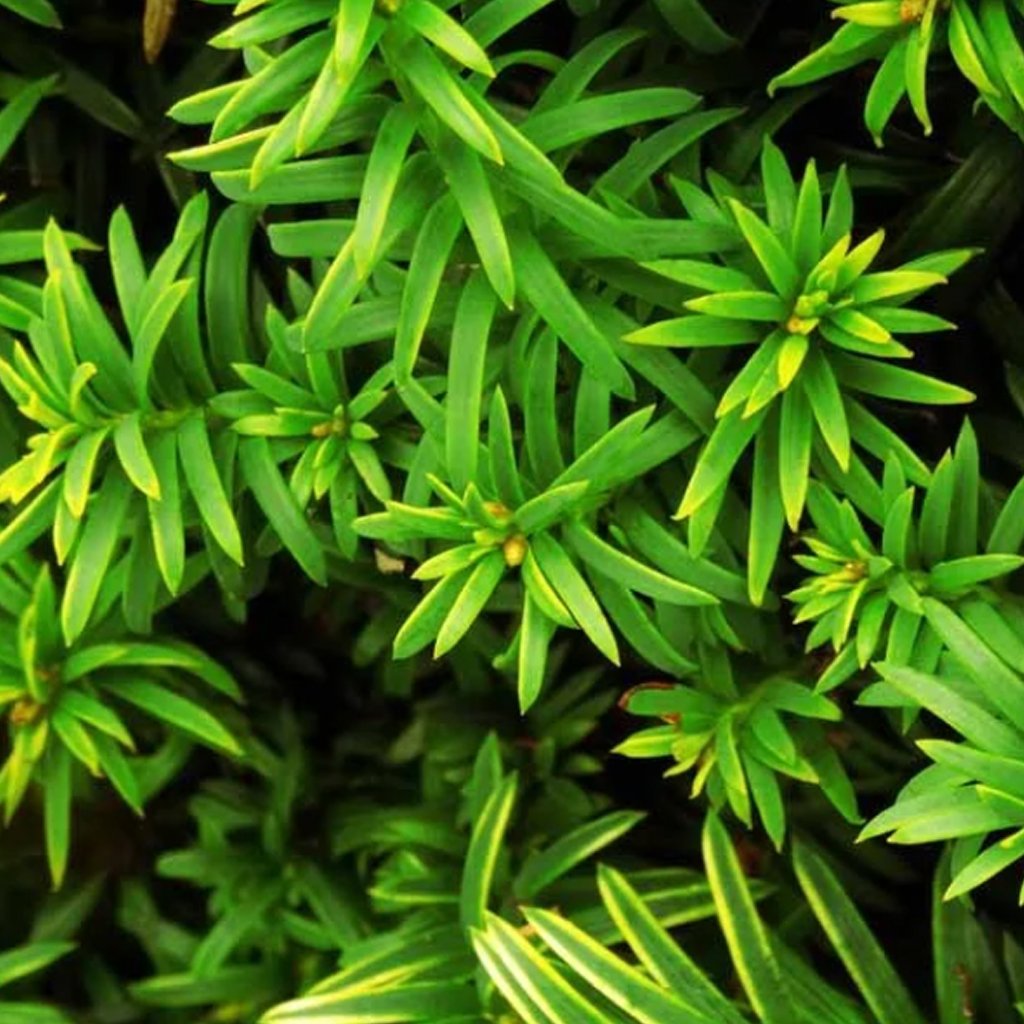
English Yew provides dense, dark evergreen foliage and can be maintained as a formal clipped hedge. It requires suitable drainage and is highly toxic if eaten.
Portuguese Laurel
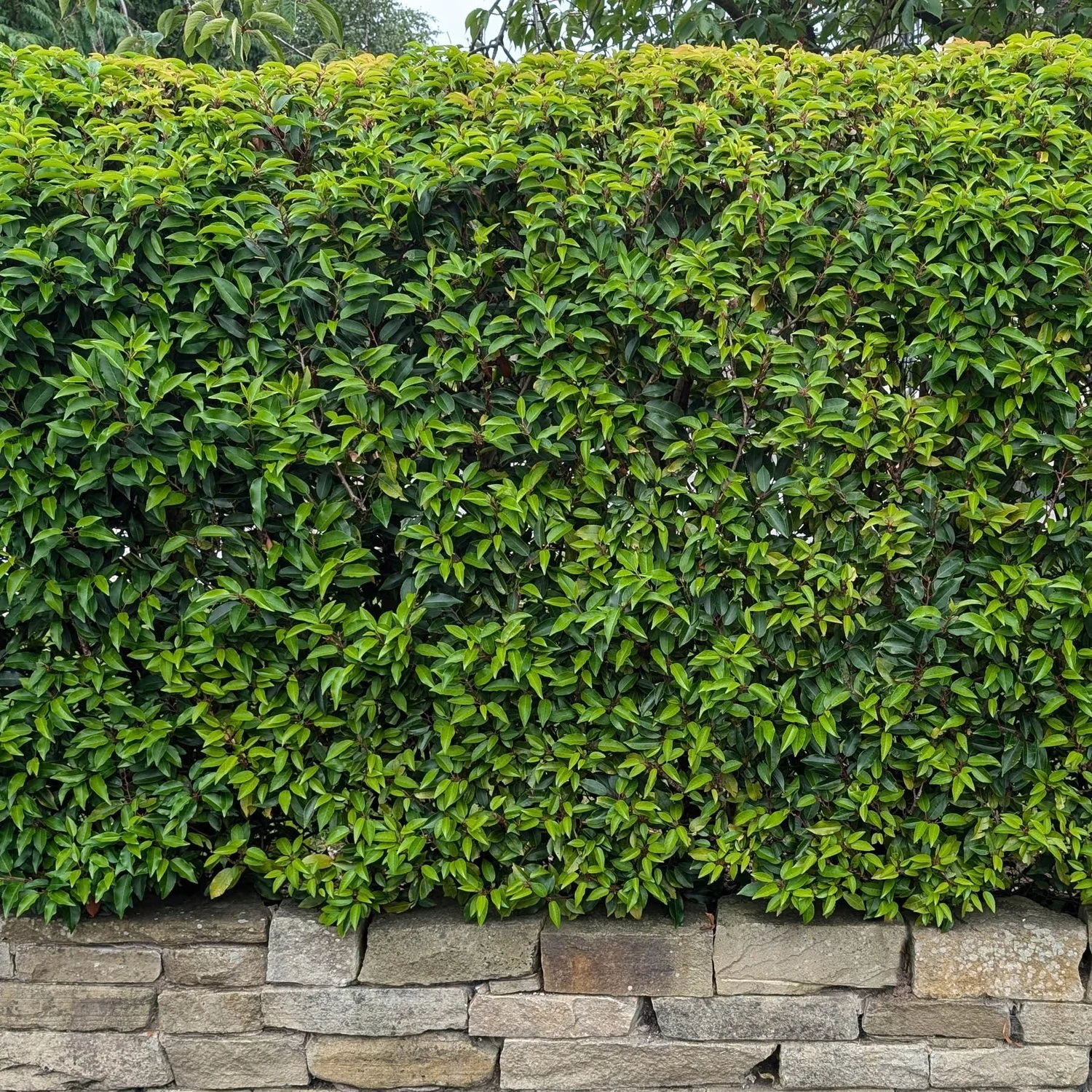
Portuguese Laurel offers glossy evergreen foliage and reddish stems, creating an attractive formal boundary in suitable sheltered gardens.
Beech
Beech provides traditional clipped hedging with seasonal colour and possible winter retention of copper-brown leaves.
Hornbeam
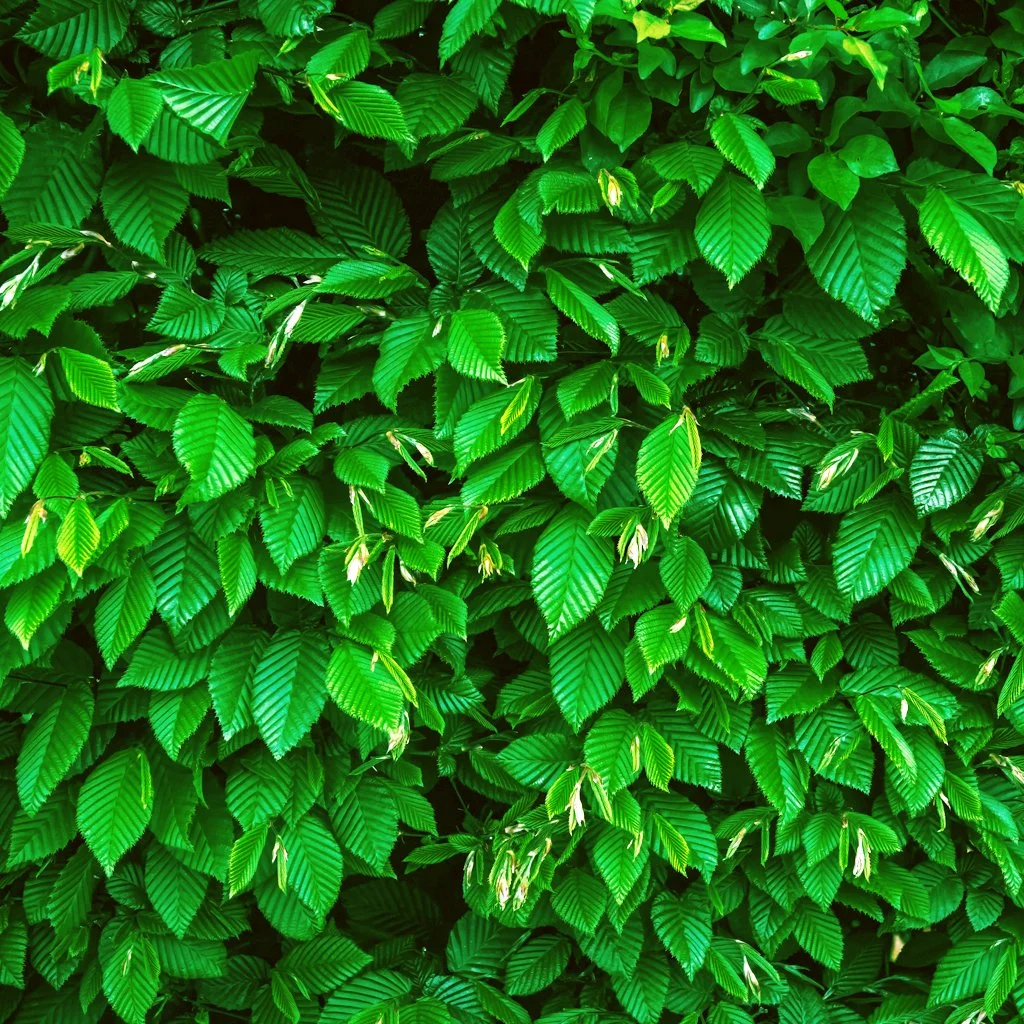
Hornbeam offers a traditional deciduous hedge and tolerates many heavier soils where drainage remains adequate.
Internal Garden Structure
Lower hedges can divide lawns, garden rooms, paths and ornamental planting areas. They can also create a consistent backdrop for specimen plants.
Allow for Long-Term Maintenance
A formal hedge should have sufficient space for its maintained width and for access to trim both sides. Consider this before planting alongside fences, retaining walls or narrow garden paths.
Hedging for Wind-Exposed Positions in Heswall
Some elevated gardens and properties overlooking the Dee Estuary may experience stronger winds than sheltered inland sites.
Wind exposure can increase moisture loss and affect newly planted hedging, particularly larger specimens.
Living Windbreaks
A suitable hedge can filter wind and help improve shelter within a garden. Its effectiveness depends on the planting arrangement, height and density.
Choosing the Right Species
Species selection should consider the actual wind exposure, soil moisture, drainage and available planting space.
Establishment Support
Larger plants may need appropriate support during establishment, depending on the planting specification.
Coastal Influence
Where salt-laden winds reach the garden, specialist coastal-tolerant hedging may be more appropriate than traditional formal species. Potential options for suitable sites include Griselinia and Elaeagnus.
Exposure Varies by Property
Not every elevated Heswall garden experiences the same conditions. Existing buildings, trees and boundaries can provide significant shelter.
Choosing Hedging for Heswall's Variable Ground Conditions
Soil conditions vary between properties. Some gardens contain heavier moisture-retentive ground, while others have freer-draining or disturbed soils.
Drainage
Investigate persistent waterlogging before selecting species that require well-drained soil.
Sloping Ground
Check how water moves through the planting area and whether soil erosion or uneven moisture could affect establishment.
Existing Tree Roots
Mature trees may compete with new hedging for moisture and nutrients. Avoid unnecessary damage to important roots.
Compacted Ground
Previous construction, garden renovation or vehicle access may leave compacted soil that restricts rooting.
Popular Hedging Plants for Heswall Gardens
These six species provide options for formal evergreen hedging, residential screening, traditional boundaries and wildlife-friendly planting.
Suitability depends on the individual garden, particularly where slopes, exposure or drainage present additional challenges.
English Yew
Dense evergreen hedging for formal boundaries and privacy where soil conditions are suitable. Highly toxic if eaten.
Portuguese Laurel
Evergreen hedging with glossy foliage and reddish stems for suitable sheltered residential gardens. Toxic if eaten.
Hornbeam
Traditional deciduous hedging that tolerates many heavier soils where drainage remains adequate.
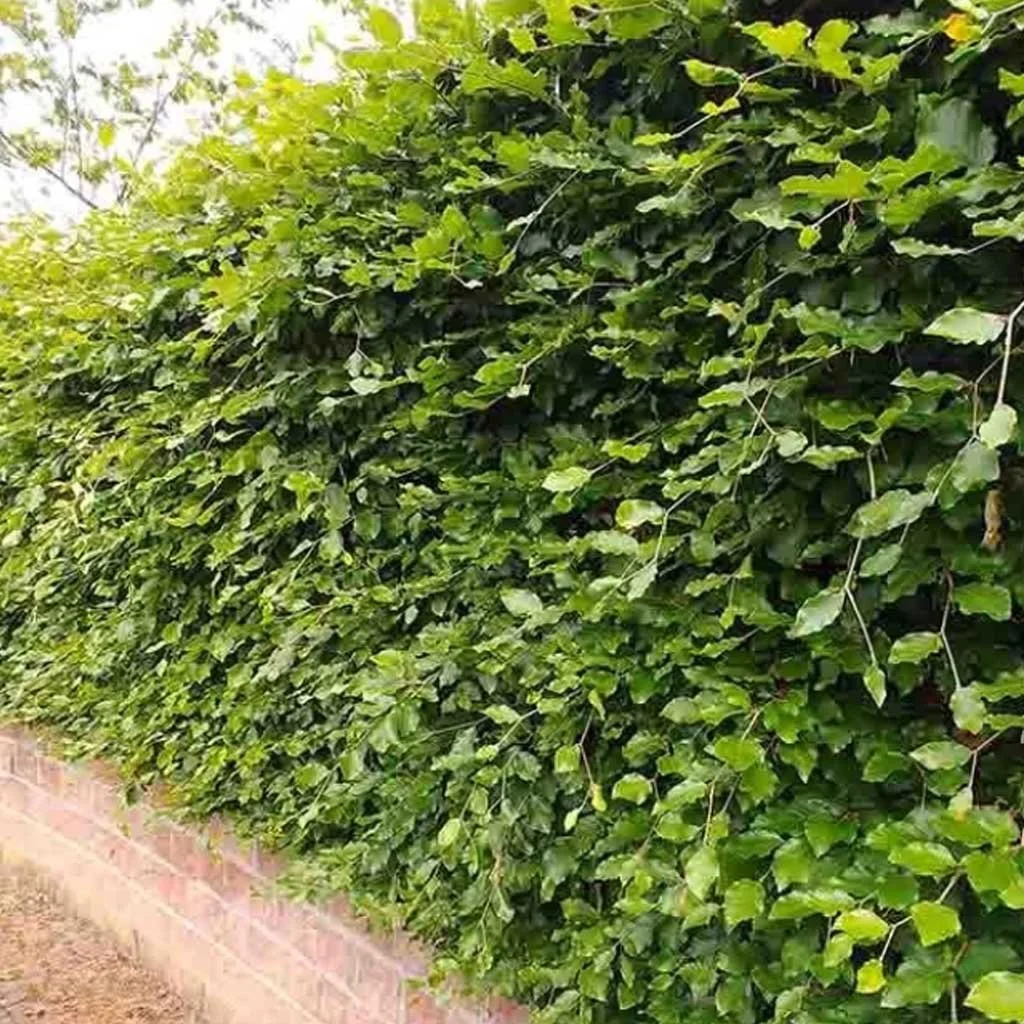
Green Beech
Classic clipped deciduous hedging with seasonal colour and possible winter leaf retention. Prefers suitable drainage.
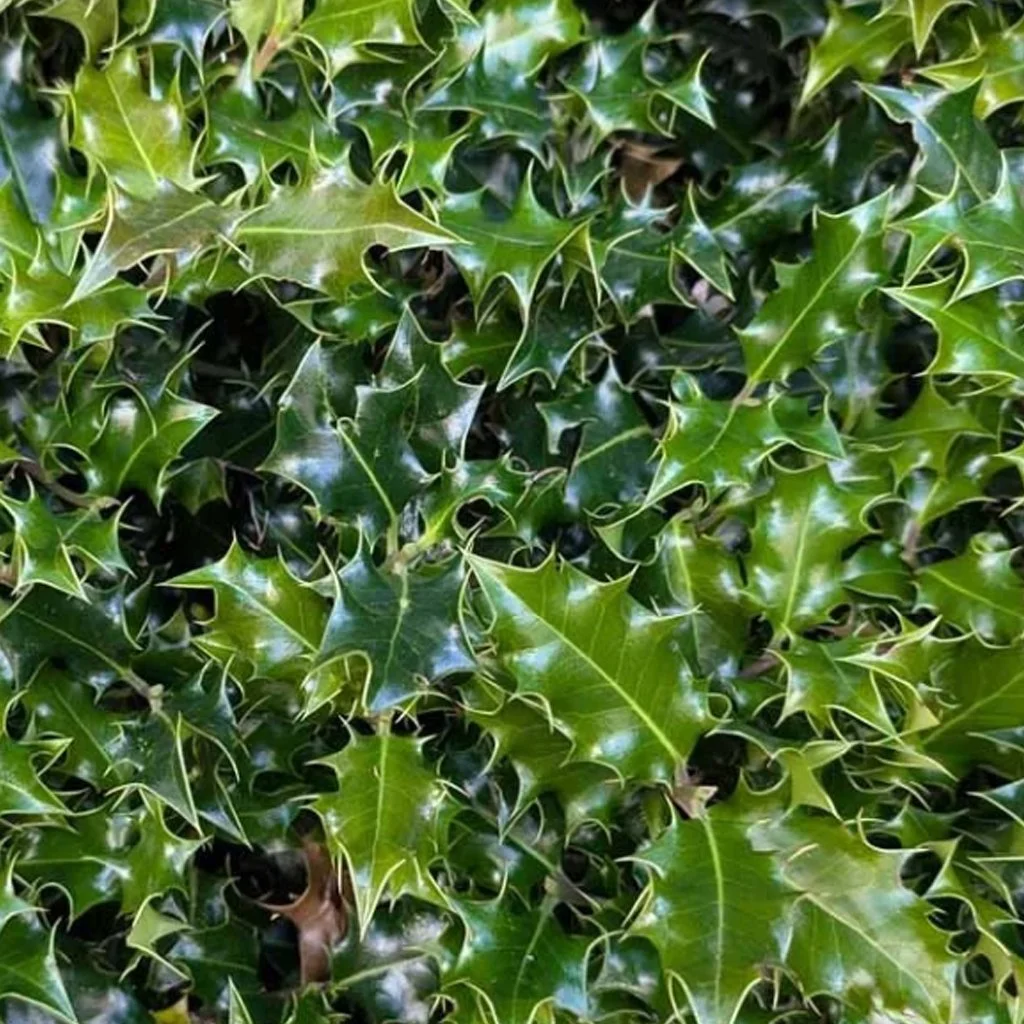
English Holly
Native evergreen hedging with often-spiny foliage, year-round structure and wildlife value. Tolerates some shade.
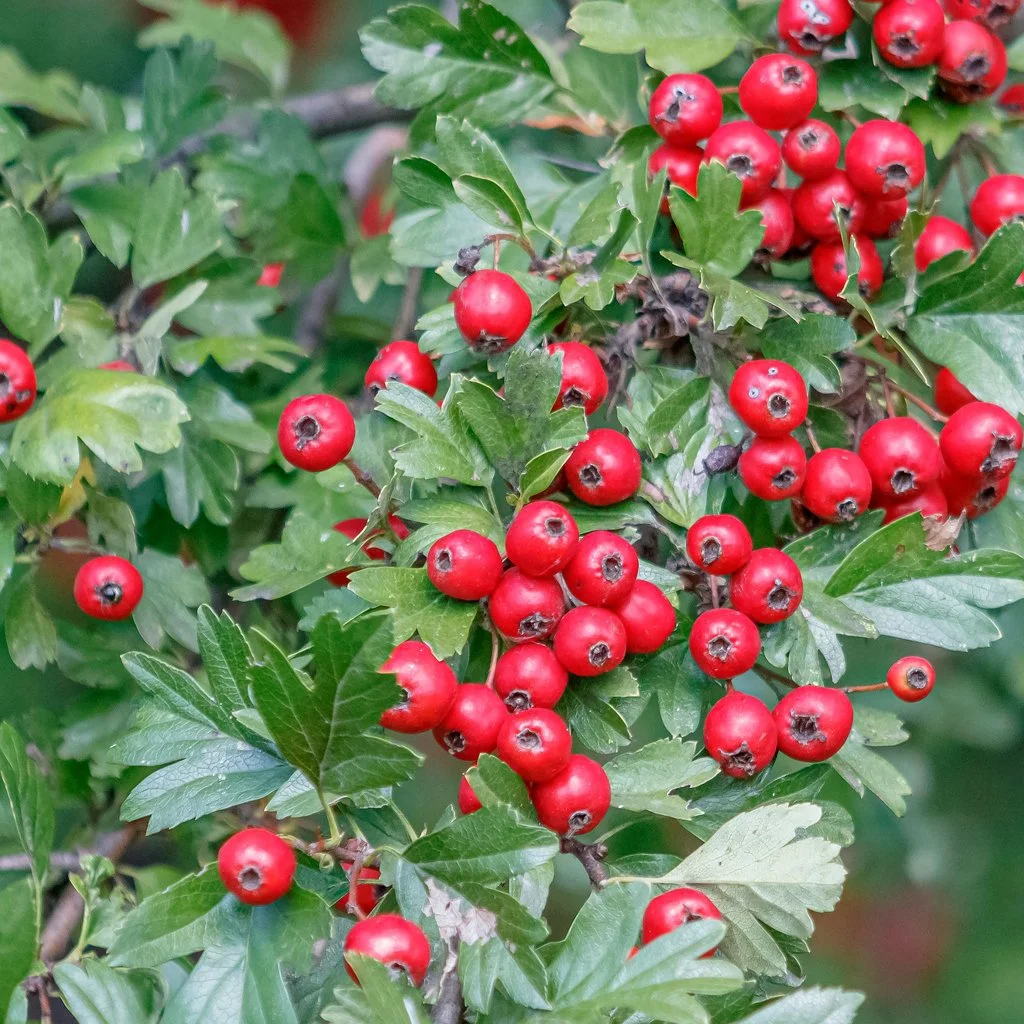
Hawthorn
Native deciduous hedging with spring blossom, autumn berries and thorny growth, providing wildlife habitat.
Plant sizes, stock types and availability vary by species and season. Not every featured species is suitable for the most exposed estuary-facing positions.
Replacing & Renovating Existing Hedges in Heswall
Established gardens may contain hedges that have become overgrown, uneven or unsuitable for the available space.
Assessing the Existing Hedge
Before removal, consider whether appropriate pruning or renovation could restore the hedge.
Investigating Previous Problems
Poor drainage, drought, root competition, disease or inappropriate maintenance can contribute to decline.
Preparing the Ground
Check soil conditions, remaining roots and available rooting space before installing replacement plants.
Wildlife Considerations
Check for active nesting birds and any relevant legal restrictions before major hedge works.
Native Hedging for Rural & Semi-Rural Heswall Boundaries
Native hedging can provide natural boundaries and wildlife habitat in suitable rural or semi-rural locations.
Hawthorn
Hawthorn offers spring blossom, autumn berries and traditional thorny hedgerow structure.
Mixed Native Hedgerows
Suitable mixtures may include Hawthorn, Hazel, Field Maple and Blackthorn, depending on the site.
Blackthorn can spread through suckering and may not suit confined residential gardens.
Wildlife Benefits
Native hedges can provide nesting habitat, shelter and seasonal food sources.
Protected Hedgerows
Some countryside hedgerows are legally protected. Check applicable requirements before removal or substantial alteration.
Livestock Safety
Where animals can reach the hedge, check species toxicity. English Yew is highly toxic if eaten.
Bare-Root, Rootballed & Container-Grown Hedging
Bare-Root Hedging
Generally available during the dormant season and often economical for longer boundaries.
Rootballed Hedging
Available in selected species and sizes, generally from mid-October to late April, weather permitting.
Container-Grown Hedging
Offers greater flexibility in planting dates, subject to suitable conditions and aftercare.
Larger Hedging Plants
May provide earlier screening but require appropriate handling, access and establishment.
How Many Hedging Plants Will I Need?
Plant quantities depend on hedge length, species, supplied size and recommended spacing.
Some rootballed hedging specifications use approximately three plants per linear metre.
For example, an 18-metre boundary planted at three plants per metre would require approximately 54 plants.
Bare-root spacing varies according to supplied height and whether a single or staggered row is used.
How Much Does Hedge Supply & Planting Cost in Heswall?
The cost of a new hedge depends on species, supplied height, quantity, ground conditions and installation requirements.
Species & Plant Size
Different species, heights and stock types have different nursery and handling costs.
Hedge Length
Boundary length and recommended planting density determine plant quantities.
Ground Preparation
Drainage, compaction, existing roots and soil improvement can affect installation.
Access & Handling
Steep slopes, steps, restricted access and larger plants may increase labour needs.
Sloping Sites
Significant level changes may require adapted planting methods and additional handling.
Established Gardens
Existing trees, structures and planted borders may influence access and excavation.
Site-Specific Quotations
A quotation based on actual site conditions is more reliable than assuming a fixed installation price per linear metre.
Aftercare for Newly Planted Hedging in Heswall
Watering
Monitor moisture within the root zone throughout establishment, especially during dry or windy weather.
Sloping Ground
Check that irrigation reaches the roots rather than running away across the surface.
Mulching
Suitable mulch can conserve moisture and reduce weed competition. Keep mulch clear of stems.
Weed Control
Maintain a reasonably weed-free planting strip to reduce competition for moisture and nutrients.
Windrock
Check larger newly planted hedging for movement after strong winds, especially on exposed sites.
Drainage
Investigate persistent waterlogging and ensure the selected species is suitable for the site.
Formative Pruning
Appropriate early pruning can encourage dense growth. Timing depends on species.
Establishment Matters
Even larger rootballed hedging requires careful watering and monitoring while roots establish.
Professional Hedge Supply & Planting in Heswall
Landscaping Emporium works alongside Kirman Design to offer professional hedge supply and planting for suitable projects in Heswall.
Depending on the agreed specification, services may include plant selection, quantity calculations, delivery, ground preparation, setting out, planting, irrigation and aftercare advice.
For elevated or sloping properties, additional consideration may be needed for access, water movement, soil stability and plant handling.
Request a Planting Quotation
Please provide your postcode, approximate hedge length, preferred supplied height, photographs of the planting area and details of access.
For sloping sites, include photographs showing the change in level and any steps or retaining walls.
Learn more about our professional hedge supply and planting service .
Hedging Supply & Planting in Heswall & Nearby Areas
We welcome hedging supply and planting enquiries throughout Heswall and neighbouring communities.
Heswall
Formal hedging, residential privacy and established gardens.
Lower Heswall
Elevated boundaries, sloping gardens and exposure considerations.
Gayton
Traditional residential gardens and evergreen privacy screening.
Pensby
Residential boundaries, replacement hedging and practical screening.
Thingwall
Garden privacy, evergreen planting and boundary hedging.
Irby
Established gardens, native hedging and residential screening.
Professional planting availability depends on project scope, location and site access.
Heswall Hedging FAQs
Which hedging plants are suitable for Heswall?
Suitability depends on soil, drainage, exposure, light and the intended purpose of the hedge.
Which hedge is best for a formal garden?
English Yew, Portuguese Laurel, Beech and Hornbeam may be suitable where conditions permit.
Which hedge provides year-round privacy?
Evergreen species such as English Yew and Portuguese Laurel can provide screening in suitable locations.
Can I plant a hedge on a slope?
Yes, but planting methods should account for water movement, soil stability and access.
How do you maintain a level hedge on sloping ground?
The hedge may be trimmed to follow the slope or to a visually level top, depending on the design and site.
Can hedging provide privacy without blocking views?
Carefully positioned and maintained hedging can provide targeted screening while retaining selected views.
Which hedges tolerate exposed positions?
The choice depends on wind, salt exposure, soil and available shelter. A site assessment is advisable.
Can a hedge reduce wind exposure?
A suitable living windbreak can filter wind and improve garden shelter.
Which hedges tolerate heavier soil?
Hornbeam tolerates many heavier soils where drainage remains adequate.
Can I replace an existing hedge?
Yes. Assess the existing hedge, soil conditions and relevant wildlife restrictions first.
Which hedges support wildlife?
Hawthorn, Holly and suitable mixed native hedging can provide wildlife habitat.
When is bare-root hedging available?
Generally during the dormant season, subject to weather and stock availability.
When is rootballed hedging available?
Generally from mid-October to late April, weather permitting.
How much does hedge planting cost in Heswall?
Costs depend on species, size, quantity, ground preparation, access and installation.
Do you offer professional hedge planting in Heswall?
We welcome enquiries for suitable projects, subject to location, scope and site access.
Find the Right Hedging Plants for Your Heswall Garden
Heswall forms part of our wider Wirral hedging supply and planting coverage.
Visit our Wirral Hedging Guide for regional advice on formal gardens, coastal exposure and residential boundaries.
For wider regional coverage, explore our Merseyside Hedging Guide .
You can also explore our Liverpool Hedging Guide for urban and suburban privacy hedging, or our Formby Hedging Guide for sandy soils and established gardens.
Browse our hedging plant collection, use the Hedge Selector or enquire about professional hedge planting .
Planning a New Hedge in Heswall?
Whether you need formal evergreen hedging, privacy around an elevated terrace, a replacement garden boundary or planting for a sloping site, Landscaping Emporium can help you explore suitable options.
Telephone: 01942 604976
Email: hello@landscapingemporium.co.uk
Selected by designers. Installed by professionals.